
36 Weeks Pregnant With Twins: Symptoms, Baby Development & Care
Learn what to expect at 36 weeks pregnant with twins, including baby weight, symptoms, development and signs of labour.





Medically Reviewed By
Dr. Deepinder Kaur
(Gynaecologist)


This content has been reviewed by a qualified expert and follows the FirstCry Parenting editorial policy to ensure accuracy and reliability.
Key Takeaways
- At 36 weeks of pregnancy, you have entered your 9th month, which is the third trimester of your pregnancy.
- At 36 weeks, your babies may weigh about 2.6 to 2.8 kg each and measure roughly 17.5 to 19 inches each.
- The bionic hearing of your twins will sharpen during these last few weeks.
- Babies may drop lower into the pelvis this week or sometime later if this is the first pregnancy.
- Due to a larger tummy, sleeping issues will persist. Try sleeping on your left side using a pregnancy pillow to comfort you.
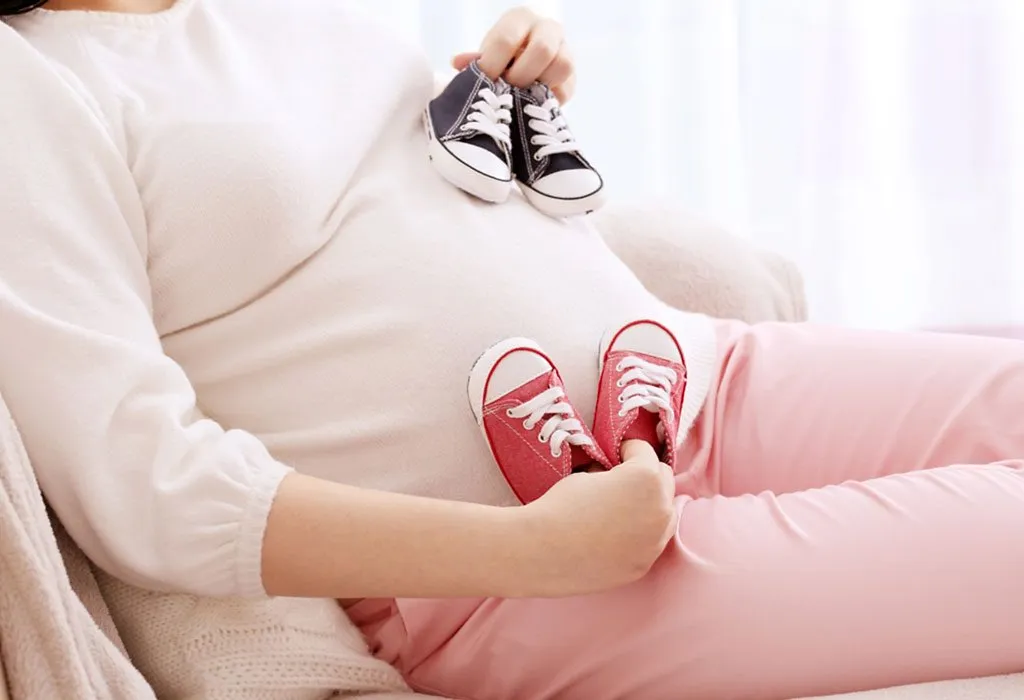
Being 36 weeks pregnant with twins or multiples is exciting as well as a bit uncomfortable, as you are carrying two babies inside your belly! While medically this stage would still be considered in the premature period, most pregnant mothers would find it hilarious since they feel like their babies would emerge any moment now. Your pregnancy has officially entered the 9th month of pregnancy, and in the coming week, your twins will be considered full term and ready for delivery. As per the ACOG, one of the twins may turn into a head-down position for birth (1).
You are nearing the time of labour contractions, and it will help you to know how to time the contractions and what to do when your water breaks. In this article, we will talk about all the changes you and your baby will go through in week 36 of pregnancy.
The Growth of the Babies at 36 Weeks
With the 36th week of pregnancy upon you, your little ones in the womb have had more than enough time to grow to a stage that allows their bodies to take care of themselves effectively. This would be clearly visible in the different functions they would be carrying out by now.

One of the crucial processes that help in supporting life outside the womb is breathing. By now, your babies would have fully matured lungs. Therefore, if they do need to be delivered at this point, they wouldn’t require medical assistance for breathing.
The hair on the bodies of the babies usually disappears by this week and combines with the vernix, forming a thick white fluid of sorts (2).
Since the babies are breathing in the amniotic fluid and are able to carry out sucking activities within the womb, some proportion of the hair and the vernix enters their body. This is what combines within and forms the meconium, which is what constitutes the first poop of most newborns.

Your babies have pretty much learnt how to suck properly. Furthermore, their gums have turned out to be firm and rigid, which allows the little ones to latch on to the breasts properly and drink milk in the right manner. As for their teeth, they have all developed properly deep under the gums and will begin to rise in the coming months following their birth.

Most of the crucial processes such as the circulation of blood, the defensive nature of the immune system, the processing of fluids and flushing them out by the kidneys, and the secretion of specific enzymes by the liver, have all reached a good point of optimal functioning. This is why babies that are born in the 36th week of pregnancy are required to be under medical supervision for just a few days before they can be taken home and can start living their lives happily.
Size of the Babies at 36 Weeks
Concerns about the growth of your twins or multiples would not exist anymore by now, mainly because their weights are quite evident to you.
With their head-to-toe length being pretty much around 44-45 centimetres and each child weighing roughly 2.4-2.5 kilograms, you would be more than looking forward to pushing them out of your body as soon as you can!
The information provided above is about most of what your little ones are going through at week 36. Likewise, your body is also going through some changes. Let’s take a look at them.
Common Bodily Changes at 36 Weeks
Since you have completed nearly 9 months of pregnancy with your children, your body has truly seen every possible change all these months. A few of them might arise in this week, pertinent to signalling your delivery.
- Women who are pregnant in their 36th week tend to have a lot of trouble moving around. Especially with twins or multiples, the size is pretty large, which restricts the line of sight when you are climbing stairs or walking on an uneven surface.
- The loosening of the ligaments and the change in the alignment of the joints also affect the balance when walking or standing up from sitting or lying down. Slow and careful movements help maintain balance.
- Another consequence of increasing body size and weight is a variety of aches and pains that make you aware of nearly every part of your body.
- The latter stages of the pregnancy, when your body prepares for delivery, tend to make these pains worse. The main reason behind it is the adjustment of various areas within your pelvis, including the pelvic joint. The secretion of the relaxin hormone plays a vital role in this regard, as it causes the area to relax and expand, facilitating the passage of the baby via the birth canal during delivery. Since the joints are loosened and cannot offer the same strength and support to your weight, a lot of stress is borne by the back and the hip, causing discomfort and pain.

- The 36th week of pregnancy will have most pregnant women worrying immensely about what emerges from their vagina. The body, being extremely careful about keeping the baby safe, might increase the frequency of vaginal discharge in an attempt to disinfect it and keep it at its healthiest when the baby passes through it. While the discharge has usually been milky in colour or even colourless, around this late pregnancy stage, it might get thicker than before, with a slight introduction of colour, which has either a brown or pinkish hue. However, if the discharge seems extremely different from the usual one, it could even indicate that the mucus plug that keeps your passage blocked has detached, which is a strong sign that labour might set in soon.
Symptoms of Twin or Multiple Pregnancy at 36 Weeks
Most of the symptoms that you experience once the final stage of pregnancy sets in will seem stronger this week. It can easily get irritating for you, and patience is key to getting through this. Here are some of the signs of pregnancy when carrying twins or multiples at 36 weeks.
1. Lightening
Lightening is the most expected symptom when you are 36 weeks pregnant with twins. It is the process used to describe the movement of children in the lower section of your uterus, as they prepare for delivery (3). This descent in the lower section of your pelvis allows for additional space in the upper area of the uterus. Once it occurs, various organs present in the chest region, especially your lungs and your diaphragm, can heave a sigh of relief, quite literally. They can now start expanding and contracting just the way they used to, allowing you to breathe deeply and easily without much effort.
2. Stomach Issues
While the descent of babies is making your breathing easier, it would consequently be a nightmare for your digestive system. All the weight and pressure would now be on the stomach and intestines, leading to irritation and increased bouts of constipation, heartburn and indigestion (4).
3. Sleepless Nights
Sleep might also seem like a long-lost friend this week. You could adjust your sleeping position to make it easier on your body. But due to aches and the twins’ positions, you still might encounter trouble falling asleep peacefully (5).
4. False Contractions
You will experience more frequent and painless Braxton Hicks contractions as the body prepares for labour. These are false contractions, which means that when you experience them, you won’t go into labour. These occur to prepare you for real labour.
5. Frequent Urination
Multiple fetuses can put extra pressure on the bladder, leading to increased frequency of urination.
36 Weeks Pregnant With Twins or Multiples – The Belly
Your belly would have achieved the most rounded shape it has ever had by this week. Most women with multiple babies do have this shape, while some extremely rare ones might tend to have a smaller belly than most. However, this is never a cause for worry as long as the babies have achieved all milestones of growth.
36 Weeks Pregnant With Twins or Multiples – The Ultrasound
Any ultrasound scans conducted this week would have one and only one primary focus, which would be to ensure that your babies are ready to be delivered. Their position plays a key role in this regard. Any non-ideal positions would be attempted to be corrected by non-invasive techniques initially. Any pending tests and checkups would be wrapped up too.
36 Weeks Pregnant With Twins or Multiples – The Diet
You’re already at the completion of your pregnancy. However, the dietary focus should continue to be on the essentials, such as folic acid, iron, calcium, zinc and vitamin C, since they can help the babies through any development cycles that might still need completing. Their growth also keeps moving ahead, so a simple diet that also helps keep your own weight under control would be a good choice.
36 Weeks Pregnant With Twins or Multiples – Pregnancy Care Tips
Your pregnancy is almost complete, and you are prepping for delivery. A few tips on that front can make the entire process easier for you.
Dos
- Talk to your doctor if you might be undergoing a natural or caesarean delivery.
- Recheck your essentials bag and let your partner take another trial run.
- Continue gentle exercises and movements and prenatal yoga as per your doctor’s consultation (6).

Don’ts
- Don’t refrain from taking light walks or swimming in a pool.
- Avoid taking off your bra when you sleep if your breasts need support.
36 Weeks Pregnant With Twins or Multiples – Things You Need to Shop for
You would already have bought enough for yourself and the baby. Nonetheless, here’s a quick list to ensure you have everything you and your partner would need immediately after the babies arrive (7).
- Overnight pyjamas and extra clothes for your partner.
- A simple digital stopwatch for your partner.
- Extra Diapers and Tissues; you can never have enough of these.
- Baby clothing, onesies, swaddles, caps, mittens, socks, etc. for twins or multiples.
- Breast pump.
- Sanitary napkins.
- Extra comfy gowns/robes for the expectant mother.
- Nursing bras.
FAQs
1. Is it possible to have a twin pregnancy delivery at 36 weeks?
Yes, it’s possible for a twin pregnancy to be delivered at 36 weeks. However, the ideal gestational age for twins is considered to be around 37 to 38 weeks to ensure that they have fully developed before birth.
2. Do babies have to go to the NICU at 36 weeks?
Babies born at 36 weeks may or may not need to go to the Neonatal Intensive Care Unit (NICU). Generally, babies born at 36 weeks have a lower risk of complications compared to those born earlier, but individual circumstances vary. Some may require a short stay in the NICU for monitoring and support, while others may be able to stay with their parents in the regular nursery. The decision depends on the health of the babies and any specific medical needs they may have.
3. What labour signs should I expect in my 36 weeks of pregnancy?
Regular contractions, back pain, hardening and softening of the abdomen during a contraction, and water breaking are the signs of labour you should expect during your 36th week of pregnancy.
4. Can I expect vaginal birth during 36 weeks of pregnancy?
Yes, you may expect a twin birth vaginally at 36 weeks if the pregnancy is uncomplicated, the first twin is placed head down, and there are no obstetric issues during labour. The vaginal birth of twins at 36 weeks will depend on the babies’ positions, growth, placental arrangement, and other circumstances (8).
For women who are 36 weeks with twins or multiple pregnancies, signs of labour are all they are looking for. You are at 9 months, and your babies are eager to come out and see the world for themselves, too. Have faith and patience through your delivery to make it the best for both of you.
Previous Week: Twin Pregnancy Week 35
Next Week: Twin Pregnancy Week 37
Was This Article Helpful?
Parenting is a huge responsibility, for you as a caregiver, but also for us as a parenting content platform. We understand that and take our responsibility of creating credible content seriously. FirstCry Parenting articles are written and published only after extensive research using factually sound references to deliver quality content that is accurate, validated by experts, and completely reliable. To understand how we go about creating content that is credible, read our editorial policy here.
1. American College of Obstetricians & Gynecologists – How Your Fetus Grows During Pregnancy
2. American Pregnancy Association – 36 Weeks Pregnant
3. American College of Obstetricians & Gynecologists – How to Tell When Labor Begins
4. Office on Women’s Health – Stages of pregnancy
6. American College of Obstetricians & Gynecologists – Multiple Pregnancy
7. Tommy’s – 36 weeks pregnant: baby’s development, common symptoms and pain relief in labour
- Author
- Expert Reviewer


Related Articles
-

31 Weeks Pregnant With Twins: Symptoms, Baby Size, Ultrasound, & Care
-
38 Weeks Pregnant With Twins or Multiples - Symptoms, Baby Size, Care Tips & More
-
7 Weeks Pregnant With Twins: Ultrasound, Symptoms & Belly
-
32 Weeks Pregnant with Twins - Symptoms, Body Changes, and Care Tips
-
23 Weeks Pregnant With Twins - Symptoms, Baby Growth & Ultrasound
-
16 Twin Pregnancy Announcement Ideas to Share Your Double Joy