
Wearing Bra During Pregnancy – What to Wear & What to Avoid
Learn what bra to wear during pregnancy, when to switch to a maternity bra, and how to choose the right fit for comfort and support.





Medically Reviewed By
Dr. Sanjana Sainani
(Gynecologist/Obstetrician)

This health content has been medically reviewed by qualified experts and follows the FirstCry Parenting editorial policy to ensure accuracy and reliability.
Key Takeaways
- Wearing a bra during pregnancy provides support and comfort to the growing breasts during pregnancy.
- Investing in a good bra for pregnancy helps you sail through breast discomfort easily.
- You can start wearing a pregnancy bra or a maternity bra when your breasts feel restricted or uncomfortable.
- Pregnancy bras come in various types, sizes, and features to provide utmost comfort for mothers.
- Maternity bras are available from a range of online platforms, department stores, and speciality lingerie stores.
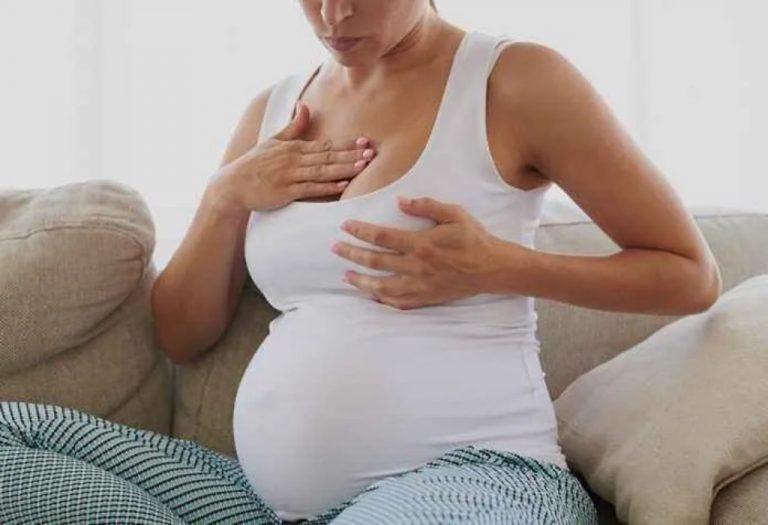
What bra to wear when pregnant is one of THE MOST COMMON questions pregnant women ask their doctors and friends, or they take it to the internet. Heavy and sensitive breasts and unexpected milk leaks make regular underwired bras a no-go, requiring you to invest in good bras that offer comfort and let you sail through daily life breezily. But buying bras during pregnancy is not that easy when you don’t know what to buy or whether it is safe to wear a bra during pregnancy. Read on to learn what kind of bra is best suited for you when you are pregnant. Wearing the right bra during pregnancy will make all the difference!
Is It Safe to Wear a Bra During Pregnancy?
It is completely safe to wear bras during pregnancy. However, you need to wear a different type of bra, which is more comfortable for this crucial time. Pregnancy bras or maternity bras are specially designed to provide comfort and support during pregnancy. Most mothers-to-be select nursing bras instead of maternity bras when they are shopping for maternity wear, as they can be used while breastfeeding the baby, too (1).
But should all mothers-to-be go for nursing bras? Not necessarily. You must go for comfort first. Read on to learn how to choose the right bra to wear during pregnancy.
What Is the Right Time to Buy a New Bra?
Here are the signs that it’s time to buy a new bra during pregnancy:
- Your breasts are spilling out over the bra’s cups.
- You notice marks on your skin from the bra’s band and straps after taking it off.
- The bra feels tight or constricting.
- You have difficulty breathing deeply, indicating that the bra may be too tight around your chest.
- You’re uncomfortable wearing bras with underwires.
Pregnancy affects every woman differently, so the timing and extent of breast growth vary. It’s a good time to consider buying good bras to wear during pregnancy once the initial period of rapid growth stabilises.
Signs That Your Pregnancy Bra Does Not Fit Properly
If your pregnancy bra is not the right size or for the right purpose, it will not fit you properly. As breasts grow during pregnancy, knowing when to change or adjust a bra also matters. Watch out for the following signs to know whether your pregnancy bra is fitting you properly:
- Shoulder straps digging into the skin
- Red marks on the breasts caused by the bra
- Pain under the breasts
- Breast spillage – when the breast tissue is not fully contained properly – from sides or top
- Feeling cramped or breathless when you clasp the bra
Under these conditions, it is suggested you either change or adjust your bra or its size.
Choosing the Right Bra to Wear During Pregnancy
Since the body is growing and changing constantly and rapidly during pregnancy, you may need a new bra sooner than you would think. But a common question is: What bra to wear when pregnant? You should keep measuring yourself as your pregnancy progresses. It is important to remember that your size may increase up to three cup sizes, and measuring frequently can help you buy one that fits well.
Mentioned below are a few important things to remember while choosing the right bras for pregnant ladies (2):
- Good Fitting: The bra you choose during pregnancy should fit well. It should neither be very tight nor very loose and should provide good support to your breasts. You should check for any marks on your skin after wearing the bra for a little while. Ideally, a bra that fits well will not leave unusual marks.
- Adjustable Straps: It should have straps which can be adjusted to ensure proper comfort and support for changing breast size.
- Hook in the Correct Position: The hook of the bra needs to be in the correct position. It should not be towards the upper back, as it may be difficult to hook and unhook.
- Avoid Wired Bras: The bra should provide proper coverage since breasts are swollen and sensitive during pregnancy. They should not be hardwired or underwired. Australian Breastfeeding Association suggests that wearing an underwired bra during this time does not cause any health problems for you or the baby, but the wire may hurt your already-sensitive breasts and may lead to inflammation and increase your risk of mastitis (3). Many women go on and opt for non-wired bras by the 2nd trimester.
- Right Fabric: You should make sure that the bra is made of a light, breathable fabric (preferably cotton). Fabrics such as synthetics and lace should be completely avoided because they tend to cling to the skin.
- Stretchable Bras: You should try to wear bras made from stretchable fabric which will be able to accommodate your growing breasts.
- Larger Cup Size: From the 2nd trimester, the pregnancy hormones make the breasts swell rapidly. At this time, you will need bras with larger cup sizes to give you both support and comfort.
- Wider Straps: During pregnancy, you should wear bras with wider straps as they are more stable and will ensure that the strap does not dig into your skin.
- Support Bras: Light bras are advisable during this phase as they provide support and keep the breasts firm.
So these are the best bras to wear during pregnancy. As per experts, it is not advisable to skip wearing a bra during pregnancy because the breasts will sag after the baby is delivered. Therefore, the bra chosen should be comfortable. If it is not, then it is probably not the right one.
You are probably thinking, if it is just for support, why not wear regular bras? Let’s find out how maternity bras are different from regular bras.
How Maternity Bras Differ From Regular Bras?
Maternity bras are designed specifically for the unique needs of pregnant and nursing women. As the body changes during pregnancy, these bras offer features that provide extra comfort and flexibility. Here’s how maternity bras differ from regular bras:
1. Normal Bras

Normal bras come in various styles and different comfort levels. A normal bra is designed for breasts that are comparatively less heavy and less sensitive. The fabrics used for normal bras tend to be more for fashion’s sake which might not be very comfortable. This is why a normal bra will not work very well during pregnancy.
2. Maternity Bras

The design and fabric used to make maternity bras are chosen for superior support, extensive coverage, and added comfort for day-long usage, keeping in mind the bloated and sensitive nature of the breasts (4).
Here’s a quick overview of the distinction:
| Features | Pregnancy Bra | Regular Bra |
| Adjustability | Hook-and-eye closure and stretchable soft elastic bands | Standard adjustment option; less adjustable |
| Comfort | Highly comfortable with wireless options | Standard comfort; mostly wired options |
| Fabric | Mostly made with skin-comfy fabric like cotton | Multiple fabrics from cotton to polyester to lycra |
| Padded | Comes in both padded and non-padded | Comes in both padded and non-padded |
| Leakproof | Leakproof cups that keep clothes dry from unexpected milk leaks | No leakproof cups |
| Comfort | Specially designed to provide comfort to sensitive breasts | Standard comfort |
| Nursing | Ease of access for nursing with nursing clips | No nursing clips |
During pregnancy, you will experience a swift increase in the growth of your breast, which stabilises by the 3rd trimester. For some women, the breast size increases up to 3 cup sizes. Hence, it is recommended that you should start trying on your first maternity bra immediately after your normal bra starts to feel uneasy. Consider investing in a seamless bra for added comfort.
What Types of Bras to Wear During Pregnancy and Breastfeeding?
Experts at the NCT specifically recommend wearing a well-fitted, supportive bra during this time. Below is a breakdown of the bra styles worth knowing about, and what each one is actually meant to solve (5).
1. Pregnancy Bras
By the second trimester, your breasts typically get larger and heavier, which is usually when a more supportive bra becomes necessary, and by the third trimester you may need to size up again, or you can add an extender. Look for wider straps and soft, breathable fabric that won’t dig in as your size fluctuates.
2. Nursing Bras
A nursing bra’s main job is to let you feed without having to undress completely. A poor fit here isn’t just uncomfortable — it can contribute to blocked ducts or mastitis, so getting the band and cup size right matters more than the style itself.
3. Front Open Bras
For moms who find clip-down cups fiddly, a front-opening bra is often the simpler option. These bras have snap buttons across the front, so you can open it fully with one hand while holding the baby with the other.
4. Underwire and Wireless Bras/Soft-cup Bras
This is where fit really matters. A soft-cup bra is generally preferred over an underwire one during nursing, because the wire can press on the tissue at the base of the breast and cause the same problems a too-tight bra would. If you do go underwire, the wire should sit around the breast tissue, never across it.
5. Sleep Nursing Bras
A soft, lighter sleep bra can still offer a little support overnight without the hardware that might dig in while you’re lying down.
6. Pump Bras
These are built to hold a breast pump’s flanges in place against your chest, freeing up both hands. If you pump regularly (especially at work), one of these can be the difference between pumping being a two-handed chore and something you can do while typing an email.
7. Sports Nursing Bras
Sports nursing bras are built for movement, but if they’re too tight, the compression can actually interfere with milk flow, cause discomfort, or contribute to plugged ducts. Look for stretchy fabric that moves with your body and still gives you nursing access without having to remove the bra mid-workout.
8. Maternity Bralettes
These are soft, unstructured, and usually made of stretch fabric with no real shaping or underwire. They’re not built for heavy-duty support, but for lounging around the house or layering under loose clothing.
9. Breastfeeding Bras With Leakproof Cups
Leaking is common in the lead-up to delivery and throughout breastfeeding, and breast pads worn inside a bra are a standard way to manage it. A bra with a built-in leakproof layer does the same job without the bulk or shifting of inserted pads.
How to Measure Maternity and Nursing Bra Size?
Wearing a bra in pregnancy doesn’t have to be that uncomfortable. Getting the right size for a maternity or nursing bra is essential for comfort and support during pregnancy and breastfeeding. While standard bra fitting principles still apply, some additional considerations ensure your bra adapts to your changing body. Here’s how to measure for a maternity or nursing bra:
1. Measure Your Band Size
To measure your band size, use a soft measuring tape and wrap it snugly around your ribcage, just below your breasts. Make sure it’s level around your back and across your chest. Note the measurement in inches and round to the nearest even number. This is your band size.
2. Measure Your Bust Size
Wrap the measuring tape around the fullest part of your breasts, typically across your nipples. Keep it straight and level without compressing your breasts. Note the measurement in inches.
3. Calculate Your Cup Size
To find your cup size, subtract your band size (from step 1) from your bust size (from step 2). The difference in inches determines your cup size:
- 1 inch = A cup
- 2 inches = B cup
- 3 inches = C cup
- 4 inches = D cup
- 5 inches = DD or E cup
And so on
For example:
- Band size: 38 inches
- Bust size: 41 inches
To get your cup size, subtract the band size from the bust size: 41 minus 38 equals 3 inches, indicating a C cup.
Thus, your bra size would be 38C.
4. Consider Flexibility and Adjustability
Since your body will change during pregnancy and nursing, choose bras with adjustable bands and straps. This allows for a better fit as your ribcage expands and your breasts grow. Look for bras with multiple hook-and-eye closures to increase or decrease the band size as needed.
Skipping the Bra at Night During Pregnancy
At times, women may not find wearing a bra comfortable during pregnancy. If skipping the bra has been on your mind, you should bear in mind that it is not recommended as your breasts may sag after delivery. However, you can skip wearing the bra during the night if you do not have a tendency to leak during pregnancy.
If you are keen on wearing one, you may find the tips given below useful.
Tips to Wear Bra During Pregnancy
Since the body undergoes huge changes (internally as well as externally) during this phase, you might not be able to keep up with the changes all the time. The right kind of bra will make you feel comfortable and ensure that it does not obstruct the changes happening in the body. Pregnant women may also experience breathlessness, and a tight bra can add to the discomfort. Hence, comfort and support should be given utmost importance while choosing the bra during pregnancy. Here are a few tips to remember:
- Avoid Wearing Bras At Home: While at home, you can try going without a bra, especially during the last trimester of pregnancy. This will make you feel more comfortable.
- Bra Extenders: Pregnancy might cause you to gain weight around the midriff. Hence, you should use bra extenders to extend the length of the bra. This ensures that the midriff area is not compressed.
- Maternity Bras: Once you reach the last trimester, you can start shopping for maternity bras. The maternity bra should fit well, so you should have the measurement done accurately with a measurement tape before buying one. A good maternity bra will have extra fabric layers for extra comfort and support. The top of the bra will be stretchy to accommodate the fluctuations in the size of the breast.
- Band Size: You need to measure the band size with the help of a measuring tape measure around your body to be able to purchase bras that have a well-fitting band.
- Cup size: For the cup size, measure the bust around the fullest part of the bust.
- The Signs of a Well-Fitted Bra: A well-fitted bra will provide complete coverage of the breasts with nothing bulging or spilling out. Do ask the salesperson to measure you before you decide on a size. Also, ask for a trial before buying.
Where Can You Buy Good Pregnancy Bras?
Several baby stores, lingerie showrooms, and online platforms offer a range of pregnancy bras for pregnant women. before you get yourself a pregnancy or maternity bra, make sure you check the following criteria:
- Buy in small batches rather than stocking up early one or two bras in your current size, instead of six in a size you’ll outgrow in a month.
- Check the return and exchange policy before buying, since maternity and nursing bras are one category where sizing genuinely shifts under you.
- Get measured periodically, ideally once each trimester and again a few weeks after delivery.
Platforms like Firstcry offer a convenient option as they carry a wide range of maternity and nursing bra brands and sizes in one place, with size charts, customer reviews, and easy exchanges — which takes some of the guesswork out of buying a bra you haven’t tried on. Local maternity stores and pharmacies with a lingerie section, or a dedicated bra-fitting service if one is available near you, are worth considering.
FAQs
1. Can wearing a bra during pregnancy cause harm to my baby?
Wearing a bra during pregnancy does not harm your baby. The primary purpose of a bra is to support your breasts as they grow and change. However, it’s essential to ensure your bra is comfortable and not too tight, as this can cause discomfort and affect blood circulation. Choose bras that fit well and allow for flexibility as your body changes.
2. Should I avoid wearing underwire bras during pregnancy?
While many pregnant women prefer bras without underwires due to increased comfort, underwire bras are not inherently unsafe during pregnancy. If you opt for an underwire bra, ensure it fits properly without pressing against sensitive breast tissue. Some maternity bras come with flexible underwires designed to accommodate changes in breast size and shape.
3. How many new bras do I need during pregnancy?
When it comes to buying bras during pregnancy, the number of new bras you need during pregnancy depends on your comfort and how much your body changes. Bras for the first trimester will possibly differ from those of the other two trimesters too. As a general guideline, having at least 3-4 maternity bras can be helpful—one to wear, one or two to rotate, and a spare for emergencies. Consider both everyday bras and specialised nursing bras if you plan to breastfeed.
4. When should you start wearing maternity bras or pregnancy bras?
There is no “fixed” timeline to start wearing a pregnancy or maternity bra. You may start one when the current standard bra feels tight, uncomfortable, and restrictive or as you notice an increase in your breast size or the band.
4. Can I sleep in a bra while pregnant?
Sleeping in a bra during pregnancy is a personal choice. Some women find it more comfortable to wear a soft, supportive bra to bed, especially if they experience tenderness or discomfort from their changing breasts. If you choose to sleep in a bra, select a seamless, wireless style to avoid pressure points and promote better sleep quality.
5. What is the best bra to wear while pregnant?
Cotton maternity bras, comfortable padded bras, and wireless bras are some great choices to try during pregnancy.
This was all about bras for pregnant women. Pregnancy is a time when surging hormones and physical changes make everyday tasks challenging for the mother-to-be. Choosing the right pregnancy bra goes a long way in ensuring comfort at this time.
Also Read:
Must Have Maternity Outfits
What Clothes to Wear during Pregnancy
How to Choose Maternity Undergarments?
Things to Consider while Buying Maternity Clothes
Was This Article Helpful?
Parenting is a huge responsibility, for you as a caregiver, but also for us as a parenting content platform. We understand that and take our responsibility of creating credible content seriously. FirstCry Parenting articles are written and published only after extensive research using factually sound references to deliver quality content that is accurate, validated by experts, and completely reliable. To understand how we go about creating content that is credible, read our editorial policy here.
- Author
- Expert Reviewer


Related Articles
-

Manicure & Pedicure While Pregnant - Safety, Risks and Precautions
-
Lower Back Pain in Pregnancy - Causes, Types and Prevention
-
How to Increase Haemoglobin (HB) during Pregnancy?
-

When Can My Partner and Others Feel Baby’s Kick or Move?
-

Estrogen Levels & Role During Pregnancy
-
Crown–Rump Length (CRL): What It Is and Why It Matters in Pregnancy