Rib Pain During Pregnancy – Causes, Remedies & Prevention
Rib Pain During Pregnancy: Causes, Symptoms, When It Starts, and Safe Ways to Relieve Discomfort for Expecting Mothers.





Medically Reviewed By
Dr. Rima Sonpal
(Gynecologist/Obstetrician)

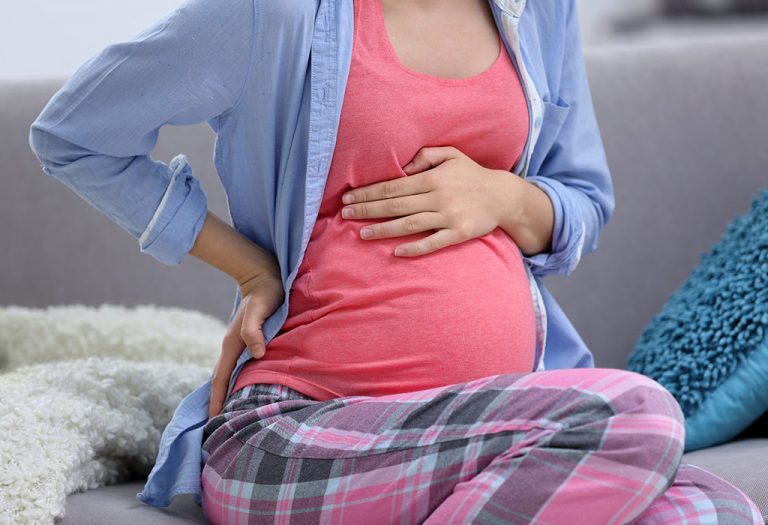
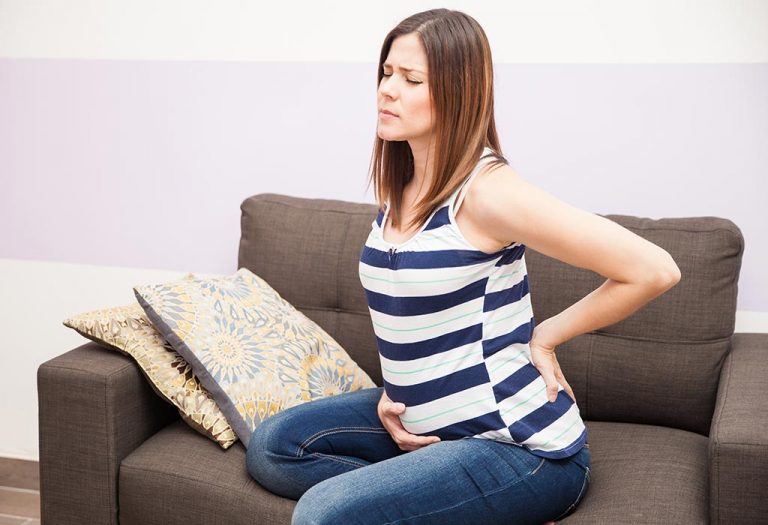
When the baby begins growing during pregnancy, it starts putting pressure on different parts of a woman’s body. Many complain of back, hip and joint pain as the pregnancy progresses. In the second or third trimester, you may start experiencing soreness near the rib cage. Not just baby growing, it could also result from the baby stretching and kicking near the ribs. The good news is that rib pain when pregnant can be relieved with correct posture, stretching, and exercise. The following post talks about rib pain during pregnancy in easy detail, how to manage it, and how not to let it discomfort you until delivery.
When Does Pregnancy Rib Pain Occur?
Most women experience rib pain in the 26th week of pregnancy; some may experience this pain during early pregnancy, too. But if you think ribs hurt in the first trimester, then you are mistaken. The baby is too small in the first trimester to put pressure on the rib. The pain can be experienced in the second and third trimesters as the baby continues to grow. Rib pain on the left side or the right side can happen either way.
Symptoms Accompanying Rib Pain During Pregnancy
The symptoms that may accompany rib pain during pregnancy are:
1. Pain in the Underside of Breasts
The pain originates directly under the breasts, to the side of the baby’s position. The pain will intensify while sitting.
2. Shortness of Breath
You may experience shortness of breath, which can result from the expanding uterus, which puts pressure on the rib cage and the diaphragm. You will find it tougher to breathe normally.
3. Shoulder Ache
You might suffer from aches in the shoulders. This is also a side effect of the pressure on the diaphragm since several nerves connect the shoulders to the diaphragm.
4. Indigestion
There is limited space in your body before it begins to get congested. As the uterus begins to expand against the abdominal organs like the stomach and intestines, you might experience indigestion.
Rib Pain During Each Trimester of Pregnancy
Rib discomfort evolves throughout pregnancy, with distinct causes in each trimester.
1. 1st Trimester
While less common, early rib pain is often linked to hormonal changes, bloating, and constipation, which can cause abdominal distension and referred discomfort under the ribs.
2. 2nd Trimester
As the uterus rises, rib pain typically begins. It is often caused by the expanding uterus putting pressure on the lower ribs and by hormonal changes that loosen rib cage ligaments.
3. 3rd Trimester
This is the most frequent time for significant rib pain, usually due to the baby’s position (especially with breech or transverse lie), their feet pressing upwards, and the fully expanded uterus lifting and splaying the rib cage.
What Causes Rib Pain in Pregnant Women?
An increase in body size can cause rib pain when pregnant. A common concern for many expectant mothers is understanding the specific causes of left side rib pain during pregnancy, which often relates to the baby’s position or digestive changes. Here are other common causes of rib pain during pregnancy (1):
1. Expanding Uterus
The growing uterus is the most common cause of rib pain. As the baby becomes bigger, the muscles on the ribs are forced apart, creating a strain. This can cause mild discomfort to sudden bolts of pain (2).
2. Position of the Baby
As the second trimester comes to an end, the foetus turns upside down so that its head faces towards the vaginal canal and its feet point toward the mother’s ribs. This puts pressure on the ribs. Arm and leg movements, especially kicks and stretches from the baby, might hit your rib once in a while, causing aches and pains in the ribs. You will feel this type of rib pain just under the breast on the side where the baby is.
3. Heartburn
During pregnancy, the hormone relaxin is released to prepare the mommy-to-be for birth. This causes pain around the pelvis and under the ribs (3).
4. Increase in Breast Size
Growing breasts cause agony, tired shoulders and a backache. They also put pressure on the rib muscles.
5. Hormonal Changes
The hormone progesterone, which is essential for uterine contractions, can soften the rib muscles and ligaments, making them prone to soreness. The rise in oestrogen levels can increase the chances of gallstones forming, which can occasionally become big enough to induce pain (4).
6. Stress
Stress can cause pain and aches all over the body. Pregnant women suffer from anxiety and tension that can make them prone to rib pain.
7. Inflammation
During pregnancy, the cartilage attached to your ribs can expand and cause inflammation in that part of the body. This could be another reason for you to feel rib pain during pregnancy.
8. Gallstones
The risk of gallstone diseases during pregnancy increases because of slower emptying of the gallbladder and biliary ducts and higher estrogen levels in the body (5). Many times, gallstones don’t cause any symptoms. But they can cause pain in the upper right abdomen in serious cases. Some women may even require the removal of them with surgery after delivery.
Diagnosis of Rib Pain in Pregnancy
Your doctor will conduct a physical examination and ask questions about your symptoms, due date, etc. She’ll also check your blood pressure. Depending on the stage you’re in, a foetal check-up may be recommended. This can help diagnose the cause of rib pain during pregnancy. If you experience pain in the upper right side of your rib by your liver, it could be a sign of gallstones, kidney infection, preeclampsia, or pancreatitis. Remember to talk about the area of the extreme rib pain you are experiencing with your doctor.
What Can Exacerbate Pregnancy Rib Pain?
Sitting at a desk or car for a long time can put a strain on your rib cage. Doctors recommend moving and stretching every 45 minutes and using an exercise ball at work.
Ways to Prevent Rib Pain While Pregnant
Although body aches cannot be avoided, there are some things you can do to prevent them from becoming unbearable.
1. Exercise Regularly
Staying active with yoga can keep rib pain at bay. According to your BMI (Body Mass Index), maintaining an ideal weight will contribute to a more comfortable pregnancy (6).
2. Eat Healthily
A high-fat diet can lead to the formation of gallstones and cause excess weight gain (7). Try including lean meats, fresh vegetables, fruits, and nuts in your diet to balance your gestational weight and avoid gallstones.

Remedies for Rib Pain During Pregnancy
Here are a few remedies that can provide relief to your ribs hurting during pregnancy:
1. Visit a Chiropractor
A chiropractor has specialist knowledge about the skeletal system. Visiting one regularly will prevent your bones from undue stress during pregnancy.
2. Adjust Your Posture
In the later stage of pregnancy, a drooping spine will worsen the pain in your ribs. Keep your body upright and lean back while sitting and walking to prevent muscular tension in your rib cage. Sleeping towards the painful side can provide temporary relief.
3. Use Exercise Balls
Invest in an exercise ball. Lean against the ball and perform a few rolls. This will stretch your rib muscles and relieve pain. Ensure you do it correctly.

4. Place a Warm/Cold Compress
Placing a warm or cold compress against the sore parts of your abdomen will give you some much-needed comfort. This will gradually ease out the knots in your muscles. Taking a warm shower will also help.
5. Support Your Body
Nothing is as important as supporting your body during pregnancy. There are several supportive products that support your body and keep your baby safe. For example, nursing bras, maternity pillows, and lumbar support products allow you to maintain the right posture. You can also use a pregnancy belt.
6. Wear Loose Clothing
Avoid wearing tight clothing that compresses your breasts. Loose clothing will allow you to breathe more comfortably and avoid pain.
7. Try Massage
Massaging your body is a simple and effective way of getting relief. You can find simple massage techniques online or hire a skilled masseur.
8. Apply Some Warmth
A warm bath has the power to ease many sore muscles and aches of pregnancy. If you think you can’t safely climb out of the bath, then applying warmth to the rib area using a heating pad is a good option.
Exercises for Rib Pain Relief When Pregnant
Gentle exercises can significantly alleviate pregnancy-related rib discomfort by improving posture and mobility.
1. Seated Chest Opener
Sit upright, interlace fingers behind your head. Gently draw elbows back to open the chest and relieve pressure on the rib cage. Hold for 20-30 seconds. This stretch directly counters the forward slump that compresses the ribs. For a deeper stretch, lean back slightly in a sturdy chair. Repeat several times a day to maintain upper back openness.
2. Wall Angels
Stand with your back against a wall. Slowly slide arms up and down the wall in a “snow angel” motion. This strengthens upper back muscles to improve posture and reduce rib strain. Keep your lower back, head, and arms in contact with the wall throughout the movement. Performing 10-15 repetitions daily helps build the muscle memory for a better, more supportive posture.
3. Cat-Cow Stretch
On hands and knees, alternate between arching your back upward (Cat) and dipping it downward (Cow). This movement promotes spinal flexibility and can create space in the rib cage. Coordinate the motion with your breath, exhaling into Cat and inhaling into Cow. Focus on the expansion of the ribcage during the Cow position to specifically ease tightness.
4. Supported Side Stretch
While seated, raise one arm overhead and lean gently to the opposite side. Avoid compressing the belly. This stretches the intercostal muscles along the ribs. Hold for 20-30 seconds on each side, breathing deeply into the stretch. You can perform this in a chair or on the floor, ensuring you feel a gentle pull along the side of your body without any pain.
5. Diaphragmatic Breathing
Sit comfortably, place your hands on your ribs. Inhale deeply through your nose, feeling your ribs expand sideways. Exhale slowly. This encourages full rib cage movement and can ease tension. Practice for 5-10 minutes daily to help relax the diaphragm and intercostal muscles, which often become tight. This technique also promotes relaxation and stress relief.
6. Prenatal Swimming or Water Aerobics
The buoyancy of water supports your weight, relieves pressure on joints and ribs, and allows for gentle, full-body movement that can decrease discomfort. The water’s resistance provides a safe strength workout without impact. Aim for sessions of 20-30 minutes, focusing on smooth movements like walking in water, gentle strokes, or specific prenatal water exercises.
When to Visit a Doctor
In most cases, rib pain is the result of body changes during pregnancy. However, unbearable pain may have an underlying cause, such as:
- Preeclampsia: Right-side rib pain in pregnancy is another indication of preeclampsia. This is a condition that happens during pregnancy. Its symptoms are extreme abdominal pain, excess protein in the urine, high blood pressure, and rib pain (epigastric pain) (8).
- HELLP Syndrome: The symptoms of HELLP include intense rib pain (epigastric pain), nausea, vomiting, dizziness, and headaches. You need to go to a doctor immediately if you experience these symptoms.
- Budd-Chiari Syndrome: This is a rare condition which makes blood clots develop in the veins that lead to the liver, causing liver damage and rib pain (epigastric pain). Although it is extremely rare, pregnancy tends to exacerbate the condition.
- Liver Cancer: There is some evidence that pregnancy can promote liver growth for women who either have liver cancer or are at high risk of liver cancer. The tumour that develops due to this might push the liver upwards, causing pain. Severe pain on the right side of the rib cage may require a doctor’s checkup.
- Excessive Pain: There seems to be no improvement in rib pain with the help of home remedies, and it continues to increase.
FAQs
1. Why does rib pain sometimes worsen at night or when lying down?
This often occurs due to posture and fluid dynamics. Lying flat can increase pressure from the uterus on the diaphragm and rib cage, while also causing subtle fluid redistribution that may increase swelling and discomfort. The lack of daytime distractions can also make you more aware of the pain. Propping yourself up with pillows to sleep in a more reclined position can significantly relieve this nighttime pressure.
2. Is sharp, shooting rib pain different from a constant ache, and what does it indicate?
Yes, the character of the pain offers clues. A constant, dull ache is typically from mechanical pressure and stretching of ligaments. A sharp, shooting or burning pain that follows a band-like pattern could indicate intercostal neuralgia, where a nerve running between the ribs is compressed or irritated. Sudden, stabbing pain with breathing may be from a rib subluxation or severe muscle spasm. Describing the exact quality of pain to your provider helps pinpoint the cause.
Around the 36th week of pregnancy, your baby will drop under the breastbone into the pelvic cavity to get ready for birth. This will provide you with relief from your nagging rib aches. But until that happens, make sure you research and learn as much as you can about this problem so that you can prepare yourself for the risks.
This was all about rib pain and pregnancy. It’s possible to get relief from pregnancy rib pain. Visit your gynaecologist regularly and keep her informed about any uncomfortable developments. Remember, a healthy mother means a healthy baby.
Also Read:
Knee Pain When Pregnant
Stomach Pain in Pregnancy
Joint Pain During Pregnancy
Was This Article Helpful?
Parenting is a huge responsibility, for you as a caregiver, but also for us as a parenting content platform. We understand that and take our responsibility of creating credible content seriously. FirstCry Parenting articles are written and published only after extensive research using factually sound references to deliver quality content that is accurate, validated by experts, and completely reliable. To understand how we go about creating content that is credible, read our editorial policy here.
1. NHS Fife – Rib pain during pregnancy
2. National Library of Medicine – Musculoskeletal pain and symptoms in pregnancy: a descriptive study
3. NHS Royal Berkshire – Rib pain in pregnancy
4. Nebraska Medicine – You asked, we answered: Is rib pain during pregnancy normal?
5. National Library of Medicine – Gallbladder disease in pregnancy
6. National Library of Medicine – Pregnancy And Exercise
8. Tommys.org – 35 weeks pregnant: baby’s development, sore ribs and sleeping on your side
- Author
- Expert Reviewer
 About the Author