

Joint Pain During Pregnancy – Causes, Diagnosis and Treatment
Why joint pain during pregnancy happens and the simple relief tips every mom-to-be should know





Medically Reviewed By
Dr. Sabiha Anjum
(Gynecologist/Obstetrician)

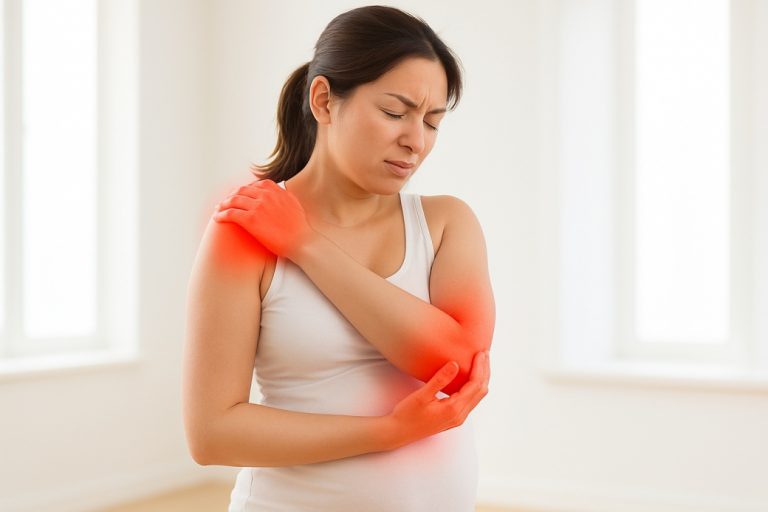
Image Credit : AI Generated Image
In this Article
- What Is Joint Pain?
- When Does Joint Pain Start in Pregnancy?
- Causes of Joint Pain During Pregnancy
- Where Do You Feel the Pain in Joints During Pregnancy?
- Diagnosis
- Treatment for Joint Pain During Pregnancy
- Home Remedies for Pregnancy Joint Pain
- Exercise Tips to Prevent Joint Pain in Each Trimester
- When to Consult a Doctor
- FAQs
View More
During pregnancy, you are bound to experience certain changes in your body, but some of these changes can be unbearable. The physical changes your body will go through can result in increased discomfort, including the common complaint of pregnancy joint pain and muscle pain. Many expectant mothers report aching joints in pregnancy, often wondering specifically why their joints hurt in pregnancy. This widespread discomfort is primarily due to hormonal changes. Combined with the increasing weight of your growing belly, this may put extra pressure on the uterus and pelvis, making it difficult to maintain a correct posture. This postural strain further stresses your joints and can result in intense discomfort, particularly in the lower back, hips, and knees. Here we’ll tell you what is joint pain, its causes, and how it can be treated and managed throughout your pregnancy term.
What Is Joint Pain?
Joint pain is a sore or stiff feeling that you may experience in any of the body’s joints. These body parts include the elbows, knees, fingers, ankles, and hips (1).
When Does Joint Pain Start in Pregnancy?
Joint pain can begin at various stages of pregnancy, but it most commonly starts to become noticeable during the second trimester and often intensifies in the third trimester (2). This timeline corresponds with the significant increase in relaxin hormone, which peaks around the 12th to 14th week to prepare the body for delivery, and the progressive weight gain that places more stress on the joints. However, some women may experience earlier, milder aches due to initial hormonal shifts and postural adjustments.
Causes of Joint Pain During Pregnancy
The reason for joint pain in women may reflect their health. But there are a few common reasons that lead to joint pain in many women (3).
- During pregnancy, the hips, knees, and ankles are usually under pressure and pain due to weight gain. As the increasing weight requires extra support and better weight distribution, you may feel discomfort around these joints.
- Carpal tunnel syndrome, which occurs due to excessive fluid gain, can also put pressure on your wrist, leading to pain in both your wrist and hand.
- Hypothyroidism is a condition in which your thyroid glands do not produce enough thyroid hormone. The condition leads to weight gain and can also cause excessive pain in the joint during pregnancy.
- When you are pregnant, your ovaries release a hormone called relaxin that prepares your pelvic muscles and tendons by stretching and relaxing them. However, it may also loosen ligaments around the joints, putting additional strain on them, causing pain.
- Pregnant women are recommended they sleep on their left side. However, sleeping on one side through the night may make the body stiff and cause joint pains, especially at the hips.
- A medical history of arthritis or a disk problem can lead to constant pain in the joints during pregnancy. The symptoms of the condition may even get worse when you are pregnant.
- The weight of the baby and the uterus can cause something called sacroiliac joint pain, which results in pain in the lower back and may even restrict movement to an extent.
- If you are sitting and working for long hours during pregnancy, you may also be prone to joint pain.
Where Do You Feel the Pain in Joints During Pregnancy?
Joint pain during pregnancy is a widespread experience, primarily driven by hormonal shifts and the body’s physical adaptations to accommodate the growing baby. The discomfort is most frequently concentrated in specific areas that bear the brunt of these changes.
1. The Lower Back and Pelvis
This is one of the most common sites of pregnancy joint pain. The combination of relaxin loosening the sacroiliac and pubic symphysis joints at the pelvis, along with the forward pull of the expanding uterus, places immense strain on the lower back, leading to significant aches (4).
2. The Hips and Groin
As the pelvic joints become more mobile to prepare for childbirth, the surrounding stabilising muscles and ligaments can become overworked. This often results in deep, aching pain in the hips and groin area, which can be particularly noticeable when walking, standing up, or turning in bed (5).
3. The Knees and Ankles
These weight-bearing joints are directly impacted by pregnancy-related weight gain and postural changes, like increased inward curvature of the lower back. The extra pounds and altered gait can cause the knees and ankles to hurt, swell, and feel unstable — which is why knee joint pain during pregnancy often shows up as a normal part of these changes.
4. The Wrists and Hands
Aching joints in pregnancy are not limited to the lower body. Many women experience carpal tunnel syndrome due to fluid retention, which puts pressure on the median nerve in the wrist (6). This can cause pain, numbness, tingling, and a feeling of weakness in the hands and fingers, often explaining why joints hurt during pregnancy in the upper body as well. Some women also notice mild shoulder joint pain in pregnancy, as fluid shifts and posture changes can affect the entire upper body.
Diagnosis
Doctors usually conduct a biochemical blood analysis to check for a lack of any micro-elements and calcium. Deficiency of calcium can also be a reason for joint pain.
Although if you have a history of autoimmune diseases like arthritis, spondylitis, osteoarthritis, etc, your medical history and medication will be checked during your prenatal visit to rule out any complications.

Treatment for Joint Pain During Pregnancy
Acetaminophen, in very small doses, may be given to pregnant women. However, it is absolutely essential that you check with your doctor about its suitability before taking this medicine, as it is linked to liver damage when used excessively.
Home Remedies for Pregnancy Joint Pain
One of the best ways to treat sore joints during pregnancy is to follow simple home remedies. Some of the remedial measures you could try include (7).
- Try Hot and Cold Therapy: You can take a hot shower or place electric heating pads on your joints. You can also use an ice pack wrapped in a towel and place it over your joints.
- Use Splints: You can use splints on your hands and knees to relieve pain.
- Massage: Massaging the problem area can reduce stiffness and facilitate movement. You can also sign up for prenatal massage therapy with a licensed therapist.
- Take Herbal supplements: Certain herbal supplements, like ginger extract, can be used to relieve joint pain. However, you will need to ensure that these do not react with medicines by consulting a doctor and seeking medical advice.
- Eat Foods Rich in Omega-3 Fatty Acids: Food items rich in omega-3 fatty acids, like eggs, can be a great remedy for joint pain.
- Wear Comfortable Footwear: It is important that you wear footwear that provides proper support and stay away from heels to reduce joint pain.
- Try Light Exercises: Exercising regularly can help promote muscle movement and flexibility in joints. However, it is important that you do not push yourself too much, or you might end up straining your joints. Swimming and water aerobics are gentle and can help relieve joint pain.
- Get Some Sleep: Get enough sleep and rest well. A well-rested body can help reduce joint pain.
- Elevate Your Feet: Put your feet up as much as you can to relieve joint pain and improve blood flow.
- Use a Pregnancy Pillow: Use a ‘U’ or ‘C’-shaped pregnancy pillow while sleeping.
Exercise Tips to Prevent Joint Pain in Each Trimester
Staying active during pregnancy is one of the most effective ways to manage and prevent joint pain, but your exercise routine should adapt safely to each stage. Here are trimester-specific tips to support your joints, build strength, and maintain stability as your body changes.
First Trimester
- Focus on low-impact, consistent activities like walking, swimming, or stationary cycling to build endurance and circulation without jarring your loosening joints.
- Start gentle exercises, such as pelvic tilts and Kegels, to strengthen the deep abdominal and pelvic muscles that will stabilise your spine and pelvis as your pregnancy progresses.
- Use light weights or resistance bands to maintain muscle tone in the legs, back, and arms, which helps joints stay supported amid early hormonal changes.
- Listen to your body, avoid overheating, and aim for regular, moderate activity rather than intense workouts to create a sustainable routine.
Second Trimester
- As your belly grows, integrate exercises that improve balance and posture, such as prenatal yoga or tai chi, to counteract the shift in your centre of gravity and reduce strain on your lower back and hips.
- Emphasise exercises for the glutes, upper back, and shoulder muscles to offset increased breast weight and forward pull, which can alleviate pressure on the spine and shoulders.
- Consider wearing a maternity support belt during walks or longer periods of standing to provide external stability for your lower back and abdominal muscles.
- Avoid exercises that involve lying flat on your back (supine position) after 16 weeks, and choose supportive surfaces to reduce impact on your ankles and knees.
Third Trimester
- Continue with gentle activities like water aerobics or prenatal yoga, which support your body weight and provide relief from swelling and pregnancy joint pain in the hips and knees.
- Use slow, controlled squats (while holding onto support) and pelvic circles on a birthing ball to maintain hip mobility and ease pelvic pressure, which can mitigate aching joints during pregnancy.
- Break activity into shorter bouts (e.g., 10-15 minutes, 2-3 times a day) to prevent fatigue and overloading your joints, which is why many find their joints hurting during pregnancy in the final weeks.
- End workouts with gentle stretching for the calves, hips, and lower back, combined with deep breathing, to manage discomfort and promote relaxation in preparation for birth.
When to Consult a Doctor
If your joints are hurting during pregnancy and the home remedies do not help with the pain, you can reach out to your doctor and ask for medication. Communicate with your doctor about any arthritis or other medications that you may be on. You may need to get a different prescription for it, as many drugs are considered unsafe during pregnancy.
FAQs
1. Why does my jaw or sternum ache during pregnancy?
This is an uncommon but recognised issue. The hormone relaxin softens ligaments everywhere, including those in your temporomandibular joint (jaw) and where your ribs connect to your breastbone (sternum). This, combined with potential teeth grinding from stress or sinus congestion, can lead to surprising aches in the jaw, chest, or between the ribs.
2. If I have aching joints in pregnancy, does it mean I’ll have a faster or easier labour?
Not necessarily. While joint laxity is the body’s way of preparing the pelvis for delivery, general aches in your knees, wrists, or back are not reliable indicators of how your labour will progress. Pelvic flexibility is specific, and labour depends on many other factors, like the baby’s position and uterine contractions.
3. Can joint pain suddenly improve right before delivery?
For some women, yes. In the final days or weeks, when the baby “drops” or engages in the pelvis, the centre of gravity shifts slightly. This can relieve some pressure on the upper back, ribs, and diaphragm, potentially easing certain aches. However, it may increase pressure on the pelvic girdle, so other pains might persist or feel different.
Keeping your body healthy by exercising and following a balanced diet can help reduce the intensity of pain to an extent. You can alleviate a large portion of your joint pain with these simple measures.
Also Read:
Hip Pain in Pregnancy
Knee Pain when Pregnant
Stomach Pain while Pregnant
Round Ligament Pain During Pregnancy
Was This Article Helpful?
Parenting is a huge responsibility, for you as a caregiver, but also for us as a parenting content platform. We understand that and take our responsibility of creating credible content seriously. FirstCry Parenting articles are written and published only after extensive research using factually sound references to deliver quality content that is accurate, validated by experts, and completely reliable. To understand how we go about creating content that is credible, read our editorial policy here.
2. National Library of Medicine – Musculoskeletal pain and symptoms in pregnancy: a descriptive study
4. Cedars Sinai – Back Pain During Pregnancy
5. The Women’s Royal Women’s Hospital – Pregnancy-related pelvic Girdle pain
6. UT Southwestern Medical Center – Carpal tunnel syndrome and pregnancy go hand in hand
7. American Pregnancy Association – Treating Joint Pain Naturally During Pregnancy
- Author
- Expert Reviewer
 About the Author