25 Indian Foods to Eat After Delivery
Learn which traditional Indian foods are best for post-delivery recovery, strength, and overall well-being of new mothers.





Medically Reviewed By
Megha Mukhija
(Paediatric Nutritionist)

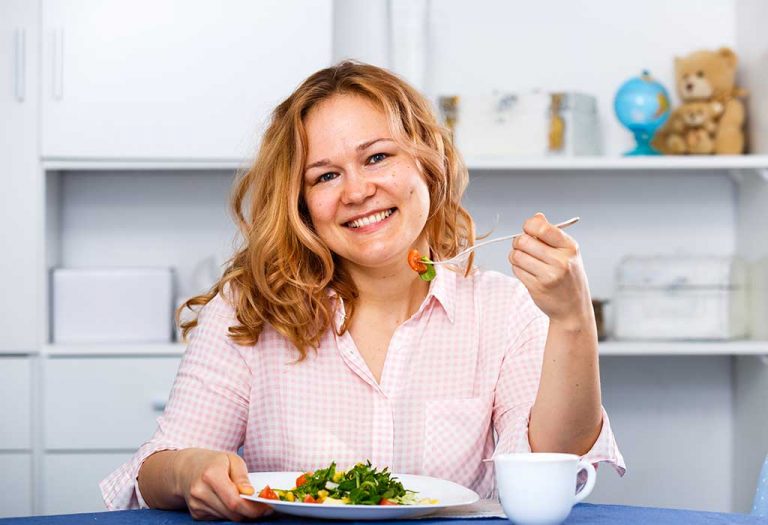
The food after delivery for an Indian mother. needs to be nutrient-dense, hydrating, and easily digestible to support the breastfeeding mother and her health. While many foods are advised during postpartum, several items are considered a No-No, such as greasy, deep-fried foods, cookies, and highly processed foods, as they can make the mother uncomfortable (1). Following an Indian diet after pregnancy comes with its own caveats. It is important to know which food items can be consumed, and should be consumed, primarily, as part of a postnatal diet. In this article, we’ll look at the various Indian foods for new moms after delivery to safely consume during their recovery period and regain strength like before.
Why Is Postpartum Nourishment Important?
With labour and delivery taking their toll on a woman’s body, taking care of yourself is just as important as taking care of your newborn. Here’s why postpartum nourishment is vital.
Also Read: Foods You Must Avoid During Breastfeeding
1. Provides Strength
Weakness is common in the third trimester and even post-delivery. Also, aligning the baby’s schedule and getting less, more erratic sleep makes women more fatigued. Many women are anaemic or have an iron deficiency, which causes them to feel tired and weak and experience frequent headaches. Eating foods rich in iron, such as meat, spinach, legumes, dates, anjeer, etc., makes women feel stronger.
2. Enhances Breast Milk
Healthy fats and nutrients improve the quality of breast milk, whereas unhealthy fats found in fast food, etc., have proven to affect the nourishment that breast milk provides to the baby. Hence, eating healthy keeps your baby healthy.
3. Improve Mood
We already know that postpartum depression is quite common. However, eating healthy provides your body with the right nutrients, making you feel healthier, more energetic, and overall, much happier. This can definitely help prevent or treat postpartum depression.
4. Postpartum Recovery
Food is healing, and during postpartum, specific foods offer specific recovery during the delicate period of postpartum. The Indian diet after delivery consists of various medicinal herbs that help boost the recovery from delivery.
What to Eat After Delivery- 25 Indian Foods for New Moms?
Good food after delivery for Indian mothers is extra important because it helps the body regain shape and indicates a healthier lifestyle. Here are some after delivery indian food for mothers to include in their diet after delivery (2).
1. Moringa Leaves
Moringa leaves are highly recommended for mothers right after delivery. They are known to contain Vitamin A, Vitamin B, and Vitamin C in good quantities, as well as a number of other nutrients and minerals such as calcium, iron, and protein.
How to Include it in Your Diet:
Moringa leaves can be consumed either via the well-known shatavari kalp for up to four months after pregnancy. Fresh moringa leaves can also be used in soups, normal sabzi with potatoes (just like you do in aloo methi), fried vegetables, and so on, to integrate them into your diet.
2. Whole Sprouted Grains
The benefits of sprouts and other sprouted grains have been inculcated in us since childhood. As dry grains usually do not carry as much nutrition as sprouted ones, sprouted grains such as wheat, bajra, jowar, and ragi are considered much healthier than their dried counterparts.
How to Include it in Your Diet:
Sprouted grains can be mixed with some dry grains and ground together to make flour. This flour can then be used in multiple ways, most popular for making porridge.
3. Almonds
Right from adding them to gajar halwa, to consuming them as they are, almonds are a popular dry fruit and healthy snack alternative at all times. Natural almonds are essential in your diet, given the large amount of nutrition and vitamins they contain. Almonds are a great Indian food to eat after delivery.
How to Include it in Your Diet:
Take a bowl of water and soak a few almonds in it. Let them soak through the night, and have them first thing in the morning, as soon as you wake up. Not only does this keep you healthy, but the omega-3 content in them helps develop the baby’s brain functions.
4. Bottle Gourd
The array of benefits of bottle gourd ranges from proper hydration to better milk production for feeding and weight loss post-weaning of the child. Rich in Vitamin C, Vitamin A, sodium, calcium, magnesium, phosphorus, folate, iron, and so many others, bottle gourd consists of nearly 95% of water and is a great hydrating agent.
How to Include it in Your Diet:
Making bottle gourd, the standard fried vegetable for your meals, is the fastest and easiest way to get your fill of it. If you have a sweet tooth, there is no better delicacy and way to consume bottled gourd than the all-popular doodhi halwa. Sprinkle some almonds on it for added nutrition.
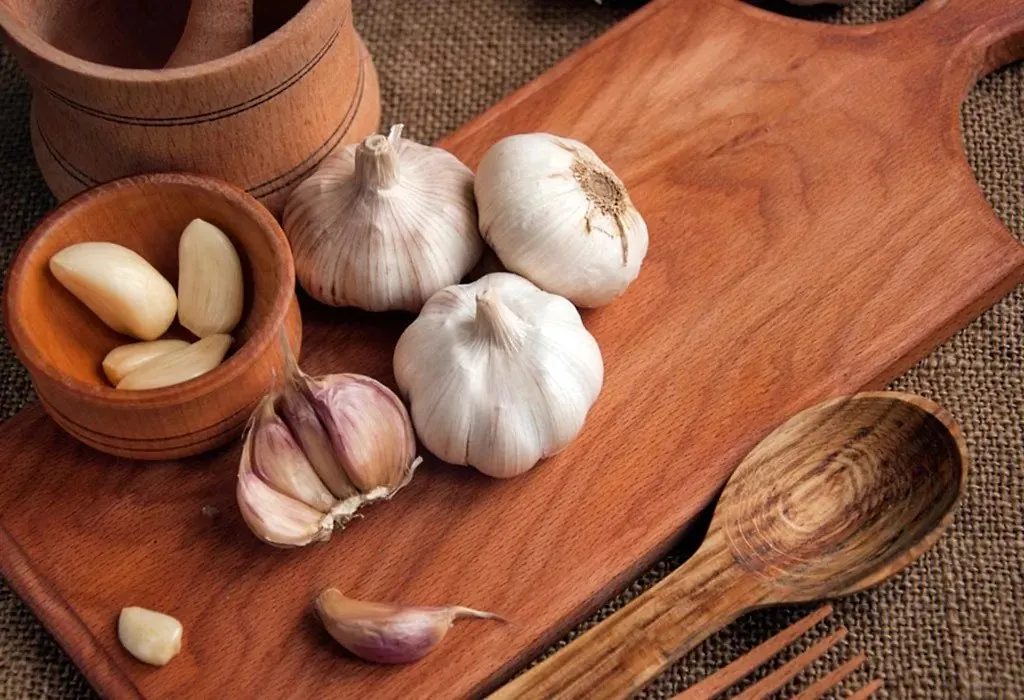
5. Garlic
For all the ire it earns for its smell, garlic has properties that help the immune system. It is known to ward off usual illnesses and is used in various pastes and ayurvedic medicines.
How to Include it in Your Diet:
Adding garlic to vegetable curries, soups, etc., will bring out the taste of the dish, and be a healthy choice, too.
6. Fenugreek Seeds
The leaves and seeds of the fenugreek plant are widely used in multiple ways for food, and as a nutritional supplement. Throughout breastfeeding, for nearly half a year, fenugreek seeds provide quite some help by giving an energy boost to the new mother and helping in milk production.
How to Include it in Your Diet:
Fenugreek sprouts are best taken with your meals and the main vegetable cooked for that meal. Sprouted seeds can also be stir-fried with some onion and garlic and then eaten as a snack. Fenugreek seeds can also be added to panjeeri and laddoo.
7. Cumin Seeds
Cumin seeds are popularly used as a spice. However, their health benefits are endless, as they seem to improve everything, from the digestive system to immune strength and blood circulation. Since cumin seeds contain antioxidants, calcium, and iron, they help the body retain energy and are fresh and healthy.
How to Include it in Your Diet:
Cumin seeds are best consumed in a powdered form. A spoonful a day, along with some jaggery and milk, is good enough for the body. This also affects the milk production supply, helping the new mother during breastfeeding.
8. Sesame Seeds
Generally known as til seeds in India, they contain a lot of constituents, namely iron, copper, magnesium, and calcium, which directly benefit the health of the mother. These seeds are great for regulating bowel movements and aiding digestion.
How to Include it in Your Diet:
Til is widely used in a number of Indian recipes. These seeds can be used to make laddoos, chikkis, and other sweet items that can satiate your sweet tooth and give you the nutrition you need. It can be added to chapati dough too.
9. Green Vegetables and Fresh Fruits
Citrus fruits provide tons of benefits, from strengthening the immune system to boosting milk production for breastfeeding. Green vegetables are well known to provide the body with a good amount of iron, folate and Vitamin A
How to Include it in Your Diet:
Most fruits can be eaten raw or consumed via juices as well. Green vegetables can be used in salads or in a cooked form during meals. Have about three servings of green vegetables and two servings of colourful, fresh fruits (3).
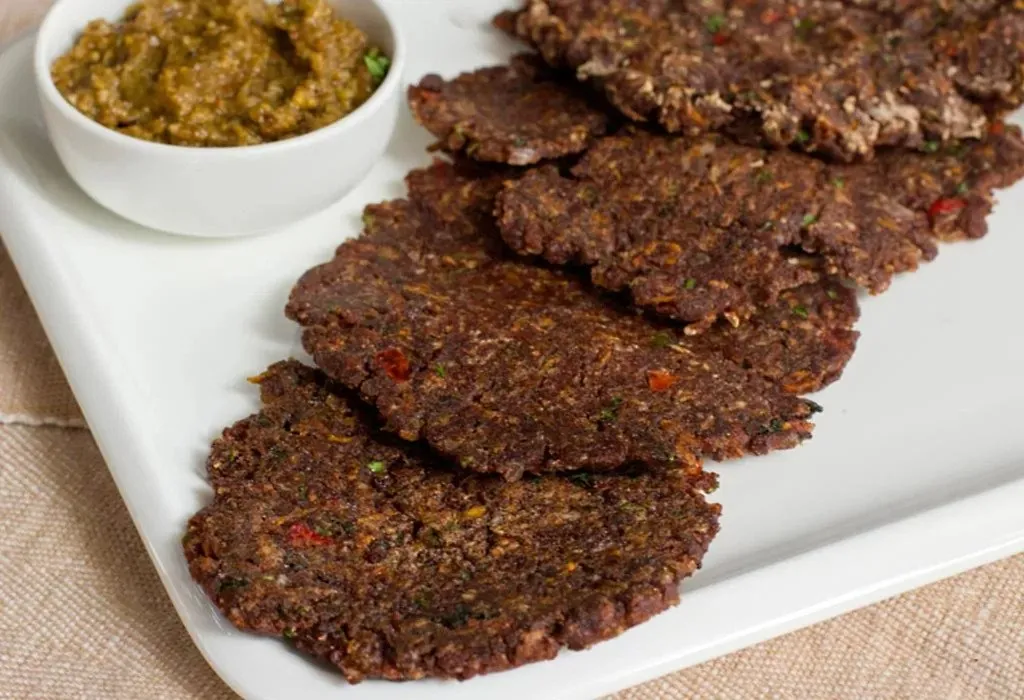
10. Finger Millet
Called ragi in India, finger millet contains enough calcium and iron to boost your health. Especially, if you are lactose intolerant, finger millet can give you the nutrition you need, and gain strength back after delivery.
How to Include it in Your Diet:
Various food items such as dosas, idlis, and chapatis can be made using ragi and form a part of your daily meals.
11. Oats
Being a rich source of iron, proteins, calcium, and carbohydrates, oats are extremely nutritious, right off the bat. Also, since they contain a good amount of fibre, oats improve digestion and reduce constipation.
How to Include it in Your Diet:
Oats are generally cooked with milk or water. These mixtures can be complemented with chopped fruits and nuts to improve the taste and nutrition they provide.
12. Dal
Dal is a huge source of protein and one of the rare dishes that help you boost your protein content, without adding fats.
How to Include it in Your Diet:
Dal can be eaten by itself in its cooked form, as soup or mixed with some vegetables to create an interesting dish.
13. Edible Gum
Edible gum or gondh is highly recommended during winters, since it is a good source of heat for the body. New mothers are advised to have gondh, as it helps with lactation.
How to Include it in Your Diet:
Making laddoos out of edible gum is the most popular and quickest way to consume it.
14. Carom Seeds
Known in India as ajwain, these seeds are known to work wonders in alleviating issues in new mothers. Simply having two spoons of these seeds is known to work speedily in resolving gas and indigestion problems.
How to Include it in Your Diet:
Ajwain can be boiled in water, after which you can strain and drink the liquid.
15. Turmeric
The healing properties of turmeric for wounds and general health support are well-known. It also helps reduce the toxicity of the liver and improves weight loss.
How to Include it in Your Diet:
Adding half a spoon of turmeric to milk or other items in your diet should be necessary.
16. Panjeeri
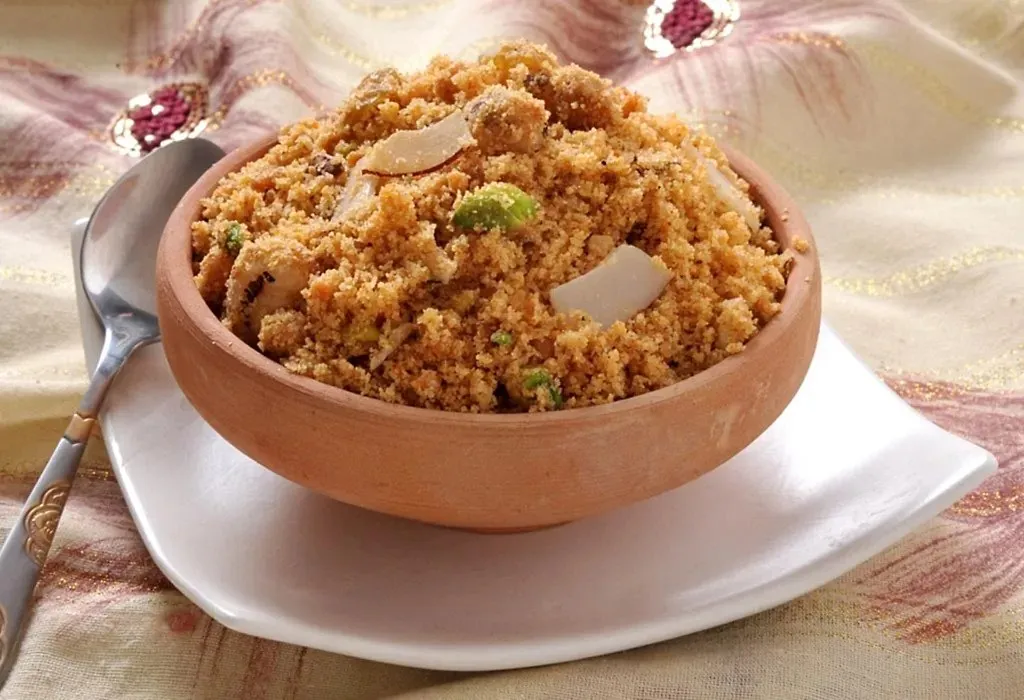
Panjeeri, a nutritional supplement cooked in Punjab, has healthy constituents that help improve a new mother’s metabolism and keep weight in control.
How to Include it in Your Diet:
Panjeeri can be had as it is in its usual halwa form, or used to make laddoos.
17. Ginger
Specifically, dry ginger powder contains many anti-inflammatory properties and helps reduce gas.
How to Include it in Your Diet:
Dry ginger powder can be used in multiple dishes as an important spice.
18. Eggs
Eggs are great sources of protein and can be assimilated in the body rather quickly. Opting for DHA fortified eggs elevates the fatty acid in your breast milk, making it more nutritious for the baby.
How to Include it in Your Diet:
Eggs can be consumed by making omelettes, boiling them, or in scrambled eggs for breakfast.
19. Salmon
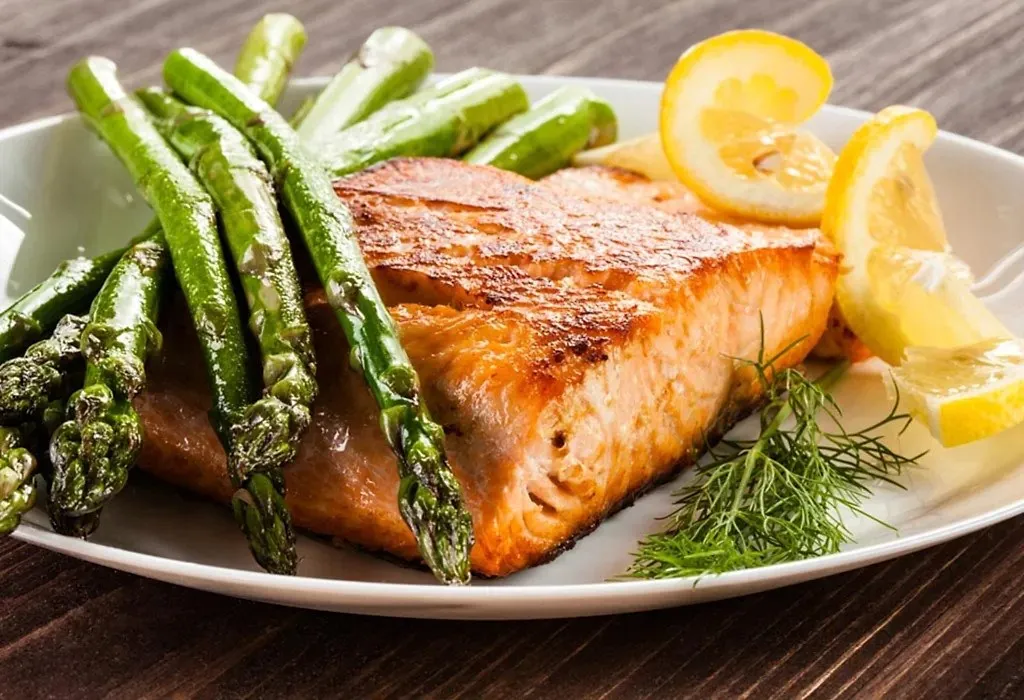
Salmon contains DHA, which helps improve fatty acid levels and helps in brain development of your child. It helps with your mental health, keeping you in a happy mood and warding off depression.
How to Include it in Your Diet:
Salmon-based dishes should be a part of your diet, but not more than two times a week.
20. Lean Meat
Lean meat is known to be highly rich in iron, protein, and Vitamin B12, among others, which help keep energy levels at a high state.
How to Include it in Your Diet:
Lean meat can be a part of your meals, cooked in the manner you choose, as a side dish, or as a part of a curry.
21. Black sesame seeds
High calcium, iron, copper, magnesium, and phosphorus levels can be found in these tiny, flat seeds. Black Sesame seeds are beneficial for replenishing the body’s supply of critical minerals because they include all these nutrients. They are also frequently seen as beneficial for controlling bowel movements.
How to Include it in Your Diet:
Although til ke ladoos are popular in North India, black sesame seeds are also used to make a variety of other sweets, including til patti, rewri, and chikki. It can be put in normal food as well.
22. Dates
Dates are a simple and wholesome snack with several health advantages, from raising blood counts to minimising bleeding and blood loss after childbirth. They contain a lot of natural carbohydrates, which aid in supplying quick energy. Also, the polyphenol chemicals support better digestion and mental performance. It gives the body energy and helps in the healing process after delivery.
How to Include it in Your Diet:
You can either mix dates in a bowl of oats or easily have it as it is.
23. Citrus Fruits
A pregnant mother’s immune system may weaken over nine months of pregnancy. After giving birth, mothers should consume various citrus fruits (lemon, orange, grapefruit), to improve their immune system. Citrus fruits include vitamin C, which aids in iron absorption. Combining them with iron-rich foods helps the absorption of vitamin C more easily, thus benefiting the body. Iron will also assist in boosting the mother’s haemoglobin levels, preventing iron-deficiency anaemia.
How to Include it in Your Diet:
You can make fresh orange juice or have it in a fruit salad.
24. Legumes
Protein, vitamins, and minerals abound in legumes. Iron is abundant in dark-coloured legumes, such as black and kidney beans. When new mothers are nursing their infants, legumes, which are also low-cost and high in fibre, help to restore their energy.
How to Include it in Your Diet:
You can make different preparations of rajma, like rajma curry and rice, sauteed rajma, or rajma in a salad.
25. Blueberries
The optimal combination of calcium, vitamins, and minerals for new moms and their infants can be found in blueberries. In addition, blueberries offer good carbs to maintain a high energy level.
How to Include it in Your Diet:
You can easily eat it like a fruit. They are tasty and sweet. You can also mix it in your fruit salad.
FAQs
1. Till how many months do we have to follow the postpartum diet?
The best way to ensure your health postpartum is by following the diet for at least 3 months and best for a total of 6 months.
2. Can I have ghee after delivery?
Yes, you can consume ghee or butter after delivery in moderation. There is no restriction on the foods.
3. Can I have nuts and seeds after delivery?
Yes, you can have overnight soaked nuts and seeds after delivery so their phytic acid content goes down.
4. What food items should be avoided from postpartum diet?
Deep-fried, high-caffeine, greasy, sugary, excessively salty, and highly processed food items should be avoided in the postpartum diet. Though the limited caffeine that transfers to your infant via breast milk is not considered harmful, the CDC advises keeping your daily intake at 300 milligrams or fewer (4).
4. Can I exercise after delivery?
Yes, moderate exercise is suggested after delivery. However, this will be best guided by your obstetrician, depending on your delivery situation, the type of delivery, and the geography you are in.
There are many options for the right kind of food after delivery, for Indian mothers. Ensuring that a mother’s diet, post-delivery, contains all the nutrition she and the baby require is the only condition necessary to be observed.
Also Read:
Post-Pregnancy Weight Loss
Indian Breakfasts after Pregnancy
Foods to Eat and Avoid after C-Section Delivery
Was This Article Helpful?
Parenting is a huge responsibility, for you as a caregiver, but also for us as a parenting content platform. We understand that and take our responsibility of creating credible content seriously. FirstCry Parenting articles are written and published only after extensive research using factually sound references to deliver quality content that is accurate, validated by experts, and completely reliable. To understand how we go about creating content that is credible, read our editorial policy here.
- Author
- Expert Reviewer
 About the Author
Mahak Arora
Related Articles
-

Postpartum Waist Trainers: Types, Benefits, Risks & Safety Tips
-
Fenugreek for Breastfeeding: Does It Help Increase Breast Milk Supply?
-
Postpartum Joint Pain – Causes and How to Manage
-
Indian Confinement Practices after Childbirth
-
C-Section Scar Infection - Different Types, Reasons, Signs & Treatment
-
Sex After C-section - How Long to Wait & What to Expect?