

DHA (Docosahexaenoic Acid) Supplement During Pregnancy – Benefits & How Much You Need





In this Article
- What Is DHA?
- DHA Uses and Benefits in Pregnancy
- DHA Requirements During Pregnancy
- Sources of DHA
- Risks of Consuming Too Much DHA During Pregnancy
- Do You Need DHA Supplements During Pregnancy?
- What Happens If You Don’t Take DHA Supplements or Food When Pregnant?
- FAQs
View More
While there’s a huge buzz around folic acid for pregnancy, there’s a need to look beyond that and at omega-3 fatty acids, as they’re also an important supplement to take during pregnancy. But before you pick the omega-3 supplements from the aisle, wouldn’t you like to know what it does, how much you need to take, and what that docosahexaenoic acid (DHA) mentioned alongside omega-3s is? To quickly help you understand, DHA (docosahexaenoic acid) is an omega-3 fatty acid. Though DHA supplement in pregnancy is not given that limelight, it surely deserves your attention. Because maternal DHA is found to be insufficient in women, especially those who do not consume fish or seafood. Such pregnant women need DHA supplements to maintain the profile of healthy fatty acids. But, like any other supplement or medication, we strongly recommend that you consult your doctor before starting DHA in pregnancy.
What Is DHA?
Omega-3s are long-chain polyunsaturated fatty acids, also known as PUFAs. These fatty acids are found in both plant and animal sources, such as fish, seafood, algae, nuts, seeds, and vegetable oils. Since our bodies can’t make omega-3s on our own, we rely on sources to provide us this nutrient (1). Those who are deficient and are unable to get enough omega-3 fatty acids through their diet are often recommended to take fish oil supplements to reduce the deficiency.
Docosahexaenoic acid (DHA) and Eicosapentaenoic acid (EPA) are the two most active forms of omega-3s (2). This means they are readily used by the body when consumed. The third type, Alpha-linolenic acid (ALA), first breaks down into EPA and DHA and then is used by the body.
In short, DHA is one type of omega-3 fatty acid that is safe for pregnant women and beneficial for healthy brain development in the fetus. During pregnancy, the need for this fatty acid increases to support fetal and childhood brain development.
DHA Uses and Benefits in Pregnancy
DHA and pregnancy are co-related. DHA is essential for the baby’s optimal growth and protection from various neural defects. Let’s discuss the benefits of DHA for pregnant woman in detail:

1. Helps in the Development of the Fetal Brain and Vision
Research stated that women who took good amounts of DHA had children who were able to do better in a test of eye-hand coordination. A test that was conducted on four-year-old children also proved that children whose mothers took DHA supplements during the pregnancy period had a better IQ than other children (4).
2. Healthy Birth Weight
It is said that there is a positive association between the DHA levels found in the mother and the weight of the baby and also the circumference of the baby’s head at birth.
3. Reduces Blood Pressure
Omega-3 fatty acids, DHA that is in fish oil, can help women with high blood pressure as it fights against hardening of arteries.
4. Reduction Of Preterm Labour
Women who have a history of preterm labour need to take DHA, as it can help in changing this pattern to having a normal delivery and healthy pregnancy (5).
DHA Requirements During Pregnancy
DHA has gone through quite a number of studies that have proved that it is a requirement for pregnant women. Taking DHA has shown many positive pregnancy outcomes. It is said that parts of omega-3 acids actually go through the placenta to feed the baby, as this is a major requirement for the development of the baby. So DHA is something that is required for both the baby and the mother, and it only helps in providing the mother and the child with better nutrition. So, when to take DHA supplements during pregnancy? You can add DHA to your diet during mealtime right from the beginning of your pregnancy period. In fact, it is good for women even before and after pregnancy, as it has many other proven health benefits required for women.
So, how much DHA do pregnant women need every day?
According to the clinical practice guideline from the American Journal of Obstetrics & Gynecology Maternal-Fetal Medicine and the European Food Safety Authority as mentioned in the NIH, all women of childbearing age and pregnant women are recommended to consume at least 250 mg/day of DHA and EPA from diet or supplements, and an additional 100–200 mg/day of DHA during pregnancy (6).
Studies have suggested that pregnant women who have low intake and/or low blood levels of docosahexaenoic acid have increased chances of preterm birth and early preterm birth. Therefore, it is recommended that they receive around 600 to 1000 mg/day of docosahexaenoic and eicosapentaenoic acids, or docosahexaenoic acid in pregnancy alone, as this dosage has been associated with a significant decrease in the rates of preterm births and early preterm births in randomised controlled trials (7).
Sources of DHA
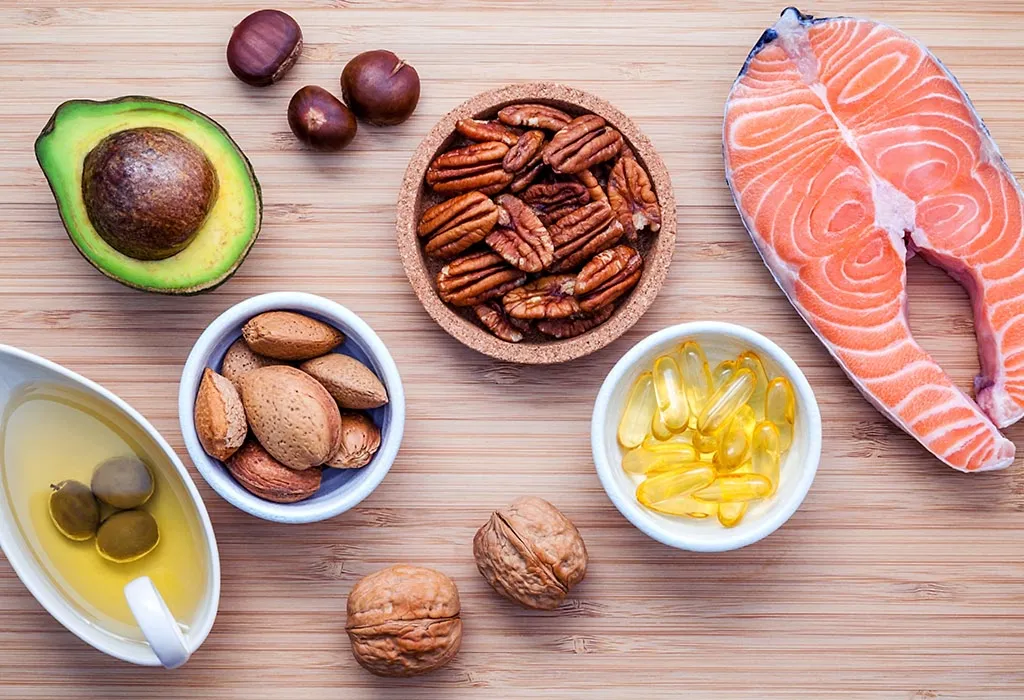
DHA is definitely going to help you and your little baby. So here is where you can find good amounts of DHA for your body (6):
- Fatty fish like Salmon, canned light tuna, herring are natural sourced of DHA.
- Algae are a rich source of DHA and EPA. In fact, an alga which is in fish’s food chain is what gives fish the DHA component as well.
- Health drinks are said to have DHA levels. Doctors precribe them based on needs.
Risks of Consuming Too Much DHA During Pregnancy
With all these benefits, we might want to add a good amount of DHA in our diet. However, that is risky as well. There are limitations as to how much DHA can be consumed when you are pregnant. It is recommended to have 8 to 12 ounces of fish that is low in mercury. There are issues that could occur when there are heavy metals present in fish. Taking supplements of DHA is a safe option as it keeps you away from other unsafe components such as metals, and it is also the best way to have pure DHA. Make sure to reach out to a dietitian before you take supplements so that you know which ones and how much is good for you.
Do You Need DHA Supplements During Pregnancy?
Dietary fat consumption of long-chain polyunsaturated fatty acids (PUFAs) can be improved by EPA and DHA supplements for pregnant and nursing mothers.
During pregnancy, the need for docosahexaenoic acid (DHA) is greater than that of women who are not pregnant. Thus, it is essential for expectant mothers to supplement with fish oil to aid in the development of the brain and eyes of the fetus. To promote both fetal and early childhood brain development, women should consider taking DHA during pregnancy through fish oil supplements or diet (3).
In addition to supporting the baby’s brain growth, taking DHA supplements during pregnancy can influence the period of gestation and help avoid preterm delivery. Moreover, pregnant women who take DHA omega-3 fatty acids have been found to have less risk of perinatal depression.
What Happens If You Don’t Take DHA Supplements or Food When Pregnant?
Missing out on DHA supplements doesn’t automatically mean your baby will have health problems, especially if your diet naturally includes enough DHA from foods like salmon, sardines, trout, or fortified products. However, if you consistently consume very little DHA throughout pregnancy, your body has to rely on its existing stores to support your baby’s developing brain and eyes.
Since DHA is a major structural fat in the brain and retina, not having a proper intake during pregnancy may reduce the amount available to the growing fetus (2). Some research suggests that low maternal DHA levels may be associated with poorer visual and cognitive development in children, although many other factors, like genetics, overall nutrition, and home environment, also influence these outcomes.
Low DHA intake has also been linked in some studies to a higher risk of early preterm birth, though evidence on other pregnancy outcomes remains mixed. This is why many doctors encourage pregnant women to consume DHA-rich foods regularly or consider supplements if dietary intake is insufficient.
Rather than worrying if you’ve missed a few days of supplementation, focus on improving your DHA intake for the rest of your pregnancy after discussing it with your doctor. A balanced diet combined with appropriate prenatal care remains the best approach for supporting both maternal and fetal health. The doctor may prescribe DHA in prenatal pills based on the need.
FAQs
1. Do I need a DHA supplement if I eat fish regularly?
Not always. If you eat 1-2 servings of low-mercury, oily fish each week, you may already be getting enough DHA. However, if you rarely eat seafood or follow a vegetarian or vegan diet, your dcotor may recommend a DHA supplement to help meet your pregnancy needs.
3. Can taking too much DHA during pregnancy be harmful?
Taking DHA in recommended amounts is generally considered safe. Very high doses, especially from fish oil supplements, may increase the risk of bleeding or interact with certain medications. Always follow your healthcare provider’s advice instead of taking extra supplements on your own.
4. Is algae-based DHA as effective as fish-derived DHA?
Yes. Algae-based DHA contains the same essential omega-3 fatty acid and is an excellent choice for vegetarians, vegans, or anyone who avoids fish. It provides DHA without the concern of mercury found in some seafood.
5. Can DHA supplements prevent pregnancy complications?
DHA supplements are not guaranteed to prevent complications, but research suggests they may lower the risk of early preterm birth in some pregnancies. DHA should be viewed as one part of a healthy prenatal nutrition plan rather than a treatment for pregnancy complications.
6. Should I stop taking DHA after my baby is born?
Not necessarily. DHA continues to be important during breastfeeding because it contributes to your baby’s brain and eye development through breast milk. Many healthcare providers recommend continuing DHA intake while nursing.
DHA supplements have always been highly recommended for women, especially for pregnant women. If you are considering taking these supplements, talk to your doctor about it and find out the best way to take it along with your other medications.
Also Read:
Pregnancy Supplements
Protein Powder in Pregnancy
Taking Vitamin E during Pregnancy
Was This Article Helpful?
Parenting is a huge responsibility, for you as a caregiver, but also for us as a parenting content platform. We understand that and take our responsibility of creating credible content seriously. FirstCry Parenting articles are written and published only after extensive research using factually sound references to deliver quality content that is accurate, validated by experts, and completely reliable. To understand how we go about creating content that is credible, read our editorial policy here.
- Author

Related Articles
-

Can You Eat Pesto When Pregnant? Benefits & How to Eat It Safely
-

Vegetarian Diet During Pregnancy - Diet Plan and Healthy Recipes
-

Can You Eat Sesame Seeds in Pregnancy?
-
Eating Sunflower Seeds in Pregnancy – Benefits and Risks
-

Ashwagandha in Pregnancy - Is It Safe?
-
Phosphorus in Pregnancy - Importance, Daily Intake & Food Sources