Heat Stroke in Babies – Symptoms, Complications and Treatment
Understand heat stroke in babies with symptoms, warning signs, and easy prevention tips for parents.





Medically Reviewed By
Dr. Gunjan Baweja
(Paediatrician)

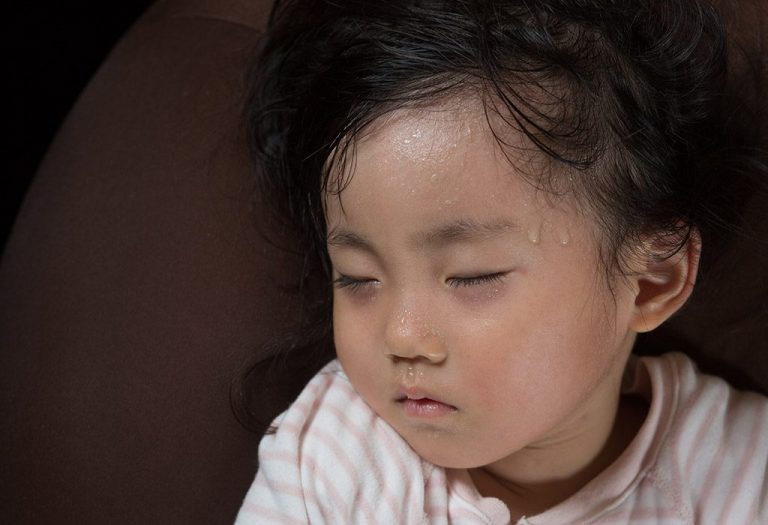
A baby can get sick due to numerous environmental reasons or internal body function problems. One key aspect of measuring health is monitoring the baby’s internal body temperature. Much like an adult’s body, if the temperature goes out of control, your baby could have a heat stroke. Heat stroke is a severe medical condition that can quickly become life-threatening, especially in babies and young children. Due to their underdeveloped ability to regulate body temperature and higher vulnerability to environmental heat, infants are particularly susceptible to heat stroke during hot weather or prolonged exposure to high temperatures. In these circumstances, if you aren’t careful, your baby could suffer grave consequences. Understanding it is one of the first steps to combating heat stroke in babies.
What Is Heat Stroke?
The human body has a regulated internal temperature, which keeps the blood flowing, organs healthy, and helps keep you fit. Your baby’s body is still growing, but it still has an automated system to keep the temperature in check and a system for cooling down. When this system is compromised, your baby is at risk of an unregulated rise in body temperature. This can be extremely dangerous and potentially fatal. When your baby’s body begins to overheat beyond control and doesn’t cool down, it is known as a heat stroke (4).
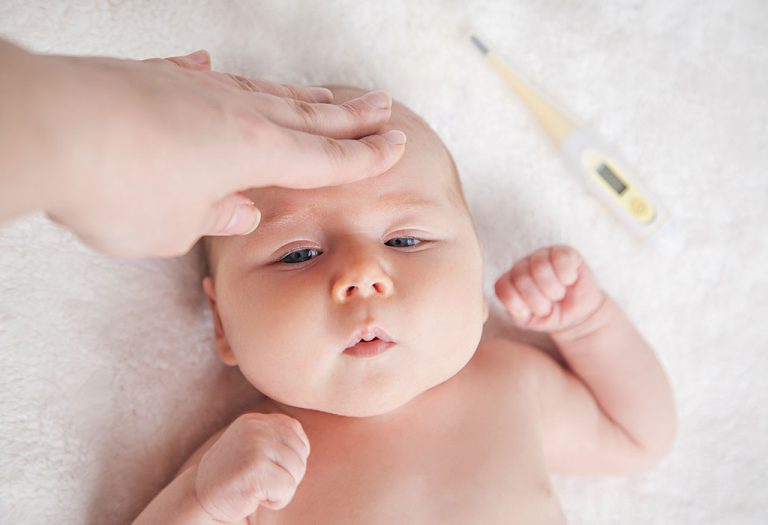
Heat stroke in newborns is extremely dangerous and uncomfortable.
Causes of Heat Stroke in Infants
A key aspect of fighting a heat stroke is to understand its causes. Here are a few of them:
- Dehydration
- Extremely high external temperature
- Malnutrition
- Stuffy or suffocating clothing
- Lack of oxygen in hot environments.


It is recommended that you consult a doctor if your baby happens to have a heat stroke or if you want to learn more about heat strokes in babies. Nonetheless, prior knowledge will help you gain better clarity on the condition. Read on for some signs and symptoms that can help you identify a heat stroke and seek prompt medical attention.
Signs of Heat Stroke in Babies
Beyond understanding the causes of a heat stroke, it is also extremely important to understand how to identify if your baby is having a heat stroke. Here are some of the symptoms of a baby overheating (2) (3):
- A fever that is above 103 degrees Fahrenheit, in which your baby does not sweat, is one of the signs of heat stroke. In Celsius, this temperature would be above 39 degrees.
- If your baby is extremely tired or fatigued for long periods of time in the summer months or after spending time in a hot room, she could be having heatstroke.
- If you suspect your child of having a heat stroke, ensure you check her pulse for one minute. If it is rapid, it could be a sign of heat stroke.
- Your child’s feeling burning hot and appearing red and dry is also one of the common heat stroke signs in infants.
- Dizziness or disorientation are signs of heat stroke, especially in hotter temperatures.
- Breathing may become shallow and quick as the body attempts to regulate temperature.
- Overheating can cause abnormal brain activity, leading to seizures.
- Severe heat stroke may cause a baby to pass out.
- Vomiting or nausea can occur as a result of overheating.
It is important to understand that other signs of heat exhaustion in infants could manifest in the form of headaches, restlessness, vomiting or loss of consciousness. If these symptoms are relevant to your baby, please see a doctor immediately.
Also Read: Summer Foods to Prevent Dehydration in Babies
Complications of Heat Stroke in Infants
Heat stroke in infants is a medical emergency that, if left untreated, can lead to serious and life-threatening complications. Immediate intervention is crucial to prevent the following complications (7):
- High body temperature can damage vital organs such as the brain, kidneys, and heart.
- Heat stroke causes excessive fluid loss, leading to severe dehydration, which can affect the baby’s overall health and organ function.
- High body temperature can lead to abnormal brain activity, resulting in seizures, which may cause long-term neurological damage.
Treatment for Heat Exhaustion in Newborn Babies
What to do in case of heat stroke in babies? It is highly recommended that you call an ambulance and have your baby checked at the nearest hospital in case of a serious heatstroke. Here are a few home remedies for heat stroke in babies (3):
- Dress your baby in loose clothing.
- Have your child lay under a fan or indoors in a room with air conditioning.
- Pat down your baby’s forehead and shoulders with a cold, wet cloth.

For further information regarding treating minor heat strokes, contact your primary care physician.
Prevention of Heat Stroke in Babies
It can be extremely difficult to predict heat exhaustion in babies. Here are a few ways to avoid them (1) (2):
- Dress your baby in loose clothing.
- Keep the child indoors if it is especially hot outside.
- Keep the child hydrated.
- Ensure you expose your child to warmer or hotter weather gradually.
- Limit the time your baby spends outdoors during the peak of the afternoons.
- Sit with your child in a room with fans and air conditioning.
- Avoid spicy foods during the hotter periods of the year.
FAQs
1. Is it safe to use fans or air conditioning to cool my baby down during heat stroke?
Yes, using fans or air conditioning is effective in cooling down your baby during heat stroke, as long as the baby is moved to a cooler environment and not exposed to direct, cold air. These methods help lower body temperature gradually without causing discomfort or shock to the system.
2. How long does it take for a baby to recover from heat stroke?
The recovery time from heat stroke varies depending on the severity and how quickly treatment is administered. With immediate care, such as cooling and rehydration, babies can begin to recover within hours, but medical monitoring is necessary to ensure there are no lasting effects (5).
3. Can I give my baby a cold bath if they have a heat stroke?
Cold baths are not recommended for babies with heat stroke, as a rapid decrease in body temperature can cause shock or further complications. Instead, use lukewarm or cool water to help lower their body temperature gradually while ensuring they are kept hydrated and seeking emergency medical care (6).
4. Can heat stroke in babies happen indoors?
Yes, babies can get heat stroke indoors. It isn’t limited to outdoor exposure. Babies can overheat indoors due to overdressing, poor ventilation, or a lack of cooling in hot weather. Since babies’ bodies aren’t developed enough to regulate their body temperature, heat stroke is very much possible both indoors and outdoors.
5. How quickly can heat stroke develop in infants?
It can develop very rapidly within minutes to hours, especially in extreme heat. Babies lose fluids quickly and cannot cool down efficiently, which increases the risk.
Heat exhaustion in newborns can be extremely dangerous if precautions aren’t taken. Talk to your doctor about the steps you need to take to avoid a heat stroke in your baby. Remember, prevention is the best cure.
Also Read:
Heat Rash in Babies
Baby Sweating While Sleeping
Common Skin Allergies in Babies
Baby’s Head is Hot, But No Fever
Was This Article Helpful?
Parenting is a huge responsibility, for you as a caregiver, but also for us as a parenting content platform. We understand that and take our responsibility of creating credible content seriously. FirstCry Parenting articles are written and published only after extensive research using factually sound references to deliver quality content that is accurate, validated by experts, and completely reliable. To understand how we go about creating content that is credible, read our editorial policy here.
1. Seattle Children’s Hospital – Heat Exposure and Reactions
2. Nemours KidsHealth – How to Handle Heat Illness
3. Children’s Hospital of Philadelphia – How to Prevent Heat Stroke: Common Sense Guidelines
4. Stamford Health – Heat Stroke Can Be Deadly In Infants. 7 Tips To Keep Kids Safe
5. NHS – Heat exhaustion and heatstroke
6. The Women’s – Heatwave precautions for babies & young children
- Author
- Expert Reviewer
 About the Author







.svg)