

Jellyfish Parenting: What It Is, Pros & Cons
Jellyfish parenting focuses on freedom and flexibility, but can impact discipline. Understand its pros, cons, and effects on child development.




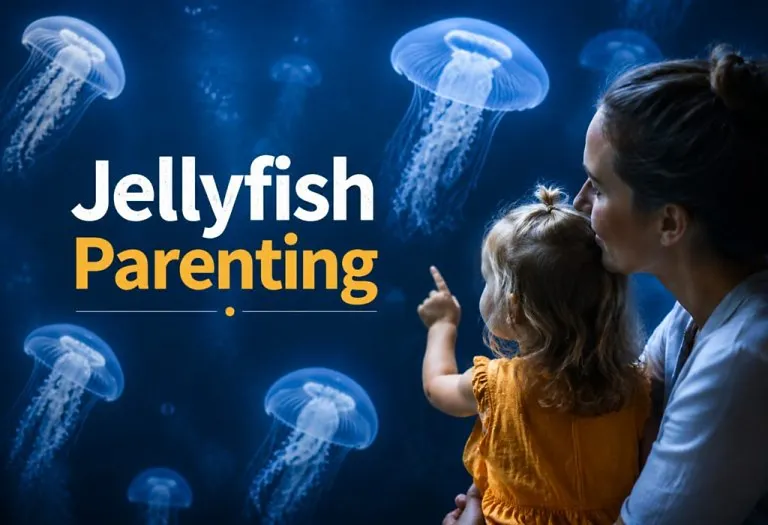
Image Source: AI-Generated Image
If you’ve been exploring modern parenting styles, you should definitely try jellyfish parenting. It is a type of parenting in which parents are deeply loving, emotionally available, and supportive, but tend to avoid setting firm rules or consistent boundaries. This approach of jellyfish parenting usually comes from a good place. Many parents want to move away from the strict or controlling environments they may have experienced growing up. They want their children to feel safe, heard, and free to express themselves. And in many ways, this style delivers on that promise.
At the same time, parenting is not only about connection. Children also need guidance and structure to understand the world around them. When those elements are missing or inconsistent, it can create confusion. Understanding how this style works can help parents find a healthier balance.
What Is Jellyfish Parenting?
Jellyfish parenting is a gentle and flexible way of raising children where love and emotional support come first, and when people talk about jellyfish parenting meaning they are usually describing a parent who avoids strict rules and lets the child lead many decisions, these parents care deeply about their child’s happiness and often step back to prevent conflict or stress, and it comes from a place of kindness and good intention but it can sometimes leave children without clear guidance on what is expected.
Pros of Jellyfish Parenting
This parenting style often comes from a deep desire to raise kind and emotionally secure children. When we look at jellyfish parenting characteristics, we see a strong focus on empathy, freedom, and trust. Parents who follow this approach usually create a home where children feel safe to express themselves. While it is not perfect, there are some real strengths that can positively shape a child’s growth.
1. Strong Emotional Bond
Children often feel very close to their parents because their feelings are heard and respected; this builds trust and openness in the relationship.
2. Encourages Self-Expression
Kids are given the space to share their thoughts and emotions freely, which helps them become confident in expressing who they are.
3. Builds Creativity
With fewer rules and more freedom, children often explore ideas and activities in their own way, which supports creative thinking.
4. Reduces Fear Based Behaviour
Children are less likely to act out of fear since discipline is not harsh, they feel safe making mistakes and learning from them.
5. Supports Independence.
When children are allowed to make choices early, they begin to develop a sense of independence and personal responsibility.
6. Nurtures Empathy.
Because parents model understanding and compassion, children often learn to treat others with kindness and sensitivity.
Cons of Jellyfish Parenting
This style feels warm and loving but it can quietly create gaps in a child’s development, children need both freedom and clear limits to feel secure and understand expectations, when boundaries are missing or unclear kids may feel confused even if they are loved, over time this can affect behavior confidence and how they handle real world situations.
1. Lack of Boundaries.
Children may struggle to understand limits because rules are not clearly defined or consistently followed. This can make it hard for them to know what is acceptable behavior in different situations.
2. Difficulty With Discipline.
Without structure it becomes hard for children to learn right from wrong or understand consequences. Over time they may not take rules seriously because they are not used to consistent guidance.
3. Low Frustration Tolerance.
Kids who are not used to hearing no may find it difficult to handle disappointment or setbacks. Even small challenges can feel overwhelming because they have not practiced coping with limits.
4. Struggles With Routine.
Inconsistent schedules can affect sleep habits school readiness and daily responsibilities. Children may feel unsettled because they do not have a predictable rhythm to follow.
5. Dependence on Parents.
Even with freedom some children may rely heavily on parents for decisions because guidance is unclear. They may feel unsure about making choices on their own without clear direction.
6. Challenges in Social Settings.
Children may find it harder to follow rules in school or group environments where structure is expected. This can lead to conflicts with teachers or peers who are used to clear boundaries.
7. Reduced Sense of Responsibility.
When expectations are loose children may not fully learn accountability for their actions and choices. They may avoid taking ownership because consequences are not clearly enforced.
Practical Tips to Practice Jellyfish Parenting Effectively
Many parents who follow this style want to stay gentle but also bring in some balance and clarity.
A thoughtful jellyfish parent can create a loving space while still guiding a child in the right direction.
It is not about becoming strict overnight but about adding small layers of structure that support growth.
With a few mindful changes this approach can feel both warm and steady for both parent and child.
1. Set Simple and Clear Boundaries.
Children feel safer when they know what is expected even if the rules are few. Keep boundaries simple and explain them calmly so the child understands the reason behind them.
2. Be Consistent With Rules.
It helps when rules stay the same from day to day so children do not feel confused. Consistency builds trust and makes it easier for kids to follow expectations over time.
3. Say No Without Guilt.
Saying no does not make you a bad parent it teaches children limits. When you say it calmly and kindly children learn that boundaries are a normal part of life.
4. Create Gentle Routines.
Daily routines like bedtime or mealtime bring a sense of stability. They do not have to be strict but should be predictable enough to help children feel secure.
5. Guide Instead of Controlling.
Offer choices but within limits so children learn decision making in a safe way. This keeps their independence alive while still giving them direction.
6. Teach Emotional Regulation.
Help children name and understand their feelings instead of avoiding them. This builds emotional strength and helps them handle tough moments better.
7. Follow Through on Consequences.
If a rule is broken respond in a calm and consistent way. Children learn responsibility when actions are linked to clear outcomes.
8. Encourage Problem Solving.
Instead of fixing everything for your child ask simple questions that help them think. This builds confidence and helps them learn how to handle challenges on their own.
9. Balance Freedom With Guidance.
Give your child space to explore but stay involved in their choices. A balance of freedom and support helps children grow with confidence and direction.
10. Reflect on Your Own Parenting Style.
Take time to notice what is working and what feels challenging. Small adjustments over time can make a big difference in how your child responds and grows.
FAQs
1. Is jellyfish parenting good for children?
It can help children feel loved and emotionally secure which is very important. At the same time it needs some structure so children also learn limits and responsibility.
2. How is jellyfish parenting different from gentle parenting?
Gentle parenting includes warmth but also focuses on clear boundaries and guidance. Jellyfish parenting leans more toward freedom and may lack consistent rules.
3. Can this parenting style affect a child’s behavior?
Yes children may struggle with rules or handling frustration if limits are not clear. With some balance it can still support positive behavior and emotional growth.
4. Can parents shift from this style to a more balanced approach?
Yes small changes like adding routines and consistent rules can make a big difference. It does not require a complete shift but a gradual adjustment.
5. What is the biggest challenge of this parenting style?
The biggest challenge is maintaining discipline while staying gentle and supportive. Without that balance children may feel confused about expectations.
Jellyfish parenting comes from a place of love and a genuine desire to raise happy and emotionally secure children, and that intention truly matters. At the same time children need a mix of warmth and guidance to feel confident and prepared for the real world. When parents bring in small but clear boundaries along with empathy this style can become more balanced and effective. The goal is not to change who you are as a parent but to support your child with both care and direction so they grow with confidence and clarity.
Also Read:
Gentle Parenting – Techniques, Pros and Cons
Benefits of Peaceful Parenting and Tips to Practise It
Authoritarian Parenting – Characteristics and Pros & Cons
Was This Article Helpful?
Parenting is a huge responsibility, for you as a caregiver, but also for us as a parenting content platform. We understand that and take our responsibility of creating credible content seriously. FirstCry Parenting articles are written and published only after extensive research using factually sound references to deliver quality content that is accurate, validated by experts, and completely reliable. To understand how we go about creating content that is credible, read our editorial policy here.
- Author


Related Articles
-

14 Tips to Encourage Your Child to Identify and Express His Feelings
-
Impact of Parental Alienation on Kids and How to Deal With It
-
How to Convey the Right Message When Your Child Makes Mistakes
-
Selfishness in Children - Tips to Raise an Altruistic Child
-
How to Deal With a Highly Sensitive Child
-
How to Deal With a Spoiled Child







.svg)