14 Fun Counting Games for Kids to Learn Numbers Easily
Fun counting games that help kids learn numbers easily through play boosting confidence early math skills and joyful learning moments.




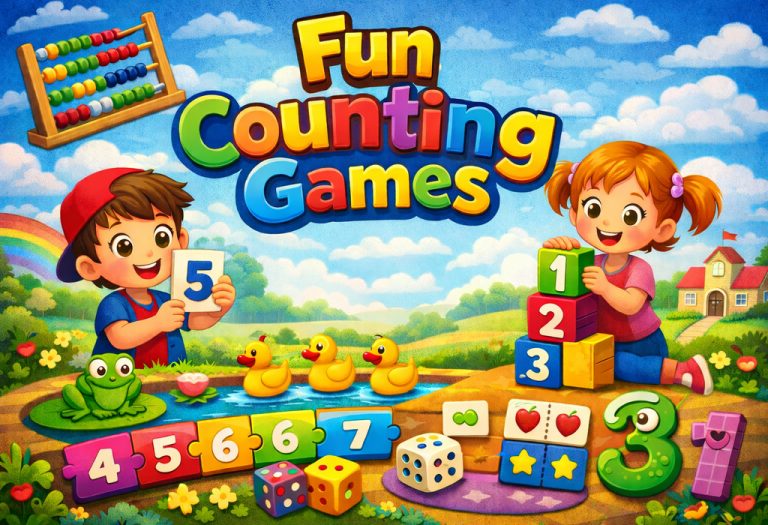
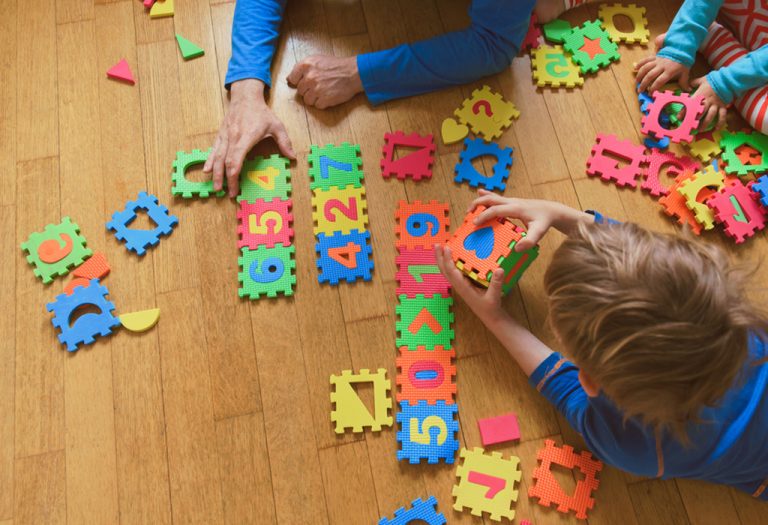
Image Source: AI-Generated Image
Helping kids get comfortable with numbers doesn’t have to look like worksheets, pressure, or long study sessions at the table. You’re probably already building number skills without even realising it — through playtime, shared laughs, and those little everyday moments you spend together. When counting games are done well, numbers stop feeling abstract and start becoming something children can see, touch, and truly enjoy.
This article is for you — whether you’re a parent, caregiver, or teacher looking for ideas that really work in real life. The counting games for kids you’ll find here are simple to try, easy to adapt for different ages, and inspired by what children genuinely enjoy: learning through play.
What Are Counting Games?
Counting games are simple activities that help children understand numbers through play and everyday actions. Instead of asking kids to memorise numbers, these games let them learn by touching, moving and exploring. They turn learning into a calm and enjoyable experience rather than a task to complete. Most importantly, they help children feel confident with numbers at their own pace.
Benefits of Counting Games for Kids
Counting games help little ones feel at ease with numbers from the very start. Here’s what playful counting games can do for your child:
- Help children build a strong understanding of numbers through hands-on play.
- Grow focus and attention in a natural, low-pressure way.
- Boost confidence as kids learn without worrying about getting things “wrong.”
- Spark early problem-solving and logical thinking skills.
Simple Indoor Counting Games
You don’t need special toys, printables, or a big setup to make this work. These simple count games fit right into your daily routine and are perfect for quiet afternoons or anytime your child needs something calm and focused to do.
1. Toy Counting Time
Ask your child to line up a few of their toys and count them together, one by one. Let them touch each toy as they say the number out loud.
2. Stair Step Counting
Got stairs at home? Turn them into a counting game. Count each step as you go up or down, saying the numbers together in a steady, playful voice.
3. Snack Counting Game
Hand your child small snacks like grapes or crackers and invite them to count before they munch.
4. Clap and Count
Clap your hands and have your child count each clap out loud. Try speeding up or slowing down to keep things fun and lively.
5. Block Tower Numbers
Build a tower together and count each block as you stack it. When the tower inevitably topples over, just laugh and start again — counting as you rebuild. All that stacking, falling, and rebuilding helps numbers stick through play and gentle repetition.
Exciting Outdoor Counting Games
Outdoor time gives kids the freedom to move, explore, and learn in a more natural way. With fresh air and open space, counting doesn’t feel like “learning” at all — it just feels like play. When children can move their bodies while using their minds, numbers start to make more sense.
1. Step and Count Walk
Take a short walk and count steps together. Let your child lead the counting at their own pace. It builds confidence while moving naturally.
2. Ball Throw Counting
Throw a ball back and forth and count each throw aloud. Kids enjoy the rhythm and shared focus. It helps numbers stick without effort.
3. Leaf Collection Count
Ask your child to collect leaves or stones and count them. Sorting and counting together feels calming and fun. Nature adds curiosity to learning.
4. Jump and Count Game
Ask your child to jump and count each jump. You can change the number to keep it playful. Movement helps children remember numbers better.
5. Chalk Number Hop
Draw simple circles on the ground and write numbers inside. Let your child hop and call out the numbers. It turns learning into a happy outdoor challenge.
Counting Games Using Songs and Rhymes
Songs and rhymes have a special way of making numbers feel friendly and easy to remember. If your child lights up with music and rhythm, you’re already holding a powerful learning tool.
1. Finger Counting Rhymes
Use simple rhymes in which each finger represents a number. Children love watching fingers move as they sing along. It helps connect numbers with physical action.
2. Clap Along Number Song
Sing a basic counting song and clap for each number. Keep the pace slow and steady. The mix of sound and movement supports memory.
3. Action-Based Number Rhymes
Choose rhymes that include actions like jumping or turning around. Ask your child to count each action out loud. Movement keeps them engaged longer.
4. Bedtime Counting Lullaby
Soft counting songs before bed help children relax. Counting down gently can be soothing. It builds number awareness in a calm moment.
Tips for Teaching Counting To Kids Through Games
Every child picks up numbers at their own pace, and that’s completely okay. Simple counting games for preschoolers should feel joyful and inviting, never forced. A few gentle tips to keep things fun and stress-free:
- Start with small numbers and naturally repeat them during everyday play.
- Let your child make mistakes without jumping in to correct them right away.
- Use toys, snacks, or everyday objects so counting feels familiar and real.
- Follow your child’s lead and wrap things up when they start to lose interest.
- Praise their effort and willingness to try more than getting the “right” answer.
FAQs
1. When should children start learning counting?
Most children begin noticing numbers between the ages of two and three. Learning should start through play and daily activities.
2. How long should counting activities for kids last?
Short sessions of five to ten minutes work best. Stop when the child loses interest.
3. What if my child skips numbers while counting?
This is very common in early learning. With time and gentle practice, accuracy improves.
4. Are number counting games better than worksheets?
Games feel less stressful and more engaging for young children. Worksheets can be added later when the basics are clear.
Counting does not need to feel like a lesson for young children. When numbers are introduced through play, kids stay curious and relaxed. With time, these playful experiences lay a strong foundation for future maths skills.
Also Read:
Best Questions of the Day for Kids to Spark Thinking and Creativity
Morning Affirmations for Kids for Daily Motivation
Interesting Light Bulb Facts for Kids
Was This Article Helpful?
Parenting is a huge responsibility, for you as a caregiver, but also for us as a parenting content platform. We understand that and take our responsibility of creating credible content seriously. FirstCry Parenting articles are written and published only after extensive research using factually sound references to deliver quality content that is accurate, validated by experts, and completely reliable. To understand how we go about creating content that is credible, read our editorial policy here.
- Author
 About the Author
Sapna Tyagi
Related Articles
-

Verbs That Start With U in English (With Meanings & Examples)
-
Chandrayaan-3 Quiz: GK Questions and Answers in English
-
Speech on Diwali In English For Students and Children
-
Amazing Fox Facts and Information for Kids
-
25 Number & Counting Games, Activities for Preschoolers
-
Homeschool Vs Public School - What's the Best Choice?



.svg)