

Can Pregnant Women Eat Mushrooms?
Mushrooms during pregnancy help support nutrition and immunity when eaten safely as part of a balanced pregnancy diet.




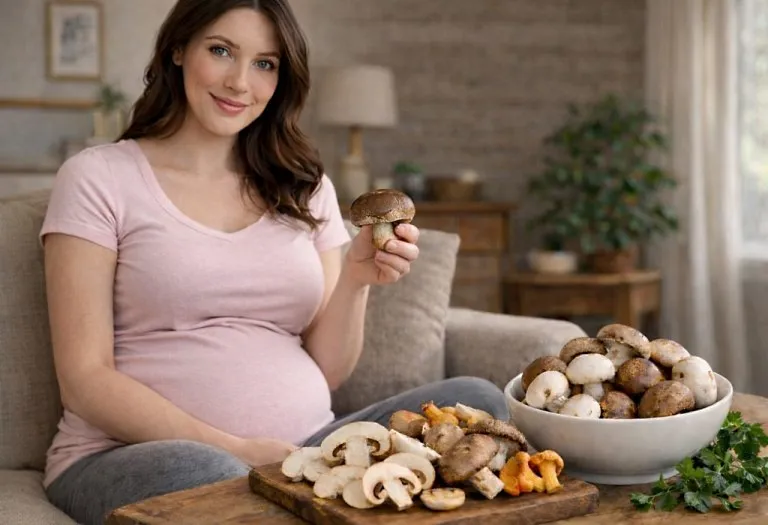
Image Source : AI Generated Image
In this Article
- Can I Eat Mushrooms in Pregnancy?
- Nutritional Value of Mushrooms
- Benefits of Mushrooms During Pregnancy
- Mushrooms That Are Safe to Eat During Pregnancy
- Possibly Unsafe Mushrooms to Consume During Pregnancy
- Side Effects of Mushrooms While Pregnant
- What Are Medicinal Mushrooms?
- Precautions to Take While Eating Mushrooms
- Mushroom Dishes That Are Safe in Pregnancy
- FAQs
View More
Among the foods that most expectant mothers are sceptical about is eating mushrooms in pregnancy. Some say that they are ideal to consume during pregnancy, and some say that they pose a danger to maternal health. Mushrooms are from the house of fungi, and they have been used for medicinal and culinary purposes for years (1). Nonetheless, there is a lack of knowledge among people about what is edible and what is not, along with hesitation about whether it could be the delicate period of pregnancy. Several people stay vigilant by either avoiding them or consulting experts. So, can you consume mushrooms while pregnant? Let’s put an end to this confusion today by demystifying some common perceptions about mushrooms, how to identify safe mushrooms from toxic ones, and learn whether women should consume mushrooms while pregnant.
Can I Eat Mushrooms in Pregnancy?
Mushrooms belong to the family of fungi. Some are edible, while some are non-edible/toxic/poisonous. Edible mushrooms are a low-calorie source of good-quality protein and fibre (2). A hundred grams of white button mushrooms can deliver approximately twenty-two calories. They also contain vitamins, minerals and trace elements in large quantities, which makes them a powerhouse of nutrition. However, some edible mushrooms may cause people with allergies to have side effects. Mushroom allergy can lead to life-threatening side effects when consumed.
So, is a mushroom good for pregnancy?
Mushrooms, including wild and magic mushrooms, may also trigger stomach problems like nausea, vomiting, and diarrhoea in a small section of individuals. So, can you eat mushrooms while pregnant? Well, if you wish to eat mushrooms, you need to be extra cautious, as there are chances of side effects during pregnancy. Since there are so many mushroom varieties available, choosing the right variety of mushrooms during pregnancy is important. Having said that, if you do not experience physical issues after eating them, you can continue relishing them and reap their health benefits, but in measured quantities.
Hence, mushrooms and pregnancy can go well, only with proper precautions and awareness.
If you are among the lucky few who can eat the regular variety of mushrooms during pregnancy, you will want to know their nutritional value and health benefits. Read on to know more.
Nutritional Value of Mushrooms
Mushrooms consist of nutrients essential during pregnancy. Here are the nutrients found in 100 grams of fresh Button mushrooms.
- Energy – 31 calories
- Protein – 2.89g
- Carbohydrate – 4.08g
- Calcium – 5mg
- Iron – 0.23mg
- Magnesium – 10.2mg
- Phosphorus – 93mg
- Potassium – 373mg
- Sodium – 6mg
- Zinc – 0.51mg
- Copper – 0.389mcg
- Vitamin D – 0.9 IU
- Folate – 35 µg
- Riboflavin – 0.444mg
- Niacin – 3.88 mg
Source: USDA (3)
Benefits of Mushrooms During Pregnancy
The good thing about mushrooms is that they make foods around them taste better while adding very small quantities of fat, calories or carbohydrates. They are nutritional powerhouses and contain significant quantities of substances important during pregnancy. Some of them are given below.
1. Good Source of Vitamin B Nutrients
Mushrooms are a natural source of many complex vitamin B components, such as riboflavin (B2), thiamine (B1), niacin (B3), and pantothenic acid (B5) (4). These components have several benefits for the mother and the baby. Riboflavin is essential for nerve development, healthy skin, good eyesight and the development of strong bones and muscles. Niacin helps maintain cholesterol levels and is very good for the heart and circulatory systems of both the mother and the foetus. Thiamine is responsible for the baby’s brain development. It also boosts your energy, helping with fatigue, which can be a common issue during pregnancy. Pantothenic acid prevents digestive disorders by helping food metabolism in your body (5).
2. Aids Muscle Strength and Digestion
Mushrooms are an important vegetarian source of protein, which is vital for the development of the placenta and the foetal support system in the womb. Mushrooms also have a high fibre content, which promotes regular motions. The insoluble fibre is crucial for proper digestion, and the soluble fibre moderates blood sugar absorption and helps maintain blood pressure and cholesterol levels, too.
3. Antioxidants and Trace Elements
Ergothioneine, an antioxidant present in mushrooms, boosts the immune system and helps keep you healthy and disease-free during your pregnancy (6). Mushrooms also contain potassium and zinc, which are vital for the proper growth and development of your baby.
4. Excellent Source of Vitamin D
When exposed to sunlight, vitamin D2 in mushrooms can help overcome vitamin D deficiency in pregnancy, which causes tiredness, back pain, bone weakness, and depression (7). Vitamin D helps the body absorb calcium and form strong bones and teeth in the baby.
5. Rich in Iron Content
Mushrooms are an excellent source of iron for those who follow a little to no meat diet and help the body to produce haemoglobin and red blood cells (8). Iron is required by pregnant women as the volume of the blood increases during pregnancy.
6. Reduces Fatigue
Mushrooms are known to reduce fatigue, which is very common during pregnancy.
7. Reduces Hypertension
Consistent moderate consumption of mushrooms pre-pregnancy and in the gestational period might serve as a preventative strategy for lowering the risk of pregnancy-induced hypertension (PIH) (9).
Mushrooms That Are Safe to Eat During Pregnancy
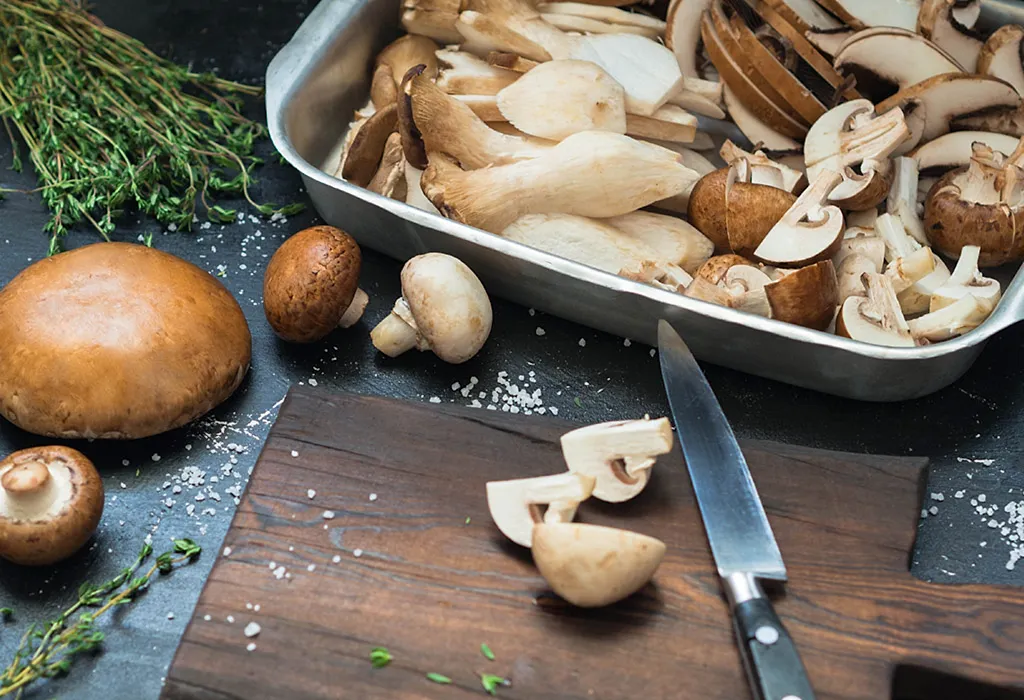
If you have been relishing mushrooms before getting pregnant, and have not experienced any side effects during pregnancy, it is safe to continue consuming the same type. Usually, commonly available mushrooms like Oyster, Cremini, and Button with no signs of damage are safe to eat. Shiitake mushrooms, mushrooms in medicinal supplements, and frozen and processed mushroom products, which are well within their expiry date, are also safe for consumption during pregnancy.
Which mushrooms are safe to consume during pregnancy? Let’s find out!
- White button mushrooms: Button mushrooms are one of the most commonly available varieties. You can recognise them with their round, button-like tops and pale white colour. The top and the shoot are both ok to eat. White button mushrooms are perfect for soups, barbecues, and stir-fries (10).
- Shiitake mushrooms: One of the most mass-cultivated and consumed mushrooms worldwide, the Shiitake mushrooms are known for their savoury umami flavour and buttery and meaty texture when cooked. They offer several beneficial effects as they possess antimicrobial, antiviral, anticancer/antitumor, antidiabetic, anticholesterol, and antiaging properties (11).
- Portabella: Portabella mushrooms are larger in size and have a meatier texture. They are suitable for grilling or baking.
- Maitake (optional): These mushrooms are considered generally safe and nutritious, though they are less studied. Maitake mushrooms are often grouped with culinary mushrooms that are fine when cooked thoroughly.
- Porcini mushrooms: These mushrooms are golden in colour and have a rich flavour. Ranked the most expensive, these mushrooms are often used in Italian cuisine.
- Chestnut mushrooms: These mushrooms resemble white button mushrooms but have a brown cap and gills that range from pink to dark brown. They have a more robust flavour and look like a darker version of button mushrooms.
- True morel mushrooms: Considered a wild species, true morel mushrooms come with an edible variety that features a hollow stem. It is important to clean and cook them thoroughly, as these mushrooms may lead to allergic reactions and digestive issues (12).
Other edible mushrooms you can eat during pregnancy include:
- Oyster Mushrooms
- Straw Mushrooms
- King Oysters/ Eringi (Pleurotus eryngii)
- Enoki (Enokitake)
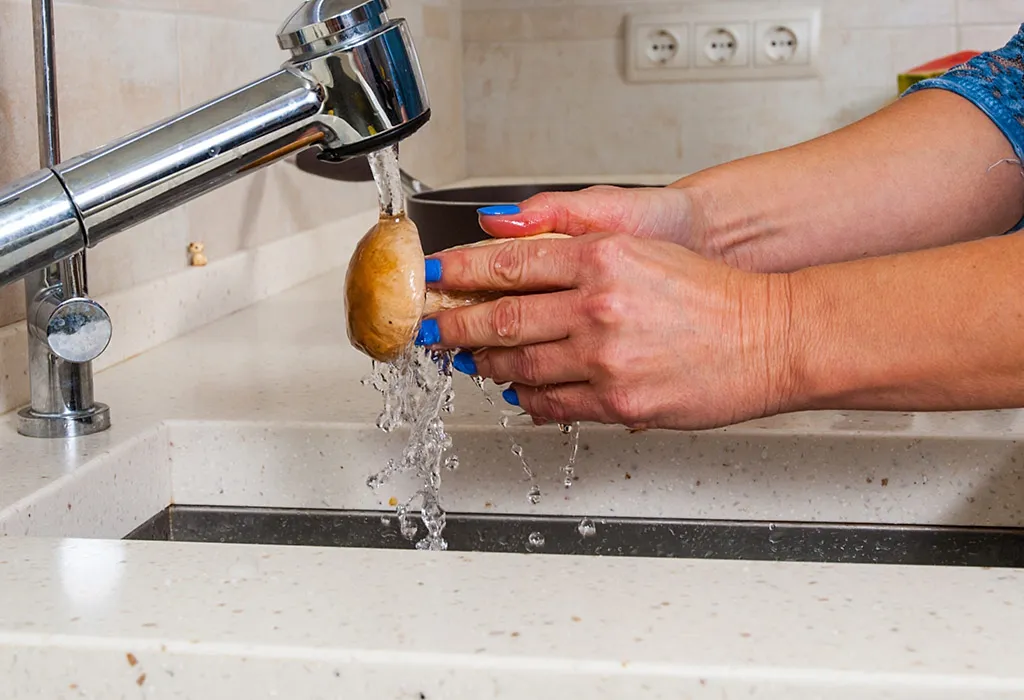
One thing you must remember is that you should purchase mushrooms that look fresh and clean, with no bruising. Also, do not eat raw mushrooms; cook them well after washing them thoroughly. This will prevent harmful fungi and germs from attacking your digestive system. But, if you still think eating mushrooms could cause problems for you during pregnancy, either stop eating them, cook them, or consume them in smaller quantities. After eating, wait to see how your body responds. If you experience allergic reactions, seek medical attention immediately and avoid eating mushrooms in the future.
Possibly Unsafe Mushrooms to Consume During Pregnancy
While most mushrooms are safe for consumption, you do need to keep in mind that some may need to be avoided. Here are the ones that are best kept off your plate.
1. Raw Mushrooms
Mushrooms are essentially indigestible if eaten raw because of their tough cell walls. To make their nutrients bioavailable to humans, most mushrooms need to be cooked thoroughly before eating. Some carcinogenic toxins, which are present in mushrooms, can be removed by cooking. It is thus advisable to cook mushrooms thoroughly before eating, during pregnancy and otherwise.
2. Magic Mushrooms
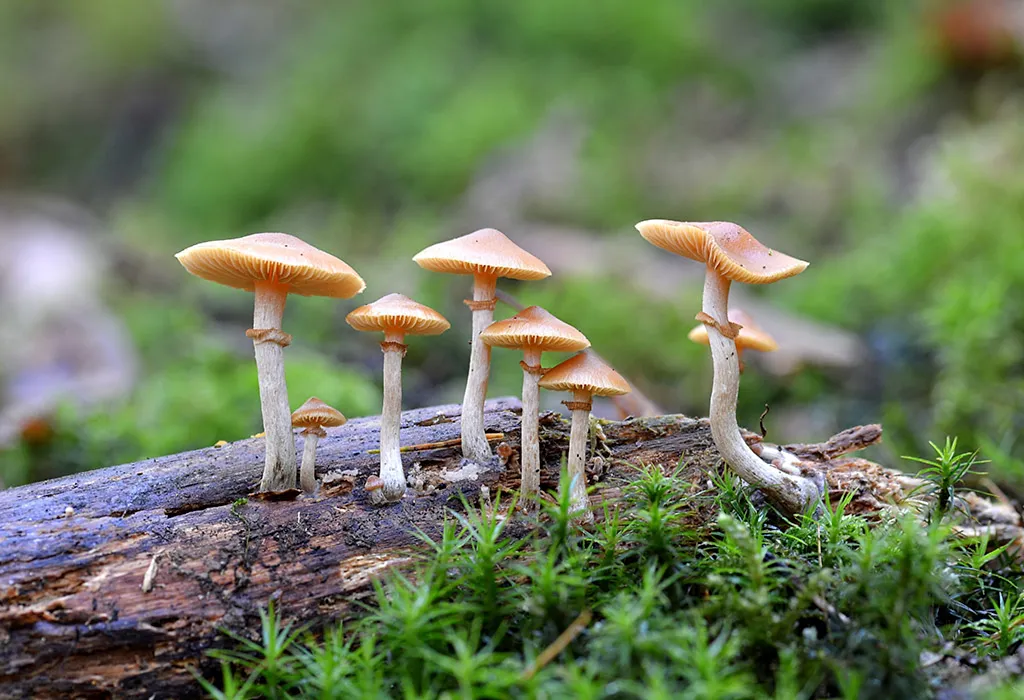
Magic mushrooms and those gathered wild can potentially pose problems. Magic mushrooms contain a substance called Psilocybin, which causes hallucinations, muscle weakness, drowsiness, nausea, and vomiting (13). They also cause ataxia – a lack of voluntary coordination of muscle movement for up to 6 hours after ingestion. Eating unsafe/toxic mushrooms can also lead to death. Therefore, wild and magic mushrooms are better avoided during pregnancy or consulted about with the doctor as there are studies on the safety of taking psilocybin during pregnancy (14).
3. Wild Foraged Mushrooms
Even experienced foragers can misidentify these, and some wild mushrooms contain toxins that can cause severe poisoning or organ damage (15). Pregnant women should stick to store-bought varieties.
Other poisonous mushrooms you should avoid are:
- False Morels
- Parasol Mushrooms
- Puffballs Amanitas
- Crimini
- Chanterelle
- Portable
- Death Cap
- Fly Agaric
- Angel Wing
- Conocybe Filaris
- Deadly Webcap
- Autumn Skullcap
- Destroying Angels
- Podostroma Conru-damae
As mentioned earlier, some mushrooms are unsafe for pregnant women to consume. Read on to know what makes mushrooms unsafe to consume during pregnancy.
Side Effects of Mushrooms While Pregnant
There are certain risks associated with having toxic mushrooms. Some of these risks include:
- Congenital Abnormalities: Consuming toxic mushrooms can lead to physical birth defects in babies (16).
- Hallucinogenic: Some toxic mushrooms possess a hallucinogenic property owing to their psilocybin content, which in turn alters brain activity (4).
- Organ Discomfort: Mushrooms that are toxic can lead to intense gastrointestinal issues and harm to the liver. Additionally, they may result in the mother exhibiting poisoning symptoms like nausea and vomiting, necessitating urgent medical care.
Now that you know some varieties of mushroom are safe to consume, you must also know that there are medicinal mushrooms as well that are quite beneficial for the human body. Let’s take a look at what medicinal mushrooms are.
What Are Medicinal Mushrooms?
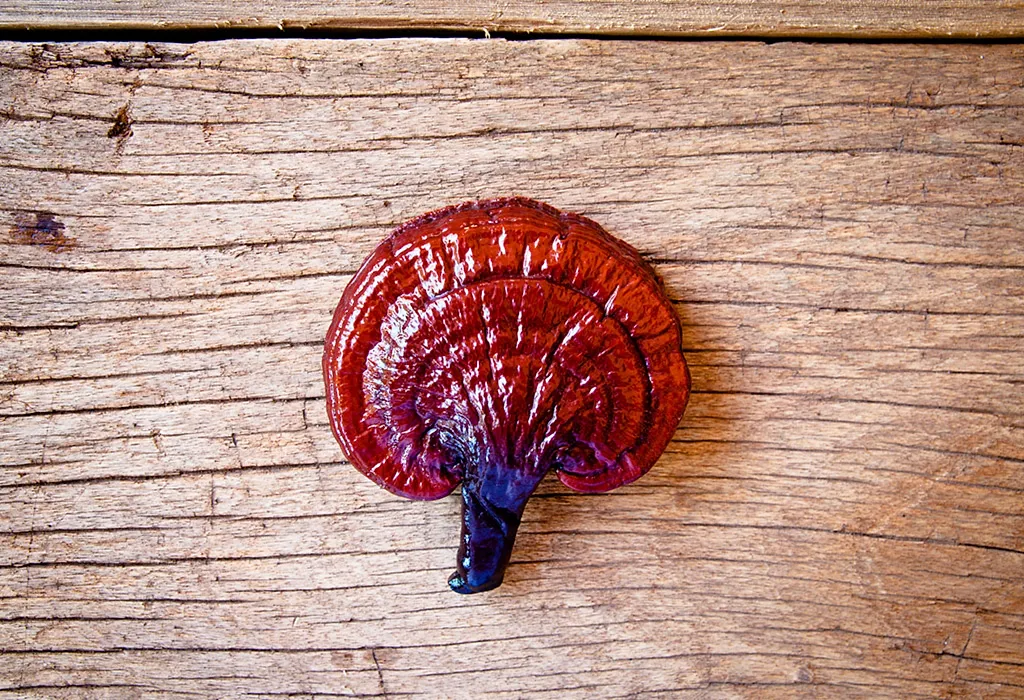
While most safe mushrooms have proven immunological and anticancer properties, some medicinal mushrooms are strong antioxidants and have anti-hypertensive, liver-protecting, and cholesterol-lowering abilities as well. A lot of pharmaceutical companies consider medicinal mushrooms an important source of biomedical properties that may benefit pregnant women, too.
That being said, it is always recommended that pregnant women consult their medical practitioner/nutritionist before they source these mushrooms and consume them. Some examples of medicinal mushrooms are shiitake, turkey tail, maitake, and reishi mushrooms.
Precautions to Take While Eating Mushrooms
Once you are sure that your body can handle mushrooms and you get a safe variety of the fungi to have for your next meal, you must follow these precautions to ensure you get the most health benefits out of it. Here are some ways you can do that:
- Mushrooms should be bought and consumed fresh.
- Do not eat them raw.
- They should be free of bruising and decay spots.
- They should be washed thoroughly and cooked well.
- As much as possible, avoid processed mushrooms, but if you have to, reduce your portion and eat it well within their expiry date.
- If you are doubtful about consuming mushrooms, eat a small amount and wait a while. If there are any side effects, do not eat anymore. If allergic symptoms are severe or look worrisome, call or see your doctor immediately.
- When eating medicinal mushrooms, be careful and monitor your health. This way, any allergy or side effect can be handled in its inception.
- Pregnancy is not the best time to experiment with adventurous foods. Avoid wild and magic mushrooms during pregnancy.
Mushroom Dishes That Are Safe in Pregnancy
Here are a few dishes that are made using mushrooms and are safe to be consumed when pregnant.
1. Mushroom Soup
Mushroom soup is safe to consume when pregnant. If you are making “cream of mushroom soup”, make sure you are using pasteurised cream or milk.
2. Stuffed Mushroom
You can enjoy eating stuffed mushrooms as long as they’re fully cooked. Make sure the stuffing you are adding to the mushroom does not contain any items you might be allergic to.
3. Mushroom and Chicken
Mushroom and chicken pies, pastas, etc., are all fine to eat in pregnancy, but make sure the chicken and mushrooms are fully cooked until steaming hot.
4. Pizza Mushroom
Yes, you can relish cooked mushroom toppings on a pizza.
FAQs
1. Can I eat mushrooms every day during pregnancy?
Yes, you can eat washed and thoroughly cooked mushrooms every day during pregnancy. But make sure to consult your doctor about including it in your diet before doing so.
2. Is it safe to eat canned mushrooms in pregnancy?
Although it is safe to eat canned mushrooms, which are thoroughly cooked, during pregnancy, but an expecting mother should avoid eating canned food during this time.
3. Can raw mushrooms cause miscarriage?
Mushrooms are good for pregnancy, but you should never consume raw mushrooms during pregnancy as they can be dangerous for the baby.
4. Can you drink mushroom coffee while pregnant?
Mushroom coffee, made by mixing ground coffee with powdered mushrooms, is generally considered safe for most people. However, its effect on pregnancy is not known. Thus, it is advisable for pregnant women to consult their doctors before trying mushroom coffee to avoid potential health risks. The doctors will be able to provide better guidance on mushroom coffee and pregnancy.
5. Does craving mushrooms in pregnancy predict the gender of the baby?
No, there is no such scientific evidence that proves that craving for mushrooms in pregnancy helps predict the gender of the baby. It’s just another old wives’ tale.
Mushrooms can supply several essential nutrients to a pregnant woman. Enjoy eating them during pregnancy by keeping the above precautions and considerations in mind. Try not to experiment with your food, as now your body needs more nutrients than before, and keep the wild varieties away. If you have concerns regarding the consumption of mushrooms, considering your current health condition, you must seek medical advice before adding mushrooms to your pregnancy diet.
Also Read:
Is It Safe To Eat Sardines while Pregnant?
Can You Eat Octupus during Pregnancy?
Eating Sesame Seeds while Pregnancy
Was This Article Helpful?
Parenting is a huge responsibility, for you as a caregiver, but also for us as a parenting content platform. We understand that and take our responsibility of creating credible content seriously. FirstCry Parenting articles are written and published only after extensive research using factually sound references to deliver quality content that is accurate, validated by experts, and completely reliable. To understand how we go about creating content that is credible, read our editorial policy here.
1. National Library of Medicine – Anti-inflammatory properties of edible mushrooms: A review
3. USDA – Mushrooms, white button
4. Harvard T.H. Chan – Mushrooms
5. National Library of Medicine – Vitamin B12-Containing Plant Food Sources for Vegetarians
6. Mushroom Council – Mushroom Nutrition
7. American College of Healthcare Sciences – How to Boost Vitamin D with Mighty Mushrooms
8. Harvard Health Publishing – A healthy diet is the key to getting the iron you need
13. MotherToBaby – Psilocybin mushrooms (“Magic Mushrooms”)
14. National Institutes of Health – Psilocybin (Magic Mushrooms)
- Author
 About the Author
Tian C
Related Articles
-
Carbohydrates During Pregnancy - Benefits, Intake, and Dietary Sources
-
Eating Ricotta Cheese during Pregnancy - Is It Safe?
-
Figs in Pregnancy - Benefits & Ways to Eat It
-
Peanut Butter During Pregnancy - Benefits and Risks
-
Black Pepper During Pregnancy - Health Benefits and Side Effects
-
Healthy Indian Diet Plan in Pregnancy: What to Eat and What to Avoid