
Can Pregnant Women Eat Chinese Food? What’s Safe & What to Avoid
Chinese food during pregnancy explained in this expert-validated guide, including safe dishes, risks, and foods to avoid.





Medically Reviewed By
Dr. Sabiha Anjum
(Gynecologist/Obstetrician)

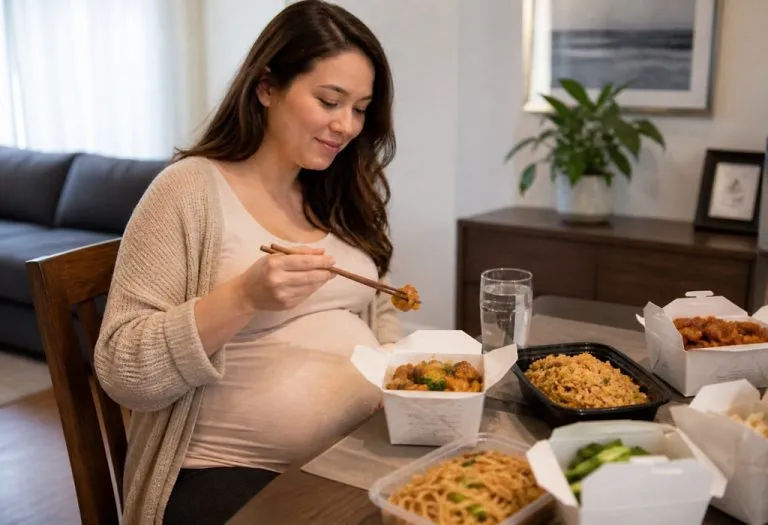
Image Credit : AI Generated Image
This content has been reviewed by a qualified expert and follows the FirstCry Parenting editorial policy to ensure accuracy and reliability.
Can I eat Chinese food while pregnant? It’s a common question asked by women on the internet. Why? Being pregnant comes with more intense food cravings than ever, so there’s more of a chance of eating outside food. Though Chinese food ranks among the most popular cuisines in the world, if you are pregnant, pause and contemplate. While you may crave Chinese food during pregnancy, there are some things you should know before consuming.
Glutamate occurs in natural forms and is present in many fruits and vegetables. It is also present in breast milk. However, MSG (monosodium glutamate) is artificially made – it is said to be excitotoxic, which means that it stimulates the growing brain and nerves when consumed during pregnancy and can lead to the development of autism, schizophrenia, etc. in the baby, as the body cannot distinguish between natural glutamate and MSG and metabolises both. But there’s one more factor – quantity. There’s plenty to talk about Chinese food and pregnancy. Let’s roll (or, have a roll) and learn everything about consuming Chinese food in pregnancy!
Is Chinese Food Safe During Pregnancy?
Craving some Chinese takeout during your pregnancy? You might be wondering if it’s safe to chow down on your favourite General Tso’s chicken. Well, good news – you don’t have to give up your go-to Chinese joint just yet! As long as you make smart menu choices and avoid certain dishes (sorry, raw egg drop soup), you and your little one can enjoy tasty Chinese cuisine without worry. So go ahead, order that kung pao shrimp and dig in!
Reasons Pregnant Women Should Avoid Chinese Food
During pregnancy, one should follow a healthy diet as the baby’s health is dependent on the mother’s. You will feel cravings for tasty (and not necessarily healthy) food and snacks, but cravings for Chinese food, especially in the first trimester of pregnancy, can have adverse effects on your and your baby’s health. Chinese food should be avoided, especially if it is made at street stalls, because the freshness of the ingredients is questionable. This can prove harmful to you and your baby.
Here are the reasons to keep Chinese food off your dining table:
- Chinese cuisine that is available in India is known to contain MSG – monosodium glutamate. If you are sensitive, it is best to avoid it since it could cause allergic reactions, headaches, and even hot flashes (1).
- MSG is used in Chinese food to enhance its taste. The consumption of Chinese food during pregnancy may worsen your morning sickness. Although this may not happen for all.
- The glutamate in MSG can cross the placenta and have a significant impact on the baby’s brain and nervous system (2). The placental barrier protects the baby from acidic food, and MSG can break this barrier and expose your baby to germs and harmful bacteria.
- Some foods high in MSG may also be high in sodium, which can lead to dehydration, bloating and high blood pressure, especially when consumed regularly. During pregnancy, it causes water retention, which can be harmful to the body. It can further complicate things by causing oedema and can enhance pregnancy complications like preeclampsia. It’s best to keep the sodium intake at or under 2300 milligrams per day for adults (3).
- If you have been allergic to MSG prior to pregnancy, it is best to stay away from Chinese food. Sleep disturbances, vomiting, nausea and headaches are common reactions; so avoid Chinese food during pregnancy.
- Non-essential amino acids in MSG can lead to developmental disorders, thus arresting the baby’s growth in the womb.
- Although our body produces glutamate naturally, and it is found in fruits and vegetables, artificial MSG is made by fermenting sugar, which is harmful to the health of the mother and child. Hence, it is best avoided during pregnancy.
Is It Safe to Eat Chinese Food in Early Pregnancy (the First Trimester)?
If you’re in the early stages of pregnancy, you might be feeling extra cautious about everything you put in your mouth (no judgment, we’ve all been there). So, is it safe to indulge in some yummy Chinese food? Well, as long as you stick to cooked dishes and steer clear of any raw or undercooked ingredients (looking at you, rare beef), you should be good to go. And hey, if you’re still feeling unsure, just remember that fortune cookies always bring good news – so order up!
Chinese Foods That Are Said to Be Helpful During Pregnancy
It is a known fact that due to the presence of excessive amounts of MSG in Chinese food, pregnancy can be affected. However, certain Chinese foods and their ingredients can prove to be beneficial during pregnancy:
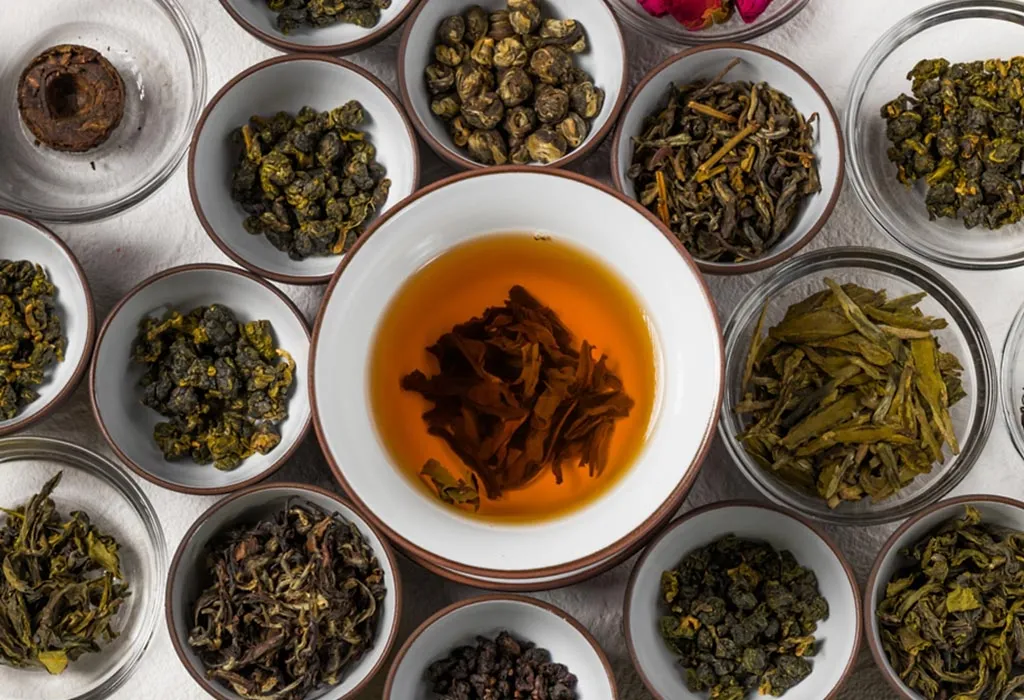
1. Chinese/Green Tea
Antioxidants that are present in green tea can prove to be beneficial for your health and your baby’s too. However, check the caffeine content before you consume it.
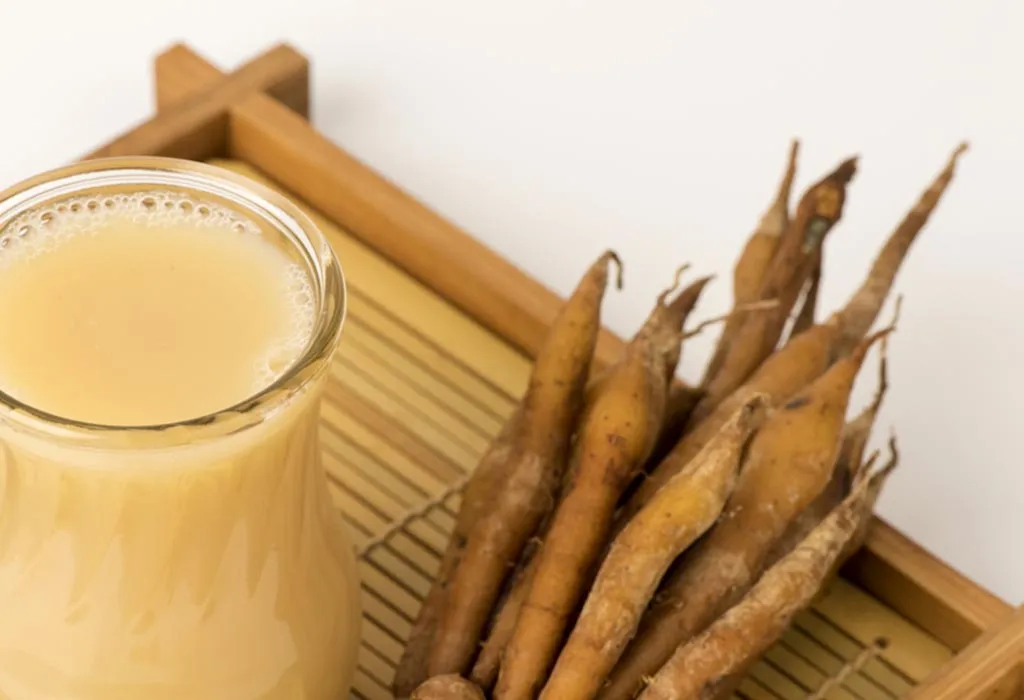
2. Chinese Ginger
This food is well-known for its anti-microbial and anti-viral properties. When included in your diet during pregnancy, it revitalises the body and helps relieve nausea.
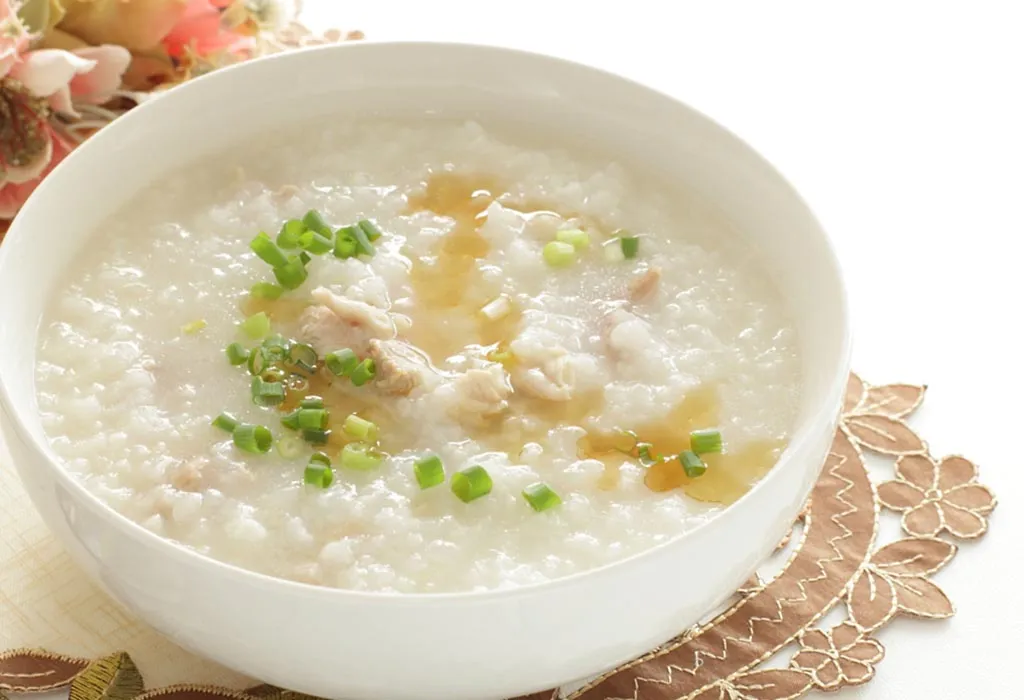
3. Congee
Congee is a popular rice porridge that is often eaten as breakfast in China and several other Asian countries. It has a bland taste, but it full of nutrients and very filling. It also helps control nausea during pregnancy.
4. Bean Sprouts
This wonder food contains proteins, phytonutrients and vitamins. It can prove to be beneficial for your baby’s health and brain development.
5. Fresh Tofu
A kind of paneer made out of soy milk, tofu contains many proteins and antioxidants that help in maintaining your health during pregnancy.
6. Coconut Milk
The presence of potassium, magnesium, sugar and protein in coconut milk can boost foetal development to a great extent.
7. Bok Choy
This leafy green veggie is a staple in many Chinese dishes, and it’s loaded with vitamins and minerals that are important for a healthy pregnancy. Plus, its mild flavour makes it an easy addition to stir-fries and soups.
8. Red Dates
These little fruits (also known as jujubes) are often used in traditional Chinese medicine to promote overall health and wellness. During pregnancy, they’re said to help strengthen the uterus and prepare the body for labor. Plus, they’re sweet and chewy, making them a tasty snack on their own or in desserts.
9. Black Sesame Seeds
These tiny seeds are a powerhouse of nutrients, including calcium, iron, and vitamin E. In Chinese culture, they’re often used in sweet treats like sesame seed balls or sprinkled on top of congee for added flavor and nutrition.
10. Shiitake Mushrooms
These flavorful mushrooms are a staple in Chinese cuisine, and they’re also packed with nutrients that are great for pregnant women, like vitamin D and iron. Plus, they add a savory umami flavor to soups, stir-fries, and other dishes.
Chinese Foods to Avoid During Pregnancy
Now that we’ve covered the delicious Chinese foods that are safe and even helpful during pregnancy, let’s talk about the ones you might want to avoid. While it’s tempting to indulge in all your favourite dishes, there are a few that could potentially harm your growing baby, such as (4):
- You’ll want to steer clear of any raw or undercooked meats (sorry, beef carpaccio fans).
- Dishes that are high in sodium (hello, soy sauce overload).
- It’s also best to avoid any dishes made with unpasteurized dairy or raw eggs (so long, runny egg drop soup, at least for a while).
By being mindful of what you’re eating, you can still enjoy all the delicious flavours of Chinese cuisine without any worries.
Does Craving Chinese Food Indicate the Gender of the Baby?
If you’re pregnant and craving Chinese food, you might be wondering if there’s any truth to the old wives’ tale that certain cravings can predict the gender of your baby. While there’s no scientific evidence to support this claim (sorry, no insider info on your baby’s gender), it’s always a good idea to listen to your body and indulge in the foods that you’re craving (within reason, of course). As long as you’re making smart choices and sticking to safe, cooked dishes, you can enjoy all the flavours of Chinese cuisine without any worries. So go ahead and treat yourself to some General Tso’s chicken or veggie lo mein – your baby will thank you for it!
Homemade Chinese Food Vs Chinese Restaurant Food
Ah, the age-old question: is homemade Chinese food just as good as the stuff you get at your favourite restaurant? Well, the answer is…it depends. While making Chinese food at home can be a fun and rewarding experience, there are some dishes that just taste better when you order them from your go-to takeout joint (we’re looking at you, fried wontons). On the other hand, cooking at home allows you to control the ingredients and customise the flavours to your liking (extra spicy, anyone?). Plus, it can be a great way to save money and eat healthier. So, whether you’re craving some sesame chicken or fried rice, it’s up to you to decide whether to whip it up in your own kitchen or place an order for delivery. Either way, you’re in for a delicious meal!
FAQs
1. What does Chinese restaurant syndrome mean?
Chinese Restaurant Syndrome might sound like the name of a terrible kung fu movie, but it’s actually a term used to describe a set of symptoms that some people experience after eating Chinese food. These symptoms can include headaches, dizziness, and sweating, and were originally thought to be caused by the flavour enhancer MSG (monosodium glutamate) that’s commonly used in Chinese cooking. However, scientific research has failed to find a direct link between MSG and these symptoms, and many people can enjoy Chinese food without any issues. So, while the name might be a bit misleading, there’s no need to avoid your favourite Chinese dishes out of fear of the dreaded Chinese Restaurant Syndrome.
2. Can you eat Chinese fried rice and spring rolls in pregnancy?
Good news, pregnant mamas – you can definitely enjoy Chinese fried rice and spring rolls without any worries! As long as the ingredients are cooked thoroughly and the food is handled safely, there’s no reason to avoid these tasty treats. Just be sure to choose veggie or seafood versions of spring rolls (as opposed to raw meat), and keep an eye on your sodium intake if you’re prone to swelling. And if you’re making fried rice at home, try swapping out white rice for brown or cauliflower rice for an extra dose of fibre and nutrients.
3. Is it safe to eat Chinese food while breastfeeding?
If you’re a breastfeeding mom who’s craving some General Tso’s chicken, you might be wondering if it’s safe to indulge in Chinese food while nursing. The good news is that as long as you’re making smart choices and sticking to cooked dishes, there’s no reason to avoid Chinese food altogether. Just be mindful of the sodium content (hello, bloating), and steer clear of any raw or undercooked meats or fish. And if you’re worried about potential food allergies or sensitivities in your baby, you can always introduce new foods slowly and watch for any reactions. So go ahead and satisfy those Chinese food cravings – your taste buds (and your baby) will thank you for it!
4. Is it safe to eat soya sauce and Chinese buffet while pregnant?
If you’re pregnant and experiencing some serious Chinese food cravings, you might be wondering if it’s safe to indulge in soya sauce and hit up your favourite Chinese buffet. The good news is that, in moderation, both of these are generally considered safe during pregnancy. Just be sure to choose cooked dishes instead of raw or undercooked options, and watch out for any potential allergens (like peanuts or shellfish) that may be present in certain dishes. And while soya sauce is a tasty addition to many Chinese dishes, it’s also high in sodium, so be mindful of your intake if you’re prone to swelling or high blood pressure. So go ahead and enjoy your Chinese food – just be sure to make smart choices and indulge in moderation.
4. Are MSG and salt the same?
No, MSG and salt are not the same, nor is MSG a type of table salt. While both contain sodium, MSG (monosodium glutamate) is the sodium salt of glutamic acid, which is used to enhance savoury umami flavour. MSG contains about 14% sodium, basically one-third of the 40% found in table salt. It is produced through fermentation, often used to boost savoury flavours in dishes.
5. Can I eat Ramen, noodles, or Indo-Chinese food during pregnancy?
You can eat Ramen, noodles, and Indo-Chinese food during pregnancy as long as it is consumed occasionally, in limited amounts, has less sodium, and is paired with plenty of fibre. Be careful with Ramen, especially since it contains the highest amount of sodium among the three.
6. Is homemade Chinese food better than restaurants and vendors?
Yes, homemade Chinese food is better than outside food as you have control over hygiene, salt, quality and freshness of ingredients.
It’s perfectly safe to enjoy Chinese food when pregnant, and satisfying those Chinese food cravings during pregnancy can be a delicious way to spice up your diet. Just remember to make smart choices, opt for cooked dishes, and listen to your body’s cravings in moderation. So go ahead and dig into those dumplings – your taste buds (and your baby) will thank you!
Also Read:
Overeating in Pregnancy
Healthy Snacks for Pregnancy
Junk Food during Pregnancy
Was This Article Helpful?
Parenting is a huge responsibility, for you as a caregiver, but also for us as a parenting content platform. We understand that and take our responsibility of creating credible content seriously. FirstCry Parenting articles are written and published only after extensive research using factually sound references to deliver quality content that is accurate, validated by experts, and completely reliable. To understand how we go about creating content that is credible, read our editorial policy here.
- Author
- Expert Reviewer


Related Articles
-

Peanut Butter During Pregnancy - Safety, Benefits & Risks
-
Paneer During Pregnancy - Benefits, Side Effects & Precautions
-
Drinking Kombucha While Pregnant: Is It Safe?
-
Overeating In Pregnancy - Risks and How to Stop It
-
Pickles in Pregnancy - Craving, Benefits, and Safety
-
Drinking Buttermilk During Pregnancy