


Grapes in Pregnancy – Benefits, Risks & Precautions
Learn whether grapes are safe during pregnancy and how they support a healthy diet for mother and baby.





Medically Reviewed By
Dr. Sanjana Sainani
(Gynecologist/Obstetrician)


Image Credit : AI Generated Image
In this Article
- Can Pregnant Women Eat Grapes?
- Benefits of Grapes During Pregnancy
- Nutritional Value of Grapes
- Grapes During Pregnancy by Trimester
- When Should You Avoid Grapes?
- Side Effects of Eating Grapes During Pregnancy
- Can Grapes Cause Miscarriage?
- Important Things to Consider While Eating Grapes During Pregnancy
- Grapes Recipes for Pregnant Women
- FAQs
View More
Cravings take up a notch in pregnancy; women can crave anything at any time. Craving grapes in pregnancy is a common thing many expectant mothers experience because of their sweet and sour taste. And then suddenly it hits you, is eating grapes during pregnancy safe for my baby, coz you gotta take no chances! When it comes to parenting, nothing is more important than the health and well-being of your child. This is why it’s important to understand the value of what you eat, especially during the crucial months your baby spends in your belly. Consuming a well-balanced diet not only helps your baby but also helps you get healthier and happier. One of the most important things to look out for in a diet is the ingredients used in your meals and if they are safe to consume during your pregnancy. Let’s see if grapes can cross that safe pregnancy bar, shall we?
One of the most accessible fruits debated upon is grapes during pregnancy. Let’s take a look at if grapes are safe to eat during this period.
Can Pregnant Women Eat Grapes?
Are grapes good during pregnancy? According to most doctors, the answer to this frequently asked question is affirmative! In limited consumption, grapes aren’t just safe but also extremely healthy. This is because grapes are a natural source of minerals, vitamins and other key nutrients (1).
Much like anything, however, overeating them will harm your body. Grapes are rich in a natural sugar called fructose, which, if not monitored during gestational diabetes, can aggravate it and cause harm.
Benefits of Grapes During Pregnancy
Grapes consumed in limited quantities can help improve the lifestyle and health of both mother and child. This is because the nutrients they carry can prevent or fight a lot of diseases and illnesses.

Benefits of Grapes for the Mother
Here are the benefits of grapes for pregnant women:
- The magnesium content in grapes helps combat muscle cramping.
- The iron presence in grapes avoids anaemia during pregnancy and helps balance out haemoglobin levels.
- Pregnancy deteriorates your immune system; the antioxidants in grapes can help improve your immunity (2).
- The water content and anti-inflammatory properties of grapes help combat both arthritis and asthma.
- The hydrating ability of grapes ensures your lungs retain the right kind of moisture.
- The high fibre content helps battle constipation.
- The organic acids from grapes beat cavities (3).
- The risk of heart disease increases during pregnancy; grapes contain a component called polyphenol, which helps beat heart disease (4).
Benefits for the Baby
Grapes are beneficial not only for expecting mothers but for babies as well.
- The natural sodium balance of grapes helps with the development of the baby’s nervous system.
- Flavanol and vitamin A in grapes can help with the development of the baby’s eyesight.
- More nutrients are passed onto a foetus or unborn baby due to the presence of vitamin B compounds, which help with the pace of the maternal metabolism. Grapes contain ample vitamin B.
- The presence of a mineral called resveratrol stabilises the mother’s cholesterol, ensuring the unborn child has a healthy heart.
Nutritional Value of Grapes
Grapes have great nutritional value (1):
- Calcium
- Iron
- Magnesium
- Potassium
- Fibre
- Fructose
- Manganese
- Cobalt
- Resveratrol
- Pectin
They are also rich in natural acids like:
- Folic Acid
- Citric Acid
- Malic Acid
- Tartaric Acid
Additionally, grapes are also a rich source of vitamins like:
- Vitamin K
- Vitamin E
- Most of the Vitamin B group
Remember that if regulated and limited in consumption, grapes can be good during pregnancy.
Grapes During Pregnancy by Trimester
Grapes can be a refreshing and nutritious fruit choice throughout pregnancy when eaten in sensible portions. Here are the benefits of grapes for pregnant ladies during each trimester.
In First Trimester
During early pregnancy, many women look for natural ways to ease nausea and low energy levels. Including grapes in pregnancy first trimester can be helpful, as they may reduce morning sickness and combat fatigue. Grapes also provide folate, an important nutrient that supports early fetal development and helps lower the risk of neural tube complications.
While grapes are generally safe when properly washed and eaten in moderate portions, excessive intake—especially of grape leaves—may lead to digestive discomfort. Compared to certain fruits like raw or unripe papaya and pineapple, which are often discouraged in early pregnancy, grapes are typically considered a safer option when consumed sensibly.
In Second Trimester
The middle phase of pregnancy is often more comfortable, making it easier to maintain a balanced diet. Adding grapes during pregnancy second trimester can be beneficial because they contain nutrients that support bone strength and promote healthy blood circulation for both mother and baby.
This trimester is an ideal time to enjoy grapes as a wholesome snack, as they provide hydration, natural sugars for energy, and valuable vitamins that contribute to overall maternal and fetal well-being.
In Third Trimester
As pregnancy progresses into the final months, nutritional awareness becomes even more important. Eating grapes in third trimester may support digestion and help ease swelling, particularly when consumed as fresh fruit or juice.
Since the baby gains significant weight during this stage, it’s important to watch portion sizes to avoid excessive calorie intake. Red grapes, especially, are rich in antioxidants that help protect cells from oxidative stress, offering additional support for maternal health during the final stretch of pregnancy.
When Should You Avoid Grapes?
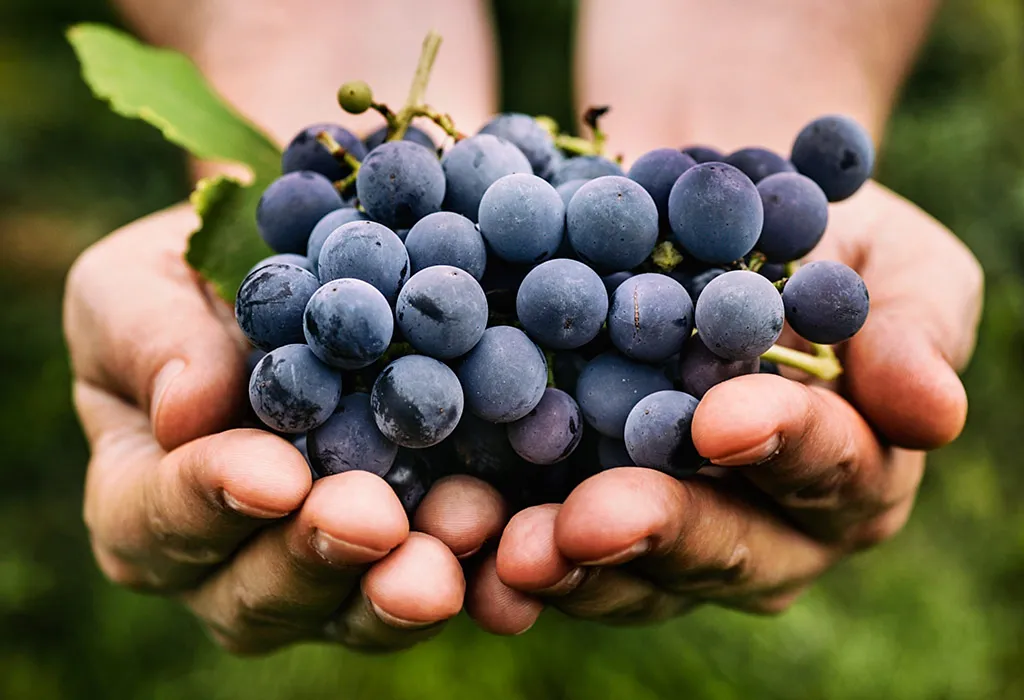
Although grapes are packed with nutritional value, there are a few conditions in which you should avoid them altogether:
- Women who are allergic to grapes should avoid them at all costs.
- Expectant mothers who have gestational diabetes should avoid or limit the intake of grapes.
- Women who have ulcers and other issues with the digestive tract should avoid grapes until the condition is cured.
- Women who have problems with high blood sugar should avoid grapes.
Side Effects of Eating Grapes During Pregnancy
When you consume too many grapes at once, you may experience the following conditions as side effects:
- A blood sugar imbalance
- Weight gain
- Heartburn and GERD
Can Grapes Cause Miscarriage?
You might have heard of the infamous talk about grapes causing miscarriage because of a compound called resveratrol in them. So, is it really a total myth or misguided information? We shall see below.
In a study done on primates, researchers found that resveratrol supplements led to fetal abnormalities (5). Resveratrol is a compound found in the skin of grapes, which is known to aid in losing weight and fighting cancer, though the research is underway. This led researchers to recommend that pregnant women avoid any supplements containing this compound. However, the catch is that one supplement pill contains about 250 to 500 mg of resveratrol, while a bowl of grapes contains only one mg of resveratrol. So, you would technically need to consume roughly 160 cups of grapes every day to match this amount of compound, which is highly unlikely!
Enjoying a healthy serving of grapes is unlikely to cause any harm. However, if you are still worried, you can avoid red grapes and consult your doctor to clear your doubts.
Important Things to Consider While Eating Grapes During Pregnancy
Here are a few things to consider when eating grapes on a regular basis:
- Be aware that grapes are rich in sugar. If you consume grape juice, the natural dietary fibre of the fruit is lost. Consuming too much grape juice can harm your blood sugar levels (6).
- Eating grapes on an empty stomach could cause indigestion due to their acidic capacity.
- Consuming black grapes during pregnancy can cause digestive issues if your stomach is already weak.
- If you already have GERD, it may be best to avoid grapes until it settles.
- Eat fresh grapes rather than dried ones where possible, as fresh ones have less sugar content than raisins.
- Grapes are one of the fruits that are likely to be contaminated with pesticides, as per the Environmental Working Group’s ‘Dirty Dozen’ list (7). Always wash them before eating to remove any harmful pesticides, bacteria, and parasites from their skin.
- When planning to consume the juice of grapes, make sure it is pasteurised. Fruit juices from the local vendor aren’t pasteurised and must be avoided during pregnancy.
Grapes Recipes for Pregnant Women
- Mix an assortment of grapes with kale, artichokes, arugula, pineapple, roasted beets, and a simple salad. Toss it well; your refreshing and light salad is ready.
- Mix green grapes with assorted nuts, pepper and salt and blend them with some olive oil and Tabasco sauce. Marinate some boneless chicken pieces in this grape and nuts mixture, and eat them as an appetiser or with roti as a nutritious lunch.

- Mix yoghurt, an assortment of grapes and berries, some kale, pink salt and bananas and blend them together for a power smoothie that packs a nutritional punch.
- In a bowl, mix marshmallow cream and cream cheese until they are blended well and feel creamy. Add fresh, washed grapes to the cream mixture and devour. Your grape salad is ready!
- Cook chicken breasts in butter and oil over medium heat until the sides turn golden brown. Now, add salt and pepper, thyme, and cream to the chicken breasts and let me cook for another 6-7 minutes. Once the cream thickens, add grapes and let it cook in the heat. Once the grapes are slightly light, remove the pan from the stove, and you are ready with a Chicken and Grapes dish!
FAQs
Here are some frequently asked questions about the consumption of grapes during pregnancy:
1. Is eating dry grapes or raisins safe during pregnancy?
Yes, eating dry grapes or raisins in limited quantities is considered safe during pregnancy. Remember only to consume a small handful, however, as overeating it carries risks. In small doses, these nutritious raisins will give you a lot of energy. You can even mix them with cereal or porridge if you aren’t a fan of the flavour.
2. Can I drink red/white wine during pregnancy?
You are advised to avoid any type of alcohol during your pregnancy. This is considered harmful for your baby. Instead of wine, try a non-alcoholic grape mocktail.
3. Are grape seeds safe?
Grape seeds can carry some risk if you are allergic or are on medications or supplements that may react badly when combined with these seeds. It is highly recommended that you consult your doctor before eating grapes with seeds.
4. Are grapes with black spots safe?
No, grapes that have a black spot are not safe for anyone. Those black spots are a type of mould. It is extremely poisonous and should be avoided at all costs. If the grape has a green and white spot on it that seems unnatural, avoid it. This could be a form of fungus that is also considered extremely poisonous.
5. If I have gestational diabetes, how many grapes can I eat?
Grapes are rich in nutritional value, but if you have gestational diabetes, please avoid them. Consult your doctor about foods that can provide the same nutrients or consider nutritional supplements.
6. Can I drink sparkling grape juice while pregnant?
Yes, you can drink sparkling grape juice when pregnant. These contain added CO2 carbonation instead of natural fermentation, which ensures no trace of alcohol in sparkling grape juices.
Drink only pasteurised sparkling grape juice or pasteurised grape juice during pregnancy to avoid pathogen or pesticide contamination in a pregnant woman’s body. Also, check the sugar content in the juice before consuming, and choose brands that offer pasteurised grape juice safe for pregnant women.
7. Eating green, black and red grapes in pregnancy – does the colour matter?
There are very subtle differences when it comes to green, red or black grapes. The flavour is a bit different in all three besides their colours. Black grapes have seeds, but that doesn’t impact their nutrition or safety. In addition to the flavour and seed, the resveratrol content matters. The darker the colour of a grape, the more resveratrol it contains. Though eating a bowl of red grapes occasionally isn’t going to impact the pregnancy, you can lower the chances of impact even more by sticking to green grapes.
This was all about the consumption of grapes and pregnancy. Grapes and other fruits are great sources of nutrition. Consuming fruits during pregnancy is highly recommended by dieticians to help balance out your body’s required minerals and vitamins. Remember, however, to talk to your doctor and plan a customised diet carefully, as overcompensating for one ingredient can cause a nutritional imbalance. It is best to limit the excessive intake of any food. Neither grapes nor any other fruit can solely make up a diet, so remember to eat healthily. Consult your dietician about the kind of food you can have with grapes as an accompaniment. It is highly recommended that you keep in touch with your doctor throughout your pregnancy and communicate any problems you may notice while on any diet.
Note: It is best to consult a dietician for a more comprehensive diet plan based on your medical requirements if you are not sure whether you are allergic to certain foods. You can get an allergy panel blood test done, or you could incorporate small amounts of ingredients before starting the diet to eliminate the risk of allergies.
Also Read:
Passion Fruit in Pregnancy
Wood Apple during Pregnancy
Lychee (Litchi) during Pregnancy
Consuming Amla During Pregnancy
Was This Article Helpful?
Parenting is a huge responsibility, for you as a caregiver, but also for us as a parenting content platform. We understand that and take our responsibility of creating credible content seriously. FirstCry Parenting articles are written and published only after extensive research using factually sound references to deliver quality content that is accurate, validated by experts, and completely reliable. To understand how we go about creating content that is credible, read our editorial policy here.
- Author
- Expert Reviewer
 About the Author
Aparna
Related Articles
-

Can I Eat Jackfruit During Pregnancy? Safety, Benefits, & Risk
-

Can You Eat Oysters While Pregnant?
-

Consuming Yoghurt During Pregnancy - Is It Safe?
-

Importance of Iodine in Your Pregnancy Diet
-

Chocolates During Pregnancy - Is It Safe?
-

Eating Goji Berries in Pregnancy: Is It Safe, Benefits & Side Effects