


Summer Skin Care for Children – Everything You Need to Know




In this Article
- Why Heat, Sweat, and Humidity Trigger Skin Issues
- Common Summer Skin Issues in Children
- Daily Summer Skin Care Routine for Children
View More
Parents often assume that only winters are harsh on babies’ skin, but summers can be equally unapologetic. Excess heat, sun exposure, and frequent sweating are not so kind on children and can damage their delicate skin barrier. Children’s skin loses moisture faster than we can imagine with exposure to heat, dust, and sweat, and supporting it with the right, gentle products that care for and protect their natural skin barrier.
Why Heat, Sweat, and Humidity Trigger Skin Issues
Newborn babies have a developing immune system, including highly sensitive skin, that is still learning to adjust to the outside world. Their sweat glands are not fully developed yet, which makes it difficult for them to regulate their body temperature, especially during hot and humid weather. Even though newborn babies usually stay indoors, they can still feel the effects of heat. Warm rooms, poor ventilation, swaddling, or tight clothing can cause them to overheat and sweat. Sweat trapped under clothing or in skin folds, like the neck, armpits, or diaper area, can block the sweat ducts, leading to tiny red bumps, which we know as heat rash.
With humidity, sweat evaporates slowly, which means the skin stays damp for a longer period. This gives enough time for bacteria and fungi to grow. And that’s how babies often get other skin problems like diaper rash, prickly heat, and fungal infections.
Since these are common issues in the summer, paediatricians advise parents to rethink and plan their children’s summer routine accordingly. Simple changes, like ensuring gentle cleansing that isn’t harsh on the delicate skin, breathable clothing, and keeping the skin dry, can support skin care significantly.
Common Summer Skin Issues in Children
Heat Rashes
One of the most irritating skin problems that announces the arrival of summer is heat rash. Tiny red bumps or tiny fluid-filled blisters appear clustered on children’s neck, back, or chest (1). Looking harmless at first, these bumps cause itching or a prickly sensation (2). When scratched, they make the skin red and inflamed, and make children really fussy. They aren’t dangerous, but they make children highly uncomfortable when the heat is already enough to make someone go nuts.
Other Skin Problems
Heat rash may steal the spotlight. But it isn’t the only skin issue children and toddlers face. Diaper rash with babies and toddlers, for example, becomes more frequent because heat and moisture accumulate easily in the diaper area. Sweat combined with friction irritates the skin, leading to red, inflamed skin. Fungal infections, on the other hand, is another summer visitor that thrives in warm, moist environments, like skin folds. Sun exposure causes sunburns, particularly in those children whose skin contains less melanin.
If you look at the summer skin issues from a broader angle, you’ll find common root causes: heat, sweat, dirt, and a disrupted skin barrier. With a delicate and disrupted skin barrier, inflammation and entry of pathogens happen quickly. That’s why paediatricians recommend focusing on gentle cleansing, keeping the skin dry, and maintaining children’s skin barrier with ideal pH 5.5-based products.
So, how do you make your child cool and comfortable during summer? Scroll to find the answer!
Daily Summer Skin Care Routine for Children
Routine summer skincare for children doesn’t come in eight or nine steps. Following the basics shows massive results.
1. Gentle Cleansing
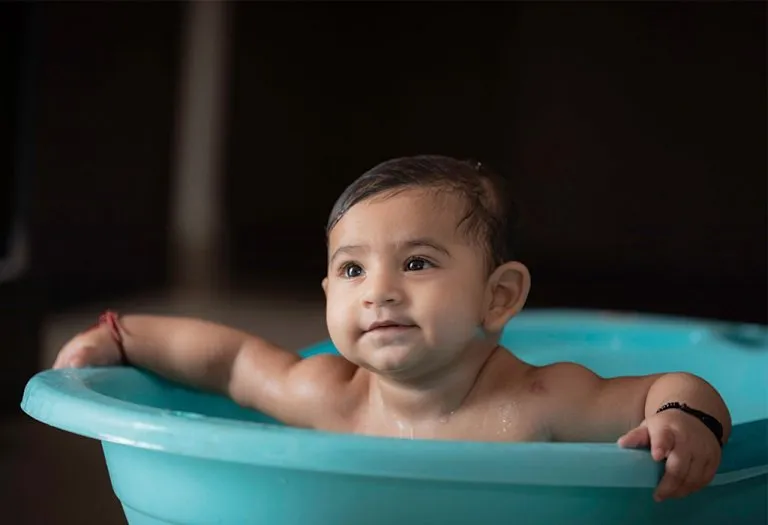
A short bath with a gentle, ideal pH 5.5 cleanser can remove dirt, sweat, and grime that accumulate on the skin throughout the day. While bathing is beneficial, excessive washing can strip away natural oils that protect the skin barrier. Hence, a cleanser with Allantoin will keep the baby’s skin hydrated. So, keeping the bath time short, not exceeding 15 minutes, two times a day is enough (3).
Another important thing when bathing is what you use to cleanse your child. Regular soaps used by adults are not best suited for children. Let us tell you why.
Why pH 5.5 Is Ideal for Child and Baby Skin
The acid mantle, which is a thin protective film that sits on the skin’s surface, regulates bacterial growth and prevents harmful microbes from entering the skin. It works best when the skin’s pH is slightly acidic, typically around pH 5.5. When the skin stays around this range, it is protected against dryness, irritation, and infection. Going too acidic or alkaline on the pH scale can weaken the acid mantle, making skin vulnerable to skin infections and inflammation. Thus, maintaining an ideal pH of 5.5 is essential for maintaining children’s skin barrier and reducing the risk of irritation and infections.
Regular bathing soaps used by adults are not so friendly towards children’s skin pH, as their pH usually scales between 8 and 9, which is highly alkaline. Over time, such soaps can dry out the skin and leave it dull.
Parents should look for a syndet bar or liquid cleanser that mimics the skin’s natural pH – around 5.5 – and maintains hydration. Among the many cleansers and soaps, Baby Sebamed Gentle Wash or Baby Sebamed Cleansing Bar stand out as ideal cleansers/soaps for children. Recommended by paediatricians, Sebamed baby bar and Gentle Wash gently clean without drying out the skin. They are also free from baddies like parabens, phthalates, heavy fragrances, and other chemicals, ensuring a worry-free bathing experience for babies and children.
After the bath, gently pat dry; no rubbing. Apply a light Allantoin & Chamomile-based moisturiser while the skin is slightly damp to lock in the moisture and keep the skin supple and hydrated (4).
2. Choose Light Clothing
Dress your children in light, breathable, and natural fabrics that allow air circulation, help sweat evaporate, and reduce skin irritation. Avoid synthetic or tight fabrics. Try fabrics like cotton and bamboo as they absorb moisture quickly. Light coloured clothes also help reflect sunlight, keeping the child cool.
3. Keep Your Children Indoors During Peak Hours
The peak sunlight hours are from 11 am to 4 pm in the evening. This is when the sunlight is unbearable. Keep your children indoors during this time with proper air circulation. Avoid direct sunlight exposure and make your child wear a wide-brimmed hat and sunglasses.
4. Don’t Forget the Sunscreen
Sunscreen is important. Whether they are outdoors or indoors, babies need protection from the sun’s harmful radiation. Choose a child-friendly, dermatologist-tested sunscreen for your kiddo and apply it to exposed areas, including the face (5). Baby Sebamed Sun Lotion brings joy to parents because it gives their little one triple sun protection from the sun with a UVA/UVB filter. It is the only sun lotion with pH 5.5 that helps protect from UVA and UVB rays and supports the skin’s acid mantle. Be sure to apply the sunscreen 15-20 minutes before going outside and reapply it every two hours, and also after swimming.
5. Keep Them Hydrated
Hydration during summer is very important. Keep your little peanut hydrated by encouraging them to drink water. Offer them seasonal fruits such as watermelon, mango, cucumber, and melon. Coconut water also works great as an electrolyte source.
With the sun sizzling overhead, challenges like heat rash, prickly heat, and sunburn are common. Loose clothing, lukewarm bath, and a gentle skincare routine are the skincare basics for summer for children. Another important thing parents should ensure is selecting skincare products that maintain the skin’s ideal pH 5.5. Limiting children from playing outside or enjoying summer adventures won’t help. Instead, creating a thoughtful skincare routine with the right products will support their skin while they explore the world.
Also Read:
How to Prevent Sunburn in Babies?
How to Dress Up a Baby in Summer?
How to Take Care of Newborn Baby in Summer
Why an Ideal pH 5.5 is Important for a Newborn’s Skin
Was This Article Helpful?
Parenting is a huge responsibility, for you as a caregiver, but also for us as a parenting content platform. We understand that and take our responsibility of creating credible content seriously. FirstCry Parenting articles are written and published only after extensive research using factually sound references to deliver quality content that is accurate, validated by experts, and completely reliable. To understand how we go about creating content that is credible, read our editorial policy here.
1. American Academy of Pediatrics – Heat Rash (Prickly Heat) in Babies & Young Children
2. American Academy of Dermatology Association – 12 Summer Skin Problems You Can Prevent
3. Indian Pediatrics – Indian Academy of Pediatrics Guidelines for Pediatric Skin Care
5. Texas Children’s – Caring for your child’s skin during summer
- Author
 About the Author
Rama Aiyer
Related Articles
-

Using Clove Oil to Relieve Teething Pain in Babies - Is It Safe?
-

Everything You Need to Know About the Pneumococcal Vaccine
-

8 Diaper Changing Mistakes That Give Your Baby a Diaper Rash - What To Do Instead!
-
Baby Beach Tents and the Right Way to Choose One
-

Baby Scratching Face - Reasons & Prevention Tips
-

Infant Ear Piercing: What’s Safe & What’s Not


.svg)