
4 Weeks Pregnant – Symptoms, Baby Development, and Care Tips
What happens when you are 4 weeks pregnant? This gynecologist reviewed guide covers early symptoms and baby growth & more.





Medically Reviewed By
Dr. Priyanka Kalra
(Gynecologist/Obstetrician)

This content has been reviewed by a qualified expert and follows the FirstCry Parenting editorial policy to ensure accuracy and reliability.
At 4 weeks pregnant, your body is already beginning important changes to support your pregnancy, even if you don’t have noticeable symptoms yet. Around this time, the fertilised egg has implanted in the uterus, and early development of the embryo is underway (1). You may experience mild cramping, breast tenderness, fatigue, spotting, or increased urination, while some women may feel completely normal. This stage can bring plenty of questions, especially about what your baby looks like, what symptoms are normal, and how you should care for yourself. In this article, we’ll cover 4 weeks pregnant symptoms, your baby’s early development, what to expect this week, and simple care tips for a healthy start.
Your Baby’s Growth During Pregnancy – Week 4
The 4th week of pregnancy is a week for implantation. The blastocyst finally sets itself up in the uterine lining and splits into two to form placenta and embryo. This is the week when the amniotic sac or the bag of water and the yolk sac, a part of your baby’s digestive system, forms around the little embryo (2). Your little embryo also grows into three distinct parts during the 4th week. According to the American Pregnancy Association, these three parts of the embryo, endoderm (the inner layer), mesoderm (the middle layer) and ectoderm (out layer), later form your baby’s body organs (3). No doubt, it’s an important week for the growth and development of your little wonder.
How Many Months Is Four Weeks Pregnant?
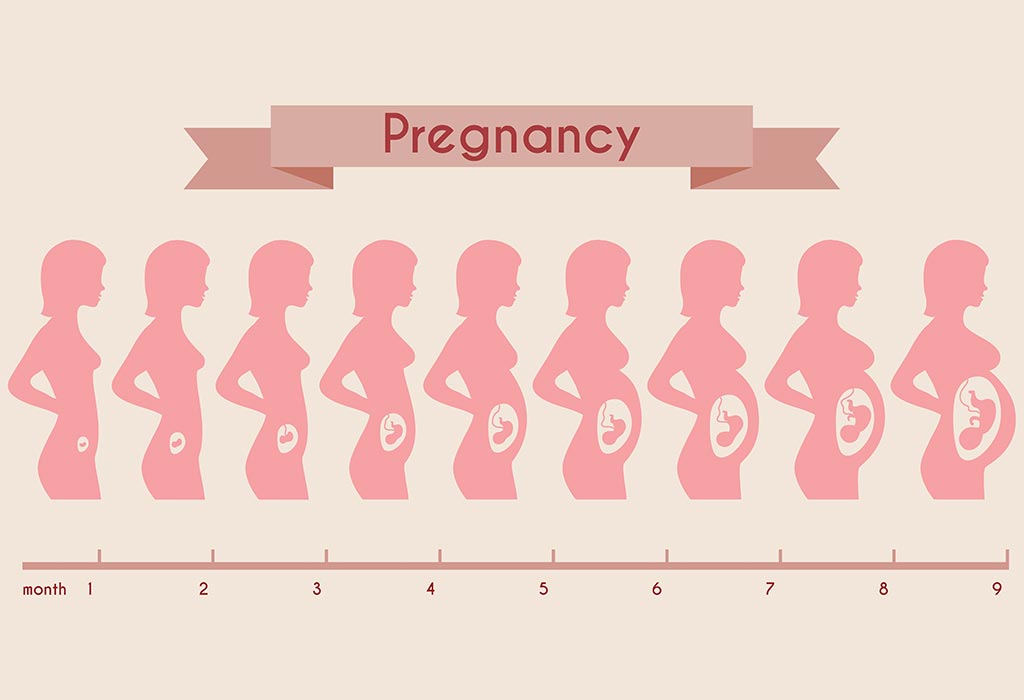
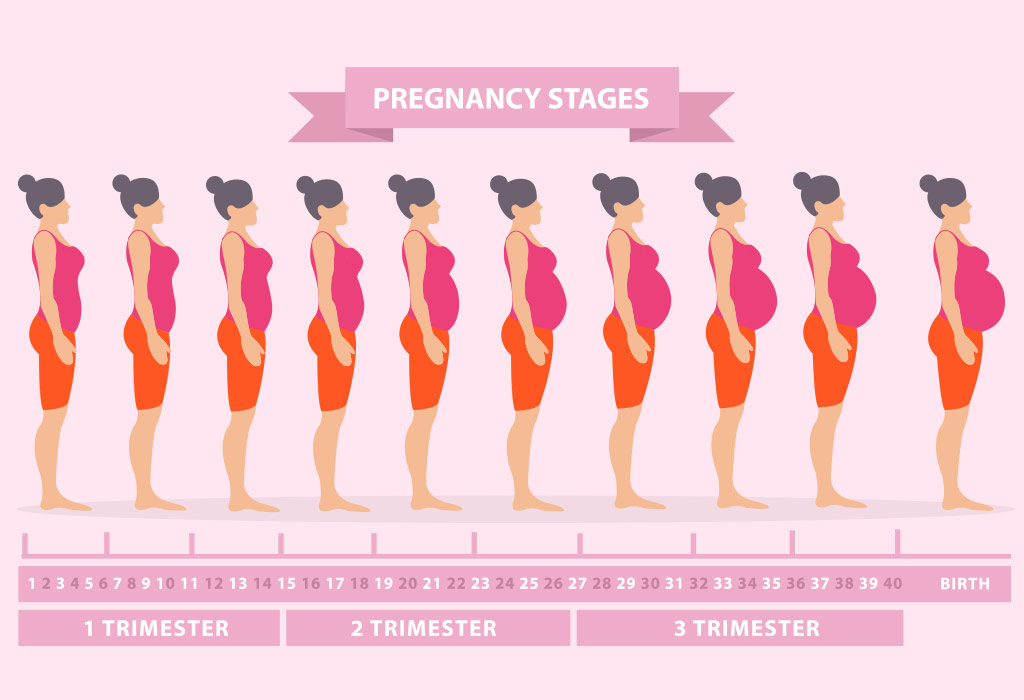
Four weeks of pregnancy is counted in the month one of pregnancy. So, technically, you are in your first month of pregnancy.
What Is the Baby’s Size?
This week is a critical week as it marks the onset of the embryonic period. Right now, the size of your baby, i.e. a 4-week embryo size, is that of a poppy seed (4). This poppy seed has two layers, the epiblast and the hypoblast, that will go on to grow into your little one’s body parts. While the size of the baby when you are 4 weeks pregnant is practically microscopic, it is going through some major developments which are definitely noteworthy (5).
Common Body Changes
In the 4 weeks of pregnancy, the hormonal changes happening in your body are in full force, and your body is busy gearing up to adjust to these hormonal changes. You will soon start experiencing early pregnancy symptoms, such as nausea, breast tenderness, lower backaches, headaches, and more (3). You will start feeling irritated and exhausted. You will feel the working of some chemical reactions inside your body, and it is obvious to feel this way. After all, the blastocyst, your baby, in other words, is finally making contact with the uterus and settling down! It has been observed that 30% of the time, during the 4th week of pregnancy, implantation bleeding may occur in the form of spotting. This is not a period, and there is nothing to worry about. Due to this, you may feel cramps in your stomach or even tenderness in your breasts. But don’t worry; your body is made to withstand the body changes during pregnancy. You just revel in the good news and prepare yourself to become a mommy soon.
4 Weeks Pregnant Symptoms
The release of various pregnancy hormones in the 4th week makes your body behave weirdly. Some of the common four weeks pregnant symptoms are (3) (4):
- Due to the increase in levels of progesterone in your body, you may feel puffed up and bloated.
- Mild cramping in the stomach is a result of implantation, and you must not worry about it. If you experience severe cramping, inform your doctor about it at the earliest.
- Implantation of the blastocyst into the uterus may also cause mild spotting, which may be pink, light red or brownish-red in colour. Again, there is nothing to worry about till it lasts for more than a couple of days.
- The fluctuating hormones will cause your mood to go in full swing. You will have no control over it. Just pray that people around you understand what you are going through and cooperate! After all, they will only last for about 12 weeks!
- Morning sickness is one of the most common symptoms. About 90% of women get some sort of morning sickness like nausea or vomiting. It gets better after 9 weeks; just hold on!
- Your body is really working hard to grow that small embryo into a healthy baby. It is obvious that you will feel very exhausted. But it will get better after the first trimester.
- The ever-increasing pregnancy hormones will also make your breasts feel sore and tender.
Belly at 4 Weeks of Pregnancy
Your stomach will bloat during the 4th week of pregnancy due to the release of progesterone in your body, but it is still not the time for you to look pregnant. Your baby is just the size of a poppy seed this week. Rest assured, your secret is kept!
Development of Twin at 4 Week
Your early pregnancy symptoms might appear amplified if you are carrying twins because of higher hormone levels. Your pregnancy test can only tell about pregnancy but not the twins, so you will have to wait for your doctor’s appointment and ultrasound up until 6 to 8 weeks.
If you are undergoing any fertility treatment, your first doctor’s appointment might happen sooner. With the help of a blood test, the doctors can confirm your pregnancy by analysing your human chorionic gonadotropin (hCG) and progesterone levels. Although there won’t be much to see in an ultrasound yet, your high hCG and progesterone levels may hint at carrying twins or multiples.
4 Weeks Pregnant Ultrasound

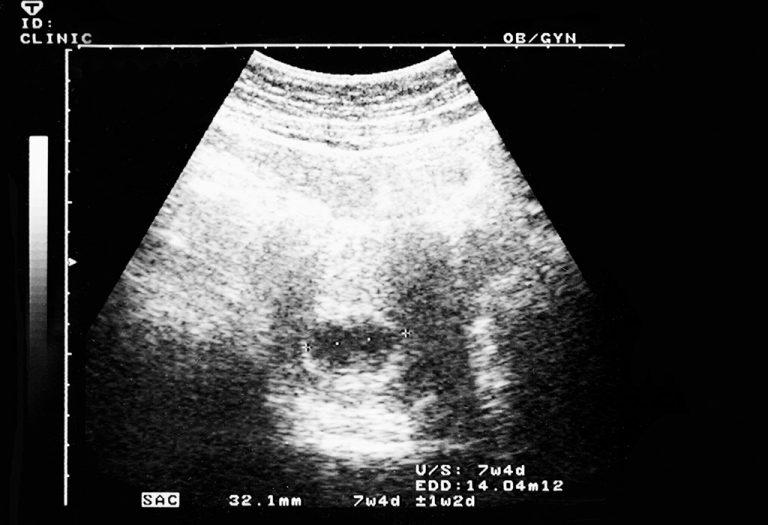
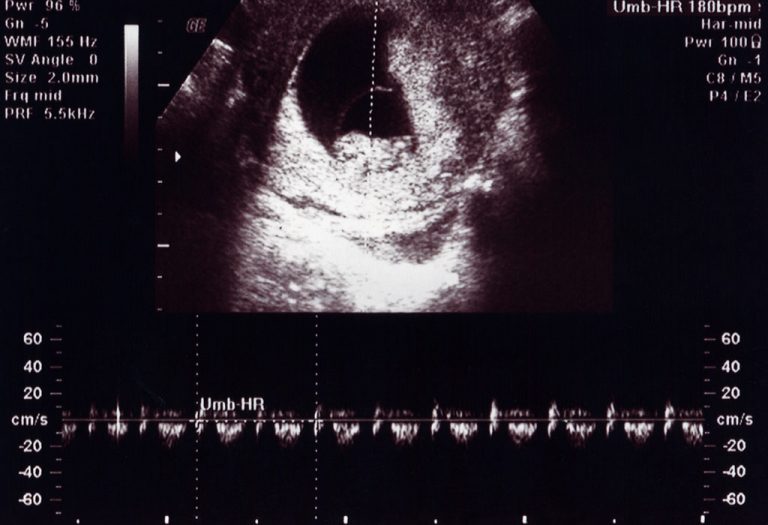
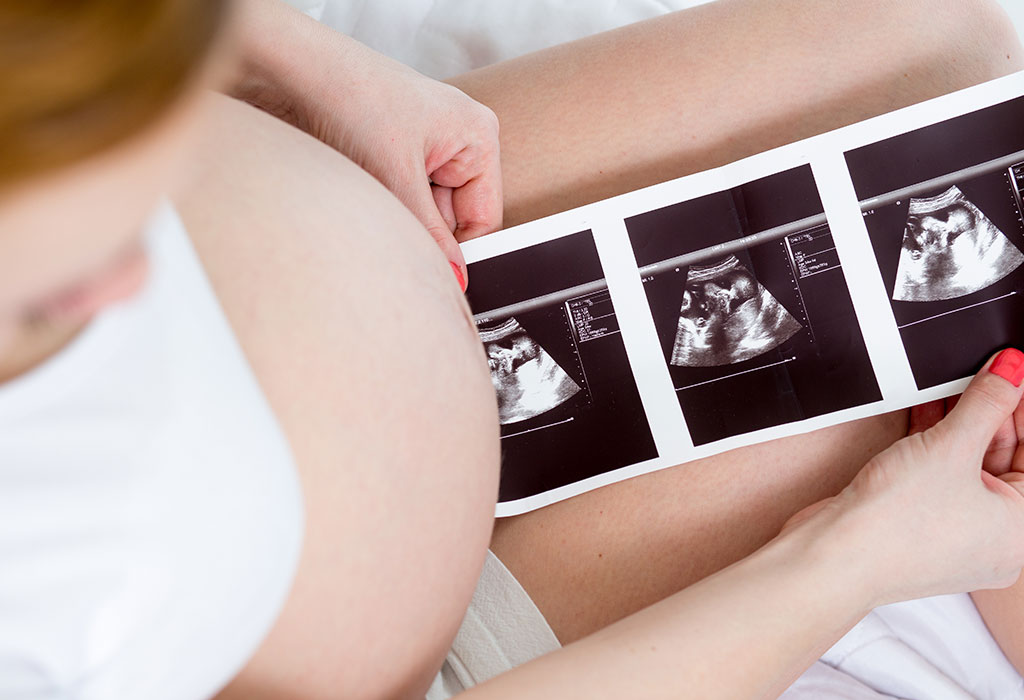
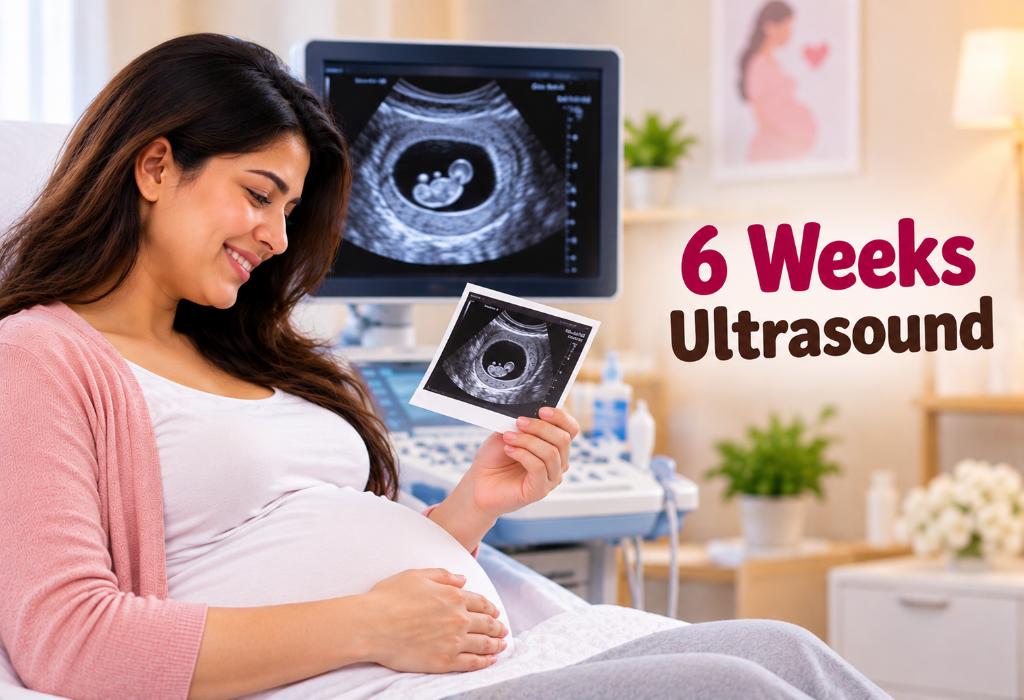
Want to know how is your fetus in 4 weeks? Well, there is so much happening inside your body this week. The blastocyst in settling down in the uterine lining, and it is also splitting up to form the embryo and placenta. The building block of your baby’s spine, brain, and backbone, i.e., the baby’s neural tube, is already formed. The amniotic sac and fluid are at work to form a protective cushioning for your baby, and all you can see in the 4-week ultrasound is a tiny dot-like thing called the gestational sac. Disappointed? Don’t be. Just keep patience. You will see and feel everything as your pregnancy progresses.
What to Eat and Avoid at 4 Weeks Pregnant?
At 4 weeks pregnant, your food choices matter as your body begins supporting your baby’s early development. Here’s a quick look at what’s good to include in your meals and what’s best to avoid for now.
Foods to Eat
At 4 weeks pregnant, choose nutrient-rich foods that support early fetal development and your changing nutritional needs.
- Leafy greens: Spinach, kale, and other greens provide folate, iron, and essential vitamins.
- Eggs: A good source of protein and choline, which supports early brain development.
- Lentils and beans: Provide plant-based protein, iron, fibre, and folate.
- Citrus fruits: Oranges, grapefruit, and lemons provide vitamin C and help support iron absorption.
- Yogurt: Offers protein and calcium to support your nutritional needs during pregnancy.
Foods to Avoid
During early pregnancy, avoiding certain foods can reduce your exposure to infections and substances that may harm your developing baby.
- Raw or undercooked meat: May carry harmful bacteria or parasites.
- Raw or undercooked eggs: Can contain Salmonella, so choose thoroughly cooked eggs.
- High-mercury fish: Avoid fish such as shark, swordfish, king mackerel, and marlin.
- Alcohol: Avoid alcohol during pregnancy because no amount has been established as safe.
- Too much caffeine: Limit caffeine to 200 mg or less per day during pregnancy. This includes coffee, tea, energy drinks, cola, and chocolate (6).
Tips & Care
If you have been able to successfully conduct the test this week and have also discovered that you are pregnant, then it’s time not only to meet and finalise your doctor but also to check your medical insurance and start digging into it and learn how you will be covered from prenatal to delivery. Other dos and don’ts include (7):
Dos
- Get yourself a home pregnancy test kit.
- Eat healthy and home-cooked food only.
- Eat five servings of fruits and vegetables daily.
- Get yourself a supplement of prenatal vitamins with folic acid.
- Stay relaxed and take plenty of rest when your body craves it.
- Be in touch with your doctor and avoid taking medicines of any kind.
Don’ts
- Avoid junk food.
- Quit smoking, drinking or using drugs (3).
- Quit caffeine.
- Avoid sexual intercourse.
What You Need to Shop For?
Your shopping bucket for week 4 stays uncomplicated. A book on pregnancy, a pregnancy test kit, and a comfortable cotton bra are what you may pick if you haven’t bought anything yet. What you may want to add to this list are stretchy pants, leggings, and anything else that’s loose on the tummy. Your skinny jeans’ buttons may feel a little uncomfortable on your bloated tummy. So, don’t shy away from indulging in some extra shopping.
Questions to Ask Your Doctor
Wondering what you can expect from your first prenatal appointment? Here are some sample questions you may ask your doctor at 4 weeks of pregnancy check-up:
- How many routine pregnancy checkups are there going to be? How can those be scheduled?
- Can I continue taking old medicines now that I’m pregnant?
- What about alcohol and smoking?
- Are are any particular tests I should go through based on my medical history or ethnicity?
- What should I do when I feel too unusual?
When to Call the Doctor
It’s time to schedule your first prenatal appointment with the doctor for your first pregnancy checkup once you’ve got a positive pregnancy test. You can also prepare well for the appointment and discuss the questions with your doctor we discussed above.
The first month of pregnancy is a highly delicate period where the chances of pregnancy complications like miscarriage are high. While you should not panic, you must know about the risks and delicateness of pregnancy. At 4 weeks of pregnancy, light cramping and spotting are usual because of implantation. However, if it is accompanied by heavy bleeding and you saturate your sanitary pad within two hours, you must consult a doctor.
Keep an eye on your symptoms and speak about them with your doctor during the check-up.
FAQs
1. Are cramping and bleeding normal at 4 weeks of pregnancy?
Cramping at the beginning of the pregnancy is normal as the embryo continues to attach to the lining of the uterus and buries itself into the endometrium (8). As a result, there can be slight spotting and cramping. This is often confused with menstruation since it usually happens around the cycle.
2. When will I start experiencing physical changes in my body?
Since pregnancy varies from person to person, some women experience physical and emotional changes right at the beginning of the pregnancy, while some don’t notice until the second trimester by the time the uterus starts pushing out of the pelvis. There are also cases where some women feel the symptoms in the extreme, some in moderation, and some very light. All the cases are normal and possible during pregnancy. Trust the process; everything will happen in its due time.
3. Is there something wrong with me if I don’t feel any early pregnancy symptoms, even if I’m pregnant?
Every pregnancy is unique; thus, physical changes and early pregnancy symptoms may vary from individual to individual. Some women begin feeling pregnant within a few days of conception, while some take their time and don’t feel any or feel symptoms faintly (9). All is normal, and there is nothing wrong with your pregnancy as long as your scans look fine.
4. Can I take a hot tub bath at 4 weeks pregnant?
Taking a hot tub bath at 4 weeks pregnant can be risky and further in the pregnancy. A hot tub bath can raise the body temperature, overheat it, and double the risk of complications like neural tube defects, including spina bifida (10). According to the American College of Obstetricians and Gynecologists (ACOG), pregnant women should never let their core body temperature above 102.2º F (11).
5. Is it safe to take a massage at 4 weeks pregnant?
Yes, a massage can be taken in early pregnancy. The word of caution here is that you must consult your doctor before getting one. Since the first trimester is highly delicate, some experts recommend waiting till the second trimester of pregnancy to get a prenatal massage by a certified masseuse who’s well-trained in prenatal massages (12).
4 weeks of pregnancy is a time of excitement and anxiousness about becoming a parent soon. Nonetheless, it is a joyous occasion that should be celebrated with the partner and family. Make sure to enjoy the moment as well as be informed of the precautions and care so you have a safe and secure pregnancy ahead.
Previous Week: 3 Weeks Pregnant
Next Week: 5 Weeks Pregnant
Was This Article Helpful?
Parenting is a huge responsibility, for you as a caregiver, but also for us as a parenting content platform. We understand that and take our responsibility of creating credible content seriously. FirstCry Parenting articles are written and published only after extensive research using factually sound references to deliver quality content that is accurate, validated by experts, and completely reliable. To understand how we go about creating content that is credible, read our editorial policy here.
1. Perinatology.com – Fetal Development
2. NHS – You and your baby at 4 weeks pregnant
3. American Pregnancy Association – 4 Weeks Pregnant
4. NHS – Week 4
5. NHS Inform – How your baby develops week to week
6. ACOG – How much coffee can I drink while I’m pregnant?
7. Tommy’s – Dos and don’ts for a safer pregnancy
8. ACOG – Bleeding During Pregnancy
9. Cleveland Clinic – Am I Pregnant?
10. UT Southwestern Medical Center – Is it OK to use a hot tub during early pregnancy?
11. American Pregnancy Association- Hot Tubs During Pregnancy
12. American Pregnancy Association – Prenatal Massage Therapy
- Author
- Expert Reviewer


Related Articles
-

7 Weeks Ultrasound: Heartbeat, Baby Size & What to Expect
-
8 Weeks Pregnant: Ultrasound, Symptoms, & Belly Size
-
10 Weeks Pregnant Ultrasound Scans - Baby Size, Heartbeat, and More
-
32 Weeks Pregnant: Symptoms, Ultrasound, & Body Changes
-
39 Weeks Pregnant: Symptoms, Signs of Labor, & Belly Size
-
Foetal Growth Chart Week by Week – Length & Weight