7 Home Remedies for Conjunctivitis (Pink Eye) in Babies
Simple remedies for pink eye in babies to help soothe irritation and keep little eyes comfortable.




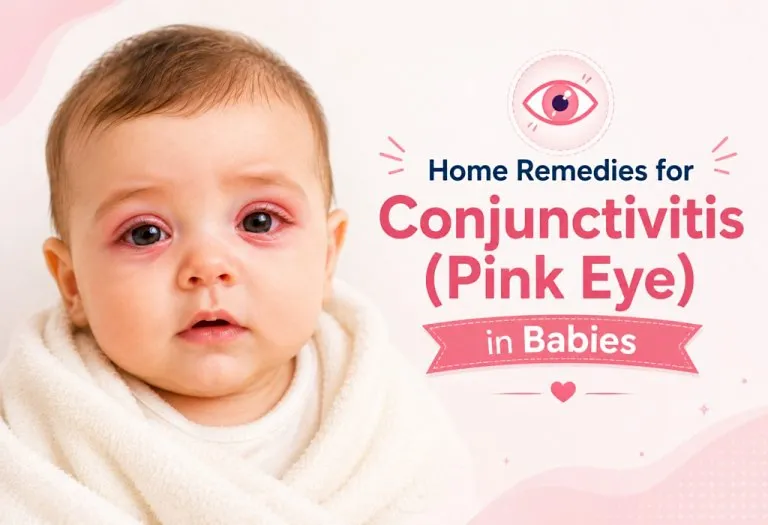
The colour pink loses all its charm when a mum sees her baby’s eyes taking that colour! Conjunctivitis, or pink eye, is the inflammation of the inner eyelids, because of which the blood vessels become more visible and impart a pink colour to the eyes. So, is there any home remedy for pink eye in babies? Yes, there are. But first, it is important to assess what has led to pink eye in babies. Conjunctivitis may be caused by infection or contact with an allergen. The baby may feel itchiness in the eyes and may also have a discharge at the corner of the eyes. It can be viral, bacterial or allergic in nature. Check out the natural home remedies for pink eye in babies, and also consult your doctor.
What Causes Pink Eye in Babies?
Conjunctivitis or pink eye in babies can occur due to several reasons, including (1):
- Viral Infection: A viral infection is one of the most common causes of eye infection in babies, which surfaces along with cold-like symptoms.
- Chemical Conjunctivitis: In rare cases, topical antimicrobial eye drops given to newborn babies right after birth can cause irritation.
- Blocked Tear Ducts: Blocked tear ducts by birth can also lead to swelling and pinkish eyes in babies.
- Transferred Infection: Babies are prone to getting the infection from their mother during childbirth.
What Are the Signs of Pink Eye in Babies?
The following are the symptoms of conjunctivitis in babies (2):
- Whites of the eye appear pink or slightly red
- Puffy eyelids
- Watery discharge from the eyes, causing teary and crusty eyes
- Redness around the lower rim of the eyelids

Must-Know Home Remedies for Pink Eye in Babies
Infants are at a higher risk of contracting pink eye because of their still-developing immune system. These natural remedies for pink eye in infants can be applied to provide immediate relief and cure.


Note: Before trying any home remedy or any type of medication for pink eye in babies, it is advised to consult your doctor for natural remedies for conjunctivitis in babies. Uninformed actions can sometimes turn severe. Thus, it is essential to cross-verify the remedies with experts before proceeding.
1. OTC Lubricating Eye Drops
There are a few lubricating eye drops, also known as artificial tears, available over-the-counter for pediatric use (3). You can consult your doctor and have one prescribed for your little one.
2. Warm Compress
In bacterial and viral pink eye, the mucus is usually released from the eyes. It can sometimes cause eyelids to stick together. You can use a damp washcloth to loosen the dried mucus. Make sure to use a different washcloth for each eye (4).
- Soak a clean washcloth in warm water and wring it nicely so there’s no water dripping from it.
- Now, lay the damp washcloth over the eyelids and leave it in place until it cools.
- Now again, dip the washcloth in the warm water and repeat the compress process.
In case of a blocked duct, a warm massage between the eye and the nasal area can help (5).
3. Cold Compresses
Cold compresses on the eyes help relieve itching, pain, and inflammation, mostly caused by viral conjunctivitis (6) (7).
- A compress can be hot or cold. Use a store-bought compress or dip a washcloth in normal to cold water and squeeze.
- Gently place it on the eyes and remove after 5 seconds. Repeat the process for each eye several times. Use a separate cloth for each eye.
4. Antibiotics
If the pink eyes do not heal naturally and there are symptoms such as an increase in the baby’s body temperature or excessive pain in the eyes, it may require immediate intervention by the doctor. The medicine will depend on the nature of the infection and its severity. Antibiotics for bacterial neonatal conjunctivitis can be used in the form of eye drops, ointment, medicine, topical cream, or even an injection (5).
5. OTC Medication
Medication can be given to babies for allergic pink eye after consultation with the doctor. It is advised not to purchase just any medicine for your baby targeted for conjunctivitis, as the dosage and potency of the medicine may vary.
6. Salt Water Solution
One of the easiest, cheapest and best-known remedies for eye infection is to use saline water. It soothes the eyes as well as clears the impurities caused by infection.
Here’s how to use it:
- Add some salt to a pot of boiling water.
- Once cooled, dip a cotton ball and place it on the eyelids.
- Use a fresh cotton ball for each use.

7. Vitamin A
A Vitamin A-rich diet, like carrots and spinach, protects the body and promotes the growth of healthy cells to fight infections in the body. You can make purees or mash the veggies and feed your baby.
FAQs
1. Can I use breast milk as a remedy for treating conjunctivitis in my baby?
No. Breast milk is not a suggested remedy for treating infection or soothing inflammation, as it could potentially introduce new bacteria into the eyes of a baby and cause more serious infection. A study published in the British Journal of Ophthalmology suggests that this remedy does not work (8) (4).
2. What home remedies should I avoid for pink eye?
Avoid unproven remedies that aren’t doctor-approved, especially when it comes to your baby’s safety. Claims like breast milk, herbal extracts, or herbal concoctions like chamomile tea are not true and may further worsen the infection (4).
3. Does pink eye make your baby cry more?
Yes, pink eye can make babies cry more than usual. Since babies can’t talk, they communicate everything through crying, becoming fussy, or getting clingy. Inflammation in the eyes can cause watering, itching, swelling, and a gritty sensation in the eyes, making babies uncomfortable and prompting crying.
4. How long will pink eye last in babies?
Viral pink eye is contagious, and it diminishes on its own in about one to two weeks with home treatment. If bacterial conjunctivitis is the reason for pink eye in babies, it should be treated by the doctor as soon as possible, as leaving the infected eye untreated with just home remedies can be detrimental for the baby.
5. When should I contact a doctor for pink eye in babies?
If you notice an unusual fluid (discharge) coming from the eye of your baby or their eyelids have puffed red, restricting them from opening their eyes, then you should definitely consult a doctor without any delay (2).
6. Do I always need an antibiotic treatment for pink eye?
No, not always. Antibiotic remedy, whether in the topical or oral form or eye drops, targets only bacterial conjunctivitis. If the cause of conjunctivitis is viral or allergic, antibiotics will not work in any form (4).
In general, pink eye is neither a very serious condition nor fatal. However, considering the delicate nature of eye tissues, especially in infants, it is important to be informed about home remedies and act immediately if any problem arises.
Also Read:
Natural Remedies for Colic in Babies
Home Remedies for Cold & Cough in Babies
Home Remedies for Loose Motion in Babies
Home Remedies to Relieve Stomach Pain in Babies
Was This Article Helpful?
Parenting is a huge responsibility, for you as a caregiver, but also for us as a parenting content platform. We understand that and take our responsibility of creating credible content seriously. FirstCry Parenting articles are written and published only after extensive research using factually sound references to deliver quality content that is accurate, validated by experts, and completely reliable. To understand how we go about creating content that is credible, read our editorial policy here.
1. National Eye Institute – Pink Eye in Newborns
2. National Eye Institute – Pink Eye
3. Nemours KidsHealth – Conjunctivitis (Pink Eye) in Kids
4. American Academy of Ophthalmology – Pink Eye: Quick Home Remedies
6. NYU Langone Health – Home Treatments for Conjunctivitis
7. CDC – How to Treat Pink Eye
8. BMJ Journals – Antibacterial effect of human milk for common causes of paediatric conjunctivitis
- Author








.svg)