20 Home Remedies for Urinary Tract Infections (UTI) in Kids
Learn simple safe ways to comfort kids with urinary infections, support healing at home, and know when medical help is needed.





Image Credit : AI Generated Image
Urinary tract infection is common in children. It is an infection that affects the urinary tract, urethra, or kidneys, which may cause a burning sensation while peeing, increase the need to pee, or cause blood in the pee (1). Since children are delicate and have a developing immune system, they are susceptible to a host of illnesses and infections, including urinary tract infections. Although a course of antibiotics is the best way to cure the infection after consulting a doctor, if the infection is in its early stage, you may try some home remedies to treat a UTI. There is a plethora of information available on children’s UTI home remedies, but determining which one is genuine requires thorough research. If you are a parent searching for ‘How to treat UTI in a child at home?’, this article is beneficial for you.
Home Remedies for Urine Infection in Kids
Here is a list of natural remedies to treat UTI in children:
1. Give Them Lots of Water
Make your child drink as much water as possible. Urinating frequently helps flush out toxins quickly. However, please don’t force them to drink water (2). If your baby is less than 6 months old, breastfeed more than usual.
2. Feed Fruit Juices
If your baby is more than six months old, unsweetened cranberry, blueberry, or pineapple juice is the best option. The reason these fruits are recommended is that they limit the growth and multiplication of harmful bacteria in the urinary tract. Although there is limited research, cranberries are known to have been used to prevent UTI for generations (3). Remember to consult a paediatrician before giving juices to your baby. Also, dilute it before giving, as some fruit juices can increase the acidity of urine.
3. Feed Probiotics
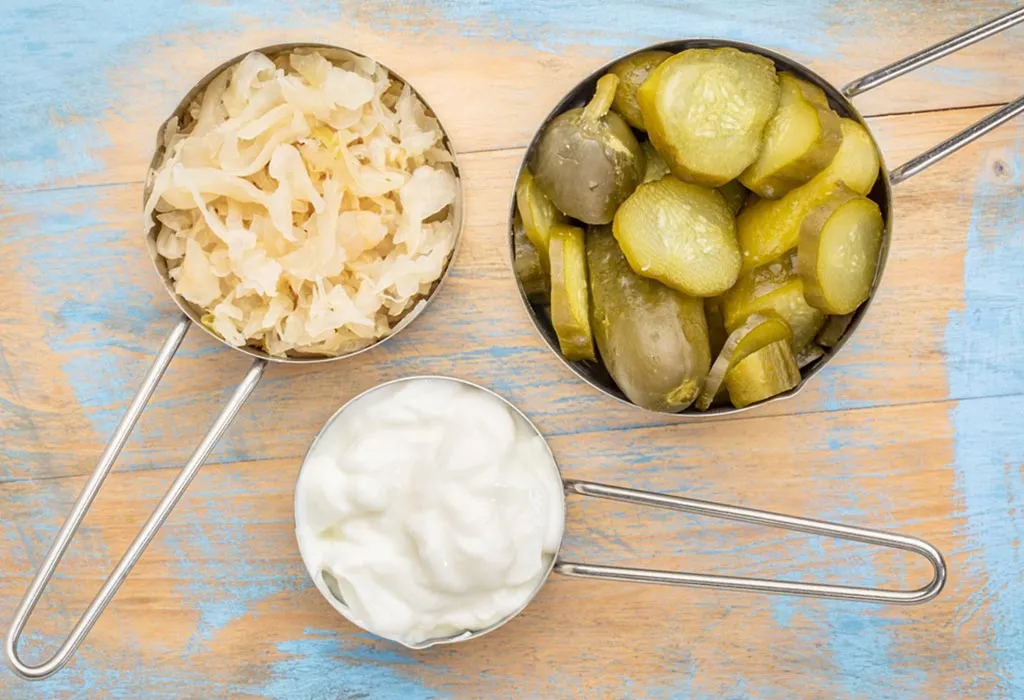
Good bacteria are essential and necessary to suppress the overgrowth of bad microorganisms in the gut. Probiotics help treat and prevent UTIs by restoring the body’s natural flora and enhancing bacterial resistance. Yoghurt is an excellent source of probiotics along with other cultured dairy products. You can give your little one a yoghurt smoothie or a yoghurt popsicle to enjoy as well as heal (4).
4. Give Lemon Juice
Lemon juice acts as a diuretic agent (a diuretic agent increases the passing of urine) and helps to flush out harmful bacteria and toxins from the body. It causes the pH level in the blood and urinary tract to change from acidic to alkaline, which stops the growth of bacteria. Making your child drink lemon juice every day can prevent urinary tract infections in the future.
5. Avoid Acidic Food and Drinks
If your child has started semi-solids, solids and fluids other than breast milk, avoid giving acidic foods and drinks. The dish should be bland, and diluted juices, breast milk, vegetables and non-acidic fruits should be given.
6. Keep Your Baby’s Private Areas Clean
Change your baby’s soiled diaper at regular intervals. Before putting on a new diaper, clean their private areas with antimicrobial baby wipes first. Make sure you wash your hands before doing this.
7. Warm Bath
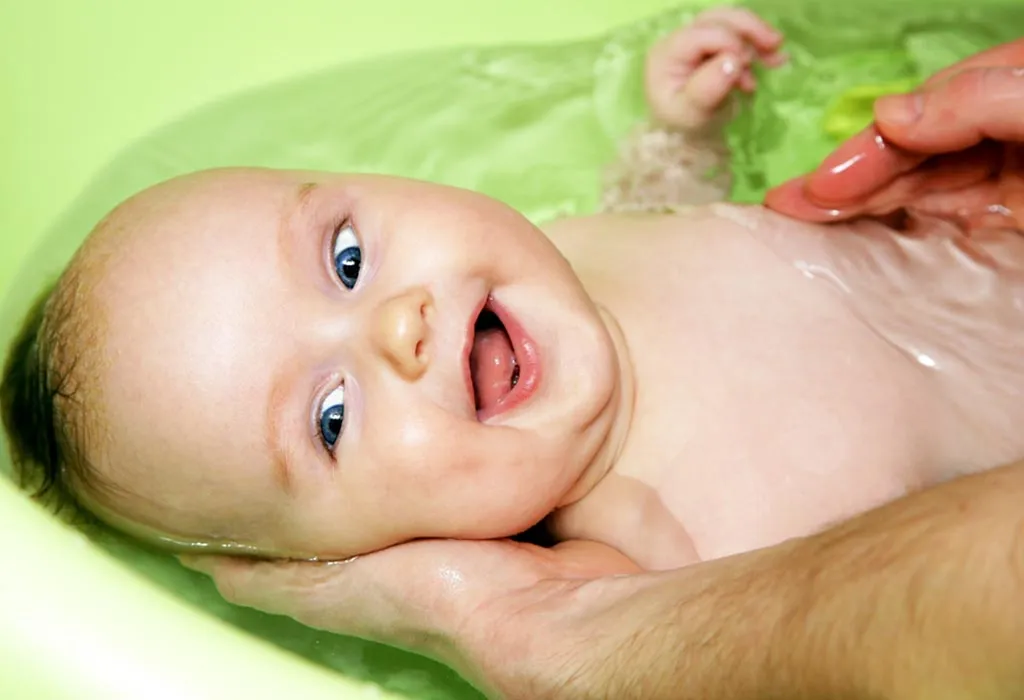
Give your baby a warm bath once a day with a hypoallergenic soap. The warm water will provide relief from pain and also clean the private parts of your baby, preventing further bacterial growth.
8. Use Cloth Diapers
Cloth diapers don’t absorb pee and poop, and can be changed immediately. Therefore, cloth diapers can be used to discourage the overgrowth of bacteria.
9. Wipe From Front to Back (for girls)
If you have a daughter, wiping from front to back can help prevent UTIs (5). Pee and poop contain unhealthy bacteria, which can cause infections if they come into contact with the urethra and urinary tract. So, when you clean your child’s private areas, remember to wipe from the front to the back (and not vice versa) and use a different toilet paper for the genitals and the anus.
10. Tell Them to Urinate Often
Advise your children not to hold their pee and urinate whenever they feel the need. They may not comply because urination is painful when one is suffering from UTI. However, positive encouragement can do wonders. You can tell them that the more they urinate, the sooner the pain will cease.
11. Include Vitamin C-rich Foods
Vitamin C-rich fruits, such as oranges, strawberries, and lemons, as well as green leafy vegetables, help prevent bacteria from spreading in the system and maintain bladder health (4). Therefore, consuming Vitamin C-rich fruits or taking Vitamin C supplements (after consulting a doctor) is a good way to treat UTIs in kids.
12. Add Garlic to Their Diet
According to a recent study, garlic extract is an effective weapon against pathogenic bacteria associated with UTI (6). Therefore, be sure to add garlic to your child’s diet (3).
13. Coconut Oil
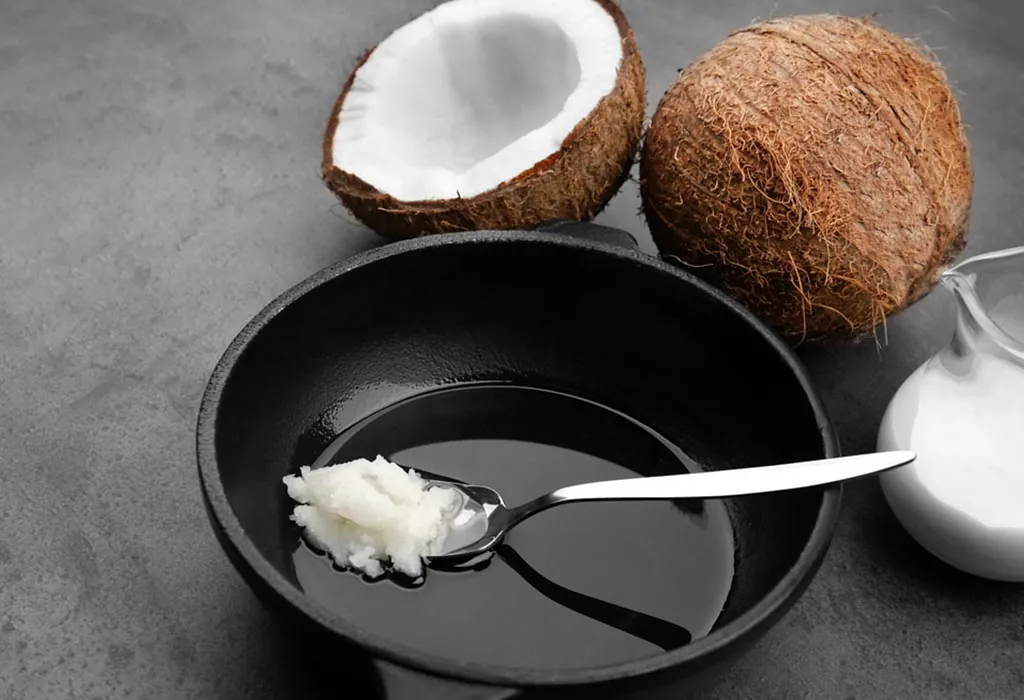
Adding a spoonful of coconut oil to your child’s food is a good way to treat UTI, as it makes urinating easier. You can also apply a drop of coconut oil in the urethra just a little before your child urinates.
14. Place a Warm Towel
Heat water in a vessel and wrap a hand towel around it. Then, place the warm towel on your baby’s lower abdomen. Repeat it multiple times throughout the day. This will relieve them of the pain. Remember to check the temperature of the towel before putting it on your baby’s abdomen.
15. Try Apple Cider Vinegar
Apple Cider Vinegar (ACV) is one of the best home remedies to treat UTI in kids. It is rich in potassium, which prevents the E. coli bacterium from developing and multiplying in the urinary tract. The acetic acid present in apple cider vinegar has anti-bacterial components which kill the harmful bacteria present in the urinary tract. ACV should be taken orally. If your child doesn’t like its taste, add a little honey and water and administer it in the mornings for a week.
16. Cucumber
Cucumber is not just a great finger food, but it’s also an easy way to combat UTI. It has alkaline-forming minerals, which inhibit bacteria in the urinary tract, and is diuretic in nature, too. Therefore, it helps to remove the bacteria through frequent urination. Cucumbers also have anti-inflammatory properties, which help to relieve the inflammation and pain caused by UTI.
17. Feed Pineapples in the Snack
Pineapples contain an enzyme called bromelain that breaks down protein, which causes inflammation. This, when it combines with Trypsin, another enzyme, becomes an effective way of treating UTI. Thus, giving your baby strips of pineapple as finger food is a good and easy way of treating the infection.
18. Cod Liver Oil

Good-quality cod liver oil is another remedy to treat UTIs, as it is rich in vitamins A and D. The Vitamin D present in the oil stimulates the production of the antimicrobial peptide cathelicidin in the bladder, which helps prevent infections and is especially helpful in cases of recurrent UTIs.
19. Give Coconut Water to Drink
Drinking coconut water for a few days can help get rid of a urinary tract infection. That’s because coconut water cools and soothes the inflammation caused by the unfriendly bacteria.
20. Dress Them in Loose-fitting Clothes and Cotton Underwear
Making your child wear loose-fitting clothes and cotton underwear will allow the air to pass through and keep their private parts dry. As bacteria cannot breed in dry places, this will help treat and prevent the chances of contracting UTI in the future (7).
Herbs That Will Help to Cure UTI in Children
The following herbs are often considered complementary supports for urinary tract infections (UTIs) in children. Please remember that none of these herbal remedies replaces standard medical treatment, especially in children. So, always check with a paediatrician before use.
1. Vaccinium macrocarpon (Cranberry)
Cranberry is one of the most studied herbal/natural interventions for UTIs because of its active compounds (proanthocyanidins) that may help prevent bacteria such as Escherichia coli from sticking to the bladder wall (8). However, in children, the evidence is still very limited and the dose isn’t standardised. If used, it’s best as a gentle adjunct (not a substitute) alongside medical care.
2. Taraxacum officinale (Dandelion)
Dandelion is traditionally used as a mild diuretic. It may help increase urine flow and thereby support “flushing out” of the urinary tract. The idea is that more frequent/more substantial urine flow can help reduce bacterial load. That said, in children, it is essential to ensure adequate hydration and that the diuretic effect is safe in the specific case.
3. Plantago major (Broadleaf Plantain)
This herb is less familiar but has been traditionally used (and noted in the referenced review) for urinary and other infections. It contains mucilage, flavonoids, and other compounds that may soothe the urinary tract and support the resolution of infections (9). For children, these soothing herbs may help alleviate discomfort, although the evidence is preliminary.
4. Salvia officinalis (Sage)
Sage’s essential oil has shown antimicrobial activity in lab studies against urinary-tract pathogens (9). In practice for children, it could be used as a mild herbal tea or gentle infusion (if appropriate), under supervision, to support recovery and relieve irritation. But again: not a substitute for antibiotics when needed.
5. Allium sativum (Garlic)
Garlic is well-known for its broad antimicrobial properties in many settings. The general reviews on herbal UTIs list garlic among the herbs used for urinary infections (9). While giving garlic in food is usually safe, using it as a concentrated herbal medicinal form in children should be done only under professional guidance (due to dosage, digestion issues, and possible sensitivities).
Note: We do not endorse any herb, and thus recommend that you consult your doctor before trying any herbal remedy for your children.
When Should You Take Your Child to the Doctor?
Consult your doctor when your child experiences pain while peeing and has an unexplained fever with chills or back pain. Also, contact your doctor if your little one exhibits any or all of the following symptoms (10):
- Severe pain and a burning sensation while urinating
- Fever above 101°F (38.3°C) in young children or 100.4°F (38°C) checked rectally in infants
- Bad-smelling or discoloured pee
- Urine that looks cloudy or has blood
- Low back pain or belly pain below the belly button
FAQs
1. Can a UTI in children go away on its own?
If your little one has a urinary tract infection, consulting a doctor is a must. The doctor may prescribe an antibiotic treatment depending on the situation. An untreated UTI can worsen and escalate to a kidney infection or other health issues (5).
2. Can you test your child’s UTI at home?
Yes, it is possible to conduct a home UTI test using over-the-counter dipstick kits that check for indicators, such as nitrites and leukocytes in urine. Nonetheless, these tests should not replace professional medical care and a physician’s evaluation, as they may overlook certain infections and aren’t as dependable as a laboratory urine culture. If your child exhibits UTI symptoms, it’s essential to see a paediatrician for an accurate diagnosis and treatment, even if a home test yields negative results (11).
3. What is the fastest way to treat UTI in children?
Antibiotic courses prescribed by doctors are known to quickly clear the symptoms of a UTI. Completion of the course of antibiotics is necessary to completely get rid of the urinary infection.
Urinary tract infections are not a significant health concern for children. However, if it persists for long, it can affect your child’s kidneys and lead to severe health issues. So, try out the above-mentioned home remedies to cure UTI in your kid, and if they don’t work, take a doctor’s opinion as soon as possible.
Also Read:
Frequent Urination in Kids
Safe Home Remedies for Cough in Children
Home Remedies for Mouth Ulcers in Babies & Kids
Was This Article Helpful?
Parenting is a huge responsibility, for you as a caregiver, but also for us as a parenting content platform. We understand that and take our responsibility of creating credible content seriously. FirstCry Parenting articles are written and published only after extensive research using factually sound references to deliver quality content that is accurate, validated by experts, and completely reliable. To understand how we go about creating content that is credible, read our editorial policy here.
1. NHS – Urinary tract infections (UTIs)
2. NIDDK – Treatment for Bladder Infection in Children
3. National Association for Continence – 12 Best Home Remedies For UTIs
4. Norton Children’s – 5 foods for urinary tract infections in a child
5. Cleveland Clinic – Urinary Tract Infection (UTI) in Kids
6. ScienceDaily – Using garlic to combat antimicrobial resistant urinary tract infections
7. American Academy of Pediatrics – Prevent Urinary Tract Infections in Children
8. PubMed Central – Cranberry juice for urinary tract infection in children
10. Nemours KidsHealth – Urinary Tract Infections (UTIs)
11. Children’s Hospital at Montefiore Einstein – Home Test for Urinary Tract Infections
- Author
 About the Author
Mahak Arora
Related Articles
-

Knee Pain in Children - Causes and Treatment
-
Overcoming Insomnia - Sleeping Disorder In Children
-
Ingrown Toenail in Children - Causes, Symptoms & Remedies
-
Are Kids More Prone to Cavities at a Certain Age? The Truth About Tooth Decay in Kids
-
This Sitting Posture Can Seriously Damage Your Child's Health - Correct It with These 5 Tips!
-
Dementia in Children - Causes, Signs and Treatment






.svg)