
Makhana in Pregnancy – Benefits & Side Effects
Before you skip makhana in pregnancy, read this — the benefits and simple recipe may change your mind





Medically Reviewed By
Gayatri Dawda
(Nutritionist)


Image Credit : AI Generated Image
When you’re expecting a baby, there are certain foods that you need to avoid in order to help the growing child inside you. While some of these food items can drastically affect your health negatively, there are a few foods that are highly beneficial, especially during this period. One such food is makhana, also called fox nuts or lotus seeds.
Expecting women must have a well-balanced diet during their entire pregnancy. Their diet must contain vitamin-rich foods, and phool makhana in pregnancy is apt when it comes to providing essential vitamins to a pregnant woman. Let’s learn more about makhana’s benefits in pregnancy below.
What Is Makhana?
Makhana, as mentioned, are lotus seeds that are popularly used for medicinal purposes in Asia. It is also used in various cuisines around the continent.
Lotus seeds can be eaten both raw and cooked, and they have a lot of nutritional value. Read about some of the health benefits of makhana or fox nut during pregnancy:
Nutritional Value of Makhana
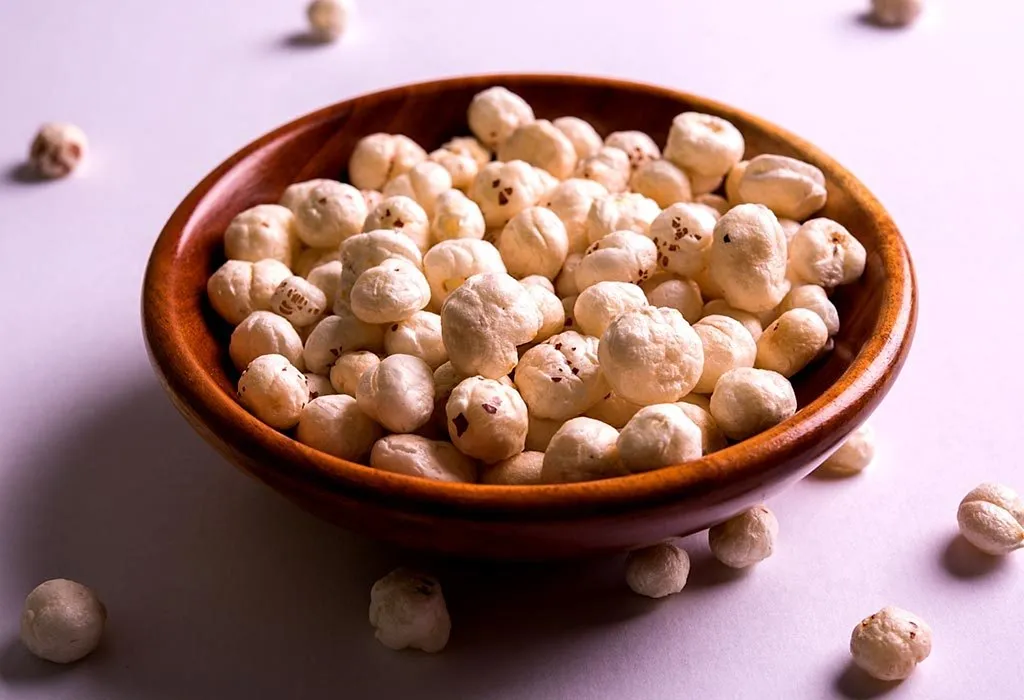
Makhana seeds have plenty of nutritional value attached to them. It is considered one of the healthiest foods for a mother to consume during pregnancy, and it is extracted from the lotus flower. Lotus seeds are consumed mainly in Southeast and South Asia. Some of the nutrients present in lotus seeds include (1):
- Calcium
- Phosphorous
- Iron
- Manganese
- Vitamin-B complexes
- Potassium
- Amino acids and
- Antioxidants
The best part about phool makhana during pregnancy is that they can be consumed in many different ways, based on how you want to make them. They can be used in soups, curries, or fried and had as snacks as well.
Is Makhana Good in Pregnancy?
Can we eat makhana in pregnancy? Yes. You can eat makhana if you have conceived. Consuming makhana in pregnancy third trimester is beneficial as it is an excellent source of selenium, high in magnesium, calcium and potassium and low in sodium. Makhana is also great for pregnant women who are at risk of gestational diabetes and hypertension. Due to makhana’s healthier nutrient profile, it makes for an excellent snack for pregnant women.
Benefits of Makhana in Pregnancy
Here are some of the benefits of consuming lotus seeds during pregnancy.
1. Treat Insomnia
Makhana seeds are great for treating insomnia. Insomnia may be caused due to a variety of reasons like changing patterns in hormones, stress and food habits. Having makhana for pregnancy can help treat insomnia to an extent because of the presence of isoquinoline alkaloids in it, which cause a calming effect and induce sleep. The antioxidants and vitamins present will regulate the body’s functioning in such a way that a person feels asleep when it is their regular bedtime (2).
2. Prevent Diarrhoea
This is an important fox nuts benefit in pregnancy. Diarrhoea is another problem that can be easily countered with the help of lotus seeds. A lot of women face issues because of changes in their hormonal balance. This includes diarrhoea as well, and lotus seeds are said to be a great remedy for the same (3). Lotus seeds are good for pregnancy and can increase the strength of your digestive system and ensure that food is digested properly during this phase. Eating a few lotus seeds each day during the early stages of pregnancy will help in avoiding diarrhoea and other digestion-related issues.
3. Blood Pressure Control
If you have blood pressure issues while pregnant, lotus seeds are perfect for regulating your blood pressure. There is an embryo in the middle of the lotus seed, which has vitamins and provides a cooling effect on the body. The embryos help in keeping the blood flow under control, while the other “bitter” component called “isoquinoline” is calming and helps in keeping the veins dilated. They have low sodium, high potassium, and high magnesium quantities, which improve blood flow and lower blood pressure.
4. Help in Relieving Painful Gums
If you’re struggling with painful and bleeding gums due to pregnancy, it is because of the hormonal changes that take place during the middle period. Due to excess water retention, the gums can turn sore and painful.
By eating lotus seeds, you can increase the vitamin B complexes found in the body. The zinc present will help clean and reduce the pain in your gums.
5. Control Weight
While you will pile on the pounds during pregnancy, it can be hard to control your weight. It is important that you eat well, but at the same time, do not overeat. Lotus seeds are excellent during pregnancy because they have a low glycaemic index and will help you feel full after you’ve eaten a few of them. There are a lot of other minerals as well that are present in makhana, so you can get a lot of other nutritional assets as well.
6. Control Blood Sugar
Makhana can also help in controlling the sugar levels in your blood during pregnancy. It is possible that your sugar can rise due to stress as well as hormones, and lotus seeds can help control the same. Lotus seeds are rich in Vitamin B complexes and fibre, and low in calories. These help in burning calories and lowering the glucose levels in your blood.
7. Increase Energy
One of the most annoying feelings, when you’re pregnant, is that of fatigue. It can be very hard to overcome this, especially if you’ve to complete some work. Having lotus seeds is a great way to fight this because they contain iron, zinc, potassium, magnesium, protein and vitamins and can help you feel energised through the day.
8. Enhance the Development of the Foetus
Due to the higher levels of protein present in lotus seeds, you can help your foetus develop in the right manner. The protein present, along with other vital nutrients, can enhance the central nervous system of the foetus, and the vitamins help the baby absorb the other nutrients from the food that it consumes. The growth and development of the foetus are also greatly boosted by eating lotus seeds because they contain a lot of minerals and vitamins.
9. Helps in Digestion
It is very common to have digestive issues during pregnancy. While some women face loose stool, others may suffer from constipation. Eating makhana during pregnancy can strengthen your digestive system and help reduce these problems.
10. Strengthen Bones
Makhana is an excellent source of calcium and, therefore, helps in strengthening your bones, which is even more required during pregnancy. Eating makhana when pregnant ensures that you do not fall prey to calcium deficiency during this time, as that can affect the baby’s development adversely (4).
Side Effects of Makhana During Pregnancy
A pregnant woman is generally recommended to include makhana in her diet. But consuming too much or overrating makhana during pregnancy could lead to many side effects. Some of these side effects include (5):
- Consuming too much makhana can lead to flatulence, constipation and bloating.
- If a diabetic pregnant woman eats an excess of makhana, it may result in further difficulty for her by reducing the blood sugar level in the body.
- Many women do not know that they are allergic to makhana. So, they must stop the consumption immediately once the side effects appear.
How to Eat Makhana During Pregnancy
Many women are confused about how to incorporate makhana into their daily diet. There are, in fact, several ways that you can do so, depending on your preference. Here’s how you can eat makhana or lotus seeds during pregnancy (6).
1. Plain Roasted
Makhana is a great substitute for popcorn when eaten plain. All you have to do is lightly roast them in a spoon of butter or ghee. You can also add some salt, chilli powder or any other seasoning for a nice flavour.
2. Kheer
Makhana is not just a nutritious addition to kheer, but can also help thicken it when added. Simply roast some plain makhana, as mentioned above, crush them, and add to the kheer, five minutes before you finish cooking it.
3. Laddus
Roast some plain makhana and blend it into a fine paste. Now, mix this in with the other ingredients in the recipe, and there you have it, a healthy laddu for you to enjoy.
4. Savoury Snack Mix
Create a savoury and nutritious trail mix by combining roasted makhana with other pregnancy-friendly ingredients like nuts, seeds, and mild spices. Toss the mixture with a small amount of oil and your preferred seasonings, then roast lightly for a satisfying, crunchy snack.
5. Makhana Soup Thickener
For a warm and comforting meal, use powdered makhana as a natural thickener for soups and purees. Simply grind roasted makhana into a fine powder and stir it into your favourite vegetable or lentil soup to add creaminess, body, and a nutritional boost.
How Much Makhana Can You Eat During Pregnancy?
A pregnant woman can eat a handful or two of makhanas every day. It will satiate your hunger pangs and also give your body most of the nutrients. However, if you are allergic to nuts, you must check with your doctor before you start eating makhana.
Makhana Recipes for Pregnant Women
Confused about how to make makhana a part of your daily diet during pregnancy? There are several ways that you can do so, depending on your preference. Here are some makhana recipes that you can try.
1. Roasted Makhana
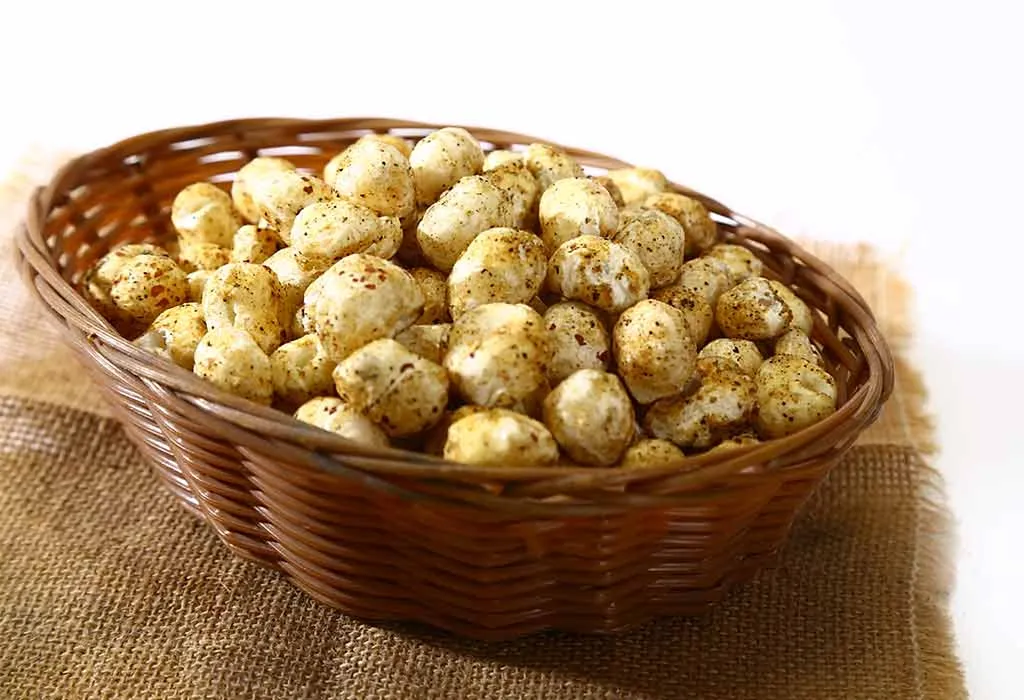
Makhana is a superfood loaded with numerous health benefits for pregnant women. Roasted Makhana is the easiest way to consume this nutritious edible part of the prickly water lily plant. Follow the steps of the Roasted Makhana recipe below to prepare!
Ingredients
- Makhana
- Butter/Ghee
- Salt
- Chilli powder
How to Make
- Add a spoonful of ghee or butter to a pan.
- Add makhanas and lightly roast them.
- Once roasted, you can also add some salt, chilli powder or any other seasoning for flavour.
- You can also store these roasted makhanas in an airtight container for future consumption.
2. Makhana Kheer
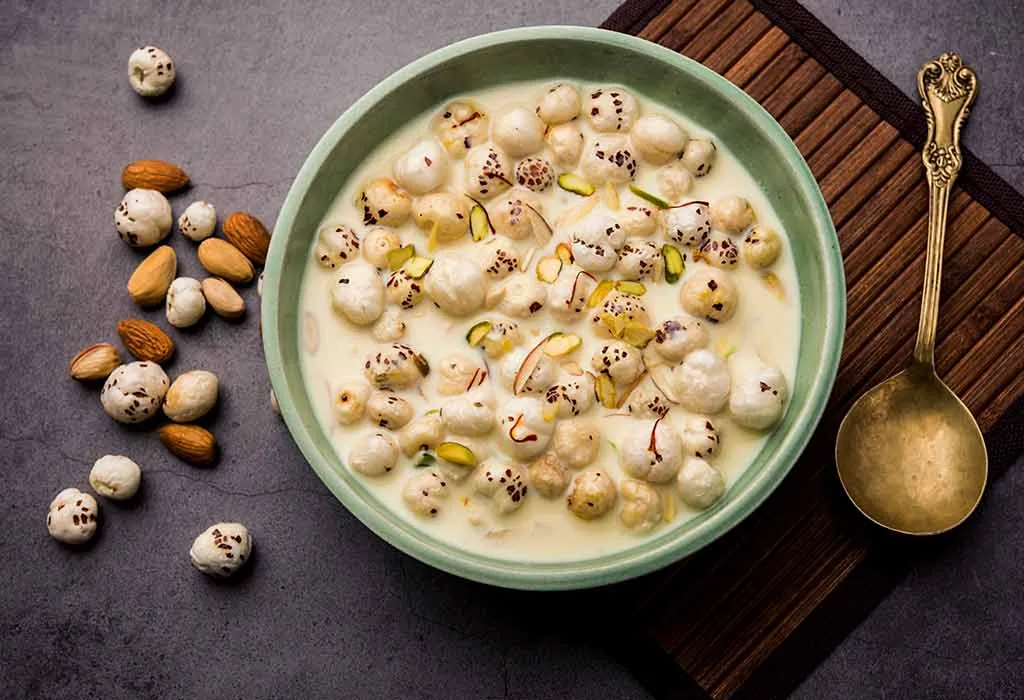
A sweet dessert dish made with makhana, milk, ghee, sugar and dry fruits – all healthy and beneficial ingredients for pregnant women. This dish is easy to make and tastes delicious.
Ingredients
- Ghee
- Makhana
- Full cream milk
- Saffron
- Sugar
- Nutmeg
- Sliced mixed nuts
How to Make
- Take a pan, heat the ghee, and add the makhana. Roast them till they get toasty.
- Add the full cream milk to the pan and let it reduce.
- Crush the makhanas a little and put in saffron, sugar and nutmeg.
- Cover the pan with a lid. Keep stirring in between and let the kheer reduce by half.
- Add in the sliced mixed nuts and take it out in a bowl.
- Refrigerate the kheer for some time and then serve.
FAQs
1. Is lotus seed good for fertility?
Yes. The regular consumption of makhana helps in curing and combating infertility, particularly in women. Makhanas help by strengthening the uterine lining and maintaining a normal menstrual cycle.
2. Does makhana help in recovery after a miscarriage?
Makhana is full of multiple benefits. Therefore, one can consume makhana after a miscarriage as it can help in recovery.
3. Can eating makhana help with pregnancy-related water retention (oedema)?
Yes, it can be beneficial. Makhana has astringent properties, which in Ayurvedic practices are believed to help manage excess fluid in the body. Furthermore, being a low-sodium snack (especially when prepared at home without added salt), it is a much better choice than processed salty snacks that can exacerbate water retention and swelling in the hands and feet.
If you’ve been wanting to know, “Is makhana good for pregnancy?,” then your answer is clear – YES! Makhana is an excellent source of nutrients for the body and mind. It has multiple health benefits and is one of the main reasons that a lot of ancient Asian cultures advocate its consumption. Having makhana will help you regulate your weight, keep blood pressure under control and so much more, so don’t hesitate the next time you feel like eating it.
Also Read:
Consuming Durian Fruit in Pregnancy
Eating Litchi Fruit during Pregnancy
Can I Eat Jackfruit During Pregnancy?
Eating Peanuts During Pregnancy
Was This Article Helpful?
Parenting is a huge responsibility, for you as a caregiver, but also for us as a parenting content platform. We understand that and take our responsibility of creating credible content seriously. FirstCry Parenting articles are written and published only after extensive research using factually sound references to deliver quality content that is accurate, validated by experts, and completely reliable. To understand how we go about creating content that is credible, read our editorial policy here.
- Author
- Expert Reviewer
 About the Author
Aliya Khan
Related Articles
-

20 Best Foods for Pregnancy: A Guide to Eating Healthy for You and Your Baby
-
Consuming Ajinomoto (MSG) in Pregnancy
-
Miso Soup during Pregnancy – Health Benefits and Recipes
-
Fish Oil During Pregnancy – Benefits, Risks & More
-
8th Month Pregnancy Diet (29-32 Weeks)
-
Eating Plums (Aloo Bukhara) During Pregnancy