
Vaginal Swelling During Pregnancy – Causes & Treatment
Vaginal swelling during pregnancy is common, but learn easy causes, simple relief tips and when to check with your doctor




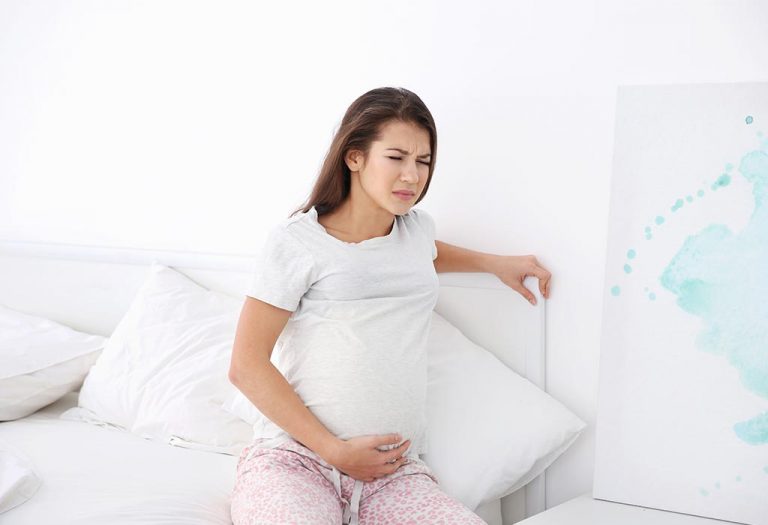
Image Credit : AI Generated Image
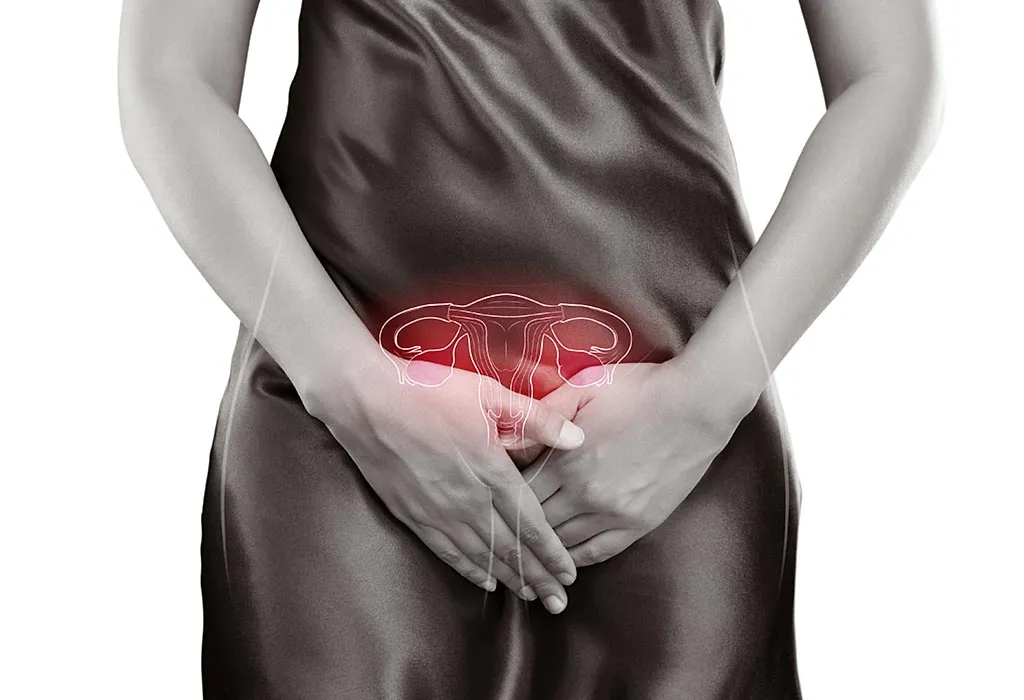
As your pregnancy progresses, you simply cannot wait for your little bundle of joy to come into the world. However, certain health issues can temporarily disrupt your happiness and comfort. Morning sickness, nausea, and back pain are common during pregnancy, and so is vaginal swelling, which includes experiencing a swollen labia during pregnancy. This specific condition is a form of vaginal swelling that can make you feel extremely uncomfortable and concerned. Increased blood flow and pressure from your growing uterus are primary contributors to this common symptom. In this article, we talk about vaginal swelling during pregnancy, its causes, symptoms, and different ways of treating and managing it effectively at home.
What Is Vaginal Swelling?
The swelling that occurs in the vaginal area, including the vulva and vaginal lips (labia), is termed vaginal swelling (1). It also affects pregnant women. Let’s look at some of its causes.
Is It Normal to Have Vaginal Swelling in Pregnancy?
As your belly grows, so do the changes your body undergoes, and that includes your nether regions. It’s common to experience swelling and puffiness down there during pregnancy, but don’t worry, it’s usually nothing to be alarmed about.
In fact, many women experience some degree of vaginal swelling during pregnancy due to increased blood flow, hormonal changes, and pressure on the pelvic area. It can feel uncomfortable or even downright annoying, but it’s typically a normal part of the journey to motherhood.
Of course, if you’re experiencing extreme discomfort, pain, or other unusual symptoms, it’s always a good idea to check in with your healthcare provider. But for the most part, rest assured that your puffy “V zone” is just one more way your body is adapting to the amazing feat of growing a tiny human.
So go ahead and embrace the bump, the glow, and yes, even the swelling. You’re creating a miracle, and that’s pretty darn cool.
Causes of a Swollen Vagina During Pregnancy
Here are some reasons why vaginal swelling can occur during pregnancy:
1. Increased Blood Flow
During pregnancy, blood flow around the pelvic region increases to support the growing fetus (2). The increase in blood flow may cause swelling of the vagina during pregnancy.
2. Poor Hygiene
Vaginal swelling could also be a result of improper hygiene. If you’re negligent about your vagina, it may become the breeding ground for microbes and result in swelling and inflammation (3).
3. Hormonal Changes
Your body undergoes various changes during pregnancy, and changing hormones are one of them. These hormones affect the flora of the vagina and lead to various kinds of bacterial and viral growth, and in turn, swelling.
4. Use of Certain Products
Use of certain products may also result in vaginal swelling. These products may trigger an allergic reaction in your vaginal region, leading to inflammation and redness (4).
5. Sexual Intercourse
Sometimes, a lack of lubrication during sexual intercourse or prolonged sexual intercourse can cause vaginal swelling.
6. Cysts
Cysts in the vaginal region can cause vaginal swelling, too (5). Sometimes, these cysts may also be cancerous.
7. Inflammation in the Vaginal Region
Sometimes, the inflammation of the vaginal arteries and ducts can cause oedema. Oedema may lead to the accumulation of fluid, causing swelling in the vagina.
8. Unhealthy Foods
This may come as a surprise, but it is true. Your eating habits can affect the health of your vagina. If you eat too much junk food or make unhealthy food choices, it can lead to vaginal infections and swelling.
9. Bacterial Vaginosis
Vaginal swelling can also occur due to bacterial vaginosis (BV) (6). If this is the case, it should resolve on its own. Your doctor may recommend antibiotics to speed up the healing process.
10. Yeast Infection
When there is an overgrowth of the Candida fungal bacteria in the vaginal area, it can lead to vaginal swelling. Symptoms include burning, redness, pain during sex and urination, irritated skin and thick vaginal discharge (7).
Symptoms of Swollen Labia During Pregnancy
The signs of vaginal swelling during pregnancy are:
- Smelly vaginal discharge
- Inflammation around the vaginal region
- A burning sensation while urinating
- Bleeding sores or blisters
- Irritation or pain around the vagina
- Itching in the inflamed area
- Visible redness and warmth to the touch in the vulvar area
- Discomfort or chafing when walking or wearing tight clothing
How to Treat Vaginal Swelling When You’re Pregnant
Here are some effective ways to treat vaginal or labial swelling during pregnancy:
1. Refrain from Scratching
You may feel all itchy and uncomfortable, but refrain from scratching any blisters or oozy lesions in your vaginal region. Scratching can spread the infection and cause more complications.
2. Maintain Hygiene
It’s important to maintain hygiene to avoid vaginal infections from aggravating. However, don’t scrub your vagina; it has its own self-cleaning mechanism in place!
3. Don’t Self-Medicate
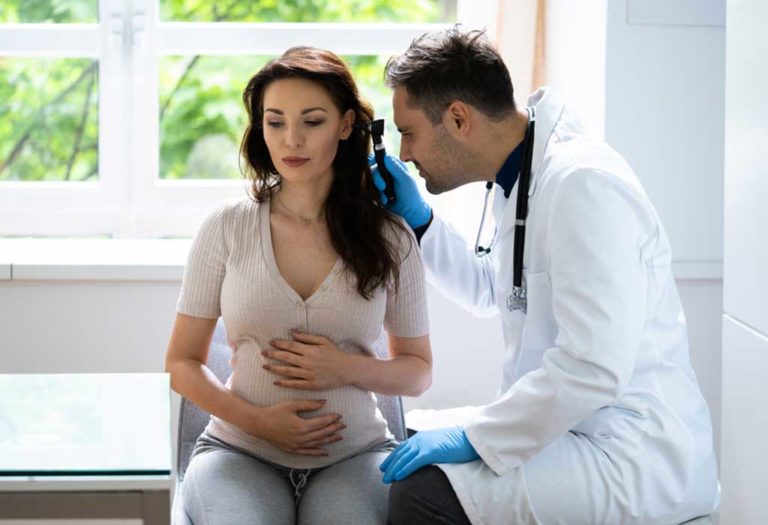
We suggest that you seek medical help as soon as you notice the symptoms of vaginal swelling. Don’t self-medicate; it may cause complications to your pregnancy. After a thorough physical examination, your doctor may prescribe antibiotics.
Home Remedies for Vaginal Swelling While Pregnant
You can also try home remedies to cure itchy and swollen vaginal lips during pregnancy:
1. Drink Water
Drinking water helps to reduce the burning sensation. That’s because the more you visit the loo, the more bacteria get expelled from your body.
2. Cold Packs
You can use cold packs to ease vaginal swelling and inflammation. Alternatively, you can take a bath with cold water.
3. Increase Your Intake of Probiotics
Increasing your probiotic intake can help in balancing the overgrowth of bad bacteria and yeast in your body. You can add buttermilk and yoghurt to your diet.
4. Soak in Apple Cider Vinegar
The antibacterial properties of apple cider vinegar can provide relief from vaginal swelling. You can put some ACV in a bathtub and soak yourself in it for 10 to 15 minutes.
How Can You Prevent a Swollen Vagina When Pregnant?
Here are some tips to prevent vaginal swelling during pregnancy (8):
- Maintain vaginal hygiene at all times. Pregnancy makes you more prone to infections; thus, taking good care during this time can ward off infections.
- Don’t use scented soaps to clean your private parts, as they can cause an allergic reaction.
- Always wear comfortable cotton underwear. Don’t use underwear that doesn’t allow your skin to breathe.
- Have a nutritious and healthy diet. Don’t eat unhealthy foods that trigger vaginal swelling and itching.
- In case your vagina is dry and itchy, you should keep it moisturised. Seek medical help for appropriate ointments/lotions.
When Should I Go to the Doctor?
You should go to the doctor if:
- The swelling and itching don’t go away after a few days.
- You experience abnormal discharge.
- Your vulva develops ulcers or small bumps.
FAQs
1. Is it necessary to get my swollen vagina checked if I am pregnant?
While some degree of vaginal swelling can be normal during pregnancy, it’s important to keep an eye on any changes and talk to your healthcare provider if you have concerns. In some cases, vaginal swelling can be a sign of an infection or other underlying condition that requires medical attention. Vaginal swelling during pregnancy can sometimes lead to discomfort or pain during sex, so getting checked out can help ensure a more comfortable and enjoyable experience for both you and your partner. Vaginal swelling can be normal during pregnancy. Your doctor can help you determine if any treatment or follow-up is necessary for the vag swelling during pregnancy and help you feel more at ease during this exciting (but sometimes uncomfortable!) time.
2. Can vaginal swelling affect the baby?
Vaginal swelling doesn’t harm the baby in the womb. However, if you have vaginal swelling due to a GBS infection that is Group B strep, then it may spread to your baby, too. In case you test positive for GBS, your doctor will administer a course of antibiotics to cure your infection. But if your baby catches this infection, then your baby may experience extreme lethargy and difficulty in feeding after birth.
3. Is it normal for swelling to be significantly worse on one side?
While some asymmetry is common, significant unilateral swelling should be evaluated by a doctor. It can sometimes indicate a condition like a vulvar varicose vein or, more rarely, a blood clot, which requires specific medical attention.
Vaginal swelling can be very painful and uncomfortable during pregnancy. Any kind of labial swelling during third trimester, or itchy, swollen vag lips during pregnancy, or even labial swelling during pregnancy, can be figured out by just slowing down and being careful. However, with proper care and timely medical intervention, your condition can not only be managed but also avoided.
Also Read:
Vaginal Discharge in Pregnancy
Vaginal Changes While Pregnant
Dry Vagina During Pregnancy
Vaginal Smell in Pregnancy
Was This Article Helpful?
Parenting is a huge responsibility, for you as a caregiver, but also for us as a parenting content platform. We understand that and take our responsibility of creating credible content seriously. FirstCry Parenting articles are written and published only after extensive research using factually sound references to deliver quality content that is accurate, validated by experts, and completely reliable. To understand how we go about creating content that is credible, read our editorial policy here.
- Author
 About the Author