
CT Scan During Pregnancy – Safety, Risks, and Alternatives





Medically Reviewed By
Dr. Rima Sonpal
(Gynecologist/Obstetrician)

This health content has been medically reviewed by qualified experts and follows the FirstCry Parenting editorial policy to ensure accuracy and reliability.
Key Takeaways
- A CT scan, or CAT scan, is the common name for an imaging technique called Computed Axial Tomography.
- Exposure of the fetus to CT scan radiation could have grave consequences.
- The risk of a CT scan during pregnancy depends on the type of scan and the area diagnosed.
- If medically urgent, your doctor will decide whether another imaging method, such as ultrasound or MRI, would be appropriate.
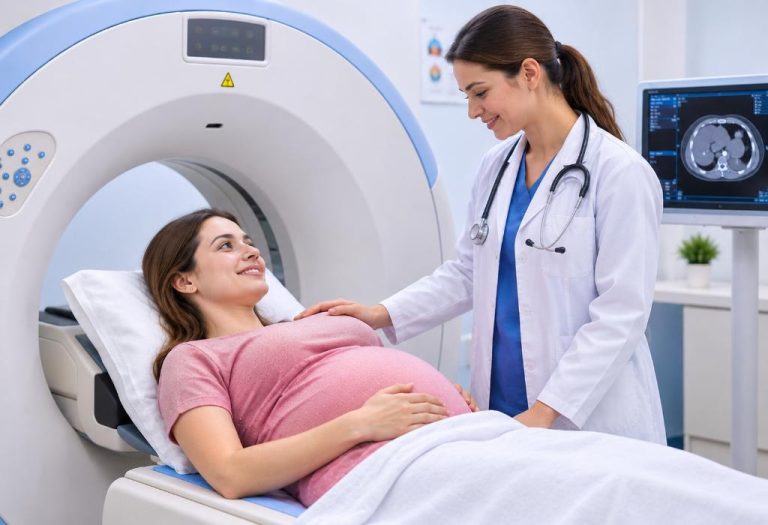
A CT scan, also known as a CAT scan, is an imaging test that uses X-rays and computer technology to create detailed cross-sectional, three-dimensional images of the body’s internal structures. Many women worry about getting a CT scan during pregnancy and the side effects it could pose. However, the risks depend on the area being scanned, the radiation dose, and the stage of pregnancy. A CT scan of a pregnant woman may be recommended when it is highly necessary to diagnose a medical condition or guide urgent treatment. If you’re an expectant mother with these queries, this article on CAT scan and pregnancy will be helpful. Beyond that, your doctor could explain the risks and benefits of a CT scan in pregnancy if you ever need one.
Is It Safe to Perform a CAT Scan During Pregnancy?
CAT scans use a focused beam of X-rays to generate imagery of the body, and this high-energy radiation does have the potential to cause harm to a foetus, depending on its intensity and exposure range. Ionising radiation such as X-rays are known carcinogens, and their utilisation has been speculated as a potential cause for the increase of cancer in developed countries. When CAT scans are performed during pregnancy, there is also a concern about the carcinogenic and teratogenic effects of ionising radiation on the growing foetus. The highest risk, however, is for foetuses that are under 15 weeks old and at a radiation threshold greater than 50 mGy.
The risk goes up when the pregnant woman’s uterus comes under the field of scanning or a scan is performed in a region in the abdominal or pelvic cavity (4). When radiation shields are applied, scans expose the foetus to a dose of 1 mGY to 3.5 mGy of radiation. In contrast, the radiation exposure of foetuses from the background radiation (from the sun and space) is 0.5 to 1 mGy for 9 months. The typical dosage the foetus is exposed to during a routine CAT scan of the abdomen and pelvis is about 25 mGy. CAT scans of the head or chest expose the foetus to almost no radiation. Advanced scanners with automated exposure control reduce radiation exposure to 13 mGy (1).
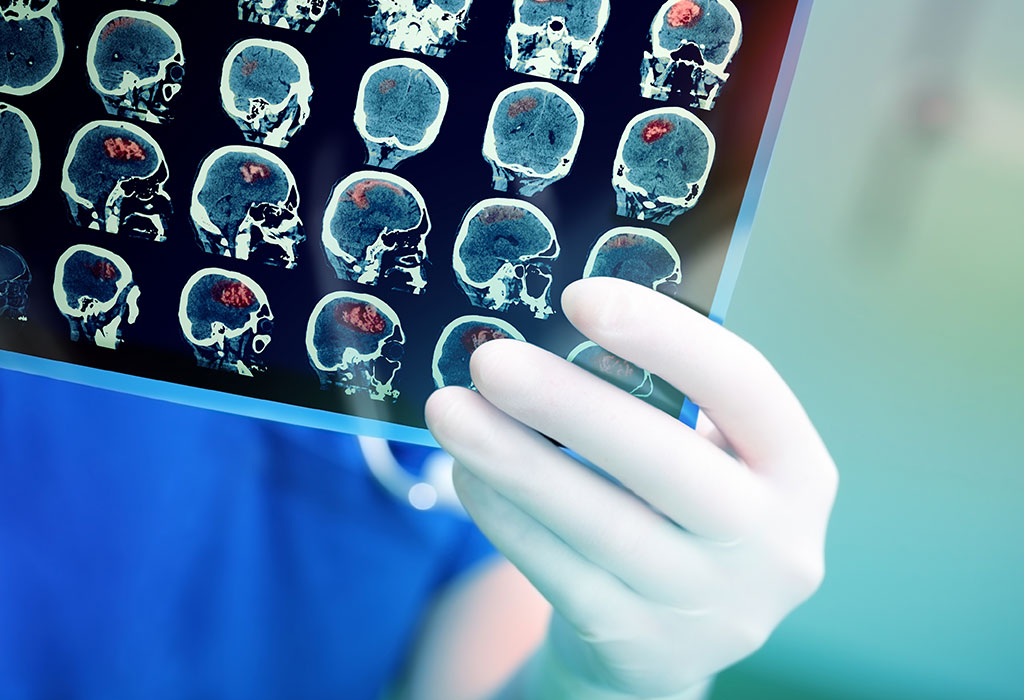
Why Are CT Scans Performed?
Pregnant women can sometimes experience non-obstetrical conditions or emergencies that may require the use of CAT scans. Some of these conditions include renal colic, appendicitis, hemorrhagic ovarian cysts, ovarian torsion, pulmonary embolism, and trauma. The utilisation of CAT scans in these instances is beneficial for diagnosis, and sometimes, it might be the only tool that can be used to gain a proper insight into the condition. CT scans form a three-dimensional image of the internal organs where doctors can get a clear picture of the exact cause of the problem. However, CT scans are not the only tool used for diagnosis; an MRI scan is also commonly used and is equally effective.
The primary diagnostic tool for pregnant women is the ultrasound, but it cannot always give a detailed view of the organs. CAT scans are the best imaging option when the safer modes of scan, such as ultrasound and MRI scans, cannot provide a definitive answer or there is a time constraint. As a rule of thumb, CT scans for pregnant women are not recommended unless the benefits outweigh the risks of exposing the foetus to radiation.
Risks of Getting a CAT Scan During Pregnancy
Here are some common risks of having a CT scan while pregnant (5).
- As per the American Pregnancy Association, a CT scan involves ionising X-ray radiation slightly higher than the ambient radiation we receive daily. The radiation dose from CT scans can be about 10 mSv, which is about the same as the radiation the average person receives from the background radiation in 3 years (7).
- CT scan during the first trimester of the pregnancy poses the highest risk to the developing foetus due to the carcinogenic and teratogenic effects of the ionising radiation (6).
- An abdominal condition that requires a CAT scan exposes the foetus to high levels of radiation.
Can CAT Scan During Pregnancy Cause Cancer in the Child?
CAT scans use radiation levels that are very low to cause severe damage to the mother or the foetus. Most scans operate within the ranges of 10 to 25 mGy, and the exposure needs to be higher to cause cancer. Teratogenic effects occur when exposure exceeds the threshold of 50 mGy to 100 mGy. A single scan is not of concern; however, multiple scans raise the risk of radiation exposure. If the exposure goes over 100 mGy to 150 mGy, the risk is serious enough to consider abortion of the foetus (3).
What Are the Alternatives to a CT Scan During Pregnancy?
When possible, doctors may recommend alternatives that don’t use ionising radiation, such as ultrasound or MRI, which are considered safer during pregnancy. These non-invasive imaging techniques pose no known risk to the foetus, making them preferable in many cases (2).
FAQs
1. What is the full form of CT?
The full form of a CT scan is computed tomography.
2. Should I get a CT scan in the first trimester of pregnancy?
No, doctors usually avoid recommending pregnant women a CT scan during the first trimester unless it is medically necessary, as it is a delicate stage for fetus’ development.
3. Can the radiation of a CT scan harm my baby?
Usually, CT scans use radiation in doses much lower than levels that could harm the fetus. However, the risk is there, which depends on the type of scan and the area being examined.
4. Is it safe to get a chest CT scan during pregnancy?
A chest CT scan causes very little radiation exposure to the fetus because the uterus doesn’t come under the imaging area. If you are pregnant, please mention this to your examiner and the lab technician.
5. Is there a safe time during pregnancy for a CT scan?
There is no universally “safe” time for a CT scan while pregnant. Still, the first trimester is particularly sensitive, as this is the stage of rapid organ development in the foetus. If a CT scan is necessary during this time, it should be discussed thoroughly with doctor to assess the benefits versus risks (6).
CAT scans carry certain risks, and if you ever need one, it is best to talk to your doctor or care provider about the risks and benefits.
References/Resources:
1. National Library of Medicine – Radiation Exposure In Pregnancy
4. The University of Virginia – Medical Imaging While Pregnant: How Safe is It?
5. Stanford University – Risks of Computed Tomography (CT) Scan
6. Children’s Hospital of Philadelphia – Low-dose Fetal CT Scan
7. American Pregnancy Association – CT Scan During Pregnancy
Also Read:
Are Ultrasound Scans Safe?
Dating Scan in Pregnancy
3D &4D Ultrasound Scans when Pregnant
Nuchal Translucency (NT) Scan while Pregnant
Transvaginal Ultrasound Scan (TVS) during Pregnancy
Was This Article Helpful?
Parenting is a huge responsibility, for you as a caregiver, but also for us as a parenting content platform. We understand that and take our responsibility of creating credible content seriously. FirstCry Parenting articles are written and published only after extensive research using factually sound references to deliver quality content that is accurate, validated by experts, and completely reliable. To understand how we go about creating content that is credible, read our editorial policy here.
- Author
- Expert Reviewer