Baby Grinding Teeth: Causes, Signs, and How to Help
Is your baby grinding teeth? Find out what causes it, what's normal and when to see a doctor.





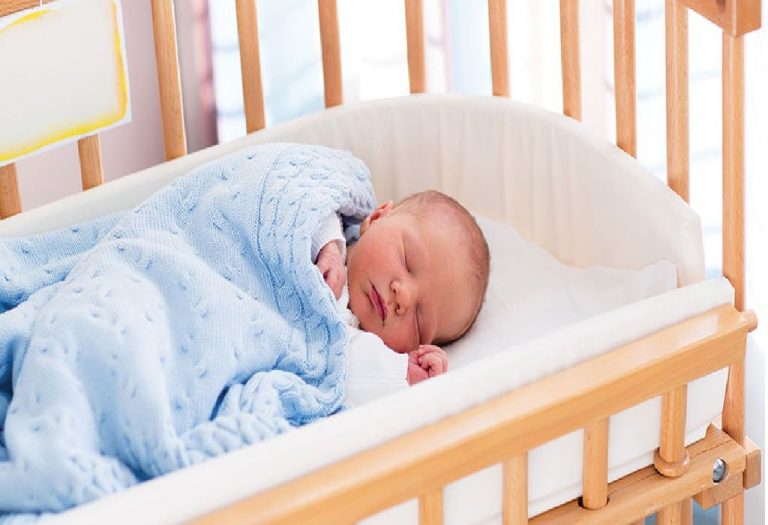
Baby grinding teeth is usually temporary and can occur as babies adjust to teething or sensations in their mouths. This behaviour, known as bruxism in infants, may happen while they are awake or asleep and can sound much louder than you might expect. The American Academy of Pediatrics explains that teeth grinding can begin before a child’s first birthday and is common in young children (1).
While occasional grinding is generally not a cause for concern, frequent or forceful grinding may lead to tooth wear or discomfort. This article covers the common causes of babies grinding teeth, signs to watch for, when to consult a dentist or paediatrician, and practical ways to help.
What Does Baby Teeth Grinding Mean?
Baby teeth grinding, medically known as bruxism, means a baby repeatedly clenches, rubs, or moves their upper and lower teeth against each other. It is particularly common when babies are asleep (2).
Is It Normal for Babies to Grind Their Teeth?
Yes, occasional teeth grinding without other symptoms is usually not a cause for concern. However, frequent grinding, especially when accompanied by sore gums, tooth damage, poor sleep, or jaw discomfort, may need attention (3).
Causes of Teeth Grinding in Babies
If you are wondering why do babies grind their teeth, the reason may vary depending on what your baby is experiencing. Some of the common causes include (4) (5):
- Teething discomfort: Sore, swollen gums can make babies rub their teeth together as they try to relieve discomfort.
- Exploring new teeth: Babies may grind simply because they are discovering the feel and sound of their new teeth.
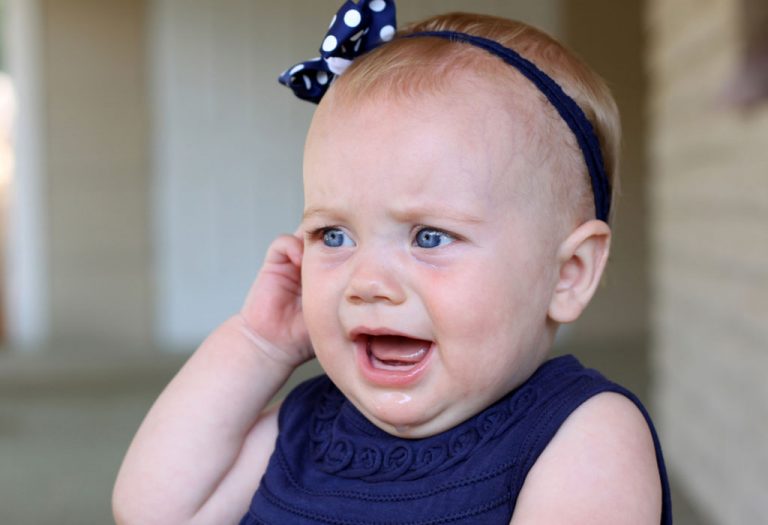
- Ear or mouth discomfort: Pain or irritation around the ears, gums, or mouth may sometimes lead to grinding.
- Sleep changes: Changes in sleep patterns or disrupted sleep can be associated with teeth grinding.
- Stress or excitement: Changes in routine, overstimulation, or strong emotions may sometimes trigger grinding.
- Jaw or bite development: As the teeth and jaw develop, some babies may temporarily grind their teeth while adjusting to these changes.
Signs of Teeth Grinding in Babies
Besides the grinding sound, a few noticeable changes can help parents recognise whether their baby is grinding their teeth regularly. Look for (6) (7):
- Grinding or clicking sounds
- Visible tooth wear
- Sore or swollen gums
- Jaw discomfort
- Disturbed sleep
Risks of Infant Grinding Teeth
Most babies who grind their teeth do not develop problems, but frequent or forceful grinding can sometimes lead to the following (6):
1. Tooth Wear
Repeated grinding can gradually wear down the outer protective layer of the teeth (enamel). Over time, the teeth may appear flatter, smoother, or shorter than normal. Excessive wear can be more concerning if grinding continues for a long period.
2. Chipped or Cracked Teeth
Strong or persistent grinding puts additional pressure on the teeth. In some cases, this may contribute to small chips, cracks, or damage to the edges of the teeth, particularly if the teeth are already weakened.
3. Tooth Sensitivity
When grinding causes significant enamel wear, the more sensitive inner layers of the tooth may become exposed. This can make a child more sensitive to hot, cold, sweet, or acidic foods and drinks.
4. Jaw Discomfort
Repeated clenching and grinding can place extra strain on the jaw muscles and the temporomandibular joints (TMJs), which connect the jaw to the skull. This may result in discomfort when opening or closing the mouth or chewing.
5. Facial Soreness
Overworked jaw and facial muscles can sometimes become tired or sore. Parents may notice that the child appears uncomfortable around the cheeks, temples, or jaw, particularly after periods of intense grinding.
6. Headaches
In older children, persistent teeth grinding and associated muscle tension may contribute to headaches, especially around the temples or forehead.
7. Sleep Disturbances
Grinding may occur during sleep and can sometimes be associated with restless or disrupted sleep.
How to Stop Baby From Grinding Teeth?
If you’re looking for how to get baby to stop grinding teeth, here are some simple steps that may help (4) (5) (7):
- Offer a safe teething toy: A firm, baby-safe teether can give your baby something appropriate to chew on and may soothe sore gums.
- Gently massage the gums: Clean your hands and gently rub your baby’s gums with a clean finger to help relieve teething discomfort.
- Keep a consistent bedtime routine: A predictable routine can help your baby settle comfortably before sleep.
- Help your baby relax before sleep: Quiet activities, cuddling, or gentle rocking may help your baby wind down.
- Avoid overstimulation before bedtime: Keep lights, noise, and active play low before sleep to create a calmer environment.
- Schedule regular dental check-ups: A dentist can check for tooth wear and identify any concerns if grinding continues.
When to Consult a Dentist?
Seek professional advice if you notice (5):
- Visible tooth wear, chips, or cracks
- Persistent jaw or facial discomfort
- Sore or bleeding gums
- Difficulty eating or chewing
- Frequent sleep disturbances
- Grinding that continues despite your efforts to ease it
FAQs
1. Should I wake my baby if they grind their teeth during sleep?
If you notice baby grinding teeth in sleep, there is usually no need to wake them up. However, if it happens frequently or you notice signs of pain, tooth damage, or disturbed sleep, consult a dentist or paediatrician for guidance.
2. Does baby teeth grinding go away on its own?
In many cases, yes. As babies adjust to their teeth and mature, grinding may become less frequent. Persistent grinding should be checked by a dental professional.
3. Can a pacifier help with baby teeth grinding?
A pacifier may soothe some baby grinding new teeth, but it should not be used specifically as a treatment for teeth grinding. Follow your paediatrician or dentist’s advice about pacifier use.
A little teeth grinding can be part of your baby’s growing years, so there is no need to panic when you hear it. Keep an eye on it, and if you feel something is not quite right, check in with your baby’s dentist for advice.
Also Read:
Appearance of Baby Teeth Order
Symptoms of Teething in Babies
When do Babies Start Teething?
Was This Article Helpful?
Parenting is a huge responsibility, for you as a caregiver, but also for us as a parenting content platform. We understand that and take our responsibility of creating credible content seriously. FirstCry Parenting articles are written and published only after extensive research using factually sound references to deliver quality content that is accurate, validated by experts, and completely reliable. To understand how we go about creating content that is credible, read our editorial policy here.
1. American Academy of Pediatrics – Teeth Grinding in Children: What to Know About Bruxism
2. Cleveland Clinic – Bruxism (Teeth Grinding)
3. Nemours KidsHealth – Bruxism (Teeth Grinding or Clenching)
4. Mission Bay Pediatric Dentistry – WHY DO BABIES GRIND THEIR TEETH?
5. National Dental Care – Baby Grinding Teeth: Is It Normal & When Should You Worry?
- Author





.svg)