Pregnancy




Suggested articles for you
Hot Yoga During Pregnancy: Is It Safe, Risks, & Alternatives
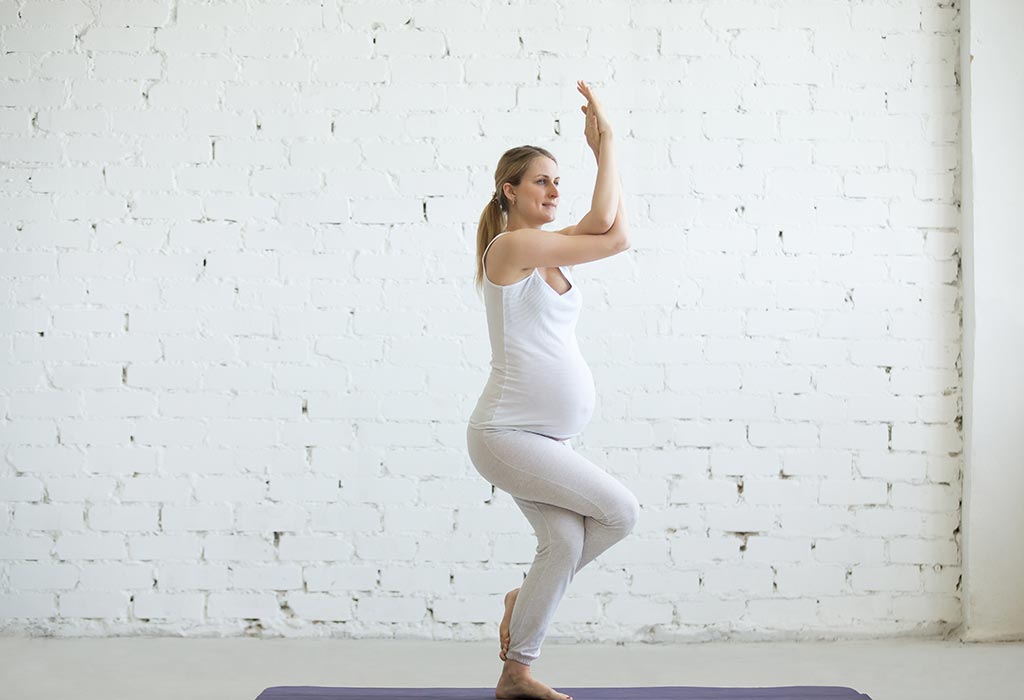
There are many views regarding doing hot yoga during pregnancy. Some experts argue that hot yoga should not be practised during pregnancy, while some say that it is safe to continue practising hot yoga in pregnancy, provided that the pregnant woman has already been doing it over a period of time. Doctors worry that hot yoga can increase the temperature of a new mother’s body but yoga instructors say that the body temperature goes up only by one degree when practising hot yoga, so there is nothing to worry about. It is up to the mother to make the choice which is suitable for her. Read on to learn more about heated yoga and pregnancy, including its benefits, risks, and important precautions to keep in mind.
What Is Hot Yoga?
Hot yoga is the latest trend that is being followed all over the world. It is a form of yoga which is practised in an extremely humid and hot room – sometimes 104 degrees F or more and humidity at 40% (1). Extreme forms of hot yoga are done typically in rooms with temperatures between 90-105 degrees F and 60-70% humidity. Such temperatures can feel like 100-149 degrees F for a regular human body.
How Does it Work?
The heat is believed to enhance your flexibility, endurance, and weight loss. One session of hot yoga can last up to 90 minutes, depending on what skill you are at. Practising hot yoga is difficult even for a trained practitioner. It may cause heat stroke or heat exhaustion if the exertion and temperature overwhelm your body. People tend to stretch much more in heated environments, and this can sometimes lead to muscle or joint damage. People over the age of 50 who have heart complications or are taking prescribed medications should check with their doctor before attempting hot yoga.
Can You Do Hot Yoga While Pregnant?
Is hot yoga safe while pregnant? Generally, the consensus is that it is best to avoid hot yoga altogether during pregnancy (2). During pregnancy, your tendons and muscles loosen up to prepare for the baby growing inside you. This means that your muscles are more likely to extend beyond normal in the heat. As pregnancy affects your blood pressure, doing hot yoga can increase the risk of heat exertion, heat stroke, and fainting during pregnant. Exposure to such levels of heat can be harmful to your baby as hyperthermia (high body temperature) can increase the risks of neural birth defects like spina bifida in your baby (3). It can also increase the risk of more serious defects like anencephaly (in which the child’s skull and brain fail to form fully) (4) or gastroschisis (in which the child’s organs protrude through the stomach) (5).
Are There Any Benefits of Hot Yoga in Pregnancy?
When practised safely and with medical approval, hot yoga offer a few potential benefits for pregnant women. Some of these benefits include (6):
1. Improve Flexibility and Strength
Hot yoga involves gentle stretching and controlled movements that may help improve flexibility, muscle tone, and overall body strength during pregnancy. Maintaining flexibility can also help the body adapt better to physical changes as pregnancy progresses.
2. Reduce Stress and Promote Relaxation
Breathing exercises and mindful movements practised in hot yoga may help reduce stress, anxiety, and mood swings. Many pregnant women find yoga calming, which can support emotional well-being and improve sleep quality.
3. Ease Pregnancy Discomfort
Some women report relief from common pregnancy discomforts such as back pain, muscle stiffness, and body aches through yoga practice. Gentle stretching and posture-focused exercises may help improve posture and circulation.
4. Better Mind-Body Connection
Hot yoga often focuses on controlled breathing and mindfulness, which can help pregnant women become more aware of their bodies. This improved mind-body connection may also help with relaxation techniques useful during labour and delivery.
Risks of Doing Hot Yoga During Pregnancy
There are several possible risks of doing hot yoga during pregnancy. These include (7):
Practising hot yoga during pregnancy can lead to several health issues. As your body changes, you are more likely to experience dizziness. Also, standing in a hot room is usually unbearable for women who are pregnant as their body temperature is already slightly higher in pregnancy.
The biggest cause for concern is overheating. Overheating of the body during pregnancy is dangerous for the baby as his organ and brain development can be negatively affected (8).
Practising hot yoga during pregnancy can also lead to dehydration.
The hot yoga postures may be too difficult to master for a pregnant woman.
How to Do Hot Yoga Safely in Pregnancy?
Have you been doing hot yoga regularly before pregnancy? Then some experts say that the risks associated with hot yoga and pregnancy are lower. Here are a few tips to do hot yoga while pregnant in the first trimester:
Before starting with hot yoga in pregnancy, inform your instructor about your health condition. Some hot yoga poses are not suitable for pregnant ladies. Any poses that cut off blood flow to the uterus or put pressure on the belly are off-limits.
Drink lots of water while doing any form of exercise.
If you are new to hot yoga while you are pregnant or if you have taken a long break beforehand, then it is better to avoid practising it. You can instead do some forms of exercise in pregnancy and stay active.
Do not overdo it. Remember that you are pregnant and your baby’s safety is important over anything else. Find a cool spot to practice hot yoga and if you feel sick, immediately stop.
Hot yoga should be avoided if you have other health issues. If your pregnancy has been ruled by the doctor as a low risk one, then you can do hot yoga.
You can check if there is a hot yoga class especially for pregnant women, which does not employ the heat but includes some of the postures.
Alternatives to Hot Yoga
If warm yoga during pregnancy feels too intense or unsafe, there are several gentler exercise options that can help maintain fitness and relaxation. Some safe and effective alternatives that pregnant women can consider include the following (9):
Prenatal Yoga: Specially designed prenatal yoga classes focus on gentle stretches, breathing exercises, and relaxation techniques that are safe for pregnant women.
Walking: Walking is a simple and low-impact exercise that helps improve circulation, maintain fitness, and boost mood during pregnancy.
Swimming: Swimming and water-based exercises can help reduce pressure on joints and provide a comfortable full-body workout for expecting mothers.
Pilates: Prenatal Pilates may help strengthen core muscles, improve posture, and reduce common pregnancy discomforts like back pain.
Questions to Ask Your Doctor
Before continuing or starting prenatal hot yoga, it is important to speak with your doctor. Here are some important questions you should consider asking:
Is hot yoga safe for me during my pregnancy?
Are there any risks associated with heated yoga and pregnancy in my case?
Can hot yoga affect my baby’s development or health?
What warning signs should I watch out for while exercising?
Are there any yoga poses or movements I should avoid during pregnancy?
How often can I safely practise hot yoga while pregnant?
What is the ideal room temperature for exercising during pregnancy?
FAQs
1. Can beginners practise hot yoga while pregnant?
No, pregnancy is generally not the right time to begin hot yoga for the first time. Women who are new to hot yoga may find it difficult to adjust to the heat and intensity during pregnancy.
2. How often can pregnant women practise hot yoga?
The frequency of yoga practice depends on overall health, fitness level, and medical advice.
3. Is it safe to do hot yoga in the third trimester?
Many doctors advise avoiding hot yoga in the later stages of pregnancy because the body becomes more sensitive to heat, balance changes, and physical strain during the third trimester.
Whether or not should pregnant women do hot yoga is a personal choice. Some pregnant women find the practice soothing, while others don’t. Hot yoga can help improve hormonal problems and certain other health issues. However, if you have never done hot yoga before pregnancy, it might be best to stick to a normal yoga form that is suited for pregnant women. Your baby’s safety comes first before anything else. If you want, you can practice hot yoga after your baby is delivered safely.
Also Read:
Pranayama in Pregnancy
Yoga Inversions during Pregnancy
Yoga Poses to Avoid when Pregnant
Read more





This When I Learnt a Mother's Instinct Is REAL and How It Transformed Parenting for Me!
To be honest, it is difficult to express how you feel when you see your little one on the ultrasound and capture that little heart beating. Those emotions, feelings, excitement, and happiness are so overwhelming that a mother always hopes for this phase to freeze.
Indeed, embracing motherhood is not everyone’s cup of tea. The parenthood journey comes with a lot of surprises at every twisted curve. Right from the day you see two pink lines on the pregnancy result window, you start looking for a guide for first-time parents, do’s and don’ts, and everything that would do in your capacity to protect your child.
The motherhood journey has taught me quite a few lessons, but most importantly, it has induced in me a different level of self-confidence. It is expected that a mother-to-be has some inbuilt maternal instincts and a set of caregiving abilities for her little one. But, I didn’t believe in all this until I became one.
Someone giving you parental advice is not a thing of the past. Our culture comes with a detailed manual in the form of well-wishers. It doesn’t matter whether you are in a grocery store or a mall, or sitting in the comfort of your own house, people are ‘more than’ willing to give their pieces of advice on parenting. While I found a mass of information everywhere, the contrasting viewpoints of the crowd would drown out my gut feeling. This is when I would begin to doubt my parenting practices.
As a mother, in most cases, I have put my instinct to use and have possibly made a better decision about what is good or could be bad for my child. But, sometimes seeking suggestions or being given unsolicited advice from any random body can lead to utter mental chaos. It has often left me in the state where I’ve questioned my own instinct- my weapon of sanity.
“Can one trust her maternal instinct?” Yes, but we often shut that voice and intentionally seek validation from the outside world.
Remember, no one’s advice would match the little intricacies that make you and your child special or the bond you share with him/her. Also, no one is going to connect with your child in ways that you can. Like you read a blog or surf the internet to get help, you should allow your gut to work when it comes to raising your kids.
For instance, when I became a mother, I wondered how I would choose the best baby products. Today, we’re spoilt for choice when it comes to baby care brands advertising their products and their benefits. But which one is best? I’ve always relied on products free of dyes, phthalates, and synthetic fragrances. I generally recommend and also use organic products made from skin-friendly ingredients that would make the motherhood journey easy.
Products like breast pumps have given wings to my mother’s instinct and eased my anxiety multifold. The products I’ll be recommending are easy to use and have made my life stress-free.
Being a mother, we know that breast milk contains a range of benefits for babies. It is rich in nutritional components, antioxidants, and enzymes, and protects babies against diseases. However, we forget that breastfeeding has its limitations. Sometimes, breastfeeding becomes tiring and unmanageable due to several reasons. But thanks to these electric and manual breast pumps, my baby gets to enjoy my breast milk even when I am not around.
Recently, I purchased this Philips Avent Electric Breast Pump from FirstCry, and I must say, using this breast pump has been a great experience. Firstly, it is the fastest method of expressing breast milk and has adjustable suction levels. What I liked the most is, that it has indication levels that inform about milk collection. Also, unlike a manual pump, this electric pump saves you from using your hands, which can be exhausting sometimes. However, you might not like the low buzzing noise of the electric motor pumping (Honestly, it eases your life so much, that the buzz of the motor will start to sound relaxing to you!)
If you are looking for an electric breast pump, ensure that it is easy to use and assemble. Also, it must have an adjustable vacuum and should be easier to carry everywhere. However, electric breast pumps are costlier than manual breast pumps.
If you are on a tighter budget, buying an Avent manual breast pump is also a good option. It is convenient in size, lightweight, and has a simple-to-use mechanism. Furthermore, it works when there’s a power outage too. When you are on a parenting journey, you have to keep in mind the budget too. This manual pump comes at a reasonable rate and is compact to carry (the thing I liked the most). It lets you sit comfortably during pumping, and you don’t have to lean forward to check whether the milk is ending up in the bottle or not.
As a mother, I found these pumps to be non-negotiable. They are absolutely necessary to have during your breastfeeding journey. I’m glad I trusted my instinct during this phase, it has been rewarding to say the least.
PS. Getting comfortable with your instinct might take time. Remember what works for others, might not work for you. Take time to tune in to how you feel, and slowly you’ll be able to drown out opinions that conflict with your own. Happy parenting, fellow Mumma!
Disclaimer: The views, opinions and positions (including content in any form) expressed within this post are those of the author alone. The accuracy, completeness and validity of any statements made within this article are not guaranteed. We accept no liability for any errors, omissions or representations. The responsibility for intellectual property rights of this content rests with the author and any liability with regards to infringement of intellectual property rights remains with him/her.
Read more
10 Weeks Pregnant Ultrasound Scans – Baby Size, Heartbeat, and More
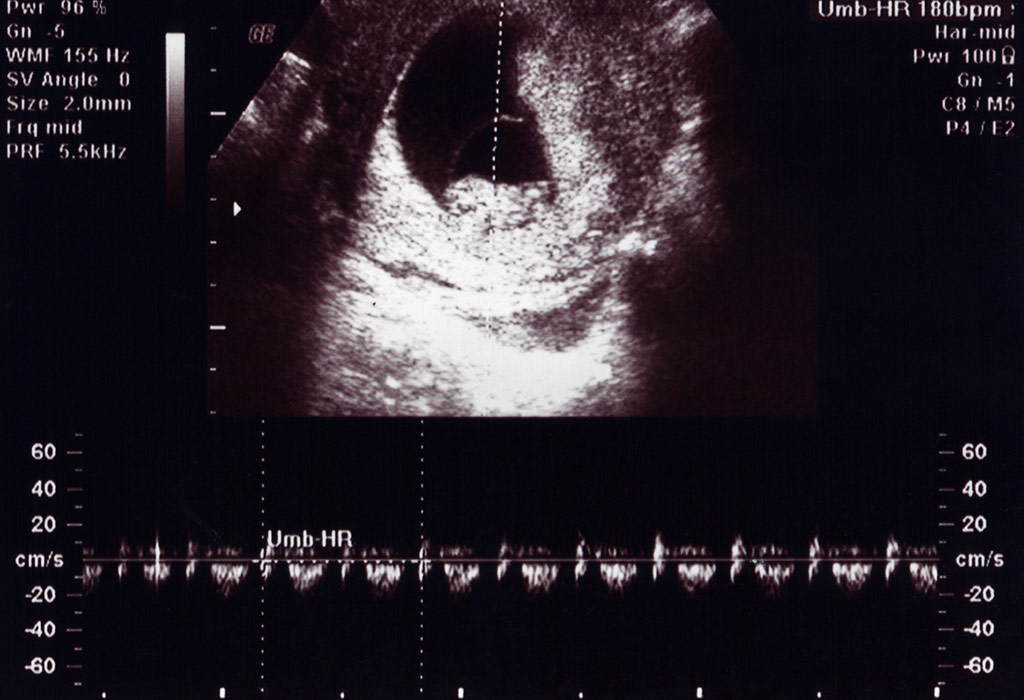
If you are reading this, we take it that you are 10 weeks pregnant. Congratulations! Now that you are 10 weeks pregnant, you can stop worrying when you’ll start looking pregnant because you have reached that phase where your pregnancy bump will start showing. Your doctor may suggest an ultrasound scan around this time to make sure that your baby is healthy and is developing normally. An ultrasound, also called a sonogram, will help create a picture of your baby on a monitor with the help of sound waves. So, whether it be a 10 weeks pregnant ultrasound or a baby at 10 weeks ultrasound, this article is here to take you through it all.
Read on to know why you need an ultrasound scan at 10 weeks of your pregnancy and how it is performed.
Why Should You Have an Ultrasound at 10 Weeks?
The following are the reasons for performing an ultrasound scan at 10 weeks of pregnancy.
1. To check the baby’s growth.
Your doctor may suggest an ultrasound scan at 10 weeks of your pregnancy to check the progress or growth of your baby (1). By conducting a scan, she will be able to identify whether or not your baby is developing normally. At 10 weeks of pregnancy, the foetus weighs about 4 gm and measures around 3.1 cm from crown to rump. An ultrasound will make it clear how your baby is developing. She will also calculate the baby’s gestational age based on these measurements and predict a due date.
2. To check for any abnormalities.
Between 10 and 14 weeks of your pregnancy, a nuchal translucency scan (NTS) will be performed to test the foetus for the risk of Down syndrome and other chromosomal abnormalities (2). In this, the unborn baby’s nuchal fold, which is the transparent back of the neck, will be measured to test for any abnormalities (3). This test is usually conducted in the 12th week of pregnancy.
3. To hear the baby’s heartbeat.
You must have heard your baby’s heartbeat through an ultrasound scan at around 8 weeks of your pregnancy. But you can hear it during the 10th week as well. Your doctor will perform this test to ensure that your baby’s heart functions normally (4).
4. To ensure that the baby’s organs are functioning normally.
In the 10th week of pregnancy, the skin of the foetus is translucent. This means that all the internal organs will be visible on the ultrasound scan. Thus, your doctor will be able to gauge whether all the organs are developing normally and functioning properly or not.
5. To see how the spine is developing.
The spine should be visible by the 10th week of pregnancy. The doctor will conduct an ultrasound to check if the spine is developing normally.
6. To determine the position of the baby.
If this is your first ultrasound, then the doctor will tell you about the location of the pregnancy, i.e., the position of your baby. An ultrasound will help rule out an ectopic pregnancy. Ectopic pregnancy is a kind of pregnancy in which the fertilised egg implants and grows somewhere outside the main cavity of the uterus. This kind of pregnancy causes pain and does not proceed as a normal pregnancy (5).
How to Prepare for Your 10th Week Pregnancy Scan?
To prepare for your 10-week ultrasound scan, you will need to have a full bladder. Going for the scan with a full bladder will help the ultrasound technician to get a clear image of the baby, the placenta, uterus, ovaries, and cervix. You will need to drink 3 glasses of water an hour before you have the ultrasound so that your bladder is full.
How Long Does It Take to Perform an Ultrasound Scan?
A typical ultrasound scan can take between 15 and 30 minutes to perform. The sonographer has to get a good image of the baby and also examine your uterus, placenta, and ovaries. If the baby is very active and moves around or is in an awkward position, the sonographer might take longer to capture clear images. And if clear images are not obtained, the scan may have to be rescheduled for some other time.
How Is an Ultrasound Scan Performed?
In order to perform an ultrasound, the sonographer will ask you to lie down on the examination table and expose your belly and abdomen. She will then apply gel to your belly and press a wand called a transducer against the skin. This wand will send ultrasound waves that will form an image of your baby on the monitor. The technician will apply some pressure on your belly with the wand to get a clear view of the baby. The scan is painless and non-invasive. In many cases, doctors may do a transvaginal ultrasound scan as well. The scan may be done vaginally by inserting an ultrasound probe inside the vagina if the abdominal scan fails to produce clear images (6). But you don’t have to worry – the vaginal probe is also not painful.
What Will You See on the Scan at the Tenth Week of Your Pregnancy?
Here is what you can expect to see in your 10-week ultrasound scan (7) (8).
You might see your baby moving at the 10-week ultrasound. You can also expect to see your baby’s hands, feet, and head clearly.
As your little one’s skin will be transparent, you may also see the internal organs.
On the monitor, you will also see your baby’s heart beating, and you will be able to hear it too.
You might see your baby’s forehead bulge. It is usually bulged to accommodate the growing brain. However, the forehead will flatten gradually.
You might also see your baby’s fingers and toes. You can also expect to see his nose and ears. You will see your baby’s eyelids, but they will be closed.
The baby’s skeleton is complete, and the bone development is still happening, and the framework of the spine can be seen.
Development of the Fetus at 10 Weeks
Congrats mama-to-be! You’re 10 weeks pregnant, and your little one is growing by leaps and bounds! At this stage, your baby is approximately the size of a kumquat (yes, you read that right!) and is developing at a breakneck speed. So, let’s take a sneak peek into the world of your tiny human and see what’s happening in there, shall we?
First things first, your baby’s face is now almost fully formed! The tiny nose, chin, and forehead are starting to take shape, and even the eyelids have formed. They are still fused shut but will soon start to open and close, giving you a glimpse of those beautiful peepers. Your little one’s tiny hands and feet are also starting to develop fingerprints and toe prints. How amazing is that? And that’s not all – your baby’s brain is developing at an impressive rate, and their taste buds are starting to form too! Who knows, your baby might have a sweet tooth just like you! So sit back, relax, and enjoy this exciting phase of your pregnancy, mama. Your baby is working hard to become the cutest little thing you’ve ever seen!
No Movement at the 10th-week Ultrasound – Is this Normal?
If you do not see your baby moving at the 10th-week of your ultrasound, don’t worry. Chances are, your little one might be sleeping in the womb. As long as your sonographer assures you that the baby’s growth, development, and heartbeat are normal, you need not worry.
What If Some Abnormalities Are Discovered in the Scan?
If any abnormalities are spotted in the 10-week ultrasound pictures, your sonographer or doctor will inform you about them. In such cases, the doctor may recommend further testing, such as Chorionic Villi Sampling, blood tests, and amniocentesis, to be certain. Based on the findings, the doctor will speak to you about the further course of action to be taken and may even refer you to a specialist.
FAQs
1. Is 10 weeks too early for an ultrasound?
Being 10 weeks pregnant is certainly not too early for an ultrasound. In fact, a first-trimester ultrasound is typically part of your standard prenatal care. It can take place anywhere from 7 to about 12 weeks pregnant (1). Different doctors across countries may recommend the first ultrasound around this timeline only.
2. What can you expect from a 10-week ultrasound?
At 10 weeks, your baby’s eyes are completely developed, allowing them to perceive light and darkness. Their fingers and toes are well-formed, and their bones are starting to stiffen. This means they are starting to resemble a baby more closely, and you should be able to differentiate their heads from their bodies, as well as see their tiny hands and legs.
3. Can you feel the baby at 10 weeks of pregnancy?
Ah, the million-dollar question – can you feel the baby at 10 weeks pregnant? While you may be eagerly waiting for those first kicks, at 10 weeks, it’s still a bit early to feel any movement. But fear not, mama! There are plenty of other ways to connect with your growing baby. One of the best ways to do so is through an ultrasound at 10 weeks pregnant. Not only will you be able to see your little one’s tiny arms and legs, but you’ll also get to hear their precious heartbeat. It’s a magical moment that will leave you feeling overwhelmed with love and excitement. So, put your hand on your belly and start talking to your little one, mama. They may not be able to kick you yet, but they’re definitely listening!
4. Is it possible to determine the gender of a baby at a 10-week ultrasound?
Now, we know you’re eager to find out whether you’re having a little prince or princess, but can you determine the gender of your baby at a 10-week ultrasound? Well, it’s not impossible, but it’s not exactly accurate either. While the baby’s genitals are starting to form at this stage, they’re still too small to be seen clearly on an ultrasound. However, some experts use a technique called the “nub theory” to make an educated guess about the baby’s gender. Essentially, they look at a small protuberance near the baby’s bottom to determine if it’s a penis or a clitoris. But, it’s important to remember that this method is not foolproof and there’s a chance that the guess could be wrong. So, if you’re looking to find out the gender of your little one for sure, you may need to wait a few more weeks until the genitals are fully formed and easier to see on an ultrasound.
The 10-week ultrasound scan is also called a dating scan, as it is used to determine the gestational age of the baby and predict the due date. The nuchal translucency test is part of this scan. Some parents may choose to get a printed picture of the scan to preserve as a memento. In some countries, the technician may be able to determine the gender of the baby. However, sex determination is illegal in India. The 10-week ultrasound is done to ensure that the foetal development is normal and the baby is healthy. So don’t miss this ultrasound if your doctor has suggested it. Go for regular tests and have a healthy pregnancy!
Previous Week: 9 Weeks Pregnant Ultrasound
Next Week: 11 Weeks Pregnant Ultrasound
Read more

Signs and Symptoms of Miscarriage
A miscarriage usually happens in the first trimester of pregnancy, i.e., within the first 20 weeks of pregnancy. The medical term for miscarriage is ‘spontaneous abortion’. It is one of the most common complications associated with early pregnancy. Sometimes, a woman may have a miscarriage even before she finds out she is pregnant. Pregnancy is a wonderful time for a woman, but without knowing it may unexpectedly end in a miscarriage. Hence, to be safe, it would be beneficial to know about the signs and symptoms that may lead to a miscarriage. Awareness of all signs of miscarriage and timely medical attention can sometimes help manage the risk effectively.
What Are the Symptoms of a Miscarriage?
There are various early symptoms which can indicate a miscarriage. A miscarriage usually happens during the first trimester itself, when a baby is in the development phase. This is because of the abnormalities that happen during this period. Some of the symptoms that can indicate a miscarriage are mentioned as follows:
1. Pain
If you experience severe and intolerable pain in your belly it could be a warning sign of a miscarriage. If you also have cramps which lead to blood discharge, it can be one of the many symptoms. Miscarriages tend to cause intense cramps which are similar to menstrual cramps, but much higher in intensity.
2. Bleeding
Bleeding is the most common sign of a miscarriage. The blood discharge will be light brown or bright red. And you may bleed heavier than usual. If you bleed during pregnancy, consult a doctor immediately. Bleeding in the first trimester of pregnancy is quite common. Noticing a few spots of blood on your underwear won’t be a problem; however, if these light spots change to something like a regular period, you should consult a doctor soon.
3. Ectopic Pregnancy
An ectopic pregnancy is a type of pregnancy when the foetus develops outside the inner lining of the uterus. The signs and symptoms of an ectopic pregnancy are very similar to that of miscarriage with a few more. Some of the symptoms of ectopic pregnancy are shoulder tip pain, dizziness, diarrhoea etc. If you experience any of these symptoms, it is ideal to exercise caution and visit your doctor to avoid any further complications.
4. Symptoms of Pregnancy Do Not Persist
If a woman is about to miscarry, the common signs and symptoms of pregnancy like morning sickness, mood swings and tender breasts would no longer be there. Some women don’t experience any symptoms of pregnancy. However, if a woman is experiencing the symptoms of pregnancy and a miscarriage happens, she may understand the difference in how she feels.
5. Weight Loss
Losing weight is another common symptom of a miscarriage. If a pregnant has suddenly lost weight, it might be an indicator of pregnancy loss. Sometimes, some women do not experience any symptom at all. And they only come to know about the same when they go for their regular ultrasound scan. However, this is followed by the usual symptoms of bleeding and cramping. In such a case, the embryo dies but is not expelled out.
6. Passing Tissue or Clots
If you notice grayish tissue or large clots passing from the vagina, it may indicate a miscarriage. This is a significant sign and requires immediate medical attention. It’s essential to save the tissue (if possible) for examination, as it can help your healthcare provider determine the cause.
FAQs
1. Is it possible to have a miscarriage without bleeding?
Yes, it is possible to experience a miscarriage without bleeding, known as a missed miscarriage or silent miscarriage. In such cases, the embryo stops developing, but the body does not immediately recognise the pregnancy loss. This may lead to symptoms like the sudden disappearance of pregnancy signs or a lack of fetal heartbeat detected during an ultrasound.
2. Can certain foods or beverages increase the risk of miscarriage?
While most foods are safe in moderation, consuming unpasteurized dairy, raw or undercooked meats, and high-mercury fish can increase the risk of infection, which might lead to complications, including miscarriage. Additionally, excessive caffeine intake has been linked to higher risks, though moderate consumption is generally considered safe.
The symptoms mentioned above are signs of a miscarriage. However, not always would they lead to a miscarriage. Seek medical help and get a proper check-up to be sure. It is imperative to be aware that light vaginal bleeding is very common during the first twelve weeks of pregnancy; it may not always be a sign of an early miscarriage. Moreover, mild pain can also be caused by the ligaments being stretched due to pregnancy. So it is not always a matter of concern when you experience these symptoms. However, it is always wise to check with a doctor.
References/Resources:
1. Symptoms of a Miscarriage; NHS; https://www.nhs.uk/conditions/miscarriage/symptoms/
2. How do I know if I’m having a miscarriage?; Planned Parenthood; https://www.plannedparenthood.org/learn/pregnancy/miscarriage/how-do-i-know-if-im-having-miscarriage
3. Early Pregnancy Loss; American College of Obstetricians and Gynecologists Clinical; https://www.acog.org/clinical/clinical-guidance/practice-bulletin/articles/2018/11/early-pregnancy-loss; November 2018
4. Cohen. A; What Happens After a Miscarriage? An Ob-Gyn Discusses the Options; American College of Obstetricians and Gynecologists; https://www.acog.org/womens-health/experts-and-stories/the-latest/what-happens-after-a-miscarriage-an-ob-gyn-discusses-the-options
5. Dugas. C, Slane. V, National Library of Medicine; https://www.ncbi.nlm.nih.gov/books/NBK532992/
6. Miscarriage; Cleveland Clinic; https://my.clevelandclinic.org/health/diseases/9688-miscarriage
7. Miscarriage; Mayo Clinic; https://www.mayoclinic.org/diseases-conditions/pregnancy-loss-miscarriage/symptoms-causes/syc-20354298
Also Read:
Causes of Miscarriage
How Can You Avoid a Miscarriage
How to Heal After Miscarriage
Risk of Having a Miscarriage During Pregnancy
Read more

7 Weeks Pregnant With Twins or Multiples
Being seven weeks pregnant with twins is one of the greatest feelings for a young mother and a totally different ballgame for first-time moms. All the things that you might have expected at the beginning of your pregnancy will start getting prominent around this time. Right from your pants getting tighter to having a feeling of something growing inside you, these sensations are all that govern and define the seventh week of pregnancy. The babies are at an important milestone of their own growth as well, having grown to nearly twice the size they were in the previous week.
Twins Baby Growth and Development At 7 Weeks
At 7 weeks, your twin babies are bigger than the previous week, marching up to 0.5 inches long (13 mm) each from crown to rump, about the size of a blueberry.
Continuously growing without stopping a second, your twin babies’ heads are the prominent feature, and their brain cells are developing at a lightening scale. Besides brains, their legs and arms are also lengthening and taking shape. As their organs continue to grow, other features like fingers, toes, teeth, bones, ears, eyes, and nostrils continue to form.
While the twin babies are still embryos with their tiny vestigial tails, they continue to form their structure and lose the vestigial tails as it shrinks down until a tailbone is left in the coming weeks.
Common Body Changes
Since a growing foetus experiences one of its largest spurts of growth around this time, the changes experienced by a pregnant woman’s body are also quite substantial.
You might feel warmer than other people and may want to turn the fan or AC on more often, which is a result of increased blood circulation within the body.
Many women tend to experience a darkening of the skin. The most prominent is the formation of a dark line near the abdomen. Other areas of the body could have small patches of pigmentation, which tend to fade away after the delivery. Even the palms of your hand could darken a shade.
The swell and fullness of the breasts will make them tender. There might even be a chance of noticing slight veins in the region. The areolas start getting darker as the nipples themselves become darker and larger in size. Tiny bumps will begin to appear around the nipples.
The uterus undergoes the biggest change as it increases in size and develops into a shape that resembles a pear. At times, it may start shifting gradually to the right of the abdomen. Such a movement can make the inner ligaments tighter than usual and can be painful if you turn your body quickly.
Ovulation stops completely at this point, and the production of newer eggs is totally closed down. The cyst that is formed by the ovaries continues to support the production of hormones and help the pregnancy sustain itself.
The vaginal discharge might also increase around this point since the blood vessels multiply rapidly. Also, the discharge increases in order to lubricate the vagina in preparation for the delivery. The discharge would be thick and white in colour since the vagina becomes slightly more acidic than usual.
The blood volume will rise to provide extra blood flow to the uterus. This increased blood volume can cause the pulse rate to increase during the second trimester of pregnancy.
By the second trimester, as your babies start occupying more space within your body, your organs move around to accommodate them. Your heart moves a little to the left. The lungs, on the other hand, tend to move upwards, causing your chest to expand a bit. This leads to the lungs expanding vertically a lot more than before, causing them to inhale and exhale a larger amount of air easily.
With so much nutrient exchange taking place within the body, the kidneys swell and end up working overtime. The toxin secretion and flushing tend to be higher, causing more sensation of urination throughout.
Although you might feel hungrier than usual, you will most likely feel satisfied after a small meal itself, due to the tendency of the stomach to empty itself at a slower rate than before. This could even result in increased instances of acid reflux in pregnant women. Lack of fibrous food items could result in constipation, which could inevitably cause haemorrhoids.
Symptoms of Twin Pregnancy at 7 Weeks
The signs of twin pregnancy at 7 weeks, tend to get quite strong around this time.
The recurrent feeling of nausea, morning sickness and fatigue will increase in intensity, especially in the case of multiple babies, since the hormones are secreted in a higher quantity than before. But it is not for everyone, as many pregnant women conceiving twins may just experience normal symptoms.
Food cravings can reach their peak and can make you want to gorge on anything and everything in sight. Having more food than usual is fine if you stick to a healthy diet. On the contrary, certain women can experience strong aversions to specific food items. This could happen with foods that have a particular smell or aroma that might trigger your morning sickness and cause you to throw up. Most of these aversions are a result of hormone fluctuations and are completely normal as long as the mother keeps getting the nutrients from alternative sources. Dry food items with a light flavour, such as yoghurt or biscuits, can be a good way to handle the situation.
During pregnancy, some women may experience acne breakouts. However, a doctor’s advice must be taken before opting for any treatment.
Salivation increases tremendously as a general accompaniment to the tendency to throw up frequently. You may even drool while sleeping.
Women can experience minor cramps as a result of the growing uterus. As long as the cramps are not too intense and don’t repeat frequently, you are safe.
Mood swings will be on top of the chart because of fluctuating hormones in the body to support the growing baby.
Heaviness and sensitivity in breasts and on the areola region are common signs of twins at 7 weeks as well as in normal pregnancy. Investing in comfortable bras would be a wiser choice.
Belly at 7 Weeks Pregnant With Twins
The sudden increase in the size of the babies within a week can be evident from the size of your belly, which will make its presence felt more than before, making it a pronounced 7 weeks twins belly. Some women can even observe some light lines or streaks on the skin, which could be slightly reddish. These are also observed on the breasts and thighs. This is the beginning of your body developing stretch marks as it prepares to accommodate the growing babies. Whether you are conceiving identical babies or fraternal babies, you are building more than one placentas.
7 Weeks Twin Ultrasound
Most doctors would be able to let parents know by this stage if they should expect multiple babies in their pregnancy – twins, triplets, or more! Conclusive evidence may even be obtained up to two weeks prior, but this stage makes it easier for parents to come to terms with the fact as well, which is why most doctors wait until the seventh week and sometimes use the previous weeks to prepare the couple. The presence of two (or more) separate sacs can be spotted easily in the ultrasound scans of the seventh week. Although you may not be able to see much development in the shape of the babies, as long as the vital organs and physical limbs are developing in each of your babies, you can relax.
What to Eat?
The seventh week of pregnancy is usually the time when most women start experiencing cravings that you have heard of! Sometimes, food items that might not have been very interesting before could suddenly feel like the most delicious food ever! Some say that cravings are the body’s way of letting you know that it needs replenishment of nutrients. For example, wanting an ice cream could be a sign of a calcium fix or looking forward to devouring a meat item could necessitate the intake of proteins.
Irrespective of intense or minimal cravings, certain food items should be a part of your diet to ensure a balanced provision of all elements and nutrients you need. Initially, tackling a variety of food items while combating your triggers for morning sickness can be tough to navigate. Opting for a nutritious diet during twin pregnancy with colourful fruits and vegetables, lean meats, eggs, nuts, fish, dairy items, and green leafy vegetables that complete the dietary requirements of folate, protein, calcium, carbohydrates, iron, iodine, and fats, is a must. Also, do not skip supplements your doctor has suggested.
Pregnancy Care Tips
Taking care of your pregnancy goes way beyond healthy eating and taking care of your body. A few dos and don’ts are essential in keeping you safe.
Dos
Get your medical checkup done as soon as you can. Make sure you prepare a list of questions and doubts you might have so that you can get all the answers.
Remember to photograph your belly daily, at least twice or thrice a week. Doing so can give you an idea of how your pregnancy has progressed over the past months.
Don’ts
Avoid raw food products such as meat and fish, no matter how much you crave them. Stay safe from any infections.
Don’t opt for a weight-loss programme or restrict your diet to keep your weight under control. It could harm your baby in irreversible ways.
What You Need to Shop For?
Investing in some nice incense sticks or teas might benefit you as your morning sickness symptoms will get stronger over the coming weeks. Get a gentle scrub and moisturiser to keep your skin smooth and healthy. Start reading books or articles about pregnancy and baby development.
FAQs
1. How Early Can the Twin Pregnancy Be Detected?
At about 6 weeks, the doctors recommend an ultrasound to confirm the progress of the pregnancy and during this time, a twins pregnancy can be confirmed. In case a pregnant woman is going through any fertility treatment or any other medical condition, an ultrasound recommended around 4-5 weeks after a woman’s last period may detect twins pregnancy.
2. Can You Tell If You Have Twins at 7 Weeks?
Yes, a doctor can confirm a twin pregnancy at 7 weeks with the help of an ultrasound. Your 7 weeks belly would not look much like your earlier belly, so getting an ultrasound is always the best way to confirm a twin pregnancy at seven weeks.
3. Is Cramping Common at 7 Weeks if You Have Twins?
Yes, cramping at 7 weeks of pregnancy with twins is common. There are also many pregnant women like that also who do not experience twins pregnancy cramping at 7 weeks. Remember, that doesn’t mean anything is wrong with your pregnancy or baby. However, you must contact your doctor immediately if you experience severe cramping alongside spotting or bleeding.
Hearing twin heartbeats at seven weeks might be possible for some women, and that feeling is utterly precious. Seeing your babies growing safely can instantly turn a woman into a mother and boost your confidence about properly caring for your children.
References/Resources:
1. Fetal development; MedlinePlus; https://medlineplus.gov/ency/article/002398.htm
2. Expecting Twins or Triplets; Cleveland Clinic; https://my.clevelandclinic.org/health/articles/9710-expecting-twins-or-triplets
3. Fetal development: The 1st trimester; Mayo Clinic; https://www.mayoclinic.org/healthy-lifestyle/pregnancy-week-by-week/in-depth/prenatal-care/art-20045302
4. Twins Pregnancy Symptoms; Amercian Pregnancy Association; https://www.oviahealth.com/guide/256654/seven-weeks-pregnant-with-multiples/
5. Horsager-Boehrer. R; Patience is key: Understanding the timing of early ultrasounds; Ut Southwestern Medical Center; https://utswmed.org/medblog/patience-key-understanding-timing-early-ultrasounds/; November 2018
6. Pregnant With Twins; raisingchildren.net.au; https://raisingchildren.net.au/pregnancy/health-wellbeing/twin-pregnancy/pregnant-with-twins
7. Twins; Yale School of Medicine; https://medicine.yale.edu/obgyn/kliman/placenta/twins/
Previous Week: Twin Pregnancy Week 6
Next Week: Twin Pregnancy Week 8
Read more
Weight Gain in Pregnancy – How Much is Good?
Now that you’re pregnant, you’re probably not bothered about your weight. Understanding the connection between gaining weight and pregnancy is crucial for maintaining a healthy journey to motherhood. You know that you will gain a certain amount of weight during pregnancy, but you may or may not remember or focus on how much weight you should be gaining while pregnant and when. Eating a healthy, balanced diet is important for your baby’s growth, and yes, you will need extra calories, but you DO NOT need to ‘eat for two’. You need healthy calories to gain healthy weight and to keep your baby healthy. Weight gain in pregnancy needs to be within optimal limits. Gaining too much or too little weight during pregnancy can cause issues, which is why you need to keep an eye on that scale.
Let’s help you understand the causes of weight gain in pregnancy, normal weight gain during pregnancy, and how you can gain healthy weight.
What Are the Causes of Weight Gain While Pregnant?
Gaining weight during pregnancy by eating healthy foods is important for the proper development of the fetus. It provides nourishment to the baby. Nevertheless, it is important to ensure that the weight gain is normal and healthy. Your metabolism, your genetics and your activity level highly affect the weight you gain during your pregnancy. Thus, to keep a check on your weight gain and make sure it stays within recommended limits, it is advisable to consult a nutritionist.
Pregnancy weight gain is distributed in various ways, and it’s beyond your control. Do remember that as long as you meet the requirements of your growing child and don’t consume too many calories, you need not worry about your weight.
What Is Normal Weight Gain During Pregnancy?
If you are pregnant, it’s natural to gain weight. Now that you are gaining weight, and since it is completely normal to do so, you must know how much you should be gaining.
While pregnancy asks for weight gain, this does not mean you need to eat for two. Instead, eat twice as healthy as you normally do. A well-balanced pregnancy diet is key to a healthy pregnancy weight. This means that you do not need to double your calories, at least not when you are taking baby steps during pregnancy. Make sure you eat nutrient-rich food for a boost of energy in this crucial stage of growth.
According to the NHS, the average weight gain pregnant women should ideally have is between 10kg and 12.5kg (22lb to 28lb), where women put most of the weight after 20 weeks of pregnancy. Some extra weight is also compounded by the fat stored in your body to make the body ready to make breast milk after the baby is born (1).
“Have I gained more weight than normal?” Or “Have I gained less weight than the normal weight?” These questions usually bother the mother-to-be, but the regular weight gain usually varies from one person to another. Regular monitoring and tracking can help you keep your weight gain in check.
Cons of Too Much Weight Gain
If you put on more than the recommended weight, you will be at risk of gestational diabetes, hypertension, preterm birth, having a baby with fetal macrosomia, needing a c-section birth, and complications during labour and delivery. The stretch marks on your body can also cause unnecessary problems, and every extra kilo gained is an extra kilo that you will need to lose (2).
Cons of Less Weight Gain
Low birth weight of the baby (less than 2.5 kg) (2).
Difficulty in feeding and low blood sugar
The risk of certain complications during pregnancy, such as preterm birth, hypertension, preeclampsia, and a small baby.
What Should Be the Ideal BMI in Pregnancy?
A healthy weight gain for pregnant women is extremely essential. The amount of weight that pregnant women can expect to gain depends on their BMI. Your BMI is calculated by your height and weight. The first step to determining your weight gain goal is to determine your BMI. Since the ideal BMI is 18.5-24.9, the weight gain goal for women during their pregnancy is 11-15 kg (3).
How Much Weight Are You Supposed to Gain While Pregnant?
Pregnancy is divided into three trimesters, with each trimester having its own needs. It is but natural that the weight gain for each trimester would also be different. Here is a breakdown of weight gain during pregnancy.
During Your First Trimester
This is the initial phase of the pregnancy, and early pregnancy weight gain is negligible in a healthy pregnant body. The foetus is tiny, and you don’t need to gain more weight than usual. Maintain your normal diet, as 1-2 kg is enough for your baby’s nutrition. In fact, if you suffer from morning sickness, you might not gain any weight at all! Don’t worry if you lose weight while pregnant initially, as you may compensate for it in your second trimester.
In Your Second Trimester
A total of 6 kgs appears on your body in addition to your normal weight. As the foetus starts to grow, you need more energy, and thus, it is more important to gain weight.
In Your Third Trimester
This is your last trimester, and it is also the period when you may find it difficult to digest food. This may lead to the shedding of some kilos gained earlier. Nonetheless, your weight gain is quite stable, even if it drops a little during the ninth month.
Your weight gain during pregnancy, month by month, with a normal pre-pregnancy weight, is expected to be as follows:
First trimester: 1-2 kgs
Second trimester: 3 kgs per month
Third trimester: 2 kgs per month
Weight Gain Chart During Pregnancy
The intake of calories and the corresponding weight gain highly depend on your pre-pregnancy BMI and weight. Let us have a look at the weight gain chart during pregnancy (4):
Your pre-pregnancy BMI
Your target weight gain if you’re carrying one child
Your target weight gain if you’re carrying twins
UNDERWEIGHT
Less than 18.5
12 to 18 kgs
No recommendation
NORMAL WEIGHT
18.5 to 24.9
11 to 15 kgs
16 to 24 kgs
OVERWEIGHT
25 to 29.9
6 to 11 kgs
14 to 22 kgs
OBESE
30 or higher
4 to 8 kgs
11 to 19 kgs
Pregnancy weight can be calculated using the pregnancy weight calculator, which is easily accessible online.
Pregnancy Weight Gain Distribution
You probably are not able to control the way pregnancy weight is distributed. Do remember that as long as you meet the requirements of your growing foetus and do not exceed them, it is not that much of a concern. Wondering what the ideal pregnancy weight distribution should be? Let’s check it out.
To deliver a healthy baby and keep your nourishment up to the best levels, you need to gain weight so that you and your baby do not become weak.
The Mayo Clinic lists how weight gain is distributed during this growth period (5):
The weight of your baby: 7 or 8 pounds (about 3 to 3.6 kilograms)
The weight of the placenta: 1 1/2 pounds (about 0.7 kilogram)
The weight of the increased fluid volume: 2 to 3 pounds (about 0.9 to 1.4 kilograms)
The weight of the uterus: 2 pounds (about 0.9 kilogram)
The weight of the breast tissue: 1 to 3 pounds (about 0.5 to 1.4 kilograms)
The weight of the increased blood volume: 3 to 4 pounds (about 1.4 to 1.8 kilograms)
The weight of the stores of fat, protein and other nutrients: 6 to 8 pounds (about 2.7 to 3.6 kilograms)
The weight of Amniotic fluid: 2 pounds (about 0.9 kilogram)
Tips for Healthy Pregnancy Weight Gain
So far, we have learned about the reasons for weight gain and the importance of maintaining a stable and appropriate growth curve. While it sounds like an easy task, maintaining optimum weight during pregnancy can sometimes be challenging. From well-meaning advisors who urge you to eat some more, to the demands of your natural cravings, there are several factors which will leave you with a dilemma.
To make deciding easier, here are a few tips you need to consider (6) (7):
Maintain a Healthy Weight in the Initial Stages of Pregnancy : Maintaining a healthy weight is necessary since with more calories come more problems, which may eventually affect the baby. Eating a balanced diet and maintaining your weight as per the doctor’s advice is sure to help in your pregnancy.
Eat in Moderate Amounts and Often : A healthy pregnancy diet, which is good for your body, includes proteins, vitamins, iron, and other essential nutrients. Weight gain depends on how many calories a pregnant woman eats. Instead of gulping a large amount of food in one go, take small but frequent meals. Eat healthy snacks every 3 hours to maintain consistency in calorie intake.
Stay Hydrated : Staying hydrated during pregnancy is important as dehydration can affect your bowel movements. Water makes sure toxins are flushed regularly and helps lower morning sickness.
Avoid Eating Unhealthy Sweets : You may crave unhealthy sweets, and it’s okay to give in to your cravings once in a while, but do not eat sweets daily. If you want to eat sweets, try and include healthy and fresh sweets in your diet. Also, limit sugary drinks, like fruit juices, sports drinks, cordials, and soft drinks.
Eat Healthy Carbs : Eating healthy carbs is important during pregnancy and provides you with the nutrients your baby needs.
Simple sugars in bread or pasta or refined flour products are best avoided, complex carbohydrates like brown rice, whole grain bread, or whole grain pasta. They ensure that you stay full for long hours and won’t give you unhealthy cravings.
Take Walks : Walking can be rejuvenating for any pregnant lady. All you need is a minimum 10-minute walk. Set goals for every 30 days and see that you adhere to them. Each step counts, even when you are walking or doing daily chores. Keep track of your walking schedule. It not only helps manage weight gain effectively but also works its magic on your body, reducing aches and pain and aiding digestion.
Daily Routines Remain the Same : Pregnancy should not interfere with your daily routine drastically till the later stages. If you are an athlete, you may continue your sport under expert supervision and with a doctor’s approval. Yes, gradually you may need to change your movements, as your girth expands and your centre of gravity changes.
Talk About Your Weight : Discuss your pattern of weight gain with your doctor to ensure you are on the right track. Also, tell your family how you are doing and be receptive to feedback and opinions. With guidance, many pregnant ladies have successfully maintained their weight both before and after delivery. Calculate the Body Mass Index (BMI) at the first visit, then get some guidance on pregnancy weight gain as you start on this memorable journey.
Losing Baby Weight – How Long Does It Take?
Going on a diet while you are breastfeeding and caring for an infant may not be a practical idea. It is important for a new mother to eat regularly and well so that she regains her strength and is able to lactate. The physical toll that raising a baby takes leaves most new mums perpetually tired and sleep-deprived, and exercising is not an easy option either. While choosing a healthy diet will go a long way in ensuring a return to your pre-baby weight, it may take you up to a year to do so.
When to See a Doctor?
If you notice any of the following signs, make sure to consult your doctor:
Think your weight is increasing at a rate. It could possibly indicate preeclampsia or pregnancy-related high blood pressure
You are losing weight during the second or third trimester
You have an eating disorder, which is hindering you from maintaining a healthy weight
FAQs
1. Is it safe to lose weight during pregnancy?
It is best to lose weight when doctors advise. If a woman is extremely overweight when they are conceived, their doctor may advise them to lose weight under guidance. Pregnant women are advised to only diet or try to lose weight under a certified medical practitioner.
2. What is the right amount of calorie consumption during pregnancy, trimester-wise?
A balanced, nutritional diet combined with regular mild exercise is the key to a healthy pregnancy. For a majority of pregnant women, calorie consumption during pregnancy looks like (4):
1,800 calories per day in the 1st trimester
2,200 calories per day in the 2nd trimester
2,400 calories per day in the 3rd trimester
Pregnancy weight gain is necessary for a healthy baby and a healthy mother, but it is important to keep in mind that too much weight during pregnancy can cause complications like preeclampsia, high blood pressure and diabetes. With a balanced diet, you can gain the necessary weight and provide essential nutrients to your baby. This will also help you with your post-pregnancy weight loss.
References/Resources:
1. NHS – Weight gain in pregnancy
2. March of Dimes – Weight gain during pregnancy
3. Pregnancy Birth and Baby – Weight gain in pregnancy
4. MedlinePlus – Managing your weight gain during pregnancy
5. Mayo Clinic – Pregnancy weight gain: What’s healthy?
6. Tommy’s – 11 tips for managing your weight in pregnancy
7. The Women’s – Weight and pregnancy
Also Read:
Overweight and Pregnant
Weight Gain During Second Pregnancy
Ways to Increase Fetal Weight during Pregnancy
Read more
Healthy Indian Diet Plan in Pregnancy: What to Eat and What to Avoid
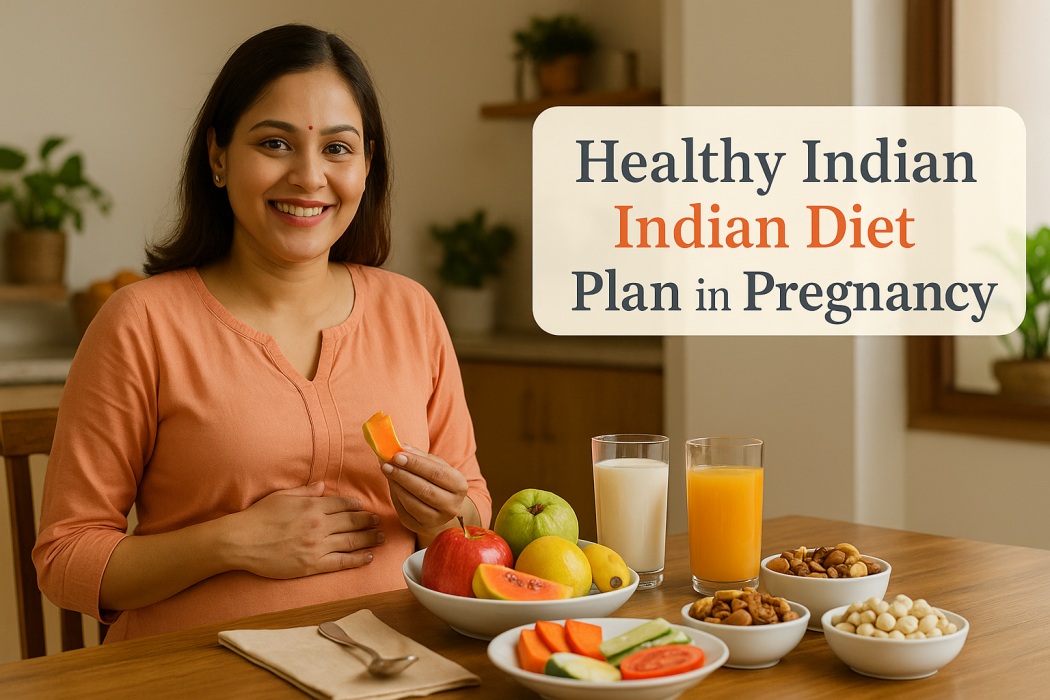
A healthy diet is essential during this period. A pregnant woman should not only eat to maintain her own health and fitness, but she also needs to consider the nutrients her growing child requires. Indian cuisine offers a rich variety of options for planning a pregnancy diet. Iron deficiency is a common problem among Indian women, and addressing this need during pregnancy is essential. Other vital nutrients required during this crucial phase include fats and vitamins, which are as necessary for the growing baby as they are for the mother-to-be. An Indian diet plan in pregnancy, based on these food habits, goes a long way in ensuring proper nutrition for both the mommy-to-be and the baby growing inside her.
The Best Indian Food Sources for Pregnant Women
There are some common requirements to address when adopting a pregnancy diet. A balanced diet that includes folic acid, iron, vitamins, and minerals is essential for a pregnant woman to ensure a healthy and active baby. For instance, folic acid is one of the most important requirements for a pregnant woman. Iron is another important nutrient during pregnancy. Raisins, beans, spinach, cereal, poultry, fish, and lean red meat (mutton) are some of the iron-rich food items that are readily available, and an easy way to consume them is to cook them with potatoes (another north Indian staple) or oranges (1). The Vitamin C content in the latter is a catalyst in iron absorption. Here is a list of the essential foods required during pregnancy.
1. Dairy Products
Milk and milk products are highly recommended during pregnancy. You can include full-fat milk or skimmed milk, buttermilk, yoghurt, cheese, paneer, and cottage cheese in your diet. All milk products are good sources of protein, vitamins, and calcium. Cooked pasteurised paneer is a great source of calcium and can be added to various Indian dishes.
2. Pulses
Dal is an essential source of protein. Vegetarian women who are expecting can include pulses, dals, cereals, and whole grains in their diet to ensure that they meet the necessary protein intake.
3. Dry Fruits and Nuts
Dry fruits are a great source of protein. Some of the recommended nuts during pregnancy include almonds, pistachios, dates and walnuts.
4. Meat and Fish
Considered the best source of concentrated proteins, meat and fish should be a part of your diet if you are a non-vegetarian (2). Egg whites are another good source of protein. While mutton is a good source of iron, omega-3 fatty acids found in fish are known to reduce the risks of allergies in the baby and also increase the baby’s cognitive development.
5. Fresh Fruits
A common issue most pregnant women face is constipation, and optimising fibre intake is the best way to battle this problem. Fresh seasonal fruits and greens are the perfect choices to combat constipation, and they are easily available. They also provide a lot of essential vitamins and minerals. Watermelon is one of the best fruits to consume during pregnancy, as it helps alleviate morning sickness and dehydration. Mangoes, oranges and lemons provide Vitamin C, another essential nutrient. BetterHealth suggests that pregnant women consume two servings of fruit and five servings of vegetables daily (3).
6. Vegetables
Green, leafy vegetables are recommended during pregnancy as they are a major source of many nutrients. Spinach is a rich source of iron and the all-important folic acid or Vitamin B, an essential nutrient especially during the first trimester of pregnancy. Other vegetables, such as tomatoes, are rich in Vitamin C. Peas and broccoli are among the top vegetables that should be included in a pregnancy diet. Dark green lettuce contains Vitamin K, iron, potassium and fibre, and should definitely be on the list as well. You can consume vegetables in their raw state, as well as canned, frozen, or dried forms, or enjoy vegetable juice that is 100 per cent pure and hygienically made. Incorporate dark leafy greens into your salads. Aim to fill half of your plate with fruits and vegetables at meal times (4).
7. Liquids
It’s essential to stay hydrated by drinking plenty of clean drinking water. If drinking plain water feels weird or boring to you, try infused water. Drinking water infused with fruits is not just a great way to stay hydrated, but the taste of the water will also be quite refreshing. You can also try coconut water, unsweetened lemon water with mint, or unsweetened buttermilk.
Packaged juices contain a high amount of artificial sweeteners and preservatives, and hence, should be avoided.
8. Fats
A certain amount of fat is a must in every pregnant woman’s diet. This high-energy source is important for the growth of the baby and prepares the woman’s body for childbirth. Vegetable oil has the essential unsaturated fats required by a pregnant woman and is best suited for consumption. Pregnant women should limit their consumption of butter, as it contains a high amount of saturated fats. Ghee is a good alternative.
What to Consider While Following an Indian Diet During Pregnancy
Indian or not, a diet needs to tick important boxes when it comes to pregnancy. The food sources mentioned above are part of a selection of options that provide crucial nutrients and minerals.
Pregnant women must follow a plan that provides them with all the necessary nutrients without overstraining their digestive systems. The meals need to be spread out, as opposed to the usual 3-meals-a-day routine. Big gaps between meals should be avoided. An Indian diet plan for pregnancy would include a set of dishes and food sources that ensure the right balance of nutrients and extra calories needed for a healthy child and mother.
An Indian Diet Plan for a Healthy Pregnancy
The Indian diet chart for pregnancy may seem different for different regions in India. Here’s what the ideal Indian diet plan for a mother-to-be would look like.
Pre-Breakfast Snacks – Around 7 AM
A pre-breakfast snack is crucial for pregnant mothers. It is instrumental in preventing morning sickness. The snack should be light and energising, preparing the body for the rest of the day. Typically, a glass of milk or a milkshake is recommended as a suitable accompaniment to this snack. This is because milk is an essential source of calcium, which is crucial for the development of the baby.
Almond milk is a traditional favourite, often paired with dried fruits. Almonds are a good source of protein, healthy fats, iron, and Vitamin E. Almond milk is an excellent option for those with an allergy or intolerance to dairy products.
A glass of apple or tomato juice is also a healthy option. Tomato juice, in particular, helps purify the blood and serves as a source of iron and Vitamin C.
Breakfast – Around 9 AM
Poha and rava upma are very common Indian breakfast delicacies. They also make for the perfect breakfast foods for pregnant women. Poha contains a good amount of iron and carbs, and rava upma contains minerals like iron, magnesium, and calcium (along with being a low-fat energy source). Parathas with fillings are heavy and energy-filled options, but they’ll need to be prepared using less oil than usual.
Other healthy and convenient options include whole wheat bread, which provides a lot of fibre along with essential nutrients, and oats, which are a valuable source of iron. Sandwiches with veggies (which are rich sources of iron and vitamins) are a convenient breakfast food. Fruits are another source of vitamins and fibre.
Mid-Morning Snacks – 11 AM to Noon
A comprehensive Indian pregnancy diet chart would include the all-important mid-morning snack too. Soups are suggested for this meal as they are light on the stomach and packed with nutrients. Options include chicken, tomato, spinach, carrots and beetroots – all of these are readily available in an Indian kitchen.
Lunch – 1.30 PM
Dry chapatis or parathas with curd are standard recommendations for a lunchtime meal during pregnancy. Rice with chicken curry and raita is another good option for lunch. Chicken is an excellent source of lean protein and niacin (vitamin B-3).
Khichdi is a healthy and light option for lunch, just like another Indian favourite, curd rice. The main benefits that rice dishes offer include a boost of instant energy, the prevention of urinogenital infections due to the diuretic properties of rice, and an increase in the mother’s immunity. Traditional wheat bread, like rotis and parathas, is a good source of fibre and carbs.
Evening Snacks
Simple, light snacks can be had anytime in between lunch and dinner. Pre-dinner evening snacks are essential for pregnant ladies. Some of the popular recommendations include various halwas, idlis, smoothies, roasted peanuts, lightly fried cutlets and dry fruits.
Dinner – 8 PM
Along with lunch, this is another heavy meal in the pregnancy diet chart for women. Dal is a nutritious traditional preparation and should be a part of dinner along with rice or dry rotis, which provide the body with necessary carbs. Khichdi, curd, parathas and curries are also a good source of nutrition. Yoghurt and buttermilk aid digestion.
It’s best to end the day with a glass of milk and a couple of dates before sleeping. Milk has melatonin, which helps in ensuring proper sleep, and dates have properties that stimulate uterine contractions.
The National Institute of Nutrition suggests the following in a diet plan for pregnant women in India (5) (6) (7) (8).
Timings
North India
South India
Early Morning
6:30 AM
Milk (200 ml)
Milk (200 ml)
Breakfast
08:00 AM
3 Parantha/3 Roti (75g) or Daliya (75g + 15g pulses, 1.5 cups), Vegetable curry (100g, 1/2 cup), one boiled egg or paneer (30g)
2 Dosas (cereal+pulses) or 3 idlis, 1/2 cup vegetable chutney, 1 Boiled egg or omelette (optional)
Mid Morning
10:30 AM
Seasonal fruit (100 g)
Seasonal fruit (100 g)
Lunch
1:00 PM
2 cups Rice (100g) or 4 Roti (100g), Dal, Green leafy Vegetable curry (75g, 1/2 cup), Curd (100ml, 1/2 cup), Salad (50g), Chicken or Meat (30g, 1/2 cup, optional)
2 cups Rice (100 g) or 3 Roti (100 g), Chicken or Meat (30 g, 1/2 cup), Green leafy vegetable curry (50g, 1/2 cup), Salad (50g), Curd (1/2 cup, 100 ml)
Evening Snacks
4:00 PM
1 seasonal fruit (Banana/orange/guava 100 g) and Nuts (Peanuts or Til 30g)
1 seasonal fruit (Banana/orange/guava 100 g) and Nuts (Peanuts or Til 30g)
Dinner
8:00 PM
2 cups Rice (100g) or 4 Roti (100g), Chickpea Dal (15g, 1/4 cup), Green leafy vegetable (75g, 1/2 cup), Vegetables (50g, 1/2 cup), Curd (1/2 cup, 100 ml)
2 cups Rice (100 g) or 3 Roti (100 g), Tur Dal or Green Gram (15g, 1/4 cup), Green leafy vegetable (75g, 1/2 cup), Vegetables (50g, 1/2 cup), Curd (1/2 cup, 100 ml)
Bedtime
10:00 PM
Milk (100 ml)
Milk (100 ml)
Timings
East India
West India
Early Morning
6:30 AM
Milk (200 ml)
Milk (200 ml)
Breakfast
08:00 AM
2 Parantha (75g) with Vegetable curry (50g, 1/4 cup), pulses (15g) + Green Leafy Vegetable (50g, 1/2 cup), 1 boiled egg or paneer (30g)
Poha (75g, 1 cup) or Parantha and Green Leafy vegetable Dal (15g, 1/2 cup), Veg curry (100g, 1/2 cup), 1 Boiled egg or omelette (optional)
Mid morning
10:30 AM
Seasonal fruit (100 g)
Seasonal fruit (100 g)
Lunch
1:00 PM
2 cups Rice (100g) or 4 Roti (100g), Fish curry or pulses (30g, 1/2 cup), Green leafy Vegetable (50g, 1/4 cup), Kalmi Saag (50g, 1/4 cup), Vegetable curry (50g, 1/4 cup) Curd (100ml, 1/2 cup), Salad (50g)
2 cups Rice (100 g) or 3 Roti (bhakri), Fish or Meat (30 g, 1/2 cup), Green leafy vegetable curry (50g, 1/2 cup), Salad (50g), Curd (1/2 cup, 100 ml)
Evening Snacks
4:00 PM
1 seasonal fruit (Banana/orange/guava 100 g) and Nuts (Peanuts or Til 30g)
1 seasonal fruit (Banana/orange/guava 100 g) and Nuts (Peanuts or Til 30g)
Dinner
8:00 PM
2 cups Rice (100g) or 4 Roti (100g), Lentil (30g, 1/2 cup), Green leafy vegetable (50g, 1/4 cup), Vegetable curry (100g, 1/2 cup), Curd (1/2 cup, 100 ml)
2 cups Rice (100 g) or 3 Bajri Roti (100 g), Lentil (15g, 1/4 cup), Green leafy vegetable (50g, 1/4 cup), Vegetable curry (100g, 1/2 cup), Curd (1/2 cup, 100 ml)
Bedtime
10:00 PM
Milk (100 ml)
Milk (100 ml)
Indian Pregnancy Diet Chart Trimester-wise
Here is the Indian meal plan for pregnancy. Keep in mind that this is a general guideline. Your doctor or dietitian may adapt it for gestational diabetes, thyroid issues, anaemia, or other medical needs.
First Trimester (Weeks 1–12)
This stage is about building the foundation. Folic acid, iron, and light, easy-to-digest meals are key since nausea and morning sickness are common.
As per the first trimester diet chart, focus on foods that provide folic acid, such as spinach, lentils, and fresh oranges, to support your baby’s early development. For steady energy, include whole grains like rice and wheat in your meals. Don’t forget dairy products like milk and yoghurt, which supply much-needed calcium for your bones and your baby’s growth.
Second Trimester (Weeks 13–27)
This is the growth stage where your baby’s organs and bones develop rapidly. Your doctor may add more protein, calcium, iron, and fibre to your Indian second-trimester diet chart to support the increased blood volume and the baby’s needs.
Add protein-rich options, such as paneer, nuts, and various types of lentils, to your diet to meet your body’s increased needs. Make sure to include iron-rich foods such as leafy greens, dates, and jaggery to prevent anaemia. Pair these with vitamin C-rich fruits, such as citrus and berries, which help your body absorb iron more effectively.
Key Nutrients to Focus On:
Calcium: paneer, curd, ragi, sesame seeds
Protein: dals, beans, eggs, lean chicken, paneer
Iron & Folate: beetroot, spinach, rajma, chana, citrus fruits for better absorption
Third Trimester (Weeks 28–40)
This trimester is about supporting rapid growth and preparing your body for delivery. Your doctor will add fibre, hydration, and lighter meals to your third-trimester diet chart since heartburn and indigestion are common now. Focus on omega-3 sources like flaxseeds, walnuts, and fish if you eat non-vegetarian food. Strengthen your bones with calcium-rich choices such as milk, curd, and sesame seeds. Don’t forget vitamin D from fortified dairy products and safe exposure to sunlight to support both you and your baby.
Key Nutrients to Focus On:
Omega-3s: walnuts, flaxseeds, chia, low-mercury fish (if non-veg)
Magnesium & Fibre: bananas, oats, whole grains, beans (to ease leg cramps & constipation)
Hydration: 8–10 glasses of water, coconut water, soups
Indian Foods to Eat During Pregnancy
Here are nutrient-rich Indian foods that support both you and your baby:
1. Dal & Legumes (Moong dal, Masoor dal, Chana, Rajma, etc.)
These are excellent sources of plant protein, fibre, iron, folate and complex carbs. They help in maintaining haemoglobin and sustaining energy.
2. Leafy Greens (Palak, methi, spinach, fenugreek leaves, amaranth, etc.)
Dark green leaves supply folate, iron, calcium, vitamins A & C, which are crucial for foetal neural development and your blood volume.
3. Whole Grains (Brown rice, millets, whole wheat, ragi, jowar, bajra)
These give sustained energy, fibre to prevent constipation, and micronutrients that refined grains often lack.
4. Low-fat Dairy (Milk, yoghurt, paneer, buttermilk/chaas)
Rich in calcium, protein, vitamin B12, and probiotics, dairy helps bone health and digestion (especially yoghurt/curd).
5. Well-cooked Eggs
A great source of high-quality protein, choline (for brain development), B vitamins, and healthy fats when consumed thoroughly cooked.
6. Lean Meats / Poultry (chicken, turkey in moderation)
Offers easily absorbable iron, zinc, and protein. Ensure it’s well-cooked to avoid infections.
7. Safe Fish (low-mercury varieties like salmon, sardine, rohu in moderation)
These provide omega-3 DHA, which supports the baby’s brain and eye development (choose low-mercury fish)
8. Nuts & Seeds (almonds, walnuts, chia seeds, flaxseeds, sesame seeds in moderation)
They contribute healthy fats, magnesium, omega-3s, micronutrients and a little protein.
9. Fruits (papaya when fully ripe, mango in moderation, banana, apple, berries, oranges, pomegranate)
Fruits offer natural sugars, fibre, vitamins and antioxidants. Fully ripe papaya may be safer (contrasting unripe).
10. Vegetables (pumpkin, carrot, sweet potato, capsicum, beans, tomato, cauliflower, beetroot, squash)
A colourful variety ensures diverse vitamins (A, C, K) and minerals.
11. Ghee (in moderation)
Traditionally, small amounts of fat-soluble vitamins support their absorption and provide energy.
12. Whole Pulses Sprouts (cooked sprouts)
When properly cooked, sprouts (like moong) increase protein, fibre, enzymes, and micronutrients.
13. Citrus & Vitamin C Rich Foods (lemon, amla, guava, citrus fruits)
Helps in enhancing iron absorption from plant sources and supports immunity.
Indian Foods to Avoid During Pregnancy
While many Indian foods are nutritious, some carry risks or should be limited. It can be challenging to keep track of all the ingredients that go into each dish. However, during pregnancy, some foods should be strictly avoided (9).
1. Raw or unripe papaya
The list of ‘what not to eat during pregnancy’ begins with papaya, which contains certain compounds that are harmful to pregnant women. Raw papaya contains latex and enzymes that may trigger uterine contractions. Semi-ripe papaya is especially risky.
Note: Some myths claim that mango, papaya, or pineapple always cause miscarriage. However, when ripe and eaten in moderation, they are typically safe; avoid the unripe or semi-ripe forms.
2. High-mercury fish (shark, swordfish, king mackerel, tilefish, tuna in excess)
Fish, including shark, swordfish, orange roughy, king mackerel, and marlin, contain high levels of mercury that can damage the fetal nervous system. Pregnant women must avoid or limit these fish (10).
3. Undercooked or raw meat, fish, or eggs
Raw eggs and raw seafood, like raw oysters or sushi, should be avoided due to the dangers of salmonella, an infection that affects the intestinal tract and causes diarrhoea, fever, and abdominal cramping. They may also harbour Salmonella, Listeria, Toxoplasma, and other pathogens. Salmonella is a foodborne illness that could cause vomiting, diarrhoea, nausea, and stomach cramps in pregnant women and also uterine sepsis that could affect unborn babies (11). Always cook thoroughly.
4. Organ meats (liver, kidney) in excess
They are high in preformed vitamin A, which in large amounts can cause birth defects.
5. Raw sprouts (alfalfa, mung bean sprouts, clover, radish sprouts)
The humid environment promotes bacterial growth; avoid raw sprouts.
6. Excess jaggery + sesame seed mixtures (especially in some traditional customs)
In some traditions, excess sesame-jaggery is discouraged; moderation is safer.
7. Excessive caffeine & sugary drinks
Too much caffeine can reduce blood flow to the baby; sugary drinks may increase the risk of gestational diabetes.
8. Street foods/uncooked salads or exposed foods with questionable hygiene
Risk of contamination with pathogens, foodborne illness.
9. Unpasteurized or raw milk, soft cheeses
They may harbour Listeria or other bacteria. Use pasteurised dairy.
10. Excessively spicy, high-salt, deep-fried or oily snacks
These may provoke heartburn, hypertension, indigestion, and weight gain.
11. Excessive sugar/sweets/processed desserts
It can contribute to gestational diabetes, excess weight gain, and poor micronutrient balance.
12. Excess vitamin A or retinol supplements/foods with very high vitamin A
Although very rare, overconsumption of preformed vitamin A is dangerous (mostly applies to supplements or exotic foods).
13. Unregulated use of spices, including poppy seeds, nutmeg, peppermint, and rosemary
Poppy seed tea, excess use of nutmeg and peppermint, and rosemary should be avoided as their unregulated use could lead to uterine contractions and increase the risk of miscarriage (12).
There are more Indian foods to avoid during early pregnancy. Indian cuisines use sesame seeds, fennel seeds and fenugreek (methi), which can cause uterine contractions because of the presence of phytoestrogens. Monosodium Glutamate, commonly known as Ajinomoto and used in Indo-Chinese dishes, is harmful too.
Vitamins Required During Pregnancy
1) Important Vitamins Required During Pregnancy
Vitamin B or folic acid is one of the most crucial vitamins for the well-being of a pregnant woman. It is an important requirement during the early stages of pregnancy and also prior to conception. A deficiency of Vitamin B during pregnancy leads to neural tube defects in the baby.
Vitamin D is the main facilitator of calcium absorption. A deficiency may lead to complications with the skeletal system and affect the bone health of both the mother and the child.
Ascorbic acid, or Vitamin C, is another essential nutrient that must be part of a woman’s pregnancy diet. Vitamin C helps in absorbing iron, an essential mineral required for expectant mothers. A deficiency can hamper the growth and development of the foetus’s brain.
2) Food Sources to Get the Required Vitamins
Foods rich in folic acid or Vitamin B include green, leafy vegetables and liver. Broccoli, lentils, peas, cauliflower and beetroot are essential sources of this nutrient.
Mushrooms, dairy products, and eggs are excellent sources of Vitamin D. Taking regular walks outside while the weather is pleasantly sunny is another excellent way to soak up some Vitamin D.
Capsicum, spinach, citrus fruits and peas are a great source of Vitamin C.
Is It Important to Add Supplements to the Indian Diet?
During pregnancy, the body enters an overdrive state, ensuring that both the mother and the baby are well-nourished. There can be scenarios where certain deficiencies occur, and the mother-to-be will require supplements to compensate for the deficit. The most significant deficiencies that can happen when following an Indian diet are those of iron and protein. Vitamin deficiencies are also another common occurrence.
The American Academy of Pediatrics recommends the daily intake of 75 to 100 grams of protein, around 1000 milligrams of calcium, 27 milligrams of iron, 600 to 800 micrograms (.6 to .8 milligrams) of folic acid, and at least 85 milligrams of vitamin C (13).
Prenatal vitamin supplements should include vitamins B12, C, and D, along with thiamine, riboflavin, niacin, and calcium.
A medical practitioner can also recommend specific folic acid (Vitamin B) supplements to reduce the risks of neural tube defects.
Probiotics are also recommended to aid digestion.
Iron supplements are a standard prescription for pregnant women who are anaemic. The increase in blood levels indicates that the body requires more iron. Iron, folate, and calcium supplements are recommended to start from 14-16 weeks of pregnancy and continue till lactation (14).
Vitamin C is sometimes recommended as a complementary supplement, as it helps in the absorption of iron.
Never self-medicate when it comes to supplements because it might result in imbalances. Always consult a specialist to identify deficiencies and get prescriptions for the required supplements.
Indian Recipes for Pregnant Women
If you are looking for simple recipes to include in the Indian meal plan for pregnancy, here are two simple and highly nutritious recipes for pregnant women.
1. Moong Dal Khichdi With Veggies
If you are looking for a light and nutritious indian breakfast for pregnant women, Moong Dal Khichdi with veggies is just the right dish to serve on the plate.
Image Source : AI Generated Image
Ingredients:
½ cup moong dal (yellow split moong)
¼ cup rice; broken or brown
1 small carrot (diced)
½ cup peas, beans, or mixed vegetables
1 small tomato (chopped)
½ tsp cumin seeds
Pinch of turmeric, salt to taste
1 tbsp ghee or oil
Fresh coriander leaves
Water
How to Make:
Rinse moong dal and rice together until the water runs clear.
In a pressure cooker or pot, heat ghee/oil, add cumin seeds and let them crackle.
Add chopped tomato, vegetables, turmeric, and salt. Sauté all for some three to four minutes.
Add the dal-rice mix and water (about 2 to 3 cups), mix well.
Pressure cook (2 whistles) or simmer until cooked and soft.
Garnish with fresh coriander. Serve warm with yoghurt or buttermilk.
2. Spinach (Palak) Paneer With Millet Roti
A comforting and nutrient-packed meal, Spinach Paneer with Millet Roti is perfect for expectant moms who want a balance of taste and nutrition. Loaded with iron, calcium, and protein, this wholesome Indian lunch keeps you energised and supports healthy pregnancy growth.
Image Source : AI Generated Image
Ingredients:
200 g paneer (cubed)
1 bunch spinach (washed, chopped)
1 small onion (finely chopped)
1 small tomato (pureed)
1 tsp ginger-garlic paste
1 tsp cumin seeds
½ tsp garam masala, salt, red chilli (optional)
1 tbsp oil or ghee
Millet flour or whole wheat flour for rotis
How to Make:
Blanch spinach in hot water, drain and blend into a smooth paste.
In a pan, heat oil/ghee, add cumin seeds, and onion. Sauté all till it turns translucent.
Add ginger-garlic paste, tomato puree; cook until oil separates.
Stir in spinach paste, salt, and garam masala. Let it simmer for 3 to 4 minutes.
Add paneer cubes, gently mix and cook for another 2 minutes.
Serve hot with millet or whole wheat rotis (chapati) and a side of yoghurt.
Tips to Keep Your Baby and Yourself Healthy
Here are some more pointers for pregnant women to ensure the health of both themselves and their babies growing inside them. Add more healthy options to the traditional Indian diet and make sure you avoid certain foods and habits. Remember that every bite counts when you are pregnant since your baby’s nutrition depends on you.
1) Quit smoking.
Smoking can cause your baby to be born prematurely and underweight, and put him at the risk of many other serious complications, including SIDS (Sudden Infant Death Syndrome).
2) Stay away from alcohol.
Alcohol consumption can cause many defects in the baby, especially with cell development. Remember that the alcohol that courses through a mother’s blood can enter the baby’s system.
3) Avoid aerated drinks.
Aerated drinks contain no nutrients and have too much sugar, which poses more harm to the baby than good.
4) Avoid excessive eating.
Eating for two doesn’t refer to the amount of food, but rather the quality and balance. Becoming overweight by gaining more than what is expected during pregnancy can cause preterm births and gestational diabetes. Ideally, the average woman requires not more than 300 additional calories beyond the RDA and healthy calories per day when she’s pregnant (16). An increase of 11 to 15 kgs while pregnant is considered healthy in the case of a woman who was of average weight before pregnancy.
5) Avoid cold cuts of meat.
Altogether avoid uncooked meat, such as sushi, as it may contain parasites, including tapeworms. Uncooked meat may also contain traces of the Salmonella bacteria, which can cause food poisoning.
6) Consume caffeinated beverages in moderation.
Tea and coffee should be consumed in moderation. Certain studies attribute higher risks of miscarriage to excess caffeine consumption. Decaffeinated or pregnancy-safe herbal teas are suitable options for women to have during pregnancy.
7) Choose your fish wisely.
Shrimp and canned light tuna are very good seafood options as they are low in mercury. Omega-3 fatty acids are always beneficial, so make sure to pop in some fish liver oil capsules daily. A dosage of 300 mg per day is recommended.
8) Focus on protein-rich foods.
Soy products like tofu contain good protein and folic acid. While proteins help the baby grow, folic acid helps keep birth defects at bay.
9) Stay away from weight-loss plans.
Avoid modern weight-loss diets like low-carb plans during your pregnancy. Stick to tried-and-tested methods of nutrition, and always consult an expert if you’re trying out something new. Ideally, a pregnant woman shouldn’t be looking to lose weight unless specifically instructed by her doctor.
10) Ensure high standards of hygiene.
Stay away from potential bacterial hazards like soft cheese and leftovers. The fridge should not be set at more than 4 degrees Celsius.
11) Indulge occasionally.
Save your favourite junk food for a special occasion. Foods that are loaded with sugar or have a high salt content are known to create a similar preference in the baby, who gets accustomed to it.
12) Increase calcium intake.
Calcium is essential for the baby’s development in the last two trimesters. It also benefits you by reducing the risk of developing osteoporosis in the long run.
FAQs
Q1. Is it safe to eat papaya or mango during pregnancy?
Ripe mango and fully ripe papaya in moderate amounts are generally safe and nutritious (rich in vitamins and fibre). The concern arises mostly with unripe papaya, which contains latex and may stimulate contractions. Always choose fully ripe fruit and consume it in moderation.
Q2. How many meals or snacks should I eat during pregnancy?
During pregnancy, 5–6 smaller meals and snacks spaced out (every 2–3 hours) often help. If nausea is severe, start with bland, light items (such as toast, crackers, or bananas) and gradually add protein and greens as tolerated. Focus on hydration and nutrient density.
Q3. How do I up the iron absorption through an Indian diet during pregnancy?
Iron is crucial in preventing anaemia and supporting the baby’s growth. To boost absorption: pair iron foods (dal, greens) with vitamin C sources (lemon, citrus, guava); avoid tea/coffee with meals (they inhibit absorption); include moderate animal or plant-derived iron sources.
Q4. Can I follow a vegetarian or vegan Indian pregnancy diet safely?
Yes, why not, but with planning. Protein sources like dal, beans, paneer, tofu, legumes, and nuts, B12 supplementation (if vegan), iron, calcium, and omega-3 fatty acids (like flaxseed, chia, algae oil) can replace animal foods in a vegan or vegetarian diet (16). Work with a dietitian to monitor key nutrients.
Q5. What about coffee, tea, or other caffeinated drinks?
Limit caffeine to about 200 mg per day (roughly 1–2 cups of coffee) or less, because high caffeine may affect fetal blood flow and risk of low birth weight. Prefer decaf, pregnancy-safe herbal teas, and plenty of water.
Q6. Are “cooling” and “hot” foods (in Indian traditional belief) relevant in pregnancy?
These are traditional food classifications (Gujarati, Ayurvedic), but they shouldn’t override scientific nutrition principles. The body’s needs are best met through a balanced Indian diet for pregnancy, good hygiene, and adequate nutrition. Don’t avoid nutritious “hot” foods altogether if your body tolerates them and your doctor approves.
Q7. How to handle cravings or aversions, especially for street food?
Cravings can be managed by healthier substitutions (e.g., baked snacks, roasted nuts) and allowing your body to have small, safer portions occasionally (only from hygienic sources). For aversions, temporarily replace them with alternate, nutrient-rich foods; as pregnancy progresses, many aversions tend to ease.
A balanced diet paves the way for a healthy pregnancy and ensures the well-being of both the mother and the child. Staying conscious of what you eat not only helps you gain weight prudently but also helps with postpartum weight loss.
Also Read:
Simple Pregnancy Diet Chart
Foods to Eat during Pregnancy
Vegetarian, Vegan Diet Plan for Pregnant Women
Foods to Eat for Gestational Diabetes during Pregnancy
Read more
The Silent But Dangerous Risk Many Unborn Babies are Facing
A balanced diet, regular exercise, the right skincare and healthcare products – you do everything in your power to stay fit during pregnancy. After all, this is a highly sensitive time for your little one’s growth and development. But despite all your efforts and caution, there is still a threat lurking silently in your house. It exists without making its presence felt but that doesn’t mean it is something you can ignore. Behind your back, this threat can damage your unborn baby’s brain and trigger a number of other medical conditions…
Ongoing research has now established without much doubt that wireless radiations can do untold damage to the foetus. These radiations emanate from most of the electronic devices you use at home – mobile phones, laptops, tablets, and even wireless routers. The World Health Organisation (WHO) in a 2011 report has classified radiofrequency electromagnetic fields as possibly carcinogenic to humans (Group 2B)! Other researchers agree. The BioInitiative Working Group in a 2012 study has also concluded that there is increased evidence connecting health risks and electromagnetic fields (EMF). Worse, young children and pregnant women are at particular risk.
“There is now much more evidence of risks to health affecting billions of people worldwide. The status quo is not acceptable in light of the evidence for harm.”
Understanding The Risk to Your Unborn Baby
Let’s understand in more depth what makes unborn babies especially vulnerable to EMF and the resulting radiations. The reason is simple: these radiations react continuously with the embryo. Your growing foetus is tiny and gentle, his skull also very thin. The softer brain tissue allows radiations to penetrate more easily. This constant exposure poses a number of problems.
At the outset, it can interfere with the electrical impulses that connect synapses in the developing brain. In the long run, this can set off developmental malformations. In fact, it has also been linked to nervous system disorders, behavioural disorders such as attention deficit hyper-activity disorder (ADHD), autism and asthma.
It is the seriousness of this risk that has prompted several doctors, scientists and health experts from around the globe to come together. Medical practitioners have now started warning pregnant women of these risks and making them aware of the right approach toward gadgets, especially at this sensitive time.
How You Can Keep Your Baby Protected
Since prohibiting the usage of gadgets is not a feasible option, you need to explore an alternate solution. Luckily for expecting moms, radiation protection chips are now available to avoid exposing yourself and the baby in your womb to wireless radiations. Try Envirochip’s protection chip for all your household devices; these are very easy to put together and quite affordable too. Envirochip is made of inert materials which operate at a higher frequency than the radiations from your gadgets. This means that the nature of the waveform gets changed from constant to random, which is no longer harmful for the human body.
Your womb is your baby’s home for several months at a stretch. It is a safe haven where he grows every day and prepares to enter the world. Make sure he is perfectly safe in there and protected from extraneous threats. Even this early in life, you have a responsibility toward his wellbeing. Make sure you deliver on it and also earn yourself much-needed peace of mind!
Read more

Can You Take Acyclovir While Pregnant?
Viral infections can attack anyone, and acyclovir is one of the most popular and widely used medicines for the treatment of viral infections caused by HSV (Herpes Simplex Virus) or varicella-zoster virus. But can this medicine be consumed if you suffer from any of these viral infections during pregnancy? Does it have any side effects? Since these viral infections are hazardous for the mother and her unborn baby, it is important to eliminate these infections with suitable and safe medications. Let’s dig in a little more on the use of acyclovir in pregnancy, its potential benefits and side effects, and whether it is safe for the mother and the unborn baby.
What Is Acyclovir?
Acyclovir is an antiviral medicine, which is available in the form of tablets, topical ointments, and intravenous injections, for the prevention or treatment of chickenpox, shingles, genital herpes, and cold sores. People with weakened immunity may also be given this medicine to improve their immunity. Although it may not aid in the complete removal of the virus, it may help reduce the impact of the viral attack.
How Does It Work to Treat Herpes and Chickenpox?
Acyclovir can help in decreasing the severity of herpes and chickenpox virus. It may even help in reducing the length and severity of the outbreaks. Using this medicine may heal sores faster and even lessen the pain. However, this medicine is more effective if you begin using it when the first outbreak happens.
Is It Safe to Take Acyclovir During Pregnancy?
Acyclovir is considered a safe medicine and can be used during pregnancy, too. However, it should only be used after being prescribed by your registered medical practitioner. This category B drug has no proven side effects. But, if acyclovir is taken during the first trimester of pregnancy, it may cause complications in the pregnancy or may lead to congenital disabilities in your baby. Therefore, in most cases, your doctor may prescribe this medicine only in the later stages of pregnancy if the potential benefits outweigh the potential risks.
As per the American Academy of Family Physicians, the use of acyclovir in the first trimester does not elevate fetal birth defects. The board has also recommended the drug to be the antiviral drug of choice in early pregnancy.
In a 2010 study aimed to investigate associations between the exposure to acyclovir, valacyclovir, and famciclovir in the first trimester of pregnancy and birth defects risks, no statistically significant correlations were found between antiviral exposure and any specific category of major birth defects in cases where exposure occurred within four weeks before conception or during the second and third trimesters of pregnancy.
What If You Have Already Taken Acyclovir in Pregnancy?
If you’ve been using acyclovir before becoming pregnant or have used it without a prescription, it’s crucial to inform your healthcare provider. They will assess your situation and determine whether you should maintain your current medication regimen or reduce the dosage to the minimum necessary. It’s important to avoid discontinuing the medication abruptly without your doctor’s guidance.
Recommended Dosage of Acyclovir for Pregnant Women
The dosage of acyclovir during pregnancy mainly depends on the severity of your condition decided by your healthcare practitioner. Acyclovir in pregnancy dosage may be as follows: you may be prescribed 200 mg, which should be taken 4 to 5 times a day, or 400 mg, taken 3 times a day, depending on your condition. You may have to take medicine for a week to 10 days or longer in some cases. The regular usage of the medicine may not only ensure the reduction in the outbreaks, but it may also prevent the infection from getting passed on to your baby.
Side Effects of Taking Acyclovir
Acyclovir is a safe drug; however, it may sometimes cause some mild to severe side effects in people. We shall be discussing both side effects of acyclovir in pregnancy separately in the following section.
1. Mild Side Effects
Hair loss
Fever
Headache
Nausea
Stomach trouble
Changes in vision
2. Severe Side Effects
Bloody diarrhoea
Loss of sensation or tingling sensation in legs or arms
Abdominal cramps or pain
Problem in sleeping
Change in skin colour (skin may turn yellowish)
Redness, blistering, or peeling of the skin
Chest pain
Dark urine or difficulty in urinating
Hallucinations, tremors, or confusion
Seizures
Sensitivity to sunlight
Allergic reactions on the skin may include itching, swelling on the face, lips, tongue, etc.
If any of these side effects are observed after taking this medicine, you must report the same to your doctor immediately.
Precautions to Take While Taking Acyclovir During Pregnancy
Exercising some of the following precautions may be helpful in reducing the side effects of the medicine:
Refrain from taking more than the recommended dosage. If it occurs due to negligence, seek medical help at once.
You should drink lots of water while taking this medicine as it may help in reducing your chances of experiencing any side effects.
If any allergies are experienced after taking the medicine, you must stop taking it at once.
If you have any kind of kidney, liver, or nerve abnormality, it must be brought to your doctor’s notice.
FAQs
Here are some questions related to taking this medication that have been answered for you:
1. When Can You Start Taking Acyclovir in Pregnancy?
Women with a history of genital herpes are given prescribed acyclovir, starting around 34 or 36 weeks, to suppress any episodes of herpes so they can have a vaginal birth.
2. Can Acyclovir Cause Birth Defects During Pregnancy?
Your baby’s internal organs get formed in the first trimester of pregnancy. If any kind of medicine with potential side effects is consumed during this time, it may cause congenital disabilities in babies. However, there is no scientific evidence available that states any probable birth defects in babies after mothers have been prescribed acyclovir in the second or third trimester of pregnancy.
3. Can Consumption of Acyclovir During Pregnancy Cause Behaviour and Learning Issues in a Child?
Brain development of a baby happens in the later stages of the pregnancy, too. Hence, mothers are worried about whether the consumption of this medicine would cause a problem in their babies or not. However, there is no substantial medical study available supporting that consumption of acyclovir during pregnancy can cause behaviour and learning problems in a child or an increase in congenital disabilities in unborn babies.
4. Does Acyclovir Cause Miscarriage, Preterm Birth, Stillbirth, or Low Birthweight in a Baby?
There are no scientific proofs available stating that taking acyclovir during pregnancy causes miscarriage, preterm birth, stillbirth, or low birth weight in babies.
5. Can You Use Acyclovir Cream When Pregnant?
It is safe to apply acyclovir cream during pregnancy. It can be used to treat cold sores by applying a small amount to the affected area.
Every pregnant woman wishes to have a healthy pregnancy; however, if any medical emergency strikes, you should trust your doctor and take the prescribed medicines to feel better and recover. Acyclovir and pregnancy can be a safe combination if used cautiously and after a doctor’s consultation. Therefore, it is best recommended to always consult a health expert before starting a medication, especially during pregnancy.
References/Resources:
1. Crawford-Faucher. A; Acyclovir Safe for Treating Herpes Infection in Early Pregnancy; American Family Physician; https://www.aafp.org/pubs/afp/issues/2011/0801/p320a.html; August 2011
2. ZOVIRAX®; US Food & Drug Administration; https://www.accessdata.fda.gov/drugsatfda_docs/label/2004/18603slr027_zovirax_lbl.pdf
3. Management of Genital Herpes in Pregnancy; RCOG; https://www.rcog.org.uk/guidance/browse-all-guidance/other-guidelines-and-reports/management-of-genital-herpes-in-pregnancy/
4. Herpes and Pregnancy; American Sexua; Health Association; https://www.ashasexualhealth.org/herpes-and-pregnancy/
5. Acyclovir; MedlinePlus; https://medlineplus.gov/druginfo/meds/a681045.html
6. Pasternak. B, Hviid. A; Use of Acyclovir, Valacyclovir, and Famciclovir in the First Trimester of Pregnancy and the Risk of Birth Defects; JAMA; https://jamanetwork.com/journals/jama/fullarticle/186468; August 2010
7. Stone. K. M, Reiff-Eldridge. R, White. A. D, et al.; Pregnancy outcomes following systemic prenatal acyclovir exposure: Conclusions from the international acyclovir pregnancy registry, 1984-1999; Birth Defects Res A Clin Mol Teratol.; PubMed; https://pubmed.ncbi.nlm.nih.gov/15108247/; April 2004
8. Cold sores in Pregnancy and Breastfeeding; NSW Medications in Pregnancy and Breastfeeding Service; https://www.seslhd.health.nsw.gov.au/sites/default/files/migration/Mothersafe/documents/ColdSores-Mar2016.pdf
Also Read:
Doxinate Oral during Pregnancy
Taking Labetalol in Pregnancy
Should You Take Omeprazole during Pregnancy?
Is It Safe To Take Nifedipine when Pregnant?
Read more
Eating Ricotta Cheese during Pregnancy – Is It Safe?
We all are fond of Italian cuisine and the variety of cheese produced there. If you are pregnant, you will have this question in mind: whether eating cheese or, specifically, ricotta cheese is safe during pregnancy or not? The answer is yes. Ricotta cheese, known for its creamy texture and mild flavour, is a staple in many dishes ranging from lasagna to desserts. However, the safety of consuming ricotta cheese in pregnancy hinges on factors such as pasteurisation and preparation methods. Understanding these aspects is essential for expectant mothers to make informed dietary decisions and enjoy their favourite foods without compromising their health or their baby’s.
Read on to learn the nutritional benefits of ricotta cheese and recommendations for safely including this delightful cheese in your pregnancy diet.
What Is Ricotta Cheese?
Ricotta cheese, a product originating from Italy, is made from the milk whey of various animals, including sheep, goats, cows, or Italian water buffalo. The process of making ricotta cheese is similar to that of regular cheese. After the cheese-making process, the remaining whey milk is transformed into ricotta cheese through coagulation.
Can Pregnant Women Eat Ricotta Cheese?
So, here’s good news for all cheese lovers! Yes, it is safe to eat certain varieties of cheeses during pregnancy. Cheese is considered a healthy and nutritious element of our daily diet, but you must be very careful when you are pregnant. While certain cheeses are safe during pregnancy, others carry the threat of listeria, a bacteria that can harm your baby (1). It is better to avoid tender, ripened, and blue-veined types of cheese during pregnancy as it might contain harmful bacteria. Some cheeses like ricotta and stilton are safe to consume during pregnancy. Consuming cooked ricotta when pregnant may reduce the risk of bacteria entering your body. However, talking to your doctor before including it in your diet is highly recommended.
Benefits of Ricotta Cheese for Pregnant Women
Ricotta cheese provides a range of benefits for pregnant women, making it a nutritious addition to their diet. Its rich content of protein, calcium, and essential vitamins supports both maternal health and fetal development (5). The benefits of consuming ricotta while pregnant include:
1. Protein
Proteins help build lean muscles and keep them healthy. Ricotta is considered a rich source of protein. Consuming ricotta cheese during pregnancy helps form new cells and tissues and also releases certain essential hormones.
2. Calcium
Calcium is essential for strong and healthy bones, so adequate calcium intake during pregnancy is vital. Consuming ricotta cheese during pregnancy will help maintain the health of your bones and develop the bones of your growing baby (2).
3. Selenium
Ricotta cheese is rich in selenium, which helps increase progesterone levels and decrease TPO antibody levels during pregnancy.
4. Vitamins
Consuming half a cup of ricotta cheese will fulfil approximately 11% of vitamin A, 14% of Riboflavin, and 7% of vitamin B12 in the daily recommended intake. These vitamins have their own benefits during pregnancy; Riboflavin helps maintain healthy eyes and skin, vitamin B12 helps prevent birth defects, and vitamin A boosts the immunity of the growing embryo.
5. Carbohydrates and Energy Sources
Skimmed milk ricotta cheese or fat-free ricotta is an excellent source of carbohydrates. Carbohydrates are essential during pregnancy and are considered the primary energy source in the diet. It plays a unique role in the overall development and support of the growing baby.
6. Omega Fatty Acids
Ricotta cheese is a rich source of both omega-3 and omega-6 fatty acids. Omega fatty acids are known to positively affect pregnancy, especially the visual and cognitive development of the baby.
Drawbacks of Consuming Ricotta While Pregnant
While ricotta cheese can be a tasty and nutritious option for pregnant women, it has its share of drawbacks:
Ricotta cheese produced from whole milk is high in fat, which can hinder a baby’s potential brain development. So, avoid ricotta cheese made from whole milk.
Ricotta cheese has a high sodium content. If you are advised to be on a low-salt diet, then Ricotta cheese is better avoided or taken in very tiny amounts during pregnancy. If you want to eat ricotta cheese, eat it in less quantity. Excessive salt during pregnancy can lead to water retention and bloating.
Ricotta Cheese Recipes to Try During Pregnancy
You can enjoy these delicious recipes with ricotta once you have confirmed with your doctor that ricotta cheese should be included in your diet. If any of the ingredients used here are not part of your diet, then feel free to substitute them.
1. Ricotta and Yoghurt Parfait
This delicious recipe is perfect for breakfast or a mid-meal snack. This lip-smacking parfait is loaded with the goodness of fibre, protein, magnesium, vitamin E, antioxidants, and vitamin C, as well as all the benefits of ricotta. Fibre aids in digestion, and the vitamins keep you healthy throughout your pregnancy (3).
Ingredients
3/4th cup of low-fat Greek yoghurt (any flavour)
1/4th cup of skimmed milk ricotta cheese
½ cup lemon zest
1/4th cup raspberries
1 tablespoon chopped almonds
1 teaspoon chia seeds
How to Cook
Combine yoghurt, ricotta cheese, and lemon zest.
Top it with raspberries, almonds, and chia seeds. And it’s ready to serve!
2. Lemon-Thyme Flavoured Whipped Ricotta
A rich and creamy appetiser can be served with whole-wheat crackers, veggies or just as a dip. It contains thyme, which possesses medicinal and anti-microbial properties, and chives, again rich in vitamins, minerals and antioxidants (7).
Ingredients
30 g of skimmed ricotta
2 tablespoons chopped fresh thyme
2 teaspoons olive oil
2 teaspoons minced shallot or chives
2 teaspoons lemon zest
1/4th cup lemon juice
1 teaspoon fresh pepper
½ teaspoon salt
How to Cook
Blend the mentioned ingredients (except olive oil) and puree them until smooth.
Once ready, transfer it into a serving bowl and drizzle with olive oil and thyme. And you are good to go!
3. Ricotta and Tomato Bruschetta
This simple appetiser or snack is bursting with flavour and nutrients. Tomatoes provide vitamins A and C, while ricotta offers protein and calcium (4). It’s a satisfying option for any time of day.
Ingredients
Baguette or crusty bread, sliced
1 cup ricotta cheese
2 ripe tomatoes, diced
2 cloves garlic, minced
Fresh basil leaves, chopped
Olive oil
Salt and pepper to taste
How to Cook
Preheat your oven to 375°F (190°C).
Place the sliced baguette or bread on a baking sheet and drizzle with olive oil. Toast in the oven until lightly golden, about 5-7 minutes.
Mix ricotta cheese, diced tomatoes, minced garlic, chopped basil, salt, and pepper in a bowl.
Spread the ricotta mixture onto the toasted bread slices.
Drizzle with more olive oil and garnish with additional basil leaves, if desired.
Serve immediately and enjoy!
4. Ricotta and Berry Stuffed French Toast
Upgrade your breakfast with this decadent stuffed French toast filled with creamy ricotta cheese and sweet berries. It’s a treat for your taste buds and a nutritious way to start your day.
Ingredients
4 slices of bread (such as brioche or challah)
1/2 cup ricotta cheese
1/2 cup mixed berries (such as strawberries, blueberries, and raspberries), sliced
2 eggs
1/4 cup milk
1 teaspoon vanilla extract
Butter for cooking
Maple syrup for serving
How to Cook
Mix ricotta cheese and sliced berries in a bowl until well combined.
Spread the ricotta and berry mixture evenly onto two slices of bread, then top with the remaining two slices to form sandwiches.
In another bowl, whisk together eggs, milk, and vanilla extract.
Dip each stuffed sandwich into the egg mixture, ensuring both sides are coated.
Heat butter in a non-stick skillet over medium heat.
Cook the stuffed French toast sandwiches until golden brown on each side, about 3-4 minutes per side.
Serve warm with maple syrup drizzled on top.
5. Ricotta and Herb Dip
This flavourful dip is a versatile addition to any table. With a creamy base of ricotta cheese and a blend of herbs, it’s quick to prepare and pairs well with a variety of accompaniments, from fresh vegetables to crispy crackers.
Ingredients
1 cup ricotta cheese
1 tablespoon fresh chopped parsley
1 tablespoon fresh chopped chives
1 clove garlic, minced
1 tablespoon lemon juice
Salt and pepper to taste
Olive oil for drizzling
Optional: red pepper flakes for a kick
How to Cook
Combine ricotta cheese, chopped parsley, chopped chives, minced garlic, and lemon juice in a bowl.
Season with salt and pepper to taste.
Stir until all ingredients are well combined.
Transfer the mixture to a serving bowl.
Drizzle olive oil over the top of the dip.
Optionally, sprinkle with red pepper flakes for added heat.
Serve with sliced vegetables, crackers, or breadsticks for dipping.
Enjoy your flavourful ricotta and herb dip!
When to Consult a Doctor?
While ricotta cheese can be a tasty addition to your pregnancy diet, it’s crucial to be cautious about food safety, especially regarding pregnancy and ricotta cheese. You should consult your doctor promptly if you experience any concerning symptoms after consuming ricotta or other food during pregnancy. Symptoms such as nausea, vomiting, diarrhoea, abdominal pain, or any signs of foodborne illness should not be ignored (6).
Ricotta and pregnancy can go hand in hand, offering a delicious and nutritious option for expectant mothers when consumed safely. Always consult your doctor before altering or including anything new to your diet. Do try out these yummy recipes and let us know how they turn out.
References/Resources:
1. Foods to avoid in pregnancy; NHS; https://www.nhs.uk/pregnancy/keeping-well/foods-to-avoid/
2. Ricotta; Encyclopedia Britannica; https://www.britannica.com/topic/ricotta
3. Hajhoseini. L; Importance of optimal fiber consumption during pregnancy; International Journal of Women’s Health and Reproduction Sciences; https://www.ijwhr.net/pdf/pdf_IJWHR_13.pdf
4. Collins. E. J, Bowyer. C, Tsouza. A, Chopra. M; Tomatoes: An Extensive Review of the Associated Health Impacts of Tomatoes and Factors That Can Affect Their Cultivation; PubMed Central; https://www.ncbi.nlm.nih.gov/pmc/articles/PMC8869745/
5. Cheese, ricotta, whole milk; U.S. DEPARTMENT OF AGRICULTURE; https://fdc.nal.usda.gov/fdc-app.html#/food-details/170851/nutrients
6. What Is Foodborne Illness? Food Safety for Moms to Be; U.S. Food and Drug Administration; https://www.fda.gov/food/people-risk-foodborne-illness/what-foodborne-illness-food-safety-moms-be
7. Hammoudi. H. D, Krayem. M, Khaled. S, Younes. S; A Focused Insight into Thyme: Biological, Chemical, and Therapeutic Properties of an Indigenous Mediterranean Herb; PubMed Central; https://www.ncbi.nlm.nih.gov/pmc/articles/PMC9147557/
Also Read:
Eating Butter in Pregnancy
Eating Pizza during Pregnancy
Can You Eat Blue Cheese while Pregnant?
Is It Safe To Eat Goat Cheese when Pregnant?
Read more
Tools And Trackers


Sort By
 Latest
 Most Popular
 Trending
Please select atleast one Filter