

















.svg)
.svg)
.png)


Safety
Suggested articles for you
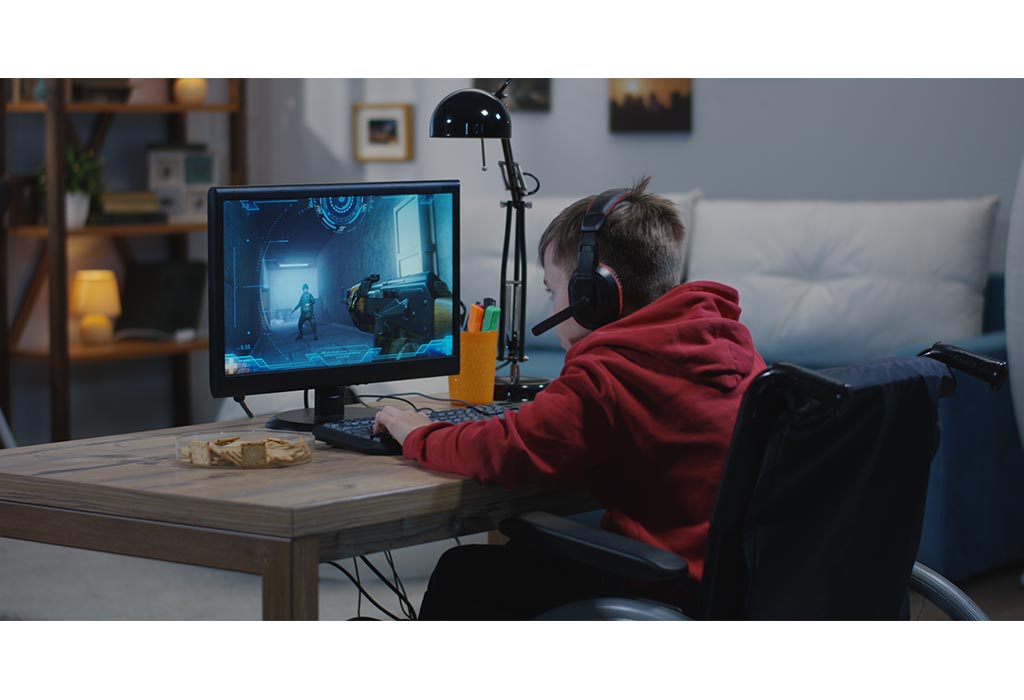
Online Gaming Risks in Children: Signs, Safety, and Solutions
There were days when games were played on the streets and courts, and now they are played on computers, mobile phones, and Xbox. With digital devices at people’s fingertips, online gaming options aren’t far away, especially for children. Persistent and excess exposure has led to online gaming addiction in kids. According to the Entertainment Software Association, at least one person in two-thirds of American households plays video games (1). Internet gaming disorder or online gaming addiction refers to the excessive use of online (internet-based) or video games that eventually leads to neglecting one’s responsibilities and physical health (2). In this article, we aim to make you aware of some surprisingly harmful effects of online games on children.
What Are Online Games?
Online games are the types of games that are available on the internet. From simple text-based games to virtual reality, online games offer a wide variety that incorporates virtual worlds, complex graphics, and goals and targets (3). You can find online games on several PC gaming platforms, like Stream, GOD, and EPIC Games, on smartphones by downloading gaming apps from the Play Store like Google Play or Apple App Store, and on websites that offer online games, like Miniclip, Armor Games, Kongregate, etc. There are several game consoles available for online gaming as well, including PlayStation, Xbox, and Nintendo Switch.
How Do They Work?
In online games, there can be a single player, two players, and even multiples in a single online game. The benefit of online games is that a player can connect to other players across the world over the internet without knowing them personally. All the players are connected to a central game server hosted by the game developer or a third-party provider. The server’s role is to manage the game and keep the actions and tabs of all players synchronised. The players connect to other players within the game through text or voice chat features.
Major Risks of Online Gaming for Children
The risks of online gaming for children cannot be missed when it comes to their he
1. Inappropriate Content Exposure
Some games can expose your child to violent or sexual content that might not be age-appropriate. Therefore, it is necessary for parents to check the age rating of games, frequently monitor what type of games their children are playing, and avoid exposing themselves to any inappropriate content.
2. Cyberbullying
Cyberbullying is very common in the world of online gaming. Instances like bullying, teasing, exclusion from games, and insults can be easily found. Teaching children how to recognise and respond to cyberbullying is crucial.
3. Sharing of Personal Information
Online gaming involves connecting with players worldwide where numerous people connect, giving frauds a window to access players’ personal information, such as name, age, location, etc., and use them to blackmail people. Teaching online safety by knowing when an where to put the information and recognising fake and legal sites is crucial to avoid identity fraud.
4. Virus and Malware Exposure
Online gaming can expose your child’s gaming devices to malware, trojans, and viruses through infected website visits, downloads, links, or ads. Teaching your child about safe downloading practices to protect your devices is important.
5. Addiction
The addiction online gaming induces in children is extremely harmful, leading some children to play excessively, which may interfere with daily life academics and activities. Addiction has taken the lives of several children, and there are several instances of children taking their own lives; in Pune, a 15-year-old boy allegedly died by suicide after jumping from the 14th floor of a building under the influence of the deadly game “Blue Whale.” The child left a suicide note which had “logout” written on it. Further investigation revealed that the child was addicted to online gaming for a few months and used to stay isolated for hours with his laptop.
Parents should set limits on gaming time and monitor their children’s behaviour to prevent online gaming addiction.
6. Scams
Several online games involve exchanging virtual currency or items to progress. These currencies can be gained through any means; thus, it is highly important to monitor your child’s online activity, teach them about such scams, and protect their parents’ hard-earned money.
7. Physical Health Impact
Excessive gaming can lead to several physical health issues in children, such as eye strain, sleep deprivation, back pain, neck pain, and hand and finger stiffness or injuries from prolonged use of controllers or keyboards.
8. Phishing Scams and Account Takeover
There are infinite numbers of hackers present in the gaming world. They may gain unauthorised access to gaming accounts through phishing scams, weak links or passwords, or sharing account information, and then, with the use of such information, they may blackmail children. Hackers also create fake login pages or send phishing emails or links to trick children into entering their personal information and revealing that to hackers. Make sure your kid understands the importance of securing their accounts by recognising basic HTML link nuances and recognising phishing scams.
9. In-game Shopping
Online games involve buying and selling dresses and accessories for their characters through in-game currencies by pitching real money. This encourages children to spend more unnecessarily.
Why Did Online Gaming Become an Addiction for Children?
The World Health Organization recognises gaming disorder in its International Classification of Diseases (ICD-11), defining it as a pattern of gaming behaviour where control is impaired, gaming takes priority over other activities, and it continues despite negative consequences (4). Similar to addictive disorders, internet gaming disorder has also revealed the activation of the dopamine reward system (5).
One of the reasons or causes of online game addiction is the release of dopamine in the brain. Dopamine is a neurotransmitter that is released when indulged in pleasurable activities, such as playing, spending time with loves ones, eating good or favourite food, etc. The feel-good hormone induces the brain to feel pleasure and repeat such behaviour and activities. When children play online games, dopamine is introduced, and they are encouraged to play more and more. As they play, they win and lose, prompting them to win more by playing more and more, developing a sense of achievement. Hence, the pattern of addiction.
Signs of Online Gaming Addiction in Children
Gaming addiction in children can get pretty serious when you least expect it. There are some signs that parents can remember to watch out for in their children and take necessary measures before it becomes more serious. Here are those signs:
Gaming habits have started to disrupt or replace daily activities like sleeping and social interaction (playing out with friends or siblings at home, engaging in convos, etc.
The child has started neglecting their academics, like homework and school projects for gaming online.
They are replacing the old hobbies they used to do and friends with online games.
The physical changes include dark circles under the eyes, fatigued and bloodred eyes, and sore backs, wrists, and fingers.
They keep focusing and thinking of online games throughout the day.
Children start feeling restless and anxious when unable to play games.
They pay less attention to their duties.
They have started relying on online games for mood boosts.
How to Diagnose Online Gaming Addiction in a Child?
The American Psychiatric Association’s Diagnostic and Statistical Manual of Mental Disorders (DSM-5-TR) lays out several materials for doctors to diagnose mental disorders, including gamic addiction, i.e. Internet Gaming Disorder (IGD).
There are different diagnoses and tests available to determine online gaming addiction in children. Your child’s healthcare provider most probably will refer you to a child psychologist or psychiatrist to diagnose the child’s behavioural patterns through medical history and daily routine. According to the American Psychiatric Association, the individual must present five or more symptoms within a year to diagnose the internet gaming disorder (1).
Let’s learn about preventing online gaming addiction in children at the parents’ level.
How to Keep Your Child Safe From Online Gaming Risks?
It is possible to keep your child away from online gaming risk without actually removing them altogether from such games. All you need to do is:
1. Select games together
Understand the world of online gaming first by learning about them on YouTube videos, article reviews, and online forums where plenty of gamers discuss different games. While choosing online games for your child, choose games from known publishers for which there are considerable downloads, reviews, ratings, and hidden malware.
2. Check the themes of games
Before finalising a game, check what the game is all about, its plot, goal, and characters. Also, check the rating; most games have a PEGI rating, which suggests the age-suitability for children. For instance, if a game is rated 7, it means it is suitable for children aged 7 and above.
3. Activate parental controls and put strong passwords
Setting up parental controls can help parents put a cap on what games children can access according to their age. Games like Fortnite and Roblox have auto-built parental controls, while some game consoles, like Nintendo Switch, Xbox, PS4, and PS5, need parental control. Parents can also put up strong and unknown passwords for logging in to games by setting up two-factor authentication (2FA) and a reliable VPN to help avoid fraudulent hacking and data leaking.
4. Monitor your child’s gaming and in-game spending
Putting up controls won’t be enough; monitoring the game your child is playing is also necessary to check what characters they are playing and how much in-game currency they are spending. Keeping the game consoles and gaming activities in the communal area or in the open is a wise move for parents to always keep a check on their child’s gaming and protect them from hackers and scammers.
5. Build a reward system
Building a reward system for children to keep their gaming limits. You can set up a reward system where every hour of physical activity like playing outside, dancing, or singing will unlock 15-20 minutes of gaming online. This will teach children the value of time and discipline.
6. Teach kids about appropriate and inappropriate content
It may not always be possible to monitor your child’s gaming, so teaching them about the right and inappropriate content on games is essential. Keep your voice gentle and teach them about the right characters, when to get out when they see a type of content they are not required to see, and provide them a safe space to tell you whenever they feel unsafe or bothered.
7. Put restrictions on games
Putting restrictions on games other than parental controls is important. One such restriction is in-game spending. Parents can block their regular use of prepaid debit or credit cards for in-game purchases and only use gift cards or prepaid kids’ debit cards for making safe purchases online, as these cards have a set limit that can help control spending. This will also prevent hackers from leaking personal and financial account information.
8. Turn on the notification
Notifications can help you keep track of what games your child is playing and for how long they are playing a particular game, making it easy for parents to detect any budding addiction.
Treatment Offered for Online Game Addiction
Psychotherapy by mental health professionals, including child psychologists or psychiatrists, is a common method of treating addiction and the negative effects of online games in children. It is a term for a variety of treatments that help identify the changes in thoughts, emotions, and behaviours of children.
1. Cognitive-behavioral therapy (CBT)
Cognitive-behavioral therapy is a structured, goal-focused therapy where a therapist helps children examine their thoughts and emotions closely. In CBT for video game addiction, the therapist’s goal is to observe harmful patterns of gaming in children and develop better habits by turning them in the right direction.
2. Group Therapy
Group therapy involves people coming together to discuss their problems under the guidance of a therapist. For children struggling with video game addiction, group therapy offers motivation and support to talk when there are more children involved.
When & Where to Seek Professional Support?
If you see the signs of potential video game addiction in your child, it is best to consult a mental health professional as soon as possible. You can consult a child counsellor in the beginning stages and if you feel your child needs exclusive counselling, then you can turn to a child psychologist.
The possible signs that should prompt you to take further action are:
Devoting too much time to gaming
Poor performance at school
Withdrawal symptoms like anxiety, irritability, instant anger, or sadness
Lying to parents for and about gaming
Decline in physical health
Setting Up Parental Control on Your Child’s Device?
Parental controls are extremely helpful in monitoring your child’s use of video games as well as online content by restricting access to non-age-appropriate websites, games, and chat rooms.
Here is the set of instructions for setting up parental controls on most gaming consoles and devices.
1. Xbox
Once you have signed up with a Microsoft account, you can set up parental control on the Xbox gaming console. Here’s how:
Open the Google Play Store or App Store and download the Xbox Family Settings app by searching for it.
Sign in to your earlier created Microsoft account and choose “Add Them Now,” then select “Create Child Account,” and select “Next.”
After creating your children’s accounts, select their profiles to set up the necessary restrictions. Now, you have the feature to block chat features, set screen limits, and even monitor their friend lists.
2. PlayStation 5 (PS5)
Prior to setting up parental controls on PS5, you are required to create separate accounts for your children and yourself. The following steps are as follows:
Turn on the console and sign in to the “Account Management.” Once signed in, go to “Family Management.”
Now, select your name and click on the checkbox provided for “Parent/Guardian.”
Once logged in, scroll to the right and select the “Settings” icon.
Go to “Family and Parental Controls,” then select “PS5 Console Restrictions,” and then set up a four-digit restriction passcode.
Now, again log in to “PS5 Console Restrictions” and then click on Parental Controls for New Users.
3. Nintendo Switch
To set up parental controls on Nintendo Switch, follow these steps:
Open the console, click on the “System Settings” tab on the Home Menu, and then click on “Parental Controls.”
Generate a four-digit PIN and then click on the “secret question.” Make sure to add the backup email address if you ever forget either the PIN or the secret question.
Now, you have access to configure settings, including access to Nintendo 3DS shopping services, restricting browser use, friend registration, online interaction, and more.
Now, click on the “Parental Control” settings according to the player’s age.
4. Personal Computer (PC)
Here are the instructions to follow to set up parental controls on the PC:
Search for “Family Options” from the Windows search bar, and click “Suggest.”
Now, open the “System Settings” and click on “View Family Settings.“
Once redirected to Microsoft’s website, create a separate account for your children.
You will be appointed as the “Organizer” to set up parental controls. Turn on the controls on your children’s accounts separately.
Once parental controls are enabled, the selected accounts will automatically accommodate the settings.
5. Mobile Gaming
The process of setting up parental controls on Mobile Gaming is as follows:
Click on the profile icon in the top right corner of the Google Play app.
Click on “Settings,” then “Family,” and then “Parental Controls.”
Turn on parental controls and create a PIN to secure the process.
You can click on different filters to restrict your child access, such as games, movies, books, or apps. Age-based filtration process is also available.
FAQs
1. Can a child get withdrawal symptoms as they reduce their gaming addiction?
If you start to reduce your child’s gaming time, they are likely to go through withdrawal symptoms, most often showing up as anxiety. This could also manifest as anger, frustration, emotional outbursts, or noticeable fear. While there’s no quick fix for these symptoms, you can encourage your child to confront the emotions they’ve been avoiding while absorbed in online gaming. Being patient with your child’s symptoms like fear and pain is important for parents at this point in time, and resolve each problem as the days progress.
Online video gaming is common among individuals of all ages, yet children are the most vulnerable. Harbouring plenty of bad effects on students, young children, and teenagers, it is imperative for parents to be extra cautious when their children play games online or physically. Do not hesitate or delay in consulting a medical expert, as the more delay there is, the long-lasting the consequences.
Never forget that your child has unlimited potential and if they fall in the trap of online gaming addiction, they can come out of it with your love and support.
References/Resources:
1. Internet Gaming; American Psychiatric Association; https://www.psychiatry.org/Patients-Families/Internet-Gaming
2. Technology Addictions: Social Media, Online Gaming, and More; American Psychiatric Association; https://www.psychiatry.org/patients-families/technology-addictions-social-media-and-more
3. What is Online Games; IGI Global; https://www.igi-global.com/dictionary/online-games/20978
4. Gaming disorder; WHO; https://www.who.int/standards/classifications/frequently-asked-questions/gaming-disorder
5. Palaus. M, et al.; Neural Basis of Video Gaming: A Systematic Review; Frontiers in Human Neuroscience; https://www.frontiersin.org/journals/human-neuroscience/articles/10.3389/fnhum.2017.00248/full; May 2017
Also Read:
Impact of Social Media on Kids
Impact of Television (TV) on Kids
Influence of Advertising on Children
Effects of Gadgets on Child Development
Factors Affecting Child Growth and Development
Harmful Effects of Using Mobile Phones on Children
Impact of Video Games on Children – The Good and the Bad
Read more




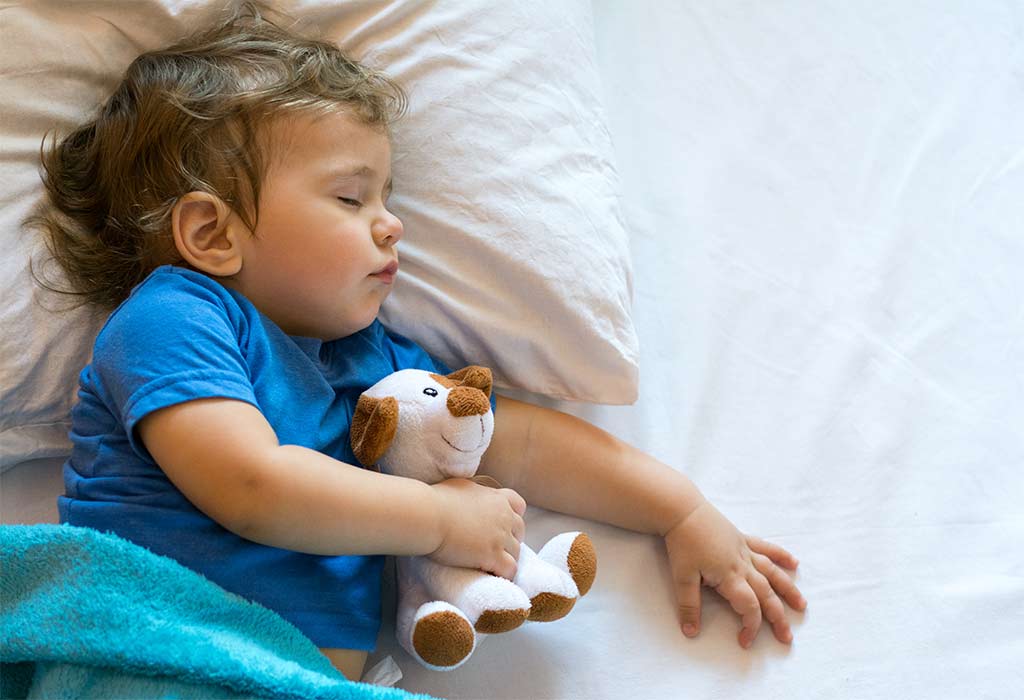
When Can a Toddler Have a Pillow?
As parents, we cherish those precious moments when our little ones drift into dreamland. But have you ever wondered when it’s the right time to introduce a pillow to your toddler? The parenting journey is filled with such questions, and in this warm and engaging article, we’ll discuss when and why you should consider adding a pillow to your toddler’s sleep setup.
Is it Important to Introduce a Pillow to Your Toddler?
Many parents wonder whether a pillow is necessary for their toddlers. After all, they look so snug without one, don’t they?
While it might seem optional, introducing a pillow to toddlers can be more significant than you think. Beyond mere comfort, it can affect their sleep quality and overall well-being. Let’s delve into why it’s essential.
When Can Your Toddler Sleep With a Pillow?
Now, let’s address the pivotal question: when can your toddler sleep with a pillow? There isn’t a one-size-fits-all answer because every child is unique. However, as a general guideline, most experts recommend that toddlers’ pillow age be around 2 to 3 years old (2). At this age, their neck and shoulders are typically developed enough to use a pillow without discomfort safely.
Signs That Your Toddler Needs a Pillow
So, how do you know when to give a toddler a pillow? Here are some telltale signs to watch for:
1. Restless Sleep
If your toddler tosses and turns throughout the night, it might be because they’re trying to find a comfortable sleeping position. A pillow can provide the extra support they need for a peaceful slumber.
2. Frequent Head Tilting
Does your little one often tilt their head to one side while sleeping? This could be a sign that they’re trying to find a comfortable angle for their neck. A pillow can help maintain proper alignment.
3. Transitioning From a Crib
When your little one starts sleeping in a toddler bed instead of a crib, it’s a good time to give them a pillow. The familiar comfort can make the transition smoother.
4. Vocal About Discomfort
Consider a pillow if your toddler complains about discomfort or neck pain upon waking (4). Their comfort and well-being are paramount.
5. Mimicking Adults
Toddlers love to imitate grown-ups; if they see you using a pillow, they may also express an interest in having one.
Benefits of Sleeping With a Pillow for a Toddler
Now that we’ve explored when to give your toddler a pillow let’s delve into the numerous benefits it can offer:
1. Comfort and Support: A pillow provides the necessary cushioning for your toddler’s head and neck, promoting a more comfortable sleep.
2. Proper Spinal Alignment: A pillow can help maintain your toddler’s natural spine alignment (1), ensuring they wake up refreshed.
3. Enhanced Sleep Quality: With the added comfort, your toddler will likely enjoy a deeper and more restful sleep.
4. Security and Comfort: A soft pillow can offer a sense of security and comfort, making bedtime a more soothing experience.
5. Transition Aid: A familiar pillow can make this adjustment easier if your child transitions from a crib to a bed.
How to Choose the Right Pillow for Your Toddler?
When selecting the perfect pillow for your toddler, it’s essential to consider their needs and safety. Here are some essential factors to keep in mind:
1. Size Matters
Opt for a small, appropriately sized pillow designed for toddlers. This ensures that it provides the right amount of support without overwhelming them.
2. Material
Look for hypoallergenic materials to prevent allergies or sensitivities. Pillows made from breathable and easy-to-clean fabrics are ideal.
3. Supportive, Not Too Soft
Choose a pillow that offers support without being too soft (5). A firmer pillow helps maintain proper alignment and prevents sinking.
4. Easy Maintenance
Select a pillow with a removable, machine-washable cover for convenience. Keeping your toddler’s pillow clean is essential for their health.
5. Safety First
Ensure the pillow is free of choking hazards. Avoid pillows with small detachable parts that could harm your child.
6. Pillowcase Fun
Let your toddler choose a pillowcase with their favourite design or character. This can make them even more excited about their new bedtime companion.
How to Use a Pillow for a Toddler?
Now that you’ve chosen the perfect pillow for your toddler let’s discuss how to use it effectively:
1. Positioning: Place the pillow beneath your toddler’s head and shoulders, ensuring it supports their neck without pushing their head forward.
2. Safety First: Always prioritise safety. Ensure the pillow is firm and free of any loose filling that could pose a choking hazard.
3. Comfort is Key: Encourage your toddler to share their feelings about the pillow. If they find it uncomfortable, be open to making adjustments.
4. Bedtime Ritual: Incorporate the pillow into your toddler’s bedtime routine. This consistency can signal that it’s time for sleep.
5. Check Regularly: Periodically inspect the pillow for wear and tear. Replace it if it is damaged or not supporting properly.
FAQs
1. How frequently should I change my toddler’s pillow?
Changing your toddler’s pillow every 2-3 years or earlier if you spot any signs of damage is recommended. A fresh pillow ensures continued comfort and support.
2. Does my toddler need a bedtime routine?
It’s necessary to set up a regular bedtime routine for your toddler to help them sleep better (3). A consistent routine can help them relax and prepare for a restful night’s sleep. To create a calming atmosphere, include reading bedtime stories, brushing your teeth, and dimming the lights.
Introducing a pillow to a toddler can be a significant step in ensuring their comfort and quality of sleep. Remember to consider their needs and safety when selecting the right pillow, and incorporate it into their bedtime routine to make sleep time a cosy and enjoyable experience for you and your little one. Sweet dreams!
References/Resources:
1. Good Sleeping Posture Helps Your Back; University of Rochester Medical Center; https://www.urmc.rochester.edu/encyclopedia/content.aspx?ContentTypeID=1&ContentID=4460
2. Korioth. T; Safe and sound: Help young children get a good night’s rest; American Academy of Pediatrics; https://publications.aap.org/aapnews/article/28/3/25/21710/Safe-and-sound-Help-young-children-get-a-good; March 2007
3. Mindell. J. A, Williamson. A. A; Benefits of a bedtime routine in young children: Sleep, development, and beyond; PubMed Central; https://www.ncbi.nlm.nih.gov/pmc/articles/PMC6587181/; November 2017
4. What to Do About a Stiff Neck; Nemours KidsHealth; https://kidshealth.org/en/parents/stiff-neck-sheet.html
5. Gordon. S. J, Grimmer-Somers. K; Your Pillow May Not Guarantee a Good Night’s Sleep or Symptom-Free Waking; PubMed Central; https://www.ncbi.nlm.nih.gov/pmc/articles/PMC3076923/; April 2011
Also Read:
Ways to Get a Toddler to Sleep at Night
How to Make a Routine that Your Toddler Will Love to Follow
Read more
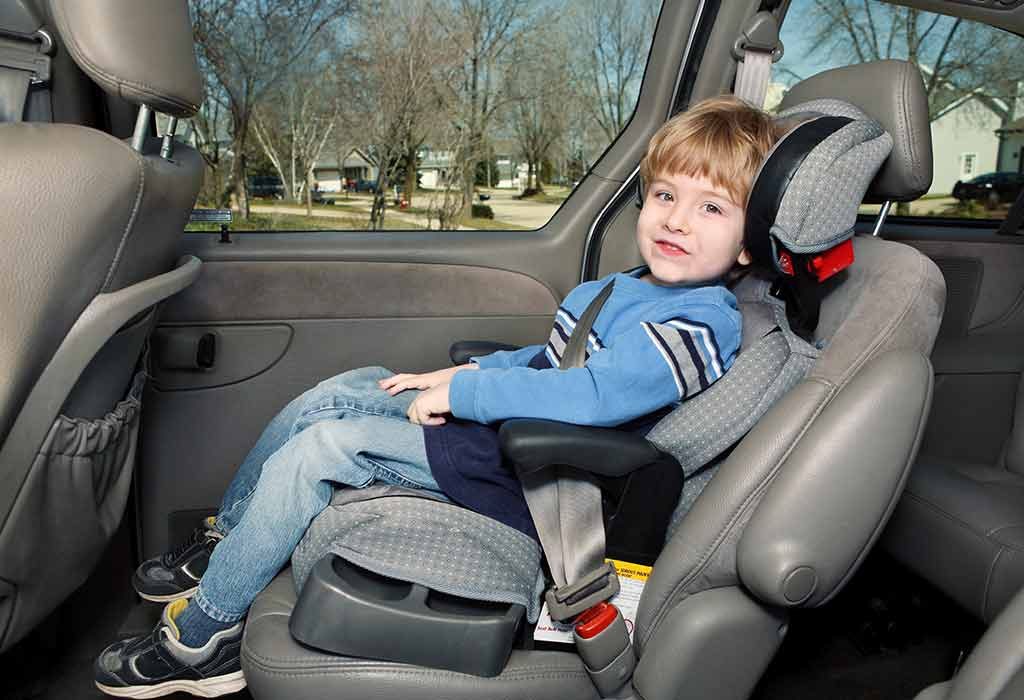
When Can a Child Use a Booster Seat?
As a parent to a toddler, whenever you make your little one sit in his car seat, you may find yourself asking if he is ready to outgrow it and make the transition to a booster seat. So, when can a child use a booster seat? If your child’s weight and height are as per his age, then you might be considering buying a booster seat for him. But before you make the big investment, find out if your little one is ready for it. If your child shows signs of readiness, you need to learn if it is safe to keep children in a harnessed seat for long.
What Is a Booster Seat?
A booster seat is a seat that helps a child stay safe in a car. Unlike a car seat (rear-facing or forward-facing) that uses a five-point harness, a booster seat uses the seatbelt restraint of the car to keep a child secure. A booster seat lets a child sit on top of the seat and ‘lift’ them up to a height where the seatbelts lie across the strong bones and pelvis of the child and keep them secure. The seat belt is designed to help adults and the booster seat acts as the additional support to match the height of an adult. The transfer to a booster seat for your child is just like a preparation to sit on the seat like an adult until they are old enough.
Types of Booster Seats
There are essentially two kinds of booster seats that you can choose from for your child, once he reaches the right age.
1. Backless Booster Seats
These seats are easy to manoeuvre from one car to another. When using a backless booster, the car must have a seat that has a back which is high enough to give support to the rear of the head. The child’s ears must be below the top of the seat or the headrest.
2. High-Back Booster Seats
As the name suggests, a high-back booster seat has a high back, which helps a child sit upright. It is a great choice for kids and can help position the seat belt on the child accurately. A high-back booster seat is perfect to maintain the posture of kids when they fall asleep during long road journeys.
When Should You Move Your Child to a Booster Seat?
What age for a booster seat seems right? If you’re planning to make a move to a booster seat, you must find out if there’s a right age to do the same. The ideal age for a child to make the move to a booster seat is five. But many parents tend to buy a booster seat early. If you’re considering a booster seat for your toddler, there are some guidelines that you can refer to if you want to assess if your child is ready for the booster seat.
Your child is at least five years of age and weighs at least 40 pounds.
The child is mature enough to sit in the booster seat for the entire journey with the seat belt fitted across the shoulder and below the hips.
The child should have outgrown the weight, height, and internal harness requirements of a five-point harness forward-facing or rear-facing car seat.
Difference Between Car Seats and Booster Seats
Car seats and booster seats are both safety devices designed to protect children in vehicles, but they serve different purposes and are used for different age groups. Here are some key differences:
Age/Size: Car seats are for infants and toddlers, while boosters are for older children.
Support: Car seats provide full support, while boosters raise the child for proper seat belt fit.
Restraint: Car seats use harnesses, while boosters rely on the vehicle’s seat belt.
Purpose: Car seats protect the child’s entire body, while boosters ensure the seat belt fits correctly.
Should You Consider a Booster Seat With a Five-Point Harness?
Keeping a child in a five-point harness seat has its own advantages. A five-point harness seat fits small children as well, and as your child starts using a booster seat they can move out of the secure seat position easily. But you must be careful when you make your child sit in a booster seat. When your little one is sitting in a booster seat, you must ensure that the shoulder belt is not behind their back or under their arm. If the child is uncomfortable then do not make the transition to a booster seat. If they are not comfortable sitting in a booster seat, stick to the car seat with a harness. There is no hurry to make the transition. Wait until your child outgrows the car seat and move them to a booster seat when they meet the statutory requirements and are old enough to understand the mechanics of sitting in the booster seat.
How to Install a Booster Seat
Booster seats are designed to raise a child in the vehicle seat so that the adult seat belt fits properly across the chest and hips. Here’s how to install one:
Choose the right seat: Select a booster seat that fits your child’s size and weight and is compatible with your vehicle’s seat belt system.
Position the booster seat: Place the booster seat in the back seat, preferably in the middle position, for maximum safety.
Secure the booster seat: If your booster seat has a vehicle seat belt lock-off, use it to prevent the seat from moving during a crash.
Buckle up: Help your child buckle the seat belt correctly. The lap belt should fit snugly across their hips, and the shoulder belt should fit snugly across their chest and shoulder, not their neck.
How Long Should You Use a Booster Seat?
It’s generally recommended to keep your child in a booster seat until they reach 4 feet 9 inches tall and are between the ages of 8 and 12 years old. However, the most important factor is ensuring the seat belt fits properly. The lap belt should lie snugly across the upper thighs, not the stomach, and the shoulder belt should lie snugly across the shoulder and chest, not the neck or face. If the seat belt doesn’t fit correctly without a booster seat, your child should continue to use one.
Choosing the Right Fit Booster Seat
If your child weighs over pounds and is still under the age of five, you might want to look for a harnessed car seat with a higher height and weight limit. You have several harness-to-booster seats available in the market today. They have a higher harness limit and later, can be used as a booster seat. This is ideal if you do want to spend twice on the same product. A harnessed car seat with a higher weight and height limit and a higher top shoulder strap will serve the purpose longer. The seat can be used longer in a booster mode too. You can now buy a car seat under your budget to keep your little one safely harnesses until he is ready to make the transition to a booster seat or perhaps longer.
FAQs
1. Can a child use a booster seat in the front seat?
While it’s generally safest for children to ride in the back seat, some situations may require them to sit in the front. If this is the case, ensure the front passenger airbag is deactivated or moved to the off position.
2. How do I know if my child is sitting correctly in their booster seat?
The lap belt should lie snugly across the upper thighs, not the stomach. The shoulder belt should lie snugly across the shoulder and chest, not the neck or face. Your child should sit upright in the booster seat with their back against the vehicle’s seat back.
3. Can a child use a booster seat with a lap-only seat belt?
No. Booster seats are designed to work with lap-shoulder seat belts. Using a booster seat with a lap-only belt can be dangerous and ineffective.
As mentioned above, you don’t need to move your child to a booster seat if he isn’t ready for it. As per the guidelines of the American Academy of Pediatrics, it is safe to keep a child in a rear-facing car seat until the age of 2. They can progress to a forward-facing car seat once they are over 22-30 pounds in weight. A booster seat is recommended only when they are over 40 pounds in weight and above the age of five years.
References/Resources:
1. Car seats and booster seats; National Highway Traffic Safety Administration; https://www.nhtsa.gov/vehicle-safety/car-seats-and-booster-seats
2. Child Passenger Safety (Pediatrics); American Academy of Pediatrics; https://publications.aap.org/pediatrics/article/142/5/e20182460/38530/Child-Passenger-Safety; November 2018
3. Car Seats: Information for Families; American Academy of Pediatrics; https://www.healthychildren.org/English/safety-prevention/on-the-go/Pages/Car-Safety-Seats-Information-for-Families.aspx
4. Booster Seats for School-Aged Children; American Academy of Pediatrics; https://www.healthychildren.org/English/safety-prevention/on-the-go/Pages/Booster-Seats-for-School-Aged-Children.aspx
5. Ma. X, Griffin. R, McGwin. G, Allison. D, et al.; Effectiveness of Booster Seats Compared With No Restraint or Seat Belt Alone for Crash Injury Prevention (Academic Emergency Medicine); National Library of Medicine; https://pmc.ncbi.nlm.nih.gov/articles/PMC3798005/; September 2014
6. Pitt. T, Howard. A, HubkaRao. T, Hagel. B; The effectiveness of booster seat use in motor vehicle collisions (Accident Analysis & Prevention); Science Direct; https://www.sciencedirect.com/science/article/abs/pii/S0001457521003274; September 2021
7. Booster Seats; Harborview Injury Prevention & Research Center; https://hiprc.org/outreach/booster/
Also Read:
Tips for Travelling with Children
The Right Age for Your Kid to Face Forward in a Car Seat
Tips to Handle Jet Lag with Babies, Toddlers and Kids
Read more

Used Car Seats- Are They Safe for Babies & Buying and Selling Tips
Buying used baby items will help you save a lot of money. All the baby items that you invest in are temporary since your little one will soon outgrow each of these and then finally, you’ll be thinking about what to do with it. Car seats are essential when it comes to baby accessories. Many of us are quite sceptical about going for a used infant car seat, wondering if second-hand car seats are safe, what to look for while buying a used one, etc. This post will guide you through all these details while purchasing a second-hand car seat for your little princess!
Are Used Car Seats Safe for a Baby?
A blunt answer to this question would say that it’s better that you go for a new car seat instead of an old one. This is because all car seats expire and should not be used for babies beyond its expiry date. While buying a used car seat will save you some bucks but there are a few points you need to keep in mind if you plan to buy a used car seat.
Things to Check Before Buying a Used Car Baby Seat
Below mentioned are certain things that you need to check before buying a used baby car seat:
1. Expiry Date
This is the most important aspect that you need to double-check before selecting a used car seat. The expiry date is written right on the car seat itself, you can also double-check with the user manual provided with it. Most car seats come with a life span of 6 years from the date of manufacture – beyond which you must not use them. So, in case only the date of manufacture is provided, you can calculate the expiry date.
2. Inspect for Damages
Inspect the car seat well for any cracks in the shell and the foam. Also, check the straps for any holes, rips, proper routing, elasticity, etc. In case of used convertible car seats, make sure that the transition is still working. The best and only way to check the routing is by reading and making sure that it matches well with the manual.
3. Trusting the Seller
It’s always better to buy a used car seat from a trusted seller rather than from a stranger, as you need to rely on all the information provided by the seller. So, its always better to avoid buying a used car seat from someone you don’t know, as you will be essentially trusting them with the life of your child by taking this decision.
4. Don’t Fall for Appearances
Always remember appearances can be deceptive! While some car seats may look neat and brand new. they could have gone through a crash or even expired! Well, the opposite of this also holds true. So, make sure that you double-check all the specifics before going for the car seat.
5. Check for Crash History
It’s very important to know whether the car seat was ever involved in an accident or has a crash history. This aspect is very vital because the National Highway Traffic Safety Administration (NHTSA) and car seat manufacturers have replacement criteria for the car seat deciding upon if it’s safe to use after an accident. Most of the car seat manufacturers ask to replace the car seat after any crash. While the NHTSA considers the facts like how much damage has been impacted on the car seat, whether or not airbags were deployed, etc. These details cannot be verified by just looking at the car seat, as sometimes the car seat would look undamaged even when involved in a serious crash.
6. Ask for Original Parts and Manual
It’s important to have all the original parts along with an instruction manual of the car seat for proper functioning and safety of the car seat. Sometimes, some parts may get lost over a period of time, so you need to check with the user manual to make sure that all parts are working and available at the time of purchase. An instruction manual is essential for proper installation of the seat.
7. Registration
Make sure that the car seat is registered with the car manufacturer.
8. Certification by Car Seat Checkpoint
Once the installation of the car seat is complete, you need to visit the car seat checkpoint and get it assessed by a certified child passenger safety technician.
Things to Remember When Selling a Used Car Seat
As an owner of the car seat, it is your responsibility to make sure that you consider all the important aspects before selling your car seat.
1. Ensure There is No Accident History
It is important that to know if the car seat was involved in any crash, as most car seat manufacturers ask never used again after involved in any type of crash.
2. Know the Complete History of the Used Car Seat
If you were not the original owner of the car seat and have bought it from another seller, make sure that you know the complete history of the car seat thoroughly. If you do not know the complete history or who used the car seat then it is not wise to sell it off to a new buyer.
3. Make Sure All the Original Parts Are in Working Condition
Before selling the car seat, get the user manual and check if all the original parts of the car seat are present and whether they are in working condition or not. Check for cracks, holes, damages, harness strap functions, and other damages, if any.
4. Expiry Date
Your car seat will have all the information regarding the date of manufacture and expiry. Make sure that your car seat is well within the date of expiry if you intend to sell it off.
5. Label Information
Use a camera to click a picture of the label that contains all the information regarding the name of the manufacturer, brand name, model number, make, etc. of the car seat and include this information in your post while selling the car seat.
Our best recommendation is to go for cheaper car seats that are new instead of cheap used car seats. However, if you have decided to go for a used car seat, then we recommend you to be selective and extra cautious while picking one.
Also Read:
Right Age for Your Child to Face Forward in a Car Seat
Rear-Facing Car Seat for Your Child
Read more
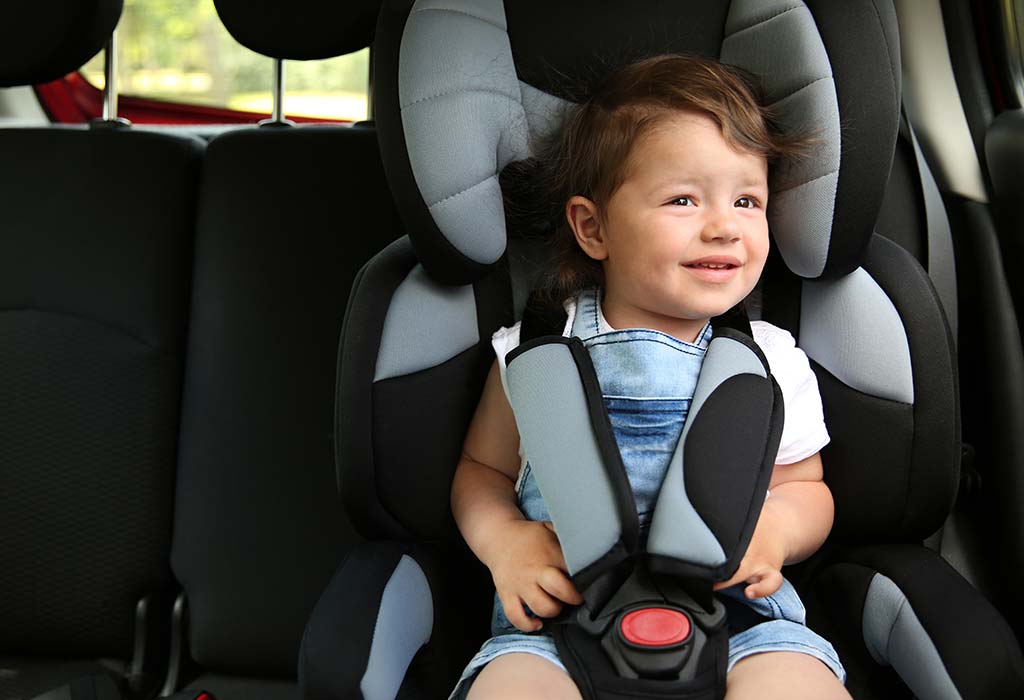
Car Seat Expiration – When and Why Do They Expire
Child car seats are one of the most important child gear you’ll buy, and just like other gear, these car seats can get really expensive. Even when you buy the top-of-the-line car seat for your baby, your child will not use the seat forever. Thus, you might want to use your old car seat for your newborn, lend it to someone else quickly, or consider donating it to someone in need. But while doing so, be aware that child car seats do expire. Most child car seat manufacturers claim that the useful life of a car seat is about 6 to 10 years from the date of manufacture, depending on the seat model. Read on to learn all about car seat expiration.
Why Do Car Seats Expire, and Do They Have Expiration Dates?
Do infant car seats expire? A simple answer to this question is yes, child car seats do have an expiry date, and they do expire for more than one reason. Sometimes your car seat may become useless even before the mentioned expiry date. Let’s understand how long do car seats last, why these child car seats expire, and why they have an expiration date (1).
Reasons why car seats expire:
1. Regular Wear & Tear
The most common and hazardous cause of child car seat expiry is the wearing and tearing of the car seat due to regular usage. Some people argue that their child’s car seat is used only so many times, and it’s only a marketing scheme to fool people into buying new car seats. But agreeing to that statement could be a serious mistake. Car seats are made with plastic, steel, and webbing materials, during a car ride these materials are exposed to a lot of pressure and stress. Additionally, these materials also face the changing temperature of your car and tolerate many spilled liquids and mishandlings. It might not be very visible to the naked eye, but all this leads to the degradation of material over time and affects the strength of the material and overall seat. And no parent would ever want a weak car seat for their children.
2. Changes In Quality Standards & Safety Regulations
Your baby’s safety and security is the number one priority for any child car seat manufacturer. And to meet this promise, manufacturers keep their products comply with the latest safety standard published by the federal government, state and transportation agencies, crash test benchmarks, and car manufacturers. Some manufactures test their child car seat product line beyond the industry standard to ensure that your baby is always in the safest seat. This change in the weight and height limitations of the harness or any other criteria can make your current car seat outdated.
3. New & Improved Car Seat
There are multiple car seat manufacturers in the market, and all of them spend big money on their R&D to render out the best product for their customers. Like any other product, child car seats are also updated and renewed in terms of their design and functionality. Often, these improved versions of car seats are loaded with useful technology and design aesthetics. This makes the older models obsolete in usability, as parents look for ease of use in the product they acquire for their offsprings.
4. Manufacturing Recalls
This might seem like an odd reason for a child’s car seat to expire, but it’s not. Many manufacturers run a recall program for their older models which might need some repair or are reported to have some trouble with the safety of the product. If you registered your newly purchased car seat, then you get a call from the company asking to return the product in exchange for a repair or maintenance or a self-care repair kit. If the product is too obsolete to repair, the manufacturer may ask you to dispose of the seat in a prescribed manner.
Is It Safe to Use Expired Car Seats?
Using expired car seats is not safe because the materials degrade over time, compromising their ability to protect your child in a crash; expiration dates (typically 6-10 years from manufacture) are set by manufacturers based on wear-and-tear testing, and older seats may have weakened plastic, frayed straps, or outdated safety standards, making them unreliable in an accident. Always check the expiration label (usually on the seat’s base or back) and replace expired seats to ensure maximum safety.
How Long Do They Last?
Car seats typically last between 6 to 10 years from the date of manufacture, depending on the brand and model, as plastics and other materials degrade over time due to heat, UV exposure, and general wear. Manufacturers set expiration dates based on safety testing, and using a seat beyond this period can compromise its structural integrity in a crash. Some seats expire sooner if involved in a crash, or if parts are damaged or missing.
Where to Find Expiration Dates on Car Seats?
Most child car seat manufacturers display the exact date of expiry at the bottom, back of the seat, or stamped into the plastic car seat frame, making it easy to find the car seat expiration date. While some manufacturers only provide the date of manufacturing (DOM), this date can be found under or at the bottom of the seat. And since most of these car seats expire in 6 years, one can easily calculate the date of expiry by the given DOM. However, the best way to find out the correct date of expiry is to read the instruction manual or visit the company’s website. If you bought parts individually (like a car seat base separate from the seat), make sure to check the expiration date on each piece, since they might not expire at the same time. Some high-end car seat has a shelf life of 8 to 10 years; in that case, it is wise not to be hasty in retiring the seat before checking its expiry date from the makers.
How Frequently Should You Replace a Car Seat?
You should replace a car seat every 6 to 10 years, depending on the manufacturer’s expiration date, since materials like plastic and straps weaken over time. Additionally, replace it immediately after a moderate or severe crash, if it’s recalled, or if it shows cracks, fraying, or missing parts. However, expiration isn’t the only factor – seats must also be replaced when a child outgrows the height or weight limits and reaches the recommended age for the next seat stage (like transitioning from an infant seat to a convertible seat).
Do Car Seat Bases and Booster Seats Expire?
Car seat bases and booster seats don’t last forever—they have expiration dates just like car seats. Over time, sun exposure, temperature changes, and general wear can weaken the materials, making them less reliable in a crash. Most expire 6 to 10 years after manufacture, but always double-check the label (often hidden on the bottom or back). And if they’ve been in a crash or look worn out, don’t wait—swap them out early to keep your little one safe (2).
What to Do With Expired Car Seats?
Now that you are aware that your car seat has expired, you might just put it aside in your garage or the attic or throw it away on the street for the sanitation worker to collect. The first thing to do is to make sure that you mark that expired car seat in visible font as ‘expired’ or ‘unsafe’. Also, don’t donate that car seat to anyone; if it’s dangerous for your baby, it’s dangerous for anyone else’s too. Here’s what you can do with an expired car seat (3):
1. Trade-in Programs
Some retailers and wholesalers in association with car seat makers run a trade-in program where you can exchange the old and expired child car seats for shopping coupons, discounts on new seats, and gift vouchers. Trade-in programs are your best bet for that seat, and since you are not the only parent with an expired seat coated with dust, keeping your eyes open to the advertisement is your only chance to get a hand on those coupons.
2. Recycle
Exchange and trade-in programs get to reach their quotas in a short span of time as they get a huge response from parents. The only other viable option is to recycle your car seat; if your respective state and local departments of public work accept recycling of car seat plastic, then it is advised to recycle your expired car seat and follow the proper recycling procedure (4).
3. Disposal
Lastly, all you can do to get rid of that car seat is to dispose of it in the trash. Even when disposing of the car seat, you should follow the standard method. Remove all metal, fabric, foam, and padding from the seat before you throw it in the trash.
How to Properly Dispose of an Expired Car Seat?
Disposing car seats require some consideration. You can’t just leave an unsafe car seat on your trash on the road. To properly dispose of an expired car seat you need to follow simple steps: remove all extra padding and cushion from the seat; cut all the harness and straps; remove any other hard object or metal; lastly mark it unsafe so no one will use it after you leave it out.
FAQs
1. Does storing a car seat prolong its expiration date?
Even if unused, a car seat still expires based on its manufacture date—not usage. Heat, humidity, and plastic degradation occur over time, even in storage.
2. Do secondhand car seats expire sooner than new ones?
Yes—if the seat was exposed to sunlight, extreme temps, or improper cleaning, its materials may degrade faster. Always verify its full history and date of expiry for the car seat.
3. Why do some car seats expire in 6 years while others last 10?
Materials and testing vary by brand. Infant seats (used more frequently) often expire sooner, while boosters may last longer. Always check the label.
We hope we have answered your question – how long are car seats good for. A child’s car seat is a necessity, and a parent cannot ignore making this essential purchase. If you’re looking to buy a car seat after proper planning, it becomes evident that you know what you are buying and how long it’s going to last. Many parents, mostly first-timers, are unaware and can be found on the internet asking questions like ‘how many years are car seats good for’ or ‘I want to know if my car seat has expired’ or something else. To answer their queries, car seat bases expire, and they do need to be replaced or disposed of in a correct manner. If you have an expired car seat, the first thing you’d want to do is never to use it again. Secondly, you need to know how to treat the unusable car seat. And lastly, the most important thing to understand is that even if your expired car seat is in mint condition and shows no sign of any wear and tear, you still shouldn’t be using that car seat. There is a reason why there’s an expiry date on the product, and following it is the right parenting move.
References/Resources:
1. Cincinnati Children – Car Seat Expiration Dates – Have You Checked Yours?
2. NHTSA – Car Seat Use After a Crash
3. Safe Kids Worldwide – What to do with your old car seat
4. Vanderbilt University Medical Center – Pediatric Trauma Injury Prevention Program
Also Read:
Types of Infant Car Seats and Other Restraints
The Perfect Car Seat & Restraints for Your Toddler
Know the Right Age for Your Baby to Face Forward in a Car Seat
Read more
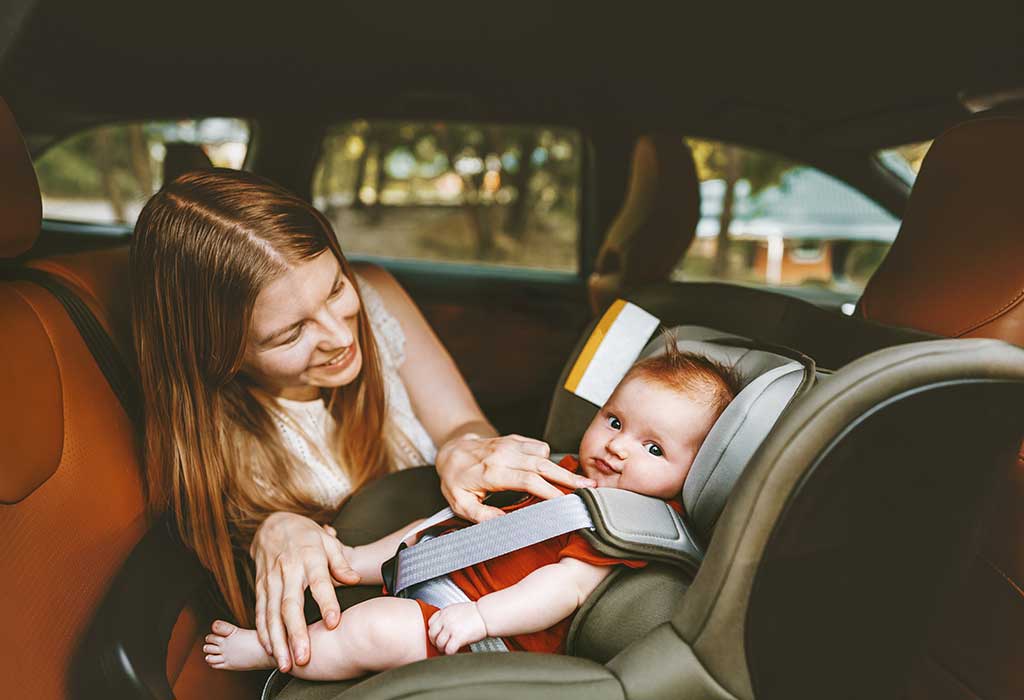
Rear-Facing Car Seat For Your Child: Guidelines And Safety Tips
When it comes to car crashes or accidents, babies are always at a higher risk. The spine of babies is developing and their head is large for their body to hold. If your baby is riding in a car seat facing forward, there is a greater chance for the spinal cord to stretch and get damaged in a crash. However, an infant or older child in a rear-facing car seat is safely cradled when there is a crash on the frontal side of the car. The upper portion of the body-head, spine, and neck are protected by the back of the car seat. Research has shown that children or toddlers up to the age of 2 in a forward-facing car seat are more susceptible to being seriously injured in a frontal crash that children in a rear-facing car seat.
Safety is paramount-getting a child to be seated in a rear-facing seat is a safe bet. The National Highway Traffic Safety Administration and the American Academy of Pediatrics (AAP) recommend that both infants and toddlers must face backward for as long as possible. Safety seats, today are designed keeping in mind the height and weight limits of the seat. This has resulted in rear-facing seats being designed to be used for a longer time than before. Most kids are now expected to sit in rear-facing seats until they are 4 years old.
What Are Rear Facing Car Seats?
Rear-facing car seats are different from the ones that face forward. In a rear-facing car seat, your child’s frontier will be facing the rear side of the car. Their backs will be facing the frontal side of the car. The primary motive of a car seat is to absorb a few crash forces and spread the rest over a large part of the body. The seat belts distribute the force to the body, hip, and shoulders in adults. These are the strongest parts of the body. However, infants do not have such strong parts to withstand the jerk and force. A rear-facing car seat dissipates the crash forces to the head, entire back, and neck, thereby, reducing the stress on any one body part. An infant has a delicate head which is supported by a developing neck and the rear-facing car seat helps in such cases. The bones and ligaments of an infant are also not very well developed which makes them more prone to spinal cord injuries than adults and older children. A rear-facing car seat reduces this risk as it offers support to the child’s head.
The rear-facing car seat moves in a different way whilst a crash and gives your child more chances of survival and minimizes the chance of an injury. The forward-facing car seat, in contrast, cannot absorb the force and transfers most of it to the child- particularly to the head and neck.
Types of Rear-Facing Car Seats
If you are looking for rear-facing car seat recommendations, then the below guide would help you make a good choice. You want nothing but the best when it comes to your child and would not want to compromise on safety. There are three essential kinds- rear-facing-only ones, convertible ones, and an all-in-one. If a child reaches the maximum height and weight allowed by the manufacturer in a rear-facing-only car seat, they must be moved on to an all-in-one or a convertible.
1. Rear-facing-only car seats
Such seats are used for infants who weigh up to 30 pounds (depending on the model). They are small with carrying handles. They come with a base that can be left in more than one vehicle. It is recommended for use only while traveling and strictly not for sleeping or feeding.
2. Convertibles
As the name suggests they can be used as rear-facing car seats and converted to forward-facing seats as the child grows in age. These are heavier without a base or handle. They are fixed to the car. Most of them allow infants with a weight of up to 40-50 pounds and also greater height making it suitable for babies and toddlers bigger in size. The seats come with a 5-point harness that attaches at the shoulders, hips, and between the legs. It is suited only for use during travel.
3. All-in-one seats
This one serves three purposes- rear-facing seat; forward-facing seat and a belt-positioning booster. It does not come with a carrying handle or a base. They are bigger in size and can accommodate infants up to 40-50 pounds in weight and greater height. It makes it ideal for babies and toddlers and needs to be checked if it will fit your car.
Why Should Parents Choose Rear-Facing Seats For Their Child?
It is tempting to position your child in a forward-facing car seat, but experts recommend keeping them in a rear-facing car seat for as long as possible. Keeping them in a rear-facing car seat up to the limits allowed reduces the risk of a traumatic injury and keeps your child safe. A few reasons to choose rear-facing seats for your child:
American Academy of Pediatrics recently recommended its guidelines in 2018 and classified rear-facing car seats as the safest way for children to ride.
Rear-facing car seats absorb the crash forces and support the head, spine, and neck in contrast to a forward-facing car seat where toddlers will be thrown forward resulting in spine and head injuries.
Most car-seat manufacturers design rear-facing car seats that let children with weight of up to 40-50 pounds and even taller infants to ride comfortably.
Making a sooner transition to a forward-facing car seat puts the child at greater risk and must be done only when ready.
According to research riding in a rear-facing car seat helps children make themselves more comfortable.
AAP Recommended Age to Keep Babies In Rear-Facing Seat
The American Academy of Pediatrics currently recommends keeping children in a rear-facing car seat until they reach the maximum weight or height for their convertible seat. This generally extends up to 3-5 years of age and is also dependent on the type of seat and the growth chart of the child. Over a quarter of states in the United States of America have updated their child passenger safety norms making it mandatory to have rear-facing car seats until the age of 2.
Rear-Facing Seat Safety Tips
You may use a rear-facing car seat for a 1-year-old, an infant or a 3-year-old. Either way, you would need to follow the following tips for a safer ride:
The harness in the rear-facing car seat must be placed in slots at or below the child’s shoulders.
The car seat must be installed tightly in the vehicle with the assistance of anchors or a locked seat belt. If it moves an inch from the belt path, then it is not tight enough.
If you use a convertible or all-in-one car seat the seat belt or lower anchor webbing must be channelled through the right belt path. Follow the instructions in the handbook.
The harness must be tight and snug (no large gaps when testing it over the shoulders) and the retainer clip must fall at the centre of the chest.
A car seat must not be placed on the front seat with an active passenger airbag in the front. If it inflates, then it will hit the rear of the car seat and injure the child’s head and may cause death.
Check the instructions and place the seat at the right angle to ensure the child’s head does not droop forward. Most seats have recline indicators.
Check the instruction handbook to see if the seat will come in contact with the backside of the seat in front.
FAQs
1. When Can I Switch My Child To A Forward-Facing Car Seat?
The AAP and National Highway Traffic Safety Administration recommend that infants and toddlers face backwards for as long as possible and most cases until they are years old.
2. How Should I Choose the Right Sized Rear Facing Car Seat?
The height and weight limits of the seat must be adhered to. You must check how your child fits in the seat. The head must be an inch below the top rim of the plastic shell. Most kids will be tall for the seats until they reach the weight limit.
3. What to Do If My Child’s Legs Seem too Long For a Rear-Facing Seat?
If children are sitting in an extended car seat, the legroom is limited. A toddler’s legs will be bent or crossed making parents worry about their comfort. But experts say that if the toddler is within the limits of weight and height prescribed, then they are safer and more comfortable.
4. Should I Turn My Baby’s Safety Seat Forward When She Outgrows an Infant Seat?
No, if your child outgrows an infant seat then you will need a new car seat. Replace a rear-facing-only car seat with a convertible seat. Wait until they reach the maximum weight for a rear-facing position and until they are 2 years old to move it to a forward-facing position. A three-in-one seat that serves as rear-facing, forward-facing, and a booster is ideal if your car can accommodate it.
5. Will My Child Be Safe In A Rear-End Car Crash?
Studies have tested several rear-facing car seats and found that when used the right way they absorb the crash forces from a rear-end, thereby protecting the child’s body parts. Rear-end collisions tend to be minor in comparison to frontal ones and have minor impacts.
Parents must never be in a rush to move kids to the next type of seat. The progression must be gradual and the safety of the child must be paramount. Making a transition is a difficult decision which could prove to be a step down than a step up. It must be a carefully thought and weighed process and in tandem with safety guidelines.
Also Read:
Car Safety Guidelines For Baby
Car Seat & Restraints for Toddler
Read more
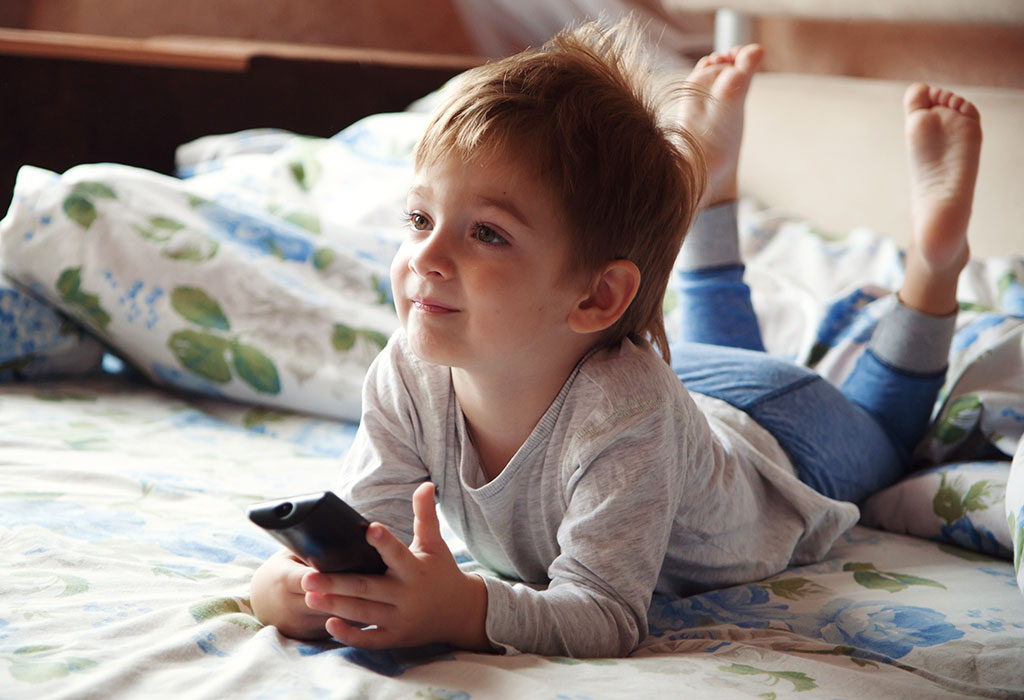
Impact of Television (TV) on Children – Positive and Negative Effects
Television is an important part of every child’s life. From witnessing the magic of superheroes to tuning into horror weekends, children go through an immersive experience through television and live in the bubble of their own world. Sometimes, this bubble becomes a cause for concern, depending on the types of shows being watched.
Television builds character and personality and even has the power to change attitudes and perspectives towards life. Taking extra care will ensure that your child enjoys TV shows without being exposed to the ill-effects of watching TV.
Video: Positive and Negative Effects of Television on Children
What Role Does Television Play in a Child’s Life?
If your child is watching crime dramas or horror flicks and has nightmares during bedtime, then you can be sure that something is wrong with his television habits. A considerable portion of children’s time is spent in front of the TV, and it definitely shapes their personality and attitude. The right kind of television programs imbue social and environmental awareness in kids and even promote social, emotional, and cognitive development holistically. Ensuring a healthy balance of TV time and play/study is important to their development since you don’t want them to turn into couch potatoes and skip healthy social and physical activities.
Positive Effects of Television on Kids
Some of the many advantages of television for children are:
1. Entertainment
From Sesame Street to Dora the Explorer and Arthur, kids’ entertainment shows teach children a plethora of skills ranging from handling emotional trauma, interacting with peers, navigating through tough situations, and stimulating their imaginations through interactive quizzes and thinking patterns. Entertainment shows keep your kids engaged, teach them new skills, and let them have fun – all in one package!
2. Education
Educational shows inspire kids to take action and engage in productive behaviours. If your child doesn’t like traditional teaching methods, then educational programs can be a great way to make him learn while having fun. Educational channels like Wild Kratts, Sid the Science Kid, Hanya Kamu, and Mickey Mouse Clubhouse teach kids problem-solving and provide them with a strong foundation in mental math and analytic thinking.
3. Sports
Watching sports shows such as football, cricket, and volleyball can be a great way to generate interest in outdoor activities. Sports shows encourage kids to be active and healthy, thus enabling them to engage in physical behaviours which, down the line, bring emotional and physical well-being.
4. Culture Fever
Does your kid enjoy exploring and travelling? Introduce them to the wonders of the world through travel and cultural shows. Learning about other cultures will enhance social learning and development skills, encouraging your child to become a holistic thinker and interact with international peers in a friendly fashion.
5. Creativity
From cooking, baking, arts and crafts to music and theatre, creativity is the cornerstone of TV shows. Art channels and shows involving music composing, drawing, and painting stimulate the mind and encourage children to answer their inner calling.
6. Improved Academic Performance
When TV is consumed in a responsible way, emotional and mental well-being follows. This leads to improved academic performance. According to researchers, children who watch informative and educational shows have been proven to outperform peers on multiple standardized tests and even perform at peak levels through middle and high school.
7. Healthy Stress Relief
TV shows provide a healthy emotional outlet for kids who go through stress in school or outdoor environments. A healthy dose of TV can do wonders for a child’s mood and emotional problems and protect him from emotional stress which can impact him negatively.
8. Learn About Technology and Latest Trends
With wide access to an ocean of content on TV, children pick up tools and techniques related to using the latest technologies and stay up-to-date with social trends. Kids become more knowledgeable and achieve informational enlightenment through the TV.
9. Language and Emotional Skills
If your child is learning a new language or mimicking speech patterns, you can assist him to understand vocabulary and sentence formation nuances through language programs and movies. Further, positive TV shows reinforce healthy emotional behaviours and teach kids social skills that are crucial to their success.
10. Keeps Them Engaged
If your child is constantly jumping around the house and can’t keep quiet for a single minute, letting him watch TV to relieve boredom is a creative solution. This will keep him engaged without harming his cognitive development. However, you will need to ensure that this is practised only occasionally and does not become a habit.
11. Encourages Social Participation
Kids who watch characters perform productively and being their best on TV try to mimic those behaviours in real life. This applies to competitive tasks and events as well. For example, if their favourite TV character is performing well in exams and participates in sports and social events, your kids will mimic those behaviours as well, thus helping with their development.
12. Develops Personality and Fosters Independent Thinking
TV shows foster independent thinking skills and teach kids to think outside the box. These skills are vital in a world that puts focus on creativity and thinking from different perspectives.
13. Inspiration
TV shows can inspire kids and encourage them to try new things. For example, a TV program about creativity show can inspire your child to try something new with clay, paints, or paper.
Negative Effects of Television on Kids
Some of the many disadvantages of television for children are:
1. Steals Time
Children who spend too much time in front of the television may miss out on life’s opportunities. If your child is spending too much time watching TV, he may lose precious time which could have been spent on more productive tasks like mingling with friends, working on homework, playing outside and other similar activities.
2. Lack of Language and Social Skills
This might seem contradictory to the positive effects of TV mentioned earlier, but it applies mainly to children under the age of two years. Babies’ brains are in the developmental stages before the age of two. This is when the brain rewires and fosters social and emotional learning. The TV does not smile, speak, or interact with your child psychologically on a personal level. This affects the child’s mental state since he is vulnerable at this point in life. Even in later years, spending too much time watching TV can limit your child’s social interaction, thus affecting language and social skills in the long run.
3. Kills Creativity and Imagination
If your child spends too much time on TV instead of going outside and exploring the real world, he will not be able to develop a strong imagination. Since ideas are presented in front of the screen, children who watch TV excessively cannot stimulate their minds or come up with fresh ideas on their own, thus passively consuming and not actively creating.
4. Lack of Focus
Kids who spend more than 2 to 3 hours in front of the screen on a daily basis often suffer from a lack of focus in classroom environments. Such kids may also have a greater likelihood of being diagnosed with ADHD (Attention-Deficit Hyper Activity Disorder). This lack of focus and low attention span bleeds into other domains besides academics, such as sports. The child may be unwilling to participate in creative and mentally calming activities like crafts as well.
5. Unproductive
Productivity is all about reaching new heights in life. If your child is constantly watching TV and not achieving milestones in their academic, social, or emotional lives, all that time spent in front of the screen is simply time wasted.
6. Obesity
Kids who watch too much TV are at the risk of developing obesity and other health disorders. It’s not uncommon to find young kids transitioning into teenage couch potatoes during their high school when they watch TV excessively.
7. Heart and Eye Health Risks
Kids who watch too much TV are at the risk of developing lazy eye syndrome. In this condition, the child experiences blurry or reduced vision that is not correctable by glasses or lenses. TV addiction also promotes a lack of exercise and a sedentary lifestyle, both of which impact the heart and the brain. This can eventually lead to cardiovascular problems and narrow arteries.
8. Negative Behaviour
According to research, watching too much TV can alter the brain structure and promote negative behaviour – especially violence and aggression. Kids who watch shows containing content inappropriate for minors are at a higher risk of this problem.
9. Affects Self-Image
TV shows exaggerate reality and provide a distorted view of the world. Shows that reveal picture-perfect lives and too-good-to-be-true scenarios may make kids feel inadequate.
10. Emotional Changes
Kids who are exposed to shows highlighting sex, drugs, and alcohol abuse are vulnerable to emotional changes. Since they are too young to understand many of these issues, they may get an altered view of reality and be influenced psychologically.
11. Poor Academic Performance
Spending a lot of time watching TV may result in a lack of participation in other activities. Kids sometimes skip school and homework because of TV, and this adversely affects their academic performance.
12. Causes Learning Problems
Learning problems due to excess TV time range from passive listening and underdeveloped listening skills to a lack of fine motor and creative skills. This occurs when kids do not engage in physically and mentally stimulating activities. Kids who develop ADHD by watching too much TV lack the ability to concentrate and focus during studies.
13. Unhealthy Eating Habits
While watching TV, there is a sense of natural desire to munch on something, and often, these happen to be junk food items like chips or sodas, resulting in bad eating habits in future.
What Can Parents Do to Protect Their Child From the Bad Effects of Television?
Parents can:
Limit the number of hours their child spends in front of the TV.
Ensure that their child is watching quality TV shows as opposed to inappropriate ones.
Watch TV with their child so that they are sure that the content being consumed is informational, educational, and interactive. This can also foster a bond between the parent and child.
Keep the TV set away from the bedroom and turn off the TV at the end of the show.
Help develop a healthy relationship between TV time and complete tasks.
Try not to make the rules too strict, as that can develop a negative relationship between the child and TV.
Should Babies and Toddlers Watch TV?
It is recommended that babies and toddlers below the age of two years avoid watching TV since their brains are developing and vulnerable. They are learning a lot of emotional and social skills, so this is the time to interact with them, care for their emotional needs, and encourage them to read, write, and draw. A major chunk of cognitive development occurs during this stage, which is why it is best that the TV is kept away from babies and toddlers younger than two years.
FAQs
1. How Does Television Influence Children’s Attitudes Towards Gender Roles?
TV shows can hugely influence children’s understanding of gender roles, as what they watch shapes their beliefs. For example, if they see a man as a doctor and a woman as a nurse, they may take it as that only males can be doctors and only females can be nurses.
2. What Are Some Ways Television Can Be Used to Facilitate Social Interaction in Kids?
If you want to facilitate social interaction in kids via TV, you and other family members should watch it along with your child and help them understand the importance of socially interacting with each other. You all can discuss what you are watching on TV.
Watching TV is an activity best done in moderation. By ensuring that your child watches quality programmes and spends his time productively, you will ensure his proper growth and development. Watching TV is a daily part of life, and if integrated with care, your child can end up learning from it!
Also Read:
Tricks To Break TV, Computer and Phone Addiction in Kids
Kid-Friendly TV Channels That Parents Should Know About
Side Effects of Watching TV While Eating on You & Your Child
Read more

How to Keep Your Bathroom Safe for Your Child
For children, bathrooms are meant to be fun places to enjoy a bath. Unfortunately, it has been estimated that 90 children die every year due to bathroom hazards like drowning in the bathtub- just 3 inches extra of water is enough to submerge a child. Parents sometimes are busy doing other chores or just fail to notice before it’s too late. Therefore, let’s talk about the bathroom safety of your child.
Bathroom Safety Tips for Your Child’s Protection
The following safety tips and precautions can keep your child protected in the bathroom:
1. Never Leave Your Child Alone in the Bathtub
The running water can make the tub overflow, thus seriously harming your child. Instead of letting your attention drift away, make sure you never leave your child alone in the bathroom, especially if he knows how to work the faucets.
2. Install Scald-Guards In Faucets
Death by scalding is another possibility besides drowning. To make sure the water temperature isn’t too high, don’t crank the geyser beyond 120 degree F. Additionally, install scald-guards in faucets since these monitor the temperature of the water and let you know if it’s too hot for your child.
3. Say Yes to Showers
If you’re unsure that your child is ready for the bathtub yet, try showering instead. There’s no drowning, everybody gets cleaned up, and it’s a win-win for both.
4. Drain Out Excess Water
You might have mastered the art of bathing your kids in the bathtub, but the floor isn’t as friendly once you’re done bathing your child, especially if he enjoys splashing around. Puddles of water on the floor lead to slips, falls and unexpected accidents. Make sure to mop out any remaining water and dry the floor before he gets out of the tub.
5. Use A Baby Gate
Children like to do things when adults aren’t watching, like going to the bathroom to do some splashing. Installing baby gates near toilet doors as bathroom safety are thus good for your child. That way, he can’t enter, which means less worrying for you.
6. Use Cushioned Covers on Faucets
Steel water faucets are dangerous as they have sharp edges. There’s also a risk of your baby bumping and hitting his head on hard surfaces. Cushioned covers absorb the shock and minimise injury in the bathtub.
7. Seal the Toilet Lids Shut
Babies and toddlers may slip and fall through the toilet lid while prancing around. Use a toilet lid lock or device to seal it during times you leave your child unattended.
8. Invest in High-Rise Shelves and Cabinets
Your shampoos and razor blades are like treasure hunting moments for your child. Looking at the beautiful pictures and sleek designs, he may be tempted to give those a try, or drink your cleaning products out of curiosity. You don’t want that, and the best way to prevent it is by keeping them tucked away from his reach on high wall shelves and cabinets.
9. Unplug the Electronics
Most of us have curling irons and blow dryers in our bathrooms. When you leave them plugged in and turn away for a moment, your child falls at risk of being severely injured by them. The solution is to unplug and turn off these devices whenever you’re with your child in the bathroom.
10. Pay Attention at All Times
Prevention is better than cure, and the best way to pay heed to this is by constantly keeping a watch. Make sure there are no choking hazards in the bathtub, and teach your child against gulping soapy water when bathing.
Additional Bath Time Safety Tips for Infants and Kids
For your child’s benefit, here are some additional bath time safety tips:
Keep cosmetics, soaps, shampoos, and medicines out of reach. Install safety locks in cabinets as extra measures.
Ask an electrician to set up ground-fault circuit interrupters for shutting down electrical appliances in an instant when they fall into the bathtub, in order to prevent injuries.
Don’t keep the water level beyond 2 to 3 inches for babies and young toddlers in the tub.
Use a kitchen sink to bathe your infant instead of a bathtub for additional safety.
Hold your baby and provide physical support while bathing to prevent slips/falls.
Baby proof the floor and cabinets, always.
Do not ever leave your baby alone in the bathroom.
Set up the bathroom doors in a way they can be unlocked from outside in case your child locks himself in.
How to Prevent Your Child from Drowning in the Bathtub?
Never leave your child beyond your arm’s reach before, during, and after bathing as a rule of thumb. Also, never leave them alone while bathing.
Following these suggestion will help keep your child safe. As a parent, remember to watch him like a hawk during bath times since anything could go wrong in an instant.
Also Read: Safety Rules at School for Young Kids
Read more
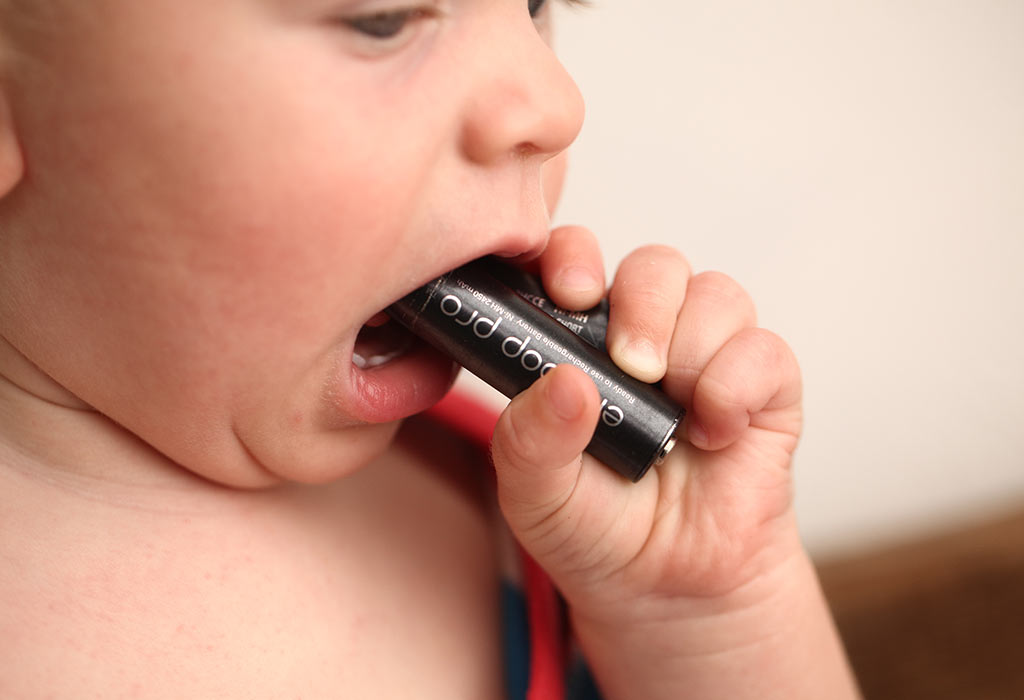
Baby Chewed or Swallowed Battery? – What You Can Do
Children who are in the teething phase are curious creatures who cannot differentiate between right and wrong, toxic and non-toxic. With that said, chewing on a battery accidentally can have hazardous or life-threatening implications. Here’s what you need to know about what to do if your kid ends up chewing or swallowing a battery.
How Dangerous is Chewing or Swallowing Batteries for Your Baby?
Chewing or swallowing a battery is extremely dangerous! Here are some of the possible implications your baby may face if she does that-
1. Internal Bleeding
Batteries contain chemicals like zinc, mercury and lithium which are harmful to the human body when ingested. These may cause internal bleeding and damage the organs.
2. Ruptures the Food Pipe
If the battery gets stuck in the food pipe when swallowed up, the pressure exerted leads to damage or rupture of the food pipe.
Why Do Children Chew or Swallow on Batteries?
Children chew on or swallow batteries because it’s human nature. Children are curious by nature. They’re at an age where they can’t label their surroundings or understand the differences between what’s toxic or non-toxic. A piece of glass, metal, plastic, or food lying around – all these look the same to them. And when they are in the teething phase, the urge to chew becomes simply irresistible.
How to know if your child swallowed a battery? Just read our list of signs and symptoms below.
How to Tell If Your Baby Has Ingested a Battery?
If your baby has swallowed a battery, these are the symptoms and signs you need to watch out for:
Pain in the abdomen
Vomiting
Gagging
Drooling often and frequently
Stools that look dark and bloody
Difficulty breathing
Choking
Sore throat
Fever
What Can Parents Do If Their Baby Has Swallowed a Battery?
If your baby has swallowed a battery, here’s what you can do.
Give her honey. The nutrients in honey have the ability to neutralize the effects of harsh chemicals leaked out by the batteries. Honey works as a protective barrier and may neutralize the damage caused to your child’s internal organs. If she has swallowed a battery, you can feed her a spoonful of honey every five to ten minutes. Keep doing this until you get her to the hospital for emergency medical attention.
If your child has swallowed a battery, remember that you have just two hours to act before the chemicals in them cause serious damage. Take her to the hospital immediately and don’t delay.
If you’ve got any batteries lying around the house, keep them away somewhere, preferably where your child cannot reach them. If there any toys that use batteries, remove those from them.
Discard any old batteries from your home. Those are just as dangerous as the new ones and lithium battery child death does happen.
Diagnosis and Treatment
Here’s what you need to do if your child has swallowed a watch battery or any other kind.
1. Take Her to the Hospital
Don’t delay it because, like we mentioned before, you have a two-hour window before things turn worse.
2. Get an X-ray Done
A chest and abdominal X-ray are most preferred. This will reveal whether the battery is lodged somewhere and let you know the extent of the damage.
3. Your Child May be Hospitalized for a While
If the damage is already underway, doctors may advise hospitalizing your child for at least two to three days. This will be the time needed for treatment to prevent further perforation or rupture to the organs from those chemicals.
4. For Cases of Lodging
If the battery is stuck in your child’s food pipe, then doctors will try to surgically remove it via instrumentation endoscopy. In this case, your child will be administered anaesthesia and taken to the operating room.
5. Oral Medications
Your child will also be given oral medications to clear up the lining and the dosage/type will depend on the doctor’s advice or prescription.
Other Important Tips and Guidelines
Here are some important tips and guidelines with regard to safety, prevention, and other aspects.
The battery has to be removed as soon as it is ingested. The size of the battery and the symptoms your baby shows aren’t reliable indicators for making out where it’s lodged. That’s why immediate medical attention and imaging are needed.
If your child is under 12 years old, seek immediate medical treatment. This is because her organs are developing and still very sensitive to the chemicals in these batteries. That also means she’s way more susceptible to damage from the electrochemical composition of these batteries.
When buying toys, check if the battery compartment is required to be opened using a screwdriver. If the compartment is loose or can be easily removed with fingers, it’s not a toy worth buying for your child.
The best step towards prevention is to remove all batteries from your child’s reach. Don’t keep any batteries in the house or in places where your child can access them.
If you have to keep batteries in the house, lock them away in shelves or cabinets which are at a height.
If you don’t have honey lying in the house for feeding to your kid after she has ingested a button battery, try using lemon juice. It has alkalizing properties and works just as well.
Saving your child is not too late after she’s ingested a button battery. Take her to the hospital and do the best you can using our preventive and safety measures. You might just make it in time and save your child’s life.
Also Read:
How to Stop Your Baby From Putting Everything in His Mouth
Ways to Keep Your Baby Safe and Protected
Tips to Buy Safe Toys for Babies
Read more
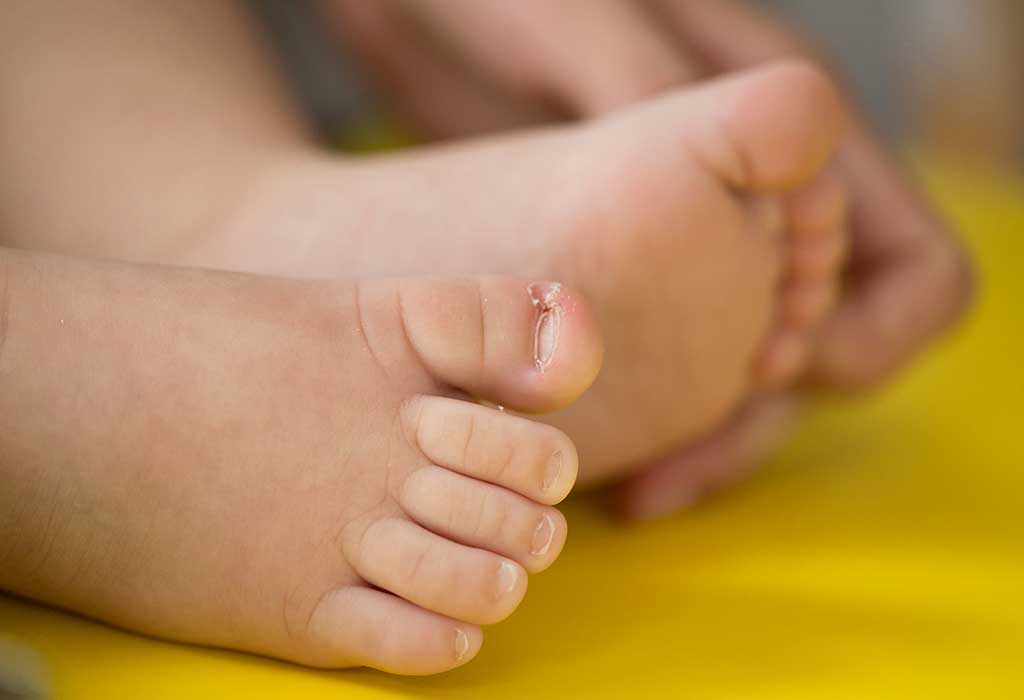
Ingrown Toenail in Children – Causes, Symptoms & Remedies
If your child’s toe looks all red and swollen, it may be because of an ingrown toenail. Ingrown toenails commonly occur in children. If your child is wearing a pair of tight socks and tight shoes, then he may have ingrown toenails.
In some cases, it is an inherited tendency. Sometimes, an ingrown toenail can cut through the skin and may lead to various infections. Certain home remedies can prove beneficial in fixing the disorder, provided you take action fast.
What is Ingrown Toenail?
An ingrown toenail happens when a toenail grows abnormally or when the corner or edge of the toenail starts curving inwards into toe’s soft skin which can trigger pain and infection due to all the bacteria that typically dwells around in and around the feet. The toe may appear red, swollen, and tender particularly around one of its corners, generally the big toe.
Causes of Ingrown Toenail in Children
Some of the causes of ingrown toenails in children include:
1. Cutting Nails Inappropriately
The most common cause of ingrown toenail is trimming nails too short. When a nail is cut too short, the surrounding skin may cover the ends of the nail, as a result, the nail may grow back in the skin. Nails which are torn instead of cut may also become ingrown as they lack defined corners. Further nails that may have been cut in a rounded form than straight across can become a reason for them to break into the soft toe skin.
2. Ill-fitting Shoes
Tight shoes are another probable cause of an ingrown toenail. If your child’s feet are growing fast and he wears the same old shoes, then he may have an ingrown toenail. A pair of ill-fitting shoes can thrust the soft skin on the corners of the nail to move over the nail, driving the nail to develop into it.
3. Toe Injuries
If your child keeps stubbing his toes frequently, then he may have ingrown toenails. Also, if a baby or toddler loses his toe due to some injury, the new nail may grow unhealthily than a prevailing one.
4. Stress on the Toe
Stressing the toe by kicking a football over and over can even result in ingrown toenails. Children who indulge in plenty of physical sports have higher chances of developing ingrown toenails because of persistent torment to the toes.
5. Heredity
If your child has ingrown toenails without any possible reason, then it may be because of heredity. Some people are born with oddly curved nails which place them at an increased risk of developing this illness often.
Symptoms of Ingrown Toenails
Common symptoms of ingrown toenails are mentioned below.
A painful toe
Swelling around the affected area
Redness around the edge of the nail
Pus formation or liquid discharge
Foul odour
A warm sensation
Home Remedies for Ingrown Toenails
If your child’s toenail is not infected, you can treat it with home remedies. You can try the following remedies for ingrown toenails:
Soak your child’s affected foot in warm, soapy water to reduce swelling and pain. Let him immerse his foot in this solution twice a day for about 20 minutes.
While the affected foot is in the water, massage the inflamed portion of the cuticle lightly away from the nail.
Apply an antibiotic ointment on the affected area to provide relief from inflammation and to prevent infection. Do this 2 to 3 times daily for a week.
You can dip a cotton bud in olive oil and use it to propel the skin gently away from the ingrown nail.
Tips to Prevent Ingrown Toenails in Your Child
Some useful tips to help avert the problem of ingrown toenails in children are given below.
Check your kid’s toenails from time to time like after baths to be able to detect any signs of an ingrown toenail.
Make sure you trim your child’s toenails properly; they should be in straight line and not too short.
Ensure that your child wears a pair of shoes that fit him perfectly. Also, take note of the shoe width along with the correct length.
Educate your child about how to maintain good foot hygiene. Ask him to keep his feet dry. Changing socks frequently is essential if your kid’s feet are prone to excessive sweating.
Refrain from digging out the nail or ripping it out as it can heighten the incidence of ingrown toenails.
When to Consult a Doctor
If you have tried the above remedies but they are not working, it is time to consult a doctor. You may want to consult a paediatrician if your baby has the problem of ingrown toenails. In case your baby has ingrown toenails, look for the following signs:
Bleeding
Oozing of pus or any discharge
Bad smell
Extreme pain
Your doctor based on the condition of your child’s foot may propose a minor surgery wherein he may be required to cut off the corner of the affected nail so that the infected tissue can heal easily. The doctor may also suggest a course of antibiotics.
FAQs
Some frequently asked questions regarding ingrown toenails are given below:
1. How Long Will Ingrown Toenail Last?
It usually depends on the severity of the case. Sometimes, a child may have ingrown toenail for several weeks. However, if there is no visible infection, home remedies may exhibit a significant improvement in the condition within a few days.
2. Will the Ingrown Toenail Come Back?
If you do not take proper care of toddler ingrown toenail, your child may face this problem again. The same stimuli that may have activated an early ingrown toenail can cause the condition to return.
If your child has an ingrown toenail, he must be in excruciating pain. Unfortunately, an ingrown toenail is a common condition in kids and can make playing, running, and even putting on shoes difficult for him. This condition can linger on for weeks and may get infected if not cared for properly.
Also Read:
Bed Bug Bites on Infants and Kids
Home Remedies for Runny Nose in Infants and Children
German Measles in Babies and Children
Read more
Is Applying Nail Polish on Babies and Toddlers Safe?
When it comes to painting your baby’s or toddler’s fingernails and toenails, the allure of bright, cute nail polish can be tempting. However, ensuring their safety is paramount before you paint your child’s nails. Many traditional nail polishes contain chemicals like formaldehyde, toluene, and phthalates, which can be harmful, especially to young children who frequently put their fingers in their mouths. Look for safer alternatives such as water-based or non-toxic nail polishes explicitly labeled as safe for children. Always supervise closely when painting your baby’s nails during application, and remove polish promptly if any signs of irritation occur. Remember, safety should never be compromised, even when it comes to nail polish for babies & toddlers.
Can You Paint Your Baby’s Fingernails With Nail Polish?
While many nail polish brands use safe ingredients, being a mother, you will obviously wonder if they are safe to use on babies’ nails. The answer is both yes and no, based on what the nail polish contains. The presence of chemicals present in the nail polish can harm babies is a major concern among parents. Although there are no studies that indicate a link between nail polish and health issues such as respiratory disease or cancer, babies often put their fingers or toes in their mouths. Since it is uncertain how this type of exposure can harm a baby, it’s best to refrain from using nail polishes on him. However, there are some manufacturers who make water-based nail polishes free from harmful chemicals. Those can be tried occasionally for painting your baby’s nails.
When Can You Paint Your Baby and Toddler’s Toenails?
When can I paint my babies toes? This is a question that often comes up. Painting your baby or toddler’s toenails can generally be considered safe once they are a bit older and more coordinated, typically around the age of 2 or 3 years old. At this age, they are less likely to put their toes in their mouths frequently, reducing the risk of ingestion of potentially harmful chemicals from nail polish.
Nail Polish Chemicals That Might Be Toxic for Your Baby
Nail polish makers have banned three common ingredients that were once common. Here are the some chemicals that you need to look out for:
1. Toluene
According to the Agency for Toxic Substances and Disease Registry, Toluene is a commonly used solvent in paint thinners, cleaning solutions, household products, and some fragrances. It is used in some nail polish brands as a solvent and stabiliser (1). It is known to irritate the skin, and inhaling toluene vapours is dangerous to the respiratory and nervous system. Low levels of exposure to toluene induce symptoms such as dizziness and headaches. It is also known to be harmful to unborn children and has been associated with congenital disabilities.
2. Dibutyl Phthalate (DBP)
DBP is a clear, almost odourless liquid added to nail polish as an emulsifying agent (2). It ensures the nail polish has a smooth consistency and doesn’t clump and turn brittle. It is called a reproductive toxin as it is known to cause congenital disabilities in babies. DBP is banned in Europe and other parts of the world as it is known to increases the risk of certain types of cancer. It is also banned in children’s toys. However, some cheap cosmetic brands might still use this substance.
3. Formaldehyde
Formaldehyde is used as a preservative and in many industrial applications. In nail polish, it is used as a hardening agent that helps in the drying process without flaking. The American Cancer Society states that Formaldehyde is a known human carcinogen; long-term use increases the risk of cancer (3). It is known to irritate the eyes and the respiratory tract when inhaled. Your baby would inhale formaldehyde the entire time you apply the nail polish and afterwards as it dries.
4. Formaldehyde Resin
Formaldehyde resin is used as a drying and hardening agent in nail polish. This substance is just as dangerous as formaldehyde and is known to cause cancer.
5. Camphor
Camphor is a chemical used to help maintain the nail polish and prevent it from chipping. The first indications of camphor’s effects on its body are yellowing of the nails. With higher levels of exposure, it can affect the nervous system and cause disorientation and seizures (4).
6. Ethyl Tosylamide
Ethyl tosylamide is commonly used in nail polish as a plasticizer and film-forming agent. It has been associated with concerns regarding antibiotic resistance and potential hormone disruption, although more research is needed to fully understand its effects on human health.
7. Triphenyl Phosphate (TPHP)
TPHP is used in nail polish to improve flexibility and durability. According to a study conducted by the Royal Society of Chemistry, TPHP has been linked to endocrine disruption and may interfere with hormone regulation in the body (5). Exposure to TPHP has also raised concerns about potential reproductive and developmental toxicity.
How to Paint Your Baby’s or Toddler’s Nails?
Painting your baby’s or toddler’s nails can be a fun and adorable way to add a touch of color. However, it’s essential to proceed with caution to ensure their safety and well-being. By following these steps, you can safely paint your baby’s or toddler’s nails without compromising their health and comfort.
1. Choose Safe Nail Polish
Look for water-based or non-toxic nail polishes specifically designed for children. These products are free from harmful chemicals such as toluene, formaldehyde, dibutyl phthalate (DBP), and other potentially toxic substances. Non-toxic polishes are gentler on delicate nails and skin, reducing the risk of allergic reactions or irritations.
2. Ensure Adequate Ventilation
Select a well-ventilated area to minimize exposure to fumes from the nail polish. Babies and toddlers may be more sensitive to strong odors, so adequate ventilation helps in reducing their exposure to potentially harmful vapors. This precaution also enhances comfort during the painting process.
3. Be Gentle and Patient
Babies and toddlers may not have the patience to sit still for long periods. Choose quick-drying nail polishes to shorten the time your child needs to remain still. Apply the polish gently and carefully to avoid accidental spills or smudges. Consider painting their nails during a calm and relaxed moment when they are more likely to cooperate.
Dos and Don’ts While Painting Your Baby’s Nails
If you decide to paint your baby’s nails anyway, here are some things to keep in mind:
Dos
Try and fake the application of nail polish on your baby’s fingernails. Dry up the tip and fake paint it if he wishes to have some while you’re painting your nails.
Choose lighter colours or transparent ones in the beginning.
Paint your baby’s toenails rather than his fingernails since toes are harder to reach and nibble.
Do it outside, so the fumes of solvents do not linger around long enough for them to inhale it.
Remove any clothes that you want to keep clean. Take them off your baby as he is sure to rub some paint on them unknowingly.
Try and get him to stay still.
Don’ts
Do not keep any of the nail polish within your baby’s reach.
Do not paint the whole nail, paint only the edges, so it doesn’t come in contact with the skin.
Don’t let him know where you store the colours.
FAQs
1. Can babies accidentally ingest nail polish while sucking their fingers or toes?
Babies explore their surroundings with their mouths, so it’s crucial to use non-toxic nail polishes that are safe even if ingested in small amounts. However, supervision during and after application is essential to prevent ingestion of wet polish.
2. How can I remove nail polish from my baby’s nails safely?
Use non-acetone nail polish removers or gentle baby wipes to remove nail polish from your baby’s nails. Avoid harsh removers that contain acetone or other chemicals that may irritate their sensitive skin.
3. Are there any natural alternatives to traditional nail polish for babies?
Yes, some parents opt for natural and homemade safe nail polish for toddlers made from ingredients like water, flour, and natural food coloring. These options are safe and can be a fun DIY project.
4. What should I do if my baby develops a reaction to nail polish?
If your baby shows signs of irritation or an allergic reaction after applying nail polish, immediately remove the polish and wash their hands or feet thoroughly with mild soap and water. Consult a pediatrician if symptoms persist or worsen.
This was all about painting baby and toddler nails. If you must paint your baby’s nails, search for safe colours that are suitable for children. Better yet, check with a family doctor if you should paint your baby’s fingernails or toenails. If they say yes, you can go ahead with it. However, don’t make it a habit of painting your baby’s nails!
References/Resources:
1. Toxicological Profile for Toluene; Agency for Toxic Substances and Disease Registry; https://wwwn.cdc.gov/TSP/ToxProfiles/ToxProfiles.aspx?id=161&tid=29
2. Dibutyl Phthalate; PubChem; National Library of Medicine; https://pubchem.ncbi.nlm.nih.gov/compound/Dibutyl-phthalate
3. Formaldehyde and Cancer Risk; American Cancer Society; https://www.cancer.org/cancer/risk-prevention/chemicals/formaldehyde.html
4. Narayan. S, Singh. N; Camphor poisoning—An unusual cause of seizure (Medical Journal Armed Forces India); National Library of Medicine; https://www.ncbi.nlm.nih.gov/pmc/articles/PMC3862467/; May 2012
5. Bui. T, Aasa. J, Abass. K, et. al.; Applying a modified systematic review and integrated assessment framework (SYRINA) – a case study on triphenyl phosphate; Royal Society of Chemistry; https://pubs.rsc.org/en/content/articlehtml/2024/em/d3em00353a; December 2023
6. A look at the effects of nail polish on nail health and safety; Harvard Health Publishing; https://www.health.harvard.edu/blog/a-look-at-the-effects-of-nail-polish-on-nail-health-and-safety-2019112118231
7. Nail Care Products; U.S. Food & Drug Administration; https://fda.gov/cosmetics/cosmetic-products/nail-care-products
Also Read:
Apple Cider Vinegar for Babies and Kids
Is Anaesthesia Safe for Babies and Toddlers?
Is It Safe to Use Nasal Sprays for Babies and Kids?
Is Using Fluoride Toothpaste Safe for Babies, Toddlers & Kids?
Read more

Door and Hinges: Safety Measures for Your Toddler
Taking care of an active toddler can be very challenging. More activities mean more vulnerability. Getting hurt from doors and hinges can be dangerous and can even cause permanent damage sometimes. Thus, it is vital for parents to take certain safety measures.
Toddlers are more prone to getting their fingers jammed in doors or hinges, as they are always exploring and do not understand what things have the potential to hurt them. A severe accident could get a child’s finger fractured, crushed or even completely amputated. Children from 1 year to 2 years of age are more prone to these accidents due to their minimal knowledge and excessive curiosity. Older children are a bit more careful and can be easily asked to stay away from harm’s way. However, to be on the safer side, when there is a toddler in the house, parents should take certain safety measures.
Preventive Measures for Child’s Safety from Door & Hinges
Finger protection strips are an ideal preventive measure for your active baby. Children are mostly injured by the hinge side of the door rather than the handle side of it. These strips don’t spoil the beauty of your home and can be easily installed. They also don’t alter the functioning of doors. You can also advise the organisers of your child’s day care center, preschool or classroom to have these on their doors. Finger protection strips are available in two sizes – small ones which are 200 mm wide, for doors that open 90 degrees, and large ones which are 250 mm wide, for doors that open 180 degrees.
2. Before you close doors, make sure that your child’s fingers are nowhere near. These include regular doors and even car doors.
3. Children often have a habit of keeping their hands on car windows. Before you close them, make sure your child’s fingers aren’t placed there. Also, ask your child to not to play with the doors or slam them.
4. Teach your child to keep his fingers away from the hinge sides of the doors.
5. Door guards are good for your kid’s protection.
6. Attach door stoppers and make sure to use them. This prevents doors from slamming all of a sudden.
7. You could place a hook-and-eye latch on your door. This prevents them from slamming suddenly as well.
8. Drape a thick cloth on top of doors so that they can never close without your assistance.
Taking these precautions can help a great deal in keeping your child from getting injured. Make arrangements for his safety beforehand and let him happily enjoy exploring the house and other surroundings.
Read more
When To Take Your Child to the Doctor? 13 Signs Parents Should Not Ignore
Parents are among the most careful of all people. After all, we have the responsibility of another human being and do our best to ensure their health and well-being. The decisions we take when our child is ill or has had an accident can affect their whole future. So, are you sure you are making the right health choices as a parent?
In day-to-day life, despite our best precautions, children can suffer from numerous health problems such as accidents, infections and other diseases. Should these conditions be evaluated by the paediatrician or can they be treated at home?
Treat at Home or Go To Hospital? Survey Finds Parents Are ‘Not Sure’
A survey was recently conducted by the C.S. Mott Children’s Hospital among parents with at least one child aged between 0 and five years old. They were given different scenarios and asked if they were confident they’d able to deal with it, in case it happened to their child. They were also asked what actions they would take in the situation.
The survey had an unnerving finding: many parents are unsure what to do, and thus unintentionally put their children at health risks!
This means, many of us misjudge when to use a home remedy and when to take the child to the hospital. In India, there is a common tendency to administer home remedies or Ayurvedic treatments and avoid consulting a doctor. However, it is crucial that we know when to self-medicate and when to choose expert help.
Gary Freed, co-director of the survey, says:
“When young children experience urgent medical situations, parents have to make decisions about whether to administer first aid at home, call for advice or seek emergency care. Determining what is, in fact, an emergency can be a confusing and nerve-wracking experience for parents who want to make the right decision”.
CHECK: Quick Guide on When to Go to The Emergency Room for Your Child
Common Health Mistakes Many Parents Make
As per the survey, here are some of the common and alarming mistakes many parents unknowingly make, when it comes to their child’s health:
Taking a choking child to the hospital without giving immediate medical attention
A large number of parents (over 28%) said they would call for medical help in case their child choked. This can be dangerous as doctors recommend immediate medical attention for a choking child through first aid. Delaying this due to a trip to hospital can be very risky.
Taking a poisoned child to the hospital but forgetting to carry a sample of the source
Accidental poisoning is common in children as they are very curious by nature and may swallow something harmful. The survey found that many parents rush their child to the hospital in case of poisoning, but forget to take a sample of the substance that caused it. This leads to delay in diagnosis and treatment.
Not being able to administer basic first aid
The survey also found that a large number of parents lack first aid training. These parents also feel less confident in making urgent decisions regarding their child’s health.
Situations That Can Be Treated At Home Through First Aid
As a rule of thumb, the following situations can be treated at home through first aid and home remedies, without the need to visit the doctor:
Insect bites that don’t trigger symptoms such as dizziness, breathing problems, or a swollen tongue
Small cuts and scrapes
Simple fall that doesn’t have any symptoms such as breathing problem, change in skin colour or vomiting
Refer to our guide on first aid for baby to double-check the best methods to treat the above conditions.
Situations When Your Child Needs Expert Medical Care
When to See the Paediatrician
If your child shows any of the following symptoms, it is recommended to visit the paediatrician:
Stomach problems such as diarrhoea
Cold, cough and sore throat
Earaches or infections
Skin problems
Injuries such as bumps, sprains, etc.
When to Call for Emergency Care
As per doctors, parents must call for emergency care in case of the following situations, without delay:
Choking
Severe breathing difficulty
Head injury leading to unconsciousness
Injury to neck or spine
Bleeding that won’t stop
Seizure that lasts longer than 5 minutes
Severe burn
Severe allergic reaction leading to swelling, vomiting, changed behaviour, etc.
Children don’t have a strong immunity or ability to fight off diseases like adults can. It is best to be on our guard, and understand when the child needs expert help, so we can avoid any unforeseen circumstances.
If you have any further questions about when to see the doctor for your child, please ask them in the comments below. We will get them answered by our in-house experts.
Read more
Do You Use Homeopathy to Treat Your Child? This Will SHOCK You!
The (almost) unanimous opinion that experts hold is that homeopathy – an ancient for of alternative medicine – “runs counter to basic principles of chemistry, biology, and physics.”
Homeopathy has been in India since over two centuries times. It is one of the most common forms of medicine used to treat young children and babies. After we, as mothers, have exhausted all ancient wisdom of the family to try and treat our ill child, and tried all of dadi and nani’s home-remedies, we often turn to homeopathy for children instead of allopathy. But is this really a good idea? Is it safe and effective? A recent development in the U.S. has a counterview on homeopathy that threatens to change everything. If you have ever used homeopathy for your little one, or are planning to, please keep this important development in mind.
The (almost) unanimous opinion that many experts hold is that Homeopathy – an ancient form of alternative medicine – “runs counter to basic principles of chemistry, biology, and physics.” Indeed, it is often the choice of treatment suggested even by doctors and paediatricians, because babies and young children are too young to be administered allopathy medicines that have chemicals. From experience, many mothers report that while homeopathic medicines may not show instant results like allopathic medicines, they do have definite, long-term results with zero side effects.
However, the U.S. disagrees.
The Federal Trade Commission (FTC) – an independent agency of the USA Government – has said that all manufacturers of homeopathic medicines should label their products to clearly state that ‘They Do Not Work’!
Why is the U.S.A Saying That Homeopathy “Doesn’t Work”?
Homeopathy has, in fact, a very large market in the US. Each year, Americans spend billions of dollars on homeopathic products.
Why, then, does the US government want to say ‘homeopathy doesn’t work’? Well, there are several reasons. Here are a few important statements made in the notice that was issued by the FTC:
The claims of homeopathic products are not based on modern scientific methods and are not accepted by modern medical experts.
Whatever ‘evidence’ or ‘proof’ of working of homeopathy has been submitted, has been largely regarded as incorrect. In fact, even the validity of the clinical trials that were conducted to support homeopathy are being questioned. It is the general opinion of modern doctors and scientists that these results are only a matter of coincidence, wrong research methods, and a bias that homeopathy enjoys among its followers and believers. In fact, Nobel Laureate Venkatraman Ramakrishnan has even mentioned that homeopathy is bogus and harmful!
Many homeopathic products are diluted to such an extent that they no longer contain detectable levels of the initial substance.
In the absence of the chosen substance, how can one claim with any certainty that homeopathic products work?
Homeopathy’s central mechanism of action runs contrary to the knowledge we have about medicine and human biology.
The central doctrine on which homeopathy is based – like cures like – is absurd. German physician Samuel Hahnemann, who discovered homeopathy, believed that a substance that makes a healthy person fall ill, can also be used to cure the person. This is the central mechanism on which homeopathy works.
At the time that homeopathy was professed, we did not have the current level of knowledge and insight into the workings of chemistry, biology, and the human body. With increasing knowledge in these spheres, experts are finding that the central doctrine on which homeopathy is based is absurd. How can something that makes you fall sick, be also used to cure you (no matter how much you dilute it)?
Is This True? Does Homeopathy Really Not Work?
As much as we would like to believe otherwise, the fact is –
Yes, this is true indeed.
In fact, the US is not the only country to diss homeopathy. Australia, United Kingdom, and Switzerland too have arrived at the same conclusion over the years. There truly is no scientific evidence that can suggest homeopathy actually works. Whatever few studies have been able to produce proof of the same have been in fact called coincidences.
For a scientific discovery to be considered legit, the results of the study leading to it need to be replicable: if the same experiment were to be run again in the same lab, or in any other lab, it should produce the same results (within a statistically determined margin of error).
Most homeopathy studies fail in this context.
WATCH: Does Homeopathy Really Work?
But We Have All Seen It Work!
Indeed every mother, at least once in her life, has turned to homeopathy to treat her ill child. You might have done so too. Even if you haven’t used homeopathy or don’t believe in it, we bet you definitely know a handful of mothers who will swear by homeopathy and say it works like a charm on their children.
But we cannot ignore scientific data – or rather a lack thereof – can we? So what’s happening here?
The answer is: the placebo effect.
The placebo effect is one of the least understood phenomenen in the domain of medicine. The placebo effect is when a patient is cured of an illness in spite of being given a ‘fake’ medicine (typically, just a sugar pill, that has no active medicine in it), because the patient believed they were being given a medicine.
In short: the patient’s belief is what cures them of the illness, rather than the actual pill being prescribed to them. And many believe that is how homeopathy actually works.
So What’s the Harm in Allowing Homeopathy Products to Be Consumed as Medicine?
On first look at the matter, there seems to be no apparent harm. However, if you dig a little deeper, the implications of homeopathy being ‘prescribed as medicine’ become evident.
Believers of homeopathy at times refrain from consuming any other form of medication. This can prove to be a dangerous situation in extreme diseases like diabetes, or cancer.
Homeopathy – as a branch of ‘medicine’ – does not have the concept of vaccines. As mothers, we all know how important vaccination is.
Billions of dollars, rupees, pounds are spent each year on the manufacturing of these ‘drugs’. Considering that they are only ‘placebos’, is it just to invest (read: ‘waste’) that kind of money and resources on them?
This poses a serious health risk. In fact, American health policy expert Timothy Caulfield recently equated homeopathy to ‘believ(ing) in magic’. In fact, speculations having been running wild that modern homeopathy might actually just be a scam.
How Does This Affect Babies and Young Children?
One of the most common baby problems that are treated with homeopathy is teething problems. However, there have been several cases where the baby was administered a homeopathic product to relieve teething pain, but had to be rushed straight to the hospital.
Several babies suffered from twitching of limbs, repeated siezures; some even turned blue and died.
There are several other things that could have caused this, apart from the homeopathic product itself: maybe that particular baby was sensitive/intolerant to that particular homeopathic pill; maybe the prescribed dose was high. However, it can be safely said that: homeopathy for kids is not a failproof method of treating illness.
US Government’s Corrective Step
While it is true that homeopathy has no scientific backing, it does enjoy favourable opinion of a lot of people, and chances are that it will be impossible for any government to completely ban homeopathic products from the shelves of pharmacists and drugstores. Hence the FTC has suggested that all homeopathic products should carry a clear message that –
‘there is no scientific evidence that the product works’
‘the product’s claims are based only on theories of homeopathy from the 1700s that are not accepted by most modern medical experts’
So… What Should We Do?
It is clear from the findings of careful reviews and studies carried out by more than just one country, that homeopathy does not work. Add personal experience to that statement, and we can say: we do not know how or why homeopathy works (or does not work sometimes).
Having said that, would it still be wise to use homeopathy to treat your sick baby? One may never be entirely sure.
The manufacturing of homeopathic products is not as stringent as that of allopathic medicines. We may never know if there is a difference in the kind and quality of homeopathy medicines being produced in India and other countries (and what the exact difference is, if there at all is a difference). But it sure is a good idea to take an informed decision. Do you want to give ‘placebo effect’ a chance at curing your baby? You may. But be warned that homeopathy pills do not just ‘not work’, they have the potential to in fact work adversely on your baby.
A possible solution to this could be to first give home remedies a shot. Home remedies are passed on over several generations in the family, and they sure have a lot of merit. However, it is important to practice utmost care and caution while doing this. Even home remedies can go horribly wrong.
One solid piece of advice worth considering is: never ever prescribe any medicine without first getting it approved by your child’s pediatrician – even a seemingly harmless medicine like homeopathy pills.
Source:
https://www.independent.co.uk/news/science/homeopathy-treatments-must-be-labelled-to-say-they-do-not-work-us-government-orders-a7429776.html
https://www.scientificamerican.com/article/hundreds-of-babies-harmed-by-homeopathic-remedies-families-say/
Read more
Are We Keeping Our Kids TOO Clean? Experts Find Dirt is Actually Good For Them!
As your child grows older, he will start exploring more of the world around him and this will include getting dirty and messy – whether it be eating a piece of chocolate he dropped on the floor, or trying to chew on the dirty blanket! Consequently, most parents are quite obsessive about keeping their little one’s environment clean as far as possible. It seems like the right thing to do – but experts disagree! Is our tendency to keep kids overly clean harming them in some way?
As parents, we try our best to keep our children from getting too close to dirt and mud. It’s a reasonable habit too, especially with the rainy season spreading the flu that can harm our children’s development and possibly leave them with a weak immune system for life. However, today’s parents might be ‘oversanitizing’ their kids or keeping them ‘too clean!’
Yes! According to science, keeping your child’s environment ‘dirt-free’ might actually be hurting his immune system!
Why Is Dirt Good For Your Kids?
Chicago-based scientist Dr. Jack Gilbert who studies microbial ecosystems got a lot of advice as a new parent about how to look after his child properly. But when it came to his second child, Dr. Gilbert dug deeper to understand the risks involved in letting your child coming in contact with germs. As it turns out, we might be doing more harm than good!
He stated of his findings, “It turned out that most of the exposures were actually beneficial. So that dirty pacifier that fell on the floor — if you just stick it in your mouth and lick it, and then pop it back in little Tommy’s mouth, it’s actually going to stimulate their immune system. Their immune system’s going to become stronger because of it.”
Simply put, this means that exposure to dirt helps boost the immune system of children and protects them against diseases as they grow up!
What Will Happen If Your Child Gets No Exposure to Dirt/Germs?
With the understanding that microbes and germs cause diseases that can be fatal, humans have successfully helped their children live and thrive by keeping them in a germ – free environment. This includes removing unpasteurized milk from children’s diet, sanitizing a pregnant woman’s environment, etc. Today, most kids grow up indoors with a controlled environment that is sanitized to extreme limits, and this keeps the exposure of your child to different germs at bay.
Adding to that, modern human practices which include C-sections (as the baby is not exposed to the ‘good’ bacteria in the birth canal), bottle-feeding babies and sleeping far away from the mother have also reduced exposure to good bacteria that your child needs. And while these measures have greatly reduced infant and child mortality rate, they have also increased some risks:
1. More Risk of Immune-System-Based Diseases
Just as stimulating your baby’s brain helps in cognitive development, your baby’s immune system too needs to be exposed to everyday germs so that it learns to adapt and regulate itself. No exposure to dirt/germs consequently results in improper development of your child’s immune system and puts them at the risk of developing immune-system-based diseases. In fact, certain antimicrobial products and cleaning products contain ingredients that can inadvertently set off a reaction that can result in the body developing immune-system-based diseases like:
Asthma and lung problems: Caused mostly by lung damaging compounds in cleaning products
Allergies: the preservative Methylisothiazolinone (MI), used in baby wipes and other toilet/feminine products is actually an allergen
Dr. Gilbert adds: “In the past, we would have eaten a lot more fermented foods, which contain bacteria. We would have allowed our children to be exposed to animals and plants and soil on a much more regular basis. Now we live indoors. We sterilize our surfaces. Their immune systems then become hyper-sensitized.”
2. More Risk of Allergies and Asthma in Children
In addition to the risk of immune-based diseases, we are also increasing the risk of allergies in our kids by over-sanitising them and their surroundings.
3. More Risk of Iron Deficiency
Breast milk lacks high levels of iron to protect the baby’s digestive system since pathogens like E.Coli need iron to thrive. However, once your baby is 6 months old he spends a good amount of time on ground interacting with dirt which is good source of iron and other minerals. If you keep your baby away from dirt, it can result in increased risk of iron deficiency in your baby
Watch the video: “Let Them Eat Dirt – Saving Your Child from an Oversanitized World” to know more.
[youtube https://www.youtube.com/watch?v=bDqMp7Pt3kk]
So What Exactly Should You Be Doing?
So, what should you allow your child to do to ensure his immune system develops properly? After all, you can’t let your kid be exposed to infection-causing bacteria!
The key is to find balance – we’ve got some do’s and don’ts listed for you that will be of help in development of immunity as well as avoiding infection:
1. Actually Expose Your Child To Mud And Dirt
Encourage exposure to dirt by allowing your baby to crawl on the ground in your house and occasionally even outside, letting him walk barefoot in the dirt in your local park and even allow some playtime in the mud regularly. This encourages small amounts of bacteria to be picked up and get transferred to their digestive systems to strengthen their immune systems.
2. Use Hand Sanitizers In Moderation
Skip chasing your kids around with hand sanitizers and antiseptic wipes all the time. It isn’t necessary to wash and sanitize everything. While sanitizer is a substitute for hand washing, it is in no way a replacement and should only be used when necessary.
3. Opt For Antibiotics When Absolutely Necessary
Carefully consider and consult your physician about the use of antibiotics. It is not necessary to depend on them for every episode of fever and is extremely unhealthy for the immune system’s ability to fight infections in the long run. However, that doesn’t mean that you should not resort to them at all. Remember, antibiotics are a way to deal with the symptoms better not a cure for any fever or disease.
4. The ‘Five-second Rule’ Isn’t True, But It Doesn’t Mean It Is Unhealthy
The ‘five-second rule’ (where if you drop any sort of food and pick it up in 5 seconds its germ-free) doesn’t hold true. It takes just milliseconds for pathogens to attach themselves to food. However, your home is probably ‘hypersantitized’ with only everyday germs present in an effort to keep your baby’s environment germ-free. So unless you drop food in an environment you’re not sure about, it’s perfectly alright to follow the five second rule.
Additionally, picking up a pacifier off the ground and licking it before giving it to your baby, instead of washing it, is healthier. In fact, as per a recent study, children of parents who licked the pacifier instead of washing them developed lesser allergies.
5. Ensure Your Child Has a Colourful Diet!
IIt’s hard to get your kid to follow a healthy diet, but it is important to ensure a diet rich in fibre and low in sugar for your child. It supports not only your child’s immunity development, but also his overall development. A range of colourful fruits and vegetables as part of the diet will benefit your child immensely as they contain a wide range of vitamins and minerals. You can try tricks like disguising vegetables to make your kid eat them without a lot of fuss.
Additionally, certain foods like eggs and lentils are good for boosting immunity in kids, while probiotic foods like yogurt ensure that your child gets a dose of ‘good’ bacteria for better immunity.
So now that you have an idea of just how much your child needs his ‘dose’ of germs and dirt, its time you let go of the reins and let the messy fun begin!
Read more

Is Anaesthesia Safe for Babies and Toddlers?
Going in for surgery is always a scary thing for both adults and children. Especially for toddlers, even the most common surgeries are used as a last resort. If your baby needs surgery, it is natural to feel scared. You may be wondering if the anaesthesia might have any negative effect on your child. Let’s look into the details.
What Are the Risks Associated with Anaesthesia for Infants and Toddlers?
There are risks associated with anaesthesia for every single person who goes under the knife, not just toddlers. However, the anaesthesia risks for babies centre around the fear that the procedure will affect their brain development. This might make you want to put off your baby’s surgery for some more years till his brain is fully developed. You can do so if such a decision poses no harm. But if it is a highly necessary surgery, then you should get it done soon for your baby’s sake. Anaesthesia is generally considered safe, and paediatric anesthesiologists have worked hard to ensure that millions of babies are able to undergo lifesaving surgeries. Scientists do intensive research and physicians all around the world also take particular care when handling any medication for infants and toddlers.
What To Do If Your Child Requires Surgery?
The first thing you should do as a parent is to discuss all the benefits and risks associated with the particular surgery your child requires with an informed doctor. Following are the questions you should ask:
1. Ask About Timing
If your child is not in a life-threatening condition or the surgery is not an emergency, you can consider putting it off for some time till your child turns three years. Studies show that the effects of anaesthesia on a child’s brain reduce with age.
2. Discuss with the Anesthesiologist
Paediatric anaesthesiologists are particularly trained to use medications which are least harmful to the baby to avoid complications. They are also trained to administer the specific quantity of anaesthesia to the child based on her weight, age, gender and if she is under any other medication for a particular illness. If your hospital allows you, you can choose a paediatric anesthesiologist who works with children very often.
3. Stay Calm
Don’t panic. Learn to recognize that it is imperative for a child to be administered anaesthesia if he requires surgery. Anaesthesia becomes a necessity if you want your child should to undergo surgery without any pain.
How Can Paediatric Anaesthesiologist Keep Your Child Safe?
Infants and toddlers react differently to anaesthesia as compared to adults. Paediatric anaesthesiologists are specially trained to make sure that your child goes to sleep under the effects of anaesthesia and remains comfortable and safe throughout the procedure. They will keep a careful watch on your child’s breathing, oxygen levels, blood pressure, and heart rate and adjust the level of anaesthesia accordingly. They will do whatever they can to keep your child’s vitals safe and stable during the surgery.
Are There Any Sedatives Safer Than Anaesthesia for Young Children?
Research is being carried out in labs to determine if there are alternate sedatives to anaesthesia. In a study performed on animals, it was found that all sedatives used for sedation including anaesthesia have an effect on normal brain development if administered for longer periods of time. Some anaesthetics like dexmedetomidine, clonidine, and opioids were shown to not have such effects on the brain of these animals. However, these alternatives are not suitable for human surgical procedures. Scientists are currently doing their best to find new sedative options. For now, anaesthesia is the best one there is.
1. Is General Anaesthesia Safe for Babies?
For babies, the safest way to perform surgeries is under general anaesthesia. Other medications which can be used for sedation share the same side effects as general anaesthesia and these effects may change depending on the baby’s weight, age, medical history, developmental level, physical attributes and the type of surgery performed. For instance, light sedation is not suitable for toddlers and infants.
2. How Safe Is Anaesthesia for Toddlers?
If your toddler is above the age of 3, then it is generally understood that the effect of anaesthesia on his brain will be lesser. Even though anaesthesia is a lifesaver, if your toddler requires emergency surgery, the surgery can be put off if the condition to be treated is not very urgent. Also, you can explore options like drug therapy instead of surgery after due discussion with your doctor. This can offer a safe way to treat your child till he turns three when the risks associated with anaesthesia reduce.
Remember to always have a detailed discussion with your child’s doctor and the paediatric anesthesiologist before any recommended surgery for your child. Not only will your fears be put at ease, but you can also polish your knowledge and be aware of every risk, benefit and side effect associated with the procedure.
Also Read: Is Enema Safe for Your Child
Read more

5 Simple Solutions to Your Toddler’s Bedtime Problems
Got a nocturnal little one at hand? For some babies, sleeping is a huge task, for others it’s a breeze. Every child’s sleep patterns vary, but most kids suffer from one or more sleeping issues as they grow up. Are your baby’s sleeping issues keeping you up at night? Let’s put an end to your exhaustion by getting to the root of the problem.
Crying out for you, scared of the dark or bad dreams, the cause for sleep-time problems varies for different kids – which one does your darling suffer from?
If we had to broadly look for solutions to bed-time problems then there are a variety of things that can promote sound sleep in toddlers. Snuggling, reading to her, a warm bath or lullabies can help lull your baby in to a peaceful sleep. However, if the problems continue, there are ways to tackle them as suggested by experts.
Toddler Sleep Problems & Their Solutions
1. Sleep Problem: Your child takes forever to fall asleep
Reason: Frequent napping during the day or irregular sleep pattern.
Solution: Having a fixed bed-time for your child is key to forming a habit. If you already have set a pattern or routine, a disruption in that pattern can trigger this problem. Try and fill up your toddler’s morning time with activities and set nap time for after lunch, not exceeding two hours.
2. Sleep Problem: Bed-time nightmares and other fears
Reason: Toddlers have an active imagination that is constantly alert to newer things. Anything like an argument overheard or a fear inducing sight, may come back to her in the form of a nightmare.
Solution: Try and avoid books or movies with anything remotely fearful during bedtime. The best thing to do when your child is afraid is to soothe her and give her security.
3. Sleep Problem: Your child wakes up too early
Reason: Toddlers may wake up at dawn, or when any light enters the room.
Sleep Solution: Usually if a child wakes up too early, she may fall asleep again or play on her own till she gets tired again. Keeping a few toys around or a favourite stuffed animal might help occupy her when she wakes up.
4. Sleep Problem: Your baby wakes up to feed all night
Reason: Your baby probably has her schedule mixed up, eating all night but not enough in the day and napping longer in the day but not all night.
Sleep Solution: For newborns, feeding all night long is completely normal but once your baby crosses 4 months, she should ideally be feeding much more in the day and sleeping a lot longer in the night. In the case that your baby is doing the opposite, you need to gradually work on shifting the schedule by shortening her naps and feeding her more in the day. You can read more about phasing out night feeding for babies here.
5. Sleep Problem: Your baby falls asleep only when you hold her
Reason: This problem is called parent sleep association where the baby can’t sleep unless there is close contact with the parent. In most cases, the mom is the parent in question.
Sleep Solution: If the baby has a stronger association with you in particular, you could try and get your spouse to handle bedtime routines for a while. Sometimes getting someone else to put your baby to sleep can help fix this problem.
We’re sure that no matter what the bed-time issue is that your baby and you are facing, she will eventually outgrow it and learn to treasure her sleep time. The best possible solution for bed-time problems to set schedules that encourage activity during the day so that your little one is tired and sleeps soundly. The right diet will also help a great deal in ensuring that all major functions of the body, including rest, function normally.
Read more

Is Your Toddler Obsessed With Organising Things?
It’s not strange to catch a toddler lining things up based on shape, colour, or size and being consumed by that activity. Parents, especially first-timers, can see this as OCD. However, chances are your child is just learning and is completely normal.
From 12 to 13 months, toddlers tend to become obsessed with ordering, stacking, or lining things. They line their toy cars, stack their blocks on top of each other, or sort their stuffed toys from the dolls. It’s an important cognitive task that involves fine and gross motor skills, a recommended activity and even a milestone for toddlers.
How to Handle Toddlers Obsessed With Organising Things?
Toddlers can display various interests and behaviours; one common fascination is organising objects. This fascination with organising is their way of exploring the world around them. Understanding how to support and channel this behaviour positively can foster their cognitive and motor skills while encouraging their sense of creativity.
1. Why do children sort, stack, or line their toys?
Organising and sorting is a toddler’s way of processing their surroundings and learning about their environment. It is a critical cognitive task to notice the similarities and differences between objects and learn how to group them. These activities are empowering rather than debilitating. For example, a child may classify a cookie as a round shape or as food. It’s good to give your child such activities so she can learn about different categories of things. A shape-sorter is an ideal gift for toddlers to help them with these stacking and sorting activities.
2. Why do they do it repeatedly?
The constant sorting, arranging, and movement of hands may make it seem like your toddler is obsessed with organising things, but a child needs to do things with her hands before she can do the same with her brain. These activities are a sign of a very active and healthy mind. It’s completely normal and a positive experience. With these activities, a toddler learns to differentiate between different objects based on size, shape, or colour. Toddlers tend to get caught up in any new activity, and they tend to keep doing it repeatedly until they get good at it. They usually grow out of the obsessing stage by 4-5 years.
3. When should you start to worry?
When this organisational behaviour starts to interfere with other normal routine activities, then you can worry about your child having Obsessive Compulsive Disorder (OCD) (1). For example, a child with OCD will not step out of the house without having completed a complicated series of tasks, or she may need to shut the door a certain number of times. Such a child uses her organising compulsions to keep the world and the fears associated with it at bay (2). However, OCD is very rare in children. If this organising behaviour occurs with other issues, such as delayed speech, poor eye contact, or lack of bonding, it’s best to consult a medical practitioner to rule out any disorder.
FAQs
1. What are some age-appropriate organising activities for toddlers?
Depending on your child’s age and developmental stage, you can introduce various organising activities such as sorting toys by colour, arranging blocks by size, or matching socks when folding laundry. These activities engage their cognitive skills and promote fine motor development.
2. Should I intervene if my toddler’s organising activities disrupt other playtime or daily routines?
While it’s essential to encourage their interests, it’s also crucial to establish boundaries. If their organising activities interfere with other aspects of their day-to-day life or become disruptive, gently redirect them to different activities or set aside specific times for organising.
3. Will my toddler outgrow their obsession with organising things?
As toddlers grow and develop, their interests and behaviours may evolve. While they may continue to enjoy organising activities, they may also develop new interests over time. Embracing and supporting their current interests while remaining flexible to changes is key.
If you notice your toddler lines things up frequently, don’t be alarmed—it’s a common behaviour many toddlers exhibit as they explore their environment and develop their cognitive skills. It in no way signifies a problem in most cases. Stay positive and supportive of whatever your child does; soon, you’ll be able to handle this behaviour normally.
References/Resources:
1. Obsessive-Compulsive Disorder; Nemours KidsHealth; https://kidshealth.org/en/parents/ocd.html
2. What Does OCD Look Like in Kids?; Child Mind Institute; https://childmind.org/article/what-does-ocd-look-like-in-kids/
Also Read:
Toddlers Who Intentionally Move Toys
Why Toddlers Hold Objects Close To Their Face?
Toddlers Shifting Objects In and Out of Containers
Toddler Lining Up or Rearrange Toys – Is It Common?
Read more
Water Safety Measures For Children In Pools or Tubs
Most toddlers love splashing about in water. As parents, you can use this to your advantage and make them indulge in activities related to water. This will serve as a great way for them to stay physically active. However, while your kids enjoy the water activities, you need to ensure that your child is safe.
All kids love water, be it simply soaking in a bathtub, swimming in a pool or splashing water in the garden. But, every parent must ensure that their child is safe first, and only then can he be allowed to have fun. This not only lets them play uninterruptedly, but also keeps the parents satisfied. There are some safety measures that parents need to follow before exposing their children to water.
Water Safety Tips for Children
1. Stay Close
Always stay close to your child as you watch him go into water. No matter what his competency in swimming, parents should never leave their kid’s side when they are in water.
2. Supervision
You can supervise properly when you can constantly see your child and he is within your (physical) reach. You must be near enough to respond quickly. Grasp onto your child’s hand when you are near water or if you are in a boat or any other mode of transport.
3. Getting a Child Accustomed to Water
Start by slowly explaining your child about the basics of water safety. The next step would be to start helping him to swim. A lot of children start off with the basics of swimming at an early age, and learn about safety in water quickly, once they have been familiarized with swimming pools.
4. Learn CPR
As a precautionary measure, it is important that at least one of the parents should learn the technique of performing CPR (Cardiopulmonary resuscitation). It is a very efficient and life-saving first aid technique that can save a child’s or anybody’s life after a heart attack or getting nearly drowned.
Regular Water Safety Measures for Kids
Children below the age of 5 are more prone to drowning than kids of older ages. There are some safety measures which you need to apply on a regular basis:
Your child should be kept away from all the water storage containers. Make sure that your child is away from any sort of water body (without your assistance) even if it’s a bucket full of water.
Once you have bathed your baby, empty the baby bath so that your elder ones don’t jump in.
Drain off the water from tubs, sinks and buckets once you have finished using them.
If you have an aquarium or fish bowls in the house, keep it out of your child’s reach.
To minimize risk, parents should have constant supervision when their children are around water. Have fun in the water but be careful!
Read more
Choosing Safe Furniture For Toddlers
Toddlers need a lot more gear, equipment and furniture than what they used to need during infancy. So while choosing your toddler’s furniture, make sure it is safe and does not pose any threat to your little one.
Toddlers are filled with energy and the curiosity to explore the world around them. They are brimming with new ideas and thoughts and trying to understand their environment. This is why they need a lot of space to pour out their creative ideas and enjoy fun times. At this stage, you might start needing some extra furniture for your toddler so that he can learn and enjoy more. However, what you need to focus on is if it is safe for him. Furniture can be a potential danger to the kid, especially if it has pointed edges, nails or sharp ends that may hurt him.
Things to Keep in Mind while Buying Toddler Furniture
While buying toy boxes, remember not to pick ones with heavy lids. Your little one might have the strength to open it, but may not be able to hold it if it falls back. This may cause injury and thus should be avoided.
Try not to buy any folding furniture. And if you do, ensure that the latches and locks are sturdy and durable. Also check if there are any sharp edges inside.
Make sure the bolts or screws are not loose.
See if the edges are sharp and hazardous.
Do not give them access to any climbers. It increases chances of a fall.
Near the bathroom area, make sure you put non-slippery mats. Walking out of the bathroom with wet feet is dangerous not just for your kid but for you too.
Make sure the car seat for your toddler is sturdy and placed at a safe distance.
Use safety tassels and cord stops on your windows.
Keep the house clutter free and remove any unnecessary furniture which your child could trip on.
Attach edge and corner guards to furniture to avoid him getting hurt.
Secure furniture that has a higher probability to topple such as chest drawers and bookcases.
Keep unstable furniture accessories such as table lamps and vases behind big furniture where your little one would not able to reach.
Suggested Safe Furniture for Your Child
1. Bean Bags
Active toddlers love to hop, skip and jump. You can pick bean bags for such little ones. Pick bean bags with washable covers so they can withstand spills and paints and ones which come with locking zippers preventing the little fingers from getting pinched.
2. Plastic Chairs
Go for plastic chairs instead of heavy wooden ones. Since the former is lower in weight, it is safer for your child in case it falls on him.
3. High Chairs with Harness
Go for high chairs that are sturdy and come with a harness. This allows for your child’s safety.
4. Portable Cots with Safe Mattresses
Ensure that the portable cot has a mattress that fits perfectly. Do not pick one with any footholds that will let your little one climb out. Choose one that has properly locked positions.
5. Round Tables
Go for tables that are round without any sharp edges. Your little one can put his storybooks on it and read without getting injured in any way.
So, if you have a toddler at home who is ever-exploring, make sure to keep these safety issues in mind while buying furniture. Make the necessary changes and let him run around freely.
Read more
Sort By
 Latest
 Most Popular
 Trending
Please select atleast one Filter