Labour & Delivery
Suggested articles for you

Diet After C Section Delivery – Foods to Eat and Avoid
A lot of C-section or caesarean deliveries happen as a result of a complication or unforeseen circumstances. The process of delivery by C-section can be difficult and painful, as it can exhaust the mother both mentally and physically. In order to recover from the surgery, the mother will need ample rest and a healthy diet after cesarean delivery. The mother needs to be closely monitored during the first few weeks after the C-section, and she should be assisted to recover mentally and physically from the stress of the delivery. In this article, we’ll look at the best diet after a C-section, top Indian foods to support the C-section recovery, what to avoid, and important tips. Keep scrolling!
Why Is Nutrition After Delivery Important?
The mother’s diet after delivery is very important not only because it aids her speedy recovery, but also because she needs to breastfeed the newborn. The American Academy of Paediatrics and WHO recommend exclusive breastfeeding for the first 6 months and breastfeeding at least through the first year of life (1) (2).
Breast milk is the baby’s only source of nutrition during the first few months, so it is important to ensure the mother has a healthy diet. Good nutrition, along with ample rest, speeds up the healing of the abdominal wall and the uterus, which are slit during the C-section.
According to the Dietary Guidelines for Americans (DGAs), breastfeeding women need about 500 additional calories per day more than what is recommended for non-pregnant women. During pregnancy, most women accumulate an additional 2 to 5 kg (19,000 to 48,000 kcal) of tissue, primarily in the form of fat, as a natural preparation for breastfeeding. If women fail to take in extra calories, their body utilises the reserves to support lactation. It is common for breastfeeding women to shed 0.5-1.0 kg per month following the first month after giving birth (3).
Thus, proper nutrition is highly essential post-delivery.
Also Read: Indian Foods to Eat After Delivery
Diet to Follow Immediately After Caesarean Section
In addition to providing good nutrition to the baby and assisting in healing the mother’s body, a good diet is also important for proper digestion and easy bowel movements that don’t strain the abdomen. The diet to be followed immediately after caesarean delivery should be rich in critical nutrients such as proteins, minerals, calcium, fibre, and iron.
Constipation is one of the major problems women face after delivery. The reasons for these are many, such as the high levels of iron in prenatal supplements, drugs used during surgery, dehydration, and weak pelvic muscles post-delivery. Even breastfeeding may increase the risk of dehydration and lead to constipation (4). However, another reason why new moms suffer from constipation is psychological – the fear that their stitches might get affected or that they might hurt.
To make sure that constipation isn’t because of physiological changes post-delivery, here’s what you can do –
Drink warm liquids
Eat fibre-rich foods (explained in detail below)
Avoid caffeine
Also Read: Diet for Healthy Weight Loss After Delivery
Best Diet After C-section
Drawing a diet plan with what to eat after caesarean delivery and what to avoid should be planned carefully. The diet should be a mix of foods which will supply essential nutrients in sufficient quantities to the mother. Listed below are items which should be included in a mother’s diet after a C-section for a speedy recovery (5):
1. Protein, Minerals and Calcium-rich Food
Proteins help in the growth of new tissue cells, which quicken the healing process. Foods rich in protein facilitate the repair of tissues and maintain muscle power post-surgery. Calcium, on the other hand, strengthens bones and teeth, relaxes the muscles, aids blood coagulation and prevents osteoporosis. During breastfeeding, 250 to 350 mg of calcium is transferred to the newborn baby.
Low-fat dairy products such as skimmed milk, low-fat yoghurt, cheese, beans, and dried peas are excellent sources of protein and vitamins (6).
Pulses are rich in protein content.
Sesame seeds are rich in iron, copper, calcium, phosphorus, and magnesium.
2. Whole Grain Foods
Whole-grain foods such as pasta, brown bread, and brown rice should be part of your diet, as they are rich in carbohydrates that help maintain energy levels and support breast milk production. Enriched whole grain products have iron, fibre and folic acid, which are essential in the early stages of development of the baby. Mothers who are experiencing sleepless nights and morning irritation should start their day with a whole-grain cereal breakfast.
3. Vitamin-rich Foods
Vitamins are rich in antioxidants and help in repairing tissues. Vitamins assist in the production of collagen in the body, which helps build new scar tissue, ligaments, and skin.
Vegetables like broccoli, spinach, and fenugreek leaves are good sources of vitamins A and C, as well as dietary calcium and iron.
Vegetables and fruits like oranges, papayas, watermelons, strawberries, grapefruits, and sweet potatoes are rich in vitamin C, which helps combat infections and strengthen immunity.
4. Fibre-rich Foods
Constipation can delay healing by putting pressure on wounds and incisions, and fibre is a necessary nutrient that helps prevent constipation by ensuring smooth bowel movements (7).
Raw fruits and vegetables add roughage to the diet and help relieve constipation.
Oats and ragi are high in fibre content and are also rich sources of carbohydrates, calcium, proteins and iron.
Lentils, green grams and pulses can also be included in the diet for their protein and fibre content.
5. Easy-to-digest Foods
The body accumulates gas after giving birth. New mothers should avoid foods that cause gas and constipation. During the period after the C-section, you should avoid consumption of junk food and carbonated drinks and consume food items such as soup, cottage cheese, broth, yoghurt and other items which are easily digested by the body.
6. Iron-rich Foods
Iron maintains haemoglobin levels in the body and helps replace blood lost during delivery. Iron also supports the immune system. Food items, such as egg yolk, red meat, oysters, beef liver and dry fruits are rich sources of iron. The recommended iron intake for women beyond 19 years is 18 mg per day. Excessive iron consumption can result in constipation and shortness of breath; thus, it should be avoided (8).
7. Fluids
Drinking lots of fluids helps keep dehydration and constipation at bay. Good fluid intake helps smooth bowel movements and aids in post-surgery recovery (9). Liquids such as coconut water, low-fat milk, non-citrus juices, herbal teas, buttermilk and soup are good sources of essential nutrients. You should also consume 8 to 10 glasses of water daily.
Liquids such as calcium-fortified drinks, low-fat yoghurt and milk improve your breast milk supply, which is an essential component of the baby’s daily diet. Caffeinated drinks such as coffee, tea and energy drinks should be avoided as they can enter the breast milk and affect your baby’s sleep.
8. Dairy Products
Low-fat dairy products such as skimmed milk, low-fat yoghurt and cheese provide a good dose of protein, calcium and vitamins B and D. These minerals are essential for nursing mothers, and at least 500 ml of dairy products should be consumed daily.
9. Vegetables and Fruits
While all fruits and vegetables are beneficial for new mothers, green veggies are especially good as they are loaded with vitamins, iron and calcium. As part of a diet plan after C section, besides beans, spinach and broccoli, it is a good idea to include lotus stems and fenugreek in a meal plan. Mushrooms and carrots are good sources of protein for vegetarians. Breastfeeding mothers can benefit from the antioxidant properties of blueberries and the goodness of vitamin C-rich citrus fruits.
10. Other Foods
Aside from the foods listed above, including spices and condiments that are integral to Indian cooking, will help a new mother cope with the physical demands childbirth puts on her. Cumin, fenugreek, turmeric, ginger and garlic, and carom seeds (ajwain) are some spices that have medicinal properties. While some, like ajwain, are anti-bacterial and anti-fungal, others, like turmeric, help reduce inflammation.
Indian Foods After Caesarean Delivery – Spices for Recovery
Indian foods are rich in nutrients such as proteins, calcium, iron and vitamins, and a good diet plan consisting of Indian foods can fulfil the nutritional requirements of the recovering mother. Food items commonly used in India, such as fenugreek seeds, fennel seeds, cumin seeds, ridge gourd, spinach, masoor dal, oats and daliya, help increase milk production in the mother.
Indian spices, when added to the mother’s diet, help in speedy recovery after a C-section delivery.
Hing/Asafoetida: Addition of hing to the diet post-pregnancy will help in better digestion and ease out the gas/flatulence problem, which every mother faces post-delivery.
Jeera: Jeera aids digestion and also helps in the production of milk.
Ajwain/Carom seeds: Consumption of ajwain also helps in digestion and is beneficial towards the digestive system. Aromatic oils from ajwain are released in the breast milk, which help in regulating the baby’s motions and digestion.
Which Foods to Avoid After Caesarean Delivery?
Post C-section, your usual activities are restricted as you are advised to rest. Since you will not be able to do much of any physical activity, it is important to control what you eat and avoid consuming anything that will take a long time to digest and increase fatigue. Also, in order to heal from the stress of delivery, the body needs nutritious and light food that supplements it with necessary minerals and helps avoid any adverse impact. Just like the list of recommended foods, there are food items that should be avoided after delivery.
Avoid spicy food as it can cause gastric trouble, and the baby might also get the flavour in the milk.
Carbonated drinks and citrus juices should not be consumed as they can cause gas.
Consumption of caffeinated drinks such as coffee and tea should be restricted, as caffeine can cause problems in the baby’s growth.
Alcohol should be avoided as it can interfere with the mother’s ability to breastfeed and impair the baby’s growth and development.
Stay away from foods that produce gas. Food items such as urad dal, chole, chawali, rajma, chana, besan, pickles, green peas, dry peas and vegetables like cauliflower, cabbage, bhindi, broccoli and onions should be avoided for at least 40 days from the day of delivery.
Cold and uncooked food and chilled drinks should be avoided.
Fried and fast foods should be avoided completely.
Important Tips to Get the Best Out of Your Post-Caesarean Delivery Diet
The following are some basic tips to be kept in mind in regards to your diet to get the best out of what you eat:
Instead of consuming three heavy meals during the day, spread out your meals throughout the day and try to have five to six small meals.
Maintain a gap of two hours between meals. In case you feel hungry, snack on some fruits or nuts in the interim.
Have a relaxed meal. Take time to properly chew the food before swallowing instead of gulping it down at once. Ask your family members to look after your baby in the meantime so that you can have a peaceful meal.
Sleep whenever possible. A good sleep might be difficult with a newborn baby around, but make sure to catch a nap frequently, as sleep will help your body repair and heal better and faster.
Avoid food that is not cooked at home. Consume only home-cooked food and include a lot of fresh ingredients in your meals.
FAQs
1. Is it safe to eat bread after a cesarean?
Yes, it is absolutely safe to eat bread after getting a cesarean delivery. Postpartum women can have anything nutritious after their delivery as long as it suits them. Whole grain or brown bread can provide fibre to support healthy digestion, because constipation is common after surgery and pain meds.
2. When can you eat normal food after a C-section?
Most women can transition back to regular solid foods within 24–48 hours after getting a C-section, once their digestive system starts functioning (signalled by passing gas and absence of nausea). Initially, hospitals give clear liquids and soft foods, then progress to your usual diet. You can start with easily digestible options and avoid very spicy or heavily fried foods in the first week. For more information, you can consult your doctor.
3. Can you eat a banana after a cesarean delivery?
Yes, absolutely. Bananas are a great food to have after a C-section. Since they are gentle on the tummy and potassium and fibre-rich, bananas can help regulate bowel function and prevent cramps.
The time after a C-section delivery can be difficult and challenging. It is important to keep control of the diet in order to speed up recovery. A good, nutritious diet can help you recuperate from surgery and keep you and your baby healthy.
Also Read:
No Breast Milk After Delivery
Indian Diet After Miscarriage
Fruits to Eat and Avoid during Breastfeeding
How to Sleep After C-Section Delivery?
Read more





12 Foods That Induce Labor Quickly
While you are all ready to meet your little one, the last stage of pregnancy can be really uncomfortable for some women. And if you are already past your due date, you might be looking for natural ways to get things going. While there has not been enough research supporting the theory that any food can induce labour, many women swear by certain foods that have helped them start labour. Some of these foods are believed to stimulate uterine contractions, soften the cervix, or trigger hormonal changes that may encourage labor. Though results may vary from person to person, many moms-to-be find comfort in trying these natural methods. So, if you are willing to try anything to bring labour more quickly, here we have a list of some commonly claimed foods to help induce labor. Let’s read.
Can Eating Certain Foods Successfully Induce Labour?
The beautiful pregnancy journey can become a tad overwhelming, especially in the end stages of gestation, especially if you are past your due date. During this stage, women search and try every possible way to induce labour naturally. Some foods are believed to aid in such a situation and help induce labour. But do these foods successfully induce labour?
Well, not all foods that are believed to help induce labour are backed by research or evidence. But towards the end of pregnancy, most of these pose no danger to either mother or child and can be consumed to induce labour.
Foods to Eat That Help Induce Labor Naturally
Here is a list of foods that promote labor and bring you face to face with your little one a bit sooner.
1. Pineapple
Fresh Pineapple contains an enzyme called Bromelain which is rarely found elsewhere. Bromelain helps soften the cervix and stimulate the smooth muscles, which is known to start labour (1).
2. Green Papaya
Raw green papayas are abundant in the enzyme Papin. Papaya leaves contain latex, which acts as prostaglandin and oxytocin and can help start contractions. The more the papaya ripens, the more papin is lost which is why consuming a ripened papaya will not have any effect when it comes to inducing labour.
3. Spicy Foods
While it is quite common for expectant mothers to eat spicy food to induce labour, it is something that mothers-to-be should avoid if they want to have a natural and pain-free birth. When a baby is born naturally, the pressure released as the baby is going down the birth canal releases endorphins, which helps relieve pain. Certain spicy foods release capsaicin which can work against the body during labour as it counteracts the natural endorphins that the body produces during labour.
4. Black Licorice
Black liquorice can stimulate the production of prostaglandins due to the chemical glycyrrhizin. However, consuming too much of this can result in mild diarrhoea, which causes mild contractions in the intestines. This results in a sympathetic contraction of the uterus, thus starting labour.
5. Garlic
Garlic stimulates the bowels, helping empty them out which can help in starting labour. It is one of the most popular foods to induce labour.
6. Red Raspberry Leaf Tea
Red raspberry tea, which is believed to tone and strengthen the uterus, is also said to produce contractions in the muscles in the uterus. If you drink red raspberry leaf tea every day from your thirty-second week of pregnancy, you will reduce the chances of post-term pregnancy (2).
7. Castor Oil
Castor oil extracted straight from the bean of the plant is one of the foods that induce labour quickly. Women have used castor oil to induce labour for centuries. Even though consumption of castor oil is safe, it can cause vomiting and diarrhoea in rare cases, which can be very uncomfortable amid labour (3).
8. Cumin Tea
Cumin is a common aid in digestive tract issues. It provides relief from bloating and helps start the menstruation cycle. It can also be used to induce labour. Add some sugar or honey to make it taste better if you do not like the taste.
9. Black Cohosh
This medicinal herb was used to treat women’s health issues related to menstruation, menopause and others as it seems to have effects that are very similar to the oestrogen that is naturally produced by the body (4). This was also used to induce labour in pregnant women. There are two other types of cohosh, blue and white. But remember this, that they are not the same as black cohosh and should not be used instead of it.
10. Evening Primrose Oil
Evening primrose oil is something that most midwives will recommend pregnant women who want to induce labour. The body converts a substance in the oil into prostaglandins. This helps in softening and diluting the cervix, resulting in induced contractions.
11. Balsamic Vinegar
Balsamic vinegar originates in Italy and is made from freshly harvested white grape juice. It is often used as salad dressing. Some women take shots of balsamic vinegar to induce labour as it does the work of castor oil without causing nausea, vomiting or diarrhoea.
12. Basil and Oregano
These herbs are the main seasoning for the eggplant parmesan dish that was very popular amongst pregnant women for inducing labour.
Recipes to Induce Labor
Here are some recipes of foods that make you go into labor easily:-
1. Eggplant Parmesan
What You Will Need
3 eggplants
1 cup flour
4 cups Italian seasoned breadcrumbs
6 beaten eggs
8 cups marinara sauce
Olive oil
Half cup grated Parmesan cheese
Half cup grated Romano cheese
2 cups Ricotta cheese
½ lb shredded mozzarella cheese
How to Make
Cut the eggplants into thin slices and put them on a paper towel.
Add salt to eggplant slices and keep them aside. Preheat the oven to 375 degrees F.
Dip the eggplant slices in flour and then in breadcrumbs.
Sauté these slices in oil until both sides turn golden brown.
Place the slices in a baking pan and top them with the sauce, followed by layers of Parmesan, Romano and Ricotta cheeses.
Finally, top it with mozzarella cheese and bake until the slices turn golden brown.
2. Labor-inducing Salad
What You Will Need
Romaine lettuce
Red cabbage
Watercress
Extra virgin olive oil
Balsamic vinaigrette
Gorgonzola cheese
How to Make
Take the same parts of Romaine lettuce, red cabbage and watercress, rinse them and cut them into small pieces.
Take these in a large bowl and add some Balsamic vinaigrette dressing.
Add crumbled Gorgonzola cheese to it.
3. Red Bean Soup
What You Will Need
¾ cup red beans
½ cup sugar
1.25 l water
How to Make
Soak red beans in a bowl of water overnight.
Remove the water, and you’ll see that the beans are almost double their size.
Put the beans in a slow cooker and cook for four-five hours until they turn squishy.
Add sugar and consume.
4. Hot Wings
What You Will Need
5 lb bag of frozen chicken wings
½ cup butter
¼ cup chilli powder
¼ cup cumin
64 oz Tabasco sauce
1 tbsp white pepper
1 tbsp red pepper
How to Make
Add all ingredients except chicken wings and put them in a crockpot.
Cook on a low flame for two hours while stirring occasionally.
Preheat the oven to 400 degrees F.
Cook chicken wings for about 30 minutes in a preheated oven. Once soft, cook again for 25 minutes.
Transfer the chicken wings to the hot sauce crockpot and cook on low flame for one hour.
Serve hot.
Precautions While Consuming Foods to Induce Labor
Before consuming foods that encourage labor, make sure you follow the following precautions: –
Do consult your gynaecologist before consuming these foods. Also, eat these foods only after you have completed the nine healthy months of your pregnancy.
Do not consume these foods in excess to induce labour. Eating anything in excess is not good.
Seek immediate medical attention if you notice severe abdominal cramps or discomfort post-consumption of these foods.
Other Tips to Bring on Labour Quickly
Eating foods that are said to aid in inducing labour may not be enough, so try out these few tips and tricks to help bring on labour (5) (6) (7).
1. Exercise
Exercises keep your body active and healthy enough to be able to bear the physical stress involved in labour. Any activity that gets your heart racing is good.
2. Acupuncture
The body will be stimulated to release oxytocin, which plays an essential role in childbirth. This method is an ancient Chinese way of sticking very fine needles into parts of the body that control a specific organ.
3. Acupressure
While acupuncture requires the use of fine needles, acupressure involves putting pressure on the parts of the body that runs along the meridian system of the body. Check with your doctor before you make any appointments for acupressure.
4. Sex
Sex can help release oxytocin, which is essential to begin labour. While it is safe to have sex even when you are nine months pregnant, it is not safe to have sex after your water has broken as it increases the risk of infection.
5. Nipple Stimulation
When the nipples are stimulated, they can cause the uterus to contract, which will cause labour to start.
When to Call a Doctor?
It’s important to know when to call your doctor if you’re trying natural methods to induce labor. While mild contractions or discomfort may be expected, certain signs indicate that you need medical attention right away. You should call your doctor if you experience:
Regular, strong contractions that are increasing in intensity and occurring every five minutes for at least an hour.
A sudden gush or continuous leaking of fluid, which could indicate that your water has broken.
Heavy bleeding or bright red blood
Decreased fetal movement
Severe pain, fever, or unusual symptoms
FAQs
1. Which foods you should avoid when trying to induce labour?
When trying to induce labour, you must avoid foods that are high in fat, greasy, or spicy, as these foods are more difficult to digest. While some foods that induce labor are believed to be helpful, certain heavy or overly processed foods may cause discomfort instead.
2. Which are some hot foods that induce labour?
As your due date approaches and passes, you may be tempted to try anything to help start the process. Certain hot foods flaming hot cheetos, ginger cookies, hot wings, and jalapeno peppers, can help induce labour. Many consider spicy foods as foods to trigger labor, believing they might create internal warmth and mild stimulation, though results can differ for everyone.
3. Does spicy food cause preterm labor?
No evidence supports the theory that spicy food can induce labour. Still, these foods can irritate your intestines, which may cause cramping and uterine contractions for already dilated women.
4. How long will it take to induce labor after eating spicy foods?
Although there’s no scientifically proven evidence proving that eating spicy foods can induce labour, there is no said timeline that labour can be induced after consuming fast food.
5. Is it safe to try these foods to kickstart labor?
Most foods that help bring on labor are generally safe when consumed in normal amounts as part of a balanced diet. However, it’s always best to consult your doctor or midwife before trying any natural method, especially if you have any medical conditions or pregnancy complications.
It is always advised to allow your baby to come out naturally, as it can shorten the time spent in the hospital and also the healing time quickens. However, if you are eager to induce labour, be sure to speak to your doctor about any method you choose.
References/Resources:
1. Research Square – Investigating the effect of edible pineapple on the ripening of the cervix and the onset of labor.
2. PubMed – Raspberry leaf in pregnancy: its safety and efficacy in labor
3. PubMed – Castor oil for induction of labour: a retrospective study
4. United States Department of Agriculture – Black Cohosh (Actaea racemosa): An Annotated Bibliography
5. Cleveland Clinic – Is There Any Guaranteed Way To Induce Labor?
6. Tommy’s – Can anything bring labour on?
7. National Childbirth Trust – Is it possible to bring on labour?
Also Read:
Reflexology to Induce Labour
How Tea Helps to Induce Labour
Essential Oils for Inducing Labour
Does Squats Help for Inducing Labour
Read more
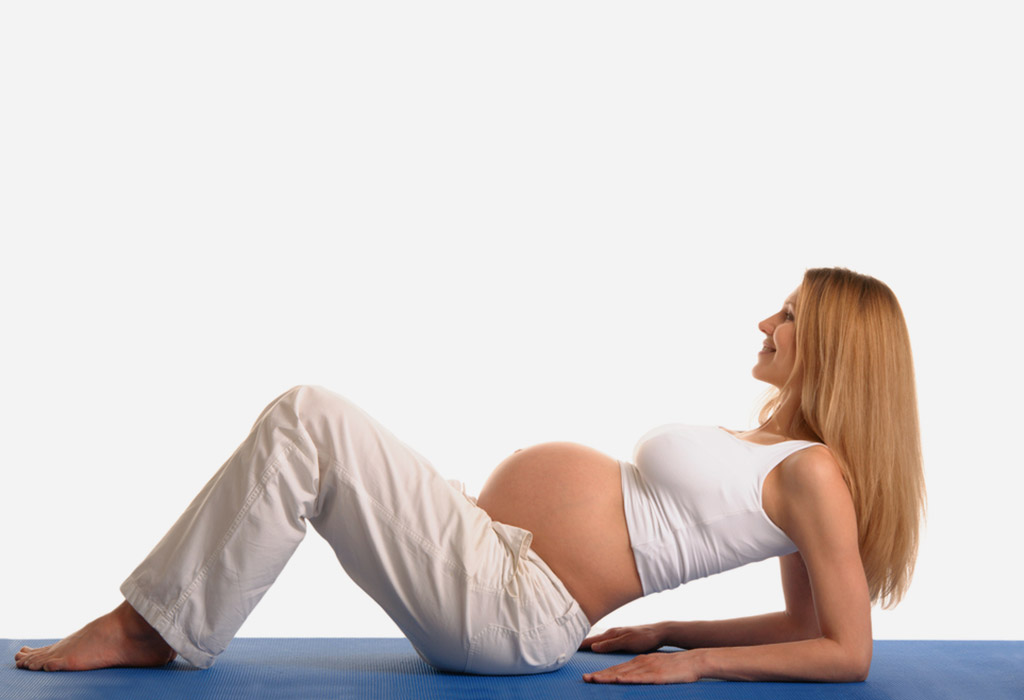
9 Safe Exercises To Induce Labour & Delivery
So you’re expecting the arrival of your little bundle of joy in the next couple of months. It’s an exciting time, and you’re all set with your prescribed medication and recommended foods. While you’re at it, don’t forget to exercise! Yes, you’ve heard that right! It’s safe to exercise, provided your doctor gives you the go-ahead. Exercise helps in many ways. Exercises during pregnancy are good for keeping you and your baby healthy and preparing the body for the rigours of labour. Regular exercising readies the muscles and ligaments in the pelvis to go through delivery with lesser effort. Prenatal exercises also help to position the baby optimally for childbirth. If you’re looking for exercises to open the cervix for delivery, you’ve come to the right place.
Video : How to Naturally Induce Labour (Safe Exercises)
Do Exercises Really Help to Induce Labour Naturally?
If your doctor gives you the go-ahead, it’s perfectly safe to continue exercising. Most women fear labour pains, and exercise is known to reduce the amount of this pain, making it a bit easier to tolerate. Exercise is also known to reduce labour time. This is beneficial as a long labour is thoroughly exhausting.
Exercises to Induce Labour Naturally
Here are 9 exercises to prepare for natural childbirth:
1. Pelvic Tilts
Pelvic tilts are great for strengthening the pelvic muscles and prepping them for labour. It is one of the best exercises to help induce labour naturally and can be started early on during pregnancy. Begin by lying down on your back with your knees bent and your feet on the floor. Flatten your back against the floor and slowly lift and push the pelvis up. Hold it in this position for about 10 seconds and release slowly. Exercise twice a day for 10 minutes for pelvic strength.
A variation of the pelvic tilts is called the angry cat or the cat/cow stretch. It is to be done on all fours, facing the ground. It helps in easing back pain during pregnancy while strengthening the abdominal muscles.
2. Squatting
Squatting is one of the most natural movements of the body and is among the safest exercises that can be performed during pregnancy. It builds strength in various muscles in the thighs, the lower back and the abdomen while opening up the pelvis. Squats can be performed throughout a healthy pregnancy – doing them is thought to help orient the baby into position for delivery.
Stand with your feet slightly wider apart than your hips, and toes pointing forward. If you need support or stability, hold the back of a chair placed in front of you. Keeping your back straight, go down as though you’re about to sit on a chair. You can either do a full squat- go down all the way – or a half squat where your lower lack doesn’t go below your knees. Hold this position for 5 or 10 seconds, take a deep breath and exhale as you rise back up.
3. Exercise Ball
An exercise ball is a fun addition to your workout routine, and it can double as a chair if you’re a working mom. Sit at the centre of the ball with your feet flat on the ground, and knees bent. Use your feet to roll back and forth, or just bounce up and down gently on the exercise ball. Rolling on the ball and gentle bouncing are some good exercises to induce labour at 38 weeks as the bouncing motion can help position the baby for a natural birth. However, you should take extreme care with this exercise because balancing can be tough during the last few weeks of pregnancy, and there is a risk of falling if not done with help.
4. Kegel Exercises
Kegel exercises activate the pelvic floor muscles that support pelvic organs such as the bladder, urethra, vagina, uterus, small intestines, and rectum. Strengthening the pelvic floor muscles and gaining good control over them can help during the pushing stage of labour. It is said that by voluntarily relaxing them, you can ease the birthing process.
To find your pelvic floor muscles, tighten the muscles around your vagina and like you interrupt the flow of urine when you pee. However, do not try this while you’re actually passing urine as that can prove to be harmful. If you can do this without constricting the muscles of your thighs, hips and buttocks, you’ve located the pelvic floor muscles. Once you learn how to isolate and control them, practice slow contractions. Contract the pelvic floor muscles tighter for a count of five seconds, hold for five seconds, and release to a count of five. Practice this 10 or 15 times a day.
5. Butterfly Pose
The butterfly pose is a simple exercise that opens up your pelvis and builds flexibility and strength in the surrounding muscles, including the back and thigh. The butterfly pose is easy and can be done from the moment you’re pregnant until the time you deliver.
Sit on the floor and put the soles of your feet together. Pulse your legs up and down like the wings of a butterfly and feel the muscles in your thigh stretch. Maintain a pace and range of motion that feels comfortable to you. A variant of butterflies involves sitting in the same position and gently pushing the knees down to the floor using your elbows and feeling the stretch in your inner thigh muscles.
6. Lunges
Lunges are effective in warming up the hips and opening them up to let the baby rotate and descend. They can be used to induce labour naturally. Stand with both the legs together and take one big step forward. Descend your lower back while pivoting on the front knee while you feel the muscles in your back and hind leg stretch. For added safety and balance, push up against a wall while you do it. Alternate the legs and repeat the exercise about 10 times with each leg.
7. Stair Climbing
Climbing stairs requires you to use all your lower back and leg muscles. The stretching and movement of the hips help orient the baby’s head down towards the birth canal. Stair climbing is a wonderful way of inducing labour naturally as it prepares the body for the physical exertion of labour. It also presses on the cervix, prompting it to dilate and open up the pelvic region.
8. Walking
It shouldn’t come as a surprise that walking has tons of benefits for your body during pregnancy – this low impact aerobic exercise is a perfect way to induce labour naturally. It is believed that walking helps the baby descend into the lower part of the uterus, and also stimulates the cervix to dilate and get ready for labour. Walking is also known to be helpful in stimulating uterine contractions in women who were advised bed rest during pregnancy.
9. Back Stretches
Back stretches are among the best exercises for labour pain reduction as they help relieve muscle tightness during labour. The following exercise stretches the muscles along the spine, shoulders and the back of your legs. It can also be tried whenever you feel a tension in the back.
Facing a wall, bend forward, pivoting at the hips so your upper body makes a 90-degree angle with your legs. The back should be flat and the legs straight or slightly bent. Now, place your hands on the wall at shoulder level. Relax your head while you look down, keeping it at the level of your arms. Push your hands into the wall as you lean back from the hips until you feel a stretch in your back and the muscles in the back of your legs. Hold for 10 seconds, relax, and return your hips to a neutral position.
Precautions to Take When Doing Exercise to Induce Labour
Exercising to induce labour is good for both you and the baby. However, since it is a sensitive time, there are some simple precautions that will go a long way. Here are a few things to take care of when doing exercises to induce labour:
Drink plenty of water before, during and after your exercise. Be sure to keep hydrating yourself.
Make sure to wear a bra that supports your breasts completely and keeps you comfortable.
Keep yourself moving constantly. This does not mean that you don’t sit and take rest; it means that you should try avoiding laying on your back or sitting all the time, as it can cause your muscles to stiffen. Constantly moving your legs, arms, and the rest of your body every now and then will also help with your exercise.
Who Shouldn’t Exercise to Induce Labor
While exercising during pregnancy is mostly recommended, you should refrain from exercising if you experience the following symptoms:
Chest pain
Abdominal pain
Headache
Dizziness
Muscle weakness
Loss of balance
Shortness of breath
Vaginal bleeding
Painful and regular contractions
FAQs
1. Is it safe to induce labour through exercising?
Most doctors recommend exercise during pregnancy. Exercising to induce labour is absolutely safe unless your doctor recommends against it.
2. How long should I do squats to stimulate labour?
Since squats can be tiring, you can hold the squats for a couple of breaths. Make sure you do not exert yourself.
3. Can climbing stairs induce labour?
Yes, climbing stairs can induce labour as movement helps progress labour. Also, gravity is at work here, which can help slightly speed up the process.
4. Does jumping induce labour?
Vigorous jumping is not advised as it can harm you or your baby. You can gently bounce on a yoga ball, which will help the labour process.
Regular exercises throughout pregnancy help prepare your body for a natural birth. They are also a wonderful way to induce labour naturally while keeping you warmed up for the stresses of childbirth. So, don’t hesitate to keep yourself active and watch your birthing process go smoothly!
Resources and References: ACOG
Also Read:
Easy Ways to Induce Labour
Exercises to Avoid During Pregnancy
Read more
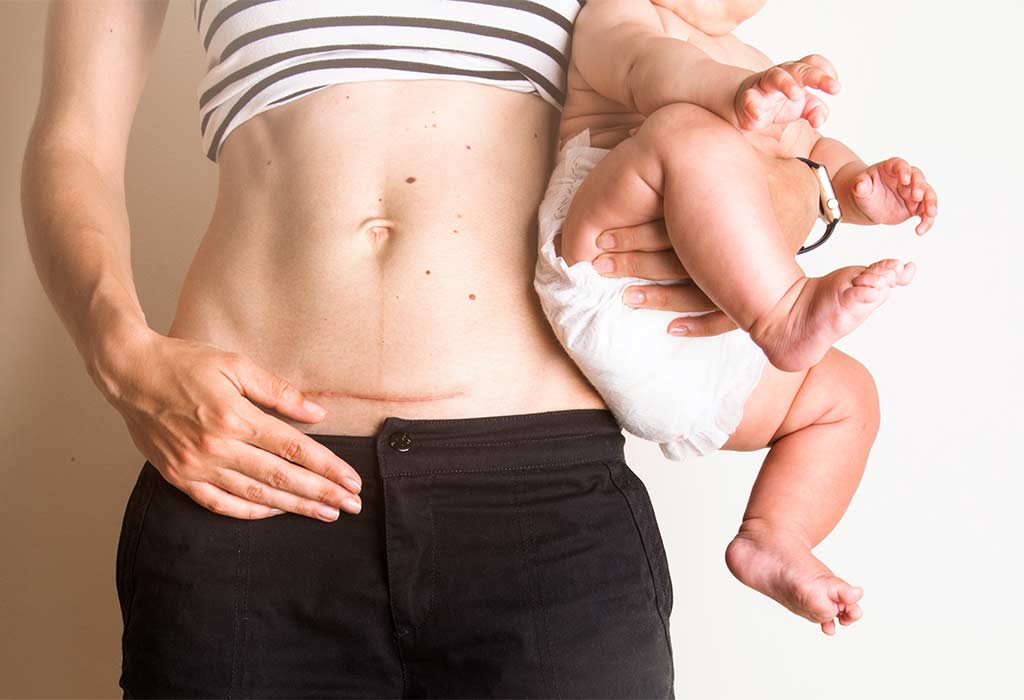
10 Things You Should Know About C-Sections
While vaginal delivery is the most preferred choice for all pregnant women, it might not always be the route taken during labour. A C-section or caesarean delivery often harbours fear, curiosity, and misunderstanding. You might have even wondered if a C-section is an easier or painless option as compared to vaginal delivery. While you have plenty to know about a C-section, from videos to books, there’s always a slew of things you might not be aware of. Since a C-section is a type of surgery, we’ve asked our experts to share some unexpected truths and inside information about a C-section delivery and recovery.
But let’s look at some basics first!
What Is a C-section?
A C-section or caesarean delivery is a surgical procedure that is required when vaginal delivery is not possible or can’t be done safely, or when the health and safety of the mother and the baby is compromised. During a C-section, the baby is delivered through the incisions made on the abdominal wall and uterus of the pregnant woman (1).
When Would You Need a C-Section?
Women usually require a C-section if there are chances of complications occurring during labour in a vaginal delivery. A C-section can be planned, in which your doctor can suggest a suitable date according to your pregnancy progress. In case of medical concern, doctors might require to do an emergency C-section, which is performed when there’s a health risk to the baby or the mother, such as if the baby is in distress, the baby is in an unusual position, there’s an issue with the progress of labour, and more (2) (3).
Although a C-section is a relatively safe procedure, there are some possible complications that could arise after the procedure is done, such as infections, increased risk of respiratory distress for your baby, or complications with future pregnancies (4). It is important to know all the pros and cons before the procedure.
Things People Don’t Know About Caesarean Deliveries
Here are some things to take note of when you are about to undergo a C-section.
1. Postpartum Bleeding Will Occur Even With a C-section
Although you are going with a C-section and not a vaginal delivery, you should expect postpartum bleeding as the uterus cleans itself after the placenta is removed. It’s totally normal (5). Nonetheless, the bleeding after a C-section will be a bit less compared to that after a vaginal delivery. Do expect bleeding for several weeks, during which the colour of the blood could range from dark red to brown to yellow to white (6).
2. Post-Op Care
After the C-section, you’ll be provided post-op care and will be monitored in the recovery room for a few hours. Your caesarean will not hurt because of the anaesthesia, but you may feel a bit of a tugging sensation. You can expect to have a catheter in place until the anaesthesia subsides and you feel normal sensation in your legs to access the toilet safely. C-section recovery pain is normal but manageable with doctor-prescribed oral painkillers and anti-inflammatory medication. A support belt is also recommended after a C-section, as the abdominal muscles need support as they recover.
3. Pack That Hospital Bag Early
When you’re in the third trimester, pack that bag so you’re not scrambling. Think: nursing bras, comfy clothes, high-waisted undies, maternity pads, toiletries, and maybe a good book. For baby: diapers, wipes, swaddles, a couple of cotton onesies, a beanie/cotton cap and mittens, etc.
4. Skin-to-skin Contact With the Baby
Regardless of not giving birth vaginally, mothers can have skin-to-skin contact or kangaroo care with their babies to provide infants with necessary warmth and comfort.
5. Breastfeeding After a C-Section
If you have had an unplanned C-section delivery, your doctor may allow you more rest and recovery and be less likely to encourage you to breastfeed right after delivery. Rest assured, your C-section does not hinder your ability to breastfeed. Since a C-section is a major surgery, abdominal incision, limited mobility, and pain can add to breastfeeding difficulties (7). You may want to try favourable positions, like football hold, side-lying position, or laid-back position, for breastfeeding better (8).
If your doctor recommends more time to relax and formula feed your baby, look for one with synbiotics, which is a combination of prebiotics and probiotics.
6. What Are Synbiotics, Anyway?
Babies born via C-section don’t get exposed to the good bacteria in the vaginal canal, which can delay the growth of healthy gut microbes like Bifidobacterium and Bacteroidota (9). This might make them more prone to things like asthma, obesity, or allergies down the road (10).
Giving them synbiotics early on (especially if you’re formula-feeding) can help their gut get back on track by feeding and restoring good bacteria (11) (12).
You can look for baby formula that includes synbiotics, and additionally contains vitamins C & D, calcium, DHA and other nutrients to support healthy growth in babies up to 6 months.
7. You Might Get the Shakes and Shivers
Spinal anaesthesia (which numbs the lower half of your body) is common during a C-section, and it can make you shake or shiver uncontrollably. It’s weird but totally normal. It’s just your body reacting to the meds and temperature drop. It goes away soon after. (13). The shakes will come off as a light shiver and eventually subside as the anaesthesia wears off.
8. Worried About The Scar? Don’t be!
The incision is usually horizontal, right above your pubic area. For the first 6 weeks, just keep it clean and dry—don’t put anything on it unless your doctor says so. Incisions and stitches nowadays are a lot neater than they used to be, so it might fade with time (and a good scar cream). Either way, it is a reminder of one of the sweetest days of your life.
9. Postpartum Depression
Yes, postpartum depression or postpartum blues are real. Persistent sadness, lack of bonding with the baby, severe mood swings, and overwhelming fatigue are some symptoms of postpartum depression. The pain associated with a C-section, hormonal changes, and sleep deprivation can accelerate the chances of postpartum depression. Getting professional help, joining support groups, and talking to loved ones or professionals can help you deal with your emotional state.
10. You May Feel Swollen and Have Gas Pains
Swelling around the C-section incision, legs, arms, and hands is commonly seen after a caesarean delivery due to fluid retention and hormonal shifts in the body occurring right after birth. Postpartum swelling, also known as oedema, is normal and gradually wears off. Keep yourself hydrated, wear compression socks, and keep your feet elevated to reduce swelling.
The first few days after a C-section are indeed the most challenging, as the body goes through intense physical, emotional, and hormonal shifts. Preparing and educating yourself well, listening to your body, and accepting help when needed can help make the recovery process more manageable. Remember that every person’s pregnancy and postpartum journey is unique. Discuss any symptoms and discomfort with your doctor to make sure you’re doing what you can to make recovery smoother!
References/Resources:
1. Cleveland Clinic – C-Section
2. Mayo Clinic – C-section
3. Tommy’s – C-sections (caesareans) – everything you need to know
4. BetterHealth Channel – Caesarean section
5. Tommy’s – Bleeding after a c-section (caesarean): what to expect
6. Cleveland Clinic – Lochia
7. American Academy of Pediatrics – Breastfeeding After Cesarean (C-Section) Delivery
8. HSE – Breastfeeding after a caesarean section
9. European Journal of Clinical Nutrition – Restoration of gut microbiota with a specific synbiotic-containing infant formula in healthy Chinese infants born by cesarean section
10. Danone Research & Innovation – Supplementation of a unique synbiotics supports healthy gut development in C-section delivered infants
11. PubMe Central – Clinical outcomes following pre-, pro- and synbiotic supplementation after caesarean birth or antibiotic exposure in the first week of life in term born infants: A systematic review of the literature
12. PubMed Central – The Impact of Probiotics, Prebiotics, and Synbiotics during Pregnancy or Lactation on the Intestinal Microbiota of Children Born by Cesarean Section: A Systematic Review
13. BMC Anesthesiology – Postspinal anesthesia shivering in lower abdominal and lower limb surgeries: a randomized controlled comparison between paracetamol and dexamethasone
Also Read:
Diet After C Section Delivery
Massage After C-section Delivery
Recovering After a C-Section Delivery
C-Section Delivery – What Are the Benefits and Risks?
Read more

How to Check Your Cervix for Dilation
Towards the end of pregnancy, parents-to-be are on the constant lookout for signs that may indicate the welcome of their baby. In the last trimester, you might have heard your doctor talking about the cervix dilation, i.e. the opening of the cervix for the baby to pass through. Although the checking cervix dilation is done by the health experts mostly, it can be also checked at home by you. To know if you are ready to give birth or not, you must check your cervix for dilation. In this article, we’ll explain how to safely check your cervix, what to look for, and things to keep in mind to stay safe.
What Is Cervix Dilation?
The cervix plays an important role in a woman’s body during the process of childbirth. When the due date of delivery approaches, pregnant women feel contractions. These contractions are nothing but the tightening of the uterus and dilation of the cervix. The cervix which is usually closed to keep the baby safe during pregnancy becomes dilated, i.e., opens. The dilation of the cervix makes it possible for the baby to move from the uterus to the vaginal canal. The cervix dilates from 1 centimetre to 10 centimetres before a woman goes into active labour (1). This is the first stage of labour.
Why Should You Check Your Cervix for Dilation?
It is beneficial to know your body when you are going through the life-altering process that is pregnancy. It will help you determine what stage of labour you are in and whether the baby is ready to come out (2). Checking your cervix for dilation will let you know if you can begin to push the baby out. However, it is always a certain answer to the labour However, if you are not confident or unsure of doing so, it is best to avoid it.
Checking your own cervix for dilation can help you in the following ways:
It gives you control over your body during labour, which is an emotionally and physically intense situation for a woman.
Relying on lab tests can be time-consuming and you will have to wait for the results. Checking your own cervix for dilation will let you know the results immediately.
Checking whether your cervix is dilated well will prepare you for the final stages of labour.
You know your body better than anyone else, so you can do these tests at home without the risk of infections due to external equipment and so on.
Steps to Check Your Cervix for Dilation
Checking your cervix for pregnancy is important to be aware of the stages of labour. Before you go into the details of the process, it is important to be prepared to keep your cervix free from infections. Here are the basic preparations you need to do before checking your cervix for dilation:
Preparation to Check Your Cervix for Dilation
Here is how can you can prepare to check your cervix for dilation at home:
1. Clean Your Hands Thoroughly
Your hands should be washed thoroughly and disinfected to ensure that there are no germs that enter your uterus and cause infections when you check it for dilation. Use a good hand sanitiser on your hands. Ensure that your fingers and fingernails are well-maintained to avoid internal cuts and bruises and infections.
2. Take Advice From Medical Professionals
To make sure you and your baby are healthy, it is important that you talk to your doctor. As the ninth month of your pregnancy approaches, your doctor will look for signs of labour. He may do an exam to see if your cervix has dilated or not and whether the baby has turned his head down or not. You should also ask your doctor if you can check your cervix for dilation at home. If he says yes, then you can proceed.
3. Work as a Team With Your Partner
Although your body is going through the rigours of pregnancy, you can involve your partner to help you through this. Having your partner by your side gives you the moral support that you need during labour.
4. Get Comfortable
Get into a comfortable position before you check your cervix for dilation. The most preferred position is to squat with both your legs as much as possible. If possible, you can even sit on the floor with your legs up front and lift one of your legs up on a sofa or an elevated surface.
Now that we have covered the basic preparations for checking your cervix for dilation, let us go through simple steps that you can follow to check the dilation of your cervix in your home.
How to Check Cervix Dilation at Home?
Checking your own cervix for dilation can help you feel more connected to your body as you prepare for labour. While it’s a delicate process that requires caution and cleanliness, it can give you an idea of how your body is progressing. You can check the dilation of your cervix at home by performing the following steps:
1. Insert Your Index and Middle Finger in Your Vagina
Ensure that your fingers are clean and sterilised as much as possible using solutions containing over 60% alcohol, like hand sanitisers. After cleaning, find the opening of your vagina with your fingertips and push the two fingers into your vagina.
2. Push the Fingers Deep to Reach the Cervix
The cervix is located at the end of the birth canal and is the opening of the uterus. Hence, push your fingers in deep to reach the cervix. Make sure not to put pressure or poke to avoid bruises and the breaking of the amniotic sac. Be gentle and probe around with your fingers. A dilated cervix will let you feel the amniotic sac. It will feel like a balloon filled with water. In a cervix fully dilated up to 10 centimetres, you can even feel the baby’s head crowning.
3. Probe Further to Understand the Level of Dilation
If you are able to pass a finger through your cervix, it can be considered as a 1-centimetre dilation. Two fingers imply 2 centimetres dilation, and so on.
4. Get Medical Help
A dilation of 3 centimetres or above is a sign of labour. In such a case, it is always advisable to go to a hospital.
Look for These Additional Signs of Cervix Dilation
You can also look for these additional signs that may indicate cervix dilation. However, these are on a case-to-case basis and may not hold true every time.
1. Pay Attention to the Sounds You are Making
At 1-4 centimetres of dilation, it is very easy to make conversation normally. At 4-5 centimetres, it will be nearly impossible for you to talk. At 5-7 centimetres, you will be making very loud noises as the pain increases. At 7-10 centimetres, you will be making louder noises as you reach the ultimate level of your pain and cervical dilation.
2. Scan Your Emotions
At 1-4 centimetres of dilation, you will be elated and laughing at different things. At 4-6 centimetres of dilation, you will be smiling and laughing at small things. At later stages between 6-10 centimetres, you will get irritated even at very small things.
3. Check for Smells of Dilation
Pre-natal scents have a characteristic deep smell. If you notice a stark change to the scent of the room in which the delivery is happening, it is a sign that your cervix has dilated to around 6 to 8 centimetres.
4. See If There Is Blood and Mucus
If you see blood and mucus which is of a characteristic brown or pink colour from your vagina, it is a sign that you are about 6 to 8 centimetres dilated.
5. Feeling Nauseated
The feeling that you get that you have to vomit is a characteristic of a 5-centimetre dilation.
6. Curling of Toes
Curling your toes or trying to stand on your toes is a sign of a 6 to 8-centimetre dilation.
When Not to Check Your Cervix During Pregnancy
Checking the cervix for dilation should be avoided at all costs in the following scenarios:
If a trained medical professional has advised you against it, you should stay away from checking your cervix.
If you have had pre-labour or dilation issues in the past, you should avoid checking your cervix.
If you have a cervical stitch to avoid miscarriages and pre-term births, you should not do external checks on your cervix.
If you have placenta previa, avoid checking your cervix (3).
Do not check your cervix if your water has already broken as you will risk introducing bacteria to your birth canal.
Reasons Why Your Cervix Is Not Dilating
If you are near your due date, yet your cervix hasn’t started dilating, it means your body is not ready for labor. It may be the reason that your contractions are not strong enough for the cervix to open. In cases where the cervix is not dilated naturally, many doctors may suggest inducing labour via medical or physical methods. If none of the options works to dilate the cervix well, doctors may suggest a c-section.
Cervix dilation is an important part of childbirth. So, whether you are dilated just 1 cm or not at all with your due date approaching, do not stress yourself; you will eventually get there. Relax, calm yourself down and focus on good things.
FAQs
1. Is getting your cervix checked painful?
A vaginal exam is understandably an uncomfortable experience for many women. However, it mostly does not hurt when the healthcare experts check for dilation. It may cause discomfort in many people since checking the vaginal area manually can somewhat feel invasive. It mostly happens with first-time to-be-moms as every process during pregnancy is new to them. But, in case you feel any pain during the checking for dilation, do inform your doctor about it so that they can take necessary changes for your comfort.
2. Can checking for cervix dilation cause labour?
No, checking for cervix dilation does not induce labour unless it is done voluntarily. In case you are due for your labor and your cervix hasn’t dilated much, your doctor may recommend a cervical exam which may be in conjuncture with inducing labor. But be sure to ask your doctors whether it is required or not.
3. How accurate is a self-check for dilation?
Self-checking can give a general idea, but it’s not as precise as an examination by a doctor. It’s also easy to mistake other vaginal structures for the cervix, so professional confirmation is recommended.
Pregnancy, labour, and finally having a baby in your arms are life-changing experiences that bring you and your partner immense happiness. These tips to check your cervix for dilation can help you be better prepared for labour and delivery.
References/Resources:
1. Evbuomwan. O, Chowdhury. Y. S; Physiology, Cervical Dilation; National Library of Medicine; https://www.ncbi.nlm.nih.gov/books/NBK557582/
2. Hutchison. J, Mahdy. H, Hutchison. J; Stages of Labor; National Library of Medicine; https://www.ncbi.nlm.nih.gov/books/NBK544290/
3. Placenta previa; March of Dimes; https://www.marchofdimes.org/find-support/topics/pregnancy/placenta-previa
Also Read:
Transition Phase of Labor
Tips for Easy Labour and Delivery
Preparing for Labour and Delivery
Complications during Labour and Delivery
Interventions during Labor and Delivery
Read more

Impact of Birth Method on Long-Term Immunity: C-Section vs. Vaginal Delivery
As parents, we want to do everything possible to give our babies the best start in life. We think about feeding, sleep, and care, but one thing we don’t always realise is that the way a baby is born can also affect their immune system. Surprising, right? When a baby is born, the focus is often on the first cry, tiny fingers, and the joy in the room.
But little do most people know the method of delivery can have a lasting impact on the baby’s health. The way your baby enters the world plays a bigger role in their immunity than many might think. Keep reading to find out how the birth method affects your baby’s immune system and how you can support them in the best way possible.
Vaginal vs. C-Section Delivery
During a vaginal birth, babies pass through the birth canal and pick up beneficial bacteria from their mother (1). These friendly microbes start building the baby’s gut microbiome; a community of bacteria that helps with digestion, nutrient absorption, and, most importantly, training the immune system (2).
Breastfeeding adds another layer of support. Breastmilk contains prebiotics, which are special fibres that feed the good bacteria in the baby’s gut, helping them grow strong and multiply (3).
Together, this early exposure and nutrition helps to shape a baby’s natural defences from day one.
However, babies born via C-section enter the world without passing through the birth canal. That means they do not come in contact with the first natural bacteria’s present in the mother vagina (4). Instead, their early gut bacteria may be similar to the bacteria present in the the hospital, which can sometimes mean less good quality bacteria in the gut.
This difference doesn’t mean anything is “wrong”; but it may influence how the immune system matures.
Why the Gut Microbiome Matters for Immunity?
Inside all of us is something called the gut microbiome, a collection of bacteria that lives in our intestines. These bacteria help us digest food, protect us from infections, and strengthen our immune system (2) (5).
For babies, the gut microbiome starts forming even before birth. A strong and healthy microbiome helps build a stronger immune system and may even reduce the risk of allergies, asthma, and other illnesses later in life.
How C-Sections May Affect Immunity?
Babies born by C-section may have a slower start in building their gut bacteria, and that might affect how their immune system develops. Some studies suggest that babies born via C-section may have a slightly higher risk of developing allergies, asthma, and possibly infections early in life (6).
But this isn’t something to stress about. We can support their gut and immune health through smart nutrition, especially with Synbiotics.
How Do We Support the Infants Born via C-Section?
In such cases, breastmilk plays a key role. It provides not just key nutrients like fats, proteins, carbohydrates, vitamins and minerals, but also good bacteria (probiotics) and food for those good bacteria (prebiotics) which help to build gut health and also boost immunity. This is especially important for babies born via C-section. Breastmilk, is naturally rich in Synbiotics and together, they create a healthy gut environment for the baby, making digestion easier and helping the body fight infections better. Research shows that including Synbiotics in a baby’s diet at the right time can support their overall health, by boosting their immune system.
What Are Synbiotics?
Synbiotics are a powerful combination of probiotics (the good bacteria) and prebiotics (the food that helps them thrive). When taken together, they work in harmony to support a healthy gut and a strong immune system (7). For babies born via C-section, Synbiotics can help bring their gut microbiome closer to that of babies born through vaginal delivery (8).
Specific Synbiotic combinations help mimic the benefits of naturally available bacteria. These Synbiotics can be especially helpful for babies born via C-section or those with sensitive digestive systems.
While Synbiotics aren’t a replacement for the natural process of birth, they can be a valuable way to help bridge the gap, giving your baby’s immune system the support it needs during those early, important months. If your baby was born through C-section, you might want to ask your doctor about how and when to introduce Synbiotics for better gut health and build strong immunity.
Well, not every parent can choose how their baby is born, and that’s completely okay. What matters is how we support them after birth. With the right nutrition, care, and a little help from science, your baby’s immune system can grow stronger every day.
References/Resources
1. American Museum of Natural History – Building Your Microbiome from Birth
2. Cleveland Clinic – Gut Microbiome
3. PubMed Central – The Prebiotic and Probiotic Properties of Human Milk: Implications for Infant Immune Development and Pediatric Asthma
4. National Library of Medicine – Vaginal Delivery
5. Harvard T. H. Chan School of Public Health – The Microbiome
6. PubMed Central – The infant microbiome development: mom matters
7. PubMed Central – Synbiotics: a technological approach in food applications
8. PubMed Central – Clinical outcomes following pre-, pro- and synbiotic supplementation after caesarean birth or antibiotic exposure in the first week of life in term born infants: A systematic review of the literature
Read more

Normal Delivery
Is this your first pregnancy? Are you confused about the differences between a normal delivery and a cesarean birth? Many expectant mothers share these concerns and seek clarity. Here are some essential pregnancy tips for normal delivery for pregnancy and answers to the questions you have always wanted to ask about pregnancy. Understanding what childbirth normal delivery involves can help ease your worries and prepare you for the journey ahead. From prenatal care to labour techniques, it’s important to be informed about your options and what to expect.
What Is a Normal Delivery?
Normal Delivery is the same as vaginal birth, where there is no surgical procedure involved. Most women undergo a normal delivery, as it allows the body to recover the quickest.
When Is Normal Childbirth Recommended?
A young, healthy woman can comfortably go through normal childbirth. Active lifestyle, normal blood pressure, and the position of the foetus are all indicative of a normal delivery. Here is when a normal delivery is recommended.
Between 30 to 34 weeks, the foetus changes position to a cephalic or head-down position, ready for delivery. When viewed, it looks as if the baby’s position has moved down.
The urge to urinate will increase as the pressure from the baby’s head presses down the pelvic region and squeezes the bladder.
There will be an ache in the lower back as the foetus starts putting pressure on it (lower back). This because the foetus is positioning itself to get into the cephalic (head down) position.
You may notice an increase in vaginal discharge. It could be white or pink and sometimes even a bit bloodstained. It is the usual sign of a healthy, normal pregnancy.
Upset bowel movement is caused, as there is a surge in hormonal activity. There might be some cramps and discomfort due to this.
Soreness of the breasts is also indicative of normal childbirth. As you reach the final stage, it may feel heavy and uncomfortable.
The breaking of the water bag usually takes place during labour. Sometimes it might happen even before the onset of labour. The doctor’s advice should be taken immediately.
Types of Normal Delivery
Understanding the types of normal delivery can help expectant mothers feel more prepared and informed. While vaginal delivery is often considered the standard, there are different methods within this category. Here are the three main types of normal delivery.
1. Spontaneous Vaginal Delivery (SVD)
Spontaneous Vaginal Delivery (SVD) is the most common type of childbirth. It occurs when labour begins naturally, without medical intervention, and the baby is born through the birth canal. This method is typically associated with fewer complications and a quicker recovery time for the mother.
2. Assisted Vaginal Delivery
Assisted Vaginal Delivery involves the use of medical instruments, such as forceps or a vacuum device, to help guide the baby out of the birth canal. This type of delivery may be necessary if the labour is prolonged or if there are concerns about the baby’s health. The assistance helps ensure a safe delivery for both mother and baby.
3. Induced Vaginal Delivery
Induced Vaginal Delivery occurs when labour is medically initiated rather than beginning on its own. This can be done through medications or other techniques to stimulate contractions. Induction may be recommended for various reasons, including health concerns for the mother or baby or if the pregnancy goes beyond the due date.
Benefits of Vaginal Delivery
Normal delivery is the birth of a young one through the natural process of labour in which there is vaginal birth of the infant. The reasons why this natural birthing is much better than any other method are as follows:
1. Healthier for the Mother and Baby
The first few minutes spent between mother and child are the first bond the child has with the outer world. The comfort of the mother’s arms and voice is reassuring after the traumatic experience the baby has with the world outside the safety of the womb. With natural birth, the child is almost instantly put into the mother’s arms. Thus, bonding is instantaneous.
2. Stimulates Lactation
The natural process of birthing stimulates many natural hormones systems in the body during labour and birth. Oxytocin, endorphins, adrenaline, noradrenaline, and most important, prolactin, the mothering hormone, are all secreted during this time.
3. Ingestion of Protective Bacteria from Birth Canal
There are changes in the vaginal microbes during pregnancy. The bacteria that the child ingests from the mother’s birth canal helps to build its immune system, and the child is better able to digest milk and solid foods. During the birth process, the human microbiota is formed, making the role of the vaginal microbiome a key role in its development.
4. Faster Postnatal Recovery
Unlike a medical intervention, the natural process allows the mother to recover quickly from the labour. The body takes its course to repair and mend to bring the body back to track. In a medical intervention, there are higher chances of infection, as an unnatural intervention will ultimately take longer to repair. Natural childbirth discounts any major surgery, and thereby, reduce the risks that accompany going under the knife.
5. Makes You Confident
The feeling of natural birthing gives the mother great confidence and achievement. Its a feeling like no other.
6. Shorter Hospital Stay
After Natural Childbirth the stay in the hospital can last from 24 to 48 hours. A C-section is different, where the stay can be from anywhere from 3 days to a week depending upon your recovery after the operation. Contrary to belief, the natural process, in general, is far shorter than medical intervention.
Chances of a Normal Delivery for a First-Time Mom
Most first time mothers will deliver naturally by 41 to 42 weeks, but often, surgical intervention is done before this time, due to medical reasons.
Process of Normal Childbirth
The process of normal childbirth is a remarkable journey that involves several distinct stages. Understanding these stages can help expectant mothers feel more prepared and confident as they approach labour and delivery.
1. First Stage
Cervix Thinning (Effacement) and opening (dilation). This might continue for an hour or so, till the cervix has dilated to 3 cm.
A. Early or Latent Phase
In this stage, the woman becomes aware of the contractions that start at an interval of every 3 to 5 minutes but may vary.
What You May Experience: Here you might feel like going to the washroom, as the initial pains start.
What Can You Do: At this juncture, it is best to inform your caretaker that the baby is coming. If you are alone, then immediately call your doctor.
B. Active Phase
In this phase, the cervix expands from 3cm to 7 cms.
What You May Experience: There will be discomfort, as the pressure will continue to grow. It may feel like menstrual cramps and lower backache.
What Can You Do: If you are in your home, get things in order for the new addition to your family. If you are going to the clinic for the delivery, then a suitcase with the items for the newborn and yourself should be kept ready. You can also leave instructions for the work that has to be done at home if there is an elder child who will be there without you. All this planning will help distract you from getting too worried about your labour. You need to relax and be calm during this time. Some of the activities you could do to soothe the nerves include playing music and going for a short walk.
C. Transition Phase
The cervix continues to expand from 7 cms till it is fully enlarged to 10 cms.
What You May Experience: You will feel the pressure increase in the lower pelvic area, and there are chances that the water bag may break. The pain will be more intense, lasting longer, with less interval in between, and becomes quite regular.
What Can You Do: Reach the designated place of delivery. You must keep track of the contractions to see its pattern. If the water breaks, check its colour and odour, and note the time. Try breathing exercises to keep calm. It is now time to lie down.
2. Second Stage
Baby Is Pushed To Birth Canal: This is the Active Stage. During this time, the baby is pushed out of the uterus and into the world through the vaginal canal.
What You May Experience: Here, the contractions will be longer and much more intense, as your cervix would be reaching its maximum dilation. The contractions can last from 45 to 60 seconds, with only 3 to 4 minutes of respite in between. This will increase to about 1 and half minutes, sometimes less than a minute apart. This is the toughest phase, but also the shortest, as it is a race to the finish line.
What Can You Do: This might last for 3 to 5 hours. Try changing your position and get someone to massage your back. Continue to breathe in a regular pattern. Think of the child rather than the pain and do not give up pushing, as the baby needs all your help. Avoid screaming from the ‘mouth’; rather, use a throaty grunt which will help in pushing out the baby.
3. Third Stage
Placenta Is Pushed Out: The expulsion of the placenta is the third and last stage of labour. In this stage, the entire placenta comes out through the vaginal canal. Also called the ‘Afterbirth’. It is the last and final stage that ends the normal childbirth. This takes place 15 to 30 minutes after the delivery. It is a natural process,, which is sometimes manually assisted, so as to avoid infections. The lower abdomen is also massaged to contract the uterine muscles, so as to push out any remaining residue of the afterbirth.
What You May Experience: The afterbirth will be expelled out naturally, and you might feel it slip out.
What You Can Do: You can inform the attendant who will clean it out and give pressure massage to the lower abdomen.
When and How to Push a Baby Out?
Trust your instinct and also follow the instructions given to you when to push. Push like you would expel your bowels, but with all your strength. Try not to scream, as it dissipates your efforts. Rest in between the contractions and start when you feel the beginning of a contraction. You will have to stop when instructed. Stay focused.
How Long Does a Normal Delivery Last?
For a first-time mother, a natural delivery average of time should be of seven to eight hours of active labour as a norm. For consecutive births, normal delivery will be quicker. It can be more or less, depending on the dilation of the cervix. Once full dilation and crowning (the appearance of the top of the infant’s head) has been reached, pushing the child out of the birth canal can last about an hour.
What Happens When a Woman is in Labour?
There are many stages of labour, which can be followed to forecast the approximate time of delivery. They are as follows:
1. The Baby Drops
The foetus shifts to a cephalic or head-down position, for its passage through the vaginal canal. The effects look as if the baby has dropped to a lower level. The bump on the woman looks as if it has ‘dropped’, giving some space between the breast and bump.
2. The Urge to Urinate Increases
The drop of the fetus takes some pressure off the lungs but starts exerting pressure on the bladder instead. The urge to urinate increases, as the foetus gets to the head-down position. The trips to the washroom will increase substantially.
3. The Mucus Plug Passes
A mucus plug forms in the cervix during pregnancy. This thick gelatinous plug is secreted so as to keep the cervix moist and protected against bacteria. As the delivery date approaches, the cervix starts to dilate. This process loosens the mucus plug, which then dislodges itself. It can be colourless, pink or even a bit bloodstained. Delivery is imminent after this but varies from a few days to a week or two.
4. The Cervix Dilates
The cervix is the lower part of the uterus that opens out or dilates to allow the child to be passed into the vaginal tract. When it dilates to 1 centimetre, you can expect to go into labour soon. It is difficult to detect this without an ultrasound or an examination by your gynaecologist. The dilation continues to increase all the way to 10 centimetres before there is enough space for the baby to be pushed out of the uterus.
5. The Cervix Begins to Thin
The cervix is the lower part of the uterus, which is elongated and closed. It is normally about 3 to 4 centimetres in length. It starts to thin or efface to allow dilation to take place. Contractions allow the thinning and dilation of the cervix till it is about 10 cm.
6. Back Pain Begins or Worsens
This pain is due to the position of the baby’s head. During normal birth delivery, the head of the baby puts pressure on the tailbone of the mother in its attempt to move out. This pressure causes a severe backache.
7. The Contractions Begin
This means that the baby is putting pressure on the birth canal. The contractions are in the form of soft rhythmic movements from the top to the lower part of the uterus in an attempt to push out the baby.
8. A Burst of Energy
There will be a burst of energy due to adrenaline and noradrenaline being pumped into the bloodstream. These are the ‘fight or flight’ hormones that infuse a surge of energy for the last strong contractions, which ultimately push out the baby.
9. Bowel Movement Urges Increase
It is common to have the urge to poop with the onset of labour. The initial stages of labour might seem like an urge to pass bowels, but as the pain intensifies, both pains are distinguishable. The bowels clear themselves out so as to clear space for the baby pushing against the pelvic girdle. Just before the onset of labour, the woman is advised to have an empty stomach. In some cases, an enema is administered to the woman just when labour starts, so as to avoid any faecal matter from being discharged during labour. This is to avoid any danger of the mother or child contracting an infection.
10. The Water Breaks
During pregnancy, the foetus is enclosed in a thin membrane sac of fluid called the amniotic sac. This keeps the foetus safe and in a pristine floating state. With the beginning of labour, this sac breaks, spilling out this colourless liquid. This is one of the signs of active labour and a call to the doctor is in order.
15 Tips to Help You Have Normal Delivery
Motherhood is a dream come true for many women, both young and not so young. Normal delivery was the norm until the idea of medical intervention for, presumably, an easier delivery was introduced. Now, more than ever before, women have realised the benefits of a normal delivery Here are some tips to avoid cesarean that can be followed to have a safe and wonderful experience of motherhood, for not only the mother and child but also for the father and the extended family:
1. Read about Pregnancy and Labour
Being prepared for the future and your role as a mother is essential for a normal delivery. It is essential to have scientific knowledge of the various kinds of methods used for delivery so that your choice is guided by knowledge and not emotions or fear.
2. Do Research on Hospitals That Specialise in Natural Childbirth
There are various birthing options available, and background research on the best possible methods should be done with due diligence.
3. Always Remain Positive and Happy
Being positive and happy goes a long way in preparing you for normal delivery. Worrying about the worst-case scenario is detrimental to your mental health and affects the unborn child, as well.
4. Avoid Gaining Too Much Weight
Make sure you eat sensibly so that you do not gain unwanted weight. Gaining approximately 12 kilos is normal during pregnancy. When there is an excessive weight gain, it can adversely affect the health of both the mother and child, due to secondary reasons such as gestational diabetes, high blood pressure (gestational hypertension), and pre-eclampsia or problems with the placenta. Apart from this, your labour may set earlier than usual.
5. Try Swimming
Swimming is the best exercise for an expectant mother. Using a safe chlorinated swimming pool with a caretaker at hand can be done even till the date of delivery. In fact, many women opt for a water birth. The foetus spends the entire gestation period in a sac of amniotic fluid, making it feel comfortable in water.
6. Walk Everyday
Always keep moving. Walking is the best exercise for anyone, especially pregnant women. A 30-minute walk, five times a week, will keep you healthy. Walking once in a while is not adequate to bring about a phenomenal change, so it has to be regular. Adults, including pregnant women, need to walk about 10,000 steps a day.
7. Do Kegel Exercises
These are simple exercises in which the pelvic floor muscles are clenched and released to make them stronger. This area supports the uterus, bladder, small intestine, and rectum. The contracting and relaxing of these muscles make them stronger. It can be done during pregnancy to help control any urinary inconsistency. Most doctors recommend Kegel exercises during the third trimester of pregnancy, so as to usher in a smooth and natural delivery.
8. Do Pelvic Stretches
During pregnancy, the muscles of the pelvic region become soft, so as to allow delivery of the child. Pelvic stretches help to make the delivery smooth and strengthen the pelvic floor area even after delivery.
9. Practice Yoga
Daily practise of this ancient art will lighten your spirit and strengthen the breathing pattern of the expectant mother. Safe Yoga for vaginal birth helps the mother relax and strengthens her body to prepare for natural delivery. Meditation also prepares the mind for the challenges of labour and childbirth.
10. Drink Lots of Water
Drinking water helps to flush out toxins from the body. The water also dilutes urine, and so, reduces chances of a urinary infection, which is common during pregnancy. Dehydration may cause the onset of preterm labour, so being hydrated is essential. Approximately ten glasses of water a day is beneficial for an expectant mother.
11. Wear Flat Comfortable Footwear
It is important to be comfortable. The added weight on the front of the body changes the centre of gravity. There is pressure on the curvature of the spine, knees and legs. Wearing high-heeled shoes can make the burden on these areas excessive, leading to backache and knee or leg pain. Heels also make you unstable with the danger of falling over and hurting yourself and the child.
12. Squats
Low-impact exercises for normal delivery, like squats, help in strengthening your core muscles. These include the pelvic floor muscles, the gluten and the hip muscles. If you are healthy and have a normal pregnancy, then this form of routine will help in ensuring a normal delivery.
13. Sleep
A good night’s sleep is a good way to be refreshed and to help the foetus to be healthy. The body changes every day, and the energy and the resources of the body go first to the baby and then to the mother. An expectant mother needs two to three extra hours over and above the mandatory eight hours of sleep for a healthy adult. A strong mother and child will guarantee natural delivery.
14. Breathing
The Lamaze Method was propagated by a French Obstetrician called Lamaze in the use of regulated breathing to cope with the labour and relax the foetus.
15. Eat The Right Type of Food
Your health and that of your baby is what you eat, so always eat healthy food for normal delivery. Nutrition and hygiene are important to have a healthy foetus. The baby needs to be strong if it has to go through normal delivery. Food like coconut, fresh fruits, lean meat, and fresh fish should be favoured by the expectant mother. Avoid food that is too oily and deep-fried. Home remedies for normal delivery can include various herbs like turmeric and ginger tea to feel refreshed. Also, to be avoided are overly spicy and aerated drinks. Liquor, hard drinks, smoking and drugs are a big taboo and should be avoided at all costs.
FAQs
1. Can the baby’s position be determined based on movements?
It is very vital to know the position of the baby, especially as the delivery date approaches. For normal vaginal delivery, the baby should be facing down, with its head angled towards your spine. You can tell the position of the baby by its movement. Keep in mind that the strongest movements are from the baby’s hands and feet.
If the baby is looking forward, face up then you will feel the movement under your ribs.
If it is already in the posterior position, head downwards looking out, you will feel the kicks in the front part of your tummy.
Gently press your tummy and feel the child move. It is most probably in the cephalic or heads down position.
If you feel the hard-rounded lump of the child’s head under your rib, then it is in a breech position, which means its feet are positioned to come out first.
Watch the movement under the skin. You will be able to discern the fists and feet of the baby, as it pushes itself against the uterus wall.
2. How painful is vaginal childbirth?
The pain during normal delivery is based on the physical health, anxiety, body positioning, training, and nutrition of the mother. The natural birth process involves the child forcing its way out of the uterus. This is a normal procedure as nature designed it. Therefore, the recovery from it is quicker. There will be a pain, but with the right preparation, it is bearable and has been so for centuries. The more physically active the mother is, the easier the delivery will be.
3. What are the chances of a vaginal delivery after a c-section?
The C-section leaves scarring on the uterus wall tissue. It is the formation of fibrous tissue that replaces the normal skin after an injury and is the natural process of healing. This may cause tough tissue bands to form. Research shows that even though about 60 to 80 per cent of women who try vaginal delivery after a caesarian are successful, the most concerning risk would be that of a uterine rupture. This is when the uterus ruptures or tears along the healed scar of the previous surgery. In this case, there would be an emergency operation and even a hysterectomy to stop the bleeding. The doctor’s advice is essential if there has been a Caesarean Section for the first offspring to avoid excessive bleeding, an emergency procedure, and, in some cases, even fatality.
4. What is the role of a doula in normal delivery?
A doula is a trained professional who provides continuous support to a mother before, during, and after childbirth. They offer emotional support, physical comfort, and information to help the mother make informed decisions. A doula’s presence can help reduce anxiety, provide comfort measures, and assist with pain management techniques, contributing to a more positive birth experience.
Contrary to popular belief, normal delivery is relatively safe in most instances. Thousands of years of evolution have perfected the design of the female body to do just that. It is only in extreme cases, such as the baby’s head being too large, etc., that other methods are used.
References/Resources:
1. Vaginal Delivery; Cleveland Clinic; https://my.clevelandclinic.org/health/articles/23097-vaginal-delivery
2. Stages of labor and birth: Baby, it’s time!; Mayo Clinic; https://www.mayoclinic.org/healthy-lifestyle/labor-and-delivery/in-depth/stages-of-labor/art-20046545
3. Desai. N, Tsukerman. A; Vaginal Delivery; National Library of Medicine; https://www.ncbi.nlm.nih.gov/books/NBK559197/
4. Postpartum care: What to expect after a vaginal birth; Mayo Clinic; https://www.mayoclinic.org/healthy-lifestyle/labor-and-delivery/in-depth/postpartum-care/art-20047233
5. Absorbable stitches for repair of episiotomy and tears at childbirth; Cochrane; https://www.cochrane.org/CD000006/PREG_absorbable-stitches-for-repair-of-episiotomy-and-tears-at-childbirth
6. What is a vaginal birth?; NCT; https://www.nct.org.uk/labour-birth/different-types-birth/vaginal-birth/what-vaginal-birth
7. Can I Have a Vaginal Birth If I Had a Previous C-Section?; Nemurs Kids Health; https://kidshealth.org/en/parents/vbac.html
Also Read:
Benefits of Normal Delivery
Stages of Natural Childbirth
Care of Stitches after Childbirth
Pregnancy Exercise for Normal Delivery
Read more
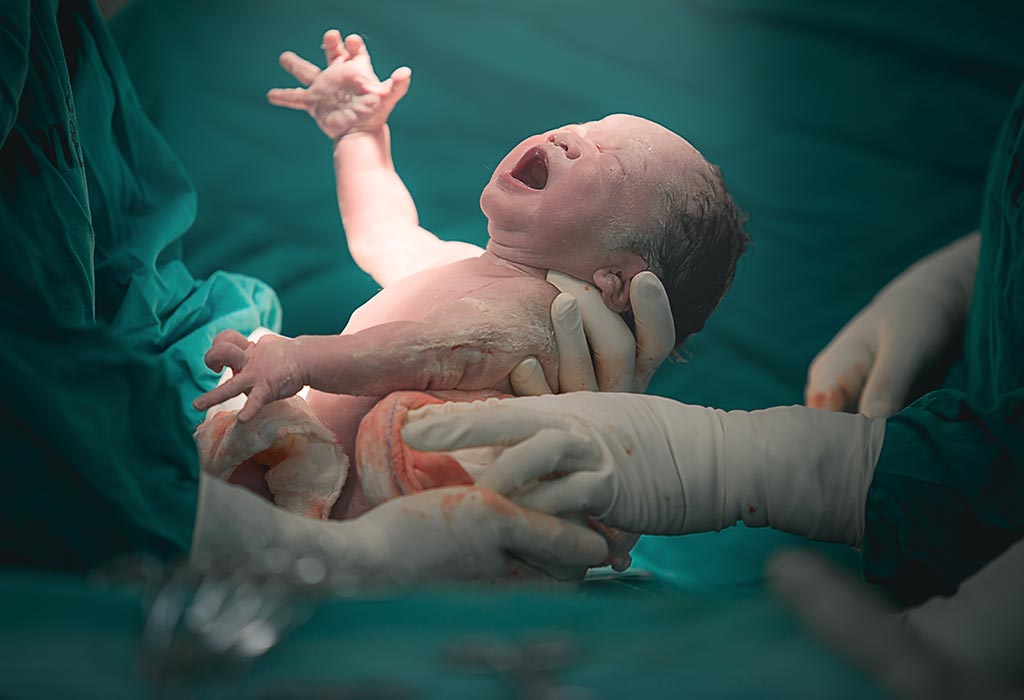
6 Different Types of Delivery Methods You Must Know
Bringing a baby into this world is a monumental feat and cannot be achieved easily. Although normal vaginal delivery is commonly referred as the typical way of birthing, New techniques help labouring women in many ways, either by dampening their pain or smoothening the delivery process. . Advancements in medical sciences have discovered various methods so that delivery can be made successfuleven in the face of any complications or risks
Most Common Types of Childbirth Options
Expecting mothers can look forward to the following delivery options.
1. Vaginal Delivery
When a baby is born through the birth canal of a woman’s body, the delivery is termed as a vaginal delivery. It may or may not be assisted with epidurals or painrelieving medication. The exact time of birth cannot be predicted in such a case, but most vaginal births tend to happen once 40 weeks of pregnancy have been completed.
Most doctors recommend a vaginal birth if there is a possibility for it and advise against going for caesarean delivery. During the stress of labour pains, the baby secretes hormones for the development of its brain and lungs; moreover, passaging through the birth canal squeezes the baby’s chest to clear all amniotic fluid and expand its lungs effectively. For mothers planning to have multiple children, vaginal births are highly recommended. When done with an incision above the anal area, the procedure is called episiotomy.
With vaginal deliveries, mothers can recover from the stress of deliveryquicker and return home sooner with their babies. The chances of infection in such cases are lower than others. The baby too has a lower chance of suffering from any breathing problems if born via the vagina.
2. Natural Childbirth
This is one of the types of birth that is steadily gaining popularity. In this method, there are no medical procedures or invasive therapies involved, and the process takes place in the most natural manner possible. This is mostly a personal choice and the mother needs to be committed throughout the way.
Various exercises and positions are taken into account while carrying out delivery in natural ways. A midwife usually stays with the mother to ensure the delivery is successful and the mother is in good spirits. The delivery can take place at the hospital or even at home, with all preparations done beforehand.
Water birthing or pool birthingwith the help of upthurst ( buoyancy ) pressure of water can alleviate labour pain in this procedure. Water birthing is the most natural and painless way of bringing new life to the world.
Natural birth can be extremely empowering for a mother. Having skin-to-skin contact with the baby immediately after delivery can foster a strong bond between the mother and the child. It also triggers hormones in the body that start producing milk in the breasts right away.
3. Caesarean Section
Things don’t always go according to plan. A mother might want to undertake vaginal delivery but if complications arise, caesarean delivery is an option that might have to be taken.
In this method, the baby is delivered by opening up the abdomen of the mother and surgically opening the uterus to remove the baby. The name is derived from the Latin word ‘caedare’, which means ‘to cut’. Hence, this type of the cut is called a C-section – thats how the delivery method gets its name.
Many mothers decide to have a caesarean delivery in advance, which allows the hospital and doctors to start making preparations accordingly. This could be out of choice or even after a sonography has revealed certain parameters which make it necessary to undertake a C-section, such as the presence of twins or triplets, breech or transverse presentation, or a very large baby.
In other cases, if vaginal delivery fails even after a good trial of labour or if any complication arises, such as breech position while delivering , meconium stained liquor or obstruction in the birth canal, the doctors will have to quickly resort to undertaking a C-section and removing the baby out of the uterus in time.
4. Forceps Delivery
This is a rather peculiar type of delivery method and is required in certain cases of vaginal birth. This is anassistance to the usual vaginal delivery when the baby is on its way via the birth canal but fails to fully emerge out. This could be because of small obstructions, or the mother being tired and exhausted and hence being unable to push the baby out.
In these cases, the doctor makes use of specially created tongs which resemble forceps, and inserts them slowly into the birth canal. These are then used to gently grab the baby’s head and guide it outwards through the canal.
5. Vacuum Extraction
Similar to the forceps delivery method, this delivery technique is used in the case of a vaginal birth. For example, if the baby is on its way out but has stopped moving further down the canal, the vacuum extraction method is applied.
The doctors make use of a specialized vacuum pump which is inserted up to the baby via the canal. The vacuum end has a soft cup which is placed on the top of the baby’s head. Vacuum is created so that the cup holds the head, and the baby is gently guided outwards through the canal.
6. Vaginal Birth After Cesarean (VBAC)
Most of the time, once a woman has had a caesarean delivery, her chances of having a vaginal delivery after that are pretty much nullified. But in recent times, certain techniques are making it possible for women to have successful vaginal deliveries even after the previous delivery method hsa been a C-section. This is termed as vaginal birth after caesarean (VBAC).
Small hospitals do not opt for VBAC since an emergency C-section requires more staff and resources which may not always be possible. Also, any previous complications during delivery or any conditions faced by the mother could make the doctor advise against a vaginal delivery.
Birthing techniques have their own advantages and disadvantages,. The focus should always be on ensuring that the baby is delivered safely, the baby comes out healthy into the world, and the mother stays safe throughout the entire process of delivery. When it comes to a delivery method you want to choose versus one that your doctor recommends for you, it is always best to go with the doctor’s recommendation to avoid any complications in the future.
Also Read: Lamaze Childbirth Method
Read more
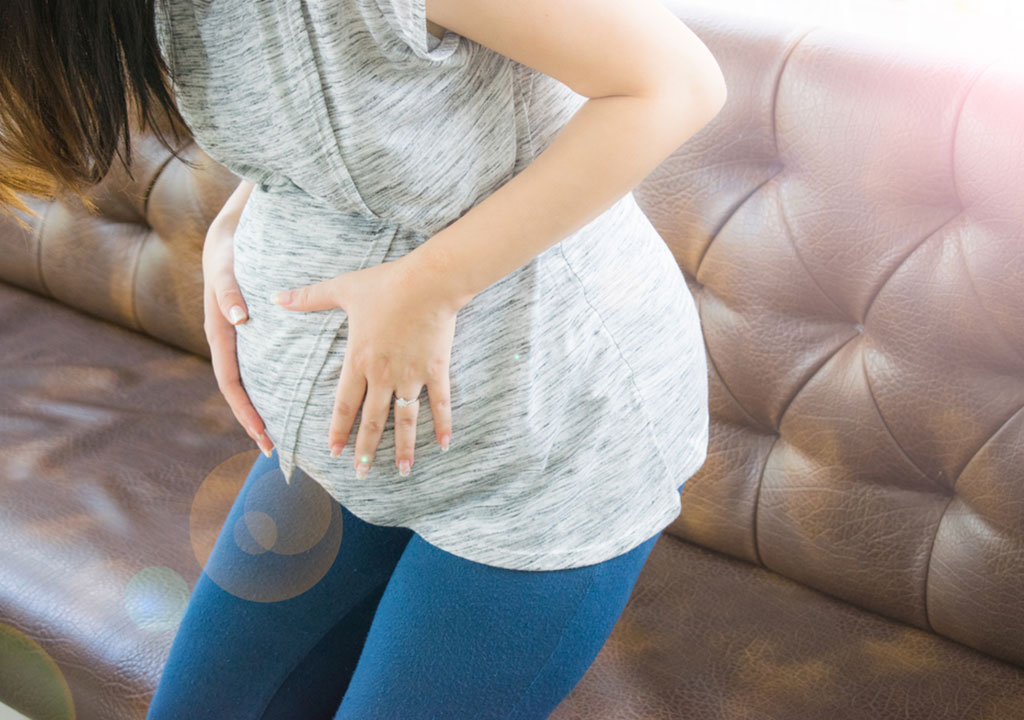
Signs & Symptoms of Labor & When to See a Doctor?
Labour marks the beginning of your journey as a parent, and it’s only a short while before you get to hold your little one in your arms. By the end of the 9-months of pregnancy, most women can’t wait for this next step, when their body signals that the baby is on his way out. Before you prepare yourself to grab your hospital bag, it’s essential to make sure you are experiencing the actual symptoms of labour, as you might also be prone to false labour signs. Your body prepares itself for the upcoming labour, and thus you may confuse it with active labour. In the following article, we shall acquaint you with the signs of labour and what you should do when you experience them.
Video: 8 Signs and Symptoms of Labour You Should Look Out For
What are the Early Signs of Labour?
If you are worried whether what you are experiencing are early labor symptoms, look out for these initial signs of labour:
1. You Experience Leakage or Discharge
If you notice any fluid or blood leaking from your vaginal area, or you notice a different colour discharge (brownish or reddish), you should call your doctor right away. You may have lost the mucus plug that covers your cervix.
2. You May Experience Cramping
You may experience cramping, which is exactly the kind of cramping that you experience during your periods. However, this cramping may or may not be accompanied by diarrhoea.
3. You May Experience Contractions
Your stomach may feel too stretched and firm. If you experience contractions at regular intervals, you may be in labour. Braxton Hicks contractions are also very common at this time, but they come randomly.
4. You May Feel Pressure on Your Pelvis
You may experience pressure on your pelvic region. This pressure may feel like your baby is pushing downwards in your belly.
5. You Experience Back Pain
You may experience a backache, though this pain will be more pronounced around your lower back and may be dull and mild. But it is a good idea to report the same to your doctor.
6. You May Feel Your Joints Are Looser Than Normal
The pregnancy hormone relaxin loosens up ligaments and joints, which feels even more pronounced towards the end of your pregnancy. This is your body’s way of preparing your pelvis for delivery.
7. Cervix Dilation
The cervix begins to dilate as contractions begin, signalling that your baby is ready to come into the world. Your doctor will do frequent checks as your due date gets closer.
8. You May Feel The Need to Urinate Frequently
As the baby descends, the pressure on your urinary bladder increases, meaning you may feel the need to visit the bathroom more often.
What You Should Do?
If you begin experiencing signs of labour, find a quiet place to lie down comfortably. Catch your breath and prepare yourself mentally for the upcoming process. It is suggested that you drink water or juice to keep your body hydrated. Lack of water or dehydration may also cause cramping and make you uncomfortable. You may like to track your symptoms, and for the same, you can ask your partner or a friend to help you. If your symptoms subside or go away, it will be a good idea to relax for the day. However, if your symptoms become more intense and the pain increases, get immediate medical help.
What Are the Signs of Active Labour?
Below are some signs of going into labor:
1. Stronger and More Regular Contractions:
You will experience more prominent and regular contractions during active labour. These contractions will not fade or go away, like Braxton Hicks’ contractions; rather, they will stay until the delivery of your baby. These contractions may begin like normal cramping but will become more pronounced and may occur every 3 to 8 minutes. You may feel these contractions rising from your back and slowly coming towards your stomach.
2. Your Water Breaks or the Amniotic Sac Ruptures
If you experience your amniotic sac rupturing or your water breaking, and you are also experiencing contractions with it, then you are surely going into labour. However, if your contractions have not started, then you may have to wait for a couple of hours for the labour to start. The water breaking is subtle, and you may feel like you are peeing, but you may not have control over it. It is also seen that only ten percent of women may experience amniotic sac rupturing.
3. Intense Rectal and Pelvic Pressure
As you enter your labour you may feel increased pelvic and rectal pressure. The rectal pressure would feel more like a feeling of passing a bowel movement. When you feel these symptoms, this means your baby is on his way out.
If you experience the above-mentioned labour pain symptoms, you should prepare yourself to go to the hospital.
4. Cramping in The Legs
Your cramps will initially begin in the uterus, but can spread to other areas like the legs. This will intensify as labour progresses. If these cramps are unbearable, sit or lie down in a comfortable position.
5. Cervix Dilation
Your cervix begins to dilate during the last leg of pregnancy, but this will be more pronounced during labour. It can dilate up to 10 centimetres to make way for the baby’s arrival. Make sure your partner or doctor does frequent checks; but note that dilation will happen in its own time.
6. Nausea
Many women have reported experiencing nausea or feeling sick to the stomach during pregnancy. This could be due to a mix of hormones released during labour and the nervousness of birthing.
How Can You Tell Whether It is False or True Labour?
You can experience Braxton Hicks contractions as one of the ‘37-weeks-pregnant‘ signs of labour. Here we shall discuss various aspects that will help you know whether you are in false or true labour.
Following are the signs of false labour:
The contractions come randomly and not at regular intervals.
The pain is limited towards the lower abdominal region.
The contractions do not become intense or more painful with time.
You may not experience any pain or discomfort while talking.
You may feel comfortable to move around, and the pain may even subside by walking.
Following are the signs of true labor:
Change in the foetal activity; it may decrease or increase in comparison to normal activity.
The contractions will be centred on your pelvic region.
You will experience contractions at regular intervals, and they will become more intense as you move closer to delivering your baby.
You will experience pain in true labour that will begin from your back and come towards your lower belly, in contrast to false labour, where the pain may only be felt around the abdominal region. You should call your doctor as soon as you experience the symptoms of true labour.
When You Should Go to the Hospital?
Your doctor or midwife will guide you properly about the labour and the birthing process. You will also be told when you would be required to go to the hospital.
The guidelines or instructions may vary, depending on your pregnancy. If you have a normal pregnancy, then you will be told about the normal guidelines to manage your early and active labour symptoms. However, if you have a high-risk pregnancy, are pregnant for the first time, or you have other complications, then your doctor may give you special guidelines depending on your case.
If you have any doubts or you are confused about your labour, feel free to call your doctor. You will be guided on how to deal with false labour or understand the symptoms of labor till you reach the birthing centre of the hospital. However, if you are in a case of high-risk pregnancy, you will be required to keep your midwife updated from time to time and even as soon as you go into labour.
If there are no complications involved in your pregnancy, you may be told to wait till your contractions last for about a minute each. These may come every five minutes, for up to an hour at a stretch. It will be a good idea to monitor and record the time of your contractions. As soon as you experience the actual signs of labour, where the contractions are more prominent and at regular intervals, you should get in touch with your doctor.
It is recommended to get in touch with your doctor as soon as you see the following symptoms:
Reduced or low foetal activity.
You have vaginal bleeding, pain, and even fever.
If your amniotic sac ruptures or you notice brownish, greenish, or yellow fluid. This could be meconium, your baby’s faeces or this may also indicate foetal stress.
If your amniotic sac ruptures before 37 weeks or you have contractions, this means you have preterm labour.
FAQs
1. When Does Labour Start?
Generally, labour begins anytime between week 37 and week 42 of pregnancy. If labour occurs before 37 weeks, it could be a sign of preterm delivery. However, each woman’s body is different, so if your case seems different from the normal parameters of pregnancy, consult your doctor.
2. Does The Baby Move a Lot Before Labour Begins?
You may feel your baby’s movements get stronger as your pregnancy progresses and labour begins. The pattern of movement might keep changing, as your baby switches from kicking to squirming or shuffling. This is normal and a sign that your baby is in good health. If you feel the movements reduce at any point, consult your doctor for a checkup.
Some women tend to overlook even the bigger symptoms associated with labour, thinking that it is normal in pregnancy. It is suggested that if you experience any signs and symptoms associated with labour, get in touch with your doctor at the earliest to avoid complications.
Infographic: 4 Early Signs of Labour
References/Resources:
1. Signs that labour has begun; NHS; https://www.nhs.uk/pregnancy/labour-and-birth/signs-of-labour/signs-that-labour-has-begun/; November 202
2. Preterm labor; Mayo Clinic; https://www.mayoclinic.org/diseases-conditions/preterm-labor/symptoms-causes/syc-20376842; February 2022
3. Signs of Labor; American Pregnancy Association; https://americanpregnancy.org/healthy-pregnancy/labor-and-birth/signs-of-labor/
4. Raines. D, Cooper. D; Braxton Hicks Contractions; National Library of Medicine; https://www.ncbi.nlm.nih.gov/books/NBK470546/; August 2022
5. Prodromal Labor; Cleveland Clinic; https://my.clevelandclinic.org/health/symptoms/24163-prodromal-labor; September 2022
Also Read:
Prolonged Labour
Labour Pain – What Does It Actually Feel Like?
Signs & Stages of Labour during Normal Delivery
Read more

15 Tips for Easy Labour and Delivery
Childbirth is painful. There’s no lying about it. But how you strategise and manage it changes the game altogether. Since childbirth is an important milestone in a mother’s life, the mother must be calm and free of stress for effortless labour and normal delivery of the baby. In fact, making labor easy is not as difficult as we think it is. We have compiled some easy and effective tips that can help you during the period of pregnancy and labour. These tips to make labour easier will boost your odds of less stress and smoother childbirth, moments you’ll remember for a lifetime.
How to Make Labour and Delivery Easier?
We’ll take the time to say thanks later for these easy labour and delivery tips. But, first, information processing.
1. Have Dates
Studies have shown that eating dates is beneficial for having an easier and faster labour experience. Eating around 60 to 80 grams of dates every day around a month before the due date has been proven to be beneficial during labour. This is because dates are supposed to have a chemical compound similar to oxytocin, the hormone that causes contractions. Dates have also been proven to dilate the cervix and thus help in undergoing an effortless and quick childbirth process (1). In fact, consuming dates, especially in later pregnancy, reduces the need for labour intervention without affecting the mother and the child.
2. Do Squats Daily
Squats is the most beneficial exercise for every woman preparing for a vaginal delivery close to her due date. Due to its role in facilitating smoother deliveries, squats are considered to be the best exercise for easy labour and quicker delivery (2). The best way to do squats is by using a medicine ball, keeping it between the lower back and the wall and rotating the toes and knees as wide apart as possible. It is recommended to do 15 squats daily in this position for expecting mothers to have a great delivery experience.
3. Sleep Adequately and Regularly
Among all the tips on how to make labour easier and faster, this is the easiest one to follow and is the most effective. As discussed earlier, such a stressful and important event like labour requires the pregnant woman to be calm. Only a well and adequately rested person can adapt to such a scenario seamlessly. An expecting mother should sleep at least seven hours or more every day for a faster and smoother labour experience. The sleeping experience can be enhanced with soft, skin-friendly pillows and recliner beds for the comfort of the mother and the child.
4. Consider Water Birth
This can be an effective birthing technique as water can soothe the expecting mother down during labour and relieve pain (3). Water is also supposed to calm tense muscles and help in the dilation of the cervix, thus helping with the delivery. It also reduces the chances of an epidural requirement for pain management during labour if you consider a water birth. This is the reason why most of the major hospitals have birthing pools and tubs for water births. This is also considered to be a good way to help the baby transition to the outside world.
5. Stay Upright During Labour
Rather than lying down and trying to push during labour, it is better to stay upright on the bed and push. This is because gravity can be advantageous to the mother and the baby as it can help the baby get in the right position for the delivery. A variety of positions can also be tried out, like kneeling, squatting, and standing, to see what gives the best results during labour. Movement of the body also helps widen the pelvis, helping the baby’s head to pass easily.
6. Healthy Snacking
When you’re in the early stages of labour, you may feel hungry, and you can eat light snacks to curb your hunger pangs. Avoid eating oily or fatty food as it can give you not only heartburn but also hinder the process of childbirth by making you feel nauseous. You can eat fruits like bananas or apples and other snacks like yoghurt, smoothies, etc., to boost your energy during labour. These foods are also beneficial if you have an emergency c-section. In fact, the American College of Obstetricians and Gynecologists (ACOG) advises to stay hydrated by drinking clear fluids during labour (4).
7. Take a Childbirth Class
Pregnancy is a mentally and physically taxing period for expecting parents as they have to learn a lot of new things and understand the responsibilities of parenting. Hence, it is always good to be well-prepared for the moment of childbirth to make sure everything goes according to the plan. A childbirth class is one of the top tips for easy normal delivery. It relieves the pressure that can be faced by expecting parents and helps the partners or caretakers of pregnant women to be prepared for everything right from the water-breaking to the cutting of the umbilical cord. A childbirth class can also be beneficial in providing easy labour tips to make the whole process simpler and faster.
8. Practice Breathing Techniques
Labour can be an extremely painful experience for any woman. Breathing helps the woman in labour to tolerate the pain and also helps to relax (5). It can also be useful in setting rhythmic contractions and helping the woman to push better and more efficiently. Breathing ensures that the body has enough oxygen and the mother does not pass out due to the tremendous labour pain and cramps that she is experiencing due to her contractions.
9. Have a Good Support Team
In the stressful situation of labour, every mother should be accompanied by her partner to give support and positive reaffirmations for a better result. It has also been noticed that women in labour who have a doula (a woman trained to support women in labour) are less likely to require epidural or C-sections and experience a seamless and smooth delivery (6). The doulas need to be interviewed so that a woman who is comfortable with the couple is selected to comfort the couple during this intimate and beautiful moment.
10. Discuss the Process of Childbirth
While you may have read a lot of books on labour and delivery, it is a good idea to discuss the process of childbirth with your doctor and come up with a birthing plan. A birthing plan for you would depend on various factors like the position of the baby, your physical condition, whether you want to take pain medication during labour, etc. There is a possibility of your plan changing during labour due to unforeseen reasons, but it can be comforting to have one. It will also help new parents understand the process of childbirth and ask any questions they might have.
11. Distract Yourself
The process of labour of a first-time mother is a time-consuming affair, and it can take anywhere between 12 to 15 hours to give birth. Breathing in and out rhythmically and trying to get contractions throughout this period can wear out the mother. It is better to try out something else that can be distracting and relaxing for the woman, like taking a shower or listening to music. This can dramatically help in speeding things up and provide an easier delivery experience.
12. Ask for a Massage
It would be great for a woman in labour to get a massage, especially in the lower back area. This can help in reducing the pain sensations in the brain and help bring down the pain that the woman is going through during labour. A 2017 study published in Complementary Therapies in Clinical Practice concluded that lower back massage helps reduce labour pain and increases birth satisfaction (7). Additionally, a massage from the partner has a psychological effect, too, wherein the woman feels cared for and supported by her partner. This can also help in speeding up the process a lot.
13. Take Walks
Along with squats, walking is a great exercise for a woman in the later stages of pregnancy to help her have an easy delivery. Walking also helps in pushing the baby towards the cervix and can help improve the process of childbirth. Research shows that walking helps in releasing oxytocin, which can help with contractions and labour. This is an activity that should be tried by all mothers who are in their later stages of pregnancy, as it isn’t as challenging as squats.
14. Consume Vitamin-Rich Foods
Vitamins like A, B, C, and E are vital to maintaining hormonal balance in the later stages of pregnancy and also to tone the uterus to have a speedy normal delivery with little or no medical interventions. Vitamin K is also essential for expecting mothers because it helps in blood clotting and reduces the chances of haemorrhage after birth, which can be fatal for the mother. Vitamins A, B, C, and E must be consumed naturally through fresh fruits or vitamin supplements on a daily basis, and Vitamin K must be consumed by eating green leafy vegetables like spinach.
15. Stay Fit
Staying fit during your pregnancy is essential for easy and smooth delivery. Expecting mothers need to be mindful of the food they eat and exercise regularly to improve their experience of childbirth. Pregnant women should include some form of physical activity in their daily lives, and these exercises could be walking, yoga, swimming, etc.
FAQs
1. What can I drink to have an easy labour?
You can drink raspberry leaf tea to help prepare your womb for the labour process. Raspberry leaf tea has been used as a uterine tonic for centuries across different parts of the world. Drinking this tea leads to shorter labours, fewer chances of artificial rupture of their membranes, and fewer chances of a c-section birth (8). It even tones down the labour pain to an extent, helping labour go smoothly. Generally, 1-3 cups of raspberry leaf tea is recommended (9).
2. Is it safe to take the help of medication to induce labour?
Yes, doctors take the help of medications, like oxytocin or prostaglandins, to kick start labour if it is already late (10). Please consult your doctor before trying any method to induce labour.
Following these 15 tips for easy birth can help make the childbirth experience simpler for expecting parents and help them bring their precious ones into the world sooner.
References/Resources:
1. Al-Kuran. O, Al-Mehaisen. L, et al.; The effect of late pregnancy consumption of date fruit on labour and delivery; J Obstet Gynaecol.; https://pubmed.ncbi.nlm.nih.gov/21280989/; 2011
2. 5 exercises and techniques to train for childbirth; UT Southwestern Medical Center; https://utswmed.org/medblog/prepare-body-labor-delivery/; August 2016
3. Water birth; Pregnancy Birth and Baby; https://www.pregnancybirthbaby.org.au/water-birth
4. Approaches to Limit Intervention During Labor and Birth; ACOG; https://www.acog.org/clinical/clinical-guidance/committee-opinion/articles/2019/02/approaches-to-limit-intervention-during-labor-and-birth; February 2019
5. Breathing techniques and self-help techniques for labour; HSE; https://www2.hse.ie/pregnancy-birth/labour/preparing/breathing-self-help-techniques/
6. Gruber KJ, Cupito SH, Dobson CF. Impact of doulas on healthy birth outcomes. The Journal of Perinatal Education; PubMed Central; https://www.ncbi.nlm.nih.gov/pmc/articles/PMC3647727/; 2013
7. Erdogan. S. U, Yanikkerem. E, et al.; Effects of low back massage on perceived birth pain and satisfaction; Complementary Therapies in Clinical Practice, Volume 28; ScienceDirect; https://www.sciencedirect.com/science/article/abs/pii/S1744388117300488?via%3Dihub; August 2017
8. Parsons M, Simpson M, Ponton T. Raspberry leaf and its effect on labour: safety and efficacy. Aust Coll Midwives Inc J.; PubMed; https://pubmed.ncbi.nlm.nih.gov/10754818/; September 1999
9. Red Raspberry Leaf; Mosby’s Guide to Women’s Health, 2007; ScienceDirect; https://www.sciencedirect.com/topics/medicine-and-dentistry/red-raspberry-leaf
10. Inducing labor; MedlinePlus; https://medlineplus.gov/ency/patientinstructions/000625.htm
Also Read:
Transition Phase of Labor
Preparing for Labour and Delivery
Complications during Labour and Delivery
Effective & Safe Exercises for Easy Labour & Delivery
Read more
Sort By
 Latest
 Most Popular
 Trending
Please select atleast one Filter