Infertility
Suggested articles for you
Hydrosalpinx Treatment – How to Unblock Fallopian Tubes Naturally
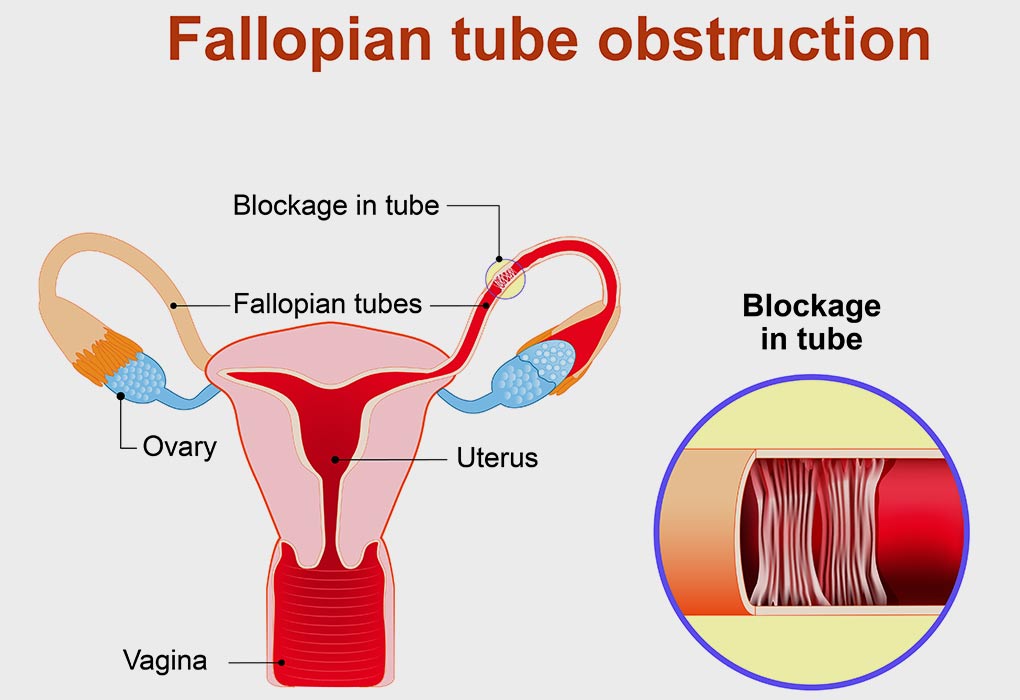
One of the major causes of infertility in women is blocked fallopian tubes. These tubes are the pathway for the egg to reach the uterus, and whenever they are blocked, it can prevent conception. A blockage in the fallopian tubes may happen because of numerous reasons, such as damage, inflammation or twisting. Such things can be caused by a variety of conditions, such as an ectopic pregnancy, pelvic inflammatory disease, uterine fibroids, etc. However, there are several natural remedies to treat blocked fallopian tubes. While there are several natural treatments for blocked fallopian tubes, many of them are not proven scientifically and thus require a doctor’s consult.
Causes for Blocked Fallopian Tubes
Fallopian tubes can become blocked due to several reasons. These include having had:
a previously burst appendix
endometriosis
a history of pelvic infection
STDs such as gonorrhoea or chlamydia
swelling at the end of the fallopian tube
Having blocked fallopian tubes doesn’t result in any visible symptoms, and it may often only become clear once you experience difficulties while conceiving. Apart from this, some women experience pain around the pelvic region or the belly. This can either happen closer to the time of their period or can be constant as well.
How Do You Know Whether Your Fallopian Tubes Are Blocked or Not?
Certainly, your physician might opt for hysterosalpingography (HSG), a form of X-ray examination utilized to identify blocked fallopian tubes. This procedure involves introducing a contrast dye into your uterus and fallopian tubes, which aids in highlighting any blockages that might be present when observed through X-ray imaging.
Your doctor could also do a laparoscopy to diagnose blocked fallopian tubes, although the preference often leans toward utilizing an HSG as the initial diagnostic step. Laparoscopy is a minimally invasive surgical procedure involving small incisions.
Top 17 Home Remedies for Blocked Fallopian Tubes
The fallopian tubes get blocked because of many problems. It is one of the most common reasons for female infertility. If you have been diagnosed with blocked fallopian tubes, here are some home remedies that can provide some relief. The remedies given below are done in a few other forms of treatment apart from medical treatments. However, you must know that they do not guarantee positive results.
1. Quit Smoking and Drinking
When you are going to try natural remedies to unblock your fallopian tubes, you need to start by eliminating variables that are known to cause health problems. Smoking and drinking have been established to be the cause of a range of diseases, and quitting them will improve the overall quality of your life. Alcohol and tobacco have been proven to wreak havoc on women’s fertility, with the failure to conceive due to blocked fallopian tubes being one of the effects. If you are a habitual smoker or have a habit of drinking, it’s best to quit before you try to conceive.
2. Include Vitamin C-rich Foods in Your Diet
Vitamin C boosts immunity and is essential for the absorption of iron in our foods. Fallopian tube blockages caused by infections can heal with the intake of sufficient Vitamin C-rich foods. Citrus fruits such as oranges and lemons are rich in Vitamin C. Apart from these, you can also eat grapefruit, strawberries, bell peppers, broccoli, green peppers, and kiwi.
3. Meditate to De-Stress
Stress is a major contributor to health problems, and it is a major cause of infertility in women. Certain meditation techniques are effective in calming down your body and balancing hormone levels and bodily functions. Therefore, find time every day to meditate a little bit to ease your mind and body. Mornings and evenings are ideal to meditate. Meditation is certainly a top and ideal natural treatment for blocked fallopian tubes.
4. Increase Your Consumption of Garlic
Herbs are mainly categorised on the basis of their ability to perform certain functions, such as balancing hormones, or their antibiotic and anti-inflammatory properties. Garlic is a natural antibacterial agent and fights microbes to boost the immune system. It is also helpful in preventing blood clots and platelet aggregation, effectively improving blood circulation. It also reduces scabs and scars from forming, thereby aiding the mucous membrane and keeping the fallopian tubes open.
5. Increase Consumption of Ginger, Cinnamon and Turmeric
With benefits and effects similar to that of garlic, these are also known to reduce inflammation, increase blood circulation, and prevent the blockage of the fallopian tubes. You can make tea out of these herbs or add them to your diet every day to gain the benefits.
6. Yoga
Yoga is a holistic approach to good health and healing. Although there are no studies to prove that yoga can help, there is no harm in trying the exercises given below, but only without getting your hopes up. That being said, yoga, with its gentle stretching exercises, can promote healing stress but cannot treat a blocked fallopian tube.
‘Viparita Karani’ is an exercise that works on the abdomen. It is also known as the ‘legs on the wall pose’. It involves lying on your back next to a wall with one of your sides in contact with the wall. Raise the leg that’s on the same side as the wall to an angle of 90 degrees. Pause for 2 seconds and lower it gently.
‘Setu Bandhasana’ or the ‘supported bridge pose’ is another effective exercise for the abdomen. Start by lying on your back and folding your knees at right angles. Using the muscles of the lower back and abdomen, slowly lift your pelvis up as you inhale. Bring it down while you exhale, going back to the starting position.
7. Fertility Massage
Massages work by improving blood flow to an affected area, which promotes faster healing of tissues and reduced inflammation. However, it is still not medically proven if fertility massages can work for a blocked fallopian tube. You may, however, try them by consulting a therapist who specialises in abdominal massaging.
8. Use Castor Oil
Castor oil is great for massages and is used in the treatment of many ailments in the body because it has some medicinal properties that affect the circulatory and lymphatic system by promoting good circulation. Massaging with castor oil on the lower abdomen could be one way to allow the stimulation of the lymphatic system around your uterus. However, just as several of the remedies given above, including fertility massages, there’s no medical backing that this remedy can improve the condition.
9. Stretching
Stretching is a natural exercise to improve circulation. It makes the body more compliant and helps treat injuries. Regular stretching as part of your daily exercise may have some healing effect on your body by restoring the blood flow, but it doesn’t guarantee a complete treatment of blocked fallopian tubes. Nonetheless, it is a great relaxing exercise to reduce pain in the pelvic and abdominal region.
10. Acupressure
Acupressure is similar to acupuncture, but there are no needles used when it comes to this treatment. The theory behind this alternative medicine technique is to clear blockages of energy flow in the body by applying pressure on what are known as pressure points on the body. Most of such treatments are not medically proven. There may be some cases where there was an overall improvement in the condition; however, there is no medical proof of it.
11. Fertility Cleanse Program
This is a body-cleanse regimen that is done for twenty-eight days to rid the body of substances that may hinder fertility. It includes following a healthy diet with herbs and gives you a detox of the kidney, colon, liver, and gallbladder, and rids the body of parasites and heavy metals. This technique could help the body to absorb nutrients better and improve overall health, but again, it does not assure treatment of a blocked fallopian tube.
12. Systematic Enzyme Therapy
The systematic enzyme therapy is a treatment that helps the body clear excess tissue, cleanse the blood, break scar tissue, lower immunological response, and increase circulation to the reproductive organs. The therapy uses systemic enzymes (enzymes that naturally occur in our bodies) to heal the body by reducing inflammation and scar tissue build-up. Traditionally, systemic enzymes were used by elderly people to reduce the effects of arthritis. It is also believed to reduce scar tissue in the fallopian tubes by dissolving the fibrin in it. It is looked upon as a viable treatment for curing infertility, but it does not have medical backing, or the results are not medically proven. Talk to your fertility specialist if you are planning on taking this treatment, as it may hinder your medical treatment for fertility, which you might be taking simultaneously.
13. Go on an Antioxidant-Rich Diet
Junk food is loaded with chemicals that resemble some of our hormones, particularly estrogen. These are bad for women as they often cause hormonal imbalances and are particularly worse for women with blocked fallopian tubes. An antioxidant-rich diet can combat the negative effects of junk food. Fresh fruits and vegetables are loaded with antioxidants, especially the colourful types, such as berries. Vegetable oils such as sunflower oil, safflower oil, mustard seed oil and coconut oil are high in antioxidants and good for use in cooking. Tea and coffee are also high in antioxidants. Additionally, cinnamon, chocolate, soy, and oregano also have necessary antioxidants. You can include carrots, eggs, papayas, mangoes, spinach, and zucchini in your diet for your overall health.
14. Lodhra
Lodhra is an Ayurvedic practice that is known to unblock fallopian tubes and boost fertility. However, there is no scientific evidence to back its safety and efficacy. Therefore, it is necessary to consult a doctor before starting Lodhra to open fallopian tubes.
15. Mugwort
Mugwort, scientifically known as Artemisia vulgaris, is an ancient herb popularly used across different continents, mainly in Chinese medicine, to deal with several reproductive and health issues. While it is known for turning the breech baby, no scientific research has evidence of it treating the blocked fallopian tubes. Therefore, a consult with a doctor prior to the use of mugwort is essential.
16. Dong Quai
Dong quai, a plant with a significant presence in Chinese herbal medicine, is known for treating reproductive issues, including removing blockage of fallopian tubes. In light of a comprehensive meta-analysis conducted in 2015, Chinese herbal medicine exhibits the potential to twofold pregnancy rates among women dealing with infertility. However, it’s worth noting that there is a lack of specific research dedicated to the efficacy of dong quai in alleviating fallopian tube blockages.
17. Vaginal Steaming
Vaginal steaming is popular for treating a number of health and reproductive issues, including fertility and menstrual cramps, and is also recommended for unblocking fallopian tubes. It is important to note that there is little to no evidence backing the safety or efficacy of this remedy.
When to See a Doctor?
Blockage in fallopian tubes could lead to infertility issues and damage the self-confidence of couples trying to conceive. if there is severe damage in the fallopian tubes, it could result in pelvic pain. Here are the following cases in which you should consult a doctor:
If you are below 35 years of age and are unable to conceive for over a year of trying.
If you are above 35 years of age and are unable to get pregnant within 6 months of trying.
If you experience continuous pelvic pain.
FAQs
1. How Much Time Does It Take to Unblock the Fallopian Tubes?
Fallopian Tube Catheterisation (TCTC) is a surgical procedure that involves unblocking fallopian tubes through a catheter that passes through the tubal canal near the cervix (neck of the womb). The whole procedure is about 20-40 minutes, and the patient is under anaesthesia, so they experience only a tingling feeling.
2. Is There Any Medical Treatment to Unblock Fallopian Tubes?
There are certainly different medical treatments to unblock fallopian tubes, and one such is laparoscopy. A surgeon can also remove the fallopian tubes’ damaged parts and connect the remaining healthy parts together. These medical treatments have a higher success rate but are expensive on the pocket.
These natural treatments may be used alongside other treatments for unblocking fallopian tubes and improving fertility. You can try out these natural methods upon consulting a medical expert and getting a go-ahead from him/her.
References/Resources:
1. Ried. K; Chinese herbal medicine for female infertility: An updated meta-analysis; Complementary Therapies in Medicine, Volume 23, Issue 1, Pages 116-128; ScienceDirect; https://www.sciencedirect.com/science/article/abs/pii/S0965229914001915; February 2015
2. Goyal. M, Singh. S, et al.; Meditation Programs for Psychological Stress and Well-being A Systematic Review and Meta-analysis; JAMA Intern Med.; https://jamanetwork.com/journals/jamainternalmedicine/fullarticle/1809754?__hstc=3584879.822a9c3981f04695664b9dc054b5f524.1523145601970.1523145601971.1523145601972.1&__hssc=3584879.1.1523145601973&__hsfp=1773666937; March 2014
3. Lee. M. S, Kang. J. W, Ernst. E; Does moxibustion work? An overview of systematic reviews; BMC Research Notes; https://bmcresnotes.biomedcentral.com/articles/10.1186/1756-0500-3-284; November 2010
4. Yoga: What You Need To Know; NIH; https://www.nccih.nih.gov/health/yoga-what-you-need-to-know
5. Dong Quai; Drugs.com; https://www.drugs.com/npp/dong-quai.html
Also Read:
Unexplained Infertility
Acupuncture for Infertility
Ayurvedic Treatments to Cure Infertility
Read more





Keys to a Successful IUI: 10 Tips to Improve Your Chances of Pregnancy
Everybody wants children at some point, but conceiving a child can be just a dream for some couples. When a woman can’t conceive naturally, it becomes an emotional struggle for the family. A couple’s inability to conceive causes conflict within their family. Such couples now have cause for optimism, nevertheless. With advancements in medical sciences, various methods of conception are now available. One is IUI, Intrauterine Insemination, which we shall discuss in depth. The following IUI success tips can help couples who want to have a family enhance their chances of conception. The couple’s age, sperm count, and tubal patency (the state of the fallopian tubes being open) are all keys to a successful IUI.
How Does IUI Work?
Intrauterine Insemination (IUI) is a fertility treatment that involves transferring semen from the male partner into the female partner’s uterus. The goal is to increase the number of sperm that reach the fallopian tubes and, in turn, increase the chances of fertilisation (1).
First, the female partner’s eggs are closely monitored. Ovulation-stimulating medicines may also be administered. When ovulation is near, the IUI procedure is performed. The semen is separated from the seminal fluid and, with the use of a catheter, inserted into the uterus. It takes just a few minutes.
Who Can Opt for IUI?
IUI can be opted for by (2):
Women who have abnormalities in their cervical muscles and patent fallopian tubes.
Men who suffer from ejaculation dysfunction.
Lesbian couples.
IUI works for some and doesn’t for others because it depends on the individual’s biological condition. So, it’s best to reach out to an expert to get an idea about your odds.
Who Shouldn’t Opt for IUI?
IUI is not recommended in the following cases:
Your fallopian tubes are severely affected.
You have a medical history of pelvic infections.
You suffer from moderate or severe endometriosis.
The success rates of IUI are 10% – 30% (3). If you’ve decided to go ahead with IUI, here are some useful tips and suggestions to improve your IUI success rate.
What Are the Symptoms of Infertility?
You should be aware of the following infertility signs (4):
You’ve been trying to conceive for six months and are 35 years of age or older.
After engaging in unprotected sexual activity for a year, you are under 35 years old and have not become pregnant.
You’ve had at least two consecutive miscarriages.
The most typical signs of infertility in women include irregular or heavy periods, no periods, pain during intercourse, and painful periods.
Changes in sexual desire, pain or swelling in the testicles, issues sustaining an erection, and small, hard testicles are typical indicators of male infertility. You ought to see a doctor if you experience any of the symptoms.
Things to Expect Before IUI
Starting your IUI (Intrauterine Insemination) journey can feel both exciting and a little overwhelming, especially if you’re unsure about what lies ahead. Here are a few key things to expect before undergoing IUI (2):
1. Initial Consultation and Testing: The process begins with a detailed assessment, including fertility tests and discussions to design a personalised treatment approach.
2. Ovulation Induction (if needed): You may be advised to take medications early in your cycle to help stimulate the development and release of eggs (5).
3. Cycle Monitoring: Mid-cycle visits are scheduled to track follicle growth through ultrasound and sometimes blood tests to determine the optimal timing.
4. Timing the Procedure: Based on monitoring results, your doctor will identify the most suitable window for performing the IUI procedure.
Tips and Suggestions to Make IUI Successful
Not every artificial insemination technique works on every woman who wants to have a baby. Some factors like age, health condition and stress levels play an important role in the success of IUI. Here are some tips you can follow to make your IUI pregnancy successful:
1. Meet a Fertility Expert
The IUI process is governed by a reproductive endocrinologist who can even cancel cycles if too many eggs are produced. Sometimes, experts suggest other ways of conception, so make sure you’re reaching out to the right person for treatment.
2. Do Your Research
If you’ve chosen IUI because of infertility, then you should go for easy-on-the-pocket options such as IVF. For women above 40 years of age, IVF is more effective than IUI.
3. Eat Healthily
Your diet influences the success rate of IUI. Add more protein-rich foods to your plate and cut down on carbs. In fact, even if you’re struggling with Polycystic Ovary Syndrome (PCOS), switching to a healthier diet can increase the chances of conception. A good diet always makes way for a better pregnancy (6).
4. Start Exercising
Moderate exercise is also good after IUI. However, rigorously working out isn’t recommended by experts. You just need to be active and not sit in a stationary position for long.
5. Avoid Smoking
As per research, women who smoke need more gonadotropin doses for ovarian stimulation. This negatively affects the IUI success rate. Hence, quit smoking.
6. De-stress and Control Anxiety
Don’t stress yourself out. Going through IUI may lead to an emotional upheaval, but learn to relax and have realistic expectations. This will make your body react positively to IUI (6).
7. Try Acupuncture
Acupuncture practitioners/ authorities recommend acupuncture therapies to increases the flow of blood and eventually improve the quality of the egg. Although allopathy doesn’t recommend it, acupuncture authorities state the therapy could increase chances of getting pregnant.
8. Take Prescribed Supplements
Coenzyme Q10 (Co Q10) and DHEA are supplements that are quite helpful as they improve fertility, and indirectly improve IUI. Bear in mind that these medicines must be prescribed by your doctor.
9. Have Sex After IUI
Doctors say that having sex after IUI actually helps (7). This is because, during sex, the uterus begins to contract, and pushes the sperm towards the fallopian tubes, making the process more efficient.
10. Be Happy
Do things that make you feel happy and content. Those who believe in the Law of Attraction say that you attract what you imagine. So, when you want to get pregnant, your life must reflect the joy of having a baby.
What Can I Eat After IUI for Success
IUI pregnancy success rate is influenced by what you eat. You need to eat fewer carbohydrates and foods higher in protein. A healthy diet can increase your chances of getting pregnant and also comes under good tips for successful IUI with PCOS. Therefore, a healthy, balanced diet always contributes to a better pregnancy. Let’s talk about the best foods to eat following IUI.
Foods to Eat
Some foods to eat for better and more successful IUI are as follows:
Consume a lot of dry fruits.
Eat as many leafy veggies as you can.
Consume only homemade, fresh food.
Avoid processed foods.
Avoid consuming fish with high mercury levels.
Take six little meals per day or six tiny meals in total.
Increase your intake of quinoa, brown rice, and other complex carbohydrates.
Avoid eating hot, spicy foods or foods high in acid or that could cause irritable bowel syndrome.
Fruits, like grapes, papaya, and pineapple, should be avoided because they might cause bleeding or break down the endometrial barrier, which can lead to miscarriage (8).
What Are the Risks of IUI?
IUI has its downsides as well. These are (9):
You may become pregnant with multiples if fertility medication is taken during IUI.
There is a risk of infection after the procedure.
Some couples can’t conceive naturally. Earlier, women who couldn’t give birth were rejected and shunned. However, over the years, things have changed. Thanks to science and technology, it’s now possible for couples to conceive and have a baby despite all the roadblocks that may come their way.
Questions to Ask Your Doctor
Preparing for IUI (Intrauterine Insemination) involves not just physical readiness but also asking the right questions to feel confident about your treatment plan. Here are some important questions to ask your doctor:
1. What are my chances of success with IUI?
2. Will I need fertility medications?
3. How many cycles of IUI do you recommend?
4. Are there any risks or side effects?
When to Consult a Doctor?
While following tips to improve your chances of success with IUI (Intrauterine Insemination), it’s equally important to know when professional guidance is necessary. Here are some key situations when you should consult a doctor during your IUI journey:
If your body isn’t responding well to fertility medications or you experience noticeable side effects, it’s important to seek medical advice.
If you notice any severe pain, abnormal bleeding, or unusual physical symptoms, you should consult your doctor without delay.
If multiple IUI attempts haven’t resulted in pregnancy, your doctor may need to reassess your treatment approach.
FAQs
1. How can you keep sperm alive for IUI?
It’s advisable to wait two to three days between ejaculation and collection to get better outcomes. Only a few days during the sperm cycle will mature sperm inside the male body. They then start to decompose and are destroyed by white blood cells.
2. What foods should be avoided after IUI?
Let us help you with some IUI treatment success tips. After IUI, stay away from processed foods, sugary drinks, alcoholic beverages, spicy and difficult-to-digest dishes, as well as too much seafood (since it contains mercury). Consult your doctor before eating fruits, like papaya and pineapple, since some medical professionals think they can thin the blood and damage the endometrial layer.
3. How long does IUI sperm stay alive in the uterus?
Combining IUI with sexual activity may improve coverage because sperm can live up to 5 days in fertile mucus, with 2-3 days being frequent.
4. Can I eat curd after IUI?
We often ask ourselves, “what can I do to help IUI”. a diet high in whole milk, cream cheese, yoghurt, and other full-fat dairy products may enhance fertility.
5. Should I drink lots of water before IUI?
Drinking water before IUI is great; by doing so, the uterus might lean back, making it simpler to insert the IUI catheter.
Achieving success after IUI requires a balanced approach that includes proper care, medical guidance, and patience. While these after IUI success tips can help support your journey, it’s important to remember that every individual’s experience is different. Staying consistent with your doctor’s advice and maintaining a healthy lifestyle can make a positive impact. With the right mindset and support, these after IUI success tips can help you move closer to your goal of pregnancy.
Also Read:
Progesterone after IUI
IUI vs IVF: Which One is Best for You
Side-Effects and Risks of IUI Treatment
Pregnancy Symptoms after a Successful IUI
Read more
IUI Success Signs: Pregnancy Symptoms After IUI
If you’ve gone through an intrauterine insemination (IUI) procedure, there’s nothing quite like the waiting period that follows. The anxiety and anticipation can feel overwhelming, yet the thought of a positive result brings incredible hope and excitement. Every milestone and tiny kick that follows a successful conception becomes a reminder of the beautiful journey you and your little one are about to share.
After undergoing IUI, it’s completely natural to be curious about potential IUI success symptoms day by day. Taking a pregnancy test after IUI can provide reassurance, but paying attention to your body’s subtle changes may also offer early hints. While every woman’s experience is unique, some common signs can suggest successful conception and implantation. Keep reading to explore what these symptoms mean and find answers to your most common IUI-related questions.
What Is an IUI Pregnancy?
Pregnancy through IUI is an option for couples with trouble conceiving naturally. In this procedure, the sperm is directly inserted into the uterus to increase the chances of fertilisation. A catheter is used to place the sperm in the woman’s uterus. This method has been successful in many cases and is one of the best ways of artificial insemination available. For most women, pregnancy test after IUI results are positive (1).
Also Read: In Vitro Fertilization (IVF) for Infertility Treatment
When Is IUI Treatment Used?
IUI (Intrauterine Insemination) treatment is a fertility technique used in various scenarios to increase the chances of pregnancy. Here are a few situations where IUI treatment may be recommended (2) (3):
Unexplained Infertility: When there is no identifiable cause for a couple’s infertility, IUI can be attempted as a less invasive option before considering more advanced treatments.
Male Factor Infertility: IUI can help overcome certain male fertility issues, such as low sperm count or motility, by directly placing the sperm into the uterus.
Cervical Factor Infertility: If the cervix poses a barrier to sperm reaching the fallopian tubes, IUI bypasses this obstacle by placing the sperm directly into the uterus.
Mild Endometriosis: For women with mild endometriosis, IUI can be a viable treatment option to enhance the chances of conception by optimising the timing of insemination.
How Successful Is IUI?
The success rate of pregnancy through IUI depends on various factors, including the age of the woman, serious fertility-related issues that probably haven’t been diagnosed, whether fertility drugs were used, and so on. Hence, the rate of success does differ from woman to woman. On average though, a woman who is under 35 years of age has a 10-20% chance of getting pregnant with each IUI. A woman around 40 years of age, on the other hand, has a 9.8% chance of getting pregnant with IUI.
When Do You Start Experiencing the Symptoms of Pregnancy?
Some women may see early signs or symptoms of pregnancy after the treatment. However, this is usually due to the intake of drugs that contain progesterone, which leads to a feeling of tenderness in the breasts, bloating, and fatigue. Actual pregnancy symptoms usually appear after two weeks.
Pregnancy Symptoms After the IUI Process
Implantation symptoms after an IUI procedure are similar to those of a normal pregnancy. Some of the IUI success symptoms include (4):
1. Implantation Bleeding
One of the first signs of implantation is implantation bleeding. While not every woman experiences this, it is considered normal either way. Implantation bleeding happens when the egg deposits itself in the uterus lining, causing a small vaginal discharge that can be easily mistaken for periods. Cramps can often accompany this. It is usually observed around six to twelve days after conception. Spotting and cramping are the most obvious symptoms of IUI success (5).
2. Menstrual Delay
A delay in periods is a big hint toward the possibility of conception. While spotting or light bleeding may be noticed in between, there is very likely nothing to be worried about. You can always consult a doctor if you notice any unusual bleeding worrying you.
3. Tenderness in Breasts
You may be headed towards pregnancy if your breasts feel heavy, sensitive, and slightly sore. Swelling and tenderness in the breasts are symptoms that are common during periods as well. However, if this symptom persists even after a delay in your periods, it would be wise to take a pregnancy test.
4. Nausea
Common symptoms also include nausea or morning sickness. This may be triggered due to an intense odour, an aversion to a particular food, or sometimes, for no reason. This happens due to an increase in the hormone oestrogen levels in your body.
5. Fatigue
You may feel very tired during this time due to a high progesterone level in your system, as this hormone induces sleep. In addition, your blood pressure and blood sugar levels also decrease. This expends a lot of energy and contributes to the feeling of fatigue.
6. Cravings and Aversions
You may develop an intense, almost unnatural craving for certain foods while at the same time, not being able to stand certain smells. This is a symptom of pregnancy that can stay with you for quite a while, even up until the end of childbirth. Your food cravings may often have you searching for food at odd times! These cravings and aversions toward smells and foods are caused due to hormonal changes in the body.
7. Consistently High Body Temperature
An increase in the level of progesterone can raise your body temperature. If you’ve noticed a rise in your body temperature for over 20 days, then it is a good sign, and you might just be pregnant.
Other Symptoms After IUI (Intrauterine Insemination)
Although an IUI is almost non-invasive, you may want to look out for any symptoms indicating something is wrong. One would be inquisitive about knowing what happens after IUI day by day. Although complications due to IUI are uncommon, it may help you to know about the signs of the same (6).
Bright red period-like bleeding from the vagina
Severe cramping in the abdomen or pain in the neck and the legs
Fever
Dizziness or fainting
These may be an indication of tubal pregnancy or infections. In such cases, you should consult your doctor immediately and seek the right relief measures.
When Should You Take a Pregnancy Test?
Many women find themselves eagerly wondering how long after IUI can you test for pregnancy, especially during the anxious two-week wait that follows the procedure. Although IUI involves placing sperm directly into the uterus, fertilisation still takes time. Once the egg is fertilised, it usually takes about four to six days for the zygote to travel to the uterus, and another five days or more for implantation to occur. After that, hCG levels, the hormone detected by pregnancy tests, need a few additional days to rise. For the most accurate result, it’s best to take a pregnancy test about two weeks, or 14 days, after the procedure (5) (7).
How to Confirm Pregnancy After IUI (Intrauterine Insemination)?
Confirming pregnancy after intrauterine insemination (IUI) can be exciting for couples trying to conceive. To alleviate the uncertainty, there are several methods to confirm pregnancy following an IUI procedure. Here are four to five points to consider:
Wait for a Missed Period – One of the simplest ways to confirm pregnancy after IUI is to wait for a missed period. If your menstrual cycle is usually regular, a delay in your period can strongly indicate pregnancy.
Take a Home Pregnancy Test – Home pregnancy tests are widely available and can be taken about two weeks after the IUI procedure (6). These tests detect the presence of human chorionic gonadotropin (hCG), a hormone produced during pregnancy. Follow the instructions on the test kit carefully for accurate results (8).
Confirm With a Blood Test – A blood test, often called a quantitative hCG test, can provide more precise results than a home pregnancy test. This test measures the levels of hCG in your blood, which can indicate pregnancy even in its early stages (7).
Monitor Pregnancy Symptoms – Pay attention to any early pregnancy symptoms you may experience, such as breast tenderness, fatigue, nausea, or frequent urination. While these symptoms are not definitive proof of pregnancy, they can be encouraging signs.
Schedule an Ultrasound – An ultrasound, typically performed around six to eight weeks after the IUI procedure, can visually confirm pregnancy. This imaging technique allows healthcare professionals to observe the presence of a gestational sac and a developing embryo.
FAQs
1. Are IUI babies healthy?
Yes, babies conceived through intrauterine insemination (IUI) have the same potential for good health as babies conceived naturally. The baby’s health primarily depends on various factors, such as the overall health of the parents, any underlying medical conditions, and prenatal care received during pregnancy.
2. Can you have twins with IUI?
Yes, the chances of having twins or multiple pregnancies are slightly increased with IUI compared to natural conception. This is because multiple embryos may be transferred during the procedure. However, fertility medications can further increase the chances of multiple pregnancies with IUI (1).
3. What are the symptoms of failed IUI?
The IUI failure symptoms are similar to those of a regular menstrual period. These may include cramping, breast tenderness, mood swings, and a normal menstrual flow. It’s important to note that experiencing these symptoms does not guarantee a failed IUI, as pregnancy symptoms can vary from person to person.
4. Can I get pregnant in the first cycle of IUI?
Yes, it is possible to achieve pregnancy in the first cycle of IUI. The success rates of IUI vary depending on factors such as the woman’s age, the cause of infertility, and the overall health of both partners. Discussing the success rates and specific factors related to your situation with your healthcare provider is recommended.
5. Is it normal to be pregnant with no symptoms after IUI?
Yes, it is possible to be pregnant with no symptoms after IUI. Not all women experience early IUI symptoms; the absence of symptoms does not necessarily indicate a problem. Each woman’s experience with pregnancy is unique, and symptoms can vary widely.
6. Does travelling affect a pregnancy after IUI?
Generally, travelling does not have a significant impact on pregnancy after IUI unless there are specific complications or concerns identified by your healthcare provider. It is important to discuss your travel plans with your healthcare provider to ensure it is safe for you and your pregnancy.
7. What are the symptoms of IUI after 3 days?
Most women don’t notice clear pregnancy signs just three days after IUI. Some may have mild cramping, slight spotting, or bloating from the procedure or medications, but many feel no changes at all.
8. Is cramping after IUI a good sign?
Yes, mild cramping is common and can be due to the IUI procedure itself or early implantation. However, if the cramps become severe or are accompanied by heavy bleeding, consult your doctor (5).
Waiting for confirmation about your pregnancy after the IUI procedure may be stressful and emotional. However, you need to keep calm and avoid stressing over it. Confide in your partner and support each other during this crucial phase and try putting off taking a home pregnancy test for at least two weeks. And when the time is right, the best way to determine whether you are pregnant is to get a blood test done, as it ensures an accurate result.
Also Read:
Progesterone After IUI
Side Effects and Risks of IUI Treatment
IUI Success Tips to Increase Chances of Pregnancy
IUI (Intrauterine Insemination ) vs IVF (In Vitro Fertilization): Which One Is Best for You
Read more

24 Natural Ways to Increase Fertility in Men and Women
When most married couples think about having children and starting a family of their own, they think about factors like financial stability, physical health, getting good gynaecologists, proximity to family members, etc. The aspect of infertility doesn’t cross a couple’s mind until they fail to conceive and decide to undergo medical tests. Fertility issues can exist in the man, the woman, or both. Infertility can be a roadblock in a married couple’s life, leading to arguments and discomfort. The best way to combat the problem of infertility is to not blame either party but to find the right remedy that can boost fertility. There are plenty of natural ways to boost fertility in couples. Plus, enhancing fertility naturally should be the primary way to boost the chances of conceiving rather than going for complex medications and treatment. Join us as we explore some popular home remedies to increase fertility in this article.
What Causes Infertility?
In women, infertility can be caused due to the following reasons (1):
Blockage in the physical paths of reproduction
Increased levels of prolactin
Presence of polycystic ovarian syndrome (PCOS)
Presence of endometriosis
Improper nutrition
Higher age
Celiac disease
In men, some causes of infertility are (2):
Imbalance of hormones in the body
Improper nutrition
Varicocele condition
Issues surrounding ejaculation
Presence of anti-sperm antibodies
Certain medications affecting fertility
Exposure to chemicals and harmful environmental conditions
Lifestyle choices of increased alcohol consumption, smoking, drug use, etc. (3)
Natural Remedies to Boost Fertility
Some conditions mentioned above may require medical treatment to bring back fertility. However, there are certain ayurvedic home remedies for infertility that are known to be useful. These home remedies for infertility in females are a healthy and natural alternative that does not harm the body. These top ways to help fertility are organic and can be prepared, ingested or performed from the comfort of your home, according to your needs, tastes, and body requirements. However, it is recommended that you check with your doctor before choosing to follow any remedial measures at home.
Let’s take a look at some of the popular home remedies to boost fertility!
1. Chasteberry
Chasteberry is a good option if you need to balance your hormone levels and reduce PMS symptoms (4). It directly affects the pituitary gland and is a boon for women with increased levels of prolactin. By boiling the berries in water and drinking the concoction after straining, the result is increased ovulation in women. It can also be found as capsules, and your doctor will be able to recommend the right amount of consumption. In cases of breast cancer, medicine for psychosis, and IVF, this is generally avoided.
2. Maca Root
This is a very popular answer to the question of treating infertility in women as well as men. Known to boost the production of hormones in the body, this root is beneficial, especially for women who suffer from hypothyroidism. A small teaspoon of powdered maca root with warm milk or water is the best way to consume it. It can even be used in smoothies or cereals for breakfast. Whether or not this root should be consumed during pregnancy is still a matter of debate, hence one should avoid eating it while pregnant or consult a doctor before including it in the pregnancy diet.
3. Winter Cherry
Winter cherry, or ashwagandha, is a popular herb that is known to help treat female infertility. It is generally recommended that the winter cherry herb should be consumed approximately a week following your period. A small teaspoon of this powdered herb, mixed with milk, is an appropriate dose to start improving your fertility.
4. Helonias Root
Also known as the ‘false unicorn root’, the helonias root is acclaimed for treating various reproductive-related issues such as menstruation, menopause, pregnancy symptoms, and infertility. By optimizing the levels of progesterone in the body and subsequently improving the overall estrogen activity, this herb helps generate the strength that a uterus requires during the ovulation phase. This results in the stabilization of the reproductive hormones in the body. All in all, this herb restores the hormone levels of the woman and boosts ovulation.
5. Alfalfa
Most people swear by this home remedy due to the presence of substantial vitamin value within it. Alfalfa is known to have a variety of vitamins, such as Vitamins A, C, E, and K, and is further complemented by nearly eight digestive enzymes and a few minerals. This altogether affects the body in a multitude of ways. Alfalfa balances the hormone levels by boosting low estrogen levels as well as keeping them in check if they are high, leading it to be termed as a phytoestrogen. The best way to consume it is by adding sprouts to various salads. Get the quantity checked by your doctor to avoid excessive consumption.
6. Dandelion
Dandelion is bitter in taste but has a generous quantity of vitamins and minerals within it, such as Vitamins A, C, K, folate, calcium, and potassium. Its leaves contain diuretic properties, which help the body in getting rid of various toxins. Acting as a cleansing herb, the roots of the dandelion are responsible for maintaining a hormonal balance as well as supporting liver function and keeping it healthy. Furthermore, hormonal balance can be improved by the use of dandelion.
7. Grape Seed Extract
Vitamin C is essential for potency in men. The grape seed extract is a wonderful source of Vitamin C, which can boost male fertility. The extract also contains strong antioxidant properties. These combined properties provide sperms with additional strength and protection, thus increasing their lifespan and chances of survival until they reach the female egg.
8. Royal Jelly
Obtained from beehives, this jelly resembles a cream-like substance. It is generated by the bees for the nourishment of the queen bee. Its constitution is rich in a variety of proteins, fatty acids, vitamins, sugars, amino acids, and so on. With optimal quantities of iron and calcium present in it as well, the consumption of royal jelly resets and balances hormone levels, thus increasing the chances of correcting fertility issues.
9. Fennel With Butter
Women who are on the heavier side tend to face problems with infertility. Fennel is known to treat such conditions and is one of the popular ways to improve fertility. Estrogen occurs naturally in fennel, and when this food is consumed, the natural hormone present can help regulate the reproductive cycle. Combining some fennel powder with pure butter creates a mixture that should be eaten daily for a few months. It is a good method to boost fertility.
10. Dates
Not only are dates tasty, but they also contain a variety of nutrients that support conception. Vitamins A, B, E, iron, potassium, and antioxidants are found in rich quantities within dates. All of these are necessary to allow a woman to conceive and have a healthy pregnancy right to the end. They also help with the treatment of constipation and regular bowel movements. Creating a paste of dates and coriander roots, boiling it with cow’s milk, and drinking this cooled mixture daily post your period is highly beneficial. General consumption of dates as a snack or through smoothies is great, too.
11. Omega-3 Fatty Acids
Nothing can regulate hormones as well as omega-3 fatty acids and DHA (docosahexaenoic acid), and they are well known for improving fertility in women trying to conceive naturally (5). These are highly essential for good ovulation in women and good sperm health in men. Omega-3 fatty acids are found in plenty of foods, such as different kinds of fish, seeds like flax and chia, walnuts, eggs, and leafy greens like spinach. However, be careful when eating fish with high mercury levels during conception. There are omega-3 supplements available that increase your chances of getting pregnant, and once conception has taken place, they can still be beneficial to consume to improve the brain development of the foetus.
12. Raspberry Leaves
The leaves, as well as the seed oil of the raspberry plant, are known to be extremely useful. They contain Vitamin B complex, as well as calcium and iron. The leaves are known to improve fertility in both men and women. They help regulate ovulation, and the calcium in the leaves helps in strengthening the uterus. Mixing dried raspberry leaves in hot water and drinking it as herbal tea makes it easy to consume. A couple of cups daily can help improve fertility!
13. Red Clover
Known to be a nourishing herb, the red clover is rich in Vitamin B complex, Vitamin C, calcium, potassium, magnesium, and other essential minerals. It has a great quality of being responsible for the purification of blood. It can help increase blood flow and stimulate oestrogen levels. The presence of calcium, magnesium, and other minerals assists in keeping the body’s muscle function optimal and supports the health of the female uterus. The red clover is also known to optimize the dryness of the vagina because of its estrogenic action and increase the secretion of cervical mucus.
14. Rock Salt
Sometimes, you do not need fancy and exotic herbs to treat infertility. Rock salt is readily available in the market and can assist in the improvement of fertility. By soaking rock salt in water overnight and drinking the water in the wee hours of the morning or by simply adding it to your diet, your chances of getting pregnant can improve after about 5-6 months. Rock salt contains sodium, potassium, calcium, magnesium, copper, iron, which is important to improve fertility in men n women. Consuming rock salt dissolved in water can help normalize the menstrual cycle of women, resulting in a healthy uterus. It’s possible that consuming this water may result in vomiting or diarrhoea – this is a normal reaction and should not stop you from drinking or taking any medication to treat it. In some cases, reducing the amount of rock salt water you consume can help. But to be on the safer side, we suggest that you consult your doctor before you try out this remedy.
15. Cinnamon
Here’s another option that is easily available and can help increase the chances of pregnancy. PCOS, one of the leading causes of infertility, can be combated by the consumption of cinnamon. It helps in the proper functioning of the ovaries by improving the menstrual cycle of women with PCOS. Cinnamon can also help treat other factors affecting female fertility, such as irregular periods, fibroids in the uterus or endometriosis. Furthermore, it also helps treat bacterial and yeast-related infections. Consuming it with hot water daily and including it in your diet is recommended. However, abstain from consuming more than two teaspoons.
16. Folic Acid Prenatal Vitamins
Primarily known to prevent birth-related defects in the foetus during pregnancy, folic acid is also prescribed before pregnancy. NHS and Tommy’s state that although folic acid cannot help you get pregnant, many health experts recommend it to women trying to get pregnant (6) (7). Folic acid is a key component in maintaining a fertile state by regulating the processes relevant to ovulation. All that is required is taking folic acid tablets in quantities of 400 mcg for a few months before attempting to conceive. This helps you get pregnant as well as provides crucial support in the development of the unborn baby, preventing it from brain and spinal cord defects (8).
17. Stinging Nettle
Highly recommended in treating uterus-related problems and improving fertility, the stinging nettle is a herb that directly affects the adrenal glands and helps enhance their functionality by providing the necessary hormone. It increases the chances of conception and staying pregnant for 9 months by ensuring the retention of the embryo within the uterus and reducing the chances of a miscarriage. Being a great source of vitamin K, vitamin A, vitamin D and vitamin E, nettle tea is recommended even after delivery because it aids breast milk production and provides nutrients to the newborn baby. Consumption of a couple of cups of tea for many months helps increase the chances of getting pregnant.
18. Alum
Certain women have appropriate menstrual cycles and yet fail to attain pregnancy. In these cases, alum is known to be a good remedy for restoring fertility. Take a small piece of alum and cover it with cotton. While sleeping at night, place it inside the vagina and remove it in the morning after waking up. A white milky layer will be present on the cotton. This needs to be repeated until the white layer does not appear anymore. This is a strong sign of being able to get pregnant. Following this, you can stop using the alum piece and start trying to get pregnant. But douching has many health-related drawbacks and potential risks of infections, so consult with your gynaecologist before trying out this remedy. Note: This remedy should not be tried without consulting an expert.
19. Pomegranate
Pomegranate is high in Vitamin C and antioxidants. This good old fruit is rumoured to be a natural supplement to having a long and healthy life. Beyond that, it is known to be successful in increasing fertility in both men and women. Pomegranate boosts the flow of blood to the uterus. This directly causes the uterine lining to get thicker and stronger, which, as a result, highly reduces a miscarriage from taking place. With a strong and safe uterus in place, the foetus can now develop in a healthy manner. Pomegranate should be consumed fresh, either raw or its juice, in the right quantities for a few weeks.
20. Lifestyle Changes
Along with implementing any of these home remedies, Harvard suggests making changes to your daily lifestyle, diet, and routine to combat infertility (9). Cutting down on alcohol, tobacco and caffeine, exercising regularly and moderately, eating a big and healthy breakfast, and trying to de-stress and rest are small tweaks that can complement your other efforts of trying to conceive (10).
21. Relaxation and Meditation
Yes, stress is the biggest contributor to infertility. Stress and fertility are still debated in several research spaces (11). It can affect your menstrual cycle, which can impact your fertility. Planning to get pregnant can take a toll on the mental health. However, it is essential that the stress and anxiety do not overburden you and that it affect your fertility. You can take the help of professionals to reduce your anxiety and stress or indulge in stress-reduction activities (12).
22. Refined Carbs
Refined carbs are what you need to be extremely careful of. Refined carbs are found in highly processed foods, like bread, white pasta, and sugary products. These carbs have a high glycemic index (GI) and spike blood sugar and insulin levels. High insulin levels trigger the body to produce fewer reproductive hormones, which can lead to imbalanced ovulation and lack of egg maturation. Therefore, keeping the count low on refined carbs is essential for fertility.
23. Weight
High body mass index (BMI) can affect fertility in both men and women (13). While overweight men often produce less or no sperm compared to their healthier counterparts; similarly, overweight women may struggle to get pregnant due to irregular or absent menstrual cycles. Additionally, obesity increases the risk of miscarriage. During pregnancy, overweight women also increase the likelihood of their babies developing type 2 diabetes, high cholesterol, and various heart issues. Therefore, it is essential to put a cap on what and how much you consume and maintain a healthy weight.
24. Frequent Sex
Engaging in regular intercourse, about two to three times a week, can enhance your chances of getting pregnant. This practice can strengthen your bond and reduce stress for both partners. Tracking your menstrual cycle helps identify your ovulation period, allowing you to time your intercourse during your most fertile days, thus increasing the likelihood of conception.
FAQs
1. How can I boost my chances of conceiving naturally?
By making healthy changes in your diet and lifestyle, staying hydrated, exercising regularly, and having fertility-boosting foods and herbs, and maintaining healthy weight, you can increase your odds of better and faster conceiving. Aslo, it is essential to avoid smoking and drinking alcohol during the time of conceiving to up your chances.
2. What fruits can I have to increase fertility?
Citrus fruits, like grapefruit, orange, gooseberry, etc., ae known to keep ovulation in check and increase fertility naturally.
3. Is it possible to conceive in your 40s?
Following a fertile regimen, including having a healthy diet, avoiding alcohol, tobacco and cigarettes, reducing caffeine, and having regular exercise increases your odds of conceiving in your 40s.
4. What supplements can I take over the counter for fertility?
Omega-3 fatty acids are ideal for fertility. However, it is advised you consult a medical practitioner for recommendations on supplements for fertility.
As scary as it might sound, infertility is simply a small obstacle on the path to attaining a good and healthy pregnancy. Certain complications in the body of the man or the woman might deem a medical intervention necessary to achieve a successful conception. Nevertheless, in most conditions for female and male infertility treatment, home remedies are ideal for helping your body achieve its optimal nature!
References/Resources:
1. Female Infertility; Penn Medicine; https://pennmedicine.org/for-patients-and-visitors/patient-information/conditions-treated-a-to-z/female-infertility
2. Male infertility; Mayo Clinic; https://www.mayoclinic.org/diseases-conditions/male-infertility/symptoms-causes/syc-20374773
3. Fan. D, Liu. L, et al.; Female alcohol consumption and fecundability: a systematic review and dose-response meta-analysis; Scientific Reports; https://www.nature.com/articles/s41598-017-14261-8?utm_medium=affiliate&utm_source=commission_junction&utm_campaign=CONR_PF018_ECOM_GL_PBOK_ALWYS_DEEPLINK&utm_content=textlink&utm_term=PID100090071&CJEVENT=6c234023365811ef82a93c300a18b8f9; October 2017
4. What Is Chasteberry, and What Can It Do?; Cleveland Clinic; https://health.clevelandclinic.org/chasteberry-benefits-and-risks
5. Stanhiser J, Jukic AMZ, McConnaughey DR, Steiner AZ. Omega-3 fatty acid supplementation and fecundability. Hum Reproduction; PubMed Central; https://www.ncbi.nlm.nih.gov/pmc/articles/PMC9308390/; May 2022
6. Pregnancy, breastfeeding and fertility while taking folic acid; NHS; https://www.nhs.uk/medicines/folic-acid/pregnancy-breastfeeding-and-fertility-while-taking-folic-acid/
7. Benefits of taking folic acid and vitamin D before pregnancy; Tommy’s; https://www.tommys.org/pregnancy-information/planning-a-pregnancy/are-you-ready-to-conceive/benefits-taking-folic-acid-pregnancy
8. Folic acid; OASH; https://www.womenshealth.gov/a-z-topics/folic-acid
9. Changes in diet and lifestyle may help prevent infertility; The Harvard Gazette; https://news.harvard.edu/gazette/story/2007/11/changes-in-diet-and-lifestyle-may-help-prevent-infertility/; November 2007
10. Best. D, Avenell. A, Bhattacharya. S; How effective are weight-loss interventions for improving fertility in women and men who are overweight or obese? A systematic review and meta-analysis of the evidence; Human Reproduction; https://academic.oup.com/humupd/article/23/6/681/4157319?login=false; September 2017
11. Rooney KL, Domar AD. The relationship between stress and infertility. Dialogues Clin Neurosci.; PubMed Central; https://www.ncbi.nlm.nih.gov/pmc/articles/PMC6016043/; March 2018
12. Sharma. R, et al.; Lifestyle factors and reproductive health: taking control of your fertility; Reproductive Biology and Endocrinology; https://rbej.biomedcentral.com/articles/10.1186/1477-7827-11-66; July 2013
13. Weight, fertility, and pregnancy; OASH; https://www.womenshealth.gov/healthy-weight/weight-fertility-and-pregnancy
Also Read:
Best Herbs to Boost Fertility
Super Effective Ways to be More Fertile
Ways to Boost Fertility After a Miscarriage
Foods To Increase Fertility For Conceiving Twins
Fertility Supplements That May Help You Conceive
Read more

IVF (In Vitro Fertilisation) Failure: Reasons, Rate & Symptoms
In-vitro fertilisation is an advanced and powerful technique that has helped couples struggling with conceiving to get pregnant and have a baby. While IVF has proven to be a successful choice for many couples, there are many cases left behind that don’t yield the desired results. IVF failure can be emotionally draining on couples and their relationships, who have invested their hopes and resources into the process. You might wonder why IVF fails when it is considered to be effective. Not every process comes with a guarantee, and IVF itself depends on numerous factors for its success. In this comprehensive post, we will get into the core of the causes of IVF failure and provide you with valuable tips on coping with the unfortunate situation.
IVF Procedure
Knowing how IVF works will give you a better understanding of everything required for a successful IVF cycle. Here is what the IVF procedure typically looks like.
1. Hormone Injections
Usually, one egg is released from an ovary each month. However, IVF requires multiple eggs to be retrieved from the body. Hence, follicle-stimulating hormones are injected, so multiple eggs can be released at once, and then retrieved.
2. Retrieval of Eggs
When the eggs have just been released from the follicles, the right time to remove the eggs is determined. The retrieval procedure takes under 30 minutes, during which the doctor locates the follicles in the ovary through an ultrasound and removes them using a hollow needle.
3. Fertilisation
Immediately upon retrieval, the eggs are placed in the same dish as your partner’s sperm or a donor’s sperm to be fertilised.
4. Observation
The embryos (fertilised eggs) are then placed under observation to grow and develop properly. This observation period is usually five days until the embryos reach the blastocyst (advanced) stage.
5. Embryo Transfer
The good-quality embryos with the highest chance of being implanted are picked out and transferred to your uterus in a simple procedure. This is a quick procedure where the doctor inserts a catheter into the uterus and deposits the embryos.
6. Implantation and Pregnancy
The embryos are left to implant or attach to the uterus walls for a successful pregnancy. In cases where this does not occur, it is considered a failed IVF cycle.
IVF Failure Reasons
Knowing that the IVF procedure has failed barely gives any idea about the reasons that led up to it. The causes of IVF failure can vary, depending on numerous factors. Let’s check some common reasons behind unsuccessful IVFs:
1. Embryo Transplantation
Failed IVF transfer can also be due to unsuccessful embryo transplantation. The average implantation rate in the in vitro fertilisation procedure is about 25%. At times, the embryo that has been fertilised successfully might not latch onto the uterus successfully and fail to implant.
2. Absence of a Conducive Embryo
During the IVF procedure, the doctors might not find any embryo that is healthy and can successfully lead to a pregnancy. This makes it necessary to terminate the process.
3. Failure of Eggs to Fertilize
Even before an embryo formation, the eggs may fail to be fertilised by the sperm. This could be because of issues in either of them or even both.
4. An Absence of Quality Eggs
For an embryo to be formed properly, the eggs need to be of high quality. If those are not obtained in a good amount, the chances of embryo formation are close to none.
5. Inadequate Number of Follicles
This is an early-stage termination of IVF, even before the eggs are obtained from the female partner. If the stimulation fails to create enough follicles for egg generation, IVF cannot proceed.
6. Poor Sperm Quality
It is not only that the quality of eggs matters, but the quality of sperm creates significance, too. Men with genetic disorders or diabetes have poor sperm quality. Poor sperm’s DNA can undergo breakage during and after fertilisation, leading to failed implantation and miscarriage.
7. Oocyte’s Age
Eggs have a peak fertilising potential between the ages of 24 to 34. If you are trying to get pregnant after this age bracket, you may face problems related to IVF failure.
Symptoms of IVF Failure
The IVF implantation failure symptoms are quite evident in the absence of any changes. Implantation generally causes changes in the tendency to smell, increased sensitivity of breasts, vaginal discharge, and slight abdominal cramping. If these don’t exist even after a couple of weeks, post IVF, it might be indicative of a failure.
What Happens When IVF Fails?
In case you meet with an IVF failure, it would be necessary to meet your doctor to understand what happened and how you can proceed from there.
1. Counselling Sessions
More than the medical aspect of things, the news of IVF failure can be emotionally distressing for both you and your partner. This can even result in depression or anxiety about trying it out again. Undertaking counselling sessions can help you channel your emotions and find a semblance of peace again.
2. Changes in Your Lifestyle
By indulging in conversations with your doctor, there will be some clarity around any specific factors surrounding your lifestyle that might have contributed to an unsuccessful IVF procedure. Certain changes might be prescribed in order to keep your weight in an optimal range, as well as other exercises that can help boost hormones conducive to pregnancy.
3. Carrying Out Genetic Testing Before Implantation
This is generally recommended if many other fertility options have failed to bear fruit. The costs associated with genetic testing are substantial. However, it helps diagnose any problems that might cause a problem with the implantation of the embryo and correct them or mitigate them by choosing an appropriate embryo.
How to Cope With IVF Failure?
Understanding the IVF failure causes is one aspect of coming to terms with the incident. But what’s more important is for you to cope with the incident itself and help yourself return to normalcy in the best way possible.
1. Focus on Doing Things You Enjoy
Make a list of all the things you enjoy doing and start ticking them off. Take a mini-trip with your friends, gorge on tasty foods, and anything that you call a fun time. Give yourself the enjoyment you deserve to take your mind off the sadness.
2. Engage in Conversations With Similar People
IVF failures are observed in many women. Connecting with them either via an online forum or an in-person meeting could help you voice your emotions and concerns and find a friend who understands your experience and can support you through this. Letting out your feelings can make you feel lighter.
3. Carry Out Self-Healing
The body undergoes a massive change during IVF, and now it has to make its way back to its usual state. Your first period can take some time to occur since your menstrual cycle requires a few days to reset itself. When the bleeding does occur, try to celebrate it, since it is a good sign that your body is doing alright. Indulge in acupressure or alternative healing methods that relax your mind and body together.
4. Put Together a Future Plan
Taking a look at various fertility websites and articles, as well as checking out different discussions in forums can start giving you a better idea of the options that you can choose from. It also helps you look forward to the future by creating a plan of action if the other option were to fail as well.
5. Trust the Process
In certain cases, IVF might proceed to a successful pregnancy, only to meet with a miscarriage or require termination of the foetus due to certain medical conditions. Talk to your doctor to understand the reasons for failure in a better manner. These can help you cope with it and accept your experience.
6. Choose Who You Tell About it
The excitement of being a mother via IVF would have you talking to all your friends and family members about it. However, when the procedure fails, it can be awkward and painful to answer their questions over and over again. Look at this as a learning lesson and keep a shorter circle of people who know about any later attempts. Once you have a successful result, you can happily announce your pregnancy.
7. Stop Blaming Yourself For the Results
The IVF procedure is pretty complex and depends on numerous factors to be present in the optimal state for it to be successful. You don’t need to take all the blame of having an unhealthy body or being careless in any way.
How Many Times Can You Try IVF?
Ideally, a couple should be ready to try around six cycles of IVF to get a good result. Since that can be quite costly for many, fertility clinics might have certain plans that can reduce costs or share the risks of failure.
Tests That Will Help to Identify the Failure of IVF
IVF failure can be traumatising. Knowing the reasons for this unfortunate situation can help overcome it. Fortunately, there are various diagnostic tests available to pinpoint the underlying causes behind an unsuccessful IVF cycle:
1. Uterine Evaluation
Uterine evaluation primarily focuses on examining the condition of the uterus and fallopian tubes. It is typically conducted prior to the initial IVF cycle.
2. Sperm DNA Fragmentation Test
This diagnostic method combines various testing modules, such as TUNEL and the alkaline comet assay, to assess the genetic integrity of sperm. If there seems to be any damage to sperm DNA, other methods can be deployed to select a healthy sperm with intact nuclear DNA.
3. Endometrial Receptive Array (ERA)
ERA involves a biopsy of the endometrium using genetic markers. This procedure helps determine the receptivity of the uterus for embryo implantation. In cases of recurrent IVF failures, the ERA can be instrumental in assessing whether uterine receptivity is a contributing factor to the unsuccessful outcomes.
4. Immunological Test
These tests are designed to investigate imbalances in the immune system and assess the body’s ability to tolerate a developing fetus. Typically, immunological tests are considered when all other diagnostic avenues have been explored, and the exact cause of IVF failure remains elusive
5. Pre Implantation Genetic Diagnosis (PGD)
PGD is a diagnostic procedure where embryos are screened for chromosomal abnormalities or genetic defects. This meticulous examination can identify even minor errors within the embryo that might be causing IVF implantation failure.
When to Try Again?
You may not know why IVF fails with good embryos, but that should not keep you from trying again. If you have faced failure in the first IVF, give yourself time to recover and get a checkup done with your doctor. Once your parameters are normal and you are emotionally, mentally, and physically in a good place, you can try again.
Factors Your Second IVF Success Will Depend On
Even if you have faced a failure in your first IVF cycle, you can try again to achieve a successful result. The dependency of an IVF procedure bearing fruit in the second attempt lies on a variety of factors.
The capabilities of the embryo in terms of chromosomes and genetics
The quality of the embryo itself
Any existing issues in the uterus
The number of eggs retrieved
The professional expertise of the doctor in transferring the embryo, as well as obtaining the eggs
The upkeep and quality of the laboratory where the IVF procedure is being conducted
An intended result of conducting a stimulation of the ovaries during IVF
The amount of sperm that is obtained, as well as its quality
The number of eggs that are obtained, as well as their quality
The age of the female partner undergoing IVF.
FAQs
1. How common is IVF Failure?
No matter where the IVF procedure is performed, the success rate is never 100 per cent, as it depends on multiple factors, including the patient’s age, the lab facility, the quality of eggs and sperm, etc. Women under the age of 35 have a success rate of 35%, and as the age progresses, the rate reduces to around 15%. In short, on average, 35 per cent of IVF procedures work, while the rest, 75%, fail.
2. Can I Get Pregnant after Failed IVF?
Yes, you can get pregnant after a failed IVF procedure. IVF failure is a challenging obstacle on the path to parenthood, but with the right support and mindset, couples can overcome it.
Figuring out what next when IVF fails can be troubling for many couples. The key is to focus on the end result and not blame yourself for things that go wrong. So, take a deep breath, and look forward to a good future.
References/Resources:
1. Bashiri. A, Halper. K. I, et al.; Recurrent Implantation Failure-update overview on etiology, diagnosis, treatment and future directions; Reproductive Biology and Endocrinology; BMC; https://rbej.biomedcentral.com/articles/10.1186/s12958-018-0414-2; December 2018
2. Simon. A, Laufer. N. Assessment and treatment of repeated implantation failure (RIF); J Assist Reprod Genet.’ PubMed Central; https://www.ncbi.nlm.nih.gov/pmc/articles/PMC3510376/; November 2012
3. de los Santos. M. J, Mercader. A, et al.; Implantation rates after two, three, or five days of embryo culture; Placenta; Pubmed; https://pubmed.ncbi.nlm.nih.gov/14559025/; October 2003
4. Timeva. T, Shterev. A, Kyurkchiev. S; Recurrent implantation failure: the role of the endometrium; J Reprod Infertil.; PubMed Central; https://www.ncbi.nlm.nih.gov/pmc/articles/PMC4227974/; October 2014
5. Shaulov. T, Sierra. S, et al.; Recurrent implantation failure in IVF: A Canadian Fertility and Andrology Society Clinical Practice Guideline; Reproductive BioMedicine Online, Volume 41, Issue 5, Pages 819-833; ScienceDirect; https://www.sciencedirect.com/science/article/pii/S1472648320304405; November 2020
6. Margalioth. E. J; Ben-Chetrit. A, et al.; Investigation and treatment of repeated implantation failure following IVF-ET; Human Reproduction, Volume 21, Issue 12, Pages 3036–3043; Oxford Academic; https://academic.oup.com/humrep/article/21/12/3036/2939194; December 2006
Also Read:
Mini or Micro IVF Treatment
Diet to follow for IVF Success
Cramping and IVF (In Vitro Fertilization)
Gamete Intrafallopian Transfer (GIFT)
Read more

Intrauterine Insemination (IUI) Process for Infertility Treatment
You must have heard about artificial insemination, which you probably think of as modern technology, but did you know that it has been around since the late 19th Century? Yes, that’s right! The very first implementation of the technology was carried out in 1884 and was documented in a medical journal after 25 years. While the methodology has improved leaps and bounds, the basic procedure remains the same.
In this article, we shall talk about intrauterine insemination (IUI), which is a type of artificial insemination. Today, it is considered as one of the best infertility treatments to help women conceive. Read to know more.
Video: Intrauterine Insemination IUI Process for Infertility Treatment
What Is Intrauterine Insemination (IUI)?
As mentioned earlier, IUI or intrauterine insemination is a type of artificial insemination treatment. It has gained a lot of popularity of late and is considered one of the most effective ways to conceive artificially. IUI treatment includes separating high-quality sperm from sluggish or non-moving ones and then injecting them directly into the womb. The sperm used for this process might be a refined version of the partner’s sperm, or a donor sperm, in which case the process is known as donor insemination.
Who Could Benefit From Intrauterine Insemination?
Artificial insemination treatment is beneficial for those who are not able to conceive by natural means. Although the reasons for opting for IUI could vary, here are some of the most common ones:
Couples with fertility issues.
Single women or same sex-couples who are not suffering from any fertility issues, but desire to have a baby.
Couples unable to have vaginal intercourse or finding it difficult to do so for various reasons, like physical disability or psychosexual issue.
Couples with medical issues who need some help to conceive, like in the case of an HIV positive partner, who could pass on the disease to their partner or unborn baby.
An important thing to note here is that IUI or Intrauterine Insemination is not the same as IVF or Invitro Fertilisation. IUI works better for women who do not have very serious fertility issues.
During IUI, the best quality sperm is selected, separated and then injected into the uterus manually instead of via sexual intercourse (where the same process would take place naturally). The sperm will then fertilise the eggs naturally. IUI is less invasive than IVF and is less expensive too. One cycle of IUI (explained below) is approximately worth a quarter of what you would pay for an IVF cycle!
Intrauterine Insemination Procedure
So, how does the IUI method to get pregnant work? Well, the two basic requirements for IUI are a naturally released egg in the woman’s fallopian tube, and a sample of semen with healthy sperms, whether it’s the partner’s or a donor’s. In this treatment, any attempt of IUI made in the woman’s body is referred to as a ‘cycle’, which is the time from the day she starts ovulating, followed by insemination, to about a fortnight later (when a pregnancy test is taken to detect its success).
Here is a detailed procedure of the IUI process.
1. Production of Eggs
Whether it is natural or induced by fertility drugs, production of an egg is vital for IUI. Women typically release only one egg a month, but in such a case, fertility drugs might be prescribed to produce multiple healthier eggs together so that the chance of insemination can be higher.
2. Tracking the Eggs
Tracking the ovulation is also very important, as it is necessary to time the insemination properly, which is also a factor that determines the success rate of the treatment. Production and growth of eggs can be tracked or monitored by an ovulation kit or ultrasound. Women who are not able to produce an egg can be put on medication and observed until it is time for the next step.
3. Picking and Washing the Sperm
While the woman is getting monitored for eggs, the male partner or the donor, at some point, has to give a sample of sperm. The sperm sample is picked and then ‘washed’; which implies that the best sperm is concentrated together to a much smaller amount of fluid.
4. Inseminating the Patient
After an egg is produced and the best sperm is concentrated, it is time to inseminate the woman. A thin and long tube known as the catheter is used to place the concentrated or ‘washed’ sperm directly in the uterus through the vaginal opening.
5. Testing for Success
After insemination, the woman has to wait for almost two weeks to take a pregnancy test. A post-insemination checkup also follows to confirm whether the process is successful or not.
Now that you know how IUI is carried out, let’s look at the advantages and disadvantages of IUI. These pros and cons might help you make a decision soon.
Advantages and Disadvantages of IUI
Advantages
Although it is a technique of artificial insemination, the procedure only requires inseminating sperm with the help of a tube. The rest of the procedure is all-natural; the sperm is inseminated into the woman’s body and left to fuse with the egg in a natural way.
IUI is less invasive than other procedures like IVF.
It costs much lesser as well, almost 1/4th the price of an IVF cycle.
In case of male fertility problems, IUI can work very well.
Disadvantages
The reaction time is very less. The doctor needs to be intimated as she must start the insemination as soon as the woman releases an egg, which might be a window of 24 to 36 hours.
This procedure may not be an option for women above the age of 40.
One may have to go through several cycles for success.
Side Effects/Complications of IUI Treatment
There are chances of developing an infection in the uterus or the fallopian tubes due to bacteria transmitted through the semen sample, the catheter or other equipment used. That is why this should be done in a reputed clinic which is hygienic and cleans the cervix before the insemination procedure.
Another main worry for women undergoing IUI is a high chance of multiple pregnancy if iui is done after ovarian stimulation. It can carry serious health risks to both the mother and the babies. Babies born in multiples also have a higher chance of being premature or not making it before or after delivery. Such pregnancies are usually high risk too.
Precautions to Take After IUI Treatment
While the procedure of Intrauterine Insemination is not that complicated, there are certain things you must keep in mind so that the chances of a successful pregnancy become higher. Here are some of them:
Manage your stress well. Not being able to conceive can take quite a toll on women, and reducing stress through meditation or other means can be helpful.
Make sure you eat healthy and stay hydrated.
Increase lean proteins in your diet.
Cut down on smoking and alcohol.
Cutting or limiting your caffeine intake is also recommended.
Taking an expectorant, but only under medical prescription, can help thin out your cervical mucus, and help the sperm sustain.
Do some low-intensity exercises. Yoga is highly recommended!
FAQs
1. For Whom Is IUI Treatment Beneficial?
IUI is usually used for those opting for surrogacy or by same-sex couples, ladies in particular. It is also the first line of treatment in cases where the woman is unable to conceive, due to explained or unexplained factors like:
Infertility
Cervical scarring or other abnormalities
Couples unable to have sex
Ejaculation or erection problems
HIV patients
Semen allergy cases
2. Is the IUI Process Painful?
The procedure sounds painful, but it actually isn’t. Mild cramping is reported by some women, but for most, it’s pretty similar to the discomfort during a pap smear.
3. How Long Does an IUI Procedure Take?
The process of insemination doesn’t take long. It takes only a few minutes; however, it is the planning that goes on longer. One might be on fertility drugs for about a week before ovulation. Since success is not guaranteed, multiple cycles of IUI might be required to get pregnant successfully. If a woman is still unable to conceive, she might be recommended IVF treatment right after one or two failed IUI cycles, especially in the case of women above the age of 35.
4. How to Have a Successful IUI Treatment?
Timing is crucial for artificial insemination, as is the quality of the sperm and egg. The insemination should be carefully timed to the T, as it should occur slightly before the time of ovulation. It is important to note here that the female eggs are viable for only about 12-24 hours after ovulation. The IUI must be attempted strictly within this duration when the eggs are still viable. If the timing is nailed, that by itself can double the chances of a successful pregnancy.
5. What Is the Success Rate of IUI?
The success rate for IUI depends on a lot of factors, the age of the woman and the exact nature of the couple’s fertility problem being the most important. In couples with unexplained infertility, research puts the pregnancy rate at about 4 to 5 percent per cycle. When fertility drugs are used, the success rate rises to about 7 to 16 percent.
6. How Soon After IUI Can I Take a Pregnancy Test?
One must wait for at least 2 weeks to take a pregnancy test after IUI to confirm whether the pregnancy was successfully established or not, but an eye can be kept out for the signs of pregnancy after IUI treatment.
7. What Care Do I Need to Take After IUI Treatment?
You must avoid strenuous activities and stress to increase your chances of pregnancy. Some doctors might recommend complete bed rest for about 5 days after the procedure, to conserve the body’s energy for conception. You may stick to light walking and yoga if you need some exercises.
8. How Much Does an IUI Treatment Cost?
IUI in India is pretty affordable, as compared to IVF. One cycle can cost as much as Rs 3,000, depending on where you get it done. However, the total cost might come up to somewhere between Rs 5,000 and 10,000 including drugs and tests. In the case of donor sperm IUI, the cost might increase.
By now, you should be in a position to decide if you want to get an IUI treatment. Here are some success stories that will keep you motivated through your IUI journey.
IUI Success Stories
X says, “We attempted medicated cycles (Clomid) at first. It was an epic failure. So then, we moved onto IUI, and the first cycle worked! My advice would be to do your research and choose a reproductive endocrinologist you feel most comfortable with. Hopefully, it’s someone who has a good reputation with cases similar to yours. We only had one egg when all was said and done, but that one egg fertilized and became our daughter. Believe them when they say that all you need is one!”
Y says, “We attempted IUI three times, with the third ending in an ectopic pregnancy. We took a break and thought we’d come to grips with our position. Three years later, we decided to give IUI one more try. We ended up with a triplet pregnancy! One faded, and now we have two healthy babies.”
Z says, “I have severe polycystic ovary syndrome (PCOS). My left ovary doesn’t work at all, and my pelvis is tilted. We were trying to conceive for two years, with eight rounds of Provera and Clomid, plus trigger shots. It never worked. So, we did an IUI round with the same protocol and got pregnant. I started bleeding at five weeks, was placed on bed rest at 15 weeks, and stayed there until I had an emergency cesarean delivery at 38 weeks. My miracle IUI baby is now 5 years old, healthy, and perfect.”
We hope the information and the success stories will help you decide and go about the treatment. However, we still recommend that you speak to a specialist you trust and are most comfortable with. Be positive and visualise a successful pregnancy and you shall have a new member in your family soon.
References:
Mayoclinic
WebMD
Healthline
Also Read: Pregnancy Symptoms after IUI
Read more
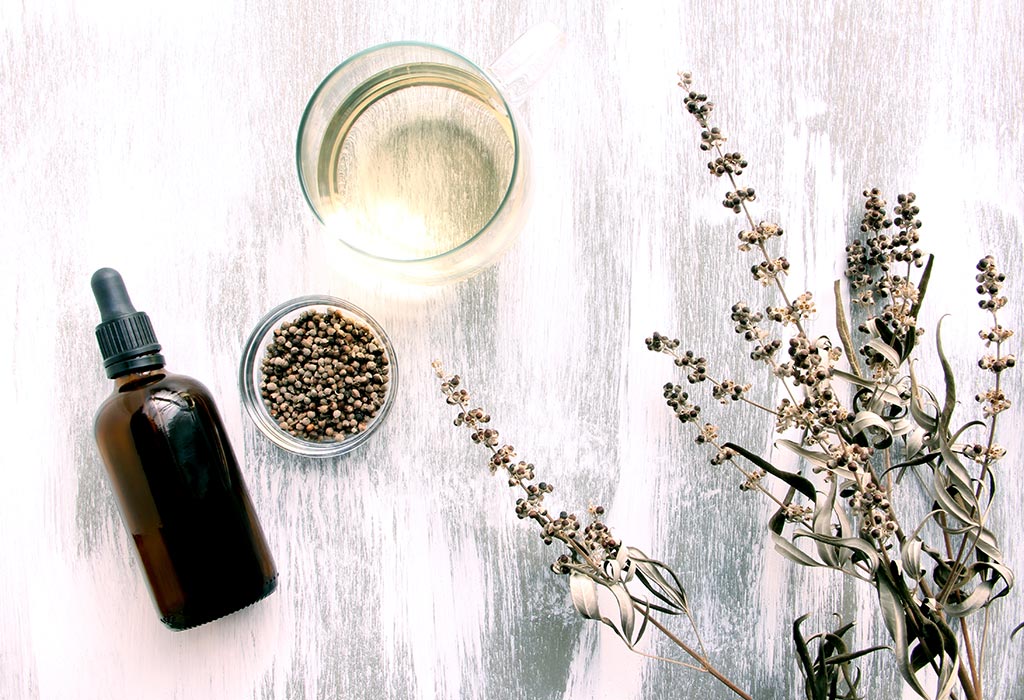
Using Vitex (Chasteberry) for Female Fertility
Throughout history, people have relied on the power of herbs to support reproductive health and increase fertility. These natural remedies offer an alternative approach to conventional medical treatments and provide various benefits when incorporated into a holistic fertility regimen. From balancing hormones to improving reproductive organ function, herbs have been used to support both men and women in their journey towards conception. Vitex is one such miraculous herb native to Italy and Greece and has been used as a medicinal herb for many years now. It is considered the leading herb in Europe and other Western nations that can help with gynaecological problems. Let’s find out what this miraculous herb is and how it works.
What Is Vitex?
Vitex refers to the 250 species constituting the largest genus in the Verbenaceae family of deciduous shrubs found worldwide. Vitex is a herb used since ancient times to treat hormonal imbalances and improve fertility. Vitex is also known as chaste berry, and its scientific name is Agnus-Castus. It primarily aids in relieving the symptoms associated with the menstrual cycle, such as depression, mood swings, cramps, water retention, weight gain, and more. A recent study shows that this herb is also helpful in decreasing PCOS symptoms and helping with conceiving.
Benefits of Vitex for Women With Fertility Issues
Chasteberry functions by lowering inflammation and restoring hormone balance. It helps with situations where your progesterone and oestrogen levels fluctuate. Here are some ways in which Vitex can treat fertility problems in a woman:
1. Increases Progesterone Levels
Vitex can play a huge role in optimising progesterone levels to prepare you for pregnancy by stimulating the luteinising hormone (LH), which promotes ovulation. It also encourages the production of corpus luteum.
2. Re-establishes Cycles
Women who have been on hormonal birth control will find Vitex useful whilst they transition off it. However, Vitex interacts with birth control pills, so it’s best to consult a doctor before use.
3. Reduces Cysts
Vitex helps in healing fibroids, uterine cysts, and endometriosis.
4. Lengthens Short Cycles
The second half of the menstrual cycle is called the luteal phase. It is at this time that progesterone production is stimulated. Short luteal phases in women can be caused when they are not ovulating or progesterone levels are very low. Increasing the luteinising hormone promotes ovulation, and progesterone levels are improved as a result.
5. Prevents Miscarriage
Due to the properties that enable the herb to boost progesterone levels, it can be very helpful in preventing miscarriages.
6. Balances Menstrual Cycles
Vitex herb can be used to control and treat irregular menses.
How Does Chasteberry Work in Increasing Fertility in Women?
Vitex or chaste berry increases luteinising hormone and inhibits the release of follicle-stimulating hormone, thus boosting progesterone production levels and improving the chances of getting pregnant and maintaining the pregnancy.
Though the prolactin hormone stimulates milk production and promotes breast growth during pregnancy, high levels are linked to fertility issues. High prolactin levels can also lead to hyperprolactinemia in women, leading to conceiving problems. Vitex can decrease the prolactin levels produced in the body and increase your chances of pregnancy.
Vitex also helps normalise menorrhagia (heavy menstrual flow) and amenorrhea (absent menses), and decreases polymenorrhea (very frequent periods). As it can reduce inflammation of the uterus or the ovaries, it works well for women prone to painful fibroids and cysts.
How to Use Vitex for Improving Fertility and Regulating Cycle?
Herbal remedies take their time to show results, but when you start seeing them, they are long-lasting. Also, these herbs have fewer side effects. Vitex works in such a manner. Here is how to take Vitex for fertility and to regulate the menstrual cycle:
1. To Improve Fertility
It is best to take three months before you would like to conceive to give the herb some time to optimise the hormonal levels. The time can be utilised to slowly change your diet, if needed, and develop healthy eating habits. A balanced diet and this herb can help you conceive and maintain your pregnancy.
2. To Regulate the Menstrual Cycle
You must take the herb for at least six months to regulate your menstrual cycle. After six months, it is recommended that you evaluate your condition and see for any kind of improvement. If there is no improvement, take a break for a month and then continue to take the herb.
How Much Vitex Should You Take?
To see the best results, take Vitex on an empty stomach first thing in the morning. When taking the capsules, start with a dosage of 20 mg per day. If taking the tincture, go for about 60 drops daily.
When Should It Be Taken During the Cycle?
The last half of the cycle, the luteal phase, is the period between ovulation and the beginning of the next menstrual cycle. This is often the best time to take this herb. However, some women can also take the herb throughout the month.
How Long Does It Take to Show the Expected Results?
In addition to flavonoids, iridoid glycosides, and essential oils, including limonene, cineol, pinene, and sabinene, the berries of the chaste tree include several other active ingredients. You must take the herb for at least three months to notice any changes. It may work slower than usual in some women. Hence, they may have to take it for up to six months to see any changes.
Which Form of Vitex Is Best to Take?
Vitex, like dried herbs, capsules, and tinctures, comes in numerous forms. The capsules are the best to take, and tincture comes second. This is because the herb is very bitter, and tea from the dried herbs will not go down well unless blended with other herbs. Capsules are very convenient, as they can be swallowed in one go. Alcohol brings out the needed properties in Vitex much better than water, which is why tincture is better than chaste berry fertility tea.
Who Should Avoid Using Vitex?
Though Vitex has amazing benefits, not everyone should take it, as it may not work on everyone. Some women may need to change certain lifestyle habits before taking this herb. The following women should avoid taking Vitex:
Women who usually eat processed or junk food.
Those who have low energy.
Women with weak immunity.
Those who are on steroids, antibiotics, or medication for mental health.
Those who are pregnant or lactating.
Does Vitex Work for Women of All Ages?
Women in their reproductive stage can take Vitex; women from about 18 years of age until perimenopause can benefit from this herb. However, Vitex may not treat fertility issues in women over 40, as women of this age reach perimenopause.
What Are the Side Effects of Chasteberry?
Vitex for fertility has been used for a long time now, and there have been very few side effects. However, the following side effects may occur:
Nausea
Gastrointestinal problems
Skin reaction
Headaches
Allergic reactions
Hormonal imbalance
You may be having doubts about using Vitex after reading its side effects, but don’t worry – it is recommended that you consult a doctor before opting for this remedy. Vitex has been used to treat fertility issues in women for a long time now. There are some women who respond very quickly to the herb, but for others, it takes a while for any effects to be seen. Have patience, and make sure to stick to a healthy and balanced diet in order to ensure that you are doing your best to help the herb work.
References/Resources:
1. Bokelmann. JM; Chasteberry/Chaste Tree/Vitex (Vitex agnus castus); ScienceDirect; https://www.sciencedirect.com/topics/medicine-and-dentistry/vitex-agnus-castus; 2022
2. Antoine. E, Chirila. S, Teodorescu. C; A Patented Blend Consisting of a Combination of Vitex agnus-castus Extract, Lepidium meyenii (Maca) Extract and Active Folate, a Nutritional Supplement for Improving Fertility in Women; PubMed Central; https://www.ncbi.nlm.nih.gov/pmc/articles/PMC6861720/; September 2019
3. Die. M. D. V, Burger. H. G, Teede. H. J, et al.; Vitex agnus-castus extracts for female reproductive disorders: a systematic review of clinical trials; PubMed Central; NIH; https://pubmed.ncbi.nlm.nih.gov/23136064/; May 2013
4. What Is Chasteberry, and What Can It Do?; Cleveland Clinic; https://health.clevelandclinic.org/chasteberry-benefits-and-risks/; November 2022
5. Hamm. B. R; Chasteberry; PubMed Central; NIH; https://pubmed.ncbi.nlm.nih.gov/16156340/; September 2005
6. ROEMHELD-HAMM. B; Chasteberry; American Family Physician; https://www.aafp.org/pubs/afp/issues/2005/0901/p821.html
Also Read:
Unexplained Infertility
Foods That Can Boost Your Fertility
Fertility Supplements That May Help You Conceive
Read more

10+ Yoga Poses to Increase Sperm Count
Having a low sperm count is considered the leading cause of depression and anxiety in men. The good news is that numerous medical and natural treatments can help increase sperm count and sperm mobility, which in turn fights infertility in men. One of the most underrated but effective natural remedies for infertility is the age-old practice of yoga. Practising yoga to increase sperm count involves incorporating specific poses that enhance blood flow to the pelvic region, reduce stress, and promote hormonal balance, all critical factors in improving sperm health. Here, we shall share some effective yoga poses to increase sperm count, providing men with a natural and supportive method to enhance their reproductive health.
How Does Yoga Help to Increase the Sperm Count?
Yoga can combat infertility and improve mental health in numerous ways. Some key benefits of making yoga a part of your life to enhance fertility are given below (1):
Yoga helps stimulate the glands and release hormones like testosterone, which is essential for fertility.
Yoga can help de-stress. Stress is considered the primary psychological cause of infertility.
The combination of cardiovascular exercise and meditation ensures that this form of exercise improves overall physical, emotional, and mental health, which may lead to an improvement in sperm mobility and production.
Some yoga poses can help improve blood circulation and balance your body’s chemicals, which produce more good quality sperm (3).
Yoga is also known to increase libido. The frequency of sexual intercourse is known to increase your chances of having a baby.
Yoga is not an overnight cure for infertility; however, if practised regularly and efficiently, it can boost your chances of having a child.
Let’s take a look at some yoga asanas that can help improve the quantity and quality of sperm.
Best Yoga Postures to Increase Sperm Count
Here are some of the best yoga asanas to increase the sperm count:
1. Agnisara Kriya
This is considered one of the oldest and most beneficial poses in yoga for sperm health.
Method:
Stand straight, keeping your legs a bit apart.
Bend forward and place your palms on your knees.
Exhale steadily while pulling your stomach in.
Hold your breath after the exhale for 5 seconds.
Then, breathe in and let your stomach inflate.
Repeat 5 to 10 times.
2. Surya Namaskara
Surya Namaskar includes a series of poses that help improve blood circulation. It is a great exercise for making your body flexible and toned. The overall health benefit of this asana could also improve sperm quality (4).
Method:
Start by standing straight.
Stretch your back by leaning backwards.
Bend forward without arching your back and touch your toes.
Move one leg as far back as possible while your other is at a 90-degree angle between your palms.
Then, move the second leg parallel to the first leg and get into a plank position.
Drop your hips and chest on the ground.
Push your weight using your palms and curl your back into the cobra pose.
Shift to the downward dog pose by raising your hips and lowering your head while keeping your elbows, back, and knees straight.
Bring one leg back in between your palms.
Bring the second leg back between the palms.
Come up, keeping your back straight, with your arms raised.
Then, slowly lower your arms and come back to the standing position.
Repeat the asana 12 more times.
3. Kumbhak Asana
This asana is the basic plank pose that can help tone your abdominal muscles and burn belly fat. But it could also positively affect your fertility by improving the quality of your sperm.
Method:
Lie down on your belly on a yoga mat.
Keep your palms near your chest.
Push your weight up and balance on your palms and your toes.
Stay for at least a minute.
Repeat 2 to 3 times a day.
4. Dhanurasana
This pose is excellent for your back, abdominal muscles, arm, and thigh muscles. It also improves blood circulation, enhancing your overall health. Additionally, it can improve your overall sperm count, a significant benefit for men (7).
Method:
Lie down on your belly.
Bend your knees behind your back and hold the ankles with both hands.
Slowly lift your chest and hips, leaving only your belly on the floor.
Tilt your neck backwards and hold for as long as you can.
Repeat this exercise 2 to 5 times every day.
5. Setubandhasana
This is one of the best postures of yoga for male fertility. It improves pelvic blood circulation and increases the mobility of your sperm.
Method:
Lie down flat on your back on the ground.
Bend your legs so your heels are as close to your buttocks as they can be.
Lift your pelvis off the ground, keeping your shoulders and upper back on the ground.
Remain in this pose for 10 seconds while breathing comfortably.
After ten seconds, release and slowly lower your hips such that your spine gently touches the ground, starting from the upper back. Do not push your hips directly back to the ground.
Repeat the asana 2 to 3 more times.
6. Halasana
This is another magnificent pose that could benefit overall health and bring about some improvement in sperm mobility and sperm count.
Method:
Lay flat on your back.
Place your palms next to you on the floor.
Raise your legs to a 90-degree angle; do not lift your hips.
Breathe in and out three times steadily, then lift your hips and try to curl your back so that your toes touch the ground above your head.
Stay in the position for 5 to 10 seconds.
Then, slowly raise your legs again and lower your hips.
Then, lower your legs.
Relax and lie down for a while.
You may repeat the asana 2 to 5 times.
7. Ardha Matsyendrasana
This is one of the best postures of yoga for sperm count and sperm mobility. It is an excellent exercise for the waist and the lower back.
Method:
Stretch your legs out straight while sitting.
Lift your right leg and place it on the left side of the left knee.
Twist your body to the right and hold your right ankle with your left hand.
Bend your right hand behind your back. Extend the arm as far around your body as you can.
Remain in this position for as long as you can.
Repeat this exercise 2 to 4 more times on each side.
8. Padmasana
One of the most popular yoga poses, padmasana is considered the poster child of yoga due to its immense benefits.
Method:
Sit in the lotus position.
Straighten your back.
Lift one leg, fold it from the knee and place the ankle near your hip.
Do the same for the other leg.
Breathe deep and comfortably, and hold the pose for as long as possible.
9. Bhujangasana
This pose strengthens the muscles in the lower back and stimulates blood flow to the reproductive organs.
Method:
Lie on your stomach with your legs straight and feet together.
Place your hands under your shoulders, elbows close to your body.
Inhale and lift your chest off the ground by straightening your arms and keeping your pelvis on the floor.
Hold the pose for 15-30 seconds while breathing deeply.
Exhale and slowly lower your chest back to the ground.
Repeat the asana 2 to 3 times.
10. Matsyasana
Matsyasana stretches the neck and stimulates the thyroid and parathyroid glands, which can help balance hormones (6).
Method:
Lie on your back with your legs straight and arms at your sides.
Place your hands under your hips, palms facing down.
Inhale and lift your chest, arching your back and resting the crown of your head on the ground.
Hold the pose for 30-60 seconds while breathing deeply.
Exhale, lower your chest and head back to the ground.
Repeat the asana 2 to 3 times.
11. Pranayama – Nadi Shodhan Pranayama
One of the leading causes of infertility is stress. Pranayama helps ease your stress levels (5).
Method:
Sit in a lotus pose with your back straight.
Close your right nostril with your right thumb.
Breathe in through the left nostril.
Then, using the ring finger of your right hand, close the left nostril and hold your breath for 2 to 3 seconds (more if possible).
Release the thumb and breathe out through your right nostril.
Repeat these steps 5 to 10 times every day.
Tips to Remember Before Doing Yoga Asanas
Remember, doing yoga can be beneficial only if it is done in a controlled environment. Here are a few tips to keep in mind while doing the poses to ensure you do not hurt yourself in the process (2):
Don’t overextend or push yourself into the final position of a pose. Do as much as you can and slowly build your body’s ability to complete the pose.
If you feel a sharp pain in your spine, hip or joints, seek medical help immediately. Yoga can cause muscle pain in the initial stages, which is normal. But, if you feel the pain is unbearable, talk to your healthcare practitioner.
If you are recovering from injuries, do not practise yoga unless your physical therapist and medical specialist ask you to do so.
In the beginning, seek the help of a yoga tutor so you don’t hurt yourself.
Remember to wear comfortable, loose clothing.
For hygiene purposes, only do yoga on your yoga mat.
Only do yoga on flat and even surfaces.
Hydrate yourself and do not consume any food 2 to 4 hours before your yoga routine.
As much as possible, practice early in the morning on an empty stomach.
FAQs
1. How often should I practice yoga to see improvements in sperm count?
Consistency is key to seeing improvements. Practising yoga at least 3-4 times a week for 30-60 minutes can be beneficial. Regular practice helps maintain a healthy balance of hormones and reduces stress, which are crucial for increasing sperm count.
2. Can yoga alone significantly improve sperm count, or should it be combined with other lifestyle changes?
When practised with other healthy lifestyle changes, yoga can significantly contribute to improving sperm count. These changes, such as maintaining a balanced diet, avoiding smoking and excessive alcohol consumption, managing stress, and ensuring adequate sleep, not only enhance reproductive health but also promote overall well-being.
3. Which yoga poses are most effective for increasing testosterone levels?
Warrior Pose (Virabhadrasana), Plank Pose (Phalakasana), and Chair Pose (Utkatasana) are the postures of yoga to increase testosterone production in the body by activating major muscle groups and promoting overall strength and vitality.
Yoga can be immensely beneficial to the general health of anyone practising it. It is also assumed to help improve sperm count, sperm mobility, and ejaculation health. Performing yoga regularly could boost your sex drive by increasing your libido, too. It is, however, important to remember to do yoga in a safe manner. As such, we recommend you talk to your medical health professional before you start and do these poses under the supervision of an expert instructor.
References/Resources:
1. Sengupta. P, Chaudhuri. P, Bhattacharya. K; Male reproductive health and yoga; PubMed Central; https://www.ncbi.nlm.nih.gov/pmc/articles/PMC3734644/
2. Boost Fertility With Yoga; Art of Living; https://www.artofliving.org/in-en/yoga/yoga-sequences-for/boost-fertility-with-yoga
3. Sengupta. P; Challenge of infertility: How protective the yoga therapy is?; PubMed Central; https://www.ncbi.nlm.nih.gov/pmc/articles/PMC3733210/
4. Venkatesh. P. L, Vandhana. S; Insights on Surya namaskar from its origin to application towards health; PubMed Central; https://www.ncbi.nlm.nih.gov/pmc/articles/PMC8814407/
5. Nadi Shodhan Pranayama (Alternate nostril breathing); Art of Living; https://www.artofliving.org/in-en/yoga/pranayama/nadi-shodhan-alternate-nostril-breathing
6. Matsyasana (Fish pose); Art of Living; https://www.artofliving.org/yoga/yoga-poses/fish-pose
7. Dhanurasana – Bow pose; Art of Living; https://www.artofliving.org/yoga/yoga-poses/bow-pose-dhanurasana
Also Read:
How to Check Male Fertility?
Herbs to Boost Fertility
Home Remedies to Increase Fertility in Men
Male Fertility – Foods That Can Increase Sperm Count
Read more

PCOS Treatment in Ayurveda – Herbs, Therapies, and Essential Tips
Ayurveda is much more than consuming herbal medicines. It is about living a healthy life by preventing or overcoming various medical conditions one may come across due to an unhealthy diet or environment. One of the conditions on a rise in women is PCOS (Polycystic Ovary Syndrome). Those who are looking for natural ways to get some relief from PCOS can go for Ayurvedic treatment, which includes a combination of herbs, therapies, and a healthy lifestyle to improve the condition.
Can Ayurveda Help Treat PCOS?
Ayurveda is quite effective for PCOS treatment. Ayurvedic treatment of PCOS involves the use of herbs to boost fertility and maintain a balance of hormones. It also requires you to go through various types of therapies and maintain a balanced diet. All these play a vital role in overcoming PCOS-related problems.
What Causes Polycystic Ovary Syndrome According to Ayurveda?
Ayurveda claims that the human body has three types of forces (doshas) in it, namely, vatta, pitta, and kapha. They are the three principal doshas which circulate within the body and aid in performing vital bodily functions. An interruption in the harmony of these forces (doshas) of energy become the cause of diseases.
According to Ayurveda, both men and women, have Shukra Dhatu (semen), which is essential to keep the reproductive health in check. It consists of androgen (male) and estrogen (female) hormones. Any imbalance in the levels of these hormones may cause infertility.
PCOS has multifaceted etiopathogenesis. It can be a result of stress, disturbance in HPO axis, hyperandrogenaemia, or some genetic causes. Usually, an imbalance of hormones in women causes excessive secretion of androgens, causing the formation of cysts in the ovaries, which is medically known as Polycystic Ovary Syndrome (PCOS).
Dos and Don’ts for PCOS Patients According to Ayurveda
Just like in the case of any other treatment, Ayurvedic treatments require you to follow certain parameters for an effective treatment. Given below are some dos and don’ts for PCOS patients.
It is recommended that you cut down on the intake of milk and milk products with the exception of buttermilk.
It’s better to opt for low-fat milk. Ensure that you boil the milk before consuming it. You may want to add a pinch of ginger or turmeric before boiling it to decrease the Kapha increasing quality of milk.
Follow a natural sleep pattern, and refrain from sleeping in the afternoon as it may interrupt your sleep cycle in the night.
Say goodbye to all sorts of junk food.
It’s advisable to restrict the consumption of red meat, deep-fried food. However, you may feast on fish.
Sugar-based products are considered unhealthy, as sugar increases Kapha. You may want to opt for honey instead, which is believed to reduce Kapha. Women with PCOS must limit their sweet consumption, but balance the excess calorie intake with workouts and yoga.
You must consume flax seeds, almond, pine nuts, chilgoza, hazelnuts walnut pistachios are good. one should consume.
Consuming potatoes or sweet potatoes in low to moderate quantities. Excessive consumption can cause weight gain and affect the blood sugar levels.
It is recommended that you avoid undertaking any physical or mental work that can cause undue stress.
Restrict your use of oral or hormonal contraceptives.
It’s recommended that you have a balanced, high fibre diet with low glycemic index (GI). Also include natural and unprocessed foods. whole grains, legumes sprouts, low carbohydrate foods, fish, green leafy vegetables, healthy fats like coconut oil, extra virgin olive oil, and berries like grapes, blueberry, and blackberries.
Consume wheat or rice in moderate quantities as these are known to increase Kapha.
Include herbs such as cinnamon, garlic, and fenugreek in your diet.
Drink herbal teas such as spearmint tea or green tea.
Avoid smoking, alcohol, and narcotics as these are known to impact menstrual cycles negatively.
Useful Ayurvedic Herbs to Treat PCOS
PCOS treatment involves a blend of several herbs for strengthening one’s reproductive system, controlling insulin resistance and facilitating a balanced level of hormones. Not only this, these herbs help relieve inflammation arising due to the appearance of cysts on the ovaries. Some of the herbs also work wonders against other issues such as digestive disorders, increase in weight, insulin sensitivity, etc. In short, these herbal medications perform the same function as the medicines in allopathic treatment. However, unlike allopathic medication, it does not have any side-effect on one’s body if you act as advised by your Ayurvedic practitioner.
Below are some of the herbs that help in the treatment of PCOS for your reference. But before we that, please be advised to take any of the below listed herbs only after an assessment by your doctor and on his/her prescription only because for effective treatment therapeutic dose matters.
1. Shatavari (Asparagus Racemosus)
Shatavari is a rich source of vitamins A, B1, B2, C, E, folic acid, and minerals such as magnesium, phosphorus, calcium, and iron. Presence of these makes this herb a perfect antioxidant which protects the reproductive system in females. It also helps in improving insulin sensitivity owing to its anti-diabetic properties. Another benefit is that it aids in enhancing fertility as well.
2. Shilajit (Purified Asphaltum)
Shilajit is known for its anti-inflammatory properties. It is also a great immunity booster, rejuvenating the reproductive system in women. While suffering from PCOS, many women witness heavy bleeding, which results in iron deficiency. This exudate from rocks found in the Himalayan region is well known for its iron increasing properties which helps in preventing iron deficiency.
3. Turmeric (Curcuma Longa)
Turmeric is known for its diverse uses- be it for cooking, in beauty products, and even for medicinal purposes. Its medicinal properties are of great relief to women. It helps in improving insulin resistance, detoxifying the female reproductive system, eliminating acne, etc.
4. Vibhitaki (Terminalia Belerica)
This plant has a lot of health benefits to offer for PCOS patients, and improving sugar metabolism is one such benefit. Vibhitaki is packed with anti-inflammatory and anti-microbial properties. Additionally, it’s known for curing digestive complexities as well.
5. Cinnamon (Cinnamomum Zeylanicum)
Cinnamon, not only has a refreshing fragrance and taste, but it also helps in regulating blood sugar levels. It’s known for boosting fertility and improving insulin sensitivity.
6. Karavellaka (Momordica Charantia)
Even though it tastes bitter, this fruit is charged with anti-diabetic properties. Treating digestive disorders, relieving inflammation, boosting immunity, and preventing cancer are other benefits one can take advantage of from the consumption of this herbal fruit.
7. Guduchi (Tinospora Cordifolia)
This one is known to regulate blood sugar levels in one’s body. Here’s the best part– it is quite useful in boosting sex drive and immunity in females. Guduchi is used for treating liver conditions such as hepatitis and various types of cancers as well.
8. Neem (Azadirachta Indica)
Neem is full of anti-bacterial, anti-fungal, anti-diabetic, and sedative properties. That’s why it is used in various consumer products ranging from toothpaste to beauty products and medicines. It is an amazing blood purifier and helps in maintaining healthy skin. Neem is also used to treat acne and almost all sorts of skin disorders.
9. Amala (Emblica Officinalis)
Widely known as the Indian gooseberry, this fruit is a rich source of vitamin C and is an antioxidant. It helps reduce inflammation and weight. Fibres present in this fruit helps maintaining a healthy digestive system. It is also good for strengthening the immune system.
10. Lodhra (Symplocos Racemosa)
Lodhra is a rich source of compounds called flavonol glycosides which are highly effective in reducing uterine disorders. Regulating ovarian hormones and improving fertility are other benefits this herb has to offer.
11. Meshashringi (Gymnema Sylvestre)
This herb is used to maintain uterine health. It is known to improve insulin sensitivity and has anti-diabetic properties.
12. Ashoka (Saraca Indica)
Ashoka is rich in anti-inflammatory compounds. It aids in repairing the endometrium and heals the damage inflicted to its sensitive lining due to inflammation. It is effective in regulating estrogen levels as well. It also has anti-microbial and anti-fungal properties which help in protecting the urinary tract from bacterial and fungal (especially Candida) infections.
13. Haritaki (Terminalia Chebula)
Terminalia chebula is a rich source of vitamin C and other minerals such as selenium, copper, potassium, and manganese. This herbal tonic has anti-tumour, and anti-inflammatory properties, and helps in relieving complications such as constipation, flatulence, colitis, etc.
14. Nagara (Zingiber Officinale)
Colloquially known as ginger, it is one of the most commonly used herbs across the world. Ginger is full of anti-cancer properties which prevent the uterus from cancer and other infections as women with PCOS are more vulnerable to endometrial cancer. Ginger is also effective in relieving menstrual pain.
15. Usheera (Vetiveria Zizanioides)
The cooling effect of vetiver oil is ideal for relieving fatigue. It induces muscle-relaxing and reduces cramping in uterine. Vetiver has shown a beneficial impact in treating skin problems. It is said to have positive health effects on people with diabetes.
16. Devadaru (Cedrus Deodara)
This one is known for its anti-inflammatory, muscle-relaxing qualities. It is used to reduce cramps during menstruation, treating obesity. It also seems to have proven effective against diabetes.
17. Ashwagandha (Withania Somnifera)
Ashwagandha is a natural energiser and a perfect remedy for controlling mood swings. It is a rich source of adaptogen, which helps our body in adapting to internal and external stresses.
18. Java Plum (Eugenia Jambolana)
Widely known as “Jamun” in India, it aids in controlling blood sugar and cholesterol levels in one’s body. This delicious fruit is power-packed with anti-cancer and liver-protecting properties.
19. Yashad Bhasma (Zinc Calx)
Commonly known as zinc, it is good for boosting immunity and regulating blood sugar.
20. Kirat Tikta (Swertia Chirata)
Swertia chirata is famous for its anti-inflammatory and blood sugar-regulating properties. It is an immunity booster, helps maintain a healthy liver, and works well against skin disorders.
21. Vrikshamla (Garcinia Cambogia)
This amazing fruit hails from the family of citrus fruits and boasts the abundance of hydroxy citric acid (HCA). HCA is beneficial for improving your exercise performance. It also aids in weight loss by keeping your appetite in check.
Ayurvedic Therapies for PCOS
The following ayurvedic therapies are practised to treat PCOS:
1. Basti (Herbal Enema)
It requires enema of medicated oil or decoction, which is introduced through the rectum. It helps to release vitiated vatta, which gives birth to health problems such as PCOS.
2. Virechan (Herbal cleansing)
This therapy is for expelling toxins such as vitiated pitta out of the body. It involves the use of drugs that induce bowel movement in order to expel doshas through the rectum.
3. Vaman (Herbal vomiting)
This therapy is to get rid of vitiated Kapha from the body by the use of drugs that induce vomiting. It is a painless procedure that relieves the body of toxins and helps to balance the hormones.
Yoga Asanas Recommended by Ayurveda for PCOS
Ayurveda recommends a combination of yogic exercises to help people suffering from PCOS to relax. Moreover, it helps the person practice ayurvedic treatment for PCOS at home. You can practice certain yoga asanas such as Pranayama, butterfly pose, Bharadvajasna, Padma sadhana, Surya Namaskar, Sarvangasana, etc. You should include ayurvedic medicines for PCOS treatment in your diet. Yoga and dietary modifications can help you bring get better results.
Yoga helps to regulate the endocrine glands, thereby balancing the hormones. Yoga aids in keeping the uterus and the ovaries healthy and resolves issues like infertility, weight gain and psychological problems. There are many yoga postures, which are good for PCOD. Some of the important Yoga postures can be listed as-
Mayur Asana
Surya Namaskar
Bhujang Asana
Nauka Asana
Nadisodhan Pranayama, which is also called Anulom Vilom
Bhramri Pranayam
Meditation will help to stabilising your mind and acts as a mood elevator and has a calming effect. Meditation brings harmony within the body, mind and emotions to control PCOD naturally.
Lifestyle changes also play an important role in treating PCOS. Let’s take a look at what changes you must implement to improve your health.
Tips for Improving Treatment Results
Follow the points given below for improving treatment results.
1. Get to a Healthy Weight
Obesity interferes with insulin resistance which accelerates PCOS for the worse. You can decrease your insulin resistance and excessive androgen production by reducing weight.
2. Healthy Diet
Maintain a healthy diet and avoid consuming deep-fried foods, red meat, or anything that has a high amount of carbohydrates and fat as these cause insulin in your body. Increase the intake of foods that are rich in fibre.
Ayurveda is all about leading a healthy life. For those who suffer from PCOS, it is vital to stay calm. However, it is better to seek an expert’s advice on controlling it in a holistic way.
Also Read: Ayurvedic Treatment To Cure Infertility
Read more

My Story of False Diagnosis of Missed Miscarriage (Absent Heartbeat)
I want to share the story of my pregnancy that was declared a missed miscarriage, but now I am the proud mother of a 9-month-old. Maybe my story will give people hope, if they suffer from the same.
During the 4th week of my pregnancy, I did a beta hCG. Being a doctor, I preferred a more accurate method than a home pregnancy test. Also my curiosity made us do a beta hcg. It was 186 – a confirmed pregnancy! As we had done IUI, I was pretty sure about my dates. I made a call to my gynaecologist, and scheduled an appointment for the 5th week.
We went for the check-up at the scheduled time. The doctor did a vaginal sonography. He could not find a gestational sac. So, he asked us to do a repeat hCG. It came to 1500. hCG is a marker of a healthy pregnancy. During a very early pregnancy, if it is getting doubled in 48 days, then the pregnancy is healthy.
We went for a checkup again after 3 days. Again, he performed a vaginal scan, and could not find a sac. He suspected a tubal pregnancy, and suggested surgery. My husband and I were not convinced, so we thought of doing sonograms with a radiologist.
We went to a radiologist the very next day, and by God’s grace, there was a sac. There was no implantation in the tubes. I was very happy. But, happiness does not last long. We had the next USG in 10 days, to check the viability of the pregnancy and to check the foetus heart beat. The day came, and we were very excited to see the tiny heart beating. But, we were shocked when the radiologist said that the baby did not have any cardiac activity (no heartbeat). I could not help crying.
We could not accept it. We went for a second opinion. That doctor asked for a hCG blood test again. She said if it’s increasing, then we can wait, but if not, we must do an abortion ASAP. The report gave us some hope, as the hCG level had increased. She prescribed me hCG 5000 injections once a week for 2 weeks, and to repeat use.
That was the longest 15 days of our life. I tried to be optimistic, but sometimes, I would burst into tears thinking that I might be carrying a dead foetus.
After a long wait, the day came. We went for a USG during the 8th week of pregnancy, with the least hope of a positive result. But, God had planned our happiness, which had no bar when the radiologist touched the probe on my abdomen, and there was a moving dot (heartbeat) on the screen. He said there was cardiac activity, and also it was a healthy pregnancy, though the dates were off by a week. That was not a thing to worry about for us at that moment, as we got what we never expected.
That tiny miracle is 9 months old now. If this happened with us, it could happen with you, too. So, please believe in your motherly instinct. Never lose hope till the end. The doctor too can be wrong. Always seek a 2nd opinion before aborting.
Disclaimer: The views, opinions and positions (including content in any form) expressed within this post are those of the author alone. The accuracy, completeness and validity of any statements made within this article are not guaranteed. We accept no liability for any errors, omissions or representations. The responsibility for intellectual property rights of this content rests with the author and any liability with regards to infringement of intellectual property rights remains with him/her.
Read more
Sort By
 Latest
 Most Popular
 Trending
Please select atleast one Filter