

















.svg)
.svg)
.png)


Premature Babies
Suggested articles for you

Tips to Express Milk for Your Premature Baby
While your preemie is being taken care of by the doctors, it is true that you may feel like you aren’t able to do enough. However, you can always take care of your little one as no one else can – that is, by expressing your breast milk for him. This can give you a sense of peace and purpose that you’re able to care for your baby.
Advantages of Expressing Breast Milk for Preemies
Preemies are bound within the NICU, and you cannot directly breastfeed them. But, you can always express your breast milk and feed it to your little one. The advantages of doing this are:
Your baby will be provided with nutritious breast milk which is crucial for his growth and immunity.
You will maintain a steady flow of breast milk. Your mammary gland produces breast milk based on demand. So the more you feed, the more milk it produces. However, since a premature baby cannot directly feed on your breasts, expressing milk helps maintain the flow of breast milk.
What Methods Are Used to Express Breast Milk?
Breast milk is expressed in two ways – hand expressing and breast pumps. You can choose what works for you.
If you are hand expressing, you should begin by washing your hands and then gently massaging your breasts and stimulating your nipples. With your thumb and index finger on your areola, far from the nipple, begin gently squeezing for two seconds. Continue this until milk flow reduces to drops and express the other breast. Ensure not to hurt yourself or cause friction on the nipples during the process.
You can also use hospital grade breast pumps, which are hand pumped, battery or electrically operated. Double pump kits that are electric or battery operated are quite adept at stimulating the release of prolactin which is the milk-making hormone. They also save time by allowing you to pump both breasts at the same time. You can try the single breast pump if you are comfortable with it.
What Type of Breast Pump Should Be Used to Express Breast Milk for a Preemie?
For mothers of premature babies, doctors usually recommend a hospital-grade double pump kit electric or battery operated breast pump. As mentioned, these can help release the highest quantity of milk by stimulating the release of prolactin. This will help you maintain a good and lasting milk supply for your baby.
How Often Should You Express Breast Milk?
The goal is to express milk as often as a healthy newborn would feed, which is ideally eight to ten times in a period of 24 hours. This comes to one time every two or three hours. This frequency is also essential for your body to stimulate the release of prolactin and make more milk. Mothers of twin preemies can pump up to 10 times in 24 hours.
How Long Should an Expressing Session Last?
Each breast takes about 15 minutes to express when you initiate expressing. So you may take a total of 30 minutes to pump with a single breast pump. As your milk supply increases and is established, you will need to pump until every last drop of milk is emptied from your breast. This essentially means pumping for one or two minutes after your milk has stopped flowing. The last drops of breast milk have essential fats which are vital for the growth of your little one. Ideally, you should be done pumping in 30 minutes to get all the milk supply.
How Much Milk Should Be Expressed?
The volume of milk expressed varies from mother to mother and differs at every expression. The first few times, your milk has colostrums which can be between a few drops to a few millilitres. With time, after four or five days, your milk matures and you can express anywhere between 50 to 70 ml each time. After two weeks, you would be able to express about 600 to 800 ml in a day. This volume goes up to 1000 ml for mothers of twins.
Additional Points to Remember
Pumping for a preemie in NICU is essential for the overall growth of the baby. Keep these points in mind if you have to express milk for your premature baby.
Express milk within the first six hours after the baby is born, especially if your baby cannot breastfeed.
For the first few days, stick to hand pressing to establish milk supply.
Nipple stimulation and gentle breast massage can help let-down reflex and start milk flow.
Express at regular intervals in 24 hours to maintain milk flow. Expressing at one go is not equally effective.
If you have sore or damaged nipples, you can hand express, which is gentler than the other means. Electric breast pumps, when used with care, also work well.
Relaxing while you express milk and getting skin-to-skin contact (kangaroo care) with the baby before or during expressing can increase milk flow.
Expressed milk can be vital for the well-being of preemies. These tips can help you express milk the right way for your little one and be prepared for the time when he’s ready to breastfeed.
Also Read:
How to Help Preterm Baby Gain Weight
Sleeping Habits of a Premature Baby
Effective Tips of Taking Care of Preterm Baby at Home
Read more





My Story of False Diagnosis of Missed Miscarriage (Absent Heartbeat)
I want to share the story of my pregnancy that was declared a missed miscarriage, but now I am the proud mother of a 9-month-old. Maybe my story will give people hope, if they suffer from the same.
During the 4th week of my pregnancy, I did a beta hCG. Being a doctor, I preferred a more accurate method than a home pregnancy test. Also my curiosity made us do a beta hcg. It was 186 – a confirmed pregnancy! As we had done IUI, I was pretty sure about my dates. I made a call to my gynaecologist, and scheduled an appointment for the 5th week.
We went for the check-up at the scheduled time. The doctor did a vaginal sonography. He could not find a gestational sac. So, he asked us to do a repeat hCG. It came to 1500. hCG is a marker of a healthy pregnancy. During a very early pregnancy, if it is getting doubled in 48 days, then the pregnancy is healthy.
We went for a checkup again after 3 days. Again, he performed a vaginal scan, and could not find a sac. He suspected a tubal pregnancy, and suggested surgery. My husband and I were not convinced, so we thought of doing sonograms with a radiologist.
We went to a radiologist the very next day, and by God’s grace, there was a sac. There was no implantation in the tubes. I was very happy. But, happiness does not last long. We had the next USG in 10 days, to check the viability of the pregnancy and to check the foetus heart beat. The day came, and we were very excited to see the tiny heart beating. But, we were shocked when the radiologist said that the baby did not have any cardiac activity (no heartbeat). I could not help crying.
We could not accept it. We went for a second opinion. That doctor asked for a hCG blood test again. She said if it’s increasing, then we can wait, but if not, we must do an abortion ASAP. The report gave us some hope, as the hCG level had increased. She prescribed me hCG 5000 injections once a week for 2 weeks, and to repeat use.
That was the longest 15 days of our life. I tried to be optimistic, but sometimes, I would burst into tears thinking that I might be carrying a dead foetus.
After a long wait, the day came. We went for a USG during the 8th week of pregnancy, with the least hope of a positive result. But, God had planned our happiness, which had no bar when the radiologist touched the probe on my abdomen, and there was a moving dot (heartbeat) on the screen. He said there was cardiac activity, and also it was a healthy pregnancy, though the dates were off by a week. That was not a thing to worry about for us at that moment, as we got what we never expected.
That tiny miracle is 9 months old now. If this happened with us, it could happen with you, too. So, please believe in your motherly instinct. Never lose hope till the end. The doctor too can be wrong. Always seek a 2nd opinion before aborting.
Disclaimer: The views, opinions and positions (including content in any form) expressed within this post are those of the author alone. The accuracy, completeness and validity of any statements made within this article are not guaranteed. We accept no liability for any errors, omissions or representations. The responsibility for intellectual property rights of this content rests with the author and any liability with regards to infringement of intellectual property rights remains with him/her.
Read more

How Feeding Tubes Help Premature Babies
One of the difficulties parents with premature babies face is feeding difficulties. As the babies struggle with muscle strength and coordination needed to suckle, they will have to be put on a feeding tube to receive adequate nutrition. While the decision to tube feed is not an easy one, they are the safest way to give your baby the essential nutrition it requires to develop. Continue reading to know all about tube feeding baby, how it is done, and whether your baby can benefit from it.
What Is a Feeding Tube?
The feeding tube, also known as a gavage tube is a flexible pipe-like device used to give nutrition to infants who cannot feed on their own. It is typically used for premature babies and infants with other conditions such as oral inversion, failure to thrive, and a number of neurological problems. The tube can be inserted and removed for each feeding or left in place as an indwelling for multiple feedings.
Types of Feeding Tubes
There are three main types of feeding tubes for infants and children:
1. Gastrostomy tubes
The gastrostomy tube is a feeding tube that goes through the abdominal directly into the stomach. They are short and also called G-tubes or PEG tubes.
2. Nasogastric tubes
The nasogastric tube, or NG tubes they are also called, are thin and flexible tubes that are inserted through the nose to go into the oesophagus (food pipe) and the stomach.
3. Orogastric tubes
The orogastric tubes are basically the same as NG tubes, except that they are inserted through the mouth instead of the nostrils. They can also be used to remove air bubbles from the baby’s stomach.
When Does an Infant Need Feeding Tube?
There are a number of reasons why a baby would need a feeding tube. They are as follows:
Lack of strength or muscle coordination to breastfeed or drink from a bottle
Weak ability to suck or weak swallowing reflex
Irregular weight patterns or lack of weight gain
Gastrointestinal defects or abdominal defects
Respiratory problems
Electrolyte imbalance or elimination problems
Deciding the Best Feeding Tube Type for Your Baby
Your doctor will consult with you before deciding the type of gavage tube to be used on your baby. The decision is based on multiple factors such as the nature of the problem and the length of time the tube needs to stay.
NG Tube
NG tubes are often the first option babies will be given as it is easier to use and effective. The tube also comes in variations inserted through the nasal passage that reach different parts of the gastrointestinal tract such as the jejunum or small intestine.
Pros
NG tubes are easy to insert and can be done at the hospital or your home.
They don’t require any kind of surgery and can be removed easily too.
They are ideal to address short-term feeding problems.
Cons
Feeding tube in the nose can irritate the nasal walls when used over a long period of time.
They have to be replaced every week or two.
NG tubes can cause reflux problem.
Since they are taped to the skin on the face, the tape can irritate the skin.
G-Tube
G–tubes are preferred when the baby has to be tube-fed for a long period of time. They need to be placed in position by a pediatric surgeon directly into the stomach through the abdomen.
Pros
G tubes stay in place without needing tapes.
They need to be replaced only once in three months.
The tube is private and hides well under the clothes.
Cons
The insertion of the tube is a surgical procedure.
It can have complications such as infection and stomach irritation.
The tube has to be replaced quickly if it comes out else the hole begins to close.
The tube leaves a small long-term scar in the abdomen.
The Procedure for Inserting a Feeding Tube in the Infant’s Nose or Mouth
The procedure of insertion is mostly done by nurses, except in special cases when it is performed by a doctor. The nurse begins by measuring the ng tube length from the baby’s nose to the stomach to get the right-sized tube to go inside. Sterile water or a water-based lubricant is used to lubricate the tip of the tube. Carefully the tube is inserted into the baby’s nose or mouth so that it will pass into the food pipe.
Once inside the tube is checked for correct placement by injecting a small amount of air into the pipe and listening to it as it enters the stomach. The purpose is to check whether the tube has entered the stomach or the lungs. For further confirmation, a small amount of liquid is drawn from the tube to check for the pH value with a sample testing strip. For an exact confirmation, an x-ray imaging might be done to check for the position of the pipe.
The inserted tube is secured to the baby’s nose with a sticky tape for feeding. If the baby is allergic to the tape or has a skin condition, a pectin barrier is used to help with the adhesion without damaging the skin. The tube may also be secured internally using a special cloth tape that goes behind the nasal bone.
If the tube is securely inserted, the baby can be fed breast milk, infant formula, or even medicine by using a syringe to inject the contents in or using an infusion pump. The gavage feeding will be capped off or removed once the feeding is complete.
Gastric Residual
Gastric residual refers to leftover food from a previous feeding that remains in the stomach at the start of the next feeding. In preemies who have a G-tube or an NG tube, gastric residuals are occasionally checked, it is done more frequently if the doctor suspects that the feeds are not well tolerated by the baby or is not going as expected.
In such a case, the doctor or the nurse will use a syringe to gently pull out some of the stomach’s contents for analysis. If the residuals look healthy visually, it will be injected back into the stomach after the air is discarded. Bloody or green colored residuals are often a sign of infection and will be reported to the doctor.
Risks Associated With the Usage of Feeding Tube
There are very few risks associated with ng tube feeding. The major factor is that the procedure is uncomfortable for the baby no matter how well it is done. Here are the risks that were commonly seen in hospitals:
Since the tube can be displaced with the baby’s movement, it could lead to minute tears and slight nasal bleeding.
The tube obstructs a significant part of the nasal passageway and causes nasal congestion.
The presence of the tube can cause nasal infections.
Feeding through an orogastric tube at home brings a few other risks such as:
Tube misplacement and the associated damage is more likely at home than at the hospital.
A misplaced tube can lead to pneumonia and breathing difficulties.
Lung infections and respiratory arrest with wrongly placed tubes.
Breathlessness or even cardiac arrest with wrong tube positioning.
It is common for new parents to feel a sense of anxiety to watch their premature baby being fed through a tube. However, it is quite a safe and very effective way of ensuring the baby gets all the nutrients. The doctor would decide removing ng tube date once the baby is strong enough to feed by themselves. Feeding should be continued as long as it is prescribed by the doctor and care should be taken to insert the tube properly when feeding at home.
Also Read:
Preterm Babies and Their Sleep Pattern
Health Problems for Premature Infants
Tips for Taking Care of Premature Baby at Home
Read more

Strong & Supportive Quotes About Premature Babies for Parents
Parents eagerly await the arrival of their baby after months of eager anticipation. However, some babies enter the world prematurely. For parents facing the uncertainty and challenges of NICU life, the experience can be emotionally taxing. It’s a time when they lean heavily on the support of their loved ones.
Sharing NICU baby quotes can serve as a meaningful gesture, offering solace, encouragement, and a reminder that they’re not alone in their journey. These words of comfort can provide a glimmer of hope during difficult days, reminding parents that their strength and resilience will see them through. So, whether it’s heartfelt messages or simple premature baby quotes, every expression of love and support goes a long way in helping parents navigate the NICU journey with courage and optimism.
Inspirational Quotes That Will Bring Comfort to the Parents of Premature Babies
Welcoming a premature baby into the world can be a challenging and emotionally taxing experience for parents. During these uncertain times, finding comfort and inspiration can make a significant difference in their journey through the Neonatal Intensive Care Unit (NICU). These preemie quotes and sayings serve as reminders of resilience, love, and the remarkable journey of parenthood, providing solace and support during difficult days in the NICU.
“Always remember, you are braver than you believe, stronger than you seem and smarter than you think.” – A. A. Milne
“You never know how strong you are until being strong is your only choice.” – Bob Marley
“Don’t be afraid of your fears. They’re not there to scare you. They’re there to let you know that something is worth it.” – C. Joyce Bell
“Nothing is impossible, the word itself says, ‘I’m possible!’” – Audrey Hepburn
“Don’t let fear steal your joy. Even in the darkest of times — find joy.” – Amy, Preemie Mum
“Challenges are what make life interesting and overcoming them is what makes life meaningful.” – Joshua J. Marine
“If you look at what you have in life, you’ll always have more. If you look at what you don’t have in life, you’ll never have enough.” – Oprah Winfrey
“You can do the impossible because you’ve been through the unimaginable.” – Christina Rasmussen
“What lies behind us and what lies ahead of us are tiny matters compared to what lies within us.” – Ralph Waldo Emerson
“Be strong and courageous. Do not be afraid; do not be discouraged, for the Lord your God will be with you wherever you go.” – Joshua 1:9
“Don’t give up. I believe in you all. A person’s a person, no matter how small.” – Dr. Seuss
“Being a preemie mom means ignoring the statistics because you know preemies are capable of amazing feats. great strength, astonishing endurance and never-ending determination.” – Premature Babies and Beyond
“What do all preemies have in common? Courage, strength, heroism, determination, tenacity, perseverance, endurance, bravery, spirit, spunk, and adorability!” – Premature Babies and Beyond
“And once the storm is over, you won’t remember how you made it through, how you managed to survive. You won’t even be sure, in fact, whether the storm is really over. But one thing is certain. When you come out of the storm, you won’t be the same person who walked in. That’s what this storm’s all about.” – Preemie Support and Awareness
“A baby is born with the need to be loved. A preemie or sick newborn is born with the need to fight on. An angel is born and leaves a footprint upon many hearts. No matter how small, no matter how big, no matter the birth, no matter the place, each baby needs the very same thing… Love, warmth, comfort and a sweet embrace.” – L’il Aussie Prems Foundation
“We all have a fighter in us. Preemies just have a little bit more.” – Preemie Support and Awareness
“Once you have a premature baby, you enter a world you never knew existed. The surprising result is that you will meet a group of people you will never forget for the rest of your life.” – Rebecca LaClair, NICU Nurse
“And though she is but little, she is fierce.” – Shakespeare
“A premature baby may look tiny and fragile to touch but don’t underestimate the courage, strength and determination of a baby born too soon.” – Presents for Preemies
“Sometimes the smallest things take up the most room in your heart.” – Winnie the Pooh
“These tiny babies are fighters, resilient, and often achieve the impossible! Stay strong and believe in your baby’s determination to survive.” – Rachel Corbin, Preemie Mum
“Caring for a preemie child is physically and emotionally exhausting, but great things come from great struggle. Stay strong and stay positive.” – Ashley and Michael Piche, Preemie Parents
“Live in the moment and celebrate each and every tiny milestone, because all of those tiny things are going to add up to the biggest milestone of all- taking your baby home.” – Jenny Taylor, Preemie Mum
“From the most fragile of beginnings, I learned the depths of grace, courage, determination, faith, perseverance, resilience- and love.” premature baby with dad
“NICU babies are true survivors. They show us the power of faith and prayer and of the human spirit. They are the embodiment of perseverance.” – Amidst the Chaos
FAQs
1. Why do people use quotes about premature babies?
People use quotes about premature babies to offer support, comfort, and encouragement to parents facing the challenges of caring for a premature infant. These quotes provide emotional strength and solidarity during a difficult time.
2. Can quotes about premature babies be used to raise awareness about premature birth?
Yes, quotes about premature babies can be instrumental in raising awareness about premature birth. They help shed light on the realities and struggles of premature infants and their families, fostering understanding and empathy within communities.
3. Can preemie quotes be used in baby showers or celebrations?
Preemie baby quotes can certainly be used in baby showers or celebrations. They serve as poignant reminders of the resilience and strength of premature babies and their families. Including these quotes in such occasions can help honor the journey of parenthood and celebrate the arrival of a precious new life, regardless of its timing.
Premature baby quotes may not heal the hearts of the parents who are going through such a difficult time. However, they can bring about some hope and courage to keep moving forward, especially when they hear from other parents who have been through the same difficult experience. Remember that you can always offer to do more to show your support, but a few kind and loving words and quotes will help parents remember that they are not alone.
Also Read:
Infection in Premature Babies
Premature Babies Development Concerns
Common Health Problems of Premature Babies
Working Ways to Help Premature Baby Gain Weight
Read more

Important Car Seat Safety Measures for Preemie Babies
Parents who are looking for preemie baby car seats will need to be extra careful. Once you get the correct type of car seat and learn how to position your baby the right way, you will be able to safely take your baby along with you when you are travelling in the car.
What Kind of Car Seat is Right for Premature Babies?
Here are two options that work best for preemie babies:
1. An Infant Carrier
An infant carrier always comes with a handle and has a base which you can safely secure in your car. These are used for infants only.
2. A Convertible Car Seat
These can be used from infancy through to toddlerhood, so it is a great way to save money. You will have to undergo a car seat test in NICU first.
Tips for Positioning Your Premature Baby in the Car Seat Rightly
Once you have settled on the right type of car seat for your child, you will need to learn the best way to position your baby. This is an extremely important step. Please understand that if your baby is very small, then you will need to see a professional to help you figure out the safest way to position your child. Here are the different options for you:
1. Harness and Strap Tightness
The crotch and shoulder straps should be set to the smallest option. It should look taut and should not bunch up when you try to pinch it together. The clip for the chest should reach your baby’s mid-chest. This will be around the area of the armpit.
2. Positioning Aids
Certain car seats come with extra padding that will help to keep your baby in the right position for travel. However, some of them do not. Refrain from using anything in place of them and do not buy anything separately. If you want to get something separate, you should take it along with the car seat to be tested in the NICU.
3. Fit
If your baby still does not fit snugly into the car seat, despite the positioning aids as well as the straps being set at their smallest setting, your physical therapist will need to show you how to supplement something else to make up for it. Do not try to come up with your own ways to help your baby fit in properly. Always follow the advice of your medical team to ensure your baby’s safety.
4. Placement in the Car
The middle of the back seat of your car is the ideal spot for you to place your car seat. Never place the car seat in the front seat, as the airbags are a serious danger to your baby. You should also always have an adult sit at the back with your child.
Is a Rear Facing Car Seat Safer for Infants?
Rear-facing car seats are the best option for your baby. This is because the chances of them retaining any type of severe head or neck injury are greatly reduced. Car seats, like seat belts, are designed to make sure that any force from an accident will spread over the body and reduce more serious injury to the vitals. If your baby is forward-facing, the head will get pulled forward if you even have to brake suddenly. This will end up putting a lot of stress on the child’s neck. When rear-facing, everything moves together and your baby is eventually protected by the shell of the car seat when it faces the rear. There will be no stress on your baby at all in this instance.
Things to Do for making Preemies Breathe Easily in a Baby Car Seat
Some preemie babies may have a bit of trouble breathing at first. This makes it difficult for them to breathe well in the half-recline position that they are in when in a car seat. Here are a few ways in which you can help to ensure that your preemie does not have any trouble breathing when in the car seat:
1. Wait an Hour After Meals
This is very important, especially if your little one happens to have reflux. Waiting for one hour before getting in the car will allow your child time to digest the meal, and breathe easier as your baby will not feel the need to regurgitate.
2. Avoid Long Car Rides
This is extremely important during the first few months. Car rides should not go over an hour. The shorter they are, the better it is for your child. If the long trip is unavoidable, make sure you take breaks every 45 minutes.
3. Adult Supervision
It is always best to have an adult present at the back with your child to make sure there is no slouching.
Testing Car Seat for Premature Babies- Why and How?
The preemie car seat test is done when you are still in the hospital in the NICU. This is often conducted one week prior to when you are going to head home. You will need to bring in the car seat that you have chosen for your baby. The medical team conducting the test will have your child sit in the car seat for 90 minutes to 120 minutes. Sometimes they will ask you how long the drive home is. If it is longer than 120 minutes, your baby will need to sit in the car seat for the length of time it takes to reach home.
Your baby’s vitals will be monitored during the test (breathing, level of oxygen and heart rate). If everything remains stable, your baby has passed. If not, you will need to try with a different car seat.
There are times when the doctor will ask you to provide your baby with a car bed rather than a car seat. This often happens when your baby is having trouble breathing or has irregular heart rate when placed in a semi-inclined position.
Important Guidelines for Preemie Car Seat Safety
Here are a few things that you should keep in mind when you are going to travel in the car with your preemie:
Use a car seat that has been approved by the medical team who did the car seat test in NICU. Do not make any alterations or additions.
Make sure to prevent your baby from slumping. The best way is to sit at the back with your child and adjust his or her position.
Make sure that your preemie baby car seat has some distance between the lower harness strap to the bottom of the seat. This should be at least ten inches.
Make sure that you position your baby where the back is pressed up against the backrest of the car seat.
Ensure you have rolled or folded blankets on both sides to prevent the head from shifting too much. This will provide some much-needed preemie car seat head support and will reduce the strain on the neck.
When positioning your preemie car seat, insert it at a 45-degree angle.
Never keep your preemie car seat bed in the front seat.
Make sure to never leave your baby unattended when in a car seat.
Bringing your new baby home is always an exciting event, but as preemie babies are far more delicate than the average newborn, you will need to take precautions differently. Remember that while all newborn children are delicate, your preemie baby is more so.
Also Read:
Different Types of Car Seats and Restraints
Rear-Facing Car Seat for Your Kid
Right Age for Your Child to Face Forward in a Car Seat
Read more

The Story of a Late Preterm Baby Boy Who Added Colours to Our Life
I hope you all know what a premature baby means. But everyone may not be aware of this term – “late preterm”. Even I was not aware of it, till 5th June, 2020. This was the day when I was introduced to this new term and a new world.
The very early morning of June 5th added a new colour to my nagging life, in the form of a little one with rosy lips and dimpled chin, weighing 2.700 kg. He came into our life much earlier than we expected. The doctors named him as a late preterm baby. He was normal in all the senses, but was still taken away for 24 hours of observation.
Despite all the pain I suffered, I was very eager to see the little handsome champ. As soon as I opened my eyes, I searched for him. But the people in white coats informed me about the situation. My hubby and I counted each arm of the hanging clock, waiting to welcome him to our world of love. The very next day, we were introduced to the world of responsibilities. His little gestures, sleep, and every other thing added a big curve to our faces.
However, being a preterm baby has its cons. His bilirubin was in negative characters, which had us worried. He was soon taken for phototherapy for 48 hours. That destroyed our dreams for the day. Every two hours he came to us like a guest, sucked 2 to 3 mouthfuls of milk, and went away to his comfort zone.
Finally, the day of the discharge came, which was most awaited. We rushed him to our sweet home. Now, he is a few months old, and all the issues about his health are resolved, and he is a little champ.
This little one made a drastic change to my hubby and me. I self-shifted into being a responsible mom, as did my better half.
Disclaimer: The views, opinions and positions (including content in any form) expressed within this post are those of the author alone. The accuracy, completeness and validity of any statements made within this article are not guaranteed. We accept no liability for any errors, omissions or representations. The responsibility for intellectual property rights of this content rests with the author and any liability with regards to infringement of intellectual property rights remains with him/her.
Read more

Baby Born at 35 Weeks: Causes, Risks and Care Tips
After your pregnancy, bringing your little one home is the next exciting step in your life. However, due to various reasons, sometimes your baby may be born earlier than what is deemed ‘normal’. Your baby may be born at 35 weeks. Babies born before 37 weeks of pregnancy are termed premature (1). As these babies aren’t fully developed, certain measures need to be taken for their survival. Don’t worry, as these babies, too, can lead a very fulfilling and healthy life. There can be many reasons for premature childbirth, which may be linked to the baby or the mother. So, is a baby born at 35 weeks healthy? But first, let’s understand what causes premature childbirth and what it means to have a 35-week-old baby.
What Does a Baby Look Like at 35 Weeks?
A baby born at 35 weeks is called a late preterm infant and usually looks like a normal newborn (2). Being 5 weeks early, their skin still looks normal, however, their internal organs are still developing.
What Happens When Your Baby Is Born at 35 Weeks?
Your baby will be considered to be a late-term premie and hence would be more stable than those born earlier. Unless your baby needs to be in the NICU, you should have enough skin-to-skin to help you bond with your little one (3).
What Are the Causes of Childbirth at 35 Weeks?
Giving birth at 35 weeks is not rare, but also not usual. Some reasons why a premature delivery at 35 weeks may happen are (1) (4):
The mother carrying twins or triplets
A short or weakened cervix that starts dilating early
The uterus has a septum or is small in size
Placental abruption or separation
The mother consumes drugs, alcohol, and cigarettes during pregnancy
Premature rupture of the membranes
Preeclampsia
History of preterm delivery
Birth defects of the mother’s uterus
Poor nutrition before or during pregnancy
Infection
Complications Faced By Babies Born at 35 Weeks
Some complications that premature babies face are:
1. Jaundice
In premature babies, certain organs remain underdeveloped. One of these is the spleen. It cannot process the red blood cells as effectively as it should. This poses the risk of jaundice. If left untreated, jaundice starts affecting the brain and leads to further complications.
2. Infections
Premature babies don’t receive antibodies from their mother. This makes it difficult for them to battle harmful bacteria and viruses. Additionally, they also have lower body weight. If medical procedures are conducted, the risk of infections only increases.
3. Feeding Problems
Although sucking and swallowing are reflexes, a premature baby may fail to carry them out properly.
4. Breathing Problems
The lungs remain underdeveloped (5) and lack a lubricant covering their tissues called surfactant. This lubricant is essential since it prevents the tissues from sticking to each other when they expand and contract while breathing. Weak lung muscles lead to painful respiration.
5. Issues With Weight Gain
Premature infants weigh less than 2 kgs at birth. Low birth weight in addition to feeding problems could result in issues with weight gain.
6. Unsteady Body Temperature
The ideal body weight and percentage of body fat are essential to keep the baby safe by keeping the internal heat levels at the right temperature. The absence of fat leads to hypothermia and makes incubators or warm electric beds necessary.
Risk Factors for a Baby Born at 35 Weeks
At 35 weeks, there are some risk factors and signs that you need to be aware of. Here are some factors of a baby born at 35 weeks (6):
Respiratory distress
Low levels of blood sugar
Difficulty with feeding
Apnea
Yellowing of the skin and whites of their eyes
Seizures
Hypothermia
An increased rate of hospital visits post-initial discharge
Temperature instability
Hyperbilirubinemia
Treatment for Preemies Born at 35 Weeks
Healthcare specialists will provide treatment in the following ways:
1. Use Alarms and Baby Monitors
Doctors will keep the baby under observation and monitor his vitals, including blood pressure, temperature, oxygen, breathing rhythm, and so on. Any dissonance is linked to an alarm that can inform the doctors to take corrective action immediately.
2. Provide Respiratory Support
If the infant is breathing well and needs additional oxygen, this is provided via nasal prongs. If the oxygen levels are drastically low, a BiPAP machine is used. This forces air into the baby’s lungs every time he breathes. If the baby’s lungs fail to function properly due to a lack of surfactant, he will be put on a ventilator.
3. Use UV Radiation
If the premature infant contracts jaundice, UV light rays are used. These rays mimic the functioning of the liver and break down red blood cells. Additional fluids might be supplied to take care of any toxins that might be produced.
4. Supply Food Via a Tube
If the baby isn’t feeding properly, make use of a tube that directly enters the baby’s stomach. This makes sure the breast milk or formula reaches the baby properly and is digested well to help him gain weight rapidly.
5. Promote Skin-to-Skin Contact
Incubators and electric beds keep the body temperature steady. However, skin-to-skin contact with the mother reassures the baby and strengthens the bonding between the two. Kangaroo mother care is highly recommended as soon as the preterm baby’s health is stable (7).
How to Take Care of Your Premature Baby at Home
Premature babies require more attention and care, especially at home. Here are some useful tips:
Refrain from taking the baby outside in winter.
Follow a strict feeding schedule to promote weight gain.
Let your baby sleep in your room.
Understand the procedure of administering CPR to an infant.
Don’t hesitate to ask questions to the hospital staff or your doctor.
Does a 35-Week Born Baby Have to Stay in NICU?
Not all 35-week-born babies have to stay in the NICU. It depends on the condition of the baby and the mother. Some hospitals prefer keeping the baby in the NICU, whilst others prefer keeping the baby with the mother.
What Is the Survival Rate of a Baby Born at 35 Weeks?
99% of all babies born at 35 weeks survive. So, there’s nothing to worry about.
Can a Baby Born at 35 Weeks Be Healthy?
The short answer is yes! A baby born at 35 weeks can lead a healthy and fulfilling life, just like any other full-term baby.
FAQs
1. Is the baby fully developed at 35 weeks?
A 35-week-old baby may look similar to a full-term baby, but their organs are still immature in terms of strength and functioning. While most babies pick up the speed, about 7% of babies born between 35 and 36 weeks of gestation require short-term oxygen support (8). They may require a short hospital stay so that doctors can evaluate the condition of the baby.
2. What is the long-term impact of babies born at 35 weeks?
Some of the long-term effects of a preemie at 35 weeks may include developmental delays, respiratory problems, mental health problems like anxiety and depression, and a higher risk for learning difficulties, such as attention deficit hyperactivity disorder (ADHD). However, that is not necessary with all babies born at 35 weeks. Most babies grow up to be healthy (9) (10).
3. How common is premature birth?
About 1 in every 10 births includes a premature birth. The rate os premature birth increases as women become pregnant late, after the age of 35, or if they have an IVF (11).
Although a baby born at 35 weeks resembles a full-term one, he’s still premature and needs the right support to grow. Having the right information makes sure your baby is healthy and happy!
Previous Week : Baby Born at 34 Weeks
Next Week : Baby Born at 36 Weeks
Read more

How to Make Your Premature Baby Gain Weight?
A premature baby, also called a preemie, needs to overcome several obstacles to become healthy. As the mother or the caregiver, you must be extra careful and ensure your baby gets optimum nourishment. Adequate weight gain is crucial for their overall health and development, as it helps them build strength and resilience. While premature babies may face unique obstacles compared to full-term infants, there are various strategies and approaches parents can employ to support their little one’s weight gain journey. However, before you decide on a weight-gain plan for your baby, let’s look at what a premature baby is and how much such a baby weighs.
Who Is a Premature Baby?
A baby born before 37 weeks of gestation is considered a premature baby (7).
How Much Weight Do Premature Babies Generally Gain?
Monitoring preterm weight gain is crucial for ensuring the healthy development of premature infants. Three kg is the approximate birth weight for full-term babies. The premature baby’s weight gain per day depends on when the baby is born. The earlier the delivery is, the less the baby will weigh. Premature babies usually have a birth weight of less than 2.3 kg (5).
Extremely low birth weight in babies can pose a severe risk to their survival. More than 90% of preemies weighing 800 gm or more can survive due to medical advancements. These days, around 60% of premature babies weighing more than 500 gm survive (3).
All newborns follow a pattern as far as weight gain is concerned. They usually lose some weight during the initial few days. This weight loss could be due to a variety of factors. Babies who have just been delivered might have retained some fluids if the doctor administered a hormone drip to the mother to speed up labour. In such a case, the baby looks chubby after birth but will eventually lose weight. If your baby loses more than 10% of his weight, it might be a matter of concern, and you should consult the doctor. The doctor will look at factors like feeding and excretion to understand why this is happening.
There is no weight loss after the fifth day of birth. Ideally, babies take 14 days to return to their birth weight, but some might take more time. After this, babies start gaining weight. They gain around 112-200 grams every week, and this continues until they turn four months old. The weight gain in premature babies is usually lesser. Tiny infants gain as low as five grams daily, which goes up to 20 grams daily for large preemies.
How to Calculate the Age of a Premature Baby?
To find out if your premature baby’s weight is average, you need to find the age of your premature baby. The actual age will be different from his date of delivery since he was born prematurely.
Subtract the number of weeks he is premature from the present week (6). This means if your baby is nine weeks old and arrived two weeks earlier, you will need to check whether he is reaching the milestones meant for a seven-week-old rather than a nine-week-old.
Premature Baby Weight Chart
Gestational Age (weeks)
Average Weight (grams)
Average Weight (ounces)
Average Length (centimetres)
Average Length (inches)
Average Head Circumference (centimetres)
Average Head Circumference (inches)
23
584
20.6
29.9
11.8
20.9
8.2
24
651
23
31.1
12.2
21.8
8.6
25
737
26
32.3
12.7
22.7
8.9
26
827
29.2
33.6
13.2
23.6
9.3
27
936
33
35
13.8
24.5
9.6
28
1061
37.4
36.5
14.4
25.5
10
29
1204
42.5
38
15
26.5
10.4
30
1373
48.4
39.5
15.6
27.5
10.8
31
1546
54.5
41
16.1
28.4
11.2
32
1731
61.1
42.3
16.7
29.3
11.5
33
1956
69
43.7
17.2
30.2
11.9
34
2187
77.1
45
17.7
31.1
12.2
35
2413
85.1
46.2
18.2
31.9
12.6
36
2664
94
47.4
18.7
32.7
12.9
37
2937
103.6
48.5
19.1
33.3
13.1
38
3173
111.9
49.5
19.5
33.7
13.3
39
3338
117.7
50.2
19.8
34
13.4
40
3454
121.8
50.8
20
34.3
13.5
41
3530
124.5
51.3
20.2
34.5
13.6
Please note: The measurements given here are averages, and healthy babies may be larger or smaller.
When Do Premature Babies Begin to Gain Weight?
“How to make a premature baby gain weight fast?” Many parents ask their paediatricians this question. The weight gain of preemies depends on many factors. One of the most important is when the baby is born. They start gaining weight a few days after their birth.
Nourishing Your Premature Baby
Breastfeeding is one of the most important things you can do to promote healthy weight gain in your baby. Mother’s milk is the best way to build a premature baby’s strength and health. It will also help prevent all kinds of infections (4).
Colostrum is the first milk your breasts produce, and this is where your baby’s feeding should start. Colostrum is full of nutrients, and it offers all the nourishment that your baby needs at this time (12).
Preemies need to be fed according to a schedule, not on demand. Keep track of when you feed your baby, and try to feed him at regular intervals. This will help your baby get vital nutrients at the right time. Talk to your doctor about how often you need to feed your baby. Your doctor might ask you to feed your baby every two to three hours, and you need to do that even at the cost of your baby’s sleep (1).
When your baby turns four to five months old, the doctor will tell you when and how to introduce solid foods.
How to Feed Your Preemie in the Initial Weeks?
A neonatal paediatrician will analyse your baby’s condition and decide the best way to feed him during the initial weeks. Some of how preemies are fed are:
1. Feeding With IV (Intravenous Lines)
The nutrients and fluids are sent via an IV line into the preemie’s leg, arm, or head (2). This is the preferred method if the baby is very premature, has breathing problems, has not fully developed lungs, or has a premature digestive system.
2. Oral and Nasal Feeding
Nasal feeding or gavage feeding involves sending the mother’s milk or formula directly to the baby’s stomach via a tube through the nose or mouth. It is suggested for babies with weak hearts or lungs and coordination problems.
3. Umbilical Catheter
This is a painless way to feed your baby, where the doctor places a tube inside your baby’s umbilical cord (13). Chances of infection are high, so this is recommended only in the most critical cases.
4. Feeding Through Breast and Bottle
When the baby can suck and swallow, the medical team will help you attempt breastfeeding (9).
5. Central Line Feeding
An IV line is inserted in your baby’s vein, and this line delivers the required nutrients to your baby.
6. Fortified Breast Milk or Formula
In some cases, premature infants may require additional calories and nutrients to support their growth and development. Your doctor may recommend supplementing breast milk with a special fortifier or providing formula to boost calorie intake (11).
Baby Tending Tips to Help Your Infant Thrive
Skin-to-skin contact is essential, as this helps babies gain weight, keeps them warm, regulates their heartbeat and breathing rate, ensures proper sleep, and increases the chances of breastfeeding (8).
Massaging can also help your baby gain weight (10).
Ensure you attend even a doctor’s appointment, as checking your baby’s weight regularly is critical.
Cuddle your baby, give him attention, and keep him happy.
FAQs
1. What is considered the average weight gain for a premature baby?
Premature babies typically have a different growth trajectory compared to full-term infants. On average, premature babies may gain around 15-30 grams (0.5-1 ounce) daily during their initial weeks in the neonatal intensive care unit (NICU).
2. How can I tell if my premature baby is gaining enough weight?
Monitoring your premature baby’s weight gain is essential for assessing their growth and development. Your doctor will regularly measure your baby’s weight, length, and head circumference to track their progress. Additionally, paying attention to your baby’s feeding patterns, diaper output, and overall demeanour can provide valuable clues about their nutritional intake and well-being.
3. Should I be concerned if my premature baby isn’t gaining weight as quickly as expected?
While premature babies may initially gain weight at a slower pace than full-term infants, persistent weight gain issues could signal underlying health concerns that need to be addressed. Factors such as inadequate calorie intake, feeding difficulties, medical conditions, or developmental issues could contribute to slow weight gain in preemies.
Premature babies are fragile and require care in a controlled environment. The good news is that their chances of survival are high, and weight gain further increases them. The above tips will help you ensure weight gain for your preemie.
References/Resources:
1. Caring for a Premature Baby: Feeding; UnityPoint Health; https://www.unitypoint.org/news-and-articles/caring-for-a-premature-baby-feeding
2. Feeding your premature baby in hospital; Tommy’s; https://www.tommys.org/pregnancy-information/premature-birth/feeding-your-premature-baby-in-the-hospital
3. Low Birth Weight; University of Rochester Medical Center; https://www.urmc.rochester.edu/encyclopedia/content.aspx?contenttypeid=90&contentid=p02382
4. Breastfeeding your premature baby; NHS; https://www.nhs.uk/conditions/baby/breastfeeding-and-bottle-feeding/breastfeeding/premature-baby/
5. Caring for a Premature Baby: What Parents Need to Know; American Academy of Pediatrics; https://www.healthychildren.org/English/ages-stages/baby/preemie/Pages/Caring-For-A-Premature-Baby.aspx
6. Your Preemie’s Growth & Developmental Milestones; American Academy of Pediatrics; https://www.healthychildren.org/English/ages-stages/baby/preemie/Pages/Preemie-Milestones.aspx
7. Preemie; American Academy of Pediatrics; https://www.healthychildren.org/English/ages-stages/baby/preemie/Pages/default.aspx
8. Skin-to-Skin Contact: How Kangaroo Care Benefits Your Baby; American Academy of Pediatrics; https://www.healthychildren.org/English/ages-stages/baby/preemie/Pages/About-Skin-to-Skin-Care.aspx
9. 5 Ways to Help Your Premature Baby Thrive; Academy Park Pediatrics; https://www.academyparkpeds.com/post/5-ways-to-help-your-premature-baby-thrive
10. Abraeile. M, Rasooly. A. S, Farshi. M. R, Malakouti. J; Effect of olive oil massage on weight gain in preterm infants: A randomized controlled clinical trial; The Nigerian Medical journal; https://www.ncbi.nlm.nih.gov/pmc/articles/PMC4924397/
11. Feeding your premature baby at home; Tommy’s; https://www.tommys.org/pregnancy-information/premature-birth/taking-your-baby-home/feeding-your-premature-baby-home
12. Providing Breast Milk for Premature and Ill Newborns; American Academy of Pediatrics; https://www.healthychildren.org/English/ages-stages/baby/breastfeeding/Pages/Providing-Breastmilk-for-Premature-and-Ill-Newborns.aspx
13. D’Andrea. V, Prontera. G, Rubortone. S. A, Pezza. L, et al.; Umbilical Venous Catheter Update: A Narrative Review Including Ultrasound and Training; Frontiers in Pediatrics; https://www.ncbi.nlm.nih.gov/pmc/articles/PMC8841780/
Also Read:
Preterm Labour and Birth
Premature Baby Health Problems
Premature Babies Development Concerns
Read more
How to Take Care of a Preterm Baby at Home
The most beautiful gift God gives to a parent is a child. when your child is born preterm and he survives, a parent feels more blessed. Premies are the real fighters.In NICU, the baby gets all the facilities, and treatment but when the doctor allows your baby to get discharged, parents don’t know how to take care of the premie properly.
What Precautions Need to Be Taken
Hygiene
The very first thing is hygiene because preterm babies are more prone to infection.
Clean the room where the baby stays daily with Dettol or Savlon water.
Do not allow people with fever, cold, cough or viral infection to enter the room.
Whenever you have visitors, tell them to wash their hands and sterilise them.
The mother should always sterilise her hands before touching the baby.
The caretaker should be given a mask so that any foul smell does not cause any infection to the baby.
Cleaning and Massaging
Use massage oil which is suitable to the baby, mostly coconut oil is recommended for preemies.
Sponge bathe the baby daily with boiled warm water.
If possible, the mother should massage the baby because mother’s touch develops bonding and helps the baby gain weight.
In winters, two times oiling is preferred.
Give kangaroo care to your baby.
Temperature
In winters, the room should be warm preferably with a room heater.
Room heaters should be placed at least 6 feet away from the baby.
In summers, keep the room cool with coolers or AC.
Feeding
Feed the baby every 2-3 hours.
Feed as much quantity as the doctor has prescribed.
Do not feed while while he is sleeping . Wake him up by tickling his feet or rubbing behind his ears.
Feed him holding his head upside.
Burp the baby after every feed and while sleeping, his head should be up so keep a cotton cloth (may be 1-2 inch) below his head till chest so that he doesn’t vomit.
Preemies may not feed directly due to latching problem so use katori and spoon method but try to feed your baby directly so that after some time, he will start direct breastfeeding.
You can use breast pump to extract the milk and feed your baby. But note that all the parts should be sterilised properly and after every use.
Doctor’s Visit
Don’t miss any appointments with the doctor.
Call the doctor in case of an uncontrollable situation.
Go for regular vaccination.
Disclaimer: The views, opinions and positions (including content in any form) expressed within this post are those of the author alone. The accuracy, completeness and validity of any statements made within this article are not guaranteed. We accept no liability for any errors, omissions or representations. The responsibility for intellectual property rights of this content rests with the author and any liability with regards to infringement of intellectual property rights remains with him/her.
Read more

Health Concerns of Late Preterm Babies That You Should Know
A normal pregnancy lasts for about 40 weeks where the baby is fully formed and born. However, there are a high number of cases where the infants are born just after 37 weeks of gestation. This is known as preterm or premature birth. While the cause for preterm birth is not known, there are numerous risk factors that contribute to it. A few are high blood pressure, diabetes, more than one baby in the womb, both extremes of being overweight and underweight, vaginal infections, and smoking. Medically induced labour is not recommended before 39 weeks unless there are other medical reasons. Given proper care and treatment, over 75% of preterm babies survive and live a normal life.
What is a Late Preterm Baby?
Late preterm babies are those born anywhere from 34 to 37 weeks of gestation. Although they are treated as normal, they are usually much smaller in size. Recent research has shown that preterm babies require unique and special care to meet the challenges. Late preterm infant risks and complications start to decrease from the 37th week and are almost completely relieved by the 39th week of gestation.
Health Challenges that Late Preterm Babies Might Face and How to Cope with Them
The care that preterm infants get is to ensure the child grows without any medical issues. Since they are in the womb for 34-37 weeks, they might have trouble with the temperature outside the womb and breathing. They have to work harder than a normal pregnancy infant to live. However, even infants that are late preterm are born healthy with no complications. Here are the health challenges that late preterm babies face and tips on how you can cope with them:
Immediately After Birth
The first few hours after birth is when the preterm infants face the most trouble as they adjust to life outside the uterus. Here are some of the complications prematurely born infants face immediately after birth.
Respiratory Problems
It may be mild or severe or even include conditions like transient tachypnea, pulmonary hypertension, and respiratory distress syndrome warranting respiratory support for a few days.
What You Can Do
Preterm infants are extremely fragile and not completely developed. They are kept in incubators which have similar conditions as available in the womb. Once the baby is developed and can breathe and adjust to his surroundings, he will be taken out of the incubator. Take turns with your partner to be with your baby and monitor him. If the baby has been discharged, monitor him constantly and be vigilant for signs of transient tachypnea and respiratory distress.
Hypoglycemia
This condition may occur as these babies do not have enough glycogen stored in them as full-term babies.
What You Can Do
Hypoglycemia can occur at any time without any warning. Preterm babies need to be constantly supervised for 48 gestation weeks until they start growing and are not at risk of this condition.
Lack of Thermoregulation
Preterm babies usually do not have adequate fat stored in them as full-term babies and so, contract cold easily. They burn more calories to stay warm, making the hypoglycemia worse.
What You Can Do
Preterm babies are kept in the hospital and monitored for a few weeks. Make sure the baby is kept in ideal surroundings at the right temperature.
In the First Week
Preterm infants continue to face challenges in adjusting to the world outside. There are a high number of re-admissions of late preterm babies even after being discharged only at 48 weeks. Here are some of the most common medical issues premature infants face in the first weeks.
Jaundice
Some late preterm babies that have jaundice may need clinical treatment.
What You Can Do
Preterm babies are not immune to fight diseases like jaundice. Jaundice can be prevented by initiating breastfeeding immediately after the baby is born. Frequently feeding the baby will make him strong enough to fight jaundice. You can also expose the baby to early morning sunlight after consulting with your paediatrician. This helps reduce the risk of jaundice. Babies with a serious jaundice condition will need to be kept under a special blue-green light in the hospital that lowers the bilirubin levels.
Sepsis
As the immune system of late preterm babies is not fully developed, they are a high risk of contracting infections. Neonatal sepsis is a blood infection that occurs in an infant younger than 90 days old. Preterm infants may require antibiotic therapy and even blood tests to ensure they are safe from infections of any kind.
What You Can Do
As preterm babies are weaker, they require twice the care as compared to full-term babies. They need to be kept in the Intensive Care Unit in the hospital where tests are constantly taken. They are monitored in sterile conditions to minimize the chances of an infection. You will need to constantly monitor your baby for signs of any infection.
After the First Week
After the first week, late preemies face these challenges
Challenges with Feeding
Later preterm baby feeding can be a struggle as they get exhausted easily and so, usually, do not have the strength to consume breast milk or formula to gain weight. This can lead to dehydration and loss of weight.
What You Can Do
Breastfeeding must be done immediately and frequently after the baby is born. Preterm babies need more attention when it comes to feeding and sleep to become healthy faster. You can even consult your doctor to find alternate solutions to feed the baby.
Rate of Growth
Premature infants take a lot more time to grow in the first few months when compared to full-term infants. Since late preterm babies development is slow, it might even impact brain development. However, as the child grows older, with good care, they grow at a faster pace and lead a normal life.
What You Can Do
Preterm babies are not as fully developed and so, additional care must be given to them. Along with focusing on food intake, paying more attention to the baby can help them learn and catch up faster. This is, however, necessary only in a few cases.
While caring for a late preterm baby may seem overwhelming at first, it is important to remember that the infant is still developing. The baby requires additional care and support in the first few months to grow into a strong and healthy child.
Also Read:
What is Micro Premature Baby?
When to Start Weaning a Premature Baby?
Developmental Milestones of Premature Baby
Read more

Infection in Premature Baby – Signs, Diagnosis and Treatment
Premature babies are born with an immature immune system, which leaves them susceptible to infections, both internal and external. They may get infections from their mother or through external sources. Since their immune function is lower than term babies, it increases their chances of getting an infection.
Types of Infections That Are Common in Preemies
Premature babies are prone to several infections that may come directly from the mother or through external sources. Some of the common types of infections in preemies are blood infection or sepsis, lung infection in a premature baby that usually manifests as pneumonia, infection of the fluid around the brain or meningitis, and urinary tract infection or UTI.
Staph infection in premature babies can also be caused when the bacteria on the skin enters into the body and forms abscesses.
Why Are Premature Babies so Vulnerable?
Preemies receive a lower antibody count than term babies which contributes to their immature immune system. Since antibodies are the body’s primary defence against infections, the lack of them in preemies puts them at high risk of infection.
Also, premature babies often need intravenous lines, intubation tubes, catheters, etc., to assist with their development. These external pieces of equipment may introduce bacteria, fungi, and viruses into the baby’s system, causing infection.
Possible Signs of Infection in Preterm Baby
A preterm baby with infection may exhibit the followings signs:
Listlessness or lack of activity
Reduced or poor feedings
Body temperature fluctuations (below 36 °C or above 37.8°C)
Slow heart rate
Yellow skin (jaundice), pale skin, spots, rashes
Diarrhoea or vomiting
Poor muscle tone
Apnoea, rapid breathing
Bad odour from the infected area
Low blood pressure
Possible seizures in case of meningitis
How Is Infection in Premature Baby Diagnosed?
Fluid samples like blood, spinal fluid, or urine will be obtained to culture it in a laboratory to check for evidence of bacteria in the fluids. White blood cell count in your baby’s blood will also be measured to check if there is an unnatural change in the count. Significant increases or decreases and rise in the number of young white blood cells can indicate an infection.
How to Treat Infection in Preemies?
Your baby will be treated based on the type of infection he has contracted. Bacterial infections are treated with antibiotics. Your baby may be given more than one antibiotic as no single antibiotic can control all infections. Fungal infections may be treated with anti-fungal medications and viral infections may involve treatment with different drugs based on the type of virus, along with supportive nutrition or isolation.
Can There Be Permanent Problems From Infection?
Most bacterial infections can be effectively treated with antibiotics and pose no long-term harm to the baby. However, if your baby suffers from meningitis which is severe, he may have some permanent brain damage. Meningitis needs to be treated early to avoid serious complications. Preemies with low blood pressure issues for an extended period of time may also face some heart problems and brain damage due to lack of blood circulation to the organs.
Preemies are very delicate and a lot of care and caution is advised while handling them. Doctors will generally urge you to maintain hygiene and wash your hands before and after touching them to protect them from external infections. If you or any other members in the family have an infection, do not touch the baby until you’re clear of it.
Also Read:
Common Health Problems of Premature Babies
When and How to Wean a Premature Baby
Tips on Taking Care of Premature Baby at Home
Read more
Human Milk Fortifier for Preterm Babies
Breast milk forms the perfect and complete diet for newborn infants. Sometimes the protein and mineral content found in human milk might be insufficient for premature babies, though they are enough for term babies. If the baby is very small, then these deficits are a cause of concern, which is why he will require an additional amount of minerals and proteins necessary for his growth.
What Is Human Milk Fortifier?
Commercially produced multi-nutrient fortifiers that supplement the breast milk of the mother are called human milk fortifiers (HMF). These are usually cow-milk based. They are slowly becoming available everywhere as these multi-nutrient fortifiers contain the right amount of calcium, protein, carbohydrate, phosphate, and even vitamins with some trace elements. These are mostly given to babies that were born prematurely or have low birth weight.
Why Do Premature Babies Require a Human Milk Fortifier?
We all know that breast milk provides superior nutrition to premature babies. However, some studies indicate that babies with the least birth weight might be in need of some additional nutrients, those that breast milk cannot provide. For example, the baby might need extra phosphorus and calcium to prevent osteopenia. This is a condition where there might be a risk of fractures due to a low density of the bones. No matter what the case is, the baby’s long-term health can be affected due to poor growth. In order to prevent conditions that could affect preterm babies, human milk fortifiers are added to the mother’s breast milk to provide extra nutrients and meet the needs of growing preterm babies.
Nutrient Requirements of Preterm Babies and Intakes Provided by Unfortified and Fortified Human Milk
Nutrients
Nutrient Requirements of Preterm Infants<1500g
Unfortified
20 kcal/oz
Breast Milk
24 kcal/oz
Breast Milk+ HMF
27 kcal/oz
Breast Milk+ HMF
30 kcal/oz High protein Breast Milk+ HMF
Calcium (mg/kg)
100-200
50
214
277
218
Energy
(kcal/kg)
120
120
120
120
120
Fluids
(ml/kg)
180
150
133
120
Phosphorus
(mg/kg)
60-140
25
120
156
122
Potassium
(mEq/kg)
2-4
1.9
4
4.8
4.2
Protein
(g/kg)
4
1.8
3
3.4
4.1
Source: https://uichildrens.org/health-library/guidelines-use-human-milk-fortifier-neonatal-intensive-care-unit
Guidelines to Use a Human Milk Fortifier
Given below are a few basic guidelines that you must stick to while using a human milk fortifier:
1. Babies weighing less than 2 kg
Ideally, human milk fortifier (24 kcal/oz) is indicated for all breastmilk-fed infants weighing less than 2000 g.
2. Check if the baby can take more than 25ml of breast milk
Human milk fortifier (24 kcal/oz) should be given if the infant can tolerate breast milk feeds of more than 25 ml per day. On the first day of the feeds, if the infant receives only 25 ml of breast milk, then it is advised to wait for a few days before starting human milk fortifiers.
3. NPO Babies
NPO babies are the ones who are fed intravenously as they are too premature to breastfeed or bottle-feed. Such babies who can tolerate human milk fortifier feeds should again start with human milk fortifiers and breast milk.
4. Calcium and phosphate content in the fortifier
If a baby taking breast milk concentrated with human milk fortifier (27 kcal/oz or 30 kcal/oz) develops hyperphosphatemia (phosphorus > 7.5 mg/dl) or hypercalcemia, (ionized calcium greater than 6.5 mg/dl) then he should be given a nutrient consult and must switch into a reduced mineral recipe to decrease mineral content.
5. The weight of the infant
Human milk fortifier (24 kcal/oz) can be given to all infants weighing less than 2000g. If the weight of the infant is between 2000- 2500g, then he might benefit from the addition of human milk fortifiers especially if he shows poor growth.
6. Babies with poor weight gain and bone problems
Indications when using concentrated breast milk feeds (27 kcal/oz or 30 kcal/oz high protein) in babies include:
Fluid restriction is below 140 ml/kg
Poor weight gain (below 10-15 g/kg/d) on 120 kcal/kg of 24 kcal/oz breast milk with human milk fortifier.
A need for increased intake of phosphate and calcium because of metabolic bone disease (alkaline phosphate greater than 600 U/L) with poor bone mineralisation on x-ray.
Precautions to Take While Giving Human Milk Fortifier to a Premature Baby
Here’s a list of precautions that you must consider while giving HMFs to premature babies:
HMFs should be mixed with human milk only. Water or no other liquid should not be added.
Offer small volumes of unfortified human milk to check and confirm if the baby is tolerant before starting to feed him.
When you finally establish enteral feeding, you can add the powder of human milk fortifier to human milk.
After the low birth infant reaches the weight of 3600g, it is not intended to feed them. You can either follow this or as directed by the doctor.
These powdered formulas are not sterile, so unless it is directed and supervised by a physician, it should not be fed to preemies that are susceptible to immune problems.
Microwave ovens should never be used to warm the feelings as it might result in serious burns.
FAQs
Many questions arise when the baby is given human milk fortifiers. A few of them are below:
1. Do all preemies need fortifiers?
No, not all preemies need fortifiers. It has been found that for babies with very low birth weight, breast milk alone was not enough; especially if the baby’s weight group is between 1251-1500g. It has also been found that for the babies that are extremely premature exclusively feeding them human milk-based diet had lower rates of necrotising enterocolitis than a diet of the cow milk products.
2. How does bovine milk fortifier improve health and help growth and development?
It is very hard to establish if the health of a baby improves when fortifiers are added to his diet. Various studies show benefits and many others show risks in premature babies. Short-term increases in length, head growth, and weight are seen when premature babies are given multi-nutrient fortifiers with breast milk. However, no difference was found between babies receiving fortified breast milk and the babies who were receiving unfortified breast milk by the age of 12 months. A study also indicates that when breast milk fortifiers are taken they only help with short-term growth and its long-term advantages have never been proven.
3. Are there any risks of adding bovine based fortifiers to human milk?
Some human milk fortifier risks that link health issues and bovine fortifiers are:
Increased Risk of Gastrointestinal Disease
Many premature babies are affected by necrotising enterocolitis (NEC). For premature babies, this is the most dangerous gastrointestinal disorder.
Urinary tract infections and diarrhoea are also seen with increased antibiotic therapy.
An increase in the risk of gastrointestinal disease including bowel obstruction or NEC and morbidity is seen when increased osmolarity (concentration) of the feed is given.
There is also an increase in gastroesophageal reflux.
Increase in Infection
Bovine fortifiers affect a few anti-infective properties of the human milk like lysozyme, lactoferrin, and IgA specific to E coli. Recent studies have also found that bovine fortifiers reduce 76 per cent of the white blood cells and 56 per cent of lipase activity which is the enzyme digesting fats. A decrease in the total protein is also seen.
Compared to human milk-derived fortifiers, bovine fortifiers do not have the ability to protect the baby from bacterial infection.
There is an increase in the risk of contamination of breast milk when using bovine fortifiers because human milk fortifier powder is not sterile and the human milk fortifier liquid dilutes the anti-infective properties of the breast milk.
Increased Risk of Allergy and Diabetes
An increase in the risk of diabetes mellitus and allergies is seen when premature babies are introduced to cows’ milk protein.
Artificial feeding causes an increase in the gut permeability and a decrease in lactase activity (which is a marker of intestinal maturity)
It is important to bear in mind that your baby needs extra care because of the prematurity and not because there is a problem with breast milk. Many infants require fortification for some time after being discharged weeks before they were due to be born. Remember to keep an eye on the side effects of human milk fortifiers if you are giving it to your infant.
Also Read:
Common Health Problems of Premature Babies
When and How to Wean a Premature Baby
Tips on Taking Care of Premature Baby at Home
Read more
Micro Preemie – Survival, Care & More
A baby born before completing 27 weeks of gestation or one with an extremely low birth weight due to preterm birth is considered a micro premature baby, often referred to as a micro preemie. These infants face significant health challenges due to their underdeveloped organs and systems. For an expectant mother aware of the risks associated with preterm labor, consulting a fetal medicine specialist is crucial. The specialist can recommend strategies to delay delivery and prolong the pregnancy, improving the baby’s chances of survival and reducing complications. Medications can help delay labor, giving the baby more time to develop. The goal is to ensure the best possible outcome for both the mother and the micro preemie, emphasizing the importance of early intervention and specialized medical care.
What Is a Micro Preemie?
A premature baby born before completing 26 weeks gestation period or weighs under 1.12 lb is called a micro preemie (1). For the micro preemie to thrive, you must know in advance that these babies are very different from full-term babies and their emotional and physical needs have to be catered to with great care and caution.
What Are the Causes of Giving Birth to a Micro Preemie Baby?
When a pregnancy ends early, it is difficult to assess the reasons, but one can say for sure that many factors combine to cause preterm birth. There are two categories of preterm labour – spontaneous preterm birth and medically compelled delivery. Some of the causes are given below (2):
Any systemic inflammation or infection in the kidney, vagina, uterus, or mouth can cause spontaneous preterm delivery.
Nicotine or any kind of tobacco prevents nutrients and oxygen from reaching the baby, thereby forcing preterm delivery.
If the pregnancies are less than six months apart, it presents a high risk of delivering a preterm baby.
It can also happen due to a genetic history in the family.
If the cervix is insufficient or there are any other cervical problems, this can be the reason too.
Survival Rates of Micro Preemies
Micro preemies are very weak and fragile and so need a lot of monitoring and care. Utmost care is required to help the baby survive. The table given below indicates the survival rate depending on the week the baby was born:
26 weeks
More than 90%
25 weeks
75% to 80%
24 weeks
66% to 80%
23 weeks
50% to 66 %
22 weeks or less
Only 10%
How Does a Micro Preemie Look?
A micro preemie baby looks very tiny and weak. Their veins may be visible on their body, and their skin looks very thin and appears sticky or gelatinous.
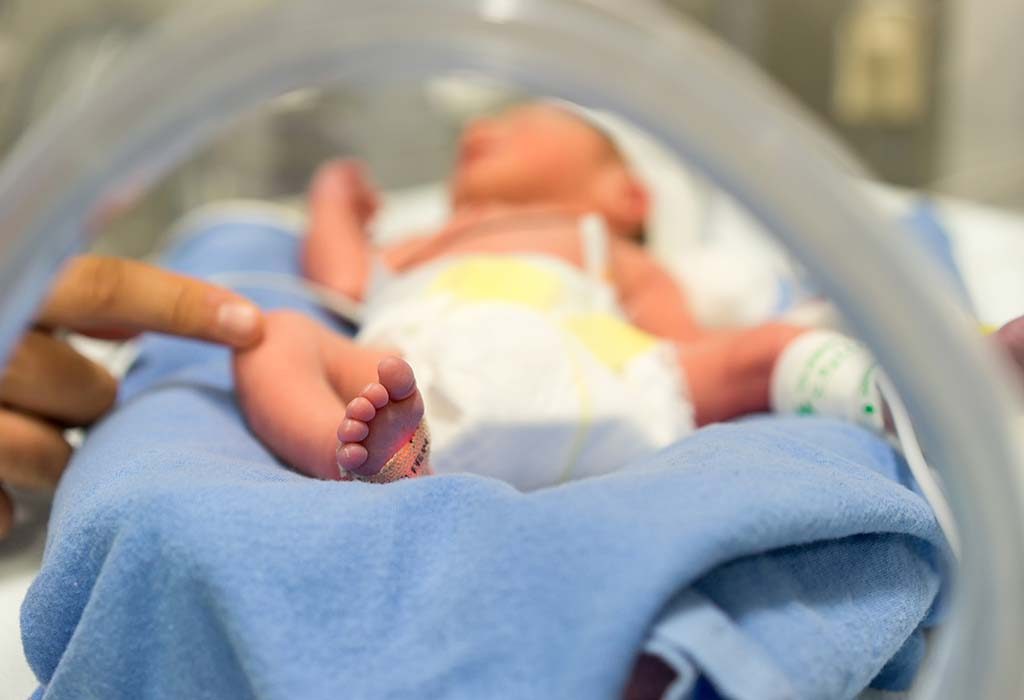
In the NICU, they are also connected to various pieces of equipment, tubes and wires to help them sustain. You’ll see wired stickers on the baby’s legs, arms, feet, wrist or chest. There will also be a monitor attached to the umbilical artery IV line to measure blood pressure. Some may also have tubes in their mouth connected to a ventilator to help them breathe or are put on the continuous positive airway pressure (CPAP). OG/NG tubes will be attached to the baby’s mouth (OG) and nose (NG) to help with the feed.
Short–term Health Concerns for Micro Preemies
Micro preemies are treated in the NICU as they need a lot of external support. Some of the immediate and short-term concerns are given below:
1. Infections
Premature babies have an immature immune system. Infants get infections from the intravenous lines that are inserted in their weak bodies. Sometimes, they catch a cold from a person who is suffering from cold. Good hygiene should be ensured to avoid it (3).
2. Support for Breathing
Premature babies do not have strong lungs to breathe on their own. They either help them breathe by intubating them or use a CPAP device which is non- invasive and less injurious to the lungs (4).
3. Issues with Feeding
The baby’s feeding and growth are one of the most important things to be monitored in the NICU. They are prone to vomiting, and so they are fed a very small amount of food to help the gut mature. After their gut attains maturity, they are introduced to formula feed (5).
4. Injury in the Brain
Micro preemies are always at high risk of brain bleeding. Brain ultrasounds are done to check whether the bleeding is mild or severe. The risk of severe brain bleeding can be neurodevelopmental disorders or cerebral palsy. (6).
5. Problems in the Eye
When babies are born before the gestation period is complete, they may develop a condition that affects the retina’s blood vessels. As they are put on the high amount of oxygen for a prolonged period of time, their eyesight gets affected, and some require glasses as an aid to see clearly.
6. Patent Ductus Arteriosus (PDA)
A patent ductus arteriosus (PDA) is a condition where a blood vessel near the heart, which is normal in a fetus, fails to close after birth. This can cause complications in micro preemies, as it disrupts normal blood flow. PDA is often treated with medication, but surgery may be required if the condition persists.
7. Necrotizing Enterocolitis (NEC)
Micro preemies have immature digestive systems, making their intestines highly susceptible to infections. Necrotizing enterocolitis (NEC) is a serious condition where the lining of the bowels becomes infected and begins to deteriorate (7). Treatment typically involves IV fluids and antibiotics, but surgery may be necessary in severe cases.
How Long Are Micro Preemies Kept in the NICU?
Babies who are born before 27 weeks are made to stay in NICU until they complete the full tenure of development or sometimes even more. They often require respiratory support with a ventilator, a CPAP or a nasal cannula. They also try to keep the baby nourished to gain weight and growth of the organs. This support is impossible to provide at home, and so their stay in the NICU is a must during this time.
Long-term Health Issues in Micro Preemie
Micro preemies may develop some long-term health issues which are given below (8):
1. Learning Disabilities
Babies tend to develop physical, mental and emotional handicaps. They end up with cognitive problems, learning or behavioural problems.
2. Problems in Digestion
Some babies end up with food refusal, poor feeding, and many other digestive problems.
3. Hearing or Vision Problems
As complications of premature birth can be severe at times, they may ultimately have permanent hearing or vision loss, or related problems.
4. Lung Disease
Preemies require artificial respiratory support which sometimes leads to asthma or bronchopulmonary dysplasia, a chronic lung disease.
5. Cerebral Palsy
Some preemies may severe or moderate cerebral palsy.
How Parents Can Help in Improving Their Baby’s Outcome
Parents can play a positive and significant role in their micro preemie’s development and to give their babies the best possible start.
1. Early Intervention
Parents should try to minimize the cognitive impact of prematurity by seeking early intervention.
2. Know the Signs of Preterm Labour
Expectant mothers should seek medical care the minute they get an inkling that they might have a preterm delivery.
3. Deliver in a Hospital With NICU
You must identify a good hospital with a level 3 NICU along with 24×7 neonatology coverage, so that the child can avail of the best postnatal care.
4. Early Prenatal Care
You must try to minimize the risk of premature birth by taking prenatal care. Micro preemies are babies born long before the due date and hence, need neonatal intensive care.
FAQs
1. What are the long-term developmental milestones for micro preemie babies?
Micro preemies may experience delays in reaching developmental milestones such as crawling, walking, or talking due to their premature birth. However, with early intervention programs, physical therapy, and regular monitoring, many micro preemies catch up to their peers over time. Each child’s progress is unique and depends on their individual health and care.
2. How does Kangaroo Care benefit micro preemie babies?
Kangaroo care, where the baby is held skin-to-skin against the parent’s chest, has been shown to significantly benefit micro preemies. It helps regulate their body temperature, improves heart and lung function, promotes bonding, and can even enhance weight gain and overall development. This practice is encouraged in NICUs as a supportive care measure.
Caring for a micro preemie is a journey filled with challenges but also incredible strength and hope. Every small milestone is a big victory, and with the right medical care, love, and patience, these tiny fighters can grow and thrive. If you’re going through this experience, remember—you’re not alone. Support from doctors, family, and other parents can make all the difference. Stay hopeful, take it one day at a time, and celebrate every little step forward.
References/Resources:
1. University of Washington – Extremely Low Birth Weight NICU Graduate Supplement to the Critical Elements of Care for the Low Birth Weight Neonatal Intensive Care Graduate (CEC-LBW)
2. Nemours Kids Health – When Your Baby’s Born Premature
3. National Library of Medicine – Infection in the preterm infant
4. Cedars Sinai – Respiratory Distress Syndrome (RDS)
5. Science Direct – Nutrition for the micro preemie: Beyond milk
6. Stanford Medicine – Intraventricular Hemorrhage in Babies
7. Nemours Kids Health – Necrotizing Enterocolitis
8. Cleveland Clinic – Long-term consequences of prematurity
Also Read:
Infection in Premature Baby
Premature Babies Development Concerns
How to Make Your Premature Baby Gain Weight?
Read more
Brain Development in Premature Babies – Before and After Birth
Babies born before the 37th week are termed as premature. This may lead to many health and developmental issues in babies. The brain, in most preemies, is badly affected leading to learning and intellectual disorders. It may also cause communication problems, behavioural problems like ADHD and also neurological problems like cerebral palsy.
Preemie Baby Development
The moment a baby is conceived, her brain starts developing. If born after the 37th week, she will be born with a developed brain of more than 100 neurons. However, if a baby is born way before the due date, her brain will not be developed enough and as such she may be born with several health problems as well as disabilities.
1. Inside the Womb
The brain develops rapidly inside the womb. Within the 3rd week of gestation, three parts of the brain are formed. By the end of the first month, the brain starts functioning. In the second trimester, the brain connects to all parts of the body. In the third trimester, brain growth, as well as the head growth, is the most rapid. However, since preemies are born before this crucial phase, their brain is not developed properly.
2. Outside the Womb
Since preterm brain development is compromised, preemies suffer from health hazards as well as neurological problems and brain damage which may lead to several disabilities. The baby’s brain continues in its developing process even after birth. However, a full term baby’s brain which develops in the dark, inside the mother’s womb with closed eyelids, hardly any audible sounds floating in the amniotic liquid. Whereas a preemies’ brain gets stimulated by the various sounds, touch, sights and senses while it is developing. This is not good for the brain.
What are the Effects of Premature Birth on Brain Development?
Brain damage in premature babies can lead to severe and lifelong intellectual, behavioural as well as developmental disabilities. Since a preemie is born with an underdeveloped brain, the brain fails to work as it should in a normal set up. Blood vessels in the brain develop and become strong only after the 32nd week. Therefore there may be brain bleeds in premature babies born before this period. In such a situation, the baby may face certain challenges like –
They may not be able to grow physically as normally as other children
They may face learning disabilities
They may suffer from speech disorders and as such communicating with others could be a problem.
They may suffer from behavioural problems like Attention Deficit Hyperactivity Disorder (ADHD)
Moving around may become a problem if they are physically disabled due to Cerebral palsy in which the brain, the spinal cord and nerves get affected
FAQs
Listed below are some frequently asked questions on brain development in preterm babies.
1. Can Breastfeeding Boost Brain Development in Premature Babies?
Breast milk is certainly one of the best can give to her newborn. A mother’s milk has several nutrients that boost a baby’s immunity. Also, it has been observed that the brain of the preemies who have been breastfed develop faster instead of those who have been given formula milk.
2. Do All The Difficulties and Problems in Premature Births Arise Right After Birth?
No. Some problems and difficulties as a result of brain damage due to premature birth may arise even during childhood and even as late as adulthood.
It is imperative for mothers-to-be to avoid preterm labour by being careful with their diet and to consult their gynaecologist immediately in case they sense any problems during pregnancy. A little caution can help in giving birth to a healthy and full-term baby.
Also Read:
Corrected Age for Premature Babies
Effective Tips for Bottle Feeding Premature Infants
How to Wean a Premature Baby
Read more

Taking Your Premature Baby Home – Preparation and Planning
Taking a premature baby home for the first time can be an emotional day for the parents. As a parent, you’ll be eager to show your little one his home and at the same time, you will be nervous to take your baby away from the security and care of the hospital. If you are concerned about handling your baby at home, do remember that doctors don’t discharge preemies until they are ready. And with some planning and groundwork, you can prepare to manage the situation well too.
When Can a Premature Baby Go Home?
Many parents wonder about the time when premature babies are allowed to go home. Discharge of a premature baby from the hospital may depend on covering of certain milestones rather than completing a regulated time frame. As such, there is no instruction which defines the duration of time a premature baby is supposed to spend in the NICU (Neonatal Intensive Care Unit). Many premature babies may get a discharge near their original date of birth. But some babies may have to stay well past their due dates especially if they need help with breathing or have had surgery.
Things to Take Care of Before Taking Your Premature Baby Home
It is typical to feel nervous while shifting your preemie from hospital to home. But there are simple ways which can facilitate a smooth transition.
1. Check for the Requirements for Discharge
It may be reassuring to understand that the hospital will not discharge your baby unless doctors are confident that you and your preemie are ready. It commonly implies that your baby does not require the hospital’s expert gear and medical care anymore. When your baby will be able to breastfeed or bottlefeed with no breathing troubles and is slowly gaining weight, then the doctors may consider giving a discharge to your baby. His body temperature may also remain steady when put in an open crib.
2. Medical Needs After Discharge
The hospital may present you with a schedule for follow-up visits and medical appointments with the doctor or other specialists. Remember to take the contact details of the doctors as well as of an individual at the NICU (Neonatal Intensive Unit) in case you wish to inquire something. You can also choose to refer to a specialist or paediatrician privately for subsequent check-ups. In case your baby requires special paraphernalia (oxygen tank or apnea monitor) for his care, doctors generally provide detailed instructions and necessary training for it. You can note down all the questions you may like to ask to understand well how the medical gear you are taking along works. It may be a good idea to create a support network and enlist the help of some people beforehand to aid you during the initial days of bringing your baby home.
3. Prepare for Discharge of Your Premature Baby
In the weeks preceding your baby’s changeover to home, the hospital staff may start assisting you to adapt most of his care routines like feeding, nappy changing, bathing, and dressing. You may also get the opportunity to familiarise with your baby by being with him for a short duration of time. Most hospitals have special rooms where mothers can spend some time with their preemies before transferring them to home. Such an arrangement allows the mother to care of her baby, be with him all by herself so that she may gain the confidence to eventually do so later on. Some hospitals may let mothers take their baby for a stroll in the pram inside the hospital to habituate with them independently sans the hospital staff. All this is done to strengthen your bond with your baby.
4. Check Your Baby’s Medical Records and Insurance Coverage
It may be wise to contact your health insurance firm and get your baby’s name included to your insurance policy right after his birth. Insurance agencies require this to be done within a couple of days of baby’s birth. Some insurance establishments provide for home nursing visits or even wide-ranging nursing care for babies with complex medical issues. Your doctor can help you decide which insurance coverage will best suit your situation. Also, arrange a file to keep all the medical records, hospital correspondence and financial statements safe.
5. Choose a Pediatrician and Arrange Appointments
It may bear well to select a paediatrician in advance rather than waiting till the time your baby comes home. While choosing a paediatrician, do find out about his experience in caring for premature babies and whether he will be available to attend at odd hours or on call. In case your baby’s care involves tube feeds or ventilator, ask the paediatrician regarding his expertise in treating such cases. You can also turn to the NICU staff for a suitable recommendation for an expert paediatrician.
Schedule the first visit of your baby to the paediatrician before he arrives home. Consult the NICU staff about the likely time an appointment is needed. Usually, it is within 2 to 3 days of release from the hospital. Also, ask the NICU staff if your baby requires any visits with other specialists (ophthalmologists, neurologists, early-intervention specialists, physical therapists) apart from visiting a paediatrician. In case you do, take referrals and contact details of those medical practitioners. Some premature infants may need certain routine tests like hearing and vision tests, blood tests. Be sure you comprehend all the tests sought after discharge.
6. Learn CRP and Get Specialized Training in It
It may prove beneficial to get trained in infant CPR and learn about it before your tiny one comes home after getting a discharge from the hospital. It may be best to rope in your partner to take a course in it too. You can also request other family members like grandparents or caregivers to learn it. You can seek the NICU staff’s advice to suggest an appropriate program for training your support system.
7. Decide About Circumcision
In case your preemie is a boy, you may have to decide regarding circumcision. A healthy full-term infant boy may be circumcised before he leaves the hospital. Generally, the same norm can apply to a healthy preterm baby boy.
8. Install an Infant-friendly Car Seat
Your baby may need a car seat while travelling from the hospital to home. You can opt for an infant car seat equipped with a three or five-point harness arrangement. You can also go in for a five-point harness convertible car safety seat. You may need to modify the car seats with head supports and extra padding to keep your baby’s head upright and to ensure that he has no trouble breathing. As a precaution, you can also take the car seat to the hospital for a safety test.
Some babies with respiratory issues may not be able to travel in a conventional infant car seat. In such a scenario, discuss with your doctor about the options for moving your baby home.
9. Attend a Discharge Debriefing of Baby
You can expect a discharge debriefing at the time of your baby’s release from the hospital to review medical care, check follow-up appointments and to allow you satisfactory time for any questions you may have about your baby. Ensure that you know all the drills and understand the directives.
Tips to Keep in Mind While Taking Care of Your Preemie at Home
Some tips to bear in mind while at home with your preemie are as follows:
Your baby will be at a higher risk of infections due to his immature immune system. Therefore, you will need to take precautions and limit his outings and contact with other people as much as possible. Also, avoid public places and restrict invitees to your home.
Be prepared for your baby to be sleeping for shorter periods but more than a normal full-term baby. You should make your baby sleep on his back to lessen the risk of SIDS (Sudden Infant Death Syndrome).
Spend as much time as you can to enjoy some skin-to-skin connection with your baby. Such kind of contact is also called kangaroo care. Studies show that kangaroo care can nurture parent-child bonding, encourage breastfeeding, and enhance a baby’s health.
Caring for a preemie can be physically and mentally demanding and exhausting. Thus, don’t hesitate to receive offers of support and help from others. Make sure you get enough rest, eat well and remain stress-free.
The prospect of taking care of your premature baby at home without the backing and support of hospital supervision can be scary. It is very normal to be apprehensive particularly if your little one requires special facilities. However, most parents usually get accustomed to caring for their babies fairly quickly. Going home with your preemie can be hugely advantageous in many ways. It can help nurture the bond that you share with your baby and establish feeding patterns. Things may not seem perfect at first but soon with time and practise, you’ll learn to take care of your baby.
Also Read:
Adjusted Age for Preemies
When and How to Start Weaning a Premature Baby?
Read more

Premature Baby Developmental Milestones Till Age 5
Preemies are babies who are born before the 37th week of pregnancy is completed. Therefore, there could be delays in meeting the babies’ developmental milestones. Parents might worry when their premature babies do not meet the milestones compared to full-term babies, but there’s nothing to stress about because their age range to meet the milestones is calculated a little differently. Read on to know all about a premature baby’s developmental milestones.
How to Adjust Your Preemie’s Age
If your baby is born before the 37th week of pregnancy, she is known as a premature baby. The milestones for premature babies are different from normal babies. A premature baby’s progress cannot be tracked based on the actual date of birth. You need to adjust your preemie’s age as follows:
1. Adjust Your Preemie’s Age
If your baby is 20 weeks old but was born five weeks early, subtract five from 20. This will give you 15 weeks as the baby’s adjusted age. Look for milestones listed under 15 weeks to track your baby’s progress.
2. Keep Track of the Progress
Look out for advances in your child’s development. Make sure that your little one is moving ahead, step by step.
Premature Baby Milestones
Note: The data in this article tells you how babies usually develop. To track your preemie’s developmental milestones, you should use your baby’s adjusted age, as explained above.
Here are the developmental milestones for your baby:
1. At 2 Months
Here are the preemie baby developmental milestones to look out for in a 2-month-old:
a. Cognitive and Motor Development
Between 1.5 to 2 months (or 6 to 8 weeks), your baby can turn her head in the direction of the sound she hears. When placed on her tummy, she will try to lift her head. Other 6-week premature baby milestones include active movement of hands and legs.
b. Language and Communication Development
Your baby will recognise the sound your voices and smile. She will look in the direction of a sound. She will have a different kind of cry for each need and make gurgling sounds.
c. Social and Emotional Development
Your baby will recognise her parents and enjoys being with you and your spouse. She will smile when you play with her.
d. Activities
She can hold objects and also fix her eyes on a toy and follow the movement.
2. At 4 Months
Here are the premature infant milestones for a 4-month-old baby:
a. Cognitive and Motor Development
Your baby can bring her hands together. She will lift her head and push herself upwards using her arms during tummy time. She will know that she needs to reach for a toy to grab it.
b. Language and Communication Development
Your baby will combine sounds together and will squeal when she is happy. She will turn her head to follow your voice.
c. Social and Emotional Development
She will smile and be playful. She will be interested in mirrors and will be interactive with parents.
d. Activities
She will reach out and grasp toys. She will bring toys to her mouth. She will show increased hand and leg movements when she is excited.
3. At 6 Months
The following are the developmental milestones for a 6-month-old preemie:
a. Cognitive and Motor Development
Your baby will know her parents faces well and can recognise you from amongst several people. She will start attempting to, or already will be able to sit on her own. She will also put her weight on the feet if you hold her standing up. She will shake and bang toys and transfer them from one hand to another. She can roll over onto her back and can hold a toy each in both hands.
b. Language and Communication Development
Your baby will turn around and look at you when you call her name. She will babble, and making consonant sounds like ‘gaga’.
c. Social and Emotional Development
She can express both happiness and sadness. She will observe her surroundings and will notice if you leave the room.
d. Activities
She will be interested in what toys can do, like light up or make sounds. She will be interested in peek-a-boo and look for objects that drop out of her line of sight.
4. At 9 Months
These are the 9-month-old premature baby milestones:
a. Cognitive and Motor Development
At 34 to 36 weeks, your baby can crawl on her own. Other 34-week preemie milestones include pulling herself up to stand and picking up objects with her fingers. She remembers the peek-a-boo game and knows how to play it.
b. Language and Communication Development
Your baby will be able to recognise often repeated words and phrases like “hello”, “bye”, “go to sleep”, “bath time”, and “open your mouth”. She will babble by making a combination of vowel and consonant sounds, and be able to say ‘mama’ or ‘dada’.
c. Social and Emotional Development
She may show discomfort with strangers. She will love playing with you and will clap her hands when excited.
d. Activities
Your baby will resist if you try to take her toy away. She will also examine objects more thoroughly by turning them over, opening them or putting her hands inside. She will try to hold her own bottle and will pick up bits of food and bring it to her mouth.
5. At 12 Months
Here are the 12-month-old preemie developmental milestones:
a. Cognitive and Motor Development
Your baby can stand on her own and take her first unsupported steps. She knows who her parents are. She will know to stop if she is told not to do something.
b. Language and Communication Development
Your baby will combine movement with sound. For instance, she will grab a toy while using her voice simultaneously. She will give you her toy if you ask for it. She will also pause whatever she is doing if you tell her to do so.
c. Social and Emotional Development
Your baby plays with other children. She will also prefer the company of her parents.
d. Activities
She can drink from a cup on her own. She will also help you when you dress her.
6. At 15 Months
These are the developmental milestones for a 15-month-old preemie.
a. Cognitive and Motor Development
At 15 months, your baby will be able to walk on her own and climb onto furniture. She will address you as mama and follow you around the house. She will also remember the names of several things, such as the names of foods, people, or toys.
b. Language and Communication Development
Your baby will be able to use two continuous words other than ‘mama’ or ‘dada’. She will use words to ask for food or drink. She will also show you what she needs by pointing or pulling you in that direction.
c. Social and Emotional Development
Your baby will give you kisses, say ‘hi’, and will pay attention to stories.
d. Activities
She will try to feed herself with a spoon.
7. At 18 Months
Here are the developmental milestones for an 18-month-old preemie:
a. Cognitive and Motor Development
Your baby can scribble on paper with a pencil, walk without help, and sometimes run.
b. Language and Communication Development
Your 18-month-old can point to parts of the body like hands, feet, eyes, ears, nose, and mouth. She follows simple instructions, like ‘give me the toy’. She says at least 5 to 10 different words.
c. Social and Emotional Development
She no longer has separation anxiety but is happy when she sees you again. She will say ‘no’ if she does not want something.
d. Activities
An 18-month-old likes to eat on her own. She engages in pretend play. For instance, she pretends to feed a doll.
8. 24 to 30 Months
Here are the milestones for a 24- to 30-month-old baby:
a. Cognitive and Motor Development
Your toddler can run fast without falling often. She can scribble in circular movements and draw vertical lines. She can climb up and downstairs by herself. She can turn single pages in books. She can stand unsupported on one foot. She can remember rhymes and recite them and also recognise primary colours.
b. Language and Communication Development
Your 2-year-old can talk in simple sentences and can follow 2-part instructions. She can use at least 20 different words, including pronouns.
c. Social and Emotional Development
At two, your baby will help with easy household work. She will also stop when you tell her to do so.
d. Activities
She reads picture books and turns pages on her own. She can wash her hands without help. She also opens doors using the doorknob.
9. At 3 Years
These are the milestones for a 3-year-old:
a. Cognitive and Motor Development
At three, your baby recognises extended family members by name and relationship. She can also pedal a tricycle and cut using safety scissors. She can jump in place and balance on one foot. She can also draw a circle.
b. Language and Communication Development
Your toddler can talk clearly and combine sentences using “and” or “but”. She can also understand prepositions like “under”, “in”, and “on”.
c. Social and Emotional Development
Your toddler will be able to direct other children and also do a role play where she pretends to be mom or dad.
d. Activities
A 3-year-old can dress with help. She is also toilet-trained and can wash her own hands.
10. At 5 Years
Here are the milestones for a 5-year-old:
a. Cognitive and Motor Development
At five, your child can write her first name in print, swing on her own, and show leadership abilities.
b. Language and Communication Development
At five, your child is able to recognise most of the alphabet and can explain the meaning of known words.
c. Social and Emotional Development
Your baby engages in dress-up or make-believe games. She also plays well with other children.
d. Activities
She can use the toilet without help.
What Questions/Concerns You Should Ask a Paediatrician About Your Baby’s Development
These questions will help you take complete care of your premature baby and ensure she meets her developmental milestones around the estimated timelines.
If your baby is in the NICU – What are the premature baby NICU milestones my baby needs to cross to be discharged from the NICU?
If your baby is late preterm – What are the late preterm baby milestones that I need to keep track of?
In what way can I support my baby more?
I am concerned that a particular milestone is taking time to cross. Is this normal?
What kind of nutrition does my child need in order to meet her developmental milestones at the right time?
Premature babies need extra support as they are born without being fully developed. Keep in mind that each baby is different and do not compare your baby’s developmental milestones with other babies. Talk to a paediatrician about your concerns.
Also Read: Common Health Problems of Premature Baby
Read more

Weaning a Premature Baby
When it comes to weaning a premature baby, age tends to be relative. Determining the proper age for weaning can be perplexing. Mothers may wonder whether to consider the corrected age which reflects the prematurity of the baby or to consider the chronological (actual) age. Doctors propose that a baby’s corrected age should be of importance than his chronological one. However, every single baby is different. Therefore, much may be subject to how early a baby was born and what was his health condition at the time of birth.
When to Start Weaning Premature Baby?
Parents should avoid weaning premature babies early as their digestive system can find it tough to manage diets other than breast milk. Some points to bear in mind about weaning premature baby can be:
1. Look for Signs
Allow your baby to be your guide when contemplating weaning your premature baby. Take into account the signs your baby may give you to indicate that he is ready to start taking solids. It may be better to initiate weaning once you feel your baby looks prepared to do it. Introducing solids at an appropriate time can help promote the strengthening and coordination of your baby’s jaw and mouth muscles and ensure his overall healthy growth.
2. Chronological Date
According to the newest guidelines weaning of premature babies can start around 5 to 8 months from their actual date of birth and not the corrected age.
3. Weaning off Preemie Formulas
You may want to delay switching to regular formula from preemie formula until your baby turns 12 months of age as preemie formula is specially designed to cater to the bodily needs of premature babies.
4. Weaning to Whole Milk
You can introduce a premature baby to whole milk when he turns the corrected age of one year or more. In case your baby was delivered one month early, you may like to wait until he becomes at least 13 months of age. In case he was delivered three months early, he may have difficulty digesting whole milk if you were to introduce it before he reaches 15 months of age. In any case, it is prudent to wait a bit longer before offering whole milk as preemies tend to be vulnerable to intestinal issues like gastrointestinal reflux which can result in pain and vomiting.
5. Consult your Paediatrician
It may be best to discuss with your doctor who can suggest appropriately regarding weaning your baby after examining the health and the developmental milestones covered by him.
Signs that Your baby is Ready to Wean
Certain signs that may show that your baby is ready to wean can be:
He may display a keen interest in what other people are eating
He is putting objects or even his hand into his mouth
He appears less satisfied or hungry after a milk feed alone
He seems to be eager for more frequent nursing than usual
In case he starts to demonstrate a munching (chewing) up/down mouth movement when taking in non-food things
In case he begins supporting himself in an erect position with slight or no support
How to Start Weaning a Premature Baby?
Most premature babies advance through the usual stages of weaning the way term babies do. However, some premature babies can take longer to adapt to weaning. Most babies may naturally take to sweet tastes readily but starting with veggies can benefit them ultimately. Encouraging intake of vegetables during the early stages of weaning can help in forming healthy eating habits for later.
The initial stages of weaning are merely about making your baby familiar to new and varied tastes and textures. Be patient and repeat steps if required while teaching your baby to eat with a spoon, swallow, chew his food. You can either offer purees or finger food or even a combo of two while trying to wean off your baby.
Common Problems and Tips to Keep in Mind
Some likely problems and tips to keep in mind can be:
Offer solids in small quantities at first to account for any possible food allergies. Usually, food allergies are common in case there is a family history of it.
Introduce various single veggie flavours without mixing them with fruit to make them sweeter. Your baby may not take to it at first but will get used to it eventually.
Refrain from adding sugar or salt to your baby’s It is not required and can prove harmful.
You may like to give cooled and boiled plain water to your baby a few times a day once he starts having solids. Avoid offering sugary drinks. It may be a great idea to have your baby drink from a cup or sipper rather than a feeding bottle.
Expose your baby to a variety of diverse flavours from the start as this may not only help in curbing any likely food fussiness in the future but can also guarantee a good supply of nutrients.
Irrespective of the age you begin weaning your baby try and introduce him to lumpy foods which entail munching latest by the age of 9 to 10 months.
In case your baby suffers from digestive issues like reflux because of being born before the scheduled time, he may have more intricate feeding and nutritional needs. In such a scenario refer to your paediatric dietician for consultation and guidance.
Weaning premature babies off oxygen in case they have been on breathing support from the time of birth can take months. In such a case, it is advisable to make any weaning decisions after consulting with a doctor.
Premature babies often need extra care and support. Breast milk is good for them as it provides the specific nutrients that their little bodies require in order to overcome the challenges of being born prematurely and grow into healthy toddlers. As a result, weaning premature babies can be a slow process but don’t worry you will sooner or later get there. Until then, enjoy exploring new foods with your baby!
Also Read: Bottle Feeding Tips for Premature Babies
Read more

Corrected Age for Premature Babies
Would you treat a 12-month-old child who was born 3 months earlier as a one-year-old or a nine-month-old? This answer can make a huge difference in your child’s growth.
What is the Corrected Age or Adjusted age?
Corrected age is an adjustment in age used by doctors if your child was born early to determine when he should reach specific milestones. The age a baby would be if he had been born on his due date is called an adjusted age. This age is very useful to determine the baby’s growth and overall development.
The baby’s age can be calculated in two different ways.
1. Chronological Age
Determining the baby’s age by counting the number of days, weeks, or years from the day he was born is called chronological age.
2. Adjusted Age
This is based on the baby’s due date. This is mostly used to evaluate the baby’s development.
Meanwhile, their chronological age is not considered because many babies may not have developed many functions such as breathing, maintaining body heat, etc.
Importance of Corrected Age
The developments of babies’ brains happen in two important ways. The first one is based on the preprogrammed biological sequence and the second one is the reaction to outside experiences.
Most of the time, the growth of the child cannot be hurried without the completion of development in the preprogrammed sequence. So when you are trying to understand if your premature baby is developing normally, knowing the baby’s corrected age will turn out to be helpful. For example, if your one-year-old prematurely born baby has not yet started to crawl, think of your baby’s age as nine months, which makes it absolutely normal. There is no need to worry. During the early years of his life, corrected age is required.
How to Calculate Adjusted Age in Premature Babies
It is very simple to calculate the corrected age of your baby. Start with the baby’s actual age in weeks from the day he was born and then subtract that value from the number of weeks the baby was preterm. This value is the adjusted age of the baby.
It could get tiresome explaining many people as to why your baby is so small. You don’t have to worry because you will need to explain this only till the kid reaches 2 to 2 ½ years. By this age, they will catch up developmentally.
When is Adjusted Age Not Useful?
Using the corrected age for early intervention services is not a good idea for your child. The child’s need for services is greater as his uncorrected age would make him seem older.
However, when celebrating your child’s birthday, you should calculate the birthday from the day he/she was born.
Can the Corrected Age Affect a Premature Baby’s Development?
In just two or three years, most prematurely born babies accomplish the same developmental milestones. If any other differences are seen after that, then it is most likely to be due to individual differences and not because of the premature birth. There are a few cases where the babies take a longer time to catch up developmentally.
Whom to Tell About the Child’s Corrected Age
In the early years, the child’s corrected age will explain a lot of characteristics that look like delays in the growth and development of the baby. It is important to know how early your child was born. It is best to let anyone who cares for or works with your child know your preemie’s adjusted age. This may include the child’s care teacher, preschool teachers, and health professionals.
Is It Okay to Stop Using the Corrected Age?
There has never been a rule on when to stop using the corrected age, but most doctors recommend using this age until the child has reached two years. At this age, your child will start developing like everybody else. After two years, if your child is still behind, then the doctors would start focusing on the expected rate of growth of the child.
How to Answer Child’s Questions Related to Your Child’s Development
At times you might find it hard to explain the corrected age of your child to the people around you, but this can turn out to be very helpful. For example, if someone notices your six-month child is not able to sit up, then you can tell them that he was born three months earlier. So in that perspective, he is only three months old, and he is doing everything a 3-month-old child normally does. This way, your preemie’s adjusted age milestones are on track.
How Does Adjusted Age Affect Child’s Play and Interaction?
You may notice that your prematurely born child does less when compared to the other kids of the same chronological age. But when thought of in terms of the child’s adjusted age, he is doing what a child his age usually does. Your child can learn a lot from experiencing the things around him; for example, being read to, walking to the park, and interacting with other kids. All these different environments help to develop the child’s brain.
Starting Preschool for Premature Babies With Corrected Age
There is a chance your child might start schooling according to his chronological age and not his adjusted age.
But especially at preschool, a few months can make a huge difference to what your child can do and what she is expected to do. There are some parents who decide to delay a year if their chronological age is below the entry age. This can be useful for your child to catch up on his development, giving them extra time to cultivate and improve their social skills needed for preschool and school.
You can also ask for test results conducted between your child’s corrected age and chronological ages if your child is assessed with delays in overall development and growth.
Immunizations for Corrected Age Infants
Babies who are prematurely born usually get the same immunization as other babies of the same chronological age. Immunizations are very important for premature babies because they need immunity as they are more susceptible to specific infections.
Prematurely born babies usually get their first immunizations when they’re still at the hospital. Extra doses of vaccines might be given when the child gets older.
Your paediatrician is the best person to seek advice from, and she will know what you’re child needs.
Your family or friends may initially find it difficult to understand the difference between chronological and corrected age, and even actual age. You can help them understand the importance and why it is calculated. Be sure to stay attentive and interactive with your child. Allow them to play and interact with other kids which will help them move towards normal development.
Also Read: Premature Baby Health Problems
Read more

Preterm Babies and Sleep – What to Expect
Preterm babies, born before completing 37 weeks of gestation, often face unique challenges as they adapt to life outside the womb. If your baby arrives a little sooner than expected, you will obviously be worried about his health. You will ask your doctor about the extra care that you need to take to help him make it through this phase. Among these challenges is establishing healthy sleep patterns, which are crucial for their growth and development. You will also notice that your premature baby sleeps longer, and it may worry you instantly. But don’t you panic. Read on to learn about the sleeping habits of preterm babies and find out, “Do premature babies sleep more?”
Why Some Premature Babies Have Trouble Sleeping?
Sleep pattern of premature babies is different from the babies who are born full term. This means, although preterm babies sleep longer, they are less likely to follow a predictable sleep pattern. Their sleep cycles are shorter and they dwell longer in the lighter stages of sleep where they can be easily awakened (1). Also, they may still be unsettled by their hospital time in the neonatal unit. The hospital environment with bright lights, sound and routine medical procedures or care can be stressful for the babies and it may disrupt their sleeping pattern (3).
A Premature Baby’s Sleeping Guide
Here’s how what you need to remember about the sleeping routine of a premature baby to make them sleep peacefully:
1. He needs more sleep
According to the AAP, a preemie sleeps as much as 22 hours a day as he needs more rest for his body to develop properly. Although he might wake up often in between for feeds, he will spend most of his time in different states of sleep (7).
2. He needs more feeding in the night
Unlike full-term babies, preemies wake up more often in the night for feeds, as it provides the required nourishment for their growing body. In the first few months, it is advisable to feed a preemie every 3 hours or so to keep him well hydrated. Smaller feeds and gaps between the sessions also bring down spit ups (4).
3. Make him sleep on his back and not on the stomach
Just like it is with full-term babies, preemies should be put to sleep on their back for a comfortable sleeping position. The mattress should be firm and not too soft and it is advisable to remove any pillows, blankets, toys, and comforters if given by you. This is essential to reduce the chances of Sudden Infant Death Syndrome (SIDS) (5).
4. Let him sleep in your room but in a separate cot
Your room is the ideal place for your baby to sleep where you can check up on him often. It will be easier for you to feed him this way and know immediately if he shows any signs of distress. Having him next to you also lowers the chances of SIDS.
5. Encourage him to sleep more overnight
As your preemie will get older, try to shift his sleeping routine closer to the night. Play with him during the day but do not keep him awake so he can sleep longer in the night. When he is up in the night for a feed, feed him in a quiet environment and keep the lights dim and make him sleep once he is done.
6 Sleep States of Preemies
Initially, preterm babies show these sleep states which you need to look out for (6):
1. Deep Sleep
In the state of deep sleep, preemies eyes are completely closed and they show anywhere from little to no movement. Their breathing is also even and regular. If you have a preemie baby, do not try to wake him from this deep restful sleep to feed him.
2. Active Sleep
This is a light sleep phase where newborns and preemies spend most of their sleep time in. If you have a preemie baby, you will notice that he will move but his breathing may not be regular. This state is called the REM sleep for ‘Rapid Eye Movement’ stage of sleep where your baby is dreaming.
3. Drowsy Awake
Babies who are drowsy but awake look tired with heavy eyelids. You will often find them in this state just after waking up from active sleep or before they are ready to fall asleep. They can still suck while in this sleep and sometimes even feed quite well so they can be breast or bottle fed at this point.
4. Quiet Alert
This is a much more relaxed phase where preemies look wide awake and observant. If they bring their hands to their mouth and suck on the fingers, they could be hungry and it’s a good time to feed them. Preemies may not spend much time at this stage, but as they get older you’ll get to enjoy it more.
5. Active Alert
When babies are in this state they can be restless and fussy. They can also get annoyed easily by all the all the activity around. Feeding a preemie in this stage can be hard but if you are able to console and calm him down, he may go back to the quiet alert phase of sleep.
6. Crying
Babies cry for numerous reasons. They may be hungry, need a diaper change, or feeling uncomfortable and overwhelmed when out in the public. Some babies can calm themselves down but if your baby doesn’t calm on his own, try to comfort him by swaddling or rocking or by changing his diaper.
Sleep Pattern for a Preterm Baby
It takes a little more time to build a sleep pattern for a premature baby as compared to full-term babies. By 4 months of age, a full term baby may sleep for 6 to 8 hours in the night while a preemie would take 6 to 8 months to do the same. Here are some things to keep in mind before setting a premature baby sleep routine:
1. Build a Routine
To build a sleep routine for your preterm baby, first, watch your baby’s sleep pattern. Play with him, keep him busy during the day. He will feel sleepy as the night dawns. While putting him to bed, make sure the environment is peaceful and lights are soft. And feed him an hourly before it is sleep time (2).
2. Teach Self-Soothing
Comforting himself to sleep is an important skill your baby needs to learn. Once you have his sleep routine figured out, allow him to soothe himself to sleep. Babies cannot self-soothe in the first three months of their birth. The best time to start teaching self-soothing to a baby is between 4 and 7 months (3).
3. Set the Environment for Sleep
Playing white noise such as the radio static softly or a ticking clock can help set the rhythm for sleep. Soft light helps, a night-light is also reassuring. Offer your baby a pacifier or let him suck on his fist if that calms him. However, watch that this doesn’t become a habit.
When Do Premature Babies Sleep Through the Night?
Since all babies are different and take their own time to develop a regular sleep pattern, it’s not possible to tell exactly when preemies can sleep through the night. Generally, a preemie may not sleep for long stretches up until 6 to 8 months. Moreover, some babies are naturally more wakeful than others. Talk to your paediatrician if you have questions about your baby’s sleep routine.
Comparing Sleep and Wake Behaviour of Premature Babies and Full-term Babies
Although all babies seem alike to the untrained eye, there are differences between the behaviour of preemies and full-term babies. Some differences that you should notice are:
A healthy full-term baby can sleep for 18 hours a day while a preemie will sleep less or more than that.
If preemie babies sleep longer, they spend more time in the light sleeping stages where they wake up often and fuss, which is not the case with full-term babies.
A full-term baby may sleep the whole night by the age of 4 months while a preemie might do the same after 6 months or more (2).
Sleep and wake behavioural patterns can be easily recognised in full-term babies. Although preemies show these states too, they often deviate and do not spend the same amount of time in each state as full-term babies. They can be unpredictable and change states quickly or skip them altogether.
The behaviour of preemies can also vary from day to day. They may eat and sleep well one day and be irritable the next day having difficulty eating and sleeping.
FAQs
1. Why do some premature babies sleep so much?
The answer to why do premature babies sleep more is that they have much catching up to do on their growth and development, so you shouldn’t be surprised if you find a preemie baby sleeping for 22 hours a day in the first few weeks after his birth.
2. How many hours do premature babies sleep?
Premature babies tend to sleep about 16 to 22 hours a day, but sleep is often spread out in shorter, irregular cycles. Unlike full-term infants, who may begin to develop more consistent sleep patterns, preterm babies usually wake up more frequently due to their underdeveloped nervous systems and need for regular feedings (7).
As premature babies grow and mature their behaviour becomes more predictable and even. They only need a little more time than the full-term babies. Don’t you worry about your little one, if you have any doubts consult a doctor.
References/Resources:
1. Caravale. B, Sette. S, Cannoni. E, et al.; Sleep Characteristics and Temperament in Preterm Children at Two Years of Age; PubMed Central; https://pmc.ncbi.nlm.nih.gov/articles/PMC5566464/
2. Preemie Sleep Patterns; American Academy of Pediatrics; https://www.healthychildren.org/English/ages-stages/baby/preemie/Pages/Preemie-Sleep-Patterns.aspx
3. Helping Your Premature Baby Settle in at Home; Massachusetts General Hospital; https://www.massgeneral.org/children/premature-baby/helping-your-premature-baby-settle-in-at-home
4. Feeding your baby after the NICU; March of Dimes; https://www.marchofdimes.org/find-support/topics/neonatal-intensive-care-unit-nicu/feeding-your-baby-after-nicu
5. Caring for your premature baby at home; Tommy’s; https://www.tommys.org/pregnancy-information/premature-birth/taking-your-baby-home/caring-your-premature-baby-home
6. Understanding Premature Baby Development: Milestones Compared to Full-Term Babies; UnityPoint Health; https://www.unitypoint.org/news-and-articles/premature-baby-milestones
7. Sleep Training and Your Preemie; Hand to Hold; https://handtohold.org/sleep-training-and-your-preemie/
Also Read:
Premature Baby Health Problems
Premature Babies Development Concerns
How to Take Care of Premature Baby at Home
How to Make Your Premature Baby Gain Weight?
Read more

Premature Babies Development Concerns
Growth milestones for preemies are calculated based on their adjusted age. Adjusted age is the age of the child calculated by subtracting the weeks between his birth date and due date from his current age. Premature babies, often called pre-term babies, are born at 37 weeks or prior. This is dependent on the gestational age of the newborn that relates to the number of weeks the baby has spent in the mother’s womb.
In most cases, premature babies are born with their vital organs not fully developed. Quite naturally, such a situation may lead to several medical emergencies and complications. It may interfere with the overall system of the body, normal breathing and their ability to stay warm. To protect the preemie against any possible risk, the hospitals keep the baby in special care unit, in order to foster growth and development.
Developmental Issues in Preemie Newborns
If your newborn is a preemie, you are bound to be concerned about the overall development of your child. Even though, a pre-term baby might show trouble in development initially, the level of growth comes at par with his growing age. Here are some major developmental issues that are directly connected to a preemie.
1. Heart and lungs
Most of the premature babies are born with partially developed heart and lungs. The risk factor with the heart and lungs goes high when the gestational age of the baby is less than 36 weeks. Inadequately developed lungs and heart can create difficulties in supply of blood and oxygen. This can interfere with the normal breathing conditions.
2. Growth
Growth or development of a preemie may be affected to a significant extent due to the lack of nutritional supplements and poor feeding levels. Babies, who are born early, often have problems with swallowing and sucking milk from mother’s breast. They face difficulties with the tongue movement. These problems can be taken care of with timely medical attention and care.
3. Muscles and Limbs
Unlike the full-term babies, a pre-term baby’s muscles, limbs, and ligaments are not fully grown. This may hamper the natural development and motor movements like walking, sitting, running and talking, as compared to babies born in or after the 40th week.
4. Neuro-development
Neurological development is another major concern for doctors at the time of birth. Studies show that premature baby’s brain show subtle difference in the way it functions as compared to a full-term baby. This may lead to the pre-term newborns to suffer from impaired vision and hearing loss.
Other Common Concerns of Preemie Development:
1. When do Preemie Newborns Learn to Sit?
It is one of the first developmental milestones that the preemies achieve. Most of the preemies learn to sit during the mid first year. However, preemies with health problems may take more time than others.
2. When do Preemies Learn to Talk?
This is something that the preemies learn before their full-term peers, mainly because they have been exposed to the language for a longer period of time. However, some preemies (with their respective developmental issues) may have issues communicating well.
3. When do Preemie Babies Learn to Walk?
There is a lot of difference between full term babies and preemies when it comes to reaching the milestone such as learning to walk. A preemie that is healthy and stayed at the NICU without any long-term health problems will walk according to the standard developmental milestones given below: Such as:
6-9 months
By 6-9 months, a preemie should be easily able to stand up when supported by the parent or holding some furniture piece.
10-12 months
By this time a preemie should be able to pull up on some furniture, crib rail to a standing position.
13-18 months
Preemie should be able to walk without any support and hold his heels properly on the floor.
Preemie babies may experience certain development related problems in the initial years. Most of these difficulties can be set right with proper medical attention.
Read more
Sort By
 Latest
 Most Popular
 Trending
Please select atleast one Filter