

















.svg)
.svg)
.png)


Childcare
Suggested articles for you

How to Choose the Best Child Insurance Plan
Every parent hopes that the future of their child should be free of worries, primarily those pertaining to money. This is why many wish to choose the best child insurance plan that can take care of everything. However, every plan comes with certain benefits and risks. Understanding your own needs can help you make the right choice in this regard.
Why Should You Have A Child Insurance Plan?
Getting a good insurance plan, for your child has a good payoff in the long run. This is not simply as a protection mechanism in case of an untoward incident, but can also be looked at as an investment opportunity for the child’s benefit.
1. Spaced Out Investments for Child’s Future
The premium for a child’s insurance plan is minimal and can be spaced out over a large period to reduce the amount even further. An annual payment of a small amount can help create a corpus of sorts, which helps in investing an amount that grows and can be utilised by the child later in life.
2. Advanced Planning for A Child’s Wedding And Married Life
Even when your child grows up, gets educated and married, he would still require some support and an impetus to set up his new life. By taking an insurance plan that has the right period of maturity, you can find yourself with funds that can take care of the wedding as well as provide a good foundation for the couple’s life.
3. Protection for The Child after The Death of Parents
The major factor that comes into play is to ensure that the life of their child continues to be unhindered and proceed unabated without any dependencies on you. A proper insurance plan can help your child continue living and taking care of expenses even in your absence so that he can continue to live and move ahead in life.
4. Support for Higher Education With Financial Ease
While an education loan might help take care of higher studies abroad, having an insurance policy in place that matures at the right time, can help fill the remaining gap. This allows your child to study without any worries about family finances and create wonders.
5. A Total Package to A Secured Future
Rather than be caught unaware and helpless by unexpected hurdles in life, a bunch of insurance policies can help you stay secure no matter what the troubles might be. Even if they don’t, the maturity amounts can be put to better use, or a repeat investment for better protection as well.
Types of Child Insurance Plans
Many insurance companies offer child insurance plans, with various additions and tweaks to it to suit your needs. There are a few of them that are quite common based on the general needs of the people.
1. Child Endowment Plans
Your investments are put into multiple debt products based on the decisions made by the company. While the returns on such an investment are not big, there is guaranteed security for your money due to low risk.
2. Unit-Linked Investment Plans
It allows your investment to be divided among debt as well as equity products. The percentage of the amount is higher for the high-risk equity products, but that is precisely what gives you a higher return for your money, making it great for your child’s future.
3. Single Premium Insurance Plans
At times, some parents may not want to be stuck with an annual premium payment because they may not want to be under the pressure of remembering the dates or keeping aside money for the premiums. In such cases, a one-time major payment can be opted for as well, which might even get you discounts for the same benefits.
4. Regular Premium Insurance Plans
Parents often like to choose what benefits they would like for their child and might forego on others. This also provides them with a facility of not paying premiums annually, but monthly or even quarterly. These payment cycles are suitable for many as well as come with different benefits customised to the schedules.
Best Child Insurance Plan Riders
Riders act as additional benefits on the base insurance plan that you take, and these are highly recommended. There are a few great riders that should be opted for, but it is necessary to know that your choice of insurance plan may govern the riders that are available to you.
1. Income Benefit Rider
This is one of the highly recommended riders for your child’s insurance plan, especially if you have a fast-paced life. By opting for an additional premium amount, your child can get a specific percentage of the policy amount every month as income. This usually triggers if the parent passes away, meets with an accident, or is diagnosed with a critical illness.
2. Critical Illness Rider
Similar to the one mentioned above, if a parent is diagnosed with a high-risk illness or undergoes a specific medical procedure, the child can receive a specified amount from the rider. The premium for this depends on the age of the parent, amongst other factors.
3. Disability Benefit Rider
This rider usually comes in variants of partial to total disability of the parent. If the parent gets disabled either by an accident or a disease, the child receives a benefit of a large amount from the rider.
4. Accidental Death Rider
Death caused by accident may not always be covered by the insurance policy terms. Therefore, this rider helps your child remain safe and secure, as well as provide him with financial support in the event such a tragedy does occur.
5. Premium Waiver Rider
Even if your child receives a monetary benefit after your death, he still needs to pay the remaining premiums of his policy to prevent it from lapsing. This rider takes care of that, where any future premiums are waived if the parent were to pass away.
Tips to Select A Child Insurance Plan
Choosing a proper insurance plan for your child is not as easy as it seems once you go through all the possible scenarios. Therefore, when making a decision, it is best to keep a few tips in mind that can help you bring closer to choosing the right one.
1. Plan the Stages
Make sure the insurance plan you pick up has the premiums and period panned out to a specific milestone of your child’s growth. This helps you receive the financial benefit for major decisions of his life.
2. Paying Capabilities and Frequencies
Once a plan is in motion, the premiums need to be paid on time. These amounts also depend on the final maturity amount of the insurance cover. Know your financial standing and choose the amounts accordingly.
3. Waiver of Premium
The repetitive nature of premiums is what gets most parents worried if they can pay them on time and if their child would still be protected after their death. A waiver rider is an option to choose for. Also, going for a single premium plan could also be beneficial.
4. Estimate the Inflation
You might require a specific amount for a good life now, but that number is going to increase in future for a similar lifestyle. Make sure you take that into account when specifying a maturity amount for the insurance plan.
5. Start Early
Most companies create insurance plans for children in such a way that their benefits start paying out after a child becomes an adult legally. The later you begin, the higher the premium amount starts to get. Therefore, start young and start soon.
What Documents are Required for Child Insurance Plan?
The documents required for starting an insurance plan depending on the requirements as per the company policies as well as the coverage of the plan itself. Nevertheless, there are a few standard documents that are invariably required, no matter what.
Policy form- This is where all your proposal details and information is entered.
Proof of address- Anything from your passport, driving license, aadhar card, electricity bill can be used.
Proof of income- The person buying the policy for the child needs to show that he has a source of income to pay the premiums.
Proof of identity- PAN card, aadhar card, driving license, voter ID, are common identity proofs you can use.
Proof of age- A copy of the passport, birth certificate, or 10th and 12th mark sheets can be used for this.
Figuring out the best child health insurance plan is a subjective decision since requirements vary from family to family. Understand where you currently are and the future you are planning for your child, can help you pick the right plan for him.
Also Read: Important Tips for Financial Planning
Read more





Daycare Centre for Children – Pros and Cons
So, you have been enjoying motherhood to the hilt by spending time with your little one, taking care of him and tending to his various needs too. But if you are a working mom then this rosy period may have to end soon and you may have to go back to work.
The sheer thought of leaving your baby behind can be daunting for a mother. However, the daycare centre is a good option for parents who, due to work constraints or other reasons, cannot be with their babies. But have you weighed in the pros and cons of daycare yet? In this article, we shall discuss various advantages and disadvantages of a daycare centre and various tips that may help you choose a daycare centre for your child.
What Are the Advantages of Daycare Centres?
Various studies have shown that children benefit greatly from going to a daycare centre, and this holds true for babies and toddlers from 6 months to 4 years of age. Here are some advantages or pros of a daycare centre for children (1) (2) (3) (4):
1. Kids Learn to Socialise
Socialising is one of the great benefits of daycare. Daycare centres are great places for kids to meet other kids; some of the kids may be of the same age, and others may be younger or older. Your child will interact with them on a day-to-day basis, which may help him to master his socialising skills. Your kid may understand and learn the art of making friends, too.
2. Kids Learn to Follow Schedule
Though daycare centres may not impart any formal education, the various activities planned for the children are executed in a structured manner. Your kid may learn how to do things according to the schedule, and this is amongst one of the many benefits of daycare for toddlers.
3. Kids Begin Learning at an Early Age
Daycare centres not only take care of your child but also plan various activities for your kids. These activities help your kid to learn various educational concepts at a young age. There are many daycare centres that may adopt play and learn the concept. Therefore, the importance of daycare in child development cannot be undermined.
4. Smoother Transition to Formal Schooling
Kids who start going to daycare centres may find it easier to adjust to the formal schooling atmosphere. This is because, by the time they are ready to go to kindergarten, they may already be aware of being with same-age group children, following a schedule and other things that may make the transition easier for them.
5. Kids Develop Better Immunity
This is one of the many benefits of daycare for infants. Home is a protected environment and a safe place for your child, but not exposing him to rowdy environmental conditions may not be good for your child’s immunity. A daycare centre is a place where your kid would be interacting with many children. The more the child gets exposed to various strains of flu and cold, the better it is for his immunity.
6. Contentment for the Parents
Every parent wants to be with his/her child, but due to various constraints, this may not always be possible. Therefore, when parents leave their children in a trusted environment where they are assured that their baby will be taken care of and thus they may feel contented and happy.
7. There Is Consistency in Care
When a daycare worker is sick, instead of closing, the facility hires a substitute for the day. This ensures parents have reliable care without disruptions. Seeing the same caregivers every day is beneficial for children. As a parent, you won’t need to worry about finding last-minute care arrangements if someone gets sick. This makes managing your schedule and responsibilities easier.
8. Children Perfect Langauge and Speech
Daycare centers have skilled teachers who know just how to help kids talk better and learn words. They teach kids things like letters, numbers, shapes, and colors. Children are able to practice their language and speech under the orderly guidance. Parents might be busy, but daycare teachers are really good at this stuff.
Now that we have gone through the benefits of daycare for toddlers, here comes the disadvantages.
What Are the Disadvantages of Daycare Centres?
A daycare centre is a great option for your child. However, everything may have some pros and cons. So, is daycare bad for kids? No, daycare is not bad for children, but there are some cons or disadvantages of a daycare centre that are worth looking into:
Daycares are not cheap. As you go up with the facilities provided, the cost of daycar service increases, too.
You may have to spend extra money for an extended stay at a daycare centre.
Some daycare centres may not be functional on holidays; you may have to look for alternate arrangements.
Sometimes, daycare centres may not permit a sick child.
Along with other things, your child may be sharing germs, too. This means your kid is more susceptible to catching various kinds of infections and diseases at a daycare centre.
Daycare is a place where kids from various families and backgrounds may come. Your kid may be learning good things but he is also exposed to various bad habits of other children . Your kid may pick up bad words or habits from other children.
Daycare centres follow a routine, and sometimes your kid may not adjust well to it, and it may create problems for you, too.
Your child may be in a noisy atmosphere, and he may not like it.
Spending time in a daycare centre provides for a less personalised experience in comparison to the services of a nanny.
Reputed daycares providing the best of care and services often accept limited applications, soaring the competition and waitlisting.
The above-mentioned are some of the drawbacks that you may like to consider before you plan to put your kid in a daycare centre.
Things to Consider While Choosing Daycare for Your Child
How you choose a daycare for kids is important, too. Once you make up your mind about sending your kid to a daycare centre, it is important that you pay heed to the following aspects before choosing a daycare centre for your child (5):
A daycare centre is not only for taking care of your child; therefore, choose one that may involve your kid in various interactive and educational activities, too.
Choose a daycare centre that may allow flexibility in terms of time and days.
It will be a great idea to opt for a centre that may be close to your house so that picking and dropping may become convenient for you.
Make sure you check the child-caretaker ratio before putting your kid in any daycare centre, the lower the ratio, better it is.
Make sure the centre is registered or licensed and follows the rules and regulations of a daycare centre.
There are many options for daycare facilities to choose from, you should choose the one best suited to your family requirements.
FAQs
1. Can I homeschool my child instead of sending them to a daycare?
Yes, you can homeschool your child, but this might not be the one-size-fits-all solution for all parents, as every family has different schedule and needs. If you can provide personalisation to your child, then homeschooling can work out. However, if you are unable to provide highly personalised education all the time, then daycare facility is ideal.
2. What is the major benefit of daycare for children?
One of the major benefits for children is independence. Children learn to be independent and learn to stay away from their primary caregivers, which is usually not in the case of children with no daycare. The need for constant care from parents reduce and children learnt to open up their circle to bring in more people in their trustworthy circle (2).
Sending your kid to a daycare centre can be a tough call for the parents to take. However, there are many good options available too. Make deliberate efforts to choose the daycare centre for your little one.
References/Resources:
1. Daycare Pros and Cons: What Parents Should Know; WonderBaby.org; https://www.wonderbaby.org/articles/daycare-pros-and-cons
2. 5 Benefits of Daycare For Your Child; YMCA; https://lafayettefamilyymca.org/5-benefits-daycare-your-child/
3. Benefits of childcare for your toddler; Professional Association for Childcare and Early Years (PACEY); https://www.pacey.org.uk/parents/the-best-care-for-your-child/benefits-of-childcare-for-your-toddler/
4. Daycare Benefits for Parents and Childeen; Mandio Montessori of Geneva; https://genevamontessori.org/daycare-benefits-for-parents-and-children/
5. Five steps to choosing childcare; Coram Family and Childcare; https://www.familyandchildcaretrust.org/five-steps-choosing-childcare
Also Read:
Importance of Preschool Education
Preschool Vs Daycare: Which Is Good for Your Child?
Should You Choose a Family Daycare for Your Child
At What Age Can Your Child Go to a Daycare/Childcare Centre?
Read more
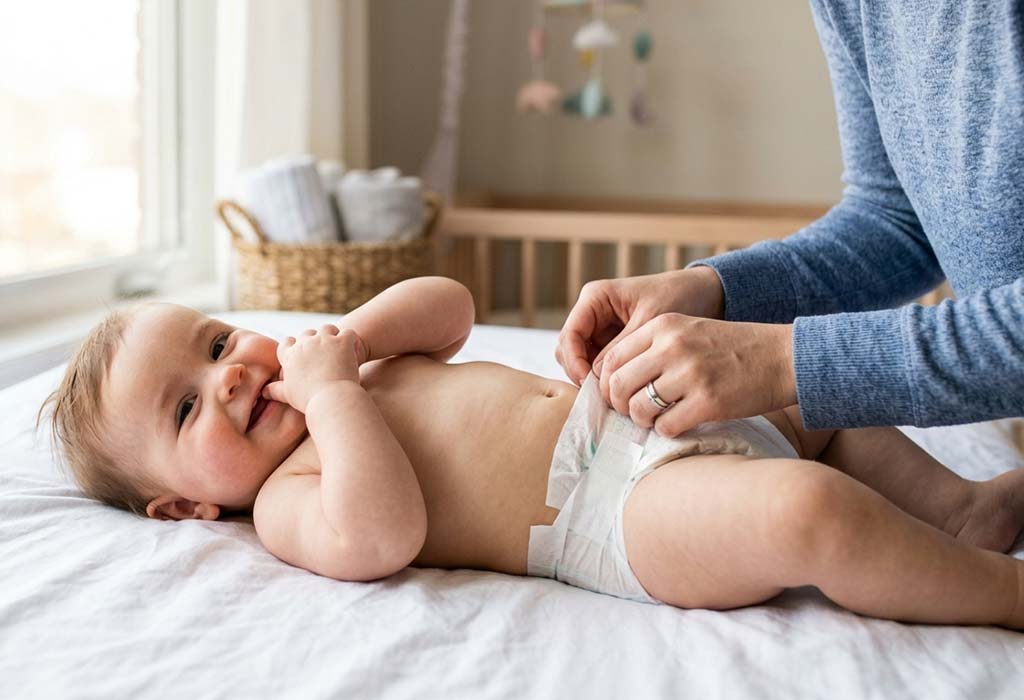
Are All Diapers Safe for Baby Skin? Here’s What Parents Should Know
For parents, choosing a diaper is not only about pricing and convenience. It is also about comfort, material and how soft it is against baby skin considering it is on them all day.
While many diapers are designed for babies, not every diaper offers the same level of softness, breathability, or skin protection. Some may feel fine at first but can lead to discomfort if they trap moisture, fit poorly, or contain harsh materials.
So, what should parents actually look for? Let us understand.
Why Baby Skin Needs Extra Care
Baby skin is much thinner and more delicate than adult skin. It loses moisture faster and reacts more easily to heat, friction, and dampness (1) (2). Even a small amount of wetness trapped against the skin for too long can cause irritation.
This is why diaper quality matters so much. A diaper is not just about preventing leaks. It should also help keep the baby’s skin dry, fresh, and comfortable throughout the day.
Signs a Diaper May Not Be Skin-Friendly
Sometimes babies cannot tell us what feels uncomfortable, but their skin often does. Parents should watch for signs like (3):
Redness around the waist or thighs.
Frequent diaper rashes.
Marks from tight elastic.
Baby becoming fussy during diaper changes.
Skin feeling damp even after short use.
These signs may indicate that the diaper is not absorbing well or is irritating the skin.
What Makes a Diaper Safe for Baby Skin?
Not every diaper works the same way. A skin-friendly diaper usually focuses on comfort, dryness, and breathability. Here are a few important things parents should check.
1. Soft and Gentle Material
A diaper should feel soft against the baby’s skin. Rough layers can cause friction, especially when babies move around or sleep for long hours. Soft-touch materials help reduce rubbing and keep babies comfortable throughout the day.
2. Good Absorption
One of the biggest causes of diaper rash is prolonged wetness. A diaper that absorbs quickly and locks moisture away helps keep the skin dry (4). Dry skin is happier skin.
3. Breathability
Airflow matters more than most parents think. Breathable diapers allow heat and humidity to escape, reducing stuffiness and discomfort. This becomes especially important during hot weather or overnight use.
5. Comfortable Fit
A diaper should fit snugly without being too tight. Tight elastic can leave marks and irritate sensitive areas, while loose diapers may leak. A good fit supports both comfort and movement.
Now, after reading all this, you may be wondering where to actually find a diaper that checks all these boxes.
To make things easier, we did a little digging and found that MamyPoko offers features designed specifically for baby comfort and skin care.
Their MamyPoko Pants Extra Absorb range comes with a Deep Absorbent CrissCross sheet and an added third absorption layer that helps keep wetness away for up to 12 hours without sogginess. The diapers are also designed with a soft stretchy waistband that fits gently around the tummy to help prevent red marks. Another feature parents often appreciate is the topsheet enriched with coconut extracts that helps soothe delicate skin and reduce the chances of rashes.
But remember, even the best diaper choice works better when supported with the right baby care routine.
Simple Tips to Keep Baby Skin Healthy
Even with a good diaper, a few habits can help protect baby skin even more (3) (4) (5).
Change Diapers Regularly: Do not wait too long between diaper changes, especially after bowel movements.
Keep the Area Clean and Dry: Use gentle wipes or warm water during changes and allow the skin to dry before putting on a fresh diaper.
Choose the Right Size: A properly fitted diaper helps avoid both leaks and friction.
Give Some Diaper-Free Time: A little airtime each day can help the skin stay fresh.
Every parent simply wants their baby to stay comfortable through playtime, long naps, and those nighttime cuddles. And sometimes, something as simple as the right diaper can make everyday moments feel a whole lot easier.
References/Resources
1. PubMed Central – Change in skin properties over the first 10 years of life: a cross-sectional study
2. PubMed Central – Skin Care Practices in Indian Newborns and Infants: Current Scenario
3. NemoursKidsHealth – Diaper Rash
4. American Academy ofPediatrics – Common Diaper Rashes & Treatments
5. Nationwide Children’s Hospital – Diapers and Diaper Rash
Read more

Have a Seat, Mom!
This Mother’s Day, it’s your turn to pause.
From the crack of dawn, until the little ones are tucked in, moms are on the move. In fact, even the racing thoughts before bedtime are far too many when you’re a mother.
Days look like packing lunchboxes with one hand while replying to work emails with the other. Coordinating school drop-offs, tackling deadlines, organising doctor appointments, planning meals, wiping spills, and somehow still remembering where everyone’s missing sock is.
It’s a rhythm of selfless multitasking that plays on repeat, day after day.
Moms do it all with strength, with grace, and with barely a moment to catch their breath. Often, their needs take a back seat to everyone else’s. Skincare routines become afterthoughts. Quiet time becomes a luxury. And rest? That’s usually reserved for another day.
We see you. And this Mother’s Day, we’re here to say you deserve to rest.
You deserve to press pause, not just on the chores and the calendar, but on the pressure to be everything to everyone, all the time. You deserve five quiet minutes with your coffee while it’s still hot. A moment of skincare that feels like self-care. A break from the “what’s next?” to sit down, exhale, and just be.
And while you do, let Cetaphil Baby help lighten your load. With its gentle, dermatologist-tested formulas made especially for delicate baby skin, you can rest assured that your little one is getting the best care even when you take a moment to breathe. Whether it’s bath time, moisturising, or post-play clean-ups, the Cetaphil Baby range steps in as your trusted partner, giving you one less thing to worry about. Because your peace of mind matters, too.
Because rest is not a reward it’s a right.
So here’s to the moms who hold it all together, even when they feel like they’re falling apart. The moms who love fiercely work endlessly and show up day after day with compassion, courage, and an unwavering commitment to their families.
This Mother’s Day, we invite you to have a seat. Take a long bath. Apply that moisturiser slowly. Let someone else handle the dishes. Let go of guilt for wanting rest.
And while you take that moment, remember to indulge in calming rituals that reset your body and mind. Something as simple as gentle foot massages before bed, an indulgent slice of chocolate cake… or pampering your skin with products that nurture you, too. Just like you can trust Cetaphil Baby to care for your little one’s skin, the adult skincare range is here to offer the same gentle, nourishing touch for you.
Because showing up for yourself is the first step in showing up for everyone else.
Happy Mother’s Day!
Read more

Baby Skin in Winter – Keeping Eczema and Dry Skin Away!
Along with a festive spirit, winter brings biting winds and skin issues, primarily in the form of dryness and eczema. Babies have supple yet more sensitive skin than adults, so it becomes crucial for parents to adopt proactive measures to safeguard their baby’s delicate skin. Layering them with multiple clothes won’t do the trick; your cutie patootie needs a dedicated winter skincare routine and nourishment from within to keep them cosy through the season!
Catching the Culprit
Harsh weather, including cold winds and low humidity levels, can unapologetically strip away your baby’s natural skin moisture, leaving them dry and irritated. Indoor heating systems, on the other hand, further contribute to dehydration. The lack of moisture in the air with inadequate hydration creates the perfect storm for skin troubles.
One of the infamous skin troubles babies experience is eczema. During winters, the ideal skin pH 5.5, which helps maintain the skin barrier, ultimately preventing any bacterial growth and keeping it hydrated gets disrupted. When the skin is not protected, eczema increases the skin’s pH level, thereby weakening the skin barrier and leaving it dehydrated, itchy, and inflamed. And, we all know, how stressful those itches and inflammation can be for young babies. Thus, maintaining the skin pH level using pH-balanced products is crucial in managing eczema.
Fret not, for we have devised a perfect winter skincare routine for your snuggle bunny!
Building a Winter Skincare Routine: Essential Winter Skincare Tips
A baby’s skin is a marvel, soft as a feather and gentle as a lamb. To ensure it is well cared for, here are some winter practices and advice you must not shy away from this season.
1. Use a Gentle Cleanser
During winters, babies don’t need daily baths; 2-3 times a week is optimal to keep germs away and avoid dryness. Choose mild, fragrance-free baby wash or soap that does not strip away the skin’s protective acidic film and keeps your baby’s skin hydrated. Sebamed’s Baby Gentle Wash is a go-to for parents as it helps maintain the skin’s pH balance during and after bath time. Since it is a mild body wash, it is also fit for daily use and does not disrupts the friendly skin pH level.
2. Moisturise the Skin Right
Eczema rashes are no joke! They are dry, red, swollen, and itchy patches on a baby’s skin that can appear anywhere on the body and cause discomfort to the child. Therefore, locking in the moisture right after a bath is crucial to avoiding skin troubles. You can opt for a baby-specific moisturiser like Sebamed Baby Lotion, formulated to be gentle on your tiny tot’s delicate skin. Sebamed Extra Soft Cream is a quintessential cream to hydrate from deep within. Dermatologically tested, it contains Chamomile extracts and Panthenol that soothe and regenerate the skin. This pH-balanced soft cream and baby lotion will ensure the skin pH is maintained and your baby is far off from eczema and other derma issues.
3. Dress in Layers
Layering is an art – when done right, it can keep your little munchkin warm and cosy without causing suffocation or irritation. Choose breathable and skin-friendly fabrics such as cotton as the first layer. As you add more layers, you can opt for non-stuffy warm clothes.
4. Outdoor Protection From the Sun
Though the sun is a welcoming reprieve from the winter chills, its UV rays can still harm delicate skin, especially when reflected off bright surfaces like snow. Shield your infant’s skin with a Sebamed Baby Protective Facial Cream, a moisturising complex with soothing agents – Vitamin E, Allantoin, and Panthenol. Top it up with a baby-safe sunscreen and a Sebamed Baby Lip Balm containing nurturing shea butter, vitamin E, and jojoba oil.
5. Use Humidifiers
Humidifiers are one of the best investments during colder months. They add moisture to the air, preventing skin dryness and cough in babies.
Keep Diaper Rash in Check
It is difficult for babies to go diaper or trouser-free in winter due to cold weather. Wearing diapers for extended hours can restrict air supply and lead to inflammation in that area. Keep a Sebamed Baby Rash Cream handy to apply to the affected areas to heal that rash. It has a formula that contains wheat bran extract and titanium dioxide, which forms a protective layer to soothe rashes and maintain the skin’s pH balance.
6. Avoid Overheating
Dressing your baby in too many warm clothes can suffocate them and overeat their skin, leading to skin irritation. Therefore, dressing babies appropriately for the weather is essential.
7. Recognise Eczema Signs
Given how vulnerable a baby’s skin is, sometimes, no matter the level of protection, dryness penetrates the skin. As primary caregivers, you must regularly check for signs of eczema, like itchy patches and redness. If observed, seek medical attention without any delay.
8. Nourishment From Within
Internal nourishment is as necessary as external moisturiser application and wearing warm clothes. Keep your baby hydrated by breastfeeding regularly and giving them plenty of water and juices to combat winter skin issues.
Winter is a much-awaited season, filled with frosted windows and cosy blanket snuggles with your little angel. So, while it is there, prepare to combat dry skin spells by following a winter skincare routine and incorporating nourishing practices to ensure your little one enjoys the season rather than layered up in a corner.
Happy winter to you and your little dreamer!
Read more

A Sunny Start: Baby Sunscreen Tips Every Parent Should Know
Sunny days do not have to be about hiding away once you have a baby. While it’s usually the sun that gets a bad rep, the harmful UVA and UVB rays are what you need to be concerned about. Sun protection for babies is slightly different than that of adults, and we’re here to tell you just how you can make the most of those sunny days with your little one while keeping their skin protected.
Why Do Babies Need Sunscreen?
Babies have extremely delicate skin and have not yet developed the mechanism of regulating their body temperature. Thinner skin and low melanin make them an easy target of UV ray penetration. They are easily prone to sunburn, dehydration, and heat stroke when exposed to harsh sunlight. Sunscreen works like a protective barrier, shielding babies’ delicate skin from sun damage.
When Should You Start Using a Sunscreen for Your Little One?
As per the guidelines of the American Academy of Pediatrics (AAP), sunscreen should be applied to children aged 6 months or older. Newborn babies below the age of 6 are highly vulnerable to the chemicals in the sunscreen, which could affect their skin’s pH balance or develop contact dermatitis upon reaction. This is why babies under 6 months are required to be kept under the shade and out of direct and indirect sunlight, most importantly, between 10 a.m. and 2 p.m.
If you must venture out with your baby during this time, dress them in protective, lightweight clothing that fully covers their arms and legs and a wide-brimmed hat. A stroller is one of the best options to keep the sunlight away from your baby. It is okay to put a small amount of sunscreen on the exposed areas of your less than 6-month-old baby if you are unable to keep them out of the sun, as long as you do a patch test first.
How to Choose the Right Sunscreen
Choosing the right sunblock for your little ball of joy is an important job. When choosing the right sunscreen, look for a ‘Baby-safe’ ‘Broad Spectrum’ formula to protect your baby from UVA and UVB rays.
Of the two kinds of sunscreens, physical and chemical, most experts recommend using physical, mineral-based sunscreens. Chemical sunscreens are laden with chemicals like oxybenzone and octinoxate, which are popular hormonal disrupters. Therefore, it is best to use physical sunscreens with zinc oxide or titanium dioxide as mineral bases. Unlike chemical sunblocks, physical sunscreens do not absorb into the skin and form a physical barrier to block rays off your little one’s skin. What’s more? Mineral sunscreens are also ideal for sensitive skin types as they are not harsh.
Mamaearth’s mineral based sunscreen for babies is a popular choice among parents looking for the best sun protection for children aged 0-10 years. Dermatologically tested, this sunscreen comes with a hypoallergenic formula for sensitive skin and natural ingredients and fragrance. With Calendula as a top moisturising ingredient, the sunscreen protects as well as hydrates! And, the best part is that Mamaearth’s sunscreen comes with a ‘Made Safe Certification’, which makes it a no-brainer in terms of safety without having to worry about the harmful chemicals that could affect little ones.
In a nutshell, always opt for a mineral-based physical sunscreen of SPF 30 or higher with zinc oxide or titanium dioxide as active bases to provide optimal protection.
Are You Applying Sunscreen on Your Little One Correctly?
For babies under 6 months, use sunscreen minimally and only when shade or protective clothing is not available.
For babies 6 months and above, you can be smart with the application of sunscreen all over their sun-exposed areas. You don’t need to wait for 15 to 30 minutes after applying a mineral sunscreen as it works immediately.
Reapply sunscreen every two hours when out in the sun. If your little one is sweating or has exposure to water, lather on another layer. It’s not just the cheeks, arms, and legs, but the nose, ears, top of the head, exposed feet, and neck that need sun cover, too.
Be careful of your baby’s eyes and hands when applying sunscreen, as they may rub their eyes or put their hands in their mouth.
Which Is Better: Sun Cream, Sun Stick, Sun Spray, or Sun Powder?
With the inclusion of sprays and powders in the sunscreen section, you might be tempted to use them to test them out. Sunscreen aerosols (sprays) and powders have a heavy chance of entering the child’s lungs during application. Hence, they are best avoided. Creams and sticks are ideal options to manually put an even coat of sunscreen on those little hands and cheeks.
Sun Protection Beyond Sunscreen
Sunscreen is not the only protection method against the sun’s harmful rays. Experts suggest keeping children safe outdoors with these methods:
1. Protective Clothing
Dress your little one in a lightweight, full-sleeved top and bottomwear during the day and evening. Use wide-brimmed hats to protect your little baby’s skin and head from sun damage, dehydration, and sunstroke.
2. Stay in the Shade
Do not venture out with your baby during peak sunlight hours, I.e., between 10 a.m. and 2 p.m. Avoid direct and indirect sunlight as much as possible, and keep your baby in a cool, shaded place.
3. Strollers
A stroller with a sun-protective cover or canopy is great to have for those walks outside with your baby.
4. Sunglasses
Even eyes are not spared by the sun’s penetrating rays. Children above 6 months can wear sunglasses outside to prevent retinal exposure to UVR.
As an added precaution, a few dots of sunscreen with any of the above will ensure no harm is coming to your little one’s skin.
How Do You Deal With Unexpected Sunburn
When exposed to sunlight for a longer duration, sunburn can occur. If your little one’s skin turns red and inflamed, immediately apply cool compresses to the inflamed skin and consult a paediatrician without delay. Keep your child away from direct and indirect sunlight until they heal.
A sun-kissed day can be a beautiful memory for your little munchkin when it’s a sun-safe one. Therefore, it’s best to be smart about spending time in the sun, whether summer or winter, with the right sunscreen, application, and additional sun safety measures.
Say goodbye to sunburn fears and hello to sunny smiles!
Read more

Not All Cloth Diaper End in Soggy Leaky Messes
The days of langots/nappies are long gone, especially since those things couldn’t handle even one tiny tinkle. Making that switch to modern cloth diapers looks like the obvious choice, but first let’s acknowledge their limitations. Most common modern diapers in the market today can only hold up for a couple of hours before unleashing a soggy disaster.
But fear not, with the latest advancements in design and technology, Charlie Banana Cloth Diapers are here to save the day (and night!). These saviours can handle even the heaviest of sleepers, lasting all night long without any leaks.
We’re here to address your biggest concerns with ordinary modern cloth diapers – the leaks! So, keep reading to learn more!
Leak-proofing for the win!
No one wants their baby wet, unhappy or cranky. And definitely not deal with a soaking wet outfit or pee puddles. In modern cloth diapers, an improper fit is what causes these leaks frequently.
A perfect snug fitting is what ensures ace leak-prevention. A diaper’s fit around the leg area is the most important criteria to consider here. Make sure you select a free size modern cloth diaper that allows you to adjust & get snug fit it around your baby’s legs and waist without being too tight.
The best in this game are the Charlie Banana’s cloth diapers as they come with a Smart Leg Adjuster inside the pocket on both sides. This can be an adjuster depending on baby’s weight to provide that perfect fit to prevent leaks. This mechanism is unique and it is the only cloth diaper brand in India to have it.
The other thing that matters is the outer material of the cloth diaper & the waist fit. So look for modern cloth diapers with a water resistant shell. Some snap buttons around the waist also help ensure the mess remains within the diaper, with no dripping at any point.
And when it comes to this, Charlie Banana’s Free Size cloth diapers collection is all you need. The Smart Leg Adjuster is a unique feature to ensure proper fitting. Alongside, we have the water-resistant shell and waist snaps to guarantee that 360 Leakage Prevention. So, you won’t have to worry about any unexpected accidents. Yay for leak-free days ahead!
Handling Poop-splosions in Cloth Diapers
Let’s move on to discuss the dreaded poop-splosion. We’ve all been there – you’re out and about with your little one, and suddenly there’s a mess that seems to defy gravity. But fear not, modern cloth diapers can handle even that.
The simplest trick is to use a cloth diaper that is well-fitted around legs and has the right back elastic. This helpsprevent any esca’pees’ and esca’poos’ from the back. Charlie Banana’s Modern Cloth Diapers comes real handy here. Their wide back elastic, helps mould it to the little one’s antics and helps prevents poop blow-outs!
Moms, we hear you loud and clear! You need cloth diapers that can handle leaks and take care of your little one’s overnight load. All of this without it turning into a soggy, leaky mess. We get it, no one wants to wake up to a wet bed or a fussy baby.
To ensure this, we know that not all cloth diapers are created equal. When it comes to overnight absorption, there are a few key factors that a good cloth diaper should have.
The insert material should be ultra-absorbent. Look for cloth diapers that have multiple layers of absorbent materials like terry. Don’t forget the top layer should be fleece, so while it soaks up a lot of liquid it also keeps your baby feeling dry all night long.
When it comes to overnight diapering, don’t settle for anything less than the best. That’s why we recommend Charlie Banana Cloth Diapers. These beauties can absorb all night long with ease. No need to fuss with complicated setups of one insert + booster. Charlie Banana’s Cloth Diapers come with two inserts. Where each one has up to 5 layers of fleece and ultra-absorbent terry materials, ensuring the perfect fit and super comfort.
Say goodbye to leaky diapers and hello to a good comfortable night’s sleep.
Let’s Go Back to the Basics- But without worrying about Leakages
Cloth diapering is not a thing of the past in India, it’s a tradition that has been passed down for generations. They are incredibly soft and safe for baby’s skin, so definitely they have been a top pick. Who thought that cloth diapering brands will step up their game and make it leak proof too?
With the new 360 leak prevention driven by India’s 1st Smart Leg Adjuster, Charlie Banana Cloth Diapers are the perfect solution for anyone looking to get back to basics without worrying about leakages. Plus, the ultra-soft premium fleece materials are perfect for those hot Indian summers. As we talk summers, you’ll love their vibrant colours too.
And oh so cute prints! There’s nothing cuter than seeing your little one’s bottom in a cute and colourful cloth diaper. So why not give Charlie Banana Cloth Diapers a try and see how it works for you and your little one. Who knows, you may become a cloth diapering expert like thousands of parents with their baby’s best interests at heart!
Read more
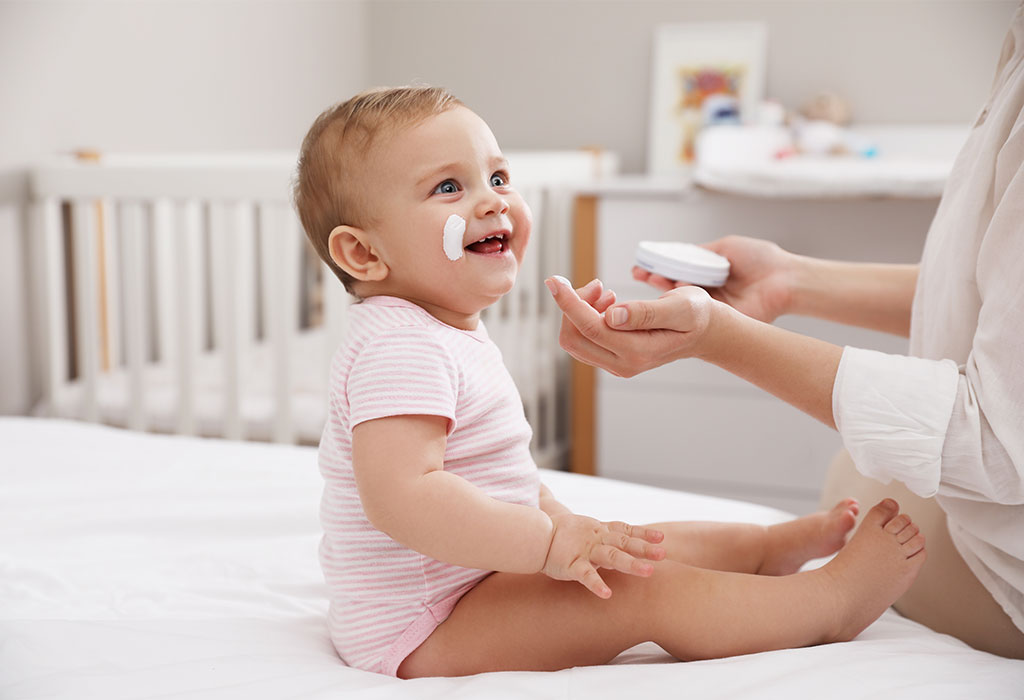
How to Care for Your Little One's Sensitive Skin Across Seasons
Caring for your little munchkin’s skin the right way can be a daunting task, right? You want the best for them: the best of health, the best nutrition, and the best products too. Babies have very delicate and sensitive skin as it is still developing from the day they are born. During this developmental period, their skin needs protection from harsh factors in their environment and surroundings. Whether it is dust or simply the changing weather, your baby’s skin needs protection from any element that can cause harm to it. One such task is caring for your little one’s skin through the changing seasons. In India, we experience three main seasons – Summer, Monsoon, and Winter – and each season calls for different ways to care for a baby’s skin!
Video : Baby Skin Care – Important Tips to Keep Your Baby’s Skin Healthy During All Seasons
Effects of the Environment on a Baby’s Skin
A baby’s skin is nearly 30% thinner than an adult’s skin. You may notice that when babies cry, they instantly turn red. This is because their skin is still fragile and thinner than adult skin. You can also see that they turn blue when they are cold. It is hence safe to say that temperatures and other factors have a big impact on a baby’s skin. Since their skin is so sensitive, it needs special and targeted care throughout all seasons. Each season may have a different challenge for your baby’s skin, and you must know how to combat it.
How to Care for a Baby’s Skin in Each Season
Let’s look at some ways you can care for your baby’s skin throughout typical Indian climatic changes.
Baby Skin Care in Hotter Months
Summer sun is harsh and can cause skin damage, especially on baby skin. Whenever you take your baby out, make sure you apply baby-safe sunscreen and dress them in clothes that cover most of their skin but are still breathable. Avoid synthetic materials such as nylon and polyester, as these can cause overheating and lead to rashes. While bathing your little one, use products like Babyhug’s Advanced Sensitive Peach Milk Head to Toe Wash, which is specially designed for sensitive skin and does not dry it out. After bathing them, make sure you thoroughly dry them off and ensure that their skin is completely dry before you put any clothes on your baby. This will reduce the risk of any rashes or infections.
Baby Skin Care in the Wetter Months
During monsoons, the atmosphere becomes humid and sticky, which leads to sweating. Sweating can cause rashes and other skin problems in skin folds and diaper-clad regions. It is important that you always keep your baby’s skin dry, even after baths. You can apply lotions which are non-sticky but also lock in enough moisture to protect your baby’s skin. You also need to keep your little one’s skin protected from mosquito and other insect bites. You can use mosquito nets to keep insects away from your baby. Refrain from using mosquito repellents unless they are baby-safe.
Baby Skin Care When it’s Chilly Outside
In winter, the lack of moisture in the environment dries out the skin. When it comes to babies, their skin loses moisture faster than adults do. Hence, it is important that you use the right products that will provide enough moisture for your baby’s skin. While caring for your baby’s skin, do not forget their scalp. Just like their skin, their scalp is developing too, and it needs some extra love. You can use Babyhug’s Advanced Sensitive Peach Milk Line, which is perfect for sensitive skin. It locks in moisture while balancing the skin’s pH levels, which is what you need for a harsh winter. The best thing about it is that you can use it all year round!
General Pointers to Follow Throughout the Year
Although you need to take care of different things in different seasons, there are some general pointers that need to be followed throughout the year. Here are some things to keep in mind:
Keep your baby’s skin clean.
Keep their skin dry.
Keep their skin moisturized.
Use proper baby-safe products on your baby.
Make sure you use products with the right pH levels.
You already know what’s best for your little one. However, it’s always helpful to learn more about caring for their delicate skin. Paying extra attention to these little details can go a long way when it comes to your baby’s well-being. After all, a comfortable baby is a happy baby!
FAQs:
1. What is classified as sensitive skin in babies?
Sensitive skin in babies is when the baby’s skin is easily irritated and prone to itching, redness, dryness, and rashes. It is a common phenomenon that affects many infants.
2. How common is sensitive skin in babies?
Sensitive skin is common in babies as their skin is still developing, and it can affect up to 50% of infants at some point during their first year of life.
3. What are the symptoms of sensitive skin in babies?
The symptoms of sensitive skin in babies may include redness, dryness, itching, rashes, and small bumps or blisters. The skin may also feel rough or scaly to the touch.
4. What causes sensitive skin in babies?
Sensitive skin in babies can be caused by a range of factors, including genetics, environmental factors, allergens, and harsh chemicals found in some baby products. Some babies are just born with extra sensitive skin too. Certain medical conditions and medications can also trigger sensitive skin in babies.
5. How can I prevent sensitive Skin in my baby?
To prevent sensitive skin induced inflammation or rashes in your baby, it is important to use gentle, fragrance-free baby products, avoid harsh chemicals and irritants, keep the baby’s skin moisturized, avoid over-bathing, and dress the baby in soft, breathable clothing.
6. What should I do if my baby has sensitive skin?
If your baby has sensitive skin, it is important to keep their skin moisturized, avoid harsh chemicals and irritants, and dress them in soft, breathable clothing. You should also consult a pediatrician if the condition persists or worsens.
7. Can sensitive skin in babies be treated?
Yes, sensitive skin in babies can be treated with the right gentle skincare products, moisturizers, and sometimes prescription medication. It is important to consult a pediatrician to determine the best course of treatment.
8. What products should I use for my baby’s sensitive skin?
For babies with sensitive skin, it is important to use gentle, fragrance-free baby products that are designed for sensitive skin. Look for products that are labelled hypoallergenic and free from harsh chemicals and irritants.
9. When should I see a doctor for my baby’s sensitive skin?
You should see a doctor for your baby’s sensitive skin if the condition persists or worsens despite using gentle skincare products, or if your baby experiences severe symptoms such as oozing or bleeding from the affected areas.
10. Will my baby eventually get rid of sensitive skin?
Many babies outgrow their sensitive skin phase as their skin becomes more resilient, but some may continue to experience sensitivity into childhood and adulthood.
Read more
25+ Unique Gift Ideas for Your Child's Nanny or Babysitter
Entrusting your child’s responsibility to a caregiver is no joke, and the peace of mind that follows after you find a great babysitter is priceless. If you have a nanny or babysitter who helps you maintain the sanity and stability in your life, then they surely deserve a token of appreciation. Be it any occasion, such as Mother’s Day, their birthday, or when bidding them farewell, personalized nanny gifts could make it even more memorable. From lab-tested items to personalized goodies, there is so much you can gift to a nanny or babysitter. All you need to do is pick the right gift for the right occasion. So, check out our list of amazing gifts for nanny.
Top Babysitter and Nanny Gifts to Make Them Feel Loved
The people who look after your kids to bring stability to your lives- i.e., your nannies, daycare staff, or babysitters – need to know how much they are appreciated. When it comes to treating the babysitter, gift ideas may seem restricted. But gifting something thoughtful shows how much you care. Nannies invest a lot of their own lives in your children. From wiping tears, accompanying your child to play dates, cleaning bottoms, preparing meals, and keeping the house together when you return home, a personal gift can acknowledge the importance of their presence in your lives. They choose to spend every minute of their lives with your kids and become a part of your family. So, a gift to give the babysitter will be a thoughtful idea.
Gifts for babysitters or nannies must be specially handpicked to appreciate their contribution. We have shortlisted 28 nanny gift ideas that could be perfect for your child’s babysitter.
1. Scented Candles
If your babysitter is making your home smell like fresh flowers because of the impeccable order in the house, they deserve to be gifted some scented candles that will fill their home with a fragrant aroma. If you want to give your kids’ nanny birthday gifts, options like scented candles could make them feel elated. There are so many available in the market ranging from varied scents to a natural fragrance, that your nanny will instantly love the gift.
2. Tuxedo Robe
A gift for a nanny leaving after several years of looking after children, this tuxedo robe is ideal for the nanny hanging her boots and embracing retirement. These can be perfect for slipping into and enjoying those retirement mornings, sipping a cup of tea, and gazing into the wilderness. You could get one in silk that will feel smooth and cozy too.
Source: Pinterest
3. Coffee Mug
Another one of the best nanny Christmas gifts would be a coffee mug that they can use at all times. What better than a personalized coffee mug with a personalized message that will make their morning brew stronger!
4. Keychain
Keychains are versatile gifts. They are multifunctional- car keys, house keys, or just hanging for ornamental value on bags, keychains make an excellent gifting option. Pick a nice one that suits your nanny’s style, and they could proudly flaunt it.
5. Oversized Hoops
Ultra-flattering and great for everyday wear, you can gift oversized hoops in 14-carat gold without making it look like an over-the-top gift. If your nanny likes to sport a trendy pair of earrings, then these could be the best gift for them to accessorize when they are out and about.
6. Makeup Bag
A personalized makeup bag in leather or fabric could be a wonderful gift if you have a female nanny. A classic and sophisticated gift, it could be the solution for their makeup woes. It could also prove helpful if your nanny loves traveling since this could serve as a one-stop solution to carry their makeup essentials.
7. Perfume
Perfumes are a delightful gift that no one will not like. No nanny would not appreciate a nice bottle of perfume that could be put on when they are going out for a party or get-together. You could pick a limited edition of a branded perfume or a set of bottles in small sizes for them to choose different fragrances for different occasions.
8. Skin Care Kit
Indulge your nanny or babysitter with a limited edition of an essential skincare kit. Generally, these kits come with a body scrub, face scrub, body lotion, and hand lotion enriched with rich oils and ingredients that are wonderful for the skin.
9. Sunglasses
One could never go wrong with a bright pair of shades. If you have a male babysitter, then these could be the best choice. Which man would not like a classy pair of Aviators? A female nanny would also love a pair of sunglasses that will go with all outfits.
10. Coasters
You get a range of coasters, from hand-carved ones to digitally printed ones that could adorn their dining table. Pick ones with their initials or a pretty design to lend it a personalized touch.
11. Tote Bag
Your nanny has plenty to carry, and between her stuff and things for your kids, she may have to trade off a few things if her bag is not big enough. Help her to carry things in style with a large Tote bag in elegant color.
12. Necklace
Give them a necklace with their initials or with the “To My Nanny” inscribed on them. A cute yet personalized gift that does not feel like you are going overboard. A proud nanny who enjoys her job could very well flaunt it to her friends on an outing with them.
13. Plants
Brighten their home with a nice set of indoor plants that is easy to look after. Several indoor plants are easy to look after and also perfect for serving as décor items.
14. Garden Tools
For those who love gardening, a personalized set of gardening tools will only push them to prune their shrubs or work towards keeping their garden in immaculate condition.
15. Pullover or Jumper
A cozy, knit pullover or jumper is the perfect gift for your nanny and will help her stay warm on a cold wintry day. It is also an efficient gift that they will use well. Your nanny could just pull them on when she has to make that trip to drop your kids off at school or dance lessons.
16. Daily Journal Planner
Planning journals come in various shapes, sizes, and contents for those highly organized babysitters. You could even scout online for personalized ones to thank them for their work.
17. Bracelets
If your nanny loves accessories, then bracelets are a great gift. From pretty ones with dainty stones to personalized ones, you have various options to choose from.
18. A Bottle of Wine
Something that will never go out of style, except when your nanny is a tee tootler. Gift them a bottle of pure French wine that has been aged and is a beautiful blend of the best grapes.
19. Petite Purse
A wardrobe essential for everything from vacations, weekend errands to cocktail parties, a classic petite purse could be what they just wished for. Sturdy and timeless, your nanny will love it for the years to come. For a male nanny, you could invest in a pure leather wallet that they can carry everywhere.
20. Bath Bombs
It is no doubt that a nanny or babysitter needs a bit of pampering. A hot bath after a long day will help relax their tired muscles. Organic and natural bath bombs could then become a great gift.
21. Customised T-Shirts
A cute appreciation gift, a customized T-shirt with a funny message, would not seem silly. It will be great for your nanny to slip into after a hard day looking after your children.
22. Box of Chocolates
Who does not like chocolates, and which nanny would refuse a box of sugar that will liven up their spirits? A box of the best chocolate could be an excellent choice for the nanny who slogs and works hard to look after your children.
23. Books
If your nanny or babysitter likes to read, give them the books that are the top reads for the year. A lovely bedtime read to drift into a peaceful sleep is something that your nanny or babysitter will appreciate.
24. Watches
A classic watch with a timeless design is an excellent option for someone who has been with you for years and has looked after all your children. It is an ode to their dedicated effort.
25. Insulated Water Bottle
Always on the go, insulated water bottles will help keep their drinks at the right temperature. With insulated double-walled stainless steel, the bottle is a perfect choice for a gift they will use every day.
26. Personalized Recipe Book
If your nanny loves to cook, a personalized recipe book can be a thoughtful gift. You can gather some of your favorite family recipes and add space for them to include their own. This unique gift can become a cherished collection of culinary memories.
27. Handwritten Thank You Letters from Kids
Compile a set of handwritten thank you letters from your children, expressing their gratitude and favorite memories with their nanny. This sentimental gift can be incredibly meaningful and a keepsake that your nanny will treasure forever.
28. Local Art or Craft
Gift your nanny a piece of local art or craft. This not only supports local artists but also provides a unique and culturally significant gift. Whether it’s a handcrafted pottery piece, a painting, or a woven textile, this gift shows thoughtfulness and appreciation for their care and dedication.
FAQs
1. Can I organize a surprise appreciation day for my nanny?
Organizing a surprise appreciation day can be a wonderful gift. Arrange for a day where the nanny is pampered and celebrated. This could include a brunch with the family, a personalized thank-you video from the children, and a small party with close friends and family. This gesture of appreciation can be incredibly touching and memorable.
2. What about a custom-made storybook featuring them and the children?
A custom-made storybook featuring the nanny or babysitter and the children they care for can be a unique and sentimental gift. These storybooks can be personalized with their names, likenesses, and special moments they’ve shared. It’s a creative way to acknowledge their role in your child’s life and provide a keepsake they can cherish.
3. Can I make a donation in the nanny’s name to a charity they support?
Making a donation in your nanny’s or babysitter’s name to a charity they care about can be a meaningful and heartfelt gift. This shows that you respect their values and are willing to support causes that are important to them. It also creates a lasting impact beyond a physical gift.
These were some of the many beautiful present ideas for nannies. A nanny or babysitter undoubtedly is responsible for the peace in your life. If you can go to work without worries about what is going on at home, it is because of your nanny. One cannot measure the amount of effort they take in looking after your baby. It is not easy to fathom the patience that they invest in looking after your child and raising them as their own. One owes a lot of gratitude to such nannies, and it goes without saying that they need to be appreciated. So, show them how much you care by taking pointers from this list and picking a special gift for them.
Also Read:
How Much to Pay a Babysitter?
Benefits of Hiring Live-In-Nanny
Best Babysitting Apps and Websites
What to Put on Your Babysitter Checklist?
Read more
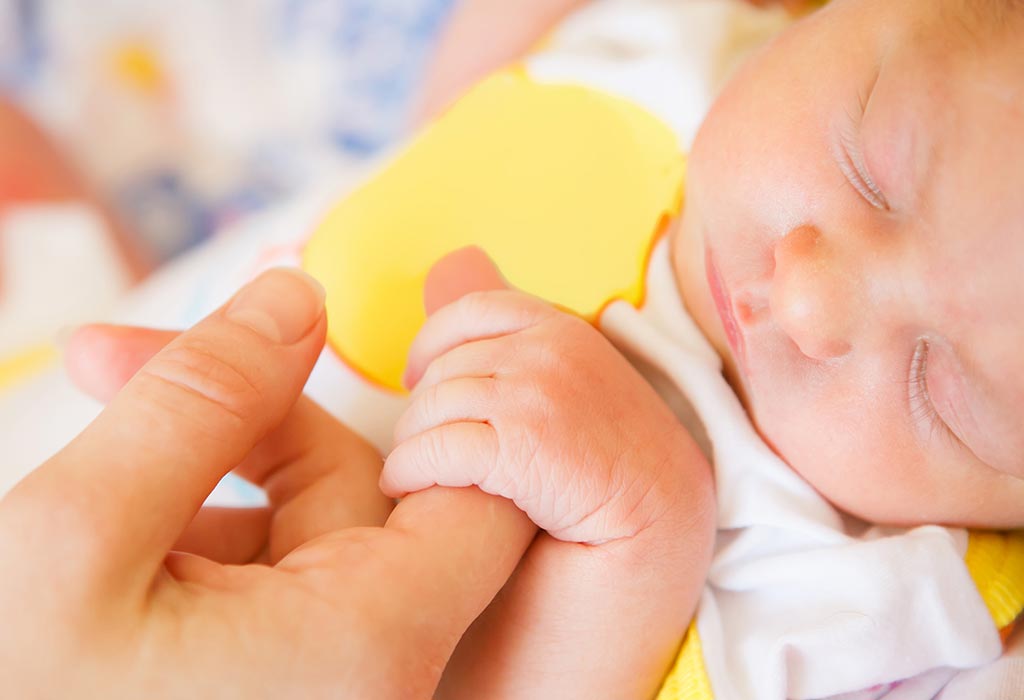
First Ever Baby Born With Antibodies After Mother Receives Vaccine
They say miracles happen when we least expect them. While most of the human race await their turn to get vaccinated against the coronavirus, one tiny soul entered the world with a blessing. She was born with antibodies to COVID-19, which were passed down from her mother.
Two experts from Florida Atlantic University, Dr Paul Gilbert and Dr Chad Rudnick, recently presented their observations on this notable occurrence in an article. However, the article is yet to be evaluated by other experts, and it is uncertain as to whether it will be a common occurrence in all newborn babies.
Having said that, their article does give hope to many expecting parents who are concerned about their babies’ health after birth. We are sure you have several questions at this point. Is this it? Do we have a way to protect our babies from the deadly virus? Here’s what we do know for now.
The baby was born to a frontline worker from Florida, USA, who received her first dose of the Moderna vaccine for COVID-19in January at 36 weeks of her pregnancy. The little one was born healthy three weeks after the mother was vaccinated.
A blood sample was taken at the time of the delivery from the baby’s umbilical cord, and the tests revealed that the baby does carry antibodies passed down from her mother.
In their article, Dr Paul Gilbert and Dr Chad Rudnick add that this case of antibodies formed in the baby due to maternal vaccination is the first-ever instance to their knowledge. More studies need to be conducted in order to confirm that vaccinations against COVID-19 during pregnancy can provide immunity to infants. Further research could also help determine how long the protection lasts, and how many antibodies babies need to have circulating in their bodies to protect them.
They, therefore, urge other doctors and medical practitioners to create pregnancy and breastfeeding registries. They also lay emphasis on conducting safety and efficacy studies of the COVID-19 vaccines in pregnant and breastfeeding women, and their babies.
All lives are precious, and we’re in this fight against the virus together. To a parent, their baby’s life is second to none. For all those worried mummies and daddies who are tired of waiting for a sign that we’re on the road to keeping our babies safe, you can assume that we’re getting there!
Read more

Ayurvedic Baby Products That a New Mom Should Be Aware of for Her Baby's Health
Your newborn is home now, and your days and nights are spent taking care of him. Your world pretty much revolves around your baby and every little movement or sound he makes has you alert and on your toes. It’s only natural that you worry about your baby’s health and well-being to a point of obsession, especially in the first few months.
Your baby’s immune system is still developing, and his chances of catching infections and experiencing health problems are slightly higher; so your concern is valid. Finding fixes will come naturally with time. But we’re here to simplify some of it. Some of the common health issues seen in babies can be tackled quite effectively with Ayurveda.
Here, we will be discussing three health problems that are common in babies, and how they can be managed with Ayurvedic remedies.
1. Colic
If your baby cries for no apparent reason, chances are he could have colic or gripe. As a new parent, you may find it difficult to associate your baby’s frequent bouts of crying with colic. But if your baby cries more than usual, and is healthy, wearing a clean-diaper, and well-fed, chances are it could be due to colic.
The exact cause of colic is not known, but some theories behind it suggest that it could occur due to gas, stomach ailments, overstimulation by light or sound, a growing digestive system, etc. Baby colic passes in time, but if you have a colicky baby, you can help him feel better with Ayurvedic remedies.
What you can do!
Gripe water is a sought-after remedy for gas and tummy-related troubles in babies. Gripe water is usually an over-the-counter liquid containing ingredients like sodium bicarbonate and herbs like fennel, ginger, lemon balm, or peppermint, etc. The ingredients may differ depending on the formula. Along with providing relief from stomach ailments, it may also help with teething pain and colic.
If your baby has tummy troubles often, Dabur’s gripe water may help. Dabur Gripe Water contains Ayurvedic ingredients like Sarjikakshara and Mishreya Tail, which help soothe a stomach ache and provide relief baby from common intestinal ailments like gas, acidity, and indigestion. You may give it daily to your teething baby to soothe teething troubles. Dabur Gripe water is usually recommended for babies aged 0-2 years.
2. Digestion-related Issues and Gut Health
Some babies may not have a bowel movement for a day or two while others may experience indigestion, loose motions, or digestive ailments. All these problems often arise due to poor digestive health. But such digestion-related issues can be managed!
Find out how!
For digestive health, many parents give Janma ghunti to their babies. Janma ghunti is a popular Ayurvedic medicine which is trusted by parents. It is known to soothe stomach ailments such as constipation, loose stools, vomiting, indigestion, etc., that may sometimes even occur due to teething. Dabur Janma Ghunti, enriched with the goodness of traditional Ayurvedic ingredients like anjeer, kishmish, amaltas, vach madhu, etc., helps tone up the digestive system of a baby and can thereby help in his overall growth. It is recommended for babies from aged one month and above. If your little one is constipated or has other digestive health issues, you may give him Dabur Janma Ghunti.
3. Healthy Physical Growth
The foundation of bone health is laid in childhood. If you’re a parent to a newborn, you must help promote your baby’s bone and muscular development, as little ones are born with weak muscles and bones. Healthy muscles and bones are an indicator of overall health. If your baby has good muscular strength and healthy bones, chances are he will learn to crawl, walk, and run about faster!
Let’s look at how you can strengthen your baby’s bones and muscles!
Breast milk is good for a baby’s bone health. But if your baby has started on solids, you can include foods rich in calcium, Vitamin D, and protein in his diet for bone and muscle development, and get him started on developmentally-appropriate exercises as recommended by your baby’s doctor. And there’s something else you can to do (or continue with) for your baby’s physical and overall development: massaging your baby using good oil and the right technique.
Massaging offers a host of health benefits to a baby; it can help a baby gain weight, improve his sleep quality, develop his bones, strengthen his muscles, keep his skin moisturized, etc. It can also help a parent bond with the baby. But choosing an oil that contains ‘baby-safe’ ingredients is important.
Ayurvedic oil like Dabur Lal Tail, enriched with herbs, can help keep your baby’s skin soft and nourished. It contains natural herbs like ratanjot, shankhpushpi, sesame oil, karpura, and urad in fair proportions, which help in the physical growth of babies. It’s safe to use and effective too!
Ratanjot, an antioxidant-rich herb, which gives this oil its unique crimson red colour, is good for skin health. It helps soothe and protect a baby’s skin. Shankhpushpi helps nourishes the baby’s skin and imparts a healthy glow to it. Sesame oil strengthens the muscles and bones while making the skin soft and supple, karpura helps stimulates blood flow to the body and helps with pain relief, and urad helps nourishes and make the muscles stronger.
Dabur Lal Tail is dermatologically-tested for safety and is a popular choice among parents. This oil is clinically tested to boost physical growth twice as fast!
Colic and other stomach-related ailments, and bone and muscle issues, are common concerns in babies. Most of the time, these can be managed at home with the gentle touch of Ayurveda. Natural herbs can work wonders for your baby’s health; if your baby experiences any of the above health issues, you may turn to traditions and use these Ayurvedic products to help him through these and grow faster.
Read more

Should You Choose a Family Daycare for Your Child
Are you looking for daycare options for your little one but daycare centre or hiring a nanny is not an option, well, you can consider a family or home daycare option for your child! If you wish to know more about it, how it works, its benefits, its cons and how to choose one for your kiddo, then reading this post is something we highly recommend. Here, we will share all the aspects of choosing a family child care that can help you make an informed decision for your kiddo!
What Is Family Child Care?
As parents, you want best for your children, and when it comes to taking care of your child’s daycare needs, you do not want to make any kind of compromises and choose what best meets your kid’s and your requirements! Many opt for family or in-home daycare, which are care providers that offer childcare facilities from their home to the children who aren’t related to them. Usually, the number of children in such daycare centres is limited. Also, sometimes these daycares can be in the same place where the care providers live, or it can be a hired place such as an apartment, building, or a flat, depending on the laws for daycare facilities in your state!
Your state may also have rules for such daycare centres, which means that such facilities need to be licensed. These licensed home daycare centres are often visited by the agency staff to monitor safety and health standards for the kids. The licensing rules can sometimes be based on the number of kids that are enrolled in a daycare centre, which means if the centre exceeds a certain limit, then it may need to get licensed. Again, different states may have different rules on issuing the license. It is absolutely a personal choice to go in for a non-licensed or a licensed home daycare option for your child!
How Does Family Child Care Work?
Family childcare is a kind of an early childhood education facility for a child that is usually undertaken by the caregiver at his home, either alone or along with an assistant. Unlike most commercial daycare centres, the child is given personal or one-to-one care in a comfortable home-like environment!
In most cases, setting up a home daycare does not require the caregiver to have any kind of formal early childhood education or training, but there are such daycare centres that follow a formal education program or develop their own plans. There are many reputed registered home daycare options available, which have to pass through a stringent inspection process to ensure the safety and security of the kids. However, there are no set rules for a home daycare centre for the entire country, and states may have different laws. You can find out the laws in your states before you choose the home care centre for your kid!
What Are the Benefits of Family Child Care?
Here are some benefits of enrolling your child in a family childcare facility:
1. The Child-Provider Ratio
The licensed family daycare centres have to enrol only a limited number of kids (the numbers may vary in different states), which is usually lesser than other formal daycare options. Lesser number of kids in a daycare centre means more personalised attention and care provided to your child.
2. Feels Like Home
The family daycare options usually feel like home to younger kids and infants, who may feel more comfortable in such settings and also settle easily compared to other daycare options.
3. Parent and Provider Can Work as a Team
Because of fewer kids to take care of, these home daycare providers work closely with parents to take utmost care in bringing up the kids by being in sync with parents’ needs and requirements. Effective communication on potty training, feeding, sleeping, and other such aspects can prove to be beneficial for the child.
4. Often Closer to Home and Convenient
Such setups can be found in your neighbourhood or close by. Many times, the providers may also offer transportation facilities for your child.
5. Trained Staff
The provider and the staff are usually trained in keeping basic safety and security standards for the child. In some states, it is mandatory for such daycare centres to get a license from the state to run their daycares. Though most daycares, whether licensed or non-licensed, receive a basic-level training in child care and safety, if you are not convinced, you should opt for a licensed daycare facility for your child.
Other Names of Family Daycare
Family daycare is also known by various other names. So, if you hear some of the following terms instead of family daycare, do not get confused as they all mean the same:
Registered child care homes.
Licensed child care homes.
Certified child care homes.
Licensed group family child care homes.
Legally exempt or license-exempt homes.
Family, friend, and neighbour care.
Home preschool.
Group family daycare.
Home daycare.
In-home daycare.
In-home preschool.
How to Know If Family Childcare Is Suitable For You
Well, as a parent, you know what best suits your child’s needs, and thus you know which daycare option would be suitable for your child. There is no doubt that a family daycare option offers your kid umpteen benefits, but it also comes with its own drawbacks or challenges. Opting for a licensed home daycare option provides you with the opportunity to check the safety and security measures that are followed by a particular home daycare option before you trust them with the responsibility of taking care of your child. Again, it is a fairly economical option as compared to other methods of daycare. Once you are sure that all your needs and requirements of daycare are met, you can opt for that particular daycare option for your child.
Cons of Family Daycare
Here are some drawbacks or cons of a family daycare that you should know before you enrol your child into one:
1. Limited Staff
Usually, home daycare centres run on low budgets, which means lesser infrastructure for hiring helpers for assistance. There may not be a sufficient number of people to take care of your child.
2. Less Trained Teacher or Less Enriching Curriculum
Formal daycare centres follow a set curriculum that is educational and enriching for young kids. However, most home daycare may develop their own curriculum, which may not be that enriching for a child. Also, the teacher or the care provider may not be professionally qualified or less qualified to offer educational assistance to your child.
These are some few drawbacks that you may like to consider before deciding on a home daycare for your child. Also, the tips given below can help you choose the right one.
Tips to Choose the Right Home Childcare
Here are some tips on choosing the right home childcare facility for your little one:
Find out how many people or staff members will be present to take care of your child and whether or not they are trained to take care of young kids and know about other safety measures.
Check that every person who is a part of the home daycare centre has had a thorough background check.
Most states publish the inspection reports of the registered or licensed home daycare centres on the online platforms, make sure you browse any such reports before enrolling your kid.
You can ask to see the registration or license copy of the home daycare where you wish to enrol your child.
You can ask the centre how you can check the progress of your kid’s activities and other information concerning your child.
Before you enrol your child, make sure you check their policies on supervision, sleep, nutrition, and various other such aspects are in sync with your requirements.
Find out what all activities or educational programs the care provider have planned for your child.
Keep a copy of your contract or policies that you have signed with the care provider as this will help you know various aspects such as the in-home daycare cost, hours of operation, transportation facilities, permission slips for the field trips, etc.
Most families opt for a home or family daycare option because they offer home-like feel and comfort to the child, and also there are fewer kids, which means more personalised attention to the child. Sometimes these daycare centres also offer flexible daycare hours and even offer weekend daycare options too.
There is no doubt that choosing a home daycare may not be an easy decision to make. However, keep in mind your requirements and opt for the one that is not only a comfortable place for your kid but also helps him to thrive.
Also Read:
Checklist to Follow While Choosing A Daycare
Options to Consider for After-School Child Care
Right Age to Put Kids In A Daycare/Childcare Centre?
Read more
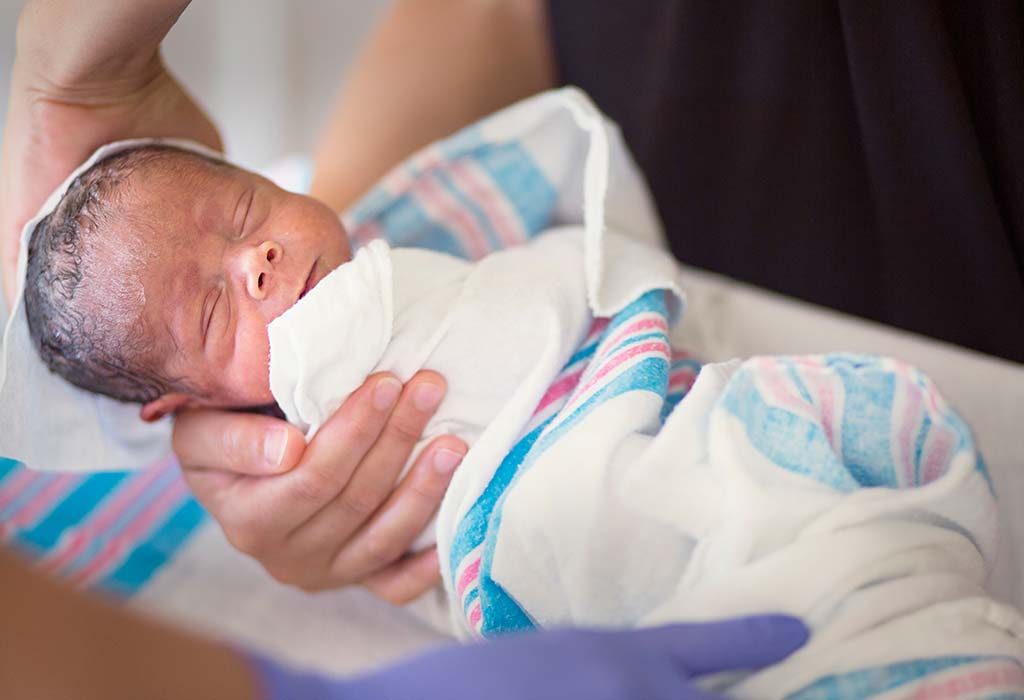
What Is a Receiving Blanket and How to Use It?
As a mother, you’ll never forget the moment when you held your baby in your arms for the first time. You must have noticed, every little detail about your baby, his nose, his eyes, his tiny hands and fingers, and even the soft white blanket he was wrapped in. Now you must have folded up that receiving blanket neatly in a drawer and perhaps it will never see the light of the day, but do you know that your little munchkin’s first blanket can be used in so many ways? The very first blanket that many families receive their baby snuggled up in is called a receiving blanket. Read on to learn more about receiving blanket and how can you put one to good use once it has served its purpose!
What Is a Receiving Blanket?
A receiving blanket is a blanket that is used to snugly wrap a newborn before giving him to his family members. Normally it’s a thin, soft cotton blanket that is sold in packs of two or four and a staple at maternity wards. While they have the sentimental value of being the first-ever cloth wrapped around your baby, they are useful for a wide variety of applications from cleaning spit-ups to keeping a baby dirt-free. While hospitals usually provide one, most new mothers tend to buy standard off-the-shelf receiving blankets for their babies, as one can never have enough of receiving blankets for their babies. If you want to make it extra special, you can always make one yourself.
Various Uses of a Receiving Blanket for Babies
A receiving blanket can prove to be very useful if you know how to use it right. Let’s find out how you can use your little one’s first blanket over and over. You can also buy new receiving blankets if you would like. Receiving blankets can be used for the following:
1. Swaddling
The size of receiving blankets makes them the perfect first cloth to swaddle your wriggly baby. Once you learn how to swaddle your little one, you will have no trouble in calming him down! (1)
2. Wrapping Up After a Bath
You can use your baby’s first blanket to wrap him up after a bath. The soft and familiar fabric of the receiving blanket will keep your little one comfortable.
3. As a Breastfeeding Cover-Up
If you prefer privacy while breastfeeding your baby, you can use a receiving blanket to cover up when you’re breastfeeding on the go. Its small size makes it easy to carry around in a diaper bag.
4. As a Stroller Shade
Your baby’s first blanket can be put to good use when you go for a stroll to the nearest park with your baby. Keep one in the stroller basket and use it to block the sunrays from hurting your baby’s eyes.
5. As a Diaper Changing Mat
A receiving blanket can be used as a diaper changing mat too. If you need to change your baby’s diaper in a public restroom, spread the blanket on the designated surface and change his diaper comfortably.
6. As a Play Mat
When visiting a friend’s place or the park for the evening, receiving blankets can pass for a perfect play mat if you forget to pack one.
7. As a Sleep Prop
If there’s anything that your baby will fall asleep in without throwing tantrums, then it’s the receiving blanket. The familiar scent and warmth will provide comfort to your baby and he will fall asleep in it in a matter of minutes.
8. As a Burp Cloth
If your little one is a messy eater, this amazing length of cloth can save you a lot of cleaning time!
What Else Can a Receiving Blanket Be Used For?
If you want to hold on to your baby’s first blanket, then you will always find a reason for it. And you’ve every right to keep it, after all, it will bring back the memories of your baby’s first day. If you tend to be on a creative side and don’t want to stuff the blanket at the back of your closet, you can always put it to good use. Find out how you can use your little one’s receiving blanket.
1. For Sentimental Value
You can make quilts, stuffed toys or pillows out of your baby’s first blanket and keep them in your baby’s room or living room for the years to come.
2. For Room Decoration
Once your baby turns 1 year of age and you feel he is too old for his first blanket, you can cut the blanket into different shapes to make banners or garlands. Being soft and thin, they are easy to cut through, so no hassle there!
3. To Make Aprons for Different Activities
Being easily washable, the blankets make excellent apron material for your child when they turn into little artists.
4. As Furniture Covers
You can use them as a quick furniture cover during your little one’s mealtimes or when your little one explores his creative side on a couch. Your little one’s first blanket will quickly absorb any spills and save your precious furniture.
5. For Cleaning Purpose
While most moms don’t prefer using their babies’ first blanket for cleaning purpose because of sentimental value attached to them, but if you don’t mind, you can use your little one’s first blanket for cleaning his spit-ups or to wipe liquid spills on the surface.
Receiving Blanket Safety Tips for Babies
You may be surprised on reading safety tips regarding the usage of receiving blanket for your baby, but you can never be too careful with babies. Follow these tips when using a blanket for your baby.
Never leave loose blankets in your baby’s crib.
Never cover your baby completely with a blanket in his first year (3).
Do not wrap the blanket around your baby’s head or neck (4).
Do not swaddle your baby when he starts rolling over (2).
How to Select the Right Receiving Blanket for Your Child?
A receiving blanket for baby is typically made of soft cotton and measures 30 inches by 30 inches. They come in a range of materials and designs. Ultimately, it’s up to you and your preferences with colour and texture to buy the best one for your baby. Blankets made of pure cotton are ideal as they are breathable and soak up moisture readily without making your baby uncomfortable. Cotton also has excellent thermal properties, making it a great first choice.
What Is the Difference Between Receiving Blanket and Swaddling Blanket?
Many people tend to use receiving blankets and swaddle blankets interchangeably, but these two are different. While receiving blankets can be used to swaddle a baby, they can’t be used for long enough as babies quickly outgrow them as they grow up. The major difference between the two is their size. A receiving blanket is usually 30 inches by 30 inches while a swaddling blanket is usually 47 inches by 47 inches. Swaddling blankets are made out of a more elastic material to make it easier to wrap your baby. They also feature attachments such as Velcro or button clips to keep it in place while your baby is wrapped.
DIY Receiving Blanket
If you want to make a customised receiving blanket for your baby, here’s how you can make one. Follow the instructions given below to learn how to make a receiving blanket at home:
Supplies
Soft, washable fabric or flannel – 1 yard
A thread of matching colour
A pair of scissors and straight pins
A sewing machine or serger
Instructions
Start with preshrinking the fabric.
Trim off the selvedges from the fabric and cut it into a squared rectangle.
Using a sewing machine, make a rolled hemstitch along the perimeter covering all edges.
If you don’t have a sewing machine make a baby hem by turning the fabric to the wrong side along the edges about ¼ inch wide. Turn the 1/4th inch edge under a second time and enclose all the raw edges. Pin it in place and miter the corners.
Make a topstitch or hand-sew the hem to keep it in place.
Ensure the edges are secured and there are no raw edges as the blanket will be washed often.
If you’re using a decorative blanket, use a decorative topstitch for the hem.
FAQs
1. How many receiving blankets do you need?
Most parents find having at least 4-6 receiving blankets on hand is useful. Babies can go through multiple blankets in a day due to spills, spit-ups, or diaper leaks, so having several ready ensures you always have a clean one available.
2. How long can you use a receiving blanket?
Receiving blankets for babies are typically used during the newborn phase, which lasts about 3-4 months. However, they remain useful as the baby grows. They can still be used for tummy time, as a security blanket, or for various household tasks beyond the infant stage.
Swaddling blankets not only carry with them the memory of your child’s birth but they are also a great source of comfort for the baby in his first year. Although their primary purpose is to wrap the baby, they can be used throughout your baby’s first year. So bring out that receiving blanket of your little one and put it to good use.
References/Resources:
1. Moon. R.Y, Glassy. D; Swaddling: Is it Safe for Your Baby?; American Academy of Pediatrics; https://www.healthychildren.org/English/ages-stages/baby/diapers-clothing/Pages/Swaddling-Is-it-Safe.aspx
2. Moon. R.Y; How to Keep Your Sleeping Baby Safe: AAP Policy Explained; American Academy of Pediatrics; https://www.healthychildren.org/English/ages-stages/baby/sleep/Pages/a-parents-guide-to-safe-sleep.aspx
3. Pacheco. D, Dr. Vyas. N; When Can Your Baby Sleep With a Blanket?; Sleep Foundation; https://www.sleepfoundation.org/baby-sleep/when-can-baby-sleep-with-blanket
4. Swaddling a baby: the benefits, risks and seven safety tips; National Childbirth Trust; https://www.nct.org.uk/information/baby-toddler/caring-for-your-baby-or-toddler/swaddling-baby-benefits-risks-and-seven-safety-tips
Also Read:
Sleep Products for a Baby
When and How to Stop Swaddling Your Baby
Baby Sleeping Problems and Ways to Deal With Them
Infant Blanket Size – How to Pick the Perfect One for Your Baby?
Read more

RIE Parenting: What It Is, How It Works, Pros & Cons
Parenting is not an easy task. If you’re a new parent, you know what we are talking about. There’s a LOT that goes into raising kids, and it involves sleepless nights, too! The initial years are the hardest, and while changing diapers, cleaning the mess, putting the baby to sleep, and handling the tantrums, most parents don’t even know what kind of parenting approach they are following, and if there is a certain approach that might work better with their child. Whether you have a needy newborn or a testy toddler, and you are looking for a new parenting approach that could help you sail through parenting, we suggest giving RIE parenting a chance. Who knows, you might find it suitable?
Many parents today are considering the RIE parenting approach. RIE parenting method is not a new concept; it’s a time-tested method to encourage children to develop and mature emotionally in a healthy way. If you want to find out what it’s like for your kids to naturally grow, learn, and play, then you might want to give this technique a try! We discuss more regarding the subject, its practices, and philosophy below.
What Is RIE Parenting?
RIE stands for ‘Resources for Infant Educarers’. RIE (pronounced as “rye”) parenting is the parenting method that encourages parents to treat their child as an individual and pay attention to their emotional and cognitive needs. The RIE philosophy for parenting was founded by Magda Gerber, an early childhood educator. While travelling from Los Angeles to Hungary, she learned that kids learned best when they are given a safe, relaxed, and emotionally connected environment (1). The whole principle of RIE parenting is based on giving respect to children; for instance, not picking a baby up without telling them prior, talking directly to them and not over them, and giving them time to give a response (2).
Respect is the Guideline of RIE’s Philosophy. The Educarer shows respect, for example, by not picking up an infant without telling him beforehand, by talking directly to him, and not over him, and by waiting for the child’s response.
How Does It Work?
Curious to know how RIE parenting works? Here’s how it can work for you!
1. You Let Your Child Explore and Discover
As per this parenting technique, parents need not teach their kids to learn new things. It emphasises the idea of slowing down and letting children take time to explore their surroundings. Kids are naturally curious, and the RIE method helps them take advantage of that curiosity. Even when it comes to something as simple as changing diapers, you can give them a choice by letting them lift their legs and learning how to change. You act as a guide, not as someone who gives orders (3).
2. Communicate With Your Child
When you’re changing your child’s diapers, feeding them, or introducing them to a new game or activity, you must act as a narrator. You should tell your baby what you’re doing, what to expect, and more. That way, they will know what to expect and will be prepared for the same. By thoughtful narration, adding in emotions and feelings to every stage of the learning process, your child picks up on cues and behaviours and learns naturally. It’s like flowing in and out from one step to the next.
3. You Let Your Child Express Their Emotions
Sometimes parents panic when they see a crying toddler or infant. They rock the baby, bounce him/her, and do whatever it takes to cheer them up and make them stop crying. Although, as parents, you may think of it as a normal response, kids perceive it differently. By asking them to stop crying, you let them know that it’s not okay to express those emotions. RIE parenting, on the other hand, allows kids to feel pain, grief, happiness, joy, and a host of various emotions. When your child feels sad and wants to cry, you let them cry and do not prevent it. You let them know it’s okay to feel that way, and in this manner, they learn not to bottle up their feelings and cope healthily.
4. Be a Role Model for Your Child
In RIE parenting, you don’t merely teach your kids. You teach them by example. Parents who use the RIE parenting style often take care of themselves, exercise, and stick to their schedules. Kids emulate them. And when it comes to punishments, there aren’t any. You enforce boundaries instead. For example, if your child skimps on sleep, they will be told to wake up anyway, despite the discomfort. This teaches discipline instead of punishments so that they learn from their experiences and don’t do it again (or at least don’t do it that often).
Ways to Implement RIE Parenting
Here are a few ways to implement RIE childcare techniques in your everyday parenting routine.
1. Set Aside Time for Solo Play
One of the most important cornerstones of RIE parenting is giving your child the freedom and creative space to explore their interests. This means scheduling enough uninterrupted time for them to do whatever they want. Children learn new skills and explore what piques their curiosity. By allowing them room for solo play and activities, you foster a healthy environment for self-learning and self-exploration.
2. Spend Time Observing Your Child
As a parent, it’s your duty to learn more about your kids if you want to learn how to coach them effectively and impart valuable life lessons naturally. This means less talking and more paying attention to what they’re doing when they’re engaged with self-learning.
3. Consistency Is Key
Consistency is a big pillar of RIE parenting. If you’re setting rules, schedules, or anything new, be sure to stick to them yourself, too, no matter what. Stick to your timelines and reward your children for good behaviour and accomplishments. Kids will be naturally motivated this way and learn faster by seeing you in action as well.
4. Collaborate With Your Child
One of the best parts about RIE parenting is that you don’t just teach your child, you teach yourself, too. Do this – the next time you give them a bath or change their diapers, you carry out the first action and let them do the next. When your child gets a bit older, you can add more responsibilities to these tasks, like sending them shopping for groceries and helping you prepare the meals you cook for them in the kitchen. You get the idea, but the gist is – you don’t do everything for them, you do it along with them and give them a role in it.
5. Be Your Child’s Best Friend
Another good way to implement the RIE parenting technique in your childcare routine is by becoming your child’s best friend. Listen to what your child says, pay attention to their feelings, and be that person who is there to listen and advise when they seek it. Being a best friend also means you play with your child often and indulge in the fun. Think about this – how would you treat another person kindly and help them develop themselves? You do the same for your child by guiding them gently and proactively taking part in their lives.
Advantages and Disadvantages of RIE Parenting
Here’s what you want to know about the pros and cons of RIE parenting for kids below.
Advantages
If you’ve already signed up for RIE parenting classes, you’d want the good news. Here are the following advantages your kids will get with this parenting style:
Children develop faster – With RIE parenting, you’ll watch your kids develop really fast and pick up gross motor skills on their own. Children move around a lot and explore their environment, and movements like walking, crawling, hopping, and running are picked up easily through self-directed learning.
Fosters Emotional Intelligence – Kids learn to cope healthily through RIE training and engage with their emotions on a deeper level. They become emotionally healthy when they grow up.
Boosts Cognitive Development – Since your children will be exploring more of what they like, they will be constantly learning new things. This ends up boosting cognitive development and also hones their creative problem-solving and analytical skills.
Improves Creativity – Kids tend to think outside the box at a young age. RIE parenting gives them space for that and doesn’t restrain it.
Develops Imagination – Through art, crafts, exercise, music, and creative activities, RIE parenting stimulates the imagination. Kids don’t just stick to the lessons in books; they learn from life around them. If you want them to learn hands-on, this is one of the biggest advantages RIE parenting offers.
Disadvantages
Although there are many advantages to this style of parenting, we have to admit that just like with pros and cons to everything, the RIE approach comes with its own set of disadvantages too:
Lack of touch – Kids feel safe and at ease when they’re touched, cradled, and soothed with words. RIE parenting emphasises letting them cry out their feelings, so this is a real disadvantage there. Kids miss out on parental comfort.
Too Much Free Time – Sometimes, kids may relax a bit too much and not be as productive as you’d think. By giving them too much free time, you don’t teach them the meaning of deadlines or setting specific goals.
You Listen To Them – If your child is growing too intelligent and becoming aware, they might take advantage of this. You might end up listening to them more instead of being a mentor. This isn’t necessarily a bad thing, but it does come with its set of disadvantages, thus impacting the learning process.
They Might Fail to Meet Developmental Milestones – Again, as we said before. By giving them no goals or deadlines or specific lessons like regular preschool parenting, they might develop in different areas of learning a bit too late.
They Take the Benefits of RIE Parenting for Granted – Since there’s no structure, competition with other kids, or true discipline that comes with traditional parenting, kids may take its benefits for granted, which may stunt their growth and personal development.
FAQ
1. Is RIE parenting suitable for my child?
RIE parenting may not be useful for everyone, but you can give it a try and decide whether it works for you or not. Exploring different parenting approaches in the beginning might feel stressful, but it’s a part of finding the best approach for your child.
That pretty much covers the basics of RIE parenting. Now that you know how it’s helpful and its pros and cons, you can start out by consulting other parents and see how it has helped them. The best life lessons are delivered through experience, and the same holds true for this style of parenting, too.
References/Resources:
1. RIE – The Educaring Approach
2. Magda Gerber Legacy – FIRST RIE BROCHURE
3. Taylor & Francis Group – The Educaring Approach of Magda Gerber
Also Read:
Authoritarian Parenting
Permissive Parenting
Attachment Parenting
Positive Parenting
Read more
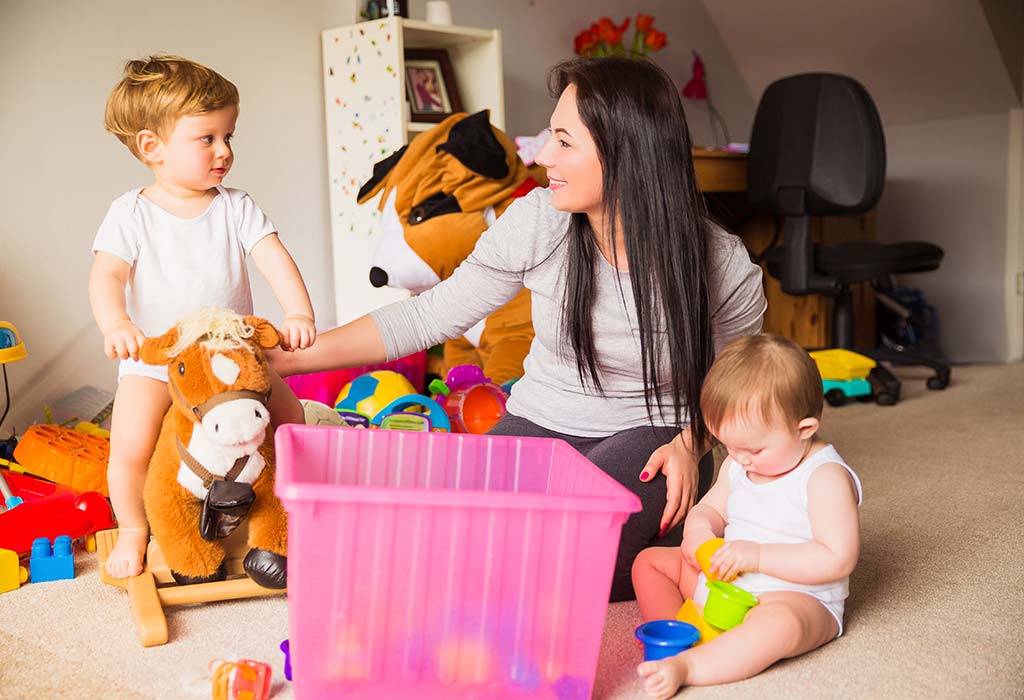
How to Choose The Right Nanny – Interview Questions
Hiring a nanny to look after your child is a life-changing decision. Not only will it free up more time for you, but your lifestyle will change as well. Unfortunately though, sometimes things don’t quite go as they are planned and this is why we believe your hunt for the perfect candidate should begin by interviewing right. How do you structure and design a nanny’s interview? Well, that’s what we’re here to talk about.
How to Structure Nanny’s Interview?
In summary, you want the interview to be productive, to the point, and not be overwhelming. Both parties should learn about each other in the process, and if there is a match, you’ve found your right nanny. Don’t introduce your kids during the first few minutes of the interview but instead at the end for a quick premiere of what she’s signing up for.
Your interview, in general, should have a structure that describes
A rough outline of the nanny’s responsibilities
What your expectations are
If babysitting is included
What the nanny’s philosophy, views on discipline, and working style are
Her salary
Whether or not it’s a live-in position and if it is, then what are the restrictions concerning accessing communal areas and visits by outsiders or her friends
Whether any household chores like laundry and grocery shopping are involved besides her nanny duties
Any routines she will have to keep up with the children, like taking them to swimming lessons, the gym, school, and playgroups
If there are any customised diet plans involved and what her meal preps would be like
If she can use a car or bring her own to the job
Any medical conditions that the nanny must be aware of in the children or family
Basically, you want to learn more about each other by structuring the meeting which revolves around your hiring a nanny interview questions, before taking it forward.
Questions to Ask in a Nanny Interview
When you’re thinking of asking your nanny questions in an interview, make sure you stick to the point and don’t get into too much detail. What you want is a basic outline of her responsibilities, her expectations, life commitments, and anything else you should know to be aware of before she prepares to leave the position or join it. We’ve covered some of the most common interview questions below which should serve as a checklist.
Knowing Her Credibility, Work Experience, and Qualifications
Some questions to ask regarding her credibility, work experience, and qualifications are
Do you have a diploma or education degree in childcare?
How long have you been a nanny?
Do you have any plans for the future like a change in careers, marriage, moving out, etc.?
Do you have a boyfriend or live-in partner? What does he do and how often will you be meeting him?
Do you plan on pursuing higher education?
Would you be willing to undergo courses related to childcare, CPR, and emergency medical first-aid for the sake of the family?
Would you be willing to take on additional chores when the baby or child is sleeping?
How many days off would you like?
Do you mind if I do a background check on you?
What do you enjoy about being a nanny?
What do you not enjoy about being a nanny? Name your pet peeves
Knowing The Necessary Food and Childcare Skills
Childcare and nutrition go hand-in-hand. Here are some questions to ask regarding that
Do you know how to potty train children?
What would you do if a child threw a tantrum in public?
What sort of games and activities would you plan out for our children?
What cuisines do you know of and how are your cooking skills? Do you have a basic understanding of nutrition?
Looking at our children’s current learning ability, what areas would you recommend to improve upon regarding creativity, performance, and academics in school?
Do you have experience weaning off a baby and cleaning baby sterilisers?
How would you teach our child about discipline?
How would you go about building new habits in our children?
What would you do if our child seemed uncooperative in every matter?
What books would you recommend reading out to our children?
What is your opinion about kids playing video games and watching the TV?
Handling Complex and Emergency Situations
Children aren’t straightforward. They can be a complicated bunch and here are some questions pertaining to that and on emergency medical measures
What would you do if a child locked you out or himself in the bathroom?
How would you respond if a child cut herself?
How would you handle a child who talked back to you?
What would you do if the child mixes with bad company?
Do you have any experience in handling children with special needs or disabilities?
How would you cope with a child who refused to obey or listen to you?
What would you do if a child hit you?
Do you know how to do CPR and apply emergency medical first-aid?
What would you do if a child threatened you out of anger or frustration?
What are your worst experiences in childcare? What went wrong and how did you handle it?
Salary and Leave Expectations
Salary and leave expectations go hand-in-hand. Here are some essential questions to ask
How much would you charge for overtime or additional chores?
What are your salary expectations?
How many days off would you like in a year? Would you be willing to travel with the family during the holidays?
How many hours would you be available for work?
Would you be available on weekends or be ready to take up a live-in position?
Do you need leave for attending your university or pursuing your courses when exams are around the corner?
When can you start working?
How long would you be available for this position? What sort of contract duration are you expecting?
Do you do any other jobs besides being a nanny or possess any relevant skills which we can pay for?
When would you like to take your personal vacations?
Personal Questions and Background Details
Some questions related to personal info and background details would include:
What is your age?
Are you married/single/divorced?
What would your perfect employer look like?
Do you have any previous experience or references I could look into to vet your candidacy?
Hiring a nanny is no rocket science, but it’s not easy either. Take this checklist of questions as a guideline and not as a final verdict. Observe how she interacts with your child after the interview, and overall, see if she’s able to communicate well or whether the child likes her. If your child does and you like her profile so far, you might just have talent at your doorstep.
Also Read:
Dealing with Fear of Bath in Newborn
Things Causing Infections in Babies
Household Items That Could Harm Your Baby
Read more

High Needs Baby – 20 Characteristics To Look Out For
Parenthood can be a rollercoaster ride, but some babies take it to a whole new level. You may have heard the term high-needs baby floating around, but what does it really mean? Well, here’s the scoop: most moms with high-needs babies don’t even realize it until they compare notes with other moms whose little ones seem content with the basics. If your little bundle of joy keeps you on your toes, with a schedule that seems to have a mind of its own and a world that changes every day, then brace yourself because you have a high-needs baby! Get ready for a unique and challenging parenting experience.
Video: 10 Signs You Have a High-needs Baby
Today, we will tell you about the signs of high-maintenance babies.
Common Characteristics of a High-needs Baby
From screaming out of nowhere to not napping at all, here are 12 tell-tale signs of a high-needs baby that you must watch out for.
1. The Baby Is Never Silent
High-needs child are never silent; they want attention, and they get it by crying or making noise. For example, if you put your baby on the floor or in the bed and go to another room for a few minutes, your baby cries loudly until you come back to the room and take him in your arms. Sometimes, he may keep crying even after you have taken him in your arms. His cries increase by the hour, day-after-day. Sometimes, you just wish you had earmuffs, but hey, they’re not going to help you for long.
2. The Baby Always Wants to Move
Stillness is not a high-needs baby’s forte. You have to cradle him in your arms or constantly take him out for walks on strollers. Such babies, if you stop for a single minute, get cranky. The best advice we can give is to buy a baby tricycle or a swing or any sort of product that gets them to move.
3. The Baby Always Wants Mommy
A high-maintenance baby may choose one parent almost always, and it’s usually the mom. Sometimes, he may ask for his dad, but the chances are rare. This means moms will have a tough time since they’ll be expected to hold their babies and keep them near all the time. Get a baby carrier to free up your hands since this phase won’t be stopping anytime soon. You can trust us on that.
4. The Baby Hates Overstimulation
Although high-needs babies are hyperactive, they don’t appreciate it when their environment becomes like them. What we mean is that they don’t like crowds, noisy rooms, and a lot of people smiling and greeting them. If you’re having a gathering in the house or going out to busy places, make sure to have a babysitter or someone to take care of him. Yes, the crying will be there, but it’ll be less. Try to make sure the next day is peaceful though since he’ll be craving calm after the crying and noises.
5. Sleep Times Are Chaotic
This is a clear tell-tale sign. Most normal babies have a regular sleeping schedule, and some take naps frequently, too. But no, not a high-maintenance one. Sometimes he may sleep around 5 pm to 6 pm while at other times, he may sleep at 3 am. The time when he will sleep cannot be predicted, but one thing’s for sure – when you expect him to fall asleep, he’ll stay awake and vice versa, and that’s not easy to deal with.
6. The Baby Doesn’t Accept Formula Milk
High-maintenance babies always want to be breastfed. They don’t take no for an answer, and they shove away the milk formula when you hand it to them. The breastfeeding tendency has more to do with comfort rather than hunger. Constant breastfeeding makes them feel as if they’re closer to the parent and warm and safe. It’s a basic human or an instinctive desire to feel protected. But for moms, your days are going to get more tiring on the other hand.
7. The Baby Wants Stimulation
We just mentioned in the article above that high-needs babies hate stimulation, which is true, but only when it comes from the outside or is directed towards them. But when it comes to themselves, they want it. Some days your baby may want a quiet day with low ambient lighting in the house. Other days, he may want to move around, crawl room to room, or destroy those fancy baby toys you got for him.
8. The Baby Will Never Stay Alone
Your baby may also never stay alone. Even if you have to use the bathroom, he might come along. Whether you go to your fitness centre, to a friend’s house, or just grocery shopping, your little munchkin may make your life miserable unless you take him with you.
9. The Baby Doesn’t Know How to Self-Soothe
High-needs babies have higher needs when it comes to soothing themselves. Pacifiers, baby toys, and flashy and colourful stuff that you show him won’t work. The best way to soothe is the old-fashioned way with mom and dad by his side.
10. The Baby Poops Randomly
Normal babies show you signs and go red-faced right before they’re about to poop. Their bowel movements are like clockwork, but the same cannot be said for high-needs babies. They’ll soil their diapers and wet their beds without warning. If there’s one thing that’s clockwork about them – it’s their erratic pooping routines.
11. The Baby Hates to Be Swaddled
Most babies love being swaddled. It takes them back to their days inside the womb and makes them feel warm, comfy, and cosy. But high-needs babies may not like being swaddled. If you’ve tried to swaddle your baby in breezy or cosy material, you’ll notice him throwing a fuss. The best solution is to make sure the carrier has enough room for your baby to move his legs and let them dangle.
12. The Baby Cries Incessantly If His Needs Aren’t Met
This is the clearest sign you’ve got a high-needs baby. His needs take precedence over everything else in your life. And if you don’t attend to him, your life becomes a living nightmare since the cries and outbursts get louder to the point of insanity. You’ll also sometimes feel as if he’s the one in control since everything goes at his pace, from feeding and sleeping to rocking and playing.
13. Frequent Night Wakings
Forget about uninterrupted sleep because your little night owl likes to party and needs your company during those late-night hours.
14. Sensory Sensitivity
Everyday stimuli like noise, light, and touch can trigger an extreme response from your baby, leaving you in awe of their heightened senses.
15. Difficulty with Transitions
Any change in routine or environment throws your little one into a tailspin, making outings and travel an adventure in itself.
16. Strong-willed Personality
From an early age, your baby displays an unwavering determination and a fierce independence that both delights and challenges you.
17. Emotional Intensity
Your baby experiences emotions with intensity, displaying passionate expressions of joy, frustration, and everything in between.
18. Highly Alert
Your baby has an exceptional level of awareness and is always on the lookout, eagerly absorbing their surroundings with wide eyes.
19. Emotional Sensitivity
Your baby’s emotions are easily triggered, resulting in intense reactions to even minor upsets or changes in routine, requiring extra patience and understanding.
20. Difficulty Soothing
Traditional calming techniques like rocking or pacifiers may not work for your baby, requiring you to experiment with various methods to find what brings them comfort.
Don’t worry; it won’t last forever. The good news is that high-needs babies and intelligence traits are connected the more the kids mature!
How to Deal With Your High-Needs Baby?
Do you have a high-needs baby? Does he throw a tantrum all the time? Here’s how to deal with it.
1. Make Time for Yourself
Sometimes taking care of your high-needs baby may zap the energy out of you. And you won’t be able to take care of him if you don’t take care of yourself first. The best way to go about this is to take him to the areas surrounded by greenery and people. Take him for a stroll in the park and let him interact with kids while you spend a few minutes meditating or simply breathing.
2. Be a “Yes” Mom
If your baby wants a diaper change, do it without fuss. If he wants to be breastfed, do it. For a few months, agree to everything your baby wants. If you respond to your baby’s needs rather than react, they’ll get the message that you care. Wean off the “yes” responses and start saying no when it’s inappropriate. Do this when they get a few months older, though.
3. Learn to Read Cues
If your baby prefers specific foods and textures, and cries when you give him formula, analyse that. Observe him. Find out what makes him happy and what makes him throw tantrums. Be patient with the process and learn his preferences.
4. Journal Your Feelings
Once your baby falls asleep, and you get some time for yourself, journal your thoughts and feelings. Write down whatever you feel. Let everything out on paper. Try this brain-drain activity, and you’ll feel refreshed after the experience.
5. Hire a Babysitter
If you can find babysitters who get along with your baby, hire them. Let her take care of your munchkin a few days of the week. You deserve some time off, after all.
6. Find a Support Group
Find a support group and meet like-minded moms who are going through the same trouble. You’ll meet new people and find tips that work well for your high-needs baby.
7. Remember That Your Child Is Unique
A high-needs baby is a unique baby. Don’t compare him with the rest of the babies in the world. Treat your baby with a mindset that your little one is different, and he needs special attention and care.
8. Establish Consistent Routines
Creating predictable routines can help your baby feel secure and minimize their anxiety about what comes next.
9. Seek Professional Help if Needed
If you’re feeling overwhelmed or struggling to cope, don’t hesitate to reach out to a healthcare professional or therapist who specializes in infant care.
10. Embrace Babywearing
Using a baby carrier or sling can provide comfort and closeness for your baby while allowing you to have your hands free.
Putting in the time for your munchkin and attending to his needs will pay off in the long run. When the years pass by, you’ll look back and actually start missing this time.
What Are The Effects Of Being A High Needs Baby?
Being a high-needs baby can have various effects, both on the baby and the parents. Firstly, high-needs babies often require constant attention and care, which can lead to sleep deprivation and exhaustion for the parents. They may have difficulty self-soothing and may rely heavily on their caregivers for comfort. These babies may also be more prone to separation anxiety and may become easily overwhelmed in new or stimulating environments. On the bright side, high-needs babies tend to have a strong sense of connection with their caregivers and can develop deep bonds. They often grow up to be empathetic, resilient individuals. So, while it may be challenging at times, remember that being a high-needs baby is just a unique part of their personality, and with patience, understanding, and support, both the baby and the parents can thrive.
FAQs
Asking questions is healthy and indicates that you want to learn. Here are some frequently asked questions by our readers.
1. What are the reasons for a baby to be high maintenance?
High-maintenance babies are more sensitive than other babies on an innate level. This causes them to cry as they crave more stimulation. One of the common reasons behind high-maintenance babies is emotional trauma during pregnancy or when the mother experienced a lot of stress prior to giving birth. The baby’s temperament is also responsible for him being high-maintenance, few babies are born with a difficult temperament.
2. Is there a difference between colicky and high-needs baby?
Yes, a colicky baby cries for more than three hours a day while a high-needs baby may cry much more than that. The sleeping pattern of a high-needs baby is erratic, too, when compared to a colicky munchkin and his behaviour is more unpredictable.
3. Do high-needs babies have anxiety on growing up?
Not really. Most parents report saying that their high-needs babies grow up to become independent and fantastic individuals. Since you’re caring for his needs constantly and giving him the love and affection a parent is meant to give, he’ll grow up feeling secure and confident.
4. Why does a high-needs baby need to constantly breastfeed?
This has more to do with the comfort aspect and the feeling of being close to you. It doesn’t mean they’re hungry because even if they’re not, they’ll still breastfeed to stay near you.
5. Do High Needs Baby Develop ADHD?
Having a high needs baby does not necessarily mean that they will develop ADHD (Attention-Deficit/Hyperactivity Disorder). While high needs babies may display behaviors that can be challenging, such as being fussy, demanding, or having difficulty with self-regulation, it is important to understand that these characteristics alone do not indicate or predict the development of ADHD. ADHD is a neurodevelopmental disorder with specific diagnostic criteria, and it requires a comprehensive evaluation by a qualified healthcare professional. So, if you have a high needs baby, take a deep breath and remember that their needs and temperament are unique, and with proper support and understanding, they can grow and thrive in their own way.
To conclude, high-needs babies just need more love and attention than the rest. Enjoy this time even if it feels hard because yes, there will be a day when you will miss it.
References/Resources:
1. NCT. (n.d.). Clingy Babies and Separation Anxiety: How to Cope. Retrieved from https://www.nct.org.uk/baby-toddler/toddler-tantrums-and-tricky-behaviour/clingy-babies-and-separation-anxiety-how-cope
2. NCT. (n.d.). Murray, I. (n.d.). The Development of Children’s Communication in the First Two Years: A Research Overview (pp. 15-20). Retrieved from https://www.nct.org.uk/sites/default/files/related_documents/Murray%20The%20development%20of%20children%C2%B9s%20communication%20in%20the%20first%20two%20years-%20a%20research%20overview%20pp%2015-20_0.pdf
3. MedlinePlus. (n.d.). Stool – Unusual Color. Retrieved from https://medlineplus.gov/ency/article/003214.htm
4. Mayo Clinic. (n.d.). Tantrums: Why they happen and how to respond. Retrieved from https://www.mayoclinic.org/healthy-lifestyle/infant-and-toddler-health/in-depth/tantrum/art-20047845
5. KidsHealth. (n.d.). Tantrums. Retrieved from https://kidshealth.org/en/parents/tantrums.html
Also Read:
How to Make Life Easier with Newborn Baby?
Why Babies Need to be Held All The Time?
Effective Tips for Dealing With Crying Baby
Read more

10 Must-Know Tips Before Travelling With Baby in Train
Travelling by train can be a wonderful experience for the soul – yes, even for those of us who like to save time by travelling on flights. True, train journeys can be time-consuming and difficult, but they also expose us to fresh experiences, new people, and new places, and inspire creativity and romance. When it comes to train travel with a baby, however, it is an entirely different ball game.
There comes a time when we cannot avoid travelling with the baby on public transport. You may have to be somewhere out of town or go to meet family members. Train journeys with your little darling can seem extremely daunting and worrisome, even to the experienced mother.
Is It Safe to Travel With a Baby By Train?
Traveling with a baby by train can be safe with proper preparation. It’s important to plan ahead, pack essential items, choose the right accommodations, follow safety guidelines, take breaks, be prepared for emergencies, and be considerate of other passengers. Before embarking on your journey, consult with your pediatrician to ensure your baby is healthy enough for travel. With these considerations, you can ensure a comfortable and safe journey for both you and your baby.
Things to Keep in Mind While Traveling With Your Baby By Train
We have compiled for you some important tips to simplify the process of travelling with your baby in a train. From preparation to the actual trip, these tricks will help make your journey hassle-free.
1. Try To Book Trains According To Your Baby’s Schedule
Little babies can get very cranky if their schedule changes, i.e. if they don’t get to feed or sleep as per the time they have become habituated to. While some amount of shuffling of schedules is unavoidable when you are travelling, it is a good idea to try and find a booking time that matches your baby’s schedule as much as possible. Also, avoid making any major changes in your schedule a few days before travelling. For example, if you have been planning to switch to solid foods, hold on till you’re back from the trip.
If this is not possible, try to make your baby feel as comfortable as possible around the time you’re scheduled to depart for the journey. So, if the time of the train clashes with your baby’s feeding time, feed him beforehand so he doesn’t get hungry and start crying.
2. Pack All These Essential Items For Your Baby
It doesn’t matter if the trip is going to last 2 days or 2 weeks – your baby is still going to need half the household packed in his bag! Travelling by train with baby means you need to pack essential items for the journey, aside from things you will need after reaching the destination. These include:
Rugs, bed sheets, etc. for your baby to lie down on
Favourite toys to keep the child entertained
Bibs to avoid spills while feeding in a moving train
Nursing shawl/cover to breastfeed on the train
Flask for baby’s water
Extra diapers (or potty seat, if required)
Extra pair of clothes and warm clothes if the train is air-conditioned
Plastic bags
Medicines for motion sickness and travel-induced digestion problems
3. Prepare and Carry a First-Aid Box For Your Baby
This is a must – keep your baby’s first-aid box ready well in advance and never forget to take it along. As a rule, the box should have medicines for fever, cold, congestion, ear infection, nasal saline drops, wipes, thermometer, antiseptics, bandages and cotton. Keep the doctor’s phone number handy (and added as a paper slip in the box) in case you need to get in touch during the journey/trip.
4. Discuss The Journey With Your Baby’s Paediatrician
A couple of days before you leave, it is a good idea to check with your paediatrician. This is helpful for any last-minute tips or advice that the doctor may have, and to see if there is any vaccination that the baby needs to take. You should also discuss the medicines to be carried on the journey. If your child has a history of allergy, motion sickness or digestion problems, ask the doctor to recommend medication for the trip.
5. Consider Using a Baby Carrier
For a train journey, you can consider wearing your baby in a sling or carrier instead of carrying your baby in a pram. Wearing your baby will help you navigate crowded platforms and stations, without worrying about rolling the pram or searching for elevators. You will get a hands-free experience and also feel more prepared to catch the train, considering the immense crowds that train stations see every single day!
6. Prepare Well For Your Baby’s Feeding
Making sure the baby eats well on a train journey can be another massive challenge. If you are breastfeeding (or formula feeding), make sure you carry all your feeding equipment with you – bottles, steriliser, pumps, feeding pillows, bibs, and covers.
If your baby has started on solid foods, some of these make ideal travelling foods:
Fruits like bananas, chiku, apples and oranges
Cereal (homemade options like semolina or rice-based cereals are good for travel. They can be just mixed with hot water and served)
Homemade cooked food that doesn’t spoil quickly, such as thepla, atta ladoo and khakra
Homemade purees (you can freeze them in individual air-tight containers and thaw them before feeding)
7. Keep Your Baby Entertained and Comfortable During The Journey
Little ones are easily bored – but they are also easily distracted! If you are travelling with a small baby, you need to prepare in advance various methods to keep him entertained during travel. Some of the options and tips that work well include:
Carrying some of their favourite toys and household objects
Carrying picture books
Playing songs and lullabies on your phone or iPod
Making funny facial expressions
Booking a first-class/second-class ticket if possible to get more space and hence more comfort for you and your baby
Trying to stick to their original schedule for feeding and napping, especially if it’s a long journey
8. Finally, Don’t Worry Too Much About People’s Reactions
If you’ve kept all the above pointers in mind, you are well prepared for the train journey with your baby. Chances are your journey will be smooth and your baby will have a good time enjoying the new sights and sounds. However, if something goes wrong, your baby starts crying, or there is any kind of a mess, don’t take it to heart. You have tried your very best to keep fellow passengers comfortable. But babies are in a growing-up phase and these things will happen. It doesn’t reflect on you badly as a mother.
9. Plan for Rest Stops
During long train journeys, plan for periodic breaks to stretch your legs, change diapers, and allow your baby to move around. Look for stations with suitable facilities for families, such as baby-changing areas and quiet spaces for feeding.
10. Be Mindful of Safety
Ensure that your baby is securely fastened in their seat or held safely in your arms during the train journey, especially when the train is in motion. Keep sharp or hazardous objects out of reach, and be cautious of hot surfaces such as beverage cups or food trays. Additionally, familiarize yourself with emergency procedures and the location of emergency exits on the train in case of any unforeseen circumstances.
FAQs
1. What should I consider when booking train tickets with a baby?
When booking train tickets, consider the duration of the journey and try to schedule it around your baby’s feeding and sleeping times as much as possible. Look for trains with family-friendly amenities such as changing facilities and priority seating.
2. How do I prepare my baby for the train journey?
Prepare your baby for the journey by ensuring they are well-fed, well-rested, and comfortable. There are many things to carry while travelling with baby in train. Pack all essential items such as diapers, wipes, extra clothing, and baby food. Familiarize your baby with the sounds and movements of the train beforehand if possible.
3. How can I keep my baby entertained during the train journey?
Bring along toys, books, and entertainment options to keep your baby engaged during the journey. Consider playing soothing music or lullabies on your phone or electronic device. Additionally, interact with your baby through funny facial expressions or engaging activities.
4. What should I do if my baby becomes fussy or uncomfortable during the journey?
If your baby becomes fussy or uncomfortable during the journey, try to address their needs promptly. Offer comfort by holding, rocking, or singing to your baby. Consider taking breaks at stations to allow your baby to stretch and move around. If necessary, seek assistance from train staff or fellow passengers.
While traveling with a baby by train requires careful planning and consideration, it can be a rewarding and memorable experience with the right preparation. By following the tips provided, parents can ensure a safe, comfortable, and enjoyable journey for both themselves and their little ones. With proper planning, attention to safety, and flexibility, train travel with a baby can become an enriching adventure for the entire family.
Also Read:
Baby Travel Essentials Checklist
Travelling With a Baby on a Flight
Tips For Travelling With Baby In a Bus
Baby & Toddler Foods to Carry While Travelling
Things You Need if You’re Travelling With a Baby
Read more
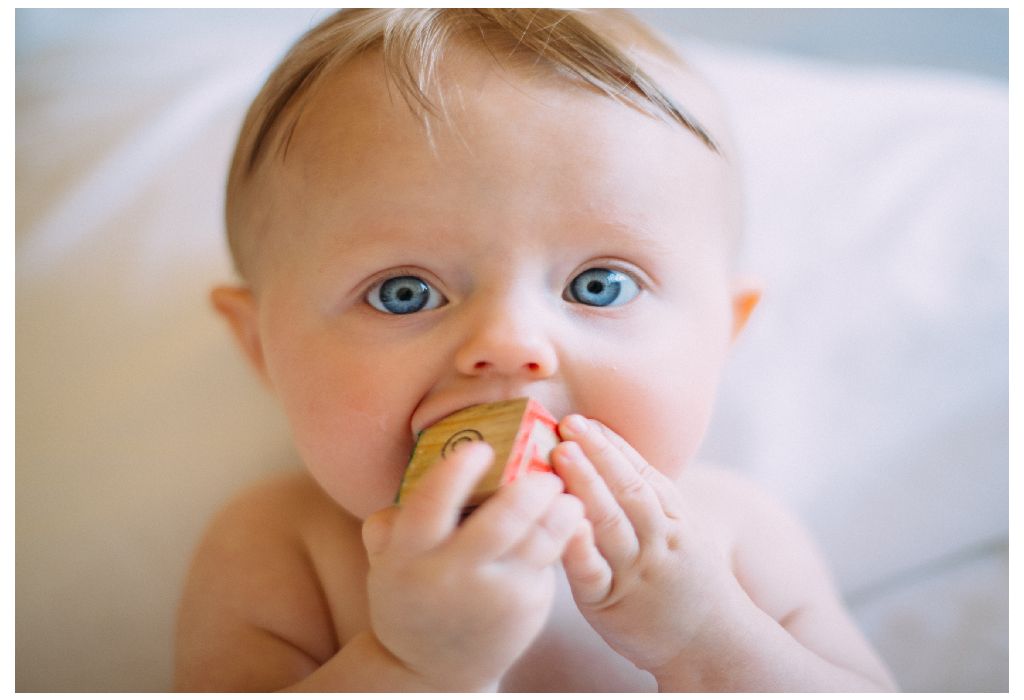
5 Household Items That Could Harm your Baby!
Household items which cannot be used as toys for babies are often those that babies are most attracted to. Unfortunately, moms often give in to their baby’s whims just to keep them happy. This is a terrible idea and quite the worst thing you can do!
Babies lose interest in toys very fast and are drawn to objects they shouldn’t be playing with. The pleasure at this stage is in putting everything in the mouth and this is where these household items are sure to find themselves! Aside from choking, there are many other safety concerns that these “household toys” can pose, which is why you should keep them away from your baby.
Household Items that are Unsafe for Babies
1. TV remote
Babies are probably attracted to the TV remote just because they see you make a grab for it ever so often. They want what grown-ups have and you may see no harm in handing over this device to them. Well, the first thing to come off after your baby’s constant chewing on it is the battery casing. This increases the risk of your baby swallowing the battery or ingesting small button batteries. Equally dangerous are the small plastic pieces that could break off from the remote and become a choking hazard.
2. Keys
One of the most common household items used as baby toys are keys. The jangling sound of keys can hold a baby’s fancy for long. But keys, typically made of brass, also contain small concentrations of lead. Your baby could be ingesting something with severe health hazards! Keys can also injure the mouth if your baby falls while sucking on them. They can hurt him in the face too, if he gets too excited and rattles them around.
3. Cell phones
They are the breeding ground for germs from hands and the random places they are kept in – not something you want baby to encounter! Plus, like TV remotes, they can also lose their battery casing if dropped to the ground and you know what that means. Even though it’s the most convenient toy to give your baby in order to appease him, refrain from doing so.
4. iPads and tablets
While these devices are designed with plenty of apps for kids, it’s best to keep toddlers away from them. Children under the age of two don’t anyway understand the educational content in it. Besides, too much screen time at such a young age isn’t good for their eyes. On a more dangerous level, these electronic gadgets have glass screens, which can easily shatter to pieces if dropped.
5. Markers and pens
Most pens and markers are also those household items which cannot be used as toys for babies. Though non-toxic, they can cause injury if your baby pokes himself with the nib. What if the ink spills from it? You’ll have a lovely picture with your baby and your walls looking an identical sight!
You may not have given these baby hazards much thought and may have even made light of it. However, these are everyday objects your baby should not be playing with. Pay heed to these perils to help create a safe environment for your baby.
Read more

Do Babies Have Kneecaps?
Babies are born with many fascinating and unique physical features that gradually develop as they grow. The first year of a baby’s birth is extremely crucial, as a major part of development is still going on and continues into the second year as well. One common question many people have is whether babies have kneecaps. Most people believe that babies are born without kneecaps, but is that true? Are babies born without kneecaps? While it may seem like an obvious part of the body, the development of kneecaps is actually a bit different in infants. If you are wondering if this is true or false, you’ve come to the right place. Read this article to find out if babies are born without kneecaps.
Do Infants Have Kneecaps When They Are Born?
Most people think that babies are born without kneecaps but that is not correct. Newborns are born with kneecaps that are made of cartilage, which is soft. Later as they grow and their bone structure develops, ossification takes place and it turns hard. The common misconception about babies not having kneecaps from the fact that when an x-ray is taken of a newborn baby’s knees, the kneecap is not visible as it is made up of cartilage and not bones. And so the belief persists!
When Do Babies Get Kneecaps?
This is a commonly asked question. The development of a baby’s kneecap starts in the mother’s womb itself when she is about four months into gestation.
How the Kneecaps of a Baby Develop?
During the formative years, newborn kneecaps are made up of cartilage. When the baby is about 3-5 years old, the process of ossification starts. The cartilaginous patella (kneecap) starts developing into a bony one. The development of the kneecap then continues throughout the infant stage until she is about 10-12 years of age i.e. until the cartilage gives way to a bony structure. However, even at this stage, the kneecap does have some bit of cartilage and it continues to develop throughout her adolescent period. Once the bone fully expands, it develops into a fully grown patella (kneecap).
Osteoblast cells grow in the cartilage linings and form a solid and firm bone which covers the cartilage. The blood vessels which grow around the cartilage develop into a nutrient artery, which supports the development of the bones. The process of ossification intensifies and produces more bone cells resulting in the formation of a strong, bony kneecap.
Complications During the Kneecap Development
The development of kneecaps in babies is a gradual process that plays a crucial role in their overall growth and mobility. However, like any natural development, it can sometimes come with complications. Here are a few issues that can affect the proper formation of the kneecaps.
1. Torn Meniscus
The meniscus is a rubbery, C-shaped cartilage that cushions the knee joint, sitting between the tibia and femur. In children, a torn meniscus can occur due to physical activities, sports, or trauma. This injury may cause pain, swelling, and difficulty with movement (1).
2. Injuries
As babies start crawling and eventually walking, they may be at risk of knee injuries. Accidental falls or impact can damage the soft cartilage in the knee, leading to potential long-term complications (2).
3. Osgood-Schlatter Disease
This condition typically affects older children and adolescents but can occasionally be seen in younger children as their bones grow. It causes inflammation and pain in the area where the kneecap tendon attaches to the shinbone (3).
4. Congenital Patellar Dislocation
In some cases, babies are born with a dislocated kneecap, which can affect their mobility and require surgical intervention to correct (4) (5).
5. Bipartite Patella
A bipartite patella occurs when the kneecap doesn’t fuse completely during development, leaving it in two separate pieces. This condition can cause discomfort and pain, particularly during physical activity (6).
Is There Any Way to Protect Your Child’s Kneecaps?
The cartilage in the knee is the reason why babies can crawl so well without any pain. It acts as a cushion because of its softness. However, crawling around can cause external bruises to the baby’s knees. A rough patch on the floor or small particles of sand or mud that comes from outside into the house are some of the ways in which the baby’s knees may get bruised. So what should you do to protect your baby’s knees? You can make her wear knee protectors (2). These baby knee protectors are strips of soft cloth with cushions in the knee area. Tie them around your child’s knees and you can let her crawl around without any worry. Knee protectors are available online or on stores. If you have time and energy, you can also make it at home with a soft, with a cotton sari. However, make sure not to tie this too tightly.
When to Consult a Doctor?
If a child experiences any of the following symptoms related to knee pain or injury, it’s important to consult a doctor:
Persistent pain
Swelling or bruising
Limited range of motion
Popping or clicking sounds
Difficulty walking
FAQs
1. Do baby’s kneecaps hurt while developing?
No, babies don’t experience pain during the development of their kneecaps, as the cartilage in the knee is soft and flexible. Pain in the knee is typically associated with injury, infection, or developmental issues unrelated to normal growth.
2. Are there any signs that a baby’s kneecaps aren’t developing properly?
If there are noticeable mobility issues or pain, or if the child’s knees appear abnormally shaped, it’s important to consult a doctor. These could be signs that the kneecaps aren’t developing as they should.
3. Do all babies develop kneecaps at the same time?
No, the timing of kneecap development can vary from one child to another. While most babies will have fully formed kneecaps by age 4 or 5, some may take a little longer or experience variations in development.
So now you know that newborns are born with kneecaps, but with underdeveloped cartilaginous. However, for your baby’s cartilage to grow into a strong, bony kneecap, you must make sure that her diet is rich in calcium to enrich and have healthy bones. Proper calcium intake will not just help in the proper formation of her kneecap but also help in the development of her overall bone health.
References/Resources:
1. Torn Meniscus; Cleveland Clinic; https://my.clevelandclinic.org/health/diseases/17219-torn-meniscus
2. Knee Injuries; Nemours KidsHealth; https://kidshealth.org/en/parents/knee-injuries.html
3. Osgood-Schlatter Disease (Knee Pain); American Academy of Orthopaedic Surgeons; https://orthoinfo.aaos.org/en/diseases–conditions/osgood-schlatter-disease-knee-pain/
4. Wada. A, Fujii. T, Takamura. K, Yanagida. H, Surijamorn. P; Congenital dislocation of the patella; PubMed Central; https://pmc.ncbi.nlm.nih.gov/articles/PMC2656798/
5. Dislocated Kneecap (Dislocated Patella); Nemours KidsHealth; https://kidshealth.org/en/parents/dislocated-kneecap.html
6. Pan. T, Hennrikus. W; Symptomatic Bipartite Patella in Adults Treated With Open Excision: Outcomes and Management; PubMed Central; https://pmc.ncbi.nlm.nih.gov/articles/PMC9359909/
Also Read:
Hypotonia in Babies
Torticollis in Infants
Brittle Bone Disease in Infants
Easy and Effective Exercises for Babies
Fun Exercises Mother Can Do with Baby
Exercises to Make Your Baby’s Bones & Muscles Stronger
Read more
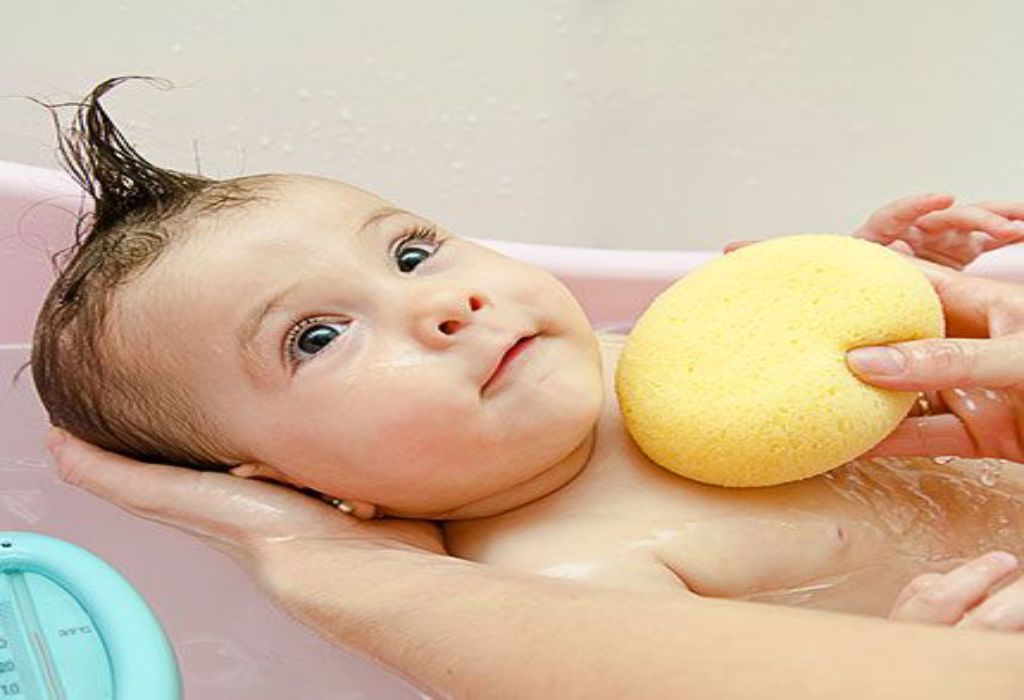
Dealing with Fear of Bath in Babies
Some babies are afraid of baths. They are afraid of slipping in the water or they don’t like getting their hair washed or applying soap on their face. But baths are very important to keep them clean and fresh! So, what should you as a parent do to help them get over this fear of bath?
Sometimes, babies become afraid of things they cannot control. They begin to dread baths as soon as they are immersed in a tub of water. However, sometimes the baby may only dread an unpleasant experience he might have had previously, like soap getting in his eyes or his ears filling with water. Every time you take him for a bath, he is reminded of the discomfort and starts crying. A baby’s developmental awareness or change in routine can also trigger off the fear of bath. The good news is that it is entirely possible to help him get over this fear and make bath time fun and smooth for both of you!
Best Solutions to Help your Baby Overcome His Fear of Bath
Use Toys to Distract your Child
Fill the tub with water and the child’s favourite plastic toys. Let him play with his toys and while he is distracted, bathe him.
Step into the Bath with your Child
This may sound weird, but something that mumma does cannot be too scary for your baby! Your child might be afraid to get into the water, so if you get in the bath tub with your child you’ll show him it is nothing to be scared of.
Give your Child a Water Massage
If your child does not like the idea of splashing water, you can gently massage him with water so that he does not feel frightened. Gently massage his hair and try not to let the water get into his eyes.
Make Bath Time Fun and a Part of His Schedule
If you create a routine, the child will understand that it is part of his schedule – yes, even if he is very young. While bathing, read him a story or sing him a song. Babies start seeing this as a part of their day and become more open to the idea.
Change the Child’s Bathtub
It is possible that your baby’s bathtub is at fault! The child might be bored of the current bathtub or it might be too big for him. Get him a baby bathtub in bright colours and an appropriate size. You can even try to bathe your little one in an open environment like your backyard or a plastic tub in the balcony.
For Older Kids, Try Introducing Swimming Lessons
Finally, if your child is old enough, giving swimming lessons can help him in overcoming his fear of water. Once he gets to know how much fun it can be to be in water, he will start looking forward to his bath time and his fear will eventually fade away. Read this guide to get started with teaching your baby to swim.
Sometimes, these methods don’t work on some children. In this case, you need to try to figure out why your child is still afraid of baths. If he is afraid of water due to some mishap, don’t force him into the water. Prefer to sponge bath him and wash his hair gently until he is older. Don’t let water or shampoo seep into his eyes as it can worsen his fear of baths. With time, this fear will reduce on its own, and trust us, it will be hard to keep him away from a garden hose or a swimming pool!
Read more
Sort By
 Latest
 Most Popular
 Trending
Please select atleast one Filter