
Prenatal Care
Suggested articles for you
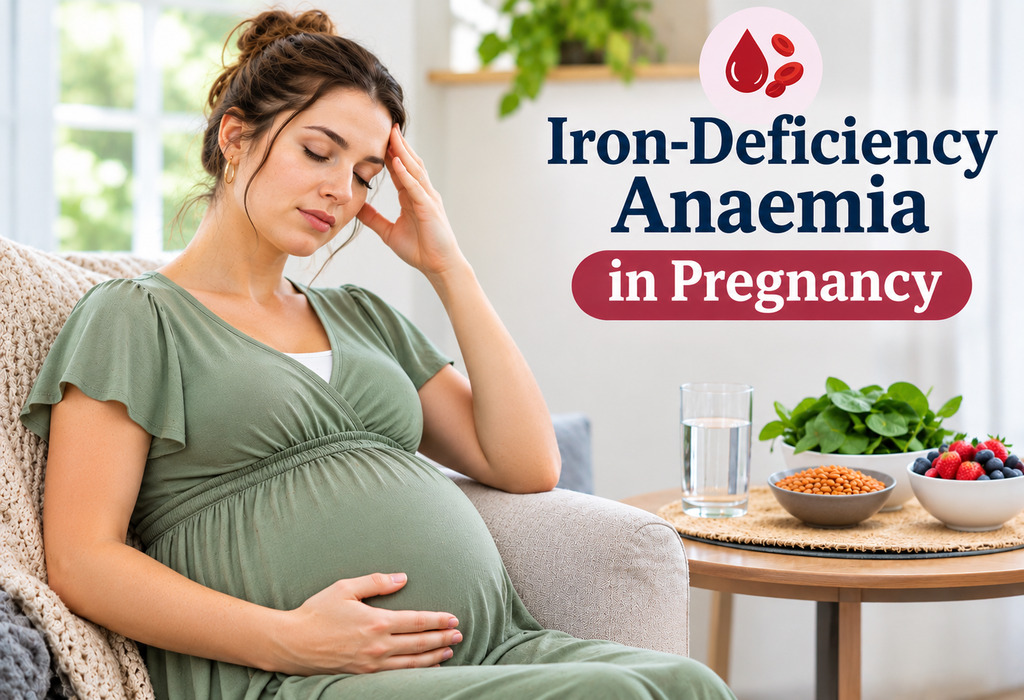
Iron-Deficiency Anaemia in Pregnancy – Causes, Risks, and Prevention
Key Takeaways
Iron-deficiency anaemia during pregnancy occurs when the body lacks enough iron to produce healthy haemoglobin.
Increased iron requirements, poor dietary intake, and low existing iron stores are common causes.
Untreated anaemia may increase the risk of premature birth, low birth weight, and maternal complications.
Iron-rich foods, vitamin C, and doctor-recommended supplements help prevent and manage iron deficiency.
Iron-deficiency anaemia in pregnancy occurs when a woman’s body does not have enough iron to produce the haemoglobin needed to carry oxygen to both mother and baby. According to India’s NFHS-5 (2019–21), 52.2% of pregnant women aged 15-49 years are anaemic, highlighting the importance of maternal nutrition (1).
This article explains the connection between pregnancy and iron deficiency anemia, its causes, associated risks, common symptoms, and ways to prevent and manage the condition for a healthier pregnancy.
What Is Iron-Deficiency Anaemia?
Anaemia occurs when your body lacks the required amount of red blood cells. These cells are responsible for carrying oxygen all through your body. When your iron levels decrease, the red blood cells are unable to carry the oxygen to the tissues in your body (2).
Experiencing anaemia during your pregnancy is normal. However, if it is severe, it can put your baby at risk. When you experience iron-deficiency anaemia during your pregnancy, it is because the blood cannot carry the required amount of oxygen to the tissues all over your body.
Your body experiences a lot of changes during pregnancy as your heart works a little harder to give enough nourishment to the foetus. This means, the volume of your blood increases by 30% to 50%. So, what should you do when there’s an increase in blood volume? It is recommended to increase your folic acid and iron consumption.
Causes of Iron-Deficiency Anaemia in Pregnancy
As the pregnancy progresses, the body needs more iron to produce haemoglobin, support the growing baby, and supply oxygen to the placenta. Several factors can contribute to iron deficiency anemia in pregnant woman, including:
1. Increased Iron Requirements
During pregnancy, a woman’s blood volume increases to support the growing baby and placenta. This means the body needs additional iron to produce more haemoglobin and red blood cells. When dietary iron intake or existing iron stores are insufficient to meet this increased demand, iron deficiency can develop (3).
2. Inadequate Iron Intake Through Diet
Not consuming enough iron-rich foods is one of the major reasons for iron deficiency during pregnancy. A diet lacking foods such as green leafy vegetables, lentils, beans, fortified cereals, meat, and poultry may not provide sufficient iron. Women following vegetarian or vegan diets may also need extra attention to their iron intake because plant-based iron is generally less easily absorbed by the body (4).
3. Poor Absorption of Iron
Sometimes, even when women consume iron-rich foods, their bodies may not absorb enough iron from the diet. Certain dietary substances, such as tannins in tea and coffee and phytates in some grains and legumes, can reduce iron absorption. Digestive conditions such as coeliac disease and inflammatory bowel disease may also interfere with nutrient absorption (5).
4. Closely Spaced Pregnancies
Women who become pregnant again within a short period may have lower iron stores, particularly if they have not fully recovered from the previous pregnancy and childbirth. Pregnancy, delivery, and breastfeeding can place additional nutritional demands on the body, making it important to replenish iron stores between pregnancies.
5. History of Anaemia or Heavy Menstrual Bleeding
Women who experienced anaemia before pregnancy or had heavy menstrual periods may already have low iron reserves when they conceive. If these iron stores are not replenished before or during pregnancy, the increased demand for iron can make the deficiency worse (6).
6. Multiple Pregnancies
Women carrying twins or triplets generally have greater nutritional requirements than those carrying a single baby. Supporting the growth and development of more than one baby increases the body’s demand for iron, potentially raising the risk of iron deficiency if adequate iron is not available.
Symptoms of Iron-Deficiency Anaemia While Pregnant
Below are the symptoms of iron-deficiency anaemia during pregnancy (7):
Irregular heartbeats
Fatigue
Chest pain
Headache
Shortness of breath
Dizziness
Cold hands and feet
Pale or yellowish skin
Now, some of these symptoms are common during pregnancy. However, you shouldn’t wait for these signs of anaemia and get blood tests done to check your haemoglobin levels. If something else is bothering you, like the fatigue you are experiencing, you should have a discussion with your doctor and let him/her know your health challenges for a smooth and safe pregnancy.
Diagnosis of Low Deficiency Anaemia in Pregnancy
Anaemia is diagnosed after your doctor conducts a complete blood count, also known as CBC. This shows the number of various cells that make up your blood. Here are details of the tests your doctor will run to test for anaemia (8):
1. Blood Tests
If your doctor sees that your red blood count is low, you will be diagnosed with anaemia and you will have low haemoglobin during pregnancy. This test is always conducted during the first trimester of your pregnancy, usually when you visit your doctor for your prenatal appointment. The blood count test is also conducted when you are 28-week pregnant.
2. Tests for Anaemia
The blood tests conducted at your first appointment usually include the following:
Haemoglobin Test: This measures the level of haemoglobin in the blood.
Hematocrit Test: The percentage of red blood cells present in the blood sample are checked in this test.
Treatment for Iron Deficiency Anemia in Pregnancy
Proper management of iron deficiency anemia during pregnancy starts with a healthy, balanced diet, adequate iron intake, and timely medical care. You should consume foods that are high in iron content because this ensures your body is getting an excellent supply of iron. This helps reduce the possibility of anaemia. It is recommended that you eat foods, such as dark green leafy vegetables, red meat, peanuts, eggs, and fortified cereals as they have rich iron content (9).
Besides maintaining an iron-rich diet, you can also ask your doctor to prescribe iron and folic acid vitamins to ensure that your body is getting the recommended amount. During your pregnancy, you need to get a minimum of 27 mg of iron daily. The best way to treat iron-deficiency anaemia during your pregnancy is by consuming these iron supplements.
A good thing to do when you visit your doctor for your first prenatal checkup is to ask him/her what your risk of getting anaemia is. It is also recommended that you get yourself tested 4 to 6 weeks after you have had your child. After the doctor analyses your condition, he/she might refer you to a haematologist.
Risks of Low Deficiency Anaemia in Pregnancy
When left untreated, complications of iron deficiency anemia in pregnancy may affect both maternal health and the baby’s growth and development. Some of the major risks include (10):
Premature Birth: Low iron levels during pregnancy are associated with an increased risk of preterm delivery, meaning the baby is born before completing 37 weeks of pregnancy.
Low Birth Weight: Insufficient iron can affect the baby’s healthy growth and increase the risk of being born with a low birth weight (less than 2.5 kg).
Maternal Fatigue and Weakness: Low haemoglobin levels reduce the oxygen-carrying capacity of the blood, causing persistent tiredness, dizziness, weakness, and breathlessness.
Childbirth Complications: Severe anaemia can make it harder for the mother to cope with blood loss during delivery and may increase the need for a blood transfusion.
Impaired Brain Development: Iron is essential for the baby’s brain and nervous system development. Maternal iron deficiency may affect the baby’s iron stores and potentially influence cognitive and behavioural development.
Increased Risk of Maternal Complications: Severe anaemia can increase the risk of maternal health complications during pregnancy and after childbirth, including difficulties recovering from delivery.
Increased Risk of Stillbirth and Neonatal Complications: Severe maternal anaemia has been associated with a higher risk of stillbirth and newborn health complications.
How to Prevent Iron Deficiency Anaemia When Pregnant?
While it is highly recommended that you maintain a balanced diet during pregnancy, your doctor may also prescribe iron supplements to prevent low amounts of iron in your body. These supplements are ferrous sulfate (325 mg) and should be consumed once a day. The iron requirements during pregnancy are higher than when you’re not pregnant, and the depletion of iron in your body may result in signs of severe anaemia (6).
Does Anaemia Affect the Baby During Pregnancy?
According to research, a mild iron deficiency during your pregnancy does not affect your baby. However, if you do not treat the mild iron-deficiency anaemia on time, the condition can get extremely severe during your pregnancy. This condition may get worse in the first two trimesters, which are the most important trimesters for your baby’s development. If untreated, your baby is at an increased risk of being born at a considerably low weight. The most severe case of iron-deficiency anaemia can also cause stillbirth and newborn death. To prevent the anaemic effect on the baby’s health, you need to make sure you get regular checkups, consume good amounts of iron and stick to a healthy diet.
Iron Rich Foods for Pregnant Women
One of the best ways to ensure you have a healthy and happy pregnancy is by maintaining a balanced diet. Here are a few foods to pick on your next trip to the supermarket (11).
1. Spinach
Spinach is one of the best iron-rich foods you can eat during your pregnancy. All you have to do is eat half a cup of cooked spinach. This has around 3 mg of iron and contains other vitamins and minerals like beta-carotene, folate, vitamin C and calcium that are great for your pregnancy. Including spinach in your diet takes care of the problems connected with folate-deficiency anaemia.
2. Iron-Fortified Cereal
What is the best way to provide your body iron supply? Opt for cereals that are made from iron-fortified grains. Cold cereals can offer you around 1.5 mg to 20 mg of iron per serving. On the other hand, hot cereals and oatmeal offer lower iron content, which ranges from 4.5 mg to 8 mg per serving. One of the great things about iron-fortified cereals is that they are loaded with folate and calcium, which are also beneficial for your pregnancy.
3. Meat
Meat is another good source of iron, offering around 2.6 to 2 mg of iron per serving. The reason meat is recommended during pregnancy is that the iron in meat, also known as heme-iron, is absorbed easily by the body. You do not have to eat fatty meats as the leaner meats have higher iron content. You can make a quick meat stir fry with veggies for a healthy and hearty meal.
4. Prune Juice and Dried Fruits
Another food that is great during pregnancy is prune juice. One 100 gm serving of prune juice gives you around 1.2 mg of iron. Besides the iron content, prune juice is also rich in fibre and helps excellently with constipation.
However, if you do not like prune juice, you can always opt for dried fruits. A half-cup of dried apricots offers 3.6 mg of iron, dried peaches offer 4.8 mg of iron, prunes offer 3.8 mg of iron and raisins offer 2.6 mg of iron. Dried fruits are also rich in fibre, and can help you relieve constipation, which is commonly experienced during pregnancy.
5. Potato
Surprisingly, the good old potato also helps reduce iron deficiency during pregnancy. Not only are potatoes high in vitamin C and potassium, but they are also good sources of iron and offer around 2.7 mg iron per potato. Potatoes are also rich in vitamin B6 and dietary fibre. You can whip up a batch of quick potato salad or a potato vegetable for a wholesome meal.
6. Beans
The humble bean is also a good source of iron, whether it is red, black or kidney beans. However, white beans have the highest iron content, giving up to 3.8 mg of iron per half-a-cup serving. These white beans can be used to make a quick, aromatic curry or a hearty soup.
7. Pumpkin Seeds
Feel like munching on something? Leave those bags of chips and indulge in a handful of pumpkin seeds as they offer up to 4.1 mg of iron. These pumpkin seeds can be roasted and stored, and you can eat them every time you have a craving. Toasting pumpkin seeds is also a good way to enjoy this snack.
The above foods are all rich in iron and ensure that you get your daily recommended levels of iron during pregnancy. Consuming these foods will help you prevent iron-deficiency during pregnancy.
When to Consult a Doctor?
Consult your gynaecologist if you experience any of the following symptoms during pregnancy:
Persistent fatigue or weakness.
Frequent dizziness or headaches.
Shortness of breath.
Rapid or irregular heartbeat.
Pale skin, lips, or inner eyelids.
Unusual cravings for ice, clay, or chalk.
Low haemoglobin or ferritin levels in blood tests.
Fainting or severe dizziness.
Chest pain or difficulty breathing.
Heavy vaginal bleeding.
Reduced or absent baby movements.
FAQs
1. Do all pregnant women need iron supplements?
Many pregnant women are advised to take iron supplements to meet their increased nutritional requirements. The recommended dose depends on individual health, haemoglobin levels, and local antenatal guidelines. Always follow your healthcare provider’s advice rather than starting high-dose supplements independently.
2. How long does it take to recover from iron-deficiency anaemia during pregnancy?
Recovery time varies depending on the severity of the deficiency and response to treatment. With appropriate iron supplementation, haemoglobin levels often begin improving within a few weeks, although treatment may need to continue for several months to replenish iron stores.
3. Can tea and coffee affect iron absorption during pregnancy?
Yes. Tea and coffee contain compounds called polyphenols that can reduce iron absorption, particularly from plant-based foods. It is advisable to avoid consuming them close to iron-rich meals or iron supplements.
4. Can iron-deficiency anaemia be prevented before pregnancy?
Yes. Maintaining a balanced diet rich in iron, identifying and treating existing iron deficiency, and attending regular health check-ups before conception can help build healthy iron stores and reduce the risk of anaemia during pregnancy.
Pregnancy is a memorable journey, something you can look back at with a smile. However, no pregnancy comes without certain challenges. Iron-deficiency anaemia is one such challenge. The good news is that this deficiency is easily preventable and you can work on it even when you are trying to get pregnant. If you plan on having a baby, ensure your iron levels are excellent. If you are already pregnant, discuss the risks with your doctor and ask his/her for ways to restore or maintain the iron content in your body.
References/Resources
1. Press Information Bureau – ANAEMIA MUKT BHARAT
2. Cleveland Clinic – Iron-Deficiency Anemia
3. National Institutes of Health – Iron
4. PubMed Central – Iron deficiency anaemia in pregnancy: A contemporary review
5. World Health Organization – Anaemia
6. Mayo Clinic – Iron deficiency anemia during pregnancy: Prevention tips
7. Mayo Clinic – Iron deficiency anemia – Symptoms and causes
8. PubMed Central – Diagnosis and treatment of iron deficiency anemia during pregnancy and the postpartum period: Iron deficiency anemia working group consensus report
9. PubMed Central – Identifying and treating iron deficiency anemia in pregnancy
10. National Library of Medicine – Iron Nutrition During Pregnancy
11. American Pregnancy Association – Iron-rich Foods for Pregnancy
Also Read:
Vitamin A when Pregnant
Consuming Antacids in Pregnancy
Iron Supplements During Pregnancy
Taking Vitamin B2 (Riboflavin) while Pregnant
Read more





8 Yoga Poses to Avoid When Pregnant
Key Takeaways:
Certain yoga poses stimulate the abdominal muscles, stretch various muscles in the body and put stress on it, and should be avoided.
Poses that twist, compress, stretch too much, or put pressure on the belly should be avoided.
Bridge Pose, Corpse Pose, Lying Down Body Twist, Headstand, Downward Facing Dog Pose, Spinal Twist towards the knees are some yoga poses to avoid.
Stop doing yoga and consult your doctor if you experience dizziness, breathlessness, sharp pain in the abdomen, or vaginal discharge.
The importance of exercising cannot be undermined during pregnancy, and yoga is one of the safest ways of staying physically and mentally fit during the term. But there are certain yoga poses to avoid during pregnancy. Yes, pregnancy requires a certain amount of physical restriction; therefore, you must not do all yoga poses. If a doctor suggests some yoga poses not to do in pregnancy, then it is wise to follow the advice to ensure safety for both the mother and the child. Experts list some yoga exercises to avoid during pregnancy as they could put the fetus’ health in jeopardy. In this article, we shall discuss various yoga poses that you should avoid during your pregnancy.
Why Should You Avoid Some Yoga Poses During Pregnancy?
Your body is changing physically, and it does not remain the same during pregnancy. Therefore, your exercise routine also needs to be tweaked accordingly. The yoga poses you were doing prior to getting pregnant could pose a threat to you and your baby; they could be uncomfortable and difficult to do, and they could cause complications in different phases of pregnancy. For instance, in the first trimester, you should avoid deep abdominal twisting poses, as they may adversely affect the implantation process. Hence, it is important to list all the yoga poses to avoid while pregnant.
Types of Yoga Poses That Must Be Avoided During Pregnancy
It is strictly recommended that you consult your doctor before practising any kind of yoga poses during pregnancy. Go through our recommendations for yoga poses to avoid during pregnancy so you can cover these as well when you next consult your medical practitioner.
The following yoga poses are a complete no-no during pregnancy (1):
1. Jumping or Fast-Flowing Poses
Jumping and fast-flowing poses can put your body under loads of stress during pregnancy.
Why You Should Avoid Them
At the onset of your pregnancy journey, there’s a lot going on inside your body. It begins with conception when the implantation process begins, and then the development process of the embryo. In your early pregnancy, too much jumping and fast poses may make you more nauseous. Tommy’s.org suggests that it is best to avoid yoga poses that involve intense jumping and moving sequences (2). Restorative and grounding poses are beneficial during this time as they would not only help in the foetal development but also keep various complications arising during this time at bay.
Poses to Avoid
Avoid all yoga poses which involve fast movements and jumping.
2. Compressing or Twisting Poses
Twisting, twirling or compressing poses can put undue stress on your abdominal region during pregnancy. Thus, any of these yoga moves to avoid when pregnant.
Why You Should Avoid Them
You will have to monitor your abdominal movements and refrain from doing any strenuous abdominal yoga poses. As the embryo attaches itself to the uterine wall, the formation of the placenta begins, and thus, you will have to monitor your tummy movements. Any twisting movements can decrease the flow of blood to your abdominal region due to compression.
Poses to Avoid
Avoid all the asanas that need twisting and compressing of the abdominal muscles, such as the Moon Pose, Boat Pose, Spinal Twist towards the knees, etc.
3. Vigorous Stretching Poses
It is important to pay heed to severe stretching poses as they may cause harm to your joints and ligaments.
Why You Should Avoid Them
As you move forward in your pregnancy, your body starts preparing for labour and childbirth. This leads to your muscles and ligaments becoming looser and more flexible than before due to pregnancy hormones. A relaxin pregnancy hormone is at its peak in the first trimester, which helps muscles, ligaments, and tendons stretch to accommodate the growing baby (3). Extreme stretching during your first, second, or third trimester could end up hurting your ligaments or pelvic joints.
Poses to Avoid
Avoid all the yoga poses that need extreme stretching of the body, such as the Camel Pose, Fish Posture, Wheel Posture, etc.
4. Lying Back Poses
Though these poses appear less complicated, any yoga pose that involves lying on the back could put pressure on the inferior vena cava.
Why You Should Avoid Them
Lying on your back in pregnancy could trigger the feeling of nausea, cause lower back pain, increase the blood pressure and also cause heartburns. Apart from this, lying for longer durations on your back could harm the vessel called vena cava and cause various complications. Vena cava transfers deoxygenated blood from the lower part of the body back to the heart.
Poses to Avoid
Avoid poses that require lying on the back such as the Corpse Pose, Lying Down Body Twist, Boat Pose, Fish Pose, Bridge Pose, Plough Pose, etc.
5. Inversion Poses
Inversion poses can make you extremely nauseous and giddy during pregnancy.
Why You Should Avoid Them
Women gain a substantial amount of weight to meet the pregnancy needs of the unborn child. As your tummy grows, it will become difficult for you to maintain your centre of gravity, and it is possible for you to lose your body’s balance. Doing inversion poses in the second or third trimester of your pregnancy may cause extreme dizziness and loss of balance, which could be fatal for you and your unborn child.
Poses to Avoid
Avoid poses that need inversions, like the Shoulderstand, Handstand, Wheel Pose, Plough Pose, Headstand, Downward Facing Dog Pose, etc.
6. Heated Yoga Poses
According to the Canadian Family Physician, heated yoga poses can cause an increase in body heat, potentially overheating and dehydrating the body, which could harm the unborn baby (4).
Why You Should Avoid Them
Some yoga poses are said to increase body heat. Therefore, it is important to know how each yoga pose affects our bodies. The poses that raise body heat should be completely avoided in all the trimesters as they can also cause dehydration during pregnancy.
Poses to Avoid
Kapalbhati (Breath of Fire Pose), Headstand, Bikram Pose, Warrior Pose, Plank Pose, etc., are some yoga poses that help to raise the body heat. Such yoga poses need to be avoided during pregnancy.
7. Prone or Belly Down Poses
As you move ahead in your pregnancy journey, you will find it difficult to lie on your tummy, and therefore, any yoga poses involving lying or bending down from the tummy may be harmful.
Why You Should Avoid Them
As your baby grows inside your tummy, it tends to squeeze your internal organs. Any kind of extra pressure on your abdominal region could be harmful to you and the baby growing inside you. Therefore, avoid all poses that require bending down from the tummy or lying on your tummy.
Poses to Avoid
Poses such as the Swan Pose, Cobra Pose, Bow Pose, Locust Pose, Seated Forward Bend, etc., should be avoided completely during pregnancy.
8. Forward Folds
There are several yoga poses that include forward folds, keeping your feet together, and touching your toes.
Why You Should Avoid Them
With a growing baby bump, it gets difficult to bend forward, and in the third trimester, it gets impossible to even pick up a sock from the ground, let alone tie shoe laces. As the baby bump increases, the weight increases and the centre of gravity also shifts, making forward folds feel worse and absolutely impossible. This even puts pressure on the stomach and may lead to breathlessness and nausea.
Poses to Avoid
Poses, including Uttanasana, Ardha Uttanasana, and Paschimottanasana, should be avoided in all trimesters of pregnancy.
Please Note: Your body is working hard during pregnancy, and thus, it is not the time to push yourself to an extreme limit. The aim of yoga during pregnancy is to increase flexibility, relieve stress, and work on your breathing. It is advised that you should practise yoga only as much as you can, and if you feel like stopping or resting in between, listen to the signals of your body and take a break.
FAQs
1. Can I do core exercises like crunching during pregnancy?
Core exercises, including crunching and twisting, should be avoided totally as they compress a baby’s space. However, not all core exercises are harmful for unborn babies. Planks and other isometric exercise moves are fine. It is advised to consult a certified exercise expert before performing yoga poses or core exercises.
2. If a woman is an expert in performing inversion exercises like a headstand, should she still stop doing that during pregnancy?
It is said that inversions are usually safe to perform during pregnancy if they were a part of your practice before pregnancy and you are a pro at it. Those with less or no training to perform inversions and who have not been performing them before pregnancy should totally avoid them. Given the fragile time of pregnancy, it is advised to exercise extreme caution and avoid taking any risks that could result in an unwanted situation.
3. What exercises should pregnant women avoid?
According to the NHS, pregnant women should avoid lying flat on the back or tummy for longer periods, scuba diving (restricts airflow), contact sports, such as kickboxing, squash, and judo, and exercises to be performed at heights over 2500m above sea level (5).
4. Are planks and crunches safe during pregnancy?
No, planks and crunches are not recommended to perform during pregnancy as they put stress on the abdominal area, which is highly. Similarly, crow pose and bicycle pose are also not suggested as they compress the tummy.
5. Can I do Kapalbhati during pregnancy?
Kapalbhati (Breath of Fire Pose) is one of those yoga poses that elevates the body temperature and puts pregnancy at risk. Thus, it is not recommended for pregnant women. Similarly, warrior pose, headstand, and Bikram pose are advised to be avoided.
6. When should I stop doing Savasana (Corpse pose) on my back during pregnancy?
You should start avoiding lying flat on your back for longer than 90 seconds after you have completed 20 weeks of your pregnancy. The growing weight of the uterus can compress the vena cava if you lie on your back for longer and restrict blood flow to the fetus. You can do Savasana by lying on your left side, which is safer.
7. What warning signs of yoga during pregnancy should I know?
It is advised that you stop yoga and take rest immediately if you experience dizziness, shortness of breath, sharp headache, chest discomfort, or vaginal spotting. Do consult your doctor if you notice any of these symptoms every time you exercise, or any other new weird symptom.
Exercising is important during pregnancy, but you and your baby’s well-being holds priority, too. Therefore, do not challenge yourself and practise yoga poses that your body cannot cope with. It is important that you consult your healthcare practitioner before following any exercise regimen and also know about various yoga moves to avoid during pregnancy. It is also advisable that you get help from a prenatal fitness/yoga expert, who works in sync with your healthcare practitioner, to learn modified yoga poses suitable for your pregnancy and practise them in group sessions. And, if a certain pose causes discomfort or pain, it is always better to avoid it.
References/Resources:
1. International Forum for Wellbeing in Pregnancy – Yoga Poses You Shouldn’t Do Whilst Pregnant
2. Tommy’s – Yoga in pregnancy
3. Harvard Health Publishing – Yoga in pregnancy: Many poses are safer than once thought
4. National Library of Medicine – Hot yoga and pregnancy
5. NHS – Exercise in pregnancy
Also Read:
Exercises to Avoid in Pregnancy
Abdominal Exercises when Pregnant
Activities to Avoid during Pregnancy
Household Work To Do & Avoid In Pregnancy
Read more
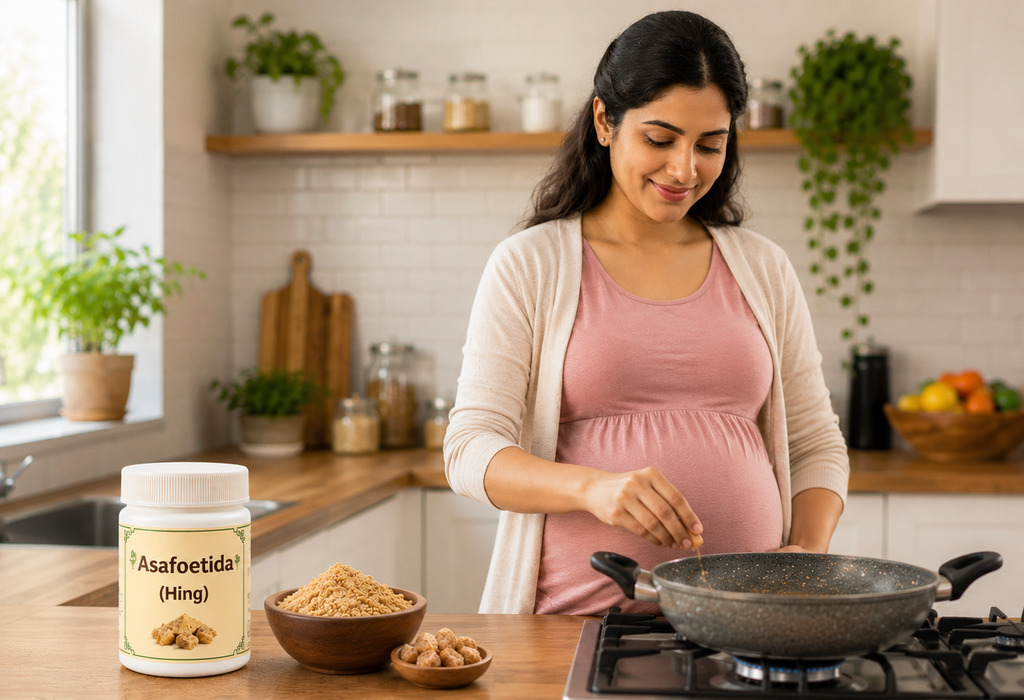
Hing (Asafoetida) During Pregnancy – Benefits, Side Effects, and Precautions
Hing or Asafoetida is a popular spice used in Indian cooking for its strong aroma and digestive properties. During pregnancy, when tummy discomfort becomes a common occurrence, you may want to try home remedies instead of visiting a doctor and swallowing medicines. But, is the consumption of hing during pregnancy safe? That’s what the concern is. While hing is a super herb known for providing a specific taste and flavour to dishes, giving relief from breathing problems, removing intestinal parasites, and treating a number of genital infections (2), hing’s use in daily life during pregnancy needs to be noted, as there’s limited evidence on its effects during pregnancy. In this post, we aim to take you through risks, benefits, precautions, whether you can have asafoetida during pregnancy’s first, second, or third trimester, and everything else you need to know about eating asafoetida during pregnancy.
What Is Hing (Asafoetida)?
Hing, also known as asafoetida, is a resinous gum obtained from the roots of a perennial herb called Ferula asafoetida, which is native to Afghanistan and Iran. It has been used for centuries in cooking, traditional medicine, and rituals in South Asian and Middle Eastern cuisines.
In cooking, hing is primarily used as a flavour enhancer and a digestive aid. It has a strong and pungent aroma when raw, but when cooked, it imparts a savoury, umami flavour to dishes (4).
Besides its culinary uses, hing also has a long history of medicinal use. It is believed to have anti-inflammatory, antifungal, anti-diabetic, anti-mutagenic, and antiviral properties, and it has been used to treat various ailments such as indigestion, flatulence, and respiratory issues in traditional medicine systems like Ayurveda (3).
Can You Eat Hing while Pregnant?
Is asafoetida safe during pregnancy? In Indian food preparations, asafoetida (hing) is added in very small amounts (just a pinch) and so may not cause much harm if consumed during pregnancy. However, there are certain precautions that you need to take before consuming asafoetida during pregnancy. No doubt it can cure your flatulence or any colic pain, it can cause a miscarriage if taken in too high amounts. Hence, an overdose of hing can lead to serious complications for pregnant women.
Benefits of Hing During Pregnancy
During pregnancy, it’s crucial for expectant mothers to pay attention to their diet and ensure they’re consuming foods that are beneficial for both themselves and their developing baby. Hing, also known as asafoetida, can be a valuable addition to a pregnant woman’s diet due to its various health benefits. The following are the benefits of hing in pregnancy.
1. Digestive Aid
Hing is known for its digestive properties, which can help alleviate common digestive issues such as bloating, gas, and indigestion that pregnant women often experience due to hormonal changes and pressure on the digestive system (5).
2. Reduces Flatulence
Pregnancy hormones can sometimes lead to increased flatulence, causing discomfort for expectant mothers. Hing’s carminative properties can help reduce flatulence and relieve associated discomfort.
3. Antimicrobial Properties
Hing has antimicrobial properties that may help prevent bacterial infections in the digestive tract, reducing the risk of gastrointestinal issues that can be particularly troublesome during pregnancy.
4. Provides Flavour Without Onion and Garlic
Many pregnant women avoid onions and garlic due to their pungent odour and potential digestive discomfort. Hing can serve as a flavorful alternative, adding depth and taste to dishes without the need for these ingredients, especially in vegetarian cooking commonly preferred during pregnancy.
Side Effects of Asafoetida in Pregnancy
Below are a few side effects of consuming asafoetida or hing goli in pregnancy:
Hing is restricted for pregnant women with blood pressure problems, as it can interfere with blood pressure control.
Hing has an abortifacient property. This means that it can cause the developing embryo to fail to implant into the uterine lining and die as a result. This property can stimulate menstruation and cause miscarriage too if hing is taken in high amounts.
Hing is also known to be harmful to young children as it contains certain chemicals. It can mix with breast milk and be transferred to a newborn, increasing the risk of potential disorders in them.
According to Ayurveda, consuming hing when you are pregnant will reduce the air elements or the ‘vata’ in your body, which can interfere with the development of nervous tissue in the foetus.
Eating too much of hing can result in burping, gas, diarrhoea, swollen lips, and a throat infection, which can be harmful to a pregnant woman and her unborn baby as well.
Eating raw hing can cause vomiting and nausea because of its strong flavour, and hence is unhealthy for pregnant women.
How to Include Hing in Your Pregnancy Diet?
Including hing, also known as asafoetida, in your pregnancy diet can offer various benefits, from aiding digestion to providing flavour. The following are ways to include hing in your pregnancy diet.
1. Incorporate Into Cooked Dishes
Add a pinch of hing to cooked dishes such as lentils, soups, stews, and vegetables to enhance flavour and aid digestion. Its savoury taste can complement a wide range of dishes, making it an easy addition to your meals.
2. Mix With Ginger
Combine hing with grated ginger to create a paste that can be added to various dishes or consumed with warm water as a digestive tonic. Ginger also has digestive properties and can further support digestive health during pregnancy.
3. Use in Spice Blends
Include hing in homemade spice blends like garam masala or curry powder to add depth of flavor without relying on ingredients like onion and garlic, which some pregnant women prefer to avoid due to their strong odor and potential digestive issues.
4. Prepare Herbal Tea
Infuse hing into herbal teas known for their digestive benefits, such as peppermint or chamomile tea, to create a soothing and digestive-friendly beverage option during pregnancy. However, ensure that any herbal teas consumed during pregnancy are safe and recommended by your healthcare provider.
How to Apply Hing on the Stomach While Pregnant?
Thinking of using asafoetida during pregnancy third trimester, second trimester and even first? Hing serves as a beneficial remedy for alleviating abdominal cramps experienced by pregnant women when applied to the navel. According to a study published in the Journal of Traditional and Complementary Medicine, hing, acting as a natural buffer, works to neutralise stomach acidity, thereby aiding in the relief of intestinal gastric discomfort (1). You can apply hing on the stomach in the following way:
Combine a small amount of hing with a few drops of mustard oil.
Recline on a flat surface, such as a floor or bed, and softly massage the mixture onto the navel area.
This method provides immediate alleviation from discomfort related to flatulence and bloating.
Alternatively, dissolve a small quantity of hing in warm water and ingest it for quick relief. This approach is particularly effective for individuals who are averse to the taste of hing.
Precautions to Take While Using Hing During Pregnancy
While small amounts of hing used in food are generally considered safe during pregnancy, excessive consumption may not be advisable. Here are a few precautions to keep in mind when using asafoetida during pregnancy:
1. Use Hing Only in Culinary Quantities
Stick to the small amounts typically used in cooking. Consuming large quantities or concentrated preparations of hing in pregnancy may not be safe.
2. Avoid Medicinal Self-Treatment
Several traditional medicines use hing in large doses to treat a number of ailments. Since pregnancy is a delicate phase, anything in excess can be threatening for the growing fetus. Thus, traditional remedies involving hing for pregnancy in large doses should be avoided.
3. Watch for Allergic Reactions
Yes, some people may be sensitive to asafoetida generally or develop an allergic response, particularly during pregnancy. Stop using it and visit a doctor if you notice skin rashes, breathing difficulties, or digestive discomfort.
4. Consult Your Doctor If You Have Pregnancy Complications
Women with high-risk pregnancies, bleeding disorders, or other medical conditions should be very careful with herbal remedies. It is better to discuss the use of herbal ingredients and supplements with your doctor before use.
Other Purpose of Hing
Hing is not just a pantry staple; it has been traditionally valued for several household and culinary purposes.
Used to treat calluses and corns when applied directly to the skin.
Used to make an essential oil widely used in aromatherapy.
Can treat an upset stomach, irritable colon, and painful gas.
Fights depression as it is said to be a nerve stimulant.
Acts as a seasoning in pickles, chutneys, and spice blends.
FAQs
1. Can hing cause any adverse effects on the baby during pregnancy?
When used in culinary amounts, hing is unlikely to cause adverse effects on the baby during pregnancy. However, excessive consumption or use of hing supplements may potentially lead to adverse effects, so it’s crucial to use them in moderation.
2. Are there any specific pregnancy-related conditions where hing should be avoided?
Pregnant women with gastrointestinal disorders or those prone to allergies should exercise caution when consuming hing. Additionally, if you experience any adverse reactions after consuming hing, such as allergic reactions or gastrointestinal discomfort, it’s advisable to discontinue use and consult with your healthcare provider.
3. Can hing help alleviate pregnancy-related digestive issues?
Yes, hing is known for its digestive properties and may help alleviate common pregnancy-related digestive issues such as bloating, gas, and indigestion. However, pregnant women should consume it in culinary amounts and avoid excessive intake.
4. Are there any alternatives to hing for pregnant women who prefer to avoid it?
Pregnant women who prefer to avoid hing can explore alternative herbs and spices to add flavour to their meals, such as ginger, fennel seeds, cumin, and cinnamon. These alternatives can provide similar digestive benefits without the need for hing.
It is best to avoid hing or asafoetida entirely in your first trimester of pregnancy. You can consume it in the second and third trimesters of your pregnancy, but in very small amounts. Make sure to consult your doctor about consuming hing during pregnancy and stay safe.
Also Read:
Eating Fenugreek during Pregnancy
Consuming Ajwain in Pregnancy
Drinking Jeera Water (Cumin) while Pregnant
Consuming Ajinomoto (MSG) in Pregnancy
Read more

Glucose Challenge Test (GCT) & Glucose Tolerance Test (GTT) in Pregnancy – Purpose & Procedure
Key Takeaways:
The glucose tolerance Testtin pregnancy is a one-hour test done to check the body’s response to glucose.
Glucose challenge test (GCT) and glucose tolerance test (GTT) are performed between 24 and 28 weeks of pregnancy.
The test is done by collecting a blood sample from a vein in the arm.
Pregnant women are advised not to eat or drink anything for 8 to 14 hours before the test is conducted.
Exercising regularly, limiting carbs, and keeping yourself hydrated helps reduce excess blood sugar levels.
Glucose tolerance test in pregnancy is one of the most essential tests for pregnant women and the developing baby that helps detect gestational diabetes. While many worry about its complexity, the glucose challenge test in pregnancy is a simple and effective screening method to check how a pregnant woman’s body is processing sugar and its impact. The World Health Organization (WHO) and apex bodies suggest that a fasting blood sugar test should be requested in the first visit of pregnancy for all pregnant women (1). Early diagnosis and proper management of gestational diabetes is crucial to prevent any potentially harmful effects on both the mother and the foetus. Join us as we learn the nuances of GTT and GCT in pregnancy.
What Is the Glucose Screening Test When Pregnant?
A glucose test during pregnancy is a common test done on pregnant women to check the blood glucose level to detect the presence or absence of gestational diabetes. There are two types of glucose screening tests: the Glucose Challenge Test and the Glucose Tolerance Test while pregnant. The American College of Obstetricians & Gynecologists says that these tests are conducted between the 24th week and the 28th week (2).
Who Needs to Take the Glucose Challenge Test?
If a routine urine test displays high glucose levels, a glucose challenge test in pregnancy is done soon after. In some cases, it is even done before the 24th week. Women, especially those with high BMI (Body Mass Index) or those who have a family history of diabetes, need to take the glucose challenge test. Older pregnant women, post 35, too, should take the test.
Why Do You Need to Take GCT During Pregnancy?
GCT, or the Glucose Challenge Test, is conducted to find out if the pregnant woman has gestational diabetes or not. Gestational diabetes in pregnant women can lead to several pregnancy complications, such as excess foetal growth or a condition known as preeclampsia, which is characterised by high blood pressure and the presence of protein in the urine. It can lead to birth injuries, and in some cases, a caesarean section delivery will be needed. Hence, the test is of utmost importance.
How Is the Glucose Challenge Test Done?
The glucose challenge test, or GCT, is the process of measuring the body’s reaction to sugar or glucose. The test involves consuming a sugary drink, which may be a glucose drink. The Cleveland Clinic states that it is a non-fasting test, which means you do not need to fast before the test (3). You rest for an hour, and then a blood test is done to evaluate the blood sugar levels. The results may show low, normal or high sugar levels. High levels mean the person is suffering from gestational diabetes. In that case, the glucose tolerance test is done to confirm the diagnosis.
How Is the Test Result Interpreted?
Blood glucose levels are measured either in mg/dl or milligrams per decilitre or mmol/l or millimoles per litre. The purpose of the glucose challenge test is to determine the sugar levels in the blood. The test results are evaluated based on the deviation from normal levels. The normal sugar level in a person is 140 mg/dL or 7.8mmol/L.
Result Type
Range
Assesment
Normal Result
Under 140 mg/dL
No gestational diabetes; normal
Borderline Result
140–199 mg/dL
Prediabetes; requires a Glucose Tolerance Test (GTT) for confirmation
High Result
At or over 200 mg/dL
Gestational diabetes
What Is GTT Test During Pregnancy?
Glucose Tolerance Test (GTT) is also known as OGTT for pregnancy or the Oral Glucose Tolerance Test. As per the American Diabetes Association, it is done to find out how the body responds to sugar levels. This test is done to diagnose the presence of gestational diabetes, diabetes mellitus, insulin resistance, and other issues (4). The test result is diagnosed at a two-hour blood glucose of greater than or equal to 200 mg/dl (5). In some cases, the diagnosis of Type 2 diabetes can also be done with GTT.
How to Prepare for Glucose Tolerance Test?
You can have your usual diet until a day before the test. Here’s how to prepare for a glucose tolerance test pregnancy:
This is a fasting test, and you will be required to fast for eight hours before it.
You will also need to drink an adequate amount of water before the test.
As a urine sample is required as part of the test, one needs to avoid a bathroom visit a few hours before the test.
Some medications may influence the test results, so talk to your doctor about any medicines you may be taking.
You can carry some things like a book to keep yourself occupied, as you may have to wait for an hour or two for the test.
You can carry some snacks with you so that you can have them once the tests are done.
Stay cheerful and happy. Stress levels too have a role in raising blood sugar levels.
How Is the Glucose Tolerance Test in Pregnancy Done?
There will be some variations in the way the test is done as per the lab or the doctor’s advice. The pregnancy blood glucose test or GTT is a fasting test. So, you will be required to fast or not consume any solid food for around 8 hours before the test. This test is usually done in the morning, so you may be asked to have a late-night meal to ensure a gap of 8 hours before the test in the morning. First, a fasting blood sample test is done. After the blood is drawn, you will be given a glucose drink or any other sugar drink. After an hour, the blood sample is again taken and this procedure may be repeated at least twice again (6).
How Is the Test Result for GTT Interpreted?
The test results for GTT are interpreted on three levels: pre-diabetes, diabetes and gestational diabetes. The case of Type 2 diabetes is not evaluated at this point, but the doctor may ask you to take the test again some other day. The unit of blood glucose for making the calculations is in mg/dL or milligrams/decilitre.
Below is a chart showing what the glucose tolerance test results mean:
Blood Sugar Range
Normal Blood Sugar Range
60-100 mg/dL
Pre-Diabetic Range
101-126 mg/dL
Diabetic Range
More than 126 mg/dL
Causes of High Glucose Levels
Here are some reasons why a mother-to-be may have high glucose levels
Generally, a rise in sugar level occurs during pregnancy due to certain hormones produced by the placenta. In most cases, this does not cause a problem because the pancreas releases insulin that can handle the increased sugar levels.
Gestational diabetes occurs when the pancreas does not release the required insulin.
Causes of Low Glucose Level
Here are some reasons why a mother-to-be may have high glucose levels
Low glucose levels can be caused by overexertion or an inadequate diet.
It can also result if one eats late often or if skipping meals becomes a habit.
Those who exercise more are also prone to having low sugar levels.
Diabetic pregnant women too can suffer from low glucose levels if the insulin taken is high.
Risk or Side Effects of OGTT in Pregnancy
Here are some you may watch out for:
Some women may experience a drastic decrease in sugar levels during the Oral Glucose Tolerance Test. In such a case, they may feel weak, anxious or uncomfortable.
The area on the skin from where the blood is drawn may develop infections if the technician hasn’t sterilised it.
In rare cases, excess bleeding can occur from the region, but only in the rarest of rare cases.
Bruises or swelling can also occur in the area.
In extreme and very rare cases, there can be excessive bleeding or blood built up under the skin.
What If Your Results Are Abnormal?
Abnormal results are perceived when the results for the test differ each time your blood is drawn. If only one of the abnormal readings is above the normal range, then your doctor may simply suggest a change in food habits. However, if more than one of the abnormal readings is above normal, then it means that you are suffering from gestational diabetes.
How to Lower Your Blood Glucose Levels?
Here are some tips through which one can naturally lower their blood glucose:
Exercising helps train the body to use blood sugar efficiently (7)
Avoid carbohydrates, as they could interfere with the insulin function of the body
Adding soluble fibres to your diet helps in naturally reducing blood sugar levels. This is because they help slow down the absorption of sugar in the body.
Drinking a good amount of water helps the kidneys remove excess sugar in the blood.
Following a diet plan for gestational diabetes could be of great help.
FAQs
1. Is the glucose challenge test safe during pregnancy?
Yes, the GCT test in pregnancy is completely safe for the mother and the growing fetus. The glucose solution used for the test isnon-toxic and does not harm the fetus.
2. Can the timing of the Glucose Challenge Test (GCT) affect the results?
Yes, the timing of the GCT can influence the results. It is generally recommended to take the test between 24 and 28 weeks of pregnancy when the placental hormones that affect insulin resistance are at higher levels. Taking the test too early or too late can sometimes yield inaccurate results, either missing a diagnosis or giving a false positive.
3. Can I have the glucose challenge test done at home?
The glucose challenge test procedure is typically done in a medical facility, as the test procedure requires precise blood sample collection and a controlled glucose solution.
4. How long does it take to get the glucose test results?
It typically takes about 4 hours to get the results for GTT in pregnancy. Nevertheless, the duration may vary by lab.
5. Where can I get a glucose challenge test done?
You can contact any reputed hospital or an independent lab to book the test, or consult your doctor to refer you to a lab technician.
6. What is the difference between the glucose challenge test (GCT) and the glucose tolerance test (GTT)?
The glucose challenge test (GCT) is a quick blood sugar test, which usually takes about an hour to test the blood sugar readings after a glucose drink. The glucose tolerance test (GTT) is a more comprehensive test that involves fasting, checking readings after a glucose drink, and multiple other blood sugar checks to confirm diabetes and glucose tolerance.
Taking the glucose tolerance test (GTT) and the glucose challenge test (GCT) in pregnancy does not necessarily mean that you have diabetes. It is always a good idea to keep a check on your glucose levels during pregnancy and get yourself treated if you show any signs of Gestational diabetes during pregnancy.
References/Resources:
1. National Library of Medicine – Nutrition Therapy in Managing Pregnant Women With Gestational Diabetes Mellitus: A Literature Review
2. American College of Obstetricians and Gynecologists – FAQs: Gestational Diabetes
3. Cleveland Clinic – Oral Glucose Tolerance Test During Pregnancy
4. National Library of Medicine – Glucose Tolerance Test
5. American Diabetes Association – Diabetes Diagnosis
6. National Library of Medicine – In brief: What do glucose tolerance tests involve?
7. CDC – Gestational Diabetes
Also Read:
Blood Tests During Pregnancy
Triple Marker Test in Pregnancy
Pap Smear Test When Pregnant
Common Trimester-wise Tests During Pregnancy
CBC (Complete Blood Count) Blood Test in Pregnancy
Read more
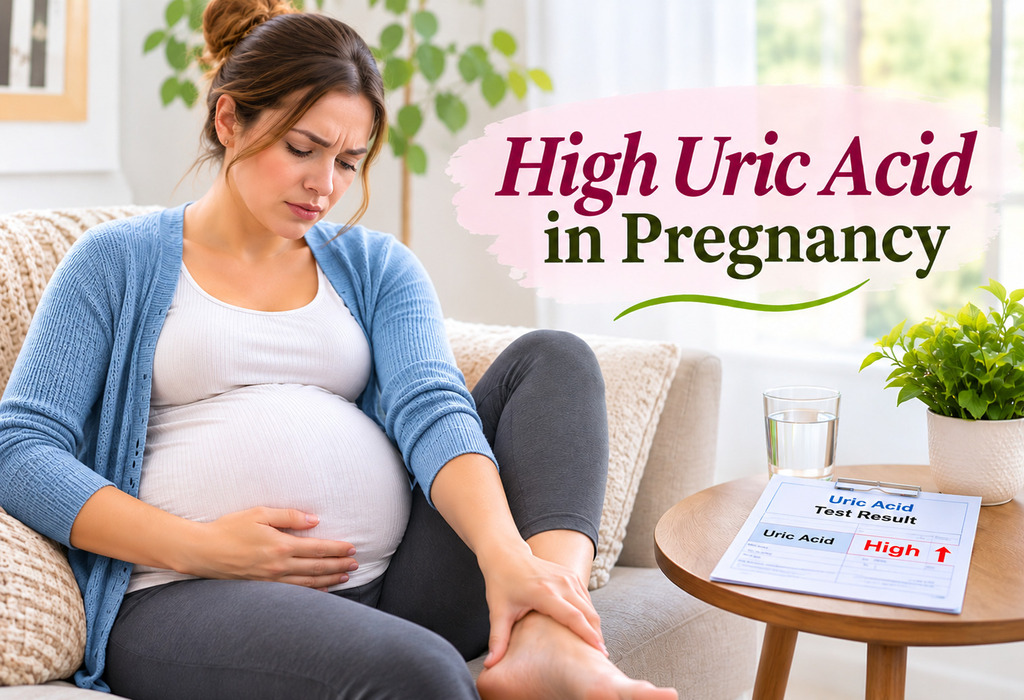
High Uric Acid in Pregnancy – Risks, Remedies, and Prevention
Key Takeaways:
High uric acid during pregnancy increases the risk of premature birth and several complications during pregnancy.
An increase in uric acid level during pregnancy beyond 7.3 mg/dL is considered a sign of worry.
Making slight changes in lifestyle and daily routine can help bring uric acid levels to normal.
Keeping diabetes in check and limiting processed sugar and refined carbs can help prevent high uric acid in the blood.
Having high levels of uric acid during pregnancy is not good for the health of the mother and the baby. This condition is generally associated with gout, a form of arthritis known for causing severe pain and discomfort in the joints. The relationship between high uric acid and pregnancy has gained attention because elevated levels may be associated with complications such as gestational diabetes, preeclampsia, a pregnancy-related condition characterised by high blood pressure and possible damage to organs. Therefore, monitoring and managing uric acid levels during pregnancy is crucial for ensuring a healthy pregnancy.
What Is Uric Acid?
Uric acid is a chemical that is created in your body. When you eat certain foods, your body metabolises purines, the substances which the body produces or obtains from the foods such as meats, fish, etc. When these substances breakdown, it forms uric acid. Under normal circumstances, your kidneys come to the rescue to process this acid. But when the uric acid level is high, the kidneys may not be able to remove it completely. Hence, there is a build up of uric acid in the blood.
Normal Levels of Uric Acid During Pregnancy
For a woman who is not pregnant, the normal uric acid levels should be between 2.5 and 5.6 mg/dL. Under normal circumstances:
The range of uric acid levels during the first trimester of pregnancy is 2 to 4.2 mg/dL.
In the second trimester, the range increases to 2.4 to 4.9 mg/dL.
In the third trimester it should be between 3.1 and 6.3 mg/dL.
These numbers are a rough estimate as lab results differ from clinic to clinic.
What Are the Risks Associated With High Levels of Uric Acid During Pregnancy?
Elevated uric acid levels during pregnancy can present numerous health challenges for both the mother and the baby. Understanding these risks is essential for maintaining a healthy pregnancy.
Maternal Morbidity: Hyperuricemia (elevated uric acid levels in the blood) and hypertensive pregnancy may cause complications to the various organ systems in the body that can increase the risk of maternal morbidity during pregnancy (1).
Hypertensive Pregnancy: Some studies suggest that high maternal serum uric acid levels can cause hypertensive pregnancy (2). However, other reputable studies argue that while high uric acid levels indicate complications, they do not directly cause them.
Maternal Health Complications: Elevated uric acid levels can lead to maternal health issues, including endothelial injury and dysfunction (3).
Risk of Poor Fetal Prognosis and Pregnancy Outcomes: Women with high uric acid levels may face adverse pregnancy outcomes, including poor fetal prognosis.
Higher Risk of Lower Fetal Growth and Lower Birth Weight: Increased uric acid levels can negatively impact fetal growth, resulting in lower birth weights (4).
Higher Risk of Preterm Birth and Reduced Time of Delivery: Elevated uric acid levels can increase the risk of preterm birth, leading to reduced gestational periods.
Lower Glomerular Filtration Rate and Reduced Renal Function: High uric acid during pregnancy can reduce the glomerular filtration rate, impairing kidney function (5).
Gout: Uric acid crystal (urate) deposition in the joints can cause gout, leading to painful joints (6). However, gout is rarely observed in pregnant women due to elevated estrogen levels, which help remove uric acid.
What Are Its Effects on the Unborn Baby?
High levels of uric acid during pregnancy can affect the health of the unborn baby. If a woman has high levels of uric acid during pregnancy, her baby’s weight may be compromised, which can lead to fetal damage or even death. Some of the long-term effects of this condition are hypertension, diabetes, and heart disease among others. If a woman has gestational diabetes, her baby may be develop high blood sugar as well.
What Are the Treatments for High Uric Acid in Pregnancy?
The following treatment options can help control uric acid levels effectively.
Pregnant women diagnosed with preeclampsia may receive magnesium sulfate treatment, particularly when severe hypertension and proteinuria are present.
For pregnant women with chronic hypertension, antihypertensive medications can be used to manage blood pressure. Regular checkups are crucial to maintain healthy blood pressure levels, and immediate care is required if blood pressure exceeds 160/110 mm Hg.
Medications can be prescribed by a healthcare provider to lower elevated serum uric acid levels. These should be taken under medical supervision to ensure safety.
Home Remedies to Treat High Uric Acid Levels When Pregnant
Maintaining healthy uric acid levels during pregnancy is vital for the well-being of both the mother and the baby. Incorporating certain home remedies can be an effective way to manage and lower uric acid levels.
Dietary Changes: Following a healthy diet rich in fruits, green vegetables, nuts, and whole grains can help reduce uric acid levels. It’s important to avoid junk foods, organ meats, and processed sugars.
Exercise and Yoga: Regular physical activity, including exercise and yoga, can help manage uric acid levels. These activities promote overall health and can assist in maintaining a healthy balance in the body.
Hydration: Drinking plenty of water helps to flush out excess uric acid from the body. Staying well-hydrated is crucial for maintaining kidney function and overall health.
Preventive Tips That You Can Follow
Higher levels of uric acid can lead to severe complications, making it essential to take proactive measures to control it. Here are some preventive tips:
Regular Exercise: Incorporate regular exercise into your routine to help lower uric acid levels and promote overall health.
Inform Your Doctor: Keep your healthcare provider informed about any existing health conditions to receive appropriate guidance and monitoring.
Maintain Healthy Weight: Obesity increases the risk of gestational diabetes and hypertension. Maintain a healthy weight through balanced diet and regular exercise.
Healthy Diet: Eat nutritious foods that are low in purines, such as fruits, vegetables, nuts, and whole grains, to help manage uric acid levels (7).
Stay Hydrated: Drink plenty of water to aid in flushing out excess uric acid from the body and support kidney function.
When to See a Doctor?
In case your diagnosis revealed high uric acid along with any of these symptoms, it could indicate gestational hypertension:
Severe headache that does not susbside
Sudden swelling in your face, hands, or feet (edema)
High blood pressure
Sudden and severe joint pain
Signs of kidney stones like painful urination or sharp pain in the sides
FAQs
1. Can high uric acid levels during pregnancy affect fetal brain development?
High uric acid while pregnant have been associated with conditions like preeclampsia, which can impact fetal development, including the brain. Preeclampsia, characterized by hypertension and proteinuria, can restrict blood flow to the placenta, potentially affecting fetal brain oxygenation and development.
2. Can high uric acid levels during pregnancy lead to complications in breastfeeding after childbirth?
Elevated uric acid levels during pregnancy are typically managed to prevent complications like preeclampsia. However, their direct impact on breastfeeding isn’t well-documented. Preeclampsia and its treatments may affect breastfeeding due to early delivery or maternal health concerns, but specific effects related to uric acid levels require further study.
3. What level of uric acid is high and dangerous?
An increased uric acid in pregnancy and in general crossing 7.3 mg/dL in women and above 8.5 mg/dL in men is considered too high. In such cases, doctor consultation is recommended.
4. Can high uric acid cause miscarriage?
While high uric acid levels in pregnancy and its deposition in the joints have been linked to gout, its association with miscarriage is limited. More studies are needed to prove the association (8).
5. Can high uric acid in pregnancy cause congenital disabilities in infants?
No, there is no scientific evidence linking high uric acid to congenital disabilities in babies.
6. What does high uric acid in pregnancy third trimester mean?
High uric acid in pregnancy third trimester could indicate that the kidneys are under stress, preeclampsia, or dehydration. Your doctor will provide appropriate diagnosis.
Pregnancy is a wonderful time, so make the most of it. If you have high level of uric acid, then don’t panic, because by making simple changes in your lifestyle, you can control it. Make sure eat well, stay away from vices such as drinking and smoking and exercise regularly to keep your body healthy and strong.
References/Resources:
1. Cleveland Clinic – Hyperuricemia (High Uric Acid Level)
2. Obstetrics & Gynaecology – Maternal serum uric acid concentration and pregnancy outcomes in women with pre-eclampsia/eclampsia
3. Stanford Medicine – Endothelial Dysfunction
4. BMC Pregnancy and Childbirth – Association of maternal serum uric acid levels with LBW/SGA: a large retrospective cohort study
5. National Library of Medicine – Correlation of Uric Acid with Glomerular Filtration Rate in Chronic Kidney Disease (Journal of Nepal Medical Association)
6. Mayo Clinic – Gout
7. Cleveland Clinic – Gout Low Purine Diet
8. National Library of Medicine – Gout in Pregnancy: A Rare Phenomenon
Also Read:
Smelly Urine while Pregnant
Leukocytes in Urine when Pregnant
Ketones in the Urine during Pregnancy
Epithelial Cells in Urine during Pregnancy
Read more
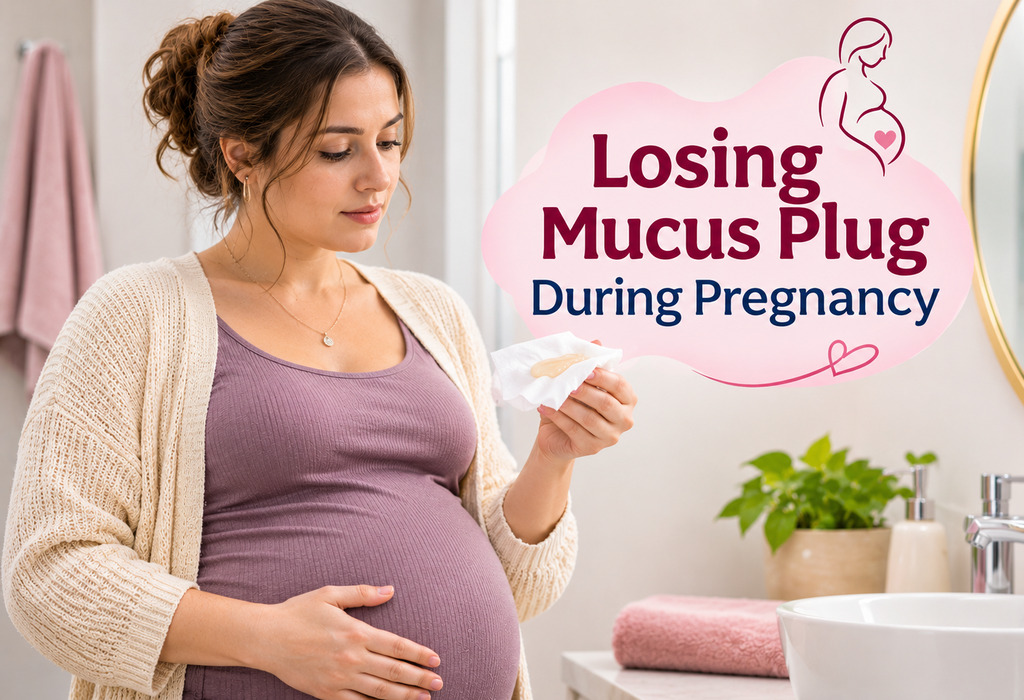
Losing Mucus Plug During Pregnancy: Signs, Causes, and When to Worry
Key Takeaways
Losing the mucus plug is a normal part of pregnancy as the cervix prepares for labour.
The mucus plug may look thick, jelly-like, clear, pink, brown, or slightly blood-streaked.
Losing the plug does not mean labour will begin immediately; it may take hours, days, or weeks.
Losing it before 37 weeks, heavy bleeding, fluid leakage, or reduced baby movements requires prompt medical attention.
Never try to remove the mucus plug yourself.
Losing mucus plug in pregnancy is usually a normal sign that your cervix is beginning to change as your body prepares for labor. It may look like thick, jelly-like discharge that is clear, pink, brown, or slightly blood-streaked. However, losing your mucus plug while pregnant does not necessarily mean labor will start immediately; it can happen days or even weeks before delivery.
So, what should you expect after losing your mucus plug during pregnancy? This article covers the common signs, possible causes, what happens next, and when to contact your healthcare provider.
What Is a Mucus Plug?
During ovulation or the fertile period, the mucus discharge becomes thick due to high oestrogen levels and protects the uterus from bacteria and pathogens. According to the Cleveland Clinic, when fertilisation occurs, the mucus plug (operculum) is formed and serves as an extra layer of protection for the uterus and foetus during the entire length of the pregnancy (1).
What Does ‘Mucus Plug Discharge’ Mean During Pregnancy?
Just before giving birth to a baby, the mother goes into labour. This means that her body prepares for birthing. The cervix dilates, and this causes the mucus plug to get dislodged. This is the first sign that you will shortly go into labour. So, you needn’t be worried, as losing the mucus plug is an entirely normal process. In fact, it is a good sign of the progression of pregnancy and an alert for the mother to be prepared for delivery.
What Does a Mucus Plug Look Like?
According to the American Pregnancy Association, the mucus plug is a thick gelatinous discharge from the vagina. During pregnancy, the colour of the mucus plug can be white or clear, slightly pink, or reddish or brownish (2). Sometimes, tiny blood vessels rupture when the plug is dislodged. In this case, the discharge could be a little pinkish. However, most women have creamy white mucus discharge during pregnancy, which is called leucorrhea. This is due to the increased mucus formed and discharged from the cervix due to higher estrogen levels in pregnancy.
When Does Mucus Plug Come Out?
The accumulated mucus in the cervix gets discharged when the cervix dilates. The gap between losing the mucus plug and labour contractions varies from woman to woman. Most women lose the mucus plug just before labour. Others can lose it even days before the contractions begin. This is a normal process and should not be a cause for alarm.
How Does a Pregnant Woman Lose the Mucus Plug?
Before the labour starts, the cervix dilates in preparation for the impending birth. As the dilation increases, the plug gets removed naturally, according to the American Pregnancy Association (3). However, there are instances where the plug can get dislodged ahead of time during an examination or sexual intercourse. It is only the first layer of protection for the uterus and the baby, and it means all is well. You will shortly deliver your precious bundle of joy.
Can You Pull Out Your Mucus Plug?
You should never attempt pulling out your mucus plug, as it could damage the inner walls of the cervix. The mucus plug is present there for a reason, and it happens to all pregnant women. Pulling the mucus plug on your own can also lead to bacterial infection of the birth canal, which can lead to health complications for the newborn baby.
Is It Normal If You Lose Your Mucus Plug Early?
Some women may lose the mucus plug much earlier in their pregnancy (earlier than 37 weeks). But there is no need to panic. However, if you have a bleeding discharge instead of the regular transparent discharge, contact your doctor to rule out the possibility of complications (4).
What to Do If the Mucus Plug Comes Out?
Once the plug is dislodged, the first level of protection is no longer there. If this happens close to your delivery date, it is a good sign of the progression of pregnancy into labour (5). Treat it as an early warning that you will shortly go into labour.
If you lose the mucus plug earlier than 37 weeks of pregnancy, there is no need to worry. The amniotic sac will still protect the baby, but inform your doctor about the same. Some women will lose the mucus plug after contractions start and just before the amniotic sac breaks. Some others may not even notice that the plug has been lost.
What Causes Mucus Discharge in Pregnant Women?
All women pump out high doses of oestrogen during the fertile period, during sexual intercourse, and during pregnancy. The production of mucus means that the body is preparing itself for ovulation, pregnancy, or delivery. During pregnancy and just before labour sets in, mucus production increases. Most women notice a white discharge during pregnancy, which is the excess mucus being discharged. Before labour, the plug is discharged to enable the baby’s delivery.
What Is Bloody Show?
A bloody show is a good early sign of the onset of labour. It is a mucus discharge tinged pink or brown with blood. This means the cervix is dilating to prepare for the onset of labour, and the plug at the mouth of the cervix is dislodged because of it (6). If you are close to your delivery date, it is a good sign.
Even if you lose it in early pregnancy, don’t worry, as the amniotic sac will protect the baby.
Is Losing the Mucus Plug the Same as Passing Bloody Show?
No, the colour of the mucus plug should normally be creamy white or creamy in colour. During its discharge, the process of tearing away could have a little blood in it. This pinkish or brownish discharge is termed the bloody show.
If at any time you see a bloody discharge with fresh blood in it, see your doctor immediately to ensure there is nothing wrong.
How to Know if You Have Lost Your Mucus Plug
Losing your mucus plug can look different for every pregnant woman. Here are some common signs to look out for:
Thick, jelly-like discharge: You may notice a sticky, gel-like substance in your underwear or when wiping after using the bathroom.
A sudden release of mucus: The mucus plug may come out in one noticeable lump or clump, rather than appearing as regular vaginal discharge.
Gradual increase in discharge: Some women lose their mucus plug in small amounts over several days or weeks, making it harder to recognise.
Changes in colour: The mucus may be clear, whitish, yellowish, pink, or brown. Slight pink or blood-streaked mucus can occur as the cervix begins to soften and open.
Mild pelvic pressure or cramps: You may experience period-like cramps, mild pelvic pressure, or a dull backache as your body prepares for labor.
Not every woman sees her mucus plug come out. Sometimes, it passes unnoticed while using the bathroom or gets mixed with regular pregnancy discharge.
How Long After Losing Mucus Plug Does Labour Start?
One can expect to go into labour in about the next day or two if you have the bloody show. Contractions may start in a few hours to a few weeks. It is the first indicator of labour, and it is time to be prepared. The onset of the contractions will determine the start of labour. Therefore, the time between losing the mucus plug in pregnancy and the onset of labour may vary, as it could either be days to weeks (7). Just relax, be calm, and prepare yourself for delivering your baby.
Is There Any Complication of Losing the Mucus Plug?
No, the process is entirely normal, and you must lose the mucus plug to deliver the baby. If the mucus plug is dislodged in early pregnancy (around the 24th week or earlier than 37 weeks) then it only means the extra layer of protection is gone. This does not mean that your baby is at risk of infection. Your body is designed with a second layer of defence in the form of the amniotic sac. It also performs the same function as the mucus plug and prevents the entry of bacteria.
Is It Painful to Lose Mucus Plug?
Yes, there is some pain associated with losing mucus plug when pregnant. It is something similar to what you experienced during your period. However, this is not always the case, as many may not even feel it coming out.
When to Call a Doctor?
If you notice heavy bleeding during your mucus plug discharge, it could indicate complications like placenta previa or placental abruption, and you will need to call a doctor right away. Also, if you notice a bad odour or if the discharge is green in colour, it may indicate an infection.
FAQs
1. Will you always discharge your mucus plug?
Yes. It blocks the passage of the foetus and would inevitably be dislodged at some point in time.
2. Does losing the mucus plug indicate pathology?
Losing a mucus plug is a part of your pregnancy. The loss of the mucus plug does not indicate a pathological problem as it is only making way for the foetus that is inside.
3. What happens after losing your mucus plug?
After losing your mucus plug, your cervix may continue to soften, thin, and dilate as your body prepares for labor. You may notice increased vaginal discharge or mild cramps. However, labor does not always begin immediately, so keep monitoring your symptom.
4. Should I go to the hospital after losing my mucus plug?
Not always. If you are at or beyond 37 weeks and have no other concerning symptoms, losing your mucus plug alone usually does not require a hospital visit. However, seek medical advice if you experience heavy bleeding, regular contractions, fluid leakage, reduced baby movements, or lose the plug before 37 weeks.
Pregnancy and losing mucus plug may seem concerning; however, it is often a normal part of preparing for labor and is not usually a cause for alarm. Knowing and understanding the loss of the mucus plug helps you understand the birthing process only better. Be positive, stay calm and relaxed as you bring your baby into this world.
References/Resources
1. Cleveland Clinic – Mucus Plug
2. American Pregnancy Association – Mucus Plug – What Is It & What Does It Look Like?
3. American Pregnancy Association – Signs of Labor
4. Mayo Clinic – Signs of labor: Know what to expect
5. March of Dimes – Contractions and signs of labor
6. Cleveland Clinic – Bloody Show
7. Harvard Health Publishing – What is a mucus plug?
Also Read:
Urine Leakage in Pregnancy
Mucus in Poop while Pregnant
Jelly Like Discharge when Pregnant
Leaking Amniotic Fluid during Pregnancy
Read more

Echinacea While Pregnant: Is It Safe to Use?
Key Takeaways
Echinacea is an herbal remedy commonly used for colds, infections, and immune support.
Its safety during pregnancy has not been firmly established due to limited human research.
Some studies report reassuring pregnancy outcomes, but the evidence is not strong enough to confirm safety.
Echinacea may trigger allergic reactions or interact with certain medications.
Echinacea during pregnancy is generally best avoided unless your healthcare provider recommends it, as there isn’t enough reliable evidence to confirm its safety. While some studies offer reassuring findings, the available research is limited. For instance, a study of 68,522 pregnant women found that 363 (0.5%) used echinacea during pregnancy, with no increased risk of birth defects or adverse pregnancy outcomes reported (1).
So, what does this mean for echinacea in pregnancy? This article examines its potential benefits, possible risks, research findings, and important precautions to help you make informed decisions about echinacea and pregnancy.
What Is Echinacea?
Echinacea, scientifically known as Echinacea purpura is a herb that is widely popular for centuries for its medicinal properties. This wondrous herb is indigenous to Native America. The roots and other parts of this plant are effectively used to boost the immunity and battle various other infections. It is believed that Echinacea is also beneficial for the health of a pregnant woman (2).
Is Echinacea Safe During Pregnancy?
It’s advisable to avoid using echinacea during pregnancy due to insufficient research on its effects, which leaves potential risks for both you and your unborn baby unclear. While one study reported no increase in miscarriage or birth defects among echinacea users, the study’s sample size was small (only 363 women), preventing definitive conclusions on safety (1).
The NHS also warns against assuming the safety of natural remedies during pregnancy, emphasizing that not all natural products or complementary therapies are safe (3). Quality control issues may lead to harmful contaminants like lead in some products, underscoring the importance of caution and professional guidance when considering such supplements during pregnancy.
Benefits of Echinacea When Pregnant
Let us now learn about various benefits that a pregnant woman may derive from this miraculous herb:
1. Speeds Up Recovery
In case you are suffering from any infection or ailment during pregnancy, taking Echinacea may help in speeding up the recovery or reducing the recovery time of that ailment (4).
2. Helps in Curing Recurrent Infections
Pregnancy may take a toll on your immunity and thus may make you more prone to falling sick. Sometimes you may have recurrent bouts of some infection, and under such situations, Echinacea may prove to be beneficial. This is because this herb acts as an antioxidant and is effective in strengthening the immunity, which in turn makes your body help fight the infection (5).
3. Helps in Healing Sunburns
If you are suffering from any kind of sunburn during pregnancy, then you may apply this herb topically to cure your condition.
4. Effective in the Treatment of Haemorrhoids
In case you are suffering from haemorrhoids during pregnancy, then you may tropically use this herb to reduce the pain and heal the wounds.
5. Beneficial in the Treatment of Psoriasis and Eczema
In a study on population, it has also been shown to be effective in the treatment of psoriasis, eczema and inflammatory skin conditions. Psoriasis and eczema are very discomforting skin conditions. Both these conditions may improve if you apply Echinacea on the skin breakouts that may occur in these skin conditions (6).
6. Helps in Preventing Infections
This herb is beneficial in the formation of T-cells. It is also very effective in improving the ability of WBC (white blood cells) to keep various kinds of pathogenic infections at bay. The presence of echinacein, a medical compound present in this herb, is very effective in preventing various bacteria and viruses from penetrating the healthy cells of the body (7).
7. Effective Topical Disinfectant
Apart from healing various infections and other medical ailments, it is also very fruitful in curing minor cuts, bruises, and wounds, and thus can be used as an effective topical disinfectant.
8. Helpful in Treating Many Other Ailments
This wondrous herb is beneficial in treating various ailments such as Bronchitis, hay fever, urinary tract infection, vaginal yeast infection and many others.
Echinacea is a very useful herb and thus may prove to be beneficial in treating many medical ailments. Do consult your obstetrician before taking this herb for curing any ailment.
Side Effects of Echinacea in Pregnant
If you are thinking, can you take Echinacea when pregnant? The answer is yes; Echinacea is a very safe herb. However, sometimes, it may lead to certain complications during pregnancy, and some of these side effects may include the following (6) (7):
In case you suffer from asthma or any kind of plant allergy, then it may not be a good idea to consume this herb as it may trigger an allergic reaction.
It may also lead to allergies in some women; if that may be the case, you should stop the consumption at once and seek medical assistance.
It may trigger autoimmune disorders such as multiple sclerosis, collagen, etc.
What Should I Do if I Accidentally Eat Echinacea While Pregnant?
If you accidentally eat echinacea while pregnant, don’t panic. It’s important to let your healthcare provider know what happened. They can give you advice based on your health and medical history. Keep an eye out for any unusual symptoms, although serious problems from accidental consumption are rare. Being open with your healthcare provider ensures you get the right guidance and reassurance for your situation.
How to Make Echinacea Tea During Pregnancy?
One way of taking this herb is by taking it in the form of tea. However, it may make you wonder if Echinacea tea is safe during pregnancy? Well, it is safe for consumption during pregnancy, but you must seek your doctor’s permission before taking this tea. Here is how you can make this herbal tea:
Boil a glass of water.
Infuse fresh or dried Echinacea in the boiling water.
Simmer and boil it for 10 to 12 minutes.
Strain and it is ready to serve.
Add honey to make the tea more palatable.
What Are Pregnancy-Friendly Alternatives to Echinacea?
If you’re avoiding echinacea for pregnancy, you can still manage common cold symptoms and support your overall well-being with simple, pregnancy-friendly measures. Consider these alternatives:
Stay hydrated: Drink plenty of water, warm soups, and broths to stay hydrated and soothe a sore throat.
Try saline nasal drops: Saline nasal sprays or drops can help relieve nasal congestion without relying on herbal supplements (8).
Get adequate rest: Prioritise sleep and relaxation to help your body recover from common illnesses.
Eat vitamin-rich foods: Include fresh fruits and vegetables, such as oranges, berries, and bell peppers, to get essential nutrients that support normal immune function.
Consider honey for a cough: A spoonful of pasteurised honey in warm water may help soothe throat irritation and calm a cough (9).
FAQs
1. Can echinacea cause allergic reactions that affect the baby during pregnancy?
Allergic responses to echinacea are uncommon but possible. It’s important to be aware of the potential for allergies or sensitivities to echinacea. If you have a known allergy to plants like ragweed or marigolds, which belong to the Asteraceae family, you may have a higher risk of experiencing an allergic reaction to echinacea.
2. How much echinacea tea is considered too much during pregnancy?
To ensure the safety of echinacea tea during pregnancy, it’s important to adhere to the dosage instructions provided on the product label. This helps ensure the tea’s effectiveness and potency. According to findings published in The Canadian Journal of Clinical Pharmacology, oral consumption of echinacea at recommended doses has been deemed safe for use during pregnancy and breastfeeding.
3. Does echinacea interact with prenatal vitamins or other medications?
Echinacea may interact with certain medications or supplements. Always inform your healthcare provider about all substances you are taking to prevent potential interactions.
4. What are some other herbal teas safe to consume during pregnancy?
Apart from echinacea tea, there are several other herbal teas recommended to support expectant mothers. Peppermint tea is known for alleviating nausea and treating UTIs and respiratory infections. Red raspberry leaf tea is celebrated for its ability to strengthen uterine health and potentially reduce contractions. It’s also caffeine-free and gluten-free, making it a versatile choice. Chamomile tea is praised for its soothing effects on gastrointestinal discomfort, joint pain, and insomnia.
5. Can you take echinacea while breastfeeding?
Echinacea while nursing is generally considered low risk, but there isn’t enough reliable research to confirm its safety for nursing mothers and babies. Small amounts of its active compounds may pass into breast milk, although the effects on infants are not well established.
Echinacea has many health benefits for a pregnant woman. However, we suggest that you take your doctor’s permission before taking this herbal supplement to avoid any complications.
References/Resources
1. PubMed – Pregnancy outcomes after prenatal exposure to echinacea: the Norwegian Mother and Child Cohort Study
2. National Center for Complementary and Integrative Health – Echinacea
3. NHS – Medicines in pregnancy
4. PubMed Central – Echinacea purpurea: Pharmacology, phytochemistry and analysis methods
5. Cleveland Clinic – Echinacea: Can It Boost Your Immunity?
6. American Association of Naturopathic Physicians – Echinacea: Health Benefits, Uses, Risks & How To Take It
7. Memorial Sloan Kettering Cancer Center – Echinacea
8. Mayo Clinic – Allergy medicines and pregnancy: What’s safe?
9. Mayo Clinic – Honey
Also Read:
Eating Tulsi (Holy Basil) in Pregnancy
Consuming Herbal Teas during Pregnancy
Herbs in Pregnancy – What’s Safe and What’s Not?
Shatavari (Asparagus Racemosus) when Pregnant
Consuming Fennel Seeds (Saunf) while Pregnant
Read more
Cellulite in Pregnancy – Causes, Treatment, and Prevention
Cellulite and pregnancy often go hand in hand because hormonal changes, healthy weight gain, and increased fat storage during pregnancy can make dimpled skin more noticeable. In fact, an estimated 80-90% of post-pubertal women develop cellulite at some point, making it a normal cosmetic concern rather than a medical condition (1). If you’ve noticed cellulite when pregnant, there’s usually no cause for concern, as these changes are a natural part of your body’s adaptation to support your growing baby. In this article, you’ll learn what causes cellulite during pregnancy, whether it goes away after childbirth, safe treatment options, and practical tips to help minimise its appearance.
What Is Cellulite?
If you stand in front of a mirror, you will notice that certain portions of your body will have fat deposits around them. The major body parts where pockets of fat deposition are bum, hips, thighs, tummy, upper arms, and knees. These fat deposits are termed cellulite. These deposits can sometimes stretch and break down, causing these regions to become dimpled (2). It’s important to remember that more cellulite during pregnancy is normal; some women may gain weight and cellulite, while others may not.
Is it Normal to Have Cellulite During Pregnancy?
Yes, cellulite during pregnancy is completely normal. Hormonal changes, healthy weight gain, increased fat storage, and fluid retention can make cellulite more noticeable, especially on the thighs, hips, and buttocks. It is a common cosmetic change that does not harm you or your baby.
What Causes Cellulite in Pregnancy?
The reasons for increased cellulite while pregnant tend to vary and may include anything from poor lifestyle choices to numerous internal body factors (3).
1. Lifestyle
Performing basic exercises during pregnancy is essential to keep your health in check and for the health of your baby too. Staying away from junk foods and managing your cravings is also necessary at this stage. However, failure to do all of these can cause cellulite to form in your body.
2. Water Retention
During pregnancy, a woman’s body has a higher tendency of storing an excessive volume of bodily fluids. This leads to water retention in various regions of the body. These indirectly work towards creating cellulite pockets, which can become visible later on.
3. Effects of Hormones
Hormones play an important role in cellulite development. Estrogen, insulin, noradrenaline, thyroid hormones and prolactin are part of the cellulite production process (4).
4. Increase in Weight
A healthy weight gain is expected in pregnant women with time. However, excessive weight gain during pregnancy increases the chances of cellulite formation in later years.
5. Age
The elasticity of the skin reduces with age, which increases the chance of cellulite.
6. Genetic Factors
Cellulite during pregnancy could be related to genetic variations that affect collagen production and skin elasticity. These genetic factors may make some individuals more prone to cellulite development during pregnancy. However, it’s essential to emphasise that cellulite’s exact causes are still not fully understood and can vary significantly from person to person (4).
Medical Treatment for Cellulite
Taking care of cellulite and pregnancy is possible by using specific medical treatments. These tend to reduce cellulite quickly, and you can get your pre-pregnancy body back sooner. However, these treatments are not recommended for pregnant women, and it’s best to stay away from them.
Cellulite Treatments That Pregnant Women Should Avoid
A bunch of cellulite treatment methods are considered harmful for the baby as well as the mother and can have long-term effects as well.
1. Oral Intake of Medicines
One of the potent ways to remove cellulite is to burn it by taking certain stimulants. This is how most oral medications for cellulite work, by making use of caffeine and other substances that help reduce the cellulite. However, taking these medicines during pregnancy are not recommended.
2. Laser or Thermal Treatment Techniques
Some of the most popular treatment techniques to reduce cellulite involve making use of laser beams or other methods that increase the temperature of the body region to get rid of cellulite (5). These might be quite effective, but risky during pregnancy.
How to Get Rid of Cellulite Naturally When Pregnant?
There are a bunch of natural ways to take care of cellulite. These are safer than any other treatment techniques and pose minimal risk to the pregnancy. These measures can be tried at home to get rid of cellulite during pregnancy:
One of the best ways to take care of cellulite manifested in the body is by exercising regularly. It is the healthiest and the safest way to take care of it. However, it is usually recommended that pregnant women not perform strenuous exercise.
Following a healthy diet can also take care of cellulite during pregnancy.
One natural remedy to help reduce cellulite during pregnancy is dry brushing. Dry brushing involves gently brushing the skin with a soft-bristle brush upward towards the heart. This practice is believed to help stimulate lymphatic drainage, exfoliate the skin, and improve blood circulation, potentially reducing the appearance of cellulite over time.
Tips
Here are some tips that you can follow to avoid cellulite:
The presence of omega-3 fatty acids in the body helps bind cellulite effectively. Include omega-3 fatty acids in your diet. You can include flax seeds in your meals.
Befriend carbohydrates during pregnancy. Eat as required; don’t overdo it.
Water retention is another problem that can make cellulite worse. Eating lots of vegetables, berries, and seafood can reduce the chances of that occurring cellulite.
Eat healthy foods and start exercising.
How Can You Prevent Cellulite?
If you’re wondering how to prevent cellulite during pregnancy, there are several easy ways that you can try to stay fit and healthy (6).
1. Reduce Salt Intake
Avoid adding salt to your food since it is acidic and dehydrates your body, making cellulite removal difficult.
2. Drink Water
Staying hydrated flushes toxins from the skin and keeps cellulite formation to a minimum.
3. Exercise
Light cardio exercises, like walking and low-impact aerobics, can tone your body. The sweat produced while exercising will flush out the toxins from your body and cleanse your skin. Exercising also tones the muscle tissues and reduces the cellulite.
4. Weight Control
It is a must to keep your weight in check whether you are pregnant or not.
5. Eat Healthy Foods
Eat healthy foods like fresh fruits and vegetables. Eating healthy foods will flush out toxins from your body, which leads to cellulite formation.
6. Avoid Fatty Foods
Junk food, meat, bakery products, cheese, etc., can increase cellulite content in your body. Avoid them as much as you can.
Reducing Cellulite Post-Pregnancy
Once you recover from your delivery, you can start with cellulite treatment after a couple of weeks. Avoid topical creams since your baby would be breastfeeding. Follow a strict diet and exercise regularly to reduce cellulite. The cellulite post-pregnancy can negatively impact your self-confidence, but if you switch to a healthy lifestyle, cellulite formation will reduce over time. You must also remember that cellulite during pregnancy is normal and quite common, and you must consult a dermatologist before taking steps to deal with the cellulite formation in your body.
Here are some practical ways to address post-pregnancy cellulite:
Maintain a balanced diet of fruits, vegetables, and lean proteins to support skin health and reduce fat accumulation.
Proper hydration is essential for skin elasticity, which can help reduce the appearance of cellulite.
Incorporate cardiovascular and strength training exercises to tone muscles and burn excess fat.
Continue dry brushing to stimulate circulation and lymphatic drainage, reducing cellulite.
Professional or self-massage with cellulite-reducing creams or oils can improve skin texture.
To target cellulite, look for creams or serums containing ingredients like caffeine, retinol, or collagen.
Consider wearing compression garments to improve blood flow and reduce swelling.
Some spa treatments like seaweed or clay body wraps may temporarily improve the appearance of cellulite.
Avoid smoking and excessive alcohol consumption, as these habits can worsen cellulite.
Gradual post-pregnancy weight loss can reduce the strain on connective tissues.
If desired, consult a dermatologist or cosmetic surgeon in severe cases for non-invasive or surgical treatments like laser therapy or liposuction.
When to Consult a Doctor?
Cellulite itself is harmless and usually doesn’t require medical treatment. However, you should consult your doctor if you notice:
Sudden, painful swelling or redness in one leg
Warm, tender, or inflamed skin
Severe pain or rapidly worsening skin changes
Fever along with skin redness or swelling
Any lump, rash, or skin changes that concern you
FAQs
1. Can you have anti-cellulite massage in pregnancy?
It’s generally safe to have anti-cellulite massages during pregnancy, but it’s essential to consult with your healthcare provider first. They can advise you on the best approach and ensure that the massage technique is gentle and suitable for your specific pregnancy condition.
2. Does pregnancy cellulite go away?
Postpartum cellulite does not typically disappear entirely after pregnancy. However, the appearance of cellulite may diminish as your body returns to its pre-pregnancy state, especially if you adopt a healthy lifestyle, including diet and exercise. Some women may find that the cellulite becomes less noticeable over time.
3. Is cellulite on legs and thighs during pregnancy normal?
Cellulite on legs and thighs during pregnancy is very common because these areas naturally store more fat. Hormonal changes and fluid retention can make the dimpled appearance more noticeable.
4. Can exercise help with pregnancy cellulite?
Pregnancy-safe exercises, such as walking, swimming, and gentle strength training, can improve blood circulation, support healthy weight management, and help maintain skin tone, which may reduce the appearance of cellulite.
Please note that individual experiences with cellulite can vary, and it’s essential to prioritise your health and well-being during and after pregnancy. Discussing your concerns about cellulite or any other post-pregnancy issues with your healthcare provider is advisable for personalised guidance.
Also Read:
Skin Changes in Pregnancy
Skin Darkening while Pregnant
Changes in Face during Pregnancy
Read more

Hygiene During Pregnancy: Importance & Tips to Maintain It
Key Takeaways
Maintaining personal hygiene during pregnancy helps reduce exposure to harmful germs and infections.
Bathe regularly and use mild, gentle products to protect sensitive skin.
Practise proper intimate hygiene and avoid vaginal douching or harsh chemical-based washes.
Maintain good oral, breast, and hand hygiene to support maternal health.
Follow food safety practices, including washing fresh produce and avoiding raw or unpasteurised foods.
Maintaining personal hygiene during pregnancy is essential for keeping infections at bay, supporting maternal health, and ensuring everyday comfort. Pregnancy brings several hormonal and physical changes that can make your body more sensitive and require extra attention to cleanliness and self-care. Simple daily habits, such as bathing regularly, practising intimate hygiene, maintaining oral care, and following food safety measures, can go a long way in protecting your well-being.
But what does good hygiene in pregnancy actually involve? From intimate and oral hygiene to bathing, food safety, and clothing choices, this article covers practical tips to help you stay clean, comfortable, and healthy throughout pregnancy.
Why Is Hygiene Important in Pregnancy?
Maintaining good hygiene while pregnant is important not only for your comfort but also for protecting your health and your baby’s development. Here are some key reasons why practising proper hygiene matters during this stage:
Reduces the Risk of Infections: Pregnancy brings changes to the immune system, making it important to follow good hygiene practices to minimise exposure to harmful bacteria, viruses, and other microbes.
Protects Your Baby’s Health: Certain infections can pass from the mother to the baby during pregnancy and may interfere with healthy growth and development. Maintaining cleanliness helps reduce avoidable exposure to infection-causing germs.
Supports a Healthy Pregnancy: Personal hygiene, including regular bathing, intimate care, and proper handwashing, helps keep your body clean and reduces the risk of common hygiene-related infections.
Prevents Exposure to Harmful Substances: Being mindful of personal care products, food hygiene, and environmental cleanliness can help limit contact with potentially harmful chemicals and contaminants.
Promotes Comfort and Well-being: Pregnancy can bring increased sweating, skin sensitivity, and other physical changes. Following a consistent hygiene routine can help you feel fresh, comfortable, and confident throughout your pregnancy.
How to Maintain Hygiene When Pregnant
Here are some simple yet effective pregnancy hygiene tips to help you stay clean, comfortable, and healthy throughout this journey.
1. Hair & Skin Hygiene
A lot of nutrients are taken from your body to help the child grow, which affects your skin in different ways. Furthermore, the secretion of oil within the glands of the hair gets a kick as well, causing oily hair to be a recurring situation in most pregnant women. Hence, shampooing your hair on a regular basis is essential to rid them of the excess oil and maintain hair texture. Since the skin can react quickly to any extremities, don’t spend extended hours in bathtubs or water. A shower is a better choice. When choosing soaps and shampoos, treat yourself to the mild ones made from natural oils and substances since they are safer and gentler on your skin (1). However, bathing is the easiest and safest way to the maintenance of hygiene.
2. Clothing
When organising your wardrobe for better clothes or purchasing newer ones, keep a few ideas in mind to help you choose better. Opt for clothes that you can wash with detergents that have antibacterial qualities. When choosing clothes, go for ones that are a bit loose and can be worn easily. Choose cotton clothes that can absorb sweat and change them as soon as they get sweaty. When purchasing a maternity bra, go for the one with pads that can absorb milk leaks from your nipples.
3. Personal Hygiene
Taking care of your own body, and specifically, your intimate regions, is a necessity at this stage to keep personal hygiene in pregnancy optimal. Bathe daily and pay extra attention to the pubic region to keep it clean and free from any infection. Choose soaps that are plain and natural. Experts usually recommend not using any harsh soaps or chemicals to clean the around near your vagina so that it doesn’t disturb its natural pH balance. Washing the genital area with cleaning water, in most cases, is enough (2). A consultation with the doctor around this topic is wise. Washing hands with soap and water before and after handling food, using the toilet, and after touching animals is extremely important (3).
4. Oral Hygiene
Dental hygiene and pregnancy go hand-in-hand since what you eat is what the baby eats as well. Taking care of your teeth and your gums becomes even more necessary, given the numerous changes within your body. Talk to your doctor about using a gum ointment to soothe the inflammation in them. An elevation in the levels of estrogen can cause them to swell up and be extra sensitive, which can hurt quite a bit (2). Gingivitis, dental cavities, bad breath, mouth dryness, loose teeth, etc., are some dental issues faced by many pregnant women (4). Do remember to brush your teeth and floss two times a day, no matter what. Keeping the buildup of plaque in check is necessary, and flossing can help you with that, too. regular teeth cleanings during pregnancy by a certified dental expert help find out dental problems and treat them timely (5).
To keep your oral health to the top, avoid sugar, dried fruits, candies, as much as possible. Gargling regularly with salt water or mouthwashes soothes sensitive gums and kills bacteria and eating fresh fruits and vegetables keep gums and teeth strong (4).
5. Breast Care
Breast hygiene for pregnant women is necessary, too. Most women observe colostrum leaks towards the end of the first trimester. This needs to be cleaned regularly, for damp breasts can easily get itchy and unhygienic. Change bra pads regularly after they get wet, and use lotions to treat nipple cracks, as suggested by your doctor. After your daily bath, make sure there is no soap left on your nipples. Leftover soap residue on nipples can make them dry and crack, making them vulnerable to infections (6).
6. Dietary Hygiene
Bathing daily and wearing clothes isn’t enough to protect yourself from harmful germs. You need to include strict dietary hygiene in your routine as well. Remember to wash your hands with antibacterial soap for at least 20 seconds before preparing and eating food, and keep a sanitiser handy whenever you are out and need to have some snacks (7). Make sure to wash the front and back of your hands, between your fingers, and your fingernails. Nails house dust and multitude of germs, therefore, nails should be clipped and cleaned. Wash your hands after handling raw foods, cleaning kitchen surfaces, and wiping up any spillage. Most of all, avoid food, juices, and drinks from outside vendors and restaurants as the chances of food contamination are high, and any food handled or prepared poorly can jeopardise your and your baby’s health (8). Avoid eating food that smells unusual or off and always have properly cooked and hot food as it destroys bacteria and pathogens.
FAQs
1. What food should pregnant women avoid during pregnancy to ensure proper hygiene?
According to the OASH, raw or uncooked fish, shellfish, poultry, eggs, deli meats, hot dogs, pre-prepared seafood and meat salads, raw sprouts, and unpasteurised milk and juice are usually unhygienically handled or prepared and may carry traces of harmful bacteria, including Salmonella typhi, E. coli, and Listeria monocytogenes. Thus, these foods should be strictly avoided during pregnancy (9).
2. What happens if unhygienic food is consumed during pregnancy?
According to a 2021 research published in the Foods, due to weakened immune response, pregnant women are at a high risk of foodborne diseases (FBD) and waterborne diseases, such as toxoplasmosis, listeriosis, cholera, and typhoid (10). Toxoplasmosis and listeriosis are extremely harmful to mothers and unborn babies as they can cause food poisoning, miscarriage, stillbirth, and several other pregnancy complications (11).
3. Can I douche during pregnancy?
Experts do not recommend douching during pregnancy unless your doctor specifically tells you to (12).
4. Is it safe to use deodorants and perfumes during pregnancy?
Yes, using deodorants and perfumes is generally considered safe during pregnancy. However, if you experience skin irritation, nausea, or sensitivity to strong fragrances, opt for mild, fragrance-free alternatives.
5. How can I maintain hygiene while travelling during pregnancy?
Carry hand sanitiser, tissues, clean underwear, and personal hygiene essentials while travelling. Wash your hands before eating and after using public restrooms. Also, stay hydrated and avoid using shared personal care items.
Hygiene is one factor that is important in every stage of life. Its importance increases when you are pregnant, and it works to your benefit in focusing on the specifics of it. Pretty soon, you will be holding your child in your own hands and feeding him off your breasts, so it is best you stay clean and healthy to have him the same way.
References/Resources
1. Health Hub – Skin Care Tips During Pregnancy and After Birth
2. International Journal of Health Sciences – Study on good hygiene practices to stay healthy and protect unborn child during pregnancy
3. Colorado State University – Food Safety During Pregnancy – 9.372
4. PubMed Central – Oral care in pregnancy
5. March of Dimes – Dental health during pregnancy
6. JOGNN – Breast Care in Pregnancy
7. BetterHealth Channel – Pregnancy and diet
8. FDA – Fruits, Veggies and Juices (Food Safety for Moms-to-Be)
9. OASH – Eat Healthy During Pregnancy: Quick Tips
10. FDA – Food Safety Booklet for Pregnant Women, Their Unborn Babies, and Children Under Five
11. PubMed Central – Food Safety Knowledge and Practices of Pregnant Women and Postpartum Mothers in Slovenia
12. OASH – Douching
Also Read:
Cleaning during Pregnancy
Nesting Instinct in Pregnancy
Using Mouthwash when Pregnant
Breast and Nipple Care during Pregnancy
Household Work To Do & Avoid in Pregnancy
Read more
Doppler Ultrasound in Pregnancy – Purpose, Procedure, and Safety
Key Takeaways
Doppler ultrasound in pregnancy measures blood flow between the mother, placenta, and baby to assess fetal well-being.
Doctors recommend it when there are concerns about fetal growth, placental function, or maternal health.
Common types include umbilical artery, uterine artery, MCA, and ductus venosus Doppler scans.
The procedure is non-invasive, painless, and generally safe when performed by trained professionals.
Home Doppler devices should not replace professional fetal monitoring or routine prenatal check-ups.
Doppler ultrasound in pregnancy is a specialised scan that measures blood flow between the mother, placenta, and baby to check whether the baby is receiving enough oxygen and nutrients. Doctors may recommend it in high-risk pregnancies or when there are concerns about fetal growth or placental function.
Unlike a routine ultrasound, this scan provides valuable insights into your baby’s blood circulation. In this article, we’ll look at why Doppler ultrasound and pregnancy monitoring go hand in hand, how the procedure works, and whether it is safe for both mother and baby.
What Is a Doppler Ultrasound in Pregnancy?
A Doppler scan is similar to a regular ultrasound scan and works using high-frequency sound waves called ultrasound, which isn’t audible to our ears. The ultrasound generated by the equipment bounces off bones and tissues like an echo and is recorded with a microphone. All of this is done with a small hand-held probe called a transducer. A gel which helps in the process is applied over the belly, and the transducer is pressed gently against the skin to scan (1). Denser substances like bones give off a better echo than the softer tissue that the body is made up of, and by comparing the echo, an image of the baby is generated in a computer and displayed in real-time.
What sets a Doppler scan apart is that unlike a regular ultrasound scan, it can detect the flow of blood in blood vessels, estimate the speed of the blood flow, determine its direction, detect blood clots, etc. Most ultrasound equipment these days have an inbuilt Doppler feature and both the scans can be done together.
What Are the Different Types of Pregnancy Doppler Scans?
Depending on your pregnancy and medical needs, your doctor may recommend one or more of the following:
Umbilical Artery Doppler: Checks blood flow through the umbilical cord to assess how effectively oxygen and nutrients are reaching your baby from the placenta (2).
Middle Cerebral Artery (MCA) Doppler: Measures blood flow in a major blood vessel in the baby’s brain. It helps doctors identify signs of fetal anaemia or how the baby is responding to reduced oxygen supply (3).
Uterine Artery Doppler: Examines blood flow through the uterine arteries, which supply blood to the placenta. It helps assess the risk of conditions such as pre-eclampsia and fetal growth restriction (4).
Ductus Venosus Doppler: Evaluates blood flow through a small blood vessel that carries oxygen-rich blood towards the baby’s heart. It is particularly useful in monitoring certain high-risk pregnancies and severe fetal growth restriction (5).
Is it Safe to Have a Doppler Scan?
Yes, like with all other ultrasound scans, Doppler scan in pregnancy is safe when done by trained professionals (1). The sonographer, who is the person carrying out the scans, follows a set of established guidelines that ensure that you and your baby are safe during the procedure. Since the scans work by using a focused beam of sound waves, the equipment can generate a small amount of heat as a consequence. Therefore, every ultrasound scan machine features a thermal index display that gives a rough estimation of how much heat is being generated.
The machines normally have a low thermal index and come with different output settings for different stages of pregnancy. Most of the ultrasound scans don’t exceed 30 minutes, and a typical Doppler scan lasts only a few minutes. This poses no risk to the baby or the mother. In decades of using ultrasound scans during pregnancies, there has been no evidence that suggests that these scans are harmful.
Why Is a Doppler Scan Done During Pregnancy?
Dopplers are often used to check the placental blood flow, the foetal umbilical blood flow, and blood flow in the heart and brain to ensure everything is normal. If any restriction to the flow is detected, the doctors can determine if it is caused by a restricted blood vessel, sickle cell anaemia or RH sensitisation. Doppler scans are also recommended in conditions such as (6):
Carrying twins or more
The mother has a low or high body mass index (BMI)
Medical conditions such as diabetes and high blood pressure
The baby is affected by rhesus antibodies
The baby’s growth rate is low
Previous miscarriage or a small baby
The mother smokes
When Do Doctors Recommend a Pregnancy Doppler?
Now, you may be wondering: when is Doppler ultrasound done in pregnancy? Doctors usually recommend this scan when there are concerns about the baby’s growth, placental function, or blood circulation, or when certain maternal health conditions require closer monitoring. Some common situations in which a Doppler scan may be recommended include:
1. Multiple Pregnancies
When the mother is carrying multiples, the pregnancy is considered a high risk one and is monitored regularly with Doppler scans. This is because such pregnancies have chances for several complications to arise. Some of them include – TTTS (Twin to Twin Transfusion Syndrome), IUGR (Intra Uterine Growth Retardation), umbilical cord entanglement, etc. (7). These complications can be detected early with a Doppler scan.
2. Placental Problems
The placenta supplies the foetus with blood, nutrients and oxygen from the mother’s body. Healthy blood flow in the placenta is essential for normal development of the baby (8). During the second trimester’s anomaly detection scan, if problems such as slower foetal development are seen, a Doppler scan is used to detect any irregularities in the placental blood flow. A Doppler scan is also used if placenta previa (low lying placenta) is detected. The scan can show the placental position, which can change toward the end of the pregnancy.
3. Health Conditions of the Mother
The mother’s health has a profound effect on the growth of the foetus. Doctors use Doppler scans to determine the blood flow rate in the umbilical arteries and the placenta. There are conditions under which blood flow in the arteries can get restricted, such as the contraction of arteries due to smoking, certain medications, and other lifestyle-related causes. The contracted arteries offer high resistance to the flow of blood, resulting in improper oxygen and nutrient supply to the foetus. Conditions such as high blood pressure and diabetes can also have a significant effect on this.
4. Health Conditions of the Foetus
When the growth rate of the foetus in previous ultrasound scans is not satisfactory, doctors use a Doppler foetus scan for further analysis.
How a Doppler Scan Is Different From Other Pregnancy Scans
A typical ultrasound scan bounces high-frequency sound off the tissues of the body to give a thin two-dimensional image that does not show any movement. A Doppler ultrasound scan, on the other hand, relies on the Doppler Effect. The phenomenon is a continuous change in the frequency of the bounced sound wave when it hits something that moves, like the blood flow in the arteries. It can measure the difference between blood that is moving away from the probe and blood that is moving towards the probe, as well as its speed (9). A Doppler test during pregnancy can also detect the heartbeat of the foetus, which other scans cannot.
Which Areas Are Checked During a Doppler Ultrasound?
Dopplers are generally used to determine blood flow. When anomalies are detected in previous scans, the doctor generally scans the blood flow in the critical parts of the mother and the foetus’ body.
1. Uterine Artery Doppler Scan
Uterine arteries are the blood vessels that carry blood to the mother’s uterus (womb). During pregnancy, these arteries become stretchy and expand in size to richly supply the uterus with blood. This physical change allows more amount of blood flow with low resistance through the arteries, so the foetus can be supplied with ample nourishment. If the mother suffers from conditions such as Pre-eclampsia, the blood flow to the artery is restricted. A Doppler scan can be used to detect this condition early on (2).
2. Umbilical Artery Doppler Scan
In conditions where a pregnant woman is carrying twins, a baby appears to be growing slowly, or if the baby is affected by the rhesus antibodies, the doctor would recommend an umbilical artery scan. Umbilical arteries carry blood from the placenta to the baby through the umbilical cord. A Doppler scan of this artery reveals the amount of blood flow in it and how much nutrients and oxygen the baby is receiving. If any issues are discovered at this point, further Doppler tests might be done to reveal the cause and also check the blood flow in the baby’s brain and its aorta (a major artery in the body) (4).
3. Middle Cerebral Artery(MCA) Doppler Scan
This scan shows the amount of blood flow in the middle cerebral artery, which supplies blood to the baby’s brain. The scan is performed only if the baby is suspected to be anaemic, the baby is affected with slapped cheek syndrome, or if the baby is affected by rhesus antibodies (3).
4. Ductus Venosus Scan
This is a rather uncommon Doppler scan. It is done in the first trimester, along with other tests to look for a chromosomal abnormality in the foetus. It is also done to scan the umbilical vein, which carries blood to the baby’s heart (5).
Types of Doppler Scan in the Pregnancy Phase
There are different types of Doppler scans that can determine various characteristics, such as the direction of the blood, the velocity of the blood, and the location. Depending on what needs to be assessed, three types of Doppler scans are used (10):
1. Continuous Wave Doppler
This system utilises a continuous transmission and reception of ultrasound waves to accurately measure high velocities of blood flow. It does not show the direction or the location of the flow, but only the speed. It is compact and commonly used.
2. Duplex Doppler
A duplex Doppler can generate an image of the blood vessel and the surrounding organs, while at the same time, measuring the speed and direction of the blood flow.
3. Colour Doppler
A colour Doppler is similar to a duplex Doppler but gives a better visualisation of the scanned area. A computer overlaps colour images depicting the blood flow onto the image of the blood vessel and its surrounding tissues. The different colour schemes show the speed and direction of the blood flow. A variation of this instrument called a Power Doppler can be used to look at blood flow in solid organs.
How to Prepare for a Doppler Scan
There are no special instructions to be followed before undergoing a Doppler scan. Women who smoke must avoid smoking or using any nicotine-based products two or more hours before the procedure. As nicotine causes blood vessels to constrict, it could give a false diagnosis, which could be mistaken as a pathological constriction. Other general instructions include wearing loose-fitting clothes to the clinic and staying well hydrated.
How a Doppler Test in Pregnancy Is Done?
A Doppler pregnancy test is done in the same way that a normal ultrasound scan is done. The pregnant woman will be asked to lie down on the examination platform, and her skirt/pants will be lowered to expose the baby bump. The sonographer then applies a water-based gel on the tummy. The function of the gel is to facilitate a secure contact of the transducer with the skin so that no air bubbles get trapped in between and interfere with the sound waves as the transducer is moved about. The image of the scan is displayed on a computer screen in real-time and saved for further analysis. The scan should be over within a few minutes and is painless.
What Are the Risks of Doppler Ultrasound?
There are no risks from the ultrasound on the foetus or the mother in a Doppler scan (1). On the contrary, opting to not get an ultrasound scan throughout the pregnancy can be risky. Research has shown that Doppler scans lower the risk in high-risk pregnancies.
Please note that vaginal probe Doppler scans are usually not recommended during the early weeks of pregnancy.
Can You Use a Hand-Held Doppler Device at Home
Small hand-held Doppler ultrasound pregnancy heartbeat scanners can be purchased to listen to the baby’s heartbeat. The device won’t usually work until the woman is 13 weeks into the pregnancy, as the womb is still in the pelvis. It is possible to detect the heartbeat after 13 weeks.
However, doctors and midwives recommend against it, as the average untrained person won’t be able to tell the difference between a baby’s heartbeat and their own placental blood flow. Even though the technology is safe to use, it can be falsely reassuring and even misleading which can cause unnecessary stress and anxiety among pregnant women.
On the other hand, electronic fetal monitoring done by a doctor or a midwife using a Cardiotocograph has some real benefits to it. A Cardiotocograph or CTG is a small Doppler that monitors the baby’s heart rate for normal heartbeats and irregularities. A healthy baby’s heart rate varies all the time and changes as it moves around. Women with healthy pregnancies don’t need to have a CTG to monitor the baby. As long as it can be felt moving regularly during the day, the baby is fine.
CTG used during labour is a highly useful tool for when continuous monitoring of the baby is needed. The baby’s heart rate, along with the woman’s contractions, is measured to see a positive relationship between the two. If the CTG shows that the baby’s heart rate is decreasing with increasing contractions, the doctor administers a drug to lessen the contraction’s strength. If that doesn’t work, the woman would need an emergency caesarean.
FAQs
1. How long does a Doppler ultrasound scan take?
A Doppler ultrasound usually takes around 20-30 minutes, although the duration may vary depending on the number of blood vessels being examined and the baby’s position. The procedure is generally painless and does not require any special recovery time.
2. Do I need to fast before a pregnancy Doppler scan?
No, fasting is generally not required before a Doppler ultrasound during pregnancy. You can usually eat and drink normally unless your doctor provides different instructions. Follow any specific preparation guidelines shared by your healthcare provider.
3. How often is Doppler ultrasound required during pregnancy?
The frequency of Doppler scans depends on the mother’s health, the baby’s growth, and the findings of previous scans. Some women may need only one Doppler examination, while those with high-risk pregnancies or fetal growth restriction may require repeated scans for closer monitoring.
Taking a Doppler Test can be extremely useful and help in detecting anomalies that cannot be detected with a normal ultrasound. If your doctor recommends you to take a Doppler test, rest assured that it is for the health and safety of you and your baby.
References/Resources
1. Cleveland Clinic – Doppler Ultrasound
2. International Society of Ultrasound in Obstetrics and Gynecology – Umbilical Artery Doppler
3. PubMed Central – Doppler of the middle cerebral artery for the assessment of fetal well-being
4. PubMed Central – A Review of Roles of Uterine Artery Doppler in Pregnancy Complications
5. PubMed Central – Reference values for ductus venosus doppler indices of normal gestation at 22-37 weeks: A Vietnamese cohort study
6. Mayo Clinic – Doppler ultrasound: What is it used for?
7. Cleveland Clinic – Twin Pregnancy
8. Cleveland Clinic – Placenta
9. Fetal Health Foundation – What are Doppler Ultrasound Tests?
10. Mayo Clinic – Use of Doppler Techniques (Continuous-Wave, Pulsed-Wave, and Color Flow Imaging) in the Noninvasive Hemodynamic Assessment of Congenital Heart Disease
Read more

Can You Get Braces While Pregnant? – Facts and Myths
Key Takeaways
You can generally get braces while pregnant, as orthodontic treatment does not directly harm your developing baby.
Pregnancy hormones may increase gum sensitivity, swelling, and bleeding during treatment.
Inform your dentist and orthodontist about your pregnancy before starting or continuing braces.
Maintain good oral hygiene, avoid hard and sticky foods, and attend regular dental check-ups.
Dental X-rays and medications should only be considered when necessary, with appropriate professional guidance.
Yes, you can get braces while pregnant, as orthodontic treatment is generally safe for both the mother and baby. However, pregnancy-related hormonal changes can make your gums more sensitive, increasing the chances of swelling, bleeding, and inflammation. This means maintaining good oral hygiene and attending regular dental check-ups becomes especially important during treatment.
If you’re considering dental braces during pregnancy, you may wonder, can you get braces while pregnant without affecting your baby’s health? Let’s separate facts from myths, discuss possible risks, and understand the precautions you should take to protect your oral health throughout pregnancy.
Can You Wear Braces While Pregnant?
If you’re planning to get braces during pregnancy, then this answer will come as a relief. Yes, you can wear braces while pregnant. It won’t affect your health or your baby’s health, for that matter. That said, you must remember that you will need to follow certain precautionary measures and be informed about dental treatments to keep yourself and your child safe (1).
Things to Keep in Mind Before Using Braces While Pregnant
If you are wondering, “Is it okay to have braces while pregnant?” Well, you can have teeth braces during pregnancy. However, we recommend that you keep in mind the following aspects (2):
Tell your doctor about your pregnancy so that your doctor uses and prescribes safer drugs to you.
Some medicines or drugs may have an adverse impact on your pregnancy and tooth movement.
The changing pregnancy hormones may impact tooth movement.
Periodontitis and gingivitis are some of the gum issues that may occur during pregnancy.
Visit your dentist regularly to keep your gum and teeth health in better condition.
Can Braces Affect Your Hormonal Health During Pregnancy?
Pregnancy may make several changes in your hormones. Also, these changing hormones may lead to various dental problems during pregnancy. Therefore, you need to take care of your oral health in order to stay away from any kind of dental issues while pregnant. If you are wearing braces during pregnancy, it may increase your chances of having gingivitis or periodontal diseases, which may occur due to an accumulation of plaque on the braces. Your hormonal health may be related to your gum health, which means if you have gum issues such as gingivitis, it may affect your hormonal levels (3).
Foods to Avoid in Pregnancy When Wearing Braces
If you wear braces during pregnancy, then avoid eating the following foods (4):
Ice
Nuts
Foods such as cookies or candies that may be hard to chew
Popcorns
Hard meat
Crunchy chips
What Inconvenience Is Caused by Using Braces When Pregnant?
Anyone who plans to undergo an orthodontic treatment needs to be extra careful regarding their dental health. If you undergo any orthodontic treatment, such as getting braces during pregnancy, then you may need to be careful. This is because it may become difficult to clean your teeth with braces, which may make you prone to various gum issues such as gingivitis (5). Therefore, in order to avoid any gum or tooth ailments caused by braces, you must pay a regular visit to your doctor in order to avoid any dental complications.
Which Types of Dental Braces Are More Convenient for Pregnant Women?
There are options available in dental braces to suit the requirements of various patients. Following are some of the options that your doctor may recommend:
1. Retainers
This option may be recommended when you may be requiring minor tooth alignment. This orthodontic treatment option may be apt for dealing with smaller dental issues.
2. Traditional Braces
This method requires the use of wires and brackets, which may be used to apply pressure on the teeth to reach their proper place.
3. Invisalign
This method makes use of clear plastic aligners, which are used to apply pressure on the teeth for proper alignment. These plastic aligners are virtually invisible and can be removed during brushing and eating. This may prove to be an ideal option for a pregnant option as it may pose a lesser threat to her gum health.
Steps to Take Care of Orthodontic Braces While Pregnant
In case you have orthodontic braces during pregnancy, then it is very important that you take proper care of these braces to avoid any dental problems. Following are some steps that you may follow to take care of your braces (1):
1. Rinse Your Mouth Properly
Food particles that may stay inside your mouth may lead to bacterial growth, which may cause various dental issues. It is very important that you get rid of these food particles, and for that, you may rinse your mouth thoroughly after eating anything.
2. The Choice of Toothpaste
You may ask your doctor to prescribe toothpaste that you may use if you have braces on your teeth.
3. Floss Well
Just as brushing is important to maintain good oral health, flossing is important, too. Though it may get a bit tedious after you get braces, it may be worth the effort as it may keep any kind of teeth or gum problems at bay during pregnancy.
4. Visit Your Dentist Regularly
It is suggested that you pay a regular visit to your dentist if you have braces during pregnancy. This is because it may not only help you monitor your dental health but it may also help your doctor establish any problems that may be arising.
Myths About Getting Braces While Pregnant
There are several misconceptions about getting braces during pregnancy that may make expecting mothers hesitant about orthodontic treatment. Let’s clear up some common myths and understand the facts behind them.
1. Myth: Getting Braces During Pregnancy Can Harm the Baby
Fact: Getting braces does not directly harm your developing baby. Traditional braces work by applying gentle pressure to move teeth into alignment and do not involve medications or procedures that affect fetal development. However, always consult your dentist before starting treatment.
2. Myth: You Cannot Start Orthodontic Treatment While Pregnant
Fact: Pregnancy does not automatically prevent you from starting orthodontic treatment. In many cases, getting braces is possible, provided your teeth and gums are healthy. Your orthodontist may recommend postponing treatment if you have significant gum inflammation or other dental concerns.
3. Myth: Braces Cause Excessive Gum Damage During Pregnancy
Fact: Pregnancy hormones can increase gum sensitivity, swelling, and bleeding. Braces themselves do not cause gum disease, but plaque can accumulate around brackets if oral hygiene is poor. Regular brushing, flossing, and professional dental check-ups help keep your gums healthy (1).
4. Myth: Dental X-rays for Braces Are Always Dangerous During Pregnancy
Fact: Dental X-rays may be necessary for orthodontic assessment, but they should only be taken when clinically justified. Although modern dental X-rays involve very low radiation exposure, inform your dentist about your pregnancy so they can follow appropriate safety precautions and consider whether imaging can be postponed (2).
5. Myth: You Must Remove Existing Braces Once You Become Pregnant
Fact: Becoming pregnant does not mean you need to remove your existing braces. Most women can continue their orthodontic treatment with regular monitoring and good oral hygiene. Your orthodontist may adjust the treatment plan if pregnancy-related gum sensitivity or other dental issues arise.
Tips to Keep Your Teeth Healthy
Wearing braces during pregnancy doesn’t have to make oral care complicated. A little extra attention to your daily dental routine can go a long way in keeping your teeth and gums healthy. Here are some easy tips to follow (6):
Brush your teeth twice a day using a soft-bristled toothbrush and fluoride toothpaste. If you wear braces, clean carefully around the brackets and wires to remove trapped food particles and plaque.
Floss daily to remove food debris and plaque from between your teeth. You can also use orthodontic flossers or a water flosser to make cleaning easier with braces.
Include calcium-rich foods, fresh fruits, vegetables, and other nutritious options in your diet to support healthy teeth and gums. Try to limit sugary snacks and drinks to reduce the risk of cavities.
If you experience morning sickness, rinse your mouth with plain water to help neutralise stomach acids. Wait about 30 minutes before brushing.
Drink plenty of water throughout the day to prevent dry mouth, support saliva production, and wash away food particles that may get trapped around your braces.
Keep up with regular dental and orthodontic appointments to monitor your gum health, check for cavities, and ensure your treatment is progressing properly. Always inform your dentist about your pregnancy so they can recommend suitable care and precautions.
FAQs
1. Are dental braces safe for the baby in the womb?
Having braces while pregnant does not have any negative effect on the baby. Hence, dental braces are safe for the unborn baby. However, the X-ray requirement, which is a part of the teeth aligning process, are risky for pregnant women. If you have had your Z-rays taken before pregnancy, it is fine. We suggest consulting your dentist for the best advice.
2. Can braces worsen morning sickness?
Are you thinking of having braces in the first trimester? Well, there is no evidence suggesting that braces could worsen morning sickness.
3. What is the ideal time to get braces while pregnant?
The second trimester of pregnancy is an ideal time to get braces when pregnant.
4. Can I get Invisalign instead of traditional braces during pregnancy?
Yes, Invisalign may be an option during pregnancy, depending on your orthodontic needs. Like traditional braces, clear aligners require regular cleaning and dental monitoring. Your orthodontist can help determine which treatment is more suitable.
5. Can I take painkillers for braces discomfort during pregnancy?
You should never take painkillers without consulting your doctor during pregnancy. If you experience discomfort after an adjustment, speak with your obstetrician or dentist about pregnancy-safe ways to manage it.
Getting braces may help you get that perfect smile that you may have always wished for. Plus, the correlation between braces and pregnancy is nothing to be worried about. However, it will be a good idea to consult your doctor and learn about the procedure before you go in.
References/Resources
1. Hampstead Orthodontic Practice – CAN YOU GET BRACES WHILE PREGNANT? 3 THINGS TO BE AWARE OF
2. The Orthodontists – Can I Start Orthodontic Treatment While Pregnant?
3. PubMed Central – Pregnancy-related dental problems: A review
4. Uttaranchal Dental and Medical Research Institute – List of Foods You Can Eat and Avoid with Braces
5. Mayo Clinic – Gingivitis: Symptoms and causes
6. National Institutes of Health – Taking Care of Your Teeth and Mouth
Also Read:
Toothache in Pregnancy
Using Mouthwash while Pregnant
Bleaching Teeth during Pregnancy
Is Taking Fluoride Safe when Pregnant?
How Safe is Root Canal during Pregnancy?
Tooth Extractions during Preganancy- Is It Safe?
Read more

Cough and Cold During Pregnancy – Risks and Remedies
Key Takeaways
Common colds during pregnancy are usually mild and rarely harm the developing baby.
Influenza can cause serious complications, making early medical attention important.
Stay hydrated, get enough rest, and try pregnancy-safe home remedies for symptom relief.
Always consult your doctor before taking cold and cough medicines during pregnancy.
Cough and cold during pregnancy are usually mild and do not harm the developing baby. However, certain infections, particularly influenza, can pose health risks for both the mother and baby. According to the CDC, pregnant women are at a higher risk of developing serious flu-related complications because of changes in their immune system, heart, and lungs (1).
While most symptoms can be managed with proper care, knowing which remedies and medications are safe is equally important during pregnancy. Let’s look at the possible risks of cough and cold in pregnancy, safe home remedies, medication precautions, and warning signs that require medical attention.
What Causes a Cold and Cough During Pregnancy?
Changes in the functioning of the immune system in an expecting mother can make her susceptible to cold and flu symptoms. A cold is caused by many types of viruses, the most common being rhinoviruses. Colds spread through contact with an infected individual, and the virus enters via the nose, eyes and mouth (2).
A cough is caused by viral or bacterial infections in the respiratory tract, which can be due to a cold. A cough can also get worsened because of irritation caused by pollutants in the air, a common occurrence in many cities across India.
A chronic cough can linger on after a cold too; after the virus leaves your system, your respiratory airways may still remain swollen, sore and irritated. A cough can also stay on if you are not properly hydrated, causing an increase in mucus build-up.
What Are the Symptoms of a Cold and Cough in Pregnancy?
There are certain symptoms that generally define a cold:
A runny nose, which gets stuffy as the cold progresses
Sneezing fits
Sometimes the cold is accompanied by mild fever
A sore throat
A cough, which becomes dry and can sometimes last longer than the cold itself
Fatigue and dehydration
Can Cough and Cold Harm Your Baby?
Typically, a common cold or influenza and its related symptoms have not been known to have adverse effects on a baby. A pregnant mother will probably feel more fatigued because of the stress the body is going through. The coughing also does not affect the baby as he is cushioned by amniotic fluid. However, it is practical to treat a cough before it gets worse or violent (3).
Remember that cough and cold make the expecting mother weak and also affects her nutrition, which, in the long term will have a detrimental effect on the baby’s development. Therefore it is paramount that you are always on top of the situation and not allow symptoms to linger.
How to Determine If It’s a Cold or a Flu?
Make sure you do not misdiagnose your cold as flu or vice versa. Flu is a much worse condition than cold and would need extra attention and care.
The main distinctive symptom between the two is that the flu involves a high fever, chills, headache and a sore throat that worsens by the second day or third. When you have flu you will also experience soreness in your muscles and feel physically weak. Flu lasts longer than a cold (4).
Even the most severe cold does not show the extreme symptoms that flu has so it is very easy to distinguish between the two. With a cold, you can still be functional and the sore throat during a cold soothes by the second day. A runny nose and a cough are the two core symptoms of a cold.
Which Medicines Are Safe for Cold and Cough During Pregnancy?
When you pick up medications for cold and cough during pregnancy, study the ingredients and choose the product with the least number of them. What you are looking for is a compound or chemical that fights the symptom you are addressing, not a combo of many. Here is a basic list of cold and cough medicine for pregnancy that may be safe. (5).
Acetaminophen (pain-relieving medicine)
Cough syrups with a Diphenhydramine base (Benadryl)
Chloraseptic spray (can be substituted with a saltwater gargle)
Loratadine (used for treating allergies)
Pseudoephedrine (used as a decongestant agent)
Medications You Should Avoid
There are some medicines which should be avoided when you have cold and cough during pregnancy first trimester as their side effects are harmful to pregnant women or the child. However, it is best to consult your doctor first (6).
Certain pain relievers like ibuprofen, aspirin and naproxen
Over the counter herbal remedies (many herbal medicines are unregulated and there is no information on how they affect the unborn)
Nasal sprays containing oxymetazoline
Majority of decongestants (especially in the first trimester)
Supplemental vitamins (without the advice of a medical practitioner)
What Are the Home Remedies for Cold and Cough in Pregnancy?
There is no reason to ring the alarm bells if you catch a cold or flu during pregnancy. In fact, there are many natural remedies for a cough and cold which can be easily sourced and administered.
Continuously hydrate yourself with lukewarm water, small sips throughout the day.
Fresh garlic is known to have many anti-viral properties. You can add some in a soup or consume a clove or two as a whole.
Ginger tea is a hot and pugnacious drink that will help clear up your throat (7).
Indian home remedies for cold also include Tulsi tea or a mixture of Tulsi and ginger.
Un-medicated saline sprays, nose drops and rinses also help hydrate the nasal passages.
A saltwater gargle is good for a sore throat.
Honey is a good remedy for dry cough as it can be mixed with lemon and administered (8).
Warm milk and turmeric is an age-old Indian solution that encourages good rest which is important to fight cold symptoms (9).
Flaxseed water with a bit of lemon and honey alleviates cough and cold symptoms.
Rich in vitamins, carrot juice is also a good dietary supplement that helps fight cold viruses.
A humidifier is a useful thing to have around, as it helps moisten your nasal passages.
How to Prevent Cough and Cold While Pregnant?
A healthy lifestyle is a must to keep that immune system strong and prevent cough and colds in pregnancy. Hygiene is another important aspect of the prevention of cold. Also, make sure that you do not expose yourself to extreme climate, as that stresses the body and weakens the body’s defences (3).
Regularly wash hands, that is the most common way microbes travel
Avoid spending too much time near someone who is suffering from a cold
Good sleep and a bit of exercise goes a long way in keeping the immune system strong
Eat healthy and hygienic food- avoid eating out too much
Keep your surroundings clean- especially surfaces which you have to touch a lot- doorknobs, keyboards, phones, etc.
When to Consult a Doctor?
When the cold symptoms do not go away after a few days or are getting worse, then you need to promptly consult a physician. A severe cough is an indicator that you need to see a professional. Do not self-medicate when the symptoms are severe. Doctors will prescribe safe medicines for pregnant women.
Not many recommend self-choosing a cough syrup in pregnancy, wait for your doctor to prescribe a particular formula that is safe.
FAQs
1. Can I get a flu shot while pregnant?
Yes, getting a flu shot is recommended during pregnancy. It is considered safe and can help protect the mother and the baby from influenza, which can be more severe in pregnant women (4). The flu shot can also provide some immunity to the newborn during the first few months after birth.
2. Is it dangerous to have a cough or cold during the third trimester of pregnancy?
Having a cough and cold during the third trimester is generally not dangerous for the baby, but it can be uncomfortable for the mother. The immune system remains suppressed during this stage, making it easier to catch infections. While mild symptoms usually don’t pose risks, it’s important to monitor for complications like high fever or difficulty breathing, which could affect both maternal and fetal well-being.
3. Can coughing too much cause a miscarriage?
Ordinary coughing is unlikely to cause a miscarriage or harm your baby. However, persistent coughing accompanied by fever, breathing difficulties, or chest pain should not be ignored. Speak to your healthcare provider to identify the underlying cause.
4. Can you catch a cold and cough during the second trimester of pregnancy?
Yes, catching a cold or developing a cough during the second trimester is quite common. Changes in your immune system during pregnancy can make you more susceptible to respiratory infections. Most mild colds do not affect your baby’s development and usually improve with rest, fluids, and appropriate care. However, consult your doctor if you experience a high fever, persistent cough, or worsening symptoms.
Lowered immunity is one of the many challenges that pregnancy poses, and something as innocuous as a cough and cold can be unsettling for a mother-to-be. Taking preventive measures and having medicines which are safe for pregnant women can help speed up recovery.
References/Resources
1. Centers for Disease Control and Prevention – Flu & Pregnancy
2. Cleveland Clinic – Common Cold
3. Narayana Hrudayalaya – Colds During Pregnancy – Risks and Complications
4. World Health Organization – Influenza (Seasonal)
5. PubMed Central – Treating the common cold during pregnancy
6. National Childbirth Trust – Recognising and treating infections in pregnancy
7. National Library of Medicine – The Amazing and Mighty Ginger
8. Harvard Health Publishing – Got a cold? Try some honey
9. National Library of Medicine – Turmeric, the Golden Spice
Also Read:
Cold Sores in Pregnancy
Sore Throat when Pregnant
Dry Cough during Pregnancy
Effective Home Remedies for Cough in Pregnancy
Read more
Cramping in Pregnancy – Causes, Remedy and When to Worry
Key Takeaways
Pregnancy cramps can occur in all three trimesters, but their causes may differ depending on the stage of pregnancy.
Common causes include uterine growth, ligament stretching, hormonal changes, gas, constipation, and Braxton Hicks contractions.
Mild cramps that come and go are often harmless, but severe or persistent pain needs medical attention.
Rest, hydration, gentle movement, and warm (not hot) compresses may help relieve mild cramps.
Cramping and pregnancy can be linked to several natural changes in your body, including uterine growth, hormonal shifts, and stretching ligaments as your baby develops. While mild pregnancy cramps are common during the first trimester and later stages, their intensity, timing, and accompanying symptoms matter. So, how do you know whether the discomfort is a normal part of pregnancy or a warning sign?
In this article, we’ll look at the common causes of cramping in early pregnancy and later stages, simple and safe remedies to ease discomfort, and the warning signs that mean it’s time to contact your doctor.
What Is Cramping in Pregnancy?
Lower abdominal cramps in early pregnancy happen because the uterus expands, causing the ligaments and muscles supporting the uterus to stretch. Since the uterus is a muscle, it usually responds to change, through contractions resulting in cramps. While abdominal pain in pregnancy is common in expectant mothers, it is important to find out when cramping could be a concern. Many women experience light cramping, but it is not much to be concerned about, because it may fade without any specific care (1). Bear in mind though, if you experience occasional uterine cramping, it could be a sign of pregnancy complications. Read on for an overview of the physical changes that your body might go through, including cramping and abdominal pain.
Is It Normal to Have Cramps During Pregnancy?
In most cases, mild tummy cramps should not be a matter of concern because it’s just a part of early pregnancy symptoms. Cramping is a sign that your body is preparing to carry the baby, and is gearing up for change. Some expectant mothers could experience cramps with a little bleeding as the embryo implants itself into the wall of the womb. You may also experience cramps while sneezing, coughing or changing positions during pregnancy (2).
What Do Early Pregnancy Cramps Feel Like?
Every woman describes cramps differently, but they are best described as pulling sensations on one or both sides of your abdomen. Some may describe the experience as a sharp, stabbing, dull, heavy or “just annoying” pain. You may also feel period-like cramps because the uterus is contracting and it could feel heavy in the pelvis. Often the abdominal pain could be experienced more on one side than the other. You cannot completely avoid some level of discomfort and cramping. Knowledge about the causes and implications can prepare you to manage the cramping as you progress in the pregnancy.
Causes of Cramping in Pregnant Women
You must keep in mind that every pregnancy is unique with its own set of challenges. Though mild cramps are quite normal in pregnancy, the experience varies from one woman to another. Let us look at some of the common reasons for cramping at different stages of pregnancy:
Cramping During the First Trimester
Cramping during the first trimester is a common experience for many expectant mothers. While 1st trimester cramping is often harmless, it’s important to understand the causes and know when to seek medical attention if the cramps become severe or persistent (3).
1. Implantation Cramping
Cramps along with slight bleeding during the first three weeks of pregnancy occur because of the implantation of the embryo into the wall of the womb, and normally occur at the same time your period is due (4).
2. Enlarging Uterus
Cramping often stems from the normal changes that may result because of the baby’s development in the uterus. First trimester cramps could be further accompanied by light bleeding where the colour of the blood can be bright red, pink or brown. As the uterus is stretched it could lead to extending of muscles and ligaments that support the uterus and lead to abdominal pain or cramps.
3. Hormonal Changes
The veins supplying blood to the uterus become enlarged in this trimester and could make you feel heavy. Also, your body produces several hormones necessary to support the pregnancy, including progesterone. When progesterone increases, the ligaments tend to loosen up. The stretching of the abdomen accompanied by loose ligaments leads to cramping.
4. Gas or Bloating
Another common reason for cramps is gas and bloating, as hormones slow your digestion process and increase the pressure of your growing uterus on the stomach and intestines, resulting in constipation.
5. Stretching Ligaments
Some expectant mothers may experience sharp pains on one or both sides of the groin while standing up, stretching or twisting the body at around 12 weeks. This is because the ligaments that support your womb are stretching.
6. Ectopic Pregnancy
A pregnancy could be unsustainable if the fertilised egg is implanted outside of the uterus. Such a pregnancy is called ectopic pregnancy and can cause painful cramping. It is a serious medical condition which needs medical intervention. If you experience any form of abdominal or pelvic pain or tenderness, rush to your doctor (5).
7. Miscarriage
If you happen to witness any vaginal spotting along with mild or sharp cramping then it could be a sign of a miscarriage. Normally, cramping during a miscarriage is caused when blood and tissue leaving the uterus irritate it, causing it to contract. But, you should also know that some pregnant women who have spotting and cramping can very well conceive and continue with a healthy pregnancy till the end (6).
Your cramps might slowly fade as the uterus enlarges and is better supported by the bones in the pelvis.
Cramping During the Second Trimester
Stomach cramps during pregnancy in the 2nd trimester can be caused by the stretching of ligaments and muscles to accommodate your growing baby. While 2nd trimester cramping are often normal, it’s important to be aware of any unusual symptoms that might require medical attention.
1. Round Ligament Pain
The most common reason for cramping in this trimester is round ligament pain. A round ligament is a muscle that supports the uterus which stretches as your pregnancy progresses. You may feel a sharp, stabbing or dull pain in your lower abdomen as a result (7).
2. Multiples
If you are pregnant with multiples then the uterus will grow faster to reach third-trimester proportions. Since the ligaments and muscles have to bear the weight of the uterus, this may lead to cramps.
3. Uterine Fibroids
A rare cause of cramping in the second trimester, this happens because of the pressure of the growing uterus on previously infected intestinal tissue that may cause bowel obstruction. If you have a history of uterine fibroids, stay alert to any cramping at this stage, because you may require hospitalisation to manage the pain effectively until it subsides (8).
4. Placental Abruption
This happens when the placenta separates from the uterus before the baby is born. This could even be a life-threatening condition and is accompanied by a painful cramp that refuses to die down (9).
5. Pre-Eclampsia
You could experience cramping if diagnosed with Preeclampsia. This is a pregnancy complication, causing changes in your blood vessels, and leading to high blood pressure. Hemolysis, Elevated Liver enzymes and Low Platelets (HELLP) syndrome, a complication caused by Pre-eclampsia that also cause cramps (10).
Cramping During the Third Trimester
3rd trimester cramps are often associated with the growing pressure on your muscles and ligaments, as well as the onset of Braxton Hicks contractions. While these cramps in pregnant women are typically harmless, it’s important to monitor their frequency and intensity to ensure they are not signs of preterm labour.
1. Braxton Hicks Contractions
Braxton Hicks contractions, also called practice contractions, take place during the third trimester. Characterised by sporadic uterine contractions, these cramps are the body’s way of preparing for labour. It is important to determine if cramping during this trimester indicates preterm labour. This could begin with vaginal cramping and lead to bleeding, discharge and, at times, dizziness during pregnancy (11).
2. Weight Gain
You may experience occasional leg cramps during pregnancy. The weight gain during pregnancy and the heaviness from the growing baby may also put pressure on the nerves and blood vessels that go to your legs.
3. Pre-term Labour
You could also experience signs of cramping during pre-term labour. As the baby grows, it increases pressure on your cervix that can begin to dilate before 37 weeks (12).
Signs of Pregnancy Cramps – What Is Normal and When You Need a Doctor
Cramp while pregnant are common, but it’s essential to understand when they are normal and when they might indicate a problem. Knowing the difference between typical cramping and signs that require medical attention can help you make informed decisions about your health.
Urinary tract infection (UTI): Lower abdominal cramping in pregnancy and pain during urination may indicate a urinary tract infection, leading to cramps. If left untreated, UTIs can cause a burning sensation, blood in the urine, lower backache, and even lead to kidney infection.
Cramping during or after sex: Some women experience cramping during sex or after an orgasm, which can cause abdominal pain due to increased blood flow to the pelvic region. Mild and short-term pain post-sex is normal.
Appendicitis: If you experience pain in the lower right quadrant of the abdomen, especially if it shifts higher, it could be a sign of appendicitis. This condition is not easily diagnosed during pregnancy but can be serious.
Gallstones: Intense pain in the upper right quadrant of the abdomen, which spreads from the back and below the right shoulder blade, could indicate gallstones.
Ectopic pregnancy: If you experience severe cramping, especially on one side of the abdomen, it could be a sign of an ectopic pregnancy, where the fertilised egg implants outside the uterus. This condition requires immediate medical attention.
Round ligament pain: Sharp, stabbing pain on one or both sides of the lower abdomen can be a sign of round ligament pain, caused by the stretching of ligaments supporting the uterus. This is common during pregnancy but should still be monitored if it becomes severe.
Miscarriage: Severe cramping accompanied by heavy bleeding, especially during the first trimester, could be a sign of miscarriage. If you experience this, contact your doctor immediately.
Preterm labour: Cramping along with lower back pain, changes in vaginal discharge, or regular contractions before 37 weeks of pregnancy may indicate preterm labour, requiring urgent medical care.
How to Relieve Cramps While Pregnant
While cramping during pregnancy is inevitable, you can take measures to avoid this discomfort to a great extent. A couple of things that you could do to cope with this phase are (13):
Sit, lie down or change positions. There are times when changing positions, lying on the alternate side, light stretching, and doing some body movement can help ease the pain.
Soak in a warm bath.
Try relaxation exercises or yoga under supervision or as prescribed by a doctor.
Loosen any tight or constrictive clothing.
Subtle tummy massages offer relief.
A full bladder or bowel can lead to uterine cramping.
Drink plenty of water, eat fresh fruits and vegetables, and try to avoid highly processed foods to avoid constipation.
Rest your legs elevated and use a footrest or low stool when sitting.
If the cramps are continuous, cause discomfort or are of unbearable intensity, consult your gynaecologist immediately.
FAQs
1. Can cramping in pregnancy be caused by an ovarian cyst?
While rare, an ovarian cyst can cause cramping during pregnancy. Sometimes, cysts may form on the ovaries even during pregnancy, and if they grow or rupture, they can lead to abdominal pain or cramping. If you experience sharp, localised pain along with cramping, it’s important to consult with your doctor.
2. Can an early pregnancy ultrasound cause cramping?
Cramping can sometimes occur after an early pregnancy ultrasound, particularly if a transvaginal ultrasound is performed. The pressure from the probe or the manipulation of the cervix during the procedure can cause mild cramping, but this usually resolves on its own within a few hours.
3. Could cramping in pregnancy be related to food intolerances?
Uncommon food intolerances or sensitivities during pregnancy can lead to cramping. If you suddenly experience cramping after eating certain foods, such as dairy or gluten, it may indicate a sensitivity that has developed during pregnancy. Keeping a food diary and discussing symptoms with your doctor can help identify potential triggers.
4. How can I relieve pregnancy cramps naturally?
You can ease mild pregnancy cramps by resting, drinking enough water, changing positions slowly, and taking a gentle walk if comfortable. A warm (not hot) compress may also help. Avoid taking pain medication without consulting your healthcare provider.
5. Are cramps after sex normal during pregnancy?
Mild cramping after sex or orgasm can occur during pregnancy due to temporary uterine contractions and increased pelvic sensitivity. It usually settles with rest. However, contact your healthcare provider if you experience severe cramps, persistent pain, fluid leakage, or vaginal bleeding.
While pregnancy could be a life-changing experience, it could leave you baffled on many occasions. Make sure that you don’t lose sleep over these physical changes because they might affect your emotional well-being. Be proactive and enjoy your pregnancy to the fullest.
References/Resources
1. Max Healthcare – Cramps During Pregnancy: Relief Tips and When to Consult a Doctor
2. Cleveland Clinic – Abdominal Pain During Pregnancy
3. Cleveland Clinic – Implantation Bleeding
4. Atlantic Health – Are cramps normal in early pregnancy?
5. Cleveland Clinic – Ectopic Pregnancy
6. Cleveland Clinic – Miscarriage (Pregnancy Loss)
7. Cleveland Clinic – Round Ligament Pain
8. Cleveland Clinic – Uterine Fibroids
9. Mayo Clinic – Placental abruption: Symptoms and causes
10. Cleveland Clinic – Preeclampsia
11. Cleveland Clinic – Braxton Hicks Contractions
12. Cleveland Clinic – Preterm Labor
13. American Pregnancy Association – Treating Muscle Cramps During Pregnancy
Also Read:
Ovary Pain in Pregnancy
Rib Pain When Pregnant
Knee Pain when Pregnant
Uterus Pain During Early Pregnancy
Read more

Listening To Music While Pregnant – Benefits and Precautions
Key Takeaways
Listening to music while pregnant is generally safe and may help reduce stress and improve maternal mood.
Babies begin responding to sounds during pregnancy, particularly in the second and third trimesters.
Soft instrumental, classical, and soothing music are good choices for relaxation.
Keep music at a comfortable volume and avoid prolonged exposure to loud sounds.
Listening to music while pregnant is generally safe and can be a relaxing way for expecting mothers to manage stress, improve their mood, and enjoy a peaceful bonding experience with their babies. Research published in Archives of Disease in Childhood – Fetal and Neonatal Edition found that 96% of fetuses responded to certain sounds by 27 weeks of pregnancy (1).
But what kind of music is best, and how loud is too loud? This article covers the benefits of music and pregnancy, its possible effects on your baby, suitable music choices, and important safety precautions for expecting mothers.
Does Listening to Music in Pregnancy Affect Foetal Development?
Research has been going on to determine if playing music during pregnancy for the baby has an effect on foetal development. Some studies state that the foetus reacts to hearing sounds, but the difficulties in observing an unborn baby have made it hard to come up with conclusive proof (2).
When Can an Unborn Baby Hear Music?
It is believed that unborn babies can hear music in the second trimester, but they start responding to noises and sounds only in the third trimester. The formation of the baby’s ears begins as early as nine weeks of pregnancy. By eighteen weeks, babies start hearing, and their sensitivity to sound starts improving each day from this point onwards. When you are about 25 to 26 weeks pregnant, your baby is likely to start responding to external noises and sounds. By the third trimester, your baby will be so familiar with your voice that he or she recognises it immediately (3).
Does Listening to Music Make an Unborn Baby Smarter?
There are two schools of thought on this, with one side claiming that babies who listen to music in the womb turn out smarter than their peers while the other states that this is not so. Though there is no study or report to prove that listening to music when in the womb makes babies smarter, it is recommended to play music for your unborn baby. Brain development may or may not happen, but this will certainly encourage your little one to develop a liking for music early on (4).
How Long Should You Listen to Music During Pregnancy?
There is no medically established time limit for listening to music during pregnancy. However, 15-30 minutes of relaxing music per session can be a comfortable starting point for expecting mothers who want to unwind and enjoy music as part of their daily routine.
How to Play Music for an Unborn Child
The best way to play music for your unborn baby is to connect your audio device to some speakers while you do your chores. Using headphones on your belly might result in over stimulating the baby since the music would be too close and loud. Amniotic fluid does not muffle the sound, contrary to popular belief. So, if you must use headphones, ensure that you do it only for a short while each day.
Benefits of Listening to Music While Pregnant
Here are some other possible benefits of listening to music during pregnancy (5).
Hones auditory senses: Music will appear to be rhythmic sound waves to your baby. The baby concentrates on these, and this stimulates cognitive skills and auditory senses while improving reflexes.
Promotes personality development: It is believed that the type of music you listen to during pregnancy can help formulate the personality of your child as he or she grows up. Thus, soothing music might encourage a calm and quiet demeanour while loud music might bring aggressive traits to the fore.
Eases stress: Music relaxes you and calms you when stressed or anxious. This, in turn, soothes and calms your baby too. It is thus an effective way of dealing with stress during pregnancy.
After birth lullaby: Researchers believe that the familiarity with a particular tune or music stays with the baby after birth and it might come in handy when trying to calm your child.
Encourages emotional bonding: Listening to music during pregnancy can create a calming environment for you and your baby, fostering an emotional connection even before birth.
Improves sleep quality: Soft, soothing music can help you relax, promoting better sleep during pregnancy. Improved rest benefits both you and your baby, contributing to overall well-being.
How Much Music Should You Make Your Unborn Baby Listen?
As with everything else, too much is not good when it comes to music for pregnant women. When using headphones to enjoy your favourite music, make sure you do not use them for more than one hour each day. And if you like placing your headphones on your belly, then be sure to do it only for five to ten minutes at a time and not for more than an hour or so across the day. If playing music on a speaker, you can do it throughout the day at a normal volume and not on high. It is important to remember that your baby needs to sleep and rest at regular intervals. So, by playing too much music, you might be causing an interruption in your unborn child’s sleep patterns.
Should You Listen to Soft Music Only?
Experts say that simple tunes are ideal to play to a baby. But as long as you like something and enjoy it, it is suitable to play to your unborn baby. The type of music you play will depend on your mood at a particular time. You can also play pop numbers if you like it as pop songs have a particular rhythm and pattern which makes it easier for babies to recognise and recall. It is thought that the baby’s breathing pattern changes in accordance with the beats and sounds that they hear. So, loud or jarring music genres might not be suitable for your baby except for a very short duration as it can lead to unwanted stress.
At any time you find yourself at a loss for good tunes, check out the popular music websites where you will find playlists compiled exclusively for pregnancy.
Can You Listen to Classical Music?
The classical genre is not just soothing music for pregnancy, but it is also thought to have certain complexities which prompt the brain to solve spatial problems much faster. Thus, listening to classical music is thought to have more advantages for the brain than other types of music. A study carried out on the impact of Indian classical music on pregnant women indicated that there was a positive impact of the music on both the mother and the unborn child. It was found to have improved the baby’s reflexes and responses as also mental faculties while having a calming effect on the mother. Thus, it is evident that it cannot hurt to listen to classical music at a normal volume while pregnant.
How Do You Know If the Music Is Too Loud?
Anything over 80 decibels is likely to be too loud, such as the sound of a ringing phone or a toilet flush. If playing music for a long time, it is best to keep the volume around 60 decibels. Unborn babies can get startled by loud noises, and you will feel your baby jerk inside the womb when this happens. An occasional loud noise or a rock concert will not do any harm to your baby. But consistent exposure to music louder than 70-80 decibels can have an adverse impact on the baby and you. It can cause you to develop hypertension while it may slow down your baby’s motor skills and learning skills (6).
Sound Level to Keep in Mind
Using headphones on your belly can make it very loud for your baby. You should aim to keep the volume of external sounds in the 50-60 decibel range. This would be the decibel level of a regular conversation taking place. It is important to adhere to these volume levels because there are many noises reaching the womb, such as your heartbeat, the gurgling of your tummy, and the sounds of respiration. Loud music or noise on isolated occasions is fine, but ensure that it does not happen on a regular basis when pregnant.
Mozart Effect Music
There is a theory which holds that listening to music by Amadeus Mozart can have a positive effect on intelligence even before birth as it increases neuron pathways in the brain. This theory was pioneered in the 1990s by Frances Rauscher and some other contemporary scientists. It postulates that those who hear Classical Era and Baroque music in the womb go on to be more musically inclined as they grow up.
Tips for Your Baby’s Musical Nourishment
Irrespective of whether or not music helps increase your baby’s IQ levels, you can always create a musical environment for your unborn baby. Here’s how!
Choose soothing music: Relaxing with some soothing music is good for both you and the baby. Keep the volume low and avoid loud music that can do more harm than good.
Sing or hum: Make it a point to sing or hum to your baby frequently. You do not have to be a great singer to do this. Just hearing your voice will relax and calm the baby.
Get the family to join in: Ask your partner and other members of the family also to talk and sing to the baby regularly. Their voices will sound familiar to your baby after birth.
Mix up music styles: Expose your child to different styles of music to make it an eclectic mix – from reggae to salsa to classical.
FAQs
1. Can listening to upbeat music during pregnancy help with physical activity?
Yes, upbeat music can provide motivation and energy during physical activities like walking or prenatal yoga, potentially improving circulation and overall well-being during pregnancy.
2. Can playing music to my baby during pregnancy improve their language skills?
While direct evidence is limited, listening to music with lyrics, especially spoken or sung words, may encourage early language development by familiarising your baby with sound patterns and rhythm, which are key elements of speech.
3. Does listening to music during pregnancy have any effect on the baby’s sensitivity to sound after birth?
Some believe that babies who are exposed to music during pregnancy might show early signs of heightened auditory sensitivity after birth. This could lead to faster recognition of familiar tunes, which might be soothing and aid in sleep patterns.
4. Can the genre of music affect the mood of the baby post-birth?
While there’s no definitive evidence, playing different genres during pregnancy could lead to subtle changes in the baby’s temperament after birth. For example, classical music may promote calmness, while more energetic genres like pop or rock might bring about more alertness or activity.
5. What is the best music to listen during pregnancy?
Soft instrumental music, classical melodies, gentle lullabies, nature sounds, and soothing acoustic songs are some popular choices. However, the best music is something that makes you feel relaxed and happy. You can choose your favourite melodies rather than following a particular music genre.
6. Is it safe to use headphones while pregnant?
Yes, using regular headphones or earphones at a comfortable volume is generally safe during pregnancy. However, avoid placing headphones directly on your belly to play music to your baby. External sounds are sufficient, and there is no proven benefit to directing loud music towards the womb.
This was all about listening to music while pregnant. Remember that pregnancy is the time when you get to exclusively bond with your baby. After birth, there will be the entire family and relatives or friends wanting to know your baby. It will also be difficult for you to spend some truly quiet musical time with your baby. So, make the best use of the opportunity while it lasts. The key is moderation, and by listening to music you love for short periods of time throughout the day, you can ensure your well-being as well as that of your child.
References/Resources
1. ADC Fetal & Neonatal – Development of fetal hearing
2. PubMed Central – Maternal Music Exposure during Pregnancy Influences Neonatal Behaviour: An Open-Label Randomized Controlled Trial
3. UNICEF – How music affects your baby’s brain: Mini Parenting Master Class
4. PubMed Central – Perinatal Music Therapy and Antenatal Music Classes: Principles, Mechanisms, and Benefits
5. University of Barcelona – Listening to music during pregnancy benefits the baby’s brain’s ability to encode speech sounds
6. Hearing Health Foundation – If It Sounds Too Loud, It Is Too Loud
Also Read:
Dancing in Pregnancy
Loud Noises during Pregnancy
Benefits of Laughing during Pregnancy
How to Use Music for Baby’s Development
Best Pregnancy Songs to Soothe, Relax, and Bond With Baby
Read more
How to Fight Pregnancy Fatigue: 23 Ways to Deal With Tiredness
Key Takeaways
Pregnancy fatigue is a common symptom during pregnancy, which peaks in the first and third trimesters.
Rapid hormonal activity and several changes in the woman’s body to accommodate the fetus make a woman fatigued.
While coffee is a go-to option for pregnancy fatigue, it is important to keep caffeine consumption under 200 mg per day.
Instead of fighting sleep and tiredness, pregnancy is a time to relax and get sleep whenever you feel tired.
Having light meals that are rich in protein and complex carbs is easier on your digestive tract and helps fight fatigue.
As a new life begins to form inside the tummy, the body actively and rapidly prepares to create a safe environment, which is why you may experience extreme fatigue and tiredness during pregnancy. While there are tons of tips on how to fight pregnancy fatigue, knowing what works and what’s best to skip is essential. Many woman may feel tired at the onset of their pregnancy, which often disappears in the second trimester, but kicks back in the third trimester, making them search for ways on how to overcome fatigue during pregnancy. Read on to find out some effective remedies for pregnancy fatigue.
Causes of Pregnancy Fatigue
Tiredness in pregnancy is quite common, and the levels of fatigue experienced during pregnancy can differ across the three trimesters.
1. First Trimester
A dramatic increase in progesterone levels in your body can be a cause of tiredness in early pregnancy; you may feel increasingly sleepy, too. Apart from this, a decrease in blood sugar and blood pressure levels and the much-dreaded morning sickness can also leave you craving rest!
She mentions that it is absolutely normal to feel weak and tired in the initial months, as the body is going through several physiological changes.
Increased heartbeat and blood volume, the kidneys working overtime, and insufficient sleep can get pregnant women tired in the first trimester (1).
2. Second Trimester
The extreme levels of fatigue that you faced in your first trimester are expected to go down by the beginning of the second trimester. But if you still feel as tired as you were during the first three months of your pregnancy, you would do best to consult your doctor.
3. Third Trimester
Just when you thought you were done and dusted with fatigue, it makes a return in your final trimester! The extra weight of the baby can cause you discomfort and lead to disturbed sleep, too. Regular trips to the washroom won’t make it any easier to reduce tiredness during pregnancy.
Apart from hormonal changes and the consistent growth of your baby bump, you may be suffering from an iron deficiency, which can reduce your energy levels. Depression can also make you feel sluggish and disinterested, and it is imperative to get help for it at once! Your diet and sleep patterns play an important role in increasing your energy levels – and once you’re pregnant, this becomes all the more important!
Ways to Deal with Fatigue During Pregnancy
Reducing fatigue in pregnancy is not that difficult; all you need is the right solution. Here are some tips and remedies for fatigue during pregnancy.
1. Go Easy on Spicy Food
While getting pregnant is one of the best feelings in the world, it brings along a couple of restrictions. One such constraint is to cut down on foods that may cause burning sensations in the stomach. Instead, try whole-wheat bread with peanut butter, dried fruit and nuts, salads or slices of low-fat cheese combined with vegetables. These complex carbohydrates go a long way in improving your vitality and providing the essential nutrients in abundance to the body.
2. Say No to Sweets and Caffeine
Sweets are irresistible for most of us, but pregnancy is the time to say no to them. Caffeine is yet another product that you need to chuck out of your food chart. Avoid coffee and go for juices rich in protein and vitamin C, which are essential during pregnancy. Sugar and caffeine only cause your metabolism to slow down and make you sluggish.
3. Go for Small Meals
UPMC HealthBeat suggests eating smaller meals, like five or six small meals in a day instead of three big meals (2). This helps stabilise your blood sugar and energy levels. Having light meals is easier on your digestive tract and helps fight fatigue. Consume a diet high in protein and complex carbs. Low-fat cheese, hard-boiled eggs, trail mix, frozen grapes, raw veggies and cereals are some of the foods that should be a part of your daily meals. Sometimes raw salads like cabbage and capsicum can cause gas and add to the discomfort. Identify and be wary of such foods.
4. Stay Hydrated
Dehydration can also cause exhaustion. You need to remember that whatever you consume reaches your baby. Staying hydrated is a good way to keep fatigue away. The American College of Obstetricians & Gynecologists suggests drinking at least 8 to 10 glasses of water daily (3). Opt for freshly prepared juices and fruits that have high water content in them.
5. Avoid Alcohol
It is necessary to put that tranquillising glass of wine away, as it may increase fatigue. In addition, doctors recommend not having alcohol during pregnancy as it may cause birth defects or mental retardation in the child, and even miscarriage.
6. Consume a Protein-Rich Diet
A protein-rich diet helps in boosting energy levels. Also, proteins aid in the development of the baby. So include eggs, milk, cheese, tofu, lentils, fish, lean meat, and beans in your diet.
7. Pump Up Iron Intake
A lot of exhaustion in pregnancy is because of the deficiency of iron. Healthdirect Australia advises to amp up the iron intake during pregnancy (4). Add iron-rich foods to your meals, such as lean meat, soy products, dried fruits, cereals, and spinach.
8. Don’t Forget Your Prenatal Vitamins
Pregnant women require extra nutrition, and prenatal vitamins are specially formulated to provide this much-needed extra boost. Be sure that your vitamins contain a sufficient level of iron and vitamin B12.
9. Catch Up on Your Sleep
One of the most effective ways to deal with fatigue during pregnancy. One of the causes of fatigue during pregnancy is that your growing baby is consuming all your energy, so sleep more to catch up on your daily requirement. Even short naps can charge you up for the rest of the day (5).
10. The Right Kind of Sleep
It’s not just the quantity of your sleep that matters, but also the quality. Sleep should be restorative, which means that it should make you feel relaxed and reset your body. Maintain a healthy sleeping position; the best is to sleep on your left side. Also keep a pillow between your legs, while keeping your knees and legs bent.
11. Relax More
You can experience extreme fatigue during the third trimester with the baby constantly moving inside your womb. It can be very difficult to be comfortable and leave you short of sleep. Soak yourself in a bath, read a book, listen to some soothing music or meditate. This will make you feel calm and rested.
12. Exercise Regularly
Exercise is actually a great way to invigorate your sleepy cells. Yoga, walking, and Pilates are popular choices during pregnancy, though care must be taken to exercise only when energy levels are high (6). Consult with your doctor to find out what exercise is appropriate for you.
13. Listen to Upbeat Music
One of the best and most interesting ways to manage fatigue during pregnancy. Yes, exercising is probably the last thing you want to do when you’re already fatigued. Amp up your workout session with a fun playlist filled with upbeat songs. It also helps to elevate your mood. So go ahead and download some foot-tapping numbers for your next exercise sessions!
14. Work-Life Balance
Working mothers-to-be might find it harder to manage their office work, along with their growing bump. It’s advisable to talk to your boss and explain to him about the fatigue and opt for flexible timings.
15. Accept Help
Share the workload, like cooking and cleaning, with your spouse, family or well-meaning friends. This way, you can save much-needed energy for your baby. This is one of the easiest tips to overcome pregnancy fatigue.
16. Opt for a Healthy Lifestyle
Switch from late nights with friends to lunch meets, and catch up on sleep. It’s fine to turn down extra work assignments and not take up any new commitments. You should feel less fatigued this way.
17. A Wonderful Bed
Your bed should be a paradise radiating calm and peace. Distractions to your sleep – phones and laptops – should be completely avoided at night.
18. The Right Shot of Caffeine
While consumption of caffeine should always be in moderation during pregnancy, a glass of ginger tea in the morning can ward off exhaustion and fatigue, and also keep nausea and morning sickness at bay. The American College of Obstetricians & Gynecologists suggests keeping the caffeine limit under 200 mg per day (7). Excess caffeine can have harmful effects on the fetus.
19. Consider Aromatherapy
Studies like the one published in Complementary Therapies in Medicine state that aromatherapy helps provide relief from nausea, vomiting, and sleep issues (8). Mayo Clinic suggests using pregnancy-safe essential oils like lavender oil, rose oil, and peppermint oil with an oil diffuser at home (9). Lavender oil can also help you rest more deeply.
20. Try Acupuncture
Acupuncture can help reduce stress and fatigue by stimulating certain body parts and the brain. This releases the body’s feel-good hormone – endorphins. Look for a licensed acupuncturist with experience in treating pregnant patients.
21. Make a Manageable to-do List
Some pregnant women stay up late at night worrying about all the things that haven’t been done. It’s okay if the nursery is yet to be set up. Focus on the present and organise your planner to be in control and have a good night’s sleep.
22. Listen to Your Body
Be sure to listen to any signs your body gives you. Being pregnant saps a lot of energy out of you, so you will need to take extra care of it than you did pre-pregnancy.
23. Professional Help
Fatigue can sometimes be a symptom of anaemia. If you are suffering from extreme fatigue, then you should contact your healthcare provider to check for iron deficiency or any other medical condition. The same goes for your mental health as well.
When to Consult the Doctor?
While feeling tired during pregnancy is normal, a sudden increase in fatigue is unusual and may signal an issue with your pregnancy. This could be due to factors such as depression-related fatigue, anaemia (a deficiency of iron in the blood), or gestational diabetes. If you are experiencing fatigue along with any of the following symptoms, you should contact your obstetrician:
Dizziness
Less frequent urination
Heart palpitations
Pain in your upper abdomen
Shortness of breath
Severe headaches
Vision changes
Swelling of ankles, feet, or hands
FAQs
1. How can I differentiate between normal pregnancy fatigue and fatigue due to a medical condition?
Normal pregnancy fatigue generally comes and goes, often correlating with physical activity or lack of sleep. Fatigue due to a medical condition, such as anaemia or gestational diabetes, may be persistent and severe, and is often accompanied by other symptoms like dizziness, shortness of breath, or palpitations. If you notice such symptoms, consult your obstetrician.
2. Is it normal to feel more fatigued in certain trimesters of pregnancy?
Yes, it is normal to experience varying levels of fatigue throughout pregnancy. Many women feel extremely tired during the first trimester due to hormonal changes. Fatigue often improves during the second trimester but may return in the third trimester as the body works harder to support the growing baby and prepare for childbirth.
3. Are there any foods that I should avoid to prevent fatigue?
Excessive sugary foods, processed foods, and excess caffeine should be avoided, as they lead to energy crashes and disrupt sleep patterns.
4. How does pregnancy fatigue affect daily activities and work performance?
Pregnancy fatigue can significantly impact daily activities and work performance by reducing concentration, productivity, and overall energy levels. It’s essential to listen to your body and take breaks when needed. Prioritizing tasks, delegating responsibilities, and practicing good time management can help in dealing with pregnancy fatigue.
5. What are the medical conditions that cause fatigue in pregnancy?
Depression, underlying infection, anaemia, fibromyalgia, gestational diabetes, and hypothyroidism, and chronic fatigue syndrome are some known medical conditons to cause gestational fatigue.
While the above-mentioned points should be considered to reduce fatigue during pregnancy, it is best to consult a doctor and get a proper food chart that contains foods from all the major food groups. The healthier the diet you consume, the better you can fight fatigue.
References/Resources:
1. Johns Hopkins Medicine – First Trimester Fatigue
2. UPMC Health Beat – What to Know About Fatigue in the First Trimester
3. American College of Obstetricians and Gynecologists – How much water should I drink during pregnancy?
4. Pregnancy Birth and Baby – Fatigue and tiredness during pregnancy
5. American College of Obstetricians and Gynecologists – A Partner’s Guide to Pregnancy
6. CDC – Pregnant & Postpartum Activity: An Overview
7. American College of Obstetricians and Gynecologists – Moderate Caffeine Consumption During Pregnancy
8. ScienceDirect – Effectiveness of aromatherapy on physiological and psychological symptoms during pregnancy: a systematic review and meta-analysis
9. Mayo Clinin Health System – Aromatherapy use and safety: What to know about essential oils during pregnancy
Also Read:
High Uric Acid in Pregnancy
Health Tips for Pregnant Women
Common Pregnancy Problems and Their Solutions
Effective Home Remedies for Cold While Pregnant
Read more

Skin Care During Pregnancy: What Products to use & Beauty Tips
Key Takeaways
Rapid hormonal activity during pregnancy brings about a host of changes in the skin, from acne to sensitivity.
Pregnant women should maintain basic skincare hygiene by cleansing well, moisturising, and using a broad-spectrum sunscreen with SPF 30 or higher.
Hyaluronic acid and vitamin C can be safely continued during pregnancy.
All types of retinoids should be stopped during pregnancy.
If you have been taking any oral or topical medication for skincare, stop and first confirm with your doctor whether they are safe in pregnancy.
Finding skin care products that are safe in pregnancy can be slightly difficult during pregnancy as acne, dryness, dark patches, or increased skin sensitivity surface. Products that worked well before pregnancy do not mean that they are safe to use during pregnancy, as certain skincare ingredients may not be safe for the unborn baby. Gentle cleansing, regular moisturising, sun protection, and choosing suitable ingredients safe for pregnancy can help you manage common skin changes. Eating healthy and staying hydrated also do great damage control. This guide to skin care during pregnancy explains which products to consider, which ingredients to avoid, and practical beauty tips to help care for the skin.
Using Skincare Products in Pregnancy
From moisturisers to sunscreens and cold creams, there are many ‘essentials’ that we cannot do without. While there isn’t a consensus on whether these products cause any harm to you while pregnant, there are a few things for skincare while pregnant you should keep in mind when using these ingredients.
Hydroquinone: This ingredient is usually found in over-the-counter skin products for skin bleaching, and is absorbed into the skin at a large scale. It is best that you avoid this compound during pregnancy and even when breastfeeding (5).
Benzoyl Peroxide: This is a common ingredient used to fight blemishes. In low concentrations of less than 5%, it is safe for use for pregnant women (1).
Salicylic Acid: This is considered to be one of the best exfoliants available. However, avoid it when it comes in the form of professional peels, as they have a high concentration of the ingredient. You can use it in low concentrations of less than 2%.
Sunscreen actives: While many people warn against using sunscreen during pregnancy, there is no research to support this claim. In fact, many dermatologists recommend that you do use sunscreen while pregnant. If your skin is sensitive, then use a sunscreen with gentle mineral actives.
Which Product Ingredients Are Safe for Skin Care During Pregnancy?
Here’s a short list of pregnancy-safe skin care products that you must keep in mind when selecting products to use while you are pregnant. They have been tested and are safe for you and your baby.
For acne: If you are experiencing pregnancy-related acne due to changes in hormone levels, the
American College of Obstetricians & Gynecologists (ACOG) recommends using products that contain topical benzoyl peroxide, lactic acid, azelaic acid, topical salicylic acid, glycolic acid, and alpha hydroxy acids (2).
For hyperpigmentation: Melasma is caused by staying out in the sun and changes in hormone levels during pregnancy. You can use products that have azelaic acid or topical vitamin C.
For wrinkles: The remedy for wrinkles and fine lines is products with hyaluronic acid or vitamin C. Most doctors will recommend that you do not opt for Botox treatments while you are pregnant.
For free radical damage: The best way to correct free radical damage is by using products that have topical vitamin C or E.
Skincare Tips for Pregnant Women
Basic and simple skin care for pregnant ladies is the best. Here are a few ways you can ensure that your skin is taken care of while your baby develops:
1. Cleansing
When it comes to using facial cleansers in pregnancy, you should stick to products that are not residue- or glycerine-based. In case you have extremely dry skin, you must use a soap-less rinse-off cleanser that will hydrate your skin. Do not wash your face more than two times a day. Try to find a pregnancy-safe body wash that will keep your skin supple.
2. Moisturising and Sun Protection
Moisturising well is one of the core parts of pregnancy skin care and general care as well. The American Academy of Dermatology Association advises pregnant women to use a mineral sunscreen with a broad-spectrum SPF 30 or higher for pregnancy-safe face care (3).
3. Makeup
Use products that have multiple uses. A foundation stick that doubles up as a concealer is ideal. Use mascara for a polished look, and if you can’t do without a lipstick, use one that moisturises. Using skin lightening products during pregnancy is not recommended as they contain many chemicals that could be harmful.
4. Drink Plenty of Water
Staying hydrated is the cheapest and best skincare for pregnancy. Drinking plenty of water helps to flush out toxins from your body, which can contribute to clearer and more radiant skin. Proper hydration also supports healthy cell function and can help reduce common pregnancy-related issues such as dry skin and swelling. Aim for at least eight glasses of water a day.
5. Sleep
Fatigue is a common symptom during the first trimester of pregnancy, and getting sufficient sleep is essential to manage it effectively. Quality sleep helps your body recover and rejuvenate, which is vital for both you and your developing baby. Aim for 7-9 hours of restful sleep each night, and try to establish a consistent sleep schedule. Creating a relaxing bedtime routine and ensuring your sleep environment is comfortable can also improve your sleep quality.
6. Maintain the Right Weight
Gaining the right amount of weight during pregnancy is important for both your health and the baby’s development. A balanced diet rich in essential nutrients will help you achieve and maintain this target weight. Focus on eating a variety of fruits, vegetables, whole grains, lean proteins, and healthy fats while avoiding excessive sugary or processed foods.
7. Exercise
Regular exercise is beneficial for maintaining overall health and well-being during pregnancy. Engaging in pregnancy-safe exercises such as Lamaze classes, prenatal yoga, or swimming can help improve your strength, flexibility, and stamina. These exercises also promote better circulation, reduce stress, and can alleviate common pregnancy discomforts like back pain. Always consult your healthcare provider before starting any new exercise regimen to ensure it is safe for you and your baby.
8. Avoiding Stretch Marks
Stretch marks are a common concern for many pregnant women, as they result from the skin stretching rapidly to accommodate the growing baby. While some women are more prone to developing stretch marks, you can take preventive measures to minimise their appearance. Applying a specialised stretch mark cream or oil daily can help keep your skin moisturised and elastic. Additionally, maintaining a healthy weight and staying hydrated can support your skin’s ability to stretch without excessive damage.
Skin Care Products to Avoid During Pregnancy
There are a few products that are best avoided during pregnancy. Here, we talk about common products and how safe they are:
1. Chemical Sunscreen
While many people will tell you otherwise, you must use sunscreen every day, irrespective of the weather. Some dermatologists will tell you to use them even if you are staying all day indoors. However, some chemical sunscreen ingredients, particularly oxybenzone, should be avoided as it could cause produces long-lasting alterations to mammary gland morphology and function (4).
2. Hydroxy Acids
Acids like BHA and AHA are used in toners, cleansers, and exfoliants that claim to help with ageing. Salicylic acid is one of the most common BHAs and is the only one studied for its effects on pregnancy. As long as you use products that have a low dosage of salicylic acid, you should be fine. However, do not undergo facial and body peels as they have a high concentration of the ingredient.
3. Soy
Soy-based products are generally preferred by a lot of women as they are natural and vegan. However, the estrogenic component of this ingredient can make melasma even worse. Use products that have active soy, as the estrogenic components will be taken out.
4. Retinoids
Retinoids are a type of vitamin A that speeds up cell division and are used in creams that target anti-ageing and acne. An excess of vitamin A during pregnancy has been shown to be harmful to the foetus. Retinoids, when taken orally, can cause birth defects. However, retinoids, in topical application, have not shown any adverse effects on the baby’s health. Doctors recommend that you do not use this ingredient as an extra precaution (6).
5. Acne Products
With the changing oestrogen levels, most pregnant women will experience acne even if they’ve had clear skin before. Your doctor can recommend a topical antibiotic for the same. You must remember to avoid face products that include BHA or retinoids during pregnancy.
6. Steroids
Topical steroids are recommended for minor inflammations, rashes, and itches associated with eczema, dermatitis, and insect bites. These creams are considered safe to be used during pregnancy. However, do let the person prescribing the medication know that you are pregnant. To be double sure, check the safety of the product with your doctor.
7. Hair Removers & Minimisers
Using creams to remove unwanted hair or to delay its growth can be a blessing, especially when your mobility and flexibility are compromised as your pregnancy progresses. Fortunately, you can use these products if you follow the directions. Do an allergy test, as you can develop new allergies during pregnancy.
8. Essential Oils
Many women turn to essential oils for their natural and therapeutic benefits. However, some essential oils, such as rosemary and clary sage, can stimulate uterine contractions and should be avoided during pregnancy. Always consult your healthcare provider before using any essential oils for maternity skin care.
9. Whitening or Brightening Creams
Whitening or brightening creams often contain hydroquinone, which is not safe to use during pregnancy. This ingredient can be absorbed through the skin in significant amounts, posing potential risks to the fetus. Opt for natural brightening ingredients like vitamin C instead.
Some cosmetic ingredients to avoid during pregnancy are:
Aluminium chloride hexahydrate, which is found in antiperspirants. Check the label for this product.
Diethanolamine or DEA, which is found in hair and other beauty products.
Dihydroxyacetone or DHEA, found in spray tans and can cause damage if inhaled.
Formaldehyde, which is found in hair straighteners, eyelash glue, and nail polishes.
Phthalates, which are found in some fragrances and nail polishes (7).
10. Makeup
There are a few makeup products that need to be avoided during pregnancy as they contain chemicals that can hurt your skin during this fragile period. Try to get products that are specially marked “non-comedogenic” or “non-acnegenic”, which means that they are oil-free and do not end up clogging pores.
Avoid cosmetics that contain retinol or salicylic acid (found in some makeup for acne-prone skin).
Here’s a list of some products that affect the baby by getting absorbed by the skin. These include the likes of:
Differin (adapalene)
Panretin (alitretinoin)
Retin-A, Renova (tretinoin)
Retinol
Retinoic acid
Retinyl linoleate
Skincare Treatments You Should Avoid During Pregnancy
Tanning: This treatment could increase the core temperature of your body significantly. The tanning beds use UVA light, which could break down folic acid, which is important for the development of your baby.
Body wraps: Avoid these as they will increase your core body temperature.
Peels: Chemical peels contain high levels of various chemicals, including salicylic acid.
Diet for Healthy Skin in Pregnancy
A balanced diet provides nutrients that support skin health and your baby’s growth. Instead of relying on special foods or supplements for glowing skin, have a diet that rotates with these foods.
Colourful Fruits and Vegetables: oranges, guavas, berries, carrots, spinach, and bell peppers for antioxidants. Wash fresh produce thoroughly before eating.
Protein-rich Foods: Thoroughly cooked eggs, lentils, beans, chickpeas, tofu, or thoroughly cooked lean meat for cell repair.
Healthy Fats: Nuts, seeds, and low-mercury oily fish, such as salmon and sardines for omega-3 fatty acids.
Vitamin C: Amla, oranges, guava, strawberries, and tomatoes for collagen production.
Zinc-rich Foods: Beans, lentils, nuts, seeds, dairy products, and well-cooked eggs for tissue growth and repair.
Plain Drinking Water: Sip water regularly throughout the day to prevent acne and get glowing skin.
When to Consult a Dermatologist?
You should visit a dermatologist for the same reasons you would if you weren’t pregnant. If you have any rashes, itchy patches, flaking skin, or bumps, do not hesitate to make an appointment with a skin doctor.
FAQs
1. Can using certain types of face masks cause complications during pregnancy?
Yes, some face masks, especially those with high levels of retinoids or other harsh chemicals, should be avoided. Look for masks that are specifically labelled as pregnancy-safe or choose ones with natural, gentle ingredients.
2. Are there risks associated with using anti-cellulite creams during pregnancy?
Many anti-cellulite creams contain ingredients that are not recommended during pregnancy, such as caffeine or certain retinoids. It’s best to avoid these products and consult your doctor for safer alternatives to address cellulite concerns.
3. Is sunscreen safe to use during pregnancy?
Yes, sunscreen is recommended during pregnancy to protect your skin from harmful UV rays and help prevent dark patches from worsening. Choose a broad-spectrum sunscreen with SPF 30 or higher. Mineral sunscreens containing zinc oxide or titanium dioxide are suitable options, particularly for sensitive skin (8).
4. How do I reduce my acne during pregnancy without harming my baby?
Wash your face twice daily with a gentle cleanser, avoid picking pimples, and choose non-comedogenic skincare products. Azelaic acid and certain other topical acne treatments may be suitable during pregnancy, but check with your obstetrician or dermatologist before starting treatment. Avoid all retinoid-based products (9).
This was all about skincare and pregnancy. Most pregnant women know that what they use on their body affects their child’s development. However, what you put on your body is also important. In case of any doubts regarding a product or skincare for pregnant women, do not use it until your doctor gives approval.
References/Resources:
1. National Library of Medicine – Safety of skin care products during pregnancy
2. American College of Obstetricians & Gynecologists – Skin Conditions During Pregnancy
3. American Academy of Dermatology Association – Dermatologist-approved pregnancy skin care
4. Oxford Academic – Oxybenzone Alters Mammary Gland Morphology in Mice Exposed During Pregnancy and Lactation (Journal of the Endocrine Society)
5. MotherSafe – Royal Hospital for Women – Skin Care, Hair Care and Cosmetic Treatments in Pregnancy and Breastfeeding
6. National Library of Medicine – Skin Changes and Safety Profile of Topical Products During Pregnancy
7. U.S. Food & Drug Administration – Phthalates in Cosmetics
8. American College of Obstetricians & Gynecologists – Skin Conditions During Pregnancy
9. MotherToBaby – Topical Acne Treatments
Also Read:
Glycolic Acid in Pregnancy
Facial During Pregnancy – Is It Safe?
Is It Safe to do Facial Bleach during Pregnancy?
Pregnancy Glow – What It Is and How to Maintain It
Read more

Hair Care During Pregnancy – 10 Effective Tips
Key Takeaways
Changes in the hormones during pregnancy can cause hair to get thicker and shine more than usual.
Using hair dye is safe during pregnancy.
You can safely use hair removal products and treatments, such as hair removal creams, sprays, waxing, and laser hair removal during pregnancy.
Post childbirth, you may experience unexpected hair loss, but this is temporary and get back to normal within the next 12 months.
Eating a balanced diet rich in protein, healthy fats, vitamins, and minerals will ensure good hair growth.
Pregnancy brings hormonal changes that can affect your hair’s growth, texture, thickness, and overall appearance. Some women notice fuller, thicker hair, while others experience changes in their scalp condition or hair texture. These differences are usually because of changing hormone levels and the natural hair growth cycle (1). By incorporating a suitable hair care in pregnancy routine can help keep your hair clean, manageable, and healthy as your body changes. Simple habits, like using a gentle shampoo, conditioning regularly, and avoiding excessive heat styling, can make a difference. This article shares practical tips for hair care during pregnancy to maintain shiny, strong, and healthy locks.
How Will Pregnancy Affect Your Hair?
Pregnancy can change your hair’s thickness, texture, growth, and overall appearance because of hormonal fluctuations. Many women notice thicker, fuller hair as rising hormone levels keep more hair follicles in the growing phase for longer. Some may also experience changes in hair texture, scalp oiliness, or unwanted hair growth on the face and other parts of the body, abdomen, lower back and thighs (2).
However, not everyone experiences the same changes. Your hair may become drier, oilier, or more difficult to manage than usual. These changes are generally temporary and may settle after childbirth.
Why Do You See Changes in Hair During Pregnancy?
There are a multitude of causes behind changes in hair during pregnancy:
A surge of pregnancy hormones is the primary cause of changes in the hair quality of moms-to-be.
During pregnancy, some women may have thicker, shinier hair, while others may experience hair fall and hair thinning.
During pregnancy, there is a rise in the levels of the oestrogen hormone, too, which stimulates hair growth and keeps the hair in the growing phase. As a result, most women feel like they have thicker, more lustrous hair.
After delivery, however, the oestrogen levels drop, and the hair that was in the growing phase moves into the resting phase, causing it to shed. Hence, most women experience increased hair fall post-delivery.
Although the hair growth and texture seem healthy during the pregnancy, it is after childbirth that the hair loss and damage will be apparent. Therefore, it is important to care for your tresses during pregnancy. Read on to learn about pregnancy-safe hair care.
Best Hair Care Tips While Pregnant
There are several things that you can do to ensure your hair remains healthy and lustrous during and immediately after pregnancy. You can also minimise hair fall post-delivery using some of these hair care tips during pregnancy.
1. Oil Massage
Gentle head massages with some warm oil two to three times a week are highly recommended for pregnant women. It not only boosts hair growth but also calms the scalp and helps them sleep better. You can use coconut, sesame, almond or olive oil directly to massage your scalp with your fingertips. Mixing these oils either with each other or with essential oils like lavender, rosemary, chamomile, cedarwood, and lemongrass, is also a good idea to make the most of the head massages. When using essential oils, always use a carrier oil (coconut oil, almond oil, sesame or olive oil) and mix only 1 to 2 drops of essential oil in about 2 tbsp of carrier oil. Lavender oil has hair-growth stimulating properties, while rosemary oil helps in increasing the thickness of hair. Chamomile oil makes your hair soft and shiny, while cedarwood oil slows down hair fall.
2. Choose a Good Shampoo and Conditioner
A good starting point in hair care for pregnant women is to pick a good shampoo and conditioner. Shampoos keep hair clean and smelling fresh. A good shampoo with the right ingredients can also improve hair growth and control conditions such as dandruff that cause hair fall. Pick a shampoo depending on your hair type and with natural ingredients such as argan oil, aloe vera, avocado oil or jojoba that can boost hair growth and add lustre. Conditioners moisturise and detangle your hair. A good conditioner also contains nutrients that soften and nourish the hair. It helps regulate the pH value of hair and smooths the hair cuticle, which is an outer protective layer covering each individual hair (3).
3. Consult Your Doctor Before Chemical Treatments and Colouring
During pregnancy, it is safer to avoid chemical treatments and high-chemical colouring. The chemicals could be absorbed by your scalp and passed on to the developing baby. They could also cause allergic reactions. So, before getting treatments like hair straightening, bleaching, perming, or colouring, consult your doctor.
4. Trim the Ends Regularly
Trimming the ends of your hair regularly will help prevent split ends and rough edges. Getting a new hairstyle will also make you feel good about yourself.
5. Do Not Comb When Wet
Hair is weakest when it is wet. If you comb wet hair, you risk breaking off the strands of hair when they get caught in the comb.
6. Know Your Hair and Scalp Type
Before deciding on which shampoo, conditioner or massage oil to use, it is important to figure out what your hair type and scalp type is. You have to understand whether your hair is thick or thin, straight or curly, dull or shiny. You also need to figure out if your scalp is dry, oily, or normal. In case you have any problems like dandruff, brittle hair or thinning and limp hair, you need to pick a shampoo and conditioner suitable for that specific condition.
7. Avoid Hairstyles That Are Too Tight
It is one of the most underrated pregnancy hair care tips. Tight hairstyles that pull and stress your hair can aggravate hair fall. Avoid tight braids, cornrows, ponytails, or tight buns (4).
8. Eat Healthily
The key to having voluminous, lustrous hair is a balanced diet. Include fresh fruits and vegetables along with seeds, nuts, and foods rich in protein in your diet. Also, drink enough water and stay hydrated throughout the day.
9. De-Stress
Stress is a major cause of hair loss during pregnancy and after delivery. Stress triggers hair fall and also causes the body’s white blood cells to attack its own hair follicles, in a condition called ‘alopecia areata’. Go for a walk in a garden or try breathing exercises and yoga to de-stress and relax.
10. Fenugreek Seeds
Fenugreek is excellent for hair growth, and is one of the best-recommended home remedies for hair care during pregnancy. Soak a tablespoon of fenugreek seeds overnight in a cup of water. The next morning, grind this into a smooth paste and apply it to your hair. Leave for an hour and then wash it off.
Are There Any Products You Should Avoid While Pregnant?
The following are the products or treatments you should refrain from using during pregnancy:
If you are taking any prescribed medication for treating hair loss, it should be avoided.
Many hair straightening treatments contain a known carcinogen called formaldehyde. It should be avoided.
Avoid harsh chemicals like bleach, keratin, or relaxers during pregnancy
Any over-the-counter medicine for any ailment without consulting your doctor.
FAQs
1. Is it normal to experience new hair growth in unusual places during pregnancy?
Yes, it’s common for some women to notice hair growth in unexpected areas, such as the face, abdomen, or back, during pregnancy. This is due to increased levels of androgens (male hormones) in the body. These changes are usually temporary and tend to resolve after childbirth.
2. Are there any specific hair treatments I should avoid during pregnancy?
While many hair treatments are considered safe, it’s advisable to avoid chemical treatments such as keratin straightening, Brazilian blowouts, and certain perm solutions, as they may contain formaldehyde or other harsh chemicals that could be harmful during pregnancy (5).
3. Is it safe to dye my hair during pregnancy?
As per the American College of Obstetricians & Gynecologists, colouring your hair during pregnancy does not harm the fetus because only small amounts of hair dye chemicals are absorbed through a healthy scalp (6). A recent review suggests that personal use of hair products by pregnant women 3 to 4 times throughout pregnancy is fine (7). Consider waiting until after the first 12 weeks or after your first trimester and follow precautions such as wearing gloves and using hair dye in a well-ventilated area (8).
4. Can pregnancy cause changes in the scalp’s pH balance?
Yes, hormonal changes during pregnancy can alter the scalp’s pH balance, leading to conditions such as increased oiliness, dryness, or even sensitivity. These changes might cause your usual hair care products to work differently, so you may need to adjust your routine to maintain scalp health.
5. Can I oil my hair during pregnancy?
Yes, it is absolutely safe to use hair oil during pregnancy. Make sure to use organic and chemical- and mineral-free oil. Sweet almond oil, jojoba oil, coconut oil, and argan oil are some great options for hair care.
6. Can I use hair removal products during pregnancy?
Healthdirect Australia confirms that you can use hair removal creams, roll-ons, lotions, sprays, and wax during pregnancy. Laser hair removal treatments are also safe during pregnancy. There is no known risk to the fetus. The side effects could be developing an allergy or intolerance as your skin becomes more sensitive compared to your pre-pregnancy state. It is wise to test the product on a small patch of your skin before using it fully (2).
This was all about hair care in pregnancy. The increased postpartum hair fall can be alarming for most women. However, the increased hair loss is only because all the hair that was in the growing phase during pregnancy moves into the resting phase and tends to shed. Once the hormone levels are back to normal in the body, the hair growth and fall cycle will also return to normal. This could take several months to a year. During this time, it is important for women to maintain a balanced diet and stay hydrated to have healthy hair. Try the tips suggested in this article during pregnancy and after delivery for voluminous, shiny, and healthy hair.
References/Resources:
1. National Library of Medicine – A Systematic Review of Hair Cortisol during Pregnancy: Reference Ranges and Methodological Considerations
2. Pregnancy Birth and Baby – Hair care during pregnancy
3. American Academy of Dermatology Association – Tips For Healthy Hair
4. American Academy of Dermatology Association – 10 Hair Care Habits That Can Damage Your Hair
5. Cleveland Clinic – Is It Safe To Dye Your Hair While You’re Pregnant?
6. American College of Obstetricians & Gynecologists – Is it safe to dye my hair during pregnancy?
7. National Library of Medicine – Safety of hair products during pregnancy
8. American Pregnancy Association – Hair Treatment During Pregnancy
Also Read:
Hair Growth during Pregnancy
Pubic Hair Removal in Pregnancy
Greasy (Oily) Hair while Pregnant
Hair Growth on Stomach when Pregnant
Getting a Haircut During Pregnancy – Is it Safe?
Read more

12 Safe Home Remedies for Gas During Pregnancy
Key Takeaways
Gas and stomach discomfort are common issues faced by pregnant women, prompting them to resort to home remedies.
Hormonal balance, consuming foods that produce gas like cauliflower, and changes in the body are some of the reasons that contribute to gas.
Keeping yourself hydrated is one of the remedies for preventing gas formation.
Avoiding fried/greasy foods and cruciferous vegetables like broccoli, cauliflower, cabbage, and Brussels sprouts can help prevent gas formation.
Easy to moderate exercise and yoga can also help with relieving gas during pregnancy.
Bloating, burping, and excess gas are common complaints during pregnancy, often linked to hormonal changes that slow digestion and the growing uterus putting pressure on the digestive tract. While there are tons of home remedies for gas during pregnancy, not all can be safe or provide the desired results. Exploring expert-verified gas problem during pregnancy home remedies can help you find simple ways to ease discomfort, such as eating smaller meals, drinking enough water, and staying physically active, if your doctor approves. Read on to learn about the common causes of gas during pregnancy, safe home remedies for gas during pregnancy, and in which situations you should seek medical advice.
Causes of Gas During Pregnancy
Gas during pregnancy can be due to various factors related to hormonal changes and the physical effects of pregnancy on the digestive system. Here are some specific reasons for gastric issues:
1. Hormonal Imbalance
Progesterone is one of the leading causes of gas and flatulence during pregnancy. The hormone is released excessively during pregnancy, which can relax your muscles. When the muscles of your intestine relax, too, your digestion process will slow down considerably. Food consumed remains in the digestive tract for an extended period, which causes bloating and frequent flatulence in pregnant women.
2. Gestational Diabetes
During pregnancy, a woman’s blood sugar levels are usually high. High blood sugar during pregnancy is known as gestational diabetes. If you have gestational diabetes, you may feel bloated. This problem generally appears in the second half of pregnancy.
3. Weight Gain
During pregnancy, you will want to eat something every few hours. As a result, you might snack on and eat frequently. You might put on weight if you don’t exercise and keep eating. This might make you feel bloated.
4. Bodily Changes During Pregnancy
Bodily changes during pregnancy can also lead to gas. As you near the term, the pressure from the growing uterus on the abdominal cavity can slow down digestion, leading to gas (5).
5. Consuming Gassy Foods
Certain foods are known to cause excess gas. If you consume fried foods, dairy products, cruciferous vegetables, or carbonated drinks during pregnancy, you might feel gassy and bloated.
Natural Remedies for Gas During Pregnancy
An average person passes gas about 15-20 times every day. However, this number almost doubles during pregnancy, which could cause inconvenience and embarrassment. You can try some home remedies for gastric problems during pregnancy. These gastric in pregnancy home remedies are practical and easy to implement. Here are a few home remedies for gas in pregnancy:
1. Increase Your Water Intake
Keep yourself hydrated by drinking a lot of water regularly throughout the day. Begin your day by drinking a glass of water and keep a bottle of this naturally rejuvenating fluid handy (1). Keep sipping water throughout the day. You can also drink pasteurised fruit juices, which help remove toxins from the body and prevent bloating.
2. Eat Fibre-Rich Foods
Add carrots, apples, oatmeal, leafy vegetables, and pears to your diet, as they help absorb water from the digestive system. Fibre moves food through the intestines with ease. Eating fibre-rich foods will make your bowel movements regular, and you won’t feel bloated (3). A word of caution—if your system is not used to eating high-fiber foods often, add fibre-rich fruits and vegetables to your diet slowly.
3. Have Small Meals
Instead of having three heavy meals a day, you can split them into six smaller meals over the day (4). Eat your meals at a leisurely pace. Do not gulp down the food—chew it properly before taking the next spoonful. Also, avoid fried and unhealthy food.
4. Try Fenugreek Seeds
Drinking water infused with fenugreek seeds is an age-old home remedy to relieve gas during pregnancy. It is a tried-and-tested solution to control gas during pregnancy. To reduce flatulence, soak a tablespoon of fenugreek seeds in a glass of water overnight, filter the seeds from the water, and drink the water.
5. How About Some Lemon Juice?
Squeeze a whole lemon into a bowl, and add one cup of water and half a spoon of baking soda. Stir until the baking soda dissolves completely. Drink this to quickly relieve gas and other gastric problems. Drinking lemon juice with warm water early in the morning can also provide relief from stomach pain.
6. Drink Herbal Teas
This is a trendy home remedy for tackling gastric problems during pregnancy (9). Peppermint leaf, blackberry, and red raspberry teas are known to aid the digestion process. Refrain from boiling the herbal tea too much, which can destroy its healing properties. Peppermint leaf tea, in particular, provides relief from gas during pregnancy. Add honey to it and drink it twice a day. You can drink two to three cups of any one herbal tea during pregnancy daily. However, please don’t drink too much, as it can lead to other complications in pregnancy.
7. Try Coriander
Coriander is a natural remedy for gas and bloating. Its leaves also help with acidity and the burning sensation in the stomach. To prevent indigestion and gas, add roasted coriander seeds to a glass of buttermilk and drink. You can also garnish your food with coriander to include it in your diet.
8. Drink Warm Water
Drinking warm water every day can effectively tackle indigestion and other gastric problems. It will keep your digestive system on track and ensure proper bowel movements. If you are having a meal at a restaurant or a party, make it a point to drink a glass of warm water (squeeze half a lemon if possible) after your meals.
9. Include Drumsticks in Your Diet
This fibrous vegetable is a necessary addition to your meal, especially if you are constipated or passing hard stools. Since bowel movements are irregular, excess gas can occur. Drumsticks can increase the roughage content in your food and significantly improve your stomach health.
10. Eat Healthy Foods
Pregnancy is a time when you should carefully monitor your diet and eat only healthy foods. Fresh foods are always considered best during this time, as opposed to processed or frozen foods. Organic foods that are free of pesticides should be preferred during pregnancy. These will reduce the chances of indigestion and flatulence in a completely natural way.
11. Practice Yoga and Exercise
Get moving, as sitting around the entire day can result in excess gas formation. Light exercises, like a walk in the park, especially in the morning or after dinner, are ideal for pregnant women. Avoid strenuous exercises. Opt for yoga instead and seek professional help to perform yoga. Light physical exercises can also help you get rid of gas and other gastric problems during pregnancy (2).
12. Dress Comfortably
Wearing tight clothes during pregnancy can put pressure on your abdomen, increasing the buildup of gas and making you feel uncomfortable. So wear loose and comfortable clothes, especially in the latter stages.
Positions to Relieve Gas While Pregnant
During pregnancy, gas can be uncomfortable; however, certain positions can help relieve gas and discomfort. Here are five effective positions to try:
1. Knee-to-Chest Pose
This yoga pose involves lying on your back and bringing your knees towards your chest. This position can help gently massage the abdomen and encourage the release of trapped gas.
2. Child’s Pose
Assume a kneeling position and lower your upper body towards the floor with your arms stretched out in front of you (6). This pose can help stretch the back and abdomen muscles, relieving gas pressure.
3. Side-Lying Position
Lie on your left side with your knees bent and a pillow between your legs for support. This position can help alleviate gas by allowing it to move more quickly through the digestive tract.
4. Pelvic Tilt
Lie on your back with your knees bent and feet flat on the floor. Inhale deeply, then exhale as you tilt your pelvis upward, pressing your lower back into the floor. Hold for a few seconds, then release. This gentle movement can help relieve pressure on the digestive organs and promote gas release.
5. Seated Forward Bend
Sit on the floor with your legs extended in front of you and bend forward from the hips, reaching towards your feet. This position can aid digestion and relieve gas by gently compressing the abdomen.
How to Prevent Gas Formation During Pregnancy?
Here are some tips that can help you manage, reduce, and prevent gas problems during pregnancy.
1. Avoid Consuming Refined Sugars
If you can find a way to reduce your craving for sweetened food and drinks, you will do yourself a great favour. Fructose, which is usually found in artificially flavoured fruit juices and beverages, can cause bloating and gas. So avoid flavoured drinks and carbonated drinks. You should also avoid chewing gums and lozenges, as they contain sorbitol, which can make you feel bloated.
2. Limit the Consumption of Fried Foods
Avoid eating fried foods like chips and fries; although they may not directly release gas, they might leave you feeling bloated, as digestion is considerably slow during pregnancy. Also, beans, onions, broccoli, cabbage, and cauliflower can cause gastric problems, so limit their consumption during pregnancy.
3. Do Not Stress
Many women tend to have the problem of gas when they are stressed. When stressed or nervous, you might breathe quickly and gulp down too much air, which can lead to gas. Stress-related gas is also a symptom of irritable bowel syndrome (IBS) (7). If you have IBS during pregnancy, you might also experience some other symptoms like bloating, constipation, or abdominal cramps. So, it would help if you learned to manage stress during pregnancy. You can try relaxation techniques, like meditation or yoga, to feel calm or relaxed.
When to Consult the Doctor?
During pregnancy, occasional gas is common, but you should consult a doctor if you experience severe abdominal pain, cramping, constipation, persistent vomiting, or if gas discomfort significantly affects your daily life (10). Additionally, seek medical advice if you have pre-existing gastrointestinal conditions or if you’re unsure about the safety of remedies or medications for gas relief during pregnancy. Your doctor can offer personalised guidance and ensure your symptoms do not indicate a more serious issue.
FAQs
1. Can gas during pregnancy harm the baby?
Occasional gas during pregnancy is unlikely to harm the baby. However, if gas discomfort is severe or accompanied by other concerning symptoms, medical advice should be sought.
2. How often can I use these remedies?
You can use these remedies as needed, but it’s essential to listen to your body and not overdo it. If you have any concerns or experience adverse effects, stop using the remedy and consult your doctor.
3. Can I take over-the-counter medications for gas relief during pregnancy?
It’s best to avoid over-the-counter medications for gas relief during pregnancy unless recommended by your doctor. Some medicines may not be safe for use during pregnancy, so always consult with your doctor before taking any medication.
4. Can stress worsen gas during pregnancy?
Yes, stress can worsen digestive issues, including gas, during pregnancy. Practising relaxation techniques such as deep breathing, meditation, or prenatal yoga can help reduce stress and alleviate gas discomfort (8).
If you are worried that gastric problems can cause harm to your baby, then don’t, because your baby will be fine. The amniotic fluid will protect your baby from any damage that may come his way. Gas and bloating are common problems during pregnancy, but they won’t affect your baby’s health. Moreover, to keep this problem at bay, avoid eating fried and sugary foods and stay hydrated. However, if you are already facing this problem, try the remedies mentioned above; you will feel much better. Have a relaxed and happy pregnancy. If there is spotting or abdominal cramping after passing gas or stomach pain, speak to your doctor immediately.
References/Resources:
1. National Library of Medicine – Water, Hydration, and Health
2. National Library of Medicine – Physical activity and intestinal gas clearance in patients with bloating
3. National Library of Medicine – Effect of dietary fiber on constipation: A meta analysis
4. UCSF Health – Coping With Common Discomforts of Pregnancy
5. NHS – Indigestion and heartburn in pregnancy
6. Mayo Clinic – Child’s pose
7. National Library of Medicine – Impact of psychological stress on irritable bowel syndrome
8. ScienceDirect – Effect of Yoga in the Therapy of Irritable Bowel Syndrome: A Systematic Review
9. Pregnancy, Birth and Baby – Herbal teas during pregnancy and breastfeeding
10. Brown Health University – Gastrointestinal Issues During Pregnancy
Also Read:
Home Remedies for Cold while Pregnant
Home Remedies for Vomiting during Pregnancy
Natural Remedies for Heartburn in Pregnancy
Home Remedies for Constipation when Pregnant
Read more

Itchy Feet During Pregnancy – Causes, Symptoms and Treatment
Key Takeaways
It’s common to experience itchy feet during pregnancy, and it’s normal.
Itchy feet become a concern when the irritation gets severe, persistent, and disturbs sleep.
Using cold packs, wearing clean socks, and moisturising and massaging the feet well can help relieve the itch.
Aloe vera, calamine lotion, and coconut oil are known remedies for treating itchy feet during pregnancy.
If you experience persistent and intensifying itchiness in your feet during pregnancy, consult your doctor.
Itchy feet during pregnancy is normal until it becomes uncomfortable, especially when the irritation becomes intense enough to disturb sleep or affect daily activities. While hormonal changes and skin stretching can cause itching in different parts of the body, persistent itching on the palms or soles of the feet may sometimes indicate an underlying medical condition. This makes it crucial for expecting mothers to be well-informed about the potential implications of itchy feet while pregnant, including the underlying causes, recognizable symptoms, and the variety of treatment options available to alleviate the discomfort.
Is It Normal to Have Itchy Feet While Pregnant?
Yes, some pregnant women may experience itching, particularly on their feet. Though not a serious concern, continuous itching is quite annoying. Reasons for itchy feet could range from increased sweat production hormonal changes to skin issues, for example, psoriasis. This is not a serious problem, but itching can be very uncomfortable, and the last thing you need to feel during pregnancy is uncomfortable.
In some cases, itchy feet in pregnancy can also be due to a condition known as cholestasis or acholia of pregnancy. In cholestasis or acholia, the pregnancy hormones induce liver dysfunction, resulting in a build-up of bile in the bloodstream and liver. This build-up leads to severe itching without any rash in specific parts, such as the hands or feet. If pregnant women experience acholia or cholestasis, this condition should ideally be treated medically. If not treated medically, the condition may even affect the unborn baby.
Cholestasis-caused itchy feet at night during pregnancy is usually severe and may cause a lack of sleep. The itching mostly begins during the third trimester of pregnancy but may also begin earlier, and may worsen as the due date comes near. After the delivery, the itchy swollen feet pregnancy usually disappears within a few days.
What Causes Itchy Feet When Pregnant?
Intense foot itching could be related to other symptoms that depend on the root cause. While may experience isolated itching of feet, others may experience itching all over the body, including the belly and hands. The following are a few of the common causes of itchy feet during pregnancy:
1. Hormonal and Immune System Changes
Changes in the hormones and immune system during pregnancy can lead to skin irritations. Specific immune system functions could suppress or increase the baby’s development and growth, and such immunity changes can make some women susceptible to certain skin conditions during pregnancy.
2. Intrahepatic Cholestasis of Pregnancy
Intrahepatic cholestasis of Pregnancy (ICP), also known as Obstetric cholestasis (OC), happens due to irregular bile movement from the liver to the gut during pregnancy (1). The bile salts below the skin cause severe itching without rashes in the feet and hands and slight itching in other areas. Some of the other symptoms are jaundice which is the yellowing of the whites of the skin and eyes, and stomach pain on the right side. The diagnosis can be confirmed by getting a blood test done.
3. Peripheral Neuropathy
Peripheral neuropathy damages the nerves outside the central nervous system (spinal cord and brain), which results in numbness, tingling, pain, and itching in the feet and hands (2). Lower extremity (feet) neuropathy is quite common during pregnancy due to nerve compression from the developing uterus. However, it must be noted that this kind of damage reverses after the baby is born.
4. Psoriasis
Psoriasis can lead to painful plaques on the feet and itching in the feet and other bodies during pregnancy. Ladies who have psoriasis before their pregnancy may have remission or a flare-up once they get pregnant. However, some women may also find that their symptoms improve during pregnancy.
5. Dry skin
Dry skin is a common cause of itchy feet, especially in climatic conditions that are extremely dry. Swimming in chlorinated water and frequent washing of feet can also lead to dry skin. Dry skin can also be caused by dermatitis or eczema, resulting from environmental and genetic factors. Some women may experience itching soles of feet in pregnancy due to dyshidrotic eczema – a type of eczema that appears on the feet’s sides and soles (3).
6. Allergic Reactions
Allergic reactions can lead to itchy feet in some pregnant women once exposed to certain triggers, and such triggers can vary in each scenario.
Signs and Symptoms of Itchy Feet During Pregnancy
Changes to one’s skin may also come along with the itchy sensation. Some signs and symptoms of itchy feet during pregnancy are (4):
Cracked, open areas
Dry, scale-like plaques
Blisters
Rash
Swelling
Itching
Redness
White spots
Yellowing of the skin and whites of the eyes (jaundice)
Nausea
Loss of appetite
Can Itching of Feet in Pregnancy Be Serious?
The complication of itchy feet during pregnancy is usually not a very serious condition. However, suppose itching happens in the feet and hands during the third trimester of pregnancy and is accompanied by uncommon symptoms such as vomiting, nausea, loss of appetite, and fatigue. In that case, this may be more than just a skin issue. One very common problem of itchy feet during pregnancy could be cholestasis—a disorder that weakens digestive fluid from the liver. This is usually accompanied by the lightening of the color of the stool and the darkening of urine color. Extra bile in the blood could harm your baby and increase the risk of premature birth or inhaling their stool (meconium) during delivery, leading to breathing problems.
Also, cholestasis may lead to poor absorption of vitamins A, D, E, and K (fat-soluble vitamins), which can resolve once the child is born. However, cholestasis can also lead to dangerous complications, with a high risk of repetition in a woman’s future pregnancies.
How Are Itchy Feet Treated in Pregnancy?
For common causes of itchy feet during pregnancy, various treatments can be tried to relieve the continuous itching.
1. Cold packs
Cool washcloths, cold footbaths, or ice packs draped in towels also should be applied to a woman’s feet to soothe the itchy skin. Do not apply the ice for more than 10 to 15 minutes.
2. New socks
Socks that are loose-fitting and made of natural, breathable fibers (like wool or even cotton) can keep feet from becoming itchy and sweaty.
3. Massage
A foot massage can also do wonders for the itching of feet as it helps distract the nerves and reduce the itching. However, one needs to gently massage the feet and avoid the acupressure points on the feet and around the ankles since certain spots can lead to uterine contractions.
4. Moisturizers
Simple, odorless moisturizers, such as shea butter, cocoa butter, or colloidal oatmeal can help calm itchy feet. However, one should check with the doctor before using topical medications, such as a lotion with diphenhydramine (Benadryl) or calamine lotion, as these may be dangerous during pregnancy.
5. Medications
Suppose early pregnancy itchy feet are caused by psoriasis or eczema. In that case, it is recommended to check with the doctor before using any medications as they may not be safe to use during pregnancy, and your doctor can help you find safer substitutes. One favored treatment for psoriasis during pregnancy is ultraviolet B phototherapy.
Home Remedies for Itchy Feet During Pregnancy
There are various home remedies for ways to relieve itchy feet during pregnancy. A few of them are (5):
Use a Cold Compress: Take an ice pack and place it on your feet for a few minutes.
Use Juniper Berry Lotion: Blend some sweet almond oil, olive oil, or any other oil, a little beeswax, a few juniper berries, and some ground cloves. Apply this mixture on your feet for some relief from itching of feet.
Use a Paste Made Out of Gram Flour: Make a mixture of gram flour, oil, and water to make a smooth paste. Apply this paste on the affected area for 15 minutes and then wash off.
Use Calamine Lotion: Apply some calamine lotion to the affected area and leave it overnight. This should help with the itching.
Use Coconut Oil: Take some extra virgin coconut oil and massage the affected area with this oil. Coconut oil can seep through the skin and reach the dry skin cells.
Use Aloe Vera: Collect some aloe vera gel from aloe vera leaves and apply this gel to the affected area. The aloe vera plant is well known to offer health benefits and help with various skin conditions.
Tips to Keep Feet Healthy During Pregnancy
The extra weight of carrying a baby can lead to various foot-related conditions in pregnant ladies. One of the common problems in pregnant women is itchy, swollen, and painful feet resulting from excess fluids. Following are a few tips to keep feet healthy during pregnancy:
Reduce the time spent walking barefooted.
Orthotics can offer extra support for the feet and enable the distribution of weight uniformly.
Wear shoes with good support and offer good blood circulation to the feet.
Keep feet elevated if you experience swelling and keep massaging the feet.
Do some light and frequent exercise, such as walking, to enable blood circulation in the feet.
How to Know If You Got Cholestasis of Pregnancy?
Severe itching is the prime symptom of cholestasis of pregnancy, and any rashes do not accompany this itching. Pregnant women usually feel itchy on the soles of their feet or the palms of their hands. However, some women feel itchy everywhere, and the itching typically worsens at night (6). A doctor is the best person to diagnose cholestasis of pregnancy with a blood test and a physical examination. These tests also let the doctor know how the liver is functioning.
When to See a Doctor?
Itchy feet during pregnancy at night can be treated at home with a few changes in your lifestyle changes, the application of topical moisturizers, and creams. However, one must visit a doctor if:
The itching worsens or does not improve with any treatments
One has peripheral artery disease or diabetic neuropathy symptoms
Home remedies show no improvement
You experience right-sided abdominal pain
You notice grey or pale stools
FAQs
1. Are there any preventive measures to avoid itchy feet during pregnancy?
While it may not be possible to prevent feet itching in pregnancy entirely, several strategies can help minimize discomfort. Regular moisturization with products specifically formulated for sensitive or pregnancy-affected skin can maintain skin hydration and elasticity. Avoiding hot water and using mild, fragrance-free soaps can also reduce skin irritation. Staying hydrated and maintaining a healthy diet rich in vitamins and minerals supports overall skin health, potentially reducing the risk of developing itchy feet during pregnancy.
2. Is it normal for the itching to worsen at night?
Many pregnant women report that itching, including itchy feet, tends to worsen at night. This can be due to a combination of factors such as increased skin temperature from being under blankets, decreased distraction from daytime activities, and the natural circadian rhythms of certain skin functions. While it’s a common occurrence, persistent or severe nighttime itching should not be ignored, as it could indicate underlying issues that might require medical attention.
3. Are there any specific skincare products pregnant women should avoid to prevent itchy feet?
Pregnant women should be cautious about the skincare products they use, especially on areas like the feet, which may become more sensitive during pregnancy. Products containing harsh chemicals, fragrances, and certain essential oils may exacerbate skin irritation and dryness, leading to increased itchiness. It’s advisable to use mild, hypoallergenic, and fragrance-free moisturizers and soaps. Before trying any new product, it might also be beneficial to patch-test a small area of skin or consult with a healthcare provider to ensure its safety during pregnancy.
This was all about itchy feet and pregnancy. Pregnancy is a wonderful and also bumpy ride. With all the anticipation and excitement, there may be some side effects along the way. However, most of these side effects can be easily treated at home, and one need not get stressed with the whole experience.
References/Resources:
1. NCT – Intrahepatic cholestasis of pregnancy: What is it?
2. National Library of Medicine – Peripheral nerve disease in pregnancy
3. National Library of Medicine – Eczema in pregnancy
4. Mayo Clinic – Cholestasis of pregnancy
5. Medicover Hospitals – Be Cautious of Feet Itching Symptoms
6. Pregnancy, Birth & Baby – Itching during pregnancy
7. National Library of Medicine – Pregnancy Intrahepatic Cholestasis
Also Read:
Hives (Urticaria) when Pregnant
Stomach Itching in Pregnancy
Vaginal Itching while Pregnant
Irritable Uterus during Pregnancy
Read more

Evening Primrose Oil for Pregnancy & Labour: Benefits & Risks
Evening primrose oil has long been used to relieve stress, hot flashes, and PMS pain and tackle various other health issues women face. In addition to these benefits, many people believe that evening primrose oil helps induce labor, making it a popular choice among those overdue and eager to meet their baby. If you are pregnant and your due date has come and gone, you might be willing to try everything to encourage labor—yes, even herbal remedies like evening primrose oil in pregnancy. But is it really safe to use evening primrose oil during pregnancy, and how effective is it in reality? Let’s delve deeper into the safety and efficacy of evening primrose for pregnancy!
What Is Evening Primrose Oil?
A herbal oil made from the extract of a herbaceous flowering plant called the evening primrose plant, evening primrose oil is known for its numerous medicinal properties such as treating skin disorders and providing relief from various pre-menstrual symptoms. The oil, used as a herbal supplement, is usually taken in the form of capsules. Some women even use them to insert in their vaginas to induce labour, but it is not safe. Even capsules are not safe unless and until, recommended by a doctor.
How Safe Is It to Take Evening Primrose Oil During Pregnancy?
The safety of evening primrose oil during pregnancy depends on how far a woman is into her pregnancy. It’s usually considered safe to use during the first trimester, but it should not be used unless specifically recommended by a gynecologist (1). It gets less beneficial by the third trimester and should be avoided completely.
Why Do Pregnant Women Use Evening Primrose Oil?
Pregnant women often use evening primrose oil for its potential to help prepare the body for labor. It is believed to soften and ripen the cervix, potentially encouraging labor to begin, especially for women who have gone past their due date. Additionally, some expectant mothers use evening primrose oil to reduce the risk of tearing during delivery, support skin health, and alleviate pregnancy-related discomforts, such as breast tenderness.
When Can a Pregnant Woman Use Evening Primrose Oil?
There is no exact time to start using the oil during pregnancy; but if a woman wants to use it during pregnancy, she can use it in her first and second trimesters. However, it should be used only after consulting with a doctor, better yet under medical supervision (2).
What Are the Health Benefits of Evening Primrose Oil for Pregnant Women?
There are a large number of benefits to using evening primrose oil during your pregnancy, here are a few:
One of the most important benefits is that you can use primrose oil to induce labour in a healthy and safe way (3).
Primrose oil is known to be a great remedy for common skin conditions such as eczema, which is caused during pregnancy due to your weaker immune system and hormonal imbalance (4).
Evening primrose oil is known to be a great way of easing muscle pain through massage.
Primrose oil is known to help increase the likelihood of a safe vaginal birth by reducing tearing.
Primrose oil reduces the risk of premature or late deliveries.
It reduces the risk of preeclampsia.
During the first trimester, it is common for you to feel uneasiness around the breast or experience breast pain, evening primrose oil helps avoid that.
What Are the Side Effects of Using Evening Primrose Oil in Pregnancy?
Like with anything good and healthy, moderation is the key. Using evening primrose oil excessively can have major side effects on a woman’s health during pregnancy. Here are some potential risks of evening primrose oil that are likely to arise if it is used during pregnancy (5).
Although this oil is known to induce labour, if taken in the last week of pregnancy in high doses, it can cause a condition called “arrest of decent”. This means the baby stops descending to the vagina, and this, in turn needs a procedure that requires your baby to be pulled out through a tool called the vacuum extractor.
As evening primrose oil is a blood thinner, it can lead to complications during labour and delivery. Hence, it should be avoided if a woman has had or is going for a C-Section.
If used excessively, evening primrose oil can cause severe abdominal cramps.
Using evening primrose oil can cause headaches, nausea, and diarrhoea.
This oil, in excess doses, can cause bloating.
This oil can cause a condition called postpartum haemorrhage or PPH.
How to Use Evening Primrose Oil While Pregnant
There are numerous ways in which primrose oil can be used during pregnancy. One can use evening primrose oil in the following ways –
Primrose oil can be used orally; it can be taken orally in the last four weeks of pregnancy to soften and thin the cervix, but only if recommended by the doctor.
It can be used vaginally to induce labour. Many women start using it between the 38th and 40th week of their pregnancies to induce labour.
Evening primrose oil can be used for massages and skin disorders during the first trimester of pregnancy.
Where Can You Buy Evening Primrose Oil?
Evening primrose oil is available in pharmacies, health stores, organic stores, or online. You can use capsules orally or you can slit the capsules open and spread it over your skin to be used in a massage, as the oil is easily absorbed into the skin (6). But before using it (in any form), do check with your doctor.
Things to Remember While Using Evening Primrose Oil in Pregnancy
Here are a few key points to remember about evening primrose oil (7).
Evening primrose oil must be used in moderation.
Talk to your doctor before and while using this oil.
Avoid using primrose oil for aromatherapy.
It is unsafe to feed young children primrose oil without medical clearance.
FAQs
1. Can evening primrose oil affect hormone levels during pregnancy?
Yes, evening primrose oil contains gamma-linolenic acid (GLA), which can influence prostaglandin production in the body. Prostaglandins play a role in the onset of labor, but altering their levels may affect hormone balance in unexpected ways. It is essential to consult a doctor before using it.
2. Can evening primrose oil be used to help prevent pregnancy stretch marks?
Some women believe that evening primrose oil can help improve skin elasticity due to its fatty acids, potentially reducing the severity of stretch marks. However, evidence supporting this is largely anecdotal.
3. Does evening primrose oil pose risks for women with placenta previa?
For women with conditions like placenta previa, evening primrose oil may not be advisable as it can potentially increase bleeding risks. A thorough discussion with a healthcare provider is crucial if placenta issues are present.
This was all about pregnancy and primrose oil. While evening primrose oil, like other oils, can be hugely beneficial when used in moderation, but even for that, consulting a doctor is necessary. This oil is not recommended to all during pregnancy or otherwise, as it may not work for everyone. So don’t self-prescribe it – check with your doctor and make safe choices!
References/Resources:
1. Evening Primrose Oil; NIH: National Center for Complementary and Integrative Health; https://www.nccih.nih.gov/health/evening-primrose-oil
2. Evening Primrose Oil; American Family Physician; https://www.aafp.org/pubs/afp/issues/2009/1215/p1405.html
3. Moradi. M, Niazi. A, Miri. H, Lopez. V; The effect of evening primrose oil on labor induction and cervical ripening: A systematic review and meta-analysis (Phytotherapy Research); Wiley Online Library; https://onlinelibrary.wiley.com/doi/abs/10.1002/ptr.7147; April 2021
4. Evening primrose oil (EPO); Mount Sinai; https://www.mountsinai.org/health-library/herb/evening-primrose-oil-epo
5. Evening Primrose Oil: Purported Benefits, Side Effects & More; Memorial Sloan Kettering Cancer Center; https://www.mskcc.org/cancer-care/integrative-medicine/herbs/evening-primrose-oil
6. Mahboubi. M; Evening Primrose (Oenothera biennis) Oil in Management of Female Ailments (Journal of Menopausal Medicine); National Library of Medicine; https://www.ncbi.nlm.nih.gov/pmc/articles/PMC6718646/; August 2019
7. Evening primrose; Mayo Clinic; https://www.mayoclinic.org/drugs-supplements-evening-primrose/art-20364500
Also Read:
Oregano Oil while Pregnancy
Castor Oil during Pregnancy
Using Eucalyptus Oil in Pregnancy
Is It Safe to Use Coconut Oil when Pregnant
Read more
Sort By
 Latest
 Most Popular
 Trending
Please select atleast one Filter