
Pregnancy


Suggested articles for you

Pregnancy Journal: Tips for Documenting Your Journey
After becoming a parent, you will inevitably want to go down memory lane and remember the beautiful journey of nine months. Maintaining a pregnancy journal is certainly a good idea, a way to remember what it felt like the first time you saw the baby in a sonogram, the first time your baby kicked, and the moment you picked a name. It allows you to capture the fleeting moments that fade with time. A journal of pregnancy and childbirth captures the special time of growth, connection, and reflection, serving as a beautiful keepsake to cherish over the years. We have pen down some amazing ideas to bring a pregnancy journal to life, from how to pick one and what to write in it to unique ideas to move forward with. Keep reading to know how to maintain the perfect journal!
What Is a Pregnancy Journal?
A pregnancy journal is a keepsake of your very special memories throughout the journey of becoming a mother. It is a special book that not only preserves your memories to reminisce on later but also helps you better handle stress, keep track of your baby’s health and growth, and help you form a special bond with your baby.
Importance of a Pregnancy Journal
Pregnancy is a time when you enjoy every moment, regardless of being annoyed by the symptoms you are struggling with. The excitement of announcing your pregnancy, choosing the name, the first ultrasound, the heartbeat, the first kick, and everything you have felt during those times. A pregnancy journal is a great way of remembering all of the moments, especially the first-time mom’s pregnancy journal, because she experiences new things, changes, and emotions for the first time, making every experience super special and unique for her.
When you write down your thoughts, the process helps in developing an attachment with the baby. As a bonus, when the baby grows up, you’ll be able to share all the details. Pregnancy can sometimes feel like it’s going on forever, thanks to the several uncomfortable symptoms you may be experiencing when you are going through it.
But it’s not going to last forever, and it’s going to feel like a blurry memory once you experience the excitement the baby brings with birth. That’s the reason maintaining a pregnancy journal is a wise idea. Besides, numerous studies find journaling to be beneficial for your mental health.
How to Pick the Best Pregnancy Journal?
With thousands of options available in stores and on the internet, it can be quite overwhelming to try and choose one pregnancy journal. Finding a journal for pregnancy that matches your style and needs can take a bit of exploration. So, here are some tips on what to look for in the journal you pick.
1. Size
Some days you might want to write just a couple of short sentences in your journal, but other days you might want to write a long letter to your future self or your baby. You might want to stick to a collection of photos or stickers. You might even want to doodle or sketch a lot. Therefore, it is good to choose a pregnancy journal that is substantially sized in terms of dimensions and the number of pages.
2. Sturdiness
The pregnancy journal is something you will use through your 9 months of pregnancy and then preserve for possibly the rest of your life. This warrants the book to be put together well and with good quality components. So, pick a journal that’ll last.
3. Prompts
There is a range of options, from a journal with lots of prompts to a journal with little to no prompts. Whether it is your first pregnancy and your first pregnancy journal, or if you have already maintained one in the past, you should choose a journal that provides the right amount of guidance for your documentation. This guidance could include writing prompts, checklists, activities, places to insert photos, etc.
4. Information
Most pregnancy journals offer prompts, guides, and activities to some level. Some of them go as far as giving you all the information you’ll need as a first-timer, such as expected milestones, nutritional advice, what to expect from your newborn baby, tips to handle sleep deprivation, etc.
Keeping the above factors in mind might help buy the right journal for you. Alternatively, you could make your pregnancy journal using a black notebook. The same factors discussed above help with how to create a pregnancy journal.
What to Write in the Pregnancy Journal?
What you write in your pregnancy journal is completely up to you. Each mother fills up the pregnancy journal in her own way. There are plenty of moments, emotions, and landmarks you’re going to want to remember. The following points might help with letting the writing come naturally.
1. Don’t Shy Away From Details
Weekly updates on what you’ve been doing, a possible surprise birthday shower, or about the song that makes your baby kick, work, family functions – write it all. You don’t have to focus on just the pregnancy. Try to capture what your life is like during this period of pregnancy.
2. Doctor’s Appointments
Every doctor’s appointment is high in emotions for the to-be mother and father. Make a note of what you felt during these times – like when you first heard the baby’s heartbeat, the first time you watched the baby move. You can even add details of medical reports or pictures of parts of them.
3. Write About Your Symptoms
Whether you had morning sickness before leaving for work, you had been falling asleep at odd hours, or experiencing indigestion after certain meals, write everything down in the journal. One day, you might read it with your pregnant daughter, who might find it interesting to compare her experiences with yours.
4. Write Honestly
It’s important to write from the heart. The pregnancy journal should be a reflection of all your experiences, both positive and negative. Excitement and joy are part of the experiences, but so are doubts and fears. Writing about your negative experiences or feelings could help you deal with them and get past them more easily.
5. Be Yourself
Write the way you think – honestly and friendly. It doesn’t matter if it’s not neat or grammatically correct. Just remember that this pregnancy memory book is one that you might often look back on in the years to come to relive the story of your pregnancy.
6. Save Things Within The Book
Sticking things, such as scanned photos, receipts for baby outfits, and cards or notes you received, is a great way to document more about the pregnancy. Every time you think of a little keepsake, stick it in the journal.
Best Pregnancy Journal Prompts and Ideas
A great pregnancy journal would help you learn, reflect, vent, and remember the transformational experience you went through during pregnancy. Here are some prompts and ideas to get you through times when you might experience writer’s block.
Discovery: Every person has their own story about the time they found out they were pregnant. Planned pregnancy or not, write down all the details. Write how you found out, where you were when you found out, how you told your partner, etc.
Special Milestones: Pregnancy is full of big moments, like when you hear the baby’s heartbeat for the first time, when you find out if it’s a boy or a girl, or your parents’ reaction to finding out you are pregnant. Make a note of these moments, along with the dates, so you can one day reminisce about them with your partner or your child.
Self-realisation: Every mother inevitably learns things about herself and what she needs as she prepares for the baby’s arrival. Be sure to write down these learnings.
Symptoms: Whether you have a good memory or not, it is usually difficult to remember the details of symptoms you experience and the time and date of their occurrence. Writing these down in your journal will be useful the next time you visit your doctor, as you can easily fill him in by referring to your notes.
Gratitude: Write regularly about things and people you are grateful for and why you are grateful for them. A weekly pregnancy journal entry is a good habit to develop.
Unwarranted Feelings: Sometimes, during pregnancy, you feel a flood of emotions for no apparent reason. Whether they are happy emotions or sad, writing these down might help you feel lighter about them.
Books: It is great to list the names of books you read during pregnancy. You may even want to write down little passages or quotes that moved you.
Music: Music is known to have a profound effect on a baby in the womb. The baby listens to the music you listen to and feels the way you feel. Several mothers claim that their newborn baby recognises music they listened to while in their mother’s womb. So, it’s good to keep track of the music you listen to often.
Ultrasound: Photos from your ultrasounds are precious keepsakes that you can insert or glue to your pregnancy journal.
Bump Photos: Save regular photos of your growing pregnancy bump in your journal. It might even be interesting to stick them alongside the corresponding ultrasound scan image so you can see the external and internal growth side-by-side.
Doctor’s Appointments: It is almost essential to write down your doctor’s appointments and what you learned at each one. The feelings experienced during doctor’s appointments are usually strong but partly forgotten because they are not written down.
Baby Names: Starting with your first shortlist of names, all the way until you decide on the final one, write down the process. You might find it interesting or even funny when you look back at it.
Doodle: Feelings can be expressed through art as much as they can through words, if not more. So, irrespective of whether you consider yourself a good artist or not, draw, sketch or doodle what you feel like in your journal.
Advice: Throughout pregnancy, and in fact throughout motherhood, you will receive a lot of advice from friends and family. Note down a few of the best and worst advice you receive in your motherhood journal.
Make It Your Own: Personalise your journal as much as possible by colouring things in, using stickers, etc.
FAQs
1. What should I write or include in a pregnancy journal?
You can include anything you want to add in your pregnancy journal, like emotional changes, physical growth, doctor visit highlights, little ultrasound details, moments of first seeing your baby in the sonogram, baby name ideas, fears, cravings, connection, and simple moments of joy. You can even pen down letters to your baby, add month-by-month pregnancy progress photos, personal time photos, and reflections made during your pregnancy journey.
2. How often should I write in my pregnancy journal?
Well, there is no fixed rule for when and how much you should write in your pregnancy journal. While some women make daily entries, some prefer to make a week-by-week pregnancy journal, or whenever something beautiful happens. You can even share your pregnancy journal with your partner so that you both can share your wisdom, expectations, and moments for the future. In short, consistency matters.
3. Can pregnancy journaling help clear my emotions?
Yes, journaling in general helps with emotional well-being. Since pregnancy comes with a share of fears, excitement, intuitions, stress, and mixed emotions, journaling during pregnancy can be a great outlet for your emotions in a gentle manner. This can promote emotional balance during pregnancy.
4. Is a physical, handwritten journal better than a digital pregnancy one?
Well, both types of journaling are effective as they are just a medium for documenting your emotions. While a handwritten journal feels more personal and nostalgic, a digital journal offers easy access, photo uploads, backups, and quick alterations while writing, if needed. Choose the journaling type for your comfort and accessibility.
Maintaining a pregnancy journal is a wonderful experience for a pregnant mother, and there are many ways to go about it. From choosing the right kind of journal for you to what you fill it with, your options are plenty. Irrespective of how you choose to do it, it’s going to be the most special collection of feelings and memories that you are going to cherish for the rest of your life.
Also Read:
How to Write a Birth Plan
How to Make a Baby Scrapbook
Best Books on Parenting and Motherhood
Reading Stories to a Baby in the Womb
Read more




Eating Burgers During Pregnancy – Is It Safe?
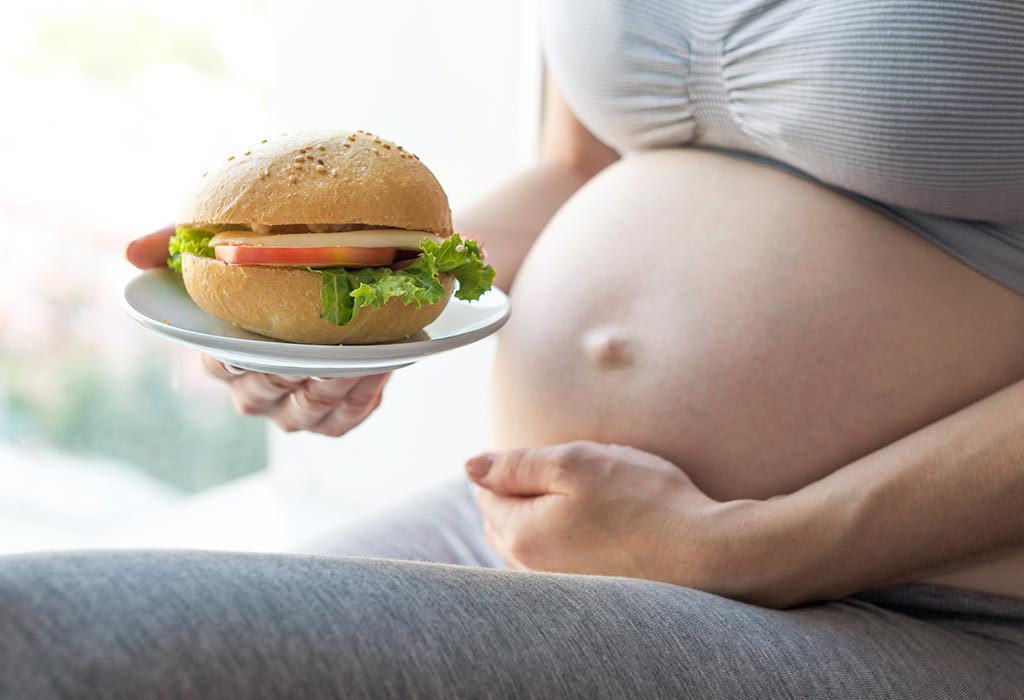
Can you eat burgers during pregnancy? – When cravings hit, and the mind goes to that yummy deli burger, this is what many pregnant women wonder to themselves. Burgers come under junk food, and we all know why. The greasy patty, different types of loaded cheeses, veggie additions, and mouthwatering sauces. However, burgers are considered junk food; exercising caution is necessary. It’s not that you can’t eat out, you just need to be aware of what’s going inside your burger and how you can customise it according to your health priorities. What’s better? You can try making burgers at home. This way, you not only control what goes into your burger but also the portion. Scroll down to find everything you need to know about eating burgers during pregnancy, how to make a burger healthy and safe, and whether you can eat out.
Can Pregnant Women Eat Burgers?
Nutritionists usually advise pregnant women to refrain from consuming junk and processed foods during pregnancy, as they are unhealthy and offer zero nutritional value to the baby. So if you are wondering if you can eat a burger from your favourite eatery, the answer is you can as long as the meat going inside the burger is thoroughly cooked with no trace of pink or blood (1). You can enjoy a homemade burger once in a while. As long as you choose the right filling for your homemade burger, you can eat it!
How Many Burgers Can a Pregnant Woman Eat?
Pregnant women are advised to eat burgers in moderation, once a week. Consuming them often and in excess will only invite unnecessary weight gain and other complications during pregnancy. About 100 to 150 grams of burger patty per serving is ideal for pregnant women.
Instead of purchasing, prefer homemade burgers as they are made hygienically and with safe ingredients in moderate quantities. The second trimester can be a good time to have burgers. Make sure you add lean meat to your burger and cook it well to avoid foodborne illness.
Are There Any Health Benefits of Eating Burgers While Pregnant?
There are no such significant benefits to eating a store-bought burger, as they may contain undercooked meat, stale/unwashed veggies or buns made with all-purpose flour. But if a restaurant or food chain claims that they use whole wheat buns or make their burgers from ‘fresh produce only’, then you can try them in moderation.
However, you can definitely enjoy a healthy homemade burger by using the right ingredients, such as a well-cooked meat patty, fresh vegetables, any pasteurised cheese, and a whole-wheat bun. This will make your burger a wholesome meal with good nutrients like protein, fats, and fibre. That said, homemade burgers also need to be eaten in moderation, as they can also be of great caloric value.
Harmful Effects of Eating Burgers During Pregnancy
If you ever have the temptation to go for a take-out burger from a burger joint, resist the temptation. Why? Eating burgers can be harmful to your baby’s health. Here are some of the harmful effects of eating burgers when pregnant:
Fast-food chain burgers often comprise high-fat meat and fattening toppings, which increase excess caloric intake and lead to unnecessary maternal weight gain, cardiovascular problems, and even impaired fetal growth and preterm birth in babies (2).
Sometimes the meat used to make burger patties may be stale or undercooked, which can increase the risk of food poisoning during pregnancy due to parasites and bacteria such as E. coli, Salmonella, Listeria, and Toxoplasmosis (3). If the meat you use is contaminated or kept in unhygienic places, it can cause food poisoning.
Pregnancy is the time when you may like to go for a healthy and wholesome diet. Eating ‘junk food ‘- a concentrated diet during pregnancy can result in negative health effects. So, avoid making burgers a part of your routine diet while pregnant.
Is It Normal to Crave Burgers in Pregnancy?
Pregnancy is a time when you crave the most random of foods, and you’ll be surprised to know that burgers might top the list. During pregnancy, many women crave meat, especially red meat, spicy foods, and eggs, making a burger a go-to choice to satisfy those cravings (4). Whether you were a burger connoisseur before pregnancy or rarely ate them, you might find yourself craving a good burger during this time. This is completely normal and nothing to worry about.
Burger Toppings That Are Safe to Eat While Pregnant
Sometimes, burger toppings are what make or break a burger. Yes, burgers and pregnancy don’t have to be at odds if done right. If you’re making burgers at home during pregnancy, you may want to choose your favourite toppings. Here are some burger toppings that are safe to add to your homemade burger.
Tomato & Onions: The most common and safest burger topping, all you have to do is ensure these are properly washed.
Lettuce: If you like lettuce in your burger, there’s no harm in adding some during pregnancy, too. Ensure that the leaves are individually washed.
Fried Eggs: Eggs provide a host of nutrients during pregnancy, and are perfectly safe to add, as long as they are thoroughly cooked.
Pickles: Most women crave pickles during pregnancy, so adding these to your burger will do more good than harm. Just make sure you restrict the quantity to a few slices, as pickles have a high salt content.
Cheese: There’s no overall judgment on whether cheese is healthy or not, as it ultimately comes down to which cheese you choose and how much you use. Hard or semi-soft cheeses that are made with pasteurised milk are safe, so make sure you check the label for these terms. Avoid any kind of cheese or dairy item made with unpasteurised milk, as it could be detrimental to your and your baby’s health.
Sauces: The main concerns with sauces are salt, eggs, and preservatives. Choose a sauce that is free of egg (or at least contains pasteurised eggs). Better yet, make your own sauce at home for optimal health.
How to Make a Healthy Burger at Home?
If you are craving a burger in pregnancy, you don’t have to order one from a store. You can fix yourself a healthy burger at home. Here’s how you can make one!
Go for finely ground fresh lean meat or a chicken patty, as it contains less saturated fat. Lean meat is considered a healthier form of protein, which may positively affect the development of foetal tissue.
Add a lot of vegetables like chopped carrots, sweet potatoes, and tomatoes to your burger as they can provide the much-needed dose of potassium, phosphorus, calcium and vitamins A, C, and B1 required for the wellness of pregnancy.
Make patties using black beans, quinoa, and lentils as they are a good source of protein, fibre, and micronutrients. These ingredients will help you tackle one of the most difficult pregnancy symptoms, constipation.
Spice your burger with herbs like thyme, basil, oregano, and sage as they are rich in antioxidants and do not pose any side effects.
What Is the Right Temperature to Cook a Burger During Pregnancy?
Buying a food thermometer during pregnancy will ensure that any meat you cook is safe to consume. According to the USDA food safety guidelines, all poultry should be cooked to a minimal internal temperature of 165° F (5). Meats such as pork or mutton should be cooked to at least 145° F if they are not ground. All ground meats should reach a temperature of at least 160° F (6).
Tips To Consider While Making a Healthy Burger When Pregnant
Here are some tips to keep in mind when making homemade healthy burgers during pregnancy.
Make sure the meat is properly cooked before eating. If you’re in doubt, don’t eat it.
Avoid adding too many store-bought sauces as they are high in sodium and preservatives, which are not good for the fetus’s health and development (7) (8).
All meats and veggies used should be thoroughly washed.
Even if you’re using lean meat, do not go beyond the daily recommended limit for pregnant women.
Try to incorporate healthy veggies and ingredients, so you’re getting the right nutrients while satisfying your craving.
FAQs
1. Can I eat burgers in the first trimester of pregnancy?
Yes, you can eat burgers in the first trimester of pregnancy if you are craving one. However, in moderation. Make sure that the meat put into the burger is fully cooked to avoid any risk of Salmonella or E. coli (9). Instead of eating burgers from outside vendors, prepare them at home using freshly cut and thoroughly washed vegetables and whole-grain buns. This way, you can enjoy burgers in a healthier way.
2. Can pregnant women eat a cold burger?
It is not safe to eat a burger cold out of the refrigerator, as there might be bacterial growth since it was stored. You can definitely store a burger in the fridge within 2 hours of preparing it, as long as it is in an airtight container. Additionally, eat it within a day or two of storing, and heat it up to at least 160° F to kill any bacterial growth that may have occurred.
3. Is it safe to consume a veggie/vegan/vegetarian burger during pregnancy?
Most veggie burgers are safe to consume during pregnancy, as long as you make them at home. Make sure you thoroughly wash all the vegetables being used, and avoid any vegetables that may be unsafe during pregnancy.
4. What are some healthy alternatives to a burger during pregnancy?
If you are looking for a low-fat option or any healthier alternative to a burger, you may try a grilled chicken sandwich made with whole wheat bread, quinoa salad, lentil soup, tofu wrap, or veggie stir-fry. Tommy’s says that cooking chicken breast or fish in a non-stick pan is another cheaper and healthier alternative to processed meat options like burgers (10).
5. Is a burger healthy during pregnancy?
Burgers from restaurants are not healthy, but can be made a part of a healthier diet if made at home using fresh, clean, and thoroughly cooked ingredients like lean meat, whole-grain buns, and fresh vegetables.
Burgers or other junk foods don’t offer any nutritional value to a pregnant woman or her baby. If you crave a burger or any other unhealthy food, just remember that it won’t do any good to your baby – this thought will keep you from reaching for unhealthy foods during pregnancy. However, if you still want to enjoy it once in a while, you can make a healthy burger using cheese, paneer, soya chunks, or lean chicken. Add colourful veggies and healthy fats like egg yolk, coconut oil, or olive oil. Better yet, consult your doctor before including any unhealthy food in your pregnancy diet.
Also Read:
Eating Mussels in Pregnancy
Eating Pizza when Pregnant
Is It Safe to Eat Chicken during Pregnancy?
Read more

Thyroid and Risk of Miscarriage
Although pregnancy is the most blissful time of a woman’s life, it has its set of complications. Women have to go through various complications, and one such is related to the endocrine gland called the thyroid. This is a small gland which secretes thyroid hormones and is located in your neck.
There are times when your thyroid gland makes excess hormones or very little hormones. These conditions are known as hyperthyroidism (excess hormones) and hypothyroidism (fewer hormones). The hormones released by the butterfly-shaped thyroid are essential because they regulate the use of energy in your body, thereby affecting the function of almost every other organ in the body. Unregulated thyroid glands can cause bodily functions to speed up or slow down drastically. This leads us to the crucial question- can thyroid problems cause miscarriage?
How Thyroid Increases the Risk of Miscarriage
Thyroid problems have long been associated with spontaneous loss of pregnancy, also known as a miscarriage. The connection between thyroid and miscarriage has long existed, especially if you have a hypothyroid condition. There is an increased risk if you have Hashimoto’s disease, an autoimmune disease that affects thyroid function. Hyperthyroid conditions can also lead to miscarriage if not appropriately treated. You could be affected in the following ways:
Luteal defects and ovulatory problems are higher if you have a thyroid condition.
Pregnant women require an increase in thyroid hormones for foetal development and thyroid dysfunction can hamper this.
Hashimoto’s can prevent immunological changes required in the body to support a healthy pregnancy.
1. Miscarriage Risk Due to Hypothyroid
Many women are troubled with the question – can low thyroid cause miscarriage? Hypothyroidism can increase risks of miscarriage, anaemia, preeclampsia, congestive heart failure, or stillbirth. Normal levels of thyroid hormone for pregnancy stand at less than 2.5mlU/L during the first trimester and below 3.0mlU/L throughout the rest of the pregnancy. Anything less than this should be treated. If you have mild hypothyroidism, you may require monitoring but no treatment. Treatment will include supplementing your T4 with T4-mimicking hormones for women with very low levels of TSH. You can further help yourself by having a comprehensive thyroid screening if you have a family history or previous miscarriage due to thyroid conditions.
2. Miscarriage Risk Due to Hyperthyroid
Levels that are higher than 5.0mlU/L during pregnancy require treatment for hyperthyroidism. The only possible treatment of hyperthyroidism during pregnancy is the minimal use of antithyroid drugs to maintain the T3 and T4 levels during pregnancy. Radioactive iodine which is the normal course of treatment needs to be avoided as it can cross the placental barrier and harm the foetus. Untreated hyperthyroidism can cause foetal tachycardia, premature birth, stillbirth, or pregnancy loss in the first trimester.
Measures to be Taken to Avoid Miscarriage Due to Thyroid
Here are some tips for thyroid and pregnancy loss:
1. Comprehensive Thyroid Screening
People with family history and previous complications should have comprehensive screening.
2. Thyroid Hormone Replacement Medication
Hypothyroidism with TSH above 10.0 requires treatment.
3. Plan your Pregnancy
If you are hypothyroid, then plan your pregnancy well and keep your TSH is in the target range. Increase the dose of your medication when pregnancy is confirmed.
4. Test for Pregnancy Early
Test for pregnancy as early as possible and start medication if you have hypothyroid. This is because underactive thyroid and miscarriage go hand in hand. There are tests that can show results within 7 days of conception. Knowing early will help you start treatment on time.
5. Have Periodic Evaluations
Take periodic tests during your pregnancy and adjust the dose of medication to suit you.
6. TPOAb Conditions Require Treatment
TPOAb-positive (Auto-antibodies to thyroid peroxidase) patients require thyroid hormone-replacement treatment early in the pregnancy.
7. TPOAb Positive Condition
If you are TPOAb-positive with a history of recurring pregnancy loss, you should be treated accordingly.
8. ART Procedures for Conception
ART (Assisted Reproductive Techniques) procedure patients like IUI or IVF who have subclinical hypothyroidism should start treatment before pregnancy.
9. Overtly Hyperthyroid Condition
Overtly hyperthyroid conditions during pregnancy require treatment with antithyroid drugs.
FAQs
Frequently asked questions related to hypothyroidism, early miscarriage, and hyperthyroidism have been explained below:
1. What is a Good Thyroid Level for Pregnancy?
Thyroid levels during pregnancy should be between 2.5mlU/L to 3mlU/L throughout the gestation period.
2. If I am Treated for Hypothyroidism, How Can I Lower My Risk of Miscarriage?
You should be vigilant and take a comprehensive screening. You must also get tested periodically throughout your gestation period and have your doctor alter your dose according to your needs.
It is unquestionably possible to have a healthy pregnancy and deliver a beautiful baby even if you have thyroid conditions. What is important is to be aware of your condition and take the required medication. Do not feel stressed because this can only worsen your hormone levels and put you at greater risk. Work closely with your doctors and healthcare professional to get all the help you require. Equipped with the knowledge and the right medication, you should sail through your pregnancy and have your little one soon enough!
Also Read:
Risks of Miscarriage during Pregnancy
Effective Tips for Avoiding a Miscarriage
Incomplete Miscarriage
Read more

Cramps But No Period: Causes and Treatment
Cramps but no period? Cramping in women is usually associated with the menstrual cycle. These cramps occur when the uterus sheds the lining created in preparation for pregnancy. However, cramps can be annoying and baffling when you have cramps without being on your period. Numerous conditions, including inflammatory bowel illnesses, endometriosis, and fibroids, could cause people to endure cramps devoid of a period. Determining the precise cause of cramps resembling menstrual periods might be challenging. In this article, find out more about the why’s and how’s of cramping but not period.
I Am Having Cramps Without Period, Am I Pregnant?
There could be many reasons why you might be experiencing cramps while not on your period. The first step you can take at home to identify the cause is to take a pregnancy test. In rare cases, a negative pregnancy test can be wrong, so ensure that you schedule a visit to the gynaecologist too.
Why Do I Have Cramps But No Period?
Some of these reasons for the cramps could be:
1. A Late Period
The cramps you are experiencing could just mean that your period is late. When your body ovulates late, you could experience cramps. You could also experience cramps if you have irregular cycles and your body is adjusting to it.
The cramps will occur on one side of the body and last from a few hours to a few days. This type of cramp is usually accompanied by gas and constipation.
2. Inflammatory Bowel Disease
When your immune system gets compromised, it may result in inflammation in parts of your digestive system due to diseases like Crohn’s disease or ulcerative colitis. This may cause you to experience severe cramps but no period may occur.
With Crohn’s disease, you might feel cramps in your belly’s lower right side or centre. In the case of ulcerative colitis, the cramps will be localized to the lower left side.
3. Ruptured Ovarian Cyst
Having cysts on your ovaries can be painful. There are many young women who are dealing with this issue in India today. When a large cyst ruptures, you can experience cramps.
A ruptured cyst doesn’t always cause pain. If you do experience pain, it will come as sharp cramps on either side of your lower abdomen, below your belly button.
4. Pregnancy Pain
Period pains but no period, could I be pregnant? Yes, The combination of ‘mild cramps, no period’ can be an early pregnancy symptom. It is caused when the fertilised egg attaches to the uterus. This is also called implantation pain.
These cramps will be slight and occur around 4 weeks into your pregnancy. Since this is usually the time you would expect your period, it is best to take a pregnancy test. You must take a pregnancy test if you have cramps but no period and white discharge.
5. Ectopic Pregnancy
An ectopic pregnancy occurs when the baby grows outside the womb. The most common place for this pregnancy is in the fallopian tubes. This condition is life-threatening to the mother and will not result in a live birth.
These cramps usually begin mildly but then become shooting pains on one side of your abdomen. The pain could even travel to your lower back and shoulders.
6. Miscarriage
The loss of the fetus before the 20th week of gestation is called a miscarriage.
You will usually experience bad cramps but no period will manifest.
7. Endometriosis
This is a serious and chronic condition where pieces of the uterus lining attach to other organs and begin to grow.
Cramps due to endometriosis feel like regular cramps but can occur anytime.
8. Pelvic Inflammatory Disease (PID)
This is a bacterial infection that’s usually spread via sex and affects all your reproductive organs.
The cramps will be felt on both sides of your stomach and you will experience lower back pain.
9. Interstitial Cysts
This is a condition that affects your bladder and is also known as painful bladder syndrome.
There will be lower abdominal cramps but no period will occur. You will experience pain in your genitals and tenderness in the lower part of your stomach.
10. Irritable Bowel Syndrome (IBS)
This disorder causes diarrhoea or constipation along with bloating and stomach pain.
The cramps associated with IBS are sudden and felt in the stomach. These cramps might improve when you take a dump. They might worsen during your period.
11. Appendicitis
The inflammation of the vestigial organ called the appendix is known as appendicitis. This condition usually requires emergency surgery.
The cramps will originate in your belly button and then move to the lower right side of your stomach. The cramps will be bad enough to wake you up if sleeping and will worsen when you move, sneeze or cough.
12. Ovarian Cancer
This cancer starts in the ovaries, which are responsible for the production of eggs.
The cramps can be easily mistaken for gas or constipation as the pain feels vague. However, the pain and pressure in your lower stomach will not subside.
13. Pelvic Floor Muscle Dysfunction
This condition involves spasms in the muscles controlling the bladder, womb, vagina, and rectum.
These cramps are severe and are felt in the lower portion of the stomach. This could also be accompanied by pain in the groin and back.
14. Menopause
Menopause is the stage in a woman’s reproductive life when the eggs are no longer released by the ovaries. She can no longer have biological children.
The cramps feel very similar to the ones you get on your periods. These are uterus cramps without a period. Doctors do not have an explanation for this and the cramps should subside in a few months.
15. Stress
If you are unable to sleep, have headaches, and feel disoriented more than usual, you could suffer from stress.
The cramps will not necessarily be in the abdominal area only – it can occur in the thighs, calves, feet, etc.
Needless to say, some of these conditions can be quite serious and require advice from your doctor on the best way to treat them.
16. Sexually Transmitted Infections (STI)
Sexual contact between two individuals can cause sexually transmitted infections (STI). These infections include HPV, gonorrhoea, syphilis, herpes, chlamydia, and HIV. Sexual contact may include oral, anal, or vaginal sex.
While some STIs may not show symptoms, some of these conditions can cause abdominal pain and cramps. If you have cramps alongside other symptoms such as foul-smelling vaginal discharge, bumps or sores around the genital area, painful urination with a burning sensation and unusual vaginal bleeding, contact your doctor immediately.
17. Fibroids
Small, non-cancerous tumours called uterine fibroids to develop inside or on the surface of the uterine walls.
Several people have fibroids but show no symptoms. Even when a person is not on their period, they might still result in bleeding and pain.
18. Thyroid Condition
As your thyroid controls how your brain functions, mood changes that you may have assumed were caused by PMS might be linked to your neurologic health.
Also, if you are not ovulating, your uterine lining may have accumulated but not shed, causing spotting or cramps.
Difference Between Pregnancy Cramping and Menstrual Cramping
Pregnancy cramping is very different from menstrual cramping. It is caused mainly by the uterus as it expands to accommodate the growing baby. This type of pain is called round ligament pain. It is a dull ache that can turn into shooting pain while walking. Round ligament pain is due to undue stretch of the round ligament and not the uterus.
Menstrual cramps are more severe than pregnancy cramps. Pregnancy cramps are accompanied by other symptoms like tender breasts, frequent urination, fatigue, mood swings, and an increased appetite.
Symptoms of Cramping Without Periods
The above-mentioned conditions are some that can cause cramps without any sign of a period. The most obvious sign of cramping without periods is the absence of menstrual bleeding, but if the pain comes with other symptoms, it is worth looking into to rule out any underlying medical condition.
How Cramping Without Periods Can Be Diagnosed?
Whether or not you are on your period, you should always call a doctor if you experience cramps that won’t go away. (If you get sudden, severe abdominal discomfort that worsens, seek medical attention right once.)
Whether your discomfort is acute or continuous, your doctor will want to know. They may be able to diagnose and treat you more quickly if you provide more information. To determine the source of your cramping, your doctor could do tests or other treatments. Common testing includes the following if your doctor thinks it may be related to your uterus or ovaries:
Pelvic examination
Ultrasound
A sort of exploratory surgery known as laparoscopy is used to view the internal organs of the pelvic region, such as the uterus, cervix, ovaries, and fallopian tubes.
If your doctor suspects that any of those conditions is the cause of your cramps, they may recommend a urologist, someone who specialises in intestine or stomach diseases, or both.
Treatment
Most of the conditions that cause cramping with no period must be brought to your doctor’s attention. If the cramping is an indicator of an underlying problem that requires medical attention, your doctor will be the person best suited for your needs. They will advise you on the treatment plan and medications your condition would require. Some of the conditions require dedicated lifestyle changes. Once you follow your doctor’s advice, you should recover entirely.
Some other conditions can be alleviated by making simple changes to your lifestyle and do not require medical attention.
PMS can be alleviated and even avoided if you ensure the following:
Exercise every day for at least 30 minutes.
Consume a balanced diet with whole grains, green leafy vegetables, and fruits.
Ensure that you get the daily recommended dose of calcium in your diet.
Avoid salt, caffeine, alcohol, and smoking.
Get adequate sleep.
Lower your stress levels by meditating or taking up yoga.
Track your moods using a journal.
Use over-the-counter drugs to manage the pain.
Take vitamin and mineral substitutes.
If you are going through menopause, it is best to talk to your doctor about your expectations for your quality of life. You can also try different remedies to ease any discomfort.
Exercise every day for at least 30 minutes.
Consume a balanced diet with whole grains, green leafy vegetables, and fruits.
Avoid salt, caffeine, alcohol, and smoking.
An estrogenic ointment is usually prescribed by the doctor.
Consider hormone replacement therapy.
Other Tips to Relieve the Pain
You can try these remedies to alleviate pain when you have cramps sans any period or pregnancy confirmation.
The best thing you can do for yourself is to lie down. Find a comfy couch or bed to lie in the most comfortable position.
Use a heat pack over the area where the cramps seem the worst.
Alternatively, you could take a warm bath. This will help your muscles relax and relieve any stress you might have.
Take a gentle stroll in your neighbourhood park. Walking helps with cramps.
Drink a warm cup of water with lemon or make some herbal tea.
Note all the symptoms accompanying the cramps, especially if you are not on your period. A host of medical conditions are accompanied by mild to severe cramping that lasts for several days. You can try the home remedies mentioned above to ease your cramps during this time. However, if you do not see a reduction in cramps after two weeks, you should see a doctor. Tell them about all your symptoms, which could help them diagnose your condition much faster.
When to Consult a Doctor
Anyone with persistent cramps that don’t coincide with their period should consult a doctor for an accurate diagnosis. Although damage to the reproductive system may be irreparable and might result in long-term consequences, early identification and treatment of PID are crucial.
A doctor may recommend a patient to a gynaecologist if they suspect they have endometriosis or uterine fibroids. The gynaecologist may perform a physical examination, an ultrasound, or a laparoscopy to diagnose these disorders.
We recommend that you do not self-diagnose or self-medicate. Consult your physician for an accurate diagnosis and treatment plan to help alleviate your cramps. Do not share medication with your loved ones, especially if they are painkillers, as they can be addictive. We strongly recommend constantly communicating with your physician regarding changes in the condition of the cramps and other side effects.
Also Read: Early Pregnancy Symptoms before Missed Period
Read more

Unique Ideas For Throwing an Elephant Themed Baby Shower
Welcoming a little one into this world is a time of joy and is a wonderful reason to celebrate with your friends and family. Planning a baby shower can be very exciting, but the hardest part of it is coming up with the right theme. Elephants have always been known to bring cheer and good luck, so why not make this your baby shower theme? There are so many ways to incorporate this gentle and sweet animal into your baby shower; read on to find out a few!
Tips to Throw an Amazing Elephant Themed Baby Shower
Throw the perfect elephant-themed baby shower with these amazing ideas!
1. Elephant Themed Baby Shower Invitations
Choosing the right baby shower themed invites is the first step to planning an awesome baby shower. There are so many elephant themed baby shower invites online, and you can even find them in your local stores. You could even make your own adorable elephant invites by adding adorable illustrations of baby elephants. It is best to send your invites ahead of time since this will allow your guests to take a peek into the theme and even choose an elephant themed gift.
2. Elephant Themed Baby Shower Decorations
Decorate your baby shower with these creative and beautiful decoration ideas!
1. Fairy Light Background
If you want your elephant themed baby shower to look magical, you could go for a fairy light background! It will make the perfect addition to your event, especially when you want to light up an area of interest, such as a dessert table. A favourite among new parents are backgrounds made with colourful, flowy curtains, fairy lights and little elephant decorations in the front.
2. The Ideal Backdrop
A well-decorated wall can be the focal point that serves as an elegant stage for a baby shower. When compared to other baby shower themes, it is easier to find an adorable baby elephant backdrop. You could even create your own beautiful backdrop instead of going for just one huge poster. You could paint or print an adorable picture of a cute baby elephant and stick it on your wall. Make the wall more appealing with huge plastic or paper flowers in colours that suit your theme. Place them around the backdrop, and you are good to go!
3. A Personalised Touch
To give a personal touch to the baby shower, you can use beautiful, personalised accessories, such as a personalised vase containing your favourite flowers. You could also place little succulents here and there, baby shoes, small baby elephant stuffed toys and photo frames to personalise the event. Another creative idea is to hang colourful DIY baby elephant wall art all around.
4. Elephant Themed Baby Shower Centrepieces
One of the best centrepiece ideas for a baby shower is the ‘Paper Elephant Centrepiece’. You can either buy a cutout of an elephant or make one on your own and place it on the table. This is an ideal way to highlight your theme. You could also make the cutout more appealing using ribbons, glitter, buttons, etc. Use the colours of your choice for the centrepiece. ‘Elephants on Parade’ is another wonderful idea. This centrepiece can have three or more adorable little elephants walking, carrying beautiful flowers.
5. Elephant Themed Baby Shower Cake, Desserts, and Food Ideas
Cakes and other desserts are essential for a sweet occasion like a baby shower. A few popular elephant-themed dessert ideas include:
Pink elephant cake
Cute small elephant cake
Balloon elephant
Elephant cake pops
Baby boy elephant cake
Elephants on parade
Elephant cupcake cake
Decorated elephant cookies
Nutter butter cookies
Mini doughnuts with little elephants
These baby shower cakes are beautiful, but there are other simple ways to incorporate your theme into the cake. Using colours that suit your theme to decorate the desserts is an amazing option too.
For the main entrees and drinks, you could go for:
Elephant-shaped pizzas
Elephant-shaped peanut butter and jelly sandwiches
Pink/blue margarita
Pink/blue lemonade
6. Elephant Themed Baby Shower Games
Make your party more entertaining and fun with these elephant themed baby shower games!
1. Baby Bingo
The Baby Bingo is a classic baby shower game that is simple and fun! This is especially easy for people who have played the normal bingo game before. Everybody can participate in this game as it is easy to understand.
For the game, you will need a few elephant-themed bingo cards, which you can either download and print, or buy from a local store. Have enough cards for all your guests. Print and cut out the bingo grids and place these pieces in a jar or a box. When the game begins, draw a piece at a time and shout it out for the guests to check if they have it on their card. The goal here is to fill the row horizontally, diagonally, or vertically. The person who fulfils any of these criteria wins a gift!
2. Baby Nursery Rhyme
Let your guests get creative during your baby shower through this exciting game! This is another super practical game since all you will need are some nursery elephant-themed rhyme game cards and pens. For the game, give each player a card and a pen and set a time (say, 5 minutes). Within this time limit, your guests will have to finish the rhymes. They get to earn points for every correct answer. Calculate the total points and the guests with the highest points will win the game.
3. Baby Crossword
If you love crossword puzzles, then this is the perfect game for you! You could create your own elephant-themed crossword card and print enough out for your guests. Each guest has to finish the crossword puzzle in the allotted time. The one who finishes it first wins the game.
4. The Price Is Right
New mothers are usually frequent shoppers, and they basically get a bunch of items so regularly that they would always know their prices. And, guess the price can be a great game for a baby shower!
Design an elephant themed card containing pictures of common baby items, like baby powder, baby oil, shampoo, diapers, etc., leaving some space in front of each image. Give each of your guests a card and ask them to guess the price of the item. Let them fill as many as possible within an allotted time. Let them get the total of the items, and the person whose price is closest to the actual price wins the game.
5. Find That Word!
“Find That Word!” is a fun word search game that would be perfect for an elephant themed baby shower. You will be able to find a lot of game cards related to elephants and babies that would go great with your theme. Give each of your guests the game card and let them cross each word off. The person who gets the most words within the allotted time will win the game!
7. Elephant Themed Baby Shower Favours
From elegant keepsakes to pretty decorated accessories, party favours come in all sizes and shapes. If you are looking for elephant-themed party favours that your guests will never forget, then consider the following:
Blue and pink cotton candy
Cute elephant travel umbrellas
Homemade jams
Small notebooks with adorable elephant designs
Elephant ear cookies
Elephant shaped soap
Elephant themed coasters
Mason jars (with elephant designs on the outside) filled with candy
Succulents
Candles with elephant-themed candle holders
Ideally, one should decide a date for the baby shower and plan in advance to avoid last-minute stress, but that is not always possible. An elephant-themed baby shower can be a fancy choice to surprise and impress the mother-to-be and the guests, too. Make the decor as colourful and personalised as possible, and it will be the best elephant-themed baby shower!
Also Read:
Best Unicorn Themed Baby Shower Ideas
Creative Fall Themed Baby Shower Ideas
Winter Wonderland Baby Shower Ideas
Read more
Salads in Pregnancy: Safety, Benefits, & Precautions
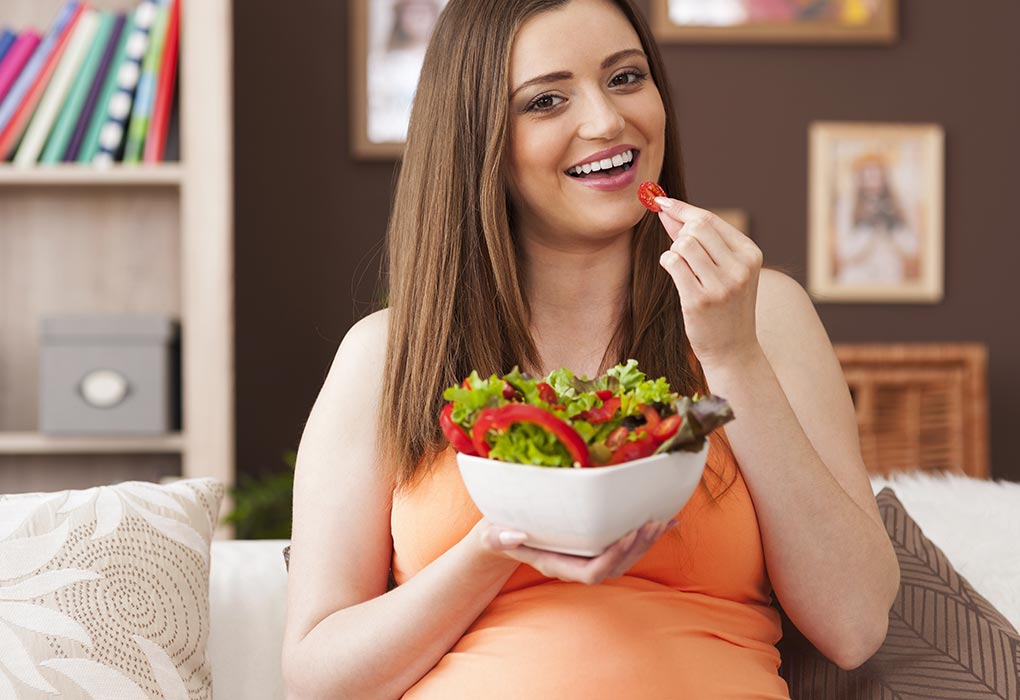
Salad for pregnant woman is a healthy and safe choice when it is prepared with fresh, thoroughly washed ingredients and made without high-risk foods such as unpasteurised cheese, raw sprouts, or undercooked meat. A well-balanced salad provides essential nutrients like folate, fibre, vitamins, and antioxidants that support both maternal health and your baby’s growth throughout pregnancy. However, proper food handling is just as important as choosing nutritious ingredients to minimise the risk of foodborne illnesses. In this article, you’ll learn everything about salads and pregnancy, including the benefits of eating salad while pregnant, the safest ingredients to include, foods to avoid, and the simple precautions you should follow to enjoy salads safely and confidently.
Can You Eat Salad While Pregnant?
Yes, absolutely! Salads are a refreshing and healthy choice when it comes to pregnancy and otherwise. Salads provide essential nutrients and minerals that are otherwise lost during cooking. Plus, they are fresh and crunchy, which helps expecting moms fight nausea.
However, consuming salad during pregnancy comes with a risk, too. These include bacterial or parasitical contamination that can gravely affect a pregnant woman. It is best to consume homemade salads, freshly picked and hygienically ensembled, to mitigate food poisoning and other issues.
Why Is It Important to Eat Salads During Pregnancy?
Eating salads, which include veggies that provide essential nutrients like iron, calcium, and folate, can do wonders for the health of a pregnant woman. If you include legumes, meat, and cheese, you can meet your fibre and protein requirements and keep your hunger satiated for a long period of time. Let’s take a look at the benefits of eating salad during pregnancy and why you should consider it, too.
1. Multinutrition
The more the variety in a salads, the different types of nutrients you will get. Vegetables, cheese, tofu, nuts, legumes, and dressings provide varied nutrients, making a salad a powerhouse of minerals and vitamins.
2. Weight Management
In the world of diet and fitness, salads are known for their excellent weight management skills. Salads with dressings are super tasty, fibrous, and properly filling, making weight management an easy task as opposed to heavy-cooked food.
3. Immunity Booster
Rich in antioxidants, key player salad ingredients like lettuce, romaine, arugula, cucumber, onion, tomato, kale, etc., are loaded with antioxidants that ultimately keep immunity in check, which is anyway reduced during pregnancy.
4. Strong Bones
Salads with plenty of green leafy vegetables help strengthen bones in pregnant women with sufficient calcium, iron, and vitamins A, C, K, and B6 (1) (2).
5. Cravings in Check
Pregnancy is a time of cravings where you may either want to have unlimited food or none at all. Salads act as fulfilling in-between meals or snacks as they are fulfilling and fibrous, keeping hunger pangs miles away.
What Are Some Risks of Consuming Salads During Pregnancy?
As we mentioned before, salads also come with some health risks that pregnant women should be cautious of. Below are some risks that may cause pregnant women if salads are not hygienically handled and prepared.
1. Salmonella
Mayo Clinic suggests that it’s important to steer clear of salads with raw eggs during pregnancy because they can carry salmonella bacteria, which isn’t safe for you or your baby (3). Potato salad, egg salad, coleslaw salad, ham salad, etc., are riskier choices, as per the CDC (4). However, you can enjoy it if it’s made without eggs. Besides eggs, salmonella can also lurk on certain fruits and veggies. So, it’s crucial to wash your produce thoroughly to lower the risk when making salads
2. Toxoplasmosis
Soil has a multitude of bacteria and parasites, one of them being toxoplasma parasites. These parasites can be easily transferred to pregnant women and cause toxoplasmosis if they eat raw salads made with veggies that are not cleaned properly. Symptoms may range from headaches and muscle pain to fever.
3. E.coli
Escherichia coli or E. coli is an infamous bacterium known to be harmful to humans, especially immune-compromised people like pregnant women, babies, senior citizens, and more. It is usually caused by unclean fruits and vegetables and leads to health issues like diarrhoea, vomiting, dehydration, cystitis, and more.
Precautions to Take While Eating Salads When Pregnant
Pregnancy risks and complications while eating salads can be mitigated easily by keeping some precautions in mind, such as (5):
Vegetables coated with soil may carry the toxoplasma parasite and cause infections if you eat those veggies. The infection may be mild for you, but it can be harmful to the health of your baby. So, make sure to thoroughly wash your vegetables and fruits and peel them well where needed before adding them to your salads.
Avoid adding raw eggs, raw fish, fish high in mercury, deli meats, cured meats (high in salt), or smoked food to your salad.
Avoid soft cheeses, like brie, ricotta, blue-veined cheese, camembert, queso fresco, and feta, to salads as they are unpasteurised (4).
Salad bars are easy and convenient, but they may be contaminated with several bacteria or parasites. Therefore, they should be avoided (6).
Avoid adding uncooked meat, ham, chicken, fish, or seafood to salads.
Avoid buying fruit or vegetable salads like coleslaw from restaurants or outside vendors. Make them at home.
What Salads Are Safe to Eat During Pregnancy?
When pregnant, there are some salads that you can look forward to that are safe and healthy for you:
1. Meat and Seafood Salads
No, we DO NOT mean that you can add raw fish, raw eggs, smoked fish, cold-cut meats, and seafood high in mercury to your salads. Anything raw, and anything from the sea which is high in mercury, is unsafe to consume during your pregnancy. When making a meat salad, make sure that the meat is cooked to perfection. You can include cooked turkey, cooked chicken, or salmon in salads to meet your daily dose of protein in pregnancy. You can also go for light canned tuna chunks, as these are low in mercury. However, take a dietitian’s opinion before including this in your diet.
2. Garden Salads
When you are pregnant, you will need more iron and folate in your diet, so go for lettuce and spinach to make some healthy pregnancy-friendly salads.
3. Fruit Salads
It is an ideal salad for pregnant woman. Fruit salads are a safe and delicious choice as they are sweet, juicy, and packed with vitamins. A fruit salad is generally safe to consume when you are pregnant, but be careful not to include fruits that are not advisable to consume during pregnancy. For toppings, stay away from anything that is high in sugar, such as whipped cream. You can opt for yoghurt instead.
4. Bean and Grain Salads
A bean salad made with boiled and cooked beans is a good source of protein and iron. You can include pasta or whole grains in your bean salad or make it more scrumptious by adding sweet potatoes, capsicum, and corn. Most pasta salad recipes require eggs, so either use a substitute or make sure the eggs are cooked thoroughly.
5. Paneer Salads
Cheese is a great addition to a salad, but using soft, imported cheese may be harmful, as it may contain listeria that can cause a miscarriage. Paneer is a safer choice when it comes to making salads with cheese!
6. Powerpacked Protein Salads
Cooked chicken, beef, lentils, edamame, beans, tuna, shrimp, cheese, and hard-boiled eggs are some great protein sources. To make a power-packed protein salad, you can use any of the ingredients and whip up a delectable fresh salad.
7. Chewy Salads
Chewy salads include the addition of quinoa, millet, or barley to traditional salads and enjoying a tasty meal.
Salad Recipes for Pregnant Women
Here are some delicious recipes for pregnancy and salad ideas that you can prepare that are easy, healthy and delicious:
1. Chicken and Arugula Salad
We all love to eat chicken now and then, but instead of eating heavy and spicy butter chicken or chicken tikka during pregnancy, eat a light and fresh chicken salad. You can make a healthy, filling salad for pregnancy with chicken and arugula (also known as rocket leaves).
Ingredients
Arugula leaves, 12 cups, rinsed and dried
Cherry tomatoes, one pint, halved
Olive oil, four tablespoons
Garlic, four cloves, chopped
Chicken tenders, one pound, diced
Salt
Pepper
Balsamic vinegar, three tablespoons
Mustard, 2 ½ tablespoons
How to Make
Mix arugula and cherry tomatoes in a bowl.
Take olive oil in a wok or pan, and heat it on a low flame. Add garlic to it, and saute.
Once its colour changes, add chicken, and cook it well.
Add the cooked chicken to the salad.
Pour a few drops of olive oil, vinegar, and mustard paste on it.
Drizzle salt as per taste and mix well.
Your chicken and arugula salad is ready.
2. Mixed Sprouts and Spinach
Sprouts and spinach make a healthy combination for salads. So, go ahead and try this salad recipe and enjoy! However, make sure that you don’t include raw sprouts, as these are not safe during pregnancy.
Ingredients
Chopped and blanched spinach, ¼ cup
Mixed sprouts, cooked, ½ cup
Jeera powder, one tablespoon
Curd, 1 ½ cup
Chilli powder, ½ teaspoon
How To Make
Mix spinach and sprouts in a bowl.
Add curd to it.
Sprinkle some jeera powder, chilli powder, and salt (as per taste) over it.
Mix well and keep it in the fridge.
Serve chilled.
3. Green Salad
This is one healthy and simple vegetarian salad recipe that you can make during pregnancy.
Ingredients
Spinach, two cups
Chopped celery, four tablespoons
Chopped kale, four cups
¼ cup curd
Lemon zest
Basil, finely chopped
Salt and pepper
How To Make
Mix spinach, celery, and kale in a bowl.
Add curd to it and mix well.
Add lemon zest and salt to taste.
Drizzle some pepper over it, mix well, and garnish with chopped basil.
Consume fresh.
4. Paneer and Chana Salad
This low-calorie salad is packed with Vitamin A and fibre.
Ingredients
Paneer, ½ cup
Boiled chana, ¾ cup
Tomatoes, ¼ cup, finely chopped
Lemon juice, two tablespoons
Salt
Pepper
Cumin powder
Coriander, finely chopped
How To Make
Take paneer cubes, chana, and chopped tomatoes in a bowl and toss well.
Add lemon juice to it.
Sprinkle salt, pepper, cumin powder, and toss again.
Garnish with chopped coriander and enjoy.
5. Fruit Salad
Eating a fruit salad can satiate all your sweet cravings during pregnancy!
Ingredients
Apple cubes, one cup
Chopped dates, ¼ cups
Banana cubes, ½ cup
Yoghurt, five tablespoons
Chopped raspberries, one cup
How To Make
Mix all the fruits in a bowl.
Add yoghurt to it and mix well.
Keep the bowl in the refrigerator for an hour.
Eat chilled.
FAQs
1. Can I eat pre-washed/refrigerated salad while pregnant?
According to Tommy’s, it is safe to eat a pre-washed and refrigerated salad before its use-by date as long as it is stored in an airtight container in the refrigerator (7). However, storing salads at room temperature can lead to bacteria formation, so avoid storing them at room temperature.
2. Can I eat raw salad during pregnancy?
Raw vegetarian salads can be eaten while pregnant, as long as all the vegetables are washed properly and are fresh. But avoid consuming salads with raw meat, raw eggs, and uncooked sprouts.
3. Can I eat packaged salads during pregnancy?
It is all right to eat packaged salads during pregnancy, as long as they do not include raw meat or eggs, or heavy dressing. Also, eat it well before its use-by date.
4. Can pregnant women eat Caesar salad?
Caesar salad contains raw eggs for dressing, and raw eggs carry a heavy risk of salmonella, which is not at all safe for pregnant women and their babies (3). When making caesar salad, you can refrain from adding raw egg and continue with the rest of the recipe.
5. What salad dressing is safe during pregnancy?
Dressings made with pasteurised dairy products and commercially prepared mayonnaise are generally safe. Avoid homemade Caesar dressing or mayonnaise containing raw eggs unless they are made with pasteurised eggs.
It is said that four to six cups of fruits and vegetables are needed daily during pregnancy. Salads are the perfect choice to add these to your diet. So, indulge in these pregnancy salad and eat healthy. Have a happy pregnancy!
Also Read:
Seaweed in Pregnancy
Pasta during Pregnancy
Is Eating Caesar Salad Safe when Pregnant?
Eating Raw Vegetables during Pregnancy – Is It Safe?
Read more

Pregnant During the Omicron Outbreak? Here's What You Need to Know
Pregnancy is one of the most blissful but equally demanding times in a woman’s life. Each pregnancy is different, and so is its set of uncertainties and challenges that come along with it. But, for a mother-to-be, giving birth to a little baby in the middle of a global pandemic will undoubtedly amp up her anxiety stress levels, as her unborn baby’s health and well-being are her primary focus during the nine months of her pregnancy.
Pregnant women, during this COVID-19 pandemic and with the new Omicron variant in place, will have multiple questions on their minds, which we shall now discuss below.
Are Pregnant Women at a Greater Risk of Contracting COVID-19?
Although the risks are mostly low, pregnant women are at a higher risk for falling ill from the COVID-19 virus. It’s important to note that there are also higher chances of preterm birth, i.e. delivering their baby before 37 weeks, stillbirth, and pregnancy complications in pregnant women affected by COVID-19. This is because the pregnancy changes reduce the immunity in general, called immunosuppression. Thus, shrinking the capability to fight against this dangerous disease.
What Are the Symptoms of the Omicron Variant in Pregnant Women?
As of today, the Centers for Disease Control and Prevention (CDC) have listed the following as the main symptoms of the Omicron virus:
Cough
Fever or chills
Fatigue
Shortness of breath or difficulty breathing
Loss of smell or taste
Sore throat
Muscle or body aches
Nausea or vomiting
Diarrhoea
Headache
Congestion or runny nose
However, it is not compulsory for all symptoms to be present at the same time to determine the chances of infection.
Does COVID-19 Affect the Baby in the Womb?
When the fetus grows in the mother’s womb, the placenta plays the role of a protective barrier between the baby and mother. The placenta blocks the transmission of any disease and helps pass the antibodies to the growing fetus. It may so happen that the COVID-19 virus passes on to the fetus during pregnancy.
Is the COVID-19 Vaccination Necessary for Pregnant Women?
During the early vaccination trials and because of many conflicting thoughts and theories, many pregnant women avoided taking the COVID shots and were exposed to the quickly-spreading Omicron virus. Since the increase in transmission can lead to hospitalisations and even deaths in rare cases, the World Health Organisation (WHO) has stated that it should not be treated lightly.
According to WHO, as far as the advantages of vaccines are concerned, these vaccines have the ability to protect pregnant women against any potential pregnancy risks. The vaccination helps the mother build antibodies that can protect the fetus.
Therefore, it is recommended to take the vaccines and booster doses to safeguard both the mother and the baby. However, do consult your doctor before going ahead.
How to Protect Yourself and Your Baby From the Omicron Virus?
It’s important to know that though vaccines are COVID-19 resistant, they are not COVID-19 proof. It can take just a single unvaccinated family member to infect everyone else in the family, including a pregnant woman. The following precautions can be taken to protect yourself and your baby if you’re pregnant:
Eat a healthy balanced diet and get a good night’s sleep. Pregnancy can reduce one’s immunity, so be careful as you could suffer from various infections and allergies along with COVID-19.
Stay active, and do breathing exercises. It is recommended to exercise at home to ward off any risk of contracting COVID-19. Meditation and yoga help alleviate any anxiety and stress due to COVID-19. Breathing exercises help improve the functioning of the lungs.
Do not allow visitors at home. Also, avoid any crowded places and social gatherings to stay safe.
Avoid touching your face or mouth after touching potentially contaminated surfaces like door handles, knobs, or furniture.
Always wear a mask and maintain social distancing.
If you are pregnant and diagnosed as COVID-positive, then quarantine yourself and follow your doctor’s instructions. Regularly monitor your oxygen levels and temperature.
While Omicron may be the latest COVID-19 variant, it’s definitely not the final one. By being careful and following these simple precautionary tips during pregnancy, you can help prevent a dangerous infection—and drive away those pregnancy fears!
Also Read:
Pregnancy During the COVID 19 Pandemic
Read more

12 Simple & Quick Baby Shower Finger Food Ideas
Pregnancy comes with joy and pain, morning sickness, and depression, but nothing can be more uplifting than a baby shower celebration. It’s a special occasion to cherish with loved ones, creating memories before the baby arrives. Planning such a joyous event is incomplete without fun finger foods for a baby shower. The right combination of sweet and savory finger food recipes can be an instant crowd-pleaser, ensuring that guests enjoy every bite. If you’ve been wondering what finger foods to serve at a baby shower, you can stop stressing over the choice of food and find ideas that will suit your needs, theme, and pocket.
Benefits of Serving Baby Shower Finger Foods
Serving finger foods at a baby shower is a convenient and delightful way to keep guests engaged while they celebrate the special occasion. Here are the benefits of serving easy finger foods for baby showers.
Finger foods require no utensils, making them hassle-free and reducing cleanup time. Guests can enjoy them while mingling and playing games.
From sweet treats to savory bites, finger foods allow you to offer a diverse selection that caters to different dietary preferences and cravings.
Preparing finger foods can be more affordable than full-course meals, making them a great choice for budget-conscious hosts without compromising on taste.
Since finger foods are small and portable, guests can eat while chatting, ensuring a lively and interactive atmosphere.
These bite-sized delights can be arranged beautifully to match the baby shower theme, enhancing the overall presentation of the event.
Budget-Friendly Finger Food Recipes for Baby Shower
Hosting a baby shower doesn’t have to break the bank! These budget-friendly finger food recipes are delicious, easy to prepare, and perfect for feeding a crowd without compromising on taste or quality.
1. Artichoke Crescent Appetizers
This colorful appetizer can be served both warmed up and chilled and will please guests on any occasion. Just bake, cut, and serve.
Source: Pinterest
Ingredients
Refrigerated Crescent Rolls – 8 Ounces
Grated Parmesan Cheese – 3/4 Cup
Shredded Mozzarella Cheese – 3/4 Cup
Artichoke Hearts (drained and chopped) – 15 Ounce
Creamy Salad Dressing – 1/2 Cup
Garlic Powder – 1/4 Teaspoon
Total Cooking Time: 20 Minutes
Servings: 8
How to Make
Preheat oven to 375°F.
Unroll the crescent roll dough. Press into the bottom and 1/2 inches up the sides of a jelly roll pan or baking sheet. Seal seams and perforations together. Sprinkle with Parmesan cheese. Bake in the oven until it turns light brown, 8-10 minutes.
Combine artichoke hearts, Parmesan cheese, mozzarella cheese, creamy salad dressing, and garlic powder in a bowl to form a smooth mixture.
Spread creamy artichoke mixture over the browned crust and sprinkle it with artichokes, green onions, and pimientos.
Bake until the cheese melts and turns brown for about 15 minutes. Cool it for 5 minutes. Cut into desired shapes and serve.
Wait until edges are golden brown for about 15-20 minutes. Cut into 24 pieces.
2. Tea Sandwiches
These healthy tea sandwiches can be made in various ways and eaten in a couple of bites.
Source: Pinterest
Ingredients
Coconut Flakes – 1/2 Cup
Almonds, finely chopped – 1/2 Cup
Package Cream Cheese (softened) – 8 Ounce
Orange Marmalade – 2 Tablespoons
Curry Powder – 1½ Teaspoons
Salt – 1/4 Teaspoon
Pepper – 1/4 Teaspoon
Diced Cooked Chicken – 2 Cups
Pumpernickel, Wheat, or White Bread Slices – 12 (1/2-inch-thick)
Diced Green Onions – 3 Tablespoons
Total Cooking Time: 10 Minutes
Servings: 24 Portions
How to Make
Bake coconut and almonds at 350°F in a shallow pan. Stir occasionally for five to ten minutes or until fully baked.
Blend cream cheese, orange marmalade, curry powder, pepper, and salt in a bowl; add it to the chicken and stir well.
Spread the chicken mixture on the bread. Cut each bread into three narrow strips; add some coconut, almonds, and green onions over each and serve warm.
3. Eggy Delight
This dish offers a yummy way to add more protein to your diet.
Source: Pinterest
Ingredients
Hard-boiled Eggs – 6
Mayonnaise – 2 Tablespoons
Low-fat Plain Greek Yogurt – 2 Tablespoons
Vinegar – 1 Teaspoon
Mustard – 1/2 Teaspoon
Paprika (optional)
Total Cooking Time: 60 Minutes
Servings: 12 Pieces
How to Make
Peel the boiled eggs, cut them into halves lengthwise, and scoop out the yolks from the whites.
Mash the yolks and add mayonnaise, yogurt, vinegar, and mustard to it.
Add the yolk mixture to the egg white. Store in a covered container and serve cold.
Savory Finger Food Ideas for Baby Shower
Savory finger foods are a must-have at any baby shower, offering a satisfying balance to sweet treats. These ideas are sure to delight your guests with every bite.
1. Avocado Deviled Eggs
This twist to the traditional egg with delicious avocado filling can become a party favorite.
Source: Pinterest
Ingredients
Ripe Avocado (peeled, pitted, and diced) – 1
Fresh Lime Juice – 2 Teaspoons
Mayonnaise – 3 Tablespoons
Yellow Mustard – 1 Teaspoon
Chopped chives (for garnish)
Hard-boiled Eggs – 6
Salt and Pepper
Clove Garlic – 1
Cayenne Pepper – 1/8 Teaspoon (for garnishing)
Jalapeno Pepper, Sliced – 1
Hot Sauce – A Splash
Total Cooking Time: 20 Minutes
Servings: 12
How to Make
Peel the boiled eggs, cut them in halves, and remove the yolks.
Add egg yolks, lime juice, chives, mustard, garlic, mayonnaise in a bowl and mash together—season with salt and pepper. Mash everything well for the mixture to be evenly combined.
Spoon the mixture into a piping or plastic bag with a snipped corner. Fill egg whites with the mixture, and then top those with jalapeno slices and a dash of hot sauce.
Garnish with cayenne pepper and chopped chives.
2. Mini Taco Salad Bowl Appetizers
This party-friendly recipe makes the best ready-to-go bites of scoop-style tortilla chips filled with beans and favorite nutritious fillings.
Source: Pinterest
Ingredients
Multi-grain Tortilla Chip Scoops – 2
Refried Beans – 1 Can (15 Ounce)
Shredded white cheddar Cheese, Sour Cream, Snipped Chives, Hot Sauce, and Finely Diced Avocado and Tomato
Total Cooking Time: 30 Minutes
Servings: 12 cups
How to Make
Put 1/2 tablespoons of the beans into each tortilla scoop and arrange them on a platter.
Top with cheese, chives, sour cream, hot sauce, avocado, tomato, and serve.
3. Broccoli and Chive-stuffed Mini Peppers
These party appetizers are filled with a flavorful cheese and topped with bread crumbs. They add plenty of crunch and cream to your meal to help them stand out.
Source: Pinterest
Ingredients
Miniature Sweet Peppers – 12
Cream Cheese (softened) – 1 Package
Minced Fresh Chives – 1/3 Cup
Salt – 1/8 Teaspoon
Pepper – 1/8 Teaspoon
Finely chopped fresh Broccoli – 2/3 Cup
Shredded Cheddar Cheese – 2/3 Cup
Total Cooking Time: 30 Minutes
Servings: 2 Dozen
How to Make
Preheat oven to 400°F. Cut peppers lengthwise in half and deseed them. Mix cream cheese, chives, salt, pepper, and broccoli, and spoon it into the pepper halves.
Place them on a foil-lined baking sheet. Bake until heated for 9-11 minutes. Sprinkle with cheddar cheese. Wait for 3-4 minutes longer till the cheese melts. Serve warm.
Baby Shower Finger Food Recipes for Boy
Celebrate the upcoming arrival of a baby boy with these fun and themed finger food recipes! From mini sliders to playful skewers, these dishes are designed to add a touch of boyish charm to your baby shower menu.
1. Cheese Bombs
These rich balls are made with cheese. and they burst and melt in your mouth, leaving an ultimate gooey cheesy taste.
Source: Pinterest
Ingredients
Cream Cheese (softened) – 120gm
Crumbled Gorgonzola Cheese – 1 Pack
Onion, finely chopped – 2 Teaspoons
Worcestershire Sauce – 1/2 Teaspoon
Black Pepper – 1/4 Teaspoon
Cooked and Crumbled Bacon – 1/2 Cup
Apple and Pear Slices
Grapes
Total Cooking Time: 90 Minutes
Servings: 6
How to Make
Beat Gorgonzola cheese, cream cheese, onion, sauce, and pepper together in a bowl until it forms a thick paste.
Pour the mixture into an air-tight container. Then, keep it in the refrigerator for at least an hour.
Once chilled, take small portions of the cheese mixture (about 1 tablespoon each) and roll them into smooth balls.
Roll each cheese ball in the crumbled bacon until fully coated. Press gently to help the bacon adhere.
Arrange the cheese bombs on a platter with apple slices, pear slices, and grapes for a fresh, balanced presentation.
Serve immediately or chill until ready to serve.
2. Tomato Skewers
If you are looking for finger food ideas for a boy baby shower, this quick, healthy, and fresh recipe is easy to assemble and makes the perfectly poppable appetizer.
Source: Pinterest
Ingredients
Grape Tomatoes, halved – 1 Pint
Fresh Mozzarella Cheese Balls, cut into thirds – 10-14
Wooden Skewers – 32
Extra-virgin Olive Oil – 1/4 Cup
Balsamic Vinegar – 2 Tablespoons
Kosher Salt – 1/4 Teaspoon
Pepper – 1/4 Teaspoon
Fresh Basil Leaves – 6 Thinly Sliced
Kosher Salt and Pepper – To Taste
Total Cooking Time: 15 Minutes
Servings: 8
How to Make
Add half a tomato, a cheese piece, and another half of the tomato in a skewer. Keep the skewers in a shallow dish.
Mix oil, salt, pepper, and vinegar in a bowl; sprinkle the mixture over the skewers along with basil and add salt and pepper.
3. Mini Burger Sliders
These adorable mini burgers are perfect for a boy-themed baby shower. They’re fun, easy to eat, and packed with flavor.
Source: Pinterest
Ingredients
Mini burger buns – 12
Ground beef or chicken patties – 6 (small, bite-sized)
Cheddar cheese slices – 6 (cut into quarters)
Lettuce leaves – 12 (small pieces)
Tomato slices – 6 (cut into small rounds)
Pickle slices – 12
Ketchup and mustard – for serving
Salt and pepper – to taste
Total Cooking Time: 20 minutes
Servings: 12 sliders
How to Make
Cook the mini patties on a skillet or grill, seasoning with salt and pepper.
Toast the mini burger buns lightly.
Assemble the sliders: place a patty on the bottom bun, add a small piece of cheese, lettuce, tomato, and a pickle slice.
Top with the other half of the bun and secure with a toothpick.
Serve with ketchup and mustard on the side.
Baby Shower Finger Food Recipes for Girl
Add a touch of sweetness and elegance to your baby shower with these girl-themed finger food recipes. From pink-inspired bites to delicate desserts, these dishes are perfect for celebrating the little princess on the way!
1. Mini Lemon Cheesecakes
Considered one of the best finger food ideas for a girl baby shower, these easiest and most divine little cheesecakes bursting with citrus filling can melt anyone’s heart.
Source: Pinterest
Ingredients
Cream Cheese (softened) – 250gm
Master Foods Lemon Butter – 280gm
Butternut Snap Biscuits – 200gm
Fresh Strawberries (halved) – 250gm
Total Cooking Time: 3 Hours
Servings: 12
How to Make
Place a Butternut Snap biscuit, flat-side up, into each of the 10 holes lined up on a muffin tray with paper shells.
Beat cream cheese and lemon butter using an electric beater until the mixture turns smooth. Spread the mixture evenly across the 10 biscuits.
Freeze the mixture for at least 3 to 4 hours. Remove the paper shell and garnish each cheesecake with strawberries before serving.
2. Sugar-free Peanut Butter Fudge
This guilt-free no-bake dessert recipe can be ready in minutes. The fudge is intensely smooth and sweet enough to make tasty little morsels that are extremely satisfying.
Source: Pinterest
Ingredients
Smooth Peanut Butter – 1 Jar
Rice Malt Syrup – 1/2 Cup
Coconut Cream – 1/4 Cup
Vanilla Extract – 1 Teaspoon
Coconut Oil – 3 Tablespoons
Total Cooking Time: 15 Minutes
Servings: 36 pieces
How to Make
Add coconut oil and rice malt syrup in a small saucepan. Stir until completely melted on low heat.
Add the remaining ingredients into the blend and stir vigorously until the peanut butter is completely melted and mixed through.
Pour the mixture on a lined baking tray. You can add any toppings/nuts/dried fruits). Freeze it for about 2 hours or until set.
Slice into bite-sized pieces and serve.
3. Pink Beetroot Hummus Stuffed Cucumber Cups
These vibrant, bite-sized cucumber cups are filled with a creamy, pink beetroot hummus. They’re healthy, refreshing, and perfect for a girl-themed baby shower!
Source: Pinterest
Ingredients
English cucumber – 2 (sliced into 1-inch thick rounds)
Cooked chickpeas – 1 can (15 oz, drained and rinsed)
Cooked beetroot (peeled and diced) – 1 small (about 1/2 cup)
Tahini – 2 tablespoons
Lemon juice – 2 tablespoons
Garlic clove – 1
Olive oil – 2 tablespoons
Salt and pepper – to taste
Fresh dill or chives – for garnish
Total Cooking Time: 20 minutes
Servings: 24 cucumber cups
How to Make
Slice the cucumbers into 1-inch thick rounds.
Use a melon baller or small spoon to scoop out the center of each cucumber round, creating a small cup. Set aside.
In a food processor, combine the chickpeas, diced beetroot, tahini, lemon juice, garlic clove, olive oil, salt, and pepper.
Blend until smooth and creamy. Add a splash of water if needed to reach the desired consistency.
Spoon the pink beetroot hummus into each cucumber cup, filling them generously.
Garnish with fresh dill or chives for a pop of color.
Arrange the stuffed cucumber cups on a platter and serve immediately.
Things to Keep in Mind While Serving Baby Shower Finger Food
Planning the perfect baby shower menu involves more than just delicious food—it’s about creating a memorable experience for your guests. By keeping these tips in mind, you can create a delightful spread that complements the joy and celebration of the occasion!
Check for common allergens (e.g., nuts, dairy, gluten) and provide alternatives.
Label dishes clearly to help guests with dietary preferences (e.g., vegetarian, vegan, gluten-free).
Avoid messy or overly saucy dishes that might spill.
Use chafing dishes, warming trays, or ice trays as needed.
Include both vegetarian and non-vegetarian choices.
Use toothpicks, mini tongs, or serving utensils to avoid direct hand contact with food.
Keep food covered until ready to serve to prevent contamination.
Plan for 8-10 pieces per guest to ensure there’s enough food.
Consider the duration of the event and whether a full meal will also be served.
Prepare make-ahead dishes that can be refrigerated or frozen until the event.
Opt for simple recipes that require minimal last-minute preparation.
Provide napkins, plates, and small forks for easy eating.
Ensure there’s enough seating or standing space for guests to enjoy their food comfortably.
Pair finger foods with refreshing drinks like lemonade, iced tea, or mocktails.
Keep water readily available for guests.
FAQs
1. Can I serve finger foods that are both sweet and savory in one bite?
Yes, you can! Dishes like bacon-wrapped dates or mini chicken-and-waffle skewers combine sweet and savory flavors, offering a unique and delightful experience for guests.
2. How can I make finger foods more interactive for guests?
Consider setting up a DIY food station, such as a mini taco bar, slider assembly station, or dessert decorating table. This adds a fun, interactive element to the baby shower.
3. How do I handle finger foods for outdoor baby showers?
Opt for sturdy, non-perishable options like skewers, mini muffins, or baked goods. Use covered serving dishes to protect food from insects and keep it fresh in warmer weather.
Serving mess-free finger food on a baby shower helps guests focus on socializing, playing games, and watching the soon-to-be mom unwrapping a bevy of adorably pint-sized gifts. Labeling the dishes can be useful for guests who might have food allergies, intolerances or follow special diets. Wash fruits and vegetables thoroughly before slicing them on separate cutting surfaces. Host a memorable baby shower with an astounding variety of finger food dishes that would satisfy the cravings and fulfill the appetite of both the mom-to-be and the guests as well.
Also Read:
Baby Shower Food Ideas
Baby Shower Dessert Ideas
Baby Shower Cookies Ideas and Recipes
Read more

Shatavari (Asparagus Racemosus) During Pregnancy
Shatavari, or asparagus racemosus, is a potent therapeutic agent which promotes overall well-being and good health. Shatavari, which means ‘a plant with 100 roots’, holds great importance in Ayurveda and is a solution to various health conditions. Shatavari is used as a special tonic by women of all age groups to help them ease through many of the natural transitionary phases of life. It is effective for various things, such as regularising female hormones, reducing PMS symptoms, enhancing breastmilk production, improving fertility and vitality, managing menopausal symptoms, and so on.
In this article, we will take a look at the nutritional benefits of asparagus, how to include it in diet and its side effects for pregnant women.
Can You Use Shatavari While Pregnant?
Shatavari strengthens the uterus and is known to help stimulate breast milk production during lactation. Taken after childbirth, it also improves immunity and strength and enhances the production of breast milk. However, it is advisable to consult an Ayurvedic doctor before consuming Shatavari during pregnancy to know the optimum amount that should be consumed and also to understand its interactions with other supplements you may be on.
Nutritional Facts of Shatavari
Shatavari is a source abundant in phytochemicals, which are non-nutritive plant chemicals that protect the body against disease-causing agents and promote good health. Phytochemicals present in Shatavari are known for strengthening the immune system and combating oxidative stress along with possessing anti-cancer properties. Some of the phytochemicals present in Shatavari include:
Steroidal saponins called Shatavarins
Alkaloids, mucilage, oligosaccharides, isoflavones
Sterols such as sitosterol found in the roots of Shatavari
Flavonoids such as rutin and quercetin that are found in the fruits and flowers of the Shatavari plant
Shatavari roots have various minerals such as vitamin A, B1, B2 and E, potassium, magnesium, calcium, iron and folic acid, Along with minerals, Shatavari is also abundant in ascorbic acid. It is rich in essential fatty acids such as gamma-linolenic acid, which is highly beneficial for treating diabetes mellitus, arthritis, depression, high cholesterol and heart disease.
Benefits of Eating Shatavari During Pregnancy
Asparagus racemosus has been used as a traditional healer for ages. It possesses phytochemicals that play an important role with anti-fungal, diuretic, anti-tumour and immunostimulatory properties. Shatavari is also a galactagogue which increases the production of breast milk in lactating mothers. The presence of other compounds such as saponins, sulfur-containing acids, oligosaccharides, and amino acids makes it a beneficial herb that promotes good health.
Here are some of the benefits of consuming Shatavari Kalpa during pregnancy:
1. Rich in Folic Acid
Asparagus racemosus is rich in folic acid which is a critical nutrient required for the development of the foetus. It is required both before and during the pregnancy to have a healthy baby.
The benefits of folic acid for pregnant women include:
Critical for neural development of the foetus
Important for the formation of new cells and DNA in the body
Reducing the chances of heart problems
Maintains health and prevents cancer
2. Helps With Lactation
Shatavari is known for its function as a galactagogue (milk enhancing substance) which is helpful in increasing the production of breast milk in lactating women. Its galactagogue effect is attributed to the presence of steroidal saponins, Shatavarins in the plant and confirmed by the evaluation of parameters such as levels of the hormone prolactin. Clinical trials with Shatavari root powder have shown elevated prolactin levels that were up to 3 times higher than normal with no toxic effects.
3. Stimulates the Immune System
It is said that the root extracts of Shatavari powder can stimulate the immune cells of the body. The body’s immunity after an infection can be suppressed and Shatavari roots can stimulate the immune system to fight against any new infection and speed up recovery. An active compound called sapogenin in Shatavari is a powerful immune-stimulator which is known to augment the body’s resistance in normal and immunity-suppressed phases.
4. Rich in Calcium
Calcium is an essential mineral required for the proper functioning of the body and development of teeth and bones. Pregnant women need ample amounts of calcium to support the development of the baby. Some of the functions of calcium include:
Build and strengthen the bone structure
Assist the foetal development in the uterus
Help in the formation of bones in the foetus
Prevent abnormal bone development in the foetus
5. Vitamin C
Vitamin C is abundantly present in Shatavari and is an essential nutrient for the body. It works as an antioxidant that protects the body from free radical damage. Vitamin C boosts the body’s immunity and prevents viral infections such as colds. It is also important for the formation of collagen which is the main protein that helps form the skin and other connective tissue.
6. Vitamin E
Vitamin E is a much-needed nutrient for both the mother and the foetus. Shatavari is rich in vitamin E, and here are some of its uses:
Protects the body from pollutants and toxins
Prevents health conditions associated with nerves in babies
Improves immunity and protects pregnant women from diseases
Helps maintain the health and vitality of the body
7. Vitamin B6
Shatavari is rich in vitamin B6, which is an essential vitamin for the body. It is needed by both the foetus and the mother to boost the immune system and regulate bodily functions. It also prevents the occurrence of nausea and morning sickness and regulates blood pressure.
8. Vitamin K
Vitamin K, which is also an essential vitamin for the body, is abundant in Shatavari. It is essential for maintaining cardiovascular health and preventing coronary heart disease. It also helps maintain the functions of the blood vessels in the mother and baby.
Side-Effects of Shatavari
Shatavari has properties similar to the female hormone oestrogen. Therefore, women who are on Shatavari kalpa during pregnancy can experience breast tenderness if they already have elevated oestrogen levels.
How Can You Include Shatavari in the Pregnancy Diet?
Pregnant women can consume one cup of asparagus to benefit from its essential nutrients. You can use it as a vegetable for salad or make a completely new recipe using it.
Dosage of Shatavari for Pregnant Women
To get the best benefits of Shatavari root during pregnancy, consume Shatavari kalpa granules as per the directions of your healthcare provider. The therapeutic dose may vary from person to person, so consult your doctor for the same.
FAQs
1. Can Shatavari Help to Prevent Miscarriage?
Shatavari in pregnancy is a true blessing for those suffering from miscarriages. The saponins in this herb are known for their anti-oxytocin effect that, in turn, reduces uterine contractions.
2. Can I Use Shatavari to Conceive?
You can take about 1/4 to 1/2 tablespoons of it daily after consulting with your doctor.
Shatavari is immensely helpful for lactating mothers. However, as it has positive as well as negative side-effects and it should be used only under the supervision of your doctor during pregnancy.
References/Resources:
1. Pregnancy and diet; betterhealth.vic.gov.au; https://www.betterhealth.vic.gov.au/health/healthyliving/pregnancy-and-diet
2. Asparagus racemosus, a medicinal plant; alliedacademies.org; https://www.alliedacademies.org/articles/asparagus-racemosus-a-medicinal-plant.pdf
3. Shatavari (Asparagus racemosus) extract can relax the myometrium; physoc.org; https://www.physoc.org/abstracts/shatavari-asparagus-racemosus-extract-can-relax-the-myometrium/
4. Shashi Alok, Sanjay Kumar Jain, Amita Verma, et.al; Plant profile, phytochemistry and pharmacology of Asparagus racemosus (Shatavari): A review; National Library of Medicine; https://www.ncbi.nlm.nih.gov/pmc/articles/PMC4027291/?report=classic; June 2013
5. Judith Gallagher; Adverse effects of herbs as galactogogues; National Library of Medicine; https://www.ncbi.nlm.nih.gov/pmc/articles/PMC6003012/; June 2018
Also Read:
Eating Dry Fruits in Pregnancy
Consuming Panchamrut when Pregnant
Is It Safe to Drink Kombucha in Pregnancy?
Read more

Baby Moves or Kicks in the Night During Pregnancy– Is it Safe?
A foetus generally spends most of its time sleeping, much like a newborn baby. This is only one of the numerous similarities that newborns and foetuses share. A foetus at 32 weeks is known to be developed enough to be able to listen to sounds, have thoughts and memories, and move around. They also spend nearly 90 to 95% of the time sleeping. Foetuses can hit REM (rapid eye movement) stage of sleeping, which is considered the deep sleep stage in most biological lifeforms. During this period, a foetus mimics the REM patterns of an adult by moving its eyes back and forth at a rapid pace. Here’s what you should know about babies kicking or moving at night.
What Are Normal Foetal Movements?
It is estimated that at seven-months, a foetus that sleeps 95% of the time also moves nearly 50 times every hour. This movement includes those you can feel, like kicking and stretching, as well as those you can’t, like blinking. It is estimated that every baby has unique movements by this period. This makes it hard to say if one type of movement is bad or good.
Doctors usually test the responses and heart rate of a foetus via an ultrasound to ensure the baby’s health. The closer a pregnant woman gets to the date of delivery, the more unique are the kinds of movement. Normal foetal movements are hard to define due to the individuality of the foetus, but a fair estimate is that every foetus stretches its joints, hiccups, blinks, burps, and kicks. If you feel a movement that is not normal, consult a paediatrician for a more detailed explanation about baby movements and take his opinion on the particular movement that had you worried (1).
Is it Okay If the Baby Moves at Night During Pregnancy?
Studies conducted by the American Pregnancy Association show that some babies are nocturnal and due to that are more active at night. You may feel a particularly hard kick if the baby is riled up about something. This can be due to discomfort, or lack of space for the baby to stretch. Doctors believe that as the foetus grows, it becomes more aware of its surroundings and then begins to resemble a newborn, both physically and psychologically. A baby active in the womb at night is not considered dangerous (5).
Why Do Babies Kick or Move in the Womb at Night?
The activity of the baby at night could be caused by your inactivity at night. During the day your movements can have an effect similar to that of a crib that rocks the baby to sleep. Inactivity could spark the foetus into a sense of alertness (3).
Psychology Today estimates that a baby could be alert and move around at night due to simple reasons like what you had for dinner or a late-night snack or just wanting to hear the mother speak (4). Studies by the same institute have shown that a foetus at the 7-month gestation period begins to react positively and calm down on hearing the mothers voice.
Tips for Would-Be Mothers Regarding Foetal Movements at Night
A baby kicking or moving excessively at night can be very uncomfortable for the mother. Here are a few tips to help settle them down:
1. Sing to the Foetus
Rather than playing music to the foetus, sing to it. Studies from The American Pregnancy Association prove that a mother’s voice helps calm the foetus down. This is why singing a lullaby can help calm down the foetus and put it to sleep (6).
2. Mimic Night Routines During the Day
Mimicking your nightly routine in the middle of the day can help settle the baby into recognising its surroundings, which may help it get used to the lack of movement at night. Watch TV, lie down, or read a book. Sedentary activities even for a few hours can teach the baby to adapt to non-movement scenarios.
3. Observe
Spend a few hours during the day to observe your baby. Their routines may help you understand their behaviour. You may be surprised to notice how much a baby moves during the day. A moving baby is a healthy baby (2).
FAQs
1. Does the baby’s movement pattern reflect their future sleep habits?
While it’s tempting to correlate nighttime kicks with future sleep patterns, there’s no evidence to suggest that an active baby during pregnancy will have similar habits after birth. These movements are simply part of their natural development.
2. Is it normal if my third-trimester baby moves all night?
Yes, it’s completely normal. During the third trimester, your baby’s movements are more pronounced as they grow stronger, and their space in the womb becomes limited. Babies have their activity patterns, and many tend to be more active at night when you are resting and paying closer attention (5).
3. When should I track my baby’s movements?
From the third trimester onwards, tracking your baby’s movements (kick counts) is important to monitor their health. If you notice any unusual changes in their pattern, consult your doctor (4).
Baby moving in the womb at night is not a cause for alarm. Most babies move the same amount during the day. If the baby does not move during the day but does during the night, there is no reason to panic. This may be due to your baby having a nocturnal cycle. Speak to your paediatrician freely and address any concerns you may have with him to put your mind at ease. Stay up-to-date with your check-ups and consultations, and listen to the doctor’s advice. Remember to remain calm – your baby can sense anxiety, which can make it feel uneasy.
References/Resources:
1. Huecker. B. R, Jamil. R. T, Thistle. J; Fetal Movement; National Library of Medicine; https://www.ncbi.nlm.nih.gov/books/NBK470566/
2. Baby movements in pregnancy; Tommy’s; https://www.tommys.org/pregnancy-information/pregnancy-symptom-checker/baby-fetal-movements
3. Your Baby’s Movements During Pregnancy; PeaceHealth; https://www.peacehealth.org/medical-topics/id/aby3689
4. Fetal Movement Counting; Stanford Medicine Children’s Health; https://www.stanfordchildrens.org/en/topic/default?id=fetal-movement-counting-90-P02449
5. Things that go bump in the night: new ‘normal’ for baby movements; University of Auckland; https://www.auckland.ac.nz/en/news/2019/06/13/things-go-bump-in-night-new-normal-for-baby-movements.html
6. Simkin. P; Beautiful Music: The Benefits Of Singing To Your Baby, Before And After Birth; Pathways; https://pathwaystofamilywellness.org/pregnancy-birth/beautiful-music-the-benefits-of-singing-to-your-baby-before-and-after-birth.html
Also Read:
Foetal Kick Counts
Quickening in Pregnancy
Baby Positions in the Womb
Facts About Baby Kicking in the Womb
Foetal Movement – Feeling Your Baby Move
Read more

Postpartum Depression – Causes, Symptoms and Treatment
The birth of a child marks the beginning of a new journey in the life of the parents, especially the mother. While the event is bound to bring joy and delight to the mother, it can sometimes be confusing to see the opposite happen. It is estimated that more than 40% of new mothers experience baby blues, an emotional state characterised by worry, unhappiness, fatigue and self-doubt. Baby blues usually disappear after a few days or a week, but if the feeling is prolonged and lasts for more than two weeks, it can be a case of postpartum depression.
Video: Postpartum Depression – Symptoms, Causes & Treatment
What Is Postpartum Depression?
Postpartum depression is the state of depression which may start during pregnancy or up to a year from the birth of the child. Depression is a mental illness which negatively affects the way you feel, think or act. It is hard to tell the difference between postpartum depression and the usual stress and exhaustion that is experienced due to new parenthood. It is not unusual to experience feelings of exhaustion, sadness or despair during or after pregnancy, but if the feelings prevent you from doing your daily tasks, then it could be an indication of postpartum depression.
Causes of Postpartum Depression
A number of things can lead to postpartum depression in new mothers. Women with a history of mental health conditions or depression are typically at a higher risk. The following reasons can also increase the possibility of postpartum depression:
Emotional fatigue which could be caused due to stress from pregnancy, illness, financial constraints, social isolation, or health problems in the newborn baby.
The hormonal changes experienced during pregnancy or after childbirth can cause postpartum depression. At the time of pregnancy, the levels of the hormones progesterone and oestrogen are higher than usual. The levels fall back to normal after delivery. This abrupt change may lead to depression.
Physical factors, such as inadequate diet, sleep deprivation, alcohol or drug abuse and low thyroid hormone levels can also lead to postpartum depression.
History of mental health illness in the family.
Women who are healthy and have had normal deliveries can also face this condition. Since the chances of postpartum depression affecting women with a previous history of depression are higher, do inform your doctor if you have previously suffered from anxiety or depression in the past.
Sign and Symptoms of Depression After Pregnancy
The signs and symptoms of depression after pregnancy are severe and can interfere with your ability to perform day-to-day activities. The symptoms can vary from person to person and from time to time. Here are some signs and symptoms to watch out for:
Being irritable or angry without any reason.
Extreme mood swings.
Difficulty in concentrating on any work.
Loss of interest in doing work and lack of enjoyment in pursuing hobbies.
Unexplained aches, pains, or illness.
Loss of appetite or uncontrolled eating, leading to sudden fluctuations in the bodyweight.
A feeling of worthlessness and lack of self-control.
Excessive crying without reason.
Sleeplessness, even after being tired and exhausted.
Avoiding people around you, even friends and family.
Worrying excessively about your baby or being uninterested in caring for the baby.
Experiencing feelings of guilt, along with self-pity.
Severe anxiety accompanied by panic attacks.
A doctor should be consulted if these symptoms recur or continue for a long time. The signs might surface within a few weeks of delivery, and if not treated, can stay for a long period causing damage to the mental health of the mother.
Postpartum Psychosis
Postpartum psychosis is a rare psychiatric condition which usually develops in the first week after delivery. The signs and symptoms of postpartum psychosis are more severe than those of depression, and include:
Paranoia
Delusions and hallucinations
Confusion and disorientation
Sleeplessness and sleep disturbances
Feeling of extreme obsession towards the baby
Postpartum psychosis is a serious condition which could lead to life-threatening behaviour and thoughts. It must receive medical attention immediately.
Difference Between Depression and Postpartum Depression
While the end result of both the conditions is the same, there is a difference between depression and postpartum depression. Unlike depression, postpartum depression is linked to pregnancy and is a result of various factors, such as hormonal changes, changes in the environment, emotional changes and genetic changes. Women with a history of depression or mental health illness are at a higher risk of suffering from postpartum depression.
Difference Between Postpartum Depression and “Baby Blues”
Here are some of the main differences between the two conditions:
Baby blues last for a shorter period (about two weeks after giving birth), whereas postpartum depression can last even up to a year after giving birth.
The symptoms of postpartum depression are much more severe than those of baby blues. Baby blues are characterised by a feeling of sadness and vulnerability, whereas postpartum depression is accompanied by anxiety, irritability, sadness, lack of interest in the baby, and a feeling of incompetence.
Baby blues appear after the child’s birth and disappear in a week or two after the birth of the baby, whereas postpartum depression may emerge anytime during the pregnancy and will last longer, taking a toll on the physical and mental health of the mother.
Baby blues disappear after ample rest, settlement of the birth-related anxiety, and comforting from the family members. Postpartum depression will need continued professional counselling to overcome the depressed state of mind.
Complications of Postpartum Depression
Depression is a chronic condition marked by cycles of recurrence and improvements. Depression has a severe impact on the mental health of the affected individual, leading to complications which can last for life. It can affect both the parents and children, too.
To mothers
Unattended postpartum depression in mothers can last for months or even longer in mothers and turn into chronic depressive disorder. Possible complications from postpartum depression to mothers include:
Effect on Mental Health: Depression is mentally taxing and takes a toll on the mental health of the patient. The trauma associated with depression can lead to negative changes in the lifestyle of the mother and make her more averse to the surroundings. Postpartum depression can lead to future episodes of major depression and unrest from which the mother might never be able to recover.
Effect on Physical Health: Depression can lead to adverse physical health conditions and increase the risk of obesity, heart attack and chronic illness in the patient. This is due to a disturbed lifestyle caused by mental trauma.
Risk of Suicide: Depression is known to cause up to two-thirds of all suicides due to changes in normal lifestyle, withdrawal from the society, regular irritability, and changes in the daily routine activities.
To Fathers
Postpartum depression has a ripple effect which can cause emotional stigma to everyone close to the mother and the child. The father is at particular risk of postpartum depression due to the emotional strain and negativity caused by being in the proximity of a person affected by depression. New fathers are at an increased risk of depression, irrespective of whether their partners are affected or not.
To Children
Children who have mothers suffering from untreated postpartum depression are likely to have emotional and behavioural problems due to negligence by the mother. Such children can develop attention deficit hyperactivity disorder (ADHD), and be prone to problems like excessive crying, sleeping, eating difficulties, and delay in language development.
Diagnosis and Test for Postpartum Depression
Diagnosis of postpartum depression is based on symptoms meeting specific traits and criteria. Individuals who face the symptoms of depression or have a family history of depression should seek the help of their doctor and get screened for depression if necessary.
The doctor will try to determine whether the postpartum baby blues are temporary or have the potential of leading to severe depression. Doctors can recommend blood tests to find out if hormonal changes and an underactive thyroid are contributing to signs and symptoms of depression.
Health professionals may also make use of psychological screening tests, such as the Beck Depression Inventory or the Hamilton Rating Scale, to assess an individual for depression.
How Long Does Postpartum Depression Last?
There is no defined period for which postpartum depression lasts, and it depends on how early the condition is detected and the kind of treatment given to the patient. Postpartum depression sets in during pregnancy or 2-3 weeks after childbirth. In women who receive timely clinical treatment, the symptoms of depression can last up to or more than one year. However, for women not receiving any clinical treatment, the duration can extend beyond three years.
Postpartum Depression Treatment
Depending on the severity of depression, the treatment time and method will vary. There are several ways of dealing with postpartum depression, such as psychotherapy, counselling, and medication.
1. Psychotherapy
Psychotherapy is considered to be one of the most effective therapies for treating postpartum depression. Psychotherapy involves sharing your concerns with a psychiatrist or a psychologist. The mental health providers suggest ways to cope with and come out of the depression. Through therapy, one can find better ways to solve problems, control mood swings, set realistic goals, and respond to situations in a positive way.
2. Counselling
Counselling is a way of treating depression by direct interaction between the affected individual and the counsellor or psychiatrist. Counselling can help you feel better if you are suffering from mild depression. There are different kinds of talk therapies, but the ones most commonly used to treat depression are cognitive behavioural therapy and interpersonal therapy.
a. Cognitive Behavioral Therapy (CBT)
Cognitive behavioural therapy is focused on changing the way you think and behave and is known for its effectiveness in treating anxiety, obsessive-compulsive disorder, depression, and other problems related to mental health. CBT is based on the premise that thoughts, feelings, physical actions and sensations are interconnected, and negative thoughts can trap you in the vicious circle of depression. CBT looks to break down problems into smaller parts and transform negative thoughts into positive ones. CBT is designed to provide practical solutions to improve your thought process on a daily basis.
b. Interpersonal Therapy (IPT)
Interpersonal therapy is a direct interaction between the therapist and the person suffering from depression. Here, the therapist focuses on four key problem areas of the patient, namely grief, role transitions, interpersonal disputes, and interpersonal deficits. Interpersonal therapy has proven to be one of the most valuable and effective therapies to treat postpartum depression.
3. Antidepressants
Antidepressants are drugs used to treat major depressive disorders, including postpartum depression. Antidepressants balance out the brain chemicals which are responsible for regulating moods and making you feel better. However, antidepressants have side-effects and may also enter your breast milk. Hence, antidepressants should be consumed only on a doctor’s prescription.
4. Medication
In the case of severe depression, a combination of medication, such as antidepressants, mood stabilisers, and antipsychotic medications can be used to control the signs and symptoms of depression. Medicine for postpartum depression should be taken only on the prescription of a doctor.
5. Electroconvulsive Therapy (ECT)
Electroconvulsive therapy (ECT) is recommended when postpartum depression is severe and does not respond to medication. ECT introduces small amounts of electrical current to the brain to produce waves which are similar to those that are generated during a seizure. The chemical changes in the brain can help reduce symptoms of depression.
Home Remedies and Lifestyle
Postpartum depression is generally not a condition which can be treated at home; however, a change in lifestyle will build on the treatment plan and help a speedy recovery.
Inculcate Healthy Lifestyle Choices: Including physical activities into your routine, such as going on a walk with the baby, will help keep stress at bay. It is important to get adequate rest, eat healthy food, and avoid smoking or drinking alcohol.
Avoid Isolation and Share Your Feelings: Discuss your feelings or concerns with your friends, family, or partner. Sharing your feelings will help you get a perspective on how others have handled the situation.
Give Time to Yourself: Pampering yourself once in a while can make you feel a lot better. Get a relaxing bath, put on your best clothes, and take some time out with a friend or your partner. Pursuing a hobby or eating your favourite food can also help. Breaking free from routine activities will freshen you up.
Slow Down, Set Realistic Expectations: Resist the temptation to do all the work by yourself. Set realistic expectations and do not burden yourself with office and household work in addition to looking after the baby.
Ask for Help and Support: Do not hesitate to ask for help or support. Let your partner or family members know if you need any help in handling the baby or performing daily chores.
How to Prevent Postnatal Depression
With a little precaution and controlled lifestyle, you can prevent postnatal depression. If you have had a history of depression, especially postnatal, inform your doctor about the same as soon as you are pregnant or if you plan to get pregnant.
Here are some tips to prevent postnatal depression:
During Pregnancy: Avoid anything that will lead to stress. Follow a healthy diet and a simple routine which involves light physical exercise. If you feel depressed, consult the doctor. Mild depression can be managed with the help of support groups or therapies. Antidepressants may also be recommended in some situations during pregnancy.
After the Birth of the Baby: If you have had a history of depression in the family, the doctor may recommend a postpartum checkup to identify any signs and symptoms of postpartum depression immediately after your baby is born. Post-pregnancy, do not overburden yourself with too much work and take baby steps to get back to routine life.
Early detection of the signs and symptoms of depression can go a long way in avoiding escalation of the condition.
What Can Happen If Postpartum Depression Remains Untreated
If postpartum depression is not treated on time or remains untreated, it can develop into chronic depression and interfere with the mother-child bond and affect the entire family. Severe depression can lead to other chronic diseases and suicide in the worst cases. Postpartum depression in the mother will also have a negative impact on the upbringing and overall development of the child.
Postpartum depression is a serious disorder which should not be ignored. Early detection of the condition and immediate treatment can prevent the symptoms from turning into chronic depression. It is important to talk about the situation instead of facing it alone. Therefore, speak to your family, friends and also your doctor to get the much-needed help to cope with postpartum depression.
Also Read: Postpartum Haemorrhage – An Overview
Read more

En Caul Birth – What It Is & Why It Happens?
Bringing a life into this world is one of the most rewarding and memorable experiences of life. Childbirth is simply a miracle, and when it’s an en caul birth, it can be pretty amazing. An en caul birth occurs when the baby is born en caul, meaning they arrive inside the intact amniotic sac. The amniotic sac remains unbroken, making the newborn appear to be inside a watery bubble. This rare phenomenon is often referred to as a Baby Born With Amniotic Sac, and it is a fascinating sight. The chances of an en caul birth are extremely rare, occurring in roughly 1 in 80,000 deliveries.
The caul membrane (amniotic sac) is completely harmless and can be easily removed by the midwife or the doctor. Some cultures consider a Baby Born With Amniotic Sac to be a sign of good luck or special destiny. In many cases, the parents may not even know that their child was born with a caul.
What Is En Caul Birth?
In this type of birth, the baby is born completely covered by the amniotic sac. The sac also comes out at birth, while the baby is inside of a partially broken or an unbroken membrane. This might look like the baby is completely covered in a soft, water-balloon, or a water-filled bubble (1).
This type of birth is sometimes also called ‘veiled birth’. It is very rare that fewer than 1 in 80000 births is en caul. But most en-caul births occur during pre-term or premature births.
How Common Is It?
An en caul birth, where a baby is born en caul (still inside the intact amniotic sac), is an extremely rare occurrence, happening in approximately 1 in 80,000 deliveries (2). This phenomenon, also called a Baby Born With Amniotic Sac, is more common in premature births and cesarean sections, as the sac is less likely to rupture before or during delivery.
Difference Between Caul Birth and En Caul Birth
The caul birth is not as rare as en caul birth, and these are not the same things. A caul birth is when a piece of sac or membrane covers the face or the head of the baby. Sometimes, the piece, when large enough, would drape over the chest and shoulder. Usually, these babies would be born with a transparent, thin, or organic hat, which can be taken off very easily. The midwife or the doctor can snip it away or quickly peel it off after birth and remove it completely.
This is different from an en caul birth, where the baby is completely covered in the sac. When compared to an en caul birth, a caul birth is usually more common.
Is There a Cultural or Spiritual Significance of an En Caul Birth?
Wondering what’s the en caul birth spiritual meaning? En caul birth is believed to be spiritual or even magical in some traditions and cultures. It is believed that en caul birth is a sign of good luck for the parents and the baby. In a few cultures, the midwives or the parents even preserve the caul after drying it since they believe it to be a good luck charm. It is also believed that babies with a caul are destined for greatness. Another belief is that babies born en caul never drown, but it may not be true.
Causes of an En Caul Birth
What is the amniotic sac? The amniotic sac is a bag usually filled with water present inside the uterus (womb). Since it is made up of two layers, it is sometimes called the ‘membranes’. Shortly after conception, the amniotic sac starts to fill with amniotic fluid (3).
What is the purpose of the amniotic sac during pregnancy? The baby usually comfortably floats inside the amniotic sac, developing and growing in it. The fluid is a light yellow liquid and it protects the baby inside the womb and keeps it warm. This watery environment is kept right by the baby by sometimes drinking this amniotic liquid. The liquid also helps the baby develop its stomach, lungs, muscles, intestines, and bones.
The chances of an en caul birth are less during vaginal delivery as compared to C-section births. The reason for this is that when you are about to go into labour, the amniotic sac usually ruptures (or your water breaks). The sac also breaks when you are being induced to go into labour (4). The reason for en caul birth (or babies born in the sac) could be:
Sometimes, the sac would not break even when you are going into labour, and this causes the baby to be born en caul.
Though doctors normally go through the sac in cesarean deliveries to lift the baby, they may sometimes choose to lift out the baby along with the amniotic sac, causing an en caul birth.
Therefore, en caul birth happens on its own during a vaginal delivery, completely by chance. However, this type of birth may happen when the baby is born early (premature or preterm) and mostly not for full-term deliveries of babies.
Advantages of an En Caul Birth
An en caul birth, where a baby is born en caul (still inside the intact amniotic sac), is a rare and fascinating phenomenon. While uncommon, this type of delivery offers several potential benefits for both the baby and the birthing process.
Being born inside the amniotic sac provides a smoother, less abrupt entry into the world, reducing sensory shock from light, sound, and temperature changes.
The intact sac acts as a protective cushion, potentially decreasing physical pressure on the baby’s head and body during delivery.
The amniotic fluid helps prevent sudden cord compression, which can lead to oxygen deprivation in traditional births (5).
Some believe that an unruptured sac may signal a healthy pregnancy with robust fetal membranes.
For premature babies, an en caul birth may help protect their underdeveloped skin and organs from external stress.
Many traditions consider a Baby Born With Amniotic Sac to be a sign of good luck, spiritual protection, or a special destiny (6).
Should You Have a C-Section for an En Caul Birth?
No real evidence shows that en caul birth is better than normal delivery. Therefore, this is not something you should try or request. Some people believe that the amniotic sac cushions and absorbs all the bumps and scrapes when the little one is born. But, an en caul birth is usually very tricky. During the delivery, if the amniotic sac bursts, then it would become very slippery and the situation would be harder to handle. Therefore, it is something you could want to talk about with your medical team.
Possible Complications/Risks of En Caul Births
While an en caul birth is a rare and often harmless occurrence, there are a few potential complications to be aware of. Most risks are manageable, but medical professionals should carefully monitor the delivery to ensure the safety of both mother and baby.
1. Delayed Recognition of Labor Complications
Since the amniotic sac remains intact, some signs of fetal distress—such as meconium staining—may not be immediately visible. Doctors and midwives must rely more on electronic fetal monitoring to assess the baby’s well-being.
2. Risk of Premature Rupture During Delivery
If the sac suddenly bursts during active labor, it could startle the baby or create an unexpected gush of fluid, increasing the risk of umbilical cord prolapse or rapid pressure changes.
3. Need for Prompt Medical Intervention
While the sac can be easily removed after birth, delaying its rupture could lead to breathing difficulties if the baby doesn’t take their first breath quickly enough. Medical staff must be prepared to gently open the membrane if the baby doesn’t begin breathing spontaneously.
4. Misinterpretation Leading to Unnecessary Interventions
In rare cases, an unruptured sac might cause confusion during delivery, leading to unnecessary medical interventions like emergency cesarean sections if providers mistake the intact sac for a delivery complication.
What Happens After the En Caul Birth?
When the baby is born en caul, here’s what the doctor would do.
The doctor would gently cut the sac to open it (something like cutting open a balloon or bag filled with water). Water will start draining out of the amniotic sac and the sac will shrink a little.
Other times, the en caul would be broken by the squirming baby after he is born, just like hatching.
FAQs
1. Can an en caul birth affect the baby’s long-term health or development?
There is no scientific evidence suggesting that being born en caul has any long-term health effects—positive or negative. While some cultures associate it with special traits or luck, medically, it is simply a rare variation of birth with no lasting impact.
2. Is it possible to plan or prevent an en caul birth?
No—en caul births occur spontaneously and cannot be predicted or controlled. Factors like premature birth or cesarean delivery may slightly increase the chances, but there are no methods to intentionally cause or avoid it.
En caul births are usually not very different from other births. During a vaginal delivery, the biggest difference would be that you will not feel the water breaking. En caul deliveries are rare and in case your baby is born en caul, consider yourself fortunate and do not panic. You and your baby are going to be just fine!
References/Resources:
1. ResearchGate – En caul births: unveiling the miracle of life’s cocoon
2. National Library of Medicine – Extremely Preterm (23 Weeks) Vaginal Cephalic Delivery En Caul and Subsequent Postpartum Intraventricular Hemorrhage and Respiratory Distress: A Teaching Case
3. Cleveland Clinic – Amniotic Sac
4. Mayo Clinic – Water breaking: Understand this sign of labor
5. Royal College of Obstetricians and Gynaecologists – Umbilical cord prolapse in late pregnancy
6. National Museums Liverpool – The Caul, an object of sailor’s supersitions
Also Read:
Stages of Labour & Childbirth
Different Types of Delivery Methods
How to Prepare for Labour and Delivery
Water Birth Delivery – Benefits & Risks
Read more
Blood Clots During Pregnancy – Causes, Symptoms & Treatment
Pregnancy is a time of joy, but also one of anxiety, stress and fear. A woman may face a few risky things during her pregnancy, one of which is the threat of blood clots. Even though very few pregnant women face a risk of developing a blood clot, it is a highly critical condition, and can lead to serious complications for the pregnant woman and her unborn baby. The important thing to do is stay calm in the face of pressure, to be able to deal with the many problems of pregnancy. Fortunately, there are several things one you can do to protect yourself and your child from the dangers posed by blood clots during pregnancy.
What Is a Blood Clot?
Your body can be injured in many ways. If your skin experiences a cut or wound, your body will send an army of special blood cells known as platelets to help. Platelets, along with an assortment of clotting factors, stick together to form a seal at the injury site, and stop blood from leaving the body. Clotting in such circumstances is an important bodily process to prevent blood loss. However, if a clot forms inside your veins and is unable to dissolve itself, this can become a dangerous situation (1).
Women face a much higher risk of developing a blood clot in the uterus during pregnancy than non-pregnant women (2). This is due to the raised estrogen levels in their blood, which promote the activity of clotting factors. While the clot may not be dangerous in itself, it might cause severe complications, depending on its location. Blood clots can form at any time during the pregnancy, or even for a few weeks after you give birth.
Types of Blood Clots
There are two main kinds of blood clots that form inside the body. They are:
1. Thrombus
Blood clots that form inside veins or arteries are known as a thrombus. Thrombus clots can also develop inside the heart. A thrombus is a coagulated mass of red blood cells, platelets, and fibrin protein. It can block healthy blood vessels and prevent blood flow, leading to a condition known as thrombosis (3). Generally, thrombosis occurs in the leg veins, but sometimes can happen elsewhere in the body. Thrombosis in pregnancy is quite common and very dangerous. The two main kinds of thrombosis are:
Deep Vein Thrombosis: Deep Vein Thrombosis, or DVT, occurs when a blood clot develops in a vein deep within the body, usually in the thigh or calf. It shows itself in the form of inflammation, swelling, pain, and warmth around the area in which it is located (4).
Cerebral Vein Thrombosis: Cerebral vein thrombosis, or CVT, is the formation of a blood clot in a vein that is present in the brain. This greatly increases the chances of a stroke (5).
2. Embolus
An embolus is a clump of material that moves through the blood vessels. It is most commonly a thrombus that has dislodged from a blood vessel, but can occasionally be fat or air bubbles. An embolus during pregnancy can also obstruct the flow of blood in various organs in the body, giving rise to a condition known as Venous Thromboembolism (VTE). If it hampers blood flow to the heart, lungs, or brain, it could cause severe damage or even death (6).
What Causes Blood Clots During Pregnancy?
There are several reasons for the formation of blood clots during pregnancy. Some of them are (7) (8) (9):
1. Cholesterol
Having cholesterol plaques clogging up your arteries will affect blood flow in that area, making you more susceptible to a thrombus.
2. Lack of Movement
Standing or sitting for long periods can promote the development of blood clots in the leg. Make sure you don’t sit cross-legged for too long, either.
3. Dehydration
Blood clots can develop in pregnant women who do not stay hydrated by drinking water or juices. Hyperemesis gravidarum is a sickness that could cause dehydration as well.
4. Recovering From Surgery
If you have recently undergone invasive surgeries that involve cutting into arteries and veins, you face a higher risk of blood clots.
5. Damage to Blood Vessels
The increase in the size of your baby during pregnancy will start putting pressure on the veins that lead to the pelvic region. This makes it likely for a clot to form in that region.
6. Obesity
Excess weight puts additional pressure on veins and increases inflammation, both of which contribute to a higher risk of developing blood clots.
7. Smoking
Although not recommended during pregnancy, smoking constricts blood vessels and alters blood clotting properties, making clots more likely to form.
Who Is at the Risk of Getting Blood Clots While Pregnant?
Developing a blood clot is uncommon, but the further you progress in your pregnancy, the higher is the risk, peaking at the first month after your child is born. There are many risks that can cause blood clots during pregnancy. They are (2) (10):
1. Family History
If there is a history of the development of blood clots in your family, it is likely that you might have inherited that tendency.
2. Certain Medical Conditions
Having illnesses like heart disease, sickle cell anaemia, thrombophilia, high blood pressure, diabetes, or lupus greatly increase your risk of developing blood clots.
3. Age
Being over 40 makes your blood more likely to clot, so pregnant women above the age of 35 should take extra care.
4. Smoking
Smokers or second-hand smokers are at high risk of developing blood clots, as cigarette smoke tends to damage the inner lining of the blood vessels, as well as make platelets stickier.
5. Obesity
Having a BMI higher than 30 during pregnancy can cause reduced blood flow in the body, enhancing the formation of clots.
Signs and Symptoms of Blood Clots While Pregnant
As a pregnant woman, you are prone to constantly worrying for both your and your baby’s health. Instead of fretting about another possible danger, just take note of all the signs your body is trying to show you. If you find yourself facing any of the following symptoms, it’s best to seek medical attention immediately (9):
Chest ache or tightness
Bloody coughs
Difficulty breathing
Intense fatigue
Swelling and tenderness in the calf, thighs and lower back
Tests
There are several ways in which blood clots can be determined by your doctor. A few commonly used techniques are:
Pulmonary angiogram to check for any embolus in the lungs
Ultrasound of the veins to visually check for clots
D-dimer test, which measures the level of clotting-related proteins to check for the chemical presence of blood clots
MRI of the veins to locate a thrombus
Contrast venography, which is one of the best methods to identify clots (but it is quite expensive and invasive)
A CT scan
Complications of Having Blood Clots in Pregnancy
Thrombosis kills someone every five minutes. As the risks of blood clots during pregnancy are significantly increased, it could cause serious damage to both you and your unborn child. Some of the complications that can emerge in your body from developing pregnancy blood clots are:
1. Pulmonary Embolism
When an embolus moves from its initial location, it is driven around by the bloodstream. If it somehow makes it to the lungs, it is known as a Pulmonary Embolism (PE). PE is a type of VTE along with DVT. This condition can drastically reduce oxygen levels, damaging multiple tissues and organs in the body. The symptoms of PE are shortness of breath, feeling faint, irregular heartbeat and anxiety (11).
2. Myocardial Infarction
Also known as a heart attack, it can occur if the blood clot obstructs the heart muscles from receiving oxygen and the nutrients it requires. This could lead to the slow death of the heart tissues, causing a heart attack. Heart attacks can cause severe damage to the heart, and are often fatal (12).
3. Ischemic Stroke
The brain requires a constant supply of blood to function. Cerebral Vein Thrombosis (CVT) can stop blood from reaching the brain, or in extreme cases, result in a bursting of the blood vessel. This is known as a stroke. Symptoms of a stroke are vision loss, dizziness, seizures, lack of feeling on one side of the body, and inability to move or speak. In many cases, strokes can lead to brain damage or fatality (13).
4. Preeclampsia
This is one of the most common conditions that some pregnant women go through, especially in their third trimester. Preeclampsia causes a rise in blood pressure, which affects the functions of the liver and kidneys. These organs may also be damaged if the condition is not treated in time. Some of the warnings signs of preeclampsia are headaches, protein in the urine, and unclear vision (14).
Can Blood Clots Affect Your Baby?
Blood clots are not only dangerous to your health, but they can also cause severe harm to your unborn child, especially if they travel to the uterus. Blood clots can occasionally form inside the placenta, which will result in a blockage in the foetus’s blood supply. A few of the dangers they can cause to your baby are:
1. Placental Dysfunction
As the placenta is the organ that serves as the pathway for oxygen and food between the foetus and the uterus, blood clots developing in the placenta will block the flow of blood to the foetus. This could put the life of your unborn child in serious jeopardy (15).
2. Foetal Growth Retardation
If the placenta is unable to function efficiently, oxygen and nutrients will not reach the foetus. This will result in the foetus developing incompletely or abnormally (16).
3. Miscarriage
Blood clots may also lead to the foetus dying before the third trimester, while still in the uterus.
4. Preterm Birth
Blood clots can also lead to premature birth, which means that the baby is born a week or more before its due date. These babies are underweight and might develop hearing disabilities, vision problems, cerebral palsy, and have lower IQ (17).
Can It Affect My Labour If I’m at High Risk of Getting DVT?
Deep Vein Thrombosis might be a debilitating condition, but you can still have a successful pregnancy even if you are at high risk. Reducing the risk of developing a clot until birth and for a few months afterwards is crucial. Some of the things you can do in your late pregnancy are:
Move often as frequent movement will help keep the blood flowing through your body and reduce the chances of clots forming.
Drink enough water as staying hydrated will prevent your blood from getting thick enough to precipitate clots.
Aim to have a natural birth, as caesarean surgeries increase the risk of blood clots forming.
How Are Blood Clots Treated in Pregnant Women?
If the doctor observes blood clots in your body during pregnancy, there are several ways with which they can be treated (18) (19):
1. Treatment With Heparin or Low Molecular Weight Heparin
Heparins are a class of molecules that behave as anticoagulants. They prevent the formation of clots in the blood, and thereby reduce the chances of getting deep vein thrombosis and pulmonary embolisms. This treatment will continue for at least 6 weeks after delivery.
2. Warfarin
It is an anticoagulant that is very efficient in treating DVT and PE, but is not recommended in pregnant women due to its side-effects, such as internal bleeding and tissue damage. A couple of weeks after you have given birth, your obstetrician can prescribe warfarin until all the blood clots have disappeared.
3. Inferior Vena Cava Filters
New research is showing the promise of a technique which involves surgically inserting a small device into the inferior vena cava of the heart, to reduce the risk of pulmonary embolisms. However, it has been found to increase the occurrence of deep vein thrombosis.
How to Prevent Blood Clots During Pregnancy?
Due to the critical nature of pregnancy blood clots, there are some things that you must compulsorily do to keep them away from you and your child (20).
1. Stay Active
This is the most important advice. In addition to advancing your cardiovascular health, getting physically active will keep your circulation in peak condition and not give your blood a chance to clot. However, always ask your healthcare provider before you indulge in any kind of exercise while pregnant, especially if you are overweight. If you are medically advised to take bed rest during your pregnancy, anticoagulant medicines can keep the blood clots at bay.
2. Invest in Compression Pants
Wearing compression clothing will prevent damage to your veins and improve blood flow. This will also lower the chances of DVT.
3. Keep Moving
Even if you have an active lifestyle, try not to remain seated or lying down when you’re at home or at work. Stand up now and then, or take a short walk around the house or the office before getting back to what you were doing. Keep your leg muscles relaxed by giving them regular massages. If you’re travelling, make sure you get up and move around the bus, train, or plane at least every half an hour.
4. Drink Water
This is something crucial to our health, yet we still forget to do it enough. Most people need at least 2 litres of water a day. Pregnant women will do better drinking 3 to 4 litres every day.
5. Maintain a Healthy Lifestyle
Eating a balanced diet of fruits, vegetables, whole grains, and lean meats, is important to stay healthy. Avoid smoking and alcohol, as the former irritates the artery linings, and the latter thins the blood.
FAQs
1. Are blood clots common in pregnancy?
While not extremely common, the risk of developing a blood clot during pregnancy is 5 to 10 times higher than in non-pregnant women (7). The risk peaks in the third trimester and the postpartum period, especially in women with other risk factors.
2. Are blood clots in pregnancy first trimester a cause for concern?
Yes, blood clots in the first trimester can be a cause for concern, though they are less common early on. When they do occur, they are often related to underlying health issues such as inherited clotting disorders, hormonal imbalances, or a history of previous clots.
3. Can I have a normal delivery if I’ve had a blood clot during pregnancy?
Yes, many women with blood clots go on to have safe and healthy deliveries. However, doctors may adjust your birth plan, such as stopping blood thinners before labour to minimise bleeding risks and determining the safest mode of delivery based on your condition.
Blood clots and pregnancy are connected because pregnancy raises the risk of clots, so it’s important to watch for symptoms. Taking precautions against the dangers posed by blood clots is one of the most important things you can do to safeguard the health of your baby and yourself. It’s important to remember to stay calm, and take the necessary measures, such as seeking medical attention, at the right time. Take everything one step at a time, and you will find yourself being able to handle the toughest of decisions. Don’t be afraid to ask for help and support when you need it, as you’ll soon be out of this difficult yet rewarding time.
References/Resources:
1. Cleveland Clinic – Blood Clots
2. American Society of Hematology – Blood Clots
3. Cleveland Clinic – Thrombosis
4. Johns Hopkins Medicine – Deep Vein Thrombosis (DVT) / Thrombophlebitis
5. Cleveland Clinic – Cerebral Venous Sinus Thrombosis
6. Cleveland Clinic – Embolism
7. March of Dimes – Blood clots and pregnancy
8. Centers for Disease Control and Prevention – Understanding Your Risk for Blood Clots with Pregnancy
9. Penn Medicine – Blood Clots
10. Healthdirect – Blood clots
11. Cleveland Clinic – Pulmonary Embolism
12. Cleveland Clinic – Heart Attack
13. Cleveland Clinic – Ischemic Stroke
14. Cleveland Clinic – Preeclampsia
15. Cleveland Clinic – Placental Insufficiency
16. National Library of Medicine – Fetal Growth Restriction
17. World Health Organization – Preterm birth
18. NHS – Deep vein thrombosis in pregnancy
19. Royal College of Obstetricians & Gynaecologists – Diagnosis and treatment of venous thrombosis in pregnancy and after birth
20. Buckinghamshire Healthcare NHS Trust – Reducing your risk of blood clots (venous thrombosis) during pregnancy and after birth
Also Read:
Maternal Sepsis
Rectal Bleeding while Pregnant
Blood Clot in Uterus while Pregnant
Causes of Bloody Show in Pregnancy
Throwing Up Blood during Pregnancy
Read more

Dehydration During Pregnancy: Signs, Risks & Treatment
If you are pregnant, other than eating a whole range of healthy foods, you will have to drink enough water, too. Your doctor must have advised you to stay hydrated during pregnancy, and for good reasons, of course. Dehydration can be hard to detect, but it can cause several health problems during pregnancy. Yes, it can be problematic for anyone, but more so for pregnant women. Most cases of dehydration in pregnancy are mild, but severe cases can affect the health of both the mother and the baby. In this article, we talk about dehydration during pregnancy, its causes, and practical dehydration prevention tips. Let’s read about dehydration and pregnancy.
What Is Dehydration?
Dehydration happens when your body loses more water than it replenishes. So, if the water you drink does not replenish the lost fluids, you may become dehydrated (1). Dehydration can lead to other conditions like heat cramps, heat exhaustion, and stroke. It can even make your body struggle to perform normal functions. You will need more water during pregnancy as your body will make blood and fluids for your baby. Hence, staying hydrated is necessary.
What Is the Importance of Staying Hydrated During Pregnancy?
Maintaining adequate hydration is crucial during pregnancy for the healthy development of your baby. Water and fluids play a vital role in supporting various bodily functions, including digestion, regulating blood pressure, and delivering nutrients to your growing baby (2). Proper hydration also helps reduce the risk of complications like preterm labour and low amniotic fluid levels during delivery.
According to the American Pregnancy Association, dehydration in pregnancy can lead to health issues such as constipation, urinary tract infections, low amniotic fluid, low breast milk production, and even neural tube defects in the baby (3). Additionally, it can cause symptoms like fatigue, dizziness, and headaches, making it challenging to carry out daily activities. Therefore, it’s imperative to ensure you consume ample water and fluids throughout the day to maintain proper hydration levels.
According to a study published in the Journal of Nutritional Science in 2021, researchers found the effect of dehydration during pregnancy on the birth weight and length. The height, weight, and head and chest circumference of the babies from dehydrated mothers were lower than those in the normal, hydrated mother group (4).
Causes of Dehydration During Pregnancy
There are several reasons that could cause dehydration during pregnancy. Noticing the dehydration while pregnant due to these reasons is vital, as you can then take the necessary measures to correct it.
1. Increased blood volume
Many pregnant women remain dehydrated in early pregnancy. The blood volume in a pregnant woman’s body increases by 50%. This is one of the main reasons for dehydration in early pregnancy. The body requires more water at this stage and will find it hard to retain water.
2. Morning sickness
About 50% of pregnant women suffer from morning sickness, which includes nausea, vomiting, excessive urination, and sweating. All of these conditions result in the loss of water from the body. Morning sickness usually occurs in the first trimester and should ease up in the second trimester. Dehydration is also experienced because of frequent episodes of vomiting (5).
Did You Know? Being overweight, experiencing multiple pregnancies, or being a first-time mother can elevate the risk of hyperemesis gravidarum, which is characterised by severe nausea and vomiting during pregnancy (6).
3. Reduced water intake
We all know we should consume about 8 glasses of water daily. But a pregnant woman needs to drink at least 8-12 glasses of water a day to stay hydrated. Hydration in pregnancy is highly crucial. Hence, insufficient water intake can cause dehydration, leading to reduced cognitive function and an increased risk of urinary tract diseases (7).
4. Excessive sweating
Sweating during pregnancy is common, but if the water is not replaced, it could cause dehydration.
5. Diarrhoea
In the third trimester, you might find yourself suffering from bouts of diarrhoea. This is because of hormonal changes, along with an aversion to certain foods that are important for maintaining your gut’s health. If you do not drink enough water during this time, you could become dehydrated.
6. Weather
If you live in a hot or humid place, then your body will end up losing a lot of water. However, turning up the air conditioning might not be the answer. A room that is air-conditioned has very little moisture, which could cause you to lose moisture through your lungs.
7. Age
One of the complications of pregnancy above the age of 35 is the inability of the body to retain water. If you are pregnant and in your mid or late 30s, you should drink more and more water to stay hydrated.
8. Exercise
High-intensity exercises, especially during warmer weather, could result in dehydration in a pregnant person.
Signs and Symptoms of Dehydration in Pregnancy
Generally, the normal sign of dehydration is feeling thirsty. Maternal overheating can also be one of the prominent symptoms of dehydration; if you don’t drink enough water, your body may find it difficult to regulate heat, and you may become prone to overheating. But there are several other symptoms of dehydration that you must watch out for. Dehydration can range from mild to moderate to severe. Let’s have a look at the signs of dehydration in the first, second and third trimesters:
Mild Dehydration
Feeling slightly thirsty
Feeling slightly anxious
An increase in heart rate
A decrease in the frequency of urination
Moderate Dehydration
Severe thirst
Tiredness
A decrease in the frequency of urination
Dark yellow urine
Dizziness
Headache
Nausea
Constipation
Dry mouth
Severe Dehydration
Extreme dehydration
Dry mouth and chapped lips
Low amounts of dark-coloured urine
Nausea, vomiting, and headache
Abdominal cramps
Severe headache
Exhaustion
Fainting
Confusion
Increased heart rate
Increased frequency of breaths
Sunken eyes
Prolonged skin recoil
Low blood pressure
IMPORTANT: It’s crucial to note that maternal overheating can be an indication of dehydration. Therefore, ensuring you consume sufficient water is essential for regulating your body temperature during pregnancy.
If you notice any of these signs of dehydration in pregnancy, seek medical help immediately, as prolonged dehydration can be very harmful to your baby.
Risk of Dehydration During Pregnancy
Not drinking enough water during pregnancy can bring forth a lot of risks and complications during pregnancy. The following are the risks associated with dehydration during pregnancy.
Nausea
Low amniotic fluid
Low breast milk production
Premature labour
Complications of Dehydration When Pregnant
Dehydration can affect a pregnant woman in different ways depending on how far along she is. The risks of dehydration in the three trimesters of pregnancy are explained below.
Effects of Dehydration During the First Trimester
Severe nausea and dizziness: Morning sickness coupled with dehydration can become a vicious cycle. Dehydration may cause nausea, while morning sickness may cause dehydration. Breaking this cycle is important. Pregnant women will have to be given IV fluids for dehydration.
Reduced amniotic fluid: The formation of amniotic fluid largely depends on the fluid intake of pregnant women in the initial months of their pregnancy. Low levels of water results in a reduced amount of amniotic fluids. This can result in the baby sticking to the uterine walls rather than floating in the fluid.
Effects of Dehydration During the Second and Third Trimesters
Braxton-Hicks Contractions: Although not common, some women may experience Braxton-Hicks contractions due to dehydration (8).
Premature labour: When a pregnant woman’s body is dehydrated, the volume of blood decreases. This causes the levels of the hormone oxytocin to increase. Oxytocin is directly responsible for the contractions of the uterus. A decrease in hydration is one of the causes of premature labour.
Increase in muscle cramps: Dehydration will cause the body’s temperature to increase, which, in turn, causes your muscles to cramp. This condition can be extremely uncomfortable.
Fatigue: Most pregnant women will experience some amount of fatigue. However, dehydration will make fatigue much worse.
UTI: Dehydration in this stage could increase the chances of a urinary tract infection, which could cause complications in the kidney and result in early labour.
Treatment for Dehydration During Pregnancy
If you are experiencing mild to moderate dehydration during your pregnancy, then the best way to tackle it is by drinking more water. If your dehydration is caused by nausea and vomiting, talk to your doctor about getting medication for nausea. This will help you ingest more water and curb nausea, too. Check with your doctor if you can drink electrolyte supplements, as they can help balance your system. However, in the case of severe dehydration, you may have to visit the emergency room and be administered IV fluids for dehydration.
Caution: In cases where pregnant women continue to experience fluid loss and become dehydrated despite efforts to stay hydrated, hospitalisation may be necessary to administer intravenous fluids. This ensures that they receive the necessary hydration and support for both their own well-being and the health of the developing baby.
How Much Water Should a Pregnant Woman Drink?
In order to decide how much water you should drink during pregnancy, you should check the colour of your urine. According to Tommy’s, the urine should be either clear or light yellow (9). During pregnancy, if the colour of your urine is dark yellow or orange, you should have more water in the day. If you engage in light activity, a good rule of thumb is to drink 1 cup of water for every hour of activity. If you exercise regularly, you need to have more water to match the loss of water.
Many women don’t realise that they are thirsty. If you tend to forget to drink water and don’t often feel thirsty, you should keep a journal to record the time and amount of water you consume. This can be done via an app as well, as it will give you reminders on when and how much water to drink. So have a glass of water before and after a meal. This will not only help you remember to drink water but also help with any issues related to constipation.
How Can Dehydration Be Prevented During Pregnancy?
There are many ways in which you can ensure that you stay hydrated during pregnancy.
Drink enough water and drink slowly (and at frequent intervals). Drinking too much water too fast can put too much pressure on your kidneys.
Drink one cup of water for every hour that you are awake.
You can add a couple of slices of lemon or a few pieces of watermelon to your glass of water for a different taste.
Incorporate liquids into your diet. Soups and fresh fruit juices are great sources due to their water content. Make sure that the juice is made at home and that it is sugar-free.
Do not consume caffeine, soda, or processed fruit juices with too much sugar. These substances act as diuretics, which is counterproductive.
Avoid strenuous exercise and going out when it is hot. You will lose a large quantity of water and put unnecessary pressure on your body.
Always have a water bottle with you, regardless of where you’re headed. This simple habit can help you stay consistently hydrated throughout the day, which is especially crucial during pregnancy.
Best Foods and Drinks to Avoid Dehydration in Pregnancy
While there’s a long list of reasons that could cause dehydration in pregnant women, it is actually very easy and practical to replenish your body with healthy fluids during pregnancy without much hassle. For starters, drinking 8-12 glasses of drinking water a day is recommended for expecting women. To stay hydrated, you can have any of the following drinks and keep your taste buds happy:
Milk
Fresh, homemade fruit juice
Soup
Watermelon
Cucumber
Strawberries
Celery
When Should You Call the Doctor?
Dehydration can cause alarming symptoms. You must immediately rush to the emergency room if your pulse is weak or have a spell of fainting. Apart from these, having a rapid heartbeat along with bloody stools also warrants a visit to the doctor. If you haven’t urinated for more than eight hours, you must contact your doctor.
FAQs
Read on for answers to some of the most frequently asked questions about dehydration during pregnancy.
1. How can dehydration cause premature birth of the baby?
Since dehydration decreases the volume of the blood, the level of the hormone oxytocin will increase. This hormone is responsible for, among other things, the contraction of the uterine walls. If dehydration hits in the later months of pregnancy, the contractions could be strong enough to send you into premature labour.
2. Does dehydration cause cramps in early pregnancy?
Dehydration will cause the temperature of your body to increase. When this happens, your muscles may begin to cramp. Dehydration can occur during any stage of your pregnancy. It is imperative that you stay hydrated by drinking enough water and eating fresh fruits on a regular basis.
3. Is it possible to have a miscarriage if I am dehydrated?
Although severe dehydration in a pregnant woman could potentially lead to a miscarriage scare, fetal death is not a direct result of dehydration but a risk factor (10).
4. Can dehydration cause a decrease in fetal movement?
Not drinking enough water during the first, second and third trimesters can lead to a reduction in amniotic fluid levels, a condition known as oligohydramnios. Although many individuals with oligohydramnios may not experience obvious symptoms, some might observe a decrease in fetal movement.
5. Can dehydration trigger false labour pains?
Dehydration can trigger Braxton Hicks contractions, often called “practice contractions.” This happens because low fluid levels can increase uterine irritability. These contractions are usually irregular and go away after drinking water and resting.
6. Are electrolyte drinks safe to drink during pregnancy for dehydration?
Yes, electrolytes are safe during pregnancy only when consumed in moderation. Electrolyte drinks are great for restoring lost salts and fluids, especially if dehydration is due to vomiting or diarrhoea. Make sure to choose low-sugar options and talk to your doctor before making electrolytes a part of your daily life.
Dehydration is a condition that can catch you unawares. So, keep track of the amount of water you drink as well as the colour of your urine. Use apps or set reminders to drink your daily recommended amount of water. Remember, you are now drinking water not just for yourself but also for the child growing in you. So stay hydrated and consult a doctor if you face any complications during this time.
Also Read:
Excessive Thirst while Pregnant
Coconut Water during Pregnancy
Drinking Hot Water when Pregnant
Drinking Sparkling Water in Pregnancy
Read more

First Period After C Section – What to Expect
C-section is a procedure in which a baby is delivered through surgery. Instead of vaginal birth, the delivery takes place via a surgical incision on the uterus and the abdomen of the mother. Having a C-section can often be scary for many women, especially if they feel anxious about surgery in general. They may worry about the delivery of the baby, or even certain health risks to themselves. Today, because of advancement in medical technology and medical care, C-sections are safer but they do pose many risks for the mother. One main question women have is whether periods after a C-section delivery will be affected. Here’s everything you need to know.
Video
Does a C-Section Delay Your Period?
Most women who undergo a C-section wonder whether the surgery can delay their period. A C-section doesn’t delay periods. Periods do return after some time depending on your hormones, health condition, and breastfeeding. However, it does have an effect on the nature of the period. The way your period occurs after a C-section is different.
When Does the Menstrual Cycle Resume After a C-Section?
How long you need to wait for your first period after a C-section primarily depends on your hormones. Post-delivery, hCG, oestrogen and progesterone levels tend to be on the lower side. Breastfeeding is another determining factor.
1. If You’re Breastfeeding
Since breastfeeding impacts hormonal levels, it has an impact on your periods after a caesarean delivery. Prolactin increases and causes a delay in ovulation. So, breastfeeding moms need to wait for at least take six months for their periods to return. If breastfeeding is irregular, periods may also occur in an irregular pattern.
2. If You Aren’t Breastfeeding
If you don’t breastfeed your baby, the prolactin level decreases, causing the periods to happen sooner. In some cases, the first period may occur just six weeks after a C-section. If you don’t get a period for 3 months, it is time to seek a doctor’s advice.
Does the First Period Affect Breast Milk?
When you get your period for the first time after a C-section, there may be a change in the supply of breast milk or your baby’s reaction to the milk. Hormonal changes during this phase can result in:
A decrease in breast milk supply
A change in the composition and taste of the milk
Changes in the number of times your baby nurses
These changes don’t have a major impact on your breastfeeding ability, though.
What Factors Affect Your Menstrual Cycle After a C-Section?
Some of the factors include:
Stress
Lack of rest
Weight issues
Complications, if any
What Is the First Period After a C-Section Like?
The first period after a C-section, and how long it lasts, is different from that after a vaginal delivery in the following ways:
1. It Can Be Painful
Due to hormonal changes, some mothers may experience stronger cramps and painful periods post a C-section.
2. It Can Be Heavy
Some mothers experience heavy flow after a C-section due to the incision made on the uterus and the uterine wall. Usually, the flow becomes normal over time. But if it continues, it is advisable to see a gynaecologist.
3. Period can be Lighter and Less Painful
In some cases, a period can be much lighter than usual and it will also not be painful. It was also seen that women who suffered from endometriosis got their period issues resolved after delivery of the baby. A reason that is believed to cause lighter periods after c-section is the increased progesterone levels. The high level helps in balancing oestrogen levels which helps the growth of uterine cells.
4. It Can Last Longer
Generally, the first period after a C-section lasts for a week, but in some cases, bleeding can continue for more than 12 days.
5. It Can Be Bright Red in Colour
If you notice that your flow is bright red, don’t panic! This is the blood that has formed after the surgery and thus, is relatively new.
6. It Can Have Blood Clots
Your first period may also expel bright or dark red blood clots. The anticoagulant released by the body during periods to avoid menstrual blood clotting may not be able to work efficiently, increasing the chances of clot formation.
Irregular Periods After a C-Section
Normally, that is in case of most women who have undergone c-section. It does not take long for the menstrual cycle to be normal again. That is, they get the 28-day cycle soon. But at the same time, in some women, there can be irregular periods as well. This condition may be due to many factors including stress, a thyroid condition, weight loss or even weight gain. In some women who are in their mid-30s, perimenopause can occur earlier, which can cause irregular periods.
Does Tubal Ligation Affect the Menstrual Cycle?
Many women opt for a tubal ligation after a C-section. It’s a procedure in which the fallopian tubes are either cut or blocked to prevent the chances of pregnancy. Tubal ligation does not have any impact on the menstrual cycle after a C-section. In some cases, women who have undergone both a C-section and tubal litigation have experienced heavy bleeding.
When To Seek Medical Help?
You should seek medical help if you experience these during your first period after a C-section.
1. Extremely Heavy Flow
If you end up changing the pad multiple times a day, then it’s time to see your gynaecologist.
2. Fever
If you get a fever along with the first period or after that, then you should visit your gynaecologist.
3. Long-lasting Period
A seven-day period is normal, but bleeding which continues beyond that is not.
4. Severe Pain
If you suffer from unbearable pain and stomach cramps, it’s best to seek medical advice.
5. Exhaustion
If you experience exhaustion throughout the day or display any signs of anaemia, the earlier you see your doctor, the better.
6. Absence of Periods
In the case of breastfeeding women, it can take more than six months for the first period to occur after a C-section. If a period does not occur even after six months, consult your gynaecologist.
FAQs
1. Can I Get Pregnant Fast After a C-section?
The answer to this question is not necessarily ‘no’, but it is advised to wait at least 6 months before you get pregnant again. The longer you wait, the more your C-section scar will heal, so the safest time period is approximately a year.
2. Why Does Your C-Section Scar Hurt During Period?
You might be experiencing pain as the uterus contracts during a period, thus causing pain to the scar as well. However, if you notice any other symptoms such as swelling or brown leakage from the scar during your period, contact a doctor immediately, as you may have developed scar endometriosis. Don’t panic, as it is a rare instance.
3. How Can I Predict Whether It’s Lochia Or Period?
Lochia occurs the initial days of giving birth, as the body sheds blood and lining. It usually gets lighter in colour as days go by, unlike a period. Additionally, your period will return ideally 6-8 weeks after giving birth.
There will be changes in your body as well as your menstrual cycle after a C-section. The key is to take care of your health, be stress-free and enjoy motherhood. Consult your doctor as and when necessary.
References/Resources:
1. When will my periods start again after pregnancy?; NHS; https://www.nhs.uk/common-health-questions/pregnancy/when-will-my-periods-start-again-after-pregnancy/; April 2021
2. Menstrual cycle: What’s normal, what’s not; Mayo Clinic; https://www.mayoclinic.org/healthy-lifestyle/womens-health/in-depth/menstrual-cycle/art-20047186?pg=2; April 2023
3. Do Your Periods Change After Pregnancy?; Cleveland Clinic; https://health.clevelandclinic.org/do-your-periods-change-after-pregnancy/; May 2019
4. Danielpour. P, Layke. J, Durie. N, et al.; Scar endometriosis – a rare cause for a painful scar: A case report and review of the literature; PubMed Central; https://www.ncbi.nlm.nih.gov/pmc/articles/PMC2851454/; 2010
5. Lochia; Cleveland Clinic; https://my.clevelandclinic.org/health/symptoms/22485-lochia; March 2022
Also Read:
Diet after C-section Delivery
Recovering from C-section Delivery
Tips to Reduce Tummy after C-section
Read more

Chiropractor During Pregnancy – Benefits, Safety, and What to Expect
During pregnancy, it is common for women to experience a variety of aches and pains, particularly in the lower back, pelvis, and hips, as their bodies undergo significant changes. In such a scenario, chiropractor care can become the source of relief and comfort for many pregnant women seeking a natural approach to wellness. The specialised care from a chiro during pregnancy is tailored to accommodate the unique needs of expectant mothers, focusing on pelvic balance and alignment. This form of chiropractic care that pregnant women receive is designed to be both gentle and effective. Chiropractic care is an alternative medicine treatment which deals with the well-being of the spinal column, associated nerves, spinal discs, and bone geometry. By restoring proper alignment, this care can improve nervous system function, potentially leading to a more comfortable pregnancy and even an easier labour and delivery process for many women.
Is It Safe to See a Chiropractor While Pregnant?
Can you go to the chiropractor while pregnant? Many women may ask if pregnant women can go to a chiropractor. The answer to it is that it is not only safe to visit a chiropractor during pregnancy, but it may be quite advantageous as well. Most chiropractors are proficient in caring for pregnant women and nurturing their pregnancy wellness. Therefore, it is highly unlikely that any complication may arise. But it is always advisable to check the credentials and designations first before seeing one. Also, refer to your doctor and seek his approval, who may guide you well after examining your condition.
Chiropractors who are particularly trained to handle prenatal care can effectively manage the specific problems of pregnant women by applying suitable adjusting techniques, which entail avoiding putting any unnecessary pressure on the stomach. The ligament laxity owing to the hormones may allow a skilled chiropractor to make proper adjustments to the aching muscles and joints by positioning his hands in the right way. They may use specially designed tables or cushions to accommodate the changing body of a pregnant woman. They may suggest appropriate stretches and exercises that can be safely employed by pregnant women to alleviate pain and discomfort (1).
How Does Chiropractic Care Help in Pregnancy?
Chiropractic care comprises identifying spinal misalignments and amending them with hands to adjust and manipulate the spine, muscles and joints. The fluctuating pregnancy hormones may have an impact on the joints, making them soft and tender, which can result in pregnant women suffering serious body distress. Chiropractors for pregnancy with appropriate techniques can help pregnant women to feel comfortable by tackling the body stress and bringing relief from backaches, leg cramps, pelvic and knee pains.
Other factors like muscle stretching, fluid retention, and weight gain, which commonly occur during pregnancy, are likely to produce some amount of musculoskeletal discomfort in most pregnant women, which can be resolved by chiropractic care. It can release the extra pressure on the spine which arises because of the weight gain. It may help to maintain pelvic balance, which usually gets disrupted as the posture of a pregnant woman alters owing to the expanding belly.
By often going for these sessions, a pregnant woman may help prevent the occurrence of sciatica that can happen from excessive pressure on the sciatic nerve, causing pain which typically radiates from the lower back, running down to the hips and buttocks and extending to the legs (2). Chiropractic care during pregnancy can also help avert the likelihood of a C-section and possibly reduce labour time.
Benefits of Chiropractic Care During Pregnancy
Chiropractic care during pregnancy can have several benefits for the expectant mother. Below are a few benefits you should know of (3):
1. Reduces Pregnancy Symptoms
The hormonal changes during pregnancy can trigger certain pregnancy symptoms like headaches, nausea, and fatigue, which can be considerably minimised by chiropractic. It may particularly prove effective in case the probable cause of a headache or vomiting is an irritated nerve or unbalanced vertebrae.
2. Combats Pregnancy Aches
The pregnancy hormones may cause relaxation of ligaments, and the growing belly of a pregnant woman can negatively affect her spinal curvature and posture, prompting back pain and other aches. Chiropractic care can help diminish these aches to a large extent.
3. Promotes Overall Health
Chiropractic care enables the body to restore itself by making the necessary adjustments to the muscles and joints. It fosters the normal functioning of the body by removing obstructions to the spinal column nerves. It extends a remedy to the common problems ailing the body, thereby safeguarding a healthier pregnancy.
4. Positions the Baby
Chiropractic can favourably support the positioning of the baby for birth. In case the lower spine and hips are not properly aligned at the time of delivery, the baby may end up sideways, breech or posterior, resulting in possible complications. Chiropractic adjustments can help balance a woman’s pelvis, which may allow for ideal foetal positioning.
5. Eases Labour and Birth
Chiropractic care can lessen the time a pregnant woman may take to deliver a baby. It can smooth the birth process by correctly aligning the mother’s hips and spine and by guaranteeing that all her organs and muscles are working normally.
Impact of Chiropractic on Your Unborn Baby
The advantages of chiropractic care during pregnancy easily outweigh any possible chiropractic pregnancy risks (4). A pelvis which is not appropriately aligned can limit the extent of space available to a growing baby. In case there is an obstruction which may hinder a developing baby’s normal movements, also called an intrauterine constraint, it can result in a baby being born with neonatal defects (5). An asymmetrical pelvis may also prevent an unborn baby from getting into the right position ( head down, rear-facing) for birth. It can lead to the baby moving in a posterior or breech position, which can bring about obstacles during labour. In such instances, a caesarean delivery is the most likely course of action, thereby upsetting a woman’s chance to have a non-invasive and natural birth.
Chiropractor Techniques for 1st, 2nd and 3rd Trimester
Pregnancy brings about profound physical changes that can lead to musculoskeletal discomfort. Seeking care from a chiro during pregnancy offers a drug-free path to managing these aches, supporting the body’s natural adaptation. Here are the techniques for a chiropractor while pregnant, 1st, 2nd and 3rd trimester.
Trimester
Techniques Applied
Focus Section
First Trimester
Very gentle spinal adjustments, Activator Methods, light soft tissue therapy, and dietary/lifestyle counselling.
Establishing pelvic balance, reducing early tension, and supporting the body’s initial hormonal and postural shifts. Techniques are extremely gentle.
Second Trimester
Webster Technique, specific lumbar and pelvic adjustments, and exercises to strengthen supporting muscles.
Accommodating the shifting centre of gravity, maintaining pelvic alignment, and alleviating emerging lower back and hip pain.
Third Trimester
Continued use of the Webster Technique, drop-table adjustments, and mobilisation of stiff joints. Preparation for labour techniques.
Reducing sciatic nerve pressure, optimising fetal positioning for birth, and managing significant discomfort in the pelvis, back, and ribs to enhance comfort before delivery.
Is Chiropractic Care Recommended in Breech Delivery?
Some babies may be present in breech with their feet placed to be delivered first instead of the head during the third trimester of the pregnancy. Studies indicate that chiropractic care through pregnancy can encourage optimal foetal positioning and may help prevent the baby from turning vertex. In case a baby moves into a breech position a chiropractor during pregnancy third trimester may perform right adjustments to render the birth process easier and safer.
When to Consult the Doctor
Consult your doctor before or during chiropractic care if you experience:
Vaginal bleeding or any leaking of amniotic fluid.
Severe abdominal pain or intense cramping.
A sudden change in your baby’s movement patterns.
A diagnosis of a high-risk pregnancy (e.g., placenta previa, pre-eclampsia).
Persistent or severe pain after an adjustment.
Any new, unusual symptoms like dizziness or severe headaches.
FAQs
1. How many times should I visit a chiropractor for treatment?
A pregnant woman can visit a chiropractor once a month in the initial months of her pregnancy. She may like to see him two or three times a month until the concluding month of the pregnancy. In case the discomfort is more towards the third trimester, a pregnant woman can visit once every week.
2. Why should I have chiropractic care during pregnancy?
Chiropractic care during pregnancy may prove helpful in not only treating specific pains but also for improving general health and ensuring a smooth pregnancy by controlling potential distress caused by pregnancy symptoms like morning sickness and headaches.
3. When should I stop the treatment after pregnancy?
Some mothers choose to continue treatment even after delivery for postpartum healing. Chiropractic adjustments can help correct any unbalanced alignments that may have happened during labour. It can also remedy posture problems and aches that may result from constant breastfeeding and carrying the weight of the baby for a long time.
4. I’m not having any pain. Could prenatal chiropractic care still benefit me?
Absolutely. Many pregnant women seek care proactively for reasons other than pain relief. By focusing on maintaining proper pelvic alignment and nervous system function, chiropractic care can be a preventative measure. The core goal is to ensure the pelvis is balanced, which can create more space for the developing baby and may lead to a smoother, less complicated labor and delivery. Think of it as a form of body maintenance that prepares the “pathway” for birth, potentially reducing the need for interventions.
This was all about chiropractor and pregnancy. Regular chiropractic care can offer many health benefits to pregnant women. It is a natural corrective method which does not involve the use of any drugs or surgery. Therefore, it is considered a safe method which may not only facilitate a smooth pregnancy and labour but can also ensure the healthy functioning of the body throughout the pregnancy.
Also Read:
Prenatal Massage
Sciatica During Pregnancy
Are Spa Treatments Safe when Pregnant?
Performing Acupuncture during Pregnancy
Read more
Can You Eat Prawns When Pregnant? Risks & Safety Tips
Craving some delicious prawn dishes? Butter garlic prawns, prawn curry, stir-fried prawns dipped in sauce, prawn biryani, pepper prawns. The list goes on. Prawns belong to the crustacean group of sea creatures and are delicious. However, with many people suffering from allergic reactions to prawns, one wonders if it is safe to eat prawns in pregnancy.
In this article, we’ll take a look at whether you can eat prawns in pregnancy or not, tips to eat prawns when pregnant and some lip-smacking prawn recipes to fulfil your pregnancy cravings. So, if you are a prawn lover, this article is for you to read. Let’s get started!
Can Pregnant Women Eat Prawns?
Are prawns good for pregnancy? While some seafood needs to be avoided during pregnancy, prawns are generally safe when procured from a non-polluted source and cooked thoroughly. However, during pregnancy, moderation is the key for every food you add to your list. Consuming prawns in excess or not adhering to certain precautions while consuming prawns can lead to adverse effects during pregnancy (1). In case of doubt, always consult your doctor before consuming any food item.
Health Benefits of Prawns While Pregnant
Apart from being delicious, prawns are packed with minerals and vitamins essential for mommies-to-be. Let’s take a look at the benefits of prawns during pregnancy (2).
1. Packed With Proteins
Prawns are an excellent source of protein during pregnancy. Protein-rich foods help in stabilising blood sugar levels and keep gestational diabetes in check. Being low in calories and fat content, prawns will help you gain healthy muscle mass.
2. Rich in Vitamins
Prawns are a rich source of Vitamin D, Vitamin B12, iron, zinc, choline, iodine, copper, and phosphorus. Essential to improving immunity, thyroid function, and brain development, they are also helpful in the development of bones and teeth.
3. Rich in Other Nutrients
Prawns contain nutrients that are readily absorbed by our body and essential for our body to protect and heal itself. Selenium is an antioxidant that helps fight cell damage and protects against certain cancers. Amino acids help regenerate new cells and repair damaged cells. Astaxanthin has anti-inflammatory and anti-ageing properties. Prawns are rich in all these nutrients.
4. Low in Calories
During pregnancy, it is essential to gain a healthy weight and get adequate nutrition. Prawns are low in calories and, thus, a healthier choice to add nutrition without consuming unnecessary fat.
5. Rich in Omega-3
This fatty acid is found abundantly in prawns. Studies have shown that it helps in developing the eyes and nerve connections in the foetus.
6. Supports Maternal Blood Health
Prawns provide a good amount of iron and Vitamin B12, which are crucial for preventing anaemia during pregnancy. These nutrients aid in the production of red blood cells and support overall maternal energy levels and oxygen supply to the fetus.
7. Promotes Healthy Brain Development
The iodine and choline in prawns play a vital role in fetal brain and nervous system development. Adequate iodine intake supports thyroid function, which regulates growth and metabolism, while choline is essential for cognitive function and memory development.
Should Prawns Be Avoided in Pregnancy?
A common question expecting mothers have is, ‘Is prawns good during first trimester?’ and the answer is yes, provided they are thoroughly cooked and sourced from safe waters.” As we just discussed, consuming prawns during pregnancy has several health benefits. but do check with your doctor for the risks associated with the consumption of prawns or any seafood.
Some pregnant women may face the risk of prawn allergy during pregnancy. Here are some risks associated with prawns during pregnancy and information on whether you need to be on your guard:
Cholesterol: Prawns are a rich source of cholesterol. If you have high cholesterol, prawns may not be good for you or for the health of your unborn baby.
Allergy: If you have shown allergic reactions to a similar group of foods, it is advisable to keep away from prawns. They can cause reactions that include abdominal pains, itchiness, rashes, and inflammation.
Mercury poisoning: Water pollutants and increased levels of toxic chemicals can create health problems if you consume prawns sourced from polluted waters. Prawns can absorb the pollutants into their body. Seawater prawns may contain a high level of mercury that can adversely affect the development of the baby’s nervous system (3). Contaminated river or lake waters contain high levels of polychlorinated biphenyls and pose a health risk to you and your baby.
Infection: It is always recommended that you consume cooked prawns when pregnant. Raw or undercooked prawns are extremely harmful and associated with multiple health risks, like blood poisoning, food poisoning, or other harmful infections to your baby.
How Many Prawns Can Pregnant Women Eat?
According to research, eating between 8 and 12 ounces of shellfish or fish per week, which is two or three meals, is fine for pregnant women (4). But make sure it’s cooked thoroughly.
Tips While Eating Prawns When Pregnant
Always buy prawns from reliable and trusted sources. Ensure that they are thick and glossy; do not buy discoloured prawns or ones with shrunken eyes.
Avoid raw seafood preparations like sushi during pregnancy (5). Dried prawns during pregnancy are fine if they are thoroughly cleaned and cooked.
If you don’t have an option of fresh prawns, opt for good-quality frozen ones and defrost them before cooking.
Ensure that they are cleaned properly before cooking. You may cook them with or without the shell. Cooking with veins or deveining them is a personal preference.
Clean and cook them thoroughly. Signs of well-cooked prawns include a red shell and pearly white or opaque flesh. You can soak them in a bowl of lukewarm salted water for about 10 minutes and wash them well.
Avoid restaurant served seafood.
Steam or sauté them till they are completely cooked. Make sure that the meat is firm and bouncy.
Prawn Recipes to Try in Pregnancy
Here are some prawn recipes that you can try making and eating while pregnant.
1. Garlic Prawns
A quick, aromatic dish that pairs perfectly with pasta or crusty bread.
Ingredients
1 tbsp olive oil
Garlic (1x clove)
300g prawns (cooked, peeled)
3 tsp lemon juice (or lime juice)
1 tbsp parsley, chopped
How to Make
Take a tablespoon of olive oil in a frying pan.
Add a crushed garlic clove and stir-fry for one minute.
Add prawns, a good squeeze of lemon juice and a tablespoon of chopped parsley to it.
Let it cook for three minutes and serve.
2. Prawn Stir Fry
This vibrant, one-pan meal is packed with crunchy vegetables for added nutrition.
Ingredients
1 onion, sliced
100g mangetout
Garlic (1x clove), finely chopped
3 spring onions, chopped
100g bean sprouts
100g cooked king prawns
2 tsp vegetable oil
6 tbsp water
How to Make
Heat up the pan with vegetable oil and add the onion and fry for three minutes.
Add garlic, water, mangetout and bean sprouts to eat and fry for another three minutes.
Add prawns to the pan along with spring onion and cook for three minutes more.
Serve with rice.
3. Prawn Tempura
Enjoy a light, crispy treat by using soda water for a fluffy, golden batter.
Ingredients
225g king prawns
50g corn flour
75g plain flour
5g baking powder
Soda water
Olive oil
How to Make
To make the batter, combine the cornflour, plain flour and baking powder in a bowl.
Add a trickle of cold soda water to the batter and keep adding the water while mixing the ingredients until you have a smooth batter.
Take some olive oil in a pan and heat it.
Dip the prawns in the prepared batter and put them in the hot oil.
Let them fry for about five minutes before taking them out.
Repeat until all the prawns are ready.
Serve.
4. Prawn, Mango and Avocado Salad
A refreshing, tropical salad that combines sweet and savoury flavours beautifully.
Ingredients
2 ripe avocados
2 ripe mangoes
400g large cooked and peeled king prawns
6 tbsp chilli and lime dressing
2 tbsp roughly chopped coriander
1 x 170g bag of mixed spinach, rocket and watercress
How to Make
Cut the avocados into slices and chop the mangoes.
Place them in a bowl with the prawns and coriander.
Gently stir in four tablespoons of the dressing.
Divide the salad leaves into two plates, and top each with the avocado and prawn mixture.
Drizzle over the remaining dressing on the salad and serve immediately.
FAQs
1. Can you eat a prawn cocktail and toast while pregnant?
Yes, it is safe to eat prawns as long as they’ve been thoroughly cooked. You can make many pregnancy-friendly prawn recipes easily.
2. Are prawns safe for feeding mothers?
Yes, prawns are good for pregnancy and feeding mothers and offer numerous benefits to both the mother and the baby.
This was all about prawns and pregnancy. As long as prawns are eaten in moderation during pregnancy and sourced from reliable sources, there are unlikely to be any complications. Consulting your doctor is the best way to determine if prawns for pregnancy are a safe and beneficial choice for your individual dietary needs. If you experience any signs of discomfort or an allergy, immediately consult your doctor.
Also Read:
Eating Fish in Pregnancy
Consuming Crab during Pregnancy
Can You Eat Sardines when Pregnant?
Is It Safe to Eat Salmon in Pregnancy?
Is Eating Sea Bass When Pregnant Safe?
Read more
Push Present: What Is It & Best Push Gift Ideas for New Parents
Key Takeaways
A push present is a gift given to a new parent to celebrate the birth of a baby.
The tradition is most often linked to jewellery, but experiences, self care and keepsakes are equally popular.
Push gifts are usually given around the time of birth or soon after, with no fixed rule.
There is no set budget, so choose an amount that suits your finances and her wishes.
The best push presents are personal, meaningful and useful to the new parent.
Welcoming a baby is one of life’s biggest moments, and many families mark it with a special keepsake. A push present is a gift given to a new parent, most often the mother, to celebrate the birth and recognise the effort behind it. The tradition is growing worldwide and now includes gifts for wives, moms, and even dads. This article explains what push gifts are, where the idea came from and when to give one. It also shares birthing present ideas, budget advice and tips for choosing well.
What Is a Push Present?
So, what is a push gift? It is a present given to a new mother, usually by her partner, to celebrate the birth of a child. It is a thank you for pregnancy and labour, and a keepsake of the milestone. Gifts range from jewellery to flowers to a weekend away.
The History and Origin of Push Presents
The exact origin is unclear, and many sources trace the idea back centuries. Stories often describe royals and wealthy families gifting jewels after the birth of an heir. The term “push present” became popular in the late twentieth century as media and celebrity culture embraced it. Today, it is a modern tradition with no strict rules.
Why Do People Give Push Presents?
People give push presents to show gratitude and love. Pregnancy and childbirth demand a great deal physically and emotionally, and a gift acknowledges that effort. It also creates a lasting reminder of the day a family began. For many couples, it simply feels like a joyful way to celebrate together.
When Do You Give a Push Present?
There is no fixed timing. Some partners present the gift in the delivery room or at the hospital, while others wait until mother and baby are home and settled. A few choose a later date, such as the baby’s first month or a first Mother’s Day. Pick the moment that feels most relaxed and meaningful for her.
Who Gives a Push Present?
Most often, a husband or partner gives the gift to the mother. Grandparents, family and close friends sometimes join in, too. Increasingly, mothers also give a thoughtful gift to their partners, and same sex couples and adoptive parents celebrate in the same way.
Push Present Ideas for New Moms
Looking for birthing present ideas that feel personal and lasting? These push presents for new mom options mix keepsakes with comfort.
1. Birthstone Jewellery
Source: Pinterest
A necklace or ring set with the baby’s birthstone is a timeless keepsake. She can wear it daily and be reminded of her little one.
2. Name or Initial Necklace
Source: Pinterest
A delicate pendant with the baby’s name or initial keeps your child close to her heart. It is simple enough to match any outfit and meaningful enough to treasure for years.
3. Spa Day
Source: Pinterest
A massage or facial gives a tired mom a chance to rest and recharge. It is a gentle way to say thank you after months of pregnancy and labor.
4. Personalised Photo Book
Source: Pinterest
Collect the first days, from hospital snaps to first smiles, in one beautiful book. She can flip through it whenever she wants to relive the early memories.
5. Professional Newborn Photoshoot
Source: Pinterest
A session with a skilled photographer captures the newborn stage before it passes. The portraits become family treasures you can display at home.
6. Comfortable Robe and Slippers
Source: Pinterest
Soft loungewear makes late night feeds and recovery days feel cozier. It is a practical gift she will reach for again and again.
7. Fresh Flowers or a Subscription
Source: Pinterest
A bouquet brightens the room and shows how much you care. A subscription keeps the surprises coming through the first few months.
8. Meal Delivery Gift Card
Hot, healthy meals take a big task off her plate. She can focus on rest and bonding while someone else handles dinner.
9. Engraved Keepsake Box
Source: Pinterest
A small box is a lovely place to store hospital bracelets, tiny socks and other mementos. Engraving the baby’s name and birth date makes it truly one of a kind.
10. Weekend Getaway
Plan a short trip for when she feels ready to travel. A change of scenery gives the two of you time to relax and celebrate your new chapter.
Best Push Presents for Wife
A birthing present for wife should say thank you in a way she will truly feel. These push gifts from husband ideas are heartfelt and practical.
1. Diamond Earrings
Source: Pinterest
Classic studs are a good push present that goes with almost everything. She can wear them every day as a quiet reminder of the birth.
2. Eternity Ring
Source: Pinterest
Many couples choose a ring with stones to represent each child. It makes a beautiful symbol of your growing family.
3. Luxury Watch
Source: Pinterest
A quality timepiece marks the moment and lasts for decades. Engraving the baby’s birth date on the back adds a personal touch.
4. Designer Handbag
Source: Pinterest
A stylish bag doubles as a practical diaper bag for busy days. It lets her carry baby essentials without giving up her sense of style.
5. Handwritten Letter
Source: Pinterest
Share how proud you are of her and what she means to you. A heartfelt letter costs little but may become her most treasured gift.
6. Custom Family Portrait
Source: Pinterest
An illustrated portrait of your new family looks lovely on a wall. It turns a precious moment into a piece of art she can enjoy daily.
7. Cosy Weighted Blanket
Source: Pinterest
A premium blanket supports rest during the early, sleepless weeks. She will appreciate the comfort every time she curls up on the couch.
8. Date Night Voucher
Promise an evening out once you have trusted childcare in place. It gives the two of you something to look forward to as a couple.
9. Charm Bracelet
Source: Pinterest
Start with a charm for the birth and add more for each milestone. Over time, it becomes a story she can wear.
10. Pampering Gift Basket
AI-Generated Image
Fill it with her favourite skincare, tea, chocolates and a soft scarf. A curated basket shows you paid attention to the little things she loves.
Push Gifts for New Dads
New fathers deserve recognition too. These dad push present ideas celebrate his new role.
1. Engraved Watch
Source: Pinterest
Add the baby’s birth date for a keepsake he will wear with pride. It marks the day he became a dad every time he checks the time.
2. Personalised Wallet
AI-Generated Image
Engrave his initials or a short message inside the leather. He will carry a reminder of his family wherever he goes.
3. Custom Dad Mug
AI-Generated Image
A mug with a funny or sweet message makes his morning coffee more special. It is a lighthearted way to welcome him to fatherhood.
4. Leather Journal
Source: Pinterest
He can record memories, milestones and letters for the baby to read one day. It becomes a keepsake that grows more valuable with time.
5. Cufflinks or Keychain
Source: Pinterest
Choose engraved designs with the baby’s name or date. They are small, useful gifts he can use every day.
6. Premium Headphones
Source: Pinterest
Perfect for rare quiet moments or long walks with the baby. Good sound helps him unwind after sleepless nights.
7. Sports Tickets
Give him a day out to cheer for his favorite team. A break with friends helps him recharge before returning to diaper duty.
8. Baby Footprint Art
A framed print of tiny feet is a sweet piece for his desk or wall. It keeps a little reminder of his newborn close at hand.
9. Whiskey or Coffee Set
Choose a set that suits his favourite hobby or drink. It gives him a relaxing way to enjoy a rare quiet moment.
10. Fitness Tracker
Source: Pinterest
Help him stay active and healthy through sleepless weeks. It encourages small habits that keep his energy up for fatherhood.
How Much Should You Spend on a Push Present?
If you wonder how much should a push present cost, there is no single answer. Many couples spend anywhere from under $50 to several thousand dollars, depending on income and preference. A thoughtful, personal gift often means more than an expensive one. Set a comfortable limit, avoid debt, and focus on meaning over price. Luxury ideas such as fine jewellery or a designer piece suit those who want to splurge.
Tips for Choosing the Best Push Present
Choosing well is easier when you keep her tastes and daily life in mind. These push present suggestions will help.
Consider her style, hobbies and what she already loves.
Choose something that lasts, such as jewellery or a keepsake, or something that helps her rest.
Stay within your budget, because the gesture matters more than the price.
Add a handwritten note to make any gift feel personal.
FAQs
1. Is a push present necessary?
No. It is a modern tradition, not an obligation. Many parents skip it and celebrate in other ways.
2. What are good push presents for a new mom?
Good push presents include birthstone jewellery, a spa day, a photo book or a weekend getaway. Great push present gifts reflect her personality and needs.
3. Which is better, jewellery or an experience?
Neither is better for everyone. Jewellery offers a lasting keepsake, while experiences like a spa day give rest and memories. Choose based on what she values most.
A push present is a loving way to celebrate a new baby and thank a parent for everything they have done. Whether you choose jewellery, an experience or a simple handwritten note, the thought behind it matters most. Push gifts for mothers, wives and dads can all be meaningful when chosen with care. Set a budget that feels comfortable and pick a time that suits your family. Above all, use the moment to celebrate the beginning of a new chapter together.
Also Read:
Advice For New Moms
Gifts For New Moms To Express Your Love And Affection
Tips For Being A New Dad
Read more

How to Teach Baby in Womb During Pregnancy?
Your womb is a sensory playfield for your baby. There is a growing body of evidence that suggests that your child starts learning while it’s inside the womb. You’ll be surprised to know that your baby’s preferences for food and music start while they’re still inside your womb.
Wondering how to go about teaching a baby in the womb? The best way to teach your baby is to interact with it. Whenever your baby kicks, encourage your little one by saying, “kick, baby, kick” and touch a spot on your bump to direct its kicks there and teach it how to respond. Reading stories and even talking allows your baby to experience a simplified source of learning from inside the womb.
Can a Baby Learn in the Womb?
Yes, your baby’s learning begins inside the womb. Every sensation you pass on or even light touches on your bump serve as stimuli for interaction with your little one. From the food you eat to the emotions you experience, every single experience you go through is a shared one with your little one when it is inside your womb.
What Can Your Unborn Learn?
It is found that babies remember sounds and tastes that they have heard and experienced in the womb. Essentially, if you had an affinity to a particular song or program during pregnancy, your baby is very likely to recognise the sound of it after birth. This may also make your baby feel relaxed due to the familiarity. Apart from sounds, your baby will also get accustomed to tastes and learn to like them. If you eat a particular food while pregnant, your baby will also develop a taste for it and prefer it after birth.
How Does Your Baby Learn?
Your baby learns inside your womb in different ways. A few are listed below:
By Playing Music:- If you’re playing music, play light and not offbeat loud music since extreme songs or genres may stress out your baby. Set your expectations a little low and focus on enriching the prenatal environment for your little one. Mozart and classical music are considered ideal for stimulating infant brain development, and to be honest, any prenatal music tracks will do.
Vocal interactions and Emotions:- Your foetus will recognise your voice, first and foremost, since you’re the one spending the most amount of time with it. Every word you speak travels through your abdominal passages and reverberates through your amniotic fluids, thus reaching your little one. This comforts the baby, and you must sound sweet, gentle, caring and kind so that it has a fond yet distinctive memory of your voice. Even the emotions you feel are shared with your foetus. When you cry, laugh or feel happy, your baby is introduced to those emotions and how they feel. This translates to the reactions they carry on their faces after childbirth.
Tastes and Smells:- Sounds and light touches aren’t the only things accompanying foetal learning. There are tastes and smells, too. Your little one’s sensory buds are fully developed around seven months of gestation, with fully functional olfactory receptors. The pregnant mom’s food passes into the amniotic fluid, which is, in turn, taken in by the foetus. This accustoms them to the flavours and smells of the foods you eat, thus hardwiring dietary preferences early on before birth.
Tips for Teaching Your Baby While It’s in the Womb
Here are a couple of tips for accelerating your baby’s learning and sensory development in your womb:
1. Storytime Habits
We recommend you read ‘Cat in The Hat’ by Dr Seuss to your little one. Researchers found that regular reading triggered a preference for hearing stories out loud after birth which was demonstrated by babies increasing their sucking speed once they were born.
2. Exercise
Love the rush of endorphins during exercise? Well, so does your little one and the effects last up to 8 hours in the womb. Staying active improves blood circulation around your body and in the womb, thus increasing neuron cell growth in your baby’s hippocampus. This triggers learning and memory development and increases it by 40%.
3. Vitamin D
Go outside and get some sunshine! And oh, don’t forget those Vitamin-D-rich foods in your diet. Autism and weak bones have been linked to Vitamin D deficiency. If you want your little ones to have strong bones and a healthy heart, then soak up in the sun for 20 minutes a day, at the bare minimum.
4. Massaging Your Bump
At around 20 weeks, your baby will be able to feel the sensations of touch and caress on your bump. Stroking your bump gently sends calming signals to your baby’s nervous system, and this is a good time to take advantage of that and help her/him feel loved. Fun fact: Babies can distinguish between their mom’s and dad’s touch!
5. Talk to Your Baby
This is the simplest way of teaching a baby in the womb. From storytime sessions to narrating calming experiences and fun events, your little one pays attention to every word you send to your womb, especially from the 27th week since their ear-brain connections come in place. Babies even respond to languages and accents in the womb which makes this the perfect time to keep chatting!
6. Eat Right
Your baby’s taste buds develop from around 12 weeks, and culinary preferences by around the 25th week. Whatever morsels you put in your mouth flavours the amniotic fluids in the womb, thus passing it to them as food. For example, babies of moms who drink carrot juice during their pregnancy show a preference for carrot-based dishes once they’re weaned after birth.
7. Play Music
Playing soothing music can be beneficial for your baby’s development. Studies show that babies in the womb respond to music by moving around more. Classical music or lullabies are excellent choices, as they can promote relaxation and potentially enhance cognitive development.
8. Practice Relaxation Techniques
Stress management is crucial during pregnancy. Meditation, deep breathing, and prenatal yoga can help keep stress levels low. A calm and relaxed environment benefits your baby’s emotional and neurological development.
9. Engage in Light Conversation
Regularly talking to your baby isn’t just about forming a bond; it can also stimulate their auditory development. Babies start to hear sounds around 18 weeks, and by 25-26 weeks, they respond to voices and noises from the outside world. Frequent, calm conversation helps in familiarizing your baby with your voice.
10. Respond to Baby’s Movements
Engage with your baby by gently pressing on your belly when they kick or move. This interactive play helps establish a connection and can stimulate their developing senses. Over time, they might even start responding to your touch, fostering early communication.
11. Visual Stimulation
Although your baby’s eyes are closed for most of the pregnancy, by around 28 weeks, they begin to open and respond to light. You can shine a soft light on your belly, and the baby may move towards it, which can help stimulate their visual senses.
12. Singing to Your Baby
Much like talking, singing to your baby can be a soothing and bonding experience. Your baby will start to recognize your voice and may find comfort in the songs you sing. This can also be a beautiful way to introduce them to music and rhythm.
FAQs
1. Can my baby recognize different voices while in the womb?
Yes, babies can start recognizing different voices while in the womb, especially from around the 27th week when their ear-brain connections are more developed. Regularly talking and singing to your baby can help them become familiar with your voice and even the voices of close family members.
2. Is it safe to use headphones on my belly to play music for my baby?
Using headphones on your belly to play music for your baby is generally safe if done in moderation and at a reasonable volume. However, it’s important to avoid high volumes to protect your baby’s developing ears. Opt for soft, soothing music and limit the duration to avoid overstimulation.
3. Can stress during pregnancy affect my baby’s learning abilities?
Yes, high levels of stress during pregnancy can potentially impact your baby’s development. Chronic stress can lead to increased levels of cortisol, which may affect the baby’s brain development and overall health. Practising stress management techniques like meditation, deep breathing, and prenatal yoga can help mitigate these effects.
We hope we’ve answered your question – what to teach a baby in the womb? Whether you’re planning to get pregnant or if you’re pregnant already either way, the best way to enhance your baby’s growth and development is to nurture it from inside the womb. Don’t put pressure; take it one step at a time and go gentle.
References/Resources:
1. Bonding with your baby during pregnancy; Pregnancy, birth & baby; https://www.pregnancybirthbaby.org.au/bonding-with-your-baby-during-pregnancy
2. Monk. C, Fifer. W, Myers. M, Sloan. R, et. al.; Maternal stress responses and anxiety during pregnancy: effects on fetal heart rate (Developmental Psychobiology); National Library of Medicine; https://pubmed.ncbi.nlm.nih.gov/10607362/; January 2000
3. Moon. C, Lagercrantz. H, Kuhl. P; Language experienced in utero affects vowel perception after birth: a two-country study (Acta Paediatrica); National Library of Medicine; https://www.ncbi.nlm.nih.gov/pmc/articles/PMC3543479/; February 2013
4. 16 Ways to Bond With Your Baby While Pregnant; American Pregnancy Association; https://americanpregnancy.org/healthy-pregnancy/while-pregnant/16-ways-to-bond-with-your-baby-while-pregnant/
5. Chang. S, Park. S, Chung. C; Effect of Taegyo-focused prenatal education on maternal-fetal attachment and self-efficacy related to childbirth (Taehan Kanho Hakhoe Chi); National Library of Medicine; https://pubmed.ncbi.nlm.nih.gov/15687782/; December 2004
6. James. D, Spencer. C, Stepsis. B; Fetal learning: a prospective randomized controlled study (Ultrasound in Obstetrics & Gynecology); https://obgyn.onlinelibrary.wiley.com/doi/pdf/10.1046/j.1469-0705.2002.00845.x
7. Decasper. A, Fifer. W; Of human bonding: newborns prefer their mothers’ voice; ResearchGate; https://www.researchgate.net/publication/15823029_DeCaspar_AJ_Fifer_WP_Of_human_bonding_newborns_prefer_their_mothers’_voice_Science_208_1174-1176; July 1980
Also Read:
Talking to Baby in the Womb
Do Babies Sleep in the Womb?
Baby Kicking during Pregnancy
Signs of a Healthy and Unhealthy Baby in the Womb
Can You Feel Your Baby’s Heartbeat in Your Stomach during Pregnancy?
Read more

Postpartum Swelling (edema) – Causes, Signs and Treatment
During pregnancy, women go through several physical changes. You might be waiting to just get done with it so you can get back to your normal lifestyle. Most think that once this phase is over, everything will fall into place, but that’s not true – you may encounter problems even after childbirth, one of them being postpartum oedema. Postpartum swelling causes puffiness in the skin, especially in the face and legs, after childbirth. Whether your delivery was challenging or straightforward, your body has experienced trauma nonetheless. Give this article a read to learn about various methods to relieve edema after childbirth. Try to remain patient with yourself. The best way to support your recovery is by resting, maintaining a healthy diet, and allowing yourself some time to relax.
What Is Postpartum Oedema?
Postpartum oedema is a condition that women go through right after pregnancy. This condition can cause swelling of the face, ankles, and belly. It can also spread to the hands and legs. The swelling can sometimes be painful, making the situation unpleasant (1).
Is Post-Pregnancy Swelling Normal?
Yes, it is normal to experience swelling after giving birth. During pregnancy, the shifting hormones cause fluid retention in your body. In fact, according to the American Pregnancy Association, blood and fluid production can increase by nearly 50 per cent (2) (3). Some of these hormones can take time to return to their pre-pregnancy levels.
When fluid accumulates in areas such as your face, hands, or feet, the swelling can become quite noticeable. Gravity pulls the fluid down to your ankles and feet, causing those areas to swell more, particularly if you spend a lot of time standing. Nonetheless, after delivery, the body slowly gets rid of the excess fluid through urine and sweat. However, it may take as long as two weeks for your body to completely eliminate all that fluid.
Types of Postpartum Swelling
Postpartum swelling varies with causes and region. The types include:
1. Breast Engorgement
Breast engorgement is the swelling of the breasts because of the excess production of milk. It is commonly seen a few days after the delivery, and the breasts tend to feel sore and tender to touch. Regular breastfeeding gradually reduces the swelling and the discomfort (4).
2. Water Retention
Water retention in medical terms is postpartum oedema (swelling). After childbirth, the mother’s body starts retaining water because of an increase in the hormone progesterone. This causes swelling in the face, legs, arms, ankles, feet, and hands. Oedema after pregnancy does not last longer than a week after the delivery, but if it persists or worsens over time, it is ideal to consult a doctor without any delay.
3. Deep Vein Thrombosis
When a blood clot forms in a deep vein, usually in the lower leg, calves, or thigh, it causes swelling, pain, tenderness, swollen veins, and warmth around the painful area. This condition is called deep vein thrombosis. Although occurring in 0.2% of women, pregnancy elevates the risk of DVT, with the highest risk after childbirth (5). In many cases, deep vein thrombosis can be serious and should be treated with immediate medical intervention (6).
4. Haemorrhoids
Haemorrhoids, commonly known as piles, is the painful swelling of a vein in the anus and lower rectum that can develop during pregnancy or during childbirth, usually because of straining and pushing during delivery. Haemorrhoids are painful, itchy, and bleed after a bowel movement. They shrink over time, but if they persist, contact your doctor (7).
Here’s what you can do about haemorrhoids:
Apply cold witch hazel to relieve pain from haemorrhoids
Soak in a warm water bath (preferably a sitz bath)
Apply haemorrhoid creams and ointments
Eat fibre-rich food and drink plenty of water to ensure a pain-free bowel movement
Avoid sitting down for longer periods, as they can put pressure on your haemorrhoids
When sitting down, use a soft pillow or a foam donut pillow to sit on to relieve pressure
Causes of Postpartum Swelling/Oedema
There are a few reasons why postpartum oedema occurs in pregnant women:
1. Hormones
Progesterone is a hormone that is produced in large quantities during pregnancy. This can cause the body to retain sodium and water, which leads to swelling.
2. IV Fluids
IV fluids are used during labour to prevent dehydration. However, it can also lead to inflammation, an after c-section swelling, and excess breast swelling (8).
3. Hypoproteinemia and Anaemia
Hypoproteinemia is a condition characterised by lower-than-normal levels of protein in the body. When a person has a deficiency of red blood cells in her body, it’s called anaemia. If a mother contracts any or both of these ailments after delivery, she may, in turn, suffer from postpartum oedema.
4. Hypertension
Medical conditions like chronic hypertension and pregnancy-induced hypertension, as well as hypothyroid renal disorders, can be a cause of postpartum swelling.
Symptoms of Swelling After Pregnancy
Some of the symptoms of postpartum oedema are:
Swollen hands and feet
Weight gain
Swollen ankles
Puffy skin
Does the Swelling Go Away on Its Own?
After pregnancy, if you notice swelling in your arms, feet and other parts of the body, don’t panic as it will go away on its own. At most, it might take a couple of weeks. Swelling happens in most women because of fluids that remain in the body after childbirth.
What Is the Treatment for Post-pregnancy Oedema?
Post-pregnancy oedema is common and usually does not need any special treatment. There are simple treatments which you can try at home which can reduce the swelling and pain. However, if the situation gets worse, you need to consult a doctor since it could be a sign of other health complications.
Home Remedies to Reduce Post-Pregnancy Swelling
Some home remedies for swollen feet after pregnancy are listed below:
1. Massage
Give yourself a soothing massage as this improves blood flow and eventually soothes pain. The American Pregnancy Association suggests postpartum massage for relaxation, alleviation of pain, and decreased swelling (9).
2. Exercise
Doing exercise is a great way to get back your pre-pregnancy shape and also reduce swelling. As per a study, swimming and water gymnastics help reduce peripheral oedema (10).
3. Drink Lots of Water
Water helps to flush out excess fluids from the body, thus reducing swelling. A lot of people think that if you drink water, there will be more fluids in the body. However, that is incorrect.
4. Eat Fruits
Fruits have anti-inflammatory properties, so eating a lot of them will help to increase metabolism and speed up healing.
5. Eat protein-rich foods
Low protein in the body is a reason for swelling, and so it is beneficial to start adding high-protein foods to your diet.
6. Keep Processed & Fast Foods Away
Avoid processed and fast foods as they have high levels of sodium, which leads to the retention of fluids in the body.
7. Elevate Your Feet and Hands
Elevate your hands and feet regularly to improve blood circulation. This will eventually reduce the swelling in the body.
8. Avoid Being in a Stationary Position
Body movement matters a lot when it comes to blood circulation. Sitting and standing in the right way and for the right amount of time helps to reduce swelling and better the blood flow.
9. Rest Well
Avoid exerting yourself when your body is swollen, and if you are experiencing pain. Rest it out if things get too much.
10. Soak Your Feet
Soaking your feet in warm water with sea salt or bath salts can help soothe the pain and reduce swelling.
11. Do Yoga in the Morning
Yoga is yet another stress and pain reliever. It helps in better circulation of the blood, leading to less swelling in the body.
12. Herbal Teas
Coffee and other caffeinated products can increase dehydration, prompting the body to retain more fluids. This will only delay your recovery from postpartum oedema. Instead, replace these beverages with herbal teas like dandelion tea to battle swelling and prevent fluid retention in the body.
13. Reflexology
This is a great way to soothe those aching muscles. Reflexology is calming and helps a lot with pain and swelling of the feet.
14. Cabbage Leaves
Placing cabbage leaves on the swollen areas helps to reduce pain and discomfort as it draws out extra fluids from the body.
15. Avoid Tight Clothes
When in pain from the swelling, allow your body to breathe by wearing loose and comfortable clothes.
16. Avoid Heavy Exercises
Exercising is definitely a great relief for swollen feet after pregnancy, but heavy exercise can inadvertently lead to body aches that can make things worse.
17. Wear Compression Socks for Support
The clothes you wear make a lot of difference. Wearing compression socks that do not have tight elastic but are supportive can help relieve postnatal oedema (11).
18. Relaxing Bath
A relaxing bath in warm water, along with soothing oils, is helpful. Ask your doctor about the oils that are safe to use. Avoid those you feel might cause an allergic reaction.
19. Reduce the Intake of Salt
Salt is nothing but sodium in a different form. Excessive intake of salt can lead to water retention and swelling in the body. Check the ingredients label for the amount of salt before buying processed foods like cakes, chips and soft drinks. As per the 2015–2020 Dietary Guidelines for Americans, people should eat no more than 2,300 milligrams of sodium per day (12).
20. Eat Foods Rich in Potassium
The sodium and potassium content in the body should always be balanced. Consuming more potassium-rich foods such as bananas, avocados, spinach, yoghurt, and peanut butter will bring down the levels of sodium in the blood.
How to Deal With Incision Swelling After Giving Birth?
After a C-section delivery, there are increased chances of developing swelling in the legs. In such cases, you can use an ice compressor or take a shower in warm water to reduce the pain. Avoid bath lotions if your stitches haven’t fully healed.
How to Prevent Post-pregnancy Oedema
The swelling that happens after pregnancy is natural. However, there are some ways to prevent post-pregnancy swelling. Although these are helpful, they do not work for all women. Some preventive methods are:
Drink plenty of water
Wear comfortable shoes
Avoid standing in a stationary position for a long time
Avoid drinking caffeine
Do mild post-pregnancy workouts
Do not skip on your postpartum rest
When Should You Worry About Postpartum Oedema?
Postpartum oedema is not a disease or sickness to be worried about. Usually, it goes down in a week’s time. Very rarely does the condition last for weeks. However, in the following cases, you may need to seek medical help:
1. If It Lasts for Several Weeks
If your oedema lasts for several weeks, it is best to consult a doctor. You can try out various methods to reduce the pain.
2. Unbearable Pain
The pain may be excruciating, and you may need some form of pain relief medication. But in your weakened state, it is not a good idea to start popping pills without consulting a doctor.
3. Breathing Problems
Breathing problems can be a sign of an impending congestive heart failure. You will need immediate medical attention if this is the case.
FAQs
1. How long does postpartum swelling last?
The postpartum swelling fluids gradually reduce over the first week after childbirth through pee and sweat.
2. Why did I get swollen feet after my c-section?
The likelihood of fluid retention that happens during your pregnancy and c-section delivery, pooling in your legs and feet is completely normal. It typically eases up within the first two weeks after delivery.
3. Will my feet ever get back to the size they were before pregnancy?
If you are panicking about your feet never going back to their original shape, then you don’t need to worry. The swelling that happens after pregnancy is a natural process because of excess fluid in the body. Over time, your feet will get back to their natural form.
The journey of pregnancy and post-pregnancy is challenging. While you are already going through a lot, swelling and pain can make the transition more difficult. However, it is a common condition that many women undergo after pregnancy. Hence, stay calm and prepared. By following the steps mentioned above, the pain can be managed or even avoided.
References/Resources:
1. March of Dimes – Your body after baby: The first 6 weeks
2. American Pregnancy Association – Swelling During Pregnancy
3. PubMed Central – Physiological changes in pregnancy
4. Children’s Hospital of Philadelphia – Breast Engorgement
5. RCOG – Diagnosis and treatment of venous thrombosis in pregnancy and after birth
6. Mayo Clinic – Deep vein thrombosis (DVT)
7. Cleveland Clinic – Hemorrhoids
8. BMC – Maternal intravenous fluids and postpartum breast changes: a pilot observational study
9. American Pregnancy Association – Postpartum Massage
10. EJCN – Impact of physical activity on course and outcome of pregnancy from pre- to postnatal
11. PubMed Central – Graduated compression stockings
12. USDA – 2015-2020 Dietary Guidelines for Americans
Also Read:
Postpartum Yoga
Postpartum Cramps
Postpartum Preeclampsia
Tips for Postpartum Exercises
Causes of Postpartum Fatigue
Read more
Tools And Trackers


Sort By
 Latest
 Most Popular
 Trending
Please select atleast one Filter