
Toddler


Suggested articles for you
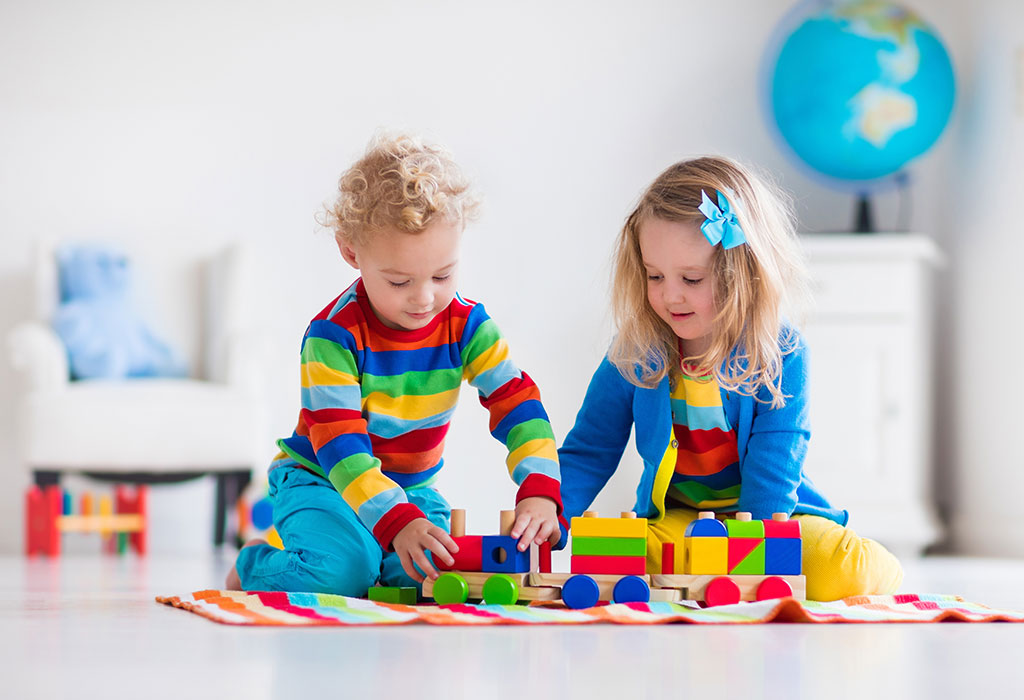
Parallel Play – How Does It Benefit Your Child
If you were a single child, you would probably remember playing with toys and games by yourself or with your parents, till you began playing with your friends. This transition from independence to social engagement is a necessary developmental milestone that a child needs to undergo. Parallel play in toddlers helps them engage socially with others from an early stage and interact properly, too.
Video: Parallel Play – How Does It Benefit Kids
What is Parallel Play?
Parallel play is the time when your kid emerges out of himself and begins to get ready to engage with other kids or people to play around with. Be with going from playing with toys all alone to sharing the toys with another and playing together, or simply choosing to go and play with a bunch of kids in the garden. In the initial years, a child engages in pretend play. As he grows parallel play takes an important place in his life. Parallel play marks an important developmental stage where a kid steps outside his comfort zone for the first time and makes an attempt to have another person in the vicinity of his playing environment and attempt to establish a relationship.
At What Age Should a Child Start Playing with Friends?
When it comes to parallel play, age is not a generalized factor since every kid approaches play and interacting with individuals in his own time, in his own fashion. When your baby is around a year and a half to two years old, he might observe other kids playing by themselves and react to it. Sometimes, he may occasionally pass a ball back to them as an attempt to engage. As he grows, around 3 to 4 years old, the engagement increases and the concept of playing with friends starts dawning on him.
Role of Parallel Play in Child Development
Some ways in which parallel play acts as a key aspect of development in kids include the following.
1. Development of Communication
Not all growth and development has to happen actively. Some of it can take place in a passive manner, too. When at a park or watching a group, your child could learn a lot by seeing how children behave with each other, talk to each other, and perceive. If somebody shouts out for a ball, he will suddenly look towards them and try to look around for the ball, too. This is also how many children pick up words and styles of speaking a particular language.
2. Development of Motor Skills
When playing alone, a kid only focuses on the toys and everything is pretty much in a controlled environment. As parallel play enters the foray, your child will understand how another kid is going to react and will begin to play accordingly. While learning a new sport or a game, this learning act is at its peak and leads to developing new skills by observing others. If playing catch-catch with someone, your child will gauge the person he is playing with and will even try to pick up something new, too.
3. Development of the Freedom of Expression
Various parallel play activities end up in allowing all emotions, feelings, and desires to be expressed fully. Right from jumping with joy when something works out to handling an injury when your child falls down, to facing an argument if he does something wrong, everything from interpersonal behaviour to the surrounding conditions helps your child to explore and express the entire spectrum of emotion. This helps parents understand the natural demeanour of their kid, too.
4. Developing the Sense of Personal Boundaries
Your child will not interact with others the same way he interacts with you. Having entered an unknown zone, he will now begin to sense what he can do and cannot. While pulling your hair playfully might be fun for him, doing the same to someone on the ground is not. Handling someone who takes his ball forcibly to play with it and breaking into tantrums is all that helps your child understand what he ought to do and what he ought not.
5. Developing the Emotion of Camaraderie and Kindness
Most children grow up being highly possessive of what they have. It takes them some time to realize that things are not scarce, and sharing what they have with someone can bring both a lot of happiness. This is the time when you will notice if your child is generally an outgoing kid who makes friends easily, or is mostly aloof and takes his time gauging people and deciding whom to approach. Sharing his toys is the biggest sign that signifies it.
How to Encourage Parallel Play among Kids?
To encourage parallel play in kids, try these following ways. But, don’t push a kid into something he is not ready for. Let him take his time to interact with others, he will do it eventually.
Begin gradually by letting the kids play next to each other instead of with each other. Let each one bring his own toys and play with them. This, in the very literal sense of the term, is parallel play and allows your child to step out of the zone gradually and return back to it.
Make sure that kids have enough toys. If your kid has a car and the other comes with an entire toy set, your child is bound to feel left out and would want to participate in playing with the other kid’s toys. Try organizing simpler activities such as colouring books and clay moulds or so, where chances of comparing the quantity or quality of play are minimal.
Again, kids don’t need to be actively playing. Even the simple act of watching their favourite cartoon together will help your kid bond with the other child. Dancing together on a favourite song or watching a game can all work in the same manner.
At times, arguments or fights might ensue among kids. It’s only normal. If not an argument, your child may not want to be around somebody else and will retreat into his own room or a different one. For the parallel play to work successfully, it is essential for children to be in the same room together, even if they aren’t interacting with each other. Sooner or later, they will interact and break the ice.
If children have started playing together, teach them to exchange their toys and see how they do it. Another alternative is to refer to both toys with interest and try to bring them together. For example, if one has a monster toy and the other has a duck, you could ask “what would happen if the monster started chasing the duck?” You could then follow it up with making monster and duck sounds and see how the kids react to it.
Make sure the parallel plays occur in a homely environment with not too many children or people milling around. This could add to the stress of the situation and not make them interact with each other. At the same time, keep a restriction on the duration of the play. Your child may not initially be fully interested in it. So a shorter duration could relieve him of the stress and make him better prepared for engaging in it the next day.
Engaging with other children is something kids start learning and doing gradually. For autistic kids or children with special needs, this could be an even greater challenge. Parental support and being a team member throughout the activity can help them explore new boundaries without worry since they know you would always have their back. Don’t force them to engage. Use various parallel play examples to ensure it becomes comfortable for both the kids and soon your child will his very first friend.
Also Read: Importance of Play in Kid’s Development
Read more




Dealing with Sprains and Strains in Toddlers
Children with their zeal to explore are always on their toes. They run around, jump and stretch their bodies. In certain cases, stretching too hard leads to minor injuries. When a child ends up over-stretching his muscles, it causes him strain.
When children are at play, they move about and stretch their bodies. Sometimes, over-stretching a muscle can lead to a strain, while over-stretching a ligament can lead to a sprain. As parents, it is vital to be careful and essential to treat the injuries immediately. Some basic strain relief medicines and creams should be kept handy in the first-aid kit.
Bones in our body meet at joints, like knees, shoulders and elbows; it’s only then that our body bends and rotates. Ligaments, which are strong elastic tissue bands, hold the bones together at these joints. Sprain happens if these ligaments are over-stretched or torn. Over-stretching may cause a mild pain, but if your child’s ligament is torn, it needs immediate medical help. Commonly, wrists, knees and ankles are found to develop sprains.
Difference between a Strain and Sprain
Though both these conditions would hurt your child in terms of the pain caused, strains don’t become too serious. This is because, strains are muscle pains, and may stay for sometime or for some hours. The affected area feels sore and can also get a little swollen. At times, it might appear to be bruised too.
On the other hand, a sprain would hurt your child right away. The injury usually looks swollen and bruised. Sometimes, it becomes difficult to move the injured area; it often feels like a broken bone.
Causes of Strains and Sprains
Strains happen when your child puts pressure on a muscle or pushes it too far, for instance, when he lifts up heavy objects. It can also happen when a child does intense activities without warming up the muscles properly. Playing some sport games or with soft-ball for the first time immediately after winters can strain your child’s calf and thigh muscles.
Sprains happen due to injuries, like having your ankle twisted. These injuries are common during sports, or when your child trips and falls.
Dealing with Sprains and Strains
Stop your child from doing any kind of activity for a while. Rest his injured body part if you feel it’s a strain or sprain. Don’t let him move the injured body part. This means that he should avoid walking with a hurt ankle or avoid using a hurt arm.
Apply cold packs to the injured body part. This helps in reducing the swelling.
Put on an elastic compression and elevate the injured part to reduce and prevent swelling.
Most of the times, it is difficult to differentiate between a sprain and fracture. It is best to consult a doctor immediately. Your child may need emergency help. You will be able to make that out from the injured area, or through the extreme expressions of pain. So, the next time your little one has strained or sprained his limb, be ready to take the necessary steps!
Read more

Funny Names – When a 16 Months Old Labels Objects
Do you have a nursery with Kuku, Brownie, Tada and Chuchu sitting on the headboard to keep a watch? Toddlers’ referring to objects with cute names is a normal developmental milestone. Yes, kids love to give meaningful names to their soft toys, dolls, and other favourite things!
It’s common to find toddlers referring to objects and toys with cute baby names. You have done it too! There are these stuffed animal’s and favourite dolls called ‘Mixed Tiger’ and ‘Bluebell ‘ that’ll surely leave you enchanted. Here’s why toddlers love naming objects with terms that make good sense only to them!
Toddlers Labelling Objects with Meaning- Why They Do It
1. It Helps Them Create A World of Their Own
Do you remember calling your first doll Pinky Baby? And then, there was Cabbage, a small area in your garden at home. Just like you did in your younger days, small kids love to give official names to their dolls, toys and stuffed animals. Assigning names to objects helps a child create a make-believe world that’s their very own. It gives them a sense of possessiveness too.
2. They Can Now Relate to Various Objects
“Nosh, why are you walking so slowly today?” “Geez run along if you need a bone!” It’s certainly cute to find your toddler talking to his grey elephant or purple dog this way. Even though he’s trying to communicate with wooden or cloth pull toys, your 16-months-old playing with pull toys with names shows that he has attained a development milestone that makes him relate to individual objects with the right commands.
3. Names Help Them Connect to Their Favourite Items
Be it at a nursery school, play area, crèche, or at home, you’ll have many interesting names reaching your ears. Tots love calling their favourite items by name- they are friends after all! So, is it Jerry- a white teddy, Llewellyn- a green dragon, or Humphrey- a hedgehog? Which are the common dolls’ and stuffed animal’s names that excite you the most?
4. Role Play Helps in Making Friends
Toddlers labelling objects with meaning during playtime goes a long way in making them friendlier and more sociable when they have to deal with other kids. They learn how to take turns, share with friends and empathise with others. Don’t be surprised if you find your little one organising a small tea party and mumbling “There’s just one cookie. Let’s give a small piece to Princess Patty, and a bit to Brownie Bunny.” She is in the process of attaining a new developmental chapter in her life.
How Do Toddlers Name Their Playthings?
16-months-old labelling objects would go about the process by referring to the colors, unique traits, or catchy features of everyday things, stuffed toys, and favourite play areas. For instance, a stuffed dolly with a pink dress and blonde pigtails wouldn’t be “ Bluebell”. She is likelier to be “Pink Fairy”!
Along with gaining confidence, encouraging free play and giving vent to their creativity, assigning names to objects also helps growing children understand the world better.
Read more
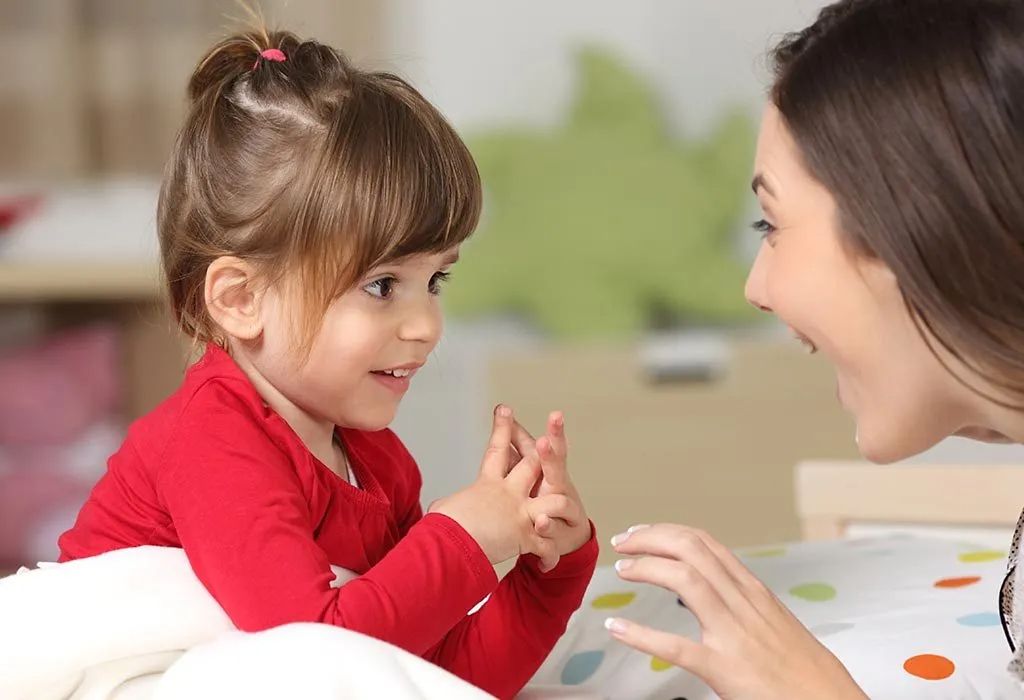
Body Parts for Kids: Teaching Your Child About Parts of the Body
As babies grow, their curiosity about their bodies blossoms. They begin to notice their hands, feet, and all the little bits in between. This natural exploration is crucial for their development. As toddlers and preschoolers, they’re like eager explorers, soaking in information about themselves and the world around them. That’s why activities that focus on body parts for children are so important. These body parts activities for preschoolers can be super fun and interactive, like singing catchy songs about body parts or playing games where they get to touch different parts of their bodies. Through these activities, kids not only learn the names of their body parts but also start to understand how their bodies work. This understanding helps them feel more at ease and confident in their own skin, which is essential for their overall growth and development. So, whether they’re wiggling their fingers, tapping their toes, or pointing to their noses, every little movement is a step towards self-discovery and empowerment. Read on to understand how to teach about body parts to little ones.
When Can You Start Teaching Your Child About Body Parts?
There’s no specific age to start teaching your child about the parts of the body. Sometimes, your baby might tend to know the parts himself by listening to body parts songs for children. These can be established in him making attempts to touch his nose when you touch your own. Babies learn a lot through mimicking sounds and gestures, and they will be able to identify many parts, even if they can’t name them on their own. Many kids learn to clap on their own, so associating that action with the phrase “clap your hands” can help them make the connection of which body part is used for which action.
Benefits of Teaching Your Child About Body Parts
Teaching your child about body parts not only educates them about their own body but also promotes body positivity and self-awareness. Here are some benefits of teaching your child about body parts:
Promotes Body Positivity: Learning about their body parts helps children develop a positive attitude towards their own bodies.
Encourages Self-Care: Knowing about body parts enables children to understand the importance of taking care of themselves, such as washing hands or brushing teeth.
Enhances Communication Skills: Being able to identify and articulate body parts improves a child’s communication skills, enabling them to express themselves more effectively.
Facilitates Safety Awareness: Teaching children about body parts also empowers them with the knowledge to recognize and communicate discomfort or potential dangers to trusted adults.
Fosters Respect for Diversity: Learning about different body parts and their functions fosters an understanding and appreciation of diversity among people.
Ways to Teach Kids about Body Parts
In order to teach about body parts for kids, there are multiple fun-filled activities and body parts games for kids that you can make use of and help your little one begin taking tiny steps in understanding them.
1. Refer to Animals
Sometimes, kids may not respond to addressing their own body parts or somebody else’s due to repetition. You can opt for using animal soft toys or images and point out that even they have legs and eyes and noses. You can start showing the difference between some animals having a tail but not us. If you have a pet in the house, then nothing like it.
2. Make Use of Props
Give your child a small toy which he can use to point at. So when you say nose, ask him to point at his nose in the mirror or your nose. This can also be combined with a game using stickers. Give him a sticker and ask him to put it on your hand and see if he can do it the right way.
3. Describe Various Functions
Children learn a lot from first-hand examples. Make use of sensory perceptions to help them understand it better. Close your baby’s eyes and say out loud “eyes closed”, “eyes open” and so on. This will help them associate the act of seeing with eyes. Same can be repeated for other senses, especially for the nose, which can help him smell and identify different aromas.
4. Use Visual Aids
The visual perception of kids is the highest and they glean a lot of information from what they see. Use large posters of a human body or even cartoons and use those to tell him about different parts of the human body. As your child grows up, you can make the activity even more interactive. Get a large paper and draw the outline of a human body on it. Let your toddler then draw eyes in the right place, fingers on the hand, and so on.
5. Riddle Me This
You don’t learn much the first time as much as you learn when you need to recall it. Do the same with your kids as well and engage them in simple activities where you ask them questions related to their body parts. Simple things such as “wipe your nose” accompanied by your act of wiping your own nose, can help him understand what needs to be done.
6. Bring on the Music
If nothing else helps, memorization and repetition can break the barrier that’s holding your kid back from understanding body parts. If your kid likes a particular nursery rhyme or any popular song, replace the words with parts of the body and dance to the rhythm while pointing at those body parts and saying the words out loud in the tune of the song. You don’t need to be a lyricist to make it sound good. The aim is to use the tune as a tool for memorization and recall of various actions and body parts.
Body Part Chart for Children
Introducing children to a body part chart can be a fun and educational way to teach them about their anatomy. These charts like the one below, typically feature colorful illustrations and simple labels that make learning engaging and accessible for young minds.
Games to Teach Parts of Body to Kids
Introducing games to teach parts of the body to kids can make learning fun and interactive. These games engage children in hands-on activities that help them identify and remember different body parts while promoting movement and creativity. Here are eight exciting games to consider:
1. Simon Says
In this classic game, one person plays “Simon” and gives commands like “Simon says touch your nose” or “Simon says wiggle your toes.” Kids must only follow commands preceded by “Simon says,” reinforcing body part recognition while encouraging listening skills.
2. Body Part Bingo
Create Bingo cards featuring various body parts instead of numbers. Call out body parts, and children cover the corresponding pictures on their cards. This game enhances visual recognition and reinforces vocabulary.
Source: Pinterest
3. Musical Body Parts
Similar to musical chairs, but instead of chairs, use images or cutouts of body parts placed on the floor. When the music stops, children must identify and stand on a body part called out by the facilitator.
Source: Pinterest
4. Body Part Drawing Challenge
Give children paper and markers, and challenge them to draw a person. Encourage them to label as many body parts as they can, such as eyes, nose, hands, and feet. This game stimulates creativity, fine motor skills, and reinforces body part recognition through hands-on engagement.
5. Body Part Charades
Children take turns acting out different body parts while others guess which part they’re portraying. This game encourages creativity, communication, and reinforces body part recognition.
6. Body Part Memory Game
Create pairs of cards with images of various body parts. Place them face down and take turns flipping over two cards, trying to find matching pairs. This game enhances memory skills while reinforcing body part identification.
Source: Pinterest
7. Body Part Puzzle
Provide children with puzzles featuring illustrations of the human body. As they assemble the puzzle, they can identify and learn about different body parts. This game promotes problem-solving skills while reinforcing body part recognition.
Source: Pinterest
8. Body Part Scavenger Hunt
Hide pictures or toys representing various body parts around the play area. Children search for the hidden items and name the body parts as they find them. This game promotes exploration and reinforces body part identification skills.
How Can You Teach Kids About Private Body Parts?
Teaching body parts to preschoolers is usually restricted to the usual ones that we see. Rarely do parents teach kids about their own private parts. Most of the times these are replaced by nicknames so that they can easily tell us when they need to go pee or have any problems with it. However, it is majorly due to these nicknames that kids start developing a perception of shame and guilt when it comes to addressing the private organs they have themselves.
You don’t need to undertake sex education or teach them the difference between genitals of each gender at this age. But as your child begins to start saying words properly, you can teach the proper words of genital parts, such as “penis” and “vagina” appropriate to the child. Let him address the part by its right name. It is necessary for parents to be comfortable with it as well. If you cringe at the mention of a name that is absolutely normal and is the right word for it, your child will start developing an attitude of looking at private parts with disgust. As your kid starts growing and starts noticing general differences between genders, such as clothing styles, hair length, and so, you can then introduce them to the genital parts of a different gender and keep it at that.
Teaching body parts to toddlers or young kids brings its own set of challenges. Many kids do learn to point to the right parts or indicate their presence in different ways. It is necessary to bundle up private parts along with these as well, so as to not build up any sense of confusion or doubt in the child’s mind about the existence of a body part he does not understand. The less awkward you make it for yourself, the better your child will develop as a well-rounded individual.
FAQs
1. My child seems disinterested in learning about body parts. How can I make it more engaging?
Try to make learning about body parts fun and interactive by incorporating play-based activities that cater to your child’s interests. Use toys or props that involve body parts, incorporate movement and music into lessons, and be patient and encouraging as your child explores and learns at their own pace.
2. Are there any potential concerns I should be aware of when teaching about body parts?
When teaching about body parts, it’s important to use age-appropriate language and ensure that the information is presented in a positive and respectful manner. Additionally, be mindful of cultural or familial norms regarding body awareness and modesty, and approach the topic sensitively based on your child’s individual comfort level.
3. Should I use anatomically correct terms when teaching body parts to young children?
It’s generally recommended to use anatomically correct terms for body parts when teaching children, as it promotes accurate understanding and helps prevent confusion or misconceptions later on. However, the decision ultimately depends on your family’s values and cultural norms.
This was all about body parts for kindergarten kids. As your child grows older, it’s essential that he have some knowledge about different things he may come across in the world and also develops different skills that help him along the way. A great way to do this is by subscribing to an activity box, like Intellikit, which integrates fun with learning. Based on a unique theme each month, each box has interactive activities that involve various types of play, keeping your child occupied for hours on end, while learning something. Subscribe today by entering your child’s age, and receive a box of fun learning right at your doorstep each month!
References/Resources:
1. Waugh. W, Brownell. C; Development of Body Part Vocabulary in Toddlers in Relation to Self-Understanding (Early Child Development and Care); National Library of Medicine; https://www.ncbi.nlm.nih.gov/pmc/articles/PMC4505369/; July 2015
2. Milestones During The First 2 Years; American Academy of Pediatrics; https://www.healthychildren.org/English/ages-stages/toddler/Pages/Milestones-During-The-First-2-Years.aspx
3. Activities to Encourage Speech and Language Development; American Speech-Language-Hearing Association; https://www.asha.org/public/speech/development/Activities-to-Encourage-Speech-and-Language-Development/
4. Learning Body Parts; NHS Oxford University Hospitals; https://www.ouh.nhs.uk/patient-guide/leaflets/files/43709Pparts.pdf
5. How do I talk with my preschooler about their body?; Planned Parenthood; https://www.plannedparenthood.org/learn/parents/preschool/how-do-i-talk-my-preschooler-about-their-body
6. Witt. A, Cermak. S, Coster. W; Body Part Identification in 1- to 2-year-old Children; Research Gate; https://www.researchgate.net/profile/Sharon-Cermak/publication/20978498_Body_Part_Identification_in_1-_to_2-Year-Old_Children/links/0fcfd504e5a86be0ae000000/Body-Part-Identification-in-1-to-2-Year-Old-Children.pdf
7. Nienow. S; Seven Steps to Teaching Children Body Autonomy; Rady Children’s Specialists of San Diego; https://www.rchsd.org/2019/12/seven-steps-to-teaching-children-body-autonomy/
Also Read:
Teaching Your Kids to Write
How to Teach Toddler to Brush Teeth
Ways on How to Teach Your Toddler to Speak
How to Teach Colours to Toddlers and Preschoolers
Helping Your Child Learn Name, Age and Gender
Read more

Baked Potato Recipe
Potatoes is perhaps the most loved vegetable across age and regions. This versatile vegetable can be boiled, baked, roasted and microwaved to make numerous nutrition-rich and tasty recipes. Among those umpteen recipes, baked potatoes are one of the most famous and most loved recipes. Baked potatoes are a very versatile dish that can be eaten as it is or can be dressed up with numerous toppings such as sour cream, scallions, bacon, etc. If you have never tried it before but are curious to know how to make baked potatoes, here is a quick guide for you.
Cooking Time:
Type
Time (hh:mm:ss)
Preparation Time
00:10:00
Cook Time
01:00:00
Total Time
01:10:00
Cooking Method: Microwave
Type of Meal: Vegan
Great/Suitable For: Toddlers older than 22 months.
Meal Schedule: Breakfast, mid-morning or evening snack
Recipe Type: Main dish
Ingredients:
Type
Quantity/Volume
Potato
1 medium
Oil
1 tablespoon
Salt
1 teaspoon
Butter/Ghee
1 teaspoon
Sourcream
1 teaspoon
Scallions
1 teaspoon
Instructions:
When it comes to baked potatoes, the options of dressing them up or down are countless. You can add as many or as few toppings to the baked potatoes, to your and your baby’s heart’s content. However, it all starts with a basic baked potato recipe. Here is the step by step directions for baking potatoes at home.
Preheat the oven to 180 degrees Celsius.
Wash and scrub the potato under cold running water.
Pat it dry and using a fork, poke 8-10 deep holes all around the potato.
Rub some oil on the potato and then lightly season with salt.
Place the seasoned potato on a baking tray and let it bake for 1 hour or until the skin is brown and crispy and the potato turns soft.
Flip it upside down after 30 minutes if required.
Cut the potato open and scrape out all of the soft flesh in a bowl.
Mash it a little and serve it plain or with your baby’s favorite topping.
Recipe Tips:
You can mash the softened baked potatoes with a fork, add some homemade butter or ghee. This will give the potatoes a rich and smooth texture. Potatoes dressed with ghee are easier for younger babies to eat.
You can add a dollop of sour cream, scallions, or any non-vegetarian toppings your kids like.
If you are in a hurry, you can bake a potato in a microwave instead of an oven. Simply wrap the potato in a damp kitchen towel after poking holes in it and cook it on high in a microwave for 4 minutes. Then flip it and cook for another 3 minutes.
You can also replace white potatoes with sweet potatoes. This will add variety to your kid’s meals.
Avoid feeding potato peels to your babies.
Nutrition Information ( Serving Per 100 Grams)
Type
Value
Calories
69.9 kCal
Fat
0.23 g
Carbohydrate
14.89 g
Protein
1.54 g
Calcium
9.52
Iron
0.57
Potassium
541 mg
Sodium
4.11 mg
Vitamin B1 (Thiamine)
0.06 mg
Vitamin B2 (Riboflavin)
0.01 mg
Vitamin B3
1.04 mg
Vitamin B9
15.51 μg
Health Benefits:
Being a rich source of carbohydrate, baked potatoes keep the kids full for a longer time.
High calcium content enhances the bone and teeth growth in kids.
Higher potassium and lower sodium ratio help in maintaining a good electrolyte balance in the kids at a young age.
Different vitamins enrich the child’s body with necessary nutrients naturally keeping them healthy and active.
Buying Guide:
Buy russet potatoes for homemade baked potatoes baby food recipe, they are easy to bake and owing to lower starch content, they do not fall apart when cooked.
Do not buy potatoes that are greening or sprouting.
Do not buy potatoes that are covered in dirt.
Potatoes should be firm and fresh.
Instead of adding store-bought butter, try topping the baked potato with some homemade ghee.
We love our babies and their good health is our first priority. That is why it is important to feed our babies with fresh and homemade food. Since it is difficult to cook elaborate meals all day every day, a healthy quick fix such as this simple baked potato recipe is a perfect go-to meal. Home-baked potatoes are easy, filling, nutrition when served with love. So go on! Cook a sumptuous, healthy and delightful meal for your little bundle of joy!
Read more

10 Negative Effects of Parents Fighting in Front of Children
Partners are bound to have disagreements. While disagreements are inevitable in any relationship, how these conflicts are resolved and the frequency with which they occur can have lasting adverse effects on children. It not only interrupts their joyous childhood but can also leave them with some permanent emotional scars. In fact, in the long run, it is even tantamount to child abuse in certain countries!
Understanding the devastating effects of parents fighting in front of a child is a must if we want to protect the emotional well-being and development of the younger generation. Here’s why you must stop fighting in front of kids – right now!
10 Harsh Effects of Parental Fighting on Children
Many parents think that because children do not have a perspective on adult life and problems, they will not understand that dialogue is a fight or an argument. However, children are more intelligent than we adults realise. Just the way a tiny baby who still cannot utter a word knows when mom is angry and when mom is happy or proud, children learn a lot from the tone, volume, pitch, and facial expressions of two adults engaged in an argument or fight.
Here are some negative effects of parents fighting in front of children.
1. Insecurity
A home is a child’s haven of love and care. Parents fighting in front of kids results in chaos and tension, leaving the child frightened, anxious and helpless (4). This feeling of insecurity can last a lifetime.
2. Guilt and Shame
Children often believe they are the reason for their parents fighting and feel guilty (2). This can be emotionally distressing for them.
3. Low Self Esteem
Insecurity and feelings of guilt and shame can make your little one feel unwanted and unworthy. This, in turn, results in low self-esteem (6), which can be permanent and damaging in his long-term personal and professional relationships.
As explained in this study, children who constantly see their parents arguing have difficulty processing the contradictions they witness: their parents fight but sleep in the same room at night; they do not fight but do not agree on things either (passive-aggressive fights), etc. When left unaddressed, children internalise such conflict and often blame themselves for the situation, resulting in low self-esteem.
4. Stressed About Taking Sides
Children generally want to please both parents, and the pressure to take sides in a conflict can be distressing. They might need to understand the basis of the conflict and take a side which might blow up the conflict to even bigger proportions.
It is important to note here that, a lot of times, this pressure to take sides comes from the parents themselves, which is rather unfortunate. Children should never be made the point of an argument, nor should they ever be pulled into an argument and made to take sides.
5. Sloppy Role Models
We parents are our children’s first, biggest, and most influential role models. Children are like mops—they soak up everything they see us saying or doing. As role models, if we use unhealthy communication in front of children, they will become lousy communicators. This will affect not only their relationships but also those with their peers and later with their colleagues.
6. Poor Academics and Health Issues
A child witnessing parental fights is always preoccupied with fights and arguments. This makes it difficult for him to concentrate on tasks, adversely affecting his academic performance. Such an overworked mind can also lead to physical ailments and chronic illnesses. A review conducted by UCLA of close to 50 research papers concluded that children who grow up in risky homes are more likely to report physical health problems in adult life, such as vascular disorders, immune disorders, etc.
7. Mental and Behavioural Disorders
Fighting and arguments take a mental toll on our minds and leave us feeling drained. This effect is more pronounced in children, as their minds do not have strong coping mechanisms. Children who grow up in volatile environments are known to develop behavioural issues: such children either become volatile and tend to behave recklessly (getting into fights at school, becoming rowdy, etc.) or may withdraw and become extremely introverted, avoiding even normal social contact (1).
In a more severe case, they may develop mental disorders like attention deficit hyperactivity disorder (ADHD), depression, and obsessive-compulsive disorder (OCD). Furthermore, children from unstable homes have also been seen to be more prone to substance abuse as they grow up.
At the root of this tendency to develop mental disorders is the fact that conflict affects brain development in children. According to a study by Alice Schermerhorn, children growing up in disruptive households tend to develop a higher degree of vigilance: they constantly assess their surroundings and prepare themselves for potentially stressful situations. This state of constant alertness takes a toll on the way these children react to and process different emotions.
8. Normalisation of Wrong Deeds
The normalisation of wrong deeds like verbal, physical or emotional abuse is another severe and oft-neglected consequence, especially of parents physically fighting in front of the child. A child growing up in a household where parents always call each other names or one adult gets their way around things might think it is acceptable to do such things all the time. While family members may be more accepting (and at times more indulgent) of this attitude or behaviour, such children have difficulty stepping into the real world.
9. Impacts Other Relationships Too
Children from disruptive households pick up behavioural patterns, attitudes, and approaches to life that become a part of their personality and affect all other relationships they have—not just their relationship with their parents. So, fighting parents may essentially affect friendships, romantic relationships, work relationships, and general social skills at large.
10. Impacts Their Personality
It is not that we parents don’t realise fighting in front of kids is bad, and many of us try to make amends in whatever ways we can think of. However, the effect of these fights is like leaving footprints in clay – there is no undoing once the deed is done. Children who grow up watching their parents fight all the time tend to develop personality traits like bullying, escapism, compulsive behaviour, and inflexibility, which can be very difficult to get along with. This affects not only their personal but also their professional and social lives.
Effects of Emotionally Abusive Relationships on Kids
While physical and sexual abuse get their due attention when they affect any relationship – between two adults or between an adult and a child – emotional abuse often goes neglected, especially in the Indian culture. Older generations may argue that they were more tolerant and could take a joke or a sarcastic comment in their stride and that parents these days are ‘too lenient’ and are too afraid of their children to show them some tough love.
However, tough love and ceaseless negative or sarcastic talk under the garb of ‘humour’ are two very different things. While the former is necessary from time to time, the latter is a form of psychological maltreatment (along with acts of bullying, threatening, severe insults, isolation, etc.) that leaves a deeper impact than we are ready to accept.
Victims of emotional abuse can develop similar (and sometimes even worse) mental disorders as those of physical abuse.
Common disorders that plague emotional abuse victims include anxiety, depression, post-traumatic stress disorder (PTSD), suicidal tendencies, etc. (7)
Psychological maltreatment has the highest association with depression, anxiety, attachment issues and substance abuse (when compared with physical and sexual abuse).
The lack of ‘physical’, tangible evidence, combined with a taboo that’s not as severe as one associated with physical or sexual abuse, makes diagnosis and treatment of emotional abuse that much more difficult.
So, how is all this connected to parents fighting in front of their kids? As always, children see, children do.
Not only is your fight emotionally draining for your child, but it is also teaching him all the wrong things. And when you make him a passive or an active part of the fight, it is nothing less than emotional abuse.
How to Prevent Kids From Getting Affected by the Conflicts?
While we don’t want our kids to be affected, we can’t avoid conflict forever! What needs to be discussed needs to be discussed. What we can do, however, is minimise the impact of such ‘discussions’ on our children.
In the words of E. Mark Cummings, psychologist and author of Marital Conflict and Children: An Emotional Security Perspective, “Conflict is a normal part of the everyday experience. It’s how the conflict is expressed and resolved, and especially how it makes children feel, that has important consequences for children.” Multiple studies confirmed that nonverbal arguments, cold wars, aggressive fights, and ‘stonewalling’ can sometimes be worse than a fight.
Things to Keep in Mind
So, by all means, have that argument! But do keep the following three things in mind.
Try to avoid having these talks when your child is present in the house. If you must, get into a different room and keep your voices down. It’s best to wait until your child falls asleep, and while you’re waiting, ensure you keep the conversation normal. Don’t start the Cold War right there and then.
If your child does witness your fight, also ensure they witness the making-up after the fight! Apologise to each other and hug it out in front of them. While not fighting is ideal, this demonstration will drive home three vital points-
One must always apologise after a fight.
Fights are never permanent.
You’re allowed to be mad at each other, but not rude or mean to each other.
Finally, if things are going so bad between you that you are considering a separation, do not underestimate the power of counselling. You may be hell-bent on leaving each other and not continuing the relationship, and that’s okay. Agreeing to go into counselling is not always about patching up and making things work. While that is the ideal scenario (especially when children are involved), counselling can also benefit you in other ways.
Benefits of Counselling
Here are some of the great things counselling can do to help:
It will empower you with tools to minimise the damage concerning your child.
It will enable you to better deal with breaking the news to your child and helping them feel their way through it.
It will help you better manage your responsibilities as a parent after the separation (e.g., how to avoid becoming competitive with the child, how to avoid poisoning the child’s mind about the other parent, how to help the child get equal time with both parents, etc.). This is especially important in cases of joint custody.
If you are appealing for sole custody, counselling can help you help your child better cope with the absence of the other parent.
FAQs
1. Can parental fighting affect a child’s mental health?
Yes, parental fighting can have a significant impact on a child’s mental health. It may lead to increased stress, anxiety, depression, and even post-traumatic stress disorder (PTSD) in severe cases.
2. Are there long-term effects of parents fighting for children’s development?
Yes, there can be long-term consequences. Children who are exposed to ongoing parental conflict may struggle with forming healthy relationships, have difficulty regulating their emotions (5), and exhibit behavioural problems both in childhood and later in life.
3. How does witnessing parental conflict affect academic performance?
Children who witness parental conflict may have difficulty concentrating in school and may experience a decline in academic performance. The stress and emotional turmoil caused by parental fighting can interfere with their ability to focus and learn effectively (3).
How do you and your partner resolve conflicts and disputes without creating a scene in front of your tot? Do share your tips! We would love to hear from you.
References/Resources:
1. Rahman. Z, Zaid. R, Israr. M, Din. S, Haider. S; Psychosocial Effect of Parental Conflicts on Youngsters’ Behavior Growth; Journal of Social Sciences Review; https://www.researchgate.net/publication/369668115_Psychosocial_Effect_of_Parental_Conflicts_on_Youngsters’_Behavior_Growth; March 2023
2. Parents may underestimate impact of involving adolescent children in conflicts; The Pennsylvania State University; https://www.psu.edu/news/research/story/parents-may-underestimate-impact-involving-adolescent-children-conflicts/; June 2021
3. Alamoudi. K; Effects of Parents’ Conflicts on Children; International Journal of Scientific & Engineering Research; https://www.ijser.org/researchpaper/Effects-of-Parents-Conflicts-on-Children.pdf; March 2016
4. Brock. R. L, Kochanska. G; Interparental conflict, children’s security with parents, and long-term risk of internalizing problems: A longitudinal study from ages 2 to 10; PubMed Central; https://www.ncbi.nlm.nih.gov/pmc/articles/PMC4580501/
5. Fighting Parents Hurt Children’s Ability to Recognize and Regulate Emotions; New York University; https://www.nyu.edu/about/news-publications/news/2014/september/fighting-parents-hurt-childrens-ability-to-recognize-and-regulate-emotions.html
6. EFFECTS OF PARENTAL CONFLICT ON CHILDREN; BHAVE INSTITUTE OF MENTAL HEALTH; https://bimh.co.in/effects-of-parental-conflict-on-children/
7. Hildreth. A; THE EFFECTS OF EMOTIONAL ABUSE ON CHILDREN: A LIFELONG PROBLEM; ABUSE REFUGE ORG; https://abuserefuge.org/the-effects-of-emotional-abuse-on-chilren-a-lifelong-problem/
Also Read:
Parental Pressure on Kids
Role of Parents in Child Development
Habits That Parents Must Quit for Their Children
Impact of Working Parents on Child Development
Read more

Developmental Coordination Disorder In Your 1 Year Old
If your child appears extra clumsy and uncoordinated, it may be the ‘clumsy child syndrome’. The symptoms of Developments Coordination Disorder (DCD) in toddlers can range from difficulty in doing simple tasks to movement and coordination issues. Physical therapy, occupational therapy, and physical education are a part of the treatment.
Do you suspect your child to have a learning disorder? Take a look at the guide and make yourself better equipped at handling developmental delays in your child.
Developmental Coordination Disorder in Your 1-Year-Old
Developmental Coordination Disorder (DCD) or the ‘ Clumsy Child Syndrome’ can be defined as a lack of coordination between what the mind wants to do and the body’s ability to carry out those intentions. When a child is late in achieving milestones such as sitting, walking, standing, and talking, it may be due to a developmental disorder like Developmental Coordination Disorder(DCD), also known as dyspraxia. People with this disorder generally have normal intelligence, but because there is no coordination between the mind and the body, they can come across as unintelligent or are mentally disabled. This condition can lead to low self-esteem and social isolation in children.
Causes of Developmental Coordination Disorder in Toddlers
Researchers theorize that dyspraxia in babies may be linked to delayed brain development. People with dyspraxia generally have no other major medical problems that can explain this disorder. Though other conditions such as mental retardation or attention-deficit disorder are not linked, DCD can occur with these disorders. Pre-term birth and stressful birth have also been linked to this disorder.
Symptoms of Development Coordination Disorder in Toddlers
The symptoms of dyspraxia in babies appear soon after birth. Toddlers with DCD have trouble learning how to suck and even swallow milk. As they grow older, they may take longer than expected to achieve milestones like rolling over, sitting, standing, crawling, and walking. They may also have difficulty in doing simple tasks like learning how to eat with cutlery or playing with toys that involve coordination, such as stacking blocks etc. Older children may have movement and coordination issues, which are the main symptoms of this disorder. Children with dyspraxia often appear awkward and clumsy, as they tend to drop things and bump into objects, and fall over a lot.
Treatment of Development Coordination Disorder in Toddlers
Treatment of DCD includes a combination of occupational therapy, physiotherapy, social skills training, and regular exercise. Occupational therapy helps the child master daily activities and perform difficult tasks like handwriting, hand function, perception etc. Physiotherapy can help with strength, flexibility, endurance, and agility. Physical activity is another very important aspect of treatment of children suffering from Development Coordination Disorder(DCD). It helps the child develop coordination and balance. Generally, children suffering from dyspraxia are hesitant and shy away from social interaction. Physical activity will give them the stamina to keep up with their peers and will also help to prevent obesity.
The symptoms of Development Coordination Disorder(DCD) never really go away, but can be controlled with the help of proper therapy. As parents, you can work hand in hand with your child’s therapist by making him practice at home regularly. Learning these skills takes practice and patience, both for the child and the parents.
Read more

Baked Pumpkin Soup Recipe
Baked pumpkin soup for babies/toddlers is a dish that can be eaten by a child in any age group as it has that creamy flavour which all kids love. Pumpkin is a super healthy vegetable that also fits any diet you are following for your child. Whether it is gluten-free, auto-immune protocol recipe or dairy-free recipe, the pumpkin would find its way in any restrictive diet you have chosen. Pumpkin has a sweet and savoury taste which mixed with mild spices makes a perfect dish for even those munchkins who are picky eaters.
Video : Baked Pumpkin Soup Recipe for Babies and Toddlers (For Babies Above 11 Months of Age)
Cooking Time
Type
Time (hh:mm:ss)
Preparation Time
00:15:00
Cook Time
00:60:00
Total Time
00:75:00
Cooking Method
Gas stove and oven
Type of Meal
Vegan
Suitable For
Any baby above 11 months of age
Meal Schedule
Breakfast, Dinner
Recipe Type
Main Dish
Ingredients
Ingredients
Quantity and Volume
Pie pumpkin
1 large weighing 1.5-2 kgs
Extra virgin olive oil
4 teaspoons
Onion
1 large
Garlic cloves
3-4
Ground cinnamon
½ teaspoon
Ground nutmeg
½ teaspoon
Cloves
1/8 teaspoon
Ground pepper
½ teaspoon
Vegetable broth
4 cups
Coconut milk
½ cup
Instructions
Let us see how to make baked pumpkin soup to fulfil the nutritious needs of a child and also be gentle on the stomach. Being appetizing is a must for the kids, so this recipe is going to take care of that too.
Preheat oven to 425 degrees. Heating should be done for 20 minutes.
Halve the pumpkin and remove the seeds.
Make 4 quarters with the sliced pumpkin.
Grease the fleshy side of the pumpkin with 1 tbsp of olive oil.
Line a baking tray with parchment paper.
Put the pumpkins, cut side down, on the baking tray.
Keep it in the preheated oven and bake for 35 minutes.
Set it aside to cool.
Heat oil in a heavy-bottomed pot and add onion, salt and garlic to it.
Cook by stirring for 8-10 minutes till onion is translucent.
Now discard the hard part of roasted pumpkin and scoop out the flesh.
Put pumpkin flesh, cinnamon, nutmeg, and black pepper to the pan.
Pour in the broth and bring the mixture to a boil.
Reduce flame and let it simmer for 15 minutes.
Add coconut milk and blend.
Remove it from flame and let it cool to a point it can be blended.
Blend it with a hand mixer or a grinder.
Recipe Tips
In spite of a hoard of ingredients, this is an easy baked pumpkin soup recipe to make. Babies and toddlers would love it alike as it has the sweetness of pumpkin and the aroma of spices with a tinge of creamy texture.
If roasting a pumpkin is something you find cumbersome or time taking then you can always buy canned pumpkin puree which tastes equally good.
This can be refrigerated for a week or kept in the freezer for months, so one can always reuse it to save time.
If you are non-vegetarian, you can replace the vegetable broth with chicken broth too.
Wash off the pumpkin with filtered water thoroughly before roasting it.
When you remove the seeds from the pumpkin, you could save it later to roast and garnish the soup for slightly older kids, above 18 months.
To make sure pumpkin is roasted well, press with a thumb and it should feel soft to touch.
Nutrition Information (per bowl)
Nutrient
Value
Energy
309 kCal
Protein
4.1 g
Carbohydrates
31.7 g
Fat
21.2 g
Sodium
839.6 mg
Health Benefits
This home-made Baked pumpkin soup baby food recipe is going to last many days and taste as good even later with all the nutrition intact; hence this is likely to rate high on your frequently used dish with your little one:
Pumpkins are one of the highest sources of Vitamin A, which are good for the eyes.
They are also packed with many essential minerals like potassium, copper, manganese, iron which your child will benefit hugely from.
Zinc in pumpkins is needed for the brain to grow.
It is packed with many vitamins; vitamin B2 is one of the important vitamins needed by kids.
Nutmeg in the recipe is good for digestion and also cures cold and cough along with bettering immunity.
Buying Guide
One cannot stress more on buying organic products; your tiny tots do not need to feed on anything hazardous like pesticides.
Look for a pie pumpkin which is small and has thin skin.
We hope this recipe clearly explained cooking this dish in its step by step procedure. The soup can be kept in the fridge up to 4 days, and you will find it tasting even better when you reuse it.
Read more

Pasta Soup Recipe
A comforting creamy vegetable pasta soup made with healthy vegetables and pasta this homemade Pasta Soup baby food recipe is easy to prepare and tasty. Soups are a perfect introductory diet for your growing children. This soup combines the liquid and the solid bits into a perfect consistency for your children to relish and enjoy. A perfect meal for your toddler that you can whip in minutes and it will surely become a favorite for your children!
Cooking Time:
Type
Time (hh:mm:ss)
Preparation Time
00:05:00
Cook Time
00:35:00
Total Time
00:40:00
Cooking Method:
Gas
Type of Meal:
Vegetarian
Suitable For:
Toddlers above 13 months of age
Meal Schedule:
Appetizers and Main Course
Recipe Type:
Main Dish
Ingredients
Type
Quantity
Onion
1 chopped finely
Carrots
2 medium-sized chopped
Peas
1 cup
Butter
2 tablespoon
Flour
3 tablespoon
Vegetable Stock
4 cups
Milk
2 cups
Uncooked Pasta
2 cups
Instructions
Read these step by step instructions to learn how to make Pasta Soup for babies:
Dice the onions and carrots.
Cook the peas until soft.
Melt the butter in a large saucepan. Saute the chopped onions and carrots for approximately 5 minutes.
Add the flour and cook this for about 2 minutes making sure that all the vegetables are well coated with flour.
Add the stock and milk. Bring the mix up to a boil.
Cook the pasta al dente in hot water and strain the pasta once cooked.
Add frozen peas. Check the consistency of the soup and if it seems thick then thin it with some more vegetable stock.
Season with salt and pepper.
Recipe Tips
A few tips to remember when following this easy Pasta Soup recipe:
You can use the water drained from boiling the peas as a vegetable stock. You could also use vegetable stock available in packed form.
Chop the carrots finely so that they get cooked well and do not choke your children. Chop the onion finely too as when you saute them they will become soft and translucent.
It is ideal to cook the pasta only al dente (firm to bite) as it will be easier for your children to chew. Try to use macaroni shells as they are smaller than the penne ones.
You can either use fresh peas or frozen peas. If you wish you can add more vegetables like cauliflower and broccoli.
The usage of flour is optional.
Nutrition Information (Per 100 Grams)
Type
Value
Calories
349 kCal
Carbohydrates
38 gm
Protein
21 gm
Fat
12 gm
Sodium
282 mg
Health Benefits
Now that you know how to make Pasta Soup, you ought to know the health benefits too:
Carrots are superfood and rich in Vitamin A. They are good for the eyes and also rich in antioxidants.
Carrots are rich in fiber, Vitamin K1 and potassium.
Onions are rich in folate and also aid in digestion. Loaded with antioxidants, they boost bone density and have antibacterial properties.
Peas have higher levels of protein and are a good source of dietary fiber. Peas are rich in folate, Vitamin C, thiamine and manganese.
Pasta contains carbohydrates which provide glucose important to fuel the brain and muscles. Pasta is also a source of folic acid, iron and Vitamin B which are important sources of nutrients for the body.
Buying Guide
The soup may be easy to prepare but there are few important things to bear in mind whilst buying the ingredients:
Always buy whole wheat pasta as this is a healthier option than refined flour ones.
Buy firm carrots that can be peeled and chopped easily. Carrots are winter vegetables and are best when cooked during the season.
Onions must also be fresh and firm.
Use fresh peas and if buying frozen ones, then buy good quality ones from supermarkets and check the expiry date on the packaging.
If using store-bought vegetable stock, make sure you check the best before date and the ingredients. It is advisable to consult a pediatrician to check if you can offer your children, store-bought vegetable stock. Alternatively, you can make the stock at home.
Soup is comfort food and a great weaning diet for your growing children. You would want to offer nothing but the best for your children and this is a perfect choice. Easy to make and equally healthy, get your children introduced to pasta with the least amount of effort.
Read more

25+ Unique Birthday Party Themes for Boys
Kids are always excited about their birthdays and want the best of the best on their special occasion. Boys, specifically, have a lot of expectations for their birthday celebration as they always want their party to be better than the one they attended last time. Keeping your lad happy can be hard sometimes, but with an organized plan and a good birthday party theme in mind, you can put a smile on his face. Exploring various birthday themes for boys can be incredibly helpful. Baby boy birthday themes such as superheroes, space adventures, dinosaurs, or sports can capture their imaginations and make the day truly special. With the right decorations, activities, and a cake that matches the theme, the celebration will be memorable.
29 Creative Birthday Party Theme Ideas for Boys
Birthday themes for boys which are both exciting and easily manageable are listed below:
1. Pokémon Party
Pokémon is loved by kids, and owing to its popularity and likeability, you could choose to throw a Pokémon-themed party for your boy.
Ideas:
DIY some paper cutouts of Pokémon characters for decorating the place around
Buy a Pokémon outfit for your kid
You could go for customized balloons with Pokémon pictures on it and a Pokémon-themed cake
Get Pokémon characters printed on mugs and distribute them as return gifts
Source: Pinterest
2. Harry Potter Party
Not only kids but adults are crazy about Harry Potter, too, and the magical Hogwarts. A Harry Potter-themed party would be a perfect birthday theme idea for a boy for an exciting and adventurous birthday.
Ideas:
DIY Hogwarts seal stamps, which you can stick to the invitation card
DIY owl drawings on balloons and decorate them around every corner
Buy wizard hats which are easily available in the market
You could also make golden snitches by simply sticking feathers to Ferrero Rocher
Customize your cake by adding a Harry Potter figure to it
Make wands for your guests so that they can totally feel in character
Source: Pinterest
3. Minion Party
Minions have become really popular in recent times and are a hot topic among kids. A minion-themed party could be your baby boy’s dream.
Ideas:
Decorate your party venue with blue and yellow balloons
Buy Minion party hats, easily available in the market
Customize your cake to be yellow and blue with minions figured on it
You could also customize a minion outfit for your birthday boy
Distribute minion stuff toys or key chains as return gifts
4. Pirate Party
Pirates have always sounded mysterious and cool, and both these characteristics are loved by boys.
Ideas:
Distribute black printed hats with danger signs on them
Customize a cake in ship’s shape with a captain figurine on it
Organize a treasure hunt game with clues here and there
Decorate the venue with black balloons
DIY some eye patches for the kids with red bandanas to wrap around the forehead
Distribute binoculars as a return gift
Source: Pinterest
5. Superhero Party
Superheroes are loved by boys be it Spiderman, Superman, Hulk or Batman. So why not plan a superhero birthday theme for your boy?
Ideas:
Set a dress code where all kids come dressed as their favourite superhero
You could customize a layered cake with a logo of a superhero on every layer
DIY face masks of all the famous superheroes to make it feel more real
Organize a photo shoot for all the kids dressed as their favourite superhero
Give away superhero toys as return gifts
6. Modern Elephant Party
This is the perfect baby boy birthday theme for your boy who has just turned one.
Ideas:
Send customized elephant-shaped invitation cards
Decorate your place in all blue and white
Buy some baby elephant stuff toys just to decorate or distribute among the kids
You could also serve elephant-shaped biscuits or chocolates
Put pictures of every month of the first year of your boy around the house
Source: Pinterest
7. Angry Birds Party
Angry birds seem to be evergreen owing to both games and movies based on them, making it popular among the kids.
Ideas:
Decorate your house with balloons with different angry birds printed on them
Distribute Angry bird badges to the kids to make it more fascinating
A customized cake with an Angry bird figured on it
Distribute angry birds soft toys or pencil boxes with angry birds printed on them as a return gift
Source: Pinterest
8. A Space Party
Space-themed parties are trending these days as everyone loves the idea of space and the mysteries around them.
Ideas:
Decorate your house with paper cutouts of stars and planets
Dress your little one as an astronaut
Customize an earth-shaped cake
Get rockets printed on the birthday hats
Distribute NASA printed mugs as return gifts
Source: Pinterest
9. Car Race Party
Cars have always been fascinating to boys, which calls for an amazing car-themed birthday party.
Ideas:
Decorate your house with car cutouts of cars and balloons with cars printed on them
Buy race track games, easily available in the market for adding fun to the party
Customize a cake with a car figured on it
Get the birthday hats printed with cars along with their names
Distribute toy car sets as return gifts
10. Construction Party
Every boy is fascinated with “Bob, the Builder”. Try a construction themed party for your boy and let him be the architect for one day.
Ideas:
Buy some crane and tractor toys to decorate the place. Later, you can distribute these toys as return gifts
Make chocolate doughnuts for the kids as they give an image of nut bolts
DIY caution or under-construction signs for decoration purposes
Customize the cake in a crane shape or with an architect figured on top of the cake
Distribute construction yellow hats to your guests
Source: Pinterest
11. Airplane Party
Airplanes are loved by boys, and they love them more if they have seen them in real. Aeroplane birthday party is simple to organize and thus calls for a great idea.
Ideas:
Buy pilot hats for the birthday boy and other guests
Decorate the place with aeroplane cutouts and sky wallpapers
Buy some aeroplane toys for decoration and distribute them as return gifts later
Customize an aeroplane-shaped cake for your little one
Source: Pinterest
12. Mario Party
Mario is as popular today as it was back in time. Organizing a Mario themed party would not only amaze your kid but also take you on a nostalgia trip.
Ideas:
Decorate the house with ducks and Mario cutouts
Distribute t-shirts to your guests with Mario printed on them
Organize a Mario game party for the kids in case you have a gaming console
Serve custom Mario cupcakes to your guests
Distribute Mario printed mugs or pencil stands as a return gift
Source: Pinterest
13. Jurassic Park Party
Dinosaurs are extinct now, but the curiosity and fascination related to them aren’t. A Jurassic-themed party sounds like a great idea to make your little boy happy.
Ideas:
Birthday decoration ideas at home for boys could be hanging dinosaur cutouts around the house and making the venue look like a jungle
Serve dinosaur-printed cookies or cupcakes to the kids
Add dinosaur roaring sound effects in the background
Hang “Welcome to the Jurassic World” cut out at the entry
Customize a cake with a dinosaur figure on it
Distribute dinosaur toys as a return gift
Source: Pinterest
14. Animal Party
Animal themed party sounds great as it will not only make your party superb but also help enhance knowledge about various animals among the kids.
Ideas:
Decorate the venue with various animal and tree cutouts
DIY hats with different animals printed on them along with their names
Run a slideshow on a projector showing pictures of different animals
Customize a cake with your boy’s favourite animal figured on it
Distribute animal-shaped candies and badges as return gifts
Source: Pinterest
15. Circus party
Magic and tricks amaze kids. Their innocence and idea of believing in magic make a circus-based party theme even more viable.
Ideas:
Distribute cards that look similar to a circus invitation
Dress your kid as a circus magician
Decorate the place with colourful balloons
Serve popcorn to the kids while they can enjoy the upcoming magic show
Book a magician for the party who can amaze the kids with his tricks
Dress as a clown yourself, or hire someone who could dress as a clown
Distribute clown toys as return gifts
Source: Pinterest
16. Bow Party
A bow birthday theme for boys is suitable for the one year olds. This is sweet and simple idea for a birthday that can be easily implemented.
Ideas:
Dress your kid in a suit with a cute little bow on his collar
Send customized similar bows to other kids as well, along with the invitation card
Decorate the place with bow cutouts
Serve bow-shaped cupcakes or candies to the guests
Customize a bow-shaped cake for your kid
Organize a photo shoot with the kids
17. Underwater Party
An underwater-themed party is an amazing idea if your boy loves water and is amazed whenever he sees a fish.
Ideas:
Organize a party by a beach, or you could also go for an indoor venue
Decorate the venue with fish, boats, whale, shark and ship cutouts
Make sure to make the venue look blue by adding blue wallpapers to the background
Customize a blue cake with a dolphin figure on it
You could also run “Finding Nemo” on a projector
Distribute sea animal stuff toys as return gifts
Source: Pinterest
18. Winter Party
Winters are serene and beautiful. A winter themed party for your little will make them fall in love with the season for sure.
Ideas:
Decorate the house with white balloons and Christmas trees with cotton balls on them
Customize a cake with snowflakes figured on it
Make a white foam shower happen every 10 minutes to make it feel real
Serve hot chocolate to the kids
Distribute snowman stuffed toys as return gifts
Source: Pinterest
19. Mickey Mouse Party
Mickey Mouse is favourite cartoon character of every kid. Organize a Mickey Mouse themed party and spread smiles on everyone’s face.
Ideas:
DIY Mickey Mouse hats with bulging round ears
Decorate the venue with Mickey Mouse printed on the balloons
Buy a Mickey Mouse gliding air balloon for decoration
Serve Mickey mouse shaped cookies or cupcakes
Customize a Mickey Mouse-shaped cake
Distribute Mickey Mouse printed t-shirts, mugs or pencil boxes as a return gift
20. Avengers Party
Boys love action, and what could be better than Avengers-themed party for your boy who wishes to save the world.
Ideas:
DIY Avenger masks for the kids
Decorate the venue with Avenger air balloons
Customize a avengers’ dress for the birthday boy
Customize a cake in the shape of Captain America’s shield
Distribute avenger stickers as a return gift
Source: Pinterest
21. WWE Party
Boys love wrestling, and I’m sure your boy is fond of one WWE wrestler or the other.
Ideas:
Distribute caps and t-shirts with the WWE logo on it
Decorate the venue with posters of famous wrestlers
Make a small wrestling ring where the kids can have fun imitating their favourite wrestlers
Customize the cake with your kids’ favourite wrestler figured on it
Distribute trump cards as a return gift
Source: Pinterest
22. Football Party
Football is the most popular game enjoyed by everyone around the world, including kids.
Ideas:
DIY football-shaped hats and distribute them to the kids
Decorate the place with famous football player posters and football cutouts
In case you have an open garden, you could organize a football game
Customize the cake in the image of a football pitch
Distribute football-shaped candies as a return gift
Source: Pinterest
23. Star Wars Party
Star Wars is an epic theme that would give your kid an out-of-the-world experience.
Ideas:
Decorate the venue in only red and blue and star-wars posters all around
Distribute Star Wars printed hats and t-shirts to the kids
DIY Star Wars masks for the kids
Decorate the cakes with icy Star Wars decorations, easily available in the market
Distribute Star Wars stationery as a return gift
24. Ninja Turtles Party
Go, Ninja, with this amazing themed birthday party and paint the party green and blue.
Ideas:
Decorate the venue in and out with blue and green balloons
DIY turtle ninja masks for the kids
Distribute green Ninja wristbands to the kids
Serve pizza to the kids as snacks
Customize the cake in blue and green with a ninja figured on it
Distribute Ninja turtle printed mugs or stationary as a return gift
25. Camping Party
If your boy loves camping, then this theme is the best for an adventurous experience on his special day.
Ideas:
Send a seed of a plant along with the invitations
Organize a party in the garden area or a nearby park
Set up small tents for the kids
Let the kids play hide and seek or find the treasure sort of games
Customize the cake with figures of tents and trees on it
Give away candies and cookies in paper bags as a return gift
Source: Pinterest
26. Knight and Castle Party
Knights and castles transport kids to a world of bravery and adventure. This theme is perfect for boys who love tales of heroism.
Ideas:
Decorate the venue with castle backdrops and banners.
Provide foam swords and shields for the kids.
Customize a cake in the shape of a castle.
Organize a “knight training” obstacle course.
Distribute knight-themed goody bags with small shields and crowns.
Source: Pinterest
27. Mad Scientist Party
A mad scientist party is perfect for boys who are curious about experiments and love to discover new things.
Ideas:
Set up a lab with beakers and test tubes.
Provide lab coats and safety goggles for all guests.
Conduct simple, fun experiments like volcano eruptions.
Customize a cake with a science theme, like a beaker or a brain.
Give away small science kits as return gifts.
Source: Pinterest
28. Robot Party
A robot party can be exciting and futuristic, ideal for boys fascinated by technology and robots.
Ideas:
Decorate with metallic colors and gears.
Set up a “build your own robot” craft station.
Customize a cake in the shape of a robot.
Organize a robot dance contest.
Distribute small robot toys or keychains as return gifts.
Source: Pinterest
29. Detective Mystery Party
A Detective Mystery Party is perfect for boys who love solving puzzles and playing detective.
Ideas:
Decorate the venue with magnifying glasses, fingerprint cutouts, and caution tape.
Provide detective hats and small notebooks for the kids.
Set up a mystery scavenger hunt with clues leading to a hidden “treasure.”
Customize a cake to look like a detective’s magnifying glass or a mystery book.
Distribute small detective kits as return gifts, including items like magnifying glasses, invisible ink pens, and notepads.
Source: Pinterest
FAQs
1. How can I make a birthday party theme educational while still being fun for the kids?
Incorporate interactive and educational activities related to the theme. For example, for a Mad Scientist Party, you can set up simple science experiments that the kids can perform themselves. For a Safari Adventure Party, you can include a mini animal fact hunt where children learn interesting facts about different animals while searching for hidden clues.
2. What are some budget-friendly ways to decorate for a themed birthday party?
Use DIY decorations and repurpose items you already have at home. For a Knight and Castle Party, you can create shields and swords out of cardboard. For a Robot Party, use aluminium foil and recyclable materials to build robot parts. Printable decorations from the internet can also save costs while adding to the theme.
3. How can I ensure that the party theme is inclusive for all the children attending?
Choose themes that allow for a variety of roles and activities so that every child can participate and feel included. For example, a Superhero Party can include multiple superheroes, allowing each child to choose their favorite. For a royal birthday theme, include different stations like a cape station, buffet table, and games so that there is something for everyone.
These were some amazing birthday theme ideas for your boy, who will always cherish and remember his special day when you bring his favourite imaginary and fictitious world to life.
Also Read:
Unique Kids Birthday Party Ideas
Fun Filled Birthday Party Games Ideas For Kids
Birthday Party for Kids – Menu Plan & Foods to Serve
Read more
Top 5 Reasons Why Following a Routine is Important for Toddlers
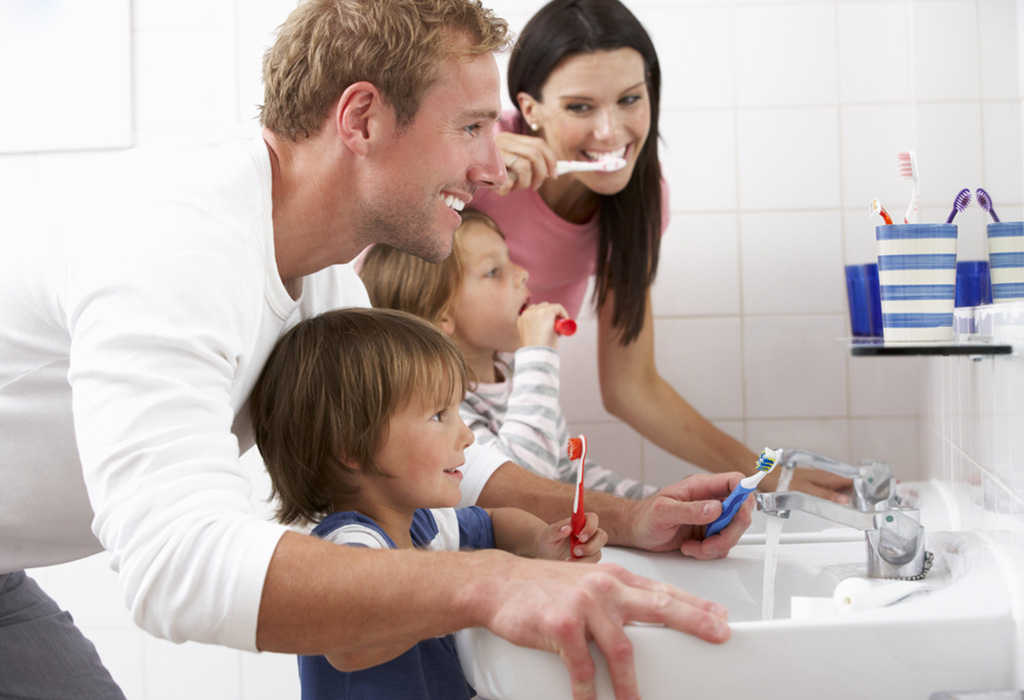
Routines can help children to feel secure and organize themselves. Daily routines like brushing teeth or reading bedtime stories can go a long way in establishing healthy habits and good behaviour in toddlers.
Toddlers feel quite secure and comfortable around a predictable routine life. This is primarily because it gives them the confidence to expect a series of events at the same time, the same way and in the same order everyday. Another reason is that at such a young age, their brains haven’t matured enough to grasp the concept of time. Structured routines are important to help toddlers take control of their lives and also turn them into disciplined beings.
Routines for toddlers need not be strictly restricted to day to day activities such as getting up from the bed at a specific time, or saying a prayer before meals. As parents, you can take them for weekly fun outings or treat them to their favourite pizza once in a while, which is also considered a routine in itself.
Advantages of Having Routines
A well structured routine can benefit toddlers in a number of ways.
1. Develops healthy habits
Teaching toddlers to inculcate activities like washing hands before meals, going to bed early or tidying up after playing with toys as a routine will be instrumental in developing good personal hygiene and healthy habits.
2. Reinforces positive behaviour and discipline
Routines make it easier for children to become confident, take charge of situations and become responsible for their actions. When a routine is followed religiously, children understand what is expected out of them, and become disciplined on their own accord without needing any reminders.
3. Makes children feel safe and emotionally stable
Toddlers often get nervous around the situations unknown to them. Seeing a new member in the family, not being able to listen to the daily bedtime story or experiencing developmental milestones can evoke fear in children. With a familiar routine, parents can tackle potential tantrums, transitions or toddler anxiety in a better way, making them feel secure and safe.
4. Reduces Parent–Child Conflict
How often do you have to nag your toddlers for doing a task on its specified time? By establishing predictable routines, the power struggles between parents and children reduce to a considerable extent. In fact, routines can help parents to eliminate instances of frequent behaviour correction, without facing much resistance from children.
5. Builds social skills
As toddlers grow, their social skills pick up pace. They like to talk more to their parents or play often with friends and siblings. Daily routines such as eating dinner together or greeting everyone in the morning makes a predictable pattern for social interactions. The regular and consistent schedule can make parents stress free too, and give them more ‘me’ time.
Types of Routines
Maintaining steady routines would be challenging for both parents and toddlers, but they can make a big difference, and hence should be started as early as possible. The following daily routines may be considered for toddlers:
Waking up early in the morning
Going to the toilet
Brushing teeth twice a day
Taking a bath and getting dressed
Eating meals on time
Play time with parents/friends/siblings
Reading a bedtime story
Going to bed early
Watching an animation movie once a week
Eating their favourite ice cream on special occasions
Routines are important for toddlers, but make sure that they don’t become too rigid or boring. You can break routines into smaller steps, and let there be room for a little amount of flexibility or creativity. Let the routines be a learning opportunity for children!
Read more

Wheat Walnut Ladoo Recipe
Need a kid-friendly snack idea for your kid’s lunch-box or quick breakfast to satisfy the hunger pangs? Wheat walnut ladoos are golden brown spherical sweets with a nutty fragrance. This wholesome and nutritious finger food is best-loved while basking in the winter sun. The traditional Indian style recipe of this dish can be made with walnut, sugar and wheat flour that offers the perfect combination of fiber, carbohydrates, fat, vitamins and minerals needed to fuel your active child. Find out how to make wheat walnut ladoo in the perfect way and delight your child with sweet tooth during festivals or any happy occasion.
Cooking Time
Type
Time (hh:mm:ss)
Preparation Time
00:10:00
Cook Time
00:10:00
Total Time
00:20:00
Cooking Method
Gas
Type of Meal
Vegetarian
Suitable For
Toddlers older than 15 months of age
Meal Schedule
Breakfast, Evening Snack
Recipe Type
Dessert, Snack Dish
Ingredients
Type
Quantity
Wheat Flour
1 Cup
Walnuts
½ Cup
Refined sugar/Jaggery
1/2 Cup
Butter/Ghee
4 Tbsp
Cardamom Powder
1/8 Tsp
Instructions
The step by step directions given here will help mothers to become an expert cook for making this mildly sweet and flavourful ladoos with a healthy touch.
Dry roast walnut on low flame for 2-3 minutes until the raw smell disappears. Transfer into a bowl and let it cool down.
Melt butter in the pan and add wheat flour and saute for a while till the raw smells go.
Grind the nuts in a blender. Add the fine powder to the wheat flour.
Pulse the sugar in the blender and add it to the wheat flour and walnut powder.
Add cardamom powder to it. Mix everything well and transfer everything in a wide plate.
When it cools enough, make small laddoos of the desired size.
Serve or store them in an air-tight container.
Recipe Tips
This simple wheat walnut ladoo recipe can be used to make this fun snack that can be a great finger-food for your child.
Add any variety of sugar like brown sugar, grated jaggery, palm jaggery for sweetness.
Add poha or dry roast oats or beaten rice crisps to the mixture for added crispness and nutrition value.
Instead of processed sugar, add a natural sweetener like jaggery. Condensed milk can also make it creamier.
This homemade wheat walnut ladoo baby food recipe can be made with almonds, cashews, peanuts for extra crunchiness.
Don’t grind walnuts until it needs to be added to your dish in order to maintain its great flavour.
It is always advisable to make butter at home or ghee for making the healthiest recipes for babies.
You can roll these ladoos in grated coconut as a sweet coating.
Nutrition Information (Per Ladoo)
Type
Value
Carbohydrates
16.8 gm
Energy
218 Kcal
Protein
3 gm
Sodium
2.7 gm
Fibre
0.4 gm
Fat
15.3 gm
Calcium
112 mg
Iron
1.5 mg
Health Benefits
Wheat walnut ladoos are the most gratifying quick bites with immense health benefits for small children:
These ladoos are greatly filling and make your child feel full for longer hours.
Apart from adding an extra flavour, butter contains omega 3 and omega 6 fatty acids that promote brain development for a child.
Wheat flour is a rich source of carbohydrates that generates energy for any physical activity. As it is easily digestible, wheat helps to reduce constipation and flatulence in children.
Wheat contains chlorophyll that is good for blood purification and Vitamin B that contributes towards mental development.
Walnuts are packed with essential nutrients like potassium, magnesium, sodium, folate, calcium and protein that are required for the optimal growth of babies and improved neuro-cognitive functioning.
Walnuts induce deep sleep and helps to maintain optimal body weight.
Buying Guide
This buying guide will help you to make wise choices when you’re venturing out to buy the right ingredients to make these wheat walnut ladoos.
Shelled walnuts are available in your local grocery stores or supermarkets in different forms. If you’re buying packed walnuts, then check for its expiry date. Walnuts with shell are cheaper.
You can choose between salted or unsalted butter. Get your pastured butter for this recipe.
Go refined sugar-free and choose brown sugar or organic jaggery.
Look for sealed packs with details of its nutrition content while buying branded wheat flour.
Homemade wheat walnut ladoo for babies can be an interesting way to pique your kid’s interest in food. If you’re travelling or just in a hurry, just pack this snack in your bag and it will be the super-special anytime treat for your child. So instead of sugar-coated candies and fried snacks, this delicious recipe is the ideal choice for creating happy memories of childhood.
Read more

10 Delightful Jellyfish Crafts for Kids
Craft activities help kids think out of the box, and the marine life in our oceans educate and influence kids greatly. Doing jellyfish preschool crafts provides an insight into this unexplored part of our world while giving kids an opportunity to explore various textures can be a great fun and learning experience for them.
Creative Jellyfish Craft Ideas for Children
Jellyfish are marine animals with umbrella-shaped bells and trailing tentacles who swim freely across the sea and oceans or are anchored to the seabed by their stalks. With all kind of creatures that we know to inhabit the underwater world, this incredibly unique creature doesn’t actually have a brain, heart, bones or even eyes. Its mouth is found in the centre of its body. It has gone into space, can clone itself and don’t get entangled though they have super long tentacles. Jellyfish are commonly known as Medusa, the evil woman in Greek mythology who had offended the goddess Athena who had, in turn, changed her hair into snakes and made her look hideous. Low in calories and fat, rich in protein and collagen, some species of jellyfish are consumed as seafood and are used as an ingredient in various dishes. Edible jellyfish is harvested and consumed in several Asian countries as it is considered to be a delicacy. Hence, it is essential to educate children about the fascinating and unexplored sea world that may evoke a lifelong interest in marine life. Children are sometimes curious about jellyfish and how they move, and their beautiful colours. Apart from taking your kids for an outing to the nearest aquarium, a great way to familiarise them with jellyfish is by utilising craft time to teach them adorable jellyfish art and craft that would engage them productively. Whether summer holidays are around the corner or kids are stuck at home due to the weather, it is time to try out some of the easiest DIY jellyfish craft ideas that don’t require any special skills, tools, or even time to make.
1. Paper Plate Jellyfish Craft
This paper plate jellyfish craft is sure to get your child jump with joy after completion as it can be used for pretend play, or it can be hung up for display.
What You Will Need
Paper plate
Scissors
Paint brush
Coloured yarns
Elmar’s tacky glue
Piece of cardboard
Googly eyes
Blue and pink paint
Jumbo craft sticks with adhesive
Craft knife (Used under adult supervision)
Instructions
Draw the jellyfish shape on the cardboard. Cut it out. Paint it with pink paint or any other colour of your choice. Set it aside to dry.
Paint the top of the paper plate and a jumbo adhesive craft stick in blue colour. Leave them to dry. (You can use a regular craft stick too)
Cut a slit in the paper plate about 2/3 down the plate for the jellyfish.
Cut several strands of colourful yarn. Turn the body of the jellyfish and put some glue on the back. Stick the yarn on the tacky glue as tentacles for the jellyfish.
Place the jellyfish inside the slit on your paper plate. Hold the stick from behind the paper plate while stabilizing the paper plate with another hand. As you move the craft stick, the jellyfish will move as it does in water.
2. Jelly Fish Salt Painting Activity
Salt painting can be a wonderful way to create colourful and artistic ocean art. Kids of all age groups enjoy watching the watercolours run along on the salt as they paint!
What You Will Need
Elmar’s washable school glue
Salt
Cardstock paper
Paintbrush/Medicine dropper/Pipette
Food colouring mixed with water or liquid watercolours
Instructions
Squeeze the glue on the cardstock paper to make the outline of the jellyfish. Then, fill in the jellyfish with glue.
Sprinkle salt on the design. Shake to dust off the excess salt.
You can use neon colour food colouring and add a few drops to a cup of water to make paint or use regular watercolours.
Take some paint with the paintbrush and gently touch the salt-covered glue lines. The colours spread out on their own throughout the design.
Once you’ve finished painting, leave it to dry for a day or two.
3. Cupcake Liner Jellyfish Craft
Cupcake liners can be easily found around the house. Their pretty patterns and gorgeous colours make them ideal for this jellyfish craft. Easy to cut, stick and fold, cupcake liners are perfect for young kids who begin their crafting journey.
What You Will Need
1 or 2 cupcake liners
Scissors
String
Ribbons or Tissue paper
Glue and Duct tape
Googly eyes, eye stickers or black Marker
Instructions
Cut strips of tissue paper or ribbons into equal lengths.
Glue the strips of paper on the inside of the cupcake liner.
Flip it over and stick the string on the bottom of the cupcake liner or on top of the umbrella with the duct tape.
Adding the googly eyes on its side.
Hang the jellyfish with the string.
4. Hanging Jellyfish Craft
Kids love to paint anything using spray paint. Though it can get messy, it is a fantastic way to build the muscles of their hands for writing. This craft involves this simple tool to create beautiful jellyfish crafts that can be hung up for display in the classroom or at home.
What You Will Need
Tissue paper
White glue
Coffee filter
Watercolours
Plastic lids/bowls
Stapler
Fishing line
Instructions
Cut the coffee filters into strips. You can use the parts with the folds.
Turn the lids upside down to resemble a bowl.
Cut the tissue paper into squares.
Squirt or put glue on the inside of the plastic lid with a brush.
Paste the tissue paper squares on top of the glue.
Press them well and leave them to dry.
Put long strips of paper in a plastic container with sides.
Fill a spray bottle with watercolour using any colour of your choice.
Spray it on tissue paper.
Remove the strips from the container and set them on a tray to dry. (Crumpled up tissue paper produce a better effect).
Staple the tentacles around the rim of the plastic lid.
Poke a hole in the top to tie a clear fishing line and hang them from the ceiling.
5. Glow in the Dark Jellyfish Craft
The glowing colours and movements of this jellyfish craft are sure to cheer up your kids apart from teaching them about recycling. Younger kids will have a blast making patterns and sorting the beads that represent the tentacles of the jellyfish.
What You Will Need
Empty and clean yoghurt cup
Newspaper
Mod Podge
Tape
Scissors
Glow-in-the-dark paint
Wiggly eyes
Threading/lacing cord
Paintbrush
Glow-in-the-dark beads
Instructions
Cut the newspaper into strips.
Flip the yoghurt cup upside-down. Paint the inside with Mod Podge or watered down glue.
Paste the newspaper strips on top and add more glue over the top. Repeat until the exterior wall is covered up. Leave it to dry.
Lace beads through the cord to make the jellyfish legs.
Leave about an inch near the top of the cup for taping the cord.
Paint the beads using glow-in-the-dark paints. Let them dry.
Flip the cup right-side up and tape the ends of the jellyfish tentacles to the inside.
Glue on the wiggly eyes on its exterior surface.
It is ready to glow in the dark.
6. Jellyfish Wind Chime
The sound of a wind chime has a calming effect on kids. Help them to make one of their own by doing this craft together. It can be a perfect addition to an ocean theme party or just an addition to your kid’s room décor.
What You Will Need
Multi-coloured paper clips
Jingle bells (Optional)
Google eyes
String or plastic cord
Plastic cups
Small screwdriver
Instructions
Join the paper clips to make chains. You can make patterns or use individual colours for each tentacle.
Poke holes around the top edge of the plastic cup using a sharp tool or screwdriver.
Attach each paper clip chain to the cup through the little holes.
Hang a bell on the bottom of each paper clip chain.
Paste the googly eyes on top of the cup.
Tie a string through the hole at the bottom of the cup and make a knot to hang it.
7. Handprint Jellyfish Art
This amazing jellyfish can look stunning while making a great summer handprint keepsake.
What You Will Need
Multicolour cupcake liners
Glue
Scissors
Multicolour construction paper
Pencil
Googly eyes
Instructions
Trace your child’s hand on a sheet of construction paper using a pencil. Cut it out.
Flatten a cupcake liner and cut it in half.
Round of the base of the hand cutout and stick the semi-circular cupckae liner on top to make the jellyfish’s body.
Stick the googly eyes on the cupcake liner using glue.
8. CD and Ribbon Jellyfish Craft
A perfect boredom buster, this craft is ideal for a school activity, an ocean-themed birthday party, or even a weekend fun. Using old CDs at home teaches kids about upcycling.
What You Will Need
Ribbon
CD
Curly ribbon
Large wiggly eyes
Black permanent marker
Glue
Sponge brush
Tissue paper squares
Instructions
Use a brush to spread glue on the back of the CD.
Paste the tissue paper squares over the glue, wrapping them over the sides. Allow it to dry.
Paste two medium-sized wiggly eyes to the CD. Use the black permanent marker to draw a smile for the jellyfish.
Tape the ribbon to the back of the jellyfish using glue.
Make a loop on top of the CD with a strip of ribbon for the jellyfish to hang.
9. Paper Bag Jellyfish Craft
Doing this jellyfish craft helps kids recognise line, colour, hue, form, and shape, which improves their motor skills and nurtures their creativity.
What You Will Need
Glue stick
Craft paint
Markers
Patterned scissors
Brown paper lunch sacks
White mini cupcake liners
Foam paint brush
Double-sided tape
Instructions
Paint the front of the lunch sacks with a mix of colours and let them dry.
Cut the opening of the bag into fringe looking strips using your patterned scissors.
Stop when you reach about ¾ of the bag.
Stick or tape two mini cupcake liners on the top of the bag.
Draw a black dot inside for the eyes.
10. Jellyfish Rockstone Painting
Stone painting is a hobby that’s fast catching up with kids of all ages. They are easily available, cheap, and used to create mantelpiece decoration, paperweight, or for gifting purpose.
What You Will Need
Smooth and fairly flat stone
Sketch pen
Lead pencil
Paint tray
Instructions
Make a sketch of the jellyfish on a sketch pad. Draw the image on the rock with a pencil.
Paint over the pencil outline and colour the jellyfish eyes with a white posca pen.
Paint the jellyfish head and the tentacles with a purple posca pen, while its main body can be painted with a blue paint pen.
Draw the black eyes, spots on the face, and add small gold details to the tentacles of the jellyfish using the black posca pen. Finally, outline the image.
Sea creatures symbolise strength and resilience as they have to deal with the different sea currents and survive the dangers lurking in the depths. Hence, it is imperative to teach kids about them through craft activities that work wonders for their all-round development. Crafting eases stress in kids, increases happiness quotient, builds cognitive skills, boosts self-esteem, encourages self-expression, promotes innovation, and helps them make new friends. Jellyfish craft for toddlers improves their concentration, problem-solving, and critical thinking for better academic performance at a later stage. Creative activities are a great way to spend quality time with your children and create lasting memories. Who knows, they might even lead the way for marine conservation and exploration in the future.
Also Read:
Ocean Crafts for Children
Spring Crafts for Toddlers, Preschoolers and Children
Creative Paper Craft Ideas for Children
Read more

When Toddlers Play Favourites and What You Can Do
Your toddler only wants mommy or daddy? While it’s common for babies to strike loyalties and preferences, you have to be one up to make all other bonds stronger. Play the bad cop/ good cop role to perfection with these smart and effective strategies for toddlers who play favorites.
Is your toddler prone to taking sides? Or, for that matter, loving your husband more than you? Is this behaviour consistent or is it an act of playing you against the other? Yes, it does sting when your little one starts taking sides with the shunned parent obviously getting upset. So, if you don’t get a hug after returning from work or you find one grandparent enjoying more attention than the other; this is what you should be doing.
Toddler Playing Favourites: Developmental Milestone
1. Why a 12-Month-Old Baby Plays Favourite
There are plenty of good reasons why kids play the game of favouritism. Sometimes, they showcase a deeper bond with those parents with whom they share more time and vice versa. It may also be gender-based with a ‘mamma’s boy’ or ‘daddy’s girl’ placing both parents in their respective pigeon holes. So, if the toddler only wants mommy, then the daddy should understand that the kid is too small to know relationship basics and isn’t trying to unbalance the family.
2. Smart Strategies for Toddlers who Play Favourites
Start scheduling a one-on-one time when you don’t know what to do when toddlers play favourites. To explain this further, instead of taking things personally, the spurned parent should allow the kid to work through the resentment caused by his/her absence. Allow for “alone” time with each parent. In the case of working families, equal quality time is a must.
3. Play Bad Guy, Then Good Guy
If you’re less liked because you’re the one who doles out discipline, then go for a temporary role reversal with your partner. A smart way of overcoming favouritism is to take turns with your partner in issuing rewards and sentences alike. It helps.
4. Reassure, without Giving in
Believe it or not, your kid can be manipulative too. They know what they can do and also get away from it all. They also have a tendency of repeating the acts that get reactions. In case your kid’s preference for one of you causes him to respond in a particular way, either good or bad, then he’ll keep repeating the act. Don’t give in and stay firm but in a reassuring way.
5. The Phase is Normal and will Pass
Playing favourites isn’t always about a lack of emotional connection or true resentment of the kid with one parent. In most cases it’s a normal toddler phase that goes away with time. Here, experts recommend patience and the knowledge that nothing changes overnight.
So, if you feel that your child is showcasing a favourite stand and has an aversion towards some relationships, just relax. With the right strategies in place, your tot will soon be behaving normally.
Read more

Toddler Refuses To Wear Clothes: What to Do?
Some toddlers refuse to keep their clothes on once they figure out how to remove it. If your toddler’s undressing at every given opportunity is stressing you out, learn why he’s doing it and how you can stop him from it.
You may dress your toddler in the best of clothes but instead of keeping them on, he takes the first opportunity to take them off. When you wake up in the morning, he’s in his birthday suit, looking relaxed and smug. Apart from driving you up the wall, this new habit can be quite embarrassing, especially if he decides to disrobe in front of strangers or publicly. Moreover, if he takes off his diaper, it can get very messy! Why does he do this?
Reasons Why Toddler Is Taking Off Clothes and Diapers
Here are some reasons to understand why is your toddler taking of his clothes and diaper.
1. Uncomfortable Clothes
Your child may not enjoy the touch of frills and lace against her skin, or your son may not like the bow tie around his neck or the line of buttons on his sweaters. Maybe he’s feeling hot and sweaty and doesn’t have the verbal skills to express himself.
2. Diaper Woes
Diapers get uncomfortable when soggy and heavy. Being unable to express himself, your child just pulls it off out of frustration. It could also be that he’s ready to be potty trained, and when he needs to go, he pulls off his diaper because he doesn’t like the uncomfortable feeling. Watch out for signs that he’s ready to be potty trained, such as squatting in a corner or scrunching up his face.
3. Seeking Attention
Your 16-month-old may refuse to stay dressed almost every chance he has, because of the reaction it gets out of you. It might be his way of getting attention from you or the people around him. Whether you go red in the face and start shouting at him or start making him wear his clothes, he’s fulfilled his goal!
4. Displaying New Skills
Your child may have just learnt how to undo zippers and unfasten Velcro or pull his arm out of a sleeve. For him, taking clothes off is a new and exciting activity, and he will want to do it over and over again till he gets bored or learns something new.
5. Assert Control
Toddlers have a knack for challenging their parents by asserting independence. After learning how to remove diapers and pants, they may assess your reaction toward it. When they have an urge to pee, they may signal toward their business by removing their diaper or clothing.
How to Encourage Your Toddler to Keep His Clothes On?
Fortunately, there are certain tricks and hacks that can help you encourage your tiny tot to keep their clothes on. Let’s discuss them in detail.
1. Allow Occasional Partial Nudity and Invest in Comfortable Clothing
Let your child be naked when it’s necessary, safe, and appropriate, but do explain to them gently that clothes are necessary in public or when guests are over because bodies are private. If it’s the diaper that seems to be bothering him, change it more frequently to avoid his irritation.
2. Choose Outfits With Fasteners
If your child often undresses in public, dress them in clothes that are harder to remove, like overalls, buttoned shirts, or pants with a belt. Try putting the clothes on backwards so that he can’t open the fasteners so easily. Onesies are generally tougher to take off, so you could have him wear them.
3. Remove Tags
Get your child comfortable clothing that doesn’t irritate his skin. Tags can irritate sensitive skin, so cut them off to make clothes more comfortable and help keep your child dressed.
4. Involve Them in Shopping
Let your child pick between two outfits to help them with their new-found independence (1). If they choose something inappropriate, offer an alternative.
5. Be Patient
Be calm and patient; children do such things to feel at ease. Talk to them in a gentle manner for them to come around your way. Avoid reacting strongly if your child undresses. Negative reactions can create shame, while laughter might encourage the behaviour for attention.
6. Encourage Practice
Teach your child why it is not a good practice to remove clothes using a doll or stuffed animal with easy-to-remove clothes. Be ready to help with putting clothes back on, which is more challenging.
How to Handle a Toddler Who Keeps Removing His Diaper?
If your little one is focusing only on yanking off his diaper and keeping the rest of his clothing as is it is, then they may be suggesting their urge to pee, poo, or any other discomfort they may be having. They may even feel not so good about the mess they make in their diapers. This is a sign to start them on potty training.
However, if your little patootie isn’t at the age to be potty trained yet doesn’t like to keep their diaper on, then you can secure the diaper with tape. Similarly, you can dress in clothes with tight fasteners or that are trickier to remove.
FAQs
1. Why is my toddler taking clothes off at night?
If your little one like to sleep without any distraction let alone the tightness and heaviness from a diaper, then he may be prompted to take off his clothes or diaper at night to enjoy a fuss-free sleep.
2. Why does my toddler like taking off his clothes and diaper every time I dress him?
It may seem that your little one prefers to go au natural or is not comfortable with the clothing if your toddler refuses to wear clothes.
3. What age is not ideal for a child to go around naked?
It is not ideal to keep your child naked at any age; however, that also depends on the country you are living in, the cultural background, family preferences, and gender. However, once they attain four or five years of age, it is important to keep them clothed, even if in one piece of clothing like a trunk. Toddlers like to roam around without clothes in the home during the summer. It is parents’ responsibility to teach children about nudity and how they should be clothed at home and in public.
If your child just likes the freedom of being naked, give him some time to be without clothes, like 5 minutes before a bath. If your toddler’s tantrums are taken out on his clothing, try to explain to him about public and private places and how certain body parts should be covered. Most importantly, don’t overreact. Stay calm and apply these tips.
References/Resources:
1. “I Can Do It Myself” Toddler’s Push for Independence; Oklahoma State Department of Health; https://oklahoma.gov/content/dam/ok/en/health/health2/documents/cgs.pub.icandoitmyself.pdf
Also Read:
Why Do Toddler Ignore You and What to Do About It?
Tips to Deal with Destructive Behaviour in Toddlers
Common Toddler Behaviour Problems and Their Solutions
Explaining Reasons For Refusing Your Toddler’s Demands
Read more

Dental Care for Children
Dental care in children is a pressing issue because it is difficult for parents to see their children in pain. Thus, parents need to arm themselves with knowledge about dental care for children to save their little ones from tooth monsters. This article will help you manage and seek appropriate dental care for your munchkin.
Video : Important Dental Care Tips for Kids
Importance of Dental Care for Kids
Teeth are in danger of getting cavities the moment they are out of the gums, which happens when your child is 4-6 months old. The mouth serves as an entry point for many bacteria; hence cleaning your mouth – brushing, flossing and rinsing – is necessary. A study shows that approximately 57% of kids develop tooth decay by the time they become adolescents. In fact, one study shows that 25% of adults lose their teeth by the age of 65 because of untreated oral diseases rather than old age. What’s worse is that poor oral hygiene has been linked to fertility problem and even cancer.
Oral Hygiene Instructions for Children
Below are a few things your children need to do for healthy teeth:
1. Brushing
Make sure your kids brush their teeth twice a day to get them into the habit of brushing. Each brushing session should last for approximately 180 seconds. While it is important to brush their front teeth, make sure they work on their molars as well.
2. Toothbrushes
When it comes to toothbrushes, there is a wide range of choices that are available for kids. Is your child into animals? You can get him a hippo shaped toothbrush or an alligator-shaped one based on his preference. However, make sure that the bristles are soft as tough bristles can induce bleeding. Replace their toothbrush every three months as the bristles get worn out over time.
3. Toothpaste
Use a rice-sized smear of toothpaste for children under the age of two. For children over two, a pea-sized serving will do. If your child is over two years old and can spit out properly, use fluoride-based toothpaste. This is because fluoride helps reduce tooth decay. Earlier, toothpaste was not recommended for kids below two. However, due to rising levels of sugar in their diet, it is suggested that even kids below two years should use toothpaste.
4. How to Floss
Oral hygiene for kids is incomplete without flossing. You can start helping your kid floss the moment the second tooth comes out. Initially, he can start with floss sticks, as they are easy to manoeuvre. Once your kid is a little older, he can move to string floss.
Child Dental Care Planning
The first visit to the dentist should be at the age when the first tooth erupts. This is because kids’ teeth are at the risk of developing cavities the moment they become visible. Bacteria can easily compromise the health of your munchkin’s teeth, making it optimal to fix an appointment with your dentist once every six months.
Incorporate milk, green leafy vegetables, and white beans into your child’s diet, as these foods are rich in calcium and help in strengthening the teeth.
Why Should You Schedule Dental Appointments for Your Child on a Regular Basis?
Your kids may groan each time you tell them they have to go to the dentist. However, regular dental check-ups are required because of the following dental problems:
1. Tooth Decay
Kids are vulnerable to tooth decay as they generally eat lots of sweets. By visiting the dentist at the earliest, you will get to know the primary signs of tooth decay, which can help you avoid expensive treatment in the future.
2. Crooked Teeth
Some kids have a poor alignment of teeth when they start growing. In most cases, crooked alignment gets corrected, but sometimes, the problem needs dental intervention. Early detection can maximise the chances of a successful alignment.
3. Fluoride Deficiency
Numerous toothpaste brands contain fluoride in them. However, if your child’s brushing technique is poor, he may have fluoride deficiency. Regular visits can spot the problem, and your kid can be given a topical fluoride solution.
4. Familiarity
Going to the dentist is not easy, and even adults quiver at the thought of heading to a dental clinic. Inculcating the habit of regular visits familiarises your child with the setting.
Is It Compulsory for Children to Brush Their Teeth Before Bedtime?
If children don’t brush their teeth after dinner, the food particles remaining between the teeth can cause cavities due to the acids produced. Also, make sure that your child does not consume any food or beverage after he brushed his teeth for the night.
What to Do If Your Child Is Facing a Dental Problem?
Dental treatment for children can be a difficult affair as they can be anxious about what happens at the clinic. The dentist is the best person to take care of the pain. However, you can also do a lot to make sure that your child has a pleasant experience at the clinic.
Positive Reinforcement: You can build your child’s confidence by constantly encouraging him and telling him that everything will be okay. Many first-time jitters are because of fear of the unknown. Once your kid is done with a session, continue the positive reinforcement by telling him everything went well, just like you told them.
Distractions: A favourite trick of every parent, you can use funny stories or an amusing feature about the clinic to distract your kid. Very often, kids overthink what may happen to them just prior to the appointment. Thus, distractions are great to engage their overactive imagination.
Mobile Phones: When all else fails, you still have a mobile phone that you could use to keep your child engaged. If you have a couple of video clips to keep him occupied, bring your headphones along as well. You could also download his favourite game to keep him engaged.
When Is There a Need to Undergo an Orthodontic Treatment?
If you find the alignment of your child’s teeth uneven or he has a distorted bite, i.e., the top and bottom set of teeth do not meet and are far apart from each other, you should visit an orthodontist. Again, regular visits, one every six months, to your dentist can help identify such issues. Some dentists do orthodontic work alongside their regular work, while others specialise in it. In some cases, these symptoms are obvious, such as pain while chewing or speaking, and protruding teeth.
How Can Your Kid Avoid Orthodontic Treatment?
Teaching dental hygiene to children acts as a safety net against possible complications like cavities and tooth decay. There are some avoidable factors that also contribute toward creating a stage in the development of one’s mouth where it becomes imperative that orthodontic treatment is carried out. Behaviours like thumb sucking can misalign and affect the proper growth of a child’s teeth when done over a long time. Another factor that causes this is the premature loss of milk teeth. If one too many milk teeth are lost before their time, it will misalign the development of permanent teeth.
Dental care for children acts as a defence against problems like cavities and keeps their pearly whites intact. Make sure you take your child to the dentist every six months and inculcate a habit of brushing.
Also Read: Bad Breath in Kids
Read more

How Toddlers Use Objects To Cope With Separation
Parents think that playing with educative toys is the only way to quicken child development. On the contrary, studies have proved that stuffed toys work better. Stuffed animals help toddlers to cope with separation and improve their social and communication skills. Find out how.
As a dutiful parent, you’re bound to have done your research well and lined your toddler’s nursery with the best educative toys that would help him in enhancing different skills. However, don’t forget to add in a stuffed animal or too. These toys aren’t just cuddly but prove beneficial in child development.
Stuffed Animals and Child Development- How this Works
1. Learning to be Independent
Your tot hardly leaves your side during the course ofthe day. However, in order for him to learn more about his surroundings, he needs to explore. But, leaving your side might be just unthinkable for the little one and even scary at times. A stuffed animal can actually help in overcoming this separation anxiety in toddlers. Start by presenting your child with a stuffed toy of his favourite animal or cartoon. Suggest him to name the toy and address it with that name. Now, encourage your tot to play with the toy for some time on his own. This will get the tot attached to the toy and think of it as a playmate, thus reducing his fear of venturing away from you.
2. Expressing Emotions
Toddlers often find it hard to express their emotions to their parents. However, a stuffed toy in tow not only acts as a playmate but also dons the role of a confidant. Your child is more likely to talk about his fear of leaving your side to his stuffed toy rather than to you. You might see your tot consoling his stuffed animal about it being okay. Keeping an eye on this will help you understand your child’s insecurities and fear of separation. Make sure that you teach your toddler how to help themselves to cope with separations.
3. Regulating Emotions
Regulating emotions doesn’t come easily and needs a lot of practice. This is especially true when it comes to fear of separation in toddlers. When your little one pretend plays with his stuffed animals, he actually learns the right way to manage his emotions and direct them the right way. These games also help him in coming up with solutions that can help him to cope with his fear of being separated from you for some time.
4. Gaining Confidence
One of the main reasons why 3-years-old love stuffed animals is because the company of the toy makes him feel safe and even confident. When it comes to playing with the toy, he dons the role of a protector to the doll, just as you do for him. He realises that fear can’t make its presence felt in such a situation and thus ventures around with confidence.
Playing with stuffed toys also enhances the sense of object permanence in your baby. Thus, he knows that even if he isn’t able to see you, you are still around. This, in turn, helps him to get over his separation anxiety.
Read more

When Your Toddler Picks Up a Spoon For Feeding
Self-feeding takes time as much as practice. While most babies are capable of self-spoon feeding at 13 months, others might take a bit longer which is completely natural. What’s important is to allow them their time and space to feed their curiosity before they can learn to feed themselves.
Eating with a spoon takes a certain amount of skill for a toddler and a greater level of frustration for a mother, for it can be one messy affair. Eating with their tiny fingers is usually the first sign of wanting to eat on their own. When this happens, it’s time to introduce them to the spoon with these quick tips that’ll help you kick-start the habit.
How to Teach Your Toddler to Eat With a Spoon
1. Play-act with your toddler
Playing with utensils and spoons while pretending to cook and eat is a good way to introduce your toddler to the act of eating. Seeing you, your toddler will begin to imitate you. When finally confronted with eating with a spoon, it’ll create less of a mess and stressful situation for you.
2. Give them their own spoon while feeding
6 months onwards is when children begin to get curious about spoons before they can start self spoon feeding at around 13 months. During this stage of feeding, you’ll most often find them making a grab for the spoon while you feed them. Satisfy their curiosity by giving them their own. This helps in them associating the spoon with food and while they won’t be able to do so much as scoop a spoonful of food from their bowls, they will learn to put the spoon in their mouth. On your part, you could guide their hands to their bowl, dip the spoon in with just a little for taste and place it in their mouths. This should give them the hang of it.
3. Choosing the right spoon
The choice of spoons is very important in the process of teaching your toddler to eat with a spoon. Giving them a spoon that’s too heavy or too thin to grasp is only going to make the task that much harder. Plastic spoons with a soft tip are the best as they can be held onto easily and are soft on the gums. There are some spoons that even bend into position when placed in the mouth, making it easy for your toddler to eat from.
4. Choose the right foods to go with the spoon-feeding
Foods like cream, yoghurt, puddings, mashed potatoes and minced food are the ideal choice of food that work best when you’re doing this self-feeding experiment. These foods are thicker and denser, which means that they’ll stay on the spoon, creating much less of a mess compared to cereals, soups or any milk-based foods that will only trickle off before they can make it to your baby’s mouth.
A most commonly asked question is when do toddlers start feeding themselves with a spoon? Usually, 12 to 15 months is when a toddler shows signs of self-eating. If they don’t show any signs by this time there’s no need to encourage them to use a spoon. Allow them to eat with their fingers till such time they are ready. They’ll be ready soon!
Read more

Teaching Shapes to your 22 Months Old
Looking for ideas for teaching shapes to toddlers? With these tips, both you and your child will have many enjoyable experiences with shape activities at home. Cherish these moments of teaching preliminary lessons to your munchkin. When he starts distinguishing circles from squares, you can say, ‘We did it!’
Have you ever wondered why teaching shapes is an important element in preschool lessons? Children are introduced to the basic four shapes- circle, square, rectangle and triangle- at a preliminary stage to prepare them for more complex lessons in the future. These different shapes help in honing their reading and writing skills too. Moreover, they lay down the foundation for math lessons and logical reasoning. Here are some effective shape-friendly hacks and activities to aid the cause!
Top Ways to Teach Toddlers about Shapes
1. Use Shape Puzzles
One of the most effective tools for teaching is puzzles. As you look around online and in brick and mortar stores, you’ll find basic puzzles that require the concept of shapes for their successful completion. They serve to be smart aids for introducing basic shapes to toddlers. Usually, such puzzles are brightly coloured and big in size, which makes it easy for tiny tots to hold them and understand individual shapes.
2. Play with Play Dough
If your child’s play dough set has been lying idle, it’s time to take it out. With it, you can create different shapes for toddlers to learn. Your child will not only enjoy the activity, but the time spent together will help you bond.
3. Through Exercises
If you’re looking for some really stimulating shape activities for toddlers, then try this: Every morning, spend some time exercising with your little one. Show how he can create a circle with his arms by stretching them in front and holding his hands like a bowl. Or, teach him to form a triangle by bending over and touching the ground. He’ll love the activity!
4. Tactile Sensory Lessons
In your lesson plans for toddlers on shapes, you can introduce basic shapes with the help of different textures. Use materials like a corrugated board, sandpaper, satin and jute on different shapes. Gradually, by running his hands over them, your child will be able to distinguish between each shape without your intervention. Through touch, he’ll come to learn that circles are round whereas squares have sharp edges.
5. Art and Craft
While deciding on shape projects for toddlers, remember to include art and craft activities too. You can encourage your child to paint each shape in different colours. If he’s already been introduced to plastic scissors and glue, teach him to cut out different shapes no matter how rough they come out. The pieces can be stuck in scrapbooks or on nursery walls. Revise the learned shapes regularly. Once the concept on basic shapes is grasped, you can proceed with polygons, ovals, cylinders and other complicated forms.
There you go- get started with these fun shape projects for 22 months old. After a few practice sessions, your child will not only learn to talk about them but will also take an active interest in creating geometric designs on his own.
Read more

Peanut Chikki Recipe
A delicious and mouthwatering recipe for a snack that can be offered during mid-day or as a dessert, this easy Peanut Chikki recipe is perfect for introducing sweet treats to your toddler. Peanut chikki serves as an ideal replacement for chocolates or junk foods for snacks or desserts. All you need is peanuts and jaggery, and in no time, you can whip up a healthy dessert. Chikkis are popular with kids and best enjoyed during the winter season.
Cooking Time
Type
Time (hh:mm:ss)
Preparation Time
00:30:00
Cook Time
00:30:00
Total Time
00:60:00
Cooking Method
Gas
Type of Meal
Vegetarian
Suitable For
Weaning toddler older than 21 months of age
Meal Schedule
Mid-day Snack or Desserts.
Recipe Type
Snacks, desserts
Ingredients
Type
Quantity
Peanuts
1 cup
Jaggery
3/4th cup
Cardamom powder or Elaichi Powder
One teaspoon
Ghee
One teaspoon
Instructions:
This homemade Peanut Chikki baby food recipe will be a piece of cake for you, once you follow the step by step guide:
Roast the peanuts for 2-3 minutes on medium flame. Do not let them burn and once it cools remove the skin.
Melt the jaggery into a thick consistency. The consistency should match that of a thick syrup.
Add the cardamom powder and mix well.
Grease a plate with about one tablespoon ghee and keep it ready.
Mix in the roasted peanuts to the jaggery syrup and keep stirring until all the peanuts are well-coated.
Spread the peanut and jaggery mixture on the greased plate.
Let it cool down. Cut it into desired shapes.
Store in air-tight containers and enjoy when needed.
Recipe Tips
Now that you have learnt how to make Peanut Chikki, use the below tips to achieve perfection:
Always buy peanuts with skin. Roast them in a deep kadhai or non-stick pan for a couple of minutes. Make sure you roast them on slow flame. This will ensure that it does not burn. Rub the cooled peanuts in your palm as this ensure the husks peel off easily.
Keep stirring the jaggery syrup until it reaches excellent consistency. Do not add too much water while melting the jaggery. Add a little water first and then check to see if you need to add some more.
Keep a bowl of cold water to check the consistency of the jaggery syrup. Pour a small quantity into it and if it rolls into a ball, then turn off the gas or add the peanuts immediately.
You can choose to eliminate the cardamom powder, but it gives a beautiful aroma and also a great taste.
Nutrition Information (Per 100 Grams)
Type
Value
Calories
434 kCal
Carbohydrates
37 gm
Protein
13 gm
Fat
27 gm
Sodium
12 mg
Fibre
5 gm
Cholesterol
11.8 mg
Potassium
396 mg
Iron
2.3 mg
Calcium
66 mg
Health Benefits
This lovely snack is packed with loads of goodness and below are some health benefits:
Peanuts are rich in proteins and very essential for body development.
Peanuts contain vitamins like B6, B9, thiamin, riboflavin and Vitamin E.
Peanuts are also rich in minerals like zinc, copper, magnesium, calcium, iron and selenium.
Peanuts are a good source of fibre and aids in bowel movement.
Jaggery helps in digestion and cleanses the stomach.
Jaggery prevents anaemia and is a rich source of iron.
Jaggery is also a rich energy booster.
It purifies the blood and keeps the skin healthy.
Buying Guide
A few things to remember when you buy ingredients for this recipe:
Buy peanuts in sealed form. Check the expiry date on the packaging.
Buy jaggery in sealed form. It is best to buy dark coloured jaggery as it will lend a dark colour to the snack.
You can either crush the cardamom in a mortar and pestle or grind it in the mixture. When grinding, add some sugar so that they will grind well.
Peanut Chikki for babies is a healthy option to serve your kids. It packs the goodness of protein and fibre in tiny chunks and is something which is liked by all. A delicacy made during the Makar Sankranti season, this can be made all year round and stored. Replace the unhealthy packaged snacks loaded with preservatives to this healthy alternative. Encourage healthy eating habits in your child and let them find their taste in different palates.
Read more
Tools And Trackers


Sort By
 Latest
 Most Popular
 Trending
Please select atleast one Filter