
Preschooler




Suggested articles for you
Gummy Vitamins for Kids – How Safe Are They?
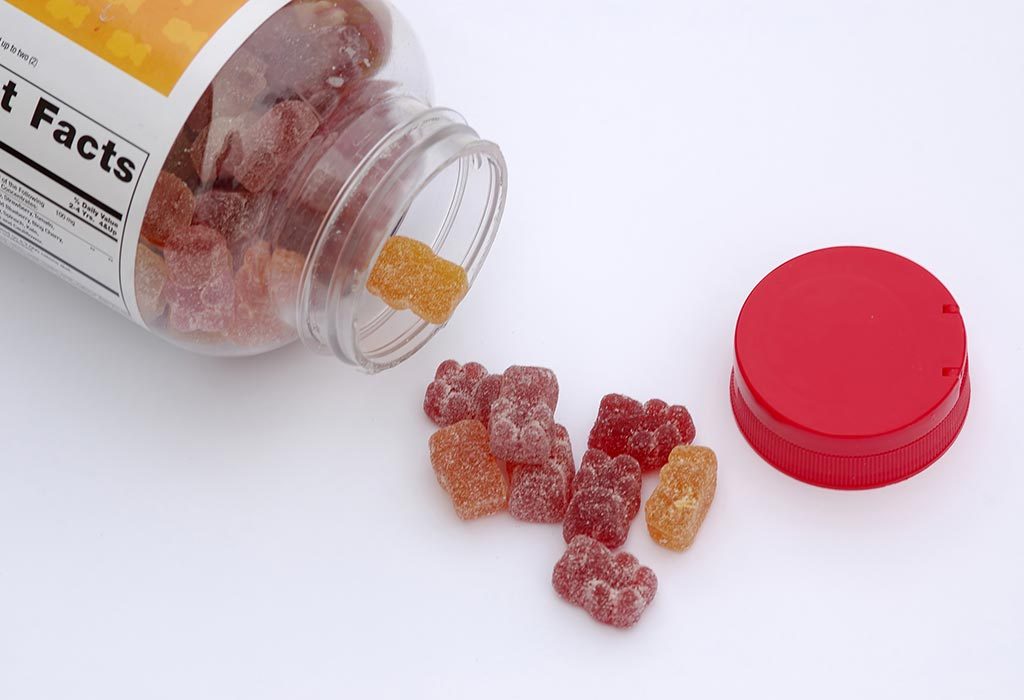
Every parent struggles and strives to ensure that their child gets ample nutrition. If you have a fussy or picky eater, then compensating for the nutritional needs of your kid may become further taxing. As a result, parents resort to supplements and multivitamins for their kids, which are also available in luring gummy forms. Gummy vitamins for kids come in a variety of shapes and flavours that make it easy for children to consume without any fuss. Well, if you wish to get yourself better acquainted with gummy vitamins and learn whether these are a viable option for your kid, we recommend reading this blog for a better insight into this topic! After all, it is our children’s health we are talking about.
What Are Gummy Vitamins?
Gummy vitamins are vitamin supplements for kids, but this variation of supplements has more sugar and calories in comparison to traditional multivitamins (1). Parents should be careful and read the label thoroughly before picking up such vitamins because sometimes these may not contain all the vitamins that you may be looking for. Mostly such variants come with water-soluble vitamins such as vitamin A, some type of vitamin B, vitamin C, vitamin D, vitamin E, etc. However, these kinds of supplements may lack nutrients such as calcium, iron, etc. and if you are relying on them to compensate for your kiddo’s calcium or iron requirements, considering this option may not be a great thing to do!
At What Age Are Gummy Vitamins Suitable for Children?
Usually, gummy vitamins are suitable for children aged five and above once they can chew solid foods easily. Choosing age-appropriate gummy vitamins is important to avoid overdoses, as adults’s and children’s gummy vitamins have different compositions of minerals, even if they target the same issue. Before introducing any health supplement or gummy vitamins to your kiddo, it is advised to consult a paediatrician as they will be able to diagnose the need for a supplement, what deficiency your child has, and what should be the duration of the course of gummy bear supplementation.
Types of Gummy Vitamins
If your kid eats his meals properly, which constitutes all food groups, then there is no need to give any supplements to your child. The matter of fact is that not all kids require vitamin supplements; however, if your kid needs supplements, then it is a good idea to know what options you have:
1. Gummy Multivitamins
You can opt for gummy multivitamins for kids that contain a combination of some vital nutrients. However, it is important to understand that not all vitamins and minerals are present in all types of gummy multivitamins. Therefore, you need to exercise discretion while picking up such vitamin combos.
2. Gummy Vitamins Fish Oil
These vitamin supplements are formulated with fish rich omega-3 fatty acids. These vitamin supplements are great for promoting brain development in kids, and these are also beneficial in preventing various kinds of diseases such as coronary artery disease.
3. Vitamin D and Calcium Gummies
Calcium gummy vitamins are the most common among children’s gummy vitamins. If compensating for your kid’s calcium and vitamin D requirements is something that you are looking for, then opt for gummy vitamins with vitamin D and calcium in them.
4. Other Gummy Supplements
There are other kinds of gummy vitamins available that contain antioxidants and fibre, which are great for preventing infections and effective in building immunity.
Why Are Gummy Vitamins So Popular in Children?
The simple answer to that question is that they look utterly appealing and taste heavenly too! Well, there is no rocket science in understanding that most kids love to eat sugar-laden treats and if they come in enticing forms, well, that becomes the icing on the cake.
Another aspect associated with the popularity of these gummy vitamins is that in today’s fast-paced lives, it may sometimes get tedious for parents to keep a tab on their kid’s nutrition, and opting for resorts like this, which is also enjoyed by kids, seems to be a great deal! On top of it, when there are advertisements doing the rounds propagating umpteen benefits for your munchkin, well, that surely becomes a sure-shot deal of popularity for such things!
Again, you should not forget that it is not important or necessary that what is popular is healthy and safe for your kid, too!
How Can Gummy Vitamins Harm Kids?
How parents wish that few yummy gummy bears could compensate for their kid’s nutritional requirements. Well, there is no doubt that some kinds of supplements do take care of your kid’s nutritional needs, but as far as gummy bears are concerned, that may not hold true completely because of a few concerns. The first concern is that these gummy vitamins for toddlers contain high amounts of sugar and come in a sticky texture, which becomes the perfect recipe for dental caries, tooth decay, and other dental issues in kids. Secondly, children may sometimes consume them in more than required amounts because, let’s face it, these appear like normal candies, which may lead to health complications (if consumed in large amounts on a regular basis) (2). And thirdly, there is no substantial evidence available that supports that these kinds of vitamins help compensate for the nutritional requirements in kids.
What Should Parents Do?
Here are some things that parents can do:
Always check labels when buying supplements. Usually, chewable multivitamins are more complete than gummy ones.
Do not give your child more than the prescribed amount of vitamins, and keep them out of your child’s reach.
Do not forget that gummy vitamins are medicine and should be administered carefully.
If you are giving your kid different kinds of supplements, keep a tab on the vitamins in each supplement to avoid overdosing.
Usually, gummy vitamins do not contain calcium and iron or contain these nutrients in very small amounts. To compensate for these nutrients, make sure you look for other supplement options, such as children’s gummy vitamins with iron.
Whether you are opting for organic gummy vitamins or other kinds of healthy gummies for kids, all these vitamins contain high amounts of sugar. Therefore, it is important to practice good oral hygiene with your child to avoid any dental issues.
To find the most suitable and best vitamin gummies for kids, contact a paediatrician rather than purchasing over-the-counter gummies on your own.
Rather than relying solely on supplements, parents should build healthy eating practices at home so the kids get 80% nutrition from their food and the rest from their supplements (3).
If in case, any dental issue crops up, do visit a pediatric dentist as soon as possible to avoid any dental complication.
Are Gummy Vitamins Advertisements Misleading?
Usually manufacturers advertise their products in a way that the customer feels lured to buy them, and the same holds for gummy bears. There are many famous brands that make these supplements for kids and claim that their supplements contain zinc, which can help in improving eating habits in children. Well, the truth behind this statement is that there is not much scientific evidence available to support this claim. Another misleading fact about gummy bears is their classification; some brands advertise them as food, whereas other brands term them as supplements.
As parents, you must exercise great caution and discretion when you pick up any such supplements for your kids and don’t get fooled by false claims of various drug companies.
Are Sugar-free Gummies Safe for Children?
There are some sugar-free varieties available in gummy vitamins, too. However, how safe they are for kids greatly depends on what goes on them. Some manufacturers may use sugar alcohol in place of regular sugar. Again, some manufacturers may increase other ingredients, such as citric acid, to compensate for the sweetness that may lead to weakening the teeth enamel.
Well, which are the best gummy vitamins for kids is the decision that should be best left to your kid’s paediatrician!
What Are the Alternatives of Gummy Vitamins?
The first line of alternatives to gummy vitamins is definitely whole foods. There’s nothing better than whole foods that provide optimal nutrition and the body fulfilling by keeping the natural body rhythm intact.
Secondly, there comes chewable vitamins. Since gummy vitamins are loaded with sugar to appeal children’s taste bus, they are not so a good option. Chewable vitamins, on the other hand, come in a powdery chewable tablet form that gets dissolved quickly and the powdery residue can quickly be washed away from the mouth with a simple water rinse. There are several innovative multivitamins with features like zero sugar, zero pectin or gelatin, and zero preservatives.
Thirdly, we have non-chewable vitamins that can be swallowed. These are ideal for big kids and adults.
But fret not, there are some gummy vitamins that feature extremely low sugar and presevatived, making them safe and suitable for children’s health. For such, an extensive research is required.
FAQs
1. Are gummy vitamins safe for babies?
Although gummy vitamins are safe for babies, health experts do not recommend them because of their high sugar, colours, and preservative content, as well as false marketing.
2. What are the pros and cons of gummy vitamins?
Pros
Gummy vitamins are mostly easy for kids to eat because of their sweet taste, edible shape, and jelly-like texture. They also offer convenience for parents to carry them around wherever they go.
Cons
Most gummy vitamins lack certain vitamins and minerals and are high in sugar, its derivatives, and citric acid – they almost feel like candy. They even leave a sticky mess on the hands and on the corners of the child’s mouth.
3. How to choose the right gummy vitamin?
When choosing gummy vitamins, make sure to check for the composition of vital vitamins and minerals, like zinc, calcium, iron, iodine, magnesium, and vitamins A, B, D, C, K, and E. Additionally, they should be absent of any allergy-causing ingredients, like nuts, wheat, milk, colours, artificial sweeteners, or preservatives.
There is no match for eating a well-balanced and healthy diet that comprises all kinds of food groups. However, if under any circumstances you feel that you need to give supplements to your kid, do talk to your kid’s paediatrician before doing so!
References/Resources:
1. Do Gummy Vitamins Really Work?; Scripps; https://www.scripps.org/news_items/7270-do-gummy-vitamins-really-work
2. Dangers of Gummy, Patch, and Powder Vitamin Supplements; MED Shadow Foundation; https://medshadow.org/gummy-vitamins/
3. Should I give multivitamins to my preschooler?; Mayo Clinic; https://www.mayoclinic.org/healthy-lifestyle/nutrition-and-healthy-eating/expert-answers/multivitamins/faq-20058310
Also Read:
Best Healthy Foods for Kids
Vitamin D Deficiency in Children
Importance of Magnesium for Children
Important Nutrients Needed for Kid’s Strong Immune System
Read more




Parenting an Overly Talkative Child – Tips to Deal With a Chatterbox
Children take a massive leap from being able to speak simple sentences when they are toddlers to having full-fledged conversations with you as they grow older and touch three or four years of age. This phase can be both daunting and exciting for parents. You might be bombarded with tough questions about life, yet, you will take pleasure in the fact that your child can express herself. However, sometimes, children do not know where to draw the line concerning communication, and they do not understand the concept of privacy. If you have an extremely talkative child, you will need to pay attention to what she says and help her correct it gradually.
Video : Useful Tips for Parenting an Overly Talkative Child
What are the Pros and Cons of Having a Talkative Kid?
Having a talkative kid is not all bad. There are certain pros to it too.
Pros
Here are some of the advantages of having a talkative child:
They Can Communicate: You will not have to worry about what your child is thinking or feeling; she will tell you readily. This way, it is very easy for you to parent as you don’t have to assume or guess what your child is going through. She will be like an open book to you.
You Have Entertainment: There is never a dull day with a talkative child around. You can count on her to ask questions and bring up conversations to keep you engaged for the entire day. You’ll find plenty of creative imagination popping up during your conversations.
They’re Great Company: Rest assured, your child will be great company every single day at home or anywhere you go. You don’t even need to bear the burden of the conversation; it’ll all be dealt with single-handed by your little one.
They’re Opinionated: One major pro of being outspoken or talkative is that children learn, early on, how to voice out their opinions. Do you want to know how you really look in that dress? Ask your child – an honest answer is what you’ll get.
They’ll be Prepared for Success – With plenty of questions answers, interactive nature and plenty of engagement, talkative kids are bound to be more social and have better verbal communication. They tend to participate readily in activities and events, getting a head-start towards success.
Cons
Despite all the pros, a talkative child’s behaviour is not a piece of cake to handle at all times. It can really test your patience. Here are some cons of having a talkative child:
Silence is Sparse: If you’re craving a quiet moment in the house, it is unlikely that you’ll find it with a talkative child around. Chances are, you will be bombarded with questions that can kill every ounce of silence around. The only quiet moment you can find is when she is asleep.
You’ll be Fired with Questions: Children come up with the weirdest questions, and talkative kids, more so. You’ll have questions coming at you faster than you can register them, let alone answer them.
It’s Usually a One-Person Show: If you are hoping to get a few words in, sincerely, you may have to wait a long time for your chance. You are likely to get cut off quicker than you can get in the first syllable.
They’ll Hardly Listen: Your child is so engrossed in putting across her opinions that she will barely give a moment to listen to what you have to say and understand it. This can be a big problem, as she will not cultivate the habit of listening to people.
Random Chain of Thoughts: With a talkative child, no conversation gets completed. The train of thoughts will lead you in a direction that is dimensionally different from where you began.
How to Handle a Hyper-talkative Child
If you’ve ever had to worry about teacher’s complaining about your child’s talkativeness and wondering why my child talks too much in class, you’ll like these tips on how to deal with a child that talks a lot.
1. Don’t Cast Labels
Labelling your child talkative can be a serious blow to her self-esteem. Instead, appreciate her for who she is and be grateful that she is comfortable sharing her thoughts; because the alternative is not good anyway.
2. Give them the Chance to Talk
Give your child enough time every day to voice out what she has to say. Look into her eyes and have a conversation with her. She needs to know that it’s okay to talk. Do not inhibit her communication, as this may lead to issues later on.
3. Set Boundaries
Teach her that it is not okay to share everything. Certain things are private, certain places, like the library, for example, are out of bounds. This will help her pick up social cues, expressions and body languages of others. Set a signal in place that you can use when she picks up the wrong topic. You can also tell her if she’s unsure of what she can and cannot say, she is welcome to come and check with you.
4. The Quiet Game
To inculcate the habit of listening in your child, the quiet game is a great idea. In this game, the person who breaks the silence first loses. This will give her enough time to get used to the concept of staying quiet and listening to others.
5. Take a Time Out
It can be exhausting dealing with a hyper-talkative child, so, you are entitled to a time out. Listen to some music, make it a habit, read a book, or engage in some activity where your child is likely to join you.
Most talkative children can be handled well with similar methods to those mentioned above. On certain occasions, hyper talkativeness could also be due to medical conditions like Asperger’s Syndrome, Attention Deficit Hyperactivity Disorder, etc. You can check with your doctor to rule out these possibilities.
Also Read:
Tips for Coping with a Hyperactive Child
Ways to Manage Your Child’s Anger
Effective Tips to Handle Your Highly Sensitive Kid
Discipline Strategies to Manage Aggression in Children
Read more

7 Funniest Things Preschoolers Have Said That Had Moms In Fits Of Laughter
Even though preschoolers don’t know a lot about how things work in the grown-up world, they always have an opinion about everything. This can lead to some hilarious outcomes!
If you’re mom to a preschooler, we salute your patience, creativity and ingenuity when it comes to handling the situations your child is capable of creating! Preschoolers are only beginning to explore the world around, are bursting with questions, and have a comment to make on everything and anything that’s part of their existence.
You’ll know what we are talking about when we bring up these situations that are hilarious and tricky at the same time! Have they happened to you yet?
Sticky Situations Your Preschoolers Can Get You Into
1. Spending Time with Mom
Mom shows a picture of her younger self to her daughter “Do you know who this is?”
Daughter *gasps* “That’s me when I’m bigger!”
2. 3 Year Old Talking to Her Stuffed Toy
“You don’t like Spinach? I don’t like Spinach too. I’ll throw it and tell mommy you did it!”
3. At a Kitty Party
Mrs Singh “So how did you guys like the cake I had sent?”
Mom “Ah Mrs. Singh! What a yummy treat..”
Son “But Mom, you gave it all to the maid!”
4. At a Birthday Party
Daughter “Mumma, I’m sleepyyy let’s go home!”
Mom “Just half an hour baby, grown-ups have to eat as well, right…”
Daughter *yells out loud* “But I already got the return gift! Now it’s time to go home.”
5. In The Kitchen
Daughter “Mom you need to put more salt in it.”
Mom “No darling, mommy has put in enough salt..”
Daughter “I make better sabzi with my kitchen set!”
6. While Driving
Son “Why are we stopping daddy?”
Dad “There’s a big traffic jam..”
Son “I wish you were Krrish, Dad. I bet he would’ve always taken me home in time for me to watch Doraemon!”
7. At a Games Arcade
Mom “Let’s go home, darling. Play time is over, time for dinner now.”
4 year old *lies spread-eagled on the floor* “Nooooo! I don’t wanna go home. I live here now, get my dinner hereee..”
Read more
Diarrhoea in Children: Causes, Signs, Diagnosis & Treatment
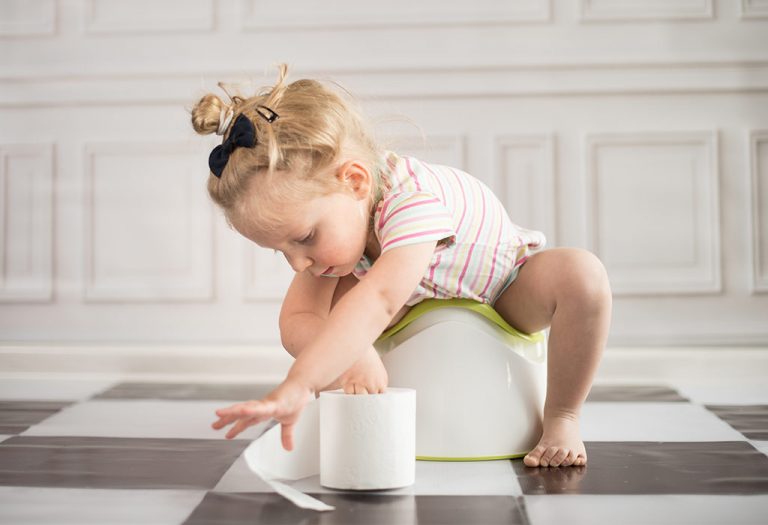
Diarrhoea is a health issue that many children experience at some point, and while it’s usually not dangerous, it can be worrying for parents. It is a condition where the body loses too much fluid and salts due to frequent, loose stools. While it can affect people of all ages, children are especially vulnerable. Depending on the cause, diarrhoea can be mild and short-lived or more serious and draining. In kids, it’s often triggered by infections from viruses or bacteria, food intolerance, or certain medications. The good news is that with proper care and attention, most children recover quickly. In this article, we’ll learn what causes diarrhoea in children, the symptoms to watch for, and simple, effective ways to manage and treat it.
What Is Diarrhoea?
Diarrhoea is defined as passing frequent (mostly watery) stools more than three times a day. It may be classified, in terms of duration, as acute and chronic. Acute diarrhoea starts abruptly and lasts for a few days up to four weeks, while the condition is termed chronic diarrhoea if it persists beyond a month. It is termed persistent if an acute diarrhoea episode persists beyond 2 weeks. It may also be categorised on the basis of the causative factor. Infectious diarrhoea is much more common than other causes of systemic diseases and medication-associated diarrhoea (1).
Causes of Diarrhoea in Children
Diarrhoea in children is typically a symptom of an underlying issue affecting the digestive system. It can be triggered by various factors. Below are the few causes of diarrhoea commonly seen in children.
1. Gastro-Intestinal Infections
Infections of the gastric and intestinal mucosa are the most common cause of diarrhoea in children and adults. Microbes enter the gastrointestinal tract (GIT) through unhygienic food or water, uncooked or partially cooked food. These organisms may include viruses, bacteria, and parasites (2).
2. Rotavirus
It is the most common diarrheal disease-causing agent in newborns and children, and is the leading cause of infant deaths worldwide. It is now preventable by means of a rotaviral vaccine (3).
3. Adenovirus
Besides causing respiratory illnesses in newborns and young children, adenoviruses can cause diarrheal diseases in them, too. It may spread through close contact, coughing, and sneezing. The infection may be severe enough to cause dehydration (4).
4. Salmonella typhi
Typhoid or enteric fever is a bacterial form of gastroenteritis. It may spread through contaminated water or food. In its most severe form, it may cause ulcers in the digestive system, which might require surgical management (5).
5. Escherichia coli
A Gram-negative bacteria usually associated with urinary infections, E. coli may cause diarrheal diseases in children due to contaminated water and foods. This is the organism also associated with traveller’s diarrhoea (6).
6. Parasitic Infections
Infestations by hookworms, roundworms and tinea infections are caused mostly by eating raw meat, beef, or swine meat (7).
7. Food Allergies and Intolerance
Some babies are intolerant of certain foods like milk proteins, eggs, potatoes, and groundnuts. When such foods are ingested, the gastric mucosa is inflamed, which responds by means of an immune reaction to curb the inflammation. This immune reaction is associated with symptoms like nausea, gastritis and vomiting. Galactose intolerance is one such example, wherein the necessary enzymes to metabolize the sugar galactose present in milk are deficient. Hence, such babies are intolerant to milk, including breast milk.
8. Medication
Certain medications, including anti-cancer drugs, anti-inflammatory drugs, and various antibiotics cause diarrhoea by inciting an inflammatory reaction in the gastric and intestinal mucosal linings.
9. Diseases of the GIT
A host of gastric disorders, including autoimmune disorders, cancers, and structural diseases may cause diarrhoea as a manifestation.
10. Bowel Disorders
Inflammatory bowel diseases including ulcerative colitis and Crohn’s disease, irritable bowel syndrome, celiac and tropical sprues, are among the most common disorders causing diarrhoea.
11. Hormone Disorders
Hormonal disorders, like diabetes and hyperthyroidism, lead to an autonomic instability, causing diarrhoea.
12. Cancer
Diarrhoea can be a symptom of gastric or intestinal infection.
Symptoms of Diarrhoea in Kids
The severity of diarrhoea may be divided into mild, moderate, and severe categories based on the symptoms.
Mild to moderate diarrhoea may have the following symptoms (8):
Frequent loose stools with watery consistency
Pain in abdomen; cramping or severe pain
Fever; infectious diarrhoea is associated with elevated temperatures
Nausea and vomiting
Severe diarrhoea & dehydration may have the following additional symptoms (8):
Dehydration
Blood in stools
Pus in stools, which is usually seen in parasitic infections
Pain while defecating
Persistent vomiting
Diagnosing and Treating Diarrhoea in Children
Proper diagnosis and timely treatment of diarrhoea in children are essential to prevent complications such as dehydration and nutrient loss. Below are some of the common methods used for diagnosis and treatment options available for children (9).
Diagnosis
Here are some common methods used to diagnose diarrhoea in kids.
1. Detailed Clinical History
An elaborate history of symptoms, eating habits, and medications can be useful for diagnosing the cause of diarrhoeal diseases.
2. Physical Examination
Your clinician will examine the child for signs of dehydration, like abdominal pain and tenderness.
3. Laboratory Investigations
Blood tests: to detect bacterial diseases, hepatitis, and PCR for viral pathogens
Stool microscopy: to detect parasites in the stools
Allergy tests: to diagnose intolerance or allergies to certain foods or substances
Ultrasound examination
Treatment
Many parents search online for tips on how to stop diarrhea in kids fast, especially when symptoms appear suddenly and cause concern. Here are some commonly recommended treatment options for the effective management of diarrhoea in children (10) (11):
1. Hydration
Primary management of diarrhoea is restoring the lost fluid and electrolytes from the body.
2. Treating the Cause
Cause-specific therapy for infections and bowel disorders can cure diarrhoea permanently.
3. Probiotics
These help restore the natural intestinal flora of essential micro-organisms.
4. Antispasmodics
They help relieve the pain and spasms.
5. Antibiotics
They treat the infection by killing the organism responsible.
Alternative Therapies
Besides the standard therapies, the following options may help in the treatment of chronic diarrhoea.
1. Acupuncture
Stimulating certain vital pressure points either in the hands or feet may help reduce diarrhoea by means of providing involuntary stability.
2. Meditation & Yoga
This method helps improve immunity levels, decreases stress, clears the digestive system, and avoids over the counter medications.
Best Diet for Diarrhoea
Selecting foods can be a challenge when your baby is affected by diarrhoea, as the digestive system is extremely sensitive, and unable to digest foods easily. The guide below entails the things you can and cannot feed your little one in such an instance (11):
Foods to Eat
In most cases, children can continue eating their regular meals even when they have diarrhea. The condition often improves on its own without major changes in diet or treatment. However, while the diarrhea lasts, it’s a good idea to (12):
Offer smaller, more frequent meals instead of the typical three larger ones.
Include lightly salted foods, like soups or pretzels, to help maintain electrolyte balance.
While no strict diet is necessary, switching to more gentle, easy-to-digest foods can be helpful. These include:
Lean meats that are baked, broiled, or grilled
Soft-cooked or scrambled eggs
Fruits like bananas and other fresh, non-citrus fruits
Applesauce, which is soothing for the stomach
Bread, pancakes, and waffles made with refined white flour
Simple cereals like oatmeal, cornflakes, farina, or cream of wheat
Plain pasta, white rice, or cornbread with little or no sweeteners
Cooked, non-cruciferous vegetables such as carrots, zucchini (peeled), green beans, mushrooms, squash, beets, or asparagus tips
Mild treats like gelatin, popsicles, cookies, cakes, or sherbet in small amounts
Baked potatoes without butter or heavy toppings
Foods to Avoid
The intestinal mucosa is altered in diarrhoea. Hencem digestion becomes difficult. It is advisable to avoid certain foods that may be difficult to digest and hence harmful during diarrhoea in toddlers and young children (12):
Excessive dairy products like cow milk, butter, and cheese
Packed foods, fried chips, or excessive sweets and chocolates
Too much fruit juices, as they contain synthetic preservatives
Fried and greasy foods, spicy or tangy sauces
Seafood and non-vegetarian foods, as they are difficult to digest
Home Remedies for Diarrhoea in Kids
Mild to moderate diarrhoea without dehydration can be efficiently managed at home with the following (11) (13):
1. Adequate Rehydration
ORS or Oral Rehydration Solution is a balanced mix of essential electrolytes, salts, and sugars that should be administered with a doctor’s advice to replenish the loss of electrolytes.
2. Small and Regular Meals
Babies, irrespective of their age, should be fed adequately and regularly during a diarrhoea episode. The loss of fluids and electrolytes causes weakness and deficiencies of vital nutrients. Ensure feeding every three to four hours.
Some common and natural homemade remedies for diarrhoea relief include the following:
Herbs help in improving bowel habits, for example, tea made with chamomile.
Turmeric is an ancient antiseptic. A teaspoon of turmeric taken with warm water (only if tolerated) can be helpful.
Bitter gourd juice with an extra pinch of salt is helpful.
Lemon drops and pinch of black pepper added to ginger juice is said to relieve cramps in diarrhoea.
Gooseberry helps reduce the water content of stools.
Mashed apple slices can help improve diarrhoea.
Tannins present in black tea reduce intestinal inflammation.
Blackberries and black seed oil are said to reduce diarrhoea.
Coconut water replenishes potassium loss.
Curd or yoghurt has probiotic properties, which enhance the normal intestinal flora.
Banana is a high-fibre fruit, which helps maintain normal bowel habits and prevents diarrhoea.
How Can Diarrhoea in Children Be Prevented?
The following steps can help prevent diarrhoea in children (10):
Exclusively breastfeed your baby until the age of six months, as it provides antibodies to the child.
Boil water before use for drinking to destroy pathogens.
Avoid outside food for your child as much possible, as you don’t know the level of hygiene in the kitchen where it is cooked.
Ensure the child washes his hands before eating, to remove any lingering pathogens.
Restrict the consumption of excess sweets, spices, and fried foods, as it could upset the stomach.
Avoid excess use of medication, as it is known to disturb the digestive system.
Recognise signs in your baby, such as excessive crying, not accepting feeds, frequent change of diapers, the colour of stools, etc. and take corrective action immediately.
Complications of Diarrhoea in Children
The most serious complication of chronic diarrhoea in children is dehydration. This is particularly dangerous for young children and those with weakened immune systems, as their bodies are more sensitive to fluid loss. Dehydration can range from mild to severe. In mild cases, there may be a slight loss of fluids without obvious symptoms. However, when dehydration becomes moderate or severe, it can place significant strain on vital organs such as the heart and lungs. If not addressed promptly, severe dehydration can lead to shock, which is a life-threatening condition requiring immediate medical attention (14).
When to Take Your Child to the Doctor
Following are the red flag signs of diarrhea in kids, due to which you should immediately consult your baby’s doctor (8):
Dry skin, sunken eyeballs, reduced urine volume
Frequent soiling of diapers (4-6 stools a day is considered normal for newborns), watery stools, dark yellow or green stools
Cold, clammy skin
Drowsy or not playful like usual
FAQs
1. How can I tell if my child is dehydrated?
Signs of dehydration include dry lips or tongue, reduced urination (fewer wet diapers or dark urine), no tears when crying, sunken eyes, and extreme tiredness or weakness. If any of these symptoms appear, it’s important to seek medical help (10).
2. How long does diarrhea usually last in children?
In most cases, diarrhea caused by a viral infection lasts about 1 to 3 days. Bacterial or parasitic infections may take longer to resolve, especially without treatment. If diarrhea lasts more than 3–5 days, it’s important to consult a doctor.
Untreated diarrhoea is a major cause of malnutrition, especially in developing nations. Malnutrition is, in turn, the most common cause of infant deaths all around the world. As a parent, one must always watch out for the signs, and take remedial action immediately.
References/Resources:
1. Cleveland Clinic – Diarrhea
2. Cleveland Clinic – Gastroenteritis
3. Cleveland Clinic – Rotavirus
4. Centers for Disease Control and Prevention – About Adenovirus
5. Cleveland Clinic – Typhoid Fever
6. Cleveland Clinic – E. coli Infection
7. Cleveland Clinic – Parasitic Infection
8. Healthdirect – Diarrhoea in children
9. Nemours KidsHealth – Diarrhea
10. WHO – Diarrhoeal disease
11. American Academy of Pediatrics – Diarrhea in Children: What Parents Need to Know
12. Icahn School of Medicine at Mount Sinai – When your child has diarrhea
13. Nationwide Children’s Hospital – Diarrhea
14. Johns Hopkins Medicine – Diarrhea
Also Read:
Stomach Pain in Kids
Indigestion in Children
Chest Pain in Children
Causes of Gastritis in Kids
Read more

Extreme Fatigue in Children – Causes, Symptoms and Treatment
Children are powerhouses of energy, often buzzing with excitement and making it a challenge for parents to keep pace. They run around the house and engage in playful activities, and even at night, their energy levels appear to remain undiminished; complaints of tiredness are rare. However, if your child unexpectedly approaches you, expressing feelings of tiredness and exhaustion, it could stem from various factors such as lack of sleep, overexertion, or perhaps just an excuse to skip homework. Nevertheless, it’s crucial to pay attention if your child complains of being tired all the time. Sudden extreme fatigue in a child could indicate more serious underlying health issues. It is essential to monitor these symptoms.
What Is Extreme Fatigue?
Fatigue is a condition where your child is always tired and lacks the energy to even do everyday tasks. If your child is exceptionally sleepy even after getting enough rest, it is a sign of extreme fatigue. An underlying medical condition is usually a cause of extreme fatigue. It is crucial to determine the cause of extreme fatigue in your child so that he can receive appropriate medical treatment in time.
What Causes Extreme Fatigue in Children?
Extreme fatigue can be caused by several factors which are mentioned below:
1. Poor Nutrition
Unhealthy eating habits and eating a varied, balanced diet can cause deficiency diseases and other conditions like childhood obesity that may result in extreme fatigue in children (1).
2. Depression and Mental Problems
If your child is bullied at school or if he is struggling to study, he may not always come to you and tell you his problems. Not sharing his problem and keeping things to himself may lead to mental and emotional problems, anxiety, and depression in him which also becomes a cause of fatigue, according to Harvard Health Publishing (2).
3. Cardiac or Kidney Disease
According to the National Organization for Rare Disorders, a weak heart or failing kidneys cause extreme fatigue in children, although it is rare in kids (3).
4. Allergies
Many types of allergic reactions cause our body to release chemicals that result in extreme fatigue. If your child has developed an allergic reaction to something, he might be feeling tired.
5. Epstein-Barr Virus
The Epstein-Barr virus causes an infectious disease called mononucleosis, and one of the symptoms of mononucleosis is fatigue (4). If your child is fatigued all the time, there are chances that he may have this disease. So, take him to a doctor at the earliest.
6. Anaemia
A deficiency of iron in the body causes anaemia, where there is a lack of haemoglobin in the blood to carry oxygen to the body’s cells. This can leave your child pale and fatigued.
7. Sedentary Lifestyle
A sedentary lifestyle without any physical activity can make a child lethargic and fatigued.
8. Lack of Sleep/Sleep Disorders
If your child is staying up too late at night or is not getting enough sleep due to sleep disorders like child sleep apnea or narcolepsy, it could cause extreme fatigue (5).
9. Infections
Viral infections like cold and flu also cause fatigue in children. Several infections such as dengue and hepatitis can last for weeks or months, and they result in extreme fatigue.
10. Certain Types of Immune Disorders
Disorders of the body’s immune system can cause extreme fatigue in children.
11. Hypothyroidism
Hypothyroidism is a disease where the amount of thyroid hormone produced by the thyroid gland is very low. Thyroid hormone is necessary for muscle control, digestive and heart functions, mood control, bone maintenance, and brain development. Hypothyroidism causes extreme fatigue in children.
12. Chronic Illness
Chronic illnesses like asthma, diabetes or cystic fibrosis can cause extreme fatigue in children. This happens when the illnesses are not controlled by medical treatment or by a change of diet.
13. Cancer
Although cancer is rare in children, it is one of the possible early symptoms of extreme fatigue. Hence, it is advised that you take your child to a doctor if this symptom persists for long.
14. Side Effects of Medicines
Several medicines have side effects like extreme fatigue and drowsiness. These include cough syrups and allergy medicines. Giving cold and flu medicines to children may also make them drowsy and tired.
15. Adrenal Gland Problems
The adrenal glands in our bodies produce several hormones that help us manage stress in our daily lives. If the adrenal glands of a child are not functioning properly, it may result in adrenal fatigue. Adrenal fatigue is characterised by extreme tiredness, inability to think clearly (fogginess), and stress.
16. Chronic Fatigue
Chronic fatigue syndrome in children is extreme fatigue that lasts for over six months. It begins with symptoms that are similar to the symptoms of flu. If all other causes of extreme fatigue are ruled out, the doctor may diagnose it as chronic fatigue syndrome.
Symptoms of Extreme Fatigue in Kids
According to the Centers for Disease Control and Prevention, the various symptoms which characterise extreme fatigue in children are mentioned below (6):
Continuous yawning
Sudden sleepiness in child
Lethargy
Disinterest in any physical activity or games
Joint and muscle pain
Fogginess and memory issues
Swollen lymph nodes in the neck region
Apart from these, extreme fatigue combined with weight loss, bleeding nose, loss of appetite, headache, lumps or distorted vision could be a warning sign of leukaemia.
Risks and Complications of Fatigue in Children
When a child frequently feels very tired, it could indicate serious health issues. It’s important for parents and caregivers to understand the potential risks and problems associated with ongoing tiredness in children such as the ones below (7).
1. Weaker Immune System
When children are constantly fatigued, their bodies may struggle to fight off germs effectively. This decreased ability to battle infections can lead to them getting sick more often, catching things like colds, flu, and other common illnesses. Keeping an eye on repeated sickness can be a clue that their overall energy and immune system need support.
2. Trouble Thinking and Learning
Ongoing tiredness can affect a child’s brain functions such as focusing, remembering things, and solving problems. This might show up as lower grades at school or trouble understanding new information. It’s crucial to consider fatigue as a factor if a child’s academic performance starts to drop or if they seem overwhelmed by schoolwork that used to be manageable.
3. Mood Changes and Emotional Problems
Children who don’t get enough rest may become irritable or have mood swings more often. They might also start feeling unusually sad or anxious, which can further drain their energy and make them even more tired. Understanding these emotional signs can help in addressing fatigue-related issues before they affect a child’s mental health more seriously.
4. Slowed Growth and Development
Rest is essential for a child’s body to grow and develop properly. Chronic tiredness can interfere with the production of growth hormones, which can slow down their physical development. This is why it’s important for children to have a regular sleep schedule and to ensure they get enough rest each night.
5. Increased Risk of Accidents
Tired children are less alert and have slower reaction times, making them more prone to accidents. Whether it’s tripping while playing or getting injured in sports, their risk of mishaps increases when they’re not fully alert. Ensuring children have enough rest can help keep them safe during activities.
How to Diagnose Fatigue in Children?
The doctor may conduct a physical examination to check for signs of nutritional deficiencies or anemia (8). They will likely inquire about your child’s medical background, any medications they are currently taking, and if they have any allergies. Depending on the findings, the doctor might order blood and urine tests to further investigate. Additionally, the healthcare provider might employ diagnostic imaging techniques like X-rays or MRI scans to identify any underlying conditions that could be contributing to the child’s fatigue. These comprehensive assessments help pinpoint the exact cause and ensure that any treatment provided is tailored to the child’s specific needs.
How to Treat Extreme Fatigue in Children?
In order to treat extreme fatigue, your child’s paediatrician will determine the underlying cause of fatigue. Only then, will your child be treated by giving an appropriate medication or lifestyle and dietary changes. Here is how extreme fatigue can be treated (9):
1. Change of Medication
For a sleep disorder like narcolepsy, the doctor will prescribe medication containing serotonin inhibitors. This will prevent the child from falling asleep during the day. If a child’s allergy or cough medication causes extreme fatigue, the doctor will change the drug or the dosage.
2. Proper Sleep Routine
The most important treatment for extreme fatigue is a healthy sleep routine. Your child should get at least 8 to 10 hours of sleep every night. To make sure that he gets his due rest, set a fixed bedtime routine for him. That means no devices before bedtime, no heavy meals within 2 hours of bedtime, and a peaceful, dimly-lit bedroom.
3. Regular Exercise and Sun Exposure
Exercise is not just important for adults; it is equally important for kids, too! If you want your child to be healthy and active, make sure he exercises regularly and gets enough sun exposure every day. This will keep him energetic, and he won’t display any signs of fatigue.
When to Consult a Paediatrician?
You should take your child to a paediatrician in the following circumstances:
If extreme fatigue affects your child’s schooling and daily life.
If your child has extreme fatigue after taking prescription medication.
If extreme fatigue lasts over a week.
If extreme fatigue is combined with symptoms like weight loss, bleeding nose, loss of appetite, headache, lumps or distorted vision.
Things to Remember
Here are certain things you must be aware of as a parent to deal with extreme fatigue and tiredness in your child:
Growth spurts can cause extreme fatigue.
Sometimes, children may feign fatigue to avoid tasks they dislike. Find out the root cause first.
Establish a proper sleep routine, healthy diet, and regular exercise schedule for your child to avoid extreme fatigue.
FAQs
1. Can extreme fatigue in children be a sign of rare medical conditions?
Yes, while common causes of fatigue in children often relate to lifestyle factors such as lack of sleep or poor diet, extreme fatigue can occasionally be a symptom of more rare and serious conditions. These might include metabolic disorders like mitochondrial diseases, where the body struggles to convert food into energy properly, or rare endocrine disorders such as Addison’s disease, which affects the adrenal glands.
2. Are there psychological factors that can cause extreme fatigue in children?
Extreme fatigue in children can sometimes stem from psychological factors. Conditions such as depression, anxiety, and stress are not just adult issues and can affect children profoundly. Emotional distress can manifest physically, leading to significant fatigue. Additionally, issues like school-related stress or bullying can also result in extreme tiredness.
3. What role do genetics play in extreme fatigue in children?
Genetics can play a role in predisposing children to certain conditions that cause extreme fatigue. For instance, genetic disorders like cystic fibrosis or muscular dystrophy, which can both lead to increased tiredness, are inherited conditions. Additionally, genetic predispositions to issues such as thyroid problems or autoimmune diseases can also contribute to fatigue.
There are many parents who worry – my child is always tired and pale. Extreme fatigue, in most cases, is caused by exertion and inadequate sleep, and not by serious illnesses. Plenty of rest and nutritious food will resolve this. Do not jump to extreme conclusions. If the condition persists, consult a paediatrician, who can suggest the best treatment!
References/Resources:
1. Khan. A, Khan. S, Zia-ul-Islam. S, Tauqeer. A, Khan. M; Causes, sign and symptoms of malnutrition among the children ( Journal of Nutrition and Human Health); Allied Academies; https://www.alliedacademies.org/articles/causes-sign-and-symptoms-of-malnutrition-among-the-children-7763.html
2. A tired child? What you should know; Harvard Health Publishing; https://www.health.harvard.edu/blog/a-tired-child-heres-what-to-think-about-2018041713672
3. Pediatric Cardiomyopathy; National Organization for Rare Disorders; https://rarediseases.org/rare-diseases/pediatric-cardiomyopathy/
4. Jason. L, Katz. B, Shiraishi. Y, Mears. C, Im. Y, Taylor. R; Predictors of post-infectious chronic fatigue syndrome in adolescents (Health Psychology and Behavioral Medicine); National Library of Medicine; https://www.ncbi.nlm.nih.gov/pmc/articles/PMC3956649/; January 2014
5. Lewandowski. A, Ward. T, Palermo. T; Sleep Problems in Children and Adolescents with Common Medical Conditions (Pediatric Clinics of North America); National Library of Medicine; https://www.ncbi.nlm.nih.gov/pmc/articles/PMC3100529/; April 2011
6. Myalgic Encephalomyelitis/Chronic Fatigue Syndrome: Treating the Most Disruptive Symptoms First and Preventing Worsening of Symptoms; Centers for Disease Control and Prevention; https://www.cdc.gov/me-cfs/healthcare-providers/clinical-care-patients-mecfs/treating-most-disruptive-symptoms.html
7. Nardi. L, Lanzetta. M, Ghirigato. E, Barbi. E, Gortani. G; Approach to the child with fatigue: A focus for the general pediatrician (Frontiers in Pediatrics; National Library of Medicine; https://www.ncbi.nlm.nih.gov/pmc/articles/PMC9755349/; December 2022
8. Childhood Depression; Anxiety & Depression Association of America; https://adaa.org/learn-from-us/from-the-experts/blog-posts/consumer/childhood-depression
9. Fatigue; Cleveland Clinic; https://my.clevelandclinic.org/health/symptoms/21206-fatigue
Also Read:
Stress in Children
Fever at Night in Children
Respiratory Rate in Kids
Bacterial and Fungal Infections in Kids
Read more
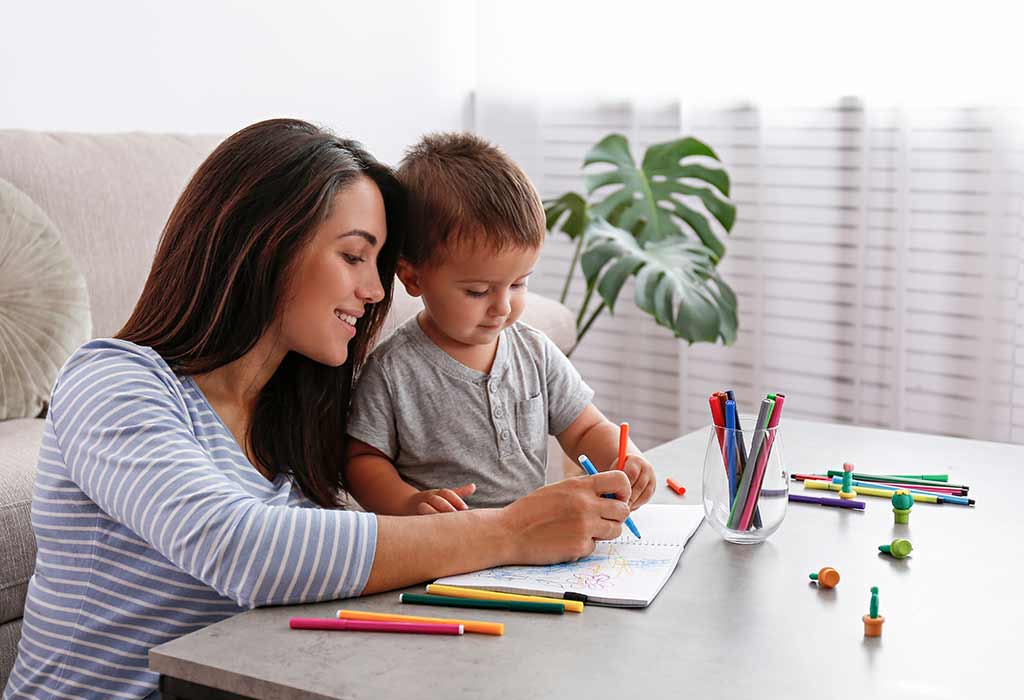
Homeschooling Preschooler – An Ultimate Guide for Parents
Are you thinking of homeschooling your preschooler? It’s an exciting yet overwhelming decision, isn’t it? Many parents today are drawn to the flexibility, personalised learning experiences, and the opportunity to spend quality time with their little ones (1). But where do you start? What should you teach? And how do you ensure your child is on track?
Don’t worry! In this article, we’ll walk you through everything you need to know to make homeschooling your preschooler a smooth and enjoyable experience. Homeschooling a preschooler isn’t about recreating a classroom at home; it’s about fostering a love for learning through everyday experiences (2).
Keep reading to learn how to create a nurturing learning environment right at home.
What Is the Best Schedule for Homeschooling a Preschooler?
Creating a schedule for homeschooling a preschooler doesn’t have to be complicated. A good routine helps set a rhythm for the day, but flexibility is key. Your child is still young and needs time to play, explore, and rest.
Here’s a simple schedule that you can customise based on your child’s needs and your family’s routine:
Time
Activity
8:00 AM – 8:30 AM
Morning Routine (breakfast, getting ready)
8:30 AM – 9:00 AM
Circle Time (sing songs, read a book, discuss the weather)
9:00 AM – 9:30 AM
Learning Activities (letters, numbers, shapes)
9:30 AM – 10:00 AM
Snack Break (free play time)
10:00 AM – 11:00 AM
Outdoor Play/Physical Activity
11:00 AM – 11:30 AM
Art and Crafts/Creative Time
11:30 AM – 12:00 PM
Lunch
12:00 PM – 1:00 PM
Quiet Time/Rest
1:00 PM – 2:00 PM
Free Play/Structured Games
What Should Be Included in Preschooler Homeschool Curriculum?
When planning your preschooler’s homeschool curriculum, focus on covering a variety of basic skills and concepts. These form the foundation for future learning and help prepare your child for kindergarten homeschool curriculums. Here are some important things to include:
1. Early Literacy and Language Skills
Let your child learn basic words, letters, and sounds. Talk about stories, read books with your child, and help them recognise letters in everyday surroundings.
2. Basic Maths
Start with numbers, counting, and simple shapes. Use toys, everyday items, or fun games to teach concepts like sorting, patterns, and recognising numbers. Keep it playful to maintain their interest.
3. Fine Motor Skills
Activities like drawing, playing with playdough, and cutting with safety scissors can help develop fine motor skills. These are important for writing and other hands-on tasks they’ll encounter later in school.
4. Science Exploration
Preschoolers like learning about their surroundings. Include simple science experiments like planting seeds or observing insects. These activities build curiosity and a basic understanding of nature.
5. Social and Emotional Development
You can help your child understand emotions, build friendships, and learn how to share and take turns through role-playing, reading stories, and discussing feelings.
6. Creative Arts and Music
Activities such as singing, dancing, painting, and drawing can foster creativity. Along with helping your child’s imagination grow, these also support their self-expression and motor skills.
7. Physical Activities
Include daily physical activities like jumping, running, or simple exercises. This keeps your child busy and healthy while improving strength and coordination.
Tips and Ideas for Homeschooling a Preschooler
Although homeschooling a preschooler can be a wonderful experience, it’s important to keep things enjoyable. If you’re looking for ideas on how to homeschool your preschooler, here are some helpful tips:
1. Create a Cosy Learning Space
Set up a small corner with books, toys, and learning materials. It doesn’t have to be fancy. A cosy spot helps your child feel comfortable and ready to explore.
2. Incorporate Play-Based Learning
Preschoolers learn a lot through play. Use puzzles, building blocks, and pretend to play to teach basic concepts like shapes, colours, and numbers.
3. Use Daily Routines as Learning Moments
Turn everyday tasks like cooking, gardening, or shopping into learning opportunities. Count fruits, identify colours, or talk about different textures during these activities.
4. Keep Lessons Short and Engaging
Young children have short attention spans. Keep lessons to 15-20 minutes, focusing on one topic at a time to keep them interested.
5. Include Outdoor Play and Nature Walks
Take your child outdoors for a nature walk, or just let them play in the backyard. Fresh air and exploring the natural world are great ways to learn and burn off energy.
6. Read Aloud Every Day
Reading aloud is one of the best ways to boost your child’s language skills. Choose a variety of books and make storytime a daily habit.
Some Books That Are Ideal for Homeschooling Preschool
Books are a wonderful way to introduce new ideas and concepts to preschoolers. They make learning fun and encourage imagination. Here are some must-have books that are perfect for homeschooling preschool:
“The Very Hungry Caterpillar” by Eric Carle: A colourful book that teaches about counting, the days of the week, and the life cycle of a butterfly.
“Brown Bear, Brown Bear, What Do You See?” by Bill Martin Jr. and Eric Carle: This repetitive and rhythmic story helps children recognise colours and animals in a fun way.
“Chicka Chicka Boom Boom” by Bill Martin Jr. and John Archambault: A lively alphabet book that introduces letters through a catchy rhyme and vibrant illustrations.
“Goodnight Moon” by Margaret Wise Brown: A calming bedtime story that’s great for winding down the day and helps children with early language development.
“Press Here” by Hervé Tullet: An interactive book that invites kids to press, shake, and tilt the pages, making it a playful way to learn about cause and effect.
FAQs
1. How much time should I spend on pre-k homeschool each day?
For pre-k homeschooling, keep lessons short and sweet. Aim for 1-2 hours a day, including breaks and playtime. Preschoolers have short attention spans, so focus on quality rather than quantity.
2. What supplies do I need for preschool homeschooling?
You don’t need much to start preschool homeschooling. Some basic supplies include crayons, paper, safety scissors, glue, books, and educational toys.
3. Can I homeschool my preschooler if I’m not a teacher?
Homeschooling at the preschool level doesn’t require formal teaching experience. It’s more about providing a nurturing environment, engaging in playful activities, and encouraging curiosity and exploration.
Homeschooling your preschooler is a great way to nurture their love for learning and spend quality time together. With a mix of play, reading, and everyday activities, you can make learning enjoyable and effective. Remember to keep things simple and not stress too much about sticking to a rigid schedule. Focus on building foundational skills and encouraging curiosity. Stay patient, and enjoy watching your child grow and develop.
References/Resources:
1. Benefits of Homeschooling (5 Advantages + More); Texas Home School Coalition; https://thsc.org/benefits-homeschooling/
2. The Benefits of Homeschooling; Excelsior Academy; https://www.excelsioracademy.org/2023/10/02/the-benefits-of-homeschooling/
Also Read:
Homeschooling or No-schooling
Homeschooling Vs Traditional Schooling
Tips for Effective Education through Homeschooling
Read more

15 Best Free Audiobooks For Kids To Listen
Reading opens up doors for imagination and creativity for children, and there is no match for it. Like regular books, audiobooks also tell a story along with a unique experience, and it’s quite interesting to people of all ages. Children’s read-along audiobooks or audiobooks can be enjoyed anywhere and anytime, and here are our suggestions on some of the best audiobooks for kids!
Fabulous Free Audiobooks For Kids
Here are some free audiobooks for children that you can introduce to your kiddo:
1. Just So Stories: The Sing-Sing of Old Man Kangaroo
This is a classic selection of fascinating fables that have been loved and adored by generations.
By: Rudyard Kipling.
Why Your Kid Will Love It: This is a selection of witty and magical folk tales that have been inspired by different parts of the world. It gives a vivid and imaginative explanation of how animals came by!
2. Winnie-the-Pooh: A.A. Milne’s Pooh Classics, Volume 1
This is one of the most adorable and light-hearted audiobooks for preschoolers.
By: A.A Milne.
Why Your Kid Will Love It: This rendition of the story gives vivid imagery of the enchanted world of an adorable bear and his friends in a way that it becomes difficult to imagine a world without them.
3. Timeless Tales of Beatrix Potter: Peter Rabbit and Friends
This free audiobook for kids is an assortment of 21 captivating tales that have been entertaining children for more than a century!
By: Beatrix Potter.
Why Your Kid Will Love It: The alluring portrayal of animals dressed as humans is something that kids find really entertaining. The stories sometimes are linked together, which makes them more amusing to young minds.
4. Story Party: The Complete Collection
This engaging audiobook comes with a curated collection of imaginative stories for kids.
By: Written by Joel Ben Izzy, Diane Ferlatte, Bill Gordh, Beatrice Bowles, Kirk Waller, Mark Binder, Busy Philipps, and Mike Phirman.
Why Your Kid Will Love It: This inspiring, educating, and entertaining narration is so gripping that kids wouldn’t want it to end. The exciting twists and turns in the story keep the kids thrilled and excited!
5. The Wonderful Wizard Of Oz (The Oz Series #1)
This is a timeless tale of adventure that is also called “the first true American Tale”.
By: L. Frank Baum.
Why Your Kid Will Love It: The story depicts the adventurous journey of Dorothy in unknown places, with loyal allies and terrifying enemies, which is something that will keep the young minds engrossed.
6. Stinky Winky Silly Willy Off-key Donkey
Set off on a fun and silly adventure ride with your kids with this adorable audiobook!
By: Donald Jacobsen.
Why Your Kid Will Love It: This entertaining audiobook describes entraining acts and antics of an adorable donkey that will pique the interest of young kids. The book is utterly delightful for young listeners and fairly easy to follow.
7. Lotus & Feather
This book is excellent for helping young minds respect nature and understand human emotions!
By: Donald Jacobsen.
Why Your Kid Will Love It: This is a heart-wrenching tale of a little girl who rescues a crane and how in return the crane saves the entire village. This inspiring story will touch the tender young hearts.
8. The Wheels on the Bus and Other Children’s Songs
This entertaining and melody-filled audiobook thrills young minds!
By: Susan Boyce and Brian Jones.
Why Your Kid Will Love It: This book comes with a collection of all-time favourite songs that kids love to sing and dance to. The list includes, “I’m a little teapot”, “Baa, Baa Black Sheep”, “Row, Row, Row your boat” amongst many others.
9. The Cookie Girl
The fun stories told in a fun way is what makes this book an absolute delight for the kids!
By: David Novak.
Why Your Kid Will Love It: This fun story not only amuses young kids but also comes with a valuable lesson for kids. The enchanting narration makes the stories more memorable for the kids.
10. Stone Soup
One of the most famous and widely popular tales, this story offers a valuable lesson to young listeners.
By: Heather Forest.
Why Your Kid Will Love It: This beautiful rendition of the widely popular story that tells the kids how even the smallest contribution can sometimes add to the huge collective impact, is something that kids will find intriguing!
11. The Ugly Duckling Collection
This children’s classic comes with 10 spellbinding stories and tales.
By: Hans Christian Andersen.
Why Your Kid Will Love It: Apart from one of the most loved children’s stories ‘The Ugly Duckling’, the book also comes with a classic collection of treasured stories that kids will enjoy listening to.
12. The Lion and the Mouse
The famous fable comes with a lesson of helping each other and keeping promises!
By: Carl Sommer.
Why Your Kid Will Love It: This delightful rendition of Aesop’s famous fable of a fierce lion and a bitsy mouse is what kids will find utterly engaging and amusing.
13. Itsy-Bitsy Spider’s Heroic Climb and Other Stories
The compelling narration with captivating sound effects makes this book relatable to kids.
By: David Novak.
Why Your Kid Will Love It: The narrator adds vivid imagery and twist to this epic tale and makes it more fun for the kids.
14. When Turtle Grew Feathers
The timeless tale of ‘The Hare and The Tortoise’ comes with interesting twists and turns in this story.
By: Tim Tingle
Why Your Kid Will Love It: This bedtime story audiobook comes with an expanded cast that includes a colony of ants, a wild turkey, and a cheering squad and they make the story all the more compelling for young listeners!
15. A Day in a Forested Wetland
This non-fiction rhythmic audiobook is an absolute delight to the listeners and is a part of ‘A Day series’ by Kevin Kurtz.
By: Kevin Kurtz.
Why Your Kid Will Love It: The narrator beautifully describes the aquatic habitat. The kids get to learn about some fascinating animals such as beetles, beavers, bobcats, birds, etc.
These are some of the many free audiobooks options available that you can download for your kids! What are you waiting for? Give them this enjoyable experience and see them turn into avid readers and audiobook listeners.
Also Read:
Funny Books for Children
Must-Read Mystery Books for Children
Historical Fiction Books for Children
Read more

Essay on Mother's Day for Students and Children in English
Mother’s Day is a special occasion celebrated across the world to honour the unconditional love, care, and sacrifices of mothers. It’s a beautiful reminder to show gratitude towards the person who nurtures us selflessly from the very first breath we take. In schools, writing an essay on Mother’s Day helps children express their affection and appreciation for their moms in a heartfelt way.
This celebration usually falls on the second Sunday of May, and it carries a deep emotional meaning for families everywhere. Whether it’s a simple handmade card, a warm hug, or a few heartfelt words, every small gesture on this day holds immense value. For students and children, putting their emotions into words through an essay on Mother’s Day is a meaningful way to reflect their feelings.
5 Lines on Mother’s Day
Mother’s Day is a very special event where we honour the love and hard work of mothers. It is important for students to learn how to express their feelings in a simple and heartfelt way. Here are five lines about Mother’s Day that students can easily remember and write.
Mother’s Day is celebrated to thank mothers for their endless love and care.
On this day, we show respect and affection towards our mothers in special ways.
Some kids help their moms with chores to make their day easier and happier.
Many children gift cards and flowers to make their mothers feel special on Mother’s Day.
It is a day to say “Thank you, Mom“ for everything she does every day.
10 Lines on Mother’s Day
Mother’s Day is a wonderful chance for students and children to show love and respect to their mothers. Writing a few short sentences can help young learners express their feelings clearly. Here are a few lines on Mother’s Day to inspire young writers.
Mother’s Day is celebrated every year to honor the sacrifices and love of mothers
Children gift cards flowers and small presents to make their mothers smile
Many schools organize activities where children write an essay on Mother’s Day
Mothers work hard every day to take care of their families with great love
On Mother’s Day children spend quality time with their mothers to make them happy
Saying thank you and giving a hug are simple ways to show love on this day
Making a handmade gift is a beautiful idea to celebrate few lines on Mother’s Day
Mother’s Day reminds us that mothers are the true pillars of strength in our lives
Celebrating Mother’s Day teaches respect and appreciation towards parents
A simple few lines on Mother’s Day can make a mother feel proud and happy
Paragraph on Mother’s Day
Mother’s Day is a very special day to thank our mothers for everything they do for us. It is a time to show love and respect to the person who cares for us every single day. Many people celebrate by giving cards, flowers, and small gifts to their mothers. Some children also write an essay on Mother’s Day to express their feelings. It is important to make our mothers feel happy and loved because they do so much for us without asking for anything in return.
Mother’s Day Essay in 100 Words
Writing a short essay helps students and children express their true feelings easily. Mother’s Day is a great topic for young writers to practice sharing emotions in simple words. Here is a small Mother’s Day essay in English that is easy for young kids to understand.
Mother’s Day is a special day to celebrate and thank our mothers for their love and care. It is celebrated every year to honour the hard work and sacrifices mothers make for their families. Children show their love by giving cards, flowers, and small gifts. Many schools organise fun activities like drawing and essay writing to mark the day. Spending time with our mothers, helping them, and saying “Thank you“ makes them feel happy. A hug or a handmade gift is a lovely way to celebrate. Mother’s Day reminds us to always love, respect, and appreciate our mothers.
Essay on Mother’s Day in 200 Words
Writing a little longer essay helps children share more thoughts and feelings about their mothers. It also helps them practice using kind and caring words. Here is a short essay about Mother’s Day.
Mother’s Day is a special occasion celebrated to show love and respect for our mothers. It is usually celebrated on the second Sunday of May every year. On this day, children thank their mothers for all the love, care, and sacrifices they make every day. Mothers are the most important people in our lives. They take care of the family, help us with our studies, cook delicious food, and always support us.
Many children prepare handmade cards, gifts, or drawings to surprise their mothers. Some help with household chores to make their mother’s day easier and happier. Schools often organise fun activities, songs, and speeches about Mother’s Day to help children understand the value of mothers. Spending time with our mothers, giving them hugs, and saying “I love you, Mom“ makes the day very special.
Mother’s Day is not just about gifts, but about showing gratitude and appreciation. A simple thank you and a smile can mean a lot to a mother. This day reminds us that we should love and respect our mothers every day, not just once a year. Mothers are truly the heart of every family, and they deserve to be celebrated always.
Essay on Mother’s Day in 500 Words
Writing a longer essay gives students a chance to share more thoughts and emotions about their mothers. It helps them understand the true meaning of this special day. Here is a long essay on Mother’s Day.
Mother’s Day is a very special day celebrated to honor and appreciate mothers for their unconditional love, care, and sacrifices. It is usually celebrated every year on the second Sunday of May in many countries, including India. This day is dedicated to expressing our gratitude to the most important woman in our lives, our mother.
Origin of Mother’s Day
The idea of celebrating Mother’s Day started many years ago. It first became popular in the United States because of a woman named Anna Jarvis. She wanted a day to honour the love and hard work of all mothers. The first official Mother’s Day was celebrated in 1908. Slowly, the idea spread to other parts of the world, and now many countries celebrate it with joy.
Why Is it Important to Celebrate Mother’s Day?
Mother’s Day is important because it reminds us to say thank you to the person who always supports and loves us. Mothers take care of their children with a full heart and without any conditions. Celebrating Mother’s Day helps children learn about love, respect, and gratitude. It is a time to make mothers feel special and to tell them that their efforts are seen and appreciated.
Different Ways to Celebrate Mother’s Day
There are many ways to make Mother’s Day memorable. Some children make handmade cards and small gifts to show their love. Families go out for lunch or dinner together to celebrate. Some people spend the day helping their mothers with household work to give them a break. Sending flowers, chocolates, and thank you notes is also common. The most important thing is to make mothers feel loved and cared for.
How Is Mother’s Day Celebrated in School?
Schools celebrate Mother’s Day with a lot of excitement and joy. Many schools hold special programs where children sing songs or perform small plays about mothers. Some schools ask students to write an essay on Mother’s Day or make greeting cards. Teachers also talk about the importance of respecting and loving mothers. Students enjoy making crafts and gifts in school that they later give to their moms. It is a happy day full of fun and learning for children.
Mother’s Day Celebration in Different Countries
Mother’s Day is celebrated in many countries but in different ways. Here are some examples of how different places honour mothers.
United States – Mother’s Day is celebrated on the second Sunday of May with gifts, flowers, and family gatherings.
United Kingdom – In the UK, it is called Mothering Sunday and falls in March, with church visits and family meals.
India – Children give cards and gifts and spend time with their mothers to show their love and respect.
Australia – People wear carnations to honour their mothers and often treat them with breakfast in bed.
Mexico – Mother’s Day is a big festival with music parties and gifts to celebrate mothers.
Japan – Children give red carnations and gifts to their mothers to show appreciation.
France – Families often organise a special meal, and children give small presents to their mothers.
Canada – Mother’s Day is celebrated much like the US with flowers cards and spending time together.
Germany – Families give flowers and gifts and sometimes organise trips to make mothers feel special.
Brazil – Mother’s Day is celebrated with big family gatherings and homemade meals to honour mothers.
Mother’s Day is a reminder of how lucky we are to have a mother’s love and support. Let us always remember to be thankful for our mothers and make them proud by being good, kind, and responsible children.
What Can a Child Learn from Writing an Essay on ‘Mother’s Day’?
Writing an essay about Mother’s Day helps a child understand the true meaning of love and care. It teaches them how important mothers are in their lives. When a child writes an essay, they learn how to express their feelings in a simple and kind way.
It also helps children practice gratitude and respect towards their parents. They start noticing the small and big things that their mothers do for them every day. A short essay about Mother’s Day can build emotional connections between children and their mothers. It also improves their writing skills and makes them better at sharing real emotions.
Children can understand that mothers are the first teachers, guides, and friends they ever have. They learn that appreciating and respecting mothers should not be limited to just one day but should be a part of daily life. Writing essays like these help children grow into thoughtful and caring individuals.
Points to Remember When Writing Your Own Essay on Mother’s Day
When writing about Mother’s Day, it is important to keep the feelings real and simple. Children should focus on sharing their true thoughts and emotions. Here are some easy points to remember when writing a composition on Mother’s Day.
Always start with a small introduction about why Mother’s Day is celebrated.
Share personal feelings and real examples that show love and care.
Use simple and kind words to make the essay on Mother’s Day easy to understand.
Focus on the sacrifices and efforts made by mothers every day.
Keep the tone happy, respectful, and full of warmth.
Add a thank you message or a short wish for mothers at the end.
Avoid using very difficult words and long sentences.
A good composition on Mother’s Day should come from the heart and sound natural.
Mention small ways children can make their mothers feel special.
Always end the essay by saying that love and respect for mothers should be shown every day.
FAQs
1. How do you write a simple essay on Mother’s Day?
To write a simple essay, start with a few lines about why Mothers Day is celebrated. Share your feelings about your mother and mention the small things she does for you every day.
2. What can I write about my mother for Mother’s Day?
You can write about how your mother cares for you, helps you in your studies, cooks your favourite food, and supports you when you are sad. Mentioning real stories will make your essay on Mothers Day more special.
3. How can a small child write an essay for Mother’s Day?
An essay on Mothers Day for classes 1, 2, and 3 should use short sentences. They can talk about hugs, kisses, bedtime stories, and favourite meals to show how much they love their mother.
Mother’s Day is a beautiful time to celebrate the love and care of mothers. It reminds us how important mothers are in every part of our lives. Writing an essay on Mother’s Day helps children express their feelings in simple words. It also teaches them to respect and appreciate all the hard work their mothers do. A small gift or a few kind words can make a mother feel very special. We should always try to make our mothers happy, not just on Mother’s Day but every day. Mothers are the true heroes who guide us with love and care. Celebrating Mother’s Day brings joy to both children and mothers in a very special way.
Also Read:
Mother’s Day Gift Ideas
Origin and History of Mother’s Day
Mother’s Day Facts to Celebrate Mom
Speech on Mother’s Day in English for Students
Mother’s Day Greeting Card & Craft Ideas for Kids
Read more

How to Brush Preschooler’s Teeth?
When she was still a baby, her first tooth appearing was a cause of much celebration in your household. Only later do you realize the lethal weapons that had arrived behind those two cute lips! Here are some best ways to brush your little one’s teeth.
Including brushing as a part of the daily schedule can be one of the best habits you teach your preschooler. Dental hygiene is of extreme importance at this age when the milk teeth are forming. You may begin, by using a clean piece of cloth to wipe her jaws every time she has milk. And, subsequently, as age and the number of teeth progress you may graduate onto a toothpaste and toothbrush. It may be best to take the dentist’s opinion on shifting to a toothbrush and seek his recommendation on which toothpaste to use.
The most common mistake made by caregivers is to ignore the health of the milk teeth, as they actually form the base for the health of the new set that come later. Children can begin developing their first tooth any time after four months, and oral and dental hygiene thereafter is of paramount importance.
Tips for Brushing your Little One’s Teeth
1. The Right Equipment
Take time to select the ideal toothbrush for your little one. Even if it isn’t the soft-bristled that cost a bomb, you may try a home remedy by dipping the toothbrush in warm water for five minutes every day before brushing. This makes the bristles soft.
2. The Best Way
You may begin by brushing her teeth once a day and gradually move to twice a day. Involve her in this activity, so she is also excited about it, and it doesn’t become a chore to be completed. Just two minutes of brushing is good enough to kill the germs in your little one’s little mouth.
3. Things to Keep in Mind
While your little one is just a preschooler, you will require no more than a pea-sized bit of toothpaste on the brush. Ensure you reach out to the back of the teeth and the molars, which are most likely to be missed out by your child’s fingers. Replace the toothbrush every three months or as soon as it starts to show the signs of wear and tear.
4. Make it Fun
If your little one doesn’t look forward to brushing her teeth, make it a fun activity. Brushing together in front of the mirror, singing songs with actions, ‘dishoom-dishoom’ sounds can all be suitable games to play while packing off those germs.
5. Keeping The Toothbrush Clean
It is extremely important to keep your little one’s toothbrush extremely clean. Soak it in warm water for a few minutes before use, this makes it clean. Ensure you store the toothbrush with its bristles covered and in an upright manner away from all other brushes. In fact, it is advisable that the bristles of the brushes never touch one another. This negates all chances of germs traveling from one brush to another when storing.
It is important that you explain the importance of having strong teeth and good dental hygiene to your children early on. This will ensure that they brush their teeth well even if they are doing it without supervision. They will also be driven to do it twice a day, without being reminded, when they realize the importance.
When a preschooler is brushing her teeth, it may be best to supervise the process until she is about six years of age. Until such time, her fingers are not deft enough to reach the corners of the mouth.
Read more

Creative DIY Teepee Ideas for Kids
Kids are not hard to please, but because their interests change so fast as they discover new things, keeping up with them can be difficult sometimes. One thing that is uniformly loved by all kids, regardless of interests, is the teepee. There is a certain magic about a tent-like area that triggers the sparks of imagination in a child.
If your little one is the type who loves to read, a teepee is a great place to get cosy with a good book. It is also where your kids can gather together and tell stories, playhouse and come up with all sorts of other interesting games. It could even end up simply being their headquarters, where they gather to discuss their next prank.
How to Make a Teepee for Kids – Step by Step Instructions
Instead of running off to buy a tent or a teepee that is way too expensive, why not put your creative skills to the test and make one? You may be a little intimidated at first, but building a teepee is not that difficult once you try it. Not only that, but you will have acquired some new and useful skills. For those who are DIY veterans, you will just need to take one glance at the instructions and know that this is a job that is going to be a breeze.
Here are some DIY kids tepee ideas you can try:
1. Basic Sew Teepee
This teepee pattern is true to the Native American style that is most commonly observed. It has a cone shape and is bound to get the little one’s imaginative games rolling in the Native American way.
Required Materials
For the Frame
Wooden dowels- 5, 6 feet
Rope- 1 yard, 1/4 inch
Sandpaper
Drill machine
For the Tent
Bias tape- 4 yards
A strong fabric of your choice- 60″, 4 1/4 yards OR drop cloth as a cheaper alternative
Fabric chalk
Trim- 4 yards
Measuring tape
Pins
Sewing Machine
Thread
Buttons
Scissors
How to Build a Teepee
Take your wooden dowels and drill a hole in each of them, 10 inches from the top. Your drill should be a little larger or just equal to the thickness of your rope. The rope will have to go through these holes. With your sandpaper, smoothen the area around the freshly drilled holes. This way you can avoid splinters.
Source: Pinterest
Lay your wooden dowels flat and thread your rope through the holes you just made. Then stand them up and arrange them into the frame of the teepee. Once you are satisfied with the shape of the frame, loop the remainder of the rope around the dowels. It helps to first loop the rope around each of the dowels individually before circling all of them together. Once you are done tying everything together, you can cut off any excess rope.
Source: Pinterest
You will need to take measurements for your cloth. This should be in the shape of your frame. You will need to measure the height by taking the length of the wooden dowel from bottom to the top, where you want your fabric to start from. Measure the height as the dowel is resting in its angled state. This is because this will be the area that your fabric will need to cover. You will also need to measure the top. Here you will need to measure the distance between the wooden dowels. Next, measure the bottom. You will need to measure the distance between each of the dowels on the floor.
Source: Pinterest
Each of your fabric panels will need to be made in the measurements that you have just taken. It is better to add an inch or two extra to the measurements. This will allow you to have a proper 1/2 to 1-inch hem on both the top and the bottom to make the overall look of your teepee neater.
Source: Pinterest
You will now need to sew the panels together. Do this right sides out, unlike the usual sewing method. It will seem odd to you, especially because the seams will be sticking out, but you will resolve that in just a little while. Hem both the bottom and the top of your teepee covering. The hem should be opposite to where the seams stick out at the top.
Source: Pinterest
You will now need to sew on the side slits, where your wooden dowels are supposed to go through. The right sides should be facing inward. Make sure that you measure it correctly. Ensure that as you measure out the slits, you measure double the size of the thickness of the dowel. If your dowel is 3/4 inches, make sure to measure 1 1/2 inches for your slit. This will make sure that your dowels can be slid through with ease. Once you are done, cut out a door from the front panel. All you need to do is cut it from the bottom to however high you want the entrance to be.
Source: Pinterest
You can now assemble the tepee. Make the inside of the tepee feel cosy and inviting by adding a soft rug, or large cushion that your child can lay comfortable on. You can add some blankets and pillows too.
Source: Pinterest
2. Hula-Hoop DIY Teepee Tent
This is a great choice if you have to set up a tent in the living room. This style of homemade teepee has a more polished visual and might even add some charm to your living quarters.
Required Materials
For the Frame
Hula-Hoop
For the Tent
Drape fabric- four yards for a small hoop, six for a large hoop
Tent roof fabric- two to three yards
Velcro- strong, non-adhesive
Ceiling hook to hang the tent from
Scissors
Pins
Fabric chalk
Sewing Machine
How to Build a Teepee
Once you have all your required materials, you are ready to start.
Source: Pinterest
Cut the cloth being used for the drapery into two sections. If your hula-hoop is small, you can get by using two drapes. Connect these together with a middle seam. For larger hula-hoops, three will need to be used.
Source: Pinterest
You will need to make the border strips for the tent top. The strips should as wide as 8″. The length should match the circumference of the hula-hoop you have chosen to use. Trace out the pattern for the edges of the border strip and cut them out carefully. Layer two of the fabrics together, one on top of the other so that you can cut them both in one go.
Source: Pinterest
Pin the sides of the two layers together so that when you open it out, it forms a circle. Sew the edges together. This should fit the circumference of your hula-hoop. Place the two circles you made face to face and then pin the zig-zag edges together. The good side should be facing the other. You now have to stitch the pinned edges of the zig-zag at least ¼” from the edge. Trim the tip of the peaks so it looks like it is a flat tip, and in the valleys, make a small slit, being very careful not to cut the stitching. Your fabric will lay better this way. Now flip it inside out and iron it.
Source: Pinterest
Take the fabric that you have kept aside to be used for your tent top. Out of this, make a strip that will be used to hang the tent from the hook of the ceiling. How long you make this will depend on how high your ceiling is. With the rest of the fabric, you will need to cut out eight triangles. These will be stitched together to make the tent top. The base of the triangle should be 1/8th of the circumference of the hula-hoop plus an inch and a half. the top should be 3/4th of the diameter of the hula-hoop. Once you have cut out all the triangles, stitch them together from the sides. Before you connect the first two halves, make sure that you add the hanger strip in the middle. Once you have stitched all the triangles together, you will have the tent top made. Place your hula-hoop on it and trim the edges. Leave at least an inch extra.
Now you need to connect the drapes to the ends of your zigzag border. You can pin the drapes in place first and then proceed to sew them together. Finally, add the tent top. Pin the sides that need to be stitched together and then stitch it on the sewing machine. In the place where the hem is connected to the top of the tent, you will need to stitch Velcro pieces in place. This will be how the hula-hoop is connected to the tent. Your tent is now ready to be hung.
Source: Pinterest
3. No-sew Teepee
If all that stitching was starting to seem like a drag, or if you don’t have a sewing machine, you can still make a fun teepee for your kids. You won’t need to sew anything, just cut fabric for a teepee, and screw it on your frame. Here is how to do it:
Required Materials
Wooden dowels- 4, 6′ in length
Canvas- 6×9 inches
Rope- 1/4″, 20′
Screws- 1″
Drill- drill bit 3/8″
How to Build a Teepee
Drill a hole in each of the dowels. From the top, you will need to measure five inches.
Slip the rope through the first dowel and make an overhand knot so the rope stays put.
Take another dowel and put the rope through the hole.
You will now need to bring the poles together until the tops of the poles crisscross.
Next, weave the rope around both of the dowels.
To secure the dowels tightly, you will need to loop the rope around the dowels in the figure eight at least a couple of times.
Repeat this same step with the other dowels until you have your teepee frame.
As you are looping in more dowels, make sure that the legs of the dowels are spread out. You need to secure them in the right position.
Now you can drape your canvas around the frame.
Once your canvas is falling correctly, you will need to take your screwdriver and attach screws at the top and the bottom so that the canvas stays in place.
Before you begin to screw the canvas in place, make sure everything is set right. The legs should be three feet apart from each other, forming a square at the bottom. The canvas should be covering everything well.
Now roll back the opening, tucking the material into the floor if you need to.
Adjust a comfortable blanket, and if you want, some props as well.
You are all done!
Source: Pinterest
Truth be told, even adults crave a place that feels like a magical hideout from the world. For an adult, this hideout often turns into that cabin in the woods that is visited every so often or the cosy study that is a personal and sacred place. Kids are really no different. The teepee just may end up being the place your child goes to when they feel like they need a break from everything else. It can turn into their magical getaway, where it feels like they are far away from everything in this world.
Also Read:
DIY Dollhouse Ideas for Kids
DIY Fairy Garden Ideas for Kids
DIY Sensory Board Ideas for Kids
Read more

Interesting Facts About Mexico for Kids
Mexico has come a long way with so many different traditions and cultures, and it is an incredible place for exploration! The region is diverse and vibrant with a rich history worth learning about, so check out these interesting and fun facts about Mexico you and your children can learn together!
History of Mexico
Being the central Aztec capital and one of the oldest cities in Latin America, Mexico is rich in culture and history that your children would love to learn about! A few of these interesting things about Mexico include:
The city of Mexico originally began as an Aztec settlement and was the hub of the history and culture of the Aztec civilization.
The Aztec gave Mexico City the name Tenochtitlan.
Mexico City was designed very cleverly during the ancient times- with mainlands connected by small roads and bridges with water underneath large enough to allow canoes to pass through. In case the city was attacked, the bridges were designed to dismantle and block all entries to the city.
Mexico City had to be rebuilt in the 1520s to become the place that is present today. This renovation was done after Hernan Cortes destroyed the Tenochtitlan. The city’s layout remained the same, but the Spanish built over almost all the Aztec temples with Catholic Churches. This drastic change is one reason how Spanish became the primary language of the city.
The city housed around 300,000 people earlier, having a higher population than any European city during the 14th century.
The Chapultepec Castle located in Mexico City is the only castle used by royalty living in North America. The castle was even used as a location for the 1996 Romeo and Juliet movie, and people even mentioned sightings of ghosts in the castle.
Geography of Mexico
Mexico has fascinating geography with different cultures, people, and trends playing a huge part in it. A few interesting geography Mexico facts for kids include:
Mexico City has the smallest volcano globally, known as the Cuexcomate, and it is only about 43 feet tall.
Mexico also has the largest wildcat present in North America- the jaguar. These can be found in the southern jungles of Mexico and sometimes in the ruins of the ancient Mayan civilization.
The Chapultepec Forest is over 686 hectares and is twice as large as the Central Park in New York!
Mexico City is surrounded by a mountain range, home to the Smoking Mountain, where you can see lava and smoke come out now and then.
The entire city of Mexico is built on top of a lake that was done during the time of the Aztec civilization. This means that the city is constantly sinking to the ground.
Since it is built on a lake, the city is estimated to sink around a meter every year.
Culture of Mexico
Mexico has a vibrant culture with plenty of parks, museums, ceremonies, and archaeological sites. The city is also packed with many creative people that make its culture more unique and popular.
The culture of Mexico is a fusion of other cultures, including African, European, and indigenous ones. This mix can be seen in clothing, food, music, art, and language.
Mexico has a cuisine famous worldwide for its wide variety, rich flavors, and delicious ingredients. While each region has its cuisine, many regions share a few common ingredients like beans, tomato, maize, avocado, and chili.
Mexico is knowns for its diverse and stunning architecture that is rich in history.
Best Places in Mexico
The country’s rich culture is best learned through experiences, and nothing beats learning than travel! Help your children learn about the following places before you visit there!
1. Cancun and the Mayan Riviera
Lying along the coastline on the Gulf of Mexico are the destinations like Playa del Carmen, Cancun, the island of Cozumel, and more. They are collectively called the Riviera Maya. Visitors will surely be mesmerized by the endless crystal clear water and all the fun activities they get to do in the area. It is also famous for the ancient Mayan ruins that are closer to the beaches.
2. Mexico City’s Historical Center
Mexico City is much more than just the country’s capital and the seat of government. It is one of the most popular destinations where visitors can view the central beauty of Mexican culture. Several of the city’s attractions are located at the Historical Centre, packed with around 1400 colonial buildings built during different important events in history.
3. Guanajuato
Want to explore the culture of the country on foot? Then head to Guanajuato, a city with so many old winding lanes, colonial buildings, and narrow alleys, which you cannot miss out. The city also hosts many fascinating museums and beautiful galleries that will teach you a lot about the place’s local culture.
4. Chichen Itza: The Mayan Metropolis
One of the most visited archaeological sites in Mexico is the magnificent Mayan city of Chichen Itza, where you can learn a lot about the Mayan culture. One of the first attractions you must see here is the Pyramid of Kukulkan, also called the El Castillo, the tallest structure about 30 meters high.
5. Guadalajara
Another famous city that has conserved its unique mix of native Tapatios and colonial influences is the city of Guadalajara. Renowned for its old buildings with architectures that show a touch of the European styles, the sound of mariachi music from the streets, and the festivities with the accompaniment of great foods, this city helps you perfectly learn about the culture of the country.
Facts About Economy of Mexico
Mexico has a complex and strong economy with a GDP that ranks 15th globally because of its extensive petroleum and manufacturing exports. However, it is a nation of contradiction because though it has a strong economy, almost half the people living there live in poverty. A few other economic facts of Mexico include:
The population of Mexico is over four times that of Canada, but its GDP is much smaller than Canada.
The first source of imported cars in the United States is from Mexico.
Mexico gets more money from international money transfers (remittances) than from oil exports.
Mexican Food Facts
Each dish in Mexico has its history and variations, and like everything else about this exciting country, these facts are worth learning!
1. Mexican Recipes
Some traditional recipes in Mexico include some exotic ingredients like Rattlesnake and Iguana. Many Mexican recipes we enjoy today have a rich history and are centuries old, some even dating back to the Mayans and the Aztecs.
2. Taco
Some taco recipes in Mexico even feature exotic ingredients like worms, grasshoppers, and caterpillars, depending on that region of the country.
3. Quesadillas
Quesadillas in Central Mexico do not feature cheese or queso as the main ingredient. Instead, the main ingredients are pork, chicken, beef, and other kinds of meat.
4. Healthy Food
Mexican food is considered to be healthy because it contains the perfect combinations of proteins and carbs.
5. Conflicting Flavors
Some Mexican desserts even feature chili to create a beautiful blend of sweet and hot.
Other Facts About Mexico for Children
Here are more Mexico City facts and information that your children would love to learn about:
The official name of the country is the United Mexican States.
Mexico is a popular tourist destination, and it has over 30 UNESCO World Heritage Sites.
The country sits on “The Ring of Fire,” one of the most dangerous earthquake zones globally, and is constantly prone to earthquakes.
The northern part of the country is desert, and the place has a lot of scorpions, cacti, and rattlesnakes.
About 12% of the biodiversity of the world belongs to Mexico.
There is a lot more to learn about this fascinating and beautiful country, and the best way to do it is to let Mexico be your vacation destination next time!
Also Read:
Facts About Japan for Children
Facts About Georgia for Kids
Facts About Australia for Children
Read more

List Of Christmas Words That Start With I
The holiday season is that magical time of year when families come together, lights twinkle, and children eagerly await the gifts Santa might bring. One of the many joys of this festive season is engaging with children in fun learning activities. Whether you’re a parent, teacher, or simply someone who loves the spirit of Christmas, introducing Xmas words beginning with i for preschoolers and kids can be a delightful way to expand their kids’ vocabulary. This list is specially crafted to capture the wonder and magic of Christmas, using words that start with I for Christmas. Dive in with us as we unwrap these special words and spread the warmth of the season.
Popular Christmas Words Beginning With I and Their Meanings
As we dive into the holiday spirit, it’s time to explore some Xmas words beginning with I that beautifully capture the essence of the season. Enhancing our vocabulary with I letter Christmas words can add a touch of magic to our festive conversations.
1. Icicles
Meaning: Icicles are elongated, pointy pieces of ice formed when dripping water freezes, often seen hanging from rooftops.
Example: “As the children walked down the snowy street, they marvelled at the icicles adorning the houses, glittering in the sun.”
2. Illumination
Meaning: Illumination refers to the lighting up of spaces, particularly during Christmas, transforming ordinary places into enchanting scenes.
Example: “The illumination of the town square brought smiles to everyone’s faces as they marvelled at the twinkling lights.”
3. Incense
Meaning: Incense is a substance that produces a fragrant aroma when burned and is often used during Christmas ceremonies and celebrations.
Example: “The sweet smell of incense filled the room, creating a serene atmosphere during the Christmas Eve service.”
4. Invitation
Meaning: An invitation is a request for someone’s presence at an event, like a Christmas party.
Example: “Sarah eagerly opened the festive invitation to the neighbourhood Christmas party, excited to celebrate.”
5. Ivy
Meaning: Ivy, a climbing evergreen plant, is traditionally used in Christmas decorations, symbolising eternity and resurrection.
Example: “The hallways were draped with ivy, adding a touch of traditional charm to the Christmas décor.”
6. Inn
Meaning: An inn is a small hotel or lodging, famously known in the Christmas story as the place where Mary and Joseph sought shelter.
Example: “The nativity scene depicted Mary and Joseph being turned away from the inn, emphasising the humble beginnings of Christmas.”
7. Immanuel
Meaning: Immanuel, meaning ‘God with us’, is a name used in the Bible to prophesise the birth of Jesus.
Example: “The choir sang hymns celebrating the birth of Immanuel, bringing joy to the congregation.”
8. Icicle Lights
Meaning: Icicle lights are strings of lights designed to resemble dripping icicles, a popular choice for outdoor Christmas decorations.
Example: “The icicle lights hanging from the roof gave the house a magical, wintry appearance.”
9. Instruments
Meaning: Instruments refer to musical devices like guitars, pianos, or flutes that are played to create festive melodies during Christmas.
Example: “The room came alive with the sound of instruments playing familiar Christmas carols.”
10. Impress
Meaning: To impress during Christmas refers to making a lasting positive impact, often through gifts or decorations.
Example: “John wanted to impress his family by decorating the house with elaborate Christmas lights.”
11. Inspiration
Meaning: Inspiration during Christmas refers to the motivation or creativity that the season sparks in individuals.
Example: “The festive season was always an inspiration to Mary, leading her to create beautiful artwork.”
12. Imagination
Meaning: Imagination is the ability to create ideas and images in one’s mind, often stimulated by the magic of Christmas.
Example: “The children’s imaginations soared as they listened to tales of Santa’s workshop.”
13. Ireland
Meaning: Ireland is known for its rich Christmas traditions and customs, making it an integral part of a cultural Christmas vocabulary.
Example: “In Ireland, people celebrate Christmas with great fervour, attending midnight mass and feasting.”
14. Illuminated Manuscripts
Meaning: Illuminated manuscripts refer to handwritten texts that are decorated with gold or silver, reminiscent of a traditional Christmas aesthetic.
Example: “The illuminated manuscripts displayed in the museum had a festive feel, with golden accents that reminded visitors of Christmas ornaments.”
15. Indulgence
Meaning: Indulgence refers to the act of allowing oneself to enjoy pleasures, especially the rich food associated with Christmas celebrations.
Example: “Christmas is a time of indulgence, with families enjoying a lavish spread of delicacies.”
16. Infinity
Meaning: Infinity symbolises eternity and endlessness, which can be connected to the everlasting spirit of Christmas.
Example: “The infinity symbol was used in decorations to represent the timeless joy of the Christmas season.”
17. Infant
Meaning: Infant, referring to a baby, is central to the Christmas story, symbolising Jesus’ birth.
Example: “The nativity scene beautifully captured the infant Jesus in a manger.”
18. Iridescent
Meaning: Iridescent describes something that shows luminous colours that change when seen from different angles, like certain Christmas decorations.
Example: “The iridescent ornaments on the tree sparkled beautifully, capturing everyone’s attention.”
19. Ice-skating
Meaning: Ice skating is a popular winter activity where individuals glide across an ice surface on skates, often enjoyed during Christmas time.
Example: “The town square was alive with laughter as families enjoyed ice skating under the twinkling Christmas lights.”
20. Intimate
Meaning: Intimate describes a close and personal relationship or atmosphere, which is often sought after during Christmas gatherings.
Example: “The intimate Christmas dinner was filled with warmth and laughter among close friends.”
21. Illuminate
Meaning: To illuminate is to light up something, often referring to Christmas lights brightening a space.
Example: “The candles served to illuminate the room, casting a cosy and festive glow.”
22. Incarnation
Meaning: Incarnation in the context of Christmas refers to the belief in Jesus being God in human form.
Example: “The incarnation of Jesus is celebrated at Christmas, symbolising hope and redemption.”
23. Incredible
Meaning: Incredible describes something that is hard to believe or extraordinary, much like the joy and magic of Christmas.
Example: “The incredible light display left the children in awe, reinforcing the magic of the season.”
24. Inherit
Meaning: Inheritance can refer to the passing down of traditions or valuables, as in Christmas customs handed down through generations.
Example: “The family was proud to inherit the tradition of carolling from their ancestors.”
25. Itemise
Meaning: To itemise is to make a list, often referring to listing out Christmas gifts or tasks.
Example: “Lisa decided to itemise her Christmas shopping list to ensure she didn’t forget anything.”
26. Inglenook
Meaning: An inglenook is a cosy nook by the hearth, often depicted in traditional Christmas imagery.
Example: “Grandpa sat in the inglenook, narrating Christmas tales by the warm fire.”
27. Igloo
Meaning: An igloo is a type of shelter made from blocks of snow, often used in playful Christmas scenes or decorations.
Example: “The children built a miniature igloo as part of their snowy Christmas village display.”
28. Icon
Meaning: An icon refers to a symbol or image that represents something of significance, like religious figures or symbols associated with Christmas.
Example: “The icon of the nativity scene held a special place in the church, reminding everyone of the true meaning of Christmas.”
29. Integrate
Meaning: To integrate means to bring together or combine harmoniously, often referring to blending different Christmas traditions or customs.
Example: “The family sought to integrate their diverse cultural backgrounds, creating a unique and inclusive Christmas celebration.”
30. Intricate
Meaning: Intricate describes something that’s very detailed and complicated, like some Christmas decorations or designs.
Example: “The intricate design of the snowflake ornament was a testament to the artisan’s skill, capturing the beauty of Christmas in every detail.”
31. Ice
Meaning: Ice refers to frozen water.
Example: “The children skated on the ice in the park during the Christmas festival.”
32. Icy
Meaning: Icy refers to the state of being covered with or consisting of ice; very cold.
Example: “We carefully walked up the icy driveway to the house decorated with Christmas lights.”
33. Ignite
Meaning: Ignite is an action to set something on fire; to start burning.
Example: “The fireplace ignited with a warm glow, creating a cosy atmosphere for our Christmas Eve gathering.”
34. Immaculate
Meaning: Immaculate refers to something perfectly clean or neat.
Example: “The living room looked immaculate, with all the Christmas decorations neatly in place.”
35. Indulgent
Meaning: Indulgent is being overly generous or lenient.
Example: “Our indulgent grandparents spoiled us with an abundance of Christmas treats and gifts.”
36. Ink
Meaning: Ink is a coloured fluid used for writing, drawing, or printing.
Example: “I used red and green ink to write Christmas cards for all my friends and family.”
37. Idea
Meaning: Idea refers to a thought or suggestion about a possible course of action.
Example: “Sarah had a great idea to organise a Christmas carol sing-along for the neighbourhood.”
38. Imaginary
Meaning: Imaginary refers to something that exists only in the imagination. It is not real.
Example: “The children loved hearing stories about Santa’s imaginary workshop at the North Pole.”
39. Illustrate
Meaning: To explain or make something clear by using examples, pictures, or diagrams.
Example: “The Christmas book was beautifully illustrated with colourful drawings of holiday scenes.”
40. Itinerary
Meaning: Itinerary is a planned route or journey.
Example: “Our Christmas holiday itinerary included visiting the Christmas market, going ice skating, and seeing the holiday lights downtown.”
41. Inexhaustible
Meaning: Inexhaustible means something that cannot be used up or is endless, like the spirit of love and giving that characterizes the Christmas season.
Example: “Her inexhaustible joy during Christmas brought smiles to everyone around her.”
42. Innocence
Meaning: Innocence refers to the purity or simplicity of a person, often evoking the wonder of children during the holiday season.
Example: “The innocence in the children’s eyes as they waited for Santa was heartwarming.”
43. Intrigue
Meaning: Intrigue means to captivate or arouse interest, often referring to the excitement and mystery of Christmas surprises.
Example: “The beautifully wrapped gifts under the tree added an air of intrigue to Christmas morning.”
44. Invigorate
Meaning: To invigorate means to give strength or energy to something. The festive atmosphere of Christmas often invigorates people, bringing renewed excitement and joy.
Example: “The crisp winter air and holiday decorations invigorated everyone in the town square, filling them with Christmas cheer.”
Activities That Will Help Your Child Learn Christmas Words With Letter I
Engaging in interactive and fun activities is a fantastic way to help children learn and remember new vocabulary. Let’s explore some delightful activities that will effortlessly introduce your child to Christmas words starting with the letter I, and make the learning experience memorable.
1. Icy Word Hunt
Create a winter wonderland in a tray using fake snow, ice cubes, and hidden letters. Encourage your child to dig in and find letters that can be used to spell out Christmas words that begin with the letter i, such as “Icicles” and “Ivy”.
2. Illuminated Christmas Cards
Get your child to craft their own Christmas cards, focusing on words starting with ‘i’. They can create cards that showcase an ‘Illuminated’ scene or draw ‘Ivy’. Discuss the meanings of these words as they craft, helping them understand and remember.
3. Interactive Storytelling
Create a story around the Christmas season and incorporate words that begin with ‘i’. For instance, you could tell a story about an ‘Inn’ in Bethlehem or describe ‘Icicles’ hanging from rooftops. This brings the words to life, making it easier for children to remember.
4. Ice-skating Vocabulary Game
Turn your living room into an imaginary ice rink. As your child skates around on paper plates, call out Christmas words starting with the letter i. They can then pause and act out the word, whether it’s shivering like they’re amidst ‘Icicles’ or pretending to ‘Illuminate’ lights.
5. ‘I’ Word Christmas Decorations
Involve your child in decorating a small Christmas tree or a section of your home using decorations that represent words starting with ‘i’, such as ‘Icicle Lights’ or ‘Ivy’ garlands. While decorating, explain the words and their significance for Christmas.
FAQs
1. How can I make learning Christmas words starting with ‘I’ engaging for kids?
To make learning engaging, incorporate fun activities such as crafting Christmas cards, interactive storytelling, or playful games that include Christmas words starting with ‘i’. This way, children associate learning with fun, making it easier for them to remember the new words.
2. Why is it important to teach kids Christmas words that begin with the letter ‘I’?
Teaching kids Christmas words that begin with ‘I’ enhances their vocabulary and aids in their language development. Additionally, it helps children understand and engage more deeply with the festive season’s traditions and stories.
3. Can I use these Christmas words starting with ‘I’ for older kids or adults too?
Absolutely! While these words can be an excellent starting point for young learners, they can also be used in more complex discussions, writings, or activities suitable for older children and adults, making them versatile additions to anyone’s festive vocabulary.
As we wrap up our festive exploration of Christmas words starting with ‘I’, we can appreciate how these words add a unique charm to our holiday vocabulary. From activities that turn learning into a joyful experience for children to understanding the meanings behind these words, we’ve embarked on a delightful linguistic journey. May your holidays be filled with the warmth of cherished traditions, the joy of learning, and the magic that these words bring to the season.
Christmas Words That Start From A to Z
Christmas Words That Start with A
Christmas Words That Start with B
Christmas Words That Start with C
Christmas Words That Start with D
Christmas Words That Start with E
Christmas Words That Start with F
Christmas Words That Start with G
Christmas Words That Start with H
Christmas Words That Start with I
Christmas Words That Start with J
Christmas Words That Start with K
Christmas Words That Start with L
Christmas Words That Start with M
Christmas Words That Start with N
Christmas Words That Start with O
Christmas Words That Start with P
Christmas Words That Start with Q
Christmas Words That Start with R
Christmas Words That Start with S
Christmas Words That Start with T
Christmas Words That Start with U
Christmas Words That Start with V
Christmas Words That Start with W
Christmas Words That Start with X
Christmas Words That Start with Y
Christmas Words That Start with Z
Read more

Sinusitis (Sinus Infection) in Kids: Causes, Symptoms, & Treatment
Parents often wonder, ‘When do sinuses develop in kids? A child’s sinuses do not fully develop until he reaches his teenage years, although two tiny sinuses—the maxillary and ethmoid—are present at birth. Unlike in adults, diagnosing sinus infection in kids can be challenging because symptoms often overlap with other conditions. Additionally, young kids may struggle to communicate their discomfort clearly, making it harder for parents and doctors to identify the issue. Sinusitis in children requires careful observation and proper medical evaluation to ensure accurate diagnosis and effective treatment. Recognizing the signs early and seeking prompt medical attention can help prevent complications and provide relief. Here’s a detailed look at sinusitis in kids and how it can be diagnosed and treated promptly.
What Are Sinuses?
The air-filled passages or cavities near the nasal tracks are known as sinuses. The four types of sinuses found in children are as follows (1):
1. Ethmoid Sinus
This sinus is present at the time of birth and grows until the child becomes an adult. The ethmoid sinus is situated in the facial area near the bridge of the nose.
2. Maxillary Sinus
This sinus is placed near the cheeks, inside the face. It is present at birth and continuously grows.
3. Frontal Sinus
This sinus does not develop until the child is 7 years old and is located in the forehead area.
4. Sphenoid Sinus
This sinus is placed deep in the face, just behind the nose. The sphenoid sinus does not develop until the child reaches adolescence.
What Is Sinusitis?
The infected condition of sinuses near the nose or forehead is known as sinusitis. Sinusitis generally occurs if your child has an allergic inflammation or a severe cold. In children, it is referred to as paediatric sinusitis. Sinus infection in kids is a common problem in young children.
Types of Sinusitis
Sinusitis is categorised based on the duration of infection (2).
1. Acute Sinusitis
This type of sinusitis lasts for 7-10 days, and the child will get better when administered the right treatment for it.
2. Subacute Sinusitis
The symptoms of subacute sinusitis can be seen for four to eight weeks. Treatment does not show any improvement initially and needs a sustained approach before the person shows any changes.
3. Chronic Sinusitis
Chronic infections affect a child when he or she has acute sinusitis regularly or if the earlier infections were not treated in a professional manner. The symptoms of chronic sinusitis in children last for six to eight weeks or even longer. It can be identified by post-nasal drainage and extreme congestion in the nasal passage.
5. Recurrent
When your child is affected by three or more bouts of acute sinusitis, it is known as recurrent sinusitis.
Causes of Sinusitis in Kids
Common cold or Upper Respiratory Infection (URI) can cause sinus problems in children. During URI, the nasal passages are swollen, which blocks the paranasal sinus opening, and this leads to a sinus infection. Sinusitis happens due to allergies, too because during this time, mucus production is heightened, and the nasal tissue is infected and swollen (3).
The following too can lead to sinusitis in children:
Deformities in the nose structure
Tooth infections
Trauma to the nose
Bloated adenoids
Passive smoking (inhaling second-hand smoke)
Cleft palate
Swimming or diving
Signs & Symptoms of Sinus Infection in Kids
Your child’s age is the primary criteria for symptoms of sinusitis. But these symptoms may vary from one child to another. These symptoms include the following (4):
Young Children:
Swelling around the eyes
A runny nose for 7 to 10 days
Nasal discharge that can be clear, yellow or greenish
Cough at night
An occasional cough during the day
Headaches for kids over age five
Teenagers and Adults:
Fever
A sore throat
Headaches
Drip from the nose to the throat
A runny nose
Cold symptoms for over a week
Bad breath
Facial discomfort
A cough
Swelling near eyes that is worse in the morning
Sinus headache in a child is generally found to be migraine-related as it causes pain in the face front and causes immense pressure under the eyes. If nausea or vomiting is missing, consult your child’s paediatrician to be sure about the diagnosis.
Diagnosis of Sinusitis in Kids
Based on a preliminary physical examination and the symptoms your child shows, your child’s doctor will be able to diagnose sinusitis. Occasionally, some additional tests may also be required to confirm the doctor’s diagnosis. These include the following (5):
CT or CAT Scan: Known as Computed Tomography, this scan is actually a diagnostic imaging procedure which makes the combined use of X-rays and computer technology to create axial images (slice-like images) of the body. Such a scan is far more detailed than X-rays and allows the doctor to view bones, fat, organs and muscles in a clearer manner.
Sinus X-Rays: This is a diagnostic test that utilises electromagnetic energy beams to create photographic images of bones, tissues and organs on film. This is mostly done to help in the diagnosis and confirm the condition.
Sinus Culture: These are lab tests that consist of bacteria or microorganism growth in order to help confirm the diagnosis.
Treatment of Sinusitis in Kids
In order to reduce sinus pain in children, your child’s physician will arrive at a specific line of treatment after analysing the following points:
Age, medical history and current health of your child
Type and severity of the infection
Your kid’s preference towards therapy, medication or medical procedures
Your own preference or opinion about a certain line of treatment
Sinusitis treatment for children includes the following (6):
Antibiotics that have to be taken for two weeks
Painkillers like Acetaminophen to ease discomfort
Nasal spray to stop inflammation
Endoscopic sinus surgery
Adenoid-removal surgery
Medications for GERD (Gastroesophageal reflux disease)
Home Remedies for Sinusitis in a Child
There are plenty of home remedies that can provide your child with relief. These include (7):
1. Humidifier
When sinusitis is on the ascendancy, consider installing a humidifier in your baby’s bedroom. Your tiny tot will be able to breathe easier. Relaxed breathing aids to create a better sleep pattern which gives the baby much needed rest to fight off infection.
2. Saline Nasal Spray
A saline nasal spray is helpful in thinning out mucus and opening the nasal passage. Your baby may resist it initially, but it will be worth the effort as the mucus softens and can be easily removed. Use the spray when the baby is in an upright position at least a couple of times a day or as directed.
3. Steam
In order to ease the congestion, steam is a pretty useful ally. The sinus passages are soothed while the mucus is softened to a large extent. Run the shower in the bathroom and let steam accumulate until the baby feels comfortable. Add a few drops of eucalyptus oil to the baby’s tub to tackle stubborn congestion.
4. Tea Tree Oil
If your little one is unable to rest due to stubborn sinusitis, try out a slightly aggressive home-based treatment. Mix one drop of tea tree oil with coconut or almond oil and apply this on the baby’s nostrils using a cotton swab. The anti-fungal and anti-bacterial properties of tea tree oil help your little one to fight the infection and prove to be an effective sinus medicine for kids.
5. Hydration
Feed your child water and fresh juices through the day to keep his body hydrated. This will help loosen mucus and clear the sinuses in the most natural way possible.
6. Warm Washcloth
Dip a clean washcloth or a soft hand towel in a bowl of hot water. Ensure the towel is warm and not hot when you apply it on your child’s face. Applying this encourages mucus draining and keeps the discomfort to a minimum level.
Can Sinusitis Be Prevented in Kids?
Sinusitis can be prevented with these simple tips (8):
Ensure your child’s immunisations are updated, and he/she doesn’t miss any.
Keep pets out of his bed and if possible, the bedroom, too.
Avoid smoking when the child is around.
Use a HEPA filter to address dust issues if your home is plagued by it.
Wash rugs and bed sheets regularly to keep dust mites at bay.
FAQs
1. Can teething cause sinus-like symptoms in toddlers?
While teething can lead to mild congestion and irritability, it doesn’t directly cause sinusitis. However, excessive drooling and nasal drainage may mimic cold-like symptoms, sometimes confusing parents. True sinusitis involves prolonged symptoms (e.g., 10+ days of thick nasal discharge).
2. Why does my child’s sinusitis keep recurring after swimming?
Chlorinated pool water or bacteria in untreated water (e.g., lakes) can irritate nasal passages, triggering inflammation or infection. Kids with allergies or weak immune systems are more prone to this. Using nose clips or saline rinses post-swim may help.
3. Can a child’s sinusitis affect their hearing?
Indirectly, yes. Chronic sinusitis can cause Eustachian tube dysfunction (connecting the throat to the ear), leading to fluid buildup and temporary hearing loss or ear infections. An ENT specialist should assess recurring ear and sinus problems.
This was all about sinus infection in children. While dealing with sinusitis in children, it is important to relieve them of their suffering by attacking the source of infection. Remember, a newborn and his systems are sensitive and will take time to adjust to the world around them. Make sure you consult your doctor if your baby’s symptoms persist for more than two weeks.
References/Resources:
1. National Library of Medicine – Anatomy, Head and Neck, Nose Sinuses
2. Stanford Medicine – Sinusitis in Children
3. Johns Hopkins Medicine – Sinusitis in Children
4. University of Rochester Medical Center – Sinusitis in Children
5. Children’s Hospital Colorado – Sinusitis in Children
6. American College of Allergy, Asthma & Immunology – Sinus Infection
7. Mount Sinai – Sinusitis
8. Penn Medicine – Sinusitis
Also Read:
Viral Infection in Kids
Chest Infection in Children
How to Clean Your Baby’s Nose
Blood Infection or Sepsis in Kids
Read more

Authoritarian Parenting – Characteristics and Pros & Cons
When a child is born, they have no understanding of discipline, manners, or social expectations. The style of parenting adopted plays a crucial role in shaping a child’s character, confidence, and emotional well-being. Among the various approaches, authoritarian parenting is characterised by its strict rules, high expectations, and limited flexibility. While some parents believe this style fosters discipline and respect, it can also significantly impact a child’s mental and emotional growth. Understanding the characteristics, causes, and effects of authoritarian parenting is important for parents who want to strike the right balance between discipline and compassion. Exploring both its pros and cons can help families decide whether this parenting style is the best fit for their child’s long-term development.
What Is the Authoritarian Style of Parenting?
Also termed as autocratic parenting, this turns a family into more of a ruling empire where kids need to adhere to the wishes of the parent. Authoritarian parents demand a lot from their kids and make their high expectations clear. But that is rarely complemented with support, guidance, or feedback and instead met with constant disapproval or negative comments about the child’s behaviour.
An authoritative parenting example consists of making all family decisions unilaterally without considering your children’s opinions, using physical punishment as a disciplinary measure, or imposing severe consequences on a child who receives a poor grade
What Are the Characteristics of Authoritarian Parents?
Here are some of the characteristics that authoritarian parents exhibit (1).
1. Adhering to the Rules and Expectations in a Strict Manner
Such parents want their kids to grow exactly the way they want (2). Asking questions is often perceived as an aberration and a devaluation of parental authority. Such parents believe that only they know the right way to raise their child, and the child has no say in the matter. Any enjoyment and fun are unwelcome, and life becomes similar to living under a dictatorial regime, where anything the parents say is no different from an order.
2. Delivering Punishment for Mistakes or Breaking of Rules
Any mistake committed or boundary crossed results in the child being severely punished. The child is not allowed to voice his side of the argument since that is considered irrelevant by the parents. The result is all that matters, and a child is punished if he commits any mistake.
3. Not Responding to a Child’s Questions or Requests
The only thing a child is supposed to do is adhere to what’s asked of him and expected of him, without fail. Any other conversations are deemed irrelevant and are not met with an acknowledgement. Even when the child successfully manages to adhere to all the expectations, the feedback would still be of expecting a lot more the next time, without any praise or acknowledgement of the present achievement.
4. Emotionally Disconnected from a Child’s Core Love
Authoritarian parents view raising a child in the same way as a ringmaster would view taming a wild animal. There is no emotional attachment of any sort, and all that parents focus on is making sure that the child listens to their orders and becomes successful. The lack of expressing any emotions or forming deep bonds of trust and care is thrown out of the window. The emotional needs are ignored, and the behaviour is controlled by the promise of love that is rarely shown.
5. The Absence of Any Semblance of Choice or Voice of the Child
There are no avenues for children to express their opinions or choices, even in simple matters such as choosing which toy they would like or what they would like to eat. Parents look down upon the child as an inferior entity who is yet to match up to a level they have established for him. The child is expected to follow along and comply with whatever is asked of them or presented to them.
6. Extreme Criticism
The authoritarian parenting approach employs shame and criticism to compel children to adhere to household rules. These parents believe that continuous criticism effectively motivates their children and encourages compliance without any objections. Frequent yelling at children is typical in these families. Such parent-child interactions can alienate children from their parents rather than foster closeness.
7. Impatient Behaviour Towards the Child’s Doings
Authoritarian parents expect their children to know how to behave appropriately, even in unfamiliar or challenging social situations. When children fall short of these expectations and behave in undesirable ways, they are met with an angry and impatient response from their parents. Additionally, children raised by authoritarian parents may rebel or act impulsively, leading to conflicts
8. Lack of Trust
One outcome of authoritarian parenting is that parents lack trust in their children’s ability to make the right choices, perform well academically, or exhibit socially acceptable behaviour. This absence of confidence in their decision-making abilities denies children the opportunity to make their own choices. They miss out on learning essential life lessons that arise from the consequences of those choices, which hinders their development of crucial adult skills.
Causes of Authoritarian Parenting Style
Authoritarian parenting often stems from a mix of personal upbringing, cultural influences, and psychological factors. Parents may believe strict discipline ensures respect and obedience, but the underlying causes can vary.
1. Parental Upbringing
Parents who were raised in strict households may adopt the same style, considering it the “right” way to raise children.
2. Cultural and Social Norms
In some cultures, obedience and discipline are deeply valued, which encourages parents to follow authoritarian practices.
3. Fear of Losing Control
Parents may fear that a lenient approach will lead to disobedience or failure, pushing them to enforce rigid rules.
4. Stress and External Pressures
Work stress, financial struggles, or lack of support may lead parents to use control as a way of managing their child’s behaviour.
Pros & Cons of Authoritarian Parenting
Authoritarian parenting has both positive and negative effects on children. While it may promote structure and discipline, it can also affect emotional well-being. Understanding both sides helps parents decide if this style aligns with their family values.
Pros
Authoritarian parenting does offer certain benefits, particularly in terms of discipline and order.
Clear Rules and Structure: Children develop a strong understanding of boundaries and expectations.
Discipline and Responsibility: Strict routines may encourage punctuality and accountability.
Respect for Authority: Kids often learn to follow rules and respect authority figures, which can benefit them in school and social situations.
Focus on Achievement: The pressure to perform can sometimes lead to strong academic or extracurricular success.
Cons
Despite the benefits, authoritarian parenting can create long-term challenges for children’s emotional and social development (3).
Low Self-Esteem: Children may feel undervalued, as their opinions are rarely considered (4).
Fear-Based Obedience: Instead of genuine respect, kids may follow rules out of fear of punishment.
Poor Social Skills: Lack of open communication can make children less confident in expressing themselves. They often struggle in new environments and social situations (5).
Increased Risk of Anxiety or Rebellion: Harsh rules can lead to stress, resentment, or rebellion in adolescence. It also builds social anxiety in children (6).
Strained Parent-Child Relationship: Children may feel distant or disconnected from their parents.
Effects of Authoritarian Parenting on Kids
The authoritarian style of parenting affects kids in different ways. It can impact them mentally, emotionally, and socially. Know in detail the impact of authoritarian parenting on kids:
Existential Effects
Most children who grow up under the authoritarian style of parenting suffer from low self-esteem and inferiority issues. Since their opinions are never valued or acknowledged at home, they start to feel that the same applies to the outside world as well.
The transactional nature of the authoritarian style of parenting is where their worth is acknowledged only when they have met certain expectations or behaved in a specific manner. When the kids fail to do so, it begins to reflect on themselves that they may not be good enough, which can result in a manic need to be perfect.
If someone tries showing them affection or tries to be a friend to them, they will constantly feel that these people have a hidden agenda and expect something out of them. This will cause them to struggle with forming relationships or to place a value tag on each one.
Since authoritarian parents disable the possibility of choice and opinions early in life, such kids fail to recognise their own needs or gut feelings of what they want to do or what they like. Exercising their own will or listening to that inner voice is a phenomenon rarely known by such kids.
They do not understand how to take responsibility into their own hands and lead it successfully. Such kids end up loving the hierarchical authority-based institutions and systems, where following orders strictly satisfies them, and they feel they will be safe and accepted.
Such acceptance of authoritarian systems leads to kids becoming submissive in nature. They will fear trying out new things or experimenting with newer techniques, and instead, prefer to remain in the comfort zone of rigidity and rules.
Mental Effects
Since their behaviour is either rewarded or punished, most kids grow up believing in a black and white nature of the world. They fail to see the complexities and confusion present in nature and in people.
Due to a narrow outlook on life, such children rarely develop their own thought processes or philosophies for living their lives. They adhere to what they have been taught and tend to live life traditionally, without making room for new views and opinions to emerge.
Emotional Effects
Since showing any strong emotions has met with dire consequences, such kids exist in denial and bottle up their feelings inside without displaying them. They tend to present a trouble-free, emotionally dead, superficial personality. Their outlook often results in well-behaved behaviour due to the consequences of misbehaviour (7).
Being taught that having such emotions is a bad thing, they begin viewing themselves as an evil person and might unleash their frustrations outward in anger, or implode inward and result in depression (8).
This causes problems in building emotionally intimate relationships later in life, since they view everything as a transaction and having a hidden plan.
These kids are constantly worried about their own behaviour and live in perpetual stress of being correct all the time. They feel like an invisible eye is watching their every move and are extremely critical of themselves.
This extreme self-criticism then begins to manifest within themselves as shame and guilt. If they do end up being punished, they concur that they are inherently bad and there is no saving grace.
Social Effects
Kids with authoritarian parenting fail to develop good friendships or long-lasting intimate relationships. They view everything based on value and what they can get from the other person.
They begin to view power, and especially physical power, as the ultimate tool of success. Display of power over the weak helps them feel good about themselves.
They thrive in hierarchical behaviour and try to emulate it within their own families since that is the only way they know how to function in a social context.
On the opposite spectrum, such kids might find breaking the norm exciting and become attached to antisocial elements who buck the norm, living their lives by disregarding any kind of authority.
These kids consequently end up having a higher chance of being susceptible to drug abuse and being involved in juvenile crimes.
How Does It Affect the Parents?
Most parents act and behave in the same way as their own parents behaved with them. It is a vicious cycle that keeps passing down from generation to generation. In some instances, certain children may grow up to realise how detrimental such a parenting style is, and instead, raise their own children the right way.
Authoritative Vs Authoritarian Parenting Style
They might sound the same, but they are extremely different from each other. Authoritarian parents make use of strict rules and break down the very individuality of the child in an effort to raise them.
Authoritative parents are strict, but they complement it with genuine love. Their rules and expectations are not rigid and are flexible to suit the child’s behaviour. Even when they know they are right, they will still allow the child to voice his side of the argument and then explain why it isn’t correct. Punishment is administered, but in a way that teaches the child rather than making them suffer for it.
Is Authoritarian Discipline the Best Way to Raise Children?
A substantial number of studies contradict this style of parenting. Although parents subjectively might feel their kid is growing up the right way, in a wider social context and a longer individual one, the kid ends up being disturbed and results in problems later in life.
Tips to Change Your Style of Parenting
An authoritarian parenting style does no good for children. Kids end up being sad and afraid. Hence, parents should adopt a parenting style in which kids feel secure and are not afraid to share any problem. If you follow an authoritarian style of parenting, here are some tips to change your approach and raise your kids with love.
Don’t immediately become a loving parent right from day one. Your child will likely be caught off guard and further distrust you. Bring about the change gradually.
Be patient with your child when he makes a mistake. If you see your own anger rising, take a break and come back to the matter at hand later.
Start listening to your child. Encourage him to talk to you slowly. He might not be used to it and will take some time to feel comfortable sharing things with you and trusting you with them.
Let your child make mistakes. Instead of making him feel guilty, ask him why he thinks the mistake happened. Work with him to let him learn how to avoid it from happening again. Hug him and let him know you trust him.
Don’t be a serious parent. Maintain a balance of firmness and friendliness for your child. More of a figure that guides and has fun along as well.
FAQs
1. What is the difference between authoritarian and authoritative parenting?
Authoritarian parenting emphasises strict rules with little room for discussion, whereas authoritative parenting strikes a balance between discipline and warmth, fostering open communication.
2. Can authoritarian parenting affect a child’s mental health?
Yes, children raised under authoritarian parenting may develop anxiety, low self-esteem, or difficulty making independent decisions due to constant pressure and lack of emotional support.
3. Are there any benefits of authoritarian parenting?
Yes, children may become disciplined, respect authority, and perform well academically. However, these benefits often come at the cost of emotional growth.
4. Can authoritarian parents change their parenting style?
Yes, with awareness and effort, parents can shift toward a more balanced style, such as authoritative parenting, which promotes discipline while fostering emotional connection.
Parenting children the right way is undoubtedly a challenge, and they do need to be disciplined from time to time. However, doing it the right way is far more important than just getting it done. Children grow up just the way their parents shape them to be, and with the right parenting, they will end up making you proud, and they, too, will be proud to have parents like you.
Also Read:
Permissive Parenting
Gentle Parenting
Slow Parenting Style
Peaceful Parenting Style
Read more

50 Top Success Quotes for Students and Kids
Inspiring words of wisdom play a key role in positively impacting a child’s mindset. They give children an insight into the reality of life and how to overlook petty issues and stay focused on their goals. Meaningful quotes encourage children to understand the stories of real-life heroes who realised their real purpose in life and believed in nurturing love and harmony in the lives of all. Finding success quotes for students is no rocket science actually; you just need to know how to search for quotes about success for kids. To save your time and energy, leave that task to us. We have just the right compilation of famous success motivational quotes for students. Let’s get a look, shall we?
Famous Success Quotes for Students and Children
Success quotes for children can motivate them to become more accomplished people in the future. So, these quotes can be the motivation and the push they need to succeed:
“Do what you can, with what you have, where you are” – Theodore Roosevelt
“Yesterday is history. Tomorrow is a mystery. Today is a gift. That’s why we call it ‘The Present.’ – Eleanor Roosevelt
“You always pass failure on the way to success” – Mickey Rooney
“When you do the common things in life in an uncommon way. You will command the attention of the world.” – George Washington Carver
“No one is perfect – that’s why pencils have erasers” – Wolfgang Riebe
“Only surround yourself with people who will lift you higher” – Oprah Winfrey
“Have a heart that never hardens, and a temper that never tires, and a touch that never hurts” – Charles Dickens
“Go confidently in the direction of your dreams. Live the life you have imagined” – Henry David Thoreau
“Life itself is the most wonderful fairy tale” – Hans Christen Andersen
“When you see a good man, try to emulate his example, and when you see a bad man, search yourself for his faults.” – Confucius
“Be kind whenever possible. It is always possible” – Dalai Lama
“It’s not what happens to you but how you react to it that matters” – Epictetus
“Success means having the courage, the determination, and the will to become the person you believe you were meant to be.” – George Sheehan
“The secret of getting ahead is getting started” – Mark Twain
“The time is always right to do what is right” – Martin Luther King, Jr.
“To be yourself in a world that is constantly trying to make you something else is the greatest accomplishment” – Ralph Waldo Emerson
“Each day is a new day, a new opportunity to work towards making your life the way you want it” – Josey Cluney
“Choose your friends with caution, plan your future with purpose, and frame your life with faith” – Thomas S. Monson
“I’ve come to believe that each of us has a personal calling that is as unique as a fingerprint – and that the best way to succeed is to discover what you love and then find a way to offer it to others in the form of service, working hard, and also allowing the energy of the universe to lead you.” – Oprah Winfrey
“An investment in knowledge pays the best dividends” – Benjamin Franklin
“Education is the passport to the future, for tomorrow belongs to those who prepare for it today” – Malcolm X
“You don’t learn to walk by following rules. You learn by doing and falling over.” – Richard Branson
“Look up at the stars and not down at your feet. Try to make sense of what you see, and wonder about what makes the universe exist. Be curious.” – Stephen Hawking
“Let us remember: One book, one pen, one child and one teacher can change the world.” – Malala Yousafzai
“Reading is to the mind what exercise is to the body.” – Joseph Addison
“The kids who ask WHY are the ones who are going to change the world.” – Neal Thompson
“The beautiful thing about learning is that no one can take it away from you.” – B.B. King
“Go confidently in the direction of your dreams. Live the life you have imagined”. – Henry David Thoreau
“Have the courage to start, the perseverance to continue and the kindness to make it all beautiful”. – Maxime Legace
“If you see someone without a smile, give them one of yours.” – Dolly Parton
“Never look down on anybody unless you’re helping them up.” – Jesse Jackson
“Winning does not always mean being first. Winning means you are doing better than you have done before.” – Bonnie Blair
“You can always, always give something, even if it is only kindness!” – Anne Frank
“Three things in human life are important. The first is to be kind. The second is to be kind. And the third is to be kind.” – Henry James
“Be sure those you have around you encourage, inspire and motivate you to continue to move to the next level.” – Honoree Corder
“You must be the change you wish to see in the world.” – Mahatma Gandhi
“Tough times never last but tough people do.” – Robert H. Schuller
“Always keep a positive mindset, it will improve your outlook on the world.” – Roald Dahl
“It doesn’t matter what your background is or where you came from. If you have dreams and goals, that’s all that matters.” – Serene Williams
“It’s not whether you get knocked down; it’s whether you get up.” – Vince Lombardi
“Reach high, for stars lie hidden in your soul. Dream deep, for every dream precedes the goal.” – Pamela VaullStarr
“Never let the odds keep you from doing what you know in your heart you were meant to do.” – H. Jackson Brown
“If you want your children to be intelligent, read them fairy tales. If you want them to be more intelligent, read them more fairy tales.” – Albert Einstein
“You have to write the book that wants to be written. And if the book will be too difficult for grown-ups, then you write it for children.” – Madeleine L’Engle
“Aim for success, not perfection. Never give up your right to be wrong, because then you will lose the ability to learn new things and move forward with your life. Remember that fear always lurks behind perfectionism.” – David M. Burn
“Only those who dare to fail greatly can ever achieve greatly.” – Robert F. Kennedy
The starting point of all achievement is desire.” – Napoleon Hill
There’s no elevator to success. You have to take the stairs.” – Unknown
There are no secrets to success. It is the result of preparation, hard work, and learning from failure.” – Colin Powell
Success is the sum of small efforts being repeated day in and day out.” – Robert Collier
FAQs
1. Why are motivational quotes necessary for children?
Motivational quotations on success for students encourage children to set their priorities, work hard, stay dedicated and patient, and become the best version of themselves. It’s easy to compare ourselves to others, but that’s not the correct comparison. Your child needs to compare themselves to their formal self so they can strive to do better than before.
2. How is success defined?
Success does not entirely mean loads of money. A person is successful when they live a life they are proud of, spend time with beloved people and in activities leisurely, do their best in any endeavour they take, and become the best version of themselves.
3. What does it require for an individual to become successful?
For a person to be successful, they need a worthwhile goal, hard work, patience, perseverance, practice, teachings from their mistakes, persistence, and good habits.
From humble beginnings, some of the most powerful quotes about success have been worded by individuals. These individuals were self-motivated people who overcame all types of difficulties in life. Success quotes short have helped inspire millions to rise above the normal and lead by example. Their success stories are exemplary. They can mould young, impressionable minds, take them in new directions, help them make the right decisions, and inspire others.
Also Read:
Adorable Kids Quotes
Quotes About Kids Growing Up
Reading Quotes for Children
Educational Quotes for Kids
Kindness Quotes for Children
Read more

25+ Best Summer Songs for Preschoolers & Kids
The summer season is all about sunshine, laughter, and endless fun, especially for children. Summer season songs for preschoolers and kids make this joyful time even more magical, filling sunny days with music and movement. Singing along to cheerful tunes can brighten every moment, whether children are playing outside, enjoying a picnic, or relaxing at home. These children’s songs about summer often feature playful lyrics about ice cream, swimming, and outdoor adventures, keeping little ones engaged and happy.
With catchy melodies and simple words, summer songs for kids create a soundtrack for laughter, imagination, and unforgettable seasonal memories. Check out our full list of summer vacation songs for kids to make this season your little ones’ most musical and memorable yet!
Summer Songs for Preschoolers
Summer is a magical time for preschoolers, filled with sunshine, play, and endless adventures. These catchy songs about children in the summer are perfect for singing along, dancing, and creating happy memories.
1. “Do You Like Ice Cream” by The Kiboomers
This playful and energetic song is all about everyone’s favorite summer treat—ice cream! With simple lyrics and a bouncy melody, preschoolers will love singing along as they imagine all the delicious flavors.
2. “Green Grass of Summer” by Dog on Fleas
“Green Grass of Summer” is a gentle folk song that celebrates summer’s simple joys. With its easy melody and nature-filled lyrics, it paints pictures of sunny fields, buzzing insects, and carefree childhood moments. Perfect for preschoolers, the song’s repetitive chorus makes it fun to sing along while teaching little ones to notice the beauty of grass, trees, and blue skies. Teachers often use it for quiet time or outdoor exploration activities.
3. “Under the Sea” by The Little Mermaid
“Under the Sea” from Disney’s The Little Mermaid is the perfect summer song to get kids moving and singing! This playful tune brings the ocean to life with its upbeat rhythm and fun lyrics about colorful sea creatures. Little ones will love dancing along as they imagine swimming with fish, crabs, and other underwater friends—great for beach days or poolside playtime!
4. “Have Fun This Summer!” by Jack Hartmann
“Have Fun This Summer!” by Jack Hartmann is the ultimate summer anthem for kids! This high-energy song gets little ones excited for all the season’s adventures – from swimming and playing outside to making special memories. With its catchy beat and easy-to-learn lyrics, it’s perfect for dance breaks, road trips, or just bringing sunny vibes to any day.
Fun Summer Songs for Kids
Summer is the perfect time for fun, and music is a great way to add to the excitement. Here are some children’s songs for summer that will keep the energy high and create happy memories.
1. “Baby Shark” by Pinkfong
“Baby Shark” is a catchy and repetitive song that has taken the world by storm. Kids love to sing and dance with the different shark family members, making it a fun choice for any summer playlist. The song’s simple lyrics and upbeat tempo make it easy for even the youngest children to follow along, creating a joyful atmosphere.
2. “The Wheels on the Bus” by Unknown
A classic children’s song, “The Wheels on the Bus,” is perfect for summer road trips or any time of year. The song’s repetitive verses and familiar melody make it a kid’s favourite. It’s an engaging way to keep children entertained while they sing about the different parts of a bus and what they do.
3. “If You’re Happy and You Know It” by Unknown
This interactive song encourages kids to express their happiness through clapping, stomping, and shouting “Hooray!” It’s a great way to get children moving and having fun during the summer. The simple actions paired with the lyrics help kids stay engaged and active.
4. “Twinkle, Twinkle, Little Star” by Unknown
Though often considered a lullaby, “Twinkle, Twinkle, Little Star” can be a calming song during quiet summer evenings. The gentle melody and soothing lyrics make it a perfect way to wind down after a day full of play. It’s a timeless tune that children love to sing.
5. “Old MacDonald Had a Farm” by Unknown
This farmyard favourite is a great way to teach kids about animals while singing along to the catchy tune. Each verse introduces a new animal and the sound it makes, keeping kids engaged and entertained. It’s a song that blends fun with learning.
6. “Bingo” by Unknown
“Bingo” is a fun, interactive summer vacation song for kids that teaches kids about spelling while they clap along to the rhythm. The song tells a tale of a farmer and his dog, Bingo, with each verse dropping a letter from the name. It’s a playful way to enjoy a summer day.
7. “Head, Shoulders, Knees, and Toes” by Unknown
This energetic song gets kids moving as they touch different body parts in time with the music. It’s a great way to combine fun and exercise, making it a perfect addition to any summer playlist. The fast pace keeps kids engaged and laughing.
8. “Down by the Bay” by Raffi
“Down by the Bay” is a silly, rhyming song that encourages kids to come up with their own funny verses. It’s a light-hearted and creative tune that’s perfect for summer sing-alongs. The repetitive structure helps kids easily remember the lyrics.
9. “The Itsy Bitsy Spider” by Unknown
A favourite among young children, “The Itsy Bitsy Spider” tells the story of a spider climbing up a water spout. The simple hand gestures that accompany the song make it interactive and fun for kids. It’s a short and sweet tune that’s great for summer playtime.
10. “Hokey Pokey” by Unknown
The “Hokey Pokey” is a lively, group activity song that gets everyone involved. Kids love to follow the instructions and move their bodies as the song tells them what to do. It’s a perfect choice for summer gatherings where children can dance and play together.
11. “Five Little Monkeys” by Unknown
“Five Little Monkeys” is a fun counting song where kids can join by holding up their fingers and acting out the playful monkeys jumping on the bed.
12. “Do You Want to Build a Snowman?” by Kristen Bell
From the popular movie Frozen, this song captures kids’ imaginations as they dream about making a snowman, even in the summer. The whimsical lyrics and melody make it a favourite for kids and parents. It’s a fun way to bring a bit of winter magic to summer.
13. “Let It Go” by Idina Menzel
Another hit from Frozen, “Let It Go,” is an empowering song that encourages kids to embrace their individuality. Its powerful lyrics and dramatic melody make it a standout on any summer playlist, and kids love to sing it at the top of their lungs.
14. “Row, Row, Row Your Boat” by Unknown
“Row, Row, Row Your Boat” is a repetitive song perfect for summer days spent near the water. Its calming melody and easy-to-remember lyrics make it a relaxing addition to any playlist. Kids love to sing it in rounds.
15. “The Ants Go Marching” by Unknown
This playful song about ants marching in a line is a great way to keep kids entertained while teaching them about numbers. The repetitive melody and increasing number of ants make it a fun and educational song for summer outings. It’s perfect for group sing-alongs.
16. “Baby Beluga” by Raffi
“Baby Beluga” is a sweet and calming song about a little whale swimming in the ocean. It’s a perfect choice for summer, especially when spending time at the beach. The gentle melody and soothing lyrics create a peaceful atmosphere for kids to enjoy.
17. “Twist and Shout” by The Beatles
This classic rock song is full of energy and fun, making it a great choice for summer dance parties. Kids love to twist and shout along with the upbeat rhythm, and it’s a song that parents can enjoy too. It’s a timeless tune that brings everyone together.
18. “Here Comes the Sun” by The Beatles
“Here Comes the Sun” is a song that captures the feeling of a summer day. The cheerful lyrics make it a great choice for any summer playlist. It’s a song that spreads joy and positivity.
19. “Yellow Submarine” by The Beatles
“Yellow Submarine” takes kids on an underwater adventure. The fun lyrics and catchy tune make it a favourite among children, and it’s a great way to inspire creativity and storytelling during the summer.
20. “You Are My Sunshine” by Jimmie Davis
“You Are My Sunshine” is a classic song that’s been loved for generations. It’s a song that kids and parents alike can enjoy singing together.
21. “Over the Rainbow” by Judy Garland
This beautiful song from The Wizard of Oz is a timeless classic. It’s a song that encourages kids to dream big and believe in possibilities.
22. “Shake It Off” by Taylor Swift
“Shake It Off” is an upbeat and empowering song that encourages kids to let go of negativity and have fun. The lively music and positive message make it a great addition to any summer playlist. It’s a song that gets everyone up and dancing.
23. “Happy” by Pharrell Williams
“Happy” is a feel-good song that’s perfect for summer. Its upbeat tempo and cheerful lyrics create a positive atmosphere, making it a favourite for kids and adults alike. It’s a song that spreads joy wherever it’s played.
24. “Can’t Stop the Feeling!” by Justin Timberlake
This song is all about having fun and feeling good. The lyrics make it a great choice for summer celebrations. It’s a song that gets everyone moving and smiling.
25. “London Bridge Is Falling Down” by Unknown
This classic nursery rhyme is a fun song for kids to sing along with. It’s a song that’s been enjoyed by children for generations.
26. “Bubbles Flew Over the Ocean” by Jean Warren
With its light, catchy melody, it invites children to imagine colourful bubbles floating over the sea, sparking creativity and movement. Singing along, clapping, and dancing make this song ideal for group activities or outdoor play.
FAQs
1. What are some popular children’s songs for summer?
Popular songs about summer for preschoolers include “Baby Shark” by Pinkfong, “The Wheels on the Bus,” and “If You’re Happy and You Know It.” These songs are upbeat and easy for kids to sing along with, making them perfect for summer fun.
2. How can children’s songs for summer benefit kids?
Children’s songs for summer can help kids stay active and entertained. The fun rhythms and lyrics encourage movement, singing, and dancing, which are great for physical activity and developing motor skills.
3. Can these songs be used for summer parties?
Yes, these songs are great for summer parties. They create a lively atmosphere and are perfect for group activities where kids can sing and dance together.
4. What types of songs are suitable for summer camp?
The best summer camp songs for kids are simple, catchy, and fun to sing along to. Action songs, clapping games, nature-themed tunes, and classic campfire songs work especially well because they encourage participation, movement, and group interaction while keeping children entertained and engaged.
The right songs can make summer memorable for kids and parents. Including a mix of classic tunes and modern hits ensures everyone finds a favourite. So, turn up the music and let the summer fun begin.
Also Read:
Summer Activities for Kids
Good Morning Songs for Children
Summer Camp Activities for Kids
Ukulele Songs for Kids (With Chords)
Read more

40+ Best Easter Movies for Kids to Watch in 2026
Easter is a joyful time filled with springtime cheer, colorful eggs, and quality family moments. After the egg hunts and Easter activities, there’s nothing better than cozying up with your little ones to watch a feel-good movie. The season is all about new beginnings, kindness, and being together, making it the perfect time for thoughtful stories and fun adventures. If you’re in search of Christian Easter movies for children that reflect the meaning behind the holiday, or just want something light and entertaining, we’ve got options for every mood. From animated favorites to heartfelt tales, this list of the best Easter movies for kids is sure to delight. Add in a few cheerful Easter songs, and you’ve got the perfect recipe for a cozy family evening. These handpicked kids Easter movies are great for winding down and celebrating what Easter is all about.
Fun Easter Movies for Children
Easter is the perfect time to gather the family and enjoy some screen time together. Whether you’re hosting a relaxed afternoon indoors or winding down after a fun-filled day, a good movie can set the mood just right. From lighthearted tales like Hop, Peter Rabbit, and Ice Age: The Great Egg-Scapade to meaningful options like Easter Sunday and Ben-Hur, there’s something for every age group. These children’s Easter movies are full of joy, color, and engaging stories that make the holiday extra special. If you’re searching for heartwarming and fun Easter movies for kids, this list will help you pick just the right one for your next movie moment.
1. It’s The Easter Beagle, Charlie Brown (1974)
No Easter is complete without a celebration with Charlie Brown and his friends. Charles M. Schultz returns with these beloved characters to celebrate Easter again.
What’s Good About It
The film teaches kids about the importance of kindness, friendship, and having fun. It’s ideal for all ages and guaranteed to entertain both younger and older kids.
2. Ice Age: The Great Eggscapade (2016)
Manny and his friends are preparing for Easter celebrations, but little do they know what evil is waiting for them.
Image Credit : Pinterest
What’s Good About It
The movie covers popular Easter traditions, and Sid takes over as an egg nanny. When Sid’s business is doing well, Squint steals his eggs, and the gang gets ready for their first egg hunt mission. It’s a lot of fun and full of adventure!
3. The Ten Commandments (1956)
Ever wondered how Moses came up with The Ten Commandments? This film will reveal the story behind it.
A fantastic entry in terms of religious Easter movies, it’s three hours long and will keep the kids engrossed.
What’s Good About It
A highly spectacular film, it’s been rated at 89% on the tomato meter on Rotten Tomatoes. It retells the life of Moses and shows how he freed the Hebrews, who were living as slaves under the Egyptians.
4. Hop (2012)
E.B. is the son of Hugh Laurie and wishes to become a drummer. This live-action animated film shows his passion and his journey to stardom in the land of Hollywood.
What’s Good About It
There’s are a lot of comedic moments in the film. Throughout the movie, there’s lots of Easter eggs, candies, and chocolate, that will make your kids drool with anticipation.
5. The Prince of Egypt (1998)
The Prince of Egypt is an animated children’s movie about the story of Moses. It depicts tales of ancient Egypt and explores the roots of Jewish slavery and their liberation.
What’s Good About It
For kids who enjoy history or want to get started with Bible study, this is an excellent introductory Easter film.
6. Risen (2016)
Risen depicts the story of Christ and his resurrection. It narrates it from a non-believer’s perspective who goes on a quest to discovering the truth.
Image Credit : Pinterest
What’s Good About It
What’s interesting about the movie is it’s well-grounded in Christianity’s roots. The film portrays Christian characters and plots in a realistic way.
7. Easter Parade (1948)
A glamorous movie that takes kids back to the old days of Hollywood.
What’s Good About It
It’s one of the top Easter films and happiest musicals ever made.
8. Veggie Tales – An Easter Carol (2004)
A movie that talks about the past, present, and future of Easter.
What’s Good About It
It’s one of the best G-rated Easter movies and features lots of vegetables!
9. The Miracle Maker: The Story of Jesus (2000)
As the title implies, it’s a movie about the son of God.
What’s Good About It
Parents say it’s among the top 10 Easter movies for kids on Netflix.
10. The Dog Who Saved Easter (2014)
Zeus is sent to dog care where a lot happens, and he ends up saving the day.
Image Credit : Pinterest
What’s Good About It
It tells the story of Easter celebrations from a dog’s perspective. Your kids will love this movie and ask you for a pet dog.
11. Pieces of Easter (2013)
When Christina Karis tries to go home to celebrate Easter, she gets stranded. She relies on the help of a farmer to return home.
What’s Good About It
It teaches kids about humility and being open to ask for help. It’s a meaningful movie, filled with lessons for life.
12. Monty Python’s Life of Brian (1979)
Brian was born in a stable right next to Jesus’s. He keeps being mistaken for Jesus all the time!
What’s Good About It
It’s funny, exciting, and one of the best kids’ Easter movies out there.
13. Annie Hall (1977)
It’s an Easter film about falling in love and hopeless romantic encounters.
What’s Good About It
The Easter dining scene is one of the highlights of the movie.
14. Rise of the Guardians (2012)
An animated movie where the Tooth Fairy and Santa Claus join forces to fight the enemy.
Image Credit : Pinterest
What’s Good About It
It’s a comical, hilarious, and action-packed film—full of moments that will keep your kids on the edge of their seats.
15. Ben-Hur
Ben-Hur is a funny movie about how a man gets wrongfully imprisoned. It’s a classic Easter story.
What’s Good About It
It depicts the tales of how the imprisoned man meets Jesus at different phases in his life.
16. The Easter Egg Adventure (2004)
When a thief breaks into EggTown, the residents go on a quest to find out who it is.
What’s Good About It
It has lots of Easter themes, lovable characters, and beautiful animation that will keep the kids engrossed for the entire course of the film.
17. The Robe (1953)
A movie that shows how an army commander wins Christ’s robe after his crucifixion through a dice game.
What’s Good About It
It’s been nominated for five Academy Awards out of which it won three. Marcellus Galileo is the Roman commanded featured in the film, and the film narrates how his life changes forever after he wins the robe.
18. Jesus Christ Superstar
A movie that’s based on a Broadway play by Tim Rice and Andrew Lloyd Webber. It’s a classic musical and is a must-see for fans of Easter and followers of Christianity.
What’s Good About It
Kids love this musical and learn a lot of Christ. The film reveals the Biblical truths and was way ahead of its time when it was first created.
19. The Great Easter Egg Hunt (2000)
When a young boy Peter falls ill, his beloved stuffed rabbit goes on a quest to find a cure for his illness by looking for the Easter Bunny. It’s a movie that is sure to move hearts.
What’s Good About It
Kids get to learn about Easter, and since it’s an animated movie, it has a lot of adventure and creative themes.
20. Yogi The Easter Bear
When the Easter Bunny gets kidnapped, it is up to Yogi The Easter Bear to rescue him and save the day!
What’s Good About It
The film starts comically with Yogi stealing picnic baskets, and shows how things take an exciting turn when he goes on a rescue mission to save the Easter Bunny.
21. The Berenstain Bears’ Easter Surprise (1981)
Brother Bear is excited about Easter, but winter just won’t end. When he and Sister Bear go searching for the Easter Bunny, they discover that Boss Bunny has quit his job. Can they convince him to bring Easter back?
What’s Good About It
This classic animated film teaches children about perseverance and the importance of traditions. Its simple, sweet story is perfect for younger audiences.
22. Rabbit School – Guardians of the Golden Egg (2017)
A city rabbit named Max ends up at an old-fashioned Easter Bunny school, where he learns all about Easter magic. When a gang of foxes tries to steal the Golden Egg, Max and his new friend Emmy have to stop them.
What’s Good About It
The film combines adventure and teamwork with plenty of Easter magic, making it an engaging watch for children.
23. The Lion of Judah (2011)
Follow the Lamb who saved the world in this animated story, seen through the eyes of farm animals. The film explores the Easter story in a unique and innovative way.
Image Credit : Pinterest
What’s Good About It
This film introduces children to the Easter story through engaging animation and relatable characters, making complex themes accessible to young audiences.
24. The Girl Who Believes in Miracles (2021)
When young Sara hears a preacher say faith can move mountains, she starts praying. Suddenly, people in her town are mysteriously healed—but fame soon takes its toll.
What’s Good About It
This family-friendly movie teaches the power of prayer and demonstrates how faith, even as small as a mustard seed, can lead to miracles.
25. A Walton Easter (1997)
The world’s most memorable family from the highly acclaimed series returns to Walton’s Mountain to celebrate Olivia and John’s 40th wedding anniversary.
What’s Good About It
Fans of “The Waltons” will appreciate this heartwarming continuation that emphasizes family values and the spirit of Easter.
26. The History of Easter (2021)
Join Matthew West and the Museum of the Bible to learn about the Easter traditions enjoyed today and trace them back to the event that started it all.
What’s Good About It
This hour-long special is beautifully produced and provides informative content suitable for the entire family during the Easter season.
27. Where Hope Grows (2014)
An inspirational movie about an unlikely friendship that opens one man’s eyes to the beauty of hope and second chances.
What’s Good About It
This film offers a touching narrative that highlights the transformative power of friendship and faith.
28. The Easter Bunny Is Comin’ to Town (1977)
This classic stop-motion animated film tells the story of how the Easter Bunny started the tradition of delivering eggs.
Image Credit : Pinterest
What’s Good About It
With its charming animation and catchy songs, this film provides a delightful backstory to the Easter Bunny legend.
29. Here Comes Peter Cottontail (1971)
Peter Cottontail is appointed the Chief Easter Bunny but must deliver more eggs than his rival to earn the title.
What’s Good About It
This stop-motion classic offers a fun and whimsical tale about responsibility and redemption.
30. The Easter Story Keepers (1997)
Set in ancient Rome, this animated film follows a group of orphans who learn about the story of Jesus’ resurrection.
What’s Good About It
It provides an engaging way for children to learn about the biblical Easter story within an adventurous narrative.
31. Joseph: King of Dreams (2000)
An animated retelling of the biblical story of Joseph, who overcomes many challenges through his faith and ability to interpret dreams.
What’s Good About It
This film teaches lessons about perseverance, forgiveness, and faith, making it a valuable watch for children.
32. The Greatest Adventure: Stories from the Bible – The Easter Story (1986)
An animated depiction of the events surrounding Jesus’ crucifixion and resurrection.
What’s Good About It
It offers a straightforward and accessible portrayal of the Easter story for younger audiences.
33. The Passion: A Brickfilm (2020)
A unique retelling of the Passion of Christ using LEGO animation.
What’s Good About It
This creative approach makes the biblical story engaging and relatable for children familiar with LEGO.
34. King of Kings (2025)
An upcoming animated film that follows Charles Dickens as he takes his son on a multi-dimensional adventure to witness the life of Jesus.
Image Credit : Pinterest
What’s Good About It
Featuring voice talents like Oscar Isaac as Jesus, this film aims to present the story of Christ in an innovative and family-friendly manner.
36. Miss Potter (2006)
The story of Beatrix Potter, creator of Peter Rabbit, as she follows her passion for storytelling and illustration.
What’s Good About It
Though not directly Easter-themed, its spring setting and connection to the Easter icon Peter Rabbit make it a gentle, meaningful pick for family viewing.
37. Max’s Chocolate Chicken (1991)
In this animated short based on the popular book, Max and Ruby compete in a backyard egg hunt for a delicious chocolate chicken.
What’s Good About It
Short and colorful, it’s a great option for toddlers and preschoolers learning about Easter egg traditions.
38. Easter Under Wraps (2019)
A candy company executive goes undercover during Easter and discovers love and a deeper appreciation for what truly matters.
What’s Good About It
With strong Easter visuals and an uplifting storyline, this family-friendly film blends sweetness, fun, and springtime charm.
39. The Littlest Angel (2011)
A young angel searches for the perfect gift to offer in Heaven, learning a touching lesson along the way.
What’s Good About It
Faith-filled and heartwarming, this animated film captures the values of giving, belief, and childlike wonder.
40. Angel in the House (2011)
A mysterious boy arrives in the life of a couple longing for a child, bringing joy, lessons, and healing.
Image Credit : Pinterest
What’s Good About It
Themes of love, hope, and new beginnings make this a beautiful springtime story that resonates with Easter values.
41. The Velveteen Rabbit (2009)
A young boy bonds with a stuffed rabbit who dreams of becoming real, in this blend of animation and live action.
What’s Good About It
This timeless classic highlights the power of love and imagination—ideal for an emotional yet gentle Easter movie night.
These movies are definitely exciting and cover a wide range of interesting Easter themes. While animated tales are often more appealing, adding a few live-action films can help kids connect more deeply with the meaning of the season. They offer a valuable look into Easter traditions and stories rooted in faith. This list includes some of the best kids Easter movies for 2026, blending fun, values, and creativity. If you’re planning a cozy movie night with your little ones, these are truly great movies to watch for Easter and make lasting family memories.
Also Read:
Easter Songs for Kids
Easter Games for Children
Beautiful Easter Stories for Children
Popular Easter Songs for Children
Easter Gift Ideas for Toddlers and Kids
Easter Wishes & Quotes for Friends and Family
Read more

Expository Writing for Kids – Tips and Tricks
The skills of writing an expository essay are important for enhancing a child’s written and oral communication capabilities. There are so many things kids can achieve with writing a good essay both inside and outside of school. Read on to find out how your child can master this type of writing!
What is Expository Writing?
Writing that is intended to explain, describe, or inform the reader is known as expository writing. Once the child learns to write sentences and paragraphs really well, expository writing is the first type of writing they should learn. Writing that includes basic book reports and other types of non-fiction cases will all fall under expository writing and, hence, there are a few types of expository writing. The purpose of expository writing is to explain a topic in a straightforward and logical manner.
Tips to Teach Expository Writing to Children
Teaching children expository writing and helping them understand the steps can be a bit easy when you provide them with the following tips:
1. Start at the place you have the most information
Children do not always have to start with the introduction paragraph. In fact, the process can be a bit easier when the introduction is written at the end. Children may get overwhelmed when they see a blank page, so to get over that feeling, they can begin their outline for the main paragraphs, gathering everything they know, and then writing the topic sentences for each. After that, they can start putting the information in order.
2. Be clear and concise
People have a limited attention span, so you could ask children to include only statements written in an easily understandable language so that an average reader can understand. This will help the readers concentrate on the topic, without losing interest.
3. Only include the facts
The essay should not only be based on the writer’s opinion, though an exposition can be impressive. Therefore, always support the case with data, facts, and dependable sources that can be verified and documented later.
4. Consider the tone and voice
Addressing the reader will mostly depend on the type of essay that is being written. Writing in the first person can work for a personal essay but it will not be appropriate for a business reporter writing a patent lawsuit. Therefore, think about the type of audience before the writing begins.
Steps to Draft an Expository Essay
Expository writing is not just a requirement for most careers but it is also a life skill that every kid should learn. There are certain steps in expository writing, and understanding these can help anyone master this type of essay writing.
The essay is usually composed of 5 paragraphs- the introductory paragraph consists of the main idea of the thesis, the next three paragraphs will be the body of the essay containing all the details that will support your basis, and the concluding paragraph should restate the main idea, tying together the major points of the essay. The writing process contains the following steps:
1. Prewriting
In the prewriting process, kids should take the time to brainstorm about the main idea of the topic they are planning on writing. Next, take the relevant notes and do the research. Write down the outline showing the information that must be presented in every paragraph, and these must be organised in a logical sequence.
2. Drafting
When making the initial draft, you could follow the following procedure:
In the introductory paragraph, the topic sentence is the most important sentence since it states the main idea or the thesis of the essay. The thesis must only clearly state the topic without taking a position or giving an opinion. A thesis is considered a good one if it is well-defined and it contains the right opening to the content of the essay.
Each of the next three paragraphs should contain a separate point developing the thesis of the essay. Each of these paragraphs should contain sentences offering examples and facts supporting the topic of the paragraph.
The last paragraph, the concluding paragraph, should contain the main supporting ideas and must reinforce the thesis. In the concluding paragraph, do not include any new materials that are not available in the three paragraphs.
The expository composition will usually focus on a situation, event, or the views of the others and will not include any personal experience. Therefore, children should always write in the third person (“he”, “she”, or “it”) and must avoid sentences including “I” and “you”.
3. Revising
In this phase, children should modify, review, and reorganise everything they have come up with so far, with the goal of creating the best version. When revising, consider the following:
Does the essay effectively and clearly communicate the relevant information to the reader?
Is the word choice precise and is the sentence structure varied?
Is there any paragraph sprawl? These occur when the writer loses focus and goes off-topic, introducing unnecessary details.
Are the transitions between paragraphs and sentences smooth, helping the reader clearly understand the topic?
If you feel like the essay is still missing something then take another look at the topic sentence. An essay is solid only when there is a solid topic statement.
4. Editing
After writing the essay, the next step is to proofread and correct all the errors in mechanics and grammar. Editing will help improve the clarity and the style of your essay. However, keep in mind that though the essay has to be concise and clear, it should also be engaging and lively. You could ask another person to read the essay you have written to help edit the essay from a fresh perspective.
5. Publishing
Finally, sharing an essay with a parent, teacher, or another person can be both intimidating and exciting. However, keep in mind that every writer in this world is sensitive about their work. The most significant thing is to learn from the experience and then use their feedback to write a better essay the next time.
Challenges Kids Can Face While Writing Expository Essays
When children write expository essays, a lot of things can go wrong but these are the perfect opportunities to help them learn the purpose. While writing these essays, children might sometimes forget the purpose of their writing. It is really common for them to start with the topic (comparing gaming systems) and then conclude with something very different from the topic (the best video game). You can fix this by checking in on them regularly during the activity. You could even review the drafts to see if the entire essay only contains the relevant information and nothing off-topic.
When writing expository essays, children might sometimes find it hard to control the format. Writing a contrast/comparison essay can sometimes be tricky and a lot of children will struggle with the format. They might even forget to give equal time to all the viewpoints in the essay. This can be fixed through graphic organisers to help them clearly see the parts of what they have written. Graphic organisers can simply be a few boxes containing everything the students are going to write in the essay, helping them differentiate each sentence and check whether equal importance is given to the statements.
Expository essays may take a lot of time so it is best to plan using a writing scheduler. Children may lose energy, interest, and focus if the projects keep on taking time, so it is best to push them to work with a few deadlines.
Expository Essay Prompt Ideas for Kids
Here are a few Expository essay topics that children would find interesting during their writing activity:
Medical studies have shown that exercise is a significant part of our daily routines. Discuss why exercise is important.
At work, at school, and at play, we are always taught to work in teams to help us achieve our goals. Why should a person become a good team player and how does it help?
For years, people have told us to eat healthy foods instead of junk foods. Why are healthy foods important?
What are the main reasons for students dropping out of their schools?
Most kids would have heard their grandparents and parents talk about “the good old days”. Is it just an imaginary thought in their older minds as they remember their youth? Or was life really better forty or twenty years ago?
Expository writing will not only help them enhance their communication skills but will also help them organise their thoughts, follow a plan, and conduct research to support their thesis when they get into higher grades!
Also Read:
Benefits of Journaling for Children
Tips to Improve Writing Speed of Children
Tips on How to Improve Handwriting for Children
Read more

12 Best Holiday Poems For Kids
Kids’ poems are often imaginative and cute, and on top of that, holiday poems for children can bring joy to the heart. Be it Christmas, Halloween, Thanksgiving, Hanukkah, or Easter, holiday poems for kids are just the most beautiful pieces of writing that evoke happy emotions among readers. Share with your children, or have your children share some wonderful holiday-themed poems with others as a way of spreading festive cheer, no matter what the occasion!
12 Interesting Holiday Poems for Children
Be it Thanksgiving, Father’s Day, Mother’s Day, Christmas, Easter, or other holidays, fun kid’s poems will definitely bring a smile to your face! Here are some interesting holiday poems for kids:
1. Chanukah Dreams
Written by Judith Ish-Kishor, this is a wonderful Hanukkah poem as the lighting of the candles is seen by a child.
Chanukah I think most dear
Of the feasts of all the year.
I could sit and watch all night
Every twinkling baby light.
Father lights the first one—green;
Hope it always seems to mean;
Hope and Strength to glow anew
In the heart of every Jew.
Jacob lights the blue for Truth.
Pink for Love is lit by Ruth.
Then the white one falls to me,
White that shines for Purity.
How the story of those days
Fills my wondering heart with praise!
And in every flame one sees
The heroic Maccabees.
2. Special Holidays
This poem is written by Joanna Fuchs and is great to use as a holiday greeting card for any special holiday.
We’re thinking of you this time of year,
Wishing you happiness, joy, and cheer.
May all your days be warm and bright,
And your nights enhanced by holiday light.
Enjoy your delectable holiday foods,
As parties and gifts create holiday moods.
Favorite people play a meaningful part,
While treasured rituals warm your heart.
You are special to us in many ways,
So we wish you Happy Holidays!
3. A Holiday
This poem by Marinela Reka is one of the sweetest summer holiday poems for kids.
A time for the mind to relax
And your worries to fade away
A place that soothes the eyes
Where you wouldn’t be every day
A sound that whispers in your ear
Demanding nothing but joy
Space where you can be yourself
And there is no need to be coy
Your mind and body are at peace
All your stresses seem to fade away
There’s never anything quite like
Being on a holiday
4. The Witch
Written by Percy H. Ilott, this Halloween holiday poem is sure to get your kids’ imaginations working.
I saw her plucking cowslips,
And marked her where she stood;
She never knew I watched her,
While hiding in the wood.
Her skirt was brightest crimson,
And black her steeple hat,
Her broomstick lay beside her—
I’m positive of that.
Her chin was sharp and pointed,
Her eyes were—I don’t know—
For, when she turned towards me—
I thought it best—to go!
5. The Turkey Gives Thanks
This poem is written by Denise Rodgers and is one of the funny holiday poems for kids that will make Thanksgiving more memorable for the children.
Thanksgiving is my favorite feast.
The table’s set, the napkins creased.
We always have a great big crowd,
With uncles, aunts and children loud.
The grown-ups shoo us to our chairs,
With pushing hands and parent stares.
We wait to eat — but this part’s quirky.
Our main dish is never, ever turkey!
Our grandpa will not eat this bird.
On this he gave his solemn word.
Years ago when he was young,
He vowed it not to pass his tongue.
As a boy, he lived beside,
The rolling Polish countryside.
The turkeys (this is so unkind)
Would chase and bite his small behind.
So even though it’s quite the norm,
He shuns the bird in every form.
I understand how grandpa feels
And how it’s changed his life-long meals.
But me, I’d rather take attack.
Once a year, I’d bite them back!
6. A New Year’s Wish
This poem from Rainy Day Poems is a beautiful New Year’s wish for the children. It is also one of the winter holiday poems for kids that you should consider sharing this New Year.
Into the new year we ride,
With ideas to renew,
All the things left behind,
That’re good for us two.
And so as you ponder this date,
And you plan out your year,
I say shoot for the stars,
And have no thought of fear.
Let’s remember that kindness,
And patience are good.
But don’t forget to play hard,
And win like you should.
So as the year says goodbye,
Let’s say hello to the new.
And may our paths cross in kindness,
In whatever we do.
7. Christmas Snow
Written by Denise Rodgers, Christmas Snow is one of the most enjoyable winter holiday poems for preschoolers that your children will love.
There’s one thing you have to know;
At Christmas time, it has to snow.
The ground must fill with fluffy white,
To soften up the cold, dark night.
It helps out Santa, that white snow,
Reflecting off the moonlight glow.
It makes us feel so snug instead,
When we’re inside our soft warm bed.
Although this image is so true
And makes much sense to me and you,
We have to pause and say, “Ahem –
There’s rarely snow in Bethlehem.”
If this thought sets you aback,
Don’t let it take you off your track.
For when you spy a shining star,
It’s Christmas time right where you are.
8. A Christmas Carol
This beautiful poem was written by Christina Rossetti and is the perfect pick from the Winter Holiday Poems for Kindergarten children.
In the bleak mid-winter
Frosty wind made moan,
Earth stood hard as iron,
Water like a stone;
Snow had fallen, snow on snow,
Snow on snow,
In the bleak mid-winter
Long ago.
Our God, Heaven cannot hold Him
Nor earth sustain;
Heaven and Earth shall flee away
When he comes to reign:
In the mid-bleak winter
A stable-place sufficed
The Lord God Almighty
Jesus Christ.
Enough for Him, whom cherubim
Worship night and day,
A breastful of milk
And a mangerful of hay;
Enough for Him, whom angels
Fall down before,
The ox and ass and camel
Which adore.
Angels and archangels
May have gathered there,
Cherubim and Seraphim
Thronged the air,
But only His mother
In her maiden bliss
Worshipped her Beloved
With a kiss.
What can I give Him,
Poor as I am?
If I were a shepherd
I would bring a lamb,
If I were a Wise Man
I would do my part,—
Yet what I can I give Him,
Give my heart.
9. Happy Birthday USA
This Fourth of July holiday poem is written by Denise Rodgers and will bring to mind all the wonderful traditions and festivities.
Happy Birthday, USA!
You work so hard;
it’s time to play.
Everyone knows what to do.
They light up backyard barbeques.
They serve up hot dogs on a bun,
play horse shoes, ring toss
Lots of fun.
There’s concerts, parties
Big parades
Watermelon
Lemonade
And best of all, make no mistake,
is red-white-blue vanilla cake.
Fireworks end a perfect day.
Happy Birthday, USA!
10. Easter
Easter is a beautiful poem written by Laura E. Richards and tells of the meaning of Easter.
Give flowers to all the children,
This blessed Easter Day-
Fair crocuses and snowdrops,
And tulips brave and gay;
Bright nodding daffodillies,
And purple iris tall,
And sprays of silver lilies,
The loveliest of all.
And tell them, tell the children,
How in the dark cold earth,
The flowers have been waiting
Till spring could give them birth.
All winter long they waited,
Till the south wind’s soft breath
Bade them rise up in beauty,
And bid farewell to death.
Then tell the little children
How Christ our Savior, too,
The flower of all eternity,
Once death and darkness knew.
How, like these blossoms, silent
Within the tomb he lay;
Then rose in light and glory,
To live in heaven always.
So take the flowers, children,
And be ye pure as they;
And sing of Christ our Savior,
This blessed Easter day.
11. The Easter Hen
The Easter Hen by Laura E. Richards is a happy-to-go poem that chams all the readers.
Oh! children, have you ever seen
The little Easter Hen,
Who comes to lay her pretty eggs,
Then runs away again?
She only comes on Easter Day;
And when that day is o’er,
Till next year brings it round again,
You will not see her more.
Her eggs are not like common eggs,
But all of colors bright:
Blue, purple, red, with spots and stripes,
And scarcely one that’s white.
She lays them in no special place,—
On this side, now on that.
And last year, only think! she laid
One right in Johnny’s hat.
But naughty boys and girls get none:
So, children, don’t forget!
And be as good as good can be—
It is not Easter yet!
12. The Ride By Nights
The Ride By Nights by Walter De La Mare is an amazing poem on Halloween week.
Up on their brooms the Witches stream,
Crooked and black in the crescent’s gleam;
One foot high, and one foot low,
Bearded, cloaked, and cowled, they go.
‘Neath Charlie’s Wane they twitter and tweet,
And away they swarm ‘neath the Dragon’s feet.
With a whoop and a flutter they swing and sway,
And surge pell-mell down the Milky Way.
Betwixt the legs of the glittering Chair
They hover and squeak in the empty air.
Then round they swoop past the glimmering Lion
To where Sirius barks behind huge Orion;
Up, then, and over to wheel amain,
Under the silver, and home again.
Remember that kids have a vivid imagination, so the more a poem stimulates their imaginations, the more they will love it! So, pick some that you find the most creative and share them with your little ones during the holidays.
Also Read:
Lovely Winter Poems for Children
Short English Poems for Kids
Beautiful Fall Poems for Children
Beautiful Friendship Poems for Kids
Read more
25 Easy and Fun Christmas Games for Kids
The holiday season is all about laughter, joy, and spending time together, and what better way to keep kids entertained than with exciting Christmas Party Games for Kids! Whether you’re hosting a family gathering, a school celebration, or a neighborhood event, these fun-filled games add sparkle to every party. From classic favorites like treasure hunts and musical chairs to creative crafts and snowy challenges, each game brings festive cheer and endless giggles. Perfect for kids of all ages, these games encourage teamwork, creativity, and the true spirit of Christmas play. Get ready to spread holiday joy and make your Christmas celebration unforgettable with these delightful game ideas.
Best Christmas Party Games for Kids
The following Christmas games for kids are sure to infuse life in the party and let kids have the time of their lives. So here goes:
1. Snowman Slam
This is one of the most popular Christmas party games for kids and can really get your party going.
What You Need
White paper cups
Black chart paper
Yellow or red chart paper
Rolled up socks or softballs
How to Play
Create a snowman’s face on each of the white paper cups using the coloured chart paper.
Stack these cups, one to top of the other, in a tower shape.
Now, ask the kids to take turns throwing the socks/balls at the snowman cups. The kid who knocks down the most cups in a given time period wins the game.
2. Jingle Bell Toss
This is a classic Christmas party game idea for kids and adults. It does not take too much time to set up and is super fun to play.
What You Need
24 small-sized red cups
Tiny jingle bells
2 cardboard sheets or foam boards
Glue
How to Play
Stick the red cups (not too close to each other) on the cardboard sheets or foam boards using glue.
Place the sheet at a distance that’s neither too close nor too far away.
Handover the tiny jingle bells to the kids and ask them to toss the bells into the cups. Whoever tosses the maximum bells into the cups wins the game.
You can divide the members into two teams for some healthy competition.
3. Find Santa’s Reindeer
How can a party be complete without a reindeer game? This is one of the best holiday party games for kids and is sure to get everyone into the Christmas spirit.
What You Need
Reindeer figurines/ Reindeer images
Paper
Pens
Places/ multiple rooms to hide the reindeer
Prizes
How to Play
Hide the reindeer across your home before the guests arrive.
When it’s time to play the game, begin by telling the kids that Santa’s reindeer had a huge party the previous night and now, Santa can’t find any of them.
Tell them that Santa needs their help in finding his reindeer, so he can deliver Christmas gifts to everyone.
Show them images of the missing reindeer, so they know what they are looking for.
Hand out a sheet that shows the number of reindeer your guests need to find with blank spaces to write their location.
You can set a time limit to spice up things or even divide everyone into two or three teams.
4. Snow Shovel Race
This easy Christmas game for kids can easily be set up with simple household items, and it’s sure to become a favourite at every party.
What You Need
Cotton balls
Plastic spoon
Deep soup bowl
How to Play
Scatter the cotton balls on a table, along with the plastic spoon and soup bowl.
Ask the kids to queue up and take turns scooping the cotton balls using the plastic spoon, and placing them in the bowl.
Place the bowl at some distance from the cotton balls. It is difficult to control the soft and fluffy cotton balls using the spoon, so watch out for some fun!
Count how many cotton balls each kid could scoop within 1-2 minutes. The kid who scooped the most cotton balls wins.
5. Pin the Red Nose on Rudolph
This game is a Christmassy take on the popular “Tail the Donkey”. It is one of the most sought-after Christmas themed games for kids.
What You Need
A large cut out of a reindeer
Different shapes of noses
Tape or drawing pins
Red crayons
A blindfold
How to Play
Print red noses in advance or ask the kids to draw them on sheets.
Put up the Rudolph image on a wall and make the kids queue up.
Blindfold each kid, one by one, and hand over the nose to him to pin on Rudolph’s face.
Pin each nose where it was placed. The one who pins it closest to the right position is declared the winner.
6. Freeze! Santa’s Here
With lots of music, fun, and laughter, this Christmas game for kids will liven up your party and energise the kids.
What You Need
A music player (Phone, Speaker, etc.)
An adult dressed as Santa
How to Play
Play some peppy music and invite all the kids to jump and dance.
Tell them that they should freeze in their place when the music stops.
Then, ask Santa to walk into the room, and whosoever is found moving is eliminated from the game.
Continue the game until only one kid is left on the floor.
7. Fish the Stockings
This is a fun Christmas game for kids and get’s them excited, especially since they get goodies at the end of it.
What You Need
1 small-sized fishing rod
1 dozen colourful stockings
Small toys and goodies to fill the stockings
A large stool
How to Play
Fill the stockings with different goodies and toys and hang them on a tall stand.
Place the stool at an appropriate distance from the stand and let each kid have his turn at “fishing” for the stocking using the fishing rod.
The kid can keep the stocking he fishes for himself.
8. Christmas Stocking Guessing Game
Can your guests figure out holiday items in a stocking without seeing them? This is a fun guessing game for Christmas parties.
What You Need
A large stocking
Toys
20-25 holiday items
Pens
Sheets of paper
How to Play
Fill up a large, oversized stocking with Christmas holiday objects like pine cones, reindeer figurines, holly, etc. Remember, the items should not have sharp edges and should be identifiable by shape.
Pass this stocking around and ask the kids to identify the shape by feeling the stocking using their hands, without looking inside.
Hand over a pen and paper to each child to write down as many things he thinks are in the stocking. The child who has the most right guesses wins!
9. Reindeer Antlers Ring Toss Game
This funny ring toss game is a popular game among families during the time of Christmas in every Christmas party and school game. Make this simple-to-make game with easy-to-access materials and enjoy a joyful game.
Source: Pinterest
What You Need
Antler headband
One red clown nose
3 pipe cleaners – white colour
3 pipe cleaners – red colour
How to Play
To make candy-cane rings twist white and red-coloured pipe cleaners around each other into a circle to make palm-sized rings.
You will need one person to become a reindeer. Whoever becomes the reindeer, will have to wear the headband and clown nose and sit on a chair.
Now, divide all the participants into two teams. Mark a line at some distance away from the reindeer person.
Let all contestants have two chances each and write down the score on a board visible to everyone.
The team which scores the most will be the winner.
10. Christmas Tree Ball Sort
This is among the fun Christmas party games for toddlers that the tiny tots are sure to enjoy.
What You Need
A large cardboard sheet
Card paper in different colours
A long wooden stick
A basket
Coloured plastic balls
How to Play
Ask your toddler to help you make an inverted cone-shaped cardboard Christmas tree.
Cut 3 cup-sized holes in the tree and stick coloured rings made of card paper around the edges of the holes. Add a star to the top of the tree.
Fix the wooden stick to the tree and place it firmly in the basket.
Three kids can play this game at a time. Give each kid 5 balls of one colour and ask him to throw it through the corresponding coloured ring into the basket.
The kid who manages to correctly shoot the maximum balls into the basket wins.
11. Letter Writing to Santa
This Santa Claus game for kids gets everyone into the mood for Christmas and delights the kids when they receive their ‘replies from Santa’.
What You Need
Sheets of writing paper
Coloured pens
A Christmas tree
How to Play
This game will help the kids convey their thoughts and feelings on paper. Ask them to write notes to Santa and hang them on the Christmas tree.
Write personalised replies to all the letters or print multi-coloured copies for all and hand them over as gifts to the children.
12. Christmas Tree Building
This can be a fun activity for kids as well as elders and is great for the family to spend some time with each other and bond.
What You Need
A plain Christmas tree
Decorative items
How to Play
Bring decorative items and place them in a basket near the tree.
Ask the kids to speak about one good deed they did and then make them hang the item on the tree.
Click a photograph of all the kids with the tree and email it to their parents.
13. Spot Santa Claus
This game is a great way for kids to pass some time during Christmas parties and is also a great way to spend a few hours during a sleepover with cousins and friends.
What You Need
Movies with Christmas as the theme
How to Play
Ask the kids to get comfortable and give them some blankets and popcorn.
Play movies where you know Santa has been featured.
Divide them into two groups and tell them to shout “Claus” loudly whenever Santa shows up on the screen.
Keep scores and reward the winning team with extra chocolates and cookies.
14. Carol Karaoke
This game helps kids learn new carols and understand the importance of Christmas traditions in a fun way.
What You Need
A list of carols
How to Play
Hold a carol singing competition between all the kids present.
Split them up into groups and let each group present their carols after a rehearsal.
15. Decorating Christmas Cookies
If you do not mind the mess, this Christmas game for kids will keep them engaged in a creative manner. Also, kids love this game, since everyone wins at the end of it.
What You Need
Plain cookies
Coloured buttercream in piping bags
Nuts
How to Play
This activity does not need much preparation, except making or ordering cookies and easily preparing the buttercream.
Give each child a cookie and let him unleash his creativity in decorating it.
Give out prizes for the most creative, prettiest, most colourful, etc. cookies.
16. Snow Blower Game
This is a fun Christmas party game for kids and will pep them up for a fun evening of celebration.
What You Need
Cotton balls
Straws
A long table
How to Play
This is a simple game and kids of all ages will love to play it. Draw a bold finish line at the middle of the table.
Split the children into two groups and ask them to stand at opposite ends of the table, facing each other.
Place cotton balls at both ends and ask the kids to blow them towards the finish line by blowing through the straws.
17. Funny Christmas Mad Libs
Mad Libs is a popular game among adults and children during the time of Christmas. This game is perfect for kids as through this game, they will brush up on their grammar and language skills.
Source: Pinterest
What You Need
Templates for Mad Libs
How to Play
The templates for Mad Libs are available over the internet. You can also make personalised templates for your kids, based on their age and grammar and vocabulary knowledge.
Create simple templates and ask them to fill in silly words using the instructions given against the blanks. Kids can use their weird imaginations and fill in the blanks. You will be surprised and laugh out loud reading their imagination.
18. Christmas Dance Freeze
Christmas is boring without partying and dancing. If there is no dance, the party looks lifeless. This year’s occasion, add some twist to the dancing and turn it into a funny game.
What You Need
Christmas music playlist or songs.
Enough space for kids to dance and move around.
A way to play and pause the music easily, like a music player or speaker system.
How to Play
Organise a dance-off in the hall where everybody is present.
Play the music, ask people to groove to the music and stop it abruptly and say, “freeze!”
Whoever stops last will be out. Kids will laugh out loud and enjoy this game.
19. Christmas Bowling Game
Looking for a fun way to recycle your plastic bottles and celebrate Christmas? Look no further as we have the perfect game for you!
What You Need
9 Plastic Bottles
Felt Paper
Scissors
Tape
A Ball
How to Play
Take plastic bottles, and thoroughly clean and dry them.
Use the felt paper and scissors to cut different shapes of cut-outs to stick onto the plastic bottles. You can cut out any shape your little one likes, such as stars, snowflakes, and circles.
Stick the cut-outs onto the plastic bottles using a tape.
Stack them up into a group.
Use the ball to aim at the bottles.
Attempt to knock all of the bottles down with just one shot!
20. Christmas Trivia
A trivia contest is the best way to have fun with your friends and family as well as to learn something new!
What You Need
Flashcards with different Christmas-related questions
Scoring Board
Markers
How to Play
This game can be played individually or in groups. But first, collect some Christmas-related fun facts that you can use for asking questions.
One person will act as the moderator to ask the questions and keep the score.
One by one, each person or group will be asked questions, and the scores must be tallied.
In the end, if you reach a draw, you can conduct a surprise rapid-fire round!
21. Christmas Memory Game
Players flip cards to find matching pairs of Christmas-themed images, aiming to collect the most pairs.
What You Need
Christmas-themed cards or images
How to Play
Lay out the cards facedown.
Each player takes turns flipping two cards to find matching pairs.
The player with the most pairs at the end wins.
22. Santa’s Beard Relay
Blindfolded kids race to complete Santa’s beard by sticking cotton wool onto a poster, aiming to finish first as a team.
What You Need
A large poster of Santa without a beard
Pieces of cotton wool
Double-sided tape
How to Play
First, create a Santa poster without a beard.
Scatter pieces of cotton wool around the room. Divide the kids into teams.
One at a time, blindfolded, kids run to pick up a piece of cotton wool and stick it onto Santa’s face using the tape.
The team that completes Santa’s beard first wins.
23. Frosty Freeze Dance
Dance to holiday tunes and freeze when the music stops to avoid elimination.
What You Need
Christmas music
How to Play
Kids dance to holiday tunes.
When the music stops, they freeze.
Anyone still moving is out.
Restart the music and continue until one dancer remains.
24. Candy Cane Hunt
Search for hidden mini candy canes in this sweet scavenger hunt.
What You Need
Mini candy canes
How to Play
Hide candy canes around the playing area.
Kids search for them.
The one who collects the most canes within a set time wins.
25. Gift Wrap Relay
Race to wrap a box in this fast-paced gift-wrapping relay.
What You Need
Wrapping paper
boxes
tape
scissors
How to Play
Divide kids into teams.
Place boxes and wrapping supplies at one end and an empty table at the other.
Kids race to wrap their box and bring it to the table.
The fastest team wins.
Christmas party games are meant to spread cheer and joy. Choose games that are simple to play and ensure they do not become too competitive. If you have toddlers around, restrict the use of scissors and other pointed objects. Allow them to express their creativity and give them lots of prizes to boost their morale.
Also Read:
Facts about Christmas for Kids
Christmas Songs & Poems for Children
Amazing Christmas Stories for Children
Read more
Tools And Trackers


Sort By
 Latest
 Most Popular
 Trending
Please select atleast one Filter