
Getting Pregnant



Suggested articles for you
Bleach Pregnancy Test – Procedure, Accuracy & Risk
Key Takeaways
A bleach pregnancy test is a DIY method that uses urine and household bleach to look for a reaction.
Bubbling, fizzing, or foaming is commonly considered a possible positive result, while no reaction is considered negative.
The bleach pregnancy test is not scientifically proven and its results cannot reliably confirm or rule out pregnancy.
Mixing bleach with urine can produce irritating fumes and may pose health risks.
A bleach pregnancy test is a simple DIY method that some people use at home to look for a possible sign of pregnancy. The method involves mixing urine with bleach and observing changes such as fizzing, bubbling, or foaming. While these reactions are often discussed online as possible pregnancy indicators, the method has not been scientifically proven to confirm pregnancy.
In this article, we’ll look at how the bleach pregnancy test is performed, what different results are commonly believed to mean, how accurate it may be, and which pregnancy tests offer a more dependable way to confirm pregnancy.
Note: The results from the bleach powder pregnancy test are not 100 % accurate. As this test can prove to be dangerous when handled incorrectly, it is advisable that someone else perform the test for you to avoid any harm to you or the baby.
What Is a Bleach Pregnancy Test?
Bleach Pregnancy Test is an easy homemade pregnancy test using bleach as the testing indicator. Pregnancy can be easily detected without spending too much money on this method. The Bleach Pregnancy test is a good method to try as a precursor to another pregnancy test.
Bleach and pee pregnancy test is possible due to the highly reactive nature of bleach. The reaction between the bleach and urine indicates the result of this test. If the reaction produces fizz, bubble or froth, this could mean that you are pregnant. If you don’t see any visible reaction, it suggests that you are not pregnant.
Is a Bleach Pregnancy Test Safe?
Although a DIY bleach pregnancy test is cost-effective and easy to perform, it is by no means accurate as it cannot detect the pregnancy hormone. The bleach pregnancy test raises several safety concerns. Handling bleach improperly can lead to health risks. Plus, there are very limited studies on the efficacy and safety of bleach pregnancy tests. Since bleach is a corrosive chemical, it can be dangerous if it comes in contact with the skin, eyes, mouth, or throat or if someone inhales its fumes (1). Therefore, it is important to be highly cautious when conducting a pregnancy test and leave the room if you begin to have eye or lung irritation.
How Does a Bleach Pregnancy Test Work?
Pregnancy tests are based on the ability of a substance to identify a hormone called Human Chorionic Gonadotropin (HCG) in the urine. Your placenta starts producing HCG early when you are pregnant. The level of HCG production continues to rise each day during most of the first trimester. After crossing a certain threshold concentration, HCG starts coming out along with the urine (2).
The bleach and pee pregnancy test works when the bleach reacts with the pee. In the Bleach Pregnancy test, when HCG is present in urine, it reacts with bleach to produce fizz. This is an indication that HCG is present in the urine and you are pregnant.
If there is no noticeable change when urine and bleach are mixed together, then it indicates that HCG is not present in the urine and you are not pregnant.
What Do You Need for a Bleach Pregnancy Test?
For the Bleach Pregnancy test, you will need the following items:
Two clean cups – Mark them as cup 1 and cup 2.
Standard household bleach
Fresh urine sample (try to conduct the test in the morning since the concentration of HCG in urine is maximum at that time)
What Type of Bleach Is Needed for This Test?
To perform the bleach pregnancy test, you do not require any expensive industrial bleach. You can use standard household bleach that is generally used for cleaning purposes. Try to use normal bleach rather than scented or coloured bleach, as these might disrupt the reaction between the bleach and urine.
How to Perform a Bleaching Powder Pregnancy Test?
Following are the steps to perform the bleach powder pregnancy test (3):
1. Prepare the Urine in Cup 1
Urinate in the cup directly. Try to fill one-fourth of the cup with urine. It is advised to perform the test in the morning since the concentration of Human Chorionic Gonadotropin (HCG) is highest at this time. Hence, it will give you better results (4).
2. Prepare the Bleach in Cup 2
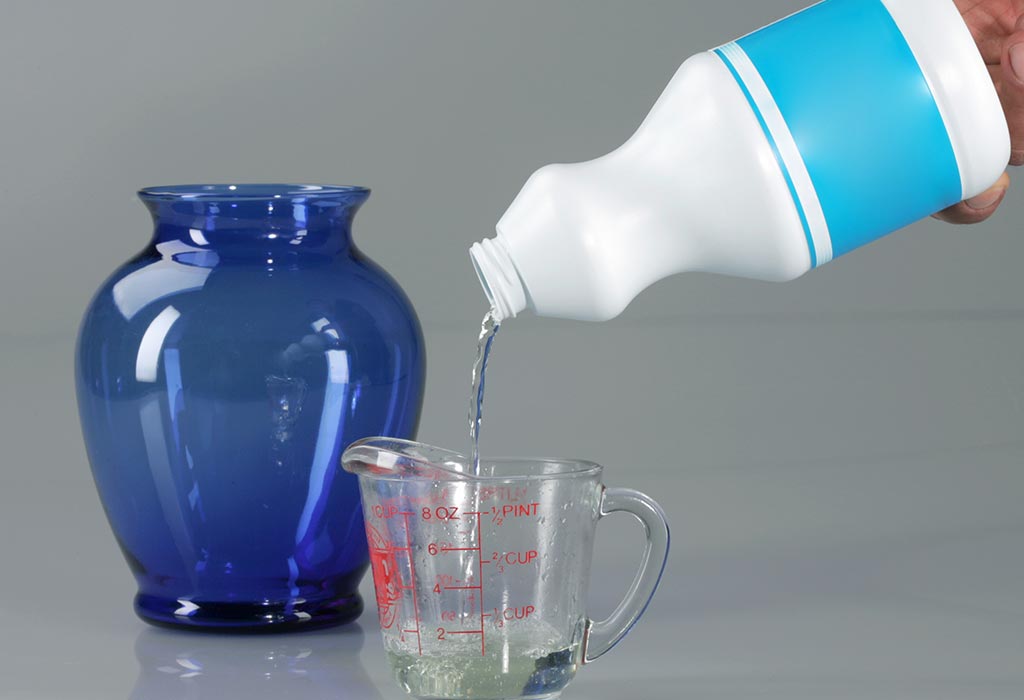
Put some bleach into the Cup 2. There is no specified measurement for this, but it is advised to take one-fourth cup of bleach.
3. Add Your Urine to Cup 1
Pour the fresh urine sample from cup 1 to cup 2. You will be able to see the reaction immediately.
4. Observe The Reaction
After mixing, if the reaction produces fizz, bubble or froth, it could mean that you are pregnant. While if you don’t see any visible reaction, it suggests that you are not pregnant.
What Does the Reaction Mean in a Bleach Pregnancy Test?
If you cannot see any reaction after bleach and urine is mixed, then you are not likely not to be pregnant. However, you should not conclude that you are not pregnant since the bleach and pee pregnancy test is not 100% conclusive. You should try another standard pregnancy test to find out for sure.
Bleach Pregnancy Test Result
The bleach powder pregnancy test will need your patience for interpretation of results. Froth will be generated as soon as you add urine to bleach. You will have to be observant as the reaction lasts for a few seconds.
1. Positive Result
If the solution produces fizz, bubble or froth, this is the positive pregnancy test with bleach and urine. If the mixture foamed within a few seconds, there is a very high chance that you are pregnant. A positive bleach pregnancy test indicates that you are pregnant. However, it is not 100% accurate.
A false positive pregnancy result is when the pregnancy test shows positive, but you are not actually pregnant. If you leave the mix for too long, it will froth due to other reasons. It will be considered as a false positive pregnancy result.
2. Negative Result
If the mix doesn’t produce any frothing or effervescence, then you are not likely not to be pregnant. But this result is not 100 % conclusive. You should try another standard pregnancy test to find out for sure. A negative bleach pregnancy test suggests that you are not pregnant.
A false negative pregnancy test is when you are pregnant and the pregnancy test gives a negative result. However, a false negative pregnancy test is very uncommon. A false pregnancy result can be observed if you take a bleach pregnancy test before a missed period.
How Accurate Is a Bleach Pregnancy Test?
The pregnancy test with urine and bleach is a homemade pregnancy test. You cannot expect it to be 100% conclusive. The pregnancy test conducted by hospitals and nursing homes is far superior to bleach and urine pregnancy tests.
Why Should You Take Bleach Pregnancy Test?
Well, you should not. Experts are of the opinion that bleach pregnancy tests should be avoided because of several health hazards. Inhaling the fumes could have any serious effect on your little one or yourself if you happen to be pregnant (1). Plus, there are several safe-to-use at-home pregnancy tests available.
Risks of Taking Pregnancy Test Using Bleach at Home
Bleach and urine should be combined with utmost care. When bleach and urine are combined, a very toxic fume called chloramine gas is created that can be risky for you and your baby if you inhale even a small amount of it. Depending on the amount of chloramine gas you inhale, you could experience minor symptoms such as difficulty breathing, nausea, throat irritation and skin irritation, or you could even possibly lose consciousness if you inhale too much (5). Hence, it is necessary to perform this test in an open area with a lot of ventilation. Also, it is preferable that someone else perform the mixing part of the test without you in the room so that there is no risk of harm to you or the baby. All in all, if you believe you are pregnant, it is always advisable to buy a pregnancy test from a pharmacy, as it is safer and more accurate.
Can Supplements Affect Pregnancy Test Results?
The FDA has approved HCG as a prescription medication for fertility treatment (6). You may get a false result if you get a pregnancy test after taking an approved fertility prescription drug that contains HCG.
However, if you are taking simple health supplements that do not contain Human Chorionic Gonadotropin (HCG), which is the main factor for this test, you do not have to worry about false results due to health supplements.
Another important piece of information to note here is that if the health supplement prescribed to you has a diuretic effect (which causes more urination than normal), the concentration of HCG in your urine might not be sufficient for the test, and it might produce false results.
Note:- If you drink too much water, the concentration of HCG in your urine might be lower than required for the test, and this might produce false results.
What Should You Know Before Trying a Bleach Pregnancy Test?
It is very important to take safety precautions while doing the bleach powder pregnancy test. Here are some precautions you should take:
Do not directly pee inside the bleach container, as it may cause a reaction that could be dangerous.
Use the normal bleach rather than the scented or coloured bleach as these might disrupt the reaction between bleach and pee.
The fumes caused by mixing bleach and urine may cause watery eyes, nausea, suffocation and chest pain. The fumes from the bleach and pee pregnancy test can be toxic to your unborn baby if you inhale them.
The observation has to be made in the first few seconds. If you leave the mix for too long, it will froth due to other reasons. It will be considered as a false positive pregnancy result.
Ensure that the room where the testing is done has proper ventilation. Never inhale the gases that come out during the test.
Do not allow the bleach to come in contact with your skin. Bleach is corrosive in nature. It can cause irritation and burns.
Do not shake the mixture of urine and bleach. The froth seen after shaking the mixture will not be the proper indicator of pregnancy. The foam or froth might have been caused due to the stirring action.
FAQs
1. Are there any alternatives for bleach pregnancy tests?
While the bleach pregnancy test may be appealing for its simplicity, it cannot match the reliability of medical-grade tests. The best alternative to a home pregnancy test with bleach is an at-home pregnancy test kit. It is one of the reliable methods to check pregnancy without worrying about any safety hazards. Plus, it is easily available at drugstores, supermarkets, and even online at reasonable prices. You may also try a sugar pregnancy test, and for a clear confirmation, you can have a blood or urine test at the doctor’s office.
2. What are the safe methods to check pregnancy?
Over-the-counter available at-home pregnancy tests and blood tests done at a healthcare facility are the safest methods to check pregnancy, as they do not risk the individual to any harmful substances.
3. What should I do after a positive bleach pregnancy test?
A bleach pregnancy test positive and negative results should not be considered confirmation of pregnancy. If the test appears positive, take a standard home pregnancy test according to its instructions, ideally after a missed period. If the result is positive, unclear, or you continue to have pregnancy symptoms, consult a healthcare professional for confirmation and guidance on the next steps.
4. Can urine react with bleach even when you are not pregnant?
Yes. Urine can produce bubbling, foaming, or other changes when mixed with bleach even when a person is not pregnant. This is one reason why interpreting the reaction as a positive or negative pregnancy result can be misleading (7).
The bleach and pregnancy test can be a very useful home-based test to check pregnancy. However, the results of this test are not 100% conclusive. It is highly recommended that you get a standard pregnancy test done at a hospital for confirmed results.
Also Read:
Digital Pregnancy Test
Baking Soda Pregnancy Test
Easy Homemade Pregnancy Tests
How to Know Pregnancy Without Doing Test?
Read more




Surrogacy – A Fertility Treatment Option
Advancements in science help many individuals and couples who crave the responsibility of a child but, for various reasons, may not be able to conceive or carry one. Whether it is single men who want biological children, couples who have medical issues or someone who has another reason altogether, the answer for all of them may be surrogacy. Read on for all you need to know about this method of childbirth.
What is Surrogacy?
Many couples who are facing fertility issues nowadays are opting for surrogacy to start their family. When another woman carries and delivers your baby, it is called surrogacy. The woman who carries and gives birth to your baby is known as a surrogate mother (or simply a surrogate) and can be your relative, friend or an anonymous volunteer. The surrogacy process is an extremely complex legal process which can not only be emotionally intense but also require a lot of patience, time and money. It is very important to understand all the pros and cons of the procedure before going for it. If all the aspects of surrogacy, such as legal, financial and medical, are taken care of, then surrogacy is one of the best fertility options available today.
Who Can Benefit From Surrogacy?
You may benefit from surrogacy if:
Your medical condition makes pregnancy and birth fatal for you.
You are born without a uterus.
You have undergone uterus removal surgery or hysterectomy.
You have had recurrent abortions.
Your uterus has an abnormality or unusual shape.
You have had no success with other fertility treatments (like IVF)
The Indian Council of Medical Research (ICMR) states that surrogacy can be an option if it is medically impossible for the couple to carry a baby.
How Does Surrogacy Work?
Surrogacy works in the following ways:
Natural or Straight Surrogacy :
The intended dad’s sperm is artificially inseminated through IUI into the surrogate mother. Natural or straight surrogacy uses the host’s uterus and eggs. After birth, the baby is handed over to the intended parents and the surrogate mother terminates her parental rights.
Gestational or Host Surrogacy :
When a donated embryo is carried by a surrogate up to the term, it is called gestational or host surrogacy. In this case, you are the biological parents of your baby.
Altruistic Surrogacy :
The host receives no financial benefit from this kind of surrogacy and only receives allowable expenses.
Commercial Surrogacy :
When on top of allowable expenses a separate fee is also paid for the services rendered by the surrogate, it is called commercial surrogacy.
How to Find and Choose a Surrogate Mother
You may ask a friend or relative to be a surrogate mother for your baby. It is one of the best ways to find a surrogate, as it not only reduces the legal hassles associated with surrogacy but also cuts down the cost.
You may also contact various surrogacy agencies to arrange a surrogate for you. The agency makes arrangement for a surrogate and also acts as an intermediary for passing on various medical expenses and fees between you and the surrogate.
Surrogacy and Its Legal Issues
There are many issues associated with legal surrogacy and a legal surrogate. It is very important to seek expert legal advice on this matter. If you plan for surrogacy in another country, you should be aware of the surrogacy law of that country.
How to Prepare for Surrogacy
You can prepare for surrogacy by:
Preparing yourself emotionally for the changes that will follow after the birth of your baby, such as waking up at night, change in social life, sharing responsibilities with your partner etc.
Making arrangements to welcome your baby into the house. You may do up your baby’s room, buy a stroller, crib, clothes and other essentials for your baby.
Joining parenting classes to prepare yourself for the baby’s arrival.
Reading about parenting and childcare.
What Screening Test is Required?
The following screening tests may be required for a surrogate mother:
Medical screening will be done to ascertain any sexually transmitted disease. The lab and physical tests may include HIV, Hepatitis B, Hepatitis C, RH factor, Herpes, and Syphilis etc. Other blood and urine tests also may be conducted.
The health of the uterus is determined by conducting Pap smear.
A mock cycle is performed to check the response of uterine lining to hormone replacement.
HCG will be performed to check the size of the uterus and the passage of the fallopian tubes.
A pelvic examination is also performed to determine the length and direction of the uterine cavity.
Apart from various physical and medical tests, psychological testing is also done to check the determination and ability of the surrogate to carry on the surrogacy.
What is the Success Rate?
It is very difficult to determine the actual success rate of surrogacy as there are a number of factors associated with it. If you get a volunteer surrogate, who becomes pregnant through the fertility treatment and carries your baby for the full, you will be successful, however, the same procedure may fail for others.
Advantages of Surrogacy
Surrogacy has great advantages to couples who cannot conceive biologically, as it provides you with a chance to have a baby who is (genetically) partially or completely yours. You may also get closely involved during the pregnancy and birth of your baby.
Disadvantages of Surrogacy
Some of the disadvantages associated with surrogacy are:
It involves complicated legal and medical procedures.
It is difficult to find a clinic that supports surrogacy.
It is difficult to reconcile with the various choices of the surrogate, such as managing diet, pregnancy and labour.
Problems Associated With Surrogacy
One of the main concerns or problems associated with surrogacy is whether or not this procedure is fair to the surrogate mother. It is generally feared that the surrogate mother may become attached to the baby she is carrying. However, if a proper relationship with the commissioning couple is maintained throughout the pregnancy, this problem can be kept aat bay.
How Much Does Surrogacy Cost?
The surrogacy cost can vary and depends on various factors, such as:
The cost of the donor (sperm or egg)
The surrogate mother payment
The cost of embryo implantation
The cost of your infertility treatment (ICSI or IVF to create an embryo)
Surrogacy vs. Adoption
Surrogacy has many benefits in comparison to adoption, as surrogacy allows either or both the partners to be the genetic parents of the child. Though surrogacy laws are different for different countries; surrogacy does not involve expensive and extensive procedures like adoption. You do not need ‘qualify’ to be surrogate parents, unlike in adoption.
Surrogacy is an effective way of becoming parents if you are unable to become parents naturally. However, it is recommended to be thorough with all the legal, financial and medical issues before going for this fertility treatment option.
Also Read: A Guide to Assisted Reproductive Technology
Read more

Laparoscopy for Infertility Treatment
If you have been trying to get pregnant for some time without any success, chances are, you have some fertility problems. The good news is that there are many options available to treat infertility, and laparoscopy is one such method that may improve your chances of getting pregnant. Although there is no defined period to try to conceive naturally, there is a general rule of thumb to follow. If you have been following a regime of unprotected intercourse on days that you have established are within your fertile period for over one year and have not seen success, it’s a good idea to schedule a visit to your doctor. A lot of factors can affect fertility or the lack thereof, and it’s best to make sure that both you and your partner get a clean bill of health. In case there are any issues, identification early on will save you a lot of effort and disappointment, and you have the option of taking stock of your options and then charting your course armed with the right information. Also, remember that if you are over the age of 35, you may want to wait for a shorter time before scheduling that check-up. The good news is that there are many options available to treat infertility, and laparoscopy is one such method that may improve your chances of getting pregnant.
What Is Laparoscopy?
Laparoscopy is an invasive method used to diagnose and subsequently treat the problem of infertility. Your doctor may make two to three small incisions in your abdominal region in this surgical procedure. A laparoscope is used for this process – it is a very thin surgical instrument with a camera and light fitted on it. This helps the doctor identify and potentially correct the problem. In some cases, the doctor may even make bigger incisions for the surgery, and you may have to stay in the hospital for a few days
When Is Laparoscopy Procedure Recommended?
Laparoscopy is not the first course of treatment for infertility. Your doctor may recommend this after trying various other methods or suggesting other infertility options. Here are some of the reasons your doctor may advise you to get a diagnostic laparoscopy for infertility:
If your doctor establishes an ectopic pregnancy, which is a fatal condition.
If your doctor suspects pelvic adhesions or pelvic inflammatory disease.
If your doctor diagnoses moderate or severe endometriosis.
In many cases, your doctor may treat the problem during the laparoscopic procedure (though not in all cases). The following are some infertility issues for which your doctor may recommend laparoscopic surgery:
If you have PCOS or polycystic ovarian syndrome. In such a case, your doctor may recommend ovarian drilling. Polycystic ovarian syndrome hampers ovulation; to correct this, your doctor may puncture the ovaries at various places to drill.
If you have a fibroid that causes intense pain or blockage in the fallopian tubes (which also affects the uterine cavity).
If you have ovarian cysts blocking the fallopian tubes and causing severe pain. However, removal or drainage of large endometrial cysts may adversely affect your ovarian reserves.
If endometrial deposits are the cause of infertility, your doctor may recommend removing them. While some doctors are of the view that the removal of deposits improves your chances of conception, others feel it should be removed only if they are causing intense pain and discomfort.
Your doctor may recommend surgery if your fallopian tubes are blocked. However, the success rate for laparoscopy in treating infertility through tubal repair varies to a great extent. If you are considering IVF after a laparoscopy, your doctor may recommend skipping this procedure and proceeding with IVF directly.
In case your doctor suspects hydrosalpinx- a condition where the fallopian tube has developed a specific kind of blockage – your doctor may recommend removing the tube or clipping them.
What Are the Benefits of Laparoscopy for Infertility?
Here are some of the benefits of laparoscopy for infertility:
Certain infertility defects can only be established through laparoscopy.
It helps the doctor take a comprehensive and detailed look inside your abdominal region to identify various issues that may be causing infertility.
Laparoscopy is also effective in treating some causes of fertility, which may increase your chances of getting pregnant by natural means or by other infertility treatment options.
It helps in getting rid of pelvic pain and discomfort.
It also helps in removing endometrial deposits, scar tissue and fibroids.
This surgical method is less invasive in comparison to open surgery, which means less pain, lower blood loss, smaller incisions and faster recovery.
How Is Laparoscopy Performed?
Once your doctor recommends a laparoscopy, you will be told about the procedure in detail. You may have to prepare for the surgery in advance.. You will be told not to eat for at least 8 to 10 hours before the surgery. The procedure is performed under general anaesthesia. Before the procedure begins, you will be put on an IV will through which various medicines will get administered.
Once the anaesthesia takes effect, your doctor will begin with the procedure. A number of small incisions will be made in your abdominal region. After the incisions are made, carbon dioxide is pumped into the incision to create space for the insertion of the laparoscope. Once the volume of carbon dioxide is sufficient, the doctor will insert the laparoscope to look at your pelvic organs. In some cases, your doctor may extract some tissue for a biopsy. Apart from the pelvic organs, your doctor may also want to check other abdominal organs, and may make a few more incisions for this. Your doctor will carefully look for scar tissue, cysts, fibroids or endometrial deposits. Your reproductive organs will be observed internally to detect abnormalities or defects.
In addition, your doctor may inject some dye from the cervix to check for any kind of blockages in the fallopian tubes. Your fallopian tubes are likely to be examined as well.
Is the Procedure Painful?
The laparoscopic procedure is performed under the effect of general anaesthesia, which means you will not feel anything during the entire procedure. However, once the effect of anaesthesia subsides after the surgical procedure is over, you may feel sore at the incision site. If your doctor removes tissue for biopsy, then the area it was removed from may feel tender too. Because of the carbon dioxide in your abdominal region, you may feel bloated and may experience pain around your shoulders. Your throat may also pain due to the tube that will have been inserted into your throat to facilitate your breathing during the procedure. These are very common things you may experience after the surgery, which will subside in a few days.
Recovery Time of Laparoscopy Surgery for Infertility
Post surgery, you may get discharged the same day if there are no complications involved. Your doctor will recommend rest for at least two to three days. However, you may take a couple of weeks to recover completely. You will be given various medicines for a speedy recovery, which may include antibiotics and painkillers. Get immediate medical help if you experience:
Pus or intense pain at the site of the incision.
Fever, which is 101 or higher.
Severe abdominal pain and discomfort.
Risks and Side Effects of Laparoscopy for Infertility
In case a tissue is extracted during laparoscopy, it will be given for further tests. Just like any surgical procedure, there are some risks and side effects associated with laparoscopy. Out of 100, 1 or 2 women, on average, may develop some or the other kind of complication after laparoscopy. Here are some commonly experienced surgery complications:
Irritation of skin at the incision site
Bladder injury
Adhesions
Infection at the site of incision
The occurrence of hematomas in the abdominal walls
These are some lesser-known complications that may arise after the surgical procedureSevere allergic reaction
The occurrence of blood clots
Severe damage to the blood vessels or abdominal organs
Urine retention
Damage to the nerves
Complications associated with general anaesthesia
Death (though very rare)
What If the Results Are Abnormal?
Here are some kinds of abnormalities that may be seen during the laparoscopic procedure:
Detection of fibroids, infection of tubes, and patency
Adhesions or surgical scars
Inflammation of the intestines or appendicitis
Presence of tumours or cysts
Some trauma or injury to a particular internal organ
An abnormal condition where the uterine lining grows outside the uterus instead of growing inside, also known as endometriosis
Infection of reproductive organs or Pelvic Inflammatory Disease
Cancer
Can Laparoscopy Affect My Ability to Conceive?
No. The good news is that a laparoscopy rarely impacts your ability to conceive and usually causes no hindrance in getting pregnant. In fact, in some cases, it may even increase your chances of conception.
Laparoscopy is a safe option to consider when you’re having trouble conceiving. Once the procedure is over, your doctor will discuss your chances of getting pregnant naturally and other associated options.
Also Read: Common Causes for Not Conceiving
Read more

Ovarian Hyperstimulation Syndrome (OHSS)
The thought of planning for a baby can be exciting for couples who are looking to start a family but it can soon turn into despair if they don’t get the good news despite trying hard for a while. One of the reasons for not being able to conceive could be fertility issues and fertility treatments will come as a ray of hope for them. But the road to making babies can be full of obstacles for some.
Some women undergoing fertility treatment may develop, Ovarian hyperstimulation syndrome (OHSS), a condition where the ovaries react abnormally to drugs administered for inducing conception. It is characterized by significant ovarian enlargement due to multiple ovarian cysts, and a fluid shift in the tissue space. While most cases of OHSS are mild, severe cases do occur, although rare. Read to know more about this condition.
What Is Ovarian Hyperstimulation Syndrome (OHSS)?
OHSS majorly affects women undergoing fertilization induction treatment and taking hormonal preparatory injections and drugs to promote the growth of eggs in the ovaries.
An excess dose of hormones or hormone-mimicking drugs can lead to OHSS, in which the ovaries become enlarged and are painful. It is usually mild or moderate, but a few women may have a severe form of this condition, which may lead to excess weight gain, pain in the stomach, vomiting and breathing difficulties.
Spontaneous ovarian hyperstimulation syndrome is not related to fertility treatments and is rare.
Who Is at a Greater Risk of Developing OHSS?
The following factors have been linked to an increased prevalence of ovarian hyperstimulation syndrome or OHSS:
Age: Young women in the reproductive age group, usually under 35 years of age.
Polycystic Ovarian Syndrome or PCOS: Women who suffer from or have a history of PCOS, a condition in which the ovaries are filled with small cysts and cause menstrual irregularities.
Assisted Reproductive Techniques (ART): Women undergoing treatments for either primary or secondary infertility with techniques like IVF, IUI or OI. ART is the most common cause found to be associated in most of the cases diagnosed with OHSS
History: A previous history of OHSS increases OHSS risk.
Causes
Human Chorionic Gonadotropin (hCG) is a hormone normally produced and responsible for fertilization. It is medically supplemented in deficient women, and it is this hormone that may cause OHSS if present in excess amounts. OHSS occurs only after the eggs are released from the ovary (ovulation). This condition may develop in the following cases:
Injectable Hormonal medications: After a dose of human chorionic gonadotropin (hCG), the patient may develop symptoms of OHSS.
Repeated or high doses of ovarian stimulators: Patients who get more than one dose of hCG after ovulation may develop OHSS.
Pregnancy: If a woman becomes pregnant (as a result of her normal ovulation) during this cycle of treatment, the externally administered hormone may overstimulate the ovary and cause OHSS.
About 3 to 6% of women who undergo IVF develop OHSS after embryo transfer as a complication of treatment.
Symptoms
OHSS usually develops about 10 days after fertility treatments.
Symptoms of Mind to Moderate OHSS
Mild pain in the tummy
Bloating of abdomen
Vomiting
Loose motions
Pain on touching the lower abdomen around the ovaries
Drastic weight gain of about 3 kgs
Symptoms of Severe OHSS
Rapid weight gain – 15 kgs in about 10 days
Severe abdominal pain
Severe gastric upset including vomiting and nausea
Increased viscosity of blood in the lower limbs
Reduced urine output
Breathing difficulties
Tense, distended abdomen
Complications
Usually, the risk of OHSS is mild to moderate. But about 1 in 100 women undergoing stimulation of ovaries develop a severe grade of OHSS.
Hemodynamic and electrolyte disturbances: Drastic fluid shifts out of the blood vessels may affect the blood pressure and salts of the body (sodium, potassium, etc.)
Thrombotic states: As oestrogen is a pro-coagulant hormone, one may develop hemoconcentration (excessively thick and viscous blood) and cause abnormal blood clots in large vessels, usually in the lower limbs
Acute kidney failure
Twisting of the ovary (ovarian torsion)
Rupture of a cyst (fluid or blood-filled cavity) in an ovary, which can lead to serious bleeding
Excess fluid causes shortness of breath
Miscarriages or abortions
Death (OHSS may be fatal in severe cases)
Diagnosis
OHSS is based on a combined approach with clinical examination and tests including blood tests and sonography. Abnormal weight gain, increased waist circumference, attributes like abdominal pain, breathing difficulties or urinary complaints may alert your doctor to investigate you for OHSS.
You may need a vaginal ultrasound, which shows enlarged ovaries usually containing fluid-filled cysts. A very high beta hCG level or deranged kidney function tests may hint towards a diagnosis of OHSS.
Treatment
Mild OHSS usually resolves spontaneously in about a week’s time after diagnosis. You may require an OHSS diet. Eating a high-protein diet is recommended. Please consult your doctor before starting any new diet.
Moderate OHSS requires close monitoring of vital parameters. Adequate fluids prevent dehydration.
Severe OHSS usually necessitates hospitalization and aggressive treatment, including IV fluids, anticoagulants (blood thinners), electrolyte corrections, blood components and intensive care including cardiovascular backup and OHSS radiology management.
Are There Any Home Remedies to Cure Ovarian Hyperstimulation Syndrome (OHSS)?
There are no scientifically documented home remedies for the treatment of OHSS. It is recommended to refrain from drinking excessive amounts of water or consuming any anti-inflammatory medicines such as aspirin as it can affect your kidneys. Also, ensure to keep moving your legs periodically to lower the risk of blood clots.
Prevention
Certain medical measures help prevent OHSS. Low dose gonadotropin protocols have been publicized to prevent OHSS in high-risk patients with a past history of PCOS. It includes various steps like:
Cycle cancellation (withholding hCG)
Coasting or Soft landing (in case you have high oestrogen levels or many developed follicles, your doctor may recommend waiting for a few days before administering hCG, which triggers ovulation)
Modification of ovulation-triggering agent: Replacement of hCG by exogenous or endogenous LH (central hormone controlling the activity of ovaries)
When to Call a Doctor
It is advisable to consult your gynaecologist as soon as you notice any abnormal symptoms, abdominal or urinary, or a general sense of being unwell.
Since OHSS is usually a side effect or complication of fertility treatment, it should have a high index of suspicion by the treating gynaecologist. It may be prevented if diagnosed in the early stages. Consult your doctor if you suspect any symptoms. OHSS can be treated effectively with an integrated approach of a gynaecologist, a physician, and a critical care physician.
Read more

11 DPO – Pregnancy Symptoms & When to Take Test
When you are planning a pregnancy, every small change in your body or a light ache might ring a bell. At 11 DPO, you are still very early in your pregnancy. So, what signs and symptoms can you take as an indication of pregnancy? You might notice some new symptoms at 11 DPO, but whether those are an indication of pregnancy or just premenstrual symptoms might be confusing for many. Between sore boobs and nausea, when you are trying for a long time and are restless to know if you’ve conceived, we know that every day is a long wait. So, allow us to give you a closer look at what is happening in your body at 11 DPO, the best time to take a pregnancy test, whether you can expect a positive result, and discuss some commonly asked questions asked around 11 DPO.
What Is 11 Days Past Ovulation?
11 DPO is 11 days past ovulation. This is when the body ramps up with the production of the pregnancy hormone hCG as well as other hormones necessary for managing pregnancy, i.e., estrogen and progesterone. This is an important period as many pregnancy symptoms may occur as soon as 6 to 10 DPO. However, 11 DPO may not give accurate results on the confirmation of pregnancy; it focuses on symptoms, because it is still considered too early to give a positive pregnancy result.
Is 11 DPO the Right Time to Take a Pregnancy Test?
Pregnancy tests detect the level of hCG (human chorionic gonadotropin) to determine if you’re pregnant. Your body starts releasing hCG after the egg is successfully implanted in the uterine lining. This process may take anywhere between 6 and 12 days after ovulation (1).
While your body may have started releasing hCG hormone at 11 DPO, the levels may still be very low. Hence, an 11 DPO test may still be too early to get a reliable confirmation for some women. You may even stand a chance of getting a negative test at this point. It’s ideal to wait until after a missed period for accurate results.
11 DPO Symptoms
At 11 DPO, you may notice a few telltale early pregnancy signs and symptoms that can be an indicator that you’ve conceived. While these may not be completely positive confirmations, they cannot be entirely ruled out either. Some early pregnancy signs and symptoms include (2):
1. Cramping
Cramping is a common symptom experienced during early pregnancy. You may experience bloating, gas, and abdominal cramping due to constipation brought about by pregnancy hormones. If you are at 11 DPO, cramps may be an indicator that you have conceived. It is still ideal not to read too much into this, as menstrual cramping, PMS cramping, and pregnancy cramping are hard to distinguish clearly.
Consume plenty of water, fibre, and limit carbonated and gas-causing food items to get through this period of cramping.
2. Implantation Bleeding
When the fertilised egg attaches itself to your uterine lining, it may lead to implantation bleeding. Not all women experience implantation bleeding, and the amount of bleeding also varies. Implantation bleeding usually occurs right about the time when you may be expecting your period (about 10 to 14 days after conception), so it could be easily mistaken for a period, especially since it is accompanied by cramps (3).
However, implantation bleeding is light, and you may easily miss it too. If you notice heavy bleeding around 11 DPO and you’re positive that you’re pregnant, ensure that you visit your doctor immediately.
3. Morning Sickness
Nausea and vomiting, known popularly as morning sickness, are early symptoms of pregnancy. Some women may experience it throughout their pregnancy as well, while most others have it in the first trimester of the pregnancy. If you find yourself triggered by certain smells and odours and feel nauseous, it may be a sign of pregnancy.
4. Increased Urination
After conception, your body increases the blood flow to your kidneys. This leads to increased or frequent urination, even without consuming excessive fluids. If you notice that you are urinating frequently without consuming additional fluids, you may want to prepare yourself for a positive pregnancy.
The need to urinate frequently usually subsides by the end of the first trimester. However, with an expanding belly putting pressure on your bladder during the third trimester, you may find yourself going to the bathroom more often again.
5. Sensitive Breasts
With increased levels of hormones, you may experience sensitivity in your breasts. Your breasts may feel swollen and sore to the touch. You’ll also notice that your breasts are slightly heavier in size and very sensitive and responsive. Darkening of the area around the areolas can be expected, too (4).
6. Change in Moods
Your body is experiencing different symptoms along with the increased hormonal activity. All this may be hard to catch up with and may make you a little irritated and moody.
7. Fatigue and Headaches
Headaches and tiredness are expected in the early days of pregnancy, all thanks to changing hormone levels and increased blood flow. It is not just hormones and blood flow; there are also several aspects that contribute to headaches, like low blood sugar, exhaustion and stress. One of the best ways to approach this is through taking enough rest and not taking stress; a tired and stressed body, in general, can aggravate headaches.
8. Digestive Issues
An array of digestive issues may come forward at 11 DPO, from bloating and gassiness to constipation.
9. Elevated Basal Body Temperature
You may experience a slightly elevated basal body temperature (BBT). Plus, if you get pregnant, your basal body temperature may continue to stay high. Otherwise, it will drop to the baseline right before your next period.
What Are the Negative Pregnancy Signs at 11 DPO?
As you read earlier, plenty of different 11 DPO signs and symptoms may indicate the pregnancy. However, there are also cases where the absence of these signs and symptoms eventually turns into a confirmed pregnancy. So, it’s not white and black that the absence of symptoms and feeling normal will indicate a negative pregnancy.
If you take a pregnancy test 11 days past ovulation and get a big, fast negative (BFN) result, it could be a false negative test result. Hence, it is always better to take tests again on the following days.
As a matter of fact, early pregnancy symptoms may occur in women who are not actually pregnant. This happens because of the increased progesterone levels present during the last stages of the menstrual cycle.
Implantation at 11 DPO
Implantation of the fertilised egg usually happens between the window of eight to ten days post-ovulation. Some women may have it as early as 6 days after ovulation, and others may even cross the window and have implantation at 11 DPO or later. However, this is rare. Late implantation, one after 10 DPO, may increase your risk of pregnancy loss or miscarriage.
Implantation bleeding at 11 DPO is likely in some women, but not all women experience it. It could be very little spotting to a light bleed or nothing at all.
How Many DPO Are Delayed for Implantation?
As per a study, the general time of implantation is 8 to 10 days after ovulation in most successful pregnancies (5). However, if the implantation occurs late, i.e., at 11 DPO or later, the chances of early pregnancy loss increase, around 50 per cent at 11 DPO and around 80 per cent after 11 DPO.
Negative Test at 11 DPO
While your body is better tuned to tell you that you’re pregnant at 11 DPO, expecting a big fat positive or BFP at 11 DPO may not be the best idea. As mentioned, your hCG levels are relatively low at this point and may take a day or two after implantation to be detected on the home pregnancy test, making an 11 DPO negative pregnancy test result quite common. This means that you will need to wait a day or two to take a pregnancy test and see a positive result.
This is not to say that you will not see a positive, but just that there is still a good chance that you’ll see a negative. Your body may need time to produce enough hCG for the pregnancy test to detect.
Accuracy of Pregnancy Test at 11 DPO
The accuracy of your 11 DPO pregnancy test depends on several factors, right from your hCG levels to your usage of the home pregnancy test. The best time to take a pregnancy test is early in the morning, the minute you wake up.
With the right usage, these tests are accurate about 99% of the time (6). Certain medications and illnesses may also affect the pregnancy test results, leading to false positives or false negatives.
So, if you see a negative at 11 DPO, it could be because you haven’t conceived, you’ve used the test incorrectly, or you’ve taken the test too early. You may want to try a few days after a missed period to take the test again.
What If You Don’t Have Pregnancy Symptoms at 11 DPO?
At 11 DPO, no symptoms do not automatically equate to no pregnancy. Each woman is different, and her body responds and reacts differently. Do not entirely rule out the possibility of being pregnant if you don’t see the telltale signs and symptoms. Most women don’t see any early pregnancy symptoms, and 11 days post-ovulation is too early in the pregnancy to know for sure that you are or aren’t pregnant. While some women may see spotting at 11 DPO, it is not the same for everyone, with some never experiencing spotting or implantation bleeding at all.
If you take a pregnancy test at 11 DPO and get a negative, it is best to wait until you miss your period to take the test again. It is best to wait until a week after you miss your period for a positive pregnancy test that you can count on. If you still see a negative and you are confident that you’re pregnant, visit your doctor for the possibility of taking a blood test to determine your pregnancy.
When to Consult a Doctor?
In case you are experiencing unusual discharge, heavy bleeding during your periods, heavy bleeding after a positive pregnancy test, or severe abdominal pain, you should immediately get in touch with your doctor to rule out any unexplained symptoms or complications.
There are chances of ectopic pregnancy that you should know about, and consult the doctor if you can map the symptoms in yourself. In this type of pregnancy, the fertilised egg implants in one of the fallopian tubes instead of the uterus. Some indicators of ectopic pregnancy are as follows:
Brown watery discharge
Pain in the lower abdomen or pelvic region
Pain in the tip of the shoulder
Discomfort during peeing or pooping
Missed period.
FAQs
1. Is 11 DPO early for a blood test?
Even though 11 DPO is considered early for a pregnancy test, there is still a possibility of a positive pregnancy test, but it is not impossible. If you have started experiencing early pregnancy symptoms, you may get a positive result because of high hCG levels in your body. If you get an 11 DPO BFN, continue to take the tests on the following days for confirmation. So, whether you test blood or urine, negative and positive results are probable.
2. Is 11 DPO intrauterine insemination too early to test?
You can test for pregnancy at 11 DPO post Intrauterine Insemination (IUI). However, in many cases, the test results are accurate between 15 and 20 DPO.
3. Is 11 days past ovulation too late for implantation?
Generally, implantation happens between 6 and 10 DPO. However, in rare cases, it may be delayed and happen a bit late, but late implantation brings up a host of pregnancy complications. Since every pregnancy is unique, implantation happening at 11 DPO is possible.
4. Is it normal to find a faint line at 11 DPO?
It is normal to be tempted to do a pregnancy test at 11 DPO to see whether you have conceived. However, the hCG levels at 11 DPO are likely low, so the chances of getting a false-negative result are high. However, if you observe a faint line on your pregnancy test at 11 DPO, it could mean that you are pregnant, but your hCG levels are quite low. You can try taking a test on the first day of your missed period in the morning with the first pee to get clearer results (1).
5. Can dehydration affect hCG levels?
No, dehydration does not affect the hCG levels. The hormone is produced by the placenta, and the amount of water you drink does not impact its production. However, the amount of water in your urine at the time of taking an at-home pregnancy test can affect the results, as the hCG levels in the urine are diluted, making it difficult for the test to give clearer results. So, don’t be afraid of drinking water. Just make sure when you are taking the test first thing in the morning, you take it with your first urine, undiluted.
Remember, feeling normal during your early pregnancy is not a bad thing!
Infographic: 11 DPO Positive Pregnancy Signs
Also Read:
7 DPO
Symptoms of 8 DPO
9 Days Past Ovulation Symptoms
Read more

How Soon After Giving Birth Can You Get Pregnant
Pregnancy after giving birth is a much-misunderstood phenomenon. Some misplaced theories and false notions exist with regards to this question. You’re probably wondering how soon after giving birth is it possible to get pregnant. Many believe that breastfeeding or the absence of menstruation acts as a foolproof contraceptive, but the reality is different. Fertility can return as early as a few weeks postpartum, even before the first period, making pregnancy possible sooner than expected. The timing varies for each woman, depending on hormonal changes, ovulation, and contraceptive use. This article does away with myths and provides information based on the current scientific understanding of the subject.
Can You Get Pregnant Before Your First Period After Delivery?
The simple answer is yes – the possibility of getting pregnant after giving birth exists even before the first postpartum periods; which is to say that you can get pregnant within the first four weeks of delivery (1). Getting pregnant before the first postpartum periods also depends from person to person. For instance, some women experience a sterile period after birth; that is to say, that they do not ovulate. On the other hand, some others may ovulate before their periods, meaning that they can get pregnant within days of delivery. It is difficult to say whether a woman may get her periods first or may ovulate before her first periods. Women intent on having planned pregnancies should not shy away from the use of contraceptives.
Chances of Getting Pregnant Soon After Giving Birth
For most breastfeeding mothers, it can take an average of between four to six months for the onset of normal menstruation cycle, i.e. the first period’s post-delivery. For women who are not breastfeeding, the onset of normal menstruation cycle can take place as early as six to twelve weeks post-delivery (2). It is to be noted, however, that every woman’s body is different and even given the above considerations, some women can ovulate sooner or later. It is virtually impossible to determine the timeframe of the next pregnancy post-delivery.
Can You Get Pregnant While Breastfeeding?
Under normal circumstances, breastfeeding would trigger the release of oxytocin, a hormone that inhibits ovulation. It has also been generally observed that women who breastfeed ovulate later than those who do not. This, however, is not a compulsion and using this as a premise for birth control would not be a good idea (3). Breastfeeding mothers have been known to have periods six weeks postpartum, while in some other instances, the periods can be delayed for as long as eighteen months.
When Is It Ideal to Get Pregnant After Just Giving Birth?
When can a woman get pregnant after giving birth? This is a question that can be puzzling to many people, including parents seeking more than one child and their families. Medical practitioners, obstetricians and gynaecologists are of the opinion that there should be a gap of at least one year between pregnancies, and some would also recommend eighteen months gap between pregnancies. Conceiving within eighteen months of giving birth can increase the probability of certain complications in the following pregnancy. These may include having a premature delivery for the new baby or the new baby being born with low birth weight, which would, in turn, put the baby at risk of congenital disabilities including asthma, hearing defects or restricted growth (4).
Another factor to consider is that a woman’s body would need some time to recover from the stress of the previous birth. This stress includes any remaining inflammation in the uterus. A woman’s body would also require some time to replace nutrients and vitamins expended during the previous pregnancy (5).
Women who wish to have more than one child should consider keeping their bodies healthy to avoid complications for themselves as well as their babies. The use of contraceptives is the best way to avoid unplanned pregnancies after giving birth and is recommended, whether or not a mother is breastfeeding her baby.
How to Prepare for Another Pregnancy?
Parenting can be a daunting task. Therefore, it is necessary for parents to fully grasp the responsibility of taking care of one child before they plan to have more children. The time interval is also crucial to ensure that the nurturing needs of the first child are fully met before the arrival of the next. Having multiple babies to care for can impose immense physiological and psychological stresses on parents. Furthermore, it is critical to ensure that the mother has recovered fully from the previous childbirth before planning another pregnancy (6).
Risk of Having Another Baby Too Soon
Experts recommend an interval of twelve to eighteen months between pregnancies. Numerous studies have indicated that women who get pregnant within six months of childbirth are exposed to increased risk of complications. These complications include premature birth, miscarriage and underweight babies. It is crucial to maintaining the recommended interval between pregnancies to ensure the health and well-being of mother and child (7).
FAQs
1. How can I track my fertility after giving birth?
If you’re not using hormonal contraception, tracking ovulation signs, such as cervical mucus changes, basal body temperature, or ovulation predictor kits can help determine fertility. However, postpartum cycles can be irregular, making tracking challenging.
2. Does having multiple pregnancies close together affect my body?
Closely spaced pregnancies can increase the risk of complications like uterine rupture (after a C-section), anaemia, and premature birth. Proper medical care and prenatal nutrition are essential if conceiving soon after birth.
Pregnancy after childbirth requires careful consideration, as it can impact maternal health, recovery, and family planning decisions. While back-to-back pregnancies are a possibility and women have been known to have accomplished the same, prudence would warrant – for the safety of mothers and their babies- that certain considerations are kept in mind with regards to the interval between pregnancies.
References/Resources:
1. Sexual and reproductive health after having a baby; Tommy’s; https://www.tommys.org/pregnancy-information/after-birth/sexual-and-reproductive-health-after-having-baby
2. Patel. S; Will my period change after pregnancy?; University of Texas Southwestern Medical Center; https://utswmed.org/medblog/period-changes-after-pregnancy/
3. Blake. R. A; Can breastfeeding really prevent pregnancy?; Harvard Health Publishing; https://www.health.harvard.edu/blog/can-breastfeeding-really-prevent-pregnancy-202203022697
4. How long should you wait before getting pregnant again?; March of Dimes; https://www.marchofdimes.org/find-support/topics/planning-baby/how-long-should-you-wait-getting-pregnant-again
5. Tips on Timing for Another Baby; Penn Medicine Lancaster General Health; https://www.lancastergeneralhealth.org/health-hub-home/motherhood/getting-pregnant/tips-on-timing-for-another-baby
6. Planning another pregnancy; NHS; https://www.nhs.uk/pregnancy/trying-for-a-baby/planning-another-pregnancy/
7. Birth/pregnancy spacing; NHS; https://www.nbt.nhs.uk/maternity-services/after-birth/postpartum-contraception/birthpregnancy-spacing
Also Read:
What is Chemical Pregnancy?
A Complete Guide to Planning for a Second Baby
How to Get Pregnant Soon – Effective Ways to Conceive Fast
How Long Should You Wait to Get Pregnant After a Caesarean Delivery?
Superfoetation: Can You Get Pregnant While You Are Already Pregnant?
Read more

Male Fertility – Foods That Can Increase Sperm Count
If you are planning to have a baby and want to increase your virility as a man, you should follow a healthy diet. Including vegetarian food as well as some meat-based food in your diet can be really good for your health. By consuming healthy foods, you can increase your sperm count naturally. So, don’t wait for too long! Go through this list of foods that increase sperm volume and include them in your daily diet to have a baby soon.
How Does Food Play An Important Role in Boosting Sperm Count?
There are many factors that contribute to sperm count and helpfully, foods can help you boost you’re your low sperm count. There are some male fertility foods that help in the improvement of male fertility and increase sperm count and motility.
Foods That Can Help Boost Your Sperm Count
Read on to find out about fertility boosting foods for males and make them a part of your diet soon.
1. Dark Chocolate
The first and probably the best food to increase sperm count is dark chocolate. The cacao beans that make up the chocolate are full of antioxidants. Dark chocolate also contains an enzyme called L-Arginine which helps increase the volume of sperm. You and your partner can share a piece of dark chocolate after dinner, instead of having a filling dessert.
2. Eggs
It’s no secret that eggs are the basic superfoods for increasing sperm count. Eggs are rich in Vitamin E and protein, which help in the motility of the sperm. Consuming eggs also protects the sperm from free radicals, thereby doubling the chances of fertilisation. Eggs are also a rich source of zinc, which is known to improve sperm motility. Eggs can be consumed in umpteen ways to increase your sperm count.
3. Goji Berries
An Indian superfood to increase sperm count, goji berries are nature’s delight. Goji berries help improve mood and the temperature around the scrotum sac, making it optimal for sperm production. Although there is no medical proof for the same, it does contain antioxidants that improve sperm motility and fertility.
4. Bananas
Bananas are the obvious choices for increasing sperm production. This phallic-shaped fruit is rich in Vitamins B1 and C and magnesium, which increase the mobility of the sperm and help in sperm production. Bananas also contain a rare enzyme called Bromelain, which helps boost sperm count and motility. They can also regulate the sex hormones and cheer your mood. So if you love eating bananas, you have enough and more reasons to continue eating bananas.
5. Garlic
Garlic helps prevent cancer as well as enhance the production of sperm in the scrotum. It contains allicin which is required for stimulating blood circulation to the right parts. The blood flows freely to the sexual organs and protects them from any damage. Selenium, which is another important enzyme found in garlic helps improves sperm motility.
6. Spinach
Eating leafy veggies is good for our health as they help regulate a lot of activities in our body. Leafy greens can especially help in sperm production. Spinach is rich in folic acid which is essential for the development of the sperm.
7. Asparagus
Asparagus is a good source of Vitamin C, which helps protect sperm from free radicals. It even helps increase sperm count and the chances of reproduction by aiding them to swim towards the egg.
8. Walnuts
Walnuts are well-known as brain food, but they also help increase the sperm count. Being rich in omega-3 fatty acids, walnuts improve the vitality of sperm.
9. Oysters
Oysters are a great source of zinc, which helps improve sperm motility. So eat oysters – they will stimulate the reproductive system by providing glycogen and taurine.
10. Ashwagandha (Ginseng)
This ancient root is a great aphrodisiac and has been used for cooking purposes since ages. It is said to not only increase testosterone but also help in the treatment of erectile dysfunction. It is available in fresh or dried form and can be consumed in the form of tea.
11. Pomegranate
Pomegranates are known to increase the sex drive. Being a rich source of antioxidants, they help increase the level of sperm and quality of sperm production as well. You can consume pomegranates in raw form or in the form of juice every other day.
12. Pumpkin Seeds
These seeds are rich in antioxidants, phytosterols, and amino acids which enhance fertility in men. Pumpkin seeds can also help in increasing sperm count, motility, and virility overall. You can add them as salad toppings or consume them raw as a snack.
13. Carrots
Carrots can be consumed as a snack or as a vegetable. Carrots are a rich source of beta-carotene, an antioxidant which maintains the health of the sperm by protecting it from free radicals. This, in turn, aids mobility of the sperm thereby helping it reach the egg.
14. Lentils
Cooked lentils are a great source of folic acid which is an important catalyst in producing sperms. Lack of folic acid can lead to chromosomal abnormalities in men, hence it is important to consume lentils daily.
15. Zinc-rich Foods
Any food which is rich in zinc prevents the sperm from free radical damage. It also stimulates the libido. All kinds of fish are a great source of zinc. You can up your zinc intake by consuming nuts, beans, whole wheat grains, fortified cereals, and dairy products.
16. Beef
Red meat such as beef is also a great source of zinc. Beef is also a rich source of folic acid and selenium, which help improve sperm health. If you like meat, consume beef – it will assist in sperm production and mobility.
17. Fenugreek
The traditional ingredient used in every Indian household, fenugreek or ‘methi’ is used for increasing sperm count and libido. It can be used in dal or any other vegetable.
18. Olive Oil
Consumption of olive oil regularly helps improve sperm count and quality of sperm. It keeps the bad cholesterol levels low, increases the flow of oxygen to the testicles, and helps in the formation of healthy sperm.
19. Tomatoes
Tomatoes are great fertility food. They contain lycopene which is an antioxidant known to improve the structure and activity of the sperm. Regular consumption of tomatoes can increase fertility in men.
20. Berries
Just like goji berries, raspberries, strawberries, cranberries, and blueberries also contain powerful antioxidants and anti-inflammatory nutrients such as quercetin and resveratrol, which help in increasing the quality and production of sperm.
21. Broccoli
This is another green vegetable rich in folic acid, which is known as vitamin B9. Broccoli has now been recognised as one of the best food to increase seminal fluid.
22. Sunflower Seeds
Sunflower seeds are quite healthy and contain vitamin E, an antioxidant that enhances sperm & semen quality.
23. Maca Roots
Maca roots are best known to increase sperm counts and fertility. if you consume this herb as a supplement, you can have an increased volume of semen and also possess sperms of better motility.
Food Supplements to Boost Sperm Count and Motility
The following supplements can help you boost your sperm count and motility:
Co Q10
Fish Oil
Some Tips to Improve Your Fertility Levels
Apart from eating these foods, you should also incorporate some lifestyle changes to improve your sperm health. So here are some things that help male fertility, and you should adhere to these if you want to improve your fertility levels.
In order to improve your fertility levels, you must quit smoking (i.e., if you smoke). Smoking affects fertility levels in men, so it is important that you quit smoking.
Avoid sitting for long periods of time as it can increase your scrotal temperature, which can affect your fertility levels. Also, do not take hot tub baths for long.
If you want to have a baby, have sex frequently. Having sex with your wife when she is ovulating will definitely increase her chances of getting pregnant, but having sex frequently will improve your fertility levels.
If you are overweight or obese, work harder to bring your weight to healthier levels. As being overweight or obese disturbs the hormonal balance, it lowers the sperm count as well.
Increase your intake of healthy fats. Polyunsaturated fats like omega-3 and omega-6 assist in the healthy development of the sperm membrane. You can also take omega-3 supplements.
FAQs
1. How to Eat Eggs to Boost Sperm Count?
Eat soft-boiled eggs.
Go for organic eggs.
Combine eggs with other fertility-boosting foods.
2. Can Water Help to Increase Sperm Count?
This is half true, half false, as water and fluid intake is said to help boost a man’s semen volume within normal limits. If a man ensures to drinks plenty of water, he is helping his body produce his personal max amount of semen.
By incorporating nutritious foods in your diet and following a healthy lifestyle, your fertility levels will increase. So eat the foods mentioned above and give up smoking (i.e., if you smoke) and have a healthy life.
References/Resources:
1. Healthy sperm: Improving your fertility; mayoclinic.org; https://www.mayoclinic.org/healthy-lifestyle/getting-pregnant/in-depth/fertility/art-20047584
2. Sedigheh Ahmadi, Reihane Bashiri, Akram Ghadiri-Anari, et.al; Antioxidant supplements and semen parameters: An evidence based review; National Library of Medicine; https://www.ncbi.nlm.nih.gov/pmc/articles/PMC5203687/; December 2016
3. Don’t make the mistake of letting a diet kill sperm; uchicagomedicine.org; https://www.uchicagomedicine.org/forefront/health-and-wellness-articles/dont-make-the-mistake-of-letting-a-diet-kill-sperm
4. Foods That Can Affect Fertility; eatright.org; https://www.eatright.org/health/pregnancy/fertility-and-reproduction/fertility-foods
5. What Are Foods to Increase Sperm Count?; blog.ochsner.org; https://blog.ochsner.org/articles/eating-fruits-and-veggies-leads-to-a-higher-sperm-count
6. How to improve male fertility; tommys.org; https://www.tommys.org/pregnancy-information/planning-a-pregnancy/are-you-ready-to-conceive/how-improve-male-fertility
Also Read:
Does Age Impact Male Fertility?
What Causes Infertility in Males?
Home Remedies to Increase Fertility in Men
Read more

IVF (In Vitro Fertilisation) Failure: Reasons, Rate & Symptoms
In-vitro fertilisation is an advanced and powerful technique that has helped couples struggling with conceiving to get pregnant and have a baby. While IVF has proven to be a successful choice for many couples, there are many cases left behind that don’t yield the desired results. IVF failure can be emotionally draining on couples and their relationships, who have invested their hopes and resources into the process. You might wonder why IVF fails when it is considered to be effective. Not every process comes with a guarantee, and IVF itself depends on numerous factors for its success. In this comprehensive post, we will get into the core of the causes of IVF failure and provide you with valuable tips on coping with the unfortunate situation.
IVF Procedure
Knowing how IVF works will give you a better understanding of everything required for a successful IVF cycle. Here is what the IVF procedure typically looks like.
1. Hormone Injections
Usually, one egg is released from an ovary each month. However, IVF requires multiple eggs to be retrieved from the body. Hence, follicle-stimulating hormones are injected, so multiple eggs can be released at once, and then retrieved.
2. Retrieval of Eggs
When the eggs have just been released from the follicles, the right time to remove the eggs is determined. The retrieval procedure takes under 30 minutes, during which the doctor locates the follicles in the ovary through an ultrasound and removes them using a hollow needle.
3. Fertilisation
Immediately upon retrieval, the eggs are placed in the same dish as your partner’s sperm or a donor’s sperm to be fertilised.
4. Observation
The embryos (fertilised eggs) are then placed under observation to grow and develop properly. This observation period is usually five days until the embryos reach the blastocyst (advanced) stage.
5. Embryo Transfer
The good-quality embryos with the highest chance of being implanted are picked out and transferred to your uterus in a simple procedure. This is a quick procedure where the doctor inserts a catheter into the uterus and deposits the embryos.
6. Implantation and Pregnancy
The embryos are left to implant or attach to the uterus walls for a successful pregnancy. In cases where this does not occur, it is considered a failed IVF cycle.
IVF Failure Reasons
Knowing that the IVF procedure has failed barely gives any idea about the reasons that led up to it. The causes of IVF failure can vary, depending on numerous factors. Let’s check some common reasons behind unsuccessful IVFs:
1. Embryo Transplantation
Failed IVF transfer can also be due to unsuccessful embryo transplantation. The average implantation rate in the in vitro fertilisation procedure is about 25%. At times, the embryo that has been fertilised successfully might not latch onto the uterus successfully and fail to implant.
2. Absence of a Conducive Embryo
During the IVF procedure, the doctors might not find any embryo that is healthy and can successfully lead to a pregnancy. This makes it necessary to terminate the process.
3. Failure of Eggs to Fertilize
Even before an embryo formation, the eggs may fail to be fertilised by the sperm. This could be because of issues in either of them or even both.
4. An Absence of Quality Eggs
For an embryo to be formed properly, the eggs need to be of high quality. If those are not obtained in a good amount, the chances of embryo formation are close to none.
5. Inadequate Number of Follicles
This is an early-stage termination of IVF, even before the eggs are obtained from the female partner. If the stimulation fails to create enough follicles for egg generation, IVF cannot proceed.
6. Poor Sperm Quality
It is not only that the quality of eggs matters, but the quality of sperm creates significance, too. Men with genetic disorders or diabetes have poor sperm quality. Poor sperm’s DNA can undergo breakage during and after fertilisation, leading to failed implantation and miscarriage.
7. Oocyte’s Age
Eggs have a peak fertilising potential between the ages of 24 to 34. If you are trying to get pregnant after this age bracket, you may face problems related to IVF failure.
Symptoms of IVF Failure
The IVF implantation failure symptoms are quite evident in the absence of any changes. Implantation generally causes changes in the tendency to smell, increased sensitivity of breasts, vaginal discharge, and slight abdominal cramping. If these don’t exist even after a couple of weeks, post IVF, it might be indicative of a failure.
What Happens When IVF Fails?
In case you meet with an IVF failure, it would be necessary to meet your doctor to understand what happened and how you can proceed from there.
1. Counselling Sessions
More than the medical aspect of things, the news of IVF failure can be emotionally distressing for both you and your partner. This can even result in depression or anxiety about trying it out again. Undertaking counselling sessions can help you channel your emotions and find a semblance of peace again.
2. Changes in Your Lifestyle
By indulging in conversations with your doctor, there will be some clarity around any specific factors surrounding your lifestyle that might have contributed to an unsuccessful IVF procedure. Certain changes might be prescribed in order to keep your weight in an optimal range, as well as other exercises that can help boost hormones conducive to pregnancy.
3. Carrying Out Genetic Testing Before Implantation
This is generally recommended if many other fertility options have failed to bear fruit. The costs associated with genetic testing are substantial. However, it helps diagnose any problems that might cause a problem with the implantation of the embryo and correct them or mitigate them by choosing an appropriate embryo.
How to Cope With IVF Failure?
Understanding the IVF failure causes is one aspect of coming to terms with the incident. But what’s more important is for you to cope with the incident itself and help yourself return to normalcy in the best way possible.
1. Focus on Doing Things You Enjoy
Make a list of all the things you enjoy doing and start ticking them off. Take a mini-trip with your friends, gorge on tasty foods, and anything that you call a fun time. Give yourself the enjoyment you deserve to take your mind off the sadness.
2. Engage in Conversations With Similar People
IVF failures are observed in many women. Connecting with them either via an online forum or an in-person meeting could help you voice your emotions and concerns and find a friend who understands your experience and can support you through this. Letting out your feelings can make you feel lighter.
3. Carry Out Self-Healing
The body undergoes a massive change during IVF, and now it has to make its way back to its usual state. Your first period can take some time to occur since your menstrual cycle requires a few days to reset itself. When the bleeding does occur, try to celebrate it, since it is a good sign that your body is doing alright. Indulge in acupressure or alternative healing methods that relax your mind and body together.
4. Put Together a Future Plan
Taking a look at various fertility websites and articles, as well as checking out different discussions in forums can start giving you a better idea of the options that you can choose from. It also helps you look forward to the future by creating a plan of action if the other option were to fail as well.
5. Trust the Process
In certain cases, IVF might proceed to a successful pregnancy, only to meet with a miscarriage or require termination of the foetus due to certain medical conditions. Talk to your doctor to understand the reasons for failure in a better manner. These can help you cope with it and accept your experience.
6. Choose Who You Tell About it
The excitement of being a mother via IVF would have you talking to all your friends and family members about it. However, when the procedure fails, it can be awkward and painful to answer their questions over and over again. Look at this as a learning lesson and keep a shorter circle of people who know about any later attempts. Once you have a successful result, you can happily announce your pregnancy.
7. Stop Blaming Yourself For the Results
The IVF procedure is pretty complex and depends on numerous factors to be present in the optimal state for it to be successful. You don’t need to take all the blame of having an unhealthy body or being careless in any way.
How Many Times Can You Try IVF?
Ideally, a couple should be ready to try around six cycles of IVF to get a good result. Since that can be quite costly for many, fertility clinics might have certain plans that can reduce costs or share the risks of failure.
Tests That Will Help to Identify the Failure of IVF
IVF failure can be traumatising. Knowing the reasons for this unfortunate situation can help overcome it. Fortunately, there are various diagnostic tests available to pinpoint the underlying causes behind an unsuccessful IVF cycle:
1. Uterine Evaluation
Uterine evaluation primarily focuses on examining the condition of the uterus and fallopian tubes. It is typically conducted prior to the initial IVF cycle.
2. Sperm DNA Fragmentation Test
This diagnostic method combines various testing modules, such as TUNEL and the alkaline comet assay, to assess the genetic integrity of sperm. If there seems to be any damage to sperm DNA, other methods can be deployed to select a healthy sperm with intact nuclear DNA.
3. Endometrial Receptive Array (ERA)
ERA involves a biopsy of the endometrium using genetic markers. This procedure helps determine the receptivity of the uterus for embryo implantation. In cases of recurrent IVF failures, the ERA can be instrumental in assessing whether uterine receptivity is a contributing factor to the unsuccessful outcomes.
4. Immunological Test
These tests are designed to investigate imbalances in the immune system and assess the body’s ability to tolerate a developing fetus. Typically, immunological tests are considered when all other diagnostic avenues have been explored, and the exact cause of IVF failure remains elusive
5. Pre Implantation Genetic Diagnosis (PGD)
PGD is a diagnostic procedure where embryos are screened for chromosomal abnormalities or genetic defects. This meticulous examination can identify even minor errors within the embryo that might be causing IVF implantation failure.
When to Try Again?
You may not know why IVF fails with good embryos, but that should not keep you from trying again. If you have faced failure in the first IVF, give yourself time to recover and get a checkup done with your doctor. Once your parameters are normal and you are emotionally, mentally, and physically in a good place, you can try again.
Factors Your Second IVF Success Will Depend On
Even if you have faced a failure in your first IVF cycle, you can try again to achieve a successful result. The dependency of an IVF procedure bearing fruit in the second attempt lies on a variety of factors.
The capabilities of the embryo in terms of chromosomes and genetics
The quality of the embryo itself
Any existing issues in the uterus
The number of eggs retrieved
The professional expertise of the doctor in transferring the embryo, as well as obtaining the eggs
The upkeep and quality of the laboratory where the IVF procedure is being conducted
An intended result of conducting a stimulation of the ovaries during IVF
The amount of sperm that is obtained, as well as its quality
The number of eggs that are obtained, as well as their quality
The age of the female partner undergoing IVF.
FAQs
1. How common is IVF Failure?
No matter where the IVF procedure is performed, the success rate is never 100 per cent, as it depends on multiple factors, including the patient’s age, the lab facility, the quality of eggs and sperm, etc. Women under the age of 35 have a success rate of 35%, and as the age progresses, the rate reduces to around 15%. In short, on average, 35 per cent of IVF procedures work, while the rest, 75%, fail.
2. Can I Get Pregnant after Failed IVF?
Yes, you can get pregnant after a failed IVF procedure. IVF failure is a challenging obstacle on the path to parenthood, but with the right support and mindset, couples can overcome it.
Figuring out what next when IVF fails can be troubling for many couples. The key is to focus on the end result and not blame yourself for things that go wrong. So, take a deep breath, and look forward to a good future.
References/Resources:
1. Bashiri. A, Halper. K. I, et al.; Recurrent Implantation Failure-update overview on etiology, diagnosis, treatment and future directions; Reproductive Biology and Endocrinology; BMC; https://rbej.biomedcentral.com/articles/10.1186/s12958-018-0414-2; December 2018
2. Simon. A, Laufer. N. Assessment and treatment of repeated implantation failure (RIF); J Assist Reprod Genet.’ PubMed Central; https://www.ncbi.nlm.nih.gov/pmc/articles/PMC3510376/; November 2012
3. de los Santos. M. J, Mercader. A, et al.; Implantation rates after two, three, or five days of embryo culture; Placenta; Pubmed; https://pubmed.ncbi.nlm.nih.gov/14559025/; October 2003
4. Timeva. T, Shterev. A, Kyurkchiev. S; Recurrent implantation failure: the role of the endometrium; J Reprod Infertil.; PubMed Central; https://www.ncbi.nlm.nih.gov/pmc/articles/PMC4227974/; October 2014
5. Shaulov. T, Sierra. S, et al.; Recurrent implantation failure in IVF: A Canadian Fertility and Andrology Society Clinical Practice Guideline; Reproductive BioMedicine Online, Volume 41, Issue 5, Pages 819-833; ScienceDirect; https://www.sciencedirect.com/science/article/pii/S1472648320304405; November 2020
6. Margalioth. E. J; Ben-Chetrit. A, et al.; Investigation and treatment of repeated implantation failure following IVF-ET; Human Reproduction, Volume 21, Issue 12, Pages 3036–3043; Oxford Academic; https://academic.oup.com/humrep/article/21/12/3036/2939194; December 2006
Also Read:
Mini or Micro IVF Treatment
Diet to follow for IVF Success
Cramping and IVF (In Vitro Fertilization)
Gamete Intrafallopian Transfer (GIFT)
Read more

Getting Pregnant at 20: Benefits & Things to Know
The 20s are often regarded as the best time to be pregnant. At the same time, there are several other factors, apart from age, that determine what constitutes a healthy pregnancy. Hence, if you are trying to get pregnant while you are in your 20s, there are some aspects that you must be aware of. Pregnancy at any age means numerous changes in your body, as well as life. There are some bodily changes that will continue forever, and some that differ from woman to woman. So, before you plan to get pregnant while in your 20s, do consider these different factors and facts related to pregnancy.
Conceiving in Your 20s
Many women have this question in mind – what is the right age to get pregnant? The 20s can be considered to be best for pregnancy because there are fewer health complications at this time. This improves the chances of smooth delivery and faster recuperation. As the body is younger, it can bounce back to health and shape faster. The bodily systems work well, so the healing also takes place faster in case of a young mother. In older women, there are issues that come with ageing which means the time taken to overcome pregnancy-related issues can be longer.
It is also true that it is easier to conceive at this age than at a later age. Women in their 20s mostly succeed in getting pregnant within just two months of trying, if they don’t suffer from any health complications.
The chance of miscarriage in the 20s is low as compared to pregnancy at an older age. Further, babies from older mothers may have a higher likelihood of having chromosomal abnormalities. It is for this same reason that babies born to mothers in their twenties tend to be healthier and have a lower risk of birth defects.
Again, the results may vary from person to person. There are cases of women in their 20s having suffered from preeclampsia, which leads to high blood pressure in women. In some cases, babies can be born with low birth weight due to the nutritional defects or poor eating habits of the mother.
All women wishing to conceive at this age should see a doctor before getting pregnant. They must lead a healthy life, eat well, and follow the gynaecologist’s advice throughout the three trimesters.
Advantages of Getting Pregnant in Your 20’s
From the biological point of view, the 20s are the ideal age to get pregnant, as this is the age when a woman’s fertility is at its peak. Their bodies are healthier, the uterus is younger, the eggs are healthier, and the body systems are working at optimum capacity. This is also the time when the number of eggs produced is at its height. The more the eggs released during ovulation, the better are the chances of getting pregnant. Hence the 20s is the “golden pregnancy age.”
As one gets older, the chances of chromosomal defects in eggs increase, and this is the reason there is a probability of genetic anomalies in babies born to older mothers.
Miscarriages usually do not occur in young mothers. The risk is higher in older women because older women are likely to have more health issues compared to a younger woman.
The other advantage is that early motherhood helps one to be on their toes all the time and enables the mother to keep pace with the baby’s routine. The body is healthier and can cope with the stress and responsibilities of motherhood more effectively than an older woman.
Of course, the earlier you become a mother, the better the chances of becoming a grandmom earlier as well. There is no better gift to grandkids than healthy grandparents who play with them and help them deal with life’s challenges.
Drawbacks of Getting Pregnant in Your 20’s
Well, as there are advantages of being a mother in your 20s, there are certain cons as well. For starters, the 20s are the best years for one to discover their potential and to work at it, in terms of professional as well as personal life. These are the years when you can chalk out a great career path. Though there are women who balance both well, there are many jobs that are quite challenging and would require a woman to prioritize her goals. This means that pregnancy could force them to take a break from their career by which time they may be replaced by someone else.
There are also financial aspects when a baby comes along. Unless one is born into money, the twenties is when someone has just started earning. Having a baby can be expensive and would add enormous financial strain for some couples.
There are also relationship issues that may crop up when a couple shoulders the responsibilities of a child when they themselves are so young. Also, not many women have the emotional maturity to be a mother at such a young age.
Though physical disadvantages are fewer if you conceive in your 20s, each pregnancy is different. Even in their twenties, the mother must be in perfect health to bear a healthy child.
Chances of Getting Pregnant in Your 20s
In the 20s, the uterus is strong and the eggs produced are plentiful. Thus, women in their 20s have a better chance of getting pregnant as soon as they start trying. Having sex a couple of days before ovulation gives them a 33 percent chance of getting pregnant. That means, at each cycle, depending on the correct method of trying, the chances of getting pregnant are higher than in any other age. The chances of conceiving by age mean that the chances of delivering a healthy baby are high and not just the act of getting pregnant alone.
What to Do If You Want to Get Pregnant Now?
Those who wish to get pregnant at this stage should first prepare their body and life for pregnancy. Start by leading a healthy and active life. Go for regular exercising, reduce extra fat, and try to bring your weight to the right Body Mass Index or BMI. Include more vegetables and fruits in your diet and increase the intake of lean meat. Avoid alcohol and smoking. Consume more water. Try to be cheerful and happy, and avoid all matters of stress.
Try to conceive naturally for at least three cycles. You can use ovulation predictor kits or other methods such as tracking cervical mucus and basal body temperature to find out the exact day you are ovulating. Have sex on these days to maximise your chances of getting pregnant.
Even after trying, if you are unable to get pregnant, then you should consult a gynaecologist. She will study your cycle, and find out if there are any problems that prevent conception. Follow her advice and you will soon see results.
How to Avoid Getting Pregnant in Your 20s
If you do not wish to be pregnant in your 20s, there are many ways of birth control you can try. Remember, there are also natural ways to prevent pregnancy, but it is best to take a doctor’s advice on this. You can also freeze your eggs when you are in your 20s so that you can use them later when you are ready for motherhood. This is a good option for women who want to wait till their 30s to get pregnant and attain more emotional, financial and psychological maturity. You can take the course of assisted reproductive technology and conceive as and when you wish to.
Biologically, the twenties are the ideal time for a woman to get pregnant as the health of a woman is at its optimum at this age. However, this too has its risks and complications. Every individual is different, and being young reduces the complications but doesn’t eliminate them.
One of the hardest choices women make is perhaps deciding when they want to get pregnant. Do they want to have a potentially safer pregnancy by conceiving in their twenties, or wait for stability at the risk of increasing the complications involved? Ultimately, the choice rests with the individual. Whatever decision you take, it is best to go for a final say on the matter after due consultation with a doctor.
Also Read: Getting Pregnant in Your 30’s
Read more
How to Check Pregnancy at Home Naturally: 16 Homemade Pregnancy Tests
If you’re wondering how to check pregnancy at home naturally, you may have heard about homemade methods using ingredients such as salt, sugar, toothpaste, or baking soda. While these methods are often shared as traditional ways to detect pregnancy, there is no scientific evidence that they can accurately confirm whether you’re pregnant. This may leave you wondering which methods are worth trying and which are better left as myths.
In this article, we’ll discuss 16 commonly mentioned DIY test for pregnancy, how they are believed to work, and what science says about their accuracy. We’ll also explain which methods can give you a more reliable answer when you want to check for pregnancy at home.
What Are Homemade Pregnancy Tests?
Homemade pregnancy tests are traditional DIY methods that claim to indicate pregnancy using common household ingredients such as salt, sugar, baking soda, toothpaste, or soap. These methods are generally based on the belief that pregnancy hormones in urine will cause a visible change, such as fizzing, clumping, foaming, or a change in texture (1).
Benefits of Natural Pregnancy Tests
There are some obvious and some not-so-obvious benefits of natural way of checking pregnancy at home. Here are some of them:
A natural pregnancy test is useful in case of an unplanned pregnancy.
You don’t need to buy a pregnancy test kit. So, you can keep your pregnancy a secret.
These tests can be done using the ingredients available at home.
They are cheaper as compared to kits.
You do not need to worry about the expiry date of the test.
How to Check Pregnancy at Home?
A visit to a gynaecologist is the most reliable way of checking for pregnancy. You can also use a DIY pregnancy test, though it’s not very reliable.
Most DIY pregnancy tests analyse the urine, so make sure you collect the urine as soon as you wake up in the morning. Drink plenty of water and wait till your bladder feels full before collecting (2).
Note that the sample should be sufficient to perform the test a second time.
Homemade Pregnancy Tests You Can Try
Here are 16 DIY pregnancy test using home remedies (3):
1. Sugar Pregnancy Test
Sugar has been used to check for pregnancy since time immemorial. It’s the most common natural pregnancy test among women.
What You Need:
A clean bowl
Sugar
A sample of urine collected as soon as you wake up in the morning
Method:
Add one tablespoon of sugar to a bowl and pour the collected urine sample on it. Now, wait and watch.
Positive Sign:
The urine of a pregnant woman contains the hormone hCG (Human chorionic gonadotropin). This hormone prevents sugar from dissolving. If the sugar doesn’t readily dissolve and forms clumps instead, it is a clear sign of pregnancy.
Negative Sign:
If the sugar readily dissolves in the urine, it means that the urine does not contain hCG. You aren’t pregnant.
Caution:
This test is relatively harmless, and no special safety measures need to be followed.
2. Toothpaste Pregnancy Test
For a toothpaste pregnancy test, only white toothpaste should be used.
What You Need:
A clean bowl
Toothpaste – 2 tbsp
A sample of urine collected as soon as you wake up in the morning
Method:
Take two tablespoons of toothpaste in a bowl, and add a tablespoon of the collected urine sample. Wait and observe.
Positive Sign:
In the case of pregnancy, the toothpaste will react with the urine to become blue in colour. It may also turn frothy.
Negative Sign:
In the case of a negative result, the toothpaste will not react with the urine at all.
Caution:
While this test is useful and can be easily done at home, it has certain drawbacks. One, there are no prescribed guidelines on how much urine needs to be added to the toothpaste. Secondly, the time it takes for the reaction to happen can vary from woman to woman.
3. Soap Pregnancy Test
This test can be easily done at home. Almost any soap can be used regardless of the brand, colour or addition of fragrance.
What You Need:
A clean bowl
A bar of soap
A sample of urine collected as soon as you wake up in the morning
Method:
Place the soap in a bowl, and pour two tablespoons of urine on the soap.
Positive Sign:
If the soap froths and bubbles appear, then it’s likely that you are pregnant.
Negative Sign:
If you aren’t pregnant, there won’t be a reaction between the soap and the urine sample.
Caution:
None
4. Mustard Powder Pregnancy Test
If you’ve missed your periods and suspect that you’re expecting, consider the mustard powder test for pregnancy.
What You Need:
Warm water in a bath tub
Mustard powder – 1/2 – 3/4 cup
Method:
Add mustard powder to the water in the bathtub, and immerse yourself in it for twenty-five minutes. Wait for two to three days.
Positive Sign:
Since mustard induces a period, you should get your periods in two to three days. If the periods don’t kick in, then it’s likely that you’re pregnant.
Negative Sign:
The onset of periods within three days of this test would indicate that your periods were delayed for reasons other than pregnancy.
Caution:
None
5. Shampoo Pregnancy Test
This test is as convenient as the toothpaste and soap pregnancy tests. The results can be observed instantly.
What You Need:
A clean bowl
Two drops of shampoo
Water
A sample of urine collected as soon as you wake up in the morning
Method:
Put two drops of shampoo in a clean bowl, add some water to form a soapy solution, and whisk gently. Now add a few drops of the collected urine and observe.
Positive Sign:
If the shampoo solution froths or forms bubbles, it’s a sign of pregnancy.
Negative Sign:
If there’s no reaction, you can safely assume that you are not pregnant.
Caution:
Mixing shampoo and water to form a soapy solution without frothing is tricky as the presence of froth can interfere with the results.
6. Dettol Pregnancy Test
Dettol is a commercially available mild antiseptic for treating minor cuts and bruises at home. This product may also be used to conduct a natural pregnancy test. Here’s how.
What You Need:
A clean glass
Dettol – 1 tbsp
A sample of urine collected as soon as you wake up in the morning
Method:
Pour one tablespoon of Dettol into a glass, and add 3 tablespoons of urine such that Dettol and urine are in the ratio of 1:3. Sit back and observe for five to seven minutes.
Positive Sign:
If the urine forms a separate layer on top, it means you are pregnant.
Negative Sign:
If the solution mixes, then the result is negative.
Caution:
None
7. Salt Pregnancy Test
Table salt can also be used to check for pregnancy. It’s one of the cheapest and most reliable tests (4).
What You Need:
A clean glass
A pinch or two of salt
A sample of urine collected as soon as you wake up in the morning
Method:
Pour some urine sample into a glass, add a pinch or two of salt, and observe for at least three minutes.
Positive Sign:
If you’re carrying a baby, creamy white clumps will form.
Negative Sign:
If there’s no reaction, the result is negative.
Caution:
None
8. Vinegar Pregnancy Test
Vinegar can also be used to test for pregnancy. You can use plain white vinegar which is low priced and readily available in grocery stores.
What You Need:
A clean glass
White vinegar
A sample of urine collected as soon as you wake up in the morning
Method:
Pour some vinegar into a glass and add the urine sample to it. Let the solution sit for 5 minutes and observe the results.
Positive Sign:
Any change in the colour of vinegar is an indication of pregnancy.
Negative Sign:
If there is no visible change in the colour, it means there’s no pregnancy.
Caution:
Add the urine sample slowly to the vinegar to avoid frothing. Bubbles and frothing would affect the accuracy of the test.
9. Pine-Sol Pregnancy Test
Pine-sol is a common household antimicrobial agent. It’s made from needle-like leaves and other parts of the pine tree. A pine-sol pregnancy test is considered accurate.
What You Need:
A clean glass
Pine-sol
A sample of urine collected as soon as you wake up in the morning
Method:
Pour some pine-sol into a glass, add the urine sample and observe.
Positive Sign:
In the case of pregnancy, the pine-sol will change to a bluish-green colour.
Negative Sign:
No change in the colour means that you aren’t pregnant.
Caution:
For this test, unscented, regular golden-brown pine-sol should be used.
10. Wheat & Barley Pregnancy Test
An ancient recipe holds that wheat and barley seeds germinate three times faster in a pregnant woman’s urine than water. This test is based on the above theory.
What You Need:
A bowl
Wheat and barley seeds
A sample of urine collected as soon as you wake up in the morning
Method:
Put some wheat and barley seeds in a bowl, add the urine sample and wait for a couple of days.
Positive Sign:
If the seeds germinate in a couple of days, you could be pregnant.
Negative Sign:
No germination of seeds means no pregnancy.
Caution:
None
11. Bleaching Powder Pregnancy Test
Bleaching powder is also an effective substance to check for pregnancy. The advantage of this test is that the results can be observed quickly.
What You Need:
A clean glass
Bleaching powder
A sample of urine collected as soon as you wake up in the morning
Method:
Add bleaching powder to a glass, pour the urine sample into it and observe.
Positive Sign:
If there is a fizzing sound, lots of bubbles and frothing, it’s an indication of pregnancy.
Negative Sign:
If the solution settles down with no bubbles, then there is no pregnancy.
Caution:
Fumes produced by the reaction of urine and bleaching powder are toxic, so avoid inhalation.
12. Baking Soda Pregnancy Test
Baking soda or sodium bicarbonate is an ingredient that can also be used to test pregnancy at home.
What You Need:
A clean bowl
Baking soda
A sample of urine collected as soon as you wake up in the morning
Method:
Put some baking soda in a bowl, pour the urine sample over it and observe.
Positive Sign:
If there’s a reaction with bubbles and fizz, then you’re pregnant.
Negative Sign:
If there are no bubbles, then there is no pregnancy.
Caution:
This test is relatively safe and the reaction of baking soda with urine will not produce any fumes or harmful gases.
13. Storing Urine Pregnancy Test
The urine in a jar test has been used for centuries. You can predict whether you’re pregnant by just storing and observing your urine.
What You Need:
A clean glass jar
A sample of urine collected as soon as you wake up in the morning
Method:
Collect a sample of urine in a glass jar and let it stand for a day.
Positive Sign:
If you observe a thin film or layer on the surface after twenty-four hours, then there is a strong likelihood of pregnancy.
Negative Sign:
If there is no such layer, then you’re not pregnant.
Caution:
None
14. Tuna Juice & Vinegar Pregnancy Test
Considered to be one of the most accurate do-it-yourself tests at home, the tuna and vinegar pregnancy test has the highest probability of yielding accurate results.
What You Need:
A clean glass jar
White vinegar
Canned tuna
A sample of urine collected as soon as you wake up in the morning
Method:
Strain some juice out of the canned tuna into a glass jar, and add an equal amount of white vinegar. Mix and let it sit for a day at room temperature. On the next day, add the urine sample to it.
Positive Sign:
If the mix turns dark green, it indicates that you are pregnant.
Negative Sign:
Yellow colour indicates that you’re not pregnant.
Caution:
None
15. Wine Pregnancy Test
Did you know that you can also use wine to test for conception?
What You Need:
Wine
A sample of urine collected as soon as you wake up in the morning
Method:
Take half a cup each of wine and urine, and mix them. Wait and observe.
Positive Sign:
If the colour of the wine changes, it is a sign of pregnancy.
Negative Sign:
If there’s no change in colour, you may not be carrying a baby.
Caution:
None
16. Dandelion Leaves Pregnancy Test
This is one of the homemade pregnancy test that actually works.
What You Need:
Dandelion leaves
A plastic sheet
Urine sample collected early in the morning
Method:
Take a sheet and place a few dandelion leaves on it. Make sure that it is not directly under the sunlight. Pour your urine sample over the leaves and wait for 10 minutes.
Positive Sign:
If the leaves turn reddish-brown or bubble formates, assume you are pregnant.
Negative Sign:
If there are no changes in the leaves, then you are not pregnant yet.
Caution:
None
Tips to Increase the Accuracy of Homemade Pregnancy Tests
In general, DIY pregnancy tests are a good way to determine the presence of hCG in the urine. To enhance the accuracy of the tests, do these things.
Keep all the bowls, jars, cups and other utensils that you use for these tests clean and free from germs.
The sample of urine should be taken when you first visit the restroom in the morning. That’s because this urine sample has a greater concentration of the hCG, which is crucial for accuracy (2).
Ideally, the test should be done in the morning, as soon as you wake up.
Drink enough water the previous night to ensure that you have sufficient urine to conduct multiple tests, if necessary.
Some tests may take longer to show a reaction.
Use a plastic container and spatula to maintain hygiene during the test. Avoid metal containers as they may interact with chemical ingredients and reduce the accuracy of the result. Use disposable containers for the bleach and pine sol tests.
Don’t shake or disturb the sample while waiting for a reaction.
Are Homemade Pregnancy Tests 100% Accurate?
The simple answer is no! DIY pregnancy tests are never 100% accurate. Though these tests are similar to pregnancy test kits, the results could be inaccurate for various reasons.
There are no clear guidelines about the tests. Some tests don’t mention the ratio in which the ingredients should be added. Furthermore, the quantity and quality of ingredients could delay the time taken for a reaction.
DIY pregnancy tests should always be followed by a visit to the doctor, regardless of the results.
When Should You Take a Homemade Pregnancy Test?
If you’re wondering when you should take a DIY pregnancy test, we have the answer! As missed periods are a reliable sign of conception, you can use these tests a day or two after your missed period date. Some signs you can also look out for before taking the test are nausea, vomiting, tender and sore breasts, frequent urination, fatigue and bloating.
FAQs
1. Which homemade pregnancy test is more reliable?
The wine pregnancy test is one of the most accurate homemade pregnancy tests.
2. Can you perform a home pregnancy test at night?
Yes, DIY pregnancy tests can be done anytime at home. But it is recommended to do the test early morning urine to increase the accuracy of results.
3. Can a home pregnancy test detect one week pregnancy?
Home pregnancy test DIY may not be able to detect one-week pregnancy since the placenta begins to make the hCG hormones ten days post fertilisation.
4. What should I do if a home pregnancy test is negative but my period is late?
A negative result from a homemade pregnancy test does not reliably mean you are not pregnant, as these DIY methods have not been scientifically validated. If your period is late, use a medically approved home pregnancy test that detects hCG in urine. If the result is negative but your period remains absent, repeat the test as recommended on the product instructions or consult a healthcare professional.
These tests are very useful if you want to keep your pregnancy a secret. The ease of conducting these tests and the ready availability of ingredients makes them very convenient for women who wish to know whether there’s good news.
Also Read:
When to Take a Pregnancy Test?
How to Confirm Pregnancy at Home
Digital Pregnancy Test: How it Works?
Easy Ways to Confirm Pregnancy without doing a Test
Read more

Castor Oil Packs for Fertility – Does It Work?
For a few aspiring parents, conceiving a child is not as simple as undertaking intercourse, and they might be looking out for other ways to improve their fertility and raise their chances of conceiving a baby. Medical treatments are always a possibility, but a few natural remedies also hover around the horizon. Few of them come with some assurance of their chances of working and safety, while numerous others might usually seem shady and even lead to disastrous consequences. Amongst all these lies the suggestion of using castor oil to improve fertility, and you might be wondering how potent this can be. Understanding the benefits of castor oil for fertility is necessary, but being aware of its side effects should also be kept in mind.
What Is Castor Oil?
According to Cleveland Clinic, castor oil is a yellow-coloured, odourless oil that is obtained by processing the seeds of flowering castor bean plant (1) (2). Although a vegetable oil, it is not considered an edible oil. You’ll probably find it in candles, lubricants, and greases, and is mostly used as a potent laxative (3).
What Is a Castor Oil Pack?
The castor oil combined with a few more items that can be used together to reap the benefits of the oil constitutes the castor oil pack. These usually contain a cloth which can absorb the oil efficiently and is used on various parts of the body to stimulate the circulation of blood and accelerate the healing procedures within.
When and How Often Should You Use Castor Oil Pack for Fertility?
On a general basis, an entire therapeutic session involving castor oil should go on for an hour to an hour and a half, around 4 times a week, ranging for at least 3-4 months.
For women who are usually looking to improve their fertility, making use of castor oil packs on alternate days is highly recommended except for the menstruating periods. When you are actively working towards conception, this frequency needs to be adjusted to be used only when you are in the first half of your ovulation cycle. If your menstruation is generally accompanied by heavy bleeding or you suffer from fibroids, there are a few tweaks that might have to be made in the usage frequency of castor oil packs.
Benefits of Using Castor Oil Therapy for Fertility
Castor oil therapy is quite a popular technique used by various women for different purposes since its array of benefits is quite wide and can provide various results in varying situations. Here are some well-known benefits of castor oil for fertility you should know:
1. Improve Fertility Naturally
Opting for medication or undergoing some treatment is always an option, but these are still artificial and not exactly how our bodies are meant to respond in a normal setting. The castor oil therapy has its roots in nature, with the entire procedure focused on getting the body to improve its fertility by itself. Bringing up the hormone levels on your own accord and keeping away from the harmful effects of medicinal drugs can be healthy for the body and instil a sense of confidence within the woman as well.
2. Natural Detoxification
Conception is quite a tricky process on a biological level. The slightest hindrances from the presence of certain toxins or microbes can cause it to fail altogether. By including castor oil therapy regularly, these toxins can be flushed out of the body and a healthy state can be instilled within, making it a conducive environment for conception to take place successfully.
3. The Growth of the Endometrium
Once conception is successful, the foetus needs to be held securely within the uterus and be cushioned from any minor movements or jerks until it becomes strong. This is done when the endometrial lining within the uterus is thick and healthy. For this to take place, the usage of castor seeds is highly recommended since they stimulate the growth of endometrial cells and improve the chances of keeping the conceived child safe and secure within the uterus.
4. Proper Fallopian Functioning
For conception to take place successfully, the sperms need to travel all the way from the vagina up to the fallopian tubes, where they meet the egg that has been released from the ovaries down the tubes. This is where fertilization takes place successfully. To improve the chances, one can make use of castor seeds that work effectively in clearing any kind of hindrances within the fallopian tubes, creating a clear pathway for the egg and the sperm to meet together.
5. Supporting the Uterus
The uterus pretty much ends up becoming the home of the new child for a period of 9 months. Hence, it is just as necessary to keep the home strong and supportive of the child, if the conception ought to result in a healthy pregnancy and proper delivery. Using castor oil works in supporting the health of the uterus, which indirectly works towards increasing the overall fertility of a woman.
6. Better Egg Production
There can be no foetus if the sperm has no proper egg to fertilise. The ovaries within a woman’s body produce the eggs for fertilization, which can only happen if the ovaries themselves function optimally. Having a good amount of eggs in their healthiest form is a key measure of a woman’s fertility. The inclusion of castor seeds can help ovaries maintain their healthy state and keep fertility levels high.
How to Use Castor Oil Packs for Fertility?
You can start using castor oil packs right away by adhering to the following steps.
Wear old clothes since castor oil can leave irremovable stains.
Place your cloth in a bowl and add castor oil slowly until it is soaked properly.
Lie down and place the cloth on the area that needs the therapy. Cover the cloth with a protective layer and place a heating pad or a hot water bottle over it.
Let it stay like this for about an hour while you either rest or meditate. Once done, rub the oil gently and then clean the area properly.
How to Make Your Own Castor Oil Pack?
There are certain castor oil packs that are available in the market. However, you can make your own pack right at home with a few easy to obtain ingredients and a simple process.
What You Will Need
Old sheets and clothes that are open to being stained
A container for the oil
A heating pad or hot water bottle
Plastic wrap or a protective cloth
Bottle castor oil
A soft flannel cloth
Baking soda
How to Make
Make sure the container is wide enough to allow the flannel cloth to sit in it and be soaked with the oil.
Check how much castor oil is needed to soak the cloth properly but not make it drip wet completely.
Place the cloth on your body along with the plastic covering and check for the right temperature of the heating pad that makes you feel comfortable.
Make use of a solution of baking soda with some water to clean your body after the therapy, in order to get rid of any castor oil on the surface.
Store packs in refrigerators properly so that you can reuse them up to 30 times before replenishing it.
Precautions to Take While Using Castor Oil
Along with the benefits of castor oil, there are a few precautions one needs to undertake while using it. Never consume castor oil since it can be quite harmful to the body. Avoid using it in areas that have open injuries or damaged skin. Don’t use it once you are pregnant, and reduce usage when menstruating, especially if the blood flow is heavy.
FAQs
1. Who should not use castor oil therapy for fertility?
Pregnant and breastfeeding women are advised not to try castor oil packs as it acts as a strong laxative and can cause premature contractions in pregnancy and heavy blood flow in breastfeeding women (4). Additionally, women experiencing heavy periods or having an IUD should consult their doctor before using castor oil therapy. Besides being a potent laxative, castor oil also promotes blood movement, which can result in a heavier period, making it critical for women with complaints of heavy bleeding.
2. For what other purpose can castor oil packs be used?
Castor oil can be applied to the muscle cramp area to soothe it and on the upper abdomen to decongest the liver. It can also help dissolve adhesions formed due to surgery, trauma, or endometriosis.
3. Can I wash castor oil-laden clothes or towels together with daily clothes?
It is best to wash your daily clothes and castor oil-laden clothes separately.
4. Is it safe to drink castor oil?
Consuming castor oil can lead to severe dehydration, excessive intestinal cramping and diarrhoea. Therefore, it is not recommended to use it without a doctor’s guidance (1).
The relationship between castor oil and fertility is underestimated. However, frequent medical studies in this area are making its use clear to the public. The usage of castor oil packs for fertility success has generally spread by word of mouth and is now being recommended by certain fertility specialists. However, it is still necessary to get your doctor’s advice in this regard. If certain medical conditions make it dangerous to expose yourself to castor oil, it is best to stay away from this and opt for other fertility-boosting options instead.
References/Resources:
1. No, Castor Oil Won’t Solve All (or Any) of Your Health Problems; Cleveland Clinic; https://health.clevelandclinic.org/castor-oil-benefits
2. Patel VR, Dumancas GG, Kasi Viswanath LC, Maples R, Subong BJ. Castor Oil: Properties, Uses, and Optimization of Processing Parameters in Commercial Production. Lipid Insights.; PubMed Central; https://www.ncbi.nlm.nih.gov/pmc/articles/PMC5015816/; September 2016
3. Mckeon. T. A; Chapter 4 – Castor (Ricinus communis L.); Industrial Oil Crops, Pages 75-112; ScienceDirect; https://www.sciencedirect.com/science/article/abs/pii/B978189399798100004X; 2016
4. Alookaran. J, Tripp. J; Castor Oil; StatPearls Publishing; https://www.ncbi.nlm.nih.gov/books/NBK551626/
Also Read:
Best Fertility Supplements for Conception
Foods to Eat and Avoid for Boosting Fertility
Effective Herbs to Help get Pregnant
Vitamins and Minerals to Boost Fertility
Read more

Can You Get Pregnant When You’re Not Ovulating?
If you are trying to get pregnant but not seeing those pink lines on the kit every time you take the test, you must be wondering where you’re going wrong. If you are struggling to get pregnant, chances are that you might not be ovulating, even after doing everything ‘right’. When a woman ovulates, her body releases an egg or ovum from the ovaries, which makes its way from the fallopian tube, ready to be fertilised by a sperm post intercourse. When the egg is fertilised, it may travel to the uterus and implant to develop into a pregnancy. But what if a woman does not ovulate? Can you get pregnant when you are not ovulating? Find out the answer to a common question: ‘Can you get pregnant without ovulating?’
What Is Ovulation?
Ovulation is a process in a woman’s menstrual cycle when one of the ovaries releases a mature egg. This usually happens around the middle of the cycle, about 12 to 16 days before the next period begins. The released egg travels through the fallopian tube, where it may meet sperm and become fertilised (1).
Ovulation is the most fertile time, making it the best window for conception. If you are planning to conceive, tracking your ovulation days and trying then can give better results of pregnancy. Some women notice signs like mild abdominal pain, changes in cervical mucus, or a slight rise in body temperature (basal body temperature) (2). Understanding ovulation helps in both planning and preventing pregnancy effectively.
Do Women Have to Be Ovulating to Conceive?
The easy answer is yes. You need to be ovulating to get pregnant. Normal, healthy women with a regular menstrual cycle generally ovulate once a month. A woman has to ovulate in order to conceive. You can get pregnant if you have intercourse 5 days before ovulation and 1 day after ovulation. This is because a man’s sperm can survive in the female birth canal for up to 5 days.
But a woman cannot get pregnant if she is not ovulating. Ovulation is necessary for the sperm to be able to fertilize the egg. Many women ask if they can get pregnant if they are fertile but not ovulating. Unfortunately, a woman can’t get pregnant if she is not ovulating. If you are fertile, it means that you will be able to produce eggs, but you can only get pregnant if you have intercourse during the time when you are ovulating.
When Does Ovulation Occur?
The menstrual cycle of a woman lasts for 28 days on average. In this cycle, the first day of the period is considered day 1. In a cycle of 28 days, ovulation occurs sometime between 11 and 21 days. This is around 14 to 15 days before the next period begins. However, not all women have a 28-day menstrual cycle. The cycle length can vary from 21 to 35 days. For a 21-day cycle, ovulation occurs between day 5 and day 12, and for a 35-day cycle, ovulation occurs between day 18 and day 26 (3).
The exact time of ovulation can be determined by charting the length of your cycles, your basal body temperature, observing changes in the cervix and cervical mucus, and by using ovulation predictor kits available in pharmacies.
What Are the Most Fertile Days?
A woman is most fertile while ovulating. The fertile window of a woman depends on the length of her menstrual cycle, which varies among women. Out of these, 3 days are right before ovulation, 1 on the day of ovulation, and 1 day after ovulation. These days are the most fertile as sperm can stay alive in a woman’s birth canal for up to 5 days and the egg deteriorates between 24 to 48 hours after ovulation. Thus, the most fertile days can be calculated based on cycle length (4).
So, how many days before ovulation can you get pregnant?
You can get pregnant from sexual intercourse that occurs up to five days before ovulation, plus the day of ovulation itself. This six-day fertile window exists because sperm can survive in the female reproductive tract for up to five days, while the egg survives for only 12–24 hours (5).
Is It Possible To Get Pregnant On Non- Fertile Days?
Yes, it is possible to get pregnant on your non-fertile days. Your ovulation time may differ each month and sperm cells can stay alive in the body for some time.
Why Some Women Think They Got Pregnant Without Ovulating?
It is a common hushed topic: ‘Can you get pregnant while not ovulating?’ It may seem surprising, but pregnancy without ovulation isn’t actually possible. Ovulation must occur for an egg to be fertilised. However, many people believe they conceived without ovulating due to confusion around how the cycle works.
One common reason is irregular periods. Women who don’t track their cycles closely may not realise when ovulation happens. In some cases, ovulation can occur earlier or later than expected, especially due to stress, illness, or hormonal imbalances. This makes it feel like pregnancy happened “out of nowhere.”
Another factor is misunderstanding fertility signs. Not all women get clear ovulation symptoms like changes in cervical mucus or slight cramps. Without these signs, ovulation can go completely unnoticed, leading to the assumption that it didn’t happen.
There’s also the role of sperm survival. Sperm can live inside the female body for up to five days. So, if intercourse happens several days before ovulation, fertilisation can still occur later. This delay can make it seem like pregnancy occurred without ovulation at the time of intercourse.
So basically, ovulation always comes first. Although women may not always notice the ovulation signs.
When to Consult a Doctor?
If you are planning on conceiving, you should visit your doctor before you start a menstrual cycle or on day 1 of your periods. This will help you and the doctor track your cycle better and you’ll be able to figure out your fertile window better. You should also consider visiting your doctor if you suffer from anovulation.
FAQs
Here are some frequently asked questions about ovulation:
1. What Are the Signs of Ovulation?
Some prominent signs of ovulation are mentioned below:
A decrease in basal body temperature before ovulation and a significant increase in temperature after ovulation.
Changes in the consistency of cervical mucus is a significant sign of ovulation. The cervical mucus turns thick and transparent and looks very similar to egg whites at the time of ovulation.
At the time of ovulation, you will also notice changes in your cervix. Your cervix will feel wet and soft at the time of ovulation. However, this can be detected accurately by women only after following and examining their cervix for several menstrual cycles.
Some women also experience other signs during ovulation, such as an increase in libido, mild pain, or cramps on one side of the pelvic area, bloated abdomen, spotting, and an increased sense of smell, taste, or vision.
2. What Are Ovulatory Disorders?
Anything that hampers the normal ovulation process and causes irregular or failed ovulation can be termed as an ovulatory disorder. Anovulation is an ovulatory disorder where there is an absence of ovulation. Oligo-ovulation is a disorder where the ovulation occurs, but not every month. Here the ovulation is irregular.
3. What Is Anovulation?
Anovulation is when a woman’s ovaries do not release eggs during her menstrual cycle. In the case of anovulation, the eggs may not develop properly and may not get released by the ovaries. Some of the causes of anovulation include PCOS, ovarian insufficiency, hypogonadotropic hypogonadism, poor diet, obesity, etc. Anovulation can make it difficult for a woman to get pregnant. Even if a woman ovulates occasionally, the irregular menstrual cycle can make it difficult to time sex.
4. What Are the Causes of Ovulatory Disorders?
Most ovulatory disorders happen because of polycystic ovarian syndrome (PCOS). This is a hormonal disorder which is characterized by ovarian cysts, excessive production of male sex hormones like testosterone, and irregular periods. Other causes of ovulatory disorders are hormonal problems, urinary infections, malfunctioning of endocrine and pituitary glands, over-exercising, obesity, being underweight, and eating disorders like anorexia or bulimia.
5. How Are Ovulatory Disorders Treated?
Treatment of ovulatory disorders depends on their root cause. If a woman has an ovulatory disorder because of the hormonal problem, the doctor may prescribe her medicines to treat the hormonal issue. There are also pills available that increase the level of hormones such as Luteinizing hormone (LH) and Follicle Stimulating Hormone (FSH) that activate ovulation in the body.
6. How Will You Know That You Are Not Ovulating?
In order to check whether or not you are ovulating, first, you will have to start charting your menstrual cycles and your basal body temperature around the time of ovulation. This will help you keep a record of your ovulation cycles. If there is no significant temperature drop in your basal body temperature, then you may not be ovulating. You can learn about your ovulation better by using the ovulation test kits available in pharmacies.
7. Can Ovulation Occur Without Periods?
Ovulation can happen without a period. For example, lactating mothers do not have menstrual periods for a few months after delivery, but they do ovulate and can get pregnant if they have unprotected sex. It is difficult to track ovulation if you do not have menstrual periods and you will need to figure it out by checking your lower basal body temperature and the consistency of your cervical mucus. If you ovulate then the period will come for sure, but by the time you get the period, there will be a gap of 14 days and if you have sex during this 14 days period, you can get pregnant. Hence, lactating mothers should be careful.
8. Is It Possible to Have Periods But No Ovulation?
It is possible to have a menstrual period without ovulating. Some women may experience menstrual bleeding but not ovulate at all. This is called an anovulatory cycle. Anovulation happens because of the decrease in estrogen levels or some accumulation in the uterine lining that needs to be shed.
9. Can Ovulation Occur Right After a Period?
Ovulation can happen early in women who tend to have short menstrual cycles. So it is possible to ovulate soon after a period. And women who ovulate early can get pregnant by having unprotected intercourse soon after a period.
10. Can a Woman Ovulate More Than Once in a Cycle?
Women usually ovulate only once in each cycle. There is no concrete study to prove that women ovulate multiple times in the same cycle. However, a woman can release more than one egg in a single ovulation cycle. This is one of the reasons for multiple pregnancies to occur. If a woman releases two eggs in her cycle and they both get fertilized by sperm, fraternal twins are formed.
11. Can Ovulation Occur During a Period?
Ovulation cannot happen during a menstrual period. This is because a menstrual period happens when the uterus sheds its inner lining around 11 to 15 days post-ovulation. However, some women may experience mild bleeding mid-cycle, and this is called ovulatory bleeding. This happens at the time of ovulation. This is often mistaken for a menstrual period by many women.
Pregnancy without ovulation is not possible as an egg has to be released by the ovaries in order for it to get fertilized by the sperm. In order to conceive, a woman should have unprotected intercourse with her partner around the time of ovulation. So if you want to conceive, find out when you ovulate and have sex with your partner – soon you will hear the good news!
Also Read:
Bleeding during Ovulation
Can You Get Pregnant after Ovulation
Does Ovulation Occur during Pregnancy
Read more

Can You Reuse a Pregnancy Test? Know the Facts
Pregnancy is a wonderful time in a woman’s life. It’s the advent of a new life that is being nurtured and waiting to be welcomed into this beautiful world. However, to find out if you’re pregnant, you might use a home pregnancy kit, which is what a lot of women do. Sometimes, to be sure, you might be tempted to reuse a negative first-response pregnancy test to make sure of the results. At the same time, you might wonder if it will be accurate since you have already used it. Is it possible to reuse a pregnancy test kit? Should you always use new pregnancy test kits? Can you reuse a digital pregnancy test kit? Let’s read more to find out the answers to all these questions.
How Do These Pregnancy Test Kits Work?
Although the exact mechanism by which HPTs detect hCG is a trade secret, we do know that they all operate in a manner akin to one another: by causing a chemical interaction between your urine and the hCG antibodies in the test strip (1). This response can only happen once; it cannot happen again.
The same holds for digital ones. It’s integrated into the test, even if you can’t see a colour-changing strip or lines filling with blue or pink dye. The digital element merely “reads” the test strip on your behalf and displays the results on a digital display screen. So, you also cannot reuse digital testing.
In general, you shouldn’t retrieve a pregnancy test out of the trash can an hour after you POAS (pee on a stick, in TTC-speak) or dip it in urine; instead, you should read the findings of a pregnancy test within 5 minutes of doing so. At that time, evaporation might have produced a second line, which could have resulted in a perplexing and painful false positive.
Can You Reuse a Pregnancy Test Kit?
Could you reuse a pregnancy test? The answer to the question, ‘Can you use a pregnancy test twice?’ is No. But it might be easier said than done if you want to reuse a kit and expect accurate results. Many factors go into making a pregnancy test kit, and reusing it may not be the best way to determine proper results. Either way, pregnancy tests are very affordable, and there is no need to reuse a test kit.
Why a Used Pregnancy Test Does Not Work for the Second Time?
A lot of women, unfortunately, believe that they can reuse a pregnancy kit just to ensure the results they got the first time around. This is not recommended because the test kits for home usage are made in such a way that they give you the best and most precise results. The kit is simple, yet highly sensitive, which means that once it is peed on, the chemicals react with the urine. If there is one thing we have learned in chemistry class, it’s that when two agents combine and form a reaction, it is not possible to conduct that reaction for a second time, accurately. New agents must be used so that the results are accurate. Once you have used a pregnancy test kit, discard it and open up a new one.
What Are the Possible Risks of Using a Used Pregnancy Test Again?
A home pregnancy test is meant to be used only once, but some people still consider pregnancy test reuse to save money or double-check results. However, reusing a pregnancy test can create several problems related to accuracy, safety, and reliability.
Inaccurate Results – Pregnancy tests work through a one-time chemical reaction that detects the hCG hormone in urine. Once used, the reaction is already completed, so reusing the test can lead to false positives, false negatives, or unclear lines.
Hygiene Concerns – A used pregnancy test has already been exposed to urine and environmental bacteria. Using it again can be unsanitary and may increase the risk of contamination.
Chemical Reagent Failure – The testing strip contains sensitive chemicals that react immediately during the first use. After that reaction occurs, these reagents no longer function properly, making the test unreliable.
Emotional Confusion or Stress – Reusing a test may produce confusing or misleading results, which can cause unnecessary anxiety or false reassurance during an already emotional situation.
What If You Get a Positive Result From Reusing the Pregnancy Test?
There are reports of women getting a positive result when they pee on a pregnancy test twice, but these are nothing but false positives. When a home pregnancy test dries up, it forms an evaporation line. This line is colourless, but as you add more water to it by trying to wash the stick, the dye can settle in the line, which appears to be positive. This is a very fine line to walk because it can cause a lot of mental anguish. A completed test is considered to be a finished test, and a new test stick must be used in order to be absolutely sure of the results. Reusing test kits can provide you with incorrect information, and this leads to a lot of misinformation and unnecessary stress, which could be avoided just by buying multiple tests.
Can a Pregnancy Test Be Reused If the Result Didn’t Appear?
No, a pregnancy test cannot be reused even if the result didn’t appear. Pregnancy tests are designed for single use, and once urine touches the test strip, the chemical reaction that detects the hCG hormone begins (2). If the result window remains blank, it usually means the test was faulty, used incorrectly, or did not absorb enough urine.
Is There Any Pregnancy Test Kit That Can Be Reused?
It might provide you with some sort of comfort, thinking of a pregnancy test that can be reused, because all of us would like to be reassured when it comes to life-changing events like that. Unfortunately, no test kit can be reused. The test kits use HCG strips, which can only be used once. The HCG strip can react even if it comes in contact with moisture in the air, and that is also considered a used test that cannot be used by any woman. The only way to reuse the stick is by going to the nearest pharmacist and buying a new test kit.
Can a ‘Digital Pregnancy Test Kit’ Be Reused?
A digital pregnancy test kit can help find pregnancy even before you miss your period and after. It detects pregnancy hormones and alerts you. Some women think the reuse of a pregnancy test kit is possible and try to pee on them twice to confirm their results. Unfortunately, this action has no scientific backing and cannot be done. A digital test kit does not give lines as indicators of pregnancy, but rather, shows a digital sign that you have to read. Additionally, both test kits use HCG and cannot be reused.
Pregnancy is a wonderful time in any woman’s life, and when you find out, you must be responsible and ensure that you conduct the pregnancy test two or three times before going to the doctor. Instead of reusing, please go to the nearest pharmacy and pick up a couple of tests. The cost of these tests has been made affordable. Reusing a pregnancy test kit will not give you a definitive answer. Rather, there is a higher chance of you going on an emotional rollercoaster as the test changes its results due to reuse. Therefore, the next time, just buy a couple of tests so that you can use new ones and don’t have to depend on reused ones for accurate results.
Factors That Affect the Accuracy of Pregnancy Test
Several factors, in addition to reuse, can impact a pregnancy test’s accuracy. They comprise (3):
Pregnancy tests have expiration dates, so be sure yours is current to ensure a proper chemical reaction.
Always check your test results near the time indicated on the box when you review them. The outcome can be wrong if you wait too long.
If the test kit becomes wet, such as if you splash your test with water, a chemical reaction may occur that will reduce the test’s accuracy.
If you take a pregnancy test too soon, the test may take a few more days to identify hCG, which is typically produced six days after fertilisation. You could receive a false negative result in such a case. The recommended course of action is to wait a few days before trying again if you suspect pregnancy.
According to the NHS, some medications may have an impact on the outcomes of pregnancy tests.
FAQs
1. Is morning the best time to take a pregnancy test?
A pregnancy test is available every day of the week. But, if there’s a chance you might be pregnant, take the test in the morning when your pee is at its most concentrated so the test can pick up the HCG hormone more easily.
2. Where can I buy pregnancy test kits?
In a drugstore, pregnancy test kits are easily accessible. These are available without a prescription. For accurate results, don’t rely on repurposed pregnancy test kits. Pregnancy kits are affordable. So, purchasing a new pregnancy test kit is wise to prevent spreading misleading information about pregnancy.
3. How is a digital pregnancy kit different from a non-digital kit?
The digital kit does not provide a colour indicator, which is how it differs from non-digital pregnancy tests. Instead, it displays a readable digital sign.
4. How long can you keep a used pregnancy test?
During two to three years, most pregnancy tests are effective. However, this does not necessarily imply that a test will remain valid for that long after purchase. Every test has an expiration date stamped on the package, although that date is often two to three years after the test was created. There is no reusable pregnancy test, so it can be used only once.
Also Read:
Do Expired Pregnancy Tests Work?
What Is a False Negative Pregnancy Test
What Does a Faint Line on the Pregnancy Test Kit Mean?
Read more

Pregnancy After Vasectomy – Possibility and Options
A vasectomy is one of the most effective ways to prevent pregnancy; it is basically a permanent birth control solution for men. It is reported that after the male partner has a vasectomy, a couple has a less than 1% chance of getting pregnant, but are there any loopholes at all through which the couple can conceive a child? Like any other contraceptive, no birth control method, including vasectomy. So, is there any chance of getting pregnant after a vasectomy? Let’s find out everything about vasectomy, its effect on pregnancy, the efficacy of the test, and whether vasectomy is reversible.
What Is a Vasectomy?
A vasectomy is a surgical intervention that involves tying off the reproductive tubes of a man. In other words, the vas deferens are tied off and severed, thus hampering the sperm from reaching the egg. This is not a temporary form of birth control but a permanent one (1).
The recovery period in the case of a vasectomy is quite short – most men can resume routine activities in just 2 or 3 days, and physical activity in 3 to 7 days (2).
Can you Get Pregnant After a Vasectomy?
Yes, pregnancy after vasectomy is possible but uncommon. A vasectomy is highly effective, though failures can happen if sperm remain in semen after surgery or if the tubes reconnect naturally over time. Semen analysis after the procedure helps confirm success (3).
Chances of Getting Pregnant After Vasectomy
As discussed above, a vasectomy is a permanent method of birth control and is considered to be one of the best ways to avoid an unwanted pregnancy. However, just as all other birth control methods do not have a 100 per cent success rate, having a vasectomy doesn’t guarantee that a couple cannot become pregnant (4). This means there may be a chance of pregnancy after vasectomy even if the husband has undergone a vasectomy. Here’s the good news, though – the chances of getting pregnant after a vasectomy are extremely low. It is observed that in the first year after surgery, the chances of pregnancy may be 1 in 1000, and this may increase from 2 to 10 in the next five years after the surgery.
How Can a Couple Get Pregnant After a Partner Has Had a Vasectomy?
How to get pregnant after vasectomy? Well, there are no surefire ways to make a man or a woman sterile; it is possible that a woman may get pregnant after her partner has had a vasectomy. Here are a few ways this can happen.
1. Having sexual intercourse before the man’s sperm count is confirmed to be zero
Even if a man has had a vasectomy, the sperm may still be present in the semen for up to 2 to 3 months. If a couple has unprotected sex during this time, they may face the possibility of becoming pregnant. Therefore, in the case where pregnancy needs to be avoided, the doctor may recommend that the man undergo sperm analysis to confirm the sperm count is zero before he can have unprotected sex with his partner.
2. Vasectomy reversal
If a couple wishes to conceive after the male partner has had a vasectomy, he can go for reversal surgery. The surgical procedure is performed under anaesthesia, and the vas deferens is reconnected. The vasectomy reversal surgery may bring back the sperm into the semen (5).
3. Recanalisation (natural reversal)
Sometimes, natural reversal or recanalisation may occur when the sperm are able to escape from the microscopic channels that may be present at the cut end of the vas deferens. These channels may form due to some medical complications, such as sperm granuloma and other such conditions. Usually, the doctor will be able to establish this problem while doing the post-semen analysis after the vasectomy, and it may only be present in less than one per cent of cases. However, in rare cases, which are 1 in 4000, late recanalisation may occur too.
4. Surgical errors
Sometimes, a vasectomy may fail due to surgical errors. In case there is a surgical error, it may increase the couple’s odds of pregnancy after the male partner has had a vasectomy. While this is a very rare phenomenon and may seldom happen, it is also a reason to go for a post-semen analysis to establish the success of the vasectomy. Therefore, it is very important that the surgery is done by an expert in the field.
Is a Vasectomy Reversible?
Vasectomy reversal reconnects sperm pathways and may restore fertility in selected cases.
Vasovasostomy : This procedure reconnects the cut ends of the vas deferens to allow sperm flow again.
Vasoepididymostomy : This surgery connects the vas deferens directly to the epididymis when blockage prevents normal sperm flow.
FAQs
1. Can pregnancy happen after a vasectomy?
Although rare, pregnancy can happen after a vasectomy if the tubes reconnect naturally or the procedure fails. The risk is very low after confirmation testing.
2. How soon after a vasectomy is pregnancy still possible?
Pregnancy can still happen until semen testing confirms there are no sperm present. Doctors usually recommend backup contraception for several weeks after the procedure.
3. Can a vasectomy be reversed successfully?
Yes, vasectomy reversal is possible through microsurgery. Pregnancy success rates depend on age, fertility health, and how long ago the vasectomy was performed.
4. How long does it take to get pregnant after vasectomy reversal?
Some couples conceive within months, while others may take a year or longer, depending on sperm quality and reproductive health.
A vasectomy is one of the most preferred forms of birth control, and it also has a very high success rate. However, as discussed above, no form of birth control is a hundred per cent safe. Therefore, in case you want to know more about your options on birth control, you should get in touch with your doctor. Also, if you and your partner wish to have a baby after the vasectomy surgery, it may be possible too. You should get in touch with your doctor and find out about the various ways to increase your chances of getting pregnant after a vasectomy.
Also Read:
Pregnant after Stillbirth
Pregnancy after C-section
Pregnancy after Miscarriage
Stopping Birth Control & its Effects on Conceiving
Read more

How to Calculate Due Date – Simple and Easy Ways
An average pregnancy lasts 40 weeks, while the actual gestation period in humans is about 38 weeks. This is why a baby born any time after 37 weeks is considered a full-term baby. How do you calculate the due date? The due date is usually calculated by one of the different methods, such as LMP, Naegele’s rule, or the pregnancy wheel. All these methods help arrive at an estimated date, and only about 5% of women actually give birth on their due date (1). Let’s take a look at due date calculations in depth. Understanding these methods can help expectant parents better prepare for the arrival of their baby.
What Is the Pregnancy Due Date?
The date when your child is expected to be born is known as the pregnancy due date. This is usually about 40 weeks from the first day of your last menstrual period. But if you know the exact date of conception, then your due date will be 38 weeks from that day (2).
The due date might be revised by your doctor during the course of your pregnancy, depending on the growth of the child or for other reasons. A due date helps your doctor decide when to prescribe various prenatal tests, estimate the growth of the foetus, and take a call on whether any intervention is required if you are overdue.
Why It Is Important to Calculate Due Date
Calculating the due date is important for several reasons, as it helps both healthcare providers and expectant parents prepare for a safe and healthy pregnancy and delivery. Here are the key reasons why determining the due date is crucial (3):
Monitoring Fetal Development: Knowing the due date allows healthcare providers to track the baby’s growth and development accurately. It ensures that the baby is meeting key milestones at the right stages of pregnancy.
Timing Prenatal Care: Prenatal checkups, tests, and screenings are scheduled based on the due date. These appointments are essential for monitoring the health of both the mother and the baby, identifying potential complications early, and ensuring timely interventions.
Preparing for Delivery: The due date helps parents and medical teams prepare for labor and delivery. It ensures that hospitals or birthing centers are ready, and parents can make necessary arrangements, such as packing a hospital bag or arranging childcare for older siblings.
Identifying Preterm or Postterm Risks: If a baby is born before 37 weeks (preterm) or after 42 weeks (post-term), there can be increased health risks. Calculating the due date helps identify these risks early, allowing for proper medical care and interventions.
Planning Maternity Leave: Expectant mothers can plan their work schedules and maternity leave more effectively when they know the approximate due date. This helps reduce stress and ensures a smoother transition during and after pregnancy.
Psychological Preparation: Knowing the due date helps parents mentally and emotionally prepare for the arrival of their baby. It provides a timeline for organizing the nursery, purchasing baby essentials, and planning for the new addition to the family.
Medical Interventions: In cases where medical interventions, such as inducing labor or scheduling a cesarean section, are necessary, the due date serves as a critical reference point for timing these procedures safely.
Calculating Pregnancy Due Date
Every doctor has his or her own preferred method of arriving at the pregnancy due date. You may come across a variety of due date calculators and tools online. However, the three most popular methods how to figure out the due date are:
1. Using Naegele’s rule for calculation of pregnancy due date
Named after German obstetrician Franz Karl Naegele, this rule assumes that a pregnancy lasts for 280 days and one menstrual cycle is of 28 days duration. This means that your expected due date (EDD) is arrived at by adding 280 days (9 months and 7 days) to the first day of your last menstrual period. But if you have a shorter menstrual cycle of say 27 days, you will need to add one day less, i.e. 9 months and 6 days, and so on. If you have a longer cycle, then you have to add the extra days to 9 months and 7 days to arrive at your EDD (4).
2. Conception date method to calculate your pregnancy due date
Also known as the LMP (last menstrual period) method, it tries to figure out the date on which you conceived to arrive at your EDD. This works on the theory that most women have a 28-day menstrual cycle and in this case, ovulation occurs on or around the 14th day. In this method, forty weeks are added to the date on which you got your last menstrual period. From this date, you take away two weeks to get your EDD. This is to allow for ovulation which is assumed to have happened within the first two weeks after your last period.
3. Pregnancy wheel
Also called a gestation calculator, a pregnancy wheel has become an easy way to estimate your EDD (5). It does the calculation based on the date of your last period.
Usually, it also contains information about the different stages of your pregnancy. A pregnancy wheel has different spokes displaying the months in a year, phases of antenatal development, as well as start and end of the trimesters.
Other Ways to Calculate Your Pregnancy Due Date
Calculating your pregnancy due date is an essential step in preparing for the arrival of your baby. While the most common method is using the first day of your last menstrual period (LMP), there are other ways to estimate your due date, especially if your menstrual cycle is irregular or if you’re unsure about your LMP. Here are a few alternative methods to determine your due date:
1. Ultrasound Dating
An ultrasound, particularly during the first trimester, is one of the most accurate ways to calculate your due date. The sonographer measures the size of the fetus, specifically the crown-rump length (CRL), to estimate gestational age. This method is especially helpful if you’re unsure of your LMP or have irregular cycles (6).
2. Fundal Height Measurement
During prenatal visits, your healthcare provider may measure the fundal height (the distance from the pubic bone to the top of the uterus) to estimate gestational age (7). While this method is less precise than ultrasound or LMP, it can provide a general idea of your due date, especially in the second trimester.
How to Calculate the Due Date When You Had IVF
Calculating your due date after IVF differs from natural conception since the embryo transfer date is a key factor. Unlike traditional pregnancy calculations based on the last menstrual period, IVF due dates are more precise (8).
For a Day 3 Embryo Transfer: Add 263 days (or 38 weeks) to your embryo transfer date to help in estimating your due date.
For a Day 5 Embryo Transfer: Add 261 days (or 37 weeks and 2 days) to your embryo transfer date to determine your estimated due date.
Can the Calculated Delivery Due Date Be Wrong?
None of the EDD calculation methods is foolproof and cannot guarantee that your child will be born on a particular date. It is normal to give birth before or after your estimated due date up to two weeks either way. Statistics indicate that only about 1 in 20 women deliver on their due date. About 10 per cent of first pregnancies have been found to continue for two weeks after their EDD. Also, around 70 per cent of pregnancies that go overdue are usually wrongly dated.
Pregnancy Due Date Tips
As your due date approaches, you are sure to go through a range of emotions – from anxiety to joy to relief that the long wait is almost over. Your physical discomfort is sure to be at its peak during this time due to the baby running out of space inside. If it’s your first baby, then the prospect of labour and delivery might get you jittery. So, here’s what you can do in those last few days:
Exercise – Continue with whatever exercise you have been pursuing throughout your pregnancy. It can help induce labour and keep you supple for delivery.
Double Check Hospital Bag – It doesn’t hurt to take one more look at what you have packed in your hospital bag. See if there is anything you might have forgotten that you or baby might need for the first couple of days.
Sleep, Sleep – Catch up on sleep as much as you can with naps during the day too. Once your baby is home, sleep might become a scarcity, especially during the first few months!
FAQs
1. How accurate are these pregnancy due dates?
Around 5% of all babies are born on their due date of delivery. A whopping 90% of babies are born within two weeks of either side of the estimated due date. Any time between 37 weeks to 42 weeks is considered normal.
2. Can the due date change?
Yes, the due date can change depending on different factors like the development of the foetus, pregnancy complications and overall health of the mother.
3. What if I don’t know my last LMP (last menstrual period) date?
There are other ways in which your doctor can determine the due date, such as an ultrasound.
4. What if you have long cycles or irregular periods?
A pregnancy wheel can help calculate the baby due date in such cases.
This was all about estimating or predicting the pregnancy due date. Besides the obvious benefit of knowing when your child is likely to be born, knowing when you are due can prove helpful in some other ways. It gives you an idea of the time you have in hand to get the nursery ready and also helps determine when to start your pregnancy and maternity leave. But remember that this date is just an approximation and not something to get stressed out about. Just stay focused on your health and the well-being of your unborn child as you count off the days!
Disclaimer:- This information is not intended as a substitute for medical advice from a qualified professional.
References/Resources:
1. Overdue babies; Better Health Channel; https://www.betterhealth.vic.gov.au/health/servicesandsupport/overdue-babies
2. Due Date Calculator; Cleveland Clinic; https://my.clevelandclinic.org/health/diagnostics/22052-due-date-calculator
3. Working out your due date; Pregnancy, Birth & Baby; https://www.pregnancybirthbaby.org.au/working-out-your-due-date#accurate
4. Lawson. G; Naegele’s rule and the length of pregnancy – A review (The Australian and New Zealand Journal of Obstetrics and Gynaecology); National Library of Medicine; https://pubmed.ncbi.nlm.nih.gov/33079400/; April 2021
5. Stokes. M, Olson. A, Chan’gombe. M, et al.; Reinventing the Pregnancy Wheel to Improve Pregnancy Dating and Antenatal Care Visits: A Pilot Randomized Trial in Malawi (International Journal of Maternal and Child Health and AIDS); National Library of Medicine; https://pmc.ncbi.nlm.nih.gov/articles/PMC8130211/; May 2021
6. Dating scan; Pregnancy, Birth & Baby; https://www.pregnancybirthbaby.org.au/dating-scan
7. Fundal Height; Cleveland Clinic; https://my.clevelandclinic.org/health/diagnostics/22294-fundal-height
8. Edwards. K, Itzhak. P; Estimated Date of Delivery; National Library of Medicine; https://www.ncbi.nlm.nih.gov/books/NBK536986/
Also Read:
How Accurate are Ultrasound to Predict Due Date
Reverse Due Date Calculator – How Does It Work?
What Is a Contraction Calculator and How Does It Work?
How To Calculate Pregnancy By Weeks, Months, & Trimesters?
Read more
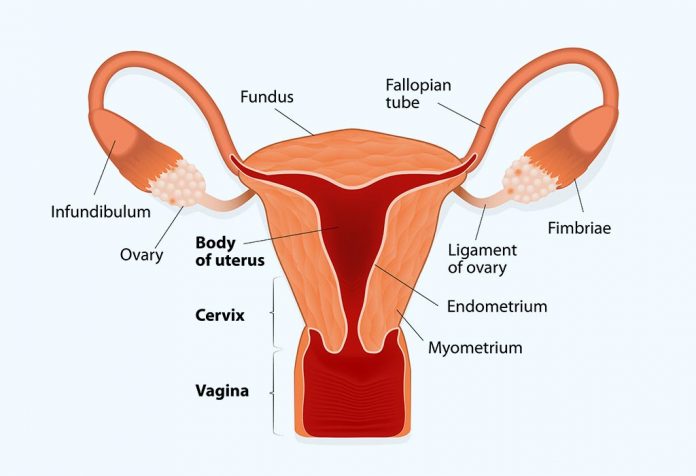
Endometrium Thickness in Pregnancy – Normal Range, Symptoms & Treatment
Thickened endometrium and pregnancy are correlated. Yes, but how? For a female body to conceive and sustain a pregnancy, a number of things need to fall into place. Fertilisation is just the tip of the iceberg; there are a ton of processes that take place in your uterus that ensure the egg stays secure, including the endometrium and the thickness of its wall. A normal endometrial thickness for pregnancy is ideal for ensuring fertility. We all must be aware of what happens inside our bodies during pregnancy. So, in this article, we shall discuss what an endometrium is and all the aspects regarding endometrial thickness for pregnancy, which is essential to help women conceive successfully. We will also look at ways to increase endometrial thickness for conceiving. Let’s begin
What Is an Endometrium?
The uterus has a lining made of mucous membranes on the inner side of its wall. This lining is called the endometrium. The endometrium has two layers – one is the functional layer that sheds itself during each menstrual cycle, and the other layer is the base that remains on the wall of the uterus permanently. It characteristically thickens in size every month throughout the fertile years of every woman. When it thickens, it serves as a nutrient-rich medium for the embryo to plant itself into. Let’s find out a little more about its thickness in the next section.
How Does It Look?
On MRI or an ultrasound, the endometrium looks like a dark line called an endometrial stripe. Let’s take a look at the points given below and understand its appearance, thickness, and changes (1).
Menstrual and Early Proliferative Phase: The endometrium is a thin and bright echogenic stripe that has a basal layer with minimal fluid.
Late Proliferative Phase: A trilaminate appearance can be seen in this phase. It comprises the basal layer, middle functional layer, and the inner echogenic stripe at the centre.
Secretory Phase: It is the thickest during this phase, and the stripe has fluid surrounding it. It looks uniformly echogenic on an ultrasound. According to Radiopaedia, endometrial thickness in the secretory phase—from days 14 to 28—may normally be up to 12-16 mm (2).
What Is the Normal Endometrial Thickness for Pregnancy to Occur?
The endometrial layer in itself is pretty thin. Towards the end of each menstrual cycle, when the upper layer has shed completely, the layer that remains is barely about 1 mm thick. As the next ovulation cycle begins, the cells start creating the new functional layer above it.
The thickness of the endometrium for pregnancy usually varies from person to person, but the normal range of endometrial thickness for conceiving is considered to be around 8 mm, which needs to go up to around 15 mm to be able to hold the fertilised egg securely.
There are three phases that affect the thickness of the endometrial lining. These are –
Early Proliferative/Menstrual Phase – This is when the endometrium is the thinnest. If seen on an ultrasound, the layers seem like a thin straight line.
Late Proliferative – This phase comes after the end of the menstrual phase and goes on till the end of ovulation. That’s when the endometrium begins to thicken.
Secretory – This phase lies between the time your body ovulates and begins another menstrual cycle. The endometrial layer is the thickest during this phase.
In some cases, the endometrium remains thin through all the phases described above and makes it difficult for women to conceive. Let’s take a look at what could cause a thin endometrial layer.
What Causes a Thin Endometrium?
A thin endometrium may be caused by several reasons.
1. Poor Blood Flow
If the uterus does not receive an adequate supply of blood, it may have trouble creating an endometrium that is thick enough for conception. The lack of adequate blood flow may be due to a tilted uterus, uterine fibroids or even a sedentary lifestyle.
2. Estrogen-Related Issues
Reduced levels of estrogen could sometimes prevent the growth of cells, which in turn inhibits the thickening of the endometrium.
3. Improper Functioning of Progesterone
When the progesterone hormone does not function in the manner it needs to, the endometrium does not thicken.
4. Side Effects of Fertility Drugs
In a cruel twist of irony, certain drugs that are used to boost fertility and trigger ovulation might inadvertently cause a side effect that results in the thinning of the endometrial layer.
5. Stressful Lifestyle
The absence of enough rest and sleep could result in stress, which can prevent the optimal growth of the endometrium.
6. Damaged Endometrial Lining
Having a thin endometrial lining can be because of a previous uterine infection, which damaged the uterine lining and caused the formation of scar tissue.
What Causes a Thick Endometrium?
Let’s look at the reasons for abnormal endometrial thickness below:
1. Pregnancy
Having an ectopic pregnancy or a woman with less than five weeks of pregnancy may show signs of a thickening endometrium.
2. Cancer
Cancer of the endometrium or the ovaries is one of the reasons for an increase in endometrial thickness.
3. Too Much Estrogen
Increased levels of estrogen could sometimes result in thickening of the endometrium (3).
4. Not Enough Progesterone
When there is too little progesterone, the uterus isn’t triggered to shed its lining (menstruation). The lining continues to get thick due to estrogen.
5. Hormonal Imbalance
Hormonal changes during the perimenopausal stage can sometimes cause endometrial thickening (4).
6. Other Disorders
Chronic disorders like obesity, diabetes, or PCOS may also be linked to thick endometrium.
Symptoms of Thick Endometrium
The following are the symptoms of thick endometrium:
Heavy bleeding during periods
Longer periods than usual
Menstrual cycle shorter than 21 days or longer than 38 days
Spotting between periods
Constant pelvic pain, cramping, or discomfort
Unexpected vaginal bleeding
How Can You Measure Endometrium Thickness?
An ultrasound or MRI can be used to measure the endometrium thickness. Talk to your gynaecologist about what method is best for you based on your health conditions.
Diagnosis for Endometrium Thickness When Pregnant
Accurate diagnosis helps identify the underlying cause and guides appropriate pregnancy management.
1. Medical History Assessment
First and foremost, the doctor reviews symptoms, menstrual history, fertility treatments, previous pregnancies, and any history of uterine conditions.
2. Physical Examination
If your doctor notices anything or your reports seem significant, your doctor may recommend a general and pelvic examination to help evaluate symptoms such as pain, abnormal bleeding, or signs of infection.
3. Transvaginal Ultrasound
This is the primary imaging test used to measure endometrial thickness, assess the uterine lining, and evaluate the developing pregnancy.
4. Blood Tests
Blood investigations may include pregnancy hormone (hCG) levels, complete blood count, and hormone tests when clinically indicated.
5. Doppler Ultrasound
Doppler imaging assesses blood flow to the uterus and placenta, especially if placental abnormalities are suspected.
6. Magnetic Resonance Imaging (MRI)
MRI may be recommended in selected cases when ultrasound findings are inconclusive or when complex uterine abnormalities are suspected.
Treatment for Endometrium Thickness in Pregnancy
Decreased endometrial thickness can hinder pregnancy progress. Therefore, it must be treated with immediate effect. The treatment includes medication, supplements for better blood circulation, oral estrogen prescription or external injection of a hormone called human chorionic gonadotrophin.
For those who wish to conceive, you’d be happy to know that there are ways to increase the thickness of the endometrium. Let’s find out how.
1. Treating the Underlying Condition
Management focuses on conditions such as hormonal imbalance, inflammation, infection, or placental abnormalities if present.
2. Hormonal Therapy
In selected situations, progesterone treatment may be recommended to support early pregnancy, particularly after assisted reproduction or recurrent pregnancy loss.
3. Lifestyle and Nutritional Support
Maintaining a healthy diet, staying hydrated, managing stress, and attending regular prenatal visits support overall maternal health.
4. Management of Pregnancy Complications
If complications such as abnormal placentation or bleeding develop, the treatment may be individualised, and you may even be put under hospital monitoring.
Ways to Increase Endometrial Thickness for Conceiving
There are a few ways in which you can improve the thickness of your endometrial layer and make it suitable for conception. Here they are:
1. A Good Diet
Consuming a diet that is balanced and nutritious affects the levels of estrogen, maintains a balance of hormones, and boosts blood flow. All of these factors together assist in the growth of the ideal endometrial thickness for pregnancy.
Consume meals throughout the day to maintain healthy levels of insulin and cortisol. Include fibre in the diet as well as food items that have the Q10 coenzyme. This is a powerful antioxidant that reduces tissue-related stress and helps cultivate a thick endometrial layer.
Items like green leafy vegetables, tomatoes, eggs, carrots, and fish contain important vitamins like vitamin C and vitamin E along with the B-complex groups, which are necessary for healthy blood circulation, so be sure to add these items in your diet. Cut down on sour food items and caffeine to improve your health.
2. Enough Rest
Good amounts of rest and sleep help bring a good balance of hormones, which affect the thickening of the endometrium. An uninterrupted sleep of at least 7-8 hours is essential for the body to conduct its repair activities and undertake tissue growth optimally. Maintain a schedule of waking up and sleeping on time on a daily basis, and avoid staying up for long hours or late at night.
3. Regular Exercise
A natural way to boost blood circulation is by exercising. Adequate blood supply to the uterus also assists in the growth of the endometrial cells, thus increasing the thickness of the endometrial layer.
Intensive exercises aren’t necessary; spending about half an hour every day should suffice. Do varied forms of exercise to prevent your body from getting accustomed to one form of activity. Exercise helps induce good sleep, thus assisting in the growth of the endometrial layer.
4. Acupuncture
Acupuncture helps in restructuring the blood supply within the body, providing a boost to fertility. This ancient practice is also known to streamline delivery and provide relief to pregnant women. Studies have shown that reinforcing blood circulation around the kidneys can promote the formation of uterine endometrial blood vessels, which in turn can make the IVF process successful.
5. Keep Your Body Warm
Keeping your body warm increases healthy blood flow, which boosts the uterine lining. You must consume warm foods and beverages to keep your body warm. Avoid all “iced” drinks and minimise cold raw foods when trying to conceive.
6. Vitamin E
Consume food rich in Vitamin E, like avocados, nuts, and seeds, as these Vitamin E-rich foods can help thicken the endometrial lining.
When to See a Doctor?
In the following cases, you must visit a doctor:
Abnormal vaginal bleeding
Spotting between periods
Unusually heavy period flow
Irregular or short blood flow
Spotting or vaginal bleeding after menopause
FAQs
1. How much endometrial thickness is too much?
Just as a thin endometrial layer is a problem, an endometrial layer that is too thick can also be an issue. According to the ACOG, endometrial hyperplasia is the medical term to define the condition when the endometrium layer becomes too thick, which usually occurs due to excessive estrogen levels. This is where the layer gets thicker than even 15 mm (5).
2. Is It possible to get pregnant with an endometrial thickness of 5 mm?
5 mm is too thin a layer to sustain a pregnancy. Ovulation induction and progesterone supplements might be required to help increase the thickness of the endometrium to support the pregnancy.
3. Is endometrial thickness a sign of early pregnancy?
Yes, it can indicate early pregnancy, be it normal or abnormal (ectopic). The normal endometrial thickness in early pregnancy is about 8 to 15 mm.
The right endometrial thickness for conception is an essential component in the entire process of getting and staying pregnant. Adhering to healthy lifestyle choices and adopting proper treatment procedures to take care of the condition can help your body maintain a great environment for a baby.
Also Read:
Uterus while Pregnant
Pregnant with Endometriosis
Can you Ovulate more than Once a Month?
Read more
How to Improve Female Egg Quality – Foods to Eat & Avoid
When a couple decides to plan for a baby, there are certain things that they need to consider before conception and pregnancy. There are external aspects such as finances, housing, location, proximity to family, etc., and then there are internal aspects, such as health and lifestyle. There is actually quite a lot of thought and action that goes into conceiving a baby! Among these are knowing if the woman’s reproductive system is strong enough to sustain a fetus, and if her eggs are healthy and fertile.
Healthy eggs in a woman’s ovaries determine the regularity of her menstrual cycle, fertility in the future, and her ability to conceive. A woman can increase her chances of getting pregnant by employing simple lifestyle changes, planned nutrition, and a healthy diet consisting of foods to improve female egg quality.
Why Is Egg Quality Important?
A cornerstone of reproductive health and fertility, the health of a woman’s eggs affects her chances of fertilisation and implantation, and also determines her chances of sustaining a pregnancy. It takes 90 days for an egg to prepare for ovulation. Before it reaches full maturation, it is affected by factors related to health, lifestyle, hormones, stress, diet, etc.
It was previously believed that women are born with all their eggs, and cannot produce more during their lifetime. However, recent research has proved that the stem cells in ovaries are capable of producing new eggs during a woman’s reproductive years. That being said, age does have an impact on the quality of eggs. The ovaries house the eggs, and as you grow older, the ovaries are unable to provide a viable and optimal home for the eggs. But don’t worry, this doesn’t mean that you can’t get pregnant in your 30s or 40s. It simply means that you might need some medical assistance, and will need to be more careful about your health and lifestyle.
Factors Affecting the Quality of Female Eggs
How can a woman ensure that her eggs are healthy? There is a wide variety of factors that influence the quality and health of a woman’s eggs, such as diet and nutrition, amount of stress and rest in daily life, social lifestyle, environmental factors, hormones, and circulation in the body.
Age
Lifestyle factors
Weight and BMI
Ovarian reserve
Hormonal imbalances
Environmental toxins
Medical conditions
Stress
Nutrition
Fertility treatments
Genetics
Medications
Important Nutrition Needed to Boost Fertility
Some of the most important nutrients needed to boost fertility are iron, fibre, carbohydrates, monounsaturated fats (the ‘good’ fats), vegetable protein, high-fat dairy, and plenty of vitamins and folic acid. On the other hand, some foods you should stay away from when preparing for conception are red meat, processed foods, fast food, artificial sugars, sweetened soft drinks, and energy drinks. If you’re really craving any of these foods, then just consume them in small quantities!
The following are the nutrients needed to boost fertility:
Vitamins
Folic acid
Fibres
Iron
Monounsaturated fats
Carbohydrates
Proteins
High-fat dairy
Fertility Diet to Improve Egg Quality in Ovaries
If you are trying to conceive, one of the things that you should take care of most is your diet and nutrition. Eating wholesome and balanced foods will provide you with plenty of nutrition that is required to keep your reproductive system healthy, and your hormones stable, and improve your circulation. Ultimately, maintaining a healthy and balanced diet will help improve your fertility! A ‘rainbow’ diet, which includes a wide array of colourful fruits and vegetables, is one of the best ways to include a high amount of nutrition in your meals.
Now, let’s look at a list of some tasty foods that contain these important nutrients and that will boost the health of your ovaries and eggs.
1. Avocados
Avocados are a superfood, meaning that they are jam-packed with nutrition. Their high content of monounsaturated fat helps in improving egg health and maintaining good reproductive health. They can be used in sandwiches, salads, dips, spreads, and smoothies, and can even be turned into muffins and cookies!
2. Beans and Lentils
If your body is lacking in iron, that could be a cause for concern, as that could lead to problems with ovulation. Incorporating beans and lentils into your diet would thus be a good idea, as they are a rich source of iron, Vitamin B complex, magnesium, and other essential nutrients that are vital for fertility. It is important to include at least one portion of beans and lentils in your diet every day. Lentils can take the form of dals, rice dishes, stews and casseroles, while beans can be added to salads and sandwiches, and can also be mashed to make muffins or brownies. Who knew that these every day ingredients could be so versatile?
3. Nuts and Dry Fruits
Dried fruits and nuts are a great source of protein, vitamins, minerals, and antioxidants. Brazil nuts especially are high in selenium, which is a mineral that abates chromosomal damage in eggs. It is also an antioxidant that keeps free radicals at bay and allows better egg production. You can add Brazil nuts, almonds, walnuts, peanuts and cashews to oatmeal, smoothies, salads or main dishes, or they can simply be enjoyed as a handful at snack time!
4. Sesame Seeds
Sesame seeds are healthier than you think! They are high in zinc and help with the production of hormones responsible for optimum egg health. As a bonus, they are also rich in monounsaturated fats. Make a trail mix with sesame seeds, flax seeds, nuts and dry fruits. You can also make a healthy hummus, which contains tahini (sesame seed paste), and include that in your diet for a delicious way to boost egg health. Sesame seeds can also be added to cereals and salads if you do not want to eat them as is!
5. Berries
Berries are super packed with nutrition. They contain lots of Vitamin C, folate (folic acid), and strong antioxidants that protect eggs from free radicals and keep them strong and healthy. Berries like raspberries, strawberries, cranberries and blueberries can be eaten on their own, can be whipped into a smoothie or fruit salad, or can be added to oatmeal, cornflakes and muffins. It is advised that you eat at least three portions of berries every week.
6. Green Leafy Vegetables
Spinach, cabbage, broccoli, cauliflower and other leafy vegetables are high in folate, iron, manganese, calcium, and Vitamins A, B, C and E (wow, that’s a lot of nutrition!). These nutrients are essential in strengthening and maintaining the health of your eggs. Include at least two portions of green vegetables in your diet every day. Add them to your salads, curries, dals, rice or noodle dishes, and even smoothies to fulfil your daily requirements.
7. Ginger
Another superfood, ginger is a stem that has anti-inflammatory properties which increase blood circulation and promote healthy digestion. These help alleviate any discomfort in the reproductive system, regularise menstrual cycles, and reduce inflammation of the reproductive organs. One of the best ways to include ginger in your diet is by drinking some ginger-infused tea (don’t we all love a good cup of adrak chai?). As an important ingredient in Asian food, ginger can also be added to your dals, curries and stews.
8. Maca Root
This is a healthy root which contains 31 different minerals and 60 phytonutrients (important nutrients produced by plants). It is rich in carbohydrates, fibre, iron, and Vitamins B and C. Used widely by tribes in the Andes, it is believed to increase sperm and egg health. It can also stabilize hormonal imbalance, and increase libido. The product can be consumed either as a powder or in capsule form. Maca root powder can be added to smoothies or breakfast meals, or can be used to make a treat like chocolate truffles!
9. Cinnamon
Cinnamon is yet another superfood, and it is known to improve ovarian function and encourage proper egg production by combating insulin resistance. This is especially useful for women who have been diagnosed with Polycystic Ovary Syndrome (PCOS). Adding cinnamon to your diet, if you have PCOS or want to boost your fertility, is advised. A quarter teaspoon of cinnamon consumed on a daily basis, either in curries, cereals or even raw form, could do wonders for your reproductive health. Try topping your toast, tea, oatmeal or smoothies with some cinnamon powder for a tasty breakfast!
10. Water
Yes, it’s not technically a food, but water is a super essential ingredient for egg health as well. Aim to drink 8 glasses of water a day. Stick to purified water, and avoid consuming water from plastic bottles. Chemicals from plastic bottles could have a negative impact on the health of the eggs produced. Keep a jug or glass of water by your bedside table or work table to remind yourself to hydrate, hydrate, hydrate!
11. Salmon
Salmon is rich in omega-3 fatty acids, which help regulate hormones and reduce inflammation. These fatty acids are beneficial for both egg quality and overall reproductive health. Include salmon in your diet to reap its fertility-boosting benefits.
12. Turmeric
Turmeric contains the active compound curcumin, which has anti-inflammatory and antioxidant properties. It may help reduce inflammation in the reproductive organs and support hormonal balance. You can add turmeric to curries, soups, and smoothies for a flavorful boost to your fertility diet.
Other Ways to Improve Female Egg Health for Pregnancy
It’s totally normal to be concerned about the quality of eggs produced in your body, especially if you are at the age of 35 or above. There is quite a lot that you can do to improve the quality of your eggs – from vitamin supplements and herbal concoctions to lifestyle changes, there are several prescribed ways to improve reproductive health! Simple tweaks to your lifestyle could have a tremendous impact on your ability to get pregnant.
Here are some ways in which you can improve egg quality in order to get pregnant:
1. Stay Away from Caffeine, Alcohol, and Cigarettes
Cigarettes have never been great for health, but in the particular case of reproductive health, they accelerate the loss of eggs in ovaries, and chemicals in cigarettes mutate the DNA in the egg, making it non-viable for conception. Additionally, alcohol lowers your sex drive and affects your menstrual cycle and the quality of your eggs. If you consume caffeine in large amounts every day, you may take longer than usual to conceive, and you may even face a risk of miscarriage.
2. Manage your Stress
Stress induces the production of hormones like cortisol and prolactin, which can hamper ovulation and egg production. Try your best to manage the stresses in your life (home, work, other kids, etc.), and focus your energy on positive thoughts and activities like swimming, walking, dancing, yoga, meditation, etc. Make changes as needed to your lifestyle to reduce any stress that you might have!
3. Maintain a Healthy Diet
A natural remedy for good egg health in females is a diet loaded with leafy vegetables, fruits, nuts and healthy fish and meat to help them stay healthy and boost fertility. However, stay away from fried food, processed food or meat, and added salt and sugars.
4. Reach a Healthy and Normal Body Mass Index (BMI)
Being overweight has been found to hinder reproductive processes and increase oxidative stress. It can lead to fertility issues, as it alters hormonal balance and disrupts ovulation. A woman should ideally have a Body Mass Index between 18.5 and 24.9. For example, a woman who is 5 feet 6 inches tall must weigh somewhere between 52 kg – 70 kg. Try to maintain a healthy weight by eating the right foods and engaging in exercise regularly.
5. Maintain Healthy Blood Circulation
Healthy circulation of blood to the reproductive organs is needed for the ovaries to function well, as oxygen-rich blood aids in the healthy production of eggs. Dehydration could decrease blood flow, so drink sufficient amounts of water. Yoga is a very good exercise to increase blood circulation – the lotus pose, child pose, reclining hero and seated forward bend are some positions in yoga that boost fertility.
6. Take Supplements
It is advisable to take vitamin supplements to boost fertility. Women who are trying to get pregnant are advised to take folic acid supplements before they get pregnant, and even after. Apart from this, there are several other supplements that are recommended. It is highly recommended that you visit your gynaecologist to get an idea of the supplements that are best suited for you. For example, coenzyme Q10 is an oft-recommended supplement that acts as an antioxidant, but please take your doctor’s opinion first!
7. Freeze your Eggs
Some women may choose to have children later than usual. However, conceiving at a later date can be a bit difficult. Hence, if you have plans to delay conception, the best way to ensure that your fertility is intact is to freeze your eggs. There is no doubt that age does catch up on fertility and might have adverse effects to one’s ability to conceive, but frozen eggs defy the biological clock, and cryo-preserved eggs boost your chances of getting pregnant in the future!
8. Try Acupuncture
This is an ancient technique that has benefitted the Chinese for thousands of years, and it has begun to gain acceptance in Western medicine. Its benefits in helping to improve egg quality are well-known, and patients who are undergoing IVF often go for acupuncture sessions. It is known to reduce stress, and can thereby stimulate the production of healthy eggs. However, this remedy should be done only if suggested by an IVF specialist.
9. Eat a Bigger Breakfast
This one, in particular, is for women with Polycystic Ovary Syndrome (PCOS). A study suggests that eating a chunk of your daily calorie intake during breakfast can help reduce testosterone and insulin levels, keeping the condition and symptoms in check. High levels of insulin and testosterone are known to be a hindrance for women with PCOS, especially in the case of fertility. So, make sure you include a whole bunch of nutrients in your breakfast meal! Eat complex carbohydrates like whole wheat, ragi, oats, etc., and add a lot of good fats and protein to your meal. This will help control your insulin levels, keep you full longer, and boost fertility and reproductive health.
Foods You Should Avoid
When attempting to improve female egg quality for fertility, it is equally important to be mindful of foods that may have a negative impact on reproductive health. Certain dietary choices can hinder the development and quality of eggs. We will explore the foods that should be avoided or consumed in moderation to support optimal egg quality.
Trans fats
Sugar and refined carbohydrates
Caffeine
Alcohol
Soy products
High mercury fish
Processed meats
Artificial sweeteners
Excessive salt
Fast food and processed meals
Women need to have a healthy and stable reproductive system to ensure that they can get pregnant without any problems. Fertility treatments in the recent past have given hope to several women who didn’t think they could get pregnant. Nevertheless, it is important that a woman looks after the health of her eggs and her ovaries during her reproductive years. It is recommended that women follow the tips given to improve the quality of eggs and increase fertility if they want to adopt motherhood and to also consult their doctors about medicines, supplements and treatments.
References/Resources:
1. Fertility and diet: Is there a connection?; Harvard Health Publishing; https://www.health.harvard.edu/blog/fertility-and-diet-is-there-a-connection-2018053113949
2. Kaufman. C, Klemm. S; Foods That Can Affect Fertility; Academy of Nutrition and Dietetics; https://www.eatright.org/health/pregnancy/fertility-and-reproduction/fertility-foods; April 2020
3. Gaskins. A, Chavarro. J; National Library of Medicine; https://www.ncbi.nlm.nih.gov/pmc/articles/PMC5826784/; https://www.ncbi.nlm.nih.gov/pmc/articles/PMC5826784/; August 2017
4. Hatch. E, Wesselink. A, Kenneth. J, et al.; Intake of Sugar-sweetened Beverages and Fecundability in a North American Preconception Cohort; Epidemiology; https://journals.lww.com/epidem/Fulltext/2018/05000/Intake_of_Sugar_sweetened_Beverages_and.8.aspx; May 2018
5. Grieger. J, Grzeskowiak. L, Wilson. R, et al.; Pre-pregnancy fast food and fruit intake is associated with time to pregnancy; Oxford Academic: Human Reproduction; https://academic.oup.com/humrep/article/33/6/1063/4989162; May 2018
6. Gaskins. A, Sundaram. R, Chavarro. J, Louis. G; Seafood Intake, Sexual Activity, and Time to Pregnancy; Oxford Academic: The Journal of Clinical Endocrinology & Metabolism; https://academic.oup.com/jcem/article/103/7/2680/5001729; May 2018
7. Gougeon. A; Dynamics of follicular growth in the human: a model from preliminary results; National Library of Medicine; https://pubmed.ncbi.nlm.nih.gov/3558758/; February 1986
8. Meissner. H, Kapczynski. W, Mscisz. A, Lutomski. J; Use of Gelatinized Maca (Lepidium Peruvianum) in Early Postmenopausal Women; National Library of Medicine: International Journal of Biomedical Science; https://www.ncbi.nlm.nih.gov/pmc/articles/PMC3614576/; June 2005
Also Read:
Essential Oils for Fertility: Do They Help?
Acupressure Therapy to Boost Fertility
Ways to Improve Low Progesterone & Boost Fertility
Read more
Can You Get Pregnant With Hypothyroidism?
Getting pregnant is not easy, not at least for all women out there. There are many problems that a woman may face while trying to conceive. One of the most common problems that can make it harder for a woman to conceive is hypothyroidism. Hypothyroidism, or an underactive thyroid, especially when not diagnosed or treated, can make it difficult for a woman to get pregnant. One in ten women have some form of thyroid problem before or during pregnancy, but most of the time it goes undetected. This often raises the question of whether can you get pregnant with hypothyroidism and how it affects fertility. Read on to learn everything about hypothyroidism and its link with infertility in women.
What Is Hypothyroidism?
Firstly, let us understand what exactly the condition is. We all have a thyroid gland located under our voice box, near the neck. This gland produces the thyroid hormone which regulates metabolism in the body (1).
Sometimes, the thyroid gland does not function correctly and as a result, this hormone is produced in low amounts. Such a condition is known as hypothyroidism. Alternatively, hyperthyroidism can occur when the thyroid gland produces thyroid hormones in excess (2). It is safe to say that the thyroid gland is vital for major functions in your body to carry on seamlessly.
Causes of Hypothyroidism
The main cause of hypothyroidism is the improper functioning of the thyroid gland. However, few other causes may also be at play:
Iodine is an essential mineral that keeps the thyroid gland in check to produce the right quantity of thyroid hormones (3). When there is too little iodine in the body, hypothyroidism can occur. Vice versa, too much iodine can also cause the same.
If the thyroid gland gets infected or inflamed (thyroiditis), it can leak its hormones into the bloodstream. This causes hyperthyroidism, which can turn into hypothyroidism after a few months (4).
When you are too stressed, your adrenal glands get activated and produce a hormone called cortisol in excess (5). Cortisol interferes with the normal production of the thyroid hormone and may be a cause of hypothyroidism.
Exposure to heavy metals like mercury can also trigger hypothyroidism.
Hashimoto’s disease, an autoimmune disease that inflames the thyroid gland and affects thyroid hormone production (6). It is one of the most common causes of hypothyroidism.
Surgical removal of the thyroid gland during treatment of diseases like goitre, thyroid cancer etc., can affect the functioning of the thyroid gland and cause hypothyroidism.
How Does It Affect Conception and Pregnancy?
If a woman has an abnormally low (or high) level of thyroid hormone in her body, it can cause fluctuations in her menstrual cycle. This can also affect her ability to ovulate which may make it difficult to get pregnant or in worse cases, may result in infertility. On the other hand, if you are considering pregnancy with hypothyroidism, do remember that miscarriage is a risk. It could also lead to congenital disabilities in the child (7). We know it sounds daunting, but don’t worry, there are many ways to treat the condition and have a baby as normally as possible.
When Do I Go for a Thyroid Function Test?
If you are thinking of having a baby, first, you will have to schedule a thyroid function test. Your doctor will advise you to undergo a few tests before you start trying to get pregnant. Here are the two times when you can consider going for a thyroid function test.
1. Thyroid Profile Test Before Trying to Conceive
You should go to your doctor, if:
Your family has a history of thyroid disorders.
You’ve been trying to get pregnant for six months, but still, are unsuccessful.
You experience symptoms like joint pain, muscle pain, hair loss, constipation, fatigue and lethargy, decreased libido, reduced heart rate and development of a goitre.
You are intolerant to cold.
Your menstrual cycles are irregular, and you experience severe period pain.
You have already had more than two miscarriages.
You gain weight rapidly and find it hard to shed the extra kilos even after exercising and following a healthy diet.
The doctor will take your blood test to determine the levels of two thyroid hormones – thyroid-stimulating hormone (TSH) and thyroxine (T4) in your body. If your T4 levels are low and TSH levels are high, then you might have hypothyroidism (8). If the vice versa occurs, then that might mean irregular or no ovulation.
2. Thyroid Profile Test After Conceiving
You should take the thyroid function test during the initial stages of your pregnancy, if:
If you have any of the above symptoms.
Your family has a history of thyroid disease.
You have an autoimmune disease like type 1 diabetes or lupus.
If you have had radiation to any part of your neck.
If you are above 30 years of age (as the chance to get hypothyroidism increases with age).
How Can Hypothyroidism Affect the Mother and the Baby?
If you have hypothyroidism during pregnancy and you fail to get it treated, then complications like preeclampsia (rapid rise in blood pressure in later stages of pregnancy), miscarriage, premature birth, heart failure, anaemia, and post-birth depression can occur (9).
Likewise, your baby could be born with birth defects. He may have problems like low birth weight, thyroid conditions, mental retardation, etc. Chances of premature birth and stillbirth will also be high (10).
Measures to Take Before Conception
If you have hypothyroidism and you want to get pregnant soon, it is imperative that you seek medical help immediately. You should get the condition treated or in control before you conceive. The reason being that your unborn baby’s thyroid gland will start to function only after the first 12 weeks of pregnancy. Till then, the baby will depend on you for thyroid hormone. So it is essential to have your thyroid functioning properly and thyroid hormone levels stable before attempting to conceive.
The most common treatment for hypothyroidism is given in the form of a pill which your doctor will prescribe. The tablet contains synthetic thyroxine (identical to T4 produced by the thyroid gland) and is meant to substitute its deficiency in your body (11). Your doctor will advise you how often to take it and check your thyroid hormone levels every four weeks during the first three months, gradually adjusting the dosage till your thyroid function is back to normal again.
The treatment is safe, however, it may have minimal side effects. But you can try to get pregnant as soon as you are free of the condition. However, if your thyroid hormone levels remain low, plan a visit to a specialist.
What Is Subclinical Hypothyroidism?
This is a mild form of hypothyroidism which may go unnoticed due to its apparent lack of symptoms. A TSH test can detect it, but in case it is found during pregnancy, undergoing hypothyroidism treatment is still the best option (12).
Measures to Take During Pregnancy
If you get pregnant while you are still being treated for hypothyroidism, go to your doctor immediately. He will suggest the following measures (11):
Increasing the dosage of the pill (synthetic thyroxine) as you will be already under the treatment.
Checking the thyroid function every six to eight weeks during pregnancy.
Monitoring the levels of the thyroid-stimulating hormone (TSH) to maintain steady hormone levels in the blood. Your doctor may also adjust medication according to these levels during each check.
Here’s what you can do on your part:
Don’t be alarmed if your doctor increases medication up to 50% in the dosage of the pill. During pregnancy, your body needs double the amount of thyroid hormone as you are providing it to your unborn baby as well.
Never switch suddenly from generic medicine to a brand or vice versa during your pregnancy. Stick to what you had been taking before getting pregnant and continue with it until your doctor says otherwise.
Make sure to take the exact dose prescribed by your doctor—not more, not less. Each little action you take may have a huge consequence on your baby, so be very careful.
Lastly, don’t worry. The medication is entirely safe, and it won’t harm you or your baby.
FAQs
1. Is it possible to get pregnant with hypothyroidism?
Yes, many women with hypothyroidism can get pregnant. However, it may be harder if the condition is not treated. Proper medication and hormone balance can improve fertility.
2. Can hypothyroidism cause miscarriage?
Uncontrolled hypothyroidism can increase the risk of miscarriage. Proper treatment lowers this risk significantly.
3. How long does it take to get pregnant after treating hypothyroidism?
It varies for each woman. Many women notice improved fertility within a few months after thyroid levels are controlled.
Hypothyroidism is a condition that can develop in a woman any time. If you are trying to get pregnant and have hypothyroidism, it is best to get the condition treated or controlled. Talk to your doctor and follow her instructions, and you will be fine! Do what your doctor suggests you and you will deliver a healthy and happy baby!
Also Read:
Thyroid Disease in Pregnancy
TSH Levels during Pregnancy
Thyroid and Risk of Miscarriage
Read more

Should You Take Birth Control Pills Before IVF Treatment?
Women are often surprised to learn that one of the things that they need to do before starting in vitro fertilisation (IVF) treatment is to take birth control pills (BCPs) for a while. Although birth control pills are used to prevent unwanted pregnancy, there are several reasons why they may help increase the chances of conception before IVF treatment.
Why Take Birth Control Pills Before IVF?
If you want to know how long you need to remain on birth control before IVF treatment begins, the answer is around 3 to 4 weeks. Doctors usually ask you to start taking birth control pills around a month before your IVF begins. Here are the reasons why birth control pills are required before IVF:
1. BCPs help reduce the chances of cyst formation in the ovaries.
Ovarian cysts affect your fertility and cause abnormalities in the ovulation cycle. BCPs can prevent cyst formation.
2. BCPs ensure that the ovarian follicles mature at the same rate.
Ovarian follicles are spherical structures in the ovaries that contain an immature egg cell each. When the follicles start to grow and mature, one dominant follicle grows faster than the others, and the remaining ones stop growing. The dominant follicle releases a single egg once it is mature. BCPs ensure that all follicles grow at the same rate so that multiple eggs can be retrieved for the IVF treatment.
3. BCPs ensure that ovaries respond better to stimulation.
In the IVF process, you will be given medication to stimulate the ovaries to produce more eggs. BCPs, when taken before the stimulation, temporarily halt the growth of the follicles and give the ovaries a break. This helps the ovaries respond better to the stimulation medication and produce more eggs.
4. BCPs help in scheduling the IVF treatment
BCPs help you control the timing of the ovulation cycle. This way, the fertility clinic can plan your treatment such that it does not interfere with your working schedule, vacations, or national holidays.
How Does Taking Birth Control Pill Fit Into the IVF Cycle
Taking birth control pills is the first step preceding an assisted reproductive technologies like IVF. Day 1 of your period is the first day of your menstrual cycle. The fertility clinic will ask you to come for a blood test and ultrasound between days 2 to 4. If the test results are normal, the doctor will ask you to begin taking the BCPs on day 4 or 5 of your cycle.
One pill has to be taken each day, at the same time. The last row of pills in the packet is always hormone-free pills. So when you finish all the other pills, you will skip the hormone-free pills and start a new pack the next day. You will need to be on the BCP for at least 10 to 15 days before starting the next step of your IVF treatment.
Which Types of Birth Control Pills Are Used in IVF?
Different BCPs contain varying amounts of hormones. For IVF treatments, a monophasic BCP is used, which means each pill contains the exact same quantity of hormones. This way, consistent hormone levels can be maintained. A combination pill containing the hormones oestrogen and progesterone is usually prescribed for this purpose.
Are Birth Control Pills Always Recommended in the IVF Process?
BCPs may not always be recommended for an IVF process. Your doctor will analyse your medical history before prescribing BCPs. Here are the situations when BCPs are not recommended before IVF:
1. Blood Clots
One of the risk factors where BCPs are not recommended is a history of blood clots. If you have had blood clots in the past, the doctor will not prescribe BCPS. Instead, other medicines will be prescribed to prepare your ovaries for IVF.
2. Cysts
If you have ovarian cysts, the doctor may not recommend BCPs as they may cause an increase in the size of the cyst and affect the maturation of the egg follicles.
3. Low Ovarian Reserve
Women who have a low ovarian reserve may be further affected by the use of BCPs. The BCP can cause a decrease in the number of eggs available for IVF.
4. Previously Unsuccessful IVF TreatmenT
If you have had a previously unsuccessful IVF procedure, your doctor may decide to use a different method to stimulate the ovaries, without the use of BCPs.
Your fertility specialist will take all of these factors into consideration along with your medical history and decide whether the use of BCPs is required for your IVF treatment.
Birth control pills are usually recommended as an initial step preceding any assisted reproductive method such as IVF. The pills prescribed contain the same dosage of hormones in each pill in order to maintain a consistent hormone-level. Taking BCPs help the ovaries respond better to stimulation medication and also plan procedures at a time mutually convenient to you and your clinic. Consult your doctor before taking any birth control medication when you are starting IVF treatment.
Also Read: In Vitro Fertilization (IVF) for Infertility Treatment
Read more

How to Conceive Triplets Naturally?
Triplets are the dream of many families – the more, the merrier. The thought of having not two but three kids and their giggles around the house is something many couples look forward to. Those adorable little munchkins and their contagious energy are what make parenting a beautiful journey. If you’ve always dreamed of having triplets, then you’d be glad to know that there are ways to conceive triplets naturally. However, conceiving triplets naturally depends on certain factors that couples should know beforehand. From fertility assistance to lifestyle tips and techniques, here is everything you need to know about triplet births and how to increase your chances of conceiving triplets naturally.
Formation of Triplet Babies
Triplets are formed in mainly two ways :-
1. Monozygotic
Where the embryo splits into three identical ones, thus giving birth to babies of the same gender and genes
2. Dizygotic
Each embryo gets fertilized by separate sperm. The babies may or may not be of the same sex or either carry the same genes.
Another way triplets are formed is when an embryo gives birth to twins and is followed by another one that gets fertilized separately. This is fondly referred to by mothers as ‘a pair and a spare’, which indicates that the spare baby may be of a different gender and genetic disposition than the twins. The twins, however, will carry the same DNA.
Odds of Having Triplets
Getting triplets isn’t something that happens to everyone. In fact, there is a good chance that you may not know any couples who have triplets. If you’re curious about your odds of having triplets, then here are some facts you need to know-
You must have a family history of birthing triplets
You must be 30 years or older since older women have higher chances of conceiving triplets
You must come from a family that has a history of hyper-ovulation
There is a 1 in 9000 chance of conceiving triplets, according to Australian research
You have a 1 in 40 chance of birthing triplets if you take fertility assistance
So, how often are triplets conceived naturally? Well, the odds of conceiving triplets naturally is 1 in 10,000 births.
How to Get Pregnant With Triplets?
If you’re trying to get pregnant with triplets, then you’ll be glad to know that there are a couple of ways to increase your chances of conceiving. Age is a huge factor since women over the age of 30 and below 40 experience a spike in fertility before entering their peri-menopausal years, thus increasing the chances of releasing multiple eggs for fertilization.
How to get pregnant with triplets naturally fast? Fertility assistance is one of the main ways couples use to increase their conception chances, but there are other factors you can naturally influence to maximise your likelihood of a triplet conception. Keep reading, and we’ll explain how to conceive triplets.
Tips to Conceive Triplets Naturally
Having triplets is the dream of many mothers. Your family grows, and there’s an abundance of energy and so many memories to make as your child grows through the following years. For some, it’s a dream, and for others, it’s pure terror.
Here are some of the best tips for conceiving triplets naturally:
Consume a nutritious diet rich in yams, milk, and dairy products
The only possible way to increase your chances of having triplets is to have lots of intercourse during your high sex-drive years
Eat foods that stimulate progesterone production, such as almonds, walnuts, chicken, eggs, and whole grains
If you’ve given birth to twins or more children before, your chances of conceiving triplets will increase substantially
Increase your body weight
Quit smoking and alcoholism
If you’re of African descent, your chances will be very high
Take a folic acid supplement every day
Stop taking hormonal birth control drugs
Be extremely lucky or blessed
Get fertility assistance since that will increase your chances by up to 85%!
Due Date for Triplets
Your due date will arrive sooner than you’d expect when you’re having triplets. Normally, it takes 36 weeks for twins to be birthed, while it takes 33 weeks for triplets to come out from your womb. The reason behind this is that your uterus swells, thus triggering cervical contractions early on, which leads to an early delivery due to the small size of the babies.
There is another reason behind the early delivery date, and that’s because the uterus doesn’t have enough room to let the babies grow further, thus triggering an early or premature delivery.
Complications Associated With Having Triplets
Although triplets are a dream for many, sometimes things go off-track and aren’t quite what you’d expect. Pregnancy with one child itself is fraught with complications, so it would be logical to assume that the risks are greater when it comes to triplets. This is because the body has to use its resources for four individuals, including yourself!
Here are pregnancy or birthing complications associated with having triplets that you need to be aware of-
1. For Mother
Triplets pregnancy risks associated with the mother bearing them are:
Severe sickness in the mornings
Heartburn
High blood pressure
Anaemia
Maternal pre-eclampsia
Premature delivery
Placenta Praevia
Chances of developing gestational diabetes
Excessive amniotic fluid in the placenta
Miscarriage
High likelihood of developing a condition known as ‘varicose veins‘
Difficulty breathing
Severe bleeding during and after birth
Difficulty breastfeeding three babies at the same time
2. For Baby
Pregnancy complications associated with the babies are:
Single or multiple stillbirths
Fetal growth abnormalities
Tangling of the umbilical cord
Your babies may develop Down Syndrome, although the chances of this are rare
You may experience a surge of emotions during the first few days when you discover that you’re having triplets for the delivery date. Take some time off or discuss with your spouse how your lifestyle will change after conception.
FAQs
1. What Are The Symptoms of Having Triplets?
If you are pregnant with triplets, you may notice extremely sore breasts as one of the first signs. Pregnancy with multiples often accompanies severe morning sickness and weight gain more quickly than normal.
2. How Common Are Successful Triplet Pregnancies?
Up to 98 per cent of all triplets born after 28 weeks of gestation survive successfully. However, the same can’t be said for all triplet pregnancies.
On the other hand, if you feel blessed and have always wanted to conceive triplets, then congratulations. Be open to receiving gifts and take advantage of rented equipment and leased furniture to save expenses and financially stay afloat along the way. The best part is the whirl of tingling emotions you experience when you hear the good news. However, you must remember that once you give birth to triplets, you will be in for a wild ride and experience a world of adventures. But we promise that it’ll be worth it!
References/Resources:
1. Triplets; Cleveland Clinic; https://my.clevelandclinic.org/health/articles/24763-triplets
2. FAQ: What is the survival rate of triplets?; Raising Multiples; https://www.raisingmultiples.org/faqs/faq-what-is-the-survival-rate-of-triplets/
3. Expecting Twins or Triplets; Cleveland Clinic; https://my.clevelandclinic.org/health/articles/9710-expecting-twins-or-triplets
4. Being pregnant with twins, triplets and other multiples; March of Dimes; https://www.marchofdimes.org/find-support/topics/pregnancy/being-pregnant-twins-triplets-and-other-multiples
5. Multiple pregnancy; Tommy’s; https://www.tommys.org/pregnancy-information/im-pregnant/multiple-pregnancy
Also Read:
Identical Triplets
The Joys and Challenges of Raising Triplets
Getting Pregnant With Twins or Triplets
Read more
Tools And Trackers


Sort By
 Latest
 Most Popular
 Trending
Please select atleast one Filter