
Big Kid




Suggested articles for you

Move Over Chhota Bheem – Here Are 15 Shows Your Kids SHOULD Watch!
Say “television” and “kids” in the same sentence, and most of us are up in rebellion, lamenting the ill effects of the former! TV has been known to make couch potatoes of children and adults alike, and the content shown is often inappropriate or without educational value. But wait – this isn’t always the case! There are actually several TV shows that can teach your kids valuable life and educational lessons, all through the screen!
Who hasn’t heard of educational TV shows? Every other programme bills itself as a family entertainer, but hey, is this stuff really useful, or even suitable for our kids to watch? Yes, some of it certainly is!
As parents in this era of thoughtful and well-researched film-making, we can tune in to some stellar shows that impart useful lessons to our children, along with entertaining them. They are all available on Netflix, some streaming services, and in CD and DVD libraries near you. From scientific concepts to learning about emotions, delving deep into space to realizing the value of hard work, these TV shows have it all!
The Best TV Shows for Kids You Can’t Miss Out On
1. Curious George
Most of life’s best lessons are picked up on account of one striking trait – curiosity! Kids are curious by default, and as parents, we must encourage them to explore and unravel the mysteries of life. Just like little George who, together with the Man with the Yellow Hat, learns something new everyday.
Why We Recommend It: Aside from the obvious message on curiosity, the show also teaches kids about various cognitive and scientific concepts like colors, the weather, sound and plant life. Learning with Curious George isn’t just learning; it’s oodles of fun!
2. Creative Galaxy
Say hello to Arty, your friendly alien next door who always has a unique solution to every problem – and yes, they are always arty! Together with his friend Epiphany, Arty goes all over the universe to unravel how people use creativity to solve day to day problems.
Why We Recommend It: This is one of the most creative representations of art we have seen and is sure to stimulate your little one. The series also has some great messages about caring for others and their hardships – yes, even people in other planets!
3. Peg + Cat
It’s not just dogs who can be best friends; cats can too! Peg and her kitty travel all over the place in this delightful series. As they travel, they also learn to solve problems and make new friends – all using the essential (and often feared) Mathematics!
Why We Recommend It: This TV show wins hands down when it comes to making Math interesting. The duo uses number skills to get along their journey, coupled with other skills like rhyming and working in a team.
4. Daniel Tiger
Who said tigers can’t be gentle-mannered and homely? Daniel here lives together with his family, including his grandparents, and they are one big, happy bunch of people – oops, tigers! The underlying message is that of kindness and respect – qualities that come in handy all through your life, when you learn new lessons as a child and even when you are all grown up into an adult.
Why We Recommend It: We think this is one of the best series to teach kids about interpersonal relationships and social-emotional skills. The tigers manage to beautifully tell kids to be considerate, take turns, and value the people in their life.
5. Super Why
Okay, so here’s one superhero TV show that we are going to endorse. Whyatt Beanstalk and his friends can change into superheroes before they jump into books! The books contain clues to solve the day’s problem – there is one each day – and the gang manages to crack them using super-powers. Except that the powers focus on literacy skills!
Why We Recommend It: If your child has started to read simple text, this show can set them off on the journey to become book-lovers. There are stark lessons on letter identification, sounds, spelling and word recognition, all thoroughly entertaining.
6. Wallykazam
If you think the name is hard to pronounce, wait till you see the adventures he gets into! This cute troll and his dragon friend Norville have fun adventures in a forest. And yes, they have a magic stick to help them out. But this is unlike your ordinary magic stick; you can actually create words and sounds with it!
Why We Recommend It: This is another striking example of educational TV that combines thrilling adventures with lessons in literacy and language skills. Your kids can learn a lot about phonics, letters and the association between letters and sounds.
7. Doc McStuffins
Never mind what our children ultimately grow up to be, they all want to be doctors when they are young! This is what Doc wants to do as well, and she has a doctor’s coat and stethoscope to look the part. Doc lives in a family that belies gender stereotypes – her mom goes to work while her Dad stays back. Our little girl grows up with a lot of compassion and independence – something your kids can imbibe as well.
Why We Recommend It: If you have been looking for a way to teach your kids about germs, this is it. Doc cares about cleanliness, a healthy lifestyle, and endorses good habits all kids must develop. Plus, her rapport with her parents and her stuffed patients is endearing to watch.
8. Tumble Leaf
True to its name, this nature-friendly TV show features sweet little animals who live in harmony with the green world around them. There’s the blue bear Fig and his animal friends who learn new things about Mother Nature every day, jump into puddles helter skelter, and yes, they are all tumbling cute!
Why We Recommend It: We love the way this show weaves together science and problem-solving, reading and cognitive development. There are also abundant lessons about the exciting world we live in, which is bound to arouse your child’s curiosity.
9. Ben and Holly’s Little Kingdom
Here’s how fairy tales really need to be made. Princess Holly, Ben Elf and Ladybug Gaston are buddies who live in a little kingdom where there’s lots of grass. They share adventures that are magical in every sense of the word! After all, there’s always something to learn in the Little Kingdom which is, really, not so little after all.
Why We Recommend It: This is an adorable tale of friendship, magic and adventure – staple food for your child if you want him to develop a bright imagination. We especially love how all the adventures have undercurrents of kindness, teamwork and the willingness to learn from mistakes.
10. Peppa Pig
Piggies are too cute to handle and this one’s no exception! In fact, we have a whole family of pigs – Peppa, her baby brother George, Mama Pig and Daddy Pig. Peppa comes across various problems typical to childhood; yes, thunder-claps can be very scary! But her family and friends always have her back.
Why We Recommend It: What we love best about this one is its focus on familial relationships, including sibling rivalry and companionship. Also, there’s some super animation, not to forget the snorting!
11. Clifford
Presenting Clifford, the Big Red Dog, who is renowned for spinning any everyday situation into something spectacular! He’s the pet to a little girl and rather, err, bigger than the other houses in town. He is also the perfect teacher of various human lessons, kindness and positive thinking above all.
Why We Recommend It: Well, can we just say “it’s too cute”? Clifford really is endearing and the way he presents his lessons is simple enough for your kids to grasp. There’s also a lot of fun, liveliness and happiness on the show.
12. Ready Jet Go
If your kids are fascinated by space and what lies beyond the sky, this show is your go-to-option. Jet Propulsion and his family leave their home planet to visit Earth. They gradually figure out how things work on Earth, and we mean in terms of human relationships as well. And oh, in case you were wondering, there is a lot of space travel that goes on too!
Why We Recommend It: Our team voted this one as the best show to understand science, astrology and space. It’s lucid, intriguing and has that rush of discovery. Plus, there’s also a wonderful lesson on living in a culture and setting unlike yours.
13. Dora The Explorer
Dora always has adventure up her sleeve, and Boots, her monkey, gives her full company in this! As Dora travels over rivers and mountains, using her maps and overcoming the roadblocks in her way, we can’t help but be entranced. The “We did it, we did it!” at the end really feels triumphant.
Why We Recommend It: Dora’s formula is simple and easy to emulate – a can-do attitude, patience and a thinking approach to problems. Though the show is a bit simplistic, it is still entertaining for young kids.
14. Octonauts
Welcome, underwater adventurers! This eight-member team led by Captain Barnacles keeps a lookout for any trouble underwater. Together, they can take on all sorts of challenges – tackling a giant squid and helping a young lobster included!
Why We Recommend It: Even as adults, we found the whole window-to-the-sea fascinating. There’s plenty in here to stir imagination and creative problem-solving as well.
15. Sesame Street
Finally, this classic must be mentioned in every reckoning of TV shows that teach good values to kids. Cookie Monster, Big Bird and Oscar the Grouch all live together in this urban neighborhood. The show traces their day-to-day learnings which feel as real as if they were happening in your living room.
Why We Recommend It: There’s a reason Sesame Street has carved an eternal place for itself in television history. The show has a dynamic curriculum (read script) which covers everything from letters and numbers, interpersonal relationships, healthy eating, music and dance, to even learning foreign languages!
What television shows does your kids watch? Do you have another suggestion that could feature here? Tell us in the comments below.
Read more




Flat Feet in Children – Reasons, Symptoms & Treatment
When you become parents, there are a million things that you may worry about your kid. What your kid eats, his growth, reaching various milestones etc. may be on top priority but has it ever occurred to you that kids may sometimes have problems with their feet too. If you think what may probably go wrong with the feet, well, flat feet is one such condition that you should certainly not ignore. If you are not much aware of this condition, reading this post may prove to be informative.
What Are Flat Feet?
Flat feet or pes planus is a condition in which your kid does not have an arch in all of his foot, or most part of his foot may touch the ground. As the name is suggestive enough, this problem is associated with the feet, but actually, it is the heel where the problem initiates. When your child has flat feet, his heel bone rotates inwards, causing your child’s feet to collapse inwards. This may hamper the proper distribution of body weight, and your child may walk using the inner part of his foot/feet.
Types of Flat Foot in Children
Following are some common types of flat foot in children:
1. Flexible Flatfoot
This is the most common type of flatfoot. This hypermobile flatfoot may not cause any disability in your child. Also, this condition may affect both the feet of the child and in most cases, no treatment may be required.
2. Flexible Flatfoot With Short Achilles Tendon
This condition usually affects both the feet, and the child may experience extreme pain and discomfort. However, it is a very rare occurrence in children.
3. Rigid Flatfoot
This condition may affect a single foot or both the feet. It is seen that 1 out of 4 children suffering from this condition may experience severe pain and discomfort. It is more prevalent in children who suffer from issues related to their bones or feet.
Causes of Flat Feet in Kids
Here are some common reasons that may lead to this condition in children:
If your kid has low muscle tone, it can make his muscles too stretchy. When the muscles become too stretchy, they may allow movement beyond its normal range of motion. This may make your child’s heels to rotate inwards and remove the arch.
In case your child has high muscle tone, it may result in shortening of Achilles’ tendons. All this may put pressure on the child’s feet, and his feet may get pulled inwards.
Symptoms of Flat Feet
Here are some symptoms that may help you establish this condition in your child:
Your child may face difficulty with shoes.
Your child may experience outward tilting of his heel.
Your child may face difficulty in walking.
Your child may exhibit no enthusiasm for participating in physical activities.
Your child may experience cramping, pain or tenderness in his feet, knees or legs.
Problems Faced by Kids Due to Flat Feet
As trivial as it may appear, flat feet may lead to complications and following are some of the problems that your child may face:
Abnormal or improper walking style
Muscle weakness
Improper body alignment
Improper foot development
Joint pain
Diagnosis of Flat Feet
Your kid’s doctor will physically examine your kid’s feet and look for the type of flat feet your child may be affected with. Establishing the type of this condition may help in diagnosing the correct line of treatment. Your doctor may also want to know if anyone in your family suffers from the condition, in order to gauge if it is because of genetic glitches. Also, you may be asked whether or not your child suffers from any muscular or neurological disease. The doctor may like to examine the kind of your shoes your child wears. Your child may be asked to do some movements, to check his Achilles’ tendons. X-rays, other kinds of imaging or tests may be conducted to see the severity of the condition.
Treatment Flat Feet in Children
The course of treatment may be established after ascertaining the severity of your child’s condition. If your kid experiences no discomfort or pain, he may not be suggested any treatment option; however, he may be reviewed on a regular basis. If your kid shows symptoms, your doctor may recommend some of the following options:
1. Non-Surgical Treatment
Here are some non-surgical treatment options:
Medicines – Anti-inflammatory medicines may be prescribed to reduce pain and discomfort.
Shoe Modifications Or Children’s Insoles – The expert or the doctor may recommend particular kinds of shoes or insoles to reduce your kid’s discomfort. Your child might need to use them for a few months to even longer time, depending on the type or severity of the condition.
Physical Therapy – Some stretching exercises for flat feet in children may help in providing relief to your child.
Orthotic Devices – Sometimes, the use of certain orthotic devices may be recommended to improve the foot function and support the foot structure or provide support to the arch for flat feet in kids.
2. Surgical Treatment
If the non-surgical methods do not work or your child’s condition is severe, surgery may be one of the resorts. The surgical procedure may depend on the type and degree of the deformity that your child may be suffering from.
Most doctors may recommend the wait and watch approach because, by the time your child is ten years of age, his flatfoot issues may become okay. However, if it doesn’t become okay or you see your child’s condition becoming worse, get professional help.
Also Read: How to Deal with In-toeing and Out-toeing in Children
Read more

Psychopathy in Children – Signs and Treatment
Generally, most kids do not have psychopathy. Psychopathic traits, however, can be detected from the early stages of childhood. While kids are not born with callous and unemotional traits, two distinct paths can lead to the development of psychopathy in children. One of these paths is dominated by nature, involving genetic and biological factors, while the other is influenced by nurture, encompassing environmental and social factors. No parents would ever want their kids to develop psychopathy. Understanding these pathways and their implications is crucial for early intervention. Read on to learn more about psychopathy in children, including symptoms, diagnosis, and available treatment options.
What Is Psychopathy in Children?
Psychopathy is an adult condition; hence, children cannot be labelled as psychopaths. Children are not born with psychopathy. The term psychopath describes many behavioral characteristics that specify an individual is dishonest, uncaring, and insensitive. These traits are commonly known as antisocial personality disorder.
Children with psychopathy are impassive and cruel most of the time. Reflection of interpersonal deficits in kids is a serious condition. Parents need to understand the cause and recognize the early signs of a psychopathic child. Children can be diagnosed with oppositional defiant disorder and eventually with conduct disorder in their teens. These involve not following the basic social rules or even violating the rights of others.
Psychopathy is more commonly associated with males than females; however, it is not a male disorder alone. Also, not all psychopaths are dangerous or criminal and not all dangerous criminals are psychopaths. For instance, some kids may be downright mean or show uncaring attitudes towards others; however, this might not sign a psychopath.
What Causes Psychopathy in a Child?
It is important to understand what is going wrong with your children. According to The Association for Child and Adolescent Mental Health, psychopathy is a behavioral and developmental disorder (1). There has been a lot of debate around what causes psychopathy in children. However, there is no clear-cut cause that can be singled out. Psychopathy results from a more complex amalgamation of genetic factors, non-genetic (environmental) factors, family dynamics, and other life experiences. Below are some of the commonly known theories and hypotheses that are believed to cause psychopathy in childhood:
Psychopathy develops in children who have been neglected, physically abused, or separated from their parents.
Lack of bonding between children and parents due to multiple factors can lead to causing psychopathy. For example, parents who are victims of substance abuse or have mental health problems are less likely to bond with their children.
The brains of some children react differently in different conditions like negative stimuli, sadness, or fear. Thus, they have difficulty relating to the emotions of other people.
Amygdala is a region and structure of the brain which is responsible for social responsiveness. While research in this field continues, this region may be less active or smaller in children with psychopathy. Hence, they could be less socially responsive and fearless compared to other children.
Peer victimization is also one of the reasons for children to become unemotional and insensitive.
The above causes are not conclusive; however, they partly explain the causes. When it comes to psychopathy in children, it is important to pay attention to education aspects, social influences, and parents’ actions, all of which, put together, can influence the child’s behavior.
Signs and Symptoms of Psychopathy in Children
Children who have psychopathic characteristics show some typical signs. While children can be extremely intelligent, they tend to be impulsive and behave recklessly. Go through the list of psychopath symptoms in childhood below if you do not know how to tell if your child is a psychopath.
1. Lacking Empathy
Children who have psychopathic characters will not empathize with others (2). They will abnormally have decreased sensitivity when they see others in pain and distress. They will not feel guilty about their behavior.
2. Hostility & Aggression
The child will show extreme aggression when anger or punishment is meted out to them (3).
3. Indifferent to Punishment
Being indifferent to punishment is a common tendency in children with psychopathic symptoms. It does not change the child’s behavior.
4. Throwing Tantrums
Due to their aggressive nature, children with psychopathic symptoms often throw extreme tantrums at others (4).
5. Continuously Lying
Lying becomes a habit in children, and they are often dishonest with others, irrespective of who they are.
6. Cruelty Towards Animals
One of the earliest indicators of psychopathic symptoms in children is showing cruelty to animals. Due to a lack of empathy and indifference, the children exhibit such antisocial behavior.
7. Superficially Charming
Children with psychopathic symptoms can very easily and excellently manipulate things to their advantage. Such skills in them also give them a superficially charming personality.
8. Show Criminal Conduct
Children with psychopathic symptoms can increasingly have a criminal mentality (5). There could be a rise in recurring problems with the law.
9. Lack of Remorse or Guilt
Children exhibiting psychopathic traits often show a stark lack of remorse or guilt for their actions. They do not seem to feel bad about hurting others or breaking rules, which is a significant red flag for deeper psychological issues.
Diagnosis of Psychopathy in Children
Numerous checklists have been developed to identify and diagnose children with psychopathic conditions. The most commonly used diagnostic tools for screening psychopathy in children are Hare’s PCR (Psychopathy Checklist-Revised), YPI (Youth Psychopathic Traits Inventory), and (APSD-SR) Anti-Social Process Screening Device – Self Report (6).
YPI Test is the most commonly used questionnaire to assess psychopathic symptoms in children and adolescents. YPI is a self-report tool that is given to adolescents where they answer questions about themselves. There are ten subscales in the questionnaire combined to gauge three personality traits: Behavioral, Interpersonal, and affective traits. YPI test has proved to be reliable in diagnosing.
The test assesses the below symptoms in the ten subscales:
Insensitive
Manipulation
Lying
Impulsiveness
Irresponsibility
Dishonest charm
Thrill-seeking
Grandiosity
Remorselessness
Parasitic lifestyle
It is crucial to note that no single psychopathic trait or behavior can label a child as a psychopath. However, it is a collection of traits to indicate psychopathy in children.
Treatment for Psychopathy in Children
Psychotherapy is treatable. Psychopathy in children can begin from a very early stage of their life. In fact, detecting the early signs of a psychopath in a child makes a world of difference. First victims of children are usually their siblings, parents, or other companions. While they can learn to control their anger, they might not be able to do so in the long run.
Psychotherapy in children needs to be treated in a variety of ways. It is always advisable to take the professional help of a doctor, pediatrician, or someone who specializes in mental health services. They will effectively be able to gauge, diagnose and treat the symptoms of the child. The different means would include behavioral skills training, psychotherapy, problem-solving skills, the importance of empathy, and emotion recognition.
“Can child psychopaths be cured?” is a question that often hits the parents of psychopathic children. There are different choices of treatments that can suit any individual’s therapy. Below is more information on some of the choices of treatment (7):
Family Intensive Therapy: These are therapeutic methods that help affected children develop skills to succeed in relationships, behavior, and managing emotions. This is a collaborative therapy between the child and their parents to help them accommodate the unusual needs of the child. Multi-systemic family therapy reduces a psychopathic child’s risk of engaging in criminal behavior. Family-integrated therapy can help reduce socially aggressive behaviors and help them focus on the importance of family relationships.
Individual-based Therapy: This is the most psychotherapy that is considered to focus on the individual in particular. This therapy is not limited to just children but also people of any age group. This therapy involves the identification of patterns of behavior, thought processes, relationships, daily life situations, regulation of emotion, and other post-traumatic experiences. After that, guide the child on how to respond effectively to these challenging situations. This method is also used for treating different personality disorders and for people with psychopathy who are at high risk.
Residential Therapy: This method usually comes in handy to treat psychopathic children and adolescents when family or home-based methods do not benefit. Parents always need to consult the healthcare provider to understand if their child needs residential therapy. The doctor can suggest the best residential treatment facilities for their child. This method works well when multiple complex issues need to be treated. There is a lack of support from the community and safety concerns. Residential treatments are usually expensive; hence, parents can consider funding options like health insurance, Medicaid, state-funded programs, etc.
Medicines: Medicines do not cure psychopathy but will help to subside and reduce the symptoms of psychopathy. Medicines are to be considered after all other possible ways of interventions do not work. Health care providers and therapists are the best at deciding about the usage and limit of medicines. Medicines will not work equally on everyone, and they may also have side effects. Generally, medications like antipsychotics, psychostimulants, or mood stabilizers are often prescribed to reduce the symptoms of psychopathy. Keep in mind, do not try using medicines on your own. Always consult your healthcare provider.
Tips to Deal With Psychopathy in Kids
Parents or caregivers need to be extremely calm and composed when dealing with psychopathy in kids. It is generally a challenging task to maintain a good balance of love, tact, and therapy. Even when there is a professional intervention, parents have a critical role in managing the different psychopathic conditions in their children.
A child showing a lack of empathy and remorse gives them a chance to be compassionate, kind, and empathetic towards others.
Make the environment at home positive and child-friendly, allowing the child to work on relationships with family members.
Identify the strengths and weaknesses of your child. Ensure to work and boost the strengths.
It is best not to embarrass your child in front of others; avoid belittling them, putting them down, or even reprimanding them in public.
Teach positive coping strategies to your kids who show symptoms of manipulation
Teach your child how to identify and express their rage appropriately and healthily.
It’s important to make your child feel special and wanted. No matter what happens, they are still loved and accepted in the family.
Work on every instance of gaining the trust of your child. This will go a long way in fostering positivity and make them feel everyone is on the same side.
It is a good idea not to mete out severe punishments on your child.
You may notice your psychopathic child is experiencing delusions and is showing signs of being in a fantasy world with superpowers. Do not delay; contact a child psychologist immediately. Professionals will help these children to think and look at things more realistically.
When to See a Doctor?
Keeping an eye on your kids, keenly observing the behavioral patterns are important. You could notice your child hiding things or lying on multiple occasions. These always necessarily do not indicate your child has psychopathy. However, when such symptoms repeatedly occur, showing cruelty towards animals and people, exhibiting lack of empathy, being in a remorse state often, or behaving very callously, it is advisable to see a psychologist or a pediatrician doctor. The treating doctor will perform a comprehensive evaluation to gauge and guide you in the best manner to have the symptoms treated effectively.
FAQs
1. Can psychopathy in children be linked to specific genetic factors?
Yes, research suggests that there can be a genetic component to psychopathy in children. Specific genetic factors, such as variations in the MAOA gene, have been associated with aggressive and antisocial behavior. However, genetics alone do not determine psychopathy; environmental factors also play a significant role.
2. How can early intervention impact the development of psychopathic traits in children?
Early intervention can significantly impact the development of psychopathic traits in children. Therapeutic approaches, such as cognitive-behavioral therapy and family therapy, can help address problematic behaviors and teach empathy, impulse control, and social skills. Early intervention can mitigate the severity of psychopathic traits and improve long-term outcomes.
3. Can psychopathy in children be mistaken for other behavioral disorders?
Yes, psychopathy in children can sometimes be mistaken for other behavioral disorders, such as Attention-Deficit/Hyperactivity Disorder (ADHD) or Conduct Disorder (CD). While there can be overlapping symptoms, such as impulsivity and aggression, psychopathy is characterized by a lack of empathy and remorselessness, which are not typically seen in ADHD or CD. Accurate diagnosis requires comprehensive assessment by a mental health professional.
Parents can notice the signs of psychopathy in their child from a very early stage, as early as a toddler. While one child may show just one symptom of psychopathy, other children may show more than one symptom. Early detection and treatment of the psychopathic condition in your child will make a big difference in their lives and the people living around them. Children develop psychopathic traits even before they turn 16. With the right care and the right treatment at the right time, psychopathic traits can be reduced or even cured. So, even if you have a psychopath in your house, do not be alarmed and get assistance from the right people, and everything will be well.
References/Resources:
1. Reconstructing child psychopathy; The Association for Child and Adolescent Mental Health; https://www.acamh.org/research-digest/reconstructing-child-psychopathy/
2. Bartoli. A, Viding. E; Psychopathic traits in young children (Netherlands Journal of Psychology); ResearchGate; https://www.researchgate.net/publication/226734191_Psychopathic_traits_in_young_children; December 2007
3. Pisano. S, Muratori. P, Gorga. C, Levantini. V, et. al.; Conduct disorders and psychopathy in children and adolescents: aetiology, clinical presentation and treatment strategies of callous-unemotional traits (Italian Journal of Pediatrics); National Library of Medicine; https://www.ncbi.nlm.nih.gov/pmc/articles/PMC5607565/; September 2017
4. Waller. R, Hyde. L; Callous-Unemotional Behaviors in Early Childhood: Measurement, Meaning, and the Influence of Parenting (Child Development Perspectives); National Library of Medicine; https://www.ncbi.nlm.nih.gov/pmc/articles/PMC5560612/; June 2017
5. Dolan. M; Psychopathic personality in young people (Advances in Psychiatric Treatment); Cambridge University Press; https://www.cambridge.org/core/journals/advances-in-psychiatric-treatment/article/psychopathic-personality-in-young-people/31B1B8EEC5456D15C62A40CD33A52AC8; January 2018
6. Yang. W, Zhang. X, Wang. M, Zhong. C, et. al.; Factor Structure and Construct Validity of the Youth Psychopathic Traits Inventory and Its Shorten Version in Chinese Detained Boys; Frontiers in Psychology; https://www.frontiersin.org/journals/psychology/articles/10.3389/fpsyg.2019.01831/full; August 2019
7. Treating Psychopathy; PsychopathyIs; https://psychopathyis.org/treatment/
Also Read:
Dyscalculia in Kids
Absence Seizures in Kids
Mental Disorders in Children
Post-Traumatic Stress Disorder in Children
Read more

15 Amazing Facts About Tornado For Kids
A tornado is a violent wind storm made of a tall column of air that spins around very fast and causes a lot of damage to everything in its path.
A tornado is a tube of spinning air that touches the Earth and the Sky at the same time. A violent rotating storm with a mixture of thunderstorm clouds and strong winds, the warm air trapped under cold air that forms water vapor, takes the shape of a funnel and blows away everything that comes in its path. A tornado can create havoc and blow away the roof of homes, uproot trees, lift off the cars and throw them miles away and destroy cities in a short span of time.
Take the weather man’s words seriously and protect yourself from the storm by taking shelter in the basement or move to safer locations as soon as you hear about Tornado Watch or a Tornado Warning.
Interesting Facts And Information About Tornado For Children
“A few minutes ago, every tree was excited, bowing to the roaring storm, waving, swirling, tossing their branches in glorious enthusiasm like worship. But though to the outer ear these trees are now silent, their songs never cease.” – John Muir
Life is not always about sunny days. Some days you have to deal with imperfect situations or chaotic and turbulent incidents. Everything that you created over the years will be gone in a few minutes when nature’s most powerful force comes to play.
Here’ some interesting facts and tornado information for kids to learn more about the most powerful force of nature.
Tornadoes rotate in a clockwise direction in the southern hemisphere and anti-clockwise direction in the northern hemisphere of the Earth.
Tornadoes are measured on the scale of Fujita of the F scale developed by Dr. Fujita.
On a Fujita scale of 0 to 5, with F0 being tornadoes with speed less than 75 miles breaks the branches of a tree while F1 can knock down the tree. F2 would uproot the tree while F3 will pull it off the grounds with full force. F4 will destroy everything in its path while F5 with speed over 260 miles per hour has the strength to tear down the concrete building like a paper home.
A slow tornado has a speed between 45 to 100 miles an hour while a faster ‘twister’ can go up to 300 miles an hour.
The United States experiences more tornadoes than any other place on Earth. Each year, there are about 1200 – 1500 F1 or F2 level tornadoes hitting the US. Besides that, tornadoes occur in Argentina, South Africa, Brazil, Uruguay, New Zealand, Australia, Asia and across Europe.
The ‘Tornado Alley’ area consists of parts of North and South Dakota, Iowa, Missouri, Nebraska, Arkansas, Oklahoma, Kansas, Illinois, Ohio, Indiana, Louisiana, Kentucky, and Tennessee. This area sees a maximum number of tornadoes in the US.
Basements are the safest place to take refuge during the tornado. Stay away from windows and upper floors.
A tornado can occur any time of the year, however, they are mostly seen in summer and stormy springs when the weather gets unstable with warm and cold air bumping together.
In 1925, the Tri-state Tornado destroyed over 219 miles area of Indiana, Illinois, and Missouri. About 695 people lost their lives.
A ‘Waterspout’ is a tornado that occurs over the water. It is powerful enough to turn a large boat upside down.
A tornado comes in different shapes and sizes. From rope-like swirls to funnel-shaped clouds around a central point connecting from ground to the sky.
In 1989, Bangladesh saw the worst ever violent and destructive tornado that killed over 1300 people and destroyed about 20 villages around Dhaka.
The tornadoes can last from about ten minutes to several hours. During this period, it can travel from 5 kilometers to 150 kilometers before exhausting and wearing out.
Most tornadoes are not easily visible. It is the dust and debris combined with condensed water, high wind and rapid rotation that forms spinning funnel making it noticeable.
Weather radars are used to detect tornadoes and give advanced warning.
These tornado fun facts for kids will get them interested in nature and natural phenomena. The tornado formation is a complex phenomenon. The unpredictability makes it difficult and dangerous to study the twisters. The secrets of this incredible force of mother nature are yet to be discovered.
Also Read:
Global Warming and Climate Change Facts for Children
Cloud Facts and Information for Children
Water Cycle Facts for Children
Read more
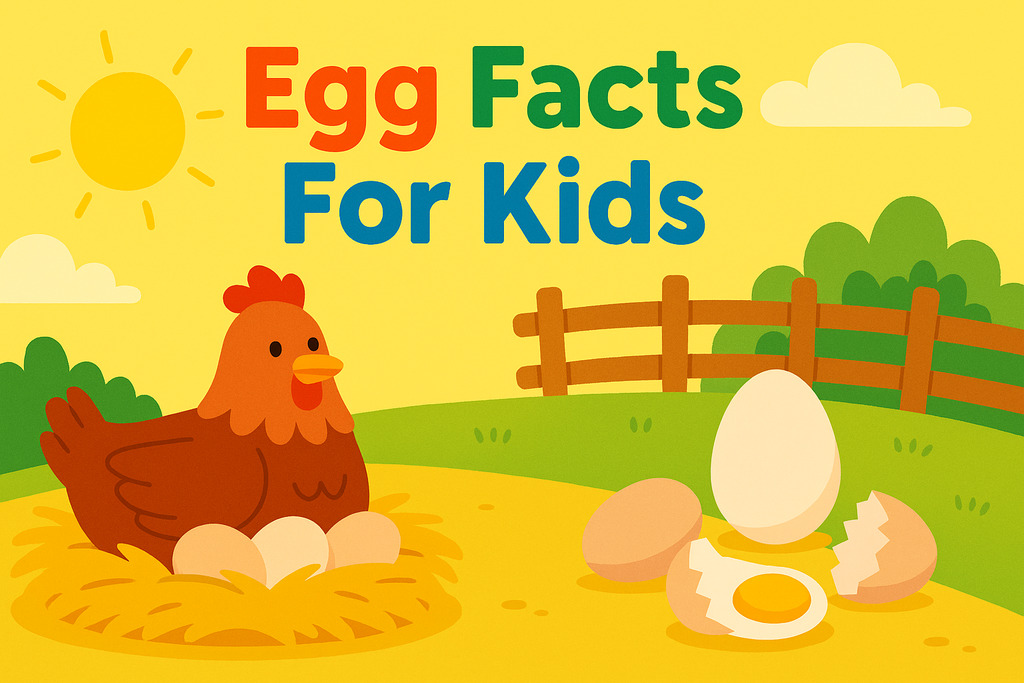
25 Interesting Egg Facts That Kids Should Know About
Eggs are a common food we see on breakfast tables all over the world, but many of us don’t stop to think about how amazing they really are. There are lots of fun facts about eggs that can surprise and excite kids. From the different colours eggs can have to the way they protect life growing inside, eggs are full of wonders. Sharing these facts with children not only teaches them about everyday things but also helps them appreciate how smart nature is. So, let’s crack open some amazing egg facts that kids should definitely know about!
Where Do Eggs Come From?
Eggs come from birds and some other animals, but the ones we usually eat come from chickens. When a hen lays an egg, it’s starting a new life cycle, even if that egg isn’t fertilised. It’s amazing to think that something so small has its own story starting inside the hen.
What Makes Eggs So Special?
Eggs are more than just food; they are tiny packages full of life and nutrients. Inside each egg, there is a perfect balance of proteins, fats, vitamins, and minerals that help living things grow strong and healthy. It’s this mix that makes eggs truly special and important for both animals and people.
Different Types of Eggs
Eggs come in many different types, and each one has its own story. Here are some interesting scientific facts about the common types of eggs you might find:
Standard White and Brown Eggs – These are the most familiar eggs you see in grocery stores. The colour depends on the hen’s breed, not its nutritional value. Both white and brown eggs are packed with nutrients.
Free-Range Eggs – These eggs come from hens that get to roam outside and peck at bugs and plants. Because of their outdoor life, the eggs often have richer flavours and a bit more nutrition.
Organic Eggs – Organic eggs are laid by hens that eat organic feed without chemicals or pesticides. These eggs are often chosen by people who care about natural farming and healthy food.
Cage-Free Eggs – Cage-free hens live indoors but without cages. They have more space to move around than caged hens, which can change the quality of the eggs they lay.
Omega-3 Enriched Eggs – Some hens are given special diets rich in omega-3 fats, which makes their eggs a good source of these healthy fats. These eggs support brain health for kids and adults alike.
Pasture-Raised Eggs – Hens that live mostly outdoors on pastures lay these eggs. They have access to fresh grass and insects, which can enhance the flavour and nutrient profile.
Nutritional Profile of Eggs
Eggs are packed with nutrition, which is one of the reasons they are such a popular food around the world. There are some weird facts about eggs when it comes to what they contain inside. Scientific facts show that eggs have a mix of proteins, fats, vitamins, and minerals that make them great for growing kids and adults alike (1).
Fun Facts About Eggs for Kids
Eggs are full of surprises that make them fun to learn about, especially for kids. There are many healthy facts about eggs that show just how amazing these little wonders really are. Here are fun and interesting facts about eggs that will make kids curious and excited.
Eggs come in different colours, like white, brown, blue, and green, depending on the bird.
A hen can lay about one egg every 25 hours.
The shell of an egg is made mostly of calcium, which is the same thing your bones are made of.
Eggs can float or sink in water depending on how old they are; a fresh egg sinks.
The yolk in the egg is where most of the vitamins and minerals are stored.
Eggs contain about 6 grams of protein, which helps build strong muscles (2).
The biggest eggs in the world come from ostriches (3).
Some eggs have tiny spots or speckles on their shells, which help protect the egg and camouflage it.
Chickens are the most common birds that lay eggs for us to eat.
The white part of the egg is called the albumen, and it is mostly water and protein.
The shape of an egg helps it not roll off nests easily.
Baby birds grow inside the egg using nutrients from the yolk.
Some eggs have a “bloom” or protective coating that keeps bacteria out.
Eggs have been eaten by humans for thousands of years.
The air pocket inside an egg gets bigger as the egg ages.
Some hens lay eggs without a yolk, called “wind eggs.”
Eggs need to be kept cool to stay fresh longer.
The colour of the yolk can change depending on what the hen eats.
Eggs are one of the few foods that naturally have vitamin D.
The strongest part of the eggshell is around the long end.
Eggshells can be used in gardens to add minerals to the soil.
Cooking eggs can make some of the proteins easier to digest.
The chalaza is the stringy part that holds the yolk in the centre.
You can tell if an egg is fresh by cracking it and seeing if the yolk stands tall or spreads out flat.
Eating eggs gives you energy because they have healthy fats and nutrients.
These healthy facts about eggs help us see why eggs are such a great food and a fascinating part of nature!
FAQs
1. How long does it take for a chicken egg to hatch?
It usually takes about 21 days for a fertilised chicken egg to hatch into a chick. During this time, the egg needs to be kept warm and turned regularly by the mother hen or in an incubator.
2. Why do some eggs have double yolks?
Double yolks happen when a hen releases two yolks at the same time. These eggs are rare and often come from younger hens whose bodies are still learning to lay eggs regularly.
3. Can eggs be stored at room temperature?
In many countries, eggs are kept in the refrigerator to stay fresh longer. However, in some places, eggs are sold and stored at room temperature because they have a special coating that keeps them fresh.
4. Are egg whites and yolks safe for people allergic to eggs?
Most egg allergies are caused by proteins found in egg whites, so some people may tolerate egg yolks but not whites. It’s best to check with a doctor if there is an egg allergy concern (4).
Eggs are truly one of nature’s little wonders. They are not only delicious and versatile but also packed with important nutrients that support growth and health. So next time someone cracks open an egg, remember there is more than just food inside, there is a whole story waiting to be discovered.
Also Read:
Starfish Facts for Kids
Human Body Facts for Kids
Facts About Horses for Kids
Facts About Animals for Kids
Facts About Dolphins for Kids
Read more

List of Christmas Words That Start With L
As winter’s chill sends excitement through our hearts, we eagerly anticipate the festive season, marked by a unique blend of tradition, joy, and warmth. This magical time of year is especially enchanting for our little ones, eager to explore and absorb the beauty surrounding them. Xmas words beginning with L for preschoolers and kids are a delightful way to weave learning into the festivities. Whether you’re a parent, teacher, or just someone who loves the holiday spirit, this curated list of words that start with L for Christmas will be a cosy addition to your holiday preparations. Introducing these terms can create memorable experiences while contributing to our kids’ vocabulary growth.
Popular Christmas Words Beginning With L and Their Meanings
As we delve into the festive spirit, exploring Xmas words beginning with L brings a unique joy. Here’s a list of ‘L’ letter Christmas words to make the season even more delightful.
1. Lights
Meaning: Lights during Christmas symbolise hope, guiding us through the darkest time of the year.
Example: “Twinkling Christmas lights adorned every house, turning the street into a magical wonderland. Sarah couldn’t wait to add more lights to their Christmas tree.”
2. Love
Meaning: Love, a universal emotion, is amplified during Christmas when we celebrate the closeness and warmth of relationships.
Example: “John felt an overwhelming love as his family gathered around the Christmas dinner table. Their laughter was the perfect soundtrack to the festivities.”
3. Laughter
Meaning: Laughter resonates more during Christmas, embodying the joy and merriment of the season.
Example: “The room was filled with laughter as everyone shared their favourite Christmas memories. The sound was a testament to the season’s happiness.”
4. List
Meaning: A Christmas list typically refers to a wishlist of gifts children hope to receive from Santa.
Example: “Emily diligently wrote her Christmas list, hoping Santa would bring her the much-awaited gifts. Her eyes sparkled with excitement as she imagined unwrapping her presents.”
5. Luminous
Meaning: Luminous describes the bright and radiant atmosphere created by Christmas decorations and lights.
Example: “The luminous decorations made the entire town square look like a scene from a fairytale. Every corner was bathed in a warm, inviting glow.”
6. Letters
Meaning: Letters during Christmas usually refer to notes and wishlists sent to Santa by hopeful children.
Example: “Timmy carefully penned his letters to Santa, listing all the toys he dreamed of. He believed that Santa would read his heartfelt notes.”
7. Log
Meaning: In the context of Christmas, a log often refers to the Yule log, a specially selected piece of wood burned in the hearth.
Example: “The family gathered around the crackling Yule log, sharing stories. The fire’s warmth was comforting amid the cold winter night.”
8. Luxury
Meaning: Luxury during Christmas reflects the indulgence in rich foods, extravagant decorations, and lavish gifts.
Example: “The table was laden with luxury, from gourmet dishes to sparkling decorations. Every detail spoke of the festive extravagance.”
9. Lively
Meaning: Lively describes the vibrant and energetic atmosphere prevalent during Christmas.
Example: “The lively Christmas market buzzed with energy, from cheerful vendors to excited children. The air was infectious with enthusiasm.”
10. Lullaby
Meaning: In the Christmas context, a lullaby refers to soothing carols and songs sung to celebrate the birth of Jesus.
Example: “Mary hummed a gentle lullaby, filling the room with a serene melody. The Christmas lullaby was a soothing end to the day’s festivities.”
11. Legend
Meaning: Legend refers to traditional stories or myths associated with the Christmas season.
Example: “Grandma spoke of the legend of the Christmas Star, captivating the children with the magical tale. Her storytelling was a beloved holiday tradition.”
12. Laurel
Meaning: Laurel, an evergreen shrub, is used in wreaths and decorations to symbolise victory and peace.
Example: “Holly and Laurel adorned the front door, welcoming guests with festive cheer. The vibrant green laurel added a touch of classic elegance to the decor.”
13. Lament
Meaning: Lament, though uncommon, can sometimes signify a longing or sadness for those missing loved ones during Christmas.
Example: “In a quiet moment, Sarah sang a lament for those unable to join the festivities. Her heartfelt song resonated with everyone present.”
14. Lamb
Meaning: The Lamb in Christmas tradition symbolises innocence and the shepherds who visited baby Jesus.
Example: “The nativity scene was complete with a gentle lamb beside the manger. It brought to life the story of the first Christmas night.”
15. Linger
Meaning: Linger conveys the desire to extend the joy and warmth of the Christmas season.
Example: “Everyone wished to linger around the cosy fireplace, soaking in the holiday cheer. The family moments were too precious to hurry.”
16. Landscape
Meaning: The landscape during Christmas often depicts snowy scenes and festive decorations.
Example: “The Christmas landscape was breathtaking, with snow-covered roofs and twinkling lights. The picturesque view added to the holiday’s enchantment.”
17. Lantern
Meaning: Lanterns illuminate and decorate homes and streets during Christmas.
Example: “Bright lanterns lined the snowy path, guiding visitors to the festive gathering. Each lantern cast a warm glow, welcoming everyone.”
18. Luscious
Meaning: Luscious describes the rich and indulgent food enjoyed during Christmas celebrations.
Example: “The luscious Christmas feast left everyone satisfied and content. The flavours were a testament to the season’s indulgence.”
19. Lyrics
Meaning: Lyrics refer to the words of Christmas carols and songs that fill the air with joy.
Example: “Families gathered to sing, their voices echoing the lyrics of beloved Christmas carols. The familiar lyrics brought smiles and memories.”
20. Lace
Meaning: Lace during Christmas symbolises delicate and intricate decorations or adornments.
Example: “The Christmas tree was adorned with delicate lace ornaments, adding a touch of elegance. The intricate lace details were a nod to timeless traditions.”
21. Legacy
Meaning: Legacy refers to the traditions and values passed down through generations during Christmas.
Example: “Every Christmas, Anna felt the rich legacy of her family’s traditions. The customs made the holiday season uniquely special and memorable.”
22. Leisure
Meaning: Leisure denotes the relaxed and joyful moments spent during the Christmas holidays.
Example: “Christmas was a time of leisure, filled with joyous moments and relaxation. Families cherished this pause from their hectic routines.”
23. Laden
Meaning: Laden describes trees, tables, or spaces overflowing with decorations, gifts, or food during Christmas.
Example: “The Christmas tree, laden with ornaments and gifts, was a sight to behold. Every branch was decked in festive glory.”
24. Loom
Meaning: Loom, in a Christmas context, suggests the eager anticipation of the approaching festivities.
Example: “As December began, the excitement of Christmas started to loom large in everyone’s hearts. The anticipation was almost as delightful as the day itself.”
25. Livelihood
Meaning: Livelihood speaks to the vibrancy and essence of life celebrated during Christmas.
Example: “The market buzzed with livelihood as vendors displayed festive wares. The spirit of Christmas was alive in every cheerful exchange.”
26. Lamentation
Meaning: Lamentation refers to expressions of grief or sorrow, often remembered in Christmas prayers for the less fortunate.
Example: “Amidst the joy, a moment of lamentation was observed for those in need. It was a reminder to be grateful and give.”
27. Latch
Meaning: Latch signifies opening doors and hearts during Christmas, welcoming love and joy.
Example: “Families unlatched their doors to welcome loved ones, embodying the spirit of openness. The simple gesture was symbolic of Christmas hospitality.”
28. Lure
Meaning: Lure describes the irresistible attraction of the joys and delights of Christmas.
Example: “The lure of Christmas markets, with their vibrant stalls and festive cheer, was impossible to resist. The atmosphere drew people in with joyous anticipation.”
29. Lavish
Meaning: Lavish conveys a sense of abundance and extravagance in celebrations and gifts during Christmas.
Example: “The Christmas feast was lavish, with an array of sumptuous dishes laid out. It was a banquet that showcased the season’s generosity.”
30. Lustre
Meaning: Lustre refers to the shine, glow, and sparkle associated with Christmas decorations.
Example: “The lustre of ornaments and fairy lights gave the room a magical ambience. Every corner seemed to shimmer with festive spirit.”
31. Lap
Meaning: The upper part of the legs when sitting down, where children often sit with Santa.
Example: “The child eagerly climbed onto Santa’s lap to tell him his wishes.”
32. Lambswool
Meaning: Soft, fine wool from lambs, often used for cosy Christmas sweaters.
Example: “She wore a lambswool sweater to keep warm during the Christmas parade.”
33. Lapel
Meaning: The folded part of a coat or jacket, often decorated with Christmas pins.
Example: “He wore a festive pin on his lapel for the Christmas party.”
34. Lattice
Meaning: A structure of crossed wooden or metal strips, sometimes used in Christmas decor.
Example: “The lattice around the garden was covered in Christmas lights.”
35. Legendary
Meaning: Remarkable enough to be famous, often used to describe Christmas figures like Santa.
Example: “Santa Claus is a legendary figure known worldwide.”
36. Lug
Meaning: To carry or drag something heavy, like a Christmas tree.
Example: “They had to lug the Christmas tree into the living room.”
37. Lucid
Meaning: Clear and easy to understand, often describing Christmas stories or traditions.
Example: “The narrator’s voice was lucid as he read the Christmas story.”
38. Lounge
Meaning: A comfortable place to relax, often used during Christmas gatherings.
Example: “They gathered in the lounge to exchange Christmas gifts.”
39. Lark
Meaning: A merry, carefree adventure, often associated with holiday fun.
Example: “They went for a lark in the snow on Christmas morning.”
40. Lingo
Meaning: Special language or terminology, like the unique phrases and carols that are part of the Christmas tradition.
Example: “They loved learning the lingo of Christmas carols.”
41. Longing
Meaning: A strong desire, often felt during Christmas, for family or certain gifts.
Example: “She deeply longed to be with her family for Christmas.”
42. Liturgy
Meaning: A form of public worship or ritual, especially significant during Christmas services.
Example: “The Christmas liturgy at the church was beautiful and moving.”
43. Laud
Meaning: To praise highly, especially in the context of Christmas hymns and carols.
Example: “They gathered to laud the joy and spirit of Christmas through song.”
44. Lute
Meaning: A stringed musical instrument, sometimes played during traditional Christmas performances.
Example: “The lute added a unique, classical sound to the Christmas concert.”
45. Lambent
Meaning: Softly glowing or flickering, often describing Christmas lights or candle flames.
Example: “The lambent glow of the candles added a warm ambience to the Christmas dinner.”
46. Lord
Meaning: An entity of a person or a thing with great power and authority
Example: In Castletown of England, Lord Joshua organised a grand feast on Christmas Eve for all the towngoers.
47. Lamp
Meaning: A lamp is a device that emits light with the help of kerosene, a light bulb, and other fuel materials.
Example: As a part of our house’s Christmas tradition, my grandpa always leaves a lamp out on the terrace on Christmas Eve for Santa as a sweet gesture.
48. Lustrous
Meaning: Something that has a great shine or lustre.
Example: The lustrous glow of the Christmas tree in our house always becomes the talk of the town.
Activities That Will Help Your Child Learn Christmas Words With Letter L
Immersing children in fun and engaging activities is a fantastic way to introduce them to Christmas words starting with the letter L. Here, we present a range of delightful activities that not only entertain but also educate your little ones, helping them grasp Christmas words that begin with the letter L with ease and enthusiasm.
We hope you’ll love these activities starting with Christmas L word and have a great festival this year!
1. L-Themed Christmas Scavenger Hunt
Organise a scavenger hunt around your house or classroom with items and decorations corresponding to Christmas words that start with ‘L’. Create clues and hide objects like a ‘Lantern’, ‘Lace’, or ‘List’. Children can enjoy the thrill of the hunt while learning new words.
2. Crafting Luminous Lanterns
Crafting can be a fun way to introduce Christmas words, starting with the letter L. Guide your children to create their own lanterns using paper and lights. While crafting, discuss the meaning and use of ‘Luminous‘ and ‘Lantern‘.
3. Creating a Christmas “L“ Word Wall
Visual learning engages kids, and a Christmas Word Wall can be a great aid. Create a wall adorned with Christmas words that begin with the letter L. Include words like ‘Love’, ‘Laughter’, and ‘Lamb‘ accompanied by pictures and decorations.
4. Singing Christmas Lullabies and Carols
Music is a universal medium of joy, especially during Christmas. Introduce your child to Christmas lullabies and carols with words starting with ‘L’. Sing along and discuss the meanings of words like ‘Lullaby’, ‘Love’, and ‘Laughter’.
5. Christmas L-Word Storytelling Session
Storytelling can captivate children’s imagination while introducing them to new vocabulary. Craft stories incorporating Christmas words starting with the letter L. Engage children in interactive storytelling, encouraging them to use words like ‘Legend’, ‘Lantern’, and ‘Livelihood‘ in their stories.
FAQs
1. Why is it important to teach kids Christmas words starting with the letter L?
Introducing children to Christmas words starting with the letter L enhances their vocabulary while immersing them in the festive spirit. These words often encapsulate the holiday season’s joy, traditions, and emotions.
2. How can I make learning Christmas words that begin with the letter L fun for preschoolers?
Learning can be engaging by incorporating Christmas words that begin with the letter L into playful activities such as scavenger hunts, storytelling, crafting, or singing carols. Interactive and hands-on experiences make learning enjoyable and memorable for preschoolers.
3. Can learning words that start with L for Christmas benefit kids’ language development?
Yes, learning words that start with L for Christmas can significantly contribute to language development. It enriches a child’s vocabulary and enhances their understanding of the cultural nuances associated with the holidays. It provides a context for language usage, aiding in better comprehension and expression.
Familiarising children with Christmas words that start with L offers a delightful way to blend the festive spirit with educational enrichment. Teaching one Christmas word that starts with L a day can help them build their vocabulary inch by inch. Activities such as scavenger hunts, crafting, storytelling, and singing boost vocabulary and create lasting memories for young minds. By seamlessly incorporating learning into the joyous celebrations of the season, we ensure that the essence of Christmas is shared, cherished, and passed on to the next generation.
Christmas Words That Start From A to Z
Christmas Words That Start with A
Christmas Words That Start with B
Christmas Words That Start with C
Christmas Words That Start with D
Christmas Words That Start with E
Christmas Words That Start with F
Christmas Words That Start with G
Christmas Words That Start with H
Christmas Words That Start with I
Christmas Words That Start with J
Christmas Words That Start with K
Christmas Words That Start with L
Christmas Words That Start with M
Christmas Words That Start with N
Christmas Words That Start with O
Christmas Words That Start with P
Christmas Words That Start with Q
Christmas Words That Start with R
Christmas Words That Start with S
Christmas Words That Start with T
Christmas Words That Start with U
Christmas Words That Start with V
Christmas Words That Start with W
Christmas Words That Start with X
Christmas Words That Start with Y
Christmas Words That Start with Z
Read more

DIY Volcano for Kids
Making a volcano is one of the most common science experiments that kids can do! No matter how many times it is made, it is a wonderful sight to behold when it is complete and works right. Your child will be left feeling satisfied and accomplished, especially after learning how to make a volcano erupt.
Volcanoes are hollow mountains that do not have any tops. You can look down into the volcano, and find a pool of hot, molten rock. There are many dormant volcanoes, but there are also many around the world that are still active. When they erupt, they shoot lava, rocks, and gases, which can cause a lot of air pollution.
When the liquidised rocks are under the surface, it is known as magma. When it erupts and reaches the surface, it is called lava. When a volcano erupts, it is extremely dangerous and destructive.
There are two types of magma. Some have low content of silica, and these are more flow-y, and the accompanying gases are able to escape freely. The other type has high silica content, is not as flow-y. Gases that are trapped in here are not able to escape easily.
How to Make a Volcano – Step by Step Instructions for Children
There are so many different ways to make a homemade volcano. Some are complicated, and some are easy. Here are some very easy to follow, step by step instructions on how to make a volcano. Just make sure that you perform this experiment outside! That way, you can avoid having too much to clean up.
Materials Needed
Flour, 6 cups
Salt, 2 cups
Cooking oil, 4 tablespoons
Warm water
Soda bottle
Dishwashing soap
Vinegar
Food colouring
Baking soda, 2 tablespoons
Baking dish
Instruction
The best way to start is to make the cone of the volcano.
Mix the flour, salt, and cooking oil with 2 cups of warm water.
You should be left with a smooth mixture. If you need to, add more water.
Take the soda bottle, and place it on the baking tray.
Using the dough, start creating and moulding the body of the volcano around the plastic soda bottle.
Don’t cover the top of the bottle, since this is where your volcanic eruption will occur.
Now, fill most of the bottle with warm water.
Add in a little red and yellow food colouring.
Add in around six drops of dishwashing soap.
Mix in the baking soda.
Lastly, to make the eruption, slowly pour the vinegar into the bottle.
Observations During the Experiment
When baking soda and vinegar are mixed together, a chemical reaction takes place, which creates carbon dioxide.
The reaction caused is very similar to what happens when a bottle of soda is shaken. Gas builds up and needs to escape, so when the bottle is opened, you have an eruption that is similar to a volcanic eruption.
This is the same way that real volcanoes erupt.
By doing this experiment with your child, you can teach him all about how volcanoes work. Your child will soon become an expert on volcanoes and other such cool geological formations!
Also Read:
DIY Plaster Of Paris (POP) Craft Ideas for Kids
DIY Kinetic Sand Recipes for Children
DIY Woodworking Project Ideas for Kids
Read more
Lymphoma in Children – Causes, Diagnosis, and Treatment
As a parent, it is normal to be concerned about the health and well-being of your child. Anything happens to your child and you start worrying. You don’t want any harm to come to him, but that is not something you can control. There are many fatal conditions that may affect the health of a child, and one such condition is lymphoma. Know what exactly lymphoma is, what causes it and how to treat it.
What Is Lymphoma?
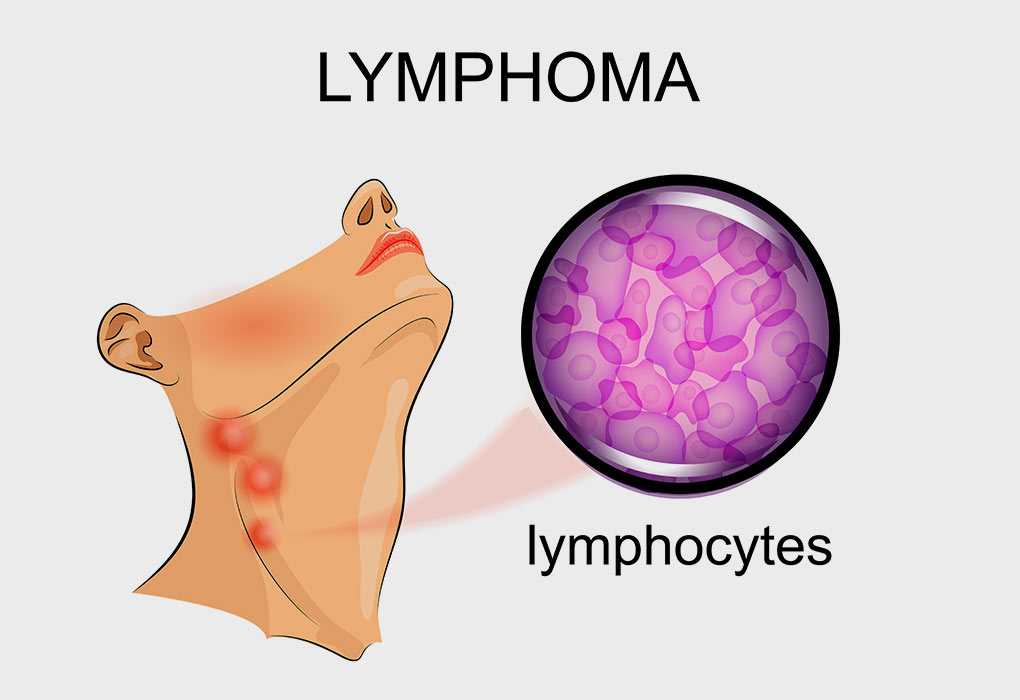
Before we discuss lymphoma, it is important to understand the lymphatic system. The lymphatic system is a part of the vascular system consisting of lymph vessels, nodes, ducts, and tissues. The lymphatic vessels carry a clear fluid known as lymph towards the heart. This fluid consists of infection-fighting white blood cells that include lymphocytes too. The lymphocytes are concentrated in the lymph system, which comprises of tonsils, bone marrow, spleen thymus, and lymph nodes (small organs in the chest, abdomen, groin, neck, and underarms).
The condition known as lymphoma occurs when lymphocytes multiply uncontrollably. This cause the enlargement of the lymph nodes that may infect other parts of the body too, including the nervous system and the bone marrow.
Types of Lymphoma
Lymphoma is further classified into two types:
1. Hodgkin’s Lymphoma
This is a kind of cancer that occurs due to Reed-Sternberg cells. The cancer is further classified into various categories according to the severity of the condition and on the appearance of cells under the microscope. This cancer may usually affect children in their adolescent years. Though there are no specific reasons that may establish the onset of this fatal condition, it is believed that in almost 50 percent of the cases it may result from the Epstein-Barr virus or EBV.
2. Non-Hodgkin’s Lymphoma (NHL)
This kind of cancer may affect children of any age group, however, it is rarely registered in kids who are less than three years. This involves the malignant growth of special kinds of cells in the lymph nodes. This may further be classified into:
A high-grade tumour
This includes lymphoblastic lymphoma, Burkett lymphoma, and non-Burkett lymphoma.
An intermediate-grade tumour
This may include various kinds of tumours such as mantle cell lymphoma, follicular large-cell lymphoma, anaplastic Ki-1 large-cell lymphoma (CD30+), immunoblastic diffuse large cell lymphoma, and peripheral T-cell lymphoma.
What Causes Lymphoma in Kids?
Like most cancers, lymphoma is not contagious. It may affect children who have a weak immune system. Also, it is observed that lymphoma may not run in families, but there have been cases where genetics were involved, though these cases were extremely rare and it does not mean that the family members will have to get a screening done for cancer.
There are no known causes of lymphoma in children but there are many studies that are still going on to establish the real cause of this disease.
Risk Factors of Lymphoma in Children
The risk of lymphoma in children may increase under the following circumstances:
1. Hodgkin’s Lymphoma
If your kid is on a medication that suppresses his immune system, then he might be susceptible to Hodgkin’s lymphoma. If your kid has undergone an organ transplant and is on medication that affects his immune system, then he may get it.
If your child is born with a problem in his immune system such as ataxia telangiectasia, which is a genetic condition, he may get Hodgkin’s lymphoma.
If your kid is infected with HIV or human immunodeficiency syndrome, it may increase his chances of having Hodgkin’s Lymphoma.
2. Non-Hodgkin’s Lymphoma
If your child has AIDS or acquired immunodeficiency syndrome, it may lead to Non-Hodgkin’s Lymphoma.
If your kid has undergone an organ transplant.
If your child was born with problems with his immune system.
If your child has undergone treatment for some other kind of cancer.
Signs and Symptoms of Lymphoma
The most evident symptom of lymphoma is swollen lymph nodes or swollen lymph nodes on one side of a child’s neck, which may also be visible around the underarm, groin, and neck. These are usually painless. But there are many other symptoms of lymphoma in children, which are as follows:
Breathing difficulty and coughing
Unexplained fever
Weight loss and loss of appetite
Swelling in the abdominal region
Night Sweats
How Is Lymphoma Diagnosed?
Here are some of the methods that your doctor may adopt to determine the symptoms of lymphoma in your child:
1. Physical Examination
Your doctor may examine your kid’s enlarged lymph nodes.
2. Blood Tests
Blood tests are done to check the blood count and to see if there are any conditions such as anaemia or low blood cells.
3. X-ray
This may be conducted to have a more comprehensive look inside the various structures inside the body.
4. MRI
This may be advised to see the detailed images of the enlarged lymph nodes.
5. Biopsy
This may be suggested to test the tissue from the enlarged gland.
6. CT scan
This involves taking three-dimensional pictures of the inside of the body to check for any tumours or other such abnormalities.
7. PET or PET-CT scan
This involves inserting radioactive sugar substance to produce more comprehensive images to detect any kind of abnormalities and tumours.
8. Bone Marrow Biopsy
This is an advanced stage test that requires testing tissue from the bone marrow.
Stages of Lymphoma in Children
Following are the different stages of lymphoma in children:
1. Stage 1
In the first stage cancer affects only one area of the lymph nodes.
2. Stage 2
In this stage, cancer affects one area and may start affecting two or more lymph nodes.
3. Stage 3
In this stage, cancer is present in the lymph nodes, below and above the diaphragm, in the chest, in the abdomen and sometimes in the spleen, too.
4. Stage 4
In the last stage, cancer spreads to the other parts of the body such as the liver, lungs, bones, brain etc.
Treatments Available for Lymphoma in Children
Here are some treatment options available for lymphoma:
1. Chemotherapy
One of the preferred options for the treatment of lymphoma is chemotherapy, which may help in stopping the growth of abnormal white blood cells and kill the lymphoma cells.
2. Radiation Therapy
If your kid responds well to chemotherapy, radiation may not be required. However, if your doctor feels the need, he may recommend radiation therapy along with chemotherapy.
3. Other Innovative Strategies
This may include medications that may directly target the tumours.
Side Effects of Lymphoma in a Child
Lymphoma may affect your child in more than one way, and following are some side effects that you may notice:
Chemotherapy may cause bleeding problems, increase the risk of infections, and even affect the bone marrow.
Short-term effects of lymphoma in children include a change of skin colour, loss of hair, vomiting, nausea, etc.
Long-term effects may include thyroid problems, reproductive problems, heart and kidney damage etc.
Chances of Recurrence of Lymphoma in Kids
In most cases of lymphoma, children recover and there are no relapses. However, if your kid has a serious case of lymphoma, then there are chances of reoccurrence.
Other Treatment Options Available After Recurrence of Lymphoma in Children
If there are relapses or recurrence of lymphoma in children, your doctor may recommend stem cell transplants and bone marrow transplants. Other than that there are other treatments available such as immune therapy, special kinds of medicines that deliver chemotherapy medicines etc.
If you register any symptoms of lymphoma in your child, it is suggested that you seek immediate medical assistance for the same. Timely medical intervention and treatment may help your child recover better and faster and may even prevent the infection from spreading.
Also Read: Leukaemia in Kids
Read more
Year-Round School – Pros, Cons and Schedule
Year-round schooling has prevailed for a while, and many parents prefer this option for their kids because it offers a more balanced academic schedule. Instead of having long summer breaks, it involves shorter yet frequent breaks, with schooling continuing throughout the year. This approach helps students retain knowledge better and reduces the learning loss often seen after extended vacations. Many parents initially dislike the idea of year-round schooling, assuming it means more school days, but in reality, this system follows the same 180-day traditional calendar. The difference lies in how the breaks are distributed—shorter pauses spread evenly across the year rather than one long hiatus. Historically, the system of year-round schooling dates back to agricultural times when parents needed children to stay home during harvest seasons to help with crops. Today, it provides a structured yet flexible learning environment that benefits both students and teachers by preventing burnout and maintaining consistent progress.
What Is Year-Round Schooling?
All year-round schooling is a system where-
Kids attend school for six to nine weeks in a row
Vacations last only two to four weeks long
The learning process is ongoing and not broken up like traditional education systems
Teens can take on summer jobs with this flexible schedule
Year-round School
Regular school
School lasts for 6-9 weeks at a time
School lasts for a semester
Vacation is 2-4 weeks long
vacation can last for 2 months, especially summer vacation
Learning process is ongoing
Learning process has breaks
Teens can get part-time jobs due to the flexibility
Kids may not get time to take on part-time jobs
Pros and Cons of Year-Round Schooling for Children
Every child experiences a loss in learning or retention rates during long summer breaks. Even parents who hire tutors during the summer vacations report that this learning loss occurs in different subject areas and varies according to grade levels. By eliminating the need for long summer breaks, you make your child smarter and more academically productive. This is just one of the many benefits of year-round school and there’s a lot more we’ve covered below.
Pros of Year-Round School
The following are the advantages of year-round school for children and parents.
1. Frequent Breaks
One of the biggest disadvantages faced in traditional schooling systems is learning loss during the summer. By keeping the breaks shorter and more frequent, students prevent this and remember information from their previous grades.
2. No Need for Remediation Classes
The traditional long summer break in regular schooling systems leads to learning loss in students. Kids often forget what they’ve learned in the previous grades and it could impact their academic learning and performance as they climb up higher. This is why traditional schools have introduced remediation classes. The disadvantage is that it can take anywhere between 2-4 weeks for these classes to last. Time that could be spent honing student’s creative skills and other areas of learning.
Schools with year-round schooling take the need for remediation classes by preventing learning loss throughout the summer. Besides saving time, it makes students more confident and creative.
3. Less Boredom
There’s not much boredom experience since the summer vacations aren’t long. Traditional schooling systems make students get bored due to long vacations and they have to restudy concepts due to the long gap experienced.
4. Keeps Classroom Sizes Manageable
Overcrowding is a big issue in traditional schooling and year-round schooling takes care of this really well. Students are given three unique different tracks to follow and there are only two different tracks that a student has to choose to attend in the school at a given time through the year. Classroom sizes don’t soar this way and are kept manageable. This also provides greater learning opportunities for the students.
5. More Structured and Productive
Year-round schooling adds structure and consistency to a student’s learning environment. There are cases where students don’t get a stable environment at home for learning and academic performance. This is where year-round schooling helps, since students can rely on going back to natural learning environments in schools often. It also helps boost their academic performance and helps them stay productive instead of procrastinating or being exposed to at-home stressors.
Cons for Year-Round School
Year-round schooling does have its list of benefits but there are a few cons too. Here’s what this system costs to parents and families or what you’d call ‘the disadvantages of year-round school’ that you need to know.
1. Lack of Family Time
One of the disadvantages of year-round schooling is the lack of family time. If you’re planning family vacations, you’ll find it difficult making schedules due to the lack of longer vacation breaks. Parents who aren’t accustomed to this style of schooling often find it hard to adapt to this new schedule. Structuring time for family activities and reunions becomes difficult this way. Quality family time is important for a child’s emotional and mental well-being and parents miss out on this with this type of schooling system.
2. No Summer Fun
Traditional long summer vacation gives kids the opportunity to indulge in arts, culture, and other special summer boot camps which are outside the classroom. Year-round schooling takes away these opportunities from them since they simply don’t provide enough time for these.
3. More Disruptions for Students
There are some students who find it hard winding up and gearing down for school work constantly. As soon as they’re getting focused a break rolls by, and then when they are easing into the breaks school starts again. Students with short attention spans face difficulty adjusting to this type of schedule.
4. No Year-Round Activities
One of the perks of traditional schooling is year-round summer activities. Year-round schooling takes that away since students don’t get the time to organize summer clubs or take part in special events. Students can’t take long summer jobs either due to these shorter breaks and more demanding schedules. Local youth employment also limits the number of hours students can work outside school, thus placing further limitations with this schedule.
5. Difficulty in Finding Childcare
Most baby sitters and nannies are employed during summer breaks. Parents of kids find it hard to get extra assistance at home due to this schooling structure and system. Not many nannies are willing to babysit or look after kids with this irregular schedule.
Year-Round School Schedule
So, how does a year-round school work? Year-round schools use a balanced calendar, replacing the traditional long summer break with multiple shorter vacations, usually lasting two or three weeks.
The schedule varies by school—some divide the year into four 45-day sessions with 15-day breaks in between, while others use three 60-day sessions followed by 20-day breaks. Another option is two 90-day terms with 30-day breaks after each.
Some schools also extend the school year by adding “intersessions”—extra one- or two-week periods where students take special courses outside their usual classes. On average, year-round schools operate for 189 days per year, which is nine days longer than the standard 180-day calendar.
When all students follow the same schedule, it’s called a single-track system. However, some schools use multitracking, where different groups of students have staggered schedules. This helps reduce overcrowding by rotating attendance throughout the year.
FAQs
1. Does year-round schooling affect extracurricular activities and sports schedules?
Since breaks are shorter and spread out, some worry about conflicts with traditional sports seasons, summer camps, or family vacations. However, many schools adjust athletic programs and activities to fit the balanced calendar, ensuring students still have opportunities outside academics.
2. How does year-round schooling impact teacher retention and burnout?
With more frequent breaks, teachers may experience less burnout compared to the long stretches in traditional schools. However, some educators struggle with the adjusted schedule, especially if intersessions require extra work. Schools often provide training and flexibility to help staff adapt.
3. Are there hidden costs for families in year-round school systems?
While the academic calendar changes, families might face unexpected expenses—such as additional childcare during shorter breaks or adjusted summer program fees. However, others save money by avoiding long summer daycare costs.
4. Do colleges view year-round school graduates differently?
Some parents worry that non-traditional schedules could affect college applications. In reality, universities evaluate students based on grades and extracurriculars, not their school’s calendar. Year-round students often perform equally well (or better) due to consistent learning retention.
Whether year-round schooling is right or not for your kids will depend on your values and culture as a family. If you don’t mind adapting to new schedules and are flexible, it can be a great way to give your kids a well-rounded education. We’d suggest to first visit the schools you’d like and see how it works in-person before making a decision and enrolling your kids in. There’s nothing wrong with traditional schooling or year-round schooling – each has its set of perks and cons. Go with what works for you and your kids.
Also Read:
Unexpected Benefits of Homeschooling
Tips for Choosing the Best School for Your Child
Pros and Cons of Getting an Education at a Boarding School
Alternative School: Types, Requirements, Pros & Cons
Read more

Letter G Tracing Worksheets – Free Printables To Learn
Learning the alphabet becomes a fun adventure with letter G tracing worksheets! These easy and engaging sheets help preschoolers and kids practice the shape of the letter G while building strong hand muscles and better focus. They’ll love tracing G words like game and guitar, turning practice into a playful activity. You can easily download free printable worksheets to keep the learning going at home or in the classroom. These tracing sheets make early writing feel like a game, helping little learners enjoy every step of their handwriting journey!
Uppercase Letter G Tracing Worksheets
Get ready to trace and smile with our capital letter G tracing worksheets! These easy-to-follow sheets help kids practice writing the uppercase G while having fun along the way. Once they master G, they can move on to a printable letter G tracing sheet, where they’ll meet fun G words like 🍇 grapes, gifts, and girl 👧. Just click, download, and let the learning fun begin!
G for Gate Worksheet
G for Grapes Worksheet
G for Goat Worksheet
G for Girl Worksheet
G for Gift Worksheet
Lowercase Letter g Tracing Worksheets
Get ready to practice the letter g with our fun and easy small letter g tracing worksheets! Students and kids will enjoy tracing the curves of the letter while spotting familiar words like goose and glass along the way. Each letter g tracing page is designed to help little learners improve their handwriting skills in a playful and engaging way. Just click, print, and start tracing!
“g” for game Worksheet
“g” for gloves Worksheet
“g” for glass Worksheet
“g” for goose Worksheet
“g” for guitar Worksheet
Upper and Lowercase “Gg” Tracing Worksheet
Let’s make learning letters super fun! Our Upper and Lowercase Gg tracing worksheets are a great way for kids and young learners to master the letter Gg by practicing with mixed lowercase and uppercase versions. Grab a crayon or pencil and start tracing! And when you’re ready for more alphabet fun, be sure to check out our letter g tracing free printable too!
“Gg” for Giraffe Worksheet
Fun Activities To Trace and Learn Letter G
Learning the letter G just got a lot more fun! Check out these simple and exciting activities that make tracing and practicing a joyful experience.
Glitter Letter G Tracing : Let kids trace the letter G with glue, then sprinkle glitter on top. It’s a fun, sparkly way to help them recognize the letter’s shape.
Green Color Tracing : Give kids green crayons or markers and ask them to trace all the Gs using only green. It reinforces both the letter and the color.
Gumball Dot Letter G : Create a large letter G outline and have kids place colorful dot stickers (pretending they’re gumballs) along the lines to trace the letter.
Garden Adventure with G Worksheet : A worksheet that features a garden scene (flowers, trees, gardening tools) with lots of Gs to trace hidden around the picture.
Blank Lines Printable Worksheet For Practicing Tracing Letter G
Give your child extra practice with our letter G dotted worksheets. These blank lines printable worksheets make it easy and fun for kids to trace, write, and master the letter G, just download to start practicing.
FAQs
1. How many times should a child trace the letter G to learn it?
Practice makes perfect! Encourage your child to trace the letter G multiple times across a few days for better memory and hand control.
2. Can tracing worksheets also include capital and small letter G?
Yes, worksheets usually include both uppercase (G) and lowercase (g) tracing for complete learning.
3. Are there creative ways to trace the letter G besides worksheets?
Yes, kids can trace G in sand, use finger painting, or build it with playdough to make learning more hands-on.
Letter G tracing worksheets are a fun and effective way to help kids build early writing skills while getting familiar with the alphabet.You can easily download g traceable worksheet to get started and even add in some giraffe coloring pages for extra excitement. Make it even better with our letter G tracing free printable sheets, perfect for helping little ones build confidence while having fun.
Also Read:
Letter A Tracing Worksheets
Letter B Tracing Worksheets
Letter C Tracing Worksheets
Letter D Tracing Worksheets
Letter E Tracing Worksheets
Letter F Tracing Worksheets
Letter G Tracing Worksheets
Letter H Tracing Worksheets
Letter I Tracing Worksheets
Letter J Tracing Worksheets
Read more

Interesting Penguin Facts for Kids
Kids love to know lots of facts about the members of the animal kingdom. This time, we’ve brought your kids some fun facts about penguins.
Amazing Facts About Penguins That Your Child Must Know
Penguins, we have to agree, are the most beloved birds with a lot of unique characteristics we hardly know about. Here is some information about these aquatic birds:
Even though penguins belong to the bird family, they cannot fly. They are flightless birds who love to swim in the icy ocean water. They can swim really fast after diving deep inside the ocean.
There are 18 species of Penguin. King Penguin, Emperor Penguin, Adelie Penguin, Chinstrap Penguin, Gentoo Penguin, Little Penguin, Magellanic Penguin, Humboldt Penguin, Galapagos Penguin, and African Penguin are a few.
Most penguins live in the Southern Hemisphere. We think that penguins live only on cold continents like Antarctica but it is not so. They also live on warm continents like Australia and South Africa.
As penguins can’t fly, a lot of people think that they can be classified as mammals. But penguins fulfil all the biological characteristics of birds – they have feathers, they lay eggs, and they are warm-blooded.
Penguins spend half of their life on land and the other half in water. Evolution has changed their wings to act like flippers, thus making them great swimmers. They have black and white feathers which give them a good camouflage and keep them warm in the icy cold weather.
Other Facts About Penguins for Children
Here are a few more amazing facts about these seabirds that your kids would love to hear.
Galapagos Penguins are the only penguin species that live right near the equator.
Emperor Penguins are the largest species of penguins. They are as tall as 3 to 4 feet.
Did you know these Little Blue Penguin facts for kids? Little Blue Penguins, also known as Fairy Penguins, are the smallest of the penguin species and have a height of just 16 inches. They are known for their blue feathers and small size.
Zavodovski Island currently hosts approximately 2 million Chinstrap Penguins and holds the Guinness World Record for being the largest penguin colony.
All penguins are great swimmers. But, Gentoo Penguins are the fastest penguin species. They can speed up to 22 mph.
Penguins mostly eat fish. They also eat krill, squid, crustaceans and octopus. Penguins drink saltwater while hunting for fish. They have a special gland above their eyes that filters out salt from their blood. Then, they eject the salt through their beaks.
Penguins’ lack of teeth is compensated by the spines present on their tongue and inside of their beak. This helps them grip their prey. When penguins waddle with their feet or slide on their belly across the snow, it is called as ‘tobogganing’. This movement conserves energy and aids quicker movement.
Penguins live in large colonies. This results in a wide display of visual and vocal cues.
Once the female penguin lay two eggs, both parents share incubation duties.
Penguin eggs are smaller than any other bird species when compared with the weight of the parent birds.
Penguins cannot breathe underwater. They can stay underwater for just 7 to 20 minutes.
In Emperor Penguins, the gender roles are reversed. While the male incubates the egg, the female goes out to hunt. Once hatched, the male penguin produces milk for the chick through a gland in his oesophagus. It is surprising to know that when a female Emperor Penguin loses her baby, she often tries to kidnap another unrelated chick.
Penguins don’t have predators on land and are not used to danger from animals. So they don’t exhibit fear towards humans. But, they do have water predators – sharks, leopard seals and orcas.
Young penguins, especially among species such as Emperor Penguins, assemble in large ‘crèches’.
Unlike birds that have hollow bones making it easy for them to fly, penguins have dense bones. Also, scientists have discovered that some penguins swallow small stones. These two factors reduce buoyancy and aid diving.
Penguins are adorable little creatures that are the subject of many movies and books. Read your kid these fun facts about penguins and quiz him about it!
Also Read:
Dog Facts Your Child Must Know
Fun Facts About Animals for Kids
Fascinating Facts About Camels for Children
Interesting Tiger Facts & Information for Kids
References:
https://onekindplanet.org/animal/penguin/
https://www.nationalgeographic.com.au/animals/20-fun-facts-about-penguins.aspx
http://mentalfloss.com/article/56416/20-fun-facts-about-penguins-world-penguin-day
https://www.discoverwildlife.com/animal-facts/birds/facts-about-penguins/
http://www.sciencekids.co.nz/sciencefacts/animals/penguin.html
https://www.ducksters.com/animals/penguins.php
https://www.coolkidfacts.com/penguin-facts/
Read more

Parenting a Diabetic Child
Diabetes in children is becoming a common concern and needs to be dealt with immediately. It is important to make your child stay away from unhealthy habits that increase his vulnerability to diabetes. Also, find out how to deal with a diabetic child with care.
There are diseases that can be cured and then there are ones which stay with you for a lifetime. Diabetes is one such disease that can hamper the normal functioning of your child. In recent years, with the increase in unhealthy lifestyles, cases of diabetes are increasing at an alarming level. Many children develop diabetes and find it hard to cope with life. This is why parents should have proper knowledge of this disease and be ready to deal with it efficiently.
Causes of Diabetes in Children
Diabetes is a disease that impacts the body’s usage of glucose (sugar that is responsible for fuelling the body). As you eat, the glucose from the food gets into your bloodstream. Then your pancreas produces a hormone known as insulin. This aids the entry of glucose into body’s cells, giving you the energy it needs. However, in case of a diabetic patient, the body loses the capability to produce insulin or the insulin does not work as efficiently as it should. This disrupts the glucose flow in the body cells, causing blood sugar to go high; making people sick. There are two types of diabetes that your child can be affected from:
Types of Diabetes in Children
1. Type 1 Diabetes
This one is known as juvenile diabetes or insulin dependent diabetes, in which the pancreas becomes incapable of producing insulin. The body keeps getting glucose from the food, but it is not able to get to body cells and thus stays in the blood. This causes many health problems. There is no particular cause for this, but many studies blame the genes for it.
Symptoms
To know if your kid has type 1 diabetes, look out for the signs below:
He will pee a lot
Will get tired a lot.
Drink lots of water.
Eat a lot, as the body needs the energy it is otherwise not getting from sugar.
Starts losing weight as his body will start to use the muscle and fat fuel due to lack of sugar.
Dealing with Type 1 Diabetic Children
Make sure you get their sugar levels checked often.
Get them insulin shots or an insulin pump.
Ensure that they exercise every day.
Take them to a doctor for regular checkups and follow a healthy diet.
Keep them packed with snacks. They might need to eat in-between, for example, in their school bus.
2. Type 2 Diabetes
A few years back this was a rare thing in children. They used to experience only type 1 diabetes. However, in the recent past many cases of type 2 diabetic children have been recorded. What was once known as adult-onset diabetes, is now a common occurrence in children too. In this type, the child’s body cells become resistant to the effects of insulin, causing glucose to build up in the bloodstream. The high level of blood sugar can lead to problems such as kidney failure, blindness and heart disease.
Symptoms
Your child would experience frequent episodes of urination
Might complain of a blurred vision
He will have problems with breathing
Develop an itchy skin
Show unexplained weight loss
Have problems like dry mouth or fatigue
His body will take time to heal from normal cuts and scrap
Dealing with Type 2 Diabetic Child
Talk with your child honestly, but supportively about health and weight. Encourage your child to speak up about his or her concerns.
Encourage him to spend time with his mates and not resign to his room. Diabetes can have effects on the child’s self-esteem.
Take him for periodic doctor visits.
Keep a check on his diet.
For better results, make the entire family follow a healthier way of living.
Preventing Diabetes in Children
In many cases you can prevent diabetes in children by following certain steps.
Keep them off Unhealthy Food Items
It is very important to make your child understand the importance of a healthy lifestyle. This is not merely vital to keep them away from diabetes, but many other chronic diseases. Make sure their intake of junk food is to the minimum, and healthy items are a lot more.
Fitness Regime
Plan out a healthy diet regime and make your child exercise every day. Help him stay away from a sedentary lifestyle.
Keep Away from Sugar
Keep a control on your child’s intake of sugar consumption, if he has a history of diabetic patients in the family.
Help your child maintain a distance from this disease, as much as possible. In cases where it is hereditary, ensure he follows a strict regime with his lifestyle and keep his sugar levels in check.
Read more

How to Improve the Writing Speed of a Child – Tips for Parents
Handwriting proficiency is achieved only with practice. Apart from enjoying your parenting years, be aware that you can mould your child only during the formative years. The more your child writes, the better he will get at it. Many reasons contribute towards slow writing, such as the incorrect position of the paper, wrong posture, the incorrect grip of the pencil, etc. Writing, which is a key part of education and an important form of communication, can be honed and improved by following systematic steps and engaging the child in fun activities and daily writing sessions. Let’s take a look at how to improve the writing speed of a child.
Why is It Important to Improve the Writing Speed of Children?
Being slow in writing is a very big obstacle in a child’s road to success. Making your child write faster is important as writing is a very important part of exams, doing assignments, and taking handwritten notes. Children tend to get frustrated and lose their motivation to learn if they are not able to keep pace. Hence, right from the initial years, the child’s writing speed should be monitored. Writing improves only when a child is able to form the letters correctly. It is essential for all parents to know how to make a child write faster.
How to Improve the Writing Speed of Your Child?
Developing good handwriting needs to be honed during the elementary years, and it has significant benefits. Teaching a child to write faster, though a little difficult, should begin with a positive mindset. Writing is a process, so with continuous training and practice, your child will acquire the skill to capture ideas and organize his thoughts. Your child will gradually learn to set realistic and achievable goals. Eventually, your child will exhibit his depth of knowledge and expertise, and the excitement of expressing stimulating ideas will reflect in his piece of writing.
What You Will Need?
To live up to the adage ‘good writing is good thinking’, children need to overcome the roadblocks. Improving the handwriting speed of kids is quite a challenge. Pattern-based writing encourages children to write in a natural and organized way. A timed writing system influences children to write more, better, and faster. For this, children will need the things listed below:
A soft pencil grip enables the child to write well.
Paper is required to write on.
An alphabet chart will give the child a visual impression of the formation of letters.
Grid paper will make the child’s work more organized.
A stopwatch will help the child to fall into timed writing practice.
Reading journals will enhance the knowledge base to give a better-written output.
A rubber grip on the pen/pencil can develop finger grip and dexterity.
Tweezers will enable the child to improve gross motor skills and improve pencil grasp.
Small objects can be used for writing descriptions.
A ball can improve the grip so that the child is able to write better.
Tips to Improve Children’s Writing Speed
Handwriting speed automatically improves if the writing technique improves. Some tips to improve the writing speed are mentioned below:
1. Hold the Pencil in a Comfortable Manner
The ideal way to hold the pencil is the dynamic tripod grip which helps a child to write faster.
2. Do Not Grip the Pencil Too Hard
A conscious check while writing ensures that your child is not gripping the pencil too hard, which can tire out his hands soon.
3. Choose a Proper Writing Technique
While writing, he must use the shoulder muscles and forearm so that writing does not slow down or cramp and tire his hand.
4. Use the Best Writing Implement
He must use the best quality writing implement which can bring about a huge difference in his writing. The implement’s thickness and tip size should be according to his preference to enhance quality.
5. Check His Writing Style
Modifying and simplifying the way your child writes letters can increase his writing speed. The correct size of the letters will enable him to write faster.
6. Practice Regularly
Encourage your child to practice writing regularly. Like any skill, the more they practice, the more comfortable and proficient they will become, leading to improved speed over time.
7. Set Realistic Goals
Set achievable goals for your child to gradually increase their writing speed. Breaking down the task into smaller, manageable chunks can help them stay motivated and track their progress effectively.
8. Provide Feedback and Encouragement
Offer constructive feedback to your child on their writing speed and technique, focusing on areas for improvement while also acknowledging their progress. Positive reinforcement can boost their confidence and motivation to work on their speed.
9. Incorporate Fun Writing Activities
Make writing enjoyable for your child by incorporating fun activities such as writing games, creative writing prompts, or letter writing to pen pals. Engaging in enjoyable writing activities can make practicing more appealing and help them develop speed naturally.
10. Use Timed Writing Exercises
Introduce timed writing exercises where your child writes for a set amount of time, aiming to increase their speed with each session. This can help them learn to work efficiently under time constraints and gradually improve their writing speed.
FAQs
1. How long does it typically take for a child to improve their writing speed?
Improvement in writing speed varies from child to child and depends on factors such as their current skill level, consistency of practice, and individual learning style. Some children may see noticeable improvements within a few weeks of dedicated practice, while others may take longer. It’s essential to be patient and provide consistent support and encouragement.
2. Should I be concerned if my child’s writing speed is slower than their peers?
Not necessarily. Every child develops at their own pace, and writing speed can be influenced by various factors such as fine motor skills, concentration abilities, and familiarity with writing tasks. Instead of comparing your child to their peers, focus on providing them with opportunities for improvement, encouragement, and support tailored to their individual needs.
3. Are there any potential drawbacks to focusing too much on improving writing speed?
While improving writing speed can be beneficial, it’s essential to strike a balance and not prioritize speed over legibility and accuracy. Overemphasis on speed without proper attention to handwriting quality and technique may lead to sloppy or illegible writing. Encourage your child to focus on maintaining a balance between speed, neatness, and accuracy to ensure effective communication through writing.
This was all about how to increase the writing speed of a child. Improving the handwriting speed can have notable and significant benefits. Maintaining the right posture, using a good implement and adopting correct writing style are some of the essential aspects to improve upon.
Also Read:
Make Essay Writing Easy for Kids
Expository Writing for Children
Easy Metaphor Examples for Kids
Benefits of Journaling for Kids That Parents Must Know About
Read more

Meningococcal Disease Protection for Children With Travel Exposures
As the academic year progresses, children planning for international studies begin with the process of visa approvals, applications, and accommodations. But every country has its own set of rules when it comes to medical clearance.
Even if not for educational reasons, children travelling abroad also do need immunization. The change in temperature, weather, food and water intake exposes them to pathogens that cause diseases which are vaccine-preventable such as Meningococcal Disease, Hepatitis A, Influenza, Typhoid, etc. Parents/guardians should check their child’s vaccination card and consult their doctor for the necessary vaccinations because clearing all health concerns and keeping up with the required immunisation is crucial in planning for a successful travel abroad.
Below is the list of questions that may clarify any doubt regarding safety among children with travel exposures.
How Is Travelling an Important Part of Child Development?
Travel is one of the facets of a child’s education; not mandatory but valuable. Travelling exposes a child to a foreign land, its culture, new languages, and new scenarios. When one goes abroad to study, they not only learn the course they have signed up for, but they also gain real-life experiences by learning about tolerance, independence, and accepting diversity. Travelling for leisure, too, is educational and helps mould a person’s character in many ways.
What Travel-Related Infections Can Children Get?
With new territories could come new kinds of infections children’s bodies haven’t been exposed to in the past due to changes in weather, food and water intake or lack of hygiene. Some reactions to new places could show up in the form of persistent diarrhoea, meningitis, skin rashes, seasonal influenza, respiratory infections, parasitic infections, fever, and cough are some common travel-related illnesses.
Of all illnesses, the meningococcal disease may have severe life-threatening complications and may be fatal if timely intervention is not provided. It can be prevented by vaccination along with maintaining other preventive measures such as good hygiene practices.
What Is Meningococcal Disease?
Meningococcal Meningitis disease is the inflammation of the meninges lining the brain and the spinal cord by the Neisseria meningitidis bacteria. The transmission of the bacteria is through person-to-person contact through coughing, sneezing or throat secretions.
Once the bacteria enter an individual’s bloodstream, it is carried to the central nervous system (CNS). In the CNS, the bacteria multiply rapidly, infect the cerebrospinal fluid and cause inflammation of the meninges.
The illness can have long-lasting complications such as hearing loss, vision loss, pneumonia, cognitive disabilities, and sepsis.
Why Is Meningitis Vaccination Recommended for Children With Travel Exposures?
In recent cases, incidences of meningitis among young adults, including students travelling abroad for studies and thereby living in school residence facilities, college campuses and dorms, and military camps, have increased more than in other groups of people. This is because students live together in confined spaces and share things, which makes the transmission of bacteria and viruses easy.
Vaccination, along with good hygiene practices, may help prevent the spread of meningococcal disease-causing pathogens in children and helps them focus consistently on their studies.
What Meningococcal Vaccinations Are Recommended for Children Who Are Planning to Travel?
Indian Academy of Paediatrics (IAP) recommend the use of meningococcal conjugate vaccines (MCVs) for children planning to study abroad.
Some colleges in the US also require MenB vaccination along with MenACWY. Hence, it is best to check with the university authorities about the requirement of vaccinations before planning for one.
In India, health experts recommend the use of the meningococcal vaccine for 9 months onwards as a two-dose schedule, and above 2 years as a single-dose vaccine. Please consult your doctor to know more.
When and Where Can Your Child Get the Meningococcal Vaccination When Planning for Travel?
Meningococcal disease vaccination is available at healthcare clinics and hospitals across India. To know more about the vaccination schedule and Meningococcal Disease, please consult your doctor.
Who Might Not Be Able to Get the Meningococcal Vaccination?
People who should avoid getting the meningitis vaccination include:
People who have had a prior history of a severe allergic reaction to the meningitis vaccination or any of its components.
Those who are moderately or very sick. A mild cold, however, is suitable for vaccination.
Pregnant or breastfeeding women and those who have Guillain-Barre syndrome should consult their doctor first.
Are There Any Side Effects of Meningococcal Vaccination?
People who receive meningococcal vaccination may experience temporary and mild side effects, such as redness or soreness at the injection site, that usually go away on their own. Only a few per cent of people experience other side effects, such as fever and headache.
When to Consult a Doctor?
Meningitis is fatal. If you experience or see any of the following symptoms in any member of your family, seek immediate medical help:
Fever
Confusion
Stiff neck
Severe headache
Vomiting
Diseases and infections are a hindrance to children’s productivity and competitiveness. Vaccination, along with other preventive measures, secures the children’s future to a healthy life. Please consult your doctor for more information, and to know more about the disease, click here.
If you liked the content, please share it with fellow parents.
References:
https://cdn.who.int/media/docs/default-source/documents/emergencies/travel-advice/ith-travel-chapter-6-vaccines_cc218697-75d2-4032-b5b7-92e0fa171474.pdf?sfvrsn=285473b4_4
https://www.indianpediatrics.net/dec2013/dec-1095-1108.htm#:~:text=Currently%20two%20different%20types%20of,Institute%20of%20India%20(SII).
https://www.immunize.org/catg.d/p4210.pdf
https://immunisationhandbook.health.gov.au/recommendations/people-who-travel-to-areas-where-meningococcal-disease-is-more-common-or-who-travel-to-mass-gatherings-such-as-the-hajj-are-strongly-recommended-to-receive-menacwy-vaccines
https://www.cdc.gov/meningococcal/about/risk-travelers.html
Disclaimer: Issued in public interest by GlaxoSmithKline Pharmaceuticals Limited. Dr. Annie Besant Road, Worli, Mumbai 400 030, India.
Information appearing in this material is for general awareness only. Nothing contained in this material constitutes medical advice. Please consult your doctor for any medical queries, any question or concern you may have regarding your condition. The disease list indicated for vaccination is not complete, please consult your doctor for the complete vaccination schedule.
NP-IN-FLT-OGM-2200079, DoP Nov 2022
Read more

Effects of Divorce on Children & Tips to Help Them Cope
The impact of divorce on children varies significantly from child to child, depending on different factors. Some children might struggle with accepting the situation, while others might find it emotionally draining. Younger children may regress in behavior, whereas teenagers might act out in rebellion. However, it is rare for one child to face all the below-discussed side effects of divorce simultaneously. Parental conflict, changes in living arrangements, and financial instability can further influence a child’s reaction. Understanding these potential challenges can help parents provide better emotional support. If you are going through a divorce, being aware of these negative effects of divorce on children allows you to take proactive steps to minimize distress and foster resilience in your children.
Side Effects of Divorce on Children
Knowing the side effects of divorce will better equip you to deal with your child in the most positive manner possible. The short-term effects of divorce are mostly psychological effects of divorce on children, while the long-term effects are the repercussions of divorce.
Short-term Effects:
Anxiety: Separation anxiety is an expected reaction to the breakdown of trust that children experience when their parents separate. Also, till the complete proceedings of the court are over, a lot of things remain uncertain and unclear in the child’s mind. And a child without answers is bound to be anxious most of the time.
Constant Stress: Divorce is a stressful experience both for parents and children. It is possible to reduce the stress that children experience during this time through proper communication. Assuring them that they will be loved unconditionally by both parents in spite of the divorce is essential. It is important to emphasize that the child is in no way to be blamed for the divorce, and the unhappiness is in no way related to them.
Intense Sadness: Feeling sad during a divorce is a completely expected reaction in children. While they eventually get over it, it is important to let them find healthy and acceptable ways to deal with sadness. The sadness can take an extreme manifestation in the form of depression. It is important to seek counselling if it happens.
Mood Swings: The discomfort due to divorce can manifest in the form of mood swings and irritability in children. The anger or irritability is a mask for anger at the situation, while some children can also become withdrawn. Therefore, it is important to provide them with channels of communication and let them understand the cause of divorce. It is a situation where they need love and support from both parents.
Distress: This is seen in children whose parents go through a divorce involving custody battles and visitation issues. Other factors, such as the level of marital conflict, violence against a partner or child, and the parent’s mental health, can all contribute to aggravating the distress.
Long-Term Effects:
Substance Abuse: Research has shown that both sons and daughters of divorced families are more likely to smoke. Of children dealing with a divorce, there is a 48% chance that the boys will smoke before they turn 18, and a 39% chance that girls will. They are also more prone to give in to alcohol and other addictive substances.
Poor Social Skills: Children from divorced families tend to develop trust issues and hence make less social contacts. As they grow up, they might have difficulties in building intimate relationships. The probability of divorce amongst such children is twice as high compared to children from stable families.
Poor Education: The age of the child at which the parents divorce each other also has an impact. Younger children suffer more. The more the number of changes that the child has to adapt to, the more the difficulty faced at school. Boys may turn aggressive and have a problem getting along with peers and teachers. While girls tend to become sad or depressed.
Depression: Sadness which is a short-term effect of divorce has chances of turning into depression in the long run. It has been shown that children who witnessed their parent’s divorce have a higher chance of falling into depression and social withdrawal. Studies show that divorce can be a contributing factor in bipolar disorder in children.
Socioeconomic Disadvantage: The trauma of divorce can impact or stunt a child’s progress in school. This, in turn, can affect their college education and further development in life. Similarly, when parents from lower strata of economy divorce, the custodian of the child are likely to face financial problems that can impact the child’s education.
Factors That Play a Crucial Role in the Way Divorce Affects Children
The crucial elements that come into play during divorce include:
Age at Divorce: Early findings stated that separation from parents at a very young age had more negative effects. But since, it has been proven that in the later years these kids appeared more well-adjusted than their older counterparts. In general, younger kids tend to have problems with personal adjustment and relationships. While adolescents tend to have difficulties in sexual relationships and develop anti-social behaviour.
Socio-economic Status: It is seen that children from poorer socio-economic backgrounds experience greater hardships after their parent’s divorce. The economic deprivation along with parental hostilities take a toll on the custodial parent which leads to a poorer adjustment in children. The socioeconomic background also influences the intellectual, academic and personal development of children.
Gender: Surveys and studies have reported contradictory conclusions on the effect of divorce on boys and girls. Some surveys report that boys have a tougher time adjusting post-divorce of parents, while others suggest girls have more difficulties. Finally, some studies found no differences in both the gender’s adjustment mechanism.
Child’s Personality: Each child has a different personality and therefore reacts differently to situations. Even within a family, children can be affected differently by divorce. A child’s method of dealing with stress can also affect the post-divorce situation.
Are There Any Positive Effects of Divorce on Children?
While divorce is often viewed as a negative experience for children, it can sometimes lead to positive outcomes—especially in high-conflict, abusive, or unhealthy relationships. Below are some potential benefits divorce may have on children.
1. Escape From a Toxic or Abusive Environment
When a marriage is marked by substance abuse, disrespect, or domestic violence, divorce can provide a safer and healthier home for children. They are more likely to live with the more stable parent, reducing exposure to harmful behaviors. This cleaner environment can help them recognize the negative impacts of substance abuse, making them less likely to engage in such habits later in life.
2. Reduced Exposure to Parental Conflict
Children no longer have to witness constant arguments, hostility, or violence between their parents post-divorce. With both parents living separately, they can move on and find emotional stability. A more peaceful home life often leads to happier, more well-adjusted children, especially when they spend quality time with each parent individually.
3. More Quality Time With Each Parent
After divorce, children often get dedicated one-on-one time with each parent. Without the distractions of marital tension, parents can focus more on their kids, leading to stronger individual bonds. This undivided attention can improve emotional connection and provide children with a greater sense of security.
4. Positive Role Modeling for Healthy Relationships
When parents leave an unhealthy marriage, they demonstrate that it’s okay to walk away from toxic situations. Children learn that happiness and self-respect are important, and they may grow up with healthier relationship expectations. Seeing a parent rebuild their life can also teach resilience and adaptability.
5. Opportunity for a Fresh Start
Divorce can allow parents to find new happiness—whether alone or in a healthier relationship. Children observe that life continues after difficult changes and that new beginnings are possible. This can instill hope and a positive outlook on overcoming challenges in their own lives.
6. Development of Emotional Resilience
Navigating divorce can help children build coping skills and emotional strength. They learn to adapt to change, manage difficult emotions, and develop problem-solving abilities. With proper support, this experience can make them more resilient in facing future adversities.
How to Reduce a Child’s Suffering in Parental Separation
Children have tender minds and are not as socially or emotionally strong as full-grown adults. The impacts that divorce leaves on their minds can be deep and irreversible. Here’s how you can try to reduce the severity of the impact.
Show Quality Parenting: Clinical studies have shown that quality parenting before and after divorce can help the child to deal with the situation. Quality parenting should be a combination of warmth and nurturing along with effective discipline and limit setting. One of the important ways parents can be reassuring in the face of divorce is by affirming their love for children. Even if teenagers show distaste toward affectionate gestures, it will do good for them to be expressively shown a parent’s love, to reduce the effects of divorce on grown children. Setting up some family traditions to spend time together also helps. Another side of effective parenting involves discipline, which sets clear guidelines, limits and age-appropriate restrictions in place. It is important for the children to understand that all feelings are okay, while all behaviours are not. Parents should also be able to maintain an open channel of communication with children. This is also a time that children learn to be empathetic, to understand how to solve problems and which problems cannot be solved.
Understand Hidden Emotions: Studies have shown that parents often fail to understand the causes of stress in children and also how much their stress has changed over the last year. There is a disconnect between what parents believe to cause worry and what is worrisome for children. One way the parent can understand the child’s emotions is by helping him/her to identify and name their feelings. This calms their amygdala, increases activity in the prefrontal cortex and helps them in developing neural pathways for dealing with strong emotions, problem-solving and rational thinking. Children often need time to completely express themselves, and they do so when they believe their parents will listen patiently without judgment.
Manage Conflict: How parents deal with a marriage that has come to an end and go about beginning a new life can have a huge impact on children. A responsible parent protects a child from abuse and shows due respect to the child’s other parent. There are a number of effects of parental separation on child development, but it is essential to protect a child from an abusive or violent marriage. The parents can protect a child from the conflicts of marriage is by reframing their relation to a business-like partnership for parenting. In high conflict relationships, parallel parenting can be adopted where parents have minimal contact with each, while the child gets to spend one on one time with each parent. Mediation is an effective tool in such situations. It is seen that after years of mediation the parents are better able to co-parent and resolve conflicts as compared to a litigation control group.
Consider Intervention Programs: Preventive interventions have a positive impact on kids, these programs help them by reducing their sense of isolation and clarifying misconceptions. These programs also teach children to communicate with parents, solve problems and develop life skills useful for such uncertain situations in life. There are intervention programs for parents as well, that helps them to reframe their relationship post-divorce in the most positive manner. These sessions provide positive and empowering messages to parents about the impact of their actions on children and the different factors they can control in the situation.
Build Healthy Child-Parent Relationship: A healthy child-parent relation is an important protective factor that predicts the long-term effect of divorce on children. The surveys show that parent-child relation tends to deteriorate after divorce, especially relations with father. Steps such as spending quality one on one time with the parent, affirming their strengths, accepting ambivalent feelings etc. can help the relationship. Also, incorporate genuine expressions of appreciation and encouragement for one another. Another social effect of divorce on children occurs when parents rush into a relationship immediately after the divorce. Most children might encounter an enormous sense of loss and a fear of being replaced by the new partner. The issue is compounded when the new partner also has children.
Celebrate Small Wins: Celebrating small wins helps children build confidence and resilience during the upheaval of parental separation. Rather than focusing solely on major milestones, acknowledge everyday efforts—such as adapting to a new schedule, managing emotions during transitions, or cooperating with changed routines. Specific, genuine praise reinforces positive behavior and helps children associate adjustment with pride rather than stress. This approach validates their struggles while emphasizing their capability to adapt, fostering emotional security during a turbulent time.
FAQs
1. How does divorce affect a child’s future romantic relationships?
Research suggests children of divorce may develop different attachment styles or relationship expectations. Some become more resilient and selective, while others struggle with trust or fear of abandonment. The long-term impact often depends on how parents modeled healthy conflict resolution post-divorce.
2. Can divorce improve a child’s emotional intelligence?
In some cases, children who navigate divorce with support develop stronger empathy, adaptability, and emotional awareness. Exposure to managed stress—when handled constructively—can teach problem-solving and emotional regulation skills that benefit them in adulthood.
3. Do children of divorce respond differently based on their birth order?
Birth order may influence reactions: older children often take on caretaker roles, middle kids may act as mediators, and younger children might regress or cling. However, individual temperament and parental attention play larger roles than birth order alone.
This was all about the impact of parents’ divorce on children. Divorce is a tough time for everyone involved. Children require extra support and love in such a situation. Parents going through a divorce have to be extra attentive toward them, in spite of the fact that the divorce is a hard situation for them too. There are facilities such as counselling and intervention that can help make the situation easier to handle for both parents and children.
Also Read:
Mental Illness in Children
Parental Pressure on Kids
Role of Parents in Child Development
Factors Affecting Child Growth and Development
Negative Effects of Parents Fighting in Front of Children
Read more
Computer Facts for Kids Every Young Learner Should Know
Children today grow up surrounded by screens, apps, games, and smart devices, but many of them never stop to wonder how these amazing machines actually work. That’s what makes learning about computers so exciting. Once kids understand the basics, technology stops feeling mysterious and starts becoming something they can explore, question, and even create with.
These computer facts for kids can help young learners build curiosity while also improving digital awareness in a world where technology touches almost everything we do. And honestly, some of these facts are so interesting that adults usually end up learning something new too.
What Are Computers?
A computer is an electronic device that receives data, processes it according to instructions, and produces useful information. It can perform many tasks such as calculations, storing data, browsing the internet, playing games, and running software applications. Computers work through hardware (physical parts like the keyboard, monitor, and processor) and software (programs and operating systems) (1). They are widely used in homes, schools, businesses, hospitals, and almost every field to make work faster, easier, and more accurate.
History of Computers
In the 19th century, Charles Babbage designed the Analytical Engine, which is considered the foundation of modern computers. Later, during the 1940s, the first electronic computers such as ENIAC were developed to perform complex calculations. Over time, computers evolved through different generations—from large vacuum-tube machines to smaller transistor-based systems, then integrated circuits, and finally modern microprocessor computers (2).
Today’s computers are faster, smaller, and more powerful, playing an essential role in communication, education, science, business, and entertainment.
Different Types of Computers
Computers have been developed in various sizes, speeds, and capacities to meet different needs in homes, schools, offices, industries, and scientific research. Some computers are designed for personal use, while others are built to handle large amounts of data and complex operations. Based on their purpose, size, and performance, computers are divided into different types, which are explained below (2).
1. Desktop
These computers stay on a desk and are often used at home schools and offices. They usually have a monitor keyboard and mouse.
2. Laptop
Laptops are easy to carry and can be used almost anywhere. Many students like them because they are simple to use for learning and homework.
3. Tablet
Tablets have touch screens and are popular with younger children. They are great for reading drawing watching videos and playing learning games.
4. Supercomputers
Supercomputers are extremely powerful machines that solve very big problems. Scientists use them to study weather space and medicine.
5. Smartphones
Smartphones are small computers that fit in a pocket. People use them every day for calls photos messages games and internet searches.
Components of a Computer
A computer is made of different parts that work together like a team. Each component has a special job that helps the computer run smoothly every day. Below is a list of the main components of a computer.
1. Monitor
The monitor is the screen that shows pictures videos games and school work. It helps users see everything the computer is doing.
2. Keyboard
The keyboard is used for typing letters numbers and commands. Children use it to write homework search online and play games.
3. Mouse
A mouse helps move and click items on the screen. It makes it easier to open apps draw pictures and choose different options.
4. CPU
The CPU is often called the brain of the computer. It processes information and helps the computer think and work quickly.
5. Speakers
Speakers play sound from videos music games and online classes. They help make learning and entertainment more enjoyable.
6. Printer
A printer copies computer work onto paper. Students often use printers for projects homework and colourful pictures.
How Do Computers Work?
Computers work by following a cycle called the input-process-output cycle. First, the computer receives data and instructions through input devices such as a keyboard, mouse, or scanner. Then, the Central Processing Unit (CPU) processes the data according to the given instructions. After processing, the computer displays the results through output devices like a monitor or printer (3). Computers also store data and information in memory devices so they can be used again later. All these parts work together to help the computer perform tasks quickly and accurately (1).
Uses of Computers in Everyday Life
Computers have become a helpful part of daily life for children and adults alike. People use them for learning working shopping talking and enjoying entertainment every single day. Many tasks that once took hours can now be completed much faster with the help of computers.
1. Education
Students use computers for online classes homework research and educational games. They make learning more interactive and fun.
2. Communication
Computers help people send messages make video calls and stay connected with family and friends from anywhere.
3. Entertainment
Children and adults use computers to watch movies listen to music play games and enjoy creative activities.
4. Shopping
Many families use computers to buy clothes groceries books and other items online from home.
5. Office Work
Businesses use computers to create documents store information and manage important tasks every day.
6. Healthcare
Doctors and hospitals use computers to keep patient records check reports and improve medical care for people.
Interesting Facts About Computer for Kids
Computers are full of surprising and fun details that many children have never heard before. Some facts sound almost unbelievable until kids learn how technology has changed over time. Reading these computer facts for children can make learning feel exciting instead of difficult or boring.
1. The first computers were as big as rooms and needed a lot of space to work (4).
2. Computers can only understand the numbers 0 and 1 which is called binary language (5).
3. The first computer mouse was made of wood and looked very different from modern ones (6).
4. A smartphone is also a type of computer because it can perform many computer tasks.
5. Millions of people around the world use computers every single day.
6. The QWERTY keyboard style has been used for many years and is still popular today.
7. Computers can solve difficult problems much faster than humans.
8. The internet connects computers from different countries in seconds.
9. Hospitals use computers to help doctors care for patients and manage records.
10. Video games are designed and created with the help of computers.
11. Laptops are portable computers that people can carry almost anywhere.
12. Computers help astronauts during important space missions.
13. Tablets use touch screens so children can tap and swipe easily.
14. Many robots use computers to follow instructions and complete tasks.
15. Computers can store thousands of photos videos and documents safely.
16. Artificial intelligence allows computers to learn and respond more smartly.
17. Schools use computers to make learning more interactive and creative.
18. Supercomputers are powerful machines used for science weather and research (7).
19. Coding is a special language that tells computers what actions to perform.
20. Computers continue to improve every year and become faster and more useful for people everywhere.
Computers have become an important part of everyday life for children and adults around the world. Learning how they work can help kids feel more confident curious and creative while using technology. Simple knowledge about computers today can inspire children to become future inventors programmers designers or scientists tomorrow. Most importantly learning about technology should always feel fun engaging and full of discovery for every child.
Also Read:
Interesting Facts About Airplane for Kids
Essay On Veer Bal Diwas – 10 Lines, Short and Long Essay for Children and Students
Verbs That Start With O in English (With Meanings & Examples)
Read more

Speech On Importance of Cleanliness in English for Students and Children
Greetings to all the bright minds gathered here today! It’s a genuine pleasure to present this speech to school students, a group always brimming with enthusiasm and potential. As we discuss the significance of cleanliness, I’m reminded of a simple yet powerful truth: our actions shape our world. This speech is more than just words; it’s an invitation to join a journey towards a cleaner, healthier, and more vibrant environment for ourselves and those around us.
Cleanliness is not merely about keeping our spaces tidy; it reflects our inner world and our commitment to the planet we call home. As we explore this topic together, I urge you to think of cleanliness as a vital element that touches every aspect of our lives – from the air we breathe to the streets we walk on. It’s about creating a sustainable future, one small step at a time. So, let’s dive into this journey with an open mind and a willing heart, ready to embrace the true essence of cleanliness.
Points to Remember for Preparing a Speech on the Importance of Cleanliness
Preparing a speech on such a vital topic as cleanliness is not just about presenting facts; it’s about inspiring change and sparking a conversation. Whether you’re addressing fellow students, educators, or community members, how you convey your message can significantly impact your audience. Let’s explore some key points to remember while preparing your speech, ensuring it’s informative, motivating, and engaging.
1. Understand Your Audience
The first step in preparing an effective speech is to know your target demographic. Are they young students, teachers, or community leaders? Understanding your audience helps tailor your message in a way that resonates with them. This connection is crucial for inspiring action towards maintaining cleanliness.
2. Use Relatable Examples
Incorporate examples and scenarios that your audience can relate to. Discuss how cleanliness, or the lack of it, affects their daily lives. Relatable examples make your speech more impactful, whether it’s the hygiene in their school cafeteria or littering in local parks.
3. Highlight the Health Benefits
Emphasise the health benefits of cleanliness. Talk about how maintaining cleanliness can prevent diseases and improve mental health and overall well-being. This aspect often motivates people to take action more than abstract concepts.
4. Discuss Environmental Impact
Cleanliness isn’t just about personal hygiene; it’s also about environmental conservation. Highlight how proper waste disposal, reduced littering, recycling, and cleanliness initiatives can positively impact the environment and combat issues like climate change.
5. Include Practical Tips
Offer practical tips and easy-to-implement strategies for maintaining cleanliness in everyday life. These could range from simple habits like regular hand washing to participating in community clean-up drives. Practical tips make your speech more actionable.
6. Use a Positive Tone
A speech on cleanliness should be motivating, not scolding. Use a positive tone to encourage and inspire your audience. Highlight success stories and positive outcomes that have resulted from cleanliness initiatives.
7. Call to Action
Conclude your speech with a strong call to action. Encourage your audience to take specific steps towards promoting and maintaining cleanliness in their surroundings. A clear call to action can turn your speech from just words into a movement.
10 Line Speech on the Importance of Cleanliness
In today’s fast-paced world, delivering a powerful message in a short amount of time is essential. This section is dedicated to a 1-minute speech on the importance of cleanliness, ideally suited for young learners in classes 1, 2, and 3. Let’s dive into a concise, 10-line speech that encapsulates the essence of this vital topic.
“Good morning everyone! Today, I want to discuss why keeping clean is important for us all.”
“Cleanliness is not just about keeping our rooms tidy; it’s about taking care of our environment.”
“When we keep our surroundings clean, we make our world a beautiful and safe place to live in.”
“Staying clean helps us stay healthy, preventing germs and sickness.”
“It’s easy to keep clean! We can start by throwing our trash in the bin.”
“We can also help our families by cleaning up our toys and helping at home.”
“In school, we can keep our classrooms neat and our books organised.”
“Remember, every little bit helps, and we can all make a difference.”
“Let’s work together to make our homes, schools, and parks clean and green!”
“Thank you for listening, and let’s promise always to keep our world clean!”
This speech is tailored for a young audience, using simple language and relatable concepts to convey the importance of cleanliness in a brief yet effective manner. It’s perfect for a short presentation or a 1-minute speech on the importance of cleanliness for classes 1, 2, and 3.
Short Speeches on the Importance of Cleanliness
Engaging young minds in the discussion about cleanliness is crucial, as they are the future protectors of our environment. These short speeches, perfect for a two and 3-minute delivery, are designed to resonate with primary-class students, emphasising the importance of cleanliness in a way that is both educational and engaging.
Sample 1
“Good morning everyone! Today, I want to share some thoughts on why cleaning is important. We all love to play and have fun. But imagine if our playgrounds, classrooms, and homes were dirty. It wouldn’t be fun at all!
Cleanliness is like a superpower. It keeps us healthy and happy and makes our world a beautiful place. When we throw our trash in the bin, wash our hands before eating, and keep our things tidy, we turn into superheroes for our planet! We fight germs and make our surroundings more pleasant whenever we clean up.
Remember, even small actions can make a big difference. So, let’s promise to take care of our environment, keep ourselves clean, and encourage others to do the same. Together, we can make the world a cleaner and happier place. Thank you!”
Sample 2
“Hello everyone! Today, I’m excited to talk about something that makes a big difference in our lives – cleanliness. Cleanliness is not just about keeping things neat – it’s about caring for our environment and ourselves.
Did you know that by keeping our surroundings clean, we can keep many illnesses away? Yes, it’s true! When we are clean, we are healthier; when we are healthy, we can play, learn, and grow better. It’s important to keep our homes, schools, and parks clean so that we can enjoy them to their fullest and stay safe.
So, what can we do? We can start by doing simple things like throwing trash in bins, keeping our desks tidy, and washing our hands. Let’s be champions of cleanliness and show everyone how easy and fun it can be to take care of our world. Thank you for listening, and let’s commit to being clean and green!”
These speeches are tailored for young audiences and are a perfect starting point to create your speech for a short presentation.
Longer Speeches On the Importance of Cleanliness
This section will delve into comprehensive speeches that emphasise the importance of cleanliness. These speeches, ideal for a 5-minute duration, are thoughtfully crafted to cover various aspects of cleanliness comprehensively. They are designed to be insightful and informative, perfect for an audience that values detailed understanding and practical insights.
Sample 1
“Good day, everyone! It’s a privilege to speak to you about a subject that affects each of us daily – cleanliness. This speech aims to illuminate why cleanliness is not just a personal choice but a communal necessity.
Cleanliness, often misconstrued as a mere act of tidying up, holds profound implications for our health, environment, and even our mindset. In a world increasingly burdened by pollution and disregard for the environment, the role of cleanliness in our lives has never been more critical.
Imagine a world where every street corner, every park, every beach, and even our homes are littered and unkempt. Such negligence not only destroys the beauty of our surroundings but also poses significant health risks. Unhygienic conditions are breeding grounds for diseases, impacting individual and public health.
Moreover, cleanliness plays a vital role in preserving our environment. Proper disposal and recycling of waste help reduce pollution, conserve natural resources, and protect wildlife. Each action we take towards maintaining cleanliness contributes to a more significant global effort to combat environmental degradation.
However, cleanliness is not just about our physical surroundings; it’s also about our mental well-being. A clean and organised environment can significantly enhance our mood, productivity, and overall quality of life. It reflects a disciplined and responsible attitude, which is vital in today’s world.
In conclusion, the importance of cleanliness cannot be overstated. It is a collective responsibility that we must all undertake for the betterment of our society and the planet. Let’s pledge to make cleanliness a way of life, ensuring a healthier, happier, and more sustainable future for all.”
Sample 2
“Hello and welcome, everyone! Today, I am excited to discuss a topic fundamental to our well-being and our community’s health – the importance of cleanliness. We will explore various facets of cleanliness and understand why it should be a pivotal part of our lives.
The Health Perspective
One of the most immediate benefits of cleanliness is its impact on health. Living in clean environments significantly reduces the risk of diseases. Regular cleaning eliminates germs and reduces the likelihood of infections, contributing to a healthier community.
Environmental Significance
Cleanliness extends beyond personal hygiene; it’s integral to environmental conservation. Waste management and reduced pollution are essential in combating climate change and preserving natural habitats. Each step towards cleanliness is a step towards a greener earth.
Social and Psychological Impact
Clean environments foster positive social interactions and contribute to mental well-being. Clean public spaces are more inviting and safe, promoting community engagement. Moreover, cleanliness in our personal spaces can improve concentration and bring peace.
Action Steps
To embrace cleanliness, we need practical action. This includes supporting and participating in community clean-up drives, practising waste segregation, and adopting sustainable lifestyle choices. Every small effort counts in making a big difference.
Cleanliness is necessary for a healthy, sustainable, and harmonious life. It’s about taking responsibility for our environment and contributing to our planet’s and society’s welfare. Let’s prioritise cleanliness and inspire others to do the same.”
FAQs
1. Why is Cleanliness Important for Our Health?
Cleanliness is crucial for health as it helps prevent the spread of germs and diseases, ensuring a safer and healthier living environment.
2. How Does Cleanliness Affect the Environment?
Cleanliness significantly impacts the environment by reducing pollution, conserving natural resources, and helping to maintain ecological balance.
3. Can Individual Efforts in Maintaining Cleanliness Make a Difference?
Individual efforts play a vital role in maintaining cleanliness; even small actions can collectively improve our surroundings and overall quality of life.
In summary, the importance of cleanliness extends far beyond mere appearances; it is fundamental to our health, environmental sustainability, and societal well-being. Each individual’s effort in maintaining cleanliness can have a profound collective impact, leading to healthier communities and a more vibrant planet. Therefore, embracing cleanliness in our daily lives is not just a personal choice but an essential responsibility towards ourselves and our world.
Also Read:
Essay on Health and Hygiene
Personal Hygiene for Kids
Read more

12 Easy and Healthy Vegetable Soup Recipes that Your Kids Will Love
It is very important that your children get nutritious food at a young age. Diet plays the most important role in their development as children, and it has a direct effect on who they grow up to be. However, there is a problem- children do not like healthy food. Children do not usually prefer veggies and other nutritious food items since they do not taste great. Getting kids to eat vegetables can be a challenge, but a flavourful bowl of soup might be just the trick! With these vegetable soups for kids, you just might be able to sway their taste buds and have them clamouring for more.
Simple and Delicious Vegetable Soup Recipes for Children
Learning how to make vegetable soup for kids is easier than you think—just use fresh ingredients, mild flavours, and playful textures to create dishes that little ones will love. Here are some amazing recipes for homemade vegetable soup for kids, which are sure to be a hit at your household.
1. Creamy Broccoli Soup
Broccoli has never been a favourite among children, but this soup is sure to change that in a jiffy.
What You Need
Olive oil, chopped onion and broccoli, beans, fresh dill, rice milk, soft tofu and water.
How to Make
First, pour the oil into a pan and heat it. Add the chopped onions to it and sauté it so that it turns brown. Then, add broccoli and water, and let them boil. The mix is to be then put into a blender, and the beans are to be added before blending. Then, heat the mix on the pan, and add dill, rice milk, seasoning and tofu.
2. Tofu and Vegetable Soup
Tofu is highly nutritious, with huge amounts of protein- it is sure to help your child be healthy and strong.
What You Need
Vegetable broth, red bell peppers, chopped baby corn, baby spinach leaves, broccoli, peas, ginger paste, minced scallions, tofu and water.
How to Make
Add the baby corn, ginger and broth to a pot and bring it to simmer. Then, add the bell peppers, broccoli, peas and tofu, along with water. Next, stir after adding the spinach and the scallions. For seasoning, add soy sauce, pepper and salt.
3. Tomato Soup
Tomato soup is a classic comfort food that’s both delicious and nutritious, making it a perfect choice for kids. Not only is it rich in vitamins A and C, but it’s also an excellent source of lycopene (1).
What You Need
Onion, basil, garlic, chopped tomatoes, vegetable broth, butter, seasoning, flour and sugar.
How to Make
Add the veggies together in a pot, and let it all cook over a medium flame until it boils. Then, reduce the heat and let it simmer- add salt and pepper to condition, too. The mix is to be then blended and kept aside. In a pan, add some butter and flour and saute until you get a brown mix. Add the tomato mix to this, along with sugar to cook until the soup is thick. Garnish the dish with basil.
4. Split Pea Soup
Green peas contain high amounts of nutrients, which have a telling effect on the growth of the child.
What You Need
Vegetable broth, green peas, chopped potatoes, water, onion, celery, garlic, thyme, sage, dry mustard, bay leaves, cumin, salt and black pepper.
How to Make
Combine all the ingredients in a soup pot. Then, let it cook together for around 2-3 hours on a medium flame.
5. Carrot and Beetroot Soup
Both the vegetables contain high amounts of Vitamin A, which help in improving the immune system of your child.
What You Need
A quarter cup each of peeled, diced carrot and beetroot, along with water and seasoning.
How to Make
Fill a pressure cooker with about a one-fourth cup of water, and add the veggies to it. Flame the cooker until it whistles thrice. Then, blend the mix and strain it with a strainer. Add some water to gain the required consistency and heat it again in a pan. Add salt and pepper for seasoning.
6. Potato and Beetroot Soup
Another favourite of children, this will give them all the energy they need for an active lifestyle.
What You Need
A quarter cup each of potato and beetroot, peeled and diced- water and seasoning, too.
How to Make
Fill a cooker with a fourth of a cup of water, and add the veggies to it. Keep it over the flame until the cooker releases four whistles- after that, mash the mix well (or use a blender). Add water to achieve the right thickness and heat it in a pan. Add seasoning as required.
7. Lentil Soup
Lentil is healthy, tasty and easy to make- what better combination for soup?
What You Need
Two tablespoons of moong dal, filtered under running water, along with a pinch of turmeric powder and water.
How to Make
Add the turmeric powder and the dal with some water into a pressure cooker, and heat it until it releases three whistles. Mash the mix after removing it from the cooker, and strain it with a soup strainer. Add some water and heat it on a pan again to reduce thickness. Add salt and pepper to taste, too.
8. Sweet Corn Soup
Sweet corn is becoming a delicacy in India and is healthy enough to be consumed regularly, too.
What You Need
Milk, sweet corns, corn flour, chopped spring onions and coriander leaves and salt and pepper for seasoning.
How to Make
Cook the corn separately in a cooker until it becomes tender, and blend it into a smooth paste after adding half of the milk and salt. Put the mix on a pan, over low heat- then add some coriander and milk, and heat it for 5 minutes over a medium flame. The extra milk is to be used to dissolve the cornflour and then added to the pan along with seasoning. Add spring onions and pepper for seasoning.
9. Potato Soup
Potato contains a lot of carbohydrates, which will give your child much needed energy for development and growth.
What You Need
Potato cubes, celery, diced carrots, onion, shredded cheddar cheese, vegetable stock and cream.
How to Make
Add the carrots, potatoes, onion, stock and celery into a pan and heat over a medium flame with a lid. When the vegetables become tender, remove the heat and add the cheese and cream. Season if necessary.
10. Lentil and Vegetable Soup
Lentil and vegetables is an irresistible combo, even for young children.
What You Need
Olive oil, carrots, garlic, onion, chopped celery, potatoes, spinach, vegetable broth, bay leaves, green lentils and seasoning.
How to Make
Saute carrots, celery, onion and garlic on a pan in some olive oil until they cook or they become soft. Then, add the broth, bay leaves and lentils. Cook this mixture over a medium flame for half an hour, before adding potatoes to the mix- then cook for twenty more minutes. Add the spinach and salt, then cook until the mix becomes tender.
11. Pumpkin and Carrot Soup
Pumpkin and carrot soup is a nutritious dish perfect for cosy autumn days. This vibrant soup is a rich source of vitamins A and C and fibre, which support healthy digestion (7).
What You Need
Small pumpkin, carrots, onion, vegetable broth, olive oil, salt and nutmeg
How to Make
Sauté the onion in olive oil until soft. Add pumpkin, carrots, and vegetable broth, then bring to a boil. Simmer for 20 minutes until the vegetables are tender. Blend the soup until smooth, then season with salt and a pinch of nutmeg.
12. Creamy Cauliflower Soup
This nutritious soup is rich in vitamins and minerals, particularly vitamin C and potassium, making it a healthy option for kids (6).
What You Need
Chopped cauliflower, diced potato, onion, vegetable broth, milk, salt and pepper
How to Make
Cook the onion in olive oil until soft. Add cauliflower, potato, and vegetable broth, and simmer for 15 minutes. Blend the soup, then stir in milk for creaminess. Season with salt and pepper. This creamy texture will appeal to kids without being too heavy.
FAQs
1. What vegetables are best for making soup for children?
The best vegetables for children’s soups are those with a naturally mild and slightly sweet taste, such as carrots, sweet potatoes, corn, peas, and zucchini. You can also add vegetables like cauliflower, spinach, and broccoli, but blending them with a base of potatoes or carrots can help mask stronger flavours and create a creamier texture that kids will enjoy (4).
2. What are the benefits of vegetable soups for kids?
Vegetable soups are rich in vitamins, minerals, and fibre that support healthy growth and development in children (5). Ingredients like carrots and spinach provide vitamin A for eye health (2), while broccoli and peas offer vitamin C to boost immunity (3). The high water content in soups also helps keep kids hydrated, and the fibre from vegetables supports healthy digestion.
3. How often should I serve vegetable soup to my child?
Vegetable soup can be served to your child 2-3 times a week as part of a balanced diet. It’s a great way to ensure they get a variety of vegetables and nutrients without too much effort.
4. Are vegetable soups a good option for children with food allergies?
Yes, vegetable soups can be an excellent option for children with food allergies, as they can be customised. You can easily adjust the ingredients to avoid allergens like dairy, gluten, or nuts.
These simple vegetable soups for kids ensure they get essential nutrients while enjoying their meals. There are many ways as to how to make vegetable soup for kids, and most of these recipes are a perfect nutritive addition to your child’s diet.
References/Resources:
1. Khan. U. M, Sevindik. M, Zarrabi. A, et al.; Lycopene: Food Sources, Biological Activities, and Human Health Benefits; PubMed Central; https://www.ncbi.nlm.nih.gov/pmc/articles/PMC8626194/
2. Da Silva Dias. J; Nutritional and Health Benefits of Carrots and Their Seed Extracts; Food and Nutrition Sciences; https://www.scirp.org/html/5-2701422_52066.htm
3. Syed. R. U, Moni. S. S, Break. M. K. B, et al.; Broccoli: A Multi-Faceted Vegetable for Health: An In-Depth Review of Its Nutritional Attributes, Antimicrobial Abilities, and Anti-inflammatory Properties; PubMed Central; https://www.ncbi.nlm.nih.gov/pmc/articles/PMC10376324/
4. Kaenkumchorn. T, Anderson. J; Building Balanced Snacks to Feed to Toddlers; American Academy of Pediatrics; https://www.healthychildren.org/English/ages-stages/toddler/nutrition/Pages/Selecting-Snacks-for-Toddlers.aspx
5. Fernández-López. J, Botella-Martínez. C, Navarro-Rodríguez de Vera. C, et al.; Vegetable Soups and Creams: Raw Materials, Processing, Health Benefits, and Innovation Trends; PubMed Central; https://www.ncbi.nlm.nih.gov/pmc/articles/PMC7764940/
6. Vegetable of the month: Cauliflower; Harvard Health Publishing; https://www.health.harvard.edu/heart-health/vegetable-of-the-month-cauliflower
7. Agusala. B; 6 health benefits of pumpkin and its spices – beyond the latte; University of Texas Southwestern Medical Center; https://utswmed.org/medblog/pumpkin-health-benefits/
Also Read:
Delicious Fruit Salad Recipes for Kids
Tasty Summer Drink Recipes for Children
Healthy Juices for Kids With Their Recipes
Vegetarian Recipes that your Child would Love
Read more

Fever in Children at Night – Causes and Tips to Manage It
A sick child or a toddler is always a cause of worry for parents, no matter what. If there are recurring episodes of fever at night in children, it could be especially unsettling for parents during the nighttime, as fever can range from mildly irritating to, in rare situations, potentially serious. Since a fever is a strong indication that your child is fighting an infection, understanding why the temperature spikes around evening time and what’s the right way to keep it under control is extremely important. Knowing how to respond effectively to a child’s fever at night can help ease both the child’s discomfort and the parent’s concerns.
Why Do Kids Usually Get Fever at Night?
If you always wonder, ‘Why does my child only have a fever at night?’ let us tell you that it is common but worth noticing. You might have observed that fever in children comes back at night while sleeping, even if it has gone down during the daytime. As a biological process itself, our body temperature tends to elevate towards the evening to keep things going well. In the event of fever, what might have seemed like a mild temperature increase may suddenly be higher than usual as evening dawns. Understanding how high the fever is and looking for signs that accompany it can help you gauge the severity of the situation and take appropriate action.
It is necessary to note that fever is not a disease but one of the symptoms of an underlying condition. If your child experiences recurring episodes of fever, whether day or night, it is advisable to monitor their temperature and symptoms and consult a paediatrician for an appropriate diagnosis without any further delay.
Should You Wake Your Child Up to Check His Temperature At Night?
In general, it would not be necessary to wake your sleeping child specifically to check their temperature unless there are specific indications to do so. In most cases, you can always take the temperature or give some quick medication to your child without waking them up fully. Interrupting a child’s sound sleep unnecessarily can disrupt their rest, make them cranky, and potentially prolong their recovery from illness. If your child is able to eat and drink successfully and has no stomach pain, watchful waiting at home for the fever to go down using given medicines is advisable.
In cases where the fever is severe, your child won’t be able to sleep by themselves and will tend to wake up constantly or stay awake throughout the night. In this condition, it is advisable to monitor their temperature more closely to ensure it remains within a safe range and give them fever medication (only recommended by the doctor) to give them relief. However, if your toddler is around 2-6 months old and has a fever ranging from 100-103 degrees, you should reach out to your doctor immediately.
If your child is exhibiting unusual or worrying symptoms along with fever, like wheezing, difficulty in breathing, pain, or vomiting, visit the doctor without any delay.
How to Help Your Child With Fever to Get Through the Night?
Once you have identified a fever in your child at night, the very next move is to manage it smartly through the night. Here are some ways to combat your child’s fever:
1. Keep Them Hydrated
One of the highly recommended tips to combat baby and toddler fever at night is to ensure bodily fluids stay at the right level. Fever makes children lose fluids faster than usual through sweating, frequent urination, or vomiting. If your little one is in the breastfeeding stage, give them your breast milk often. For babies and toddlers on solids, give them water, pasteurised juice (room temperature), fresh and warm homemade soups, ice pops, etc. Opt for rehydration equivalents that are given orally to keep the electrolyte levels in the body at an optimal level. Avoid caffeinated drinks like colas, sodas, or tea, as they worsen dehydration and make children pee more often.
2. Let the Child Be Dressed Comfortably
The sweating that occurs during fever or as the fever subsides is a natural process. Forcing the sweat to take place is not going to help the fever to come down in any way. Therefore, avoid bundling up your child in multiple layers of clothes. Dress them comfortably and use a blanket if your child feels cold.
3. Use Fever Medicine Only As a Last Scenario
The slightest fever in your child’s body does not warrant any action from a fever-relieving medicine. The human body is capable of combatting slight fevers quite easily, and that builds its immunity, too. If the fever tends to rise about 102-103 degrees, then the administration of the fever medicine would be required just before you put your child to sleep.
4. Choose the Right Kind of Medicine to Combat Fever
Not all fever medicines are equivalent, and some should not be administered to children less than 2 years old at all. Keep away from aspirin for children at all costs since the consequences of its consumption are harmful as well as life-threatening. Ibuprofen or acetaminophen variants for children usually do the trick, although it’s best to contact your doctor beforehand and keep medicines for emergencies.
5. Keep Away From Any Exotic Remedies
A lot of “tricks” or “remedies” tend to come from uninformed sources that mention weird techniques to counter the fever. These range from starving the child for a fever to applying ice packs all around or even alcohol-based baths. Please note that these are not helpful and can endanger the child.
When Should You See a Doctor?
In most cases, the usual techniques of fever reduction and simple medication will take care of the problem. However, reach out to your doctor as soon as possible if any of the following signs are visible.
The body temperature extends to 100.4˚F (38˚C) or higher in babies younger than 3 months of age.
Fever of and above 104 degrees, which shows no signs of going down or keeps coming back.
Fever close to 106-107 degrees can lead to brain damage.
Signs of seizures or convulsions in the child due to fever.
Extreme lethargy and loss of appetite in the child.
Fever with rash, drowsiness, and inability to eat or sleep.
Fever with continuous coughs and inability to eat or sleep could indicate pneumonia.
Extreme dehydration
Stiff neck, extreme headache, sore throat, abdominal pain, vomiting, or diarrhoea.
FAQs
1. Why does my child’s skin feel hotter at night even if the fever hasn’t increased?
Children’s bodies often respond to temperature regulation differently at night, and blood flow to the skin can increase, making them feel warmer. Additionally, a sleeping position, like lying on their back or side, can retain heat, giving the impression that your child has fever only at night even if the actual temperature hasn’t changed.
2. Could environmental factors like room temperature or clothing affect nighttime fevers?
Yes, environmental factors can influence how a fever feels at night. Over-bundling with blankets or thick clothing, or even a warm room, can raise body temperature perception. If your child has a fever, keeping the room at a comfortable temperature and dressing them lightly can help prevent their fever from feeling worse.
3. Are there specific infections that tend to cause fevers only at night?
Yes, certain viral and bacterial infections, like those causing respiratory or urinary tract infections, may trigger fevers that seem more pronounced at night. The immune system’s activity level increases overnight, which can lead to higher evening fevers for these specific infections.
This was all about what to do in case your child’s fever spikes at night. The emergence of night fever in babies is a cause of worry for sure and will keep parents up the entire night to help them through it. This vigilance will help your child through the problem and keep them safe for days to come as well.
References/Resources:
1. Fever Without Fear: Information for Parents; American Academy of Pediatrics; https://www.healthychildren.org/English/health-issues/conditions/fever/Pages/Fever-Without-Fear.aspx
2. Fever (High Temperature) In Kids; Cook Children’s Health Care System; https://kidshealth.org/CookChildrens/en/parents/fever.html
3. Fever in children: Overview; InformedHealth.org [Internet]; Institute for Quality and Efficiency in Health Care (IQWiG); National Library of Medicine; https://www.ncbi.nlm.nih.gov/books/NBK279455/; December 2013
4. Sakakihara. Y; Children’s Fever at Night: When do I see a doctor?; Child Research Net; https://www.childresearch.net/projects/health/2016_04.html; September 2016
5. Fever; Nationwide Children’s Hospital; https://www.nationwidechildrens.org/conditions/fever
6. High temperature (fever) in children; NHS; https://www.nhs.uk/conditions/fever-in-children/
7. Fever; Mayo Clinic; https://www.mayoclinic.org/diseases-conditions/fever/symptoms-causes/syc-20352759
Also Read:
Recurrent Fever in Kids
Viral Fever in Children
Viral Infection in Kids
Typhoid in Children
Read more

170 Positive Words of Encouragement for Kids
Everything we say has a powerful impact on children. Our words can either tear them down or build them up. This is why words of encouragement can make an enormous difference in the future of a child. Teenagers and kids should be encouraged regularly. You could encourage a child in any situation – when they perform well, if they are struggling with something, or trying to work on something. It is better to focus on the effort of the child instead of his talent when you use words of encouragement. Every time you encourage your child, be specific about what phrase you use and do not generalise the feedback. This will help him identify the effort that resulted in him doing a good job. In this article, we will share simple yet powerful words of encouragement for kids that can motivate, support, and empower children every day.
Why Should You Encourage Your Child With Positive Affirmations?
The words children hear daily shape how they see themselves and the world around them. Here are a few reasons why words of encouragement for children can make a lasting difference in their growth and happiness.
You can help kids and students understand that they can improve their efforts.
This will develop their determination and resilience to keep trying.
When you encourage a child, the self-esteem of the child is increased, and it can help him believe in himself.
The child’s imagination will be enhanced.
It will motivate him to try harder.
Your child will be inspired to discover his own solutions to the problem, and find his own unique road in life.
Such inspirational words for kids are definitely good.
When children feel encouraged, they start becoming more positive, get better, and strive to succeed.
General Encouragement Words
Sometimes, kids just need to hear positive words to remind them they are loved, capable, and unique. Here’s a list of positive things to say to your child, perfect for everyday moments.
Everyone loves you.
You can be a good leader.
Keep taking risks.
Your smile can light up a room.
Your dedication is impressive.
I love hearing about your ideas.
Your uniqueness makes you shine.
Your honesty is the best thing about you.
You are important and your feelings matter.
You are so cute and intelligent.
You are quite wise and mature, even at such a young age.
Persevere even when you find it hard to.
You brought a positive change in my life.
Dare to dream; then, decide to do.
I love listening to you talk.
You have a unique sense of style.
You have a strong and powerful voice.
If you can dream it you can do it.
You are a beacon of light and hope.
Trust your head, but don’t be afraid to follow your heart.
Every exciting story begins with a dream, so dream big.
You are constantly improving.
Your kind actions make me immensely proud.
I miss you when you are not around.
Your ideas are wonderfully creative!
Words of Encouragement Before Tests or Competitions
A little encouragement before a test or competition can calm nerves and boost confidence. Here’s a list of uplifting phrases to help your child feel ready and capable.
Your perseverance will help you succeed.
I believe you, and I believe in you.
I am so proud that you are interested in learning so much!
I know you are working very hard on what you are doing.
My love for you will never be based on what you do and how you perform.
I feel proud of the hard work you put in and I’m happy you are learning new things every day.
Your biggest strength is your thoughtfulness!
You’re doing great, don’t stop trying!
You can do anything when you make up your mind.
Give it your all!
You can handle this.
Keep your chin up!
Embrace the challenge!
You can conquer anything!
Believe in your abilities.
Not giving up is your best trait.
You are unstoppable!
Every effort counts!
You are a star!
Just breathe and relax.
You are going to do awesome!
Keep pushing forward.
Hard work never goes to waste.
Reach for the stars, my child.
You are prepared and ready.
Words of Encouragement for Tough Days
Everyone has bad days, and kids are no exception. These simple words of encouragement can lift their spirits and remind them that brighter days are ahead.
I am sorry your day was bad. Stop worrying, because tomorrow is a new day and it will certainly be better!
Everyone makes mistakes. That’s how we learn.
I know we can fix this together. Tell me what you’re thinking.
I know you can handle it.
Even if you make a mistake, you are beautiful.
You can do work that matters a lot.
It seems to me that you are going through a tough time. Would you like to talk to me about it?
You are such a brave person; go on and try something new today.
You can do this. If not today, we’ll try again tomorrow.
I try to think about the things I love when I have a bad day.
It is surely not easy, but the will to change it lies within you.
Your confidence will help you overcome all the obstacles.
Nothing can dull your sparkle.
Your resilience is inspiring.
You’re loved, you’re valued, and you’re capable of amazing things.
You have the power to turn things around.
Even superheroes have tough days.
Even on bad days, you’re still making progress.
Your positive attitude makes a difference.
Keep going, even when it’s tough.
This is just a bump in the road; you’ll overcome it.
You’re never defined by a bad day.
It’s okay to take a break and come back.
With every dawn, you can begin again.
You are more than your emotions.
You are not alone in this.
Give it time, because time heals all.
I’m here to support you through it all.
I understand what you are going through.
It’s not your body, but your mind that is giving up. And the power to change your mind lies within you.
Words of Encouragement During Difficult Times
When life feels overwhelming, children need reassurance and comfort. Here’s a collection of encouraging words for kidsthat you can use to help them stay strong and hopeful during tough moments.
You have worked so hard at this and really hung in there. I am incredibly proud of what you have achieved so far.
I admire the way you handled this challenge! Let me know in case you need any help.
I am so glad that you asked for help when you needed it.
You can tell me when things get out of hand.
May God bless your compassionate heart.
Remember, you are beautiful from within.
With a little effort every day, you can achieve every single thing you dream of.
Heroes are made by the path they choose, not the powers they are graced with.
A true hero isn’t measured by the size of his strength but by the size of his heart.
Believe in your potential; it’s limitless.
Times may be rough, but you can turn them around.
You are a genius.
Why do we fall? So we can learn to pick ourselves back up.
Sometimes it’s fine to not know anything.
Your perseverance is your superpower.
Your growth lies in getting out of your comfort zone.
Every setback is a setup for a comeback.
Your determination sets you apart from the rest.
One day the people that didn’t believe in you will tell everyone how they met you.
Success is not far away if you keep walking towards your goal.
The tougher the fight, the more important the mental attitude.
Life doesn’t give us purpose. We give life purpose.
You are daring enough to face any challenge head-on.
Your ideas are creative, and they count.
I believe in you.
Why fit in, when you were born to stand out!
I have faith in you.
Everything is temporary. This period of struggle will end too.
You’re braver than you believe.
This is not the end.
Words of Encouragement to Inspire and Motivate Kids
Inspiring words can spark a child’s imagination and encourage them to dream big. Below are some powerful words of encouragement to motivate your child to believe in themselves and reach for their goals.
I love you exactly the way you are right now!
Your (kindness/honesty/thoughtfulness) is an inspiration for me.
I am glad that you put someone else before yourself.
I saw what you did for your friend. You are an amazing friend.
I am really proud of the amazing person you are becoming.
The work that you did really impressed me. I am very proud.
I love your enthusiasm with this task!
You inspire me to think of things in a totally new way!
When you offer to help, it makes me so happy, and I feel like you are a blessing!
I will always support you because we are a team.
You are growing, and growing is hard work.
Your honesty makes me so happy and proud.
You can listen to your heart. It knows what you need and deserve.
You make my universe better by just being yourself.
It is the hard ones that pay off in the end.
Not every stride in your journey will be effortless, but each one will yield significance.
Your presence always adds excitement and brightness to every moment.
There are ample learning opportunities from failure.
Stay present in each moment without rushing ahead.
Each failure offers valuable insights into your character and abilities.
You hold the pen to script your forthcoming grand journey.
Aim high in your aspirations.
Never give up on what you really want to do. The person with big dreams is more powerful than one with all the facts.
Believe you can and you’re halfway there.
You must be the change you wish to see in the world.
Everything you can imagine is real.
Never give up on a dream just because of the time it will take to accomplish it. The time will pass anyway.
The future rewards those who press on.
There are no wrong answers, only learning opportunities.
You cannot change the past but you have the power to change the future.
Words of Encouragement to Foster Gratitude
Teaching kids gratitude helps them appreciate the little things and develop a positive outlook on life. Here’s a list of encouraging words that can help nurture a thankful heart in your child.
The more you give, the happier you will be.
You’re such a good role model.
Thanks for always being there.
Gratitude makes us better human beings.
Focus on the good things in life.
I couldn’t have done it without you.
Never forget kindness and compassion in life.
Appreciate the good things in life.
Be thankful for your blessings in life.
The best way to pay for a lovely moment is to enjoy it.
You have a heart of gold.
You must always have an attitude of gratitude.
Your kindness brightens my day.
Start every morning with a thankful heart and speak words of affirmation and optimism to yourself.
No duty is more urgent than that of returning thanks.
Noble people always perform gestures of gratitude.
The root of joy is a grateful heart.
Count your blessings.
Be thankful for the amazing family and friends you have.
Just say thanks more often.
If you want to turn your life around, try thankfulness. It will change your life mightily.
When I started counting my blessings, my whole life turned around.
Gratitude also opens your eyes to the limitless potential of the universe, while dissatisfaction closes your eyes to it.
Your thankful heart makes you extra special.
I appreciate your patience.
You have a beautiful spirit.
Respect and gratitude go hand in hand.
The way to develop the best that is in a person is by appreciation and encouragement.
Am so proud to see that you pray and thank the almighty before every meal.
Your smile makes everything better.
FAQs
1. Can too much praise spoil a child?
Excessive, unrealistic praise can create false expectations, but sincere, specific encouragement helps children stay motivated and builds resilience. Focus on effort, improvement, and character rather than just achievements.
2. What’s the difference between praise and encouragement?
Praise often focuses on the end result (e.g., “You’re so smart”), while encouragement focuses on effort and growth (e.g., “You worked really hard on that”). Encouragement fosters a growth mindset.
Keep in mind that too much praise might have a negative impact on a child. For instance, if you keep telling the child that he is intelligent and smart, this might have a negative effect. The child might start thinking that he does not have to try anymore because he is smart. But you should not stop saying these things completely. Just remember that moderation is key. The main thing parents should evaluate when saying encouraging phrases is whether it is making a positive impact. Also, try to avoid comparing your child with other children because this might put unnecessary pressure on them.
Also Read:
How to Teach Mindfulness to Kids
Working Ways for Teaching Humbleness to Children
Effective Tips to Develop Positive Thinking & Attitude in Kids
Read more
Tools And Trackers


Sort By
 Latest
 Most Popular
 Trending
Please select atleast one Filter