
Baby
Suggested articles for you
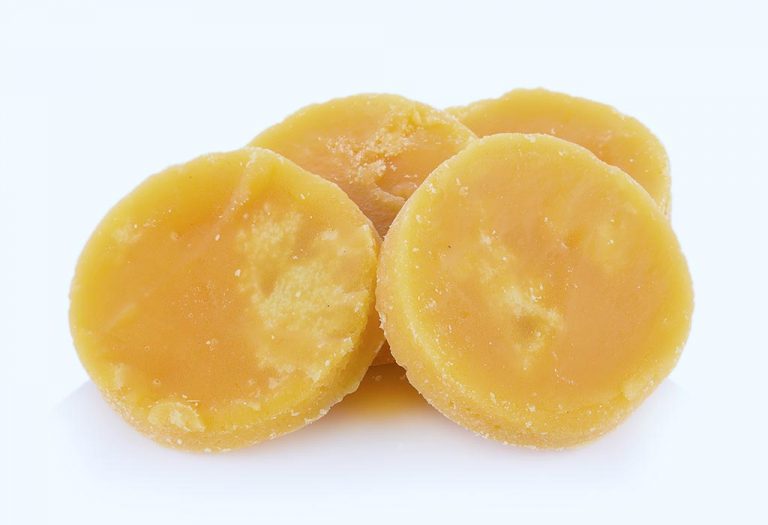
Giving Jaggery (Gur) to Babies – When, Benefits and Risks
Jaggery, known as ‘gur’ in Hindi, holds a significant place in traditional South Asian cuisine. It’s not just a sweetener but also a cultural emblem. The process of making jaggery involves boiling sugarcane juice or date palm sap into a concentrated syrup, which upon cooling solidifies into blocks. Beyond its culinary uses, jaggery serves as a natural sweetener in various Ayurvedic medicines. However, introducing jaggery into a baby’s diet requires careful consideration due to its potential impact on their health. This article delves into the intricacies of incorporating jaggery for babies, and the benefits and risks of feeding your baby jaggery.
Can You Add Jaggery to Baby Food?
You must be wondering if jaggery is good for babies or not. The answer is yes, but it must be used with caution. In rural India, doctors may recommend the inclusion of jaggery in moderate quantities in the food for babies who are less than a year old. Jaggery is a good source of iron, hence it may help a baby fight anaemia. However, you must check with your baby’s doctor before including jaggery or gur in your baby’s diet. Including jaggery in your baby’s diet will also depend on feeding methods and your lifestyle
When Can You Introduce Jaggery to a Baby?
Jaggery should be introduced to a baby’s diet only after the age of one year. However, this may vary based on the baby’s health and your doctor’s advice. Paediatricians recommend that babies should not be given any form of sugar until they turn one.
Amazing Health Benefits of Jaggery for Infants
Is jaggery good for babies? The answer is yes. There are many jaggery benefits for babies – however, it is not recommended for babies less than a year old. Babies older than one year can be given jaggery. The health benefits of jaggery are:
1. Prevents Anaemia
Jaggery is a good source of iron. 10g of jaggery contains 0.3mg of iron, which is 3% of the daily recommended dietary allowance (RDA). According to the Indian Journal of Pediatrics, including jaggery in your baby’s diet can prevent anaemia, which is caused due to iron deficiency in the blood (1).
2. Strengthens the Bones
Jaggery contains phosphorous and calcium, which are minerals essential for the development of strong, healthy bones. Hence, consuming jaggery can help strengthen your baby’s bones.
3. Detoxifies the Liver
Jaggery is an unrefined sugar that can help flush out toxins from the body. It cleanses and detoxifies the liver.
4. Increases Immunity
Jaggery is rich in antioxidants and minerals like calcium, phosphorus, magnesium, selenium, and zinc. It also contains vitamins B4, B5, B6, and choline. All of these together help in increasing your baby’s immunity.
5. Treats Symptoms of Flu, Cough, and Cold
Jaggery has traditionally been used as a home remedy to treat symptoms of cold, cough and flu in India. Warm water mixed with a bit of jaggery is given to babies suffering from cold, cough, or flu. This gives the baby an immediate relief. Jaggery has the ability to cool the body down. Having warm water with jaggery brings down body temperature when your baby has the flu.
6. Prevents Constipation
Jaggery stimulates regular bowel movements, thus preventing constipation. It also aids in digestion by activating digestive enzymes in the stomach and intestine.
7. Provides Instant Energy
As it is 97% sugar and is made of complex carbohydrates, jaggery takes more time to get absorbed by the body. It provides your baby with greater energy for a longer duration (2).
8. Good for Intestinal Health
The magnesium in jaggery promotes good intestinal health and aids digestion. 10g of jaggery contains nearly 4% of the daily RDA of magnesium.
Risks of Giving Jaggery to Babies
Jaggery contains about 97% sugar. Therefore, excessive use can be harmful to your baby. The risks of giving jaggery to babies are:
1. Too Many Calories
Jaggery contains about 38 calories per 10 g. As a result, excessive consumption of jaggery can result in the baby getting too many calories, causing an increased risk of high blood pressure, heart disease and diabetes later in life.
2. Sugar Addiction
This is one of the important side effects of jaggery for babies. Jaggery can cause babies to become addicted to sugary foods later, leading to diabetes.
3. Unfavourable Reactions
Some babies may have unfavourable reactions to jaggery, such as rashes or stomach problems. If the jaggery has not been prepared properly and has impurities, it can increase your risk of getting intestinal parasites and worms.
4. Cavities
Excessive consumption of jaggery can cause cavities in your baby’s teeth.
5. Obesity and Diabetes
Too much jaggery can cause obesity and diabetes in babies when they grow up.
Ways to Include Jaggery in Your Baby and Toddler’s Diet
Jaggery, a traditional sweetener in many South Asian cuisines, offers a unique flavour and potential health benefits for young ones. Here are several safe and tasty ways to incorporate jaggery into your little one’s meals:
1. Jaggery Porridge
Mix finely grated jaggery with cooked rice or oats to create a nutritious and naturally sweet porridge.
2. Jaggery Fruit Puree
Blend ripe fruits like bananas, apples, or pears with a small amount of jaggery for a delicious and wholesome dessert.
3. Jaggery Yogurt
Sweeten plain yoghurt with a teaspoon of melted jaggery for a creamy and nutritious snack.
4. Jaggery Pancakes
Substitute refined sugar with grated jaggery in pancake batter for a healthier and flavorful twist.
5. Jaggery Dosa
Incorporate powdered jaggery into dosa batter for a delightful sweet variation of this traditional South Indian dish.
6. Jaggery Milk
Warm up milk with a pinch of powdered jaggery for a comforting and nourishing bedtime drink.
Healthy Jaggery Recipes for Babies
Here are some healthy jaggery recipes for babies:
1. Sooji Halwa
Sooji or semolina is used to make a sweet dish along with jaggery.
Ingredients
1/2 cup Sooji or semolina
1/4 cup (grated) jaggery
1 cup water
1/2 teaspoon cardamom powder (adjust according to taste)
How to Make
Boil water with some jaggery in it.
Roast the sooji in a pan until golden brown.
Add it to the boiling jaggery water, stirring continuously until it thickens into a porridge-like solid form.
Next, add cardamom powder. Stir well and your sooji halwa is ready.
2. Jaggery Syrup
Jaggery syrup recipe for babies is simple and easy to make. It can be stored for up to 2 months in the refrigerator and used to sweeten the baby’s porridge.
Ingredients
1 block of jaggery
Water
How to Make
Melt some jaggery with one tablespoon of water in a pan on a low flame
Sieve this into another pan and discard the lumps.
Add 1 cup water to this, and bring it to a boil. Keep it on the heat for another couple of minutes, and allow it to cool.
After cooling, it should look like a thick, golden brown syrup.
Store this syrup in the refrigerator and use it for sweetening the baby’s porridge.
3. Jaggery Rice Pudding
This comforting rice pudding is sweetened with jaggery, making it a nutritious and delicious treat for babies.
Ingredients
1/4 cup rice
2 cups water
1/4 cup grated jaggery
1/2 cup milk
A pinch of cardamom powder
Chopped nuts (optional)
How to Make
Rinse the rice thoroughly and soak it in water for about 30 minutes.
In a saucepan, bring the water to a boil and add the soaked rice. Cook until the rice is soft and mushy.
Add grated jaggery to the cooked rice and stir until it dissolves completely.
Pour in the milk and simmer the mixture until it thickens to a pudding-like consistency.
Sprinkle a pinch of cardamom powder for flavour and aroma.
If desired, garnish with chopped nuts like almonds or cashews.
Allow it to cool slightly before serving to your baby.
FAQs
1. Are there any nutritional benefits of giving jaggery to babies?
Jaggery contains essential minerals like iron, calcium, and potassium, which can be beneficial for your baby’s growth and development. It also provides a natural source of energy. However, it’s important to remember that jaggery is still a form of sugar and should be consumed in moderation.
2. Can jaggery cause tooth decay in babies?
While jaggery is considered a better alternative to refined sugar, it’s still important to practice good oral hygiene for your baby. Excessive consumption of sugary foods, including jaggery, can contribute to tooth decay. Ensure that your baby’s teeth are cleaned regularly, especially after consuming sweet foods.
3. How much jaggery can I give to my baby?
The amount of jaggery given to your baby should be limited and age-appropriate. Start with small quantities and gradually increase as your baby grows older. It’s recommended to keep jaggery intake to a minimum to avoid excessive sugar consumption and potential health issues.
This was all about palm jaggery for infants. Jaggery has many health benefits for babies, but it is best to check with your paediatrician before including it in your baby’s diet. Giving your baby jaggery also has some risks, so it is usually not recommended for babies less than a year old. You can sweeten infant food using fruit purees like mashed banana, pureed dates, or applesauce.
Also Read:
Salt and Sugar for Babies
Giving Chocolate to Infants
Introducing Honey to Babies
Read more




How to Wash Your Baby's Hair?
Now that you are a parent to a newborn, you’re likely to have tons of questions regarding raising your little one and taking care of him the right way. One of the questions that you will have as you start taking care of your baby and settling in your new routine with him will be concerning washing his hair. Of course, you want to keep your baby tidy and clean, and you’re likely to ask, “How to wash a newborn’s hair in a safe manner?” Well, we have the answer for you. In this article, we will tell you how to wash baby hair, how often to wash the newborn’s hair, and more.
When Can You Start Washing Your Baby’s Hair?
You can start washing your baby’s hair right from birth. Typically, a nurse will handle the first bath in the hospital to clean the baby’s skin before dressing them. Many parents feel a bit anxious about washing their baby’s hair for the first time, but with some simple tips, you’ll find it’s not as daunting as it seems. Newborns don’t require daily baths, and washing their hair once or twice a week is sufficient.
How Often Should You Wash Your Baby’s Hair?
Similar to giving a bath to your baby, washing his hair should not require any specific routine. Washing it too frequently can remove the necessary oils that the scalp needs to remain healthy. At times, simply using a sponge dipped in water to clean it up should suffice. If the weather is sticky or you have travelled around quite a bit with your child, then washing the hair might be a good idea.
Benefits of Washing Infant’s Hair
Washing an infant’s hair is an essential part of their overall hygiene routine. It keeps their scalp clean and promotes a healthy bonding experience. Following are the benefits of washing newborn hair.
1. Maintains Scalp Hygiene
Regularly washing your baby’s hair helps remove dirt, oil, and dead skin cells that can accumulate on the scalp. This is important for preventing conditions like cradle cap, which is characterized by flaky, crusty patches on the baby’s head.
2. Encourages Relaxation and Bonding
The gentle act of washing your baby’s hair can be a calming and soothing experience for both the baby and the parent. The warm water and tender massage help the baby relax, fostering a sense of security and enhancing the bond between parent and child.
3. Promotes Healthy Hair Growth
Keeping the scalp clean can contribute to healthier hair growth. By washing away impurities and maintaining a clean environment, you help create optimal conditions for your baby’s hair to grow strong and healthy.
How to Wash Newborn Hair?
One of the major things mothers worry about is how to wash a baby’s hair. For that, here’s how you should give your baby a bath and wash his hair in the right manner.
Firstly when washing infant hair, ensure that the bathroom is clean and comfortable. The temperature should be warm and everything that you need to give him a bath and to wash his hair should be next to you. At no point should you leave the baby alone.
Wet his hair, then take some shampoo on your palm, rub it between your palms, and apply it on his head, making sure it reaches the scalp. If your kid starts pushing your hand around, give him his favourite bath toy or start singing a song along and make it seem like a friendly activity.
To prevent the water from entering the eyes, a simple way is to let gravity do the job. Use your arms to slightly lean your baby back so that water will drip from the back and won’t reach his face.
Be gentle while you wash his hair as your baby’s head and scalp will be soft and tender. Using a simple sponge can do the trick. Wet his hair first, then run a soapy sponge gently on his head in a rhythm that goes with the song you are humming. It will clean his hair and scalp and will keep your little one smiling as well.
There would be soft spots on the top of the head and care needs to be taken to not press on them too hard.
Do not keep the baby wet for too long. Once it has been cleaned, quickly rinse and then dry using a towel. This will prevent him from catching a cold.
What About Sparse Hair and Thick Tangled Hair?
Washing a baby’s hair can be a difficult business. However, sometimes the hair has its own mind and comes with a whole new challenge making washing even more difficult.
1. Sparse Hair
Washing your child’s hair when there is barely any could make you worry about him. However, it is totally fine since many kids have good hair growth at a later stage in life.
For such kids, washing their hair once a week is more than enough. Less hair does not mean that you need not wash it. The scalp requires attention and should be kept clean.
At the same time, the oil that’s secreted on the scalp is necessary for its healthy well-being. Therefore, washing it frequently is a strict no-no.
2. Thick Tangled Hair
If your child has thick or curly hair and keeps getting tangled, you can use a hair conditioner to prevent it from getting tangled.
In such cases, shampoo is not necessary for every single wash. Water, followed by some conditioner, is good enough to do the job.
While using a sprayed conditioner, make sure it reaches the ends, especially at the areas where the knots are higher.
What If the Baby Does Not Like Getting His Hair Washed?
Your baby may not like getting his hair washed if he has had a scary incident associated with bathing or if the shampoo has entered his eyes and caused a burning sensation. He may throw tantrums and cry, but you can make it a fun-filled activity for him so that he starts enjoying it.
Tips to Make the Process of Washing Baby Hair a Little Easier
Many babies don’t like it when someone washes their hair. Yes, babies are extremely fussy, but that does not mean you should listen to their cries all the time. His well-being should be your major concern. So, if your baby cries while you try to wash his hair, there are a few tips you can try that will make the entire process of washing your baby’s hair easier:
Keep the bath short and quick.
Go for a no-tears shampoo that smells good.
Use a sponge to clean the hair.
Do not make the baby lean without support.
Gently massage the head when you wash. This may calm him.
Ways to Dry Your Baby’s Hair Properly
Drying your baby’s hair properly after washing is crucial to ensure their comfort and avoid any potential skin irritation. Here are several gentle methods to dry your baby’s hair effectively.
1. Pat Dry With a Soft Towel
After washing, gently pat your baby’s hair with a soft towel to absorb excess water. Avoid rubbing the towel on their scalp, as this can cause irritation and damage to their delicate hair and skin.
2. Use a Hooded Towel
A hooded towel can be particularly useful for keeping your baby’s head warm while drying their hair. Place the hood over your baby’s head and gently pat the hair dry, allowing the towel to absorb the moisture.
3. Let It Air Dry
If the environment is warm enough, letting your baby’s hair air dry is a gentle and effective method. Simply ensure that your baby is in a comfortable, draft-free area while their hair dries naturally.
4. Avoid Hair Dryers
It’s best to avoid using hair dryers on your baby’s hair, as the heat can be too intense for their sensitive scalp and hair. Stick to gentle methods like towel drying and air drying to keep your baby comfortable and safe.
FAQs
1. When should I start using shampoo to wash my baby’s hair?
Newborn babies do not require shampoos for washing their hair. Introduce shampoos only after your baby is around 2 months old or so.
2. What if my baby is bald?
Hormones or hereditary conditions can cause your baby to be bald. Nevertheless, the scalp still needs to be cared for. Wash it once a week with less water since there’s no hair to hold the water. Make sure his eyes are protected at all times.
3. What products should you use to wash your baby’s hair?
Make use of a shampoo that is baby-friendly and helps moisturize the scalp too. Never use a shampoo meant for adults. Opt for a shampoo that has a pH value ranging from 4.5 to 6.
4. Can I use conditioner on my baby’s hair?
Conditioner is generally not necessary for infants, especially if they have short or sparse hair. If your baby has longer hair that tends to tangle, you can use a small amount of baby conditioner. Ensure it is specifically formulated for infants and free from harsh chemicals to avoid irritation.
Bathing a newborn baby becomes an activity that gets challenging over time. When washing a newborn baby’s hair for the first time, it is necessary to note that shampoos should not be used up until 6-8 weeks after the baby’s delivery. A clean scalp and healthy hair are not difficult to attain and you, too, will learn to adjust to your baby’s tendencies.
References/Resources:
1. What is Cradle Cap?; American Academy of Pediatrics; https://www.healthychildren.org/English/ages-stages/baby/bathing-skin-care/Pages/Cradle-Cap.aspx
2. Hair Loss (Alopecia) in Children; American Academy of Pediatrics; https://www.healthychildren.org/English/health-issues/conditions/skin/Pages/Hair-Loss-Alopecia.aspx
3. 10 hair care habits that can damage your hair; American Academy of Dermatology Association; https://www.aad.org/public/everyday-care/hair-scalp-care/hair/habits-that-damage-hair
4. Baby bath basics: A parent’s guide; Mayo Clinic; https://www.mayoclinic.org/healthy-lifestyle/infant-and-toddler-health/in-depth/healthy-baby/art-20044438
5. Grubbs. H, Nassereddin. A, Morrison. M; Embryology, Hair; National Library of Medicine; https://www.ncbi.nlm.nih.gov/books/NBK534794/
6. Furdon. S, Clark. D; Scalp hair characteristics in the newborn infant (Advances in Neonatal Care); National Library of Medicine; https://pubmed.ncbi.nlm.nih.gov/14695500/; December 2003
7. Washing and bathing your baby; NHS; https://www.nhs.uk/conditions/baby/caring-for-a-newborn/washing-and-bathing-your-baby/
Also Read:
Baby Hair Loss
Baby Hair Growth Tips
Olive Oil for Baby Hair
Essential Tips for Baby Hair Care
Home Remedies to Remove Baby Hair Naturally
Read more

Diet Plan for 8 Month 3 Week Old Baby
Introduction
After a week of feeding wholesome and nourishing food to you baby, you are all set for week 3, wherein you follow a similar diet plan, but, you have some freedom to experiment with soft textures and different ingredients. Remember that all the meals should have appropriate quantities of vitamins, minerals, proteins and carbohydrates, so the ingredients must be chosen wisely to provide maximum nourishment to your baby. You will also notice your baby become more active this week. He could reject certain foods out of boredom. If that happens, you can serve different combinations of foods or mash them a little less to leave soft grains and chewable chunks that your baby can gnaw on. Different types of soft breads or chapatis with no oil can also be introduced. The varied textures and increased nourishment will give him more energy and help him transition further to solid foods.
8 Month 3 Week Old Baby Food Menu & Schedule
Diet for a 8 Month-Old – Week 3, Day 1
Early morning
Mother’s milk /formula feed
Breakfast
Stewed apple + murmura (puffed rice) powder
Mid-morning
Mother’s milk /formula feed
Lunch
Wheat sheera (soft)
Evening
Mother’s milk /formula feed
Dinner
Bajra (pearl millet) – moong dal (green gram split) khichdi
Diet for a 8 Month-Old – Week 3, Day 2
Early morning
Mother’s milk /formula feed
Breakfast
Stewed apple + murmura (puffed rice) powder
Mid-morning
Mother’s milk /formula feed
Lunch
Sooji (semolina) upma (soft, strained, with tadka) + boiled and grated broccoli
Evening
Mother’s milk /formula feed
Dinner
Mashed sweet potato + murmura (puffed rice) powder
Diet for a 8 Month-Old – Week 3, Day 3
Early morning
Mother’s milk /formula feed
Breakfast
Stewed apple + murmura (puffed rice) powder
Mid-morning
Mother’s milk /formula feed
Lunch
Sattu (barley)mix
Evening
Mother’s milk /formula feed
Dinner
Ragi (finger millet) – tur dal (red gram) puree
Diet for a 8 Month-Old – Week 3, Day 4
Early morning
Mother’s milk /formula feed
Breakfast
Jowar (sorghum) puffs + apple puree
Mid-morning
Mother’s milk /formula feed
Lunch
Tomato- masoor dal (red lentil) soup
Evening
Mother’s milk /formula feed
Dinner
Spinach-pumpkin puree
Diet for a 8 Month-Old – Week 3, Day 5
Early morning
Mother’s milk /formula feed
Breakfast
Egg yolk (boiled) or homemade paneer (cottage cheese)
Mid-morning
Mother’s milk /formula feed
Lunch
Carrot-spinach puree
Evening
Mother’s milk /formula feed
Dinner
Ragi finger millet) – moong dal (green gram split) soup
Diet for a 8 Month-Old – Week 3, Day 6
Early morning
Mother’s milk /formula feed
Breakfast
Mashed papaya
Mid-morning
Mother’s milk /formula feed
Lunch
Idli with a little ghee or butter
Evening
Mother’s milk /formula feed
Dinner
Lentil- sweet potato soup
Diet for a 8 Month-Old – Week 3, Day 7
Early morning
Mother’s milk /formula feed
Breakfast
Mashed papaya
Mid-morning
Mother’s milk /formula feed
Lunch
Ragi (finger millet) – wheat sheera
Evening
Mother’s milk /formula feed
Dinner
Carrot-beetroot soup
Conclusion
Since the baby will be consuming one or two food items this week also, you must ensure you feed him foods in appropriate quantities. As you experiment further, you will be increasing the food options for your baby to promote his growth and development.
Read more

100+ Names That Mean Pearl for Baby Boys & Girls
There’s something serene and mesmerising about pearls. Nature’s quiet miracles, pearls are formed through patience and resilience. Perhaps that’s why parents have been drawn to baby names that mean pearl. A pearl elegantly carries the symbolism of natural beauty, calm strength, and the magic of transformation. Across cultures, names meaning pearl have held a special place in literature, mythology, and family traditions. From the classic name “Margaret” that ruled royal courts to the delicate “Pearla” that is whispered in lullabies to date, these names exude captivating essence. Whether you’re expecting a baby girl, a boy, or waiting for a surprise, pearl-inspired names reflect purity and strength, qualities every parent wishes for their little one.
Girl Names That Mean Pearl
Pearl-inspired names have a soft beauty that feels both classic and fresh. They carry calm energy and a sense of purity, just like the gem itself. Below is a thoughtfully crafted list of girl names with the name meaning of pearl, each carrying a distinct charm and a little story of grace.
Margaret: A Greek origin name that symbolises purity and eternal elegance, rooted in classic tradition.
Marjorie: An old English favourite often linked with refinement, warmth, and gentle character.
Megan: Of Welsh origin, this simple and friendly name reflects inner light and natural beauty.
Maisie: A playful Scottish pick that brings a cheerful and affectionate tone to any name list.
Marguerite: French and floral, this charming name connects to daisy blooms and classic grace.
Margarita: A Spanish gem that radiates energy, strength, and sophistication.
Margot: A sleek and modern French variant loved for its confident yet understated feel.
Maggie: Down-to-earth and familiar, this name carries a cosy and lovable essence.
Margo: A polished and minimal version of Margaret, suited for those who prefer clean simplicity.
Marit: A Scandinavian classic known for its gentle rhythm and strong, graceful tone.
Mairead: An Irish treasure that reflects wisdom, warmth, and heritage.
Margery: A soft medieval choice often associated with charm and quiet strength.
Marita: Of Spanish roots, it flows beautifully and adds a lyrical touch.
Mair: A Welsh variation with a bright, sincere sound that feels effortlessly elegant.
Peg: A short and lively vintage option that carries playful spirit and old-world appeal.
Peggy: Cheerful and full of personality, this one radiates warmth and friendliness.
Perla: Italian and Spanish origin, embodying beauty, calm, and refinement.
Perlette: French for “little pearl,” delicate and endearing in tone.
Jumana: Arabic name that reflects radiance and rare grace, much like the gem itself.
Luluwa: A lyrical Arabic choice that conveys purity and brightness.
Magan: A Greek name meaning ‘pearl,’ symbolising captivating beauty and value.
Marjani: Swahili name inspired by coral and ocean treasures, vibrant and full of life.
Lulu: An Arabic delight associated with joy, innocence, and sweetness.
Penina: From Hebrew roots, representing beauty that shines from within.
Umniya: Arabic for “wish,” evoking a soft and hopeful image.
Margaritae: Latin variation steeped in history and gentle sophistication.
Morwenna: Cornish origin, often linked with waves and coastal calmness.
Gwyneth: A Welsh name that conveys blessings, kindness, and natural grace.
Inzhu: Kazakh origin name that translates to pearl, reflecting purity and light.
Pearla: Directly inspired by the gem itself, simple yet deeply graceful.
Pearleen: An old-fashioned English option that feels sweet and delicate.
Pearlette: French diminutive expressing a dainty and loving quality.
Suma: Arabic in origin, tied to preciousness and quiet beauty.
Helmi: A Finnish name meaning ‘pearl,’ known for its simplicity and charm.
Shinjuu: Japanese variation that brings a sense of purity and tranquility.
Gretel: German diminutive filled with fairy-tale charm and soft innocence.
Grete: A Scandinavian form that carries clarity and lighthearted simplicity.
Greta: A short, captivating European name admired for its strength and sweetness.
Margalida: Catalan origin, full of Mediterranean warmth and gentle glow.
Miralda: Latin-inspired, soft and romantic, evoking the elegance of a precious gem.
Boy Names That Mean Pearl
Pearl-inspired names for boys carry a calm confidence. They reflect quiet strength, rare beauty, and the serenity of the sea. Here’s a collection of thoughtful names that draw their spirit from this treasured gem.
Perlus: A Latin name that reflects something rare and precious.
Jumaan: An Arabic name connected with the silver-white shine of a sea treasure.
Irta: Greek in origin, this name refers to a rare and captivating pearl.
Marino: Italian origin, symbolising calm strength and connection to the sea.
Pearce: English origin, linked with honesty and steadfast character.
Daryan: Persian in origin, expressing deep calmness and quiet strength.
Marinus: A Latin classic tied to ocean life and peaceful balance.
Moti: Hebrew name referring to a luminous and valued gem.
Jumaanah: Arabic in origin, graceful and reminiscent of moonlit waves.
Morgan: Welsh name associated with the sea and gentle confidence.
Durdana: Arabic name meaning ‘single pearl,’ representing uniqueness and elegance.
Bisera: A Bulgarian name meaning ‘pearl,’ simple and melodic.
Durmus: Of Turkish origin, meaning ‘pearl,’ a symbol of strength and serenity.
Pearlin: Old English name that shows warmth and a gentle heart.
Ghita: Greek name meaning ‘pearl,’ short and elegant.
Mairon: Welsh origin, simple and peaceful with a melodic tone.
Gredel: A Greek-origin name translating to pearl, graceful, and traditional.
Jhinook: Of Hindi origin, meaning ‘sea shell’ or ‘oyster,’ often linked with pearls.
Marcellin: Latin origin, gentle yet full of quiet confidence.
Pellie: English name derived from Pearl, rare and vintage sounding.
Ratana: From Thai and Sanskrit roots, meaning ‘precious gem’ or ‘pearl.’
Durdona: Of Persian origin, meaning ‘single pearl,’ denoting purity.
Ishba: A rare Arabic name meaning ‘pearl,’ representing inner beauty.
Shahu: An Arabic name that can mean ‘pearl’ or ‘noble,’ simple and elegant.
Marcellus: Latin origin, dignified and graceful in meaning and tone.
Denizhan: Turkish name that shows power and calm leadership.
Jameel: Arabic origin, tied to the beauty of spirit and warmth.
Marinoj: Italian name linked with seas and gentle strength.
Umi: Swahili name that means ‘life’ and ‘ocean spirit.’
Moatin: Arabic origin, representing simplicity and a pure heart.
Oceanus: Greek mythological name connected to sea life and nature.
Nithila: Indian origin meaning ‘beautiful like a pearl,’ smooth and serene.
Nithilam: Sanskrit name meaning ‘pure like the pearl,’ reflecting innocence.
Tashi: Tibetan name symbolising luck, peace, and kindness.
Kaimer: A rare modern name known for balance and calm appeal.
Samar: Arabic name that reflects warmth, companionship, and comfort.
Marea: Latin origin, showing rhythm and flow like the sea tide.
Daryon: Persian name associated with calm presence and inner depth.
Inci: Turkish in origin, meaning ‘pearl,’ this name reflects rarity and delicate elegance.
Maru: Japanese name known for simplicity and gentle purity.
Gender Neutral Names That Mean Pearl
Some names hold a softness that fits any child beautifully. These gender neutral choices, inspired by pearls, carry calm, light, and quiet strength. Each one feels natural, graceful, and filled with meaning.
Chau: Vietnamese name that means ‘pearl’ and represents purity and a calm spirit.
Perlae: A modern take inspired by pearls, simple and elegant for any child.
Shinju: Japanese origin that reflects clarity, peace, and gentle strength.
Safeena: An Arabic name meaning ‘pearl’ or ‘vessel of purity,’ often gender neutral.
Darya: Persian in nature, representing the sea and depth of emotions.
Maren: Latin origin tied to water and balance, perfect for any gender.
Nacre: French term for mother of pearl, elegant and softly poetic.
Jauhar: An Arabic name meaning ‘gem’ or ‘pearl,’ symbolising inner refinement.
Ocean: English name reflecting calm tides and the birth of pearls.
Dara: Of Hebrew and Khmer origin, meaning ‘pearls of wisdom’ and ‘compassion.’
Morvarid: Persian name meaning ‘pearl,’ deeply poetic and classic.
Pearlan: Modern neutral name inspired by the calm glow of pearls.
Iravati: Sanskrit origin, connected with rivers and flowing clarity.
Jinju: A Korean name meaning ‘pearl,’ symbolising beauty and value found deep within.
Bahari: Swahili name meaning ‘sea,’ showing openness and freedom.
Perel: Yiddish name that symbolises something rare and precious.
Moana: Polynesian origin representing the vast sea and peaceful nature.
Lumi: Finnish name that means ‘snow,’ symbolising purity like pearls.
Deniz: Turkish name that translates to sea, open, and full of life.
Sagar: Sanskrit name referring to the ocean’s depth and grace.
Ngoc: Vietnamese name meaning ‘precious stone’ or ‘pearl,’ a symbol of value and beauty.
Pearlo: Modern creative name inspired by the soft glow of pearls.
Margan: Greek-inspired name meaning ‘pearl,’ elegant, and soothing.
Lulit: Ethiopian name linked with pearls and purity of the soul.
Daren: English origin, representing calmness and steady strength.
Airi: Japanese name meaning ‘love’ and ‘jasmine,’ tied to gentleness and purity.
Juman: Arabic origin meaning ‘sea gem,’ a perfect blend of grace and strength.
Casta: Spanish origin meaning ‘pure,’ linked metaphorically to pearls.
Marlow: English origin reflecting still waters and gentle charm.
Maigan: Greek name meaning ‘pearl,’ representing elegance and strength.
Kaustubh: In Sanskrit, this name means ‘divine pearl’ from Hindu mythology.
Nivara: Sanskrit name that means ‘peace’ and ‘quiet beauty.’
Dareno: Contemporary blend inspired by sea and balance.
Lule: Albanian name translating to flower or beauty, pure and radiant.
Soma: Japanese and Sanskrit origins, representing moonlight and calm energy.
Marvik: Norwegian origin that suggests maritime grace and strength.
Pearline: English name inspired by the shine of pearls and inner clarity.
Amara: Latin and African roots meaning ‘eternal’ and ‘calm in spirit.’
Jewel: An English name meaning ‘precious gem,’ representing the shine of pearls.
Selar: Modern neutral name inspired by the ocean’s reflection and soft light.
Spiritual Significance of the Name “Pearl”
The name Pearl carries a deep sense of peace and spiritual beauty. Across many cultures, a pearl is seen as more than a gem; it’s a symbol of wisdom gained through experience. Formed quietly inside an oyster, it reminds us that true beauty often comes from patience and resilience.
In spiritual terms, pearls represent purity, honesty, and emotional balance. They are often connected to the moon and water, both symbols of calm reflection and gentle strength. Naming a child Pearl is like giving them a reminder to stay kind and steady, even when life feels uncertain.
Many people also see pearls as a bridge between the physical and spiritual worlds. They reflect light softly, not to dazzle, but to soothe, much like a peaceful soul. Whether as a name or a guiding symbol, Pearl carries the quiet grace of something rare, humble, and full of meaning.
Why Pearl Can Be a Beautiful Name Choice?
Pearl is one of those names that never feels out of place. It has a soft charm and a quiet confidence that suits any generation. The name feels simple yet meaningful, carrying a sense of grace without trying too hard.
Parents often choose Pearl because it reflects qualities they wish for their child: kindness, strength, and a pure heart. It’s inspired by nature, yet feels deeply personal. There’s something comforting about how the word sounds, gentle, round, and full of warmth.
Beyond its beauty, Pearl also holds emotional depth. It reminds us that life’s true treasures often come from patience and care. Whether used as a first name or middle name, it has an eternal glow that feels both elegant and real. For many, it’s not just a name, but a small reminder of resilience, calm, and inner light.
FAQs
1. Is Pearl a rare name for babies today?
Pearl isn’t as common as it once was, but that’s what makes it special. Many parents now choose it for its simplicity and evergreen feel. It stands out quietly, not trendy, yet never outdated.
2. Can Pearl be used as a middle name?
Yes, Pearl works beautifully as a middle name. It adds softness and grace without overpowering the first name. Whether paired with something classic or modern, it brings balance and warmth.
3. What personality traits are often linked with the name Pearl?
People often associate Pearl with calmness, wisdom, and emotional strength. It’s a name that feels gentle but steady, like someone who brings peace and light wherever they go.
Choosing a name is one of the most exciting tasks, and Pearl holds a meaning that goes far beyond beauty. It represents purity, strength, and the quiet courage that grows through time and experience. Whether you are searching for a name for a baby girl, a boy, or a gender-neutral name, names inspired by pearls carry several inspirations that fit for all. Each variation, from different languages and cultures, adds its own shade of grace and personality. The simplicity of Pearl makes it eternal, while its story of growth gives it depth. It’s a reminder that even something small can hold great value when formed with patience and love. A name like Pearl will always shine gently, reflecting kindness, wisdom, and inner calm.
Also Read:
Names That Mean Faith for Boys and Girls
Names That Mean Time for Boys and Girls
Names That Mean Pure or Innocent for Boys & Girls
Names That Mean Spirit, Ghost, or Soul for Boys & Girls
Names That Mean Traveler or Wanderer for Boys & Girls
Read more

Vitamin D Deficiency in Babies
Vitamins are micronutrients that are essential for the healthy functioning of human bodies. Vitamin D is a unique vitamin that is available through an environmental source – sunlight. When the good UV rays (UVB) from the sunlight fall on our skin, Vitamin D is produced in the skin and is then absorbed in the blood.
Video: Vitamin D Deficiency in Babies
What Is Vitamin D Deficiency?
As the name goes, a lower level of Vitamin D in the body is termed as Vitamin D deficiency. Then what is Vitamin D insufficiency? Well, it’s the blood level of Vitamin D measured in the form of serum 25-hydroxy-Vitamin D (calcidiol) that determines it. A level below 25 nmol/L is a deficiency and between 25-50 nmol/L is insufficiency. When the level is above 50 nmol/L, there is evidence of benefit to the bones, muscles, the immune system, and the insulin secretion.
Why Is Vitamin D Important for Babies?
Nutrition is very complex and needs a perfect balance for the optimal benefit. The body can compensate for slight deficiency and at times, even to an excess deficiency but only to an extent, especially in a growing baby. It is Vitamin D which will make your child able to play around without difficulty and with good strength and energy. The bones need calcium and phosphorous for strength, wear & tear and weight-bearing. It is Vitamin D that makes sure that the bones aren’t deprived of any. Vitamin D also makes the intestinal lining absorb calcium from food, process it in the blood and deposit in the bones. Calcium is important for the functioning of every cell in the body. It is responsible for opening the gates of the cells to receive molecules to produce energy and for initiating each muscle fibre contraction eventually giving power to your muscles. This helps us understand why Vitamin D is important for babies and how its deficiency will affect them.
Type of Vitamin D You Should Give Your Child
Vitamin D supplements are found both as Vitamin D2 (ergocalciferol) and D3 (cholecalciferol). Although traditionally both D2 and D3 are considered to be equally potent, studies have revealed that D3 can be at least 3 times more potent compared to D2. Hence supplements that contain D3 are the preferred form for supplementation. In fact, in most countries now, this is the only commercially available type of Vitamin D.
Investigations:
Children with one or more risk factors for low Vitamin D, with or without the signs and symptoms, can benefit from the following investigations:
Serum Vitamin D (calcidiol) levels
Serum calcium, phosphorus and alkaline phosphatase.
In those with symptoms/signs of deficiency investigations regarding the following need to be done:
Parathyroid hormone (PTH)
Urine creatinine
Perform X-ray wrist, ankles and clinical photography
Vitamin D Dosage for Babies
The dosage schedule may be a low dose every day or high dose once a week or once a month for 1-6 months duration depending on the age of the child and whether the deficiency is mild, moderate or severe.
The standard dose is:
– Up to 1 year age: 1000-5000 IU per day
– More than 1 year old: up to 10,000 IU per day
– The weekly dose is usually 50,000 IU and has better compliance.
– 6 monthly or annual 6L IU injections (usually not recommended for children)
The blood level is rechecked after 1 month in infants and after 3 months in the older children in moderate to severe deficiency. In mild cases, recheck is not necessary.
After the levels are in the normal range, a maintenance dose of 400 IU per day is continued for a considerable period.
With ongoing risk factor, once a year or so, keep checking the levels and continue the daily or annual maintenance dosing.
The forms of Vitamin D supplements available in the Indian market are:
Vitamin D3 – as oral drops 400 IU/mL
Syrup 400 IU/5mL
Oral tablets, 1000 and 2000 IU with blister packing
Powder form in a sachet with each sachet containing 60000 IU of Vitamin D3.
Supplementation of elemental calcium:
Higher doses of calcium are important in the early course of therapy. Later the doses are cut down to half for the next 1 to 2 weeks. When the Vitamin D supplement dose has been reduced to 400 IU /day with normal blood levels, calcium supplementation is not required in most cases.
Causes of Vitamin D Deficiency
The most important cause of Vitamin D deficiency is limited or no exposure to sunlight. However, even with ample sunlight, like in India, it is still prevalent. Why is that so? To understand other causes, you need to understand how Vitamin D is produced, processed, stored and utilized by the body.
On exposure to UV-B in the sun rays, the epidermis (upper layer of the skin) converts a cholesterol called provitamin D3 into Vitamin D3 that enters the blood and is transported to the liver. Vitamin D coming from the food/supplements is also absorbed from the stomach and sent to the liver. The liver converts it into the more potent form of calcidiol which is still inactive. It is then transported to the kidney where it is converted to calcitriol – the active ready to act form. So now it is easier to understand that in case of good sunlight, the Vitamin D deficiency can still result in the following circumstances.
Reduced Vitamin D synthesis: Dark skin, Ultraviolet rays blocking agents like sunscreen lotions and clothing, latitude (e.g. in the UK the UVB in sunlight is not very effective), season, air pollution, children and adolescents with disabilities which limit the time they spend outside, the lifestyle habits of indoor games, air-conditioned housing, tinted glasses, photosensitive skin conditions, etc. result in reduced Vitamin D synthesis.
Reduced intake of Vitamin D in food: Strict vegan diet, dietary habits (low intake of foods containing Vitamin D), exclusion diets (e.g. milk allergy), etc.
Reduced maternal Vitamin D stores: Exclusive breastfeeding where the mother doesn’t have enough Vitamin D stores in her body to nourish the child.
Malabsorption: pancreatic insufficiency, Celiac disease, biliary obstruction which prevents proper absorption of the vitamin.
Defective synthesis: Chronic liver disease, kidney disease, etc. can obstruct proper functioning of the organs that are required for production and absorption of Vitamin D.
Increased degradation: Drugs such as anticonvulsants, anti-tuberculosis, steroids which can be an obstacle to the process of Vitamin D production or absorption
Signs and Symptoms of Vitamin D Deficiency in Babies
The signs and symptoms vary as per the age:
Infant Vitamin D deficiency:
1. Stunted growth and developmental delay: Despite no known health problems and despite good food intake, your child is not up to mark as per the height, weight, and other developmental milestones.
2. Irritability, lethargy: The baby is no more playful and attentive and is abnormally cranky and irritated most of the time without any known cause.
3. Seizures: One of the causes of seizures in an infant is Vitamin D deficiency and needs immediate medical attention.
4. Tetany: It is a state of hypocalcaemia i.e. low level of calcium in the blood. There are many causes of calcium deficiency like poor dietary intake, poor absorption, Vitamin D deficiency, abnormal parathyroid hormone secretion, abnormal kidney function, etc. The baby will have apneic spells (episodes of sudden breathlessness), wheezing, muscular weakness, and seizures.
5. Cardiomyopathy: As low Vitamin D affects all the muscles in the body, the muscles in the heart also become weak.
Vitamin D Deficiency in Children:
1. Aches and pains: They will complain of frequent pain in hands, legs, body not proportionate to the physical development milestones of the child.
2. Muscle weakness: Muscle weakness causing delayed walking, difficulty climbing stairs, etc.
3. Rickets: Knock knees, progressive bowing deformity of legs, waddling gait, abnormal knock knee deformity, swelling of wrists and costochondral junctions, prolonged bone pain (>3 months duration).
4. Poor growth: Poor growth despite a healthy diet, active lifestyle and no previous medical conditions can indicate a Vitamin D deficiency.
5. Easy fractures: Easy fractures from minor injuries can be indicative of calcium not being absorbed properly due to Vitamin D deficiency.
6. Frequent lower respiratory tract infections: Vitamin D plays a significant role in pulmonary functions and immunity development and frequent infections can be due to a deficiency of the same.
7. Delayed anterior fontanelle closure: The anterior fontanelle is a diamond-shaped opening on the front part of the head. It is a gap between the skull sutures which gradually closes by 18-24 months of age. Due to impaired bone function, this will be delayed.
8. Delayed dentition: Like a delay in all other milestones, there is a delay in dentition or tooth eruption as there is not enough calcium.
9. Abnormal bone profile or x-rays: X-ray of the wrist or the ankle or the chest will show swelling of the bones and the abnormal bending of the long bones due to low calcium levels.
10. Abnormal blood tests: Low plasma calcium or phosphate level, raised alkaline phosphatase
Treatment for Vitamin D Deficiency
Vitamin D stores in the body require a long time to deplete after the synthesis has reduced or stopped. So naturally, it will also take a long time to replenish. The aim of the treatment is to restore and maintain Vitamin D levels ≥ 50 nmol/L.
Various options are:
1. Supplements:
– Daily low-dose supplements
– High-dose intermittent therapy
2. Ensure adequate calcium intake.
For the children who dislike cow milk, yoghurt, cheese and fortified soy dairy are useful sources of calcium. Consider medicinal supplements if intake is poor.
3. Sun exposure
Children and young people with dark skin can tolerate intermittent exposure in the sun and do not need sunscreen. Hats and sunglasses can be used. Encourage outdoor activity.
Supplements: Who should take supplements?
1. Exclusively breastfed infants without any signs or symptoms.
2. Breastfed infants of mothers with Vitamin D deficiency having at least one or more risk factors.
3. Infants on full formula feed who are not receiving adequate Vitamin D from the formula. Checking Vitamin D levels or adding daily supplements in babies with risk factors is recommended.
How to give baby Vitamin D:
Vitamin D is available as tablet form and as a liquid form and is also available in combination with calcium. You can powder the tablet or open the capsule and mix with the food.
How to Prevent Vitamin D Deficiency in Children?
In general, along with the supplementation if necessary, adequate sunlight exposure and consuming foods rich in Vitamin D will help augment the prevention strategy instead of mere supplements. Approximately, 5-15 minutes of sunlight exposure to the hands for light-skinned children and 30-45 minutes for dark-skinned children is helpful and natural. Preferably early morning sunlight is better as it has lower levels of harmful UV rays.
Maternal Vitamin D:
– The most important aspect that determines the Vitamin D level in infants is the Vitamin D status of the mother. Pregnant women should check their Vitamin D levels during the first trimester of their pregnancy. If found to be low it is best to be treated with 3000-5000 IU until it is more than >20 ng/dL followed by 400 IU /daily.
– High dose of Vitamin D (400-6400 IU) administered every day to breastfeeding mothers protects the child from Vitamin D deficiency without causing Vitamin D toxicity to the mother of the child.
Preterm infants:
-A supplement of 400-800 IU/day starting at birth is important as there is a possibility of inadequate transfer of Vitamin D from the mother.
-Other problems associated with prematurity like poor feeding ability, immature gastrointestinal tract affecting the absorption and in some cases liver and kidney impairment and should be tackled accordingly.
Infants:
Ensure adequate Vitamin D in child diet. It is usually appropriate to start supplements without investigations for exclusively breastfed infants with at least one other risk factor without symptoms/signs. Most of the infant formulas have 400 IU/L. Hence, the formula-fed infants may also need supplementation unless they are given at least 1 L of formula per day.
Toddlers and adolescents:
Children who are at risk like dark-skinned children, children veiled from sunlight, have reduced or no exposure to sunlight or the ones that have an underlying medical condition for which they are on the above-mentioned drugs should be given 400 IU every day to prevent deficiency of Vitamin D.
Best Foods of Vitamin D for Babies
Though plants synthesize Vitamin D, that form of vitamin cannot be utilized by the human body. So the only foods sourcing Vitamin D are animal foods. Unfortunately, the only animal food that babies consume, that is milk (cow’s milk: 3–40 IU/L) is not really a rich source of Vitamin D. Here comes the role of fortification (adding extra nutrients to food).
Fortified foods Rich in Vitamin D
Fortified milk 400/L
Fortified infant formulas 400/L
Fortified orange juice 400/L
Fortified soy milk 400/L
Fortified rice milk 400/L
Fortified Margarine 60/tablespoon
Fortified Cereal 40 IU /serving
Tofu fortified (⅕ block) 120
Fortified oil
The best foods that older babies can consume are:
1. Oily fish such as salmon, mackerel, and sardines, cod liver oil, liver. Frying fish reduces active Vitamin D content by ∼50%, whereas baking does not affect the Vitamin D content of fish
2. Organ meats
3. Egg yolks (20–25 IU per yolk)
Are There Any Risks If I Give My Baby Too Much Vitamin D?
Yes. Too much Vitamin D can cause toxicity. Vitamins B and C which are water-soluble (excess gets excreted out of the body). Vitamins A, D, E and K being fat-soluble get stored in the body and cause problems if in excess.
Conclusion: Even in a tropical country like India there is growing evidence of Vitamin D deficiency in adults and paediatric population. With adequate consultation from the paediatrician, it is best to combat the issue with proper care right in the beginning by adding vitamin D in the child’s diet to avoid any ramifications later on.
Read more
Best 120+ Flower Names for Girls
Most parents would wish to name their daughters something beautiful and graceful, and nothing is prettier than a flower. Names relating to flowers are always unique and charming. During the late 18th century, people loved to name their babies after flowers, as it was considered very fashionable. Although today the popularity of floral girl names has gone down a bit, the potential for them to rank on top still exists! All thanks to their luxe feel, uniqueness, and meaningfulness. If you also wish to give your little princess floral names, then here are some cute names inspired by flowers you could consider. These flower names for girls will never disappoint you!
Popular Flower Girl Names
If you are looking for a popular flower name inspiration for your little girl, these popular flower girl names will fancy you.
1. Acacia
The meaning of the name is ‘thorny tree,’ and it has a Greek origin. It is also the name of a shrub with yellow or white blossoms.
2. Amaranth
The meaning of ‘Amaranth’ is ‘unfading’, and it has a Greek origin. ‘Amaranth’, a herb with pink flowers, is a symbol of mortality.
3. Amaryllis
‘Amaryllis’ means ‘love’ or ‘beauty’, and the flower name has a Greek origin.
4. Aster
The flower ‘Aster’ is believed to have been created from the tears of a Greek goddess Astraea. The meaning of the name is ‘star’.
5. Azalea
The meaning of the Greek name ‘Azalea’ is ‘dry flower’.
6. Begonia
‘Begonia’ is the name of a flower that looks like a rose, and the word translates to ‘to be cautious’. The name symbolises the connection between harmonious communication and people.
7. Bellerose
‘Bellerose’ has a French origin, and in Old French, it means ‘lovely rose’. It is a beautiful option for the baby.
8. Blossom
Another one among the most popular flower baby girl names, this name has an Old English origin and it means ‘to flourish’ or ‘a cluster of flowers’.
9. Bluebell
The meaning of the flower name ‘Bluebell’ is ‘blue bell’, and it is of English origin.
10. Bryony
The name is derived from the Greek word ‘bruo’, which means ‘to be full’ or ‘to swell’ like white briony vines.
11. Calanthe
The meaning of the cute name ‘Calanthe’ is ‘a beautiful Christmas orchid’. It is of Greek origin.
12. Calla
The flower ‘Calla Lily’ has a Greek origin, and it means ‘beautiful’.
13. Calytrix
‘Calytrix’ has a Latin origin, and the meaning of the name is ‘star-flower’. This name is a wonderful option for your bab,y too.
14. Camellia
‘Camellia’ means ‘Kamel’s flower’ and the exotic name has a Latin origin. It is also considered to be the floral replacement for the girl ‘Amelia’.
15. Canna
‘Canna’ is derived from the Greek word ‘Cann’, and it means ‘a reed’.
16. Carmel
The word ‘Carmel’ has a Hebrew origin, and it means ‘vineyard’ or ‘garden’. Another meaning of the name is ‘God’s vineyard’.
17. Cassia
The name ‘Cassia’ has a Latin, Greek origin, and the meaning of the name is ‘cinnamon’ and is also a fragrance that the Cassia plant emits. It is also believed to be related to the Roman name ‘Cassius,’ meaning ‘hollow’.
18. Clover
The name means ‘key’. The name is of English origin, and the four-leaf clover is associated with luck.
19. Daffodil
The meaning of the name is ‘Asphodel’, and the name has a Dutch origin. The flower symbolises love and respect.
20. Dahlia
The flower name ‘Dahlia’ has a Scandinavian origin, and the meaning of this pretty name is ‘Dahl’s flower’.
21. Daisy
The charming name ‘Daisy’ is derived from an Old English word meaning ‘Day’s eye’, and the flower represents freshness and energy.
22. Daphne
The meaning of the name is ‘spring flower’, a laurel. The name has been derived from Greek mythology and it was the name of a nymph who turned into a laurel tree.
23. Dianella
Dianella is the name of a small plant that grows in Australia. It bears star-like purple flowers.
24. Evanthe
The name ‘Evanthe’ has a Greek origin, and the meaning of this charming name is ‘fair flower’.
25. Flora
This name is derived from the Latin name ‘Flos’, and it means ‘flower’. The name also belonged to the Roman Goddess of spring and flowers.
26. Freesia
‘Freesia’ has a German origin, and the meaning of the name is ‘Freese’s flower’.
27. Geranium
The name ‘Geranium’ is derived from the Greek word ‘Geranos’, meaning ‘crane’.
28. Hana
In Japanese, ‘Hana’ means ‘flower’. In Arabic, it means ‘blessed’. The name is also considered to be a form of the name Hannah, meaning ‘grace’ or ‘favour’.
29. Holly
This is an Old English name, and the meaning of the name is ‘to prick’.
30. Ivy
‘Ivy’ has an English origin, and the meaning of this charming flower name is ‘faithfulness’.
31. Marilla
‘Marilla’ has a Celtic origin, and the meaning of the name is ‘shining sea’. It’s the short form of the flower Amaryllis.
32. Posy
‘Posy’ means ‘small flower’ and it has an English origin.
33. Rada
The name ‘Rada’ has a Yiddish origin, and the meaning of the name is ‘Rose’.
34. Rosa
This is an Italian baby name, and ‘Rosa’ means ‘Rose’.
35. Susan
‘Susan’ has a Hebrew origin, and the meaning of the name is ‘graceful lily’.
36. Thallo
‘Thallo’ is the Greek goddess of buds, blooms, and spring. The name means ‘bringer of blossoms’.
37. Tulip
‘Tulip’ is a Persian name, and the meaning of the name is ‘turban’. It commonly means ‘perfect love’.
38. Xochitl
‘Xochitl’ means flower, and the name has an Aztec origin.
39. Zaria
‘Zaria’ has an Arabic origin. The name was derived from the word ‘Zahrah’, which means ‘rose’.
40. Zaynab
The name originated from the Arabic language. It is the name of a flowering tree, and it means ‘beauty and grace’.
41. Zinnia
‘Zinnia’ has a German and Latin origin, and the meaning of the name is ‘Zinn’s flower’.
Unique Flower Names for Girls
These names of flowers for girls stand out for their rarity and charm, offering a fresh twist on floral beauty. They are perfect for parents looking for something meaningful yet uncommon.
1. Abelia
This is the name of a flower. It has a Hebrew origin, and it means ‘breath’ or ‘sigh’.
2. Anemone
The meaning of ‘Anemone’ is ‘windflower’, and it is of Greek origin. The anemone flower is also believed to symbolise protection against evil.
3. Azami
The name has a Persian, Japanese origin and the meaning of ‘Azami’ is ‘thistle flower’. This is a charming girl’s name that means flowers.
4. Belladonna
‘Belladonna’ is derived from the Italian language, and it means ‘beautiful woman’. It is also the name of a flower known as nightshade.
5. Betony
‘Betony’ means ‘good for the head’. The minty-smelling flowering herb signifies ‘surprise’.
6. Blanchefleur
‘Blanchefleur’ has a French origin, and it means ‘white flower’.
7. Briallen
‘Briallen’ is derived from the Welsh word ‘briallu’, and it means ‘primrose’. This is a wonderful modern Welsh name that would suit your little princess.
8. Celandine
‘Celadine’ is the name of a small yellow flower in the poppy family and is derived from the Greek word ‘Chelidon.’ It means ‘swallow (bird)’.
9. Chrisoula
The flower name means ‘golden’. It is the feminine form of the name ‘Chrystanthos’, meaning ‘golden flower’, which is believed to be Chrysanthemum.
10. Cliantha
‘Cliantha’ has a Greek origin, and the meaning of the name is ‘glory-flower’.
11. Colombine
This is a Latin name derived from the word ‘Columba’, and it means ‘dove’ because the flower resembles five doves sitting together.
12. Corymbia
The flower name has a Latin origin, and it means ‘a corymb’. It is derived from the word ‘corymbus’.
13. Diantha
The name has a Greek origin, and the meaning of this charming name is ‘divine flower’.
14. Edelweiss
This is the name of a small white mountain flower. ‘Edelweiss’ has a German origin where ‘edel’ means ‘noble’ and ‘Weiss’ means ‘white’.
15. Giacinta
‘Giacinta’ has an Italian origin, and the meaning of the name is ‘hyacinth’.
16. Mawar
‘Mawar’ has an Indonesian origin, and the meaning of the name is ‘rose’.
17. Primula
‘Primula’ has a Latin origin, and the meaning of the name is ‘first rose’. The name is also related to ‘Primrose’.
18. Varda
The name ‘Varda’ has a Hebrew origin, and the meaning of the name is ‘rose’ or ‘pink’.
19. Winika
This unique name has a Maori origin, and the meaning of the name is ‘Christmas orchid’.
Cute and Beautiful Flower Girl Names
Sweet and delicate, these female flower names capture the gentle charm of flowers. They bring out a sense of innocence and beauty, making them timeless choices for little girls.
1. Blimah
Blimah is a unique name that carries the meaning of ‘flower.’ It feels rare and delicate, like a hidden blossom waiting to be admired.
2. Blodeuyn
Blodeuyn is a beautiful Welsh name meaning ‘flowers.’ The name feels lyrical and carries the charm of folklore and natural beauty.
3. Bunga
Bunga means ‘flower’ in Indonesian and Malay. It’s a simple yet vibrant name that feels joyful and pure.
4. Clementine
Clementine, inspired by the citrus flower and fruit, feels cheerful and radiant. It’s a name that glows with warmth and brightness.
5. Danica
Danica means ‘morning star,’ but it carries a soft floral grace, like a bloom at dawn. The name feels fresh, bright, and full of quiet charm.
6. Erica
Erica comes from the heather plant, known for its delicate purple flowers. It’s a sweet yet elegant name that feels gentle.
7. Fern
Fern is one of the top names with earthy and natural vibes. It brings to mind the lush greenery of forests. It has a simple beauty that feels both grounded and magical.
8. Fioralba
Of Italian origin, Fioralba means ‘flower of the dawn.’ It feels romantic, radiant, and filled with morning light. If you are looking for an exquisite moniker for your baby girl, this could be it.
9. Fiore
Fiore is a lyrical name with Mediterranean warmth, perfect for those looking for an exquisite name for their daughters. This Italian word for ‘flower’ is simple and elegant and carries a classic charm.
10. Fjura
It’s very rare to see a Maltese name, but that’s what makes them exotic. Fjura means ‘flower’ in Maltese. It has a soft and unique sound, giving it a rare but beautiful appeal.
11. Fleur
French for ‘flower,’ Fleur is chic, elegant, and sophisticated. It feels delicate yet carries eternal beauty.
12. Florentina
Florentina has roots in Latin, meaning ‘blooming’ or ‘flowering.’ It’s romantic, graceful, and feels like a name that blossoms with sophistication.
13. Floro
Floro means ‘flowering’ in Latin roots. It has a strong, graceful tone, perfect for someone who blooms with resilience.
14. Floryn
Floryn means ‘flowering’ and has a soft, lyrical quality. It gives off an air of gentle elegance and quiet strength.
15. Honeysuckle
This rare name is as sweet as the flower itself. Honeysuckle stands for affection and devotion, making it a whimsical yet meaningful choice.
16. Hua
Hua is the Chinese word for ‘flower.’ It’s short, sweet, and filled with gentle elegance.
17. Lillian
Derived from the lily flower, Lillian radiates purity and grace. It’s a classic name that has an old-world beauty while still feeling modern.
18. Lily-Rose
A sweet double name that combines two beloved flowers, Lily-Rose feels delicate and romantic. It has a soft, fairy-tale charm.
19. Linnea
Linnea is a Scandinavian name linked to the twinflower, a tiny pink bloom. It’s rare, gentle, and carries a sense of quiet beauty.
20. Pharez
Though less common, Pharez has ties to blooming life. It has a strong yet graceful sound, like a flower breaking through the soil.
21. Reseda
Reseda is linked to a fragrant flowering plant. The name feels rare and elegant, carrying a sense of subtle beauty.
22. Rosie
Rosie is a sweet, cheerful name inspired by roses. It feels playful, bright, and endlessly lovable.
23. Sage
Sage is both a fragrant herb and a symbol of wisdom. The name has a fresh, earthy tone that feels peaceful and grounded.
24. Sakura
A Japanese name meaning ‘cherry blossom,’ Sakura is tied to beauty and fleeting moments. It feels poetic and deeply graceful.
25. Senna
Senna is a golden-yellow flowering plant, often linked with healing. The name has a soft, graceful sound with a touch of warmth.
26. Yasmin
Yasmin, meaning jasmine flower, carries a sense of elegance and sweetness. The name has an exotic charm and evergreen appeal.
27. Zara
Zara means ‘flower’ in Arabic, radiating elegance and strength. Zara’s name is short, chic, and beautifully eternal.
Classic Flower Names for Girls
Rooted in tradition, classic girl names that mean flower have been loved across generations. They carry an enduring grace and elegance that never goes out of style.
1. Alyssa
Alyssa comes from the alyssum flower, representing sweetness and calmness. The name feels light, elegant, and approachable.
2. Chrysanthe
Greek in origin, Chrysanthe means ‘golden flower.’ It feels regal and radiant, like a rare bloom shining in sunlight.
3. Ifuru
Ifuru comes from Dhivehi (Maldivian) and means ‘flower.’ The name carries tropical charm and feel soft when pronounced.
4. Kvietka
A Belarusian word for ‘flower,’ Kvietka, feels soft, tender, and deeply poetic. From the moment your little Kvietka is born, they will be doing their damnedest to make their presence known.
5. Kvitka
Kvitka means ‘flower’ in Ukrainian. It has a bright, melodic sound, carrying a touch of cultural beauty.
6. Leilani
Leilani means ‘heavenly flowers’ in Hawaiian. Undeniably suave, Leilani’s soft, romantic, and full of tropical charm may inspire babies to enchant all who meet them.
7. Lorea
A Basque name meaning ‘flower,’ Lorea feels simple, elegant, and rare. It carries a quiet, natural beauty.
8. Louloudi
Greek in origin, Louloudi directly means ‘flower.’ It’s a charming and melodic name with a joyful ring to it.
9. Lule
Lule means ‘flower’ in Albanian. It’s short, sweet, and effortlessly graceful.
10. Magnolia
Magnolia is tied to the fragrant southern flower. The name feels grand, graceful, and full of natural beauty.
11. Myrtle
Myrtle comes from the flowering plant symbolising love and peace. It feels vintage yet charming, with a soft, gentle vibe.
12. Petunia
A playful name tied to the cheerful flower. Petunia feels bright, sweet, and full of personality.
13. Phula
Phula is an Indian name meaning ‘flower.’ It feels delicate and rooted in tradition, with a soft poetic tone.
14. Primrose
Primrose means ‘first rose,’ symbolising youth and new beginnings. It has an old-fashioned charm with a fairy-tale feel.
15. Prunella
Prunella is associated with a small purple flower. The name feels vintage, unique, and quietly elegant.
16. Pua
A Hawaiian name meaning ‘flower,’ Pua feels warm, simple, and filled with island beauty. Your bundle of joy is going to be such a beautiful addition to your life, and the name Pua is sure to remind them of your unconditional love for them.
17. Puawai
Puawai means ‘to blossom’ in Māori. The name feels vibrant, full of life, and deeply connected to nature.
18. Rosemary
A fragrant herb with tiny blue flowers, Rosemary blends beauty with strength. The name feels classic, warm, and enduring.
19. Veronica
Veronica is tied to the speedwell flower, known for resilience. The name feels sophisticated, strong, and graceful at once.
20. Zahra
Zahra means ‘flower’ in Arabic and carries an aura of elegance. It feels radiant and deeply graceful.
Coloured Flower Names for Girls
Inspired by blossoms with vivid hues, these baby girl flower names reflect brightness and individuality. They add a lively and cheerful touch to a girl’s personality.
1. Ambretta
Ambretta comes from a tropical flower that produces seeds with a soft, musky scent. The name feels rare and exotic, carrying a gentle charm perfect for someone unique and graceful.
2. Buttercup
Buttercup is a bright and cheerful flower name that instantly brings joy. It has a sweet, playful feel, perfect for someone with a sunny and lighthearted personality.
3. Fuchsia
Fuchsia is named after the vivid pink-purple flower, known for its bold beauty. The name reflects creativity and confidence, standing out with both elegance and flair.
4. Garance
Garance comes from the French word for the madder plant, once used to create deep red dyes. It has a chic, old-world charm that feels both artistic and eternal.
5. Ianthe
Ianthe is a Greek name meaning ‘purple flower.’ It carries a romantic, almost lyrical quality, making it feel both delicate and enchanting.
6. Indigo
Indigo, inspired by the rich blue-purple dye, is a striking and modern choice. The name feels artistic and soulful, perfect for someone with depth and individuality.
7. Iolanthe
Iolanthe, meaning ‘violet flower’ in Greek, has a melodic and elegant sound. It brings to mind grace, creativity, and a touch of old-world magic.
8. Ione
Ione is another Greek name tied to the colour violet. Short and simple, it feels airy yet refined, carrying a sense of quiet strength.
9. Iris
Iris, named after the vibrant flower, also ties to the Greek goddess of the rainbow. It’s a voguish choice that symbolises beauty, wisdom, and hope.
10. Lavender
Lavender is both a fragrant flower and a soothing colour. The name carries a calming, graceful aura, evoking peace and gentleness.
11. Lilac
Lilac is soft and sweet, linked to the pale purple flower known for its delicate scent. It feels lighthearted and fresh, perfect for someone with a warm, tender spirit.
12. Marigold
Marigolds are vibrant flowers with orange, yellow, and golden hues, often associated with brightness and positivity. The name has a vintage charm, bringing to mind warmth, cheer, and resilience.
13. Poppy
Poppy is lively and spirited, named after the vivid red flower. It has an energetic and fun-loving feel, making it a vibrant choice for a girl with spirit.
14. Viola
Viola is a classic name tied to the delicate purple flower. It carries a musical and artistic air, blending elegance with a gentle sense of beauty.
15. Violet
Violet is an elegant floral name with a soft, romantic tone. It stands for modesty and charm, giving it a balance of sweetness and strength.
Girl Flower Names Inspired by Greek Mythology
Drawing from ancient myths, these names carry stories of goddesses and nymphs tied to flowers. They bring together beauty, history, and a touch of timeless mystique.
1. Acantha
Acantha, meaning ‘thorn’ in Greek, comes from a nymph beloved by Apollo. It has a sharp yet beautiful sound, symbolising strength wrapped in elegance.
2. Cynthia
Cynthia, linked to the moon goddess Artemis from Mount Cynthus, carries a celestial grace. It feels elegant and luminous, blending nature with divine beauty.
3. Galanthus
Galanthus is the botanical name for the snowdrop, a delicate white flower that blooms in winter. The name feels pure, rare, and quietly strong, just like the flower itself.
4. Lotus
Lotus, a sacred flower in many cultures, symbolises rebirth and purity. The name feels serene and spiritual, with an eternal elegance.
5. Narcissa
Narcissa is a feminine form of Narcissus, the flower tied to the Greek myth of beauty and self-reflection. The name is dramatic, graceful, and steeped in mythic charm.
FAQs
1. Do flower names have cultural significance?
Yes, many flower names carry cultural importance. Different cultures associate flowers with traditions, emotions, rituals, and values, which is why they are often used in naming girls. Flowers represent eccentricity, gentleness, and blooming wisdom, that is a good inspiration for growing children.
2. Do flower names for girls have specific meanings or symbolism?
Most flower names do. Choosing such names can reflect qualities parents wish to pass on. For example, roses often represent love, lilies purity, and lotuses spiritual growth.
3. How do I ensure that a flower name suits my daughter’s personality or characteristics?
Think about the traits you see or hope for in her, like strength, grace, or cheerfulness. Make sure to match those qualities with a flower name whose meaning or symbolism feels appropriate to you. Once the name is decided, ensure its pronunciation and essence; if it feels okay, then that’s a suitable name for your daughter.
These girl names based on flowers are simply gorgeous! With these cute names, you can find an amazing one for your little bundle of joy.
Also Read:
Plant Names for Girl
Exotic Baby Girl Names
Sassy Baby Girl Names
Elegant Girl Names with Meaning
Read more

Finger Feeding and Your Baby – What You Must Know
Is your baby unable to latch on properly and does that prevent her from breastfeeding sufficiently and easily? Have you developed a sore or cracked nipple that prevents you from breastfeeding your newborn? If breastfeeding is really an issue, finger feeding can come to the rescue!
What Is Finger Feeding?
Finger feeding is an effective alternative technique for breastfeeding. You need to tape a feeding tube properly on the softer side of one of your fingers and put your finger in your baby’s mouth. Choose the largest finger that fits appropriately in your baby’s mouth and with which you are comfortable to finger feed your infant. Doing so, your infant will suck on your finger and the feeding tube that covers your finger and you can finger feed your baby this way. Caregivers and father of the baby too can feed your little one by finger feeding technique.
When To Choose Finger Feeding?
You can choose finger feeding technique for your newborn under certain circumstances. These include:
If you are unable to breastfed for a little while, you can go for finger feeding. For instance, if you are feeling under the weather then you can choose finger feeding.
If your infant is too sleepy to have appropriate breastfeeding, go for this technique.
If your baby is too weak or lethargic to suck, then you can finger feed her.
4 Benefits Of Finger Feeding
Finger feeding is for feeding your infant small quantity of colostrum, nutritious breast milk, and other crucial supplements. Benefits of finger feeding include:
Finger feeding encourages your newborn’s natural sucking instinct.
This feeding technique allows gentle feeding and appropriate control of delivery of breast milk and colostrum.
Finger feeding aids in developing your infant’s oral feeding skills and jaw movements.
If your newborn is often sleepy, finger feeding can help him consume more amount of breast milk than breast feeding.
9 Helpful Tips For Finger Feeding Your Infant
For finger feeding your newborn, you need one NG (nasogastric) tube, scissors, soft tape, teat, breast milk or formula milk, and bottle.
Cut your nails and wash your hands clean.
Use scissors to make a big hole at the upper end of the teat and attach the teat to the bottle containing the milk.
Cut the flap of the NG tube. Do not cut the black end of the tube.
Put the black end into the milk via the hole in the teat.
Properly place the other end of the NG tube such that it is leveled appropriately with your largest finger’s tip.
Use soft tape and secure the tube to your chosen finger with it.
Hold your infant close to you and encourage her to open her mouth by stroking her lips or cheek.
Once your infant opens her mouth, put your finger in her mouth gently.
Let your baby suck on your finger and the milk will be pulled through the tube and your baby will receive her feeding.
Read more

1st Birthday Party Ideas – Themes, Foods, Activities & More
Your child’s first birthday is already here! You were readying your home for them just a while ago, and now, it’s already their first birthday! Coming up with 1st birthday party ideas on a budget might seem like cutting down on an important milestone, but there are some great ideas that you can use to keep your costs low, your party wonderful, and your mood ecstatic for your child’s big day.
If you are searching for first year birthday ideas, remember that simple celebrations can be just as meaningful. What truly matters is celebrating your child’s first big milestone with love, laughter, warmth, and togetherness.
First Birthday Party Checklist
Whether you are fretting about putting up the 1st birthday party decorations at home or figuring out other aspects related to the party, planning 1st birthday party checklist is the best way to bring things under your control. Put together all tasks that need to be done so that you are always in the loop.
1. Your Child’s Dress
Your child should look stylish and adorable on his big day, preferably in an outfit or a costume befitting the theme. Make sure you have that plan in place.
2. Accessories for the Party
From simple decorations to any other aspects of the party, list all the accessories you’d need to keep the party going.
3. The Birthday Cake
This cannot be just any cake. Make sure that the cake is special – it could either be around a cartoon character your baby likes, a picture cake of your memories starting from his first month in this world or anything else that captures the essence of his big day.
4. The Party Timing
Check the day and time you’d want to have the party. This can also connect to your budget, which will help govern any adjustments to make it a success.
5. Shopping List
Some items required for the party would be available right at home, while others might have to be purchased in advance. This also involves planning since all items might not be available close by, and you might have to go places to pick them up.
6. Email Invites
Although paper invites have a classic charm to them, the digital age can allow you to create and send invites and make them interactive if you’ve got the skills to make them that way. Add photos and graphics to make the invites interesting as well.
7. DIY Decorations
If you are on a tight budget, don’t spend all your money on decorations. There are many alternatives that you can make use of to decorate your home. Browse the Internet for videos that can provide step-by-step instructions for figuring it all out.
8. Items to Be Borrowed
There’s no point in purchasing items that will be used only once. Since you would be having guests over, you would need additional cutlery or pieces of plastic furniture, which would suffice for one-time use. Check with your relatives or friends; they may happily lend you some.
9. The Birthday Venue
Your apartment would be crowded if you plan to have a large crowd for your little one’s first birthday. Opt for a hall or a separate venue so everyone can mill around without worry. Make sure the venue is approachable for everyone and not in a far-flung corner of the city and that the rates fall well within your budget.
10. Number of People
Get a good idea of the number of people showing up for the party. Reach out to them for confirmation as the date approaches. Your options for food and other items will depend extensively on this.
11. Duration of the Party
The party you’ve planned for your darling child could have a combination of games and activities involving the kids and adults. People will keep having fun, but you need to have a good judgement of how long the entire party will last so that it fits in with other aspects properly too.
12. Go With Your Budget
If you choose to celebrate your child’s birthday on a weekday, it is best to shift the timing to earlier in the evening. This can help you save costs by including an extensive snack menu instead of a full-fledged dinner. People can find it convenient to pop in quickly as well.
13. Separate Foods for Kids and Adults
Food choices are what make or spoil a party to a large degree. The choices of food items are going to vary wildly for kids as well as for adults. Therefore, ensure you have separate sections for them, as that will allow everyone to enjoy and have a great time.
14. Menu Cards for Kids
Not all food items would be safe for children. Furthermore, kids will rarely be supervised in the rush of the party. Come up with menu cards for kids that the parents can carry around. These can be used to list preferred foods and any allergies if so. The servers can check the cards and serve food items accordingly.
15. Keep Celebrations Short
While your party can extend for a couple of hours or more, ensure that you keep the main celebration as short as possible. Your little one is just a year old, and he would get overwhelmed by all the people and the noises. Get done with his part quickly and then leave him be if he feels like it.
16. Don’t Hesitate to Ask for Assistance
Doing all the tasks related to your child’s birthday party single-handedly will tire you out, even if you consider yourself a super parent. Talk to your family and extended family and see if they are willing to help you out. If not in the preparation, they can definitely lend a hand on the big day.
17. Opt for Snacks That Can be Easily Replenished
When going with items like finger foods, choose those that can be prepared quickly or procured from a nearby store if they run out. This will prevent the party from falling into ruin and keep guests satiated and happy.
18. Have a Special Play Area
Whether you are having the party at home or at another venue, demarcate an area for toddlers to play around. This will keep them safe and allow them to be engaged with their toys in a secure environment.
19. Fill It Up With Balloons
We are serious about this. Balloons have to be one of the top items on your checklist. Even if nothing seems to work out at your party, the prevalence of balloons can keep the kids happy, and popping them can turn into a game itself.
20. Don’t Be Stressed
It is a party, which means enjoyment should be the top priority. Plan and delegate tasks so you don’t feel stressed during the party, worrying about every small thing. Spend a little more if needed on a planner and organiser if it makes you feel better.
21. Party Favours/Return Gifts
Don’t forget to get all your guests some cute return gifts! These are becoming a trend at most parties around these days, and there are a ton of ideas you can choose from for return gifts. Make sure to have an idea of the exact number of kids attending your child’s first birthday party, and place an order for the gifts accordingly. Your gift could range from a small box of assorted chocolates or crayons and drawing books – yours!
Who Should You Invite to Your Baby’s First Birthday?
Planning the guest list carefully will help you create a warm, joyful, and stress-free event for everyone involved. If you’re exploring baby’s first birthday ideas, deciding who to invite is one of the most important first steps. Here are some helpful suggestions:
Invite close family members who have been part of your baby’s journey since birth.
Include grandparents, as this day is just as emotional and meaningful for them.
Consider inviting godparents if your child has them.
Add close friends who supported you during pregnancy and your baby’s first year.
Invite friends who have babies or toddlers to create a playful atmosphere.
Include caregivers or nannies who spend a lot of time with your child.
Think about neighbors you share a strong bond with.
Invite members of your parent group or playgroup if you stay connected outside meetings.
Keep the guest list small if your baby gets overwhelmed easily, as a calm environment can make the celebration more enjoyable.
First Birthday Themes for a Wonderful Party
A themed birthday party can be highly fun-filled for kids. There are many exciting birthday party themes for a 1-year-old kid’s first birthday that will make it memorable. Here are some great first birthday party themes!
First Birthday Themes for Girls
Try these themes out for your little girl’s birthday. Which of these baby girl first birthday themes is your favorite?
1. Garden-themed Party
This one can be worked out effectively if you have a large home with a backyard, a front lawn or a terrace garden. If you live in a housing society, you could use the common garden for the birthday party (after talking to the authorities). This party would bloom wonderfully with fancy costumes, a fruit cake, and ample space for activities.
2. Forest-themed Party
A step up from the garden, this party can use different forest items to create a cosy feeling all around. Pick out cakes that have a woody pattern and set up hanging lanterns all around. If it is evening, choose to dim the lights and create a nice mood.
3. Sea-themed Party
Most girls instantly fall in love with Ariel from ‘The Little Mermaid’ when they watch her for the first time. If you can, pick up a mermaid costume for your little girl, and go with a blue theme all around for the party. The cake can come in a similar colour, too.
4. Pink-themed Party
While the pink colour works for boys, the softness it brings to the table makes it a wonderful theme choice when celebrating your girl’s birthday. Start with a strawberry cake and keep the theme pastel colours.
5. Cupcake Party Theme
Ditch the tradition and go with a cupcake party instead. Cupcakes are easier to consume by kids, and you can have a wide variety of flavours and colours, bringing a unique and fun vibe.
6. Rainbow-themed Party
Is your little one a fan of colours, all vivid and bright? Don’t stick to one and bring them all to the party. From the dress code to the cake, you can decorate the room with ribbons around the venue and let the colour flow.
7. Barbie-themed Birthday
All baby girls love Barbie. All things pink and blue are held together with glitter and glue! So who wouldn’t love such a fantastic birthday bash?
First Birthday Themes for Boys
Looking for a 1st birthday theme for a boy? Here’s what can work for your little boy’s birthday:
1. Construction-themed Party
Little boys love to play with trucks and other toys used widely in construction. Order a cake that works with the theme, and replace the birthday caps with construction hats for some great photos.
2. ‘Minions’ Birthday Party
Since the movie ‘Despicable Me’ was released, the adorable minions from the movie have taken the world by storm. Surprise your little one and his friends with a Minion cake and tiny Minion goggles for everyone.
3. Space Party Theme
Astronaut helmets, a darkened room with glowing planets and stars, and alien masks. Can you imagine how exciting this party would be? Neon lights and spacey music can immediately get the kids in a fun mood.
4. Sailor-themed Party
Whether it is pirates or sailors, put them together for a wonderful themed party. Try to set some water setups and games that involve sailors and pirates fighting for the cakes, allowing kids to enjoy to the fullest.
5. Circus-themed Party
The birthday boy gets to be the ringmaster while everybody else can be animals! He could also dress up as a cute little clown! Put together games that will help kids win treats and activities that adults can participate in.
6. Lego-themed Party
Another craze that kids today have is playing with Lego blocks. Make everything Lego-themed, quite literally. The cake’s style, the decorative bags, actual games, and tiny toffees – let everything be made out of Lego blocks.
7. Superhero-themed Birthday
Throw your child a party and invite all of their favourite superheroes. Guess how? Arrange a superhero-themed birthday and win your child’s heart! You can discover banners and cakes that coordinate with printed logos that you can affix to cups and plates. Make sure you have plenty of colourful balloons and some souvenirs with a superhero theme so that each guy who attends feels special.
Birthday Decorations for 1st Birthday
Planning your baby’s first birthday is exciting, and setting up the right decorations can make the day feel magical. If you are looking for first birthday party decorations, here are some ideas to make your party colorful and special:
1. Balloon Garland
Create a vibrant balloon garland using different sizes and colors. You can drape it over the cake table or along a wall to make a festive backdrop for photos. Add a few foil or shaped balloons, like stars or animals, to match your theme and make it even more eye-catching.
2. Themed Table Setup
Choose a theme your baby loves, such as animals, stars, or favorite colors, and decorate the table with matching tablecloths, plates, cups, and small props. You can also add small centerpieces, confetti, or party hats to tie the theme together and make the table look inviting.
3. High Chair Decor
Decorate your baby’s high chair with a small banner, colorful ribbons, or a mini balloon bouquet so they have a special spot during the cake smash. Adding a personalized name sign or a tiny crown can make your little one feel extra special and create adorable photo opportunities.
4. Photo Wall or Memory Board
Set up a wall or board with pictures from your baby’s first year. Add fun props, letters, or stickers to make it interactive and memorable for guests, and consider including a few recent snapshots to show how much your baby has grown. This also serves as a wonderful keepsake to remember the celebration.
1st Birthday Food Ideas
With the right menu, you can satisfy little taste buds while keeping the celebration healthy, colorful, and enjoyable for all guests. If you are looking for ideas for food for a 1st birthday party, here are some simple and tasty options:
1. Mini Sandwiches
Serve bite-sized sandwiches with soft bread and mild fillings like cream cheese, avocado, or mashed banana. You can also cut them into fun shapes using cookie cutters to make them more visually appealing for little ones. They are easy for little hands to hold and perfect for adults as well.
2. Fruit Skewers
Thread soft fruits like banana slices, grapes, and berries onto small skewers. You can alternate colors and shapes to make the skewers visually exciting, and they provide a healthy, sweet treat that encourages kids to try different fruits.
3. Veggie Sticks with Dip
Offer steamed carrot sticks, cucumber slices, and soft bell peppers with a mild yogurt or hummus dip. You can also serve the veggies in colorful cups or small bowls to make them easy to pick up and fun to eat for toddlers and adults alike.
4. Mini Muffins
Bake small muffins using fruit or vegetables like banana, carrot, or zucchini. These soft, moist treats are easy for babies to hold and chew, and they can be made sugar-free or lightly sweetened for a healthier option.
5. Cheese Cubes
Cut mild cheese into small cubes for a protein-packed, toddler-friendly snack. Pair them with soft crackers or fruit slices to create a balanced, colorful, and easy-to-eat platter that appeals to both kids and grown-ups.
6. Cake Smash
Prepare a small, soft cake or cupcake just for the birthday baby. Make it fun and mess-friendly with soft frosting and minimal sugar so your little one can safely enjoy the experience and you can capture adorable photos.
7. Smoothie or Fruit Punch
Serve a fresh fruit smoothie or a mild fruit punch without added sugar. You can use combinations of banana, berries, and yogurt to make it creamy and nutritious, and serve in small cups with straws for a fun and refreshing drink for everyone.
1st Birthday Activities & Games
With the right mix of interactive play, you can create lasting memories and joyful moments for everyone. If you are looking for games to play at a 1st birthday party and memorable first birthday activities, here are some simple and entertaining ideas:
1. Bubble Fun: Blow bubbles and let the babies chase and pop them. This activity encourages movement, coordination, and lots of giggles, making it a favorite among little ones.
2. Sensory Play Stations: Set up small tubs with rice, water beads, or soft toys for babies to explore. Sensory stations help develop fine motor skills while keeping the babies entertained safely.
3. Ball Pit Play: Create a mini ball pit with soft plastic balls for toddlers to crawl and play in. It’s a fun way to encourage movement, interaction, and laughter.
4. Musical Chairs (Baby Style): Play soft music while babies crawl around mats or cushions, stopping the music for them to “sit” on a spot. This simple adaptation lets little ones enjoy music and movement safely.
5. Crawl Races: Mark a short, safe distance and encourage babies to crawl towards a parent or toy at the finish line. This can be adorable to watch and adds excitement to the party.
6. Story Time Corner: Set up a cozy corner with board books and read short stories aloud. Babies love listening to voices and looking at colorful pictures, making it both fun and calming.
7. Puppet Show: Perform a short puppet show using soft toys or hand puppets. It captures babies’ attention and provides lots of smiles and engagement.
8. Cake Smash Session: Let your baby dig into their first birthday cake while you capture photos. This classic activity is messy but creates unforgettable memories and plenty of laughter.
1st Year Birthday Party Favors
Thoughtful party favors are a fun way to thank everyone for joining while giving them a little something to remember the day. If you are looking for party favors for a 1st birthday, here are some simple and fun ideas:
Small plush toys that little ones can cuddle and play with.
Colorful board books or mini storybooks for babies to enjoy.
Soft teething rings or safe rattles for tiny hands.
Personalized stickers or name tags to make guests feel special.
Mini bags of healthy snacks like puffs or cookies for toddlers.
Bubbles in small bottles for endless outdoor fun.
Crayons and coloring sheets for creative play at home.
Customized photo magnets or keepsakes from the party to remember the day.
FAQs
1. How can I make my baby’s first birthday feel special without overwhelming them?
Many parents wonder how to balance celebration and comfort for their little one. By keeping activities short, maintaining familiar routines, and creating a calm environment, you can make the day feel special while ensuring your baby stays happy and comfortable.
2. What are some unique ways to involve family members in a first birthday celebration?
Including relatives in meaningful ways can make the day more memorable. Simple actions like sharing stories, helping with small tasks, or participating in interactive moments can make everyone feel connected and part of the celebration.
3. How can I adapt activities for both babies and older children attending the same party?
Planning a party that works for multiple ages can be tricky. By choosing a mix of activities, you can make sure younger kids have safe and fun experiences while older children also stay engaged. These strategies are part of creative 1-year-old birthday party ideas that keep all guests happy.
A child’s first birthday is an important marker in their life – one that you’ll cherish and will show your baby photos of someday! You can make it unique and memorable with some interesting first birthday celebration ideas.
Also Read:
1st Birthday Return Gift Ideas
First Birthday Photoshoot Ideas
Return Gift Ideas for First Birthday Party
Read more

Hydrocephalus in Babies
Hydrocephalus is a condition which affects the brain of the child, usually right from birth. It is one of the most common diseases that affect the central nervous system, with around 2 children out of a thousand live births being affected by this condition. In this article, let us take a deeper look at what hydrocephalus is, why it happens and how parents can effectively treat and take care of their child despite this setback.
What Is Hydrocephalus in Infants?
Hydrocephalus is a difficult condition that affects newborn babies, even though it is quite rare. Babies born with hydrocephalus have enlarged heads, due to problems with the brain at a young age. The cerebrospinal fluid is a natural part of the body which help supply nutrients to the brain and keeps it afloat by acting as a shock absorber of sorts. The brain floats in this cerebrospinal fluid present within the skull, so that it is protected from the impact on the walls of the skull. Due to the retention of surplus fluid within the skull, there occurs large swelling in the brain of the infant.
CSF is produced in the brain in the choroid plexus and is extremely important in helping it stay healthy and grow well. However, if it starts to accumulate within the skull, the result is swelling of the brain. There are channels in the brain called ventricles, and these are the ones responsible for reducing the amount of fluid in the skull. The excess amount of CSF is dumped into the bloodstream, but this does not occur in case of this condition in the babies. Therefore, swelling occurs within the skull and surgery is the only way to rectify the situation.
Types of Hydrocephalus
There are two types of hydrocephalus which affect newborn babies:
Congenital hydrocephalus, which means that the child was born with this condition. This can occur either due to problems with the spinal cord, like deformation or the channels and ventricles in the brain not being wide enough for adequate draining of the fluid into the bloodstream.
Acquired hydrocephalus usually occurs after the baby is born, and it can affect people of any age. This affects people over the age of 60, in many cases. Bleeding in the brain due to trauma and injuries can lead to this kind of hydrocephalus. Sometimes, children may even develop hydrocephalus owing to infections or tumours within the brain. It is sometimes hard to find the exact cause of why hydrocephalus has occurred.
Causes of Hydrocephalus in Babies
While hydrocephalus is caused due to the accumulation of the excess CSF within the skull, the reasons as to why this occurs depend upon the type of hydrocephalus.
1. Causes of Congenital Hydrocephalus
Ventriculomegaly: In this condition, the channels which drain the fluid are much larger than normal. This leads to irregularities in the way the CSF is managed and leads to hydrocephalus.
Aqueductal stenosis: The channels within the brain which connect the different ventricles tend to become too narrow to allow easy passage of the CSF, resulting in its accumulation within the skull.
Arachnoid Cyst: The arachnoid layer is one of the several layers of membranes which cover the brain, and cysts may occur in this layer. These cysts are filled with the CSF, which increases the pressure on the brain due to the fluid.
Spina Bifida: Deformation of the spinal cord and parts of the nervous system are the cause of building up of CSF in this case. This happens because the bones of the baby do not fuse properly, preventing the growth of the nervous system.
Infections: If the mother had any severe, complicated infections during the time of pregnancy, it might result in hydrocephalus in the baby. Some diseases, like rubella and mumps, have been found to have a direct correlation with hydrocephalus in newborn babies.
2. Acquired Hydrocephalus Causes
Intraventricular haemorrhage: In this condition, there is bleeding within the brain of the child. This leads to blood flowing within the ventricles, where it mixes with the CSF already present there. As a result, the pressure on the brain increases and leads to swelling. In newborn babies who have underdeveloped brains, the blood vessels within the brain randomly rupture to cause this condition.
Trauma: If there are injuries to the head of the baby, bleeding might occur within the skull. This leads to a similar result, and the mixture of blood and CSF causes the fluid pressure around the brain to rise.
Infections: Some infections which affect the central nervous system may cause inflammation of the membranes surrounding the brain, leading to improper channelling of the CSF within the skull. Therefore, the brain is unable to reabsorb the fluid, and the pressure increases.
Tumours: If there are any CSF-filled tumours or cysts within the skull around the brain, it can also lead to hydrocephalus in the child. This is also called the non-communicating hydrocephalus.
Communicating Hydrocephalus: Even when there are no problems with the transport of CSF within the brain, there may be problems when the CSF is made to mix with the blood. This leads to an accumulation of fluid within the skull, as the ventricles are unable to dump them out. The result is communicating hydrocephalus.
What Are the Early Signs of Hydrocephalus in Infants?
The symptoms of hydrocephalus in babies are easily noticeable- some of those are given below:
1. Swelling of the head
The dimensions of the head increase day by day, in an unnatural fashion. You will feel a soft spot at the top of the baby’s head, and the diameter of this spot will increase with each passing day. Soon, the size of the head will look disproportionate compared to the rest of his body.
2. Seams
When the skull of the child splits as a result of the expansion of the brain, parents may be able to notice some suture-like seams on the top of his head. These sutures will also seem to widen as the days pass.
3. Sun Setting of the Eyes
The eyes of the child will seem to droop permanently, and the baby will always be looking down and not moving his eyes enough.
4. Appetite Loss
Once the swelling of the brain gathers pace, the baby will feel a loss of appetite which leads to poor feeding patterns. If you try to feed him at this stage, he may try to vomit it all out quickly.
5. Irritability
Your child will start to become more irritable, and seizures at a young age will also start to become more common.
If you ever observe any one of these symptoms in your infant, you should take him to the doctor as quickly as possible.
Diagnosis and Tests
When you take him to the doctor, he will be able to diagnose the disease and arrive at the correct conclusion with the help of a few tests. These tests include:
1. Physical Examination
The first step the doctor will do is to measure the size of the baby’s head and check if it is abnormal at that age. Drooping of the eyes will also be checked, and the head is examined thoroughly. He will also check the soft spot on the skull for any swelling that has occurred.
2. Ultrasound
By placing an ultrasound probe on the top of the head, the doctor will be able to get an image of the brain inside the skull. This will help him understand the extent of the fluid buildup.
3. Computerized Tomography
Commonly known as the CT scan, this uses X-rays from different angles in order to get a 3-D image of the brain. Your child may be sedated so that he stays still during the scan (it can last for 20 minutes).
4. Magnetic Resonance Imaging
The doctor will be able to obtain extremely accurate pictures of the brain in its current condition using radio waves. This might take an hour, or as less as five minutes depending on the machine used.
5. Amniocentesis
The above tests are to diagnose the hydrocephalus in the baby after he is born. However, amniocentesis can help the doctor determine this condition before the baby is born. Using fluid from the amniotic sac, the doctor can check for any genetic mutations which might indicate a condition like Ventriculomegaly in the baby before the child is born. This way, the parents can be prepared to tackle the condition as soon as the child arrives.
Treatment for a Baby With Hydrocephalus
There are no non-invasive treatments for hydrocephalus, whether it be for older adults or for babies. The pressure within the skull needs to be released, so the procedure is sure to be invasive major surgery. There are two ways of treating hydrocephalus in children:
1. Ventriculostomy
This procedure involves a hole being made at the bottom of the ventricles so that the excess CSF in the skull can simply drain off out of the brain. The hole might also be made in between the ventricles to facilitate movement between the channels easily. This is usually carried out as an alternative treatment method to the shunt.
2. Insertion of a Shunt
This is the preferred way of treating hydrocephalus in babies. The shunt is a long tube which has a valve, which can be used to control the flow of fluid through the tube. This is inserted surgically into the brain and can help the flow of CSF at normal rates in the correct direction. The other end of this shunt is inserted into the chest or the abdominal cavity, where the CSF is more readily absorbed into the bloodstream. Therefore, the CSF flows directly out of the brain into the abdominal cavity in this case. If the child is given a shunt implant, he has to be taken to the doctor regular checkups to monitor his condition, even though the implant is a permanent one.
Other Treatment Options After Diagnosis
Since shunts are an invasive procedure and also quite dangerous, there are other treatment options which may work according to the condition of your child. These include:
Endoscopy: Keyhole surgeries are minimally invasive, and may be the right way to go particularly if the hydrocephalus was caused due to trauma to the head. A small incision in the floor of the third ventricle is made so that the fluid drains from the brain without any blockages.
To help further reduce the amount of CSF in the brain, the surgeon may destroy the tissue in the brain that creates the CSF- the choroid plexus. By destroying the choroid plexus using electrical current in a process called the choroid plexus coagulation, the production of CSF in the brain reduces drastically, and hydrocephalus is avoided.
The endoscopic third ventriculostomy and the choroid plexus coagulation together can be an apt replacement for the shunt treatment in the case of many infants. Children who are affected by deformation of the spine and some other conditions can be effectively treated using this method, rather than the insertion of the shunt.
Even after endoscopy is carried out, there should be regular checkups to monitor how the condition is progressing. If the hydrocephalus starts to occur again, a shunt has to be inserted in the brain, since endoscopy is unlikely to work in that case.
Risks and Complications Associated With Baby Hydrocephalus
As in the case of any invasive surgical procedure, there are many risks associated with treating hydrocephalus in babies. Some of these risks and limitations have been mentioned below.
Complications Due to the Surgical Treatment
Hydrocephalus in children can recur, even after the surgical procedure is complete. The brain cannot simply stop producing the CSF, as it is an important part of the Central Nervous System. In spite of hydrocephalus, baby development is not hampered after the procedure, and they will be able to manage comfortably for the rest of their life.
Shunt procedure is the only way to treat hydrocephalus, except if the cause is the blockage of ventricles. The insertion of a shunt is extremely complicated, and the entire stay in the hospital can amount to around three or four days. This can be hard for the child to bear.
Shunts need to be replaced after a few years and need to be monitored frequently.
As shunts are mechanical devices, there is a high chance that they will fail. They also become vulnerable to bacterial infections and will need to be replaced entirely if any infection takes root in the shunt.
How to Care for Your Child at Home After Surgery
Whether you diagnosed hydrocephalus in the babies in the womb or after he was born, the treatment is all the same. However, you have to ensure that you let him recover from the surgery at home so that he grows up well without anything hampering him.
You can give your child Tylenol so that he can better manage the pain of the surgery. However, remember to check with your doctor for the right dosage before administering any medicines to him. If he is older than four years of age, your doctor might prescribe Tylenol along with Codeine for reducing the pain he feels.
The time of the surgery will also include dietary restrictions, depending on his age and condition. However, you can give him any food he likes once he gets home after the surgery, provided the doctor has given the green light.
Every day, you have to wash the incision of the surgery with a mild. This is the best way to ensure that the wound does not get infected until it heals. Make sure to not press on it too hard while washing, since it can be a painful ordeal for your baby.
You have to let your child ease right back into his daily schedule, depending on how he is feeling.
Except for the medication, the doctor will usually refrain from giving any medication to your baby.
Until the skin gets closed and heals completely, you should not let your child stay in the water for long periods of time. The water can get into the incision and cause infections at the opening.
After around two weeks of recuperation, you will have to take your child to the doctor for a routine check-up on the surgery.
Hydrocephalus in babies is one of the hardest things to get through, but the child can grow up to have a normal life if the condition is treated at an early stage. Even though shunts are not easy to maintain, it will not affect any other facet of the child’s life. Therefore, take your child to the doctor if you ever feel that something is wrong with the way he has been acting or growing.
Also Read: Neural Tube Birth Defect in Newborns
Read more

Mommy & Baby Yoga: Top Poses to Practice Together
Yoga is a great way to ensure physical health in pregnancy and build a bond with your baby. Whether you are a pro or a beginner in practising yoga, there are certain simple and easy mom and baby yoga poses to do in pregnancy. Yoga not just builds a foundation for health in pregnancy, but it also keeps stress away from the expectant mother. We advise consulting your doctor before trying yoga or any other physical exercise so that you don’t mistakenly experience any pregnancy complications.
Benefits of Doing Yoga With Your Baby
There are plenty of benefitsts of doing yoga with baby, some of which are as follows:
It helps to strengthen your core, back and pelvic floor and to tone your muscles (1).
Mother and child yoga aids in establishing long-term exercise habits for the baby. Besides, babies seem to enjoy rocking and moving with their moms.
It reduces anxiety and ensures the physical and emotional well-being, and in return, shares the peaceful energy with the baby.
Mom and baby yoga together strengthens the bond between the two (2).
It also helps to develop the baby’s motor skills and improves digestion.
Helps you and your baby get better sleep.
Mindfulness techniques, such as yoga and meditation, help reduce postpartum depression (3).
Easy Yoga Asanas for Mom and Baby
Note: A little bit of music and rhymes is one of the important ingredients of a perfect mother-baby yoga routine recipe.
1. Easy Pose – Sukhasana
This is a simple and easy pose to start with, as you warm up. This mom and baby yoga exercise aims to help you and the baby feel calm and peaceful at the beginning of your exercise.
How to Perform
Sit cross-legged on the mat with your baby on your lap as you start getting him/her used to yoga with mommy.
You can also have your baby lie down and massage & exercise their limbs before you start.
Focus on your posture here, with your back straight and relaxed shoulders.
Inhale deeply, then exhale as you concentrate, feeling the air fill your lungs and leave your body.
When You Should Avoid It
Overtired
2. Child Pose – Balasana
Child’s pose, or Balasana, is a gentle yoga pose that opens the back and side ribs and offers a gentle stretch.
How to Perform
To perform Balasana, kneel down on the floor with your toes touching. Place your knees slightly apart or together.
Place your baby in front of you.
Bend down slowly while inhaling and extend your arms forward for a gentle stretch.
You can also rest them by your side if you are not comfortable with extending arms forward.
Stay in the pose for ten seconds and take several breaths meanwhile.
Return to the original position. Repeat 5 times.
When You Should Avoid It
Diarrhea
Ankle problems
Knee and back injury
3. Cat and Cow Pose – Marjaryasana + Bitilasana
It is a great exercise to stretch your stiff muscles and practice inhaltion an exhalation.
How to Perform
Get on all fours with your shoulders over your wrists and your hips over your knees.
Have your baby underneath you on his back so that you’re face-to-face, or you can also have him in front of you if yours is a toddler.
As you inhale, curl your spine in a back-bend by tilting your tailbone up and lifting your chest up and forward in a cow pose.
As you exhale, arch your back, tucking your chin as you look down at your baby in the cat pose.
Remember, unlike regular yoga, this time it helps smiling and talking with your baby!
When You Should Avoid It
Weak knees
Injured or weak wrists or shoulders
4. Downward-Facing Dog Pose – Adho Mukha Svanasana
The next natural transition from the cat-cow pose would be the downward-facing dog. This pose stretches your shoulders, hamstrings and calves, and also strengthens your arms and legs.
How to Perform
Get your knees off the floor and push your heels down as far as you can.
With your baby lying on its back beneath you, maintaining eye contact and giving your baby sweet little kisses can be fun for both of you!
If your baby can crawl, let them crawl beneath you from one side to another and hear them giggle as they cross from under the mommy-bridge.
When You Should Avoid It
Injuries to the wrists, shoulders, ankles, or back
Vertigo
High blood pressure
5. Cobra Pose – Bhujangasana
This invigorating backbend posture is beneficial for the kidneys. It can also be significantly useful at relieving discomfort in the muscles of the back, neck and abdomen. It strengthens your entire back and shoulders.
How to Perform
Start by lying on your stomach, face down. Place your baby on his stomach in front of you and watch him get excited at the sight of mommy in a snake-like posture. Don’t worry if he might try to imitate you.
Rest your forehead on the floor.
Place your hands under your shoulders, palms flat on the floor, and gently lift your upper body upwards until your arms are straight, all the while slowly inhaling.
Keep your lower body, from your hips to the legs and feet, on the floor.
Exhale and slowly return to the original position.
Repeat 5-10 times.
When You Should Avoid It
Hernia
Spinal injuries or surgeries
Stomach ulcers
6. Boat Pose – Naukasana
After giving birth to a baby, you might want to work those abs and get rid of belly fat. This pose helps strengthen the abdominal core as well as the back muscles. With regular repetition, you’ll be able to reap the results.
How to Perform
Sit on the floor with your legs bent in front of you.
Place your baby on your lap facing you.
Lean back and lie on your back on the floor, start inhaling, and as you exhale, lift your chest and feet off the ground, so that your legs are parallel to the floor.
You can bend your knees if needed, and if your baby lets you, you can try stretching your arms in front of you to align them with your eyes and toes.
When You Should Avoid It
Hernia
Severe back pain
Spinal issues or injury
Have had recent abdominal surgery
7. Bridge Pose – Setu Bandha Sarvangasana
This rejuvenating pose opens up your chest and keeps your spine flexible.
How to Perform
Lie down on your back with bent knees and hold your baby against your hips and thighs to face you.
If the baby is of an age to balance himself, you can let go of your hands and rest them on the floor.
With your feet placed hip distance apart, lift your hips off the floor as you exhale. Hold your baby in place with your hands
Your thighs should be parallel to each other.
Hold the pose for 30 seconds.
You can be dynamic in the pose, inhaling to rise and exhaling to lower, while your baby enjoys moving up and down to the music playing in the room!
When You Should Avoid It
Neck pain or stiff neck
A weak lower back
Shoulder injuries
8. Tiger Pose – Vyaghrasana
Tiger Pose is an ultimate pose when learning to regain balance of the body. Your little one can also try to copy this and learn to balance themselves.
How to Perform
Kneel down and stand on all four. Place the baby in front of you.
Lift your left leg parallel to the ground.
Bend the raised left leg towards the front of your body.
Up your chin and look up.
Voila! That’s the Tiger pose.
Take 5-10 breaths and switch to the other side.
When You Should Avoid It
Hernia
Back problems
A recent injury to the back or legs
9. Leg Lifts – Uttanapadasana With Bent Knees
This is supposed to be one of the baby favourites! The leg lifts have to come with lots of kisses from mama. You can be a little playful in this pose with your baby, with a joyful tune playing in the background!
How to Perform
Sit on the floor, with your knees bent.
Lift your feet up to position your legs parallel to the floor.
Cradle your baby on his stomach against your shins.
Hold onto your baby and rest your back on the floor to bring your legs closer to your chest so that your baby is face-to-face with you.
When You Should Avoid It
Hernia
Abdominal surgery
Uncontrolled blood pressure
Severe lower back issues
Acute knee injury or osteoarthritis
10. Legs Up The Wall – Viparita Karani
Another really easy and relaxing pose, this one needs you to find a nice wall and get cosy with it.
How to Perform
Lie down and lift your legs to rest them parallel to the wall.
With your hips close to the wall, have your baby sit on your chest or against your hips and stay in the pose for about 5 minutes to relieve a backache and tired feet.
If your baby’s old enough, have them do it alongside you.
When You Should Avoid It
Glaucoma
Detached retina
Menstruation
Severe neck/back issues
Uncontrolled high blood pressure
11. Tree Pose – Vrikshasana
One of the best standing poses to improve your balance and mental stability is the tree pose. You can do this pose by leaning against a wall for support to ensure safety if you’re not confident in your balance yet.
How to Perform
Standing with your feet together, holding your baby upright in your arms in front of you.
Slowly bend the knee and place the bottom of the foot against the inner thigh of the standing leg.
Or you can rest it against the calf, just avoid the knee joint.
Hold the position for 10 seconds.
Repeat the same with the other leg five to six times.
When You Should Avoid It
Migraine
Headache
Insomnia
High or low blood pressure
12. Goddess Squats – Utkatakonasana
We know squats are a universal magic exercise for toned hips and legs.
How to Perform
Stand with your feet pointed outward.
Then, gently squat while focusing on keeping your back straight.
You can wear your baby in a wrap or hold him upright in your arms.
Try to keep your thighs parallel with the floor as you progress.
When You Should Avoid It
Chronic injuries to the knees, hips, ankles, or lower back
Arthritis
Ligament tears
13. Warrior II – Virabhadrasana II
The Warrior II is an effective pose to do with your child.
How to Perform
Stand up; bring one foot forward, bend your front knee.
Keep your back leg straight, and point your back foot outward in front of you.
Set the baby on your hip to either of your sides.
Stretch your arm in front of you when you hold the baby on your hip to the side of your back leg.
This lunging exercise will be a great workout for you and a fun time for your baby.
When You Should Avoid It
Active knee, ankle, hip, or spinal injuries
High blood pressure (hypertension)
Heart conditions
14. Corpse Pose – Shavasana
The most voted-up pose of the parent-child yoga is the Shavasana.
How to Perform
Lie on your back and relax at the end of your workout.
Let your baby lie on top of you with his/her head near your heart.
Some moms and babies even fall asleep in this relaxing and comforting final resting pose.
Let your mind calm down, let your breath even, and cherish a moment of peace with your adorable little one.
When You Should Avoid It
You can do this relaxation asana without restrictions
FAQs
1. What should I wear while doing yoga with my baby?
While doing yoga with your baby, make sure to wear breathable fabric that helps support fluid movement. You can also find garments with comfortable elastic waists that conform to your body shape. Make sure to avoid nylon, spandex, and polyester fabrics, as they don’t absorb sweat and are linked with health issues, such as endocrine disruption, bacterial infections, and skin rashes (4).
2. Can I do yoga with my baby if I have a C-section?
Doing yoga after a C-section should only be done once your scars have healed and there is no recovery pain or back pain left. Doing yoga with a baby, however, after a C-section, should be consulted with a doctor first.
3. Can I do mom and baby yoga when my baby is at an age where he cannot sit up?
Yes, why not! They can also do infant yoga, i.e., tummy time, while you do actual yoga. Child pose, cobra pose, tiger pose, and corpse pose are some suitable mom and newborn yoga poses you can do with your little one on the side if they can’t sit up.
4. Should I do yoga with my baby if he is fussy or crying?
It is best to avoid yoga with your baby if your child is acting fussy or crying due to a soiled diaper, hunger, or illness. If they are normally fussy, you can use yoga to distract them and make them laugh.
Mother-baby yoga can also serve as an opportunity for you to meet other moms if you go out and take a regular fun break with your baby at common yoga classes and share your parenting experiences.
Also Read:
Kangaroo Mother Care
Yoga Poses to do after a Cesarean Delivery
Easy and Fun Exercise for Mom & Baby
Read more

Baby Milestones By Months (Birth to 6 Months) – As Defined By Paediatricians
Here is a list of paediatrician recommended guidelines that will help new parents know and track their baby’s development milestones month by month, starting from 1 month up to 6 months.
A newborn baby doesn’t do much except taking regular feeds, sleeping, and pooping and peeing. Most new parents are overwhelmed by this routine. But babies grow up very quickly and do a whole lot of interesting activities too. You will be amazed at the rate your baby is going to learn and demonstrate new skills within just a few months ahead.
Baby Development Milestones – 1 to 3 Months
Initially, you might feel that your baby is only interested in sleeping, feeding and wailing. But actually she can respond to sounds and can stare at faces.
In a few weeks’ time, she might turn toward familiar sounds, such as your voice or her primary caregiver’s voice. She can focus on faces at a distance of 8 to 12 inches; hence she gazes at your face when you feed her or hold her in your lap. She stares at black and white objects.
2 Months Old Baby Development
Can briefly calm herself by sucking on her hand
Begins to smile at people
Makes gurgling sounds
Moves her arms and legs in a smoother fashion
Cries when she is bored or when she feels there is no one around
Lifts her head briefly and tries to move when she is placed on her tummy
3 Months Old Baby Development
Laughs
Babbles and imitates the sounds you make
Holds her head steady for a short time
Reaches for toys and shakes them
May sleep for longer hours in the night without asking for feeds
Puts one or both feet in her mouth
Poops less frequently than before
Here are Some Activities That You Can Do With Your Baby at This Age (1-3 Months):
1. Enjoy the time with her
Make eye contact with her, cuddle her, talk or sing to her.
2. Take her outdoors
Take her in a pram or a sling for walks to the park or playground. Fresh air might do her good. Also, it’s a good idea to take her outside in the early morning sun when the sunlight is not too harsh.
3. Activity
Give her tummy time and rotate her legs in bicycle movement. Not only will she squeal in joy, but it will also help her pass wind. Place her on an activity mat/play gym where she can be amused with the mobiles and try to reach to them.
4. Play games
Play simple games like peek-a-boo, tickle her soles, give her toys to grab or make noises to attract her attention.
Watch : Experts Reveal 16 Facts About Your 1-3 Months Old Baby
When Should You Be Worried?
Though every child develops differently, you must see a paediatrician if your baby is not able to achieve these milestones:
Doesn’t respond to loud sounds
Can’t grasp objects
Doesn’t suck well
Doesn’t bring hands to mouth
Doesn’t smile
Doesn’t focus at people or things moving nearby
Doesn’t hold head up when placed on tummy
Baby Development Milestones – 4 to 6 Months
At four and five months, your baby can indulge in more activities than before. She smiles spontaneously and laughs.
4-5 Months Old Baby Development
She babbles ‘aa’, ‘oo’ ‘ee’ as if trying to hold conversations.
She knows her name and turns towards you when you call her name.
If you place her on tummy, she can turn back.
She tries to hold objects with one hand.
She may start crying if you stop playing with her or talk to her loudly.
She can view colours now and is fascinated seeing herself in the mirror.
She loves the attention from people and coos in excitement.
6 Months Old Baby Development
Tries to put things in the mouth
Learns to roll over; front to back and back to front
Is curious about things and tries to reach to things far from her
Doesn’t lie still
May begin to sit without support
Rocks back and forth. She may even start crawling
Stares at you when you eat and shows interest in the food. This shows her readiness to start solid food
Here are Some Activities That You Can Do With Your Baby at This Age (4- 6 Months):
1. Interact with her
Talk to her and point out at the objects in the room or outdoors.
2. Read her books
Buy board books with big clear pictures. Show her the objects in the books.
3. Make her listen to music
Sing nursery rhymes with actions. Though she might not be able to imitate the actions, she will still be fascinated. Put on some soft music and see how she enjoys it.
4. Playing with toys
Give her age-appropriate toys like rattles, cartons, bald (hairless) dolls, household objects like wooden spoons, etc.
5. Activity
Give her tummy time and also encourage her to sit and play with toys.
When should you be Worried?
Though every child develops differently, you must see a paediatrician if your baby:
Is not interested or unable to follow the things as they move with her eyes
Doesn’t smile at people or respond to noises
Can’t support her head on her own
Doesn’t try to grab objects that are in reach
Shows no attachment to you or the ones close to her
Doesn’t coo or babble
Her muscles seem stiff, and she doesn’t try to move at all
Doesn’t roll over in either direction.
Understand that every child develops at her own pace. So don’t panic. Talk to your doctor if you have the slightest doubt.
Read more

Are Noodles Good for Babies & Kids?
Noodles for babies/kids have quickly become a staple food of the present. When parents are short on time, and their children need something to eat, they readily opt for instant noodles. Nowadays, with a variety of instant noodle brands, it has become so easy to purchase a flavour your child loves. But amid all this rush and instant preparation of food, we forget about the nutritional value instant noodles provide. It’s time you assess whether or not noodles are the right food for your child. And we shall discuss just that in this article. Let’s first understand if noodles are safe for babies and infants.
Is It Safe to Feed Noodles to Your Kid?
Noodles are a type of pasta made with dough. Homemade noodles are a staple in several parts of the world and are safe to consume as they do not have chemicals and preservatives. But, the ones you get in the market, including instant noodles, have chemicals and preservatives that do not make them a great choice for children. Noodles, whether homemade or market-bought, are unsafe for infants (0-12 months) as they could choke on them. For older kids, stick to healthier options- like vermicelli or whole wheat noodles and avoid instant noodles.
Let’s look at why noodles/instant noodles are not meant for your little one.
Why Are Instant Noodles Not Right for Your Kid?
Here are some more reasons why instant noodles aren’t good for your little one.
1. Highly Processed
Primarily made out of maida, instant noodles are processed for packaging and have low nutritional value. Such food items are best avoided because children miss out on essential vitamins and minerals when they consume instant noodles.
2. Trans Fats Carriers
Noodles are steamed and then deep-fried in oil to extend their shelf life. This leads to trans fats from the oil becoming a part of noodles, which could lead to weight gain in your child.
3. Poor Eating Habits
Regular consumption of instant noodles may contribute to the development of poor eating habits in children, as they may become accustomed to prioritizing convenience over nutritious food choices. This can set a negative precedent for their dietary preferences and lifestyle habits in the long term.
4. Food With Propylene Glycol
Noodles cannot be dry and need to retain their internal moisture. This is attained by adding propylene glycol to them. Kids are sensitive to additives. It is best to avoid food with additives to prevent side effects.
5. Presence of Monosodium Glutamate
MSG is an ingredient known to enhance the flavour of many instant noodles. This chemical is harmful to children and adults since it is known to lead to brain damage. However, it is essential to note that many instant noodles do not contain MSG. So, whenever buying noodles, do check for the ingredients.
6. Sodium As a Preservative
Noodles already contain salt in high amounts to preserve them for long durations. Sodium, the element in salt, also directly affects the vital organs, increases the risk of gastric cancer, and can cause damage when consumed excessively.
7. Presence of Harmful Chemicals
Apart from the aforementioned reasons, various chemicals such as plasticisers and dioxin are present in the material used for packaging noodles. These chemicals can be carcinogenic and might remain in the noodles even after you cook them. One may assume that their quantity of consumption isn’t high or that they take care while cooking, but certain factors which can cause cancer are not a risk worth taking.
8. High in Empty Calories
Instant noodles are often high in calories but low in nutritional value, providing what are commonly referred to as “empty calories.” These empty calories can lead to weight gain and malnutrition in children if consumed regularly.
Sometimes, even after knowing that noodles, especially instant noodles, are unsafe for babies, you might find yourself with nothing but a pack of instant noodles. And, when your little one cannot control his hunger, you might have to feed it to him. But the good news is that there are ways you can make it a little safer for your child.
Things to Remember When Feeding Noodles to Kids
As tasty as various noodle recipes for kids might be, after knowing about their harmful nature, one needs to be more careful before directly serving them to your children. Here’s what you can do to make it less harmful than it was before. Having said that, we recommend avoiding feeding noodles to your kids altogether.
You can make noodles at home using healthier ingredients, like wheat or potato. When cooking the market-bought noodles, make sure that noodles are drained well so that all the excess fat and salts are removed.
Instead of resorting to the packaged flavouring and seasoning that comes with each packet of instant noodles, try using homemade seasoning alternatives that do not contain salts and other chemicals in large quantities.
While cooking the noodles, choose a healthy oil alternative to standard palm/refined oil. Try virgin olive oil or any cold-pressed or filtered oil, or avoid adding oil altogether.
To increase nutritional value, add chopped vegetables, such as cabbage, carrots, peas, beans, etc., to make them visually appealing and tasty.
While purchasing noodles from the market, keep an eye on noodles that have sodium and other fats in low quantities. Most of them are earmarked for adults, so you might have to hunt a little more to get the right one to feed your children or use plain vermicelli.
If you are convinced that noodles are an unhealthy snack for your kid, you may want to keep enough alternatives to satisfy his hunger and get his mind off instant noodles.
Healthy Alternatives for Instant Noodles
Here are some foods you can replace instant noodles with and provide other nutritious snacks to your kid:
Roasted Dry Fruit – You can stock dry fruits, like almonds, walnuts, cashew nuts, raisins, etc., to provide a healthier snack instead of instant noodles. Ensure your baby can chew them properly and is not allergic to any of the dried fruits.
Roasted Peanuts – Roasted peanuts is another great alternative for instant noodles. Again, ensure your child is not allergic to peanuts.
Sprout Bhel – Replace instant noodles with some delicious bhel. Try to make it at home for hygiene reasons, as street feed is quite infamous for giving an upset stomach.
Yoghurt – Yoghurt will not only satisfy your kid’s hunger, but it will also aid digestion and keep his stomach cool. Add some puree and chopped fruit, and you’ll have another delicious snack for your little one. Make sure it is not flavoured.
Oatmeal – Oatmeal is another snack that doesn’t take a lot of time to cook. Cook it with some milk, fruit, honey, etc., to make a sweeter version or give it an Indian “tadka” and prepare a savoury dish.
Organic or Homemade Noodles – Locally made organic noodles, like vermicelli, rice noodles, etc., can be a smart shift to let your kids know that you are serving noodles, just of a different kind.
Veggie Sticks With Hummus – Cut up carrots, cucumbers, bell peppers, and other veggies into sticks and serve with homemade hummus for a nutritious and satisfying snack.
Quinoa Salad – Quinoa is a protein-rich grain that can be cooked and mixed with colorful veggies, herbs, and a light vinaigrette to create a flavorful and healthy salad option for kids.
FAQs
1. What types of noodles are best for kids?
Opt for noodles made from whole grains like whole wheat or brown rice, as they are higher in fiber and nutrients compared to refined flour noodles. Additionally, look for noodles with minimal additives and avoid those with high sodium or MSG content.
2. How do instant noodles affect children’s health in the long run?
Consuming instant noodles regularly can contribute to various health issues in children over time. These may include weight gain due to high sodium and unhealthy fat content, nutritional deficiencies from lack of essential nutrients, potential long-term effects on organ health due to preservatives and additives, and an increased risk of developing chronic conditions like obesity, cardiovascular diseases, and digestive problems. Therefore, it’s advisable to limit or avoid instant noodles in a child’s diet for better long-term health outcomes.
There are tons of other alternatives, such as soups, wraps, and many other preparations, that you can serve to your child. However, if your child is already hooked on instant noodles, you can incentivise the serving by limiting the number of times you purchase it and dish it out only on certain occasions and definitely not as a treat.
References/Resources:
1. Choi. HY, Park. HC, Ha. SK; Salt Sensitivity and Hypertension: A Paradigm Shift from Kidney Malfunction to Vascular Endothelial Dysfunction; Electrolyte Blood Press.; PubMed Central; https://www.ncbi.nlm.nih.gov/pmc/articles/PMC4520886/; June 2015
2. Park. J, Lee. JS, Jang. YA, Chung. HR, Kim. J; A comparison of food and nutrient intake between instant noodle consumers and non-instant noodle consumers in Korean adults. Nutr Res Pract.; PubMed; https://pubmed.ncbi.nlm.nih.gov/22125682/; October 2011
3. D’Elia. L, Galletti. F, Strazzullo. P; Dietary salt intake and risk of gastric cancer; Cancer Treat Res.; PubMed; https://pubmed.ncbi.nlm.nih.gov/24114476/; 2014
4. Cogswell. ME, Mugavero. K, Bowman. BA, Frieden. TR, et al.; Dietary Sodium and Cardiovascular Disease Risk–Measurement Matters. N Engl J Med.; PubMed Central; https://www.ncbi.nlm.nih.gov/pmc/articles/PMC5381724/ August 2016
5. Shimada A, Baad-Hansen L, Castrillon E, Ghafouri B, Stensson N, Gerdle B, Ernberg M, Cairns B, Svensson P. Differential effects of repetitive oral administration of monosodium glutamate on interstitial glutamate concentration and muscle pain sensitivity. Nutrition.; PubMed; https://pubmed.ncbi.nlm.nih.gov/25592010/; Feb 2015
6. Skypala IJ, Williams M, Reeves L, Meyer R, Venter C. Sensitivity to food additives, vaso-active amines and salicylates: a review of the evidence. Clin Transl Allergy.; PubMed Central; https://www.ncbi.nlm.nih.gov/pmc/articles/PMC4604636/; October 2015
Also Read:
Healthy Snacks for Children
Elderberry for Babies and Kids
Gummy Vitamins for Kids
Read more
Signs and Symptoms of Autism in Babies and Toddlers
As a parent, you are constantly on the lookout for anything that could harm the health of your baby. While certain signs and symptoms can be ignored, there are a few that will need your immediate attention. Recognizing these early signs can help ensure the best outcome for your child.
In the case of autism and autism spectrum disorders, it can be really hard for parents to notice the symptoms that occur in the early stages. This is why it’s important to be aware of any unusual behaviors. Early intervention is crucial in helping children with autism reach their full potential. This article highlights a few key symptoms, including signs of autism in infants, that can easily be noticed and alert you to the possibility of your baby being affected by the problem.
What Is Autism?
Autism, or Autism Spectrum Disorder (ASD), is a developmental disorder that affects a child’s ability to communicate, interact socially, and engage in repetitive behaviors or restricted interests. It is a spectrum, meaning that the symptoms and severity can vary widely from person to person. While the exact cause of autism is not fully understood, it is believed to involve a combination of genetic and environmental factors.
Autism typically becomes evident in early childhood, with signs appearing before the age of 3. Early diagnosis and intervention are crucial to helping children with autism improve their skills and lead fulfilling lives.
Signs of Autism in Infants and Toddlers
There are a few red flags that could mean that your baby could be on the spectrum. The symptoms of autism in toddlers that need to be checked are given below.
1. Slow Development
In autistic children, the rate of development is slow compared to their unaffected peers. While this is usually not given much thought by parents, it could actually imply that your baby has some serious problems. The growth and communication skills of the child get limited to a few simple gestures and words, and the child does not develop quickly.
2. Eye Contact
Another thing to note about autistic babies and toddlers is that they do not make eye contact for a long time with the people around them. This is seen even if the parents call the names of the children. Autistic babies also tend to have an abnormal gaze and a general loss of focus. They may also exhibit languidness or a lack of interest in their immediate surroundings.
3. Repetitive Behaviour
Some children affected by autism also show a lack of willingness to move away from their routine of doing things. While this by itself is not something that most parents are concerned about, it may mean that your child has an ASD, especially if he exhibits some of the other symptoms mentioned here. If you try to disrupt their routines, they may exhibit actions like aggression, by banging their head on walls and such. Rocking the body back and forth in a flappy fashion is also common.
4. Obsession
This is perhaps the most common and important sign of autism in toddlers and babies. Autistic children get obsessed by particulars in their surroundings, like toys or food items. They seem to become completely invested in that specific thing and disregard other similar things. Food habits may become increasingly narrow, and autistic babies generally end up rejecting other food items. This is because of their inability and unwillingness to adapt or be open to change in their surroundings.
5. Limited Social Interaction
This is also a common symptom and is easy for parents to identify quickly. The child may show a loss of interest in interacting with other people, be it other children or even their own parents. This is because a lot of autistic children are generally hard of hearing, and so, their interactions are limited. They smile a lot less, hate meeting new people, and generally love to stay alone in their own cocoon of comfort. This may also lead to certain aggressive tendencies, like attacking their peers and other children for no reason at all.
6. Delay in Babbling
This is an important autistic characteristic in infants. Babies generally start to become more vocal around the one year mark, after which you will be hearing a lot more from your toddler. Cooing and babbling is their way of trying to communicate with the people around them, including their parents. Autistic babies may, however, end up not exhibiting these symptoms until they are older, and this is also attributed to the delay in general development.
7. Not Attention Seeking
As mentioned earlier, autistic children usually love being independent and hate social interaction with others. This may manifest in younger ages as a general disregard to her parents, and she may not even ask to be picked up at young ages. If your child isn’t interacting or reaching out to you as much as she should, this may point towards the onset of autism in your baby.
8. Slow Motor Development
This is an early sign of autism in babies and also another one of the most easily observable symptoms of autism. You may observe that the baby does not crawl, roll over or push herself up at the ages that she is supposed to. Motor development in autistic children is greatly delayed compared to other children of their age. So if your baby is not rolling over or crawling at the age that she is supposed to, you should definitely see the doctor.
FAQs
1. Can a child with autism develop a special ability or savant skill?
In rare cases, children with autism may exhibit extraordinary abilities or talents in areas like music, mathematics, or art, known as “savant skills.” These skills can sometimes emerge unexpectedly, and while they are not present in every child with autism, they are a remarkable and uncommon aspect of the disorder. However, the presence of a savant ability does not necessarily correlate with the severity of autism symptoms.
2. Do children with autism have a higher likelihood of developing other conditions, like epilepsy or ADHD?
Yes, children with autism have an increased risk of developing co-occurring conditions such as epilepsy or Attention-Deficit/Hyperactivity Disorder (ADHD). Studies show that around 20-30% of children with autism may also have epilepsy, and a significant number may exhibit symptoms of ADHD. These co-occurring conditions can complicate the diagnosis and treatment process, but early intervention can help manage both autism and any additional disorders.
3. Can a child with autism have an “autistic regression,” where skills they previously developed are lost?
Autistic regression is an uncommon phenomenon where a child who has been developing typically may begin losing previously acquired skills, such as language or social behaviors, around the age of 18 months to 2 years. While not all children with autism experience regression, it can be a sign of the condition and may require immediate assessment by a healthcare professional to ensure proper support is in place.
4. How can a child with autism respond to changes in diet or nutritional treatments?
Some children with autism may show improvements in behavior or communication when certain dietary changes are made, such as eliminating gluten or casein (found in dairy). While these changes do not work for all children, there are instances where specific diets, supplements, or nutritional interventions can help reduce symptoms or enhance focus. However, it’s essential that parents work with healthcare providers to ensure the child receives adequate nutrition.
Given above are some of the symptoms of autism in 2-year-old children, or rather, in toddlers and babies, which are hard to miss. If you feel that your baby has autism, consult with her doctor as soon as possible to know what you can do.
References/Resources:
1. Autism; National Institute of Environmental Health Sciences; https://www.niehs.nih.gov/health/topics/conditions/autism
2. About Autism Spectrum Disorder; CDC; https://www.cdc.gov/autism/about/index.html
3. Autism Spectrum Disorder: Communication Problems in Children; National Institute on Deafness and Other Communication Disorders; https://www.nidcd.nih.gov/health/autism-spectrum-disorder-communication-problems-children
4. Hyman. S, Levy. S, Myers. S, Kuo. D, et al.; Identification, Evaluation, and Management of Children With Autism Spectrum Disorder (Pediatrics); American Academy of Pediatrics; https://publications.aap.org/pediatrics/article/145/1/e20193447/36917/Identification-Evaluation-and-Management-of; January 2020
5. Autism Prognosis; Autism Research Institute; https://autism.org/autism-prognosis/
6. Shenoy. M, Indla. V, Reddy. H; Comprehensive Management of Autism: Current Evidence (Indian Journal of Psychological Medicine); National Library of Medicine; https://pmc.ncbi.nlm.nih.gov/articles/PMC5733418/
7. Stins. J, Emck. C; Balance Performance in Autism: A Brief Overview; Frontiers in Psychology; https://www.frontiersin.org/journals/psychology/articles/10.3389/fpsyg.2018.00901/full; June 2018
Also Read:
Dealing With a Slow Learning Child
Common Myths about Autism
How to Teach Autistic Child to Talk
Engaging Activities and Games for Autistic Children
Types of Autism Therapies That Will Work Best for Your Child
Read more

4 Months Old Checkup – Questions to Ask Pediatrician?
At four months, your baby might already be smiling, cooing, and laughing. He has grown up fast since he was born, and you can already see changes in his behaviour and feeding. He might have as well doubled his weight (that’s good news), and if you get lucky, you might even hear a chuckle or two if you try to make him laugh. Four months is also the time for his 4th-month checkup at the paediatrician. With a newborn baby, you probably have many questions in your mind that you might want to discuss with a professional. Well, this is the time. If your baby is due for this checkup in the near future, this article has everything you need to know about what to expect during a visit, questions for a 4-month baby checkup, and how to prepare for them.
What Does the Doctor Do in the 4-Month Checkup?
Here are a few things you can expect at the 4-month paediatrician appointment (1):
1. Measure the length, head circumference and weight
You will have to undress your baby completely for this procedure so the doctor can accurately weigh him on a scale. Next, your baby’s length and head circumference will be taken, and, together, all the numbers will be plotted on a growth chart. The growth chart compares how your baby is developing compared to others of his age. What is important about this value is that there must be some development since his last visit regardless of where he places on the percentile.
2. Complete physical examination
The physical examination involves a check-up of all the body parts to look for healthy growth or abnormalities. It will include:
Heart and lungs: The doctor will listen to your baby’s heart rhythm to look for abnormalities and listen to the breathing to look for problems or blockage.
Eyes: The eyes will be checked for any congenital disabilities and to ensure proper functionality. The doctor will also look for problems such as blocked tear ducts.
Ears: Ear examination will involve checking how your baby responds to sounds and if hearing is normal. There will also be a physical exam to look for infections in the ear.
Mouth: The mouth cavity will be examined for any congenital disabilities and infections such as oral thrush. The gums will also be examined for emerging teeth.
Head: The head check-up will reveal if the head’s shape is normal or developing a flat spot. The doctor will also check the soft spots (fontanels) for proper development.
Body: The doctor will check your baby’s body for the development of muscles, his physical reflexes and examine the skin for rashes, allergies, or infections. The baby might also be put on his tummy to check the head and neck control.
Belly: A belly examination will reveal any internal developmental defects such as a hernia or enlarged organs.
Genitals: The doctor will open the baby’s diaper to examine the genitals to check for rashes or infections.
Hips and legs: The hip and leg joints will be checked for proper functioning by moving them around.
3. Discuss other concerns
The doctor will take the time to address any problems that may have been discovered in your baby. If your baby is experiencing constipation or diarrhoea related to bugs, the ways to deal with it will be discussed. Finally, if you are exclusively breastfeeding your baby, Vitamin D drops will be recommended to supplement the deficiency. Babies who drink between 17 to 32 ounces of formula every day will not be given any Vitamin D supplements.
4. Look for development milestones
The doctor will observe your baby for development milestones that should be seen in babies of 4 months age. By this time, your baby should be able to support his head or look up when placed on the bed. He should be able to look at attractive objects, such as toys, and track them when moved in front of him. He should also be able to make an effort o grab the toy if he finds it appealing. He should be able to respond to sounds.
5. Immunisation shots
There are a few immunisation shots for common diseases that your doctor will give at the end of the session. The procedure is usually done by a nurse and is reserved till the end of the check-up, so there will be plenty of time to settle your baby down.
Questions That the Doctor May Ask
Your doctor will ask you a range of questions to assess your baby’s health and development, such as (2):
1. How are your baby’s eating habits?
With this question, the doctor will know how much and how often your baby is feeding. It can give a picture of whether he is getting enough nutrition or he needs to be supplemented with formula. Most babies can’t start on solids at 4 months but now is the time if you wish to talk about it. You could also ask about vitamin supplements.
2. How well does your baby sleep?
At this stage, your baby spends more time sleeping than being awake. Your doctor will want to know if the baby sleeps in a more predictable routine with six or more hours in the night and three to four daytime naps. You could discuss irregular sleep and other concerns you may have at this stage.
3. How is your baby’s bowel movement?
Baby stools can vary depending on how much they are feeding and what goes into their milk. Faeces that are soft indicate your baby is in good health even though the colour might vary. If you have seen that the baby passes stools that are smelly, watery, mucus-filled, and more frequently than usual, it could be diarrhoea. Discuss how to deal with loose stools and stomach upsets.
4. Can your baby sit with support or roll over on one side?
Many babies develop these two skills around this time. They will be able to sit with support and roll over on one side but not both. Your baby can sit without support or rollover on both sides by the time he is 6 months old. These are important developmental milestones.
5. Can he do a mini-pushup?
While this is not a regular ‘push-up’ in the true sense of the word, it still allows baby simple control of the head. By 4 months your baby should be able to lift his head up and look ahead while his arms and shoulders are still on the bed. If your baby still can’t do this or struggles with it, let the doctor know.
6. What sounds can your baby make?
As your baby grows, he will gain more control of his lips and vocal cords to make more sounds than before. You would notice that he smiles, coos and laughs when you tickle him or smile at him. These early movements, squeals, and babbles are important to develop sounds and verbal skills later on. If you notice your baby makes fewer sounds, then report the same to your doctor.
7. How good are your baby’s motor skills?
Like all his other developmental milestones, your baby should be developing motor skills at a noticeable rate. He will be able to reach for and grab things such as attractive toys or even bring both of his hands together in front of him. He should also be kicking with both of his legs and bouncing them up and down when held on the floor or over your lap. If he becomes stiff, instead, report this to your doctor. If he also uses one arm more than the other, report it.
8. Do you notice anything unusual about your baby’s eyes?
Babies should be able to comfortably track objects with their eyes and look at things they are interested in. The doctor check for normal eye structure development on every visit along with the alignment. If you notice anything odd with how your baby struggles to look at things, bring it up at the next visit.
9. How is your baby’s hearing?
At 4 months, babies should be able to respond to sounds by turning around and looking at the source. If your baby takes too long to respond or responds only to loud sounds, it could indicate a problem. Hearing problem treatment success depends on how soon they are discovered.
Vaccination
Your baby will receive these 4-month checkup shots as per the CDC (3):
PCV (Pneumococcal)
DTaP
Hib
Polio vaccine
Oran Rotavirus vaccine
Questions You May Have During the Checkup
There are plenty of questions to ask a pediatrician at a 4-month visit; while some seem stupid, some feel urgent. Whatever your question is, feel free to tap your parental instincts and ask away the paediatrician. Here are some sample questions to ask at a 4-month check-up (4):
Can I start my baby on solid foods, or is it too early?
Should I cut back on breastfeeding if I start my baby on solid foods?
Can I shift to infant formula from breastfeeding?
Should I change my diet if I see signs of allergies in my baby?
My baby has started to drool a lot. Is he teething?
When will my baby sit up?
Should I begin baby-proofing the house?
How do I know my baby is developing physically and cognitively well?
Other Recommendations By the Doctor
Here are some expert recommendations for a infant 4 month check up:
If you really want to start with solids, there is no single food that is ideal. You can start with anything that the baby likes. It’s best to start with purees to help them process new foods at first and then transition to fruits, vegetables, and baby cereals.
If your baby is exclusively breastfed, continue with the Vitamin D supplements.
When planning to return to work, talk to a lactation consultant about continuing breastfeeding or switching to formula.
FAQs
1. When is the usual following visit schedule for baby checkup?
After the four-month check up, your baby is usually scheduled for a routine checkup in the 6 month (5).
2. What are the 4-month vaccinations baby should ideally receive?
As per the CDC, vaccines given to babies at 4 months include (3):
DTaP (diphtheria, tetanus and pertussis)
IPV (inactivated poliovirus)
Hib (haemophilus influenzae type b)
PCV13 (pneumococcal disease)
RV (rotavirus)
Four months is a transition stage when your infant moves from being fussy to developing his own personality. You should be able to see some if not all, relevant development milestones. If you have doubts or concerns, write them down in a diary and take it with you on the visit. Never hesitate to call up the paediatrician if your instincts see some trouble.
References/Resources:
1. Well-Child Visit: 4 Months; Nemours KidsHealth; https://kidshealth.org/en/parents/checkup-4mos.html
2. Bright Futures Previsit Questionnaire 4 Month Visit; American Academy of Pediatrics; https://downloads.aap.org/AAP/PDF/Bright%20Futures/BFTRK_4Month_Visit_EN.pdf
3. Your child needs vaccines as they grow!; CDC; https://www.cdc.gov/vaccines/imz-schedules/child-easyread.html?CDC_AAref_Val=https://www.cdc.gov/vaccines/schedules/easy-to-read/child-easyread.html
4. Checkup Checklist: 4 Months Old; American Academy of Pediatrics; https://www.healthychildren.org/English/ages-stages/Your-Childs-Checkups/Pages/Your-Checkup-Checklist-4-Months-Old.aspx
5. Make the Most of Your Baby’s Visit to the Doctor (Ages 0 to 11 Months); OASH; https://health.gov/myhealthfinder/doctor-visits/regular-checkups/make-most-your-babys-visit-doctor-ages-0-11-months
Also Read:
4 Months Old Baby Activities
How to Take Care of 4 Months Old Baby
4 Months Old Baby Growth and Development
Read more

Best Toys for Your 6-9 Month Old Baby
A 6-9-month-old baby is at an interesting stage in life. At this age she develops an interest in the surroundings and begins learning and absorbing information rapidly. The baby becomes more playful during this period, and holds objects, bangs things against each other or rattles keys in a playful way, and gets attracted towards interactive material which is interesting and engaging.
Your Baby’s Development Between 6 to 9 Months
The period between 6 to 9 months is a time where your little one is growing and developing rapidly, both physically and mentally. At this stage, she will be able to sit steadily for long periods without support, will start to recognise objects and remember them when they are not around.
Infant Toys for 6 to 9 Month Old’s
Toys can be used to stimulate and develop the baby’s brain and hence, it is important to find the right selection of toys which are interactive and will keep the baby interested and occupied at all times. Here are a few toys which will help the baby develop and have a great time while doing so.
Musical Toys
Musical toys help in developing the sensory skills of the child. Musical toys which emulate voices of animals or play out rhymes and songs attract the child and will help to develop her interest in music.
Easy to play with, simple musical toys make a noise when the baby bangs on them. Toys such as toy phones and activity cubes make a noise when your baby pokes, shakes or squeezes them.
Wooden Toys
Wooden toys such as colourful shapes and puzzles help the child to start associating with different shapes, colour and sizes and will develop their differentiation skills.
Your baby can play with these toys by segregating different sizes, shapes and colours of wooden blocks or by simply fitting the blocks together.
Blocks
Block toys help develop skills such as hand-eye coordination, sensory skills, and grasping skills.
Your bub will try to fit the blocks together in the right hole. This will help her develop finger and hand dexterity.
Dolls
Children at this age tend to have a favourite doll or soft toy This will help in the development of sensory skills and sense of attachment in the baby.
Your baby may want to play with the doll, want to hug it and even sleep with the doll by their side. This also is a sign of socioemotional development.
Educational Toys
Educational toys such as busy boards and interactive books will help in the development of sensory and gross motor skills in the child.
Kids can push different buttons, open doors and flip up flaps in the interactive books.
Stuffed Toys
Just like dolls, stuffed toys will also help develop a sense of attachment and responsibility towards others and the baby will want to always have the stuffed toy by the side.
Push Toys
Push-toys help develop hand-eye coordination and sensory skills in babies.
As the baby starts to move around, push toys will interest the baby more, who can push them around with ease.
Balls
Balls will help develop sensory and fine motor skills in the baby.
When you put a ball in a baby’s hand, be prepared to run around and chase as the baby is sure to throw it on realising that the ball bounces! A ball that makes jingling sounds will further entice the baby.
Electronic Learning Toys
If you are looking for toys for an 8-month-old baby then electronic learning toys are perfect. Such toys help develop the sensory skills of the baby and aid in keeping the kid engrossed, thereby helping to increase focus and concentration.
Babies can simply push different buttons or tap on the touchpad to see and hear the toy play sounds or videos such as rhymes, jingles and cartoons.
Household Items
Household items make perfect toys for kids irrespective of their age. Be it toys for 7 months old baby or a baby who is older than that, household items such as plastic bowls, measuring cups, tumblers and wooden spoons will entertain your kid and help in developing grasping skills, sensory skills and finger-hand dexterity.
The child can simply bang the items against each other, push them or try to arrange them in order and get entertained while doing so.
Other Benefits While Your Baby Play with These Toys
In addition to developing various life skills while playing with different toys, kids also learn the following skills when playing with toys:
Organise their belongings better.
Develop a sense of responsibility towards what is theirs, and better manage the space available.
From an intellectual point of view, they learn to recognise and differentiate between different colours, shapes and sizes.
Kids develop language skills while listening to musicals toys.
Playing with toys also helps in improving their concentration as they focus on a particular object for long time periods.
Tips for Safe Play and Helping Your Child to Learn While Playing
It is important to ensure the safety of the baby while selecting the toys and while the baby is playing with them.
Do not give toys which are not meant for kids of the 6 to 9 months age group.
Avoid use of toys which have sharp edges or are heavier than what the kid can manage to play with.
The toys should be easy to grasp and not have small pieces which the baby may put in the mouth or swallow.
Toys which could suffocate the baby should also be avoided.
In addition to the above points, parents should also be careful and not leave the baby unattended while playing as the baby might be too engrossed with the toys and not be aware of the possible dangers in the surroundings.
Playing with toys is a critical part of any child’s upbringing and a good mix of toys can help in the development of important life skills. When shopping for them, do make sure you keep the child’s age and interests in mind and have an addition to the toy room which contributes to hours of educational recreation.
Also Read:
Best Homemade Toys for Kids
How to Clean Baby Toys
Read more

Positive Coombs Test in Newborn – Do You Need to Worry?
The nine months of pregnancy, followed by labour and delivery, are challenging, but they are nothing compared to being a mother. Taking care of a baby and ensuring that he stays healthy and happy becomes the primary goal of a mother’s life. And if your newborn baby gets detected positive for the Coombs test, it will add to the existing worries and might leave you exhausted while you help your baby recover. The human body is complex, so many medical complications can affect your newborn. But if you don’t let panic take over, you can deal with it. Read on to learn more about Coombs positive newborn babies.
What Is Coombs Test?
Our immune system produces a protein in the form of antibodies, which helps in protecting our bodies from different infections and ailments. However, sometimes these antibodies work against the body and kill the red blood cells. Hence, your doctor may advise you to undergo an antibody screening test during pregnancy to check if your antibodies are attacking the red blood cells in your body. If the doctor suspects that you have low red blood cell count, he may suggest a blood test known as the Coombs test. This test is further classified into Direct Coombs Test and Indirect Coombs Test.
What Are the Types of Coombs Tests?
There are two types of Coombs tests commonly performed in clinical settings:
1. Direct Coombs Test (also known as Direct Antiglobulin Test, DAT)
The Direct Coombs test is used to detect antibodies that are already attached to the surface of red blood cells. In this test, a small blood sample is collected and treated with antibodies that bind to human antibodies. If the antibodies are present on the red blood cells, they will bind to the added antibodies, forming visible clumps or agglutination. This indicates a positive test result, suggesting the presence of antibodies coating the red blood cells.
2. Indirect Coombs Test (also known as Indirect Antiglobulin Test, IAT)
The Indirect Coombs test is performed to detect antibodies circulating in the bloodstream that can potentially destroy red blood cells. This test involves two steps. First, the patient’s blood sample is collected and mixed with known red blood cell antibodies in the laboratory. If these antibodies are present in the patient’s blood, they will bind to the added antibodies. In the second step, a separate sample of red blood cells with the potential to cause an immune reaction is added to the mixture. Agglutination will occur if the patient’s antibodies bind to these cells, indicating a positive result. Additionally, it is employed in prenatal testing to look for problems with Rh compatibility in expectant mothers. Mothers with Rh-negative blood types should receive an injection of Rh immunoglobulin during pregnancy to prevent difficulties associated with Rh incompatibility in subsequent pregnancies.
Why Does Baby Go Under Coombs Test?
Babies undergo the Coombs test to assess their risk of developing hemolytic disease of the newborn (HDN). Hemolytic disease of the newborn, also known as erythroblastosis fetalis, occurs when a mother’s immune system produces antibodies that can cross the placenta and attack the red blood cells of the developing foetus.
The Coombs test, specifically the Indirect Coombs test, is performed to detect the presence of these antibodies in the baby’s blood. A small sample of the baby’s blood is collected and mixed with red blood cell antibodies in a laboratory setting. If the baby’s blood contains antibodies that react with the known antibodies, it indicates sensitisation to maternal antibodies and a potential risk for HDN.
By identifying the presence of maternal antibodies in the baby’s blood, the Coombs test helps healthcare professionals evaluate the need for further monitoring and intervention. If the test results are positive, additional assessments, treatments, or interventions may be required to prevent or manage complications associated with HDN. This could include close monitoring of the baby’s bilirubin levels, blood transfusions, or other necessary medical interventions to support the baby’s well-being.
What Does a Positive Coombs Test Mean in a Newborn Baby?
If your baby undergoes a Coombs test and the test result is positive, it may indicate that there are chances that the mother’s blood got mixed up with the baby’s blood. This may occur if there is a disparity in the Rh factor of the blood of the mother and the baby. If the mother is Rh-negative and the baby is Rh-positive or vice versa, certain complications may arise if the blood gets mixed up.
To rule out the presence of any mixed-up blood, the Coombs test may be performed on newborn babies by taking blood from the umbilical cord (just after birth) or directly from the baby.
What Causes a Coombs Test to Turn Positive in a Newborn?
The main causes that may reflect a positive Coombs test include the following:
If the mother and baby have separate blood groups, the mother’s blood sees the baby’s blood as an alien element in the bloodstream and thus produces antibodies against it to kill it. These antibodies may get passed in the baby’s blood and show a positive result in a DAT or direct antiglobulin test.
The coombs tests may show positive results when an Rh-negative mother gets Rho(D) immune globulin shot and the traces of which may get passed on to the baby’s blood.
What Problems Can Coombs Positive Babies Face?
If your baby is adjudged Coombs positive, he may suffer from either of the following issues:
1. Anaemia
Anaemia is a condition that may occur when there are fewer red blood cells in the body than the required amount. Coombs positive babies may have a reduced red blood cell count in their body, which can make the baby sluggish, lethargic, sleepy, feed poorly and many other complications. Such babies may sometimes require nutrition through an IV. It is not necessary that coombs positive babies will be anaemic; however, it may increase their chances of having anaemia.
2. Jaundice
Though most newborns have certain degrees of jaundice that subsides on its own in most cases, a coombs positive baby may be at a higher risk of developing jaundice. This condition increases the bilirubin levels in the baby’s body, and higher levels of bilirubin may put your baby at risk of experiencing brain damage and other health complications.
How to Take Care of a Coombs Positive Baby?
Babies are delicate; if your baby is Coombs positive, he requires extra care. Here’s how you can take care of him:
You must pay heed to breastfeed the coombs positive newborn because breast milk is loaded with antibodies that may help your baby fight the symptoms of jaundice.
The doctors and other medical teams may keep your baby under observation and monitor your baby’s progress closely.
Your baby may undergo regular tests to monitor his anaemia and jaundice.
If your baby suffers from severe jaundice, your doctor may advise phototherapy. Phototherapy is a procedure that requires your baby to be placed under a special light bulb that may help in breaking down the bilirubin and thus curing the symptoms of jaundice.
Sometimes your baby may suffer from severe anaemia or jaundice, which may require extensive medical procedures and treatments. In case such a situation arises, you may also be told about the procedures and their implications.
Are There Any Long-Term Complications for Coombs Positive Infants?
As soon as you deliver your baby, no more mixing of blood may happen. Also, as per the severity of your baby’s condition, the doctor will keep your baby under observation and offer the required treatment. Slowly and gradually, your baby’s blood may eliminate the alien blood and start making new blood cells. In most cases, coombs disease in newborns does not cause long-term complications.
What Happens If the Coombs Test Is Negative?
If the Coombs test is negative, it indicates no detectable antibodies bound to the baby’s red blood cells. This result suggests that the baby is not at any immediate risk of hemolytic disease of the newborn (HDN) caused by maternal antibodies.
A negative Coombs test means that the baby has not been sensitised to maternal antibodies that can potentially attack their red blood cells. It is reassuring as it indicates a lower likelihood of HDN development. However, it’s important to note that a negative Coombs test does not completely rule out the possibility of future antibody-mediated complications. It is still possible for sensitisation to occur later in the baby’s life.
In cases where the Coombs test is negative, healthcare professionals may continue to monitor the baby’s health and closely observe for any signs or symptoms of HDN. They may also conduct additional tests or screenings if other risk factors exist.
It’s important to remember that interpreting the Coombs test and subsequent management depends on the clinical situation and the healthcare provider’s judgment. The test results are just one piece of information that helps guide medical decision-making regarding the baby’s care and monitoring.
When Can a Coombs Positive Newborn Go Home?
You can take a coombs positive newborn home at the usual time. But you must visit the hospital for a checkup in a few days to know whether your baby is recovering well. However, if you notice any changes in your baby’s complexion or if your baby’s face starts looking paler, this could mean that his anaemia or jaundice may become severe. In such cases, your baby may be monitored closely, or you may be required to stay in the hospital if your baby’s condition becomes more critical.
FAQs
1. What Is the Duration of Positive Coombs Test Results?
The duration of positive Coombs test results can vary depending on the underlying condition and individual circumstances. In some cases, the test may remain positive for an extended period; in others, it may quickly become negative. It is essential to consult with a healthcare professional who can provide specific information based on the medical situation.
2. What Per Cent of Infants Are Coombs Positive?
The percentage of infants who test positive on the Coombs test, specifically the Direct or Indirect Coombs test, can vary depending on factors such as the population being studied and the specific condition being evaluated. Positive Coombs test results in infants can range from a few per cent to up to 10% or more in specific populations. Additionally, the test is useful for identifying foreign antibodies that may cause blood diseases, including hemolysis.
Many medical complications may affect the health of a newborn baby. It can be overwhelming for the parents; however, you must trust your doctor and work as a team for the speedy recovery of your baby. Most coombs-positive babies may not exhibit any severe complications and thus can be effectively managed by proper care and medical treatment.
References/Resources:
1. Direct Coombs Test (DCT); NHS; https://www.wsh.nhs.uk/CMS-Documents/Patient-leaflets/PaediatricDepartment/6382-1-Direct-Coombs-Test-DCT.pdf
2. Direct Coomb’s Test; Stanford Medicine; https://med.stanford.edu/newborns/professional-education/jaundice-and-phototherapy/the-coombs–test.html.
3. Coombs Test; University of Michigan Health; https://www.uofmhealth.org/health-library/hw44015
4. Coombs’ Test; Johns Hopkins Medicine https://www.hopkinslupus.org/lupus-tests/clinical-tests/coombs-test/
5. The Rh Factor: How It Can Affect Your Pregnancy; ACOG; https://www.acog.org/womens-health/faqs/the-rh-factor-how-it-can-affect-your-pregnanc
6. Coombs test; Mount Sinai; https://www.mountsinai.org/health-library/tests/coombs-test
Also Read:
Newborn Hearing Screening Test
Phenylketonuria (PKU) Test for a Newborn
Apgar Score for Newborn’s Health Assessment
Read more
Typhoid Fever in Babies & Toddlers – Causes, Symptoms, & Treatment
A newborn’s immune system is still developing, which makes them more likely to catch infections. Typhoid is one of these infections. It’s caused by the Salmonella typhi bacteria and can cause diarrheoa, fever, and vomiting. Without proper treatment, it can be very dangerous, especially for little ones. Typhoid in babies and toddlers is especially serious because their immune systems aren’t strong enough to fight off the bacteria easily. In this article, we will talk about typhoid in babies, including its symptoms, causes, how to treat it, and how to prevent it. Understanding these aspects is key to keeping young children safe and healthy.
What Is Typhoid?
Typhoid is a bacterial infection caused by the Salmonella Typhi (S. Typhi) bacteria, from the family Salmonella (causes food poisoning), which causes typhoid fever. The bacteria live in humans and is shed through a person’s urine or faeces. When the bacteria enters the body, it multiplies quickly and spreads into the body’s bloodstream. Typhoid fever in children can be caused due to negligent care and exposure to infected food and water. The symptoms seen are mild to severe and can disappear within 5 days after the treatment has begun. After recovery, your child could become a carrier of the bacteria, which means he can pass the disease to other people (1).
How Common Is Typhoid Fever in Babies and Toddlers?
Typhoid fever is more common among children, especially in developing and underdeveloped countries where access to clean water and proper sanitation is limited. It is particularly widespread in regions like the Indian subcontinent, South and Southeast Asia, Africa, and parts of South America. Among these, the Indian subcontinent reports the highest incidence, although the exact number of cases is unclear due to underreporting and limited diagnostic resources. Young children, including babies and toddlers, are at greater risk in these areas due to their weaker immunity and increased exposure to unsafe food and water.
Causes of Typhoid in Babies & Toddlers
The Salmonella Typhi bacteria attacks the central circulatory system and starts to multiply. Typhoid is an extremely infectious disease, which spreads fast and can be caused by these major reasons (1) (2):
Food and water: Like cholera, typhoid is mainly transmitted through contaminated food and water. Babies contract the disease by consuming contaminated food or water.
Carrier: A baby may become infected when a carrier or an infected person touches him/her without washing their hands.
Food preparation: Unhygienic meals or improper storage also leads to typhoid in babies.
Stools: The typhoid bacteria are passed in the stools of the infected person and not washing hands after going to the toilet can lead to an infection.
Contact with infected surfaces: Babies and toddlers are likely to put things in their mouths. If they touch surfaces contaminated with the typhoid bacteria and then put their hands or toys in their mouths, they can become infected.
Flies and pests: Flies can transfer the typhoid bacteria from contaminated faeces or food to areas where babies eat or play, increasing the risk of infection.
While typhoid is common in children between the ages of two and five, toddlers and babies can also easily contract it. The symptoms seen in toddlers and babies can easily be confused with other illnesses. It is uncommon for solely breastfed babies to get infected as they gain immunity through their mother’s milk and are protected against contaminated food as they don’t consume it.
What Are the Symptoms of Typhoid in Babies & Toddlers?
The symptoms of typhoid in babies develop within a week or two after the baby has come in contact with contaminated food or water. These symptoms can last for up to 4 weeks or longer. Typhoid signs in children or babies include (3) (4):
Persisting low-grade fever of 100.4 degrees F, which increases over time and lasts for over three days.
In some babies, the fever has a pattern of climbing higher as the day passes and eventually dropping by the morning.
Abdominal and/or stomach pain. Sometimes this leads to body pain.
Uneasiness, weakness, and fatigue
Coated tongue
Severe headache
Diarrhoea or constipation
Rose-coloured spots on the chest after week 1, which may be difficult to notice initially
Loss of appetite
Loss in baby’s weight
These signs of typhoid in babies & toddlers can range from mild to severe, on the basis of factors that include health, age and vaccination history.
Stages of Typhoid Fever
Typhoid fever develops in stages, and each stage has different symptoms. Knowing these stages helps to catch and treat the illness early in babies and toddlers (2).
First Stage – In the first stage of typhoid fever, the body temperature begins to rise, but tests for typhoid antibodies often come back negative. This is because the body hasn’t yet produced enough antibodies to be detected.
Second Stage – By the second stage, tests for typhoid antibodies start showing positive results, confirming the infection. The symptoms get worse, with a high fever, some confusion, and small pink rashes on the lower chest and abdomen. This stage is when it’s clear that the illness is serious and needs medical treatment.
Third Stage – The third stage is when complications might happen. These can be severe, like bleeding in the intestines or even a hole (perforation), which can be dangerous if not treated quickly. This is why careful monitoring and treatment by doctors are crucial at this point.
Fourth Stage – This is the recovery stage, where the fever goes down, and the child starts to feel better. It’s important to make sure the child eats well and rests to help their body fully recover.
Complications of Typhoid in Babies & Toddlers
If typhoid fever isn’t treated immediately, it can lead to several complications, especially if a child has been ill for over two weeks. If typhoid infection is not treated in time, it can also prove to be fatal. The complications of typhoid in infants include (4) (5):
Bleeding in the intestines and stomach
Shock and confusion
Blood poisoning
Bronchitis
Meningitis
Coma
Pneumonia
Infections in the kidney or gall bladder
Cholecystitis or gall bladder inflammation
Inflammation of the pancreas
Myocarditis or the inflammation of heart muscles
Delirium
Inflammation of the valves and lining in the heart
How Is Typhoid Diagnosed?
Typhoid can be quite difficult to diagnose. If the doctor suspects that a baby has the typhoid infection, the paediatrician will check for a slow heartbeat and a swollen spleen and liver. It is likely that your baby’s blood will be tested and a stool sample will be sent to the lab. On arrival of these results, the doctor can confirm if the baby has typhoid infection (4).
Although there is a test called the Typhi-dot test, it isn’t used commonly. Instead, blood culture is used to diagnose the ailment. The results will take a while to arrive, which is why the paediatrician will also check the physical signs to rule out other infections such as dysentery, malaria or pneumonia.
While the blood and stool test results are awaited, it is likely that the doctor will prescribe antibiotics for your baby. Delaying medication or treatment strategies will increase the risk of developing complications.
Treatment of Typhoid for Infants and Toddlers
Typhoid fever in infants and toddlers requires prompt medical attention to prevent complications. Since young children have weaker immune systems, early diagnosis and proper treatment are crucial for a full recovery. Treatment is usually based on the severity of the illness and the child’s age (6) (7).
Antibiotics: A doctor will prescribe antibiotics to kill the Salmonella typhi bacteria. Commonly used antibiotics include azithromycin, cefixime, or ceftriaxone, depending on local resistance patterns.
Hydration and Nutrition: Ensuring the child stays well-hydrated is essential. Oral rehydration solutions (ORS) and easily digestible, nutritious food support recovery.
Hospitalisation (if needed): In severe cases, especially if the child is very young or experiencing complications, hospitalisation may be required for intravenous antibiotics and fluids.
Natural Remedies for Typhoid in Infant and Toddlers
Once typhoid is diagnosed, the baby’s paediatrician may prescribe a list of antibiotics to kill the bacteria. The treatment for typhoid fever in children includes administering medicines for up to two weeks or the duration it is prescribed. It is advisable not to buy these antibiotics over the counter or self-medicate. The doctor’s prescription will ensure that your baby or toddler gets the right type of medication and the correct dosage based on his/her age and weight.
If your little one is severely ill and cannot eat or drink, the doctor will suggest that he/she be admitted to the hospital. Fluids, antibiotics, and nutrients will be given to the baby through a drip. However, most of the babies and toddlers can be taken care of at home during their recovery phase. It is essential to ensure that your little one is given the full course of antibiotics. While at home, your baby can recover faster if you follow these tips (8):
Ensure your baby gets enough food and fluids: The typhoid fever will leave your baby devoid of essential fluids lost during sweating, vomiting, and diarrhoea. So ensure that your baby drinks enough water. The paediatrician might also suggest the oral rehydration solution (ORS) for your little one. A baby with typhoid infection may experience a loss in appetite, it is essential that he/she gets regular nutrition to retain energy levels in order to recover. If your baby is still being breastfed, offer breast milk frequently or let the baby nurse for as long as possible. For toddlers, meals must be broken down into smaller portions and distributed throughout the day.
Make sure your baby gets enough rest: Your baby needs a lot of rest while recovering from the fever until the symptoms have completely passed. This helps the body become strong faster.
Sponge bath your baby: If you don’t wish to bathe your baby every day when he is ill, you must sponge bath him every day or every alternate day. Change clothing every day so your baby feels refreshed and clean.
Use cool compresses to lower fever: You can apply a cold, damp towel to your baby’s forehead or body to help bring down a high temperature safely.
Avoid spicy or heavy foods: Stick to bland, soft foods like mashed potatoes, rice porridge, or boiled vegetables that are gentle on the digestive system.
Keep your child in a cool, well-ventilated room: Ensure fresh air circulation to keep your baby comfortable and help reduce fever naturally.
Are There Any Preventive Measures?
The Government of Indian along with the Indian Academy of Paediatrics has recommended a vaccine for the prevention of typhoid. It is administered to babies between the ages of 9 and 12 months. Two booster injections are given in a span of two years, between 4 and 6 years. Although the vaccine is an important preventive measure, there are few other steps that help as well (4) (6).
Use Clean Water: Ensure that your family and baby always drink and use clean water. Contaminated and unclean water is the key to most illnesses. Boil the water or filter it before giving it to your baby.
Ensure Your Baby Gets Proper Nutrition: There is no evidence that typhoid is transmitted through breast milk. Therefore, continue to breastfeed your baby. If your little one is older, provide varied, healthy meals that include proteins, dairy products, fruits, and vegetables with every meal.
Maintain Hygiene: You must follow good hygiene and wash hands thoroughly with water and soap before eating, cooking, feeding the baby, after using the toilet, after touching pets, and after changing the baby’s nappy. Bathe the baby daily to keep the germs away. Keep the kitchen and surfaces clean and tidy and throw away expired food products.
What Are the Typhoid Vaccines?
Typhoid is quite a common illness in India, Southeast Asia, and Papua New Guinea. If you are travelling to these countries or live in them, your baby could be at a greater risk of contracting this disease. The right type of vaccination will protect your baby from being infected with the Salmonella Typhi bacteria. The two types of vaccines that are available for children include (9):
Injection: This type of vaccine is injected into the arms of children up to two years of age.
Oral: Vivotif oral or other oral vaccines are given to children who are six years or older.
The vaccines offer protection to the child for up to three years. Ensure that your child is vaccinated during the initial years of development to avoid an infection.
Typhoid Diet Tips for Toddlers
Proper nutrition plays a key role in helping toddlers recover from typhoid fever. Since the illness affects digestion and appetite, it’s important to provide light, easy-to-digest foods that supply energy and aid healing. Here are a few dietary tips that can help support your child’s recovery and overall well-being.
Foods to Eat
Porridge (daliya)
Healthy homemade soups
Moong dal khichdi or sabudana khichdi
Upma, idli, poha
Well-cooked eggs
Steamed or well-cooked vegetables, especially boiled potatoes
Well-cooked non-vegetarian items
Seasonal fruits, including ripe bananas, apples, watermelon and grapes are good options
White rice, pasta, white bread
Curd, paneer, cheese or tofu
Foods to Avoid
High-fibre, fatty and spicy foods.
Processed, sugary and junk foods.
Fruits such as pineapple, kiwi and dried fruit.
Raw vegetables, especially cabbage, onions, cauliflower and broccoli.
Legumes such as Kidney beans, chickpeas, cowpeas and Bengal gram.
Whole grains such as brown rice, oats (jaee), barley (jau), quinoa and buckwheat (kuttu).
Nuts and seeds such as pumpkin, flax and chia.
Sprouts.
When to Seek Immediate Care?
If your baby shows signs of high fever, uneasiness, persistent vomiting and diarrhoea, you must consult a doctor. Even if the symptoms are mild, it is advisable see a doctor to nip any infection in the bud.
FAQs
1. Can breastfeeding reduce the risk of typhoid in babies?
Breastfeeding can offer some protection against infections like typhoid, as breast milk contains antibodies and other immune-boosting substances that help babies fight off infections. While it doesn’t guarantee full protection, breastfeeding can be part of a broader strategy to reduce the risk of typhoid in infants.
2. Can typhoid in babies cause long-term complications?
Yes, if typhoid in toddlers is not treated promptly and properly, it can lead to long-term complications. These may include chronic infections, damage to the intestines due to perforation, and issues with the gallbladder. Early diagnosis and effective treatment are key to reducing the risk of lasting effects.
3. Can pets in the home increase the risk of typhoid in babies and toddlers?
Pets themselves are not direct carriers of the typhoid bacteria, but they can contribute to the spread of germs if they come into contact with contaminated food, water, or waste. It’s important to maintain good hygiene practices with pets, like cleaning up after them and washing hands thoroughly, to minimize the risk of spreading infections.
4. Are there any natural remedies for typhoid in babies and toddlers?
While some natural remedies like herbal teas or supplements are promoted for their immune-boosting properties, they are not a substitute for medical treatment when it comes to typhoid in babies and toddlers. Typhoid is a serious bacterial infection that requires antibiotics prescribed by a healthcare professional. Always consult a doctor before trying any natural remedies or supplements on infants or toddlers with typhoid.
If typhoid is diagnosed at the right time, your baby has a greater chance of recovery. When delayed, typhoid can be fatal. Hence, even a small health concern should be discussed with a doctor to avoid any complications. Also, you must take good care of your little one, which you already do, and take preventive measures to keep the disease at bay.
References/Resources:
1. Nemours Kids Health – Typhoid Fever
2. Cleveland Clinic – Typhoid Fever
3. NHS – Symptoms -Typhoid fever
4. Johns Hopkins Medicine – Typhoid Fever
5. NHS – Complications -Typhoid fever
6. World Health Organization – Typhoid
7. PubMed Central – Current antibiotic use in the treatment of enteric fever in children
8. KidsHealth – Typhoid Fever In Children
9. NHS – Vaccination -Typhoid fever
Also Read:
Dengue in Babies and Toddlers
Sore Throat in Babies & Toddlers
Chickenpox in Babies & Children
Cystic Fibrosis In Babies and Children
Read more

Worried About Your Child’s Health? A Digital Thermometer Is Your Best Friend!
When you’re blessed with a child, there are so many things that come in tow: sleepy little smiles, babbles and giggles, and of course, lots of firsts, such as his first word, first steps, first laughter, and the dreaded first sickness.
No parent wants their child to fall sick, especially when he is still an infant! However, the fact is that small children fall sick quite often, and it’s actually an essential part of their growth. Their immune system is building up strength and memory against the new pathogens that they meet frequently, and will thus provide protection and fewer symptoms of illness the next time your child encounters the same germs.
However, even though children do fall ill frequently, you’re not wrong to be concerned if your little one is out sick for longer or more often than usual, especially compared to his peers. This is the time that you need your home medical box stocked with the best equipment to monitor your child’s health! A good digital thermometer is a must-have when you have a small child, as it will let you track his temperature each time he falls ill, and how his health progresses as he grows older.
Benefits of Using a Thermometer
There are several benefits and advantages to using a digital thermometer.
1. Fast Reading
Digital thermometers can read and record your child’s temperature very quickly – in less than a minute! Meanwhile, classic mercury thermometers can take up to three minutes to record a temperature reading.
2. Temperature History
Some digital thermometers even keep records of previous temperature readings, which can prove to be very helpful if your little one falls sick often, and you want to keep track of his health. The Exergen Temporal Artery Thermometer is capable of recording eight temperature readings!
3. Sturdy and Easy to Use
Digital thermometers are not easily breakable, unlike our old, glass thermometers. They are also easier to use, and come with a basic set of instructions to follow. For example, for a temporal artery (forehead) thermometer, all you have to do is gently swipe the probe across your child’s forehead.
4. On/Off Feature
This handy little feature on digital thermometers ensures that room temperature readings are not being recorded (which usually happens with mercury thermometers). This feature also helps to conserve the batteries.
5. No Special Maintenance
Digital thermometers don’t need to be kept in a special box, or have any particular care requirements! Usage and handling is made even easier if the digital thermometer has an automatic switch off feature, such as the Exergen Temporal Artery Thermometer.
How to Use a Digital Thermometer
All digital thermometers come with a set of instructions on how to use them. Following these steps to the T will ensure an accurate reading, and lowers the chance of getting something wrong.
Digital thermometers measure your core body temperature, and not your skin temperature. They differ based on where on the body they will be used. There are rectal, oral, tympanic (ear), axillary (armpit), and temporal artery (forehead) thermometers available for kids. Of these, it has been shown that rectal and temporal artery thermometers are the most accurate, oral and tympanic ones are mostly accurate, and axillary ones are the least accurate.
For newborns and infants up to 3 months of age, forehead thermometers are best. If your little one is between the ages of 3 months to 4 years, you can use the forehead, armpit, or ear thermometer. Ensure that you use the ear thermometer only after your child turns 6 months old, as before that, his ear canal will be narrow and unable to accommodate an ear probe. If your child is 4 years old or older, you can employ the use of any thermometer.
Rectal thermometers are invasive, and can feel very intimidating to a baby, so use them with caution.
Steps to Use a Digital Thermometer
Clean or disinfect the tip or probe of the thermometer before use, especially if it is an oral, tympanic, or rectal thermometer. For temporal artery thermometers, you can simply remove the protection cap.
Turn it on.
If using a rectal thermometer, lubricate the tip with petroleum jelly. Also apply it on your baby’s bottom. In the right position, insert the thermometer gently about half to one inch into the rectum to record the temperature.
If using a temporal artery (forehead) thermometer, press down on the button, and gently swipe the probe across the forehead. With the Exergen Temporal Artery Thermometer, press down on the SCAN button, and swipe gently from the center of the forehead to either the left or the right, towards the hairline. A beeping indicates that a temperature measurement is in progress.
If using a tympanic (ear) thermometer, gently insert the probe into your child’s ear canal as instructed. Make sure it is positioned well to get an accurate reading. Don’t push it in too far, as it could touch the eardrum, which is very painful. If your child has an ear infection, don’t use this thermometer.
If you have an oral thermometer, place the tip under your child’s tongue near the back of the mouth. Ensure that you position it as instructed, as it can affect the reading. Ask your child to close his lips (and not his teeth) around the thermometer, so that it will be held in place. Make sure your child does not consume any food or drink 15 to 30 minutes before you take his temperature orally, as this could affect the reading.
With an axillary (armpit) thermometer, you must put the sensor or tip in your child’s armpit. Hold it in place by holding his elbow close to his body, until a beep or sound indicates that the reading has been taken. Keep in mind that your sick child might be restless and thus dislodge the armpit thermometer, so pay complete attention when using it.
After the temperature has been recorded on your thermometer, note it down, then switch it off, and wipe it clean for the next time.
Tips on Using a Digital Thermometer
There are certain guidelines, or instructions to follow when using a digital thermometer.
Dos
Clean the tip or probe of your thermometer well, especially if it is a rectal or oral thermometer.
Read the instruction manual carefully. This will help you get the most accurate temperature readings possible.
Switch off your thermometer whenever it is not in use, so that the batteries do not wear out.
Note down the temperature readings, especially if you are tracking your child’s health over a period of time.
If your child is running a high fever (40 degrees Celsius and higher), contact your paediatrician immediately.
Don’ts
Don’t drop the thermometer, especially on its digital display face.
Don’t leave your child unattended with the thermometer, especially is using an oral or a rectal thermometer.
Don’t store it in a place where your child can easily reach it.
A digital thermometer can be a parent’s best friend when their child is small and still developing. It is easy to use and handle, and lets the parent monitor their little one’s health accurately. However, if your child is sick often, gets a fever frequently, or is running a high fever, you must consult your paediatrician immediately, and get to the source of the illness.
Also Read:
Considering buying a thermometer? Here’s what you should know!
How to Check Your Child’s Temperature the Right Way
Read more

Milia in Newborn and Babies – Types, Causes & Treatment
You may often have to grapple with skin problems in your baby because of their delicate and tender skin. One such skin condition that bothers infants is milia. They appear as little white bumps on babies’ skin and are commonly known as milk spots. This article helps parents understand what this skin issue is and how it can be treated.
Video: Milia in Newborn babies – Causes, Types & Treatment
What Is Milia?
Milia or milium cysts are tiny white spots which appear on the noses, cheeks or chins of newborn babies. These spots can also be found around the eyes and forehead, and at times on the baby’s genitals. Newborn milia are basically cysts filled with keratin, an element produced by the skin. These cysts are harmless and are seen in groups. They are, therefore, called milia. They appear in around 40 to 50 percent of new-born babies.
Some babies may get a few while others have many of them. Normally, milia appear within a day or two after birth, but in premature babies, it may not show up for days or weeks.
Types of Milia
These bumps appear as small, dome-shaped eruptions of around 1-2 mm on babies’ skin. They and are either white or yellow, but may turn red and cause irritation if exposed to rough sheets or clothing.
There are different types of milia. The cysts are categorised depending on the age of the child when they appear. However, children mostly suffer from two types of milia, which are mentioned below:
1. Neonatal Milia
This condition of neonatal milia or primary milia is found in newborns and gets corrected within a few weeks.
2. Juvenile Milia
Juvenile milia can be seen at birth or later, and this form of milia is most commonly linked with a range of genetic, and at times, certain medical conditions. Conditions linked with juvenile milia include basal cell nevus syndrome and gardener syndrome.
What Causes Milia in Newborns
Milia forms because the oil glands in newborns are still developing. The skin, which does not come off naturally, remains stuck. The blocked sebaceous glands present in the skin are basically responsible for producing an oil called sebum, which keeps the skin fresh and supple.
The oil and dead skin cells together clog the pores of your baby’s skin which causes a series of white spots on the surface of the skin. However, it disappears after the surface of the bump wears away, and the dead skin comes off.
Symptoms of Milia in Babies
Milia do not usually show symptoms, but some adults may experience itchiness. These milk spots on baby’s face are most commonly found on the baby’s chin, nose and cheeks as mentioned above. Sometimes, bumps can be seen on the gums or the roof of the baby’s mouth. These are also known as Epstein pearls. Babies prone to acne could also develop symptoms that lead to milia.
Test and Diagnosis
Milia can be easily recognised on babies’ skin based on the appearance of the cysts. There is no specific test required to determine milia in babies.
Can Milia Cause Acne in My Grown-Up Baby?
There is no connection between milia and acne in a grown-up baby. Genetics could be one of the reasons for acne in teens or adults.
Milia Treatment for Babies
There is no treatment for milia because the bumps usually fade away within two to four weeks without any treatment. However, if the spots are found in adults, it would require a minor surgical procedure to eliminate.
You can try the following procedure if they cause irritation. Wash the baby’s face on a daily basis with a mild baby cleanser and warm water, and then simply wipe your baby’s skin dry.
Never pinch or rub on the cysts because it may lead to irritation or infection. Also, don’t use any oils or lotions on your baby’s face.
How to Get Rid of Milia With Home Remedies
There is no way to get rid of these spots unless they fade away on their own. But you can try some home remedies that are gentle on babies’ skin.
You can dip a soft cloth in hot water and then squeeze out the excess water. After that, check the cloth to ensure it is not too hot before placing it on the baby’s skin. Keep the cloth till it turns cold and repeat the process thrice a day every day for a week. The milk spots will dry and slough off themselves. Sometimes, it might take more than a week. Make sure the water is not so hot that it burns your baby’s delicate facial skin.
You can also try slowly rubbing home-made scrub on your baby’s face. To make this scrub, soak almonds in water for almost three to four hours and grind it after adding a little milk to make a smooth paste. Try scrubbing this gently on the spots, and you might see a difference.
Note: Remember to get it checked with your doctor before proceeding with any home remedies or other treatment options.
Prevention of Milia
You can’t prevent milia in newborns; you can only ensure that it does not irritate the baby’s skin any further by treating it.
When to Consult the Doctor for Milia in Your Child
Milia are not contagious and don’t really irritate your baby. However, if you notice the spots spreading, or the skin around them is inflamed or painful, or they don’t disappear over time, you must consult your doctor.
Milia are benign eruptions and can go away on their own. However, if they do not, you may consult your doctor for a remedy.
Also Read: Pimples on Baby Face
Read more

Malaria in Children – Symptoms, Treatment and Prevention
Malaria is a serious and potentially life-threatening illness that primarily affects young children and adults in tropical regions. It is caused by the bite of an infected female Anopheles mosquito, which transmits the Plasmodium parasite into the bloodstream. Malaria symptoms in kids often include high fever, chills, sweating, fatigue, and flu-like symptoms in babies and toddlers (1). If left untreated, malaria can progress rapidly, leading to dangerous complications. Early diagnosis and proper medical care are crucial for recovery.
To reduce the risk of infection, healthcare professionals recommend following the “ABCD” method for malaria prevention. This stands for ‘A’wareness of risk areas, ‘B’ite prevention through mosquito nets and repellents, ‘C’hemoprophylaxis (taking prescribed antimalarial medication), and ‘D’iagnosis and treatment at the first sign of symptoms.
Read on to learn more about malaria in kids, including how it spreads, common symptoms, diagnostic methods, treatment options, and effective prevention tips.
What Is Malaria?
Malaria is a life-threatening mosquito-borne disease caused by the parasite species Plasmodium. This parasite infects the Anopheles mosquito, which feeds on humans. The female mosquitoes are the carriers of the parasite. These mosquitoes mostly bite between dusk and dawn.
Malaria breaks down the immune system in the body and affects children by stunting their development. The disease is commonly found in tropical regions. In some children, it causes mild illness, while for others, it can prove fatal.
Types of Malaria
Malaria is caused by different species of the Plasmodium parasite, each varying in severity and geographic distribution. There are mainly five types of Plasmodium that cause malaria, and this includes a new form which was discovered recently. They are:
Plasmodium Falciparum (P. falciparum): This is mostly found in tropical and sub-tropical areas. It causes a majority of the severe cases associated with malaria.
Plasmodium Vivax (P. vivax): This is mostly found in Asia and Latin America. It causes milder symptoms compared to P. falciparum. It is known to live for years in a dormant stage, thus causing relapses.
Plasmodium Ovale (P. ovale): This is uncommon and mostly found in the Pacific islands and Western Africa.
Plasmodium Malariae (P. malariae): This one is relatively rare. It is found in western Africa and is known to cause chronic infections.
Plasmodium Knowlesi (P. knowlesi): This recently discovered species is rare and exists in Southeast Asia. It has the potential to progress from a benign case to a severe one rapidly.
How Does Malaria Spread in the Bodies of Babies and Toddlers?
According to Mayo Clinic, Malaria is caused by a parasite called ‘Plasmodium’, which is carried by the Anopheles mosquito. It spreads in young children and adults through the bite of the parasite-infected female mosquito (2).
Apart from mosquito bites, other causes of malaria include blood transfusion or sharing needles. The different ways of transmission of malaria infection are as follows:
1. Mosquito Bite
When an uninfected Anopheles mosquito bites a malaria-infected person, it sucks blood containing the microscopic parasites of malaria and gets infected.
When this infected mosquito bites another person, it transfers the infection to their bloodstream.
The parasite travels to the host’s liver, where it grows and multiplies. Often, it stays there, dormant for several years before becoming active.
When these parasites mature, they leave the liver and enter the bloodstream of the host.
Once the parasites enter the bloodstream, they infect and damage the red blood cells. This is when the symptoms of malaria appear.
2. Blood Transfusion
As the parasite which causes malaria is carried by red blood cells, it may even be transmitted through organ transplant, blood transfusion or infected syringes.
3. Organ Donation
Like blood transfusion, malaria may be caused by organ donation, too. If an organ donor is infected with malaria, then the person receiving it will be affected as well.
4. Shared Needles
Sharing needles makes your body susceptible not only to malaria through blood transfusion, but also to other ailments.
5. Congenital
A pregnant woman infected with malaria may pass on the infection to her unborn child before or during delivery. This is termed ‘congenital malaria’.
The malaria parasite has an incubation period during which it remains in the host’s body. This is the period between being bitten by the mosquito and the appearance of symptoms. The duration can be anywhere from 10 days to 4 weeks after the infection. The incubation period for malaria differs based on the type of microbe and is listed below:
P. falciparum: 9 to 14 days
P. vivax: 12 to 18 days, but some strains may incubate for 8 to 10 months or even longer
P. ovale: 12 to 18 days
P. malariae: 18 to 40 days
P. knowlesi: 9 to 12 days
Signs & Symptoms of Malaria in Children
Babies affected with malaria may exhibit a sudden change in behaviour like drowsiness, irritability, restlessness and lethargy. Many of them even complain of nausea and diarrhoea. Some common symptoms of malaria in children are (3):
High Fever: A high temperature is not necessarily a normal fever; it may indicate a serious infection or disease, too. Besides other possible ailments, it may also be the initial symptom of malaria if it is accompanied by chills or shivering.
Vomiting: Malaria can cause vomiting in children. The way the body reacts depends on the child’s sensitivity to the infection and its severity.
Headaches: Headaches are common among children and adults alike, but if they are accompanied by other symptoms of malaria, they need to be taken seriously.
Poor Appetite: Poor appetite may sometimes be a result of malaria. However, before you jump to a conclusion, do look for the presence of other symptoms of malaria, too.
Stomach Pain: Many children, when infected with malaria, complain of stomach pain and nausea. Since the infection begins in the liver, this is the area which is affected first.
Irritability and Drowsiness: Children tend to be cranky and moody when they are tired or ill, but if they are consistently irritated and drowsy, it may be an indication of a serious problem.
Cold and Cough: Cold and cough are quite common in children, but you should check for the presence of any other symptoms with it. If they are followed by fever or any of the other signs, it would be a good idea to consult your doctor.
Sleeplessness: Malaria can cause different symptoms in different children. In some, it causes drowsiness, while in some, it can be a source of insomnia.
Weakness: If your child is feeling weak, it is better to get him checked. A quick blood test is all it needs to confirm or eliminate malaria as the cause, and early detection ensures early recovery.
How to Reduce the Chances of Malaria in Children?
Mosquitoes are the prime cause of malaria. Hence, it is necessary that you keep your kids away from them. Babies are less prone to being affected for the three months of their lives as they are protected by the immunity the mother builds in them during pregnancy. As they grow older, however, their immunity is built from scratch, making them vulnerable to this disease. You should prepare for baby malaria prevention before the onset of infection by taking the following precautions:
1. Keep your surroundings mosquito-free
Keep your home and surroundings free from stagnant water, as it is a breeding ground for mosquitoes. You may add a few drops of kerosene oil to air coolers, small ponds, open drains, and other places where water gets collected to deter mosquitoes from laying eggs. Adding some citronella oil to the water used for mopping will also keep flies and mosquitoes away.
2. Use mosquito nets
Make use of age-appropriate mosquito repellents and mosquito nets while sleeping. You may also apply a citronella oil-based cream on the exposed area of your child’s skin, as it will keep the mosquitoes away.
3. Use mosquito meshes
You may install mosquito meshes to cover your doors and windows. Choosing detachable ones, or the ones with Velcro, makes cleaning an easy task.
4. Dress your child in the right colours
It is believed that dark colours attract mosquitoes. It is thus advisable to dress your baby in light-coloured clothes that cover them well.
5. Use air conditioning
Mosquitoes usually cannot thrive in cold temperatures. So, to minimise the chances of mosquito bites, keep your child in cool or air-conditioned areas.
6. Avoid mosquito havens
When going to parks, ensure that your child stays away from bushes and hedges, as they attract mosquitoes.
7. Get your surroundings fumigated regularly
It is recommended that you get your home and surroundings fumigated regularly to kill mosquitoes. You may also burn some coconut shells, husks, or neem leaves outside your house and in the neighbourhood. This will prevent the breeding of mosquitoes.
Sometimes, despite taking these precautions, your baby could still get infected. If you notice any of the symptoms we mentioned above, you should visit a paediatrician immediately to avoid severe health complications. Let’s take a quick look at them, too, before we finally discuss the diagnosis and treatment for malaria.
Complications of Malaria in Kids
There are possibilities of malarial infections leading to complications like convulsions, loss of consciousness, and dehydration. In such cases, the affected child should be hospitalised immediately. They may need to be provided breathing assistance and be kept on fluids. High-risk damage to the body caused by malaria includes (4):
1. Brain Tissue Injury
In some cases, where malaria affects the brain, it may cause swelling in the brain or lead to permanent brain damage or coma
2. Seizures (Impaired Consciousness) or Cerebral Malaria
Cerebral malaria is the primary cause of death in the case of severe P. falciparum infection. The symptoms of this complicated infection include seizures to an unpredictable extent.
3. Renal Impairment
In some rare cases, malaria leads to acute renal failure (ARF), which is mostly caused by the P. falciparum infection. Sometimes, even P. Vivax and P. malariae contribute to renal impairment in malaria patients. It is most common in non-immune adults and older children.
4. Anaemia
This is a condition where the red blood corpuscles are incapable of carrying sufficient oxygen to the body’s organs. It causes a feeling of both weakness and drowsiness. The destruction of red blood cells by the malaria parasite can lead to severe anaemia.
5. Pulmonary Oedema
At times, malaria causes fluid retention in the lungs. This condition is called pulmonary oedema and can cause difficulty in breathing.
6. Low Blood Sugar
This is a serious complication often caused by a severe infection. It can also lead to coma.
7. Yellow Discolouration of the Skin
Malaria may cause jaundice, which is characterised by a yellow tint to the skin. This happens if red blood cells are damaged or lost.
8. Splenic Rupture
An enlarged spleen is a common manifestation of malaria. But in some life-threatening situations, a severe infection by P. vivax may result in a splenic rupture.
9. Haemoglobinuria (Black Water Fever)
In this condition, the P. falciparum results in the bursting of a vast number of red blood cells. Haemoglobin from these cells is then passed to the urine. This makes the urine turn dark red, and in some cases, almost black.
10. Hypothermia
This is a condition where your child’s temperature drops below normal. It can lead to the formation of blood clots, which pose the risk of tissue death or organ failure.
11. Multiple Organ Failures
In some cases, severe P. falciparum can cause multiple organ failures. This includes kidney, liver, brain or lung failure, and can be fatal.
These were the complications of malaria in children.
Diagnosis of Malaria
Malaria can be classified into three types:
Benign (uncomplicated)
Malignant (severe)
Cerebral malaria
These are described in brief below:
1. Mild (Uncomplicated) Malaria
Mild malaria is considered to be uncomplicated malaria and is considered benign, as it is easily treated. Often, it is hard to diagnose this kind of malaria in infants because the clinical reports are similar to those of other diseases like sepsis. It may be caused by all strains of the Plasmodium parasite.
2. Malignant (Severe) Malaria
Malignant malaria can quickly progress to severe malaria and even prove fatal. The strain P. falciparum causes this type of malaria. Children are the most vulnerable to it as they have low immunity to the parasite. The main symptoms of malignant malaria include breathing difficulties, low blood sugar and severe anaemia.
To diagnose it, the doctor may check for the presence of flu-like symptoms in your child and prescribe a blood smear test. This test determines the presence of malarial parasites.
If the blood smear test has a positive result, the doctor may suggest a liver test. This test checks the functioning of the liver to determine whether it is healthy or not.
The complete blood count (CBC) tests of your child help to see whether the red blood cells have been damaged.
3. Cerebral Malaria
This kind of infection is caused only by Plasmodium falciparum. In this condition, there may be swelling in the infected child’s brain. It manifests severe symptoms and may lead to fatal consequences.
Malaria Vaccine for Kids
No vaccine has yet been developed for treating the infection caused by the malaria parasite. The malaria parasite Plasmodium is a complex organism and has a very complicated life cycle. Besides, the convoluted immune responses protecting humans against malaria are still not completely understood. Many scientists from all around the world are working on developing an effective vaccine for malaria. To date, RTS, S/AS01 is the most advanced option available and is considered to be a viable vaccine for malaria.
Treatment of Malaria in Children
Treatment for malaria mainly involves administering medicines and ensuring a healthy diet. Doctors usually prescribe antimalarial medications like quinine or chloroquine based on the type of malaria and the severity of the symptoms. Meanwhile, there are several measures you may adopt to help your child as soon as you see any symptoms of malaria. These include the following:
1. Plenty of Rest
Diseases like malaria can cause weakness and severe fatigue. It is important to ensure that your child gets plenty of rest if infected.
2. Increased Intake of Nutritious Food and Water
When fighting malaria or any disease, it is important that the body is healthy and strong. Hence, you need to feed your child a healthy diet.
3. Sponging and Medication to Reduce Fever
It is advisable to monitor the child’s temperature. In case of fever, make sure you sponge regularly to bring down the temperature. Consult the doctor before administering paracetamol or any fever medicine to your child.
4. Antimalarial Drugs
In case of severe infection, the child may need to be admitted to the hospital. He may be prescribed antimalarial medications that may be given either orally, through injection or intravenously. Here are some of the antimalarial medicines the doctor would issue depending on the severity of the infection and resistance to chloroquine (5):
Chloroquine (Aralen)
Mefloquine (Lariam)
Doxycycline (Vibramycin)
Atovaquone (meprin)
Proguanil (Malarone)
Primaquine
Quinine
Hydroxychloroquine (Plaquenil)
Artemether and lumefantrine (coartem)
Clindamycin (Cleocin)
Long-Term Effects of Malaria and Recovery Time
Malaria is a disease that still requires a lot of research so that a lasting cure can be found or it can be eradicated entirely. The malarial parasites P. ovale and P. vivax often hide in the liver and stay dormant for weeks, months and even years. This means it is possible that the infection may relapse at a later date. Here are some possible long-term effects of malaria:
The reviews of the American Journal of Tropical Medicine and Hygiene suggest that malaria in children affects their general cognitive and behavioural development.
As per the details published on the NCBI site (The National Center for Biotechnology Information, USA), cerebral malaria may cause mental health disorders in children as a result of an ischemic neural injury (restriction in blood supply to tissues).
Malaria can also badly affect the immune system, making children prone to diseases throughout their childhood.
Prevention of Malaria in Children
The cases of malaria can be prevented in children by undertaking easy-to-do practices at home (6):
Get rid of objects that could hold water in the open. During rainy seasons, keep a check on stagnant water in your home, which could breed mosquitoes.
Use child-safe mosquito nets and repellents.
Fix nets on doors and windows of the house to prevent mosquitoes from entering
Dress your children in fully covered clothing to avoid mosquito bites.
Avoid stepping outside during the peak hours when mosquitoes bite the most, before and after sunset
If you are travelling with children to places with malaria prevalence, consult a doctor in advance for antimalarial medications to prevent malaria.
Recovery From Malaria
Recovery from malaria depends on various factors like the type of malaria, the promptness of the treatment and the immunity of the patient. For example, pregnant women and children have reduced immunity and, hence, suffer for a longer duration. In addition, the type of malaria determines the severity and length of the infection. In the case of P. malariae, the less rapidly growing form, it may persist for longer but does not cause any fatal disease. For less severe malaria, if the treatment is initiated immediately, the child can recover within two weeks.
FAQs
1. Is malaria contagious?
Since malaria is contracted through the bite of an infected mosquito, it cannot be spread through person-to-person contact. Hence, it is not contagious. As the infection spreads through blood, one may get malaria if they get infected blood through the transfusion of blood. Secondly, in case of pregnancy, if a pregnant mother gets malaria, she could pass the infection to her baby in the womb before or during delivery, which is known as congenital malaria.
2. What is the duration for malaria to surface?
It usually takes 10 days to one month for malaria to surface in an individual after they are infected, with the first signs of shivering and chills.
3. Is fever a necessary indication of malaria?
It is possible for an individual to be malaria positive with or without fever. Therefore, it is important for doctors to diagnose malaria with blood tests.
4. What type of foods should a malaria-infected person avoid?
A person infected with malaria should avoid heavy fried foods, processed foods like burgers, pizzas, desserts, sodas, cakes, etc., and high-fibre foods, including cereals, grains, and leafy vegetables.
Malaria fever in children can be dangerous if untreated, often causing high temperatures, chills, and fatigue, so early diagnosis is crucial. If you suspect any signs of malaria in your child, please consult a doctor for early diagnosis and treatment.
References/Resources:
1. Cleveland Clinic – Malaria
2. Mayo Clinic – Malaria
3. WHO – Malaria
4. Indian Pediatrics – Diagnosis and Management of malaria in Children
5. Oxford Academic – Diagnosis and Treatment of Malaria in Children
6. Nemours Kids Health – Malaria
Also Read:
Chikungunya in Kids
Dengue Fever in Children
West Nile Virus in Kids
Home Remedies of Dengue for Kids
Read more
Tools And Trackers


Sort By
 Latest
 Most Popular
 Trending
Please select atleast one Filter